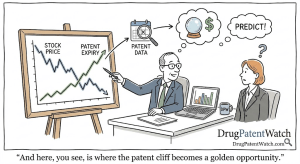
In the high-stakes world of pharmaceutical investing, few events are as predictable, as certain, and as profoundly impactful as the expiration of a drug’s patent. It is not a black swan event, arriving without warning to wreak havoc on an unsuspecting market. Instead, it is a slow-motion, telegraphed earthquake, with a countdown timer that ticks publicly for years, sometimes decades. For the unprepared, the tremor that follows—the infamous “patent cliff”—can be catastrophic, wiping out billions in revenue and market capitalization overnight. But for the savvy financial analyst, this ticking clock is not a harbinger of doom; it is the metronome of opportunity.
Welcome to the nexus of intellectual property law, clinical science, and high finance. Predicting the movement of pharmaceutical stocks is an intricate dance between evaluating the promise of a new drug in a Phase I trial and forecasting the decay of a blockbuster drug’s revenue stream. While the former is an exercise in managing profound uncertainty, the latter is a masterclass in analyzing a near-certainty. The expiration of market exclusivity is one of the most powerful, non-negotiable catalysts in the sector. It sets in motion a cascade of strategic events that ripple through the entire healthcare ecosystem, creating fertile ground for astute investors, agile generic manufacturers, and even the originator companies themselves—provided they are willing to innovate their business models.
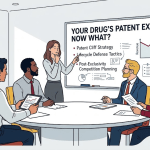
This report is your definitive guide to navigating that cliff. It is designed for the business professional—the equity research analyst, the portfolio manager, the corporate strategist—who seeks to transform the complex, often opaque world of patent data into a decisive competitive advantage. We will journey from the foundational principles of the pharmaceutical business model, which is built entirely on the concept of a temporary, patent-protected monopoly, to the advanced valuation models that quantify the financial fallout of losing that protection. We will dissect the defensive playbook of innovator companies and the offensive strategies of their generic and biosimilar challengers.
Ultimately, you will learn that analyzing a patent cliff is a game of nuances. It’s about understanding not just when a core patent expires, but the strength of the surrounding “patent thicket” that might delay the inevitable. It’s about predicting not just that generic competition will arrive, but how many competitors will show up and how quickly they will erode the incumbent’s market share. It’s about evaluating a company’s lifecycle management strategy and judging whether its next-generation product is a true innovation or a desperate attempt to cling to market share. Mastering this analysis is what separates the investors who merely react to the headlines from those who write them.
The Bedrock of Value: Deconstructing the Pharmaceutical Patent Ecosystem
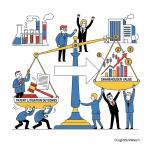
Before one can possibly hope to predict the financial shockwaves of a patent’s expiration, one must first understand why that single legal document holds such immense power. The entire economic architecture of the modern pharmaceutical industry is built upon the foundation of intellectual property. A patent is not merely a legal shield; it is the fundamental economic engine that justifies the colossal risks and capital expenditures inherent in drug development. To an analyst, a pharmaceutical company’s value is, in essence, the sum of its patent-protected cash flows, discounted for time and risk.
The Pharma Business Model: A High-Stakes Race Against Time
Imagine a business where your primary product development cycle takes 10 to 15 years, costs between $1 billion and $3 billion, and has a failure rate of over 90%.3 This is the stark reality of pharmaceutical research and development (R&D). For every drug that makes it to market, countless others fail in preclinical or clinical trials, representing billions in sunk costs that must be recouped by the few winners.6
How can any rational enterprise operate under such conditions? The answer lies in the patent system. A patent grants the innovator a temporary monopoly, typically for a term of 20 years from the date of the application filing.2 This period of market exclusivity is the crucial incentive that allows a company to charge premium prices for its novel medicine, free from direct competition. These monopoly profits are not just a reward; they are the lifeblood that funds the next cycle of innovation. It is no surprise that industry leaders like Merck, Pfizer, and Johnson & Johnson consistently reinvest a substantial portion of their revenues—often ranging from 15% to over 28% of total sales—back into R&D.
This unique economic model creates a delicate balance between incentivizing private-sector innovation and ensuring eventual public access to affordable medicine.2 For the financial analyst, understanding this dynamic is paramount. The patent is the asset. Its lifespan dictates the period of supernormal profits. The R&D pipeline represents the company’s attempt to create the
next patent-protected asset to replace the current one. The entire business is a relentless race against the ticking clock of patent expiry.
This long development cycle creates a fundamental tension that analysts must model: the “time value of patents.” A company often files a patent application very early in the discovery process, long before the drug enters human trials. This is a strategic necessity to establish a “priority date” and attract the venture capital needed for further development. However, this early filing means that a significant portion of the 20-year patent term is consumed before the drug ever generates a single dollar of revenue. An analyst who sees a company with a particularly long and arduous development timeline for a patented drug will immediately recognize that its effective commercial life will be shorter, and will therefore discount the total potential lifetime revenue, even if the patent has 15 years left on paper.
The 20-Year Illusion vs. Effective Patent Life
One of the most common and costly mistakes an investor can make is to look at a patent’s 20-year statutory term and assume it represents two decades of market dominance. This figure is profoundly misleading. The critical concept that every analyst must internalize is the effective patent life—the actual period of market exclusivity a company enjoys after a drug has been approved and launched.
As noted, the journey from discovery to market is a marathon that routinely consumes 10 to 15 years of the 20-year patent term.2 This “time sink” of preclinical research, multiple phases of rigorous clinical trials, and a demanding regulatory review process means that the actual period of market exclusivity for most new drugs is dramatically shorter, typically ranging from just 7 to 12 years.5
Think of it like buying a 20-year lease on a prime retail storefront but being forced to spend the first 12 years on construction and permitting. The time you are actually open for business and generating revenue is a fraction of the total lease term. This chasm between the nominal 20-year term and the 7-to-12-year window of actual market exclusivity is not merely a footnote in pharmaceutical economics; it is the crucible in which nearly every high-stakes commercial strategy is forged. It explains the industry’s aggressive launch pricing, its massive marketing expenditures, and its relentless, forward-looking focus on lifecycle management. The pressure to recoup a multi-billion-dollar investment in just a decade of sales is immense.
Anatomy of a Patent Portfolio: From Crown Jewel Patents to Defensive Thickets
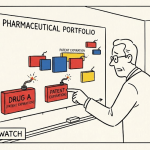
A sophisticated analyst knows that a drug’s defense against competition is rarely a single wall but a multi-layered fortress. This fortress is the company’s patent portfolio, and its strength and depth are critical determinants of value. Simply tracking the expiration date of the primary patent is a rookie mistake that can lead to disastrously inaccurate financial forecasts. A drug’s market monopoly is an “exclusivity stack” built with different types of patents, each serving a distinct strategic purpose.
Composition of Matter Patents: These are the crown jewels of the portfolio. They cover the active pharmaceutical ingredient (API) itself—the core molecule. These patents are the strongest, provide the broadest protection, and are the most difficult for a generic competitor to invalidate or design around.2 The expiration of the composition of matter patent is the main event, the date that typically signals the primary opening for generic competition.
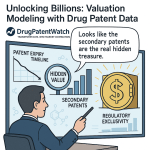
Secondary Patents and the “Patent Thicket”: This is where the art of corporate strategy comes into play. As the primary patent’s expiration looms, innovator companies build a dense and overlapping network of secondary patents to deter or delay competition. This is the infamous “patent thicket”. These secondary patents do not cover the core molecule but instead protect every other conceivable aspect of the drug, including:
Formulation Patents: Protecting unique delivery methods, such as an extended-release tablet that allows for once-daily dosing, a specific coating that improves stability, or a nanoparticle system that enhances bioavailability.2
Method-of-Use / New Indication Patents: Covering a new therapeutic use for an existing drug. For example, a drug initially approved for rheumatoid arthritis might later be found effective for psoriasis, and this new use can be patented.1
Process Patents: Protecting innovative and efficient methods for manufacturing the drug.
Other Specialized Patents: This can include patents on specific crystalline structures (polymorphs) or on the isolation of a single, more effective mirror-image molecule (chiral switch).2
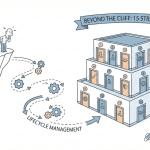
An analyst’s first task when evaluating an impending loss of exclusivity is to map this entire exclusivity stack. The expiration of the composition of matter patent may open the door for generics, but a formidable thicket of secondary patents can make walking through that door a protracted and expensive legal battle. The structure of this patent thicket is a direct indicator of the company’s lifecycle management (LCM) strategy and its confidence in that strategy. A company that begins filing numerous formulation and method-of-use patents five to seven years before the primary patent cliff is sending a clear signal to the market: it plans to defend its franchise aggressively. This allows analysts to model a “softer” landing post-cliff, potentially creating a valuation that is more optimistic than a consensus view focused only on the primary patent’s expiry date.
The Patent Cliff: Anatomy of a Multi-Billion Dollar Revenue Plunge
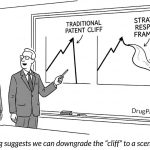
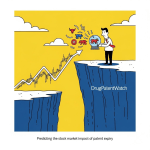
The term “patent cliff” is a colloquialism, but one that aptly captures the phenomenon: a sharp, sudden, and often catastrophic decline in revenue that a company experiences when a blockbuster drug loses patent protection and faces a flood of generic competition.7 This is not a gentle, sloping hill; it is a sheer drop that can redefine a company’s financial future.
Defining the Phenomenon: More Than Just a Metaphor
For a pharmaceutical company, especially one that has become heavily reliant on a single blockbuster product, the patent cliff is an existential threat that dominates strategic planning and investor sentiment for years leading up to the event. The loss of exclusivity transforms a high-margin, proprietary asset into a commodity, subject to intense price competition. This transition is the primary mechanism for cost control within modern healthcare systems, a powerful force for increasing patient access to affordable medicines, and, paradoxically, a critical catalyst for the next cycle of innovation. The immense pressure of an impending patent cliff compels innovator companies to aggressively reinvest their earnings into their R&D pipelines, searching for the next breakthrough therapy to replace the revenue streams of today.
Quantifying the Impact: The Brutal Economics of Market Share and Price Erosion
The financial impact of the patent cliff is staggering and swift. The entry of generic competitors unleashes a perfect storm of market share loss and price collapse.
Revenue Annihilation: It is not uncommon for a blockbuster drug’s revenue to plummet by 80-90% within the first 12 to 24 months of generic entry.10 When Pfizer’s cholesterol drug Lipitor, once the world’s best-selling medicine, lost its main patent in late 2011, its worldwide revenues fell by 59%, from $9.5 billion in 2011 to $3.9 billion in 2012.
Price Collapse: Generic drugs can be sold for as much as 80% to 85% less than their brand-name counterparts. This is because generic manufacturers do not bear the massive R&D costs of the innovator; they simply have to prove their version is bioequivalent. The price decline is directly correlated with the number of generic competitors. Research shows that with about three competitors, prices decline by 20%, but in markets with 10 or more competitors, prices can fall by 70% to 80% or more.
Market Share Erosion: The combination of lower prices and incentives from payers (insurers and pharmacy benefit managers, or PBMs) leads to a rapid shift in market share. Payers have a “Gx first” attitude, actively funneling patients to the cheaper generic versions as soon as they become available. The first generic entrant alone can capture a massive portion of the market, sometimes as much as 70-80% of the brand’s share within the first year. In the U.S., generic drugs now account for over 90% of all prescriptions filled, up from just 19% in 1984 when the modern generic industry was established.10
Predicting the number of generic filers is a key variable in any analyst’s valuation model. A drug that is complex to manufacture may only attract one or two generic challengers, leading to a slower price erosion and allowing the innovator to retain more revenue for longer. Conversely, a simple small-molecule drug might attract a dozen ANDA (Abbreviated New Drug Application) filers, ensuring a price collapse almost immediately upon the first generic launch.
The Looming Cliff (2025-2030): Identifying the Next Wave of Blockbuster Expirations
The pharmaceutical industry is perpetually staring down this precipice, but the period between 2025 and 2030 is projected to be one of the most significant patent cliffs in history. Industry analysts project that this period will see nearly 70 high-revenue products face patent expiration, putting a colossal $236 billion to $400 billion in annual revenue at risk globally.10 This looming wave of expirations is forcing companies to aggressively restock their pipelines by investing in R&D, licensing experimental therapies, or acquiring other drugmakers.
This phenomenon is not merely an internal concern for pharmaceutical companies. It has profound implications for investors, who scrutinize a company’s pipeline and patent portfolio for signs of vulnerability. A looming, unaddressed patent cliff can erode investor confidence, depress stock prices, and limit a company’s access to the capital needed for future innovation. The following table highlights some of the key blockbuster drugs whose market exclusivity is expected to be challenged in the coming years, providing a tangible sense of the scale of this impending financial shift.
Drug Name (Brand)
Innovator Company
Primary Indication
Peak Annual Sales (USD)
Expected U.S. Patent Expiration
Keytruda (pembrolizumab)
Merck
Cancer (Immunotherapy)
~$29.5 Billion (2023)
2028
Eliquis (apixaban)
Bristol-Myers Squibb / Pfizer
Blood Thinner
>$12 Billion
~2026-2028
Stelara (ustekinumab)
Johnson & Johnson
Immune Disease
~$11 Billion (2023)
2025 (biosimilars entering)
Opdivo (nivolumab)
Bristol-Myers Squibb
Immunotherapy
>$9 Billion
~2028
Eylea (aflibercept)
Regeneron
Eye Treatment
>$9 Billion
~2025
Darzalex (daratumumab)
Johnson & Johnson
Cancer
>$12 Billion
~2029
Entresto (sacubitril/valsartan)
Novartis
Heart Failure
>$6 Billion
~2025
Ozempic (semaglutide)
Novo Nordisk
Diabetes / Weight Loss
>$13 Billion (2023)
~2029
Table 1: A selection of key blockbuster drugs facing loss of market exclusivity in the U.S. between 2025 and 2030. Sales figures and expiration dates are estimates based on company reports and analyst projections.10
This at-a-glance view immediately identifies the companies most exposed to the upcoming cliff and the assets most at risk, serving as an essential starting point for any deep-dive financial analysis.
The Analyst’s Toolkit: Sourcing and Interpreting Patent Expiry Data
To transform the abstract threat of a patent cliff into a concrete, actionable investment thesis, financial analysts rely on a specialized toolkit of data sources and analytical techniques. The process is akin to detective work, requiring the piecing together of clues from regulatory filings, legal documents, and specialized databases to build a comprehensive picture of a drug’s exclusivity landscape. Raw data is abundant, but the real value lies in knowing where to find it, how to interpret it, and how to synthesize it into strategic intelligence.
Decoding the FDA’s Orange Book: A Practical Guide for Financial Analysis
For any analyst focused on the U.S. market, the journey begins with a document colorfully known as the “Orange Book.” Officially titled Approved Drug Products with Therapeutic Equivalence Evaluations, this publication from the U.S. Food and Drug Administration (FDA) is the authoritative public ledger for small-molecule drugs.25 Its strategic importance for financial analysis skyrocketed after the passage of the 1984 Hatch-Waxman Act, which mandated the inclusion of patent and exclusivity information, transforming it from a primarily clinical resource into an essential competitive intelligence tool.18
The Orange Book is a treasure trove of data points that are critical inputs for any valuation model :
Patent Listings: Innovator companies are required to list the patents that cover their approved drug, its formulation, or its method of use. Each listing includes the patent number and, most importantly, the patent expiration date.
Regulatory Exclusivities: The Orange Book also tracks non-patent exclusivities granted by the FDA. These can run concurrently with patents and sometimes provide additional protection even after a key patent has expired. Key types include:
New Chemical Entity (NCE) Exclusivity: Five years of market protection for a drug containing an active ingredient never before approved by the FDA.5
Orphan Drug Exclusivity (ODE): Seven years of exclusivity for drugs that treat rare diseases.5
Pediatric Exclusivity: Adds six months to existing patents and exclusivities as an incentive for conducting studies in children.
Patent Use Codes: These are alphanumeric codes that describe the specific approved use or indication covered by a method-of-use patent.27
An analyst must track both patent expiry and regulatory exclusivity dates, as the later of the two will often dictate the true date of first generic competition. For example, a key patent on a drug might expire, but an unexpired 7-year Orphan Drug Exclusivity could still block generic market entry for several more years.
However, a savvy analyst knows not to take the Orange Book at face value. The FDA’s role is purely “ministerial”—it lists the patent information submitted by the innovator company without independently verifying its accuracy or validity. This creates the potential for innovator companies to engage in “improper listings,” where they list patents that may be weak or not directly relevant to the approved drug, simply to create additional legal hurdles for generic challengers. A sophisticated analyst will therefore cross-reference the patents listed in the Orange Book with data from the U.S. Patent and Trademark Office (USPTO) and, crucially, with ongoing litigation records to assess the quality and vulnerability of the listed patents. A successful legal challenge could invalidate a key patent, moving the effective loss of exclusivity date up significantly and creating a sudden negative catalyst for the stock.
Gaining a Competitive Edge with Intelligence Platforms like DrugPatentWatch
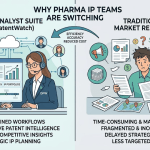
While the Orange Book is the foundational source for U.S. data, it is cumbersome, U.S.-centric, and lacks analytical tools. This is where commercial intelligence platforms become indispensable for the modern financial analyst. Services like DrugPatentWatch are designed to aggregate, curate, and analyze data from a multitude of global sources, transforming raw information into actionable business intelligence.12
These platforms provide a significant competitive edge by offering:
Global Coverage: They consolidate patent information from over 130 countries, which is essential for valuing companies with international sales.29
Integrated Data: They link patent data to regulatory filings, clinical trial information, and, critically, litigation updates, providing a holistic view of a drug’s competitive landscape.29
Advanced Analytics and Alerts: They offer powerful search functionalities, automated email alerts for key events (like new patent challenges or litigation outcomes), and forecasting tools that help analysts identify market entry opportunities and anticipate future revenue events.29
For an analyst, the efficiency gain is enormous. Instead of manually combing through disparate government databases, a platform like DrugPatentWatch provides a structured, up-to-date, and comprehensive view, allowing the analyst to spend less time on data collection and more time on strategic analysis—assessing the strength of patent portfolios, tracking competitors’ R&D paths, and conducting thorough due diligence for M&A or investment decisions.12
Beyond the Basics: Integrating Litigation Dockets and Global Patent Data
The most sophisticated analysis goes beyond simply noting a patent’s expiration date. It involves actively monitoring the legal battles that determine when, and if, that date will hold. In the U.S. system established by the Hatch-Waxman Act, a Paragraph IV (PIV) certification filed by a generic company is the opening salvo in this war. It is a declaration by the generic firm that it believes the innovator’s patent is invalid, unenforceable, or will not be infringed by its generic product.
This filing is the earliest and most reliable public signal of an impending competitive challenge. If the brand company sues the generic filer for patent infringement within 45 days, it triggers an automatic 30-month stay of FDA approval for the generic drug, giving the parties time to litigate the dispute. The outcome of this litigation is a major stock catalyst for both companies involved.
Therefore, an analyst must become a quasi-legal expert, tracking PIV filings and the progress of these lawsuits through court dockets. Key events to watch for include:
Settlement Agreements: Often, the brand and generic companies will settle out of court. The terms of these settlements, when disclosed, can provide a firm date for generic entry, removing a major source of uncertainty for investors. This can often lead to a “relief rally” in the innovator’s stock, as the worst-case scenario of an early, at-risk launch is avoided.
Court Rulings: A district court or appellate court ruling that invalidates a key patent can be catastrophic for the innovator’s stock, as it can open the floodgates to generic competition years earlier than anticipated. Conversely, a ruling that upholds the patent’s validity can be a major positive catalyst, securing the innovator’s revenue stream.
From Data to Dollars: Financial Modeling in the Shadow of a Patent Cliff
Sourcing and interpreting patent data is only the first step. The ultimate goal for a financial analyst is to translate that intelligence into a quantifiable impact on a company’s valuation and stock price. This is where the art of financial modeling comes in. Standard valuation methodologies must be heavily adapted to account for the unique, binary-outcome nature of the pharmaceutical industry and the dramatic financial effects of a patent cliff.
Adjusting the Discounted Cash Flow (DCF) Model for Loss of Exclusivity (LOE)
The Discounted Cash Flow (DCF) model is a foundational valuation method in finance. It involves projecting a company’s future free cash flows and discounting them back to their present value to determine the company’s intrinsic worth.32 For a typical company with stable growth, this is a relatively straightforward exercise. For a pharmaceutical company, however, a standard DCF model is worse than useless—it’s dangerously misleading if it fails to account for patent cliffs.
An analyst must build a detailed, drug-by-drug revenue forecast. For each major product, the model must project a steep, precipitous decline in sales and a severe compression of profit margins beginning in the quarter immediately following the loss of exclusivity (LOE). The slope of this revenue decay curve is a critical assumption, informed by the patent analysis:
A simple small-molecule drug with many expected generic competitors will have a very steep decay curve, with revenues modeled to fall 80-90% within 1-2 years.
A complex biologic facing only a few biosimilar challengers will have a much shallower decay curve, with revenues declining more gradually over several years.
Furthermore, the “terminal value” calculation—which typically assumes a stable growth rate into perpetuity—must be fundamentally rethought. For a pharma company, the terminal value must reflect a business where its former cash-cow products have become low-margin commodities.
The Gold Standard: Risk-Adjusted Net Present Value (rNPV)
While a modified DCF is a good start, the gold standard for valuation in the pharmaceutical and biotechnology sectors is the Risk-Adjusted Net Present Value (rNPV) model.33 This methodology enhances the traditional DCF by explicitly incorporating the immense risk and binary outcomes inherent in drug development.
The mechanics of an rNPV model involve adjusting the projected cash flows for each drug in a company’s pipeline by its Probability of Success (POS). This POS is not a static number; it changes as a drug progresses through the stages of development:
Preclinical: POS might be <5%
Phase I: POS might increase to ~10-15%
Phase II: POS might jump to ~30-40%
Phase III: POS could be ~60-70%
Filed with FDA (NDA/BLA): POS might be >90%
The rNPV is calculated for each individual asset, and these values are then summed to arrive at a total valuation for the company’s pipeline (a Sum-of-the-Parts approach).
This is where patent analysis becomes a direct, quantitative input into the valuation model. The POS is not just a reflection of clinical trial risk; it’s a reflection of commercial risk. A drug could have spectacular Phase III data, but if its core patent is weak and facing credible legal challenges, its commercial POS is significantly lower. A sophisticated analyst will often use a blended probability, multiplying the clinical POS by a commercial POS, which is heavily influenced by the strength of the patent portfolio and the status of any ongoing litigation. A negative court ruling against a key patent could slash the commercial POS for a late-stage drug from 90% to near zero, torpedoing its contribution to the rNPV and, consequently, the analyst’s target price for the stock.
Sum-of-the-Parts (SOTP) Analysis: Valuing the Pipeline One Drug at a Time
The Sum-of-the-Parts (SOTP) valuation approach is a natural extension of the rNPV method and is commonly used for biotech and pharma companies with multiple drug candidates or a broad pipeline. With SOTP, each drug or asset in the pipeline is valued separately, typically using its own rNPV model. The present values of all these individual assets are then summed up, and the company’s net debt is subtracted to arrive at a final equity valuation.
This granular approach is incredibly powerful for analyzing a patent cliff. It allows an analyst to precisely isolate the value contribution of the blockbuster drug facing LOE. This helps to answer critical investment questions:
How much of the company’s current market capitalization is attributable to this single, at-risk drug?
Is the market over- or under-valuing the rest of the company’s pipeline, which represents the future sources of growth?
If the market is assigning a near-zero value to the post-cliff pipeline, does this represent a deep-value investment opportunity, assuming the analyst has a more optimistic view of the company’s R&D prospects?
By breaking the company down into its constituent parts, the SOTP analysis provides a much clearer picture of the risks and opportunities than a single, consolidated DCF model ever could.
Key Ratios and Metrics to Monitor
Alongside these complex valuation models, analysts monitor a set of key financial ratios that are particularly informative for the pharmaceutical industry. These ratios provide a snapshot of a company’s health and can flash warning signs as it approaches a patent cliff.
Return on Research Capital (RORC): This is a crucial, industry-specific metric calculated as:
RORC reveals how effectively a company is translating its R&D spending into profitable products. A declining RORC as a company approaches a patent cliff can be a red flag, suggesting that its massive R&D spending is not yet yielding the next generation of blockbusters needed to replace lost revenue.
Profitability Ratios (Operating Margin, Net Margin): These are fundamental indicators of a company’s efficiency. Analysts will model a significant compression in these margins in the years following a patent cliff, as high-margin branded sales are replaced by lower-margin products or royalty streams.
Price-to-Earnings (P/E) Ratio: While a common metric, the P/E ratio must be interpreted with extreme caution for a pharma company facing LOE. A high P/E ratio, which often indicates high growth expectations, is a major warning sign if a company’s main revenue driver is about to fall off a cliff. It suggests the market may not be fully pricing in the impending earnings collapse.
The Innovator’s Playbook: Analyzing Corporate Defense Strategies
A pharmaceutical company’s stock performance through a patent cliff is not preordained. It is a direct result of the strategic decisions made by its management team in the years leading up to the loss of exclusivity. For a financial analyst, simply identifying the cliff is not enough; the real work lies in evaluating the effectiveness of the innovator’s defensive playbook. A company with a well-executed strategy can navigate the cliff and emerge stronger, while a company that fails to prepare can see its value permanently impaired.
Lifecycle Management and “Evergreening”: Extending the Monopoly
One of the most powerful—and controversial—strategies in the innovator’s playbook is known as “evergreening.” This is the practice of making strategic, often incremental, modifications to an existing drug to secure new patents and thereby extend its market monopoly far beyond the expiration of the original composition of matter patent.5
“With evergreening, pharmaceutical companies repeatedly make slight, often trivial, modifications to drugs, dosage levels, delivery systems or other aspects to obtain new protections.”
From an analyst’s perspective, evergreening is a critical strategy to evaluate. Common tactics include:
New Formulations: Developing an extended-release version of a pill that allows for once-daily dosing instead of twice-daily.2
New Delivery Systems: Switching from an oral tablet to a transdermal patch or an auto-injector.
Combination Therapies: Packaging the drug with another complementary therapeutic agent into a single pill.13
“Product Hopping”: A particularly aggressive strategy where the company heavily promotes the new, patent-protected version of the drug and simultaneously withdraws the older version from the market just before it faces generic competition. This forces patients and doctors to switch to the new product, making it difficult for pharmacists to substitute the generic version of the original drug when it becomes available.42
The analyst’s job is to determine whether these modifications represent a genuine clinical benefit that will convince the market to adopt the new version, or if they are trivial changes that will fail to prevent a mass exodus to cheaper generics. The success of an evergreening strategy can mean the difference between a steep cliff and a gentle, manageable slope, potentially adding billions of dollars in extended revenue.
The Authorized Generic (AG) Gambit: A Strategic Counter-Offensive
As the patent cliff draws near, innovator companies often deploy a sophisticated counter-maneuver known as the authorized generic (AG). An AG is the exact same drug product as the branded version—same formulation, same manufacturing process—but marketed without the brand name, typically through a subsidiary or a third-party partner.45
The strategic brilliance of the AG lies in its timing. Under the Hatch-Waxman Act, the first generic company to successfully challenge a brand’s patents is rewarded with a 180-day period of market exclusivity, during which no other generic company can enter the market.15 However, the courts have ruled that this exclusivity does not prevent the brand company itself from launching its own generic version.
By launching an AG to compete directly with the first-filer generic, the innovator company achieves several objectives:
Market Share Recapture: It immediately captures a significant portion of the generic market that it would otherwise have lost entirely.
Price Management: It introduces competition during the 180-day period, putting downward pressure on the first-filer’s price and limiting their monopoly profits.
Revenue Softening: While it involves cannibalizing its own high-priced brand sales, the innovator retains a substantial revenue stream from the AG sales, softening the overall financial blow of the patent cliff.
The impact on the first-filer generic can be devastating. Research by the Federal Trade Commission found that the presence of an AG reduces the first-filer generic’s revenues by an average of 40% to 62%. For this reason, the mere threat of launching an AG becomes a powerful bargaining chip for the brand company in patent settlement negotiations. The brand can offer a “no-AG” agreement in exchange for the generic company agreeing to a later market entry date. An analyst must therefore assess not only the likelihood of an AG launch but also its potential use as leverage in legal settlements that dictate the ultimate timing of competition.
M&A and Pipeline Replenishment: Buying a Bridge Over the Cliff
Perhaps the most straightforward strategy for dealing with a patent cliff is to buy your way out of it. The threat of a looming revenue collapse is one of the single biggest drivers of mergers and acquisitions (M&A) in the pharmaceutical industry.7
Companies flush with cash from their blockbuster drugs will use that capital to acquire or license assets from smaller biotechnology companies that have promising drugs in their pipelines.22 This allows the larger company to essentially “bolt on” a new source of future revenue to replace what will be lost to generic competition.
For a financial analyst, a company’s M&A strategy is a crucial indicator of its long-term health and its ability to navigate the cliff. The key questions to ask are:
Is the company being proactive, making strategic acquisitions years in advance of the cliff?
Are the acquired assets a good fit for the company’s existing expertise in R&D and commercialization?
Is the company paying a reasonable price, or is it overpaying for assets out of desperation?
A single, well-executed acquisition can completely change the investment narrative for a company facing a patent cliff. It can demonstrate to the market that management has a credible plan for future growth, leading to a significant re-rating of the company’s stock long before the patent on its legacy drug actually expires.
The Challenger’s Opportunity: Investing in the Generic and Biosimilar Wave
While the patent cliff represents a formidable threat to innovator companies, it is a massive, pre-announced opportunity for the challengers: the manufacturers of generic and biosimilar drugs. For every dollar of revenue an innovator loses, a significant portion is redistributed to these companies and, ultimately, to the healthcare system in the form of cost savings. This creates a parallel universe of investment opportunities for analysts who can identify the likely winners in the race to market.
Generics vs. Biosimilars: A Tale of Two Cliffs and Different Erosion Curves
A critical mistake for an investor is to assume that all patent expirations are created equal. The market dynamics following the loss of exclusivity for a traditional, small-molecule drug are vastly different from those for a complex, large-molecule biologic.
Generics (Small Molecules): These are chemically synthesized drugs that are relatively easy to replicate. A generic manufacturer simply needs to prove to the FDA that its version is chemically identical and bioequivalent to the brand-name drug. The development process is relatively short (2-3 years) and inexpensive ($2M-$10M). This low barrier to entry means that when a small-molecule blockbuster goes off-patent, it often faces a flood of competitors, leading to rapid and severe price erosion of 80-90% or more.7
Biosimilars (Biologics): These are large, complex molecules (like monoclonal antibodies) produced in living cells. They cannot be copied identically, only made “highly similar” with no clinically meaningful differences in safety and efficacy.51 The development process is an order of magnitude more complex, lengthy (7-9 years), and expensive ($100M-$300M).51
This fundamental difference in complexity creates a much higher barrier to entry for biosimilars. As a result, a blockbuster biologic typically faces fewer competitors upon patent expiry. This leads to a slower, less severe price erosion, often in the range of 15-30% initially, and a more gradual loss of market share for the innovator.51 Furthermore, factors like physician hesitancy to switch stable patients and the lack of automatic pharmacy-level substitution for most biosimilars in the U.S. contribute to this slower uptake compared to the rapid market capture seen with generics.55
For an analyst, this distinction is crucial. The revenue decay curve modeled for a biologic patent cliff must be significantly shallower than that for a small-molecule drug. The “cliff” for a biologic often looks more like a “long, winding slope.” This changes the entire valuation impact and the nature of the investment thesis for both the innovator and the biosimilar challengers.
Metric
Small-Molecule Generics
Biologics / Biosimilars
Molecular Complexity
Low (Chemically synthesized)
High (Produced in living cells)
Development Cost
$2M – $10M
$100M – $300M
Development Timeline
2 – 3 years
7 – 9 years
Regulatory Pathway
Abbreviated (ANDA) – prove bioequivalence
Abbreviated (BPCIA) – prove “high similarity”
Number of Competitors
High (often 10+)
Low (often 1-5 initially)
Price Erosion (Year 1)
High (80-90%+)
Moderate (15-30% initially)
Market Share Erosion (Year 1)
Rapid and severe
Slower and more gradual
Automatic Substitution
Common at pharmacy level
Rare (requires “interchangeability” status)
Table 2: A comparative analysis of the key market dynamics for small-molecule generics versus large-molecule biosimilars.51
Identifying Winning Generic Players: The First-to-File Advantage and Complex Generics
In the traditional generics space, the investment case for a company often hinges on its ability to be the “first-to-file.” As established by the Hatch-Waxman Act, the first generic company to submit an ANDA with a Paragraph IV certification is rewarded with a 180-day period of market exclusivity.1 During this six-month window, it faces competition only from the brand and its potential authorized generic, not from any other generic manufacturers.
This is an incredibly lucrative period. The first-filer can price its product at a smaller discount to the brand, capture massive market share, and earn supernormal profits before full-blown competition arrives and drives prices down to commodity levels. Research shows that first movers can capture a market share advantage of up to 90% that can persist for years. Therefore, analysts will closely track which generic companies are filing PIV challenges against major blockbusters and assess their legal track record and manufacturing capabilities. A successful first-to-file launch can be a transformative event for a mid-sized generic company’s stock.
Additionally, a growing area of opportunity for investors is in “complex generics.” These are generic versions of drugs that are difficult to formulate or manufacture, such as long-acting injectables, transdermal patches, or inhalation products. Because the technical barriers to entry are much higher than for a simple pill, these products attract fewer competitors, allowing the successful generic manufacturers to maintain higher prices and healthier profit margins for longer.
Advanced Investment Theses and Event-Driven Trading
Beyond the fundamental analysis of innovators and challengers, the predictable nature of the patent cliff creates opportunities for more sophisticated, event-driven trading strategies. These are typically higher-risk, higher-reward plays favored by hedge funds and specialized investors who have a deep understanding of the legal and regulatory nuances.
The “Big Patent Short”: A High-Stakes Bet on Revenue Collapse
The most direct way to trade on a patent cliff is to bet against the innovator company. A looming, unaddressed patent cliff is a powerful negative catalyst that can erode investor confidence and depress a company’s stock price long before the actual loss of revenue occurs.
An analyst might construct a “short” thesis on a company that exhibits several red flags:
High Concentration: Over-dependence on a single blockbuster drug for a majority of its revenue and profits.
Weak Patent Thicket: The drug is protected by only a few patents, or its key secondary patents are facing credible legal challenges.
Thin Pipeline: The company has few promising late-stage assets to replace the impending revenue loss.
Market Complacency: The stock’s valuation (e.g., its P/E ratio) does not appear to fully reflect the severity of the upcoming earnings decline.
The strategy involves short-selling the stock in anticipation of a future catalyst that will force the market to re-evaluate the company’s prospects, such as a negative court ruling, a failed clinical trial for a pipeline drug, or a quarterly earnings report that reveals the initial, brutal impact of generic competition.
In a more aggressive and controversial version of this strategy, some activist investors have taken a short position in a pharmaceutical company’s stock and then actively worked to catalyze the price drop by filing Inter Partes Review (IPR) petitions with the USPTO to challenge the validity of the company’s key patents.61 This strategy, famously employed by hedge fund manager Kyle Bass, essentially weaponizes the patent review process to profit from a decline in the target company’s stock price.61
Litigation Arbitrage: Trading on the Outcomes of Patent Challenges
A less confrontational but equally sophisticated strategy is litigation arbitrage. As previously discussed, the outcome of patent litigation between a brand company and a generic challenger is a major binary event that can cause significant, immediate swings in the stock prices of both companies.
This strategy involves taking a position—either long or short in the innovator, the generic challenger, or both (a pair trade)—ahead of a key court ruling, a patent office decision, or a settlement announcement. Success requires a deep, specialized analysis that goes beyond standard financial modeling. The analyst must effectively handicap the legal battle, assessing factors such as:
The strength of the patents in question.
The quality of the prior art cited by the generic challenger.
The track record of the law firms involved.
The judicial precedent in the specific court where the case is being heard.
For example, if an analyst’s research suggests a high probability that a generic company will win its patent case against a major blockbuster, they might go long the generic company’s stock and short the innovator’s stock. If the court rules in the generic’s favor, the innovator’s stock would likely fall sharply, while the generic’s stock would rally on the prospect of a lucrative new product launch, resulting in a profitable trade. This is a high-risk strategy, as an incorrect legal prediction can lead to substantial losses, but the potential rewards are equally significant.
Case Studies in Action: Learning from the Giants
Theory and financial models are essential, but the true lessons of the patent cliff are written in the history of the industry’s biggest blockbusters. By examining how legendary drugs navigated their loss of exclusivity, we can see these strategic concepts play out in the real world, with billions of dollars and market leadership on the line.
The Archetype: Pfizer’s Masterclass in Managing the Lipitor Cliff (2011)
When the core patent on Pfizer’s Lipitor (atorvastatin) expired in November 2011, it was a seismic event for the industry. Lipitor was not just a blockbuster; it was the best-selling drug in the history of medicine, with peak annual sales of approximately $13 billion and over $130 billion in lifetime revenue.10 The company was facing a revenue chasm of unprecedented scale.
Pfizer’s response became a textbook case study in aggressive, multi-pronged lifecycle management, demonstrating nearly every tool in the innovator’s defensive playbook.65
Pre-Cliff Defense: In the years leading up to 2011, Pfizer continued to invest heavily in marketing and direct-to-consumer advertising to fortify the Lipitor brand, even as the patent clock wound down. It also engaged in “pay-for-delay” litigation settlements to manage the timing of the first generic entry.
The 180-Day War: The six months following the patent expiry were a masterclass in market share combat.
The Authorized Generic Gambit: Pfizer did not cede the generic market. It launched its own authorized generic through a partnership with Watson Pharmaceuticals, immediately competing with the first-filer generic, Ranbaxy.10 This allowed Pfizer to retain an estimated 70% of the profit from Watson’s sales, capturing a large slice of the generic revenue pie.
The “Lipitor-For-You” Rebate Program: In an unprecedented move, Pfizer went to war on price against the generic. It offered rebate cards directly to patients, allowing them to get branded Lipitor for a co-pay as low as $4 per month—often cheaper than the generic co-pay.10 It also offered deep rebates to PBMs and insurers to keep branded Lipitor in a preferred position on formularies.
The Outcome: Pfizer’s strategy was a qualified success. It managed to retain a surprisingly high market share of approximately 30% at the end of the 180-day exclusivity period, far exceeding analyst expectations. However, the financial cost was immense. The deep discounting and cannibalization from its own AG meant that while market share was preserved, revenue and earnings still plummeted. Pfizer’s full-year 2012 revenues fell by 10% to $59.0 billion from $65.3 billion in 2011, an operational decline of $4.8 billion driven almost entirely by the loss of Lipitor.68 U.S. branded Lipitor revenues in the second quarter of 2012 were just $296 million, down from $1.4 billion in the prior-year quarter.
For analysts at the time, the key was to model not just the loss of exclusivity, but the cost of Pfizer’s defensive strategy. Those who correctly predicted that Pfizer would sacrifice margin to defend market share would have had more accurate earnings forecasts. The stock’s performance reflected this turmoil; after years of languishing, Pfizer’s price-to-book ratio was at a low of 1.08 in 2011 before beginning a slow recovery in 2012 and 2013 as the company moved past the worst of the cliff and its new pipeline began to gain traction.
The Modern Battlefield: AbbVie’s Humira and the Unprecedented Patent Thicket (2023)
If Lipitor was the classic small-molecule cliff, AbbVie’s Humira (adalimumab) represents the modern biologic battlefield. Humira, an anti-inflammatory drug, was AbbVie’s cash cow, peaking at over $21 billion in annual sales and generating over 60% of the company’s revenue.10 The loss of its core composition of matter patent in the U.S. was a long-anticipated threat.
AbbVie’s defense was not a six-month war; it was a decade-long siege built on an intellectual property fortress of unprecedented scale: the patent thicket.
Building the Fortress: AbbVie built a massive and complex web of patents around Humira. It filed over 247 patent applications in the U.S., resulting in over 165 granted patents.74 Crucially, 89% of these patent applications were filed after Humira was already approved and on the market. These secondary patents covered everything from manufacturing processes and formulations to specific methods of use for different autoimmune conditions.
Delaying the Inevitable: This patent thicket made it extraordinarily difficult and risky for biosimilar manufacturers to challenge AbbVie. While biosimilars entered the European market in 2018, AbbVie used its U.S. patent thicket to fend off competition for five additional years through a series of litigation settlements with potential challengers.77 These settlements orchestrated a staggered entry for multiple biosimilars throughout 2023, preventing a single “cliff” event and a sudden price collapse. This five-year delay is estimated to have cost the U.S. healthcare system over $19 billion.76
The Outcome: AbbVie’s strategy has been remarkably successful in managing the initial phase of its LOE. The staggered entry of biosimilars and AbbVie’s strong relationships with PBMs have resulted in a much slower erosion of market share than many analysts had predicted. In the first nine months of 2023, Humira’s sales fell by 30.8%—a significant drop, but far from the 80-90% collapse typical of a small-molecule cliff. AbbVie’s stock has remained resilient, as the company’s other immunology drugs, Skyrizi and Rinvoq, have shown stellar growth, helping to offset the Humira decline.
For analysts, the Humira case demonstrated the immense power of a well-constructed patent thicket in the age of biologics. Those who focused solely on the 2016 expiration of the primary patent were wrong for nearly seven years. The winning analysis required a deep dive into the secondary patents, an understanding of patent litigation strategy, and a correct forecast that AbbVie could use its IP fortress to negotiate a “soft landing” rather than a hard fall off the cliff.
The Future of the Patent Cliff: AI, Biologics, and Beyond
The strategic landscape of pharmaceutical investing is in constant flux. The nature of the patent cliff itself is evolving, driven by scientific innovation, technological disruption, and shifting regulatory frameworks. Financial analysts who fail to adapt their models and analytical approaches to these new realities will be left behind, relying on outdated assumptions that no longer reflect the market’s complexities.
How New Drug Modalities are Changing the Exclusivity Landscape
The era of the small-molecule blockbuster, while not over, is now sharing the stage with a new class of medicines: biologics. As the Humira case study illustrates, the patent cliff for these complex therapies is fundamentally different. But the evolution doesn’t stop there. The next wave of expirations will involve even more complex modalities, further changing the dynamics of exclusivity.
The Dominance of Biologics: The upcoming patent cliff between 2025 and 2030 will be dominated by biologics like Keytruda and Opdivo.81 As we’ve established, the high cost and complexity of developing biosimilars mean fewer competitors, slower price erosion, and a more gradual decline for the innovator.54
The “Biosimilar Void”: The challenges of biosimilar development are so significant that for many biologics losing patent protection, there are no biosimilars in development at all. One analysis found that of 118 biologics expected to lose patent protection over the next decade, 106 have no publicly disclosed biosimilar competitors in the pipeline.82 This “biosimilar void” suggests that for many of these products, the innovator may enjoy a de facto monopoly long after its patents expire, a critical factor for analysts to incorporate into their long-term revenue forecasts.
Cell and Gene Therapies: Looking further ahead, the industry is moving towards highly personalized cell and gene therapies. For these products, the concept of a “generic” or “biosimilar” is not yet well-defined. The most valuable intellectual property may not be the therapeutic agent itself, but the proprietary manufacturing processes, gene-editing tools, and delivery systems. Valuing these companies will require analysts to develop entirely new frameworks for assessing the durability of their competitive moats.
The Role of AI in Predicting Patent Strength and Litigation Success
The other great disruptor on the horizon is Artificial Intelligence (AI). AI and machine learning are already beginning to revolutionize the R&D process itself, with the potential to significantly shorten drug development timelines and reduce costs.3 This could help companies refill their pipelines faster, making them more resilient to patent cliffs.
But the more direct impact on financial analysis may come from using AI as an analytical tool. The next frontier for investment research will likely involve leveraging AI to gain a predictive edge in the very areas we have discussed:
AI-Powered Patent Valuation: Emerging AI-driven tools are being developed to provide more objective and standardized valuations of patent strength. These tools can analyze the text of patent claims, the frequency of citations, and the prosecution history to generate a quantitative score for a patent’s quality and importance.
Predictive Litigation Analytics: Sophisticated algorithms could be trained on vast datasets of past patent litigation cases. By analyzing factors like the patents in question, the parties involved, the legal arguments, and the presiding judge, these models could begin to predict the probability of success in ongoing patent challenges. This could transform a key qualitative judgment—”who is likely to win this lawsuit?”—into a quantitative input for an rNPV model, providing a significant analytical edge.
Automated Market Forecasting: AI algorithms are already being marketed for stock forecasting in the pharmaceutical sector.87 As these models become more sophisticated, they could integrate patent expiry data, litigation outcomes, and competitive intelligence to generate more accurate forecasts of market share erosion and stock price movements around a loss of exclusivity event.
While still in its early stages, the integration of AI into the patent analysis workflow promises to add a new layer of quantitative rigor to what has historically been a blend of data analysis and expert judgment. The analysts who master these new tools will be best positioned to navigate the patent cliffs of the future.
Key Takeaways
Patent Expiry is the Single Most Predictable and Impactful Catalyst: Unlike clinical trial data or regulatory decisions, a drug’s loss of exclusivity is a known, scheduled event. Mastering its analysis provides a significant, repeatable edge in pharmaceutical investing.
Focus on “Effective Patent Life,” Not the 20-Year Term: The actual period of market exclusivity post-launch is typically only 7-12 years. This compressed timeframe dictates corporate strategy and is the most critical input for any realistic financial model.
Analyze the Entire “Exclusivity Stack”: A drug’s defense is a fortress, not a single wall. An analyst must map the entire portfolio, including the core composition of matter patent, the surrounding “patent thicket” of secondary patents, and any regulatory exclusivities. The strength of this stack determines the slope of the revenue decline.
The Patent Cliff is a Quantifiable Financial Event: The loss of exclusivity triggers a rapid and severe decline in revenue, often 80-90% within the first two years for small-molecule drugs. This must be explicitly modeled in valuation tools like DCF and rNPV by forecasting a steep revenue decay curve and margin compression.
Corporate Strategy Determines the Outcome: A company’s stock performance through a patent cliff is not preordained. Analysts must critically evaluate the innovator’s defensive playbook, including lifecycle management (“evergreening”), the use of authorized generics, and M&A activity to replenish the pipeline.
Generics and Biosimilars Present Different Opportunities: The market erosion for biologics is slower and less severe than for traditional small-molecule drugs due to higher barriers to entry. This requires distinct analytical models and creates different types of investment opportunities in the challenger companies.
Litigation is a Key Catalyst: The filing of a Paragraph IV challenge is the first shot in the war for market share. Tracking the progress and outcomes of patent litigation is a critical, event-driven component of the analysis that can trigger major stock movements.
Utilize Specialized Intelligence Platforms: While public sources like the FDA’s Orange Book are essential, commercial platforms such as DrugPatentWatch are indispensable for providing the curated, global, and integrated data needed for efficient and comprehensive analysis.
Frequently Asked Questions (FAQ)
1. How does the Inflation Reduction Act (IRA) and its drug price negotiation provisions change how analysts model the patent cliff?
The IRA introduces a significant new variable into the valuation equation. Previously, a drug’s price was largely set by the manufacturer and could be increased annually until its patent expired. Under the IRA, Medicare can now negotiate prices for certain high-expenditure drugs nine years (for small molecules) or thirteen years (for biologics) after their initial approval. This has two major effects on patent cliff analysis:
Shortens the Peak Profitability Window: The period of maximum, unconstrained pricing is now potentially shorter than the patent life. An analyst must model a “price cliff” that may occur before the “patent cliff,” reducing the total lifetime revenue a drug can generate.
Alters Strategic Incentives: The IRA may disincentivize “evergreening” strategies aimed at small extensions of exclusivity, as the drug may already be subject to negotiated pricing by that point. Conversely, it may increase the incentive for companies to focus on biologics, which have a longer, 13-year pre-negotiation window.
2. What are the key differences in analyzing a patent cliff in the U.S. versus Europe?
While the concept is the same, the mechanics are very different, requiring separate analyses. Key differences include:
Centralized vs. National Systems: In Europe, biosimilars can be approved centrally by the European Medicines Agency (EMA), but pricing, reimbursement, and uptake policies are determined at the national level, leading to highly variable market erosion rates across different countries.
Patent Litigation: The U.S. has the unique, structured Hatch-Waxman and BPCIA litigation frameworks (e.g., 30-month stay, PIV challenges). In Europe, patent enforcement is typically handled through national courts, creating a more complex and fragmented legal landscape.
“Patent Thickets”: The U.S. patent system has historically been more permissive in allowing the creation of dense patent thickets, as seen with Humira. This has led to significantly longer delays for biosimilar entry in the U.S. compared to Europe.
Pricing and Reimbursement: European countries often have government-led price controls, tenders, and incentives that can drive faster biosimilar uptake than the more fragmented, PBM-driven market in the U.S..
3. How can an analyst differentiate between a legitimate, value-adding “lifecycle management” strategy and a purely anticompetitive “evergreening” tactic?
This is a critical and often subjective judgment call. An analyst would look for several key indicators to assess the quality of an LCM strategy:
Clinical Benefit: Does the new formulation or indication offer a demonstrable, meaningful improvement in efficacy, safety, or patient convenience? A switch from twice-daily to once-daily dosing is a tangible benefit. A new crystalline form with no clinical advantage is more suspect.
Market Adoption: Analysts will closely watch prescription data after the launch of a next-generation product. If doctors and patients are rapidly switching to the new version before the old one faces generic competition, it suggests they perceive real value.
Regulatory Scrutiny: Is the company’s patenting strategy drawing legal challenges from the Federal Trade Commission (FTC) or antitrust lawsuits? This can be a sign that the tactics are viewed as primarily anticompetitive. Ultimately, the financial model provides the answer: a successful LCM strategy will result in the company retaining a significant portion of its franchise revenue, whereas a failed evergreening attempt will not prevent a steep revenue cliff.
4. What are the biggest mistakes analysts make when forecasting the impact of a patent expiry?
Focusing Only on the Primary Patent: Ignoring the “patent thicket” of secondary patents and regulatory exclusivities, leading to a premature forecast of generic entry.
Using a “One-Size-Fits-All” Erosion Curve: Applying a standard 80-90% revenue decline model to a complex biologic, which will likely experience a much slower erosion rate.
Ignoring the Innovator’s Playbook: Failing to model the impact of defensive strategies like an authorized generic launch or aggressive rebate programs, which can allow the innovator to retain more market share than expected.
Underestimating Payer Power: Assuming brand loyalty will overcome the powerful financial incentives that PBMs and insurers have to switch patients to lower-cost alternatives.
Static Analysis: Treating the LOE date as fixed and failing to actively monitor patent litigation, which can dramatically alter the timing of generic entry.
5. Beyond the innovator and generic companies, what are the best “ancillary” plays for investing around a major patent cliff?
The ripple effects of a patent cliff create opportunities across the healthcare supply chain. Astute investors can look at:
Pharmacy Benefit Managers (PBMs): PBMs are often major beneficiaries of patent cliffs. Their business model thrives on managing drug costs, and they profit by negotiating rebates and steering patients toward the most cost-effective options, which are typically newly launched generics and biosimilars.
Drug Wholesalers/Distributors: The impact here is mixed. While their revenue may decrease due to the lower prices of generics, their profit margins on generic drugs are often higher than on branded drugs.
Contract Development and Manufacturing Organizations (CDMOs): These companies are hired by both innovator firms (to manufacture next-generation products) and generic/biosimilar firms (to produce their challenger products), benefiting from the increased activity on both sides of the cliff.
Specialty Pharmacies and Distributors: For complex biologics and biosimilars that require special handling and patient support services, the specialty pharmacies that manage their distribution can be key players and investment opportunities.
The Expiry of Humira® Market Exclusivity and the Entry of Adalimumab Biosimilars in Europe: An Overview of Pricing and National Policy Measures, accessed August 7, 2025, https://pmc.ncbi.nlm.nih.gov/articles/PMC7839249/
Effects of Generic Entry on Market Shares and Prices of Originator Drugs: Evidence from Chinese Pharmaceutical Market – PubMed Central, accessed August 7, 2025, https://pmc.ncbi.nlm.nih.gov/articles/PMC12209137/
The impact of an ‘evergreening’ strategy nearing patent expiration on the uptake of biosimilars and public healthcare costs: a case study on the introduction of a second administration form of trastuzumab in The Netherlands, accessed August 7, 2025, https://pmc.ncbi.nlm.nih.gov/articles/PMC11377641/
Full article: Estimating the impact of biosimilar entry on prices and expenditures in rheumatoid arthritis: a case study of targeted immune modulators – Taylor & Francis Online, accessed August 7, 2025, https://www.tandfonline.com/doi/full/10.1080/13696998.2022.2113252