Fortunes are made and lost in the blink of an eye. A single press release announcing positive Phase III clinical trial results can send a biotech’s stock soaring, doubling its market capitalization before the opening bell. Conversely, a letter from the FDA detailing unexpected safety concerns can erase billions in value overnight, turning a promising innovator into a cautionary tale. This is an industry defined by binary outcomes, where the path from a laboratory discovery to a marketed therapy is a gauntlet of attrition, with a staggering 90% of all drug candidates that enter clinical trials ultimately failing to reach the pharmacy shelf.1
For investors, analysts, and business development teams, this landscape presents a profound challenge. How do you make rational, data-driven decisions in an environment characterized by such extreme volatility and uncertainty? Traditional financial instruments—the balance sheets, income statements, and cash flow analyses that form the bedrock of valuation in other sectors—are woefully inadequate here. They are rearview mirrors, offering a crisp, audited view of where a company has been. They tell you about past revenues, current assets, and historical R&D spending. But in an industry where future value is contingent on scientific breakthroughs that may be years away, these lagging indicators offer precious little insight into where a company is going.
A company’s clinical pipeline, often touted as its primary value driver, is little more than a statement of hope. It is a list of high-risk, high-reward lottery tickets, each with a dauntingly low probability of success.3 Relying on the pipeline alone is akin to betting on a horse race by only looking at the names of the horses. It ignores the underlying fundamentals that truly determine the odds of success.
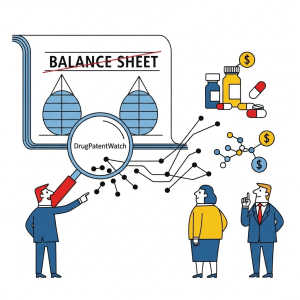
This is where we must shift our perspective. We must look beyond the balance sheet and the pipeline to the one asset that serves as a company’s true forward-looking statement: its intellectual property (IP) portfolio. In the intricate dance of drug development, a patent is not merely a legal document; it is a declaration of invention, a map of a company’s strategic intent, and a timer counting down to a moment of profound market disruption.3 A company’s balance sheet tells you its financial health today. Its clinical pipeline tells you what it hopes to achieve tomorrow. But its patent portfolio tells you what it
owns—the defensible, revenue-generating intellectual property that underpins its entire valuation.3
This report is a strategic guide for turning that patent data into a powerful predictive tool. It is designed for the sophisticated professional—the pharma and biotech IP, R&D, and business development teams, the venture capitalists, the hedge fund analysts, and the legal consultants—who are tasked with making multi-million or billion-dollar decisions in this perilous environment. We will move beyond the hype and provide a data-driven framework for using patent intelligence to identify, quantify, and mitigate the pervasive risks of pharmaceutical investing. We will dissect the anatomy of risk, from the clinical abyss to the regulatory labyrinth and the market battlefield. We will then provide a practical toolkit for decoding the language of patents, mapping competitive landscapes, and forecasting the seismic financial impact of patent expiry. Finally, we will outline actionable investment plays and explore the next frontier where artificial intelligence is transforming patent strategy itself. The goal is to equip you with the ability to see what others miss, to de-risk your investments, and to turn the opaque world of pharmaceutical patents into your most powerful crystal ball.
The Pharma Investment Gauntlet: A Landscape of Pervasive Risk
Before we can appreciate the power of patent data as a de-risking tool, we must first have a clear-eyed understanding of the gauntlet that every pharmaceutical investment must run. The risks are not singular or sequential; they are a complex, interwoven fabric of scientific, regulatory, and commercial challenges. Underestimating any one of these vectors can lead to catastrophic capital loss. It is the sheer magnitude of these combined risks that renders traditional financial analysis insufficient and makes alternative, forward-looking data sources like patent intelligence an absolute necessity.
The Clinical Abyss: Navigating Staggering Attrition Rates
The single most defining characteristic of the pharmaceutical industry is the brutal reality of clinical trial failure. The headline statistic is as stark as it is crucial to internalize: 90% of all drug candidates that enter clinical trials fail.1 This is not an outlier risk; it is the baseline expectation, the cost of doing business in the search for new medicines. This staggering rate of attrition is the primary driver of the astronomical cost of drug development. When you factor in the cost of the nine failures for every one success, the fully capitalized cost to bring a single new drug to market is estimated to be anywhere from $1 billion to over $2.6 billion.1
To de-risk an investment, we must first dissect the anatomy of this failure. The reasons are multifaceted, pointing to the immense challenge of translating laboratory science into safe and effective human therapies.
Lack of Clinical Efficacy (40-50% of failures): This is the most common reason for failure. A drug that showed great promise in animal models or in vitro simply doesn’t produce the intended therapeutic effect in people.1 This often points to a fundamental gap in the understanding of the disease’s biological mechanisms or a lack of validated biomarkers to guide development.7 The drug may hit its target, but hitting that target doesn’t sufficiently alter the course of the disease.
Unmanageable Toxicity (30%): The drug works, but it causes side effects that are too severe to be tolerated by patients, making the risk-benefit profile unacceptable.1 Achieving the delicate balance of delivering a therapeutic dose without causing undue harm is a constant challenge.
Poor Pharmacokinetic Properties (10-15%): The drug’s profile in the body is flawed. It may not be absorbed properly, it might be metabolized too quickly, or it could be difficult to excrete, leading to accumulation and toxicity.1
Lack of Commercial Interest & Poor Strategic Planning (10%): Sometimes, a drug is scientifically viable but is terminated because the market opportunity is deemed too small, the competitive landscape has shifted, or the company simply makes a strategic decision to allocate resources elsewhere.1
This gauntlet of attrition plays out across the distinct phases of clinical development. While failure can happen at any stage, the highest rate of failure occurs in Phase II, the first true test of a drug’s efficacy in a small group of patients. According to BIO, nearly 70% of drugs entering Phase II will fail to advance to Phase III.8 This is often where the “valley of death” for biotech companies lies, as a Phase II failure can be an existential event, wiping out a company’s lead asset and making it nearly impossible to raise further capital.8 Even for the elite few that make it to late-stage trials, the odds remain daunting. The overall probability of success from Phase I to approval is less than 14%, and for notoriously difficult areas like oncology, that number plummets to a mere 3.4%.9
The cost of these failures is immense, measured not just in the billions of dollars of squandered investment capital, but also in the years of wasted time for scientists and the lost hope for patients awaiting new treatments.6 It is this fragile funding environment, spooked by notoriously high failure rates, that can cause potential breakthrough treatments to die in development—not because the science doesn’t hold up, but because the capital runs out.8
However, a more nuanced understanding reveals that not all failures are created equal. Many trials fail not because the molecule is fundamentally flawed, but because the trial itself was poorly designed—targeting the wrong patient population, using the wrong endpoints, or selecting the wrong dose.9 Hidden within the data of many “failed” trials are sub-populations of patients who responded remarkably well to the treatment.9 A company that simply abandons the program after a top-line failure is throwing away a potentially valuable asset. In contrast, a sophisticated organization with the right data analytics capabilities can dissect that failure, identify the responsive sub-group, and design a new, more targeted trial. This transforms a catastrophic loss into a salvaged, de-risked asset.
For an investor, this creates a new, more sophisticated layer of due diligence. The question shifts from a binary “Did the trial succeed or fail?” to a more insightful “What did the company learn from the failure, and does it possess the data and expertise to pivot effectively?” This is the “valuable failure” paradox. An astute investor might find an undervalued company whose stock has been pummeled after a Phase II failure but which secretly holds the key to a future success in a more targeted, niche indication. The emergence of new clinical trial failure insurance products, which use predictive analytics to price this very risk, is a testament to the market’s growing recognition that the nature of failure is as important as the failure itself.8
The Regulatory Labyrinth: More Than Just an FDA Hurdle
Successfully navigating the clinical abyss is only the first part of the challenge. A drug that has proven both safe and effective must then enter the regulatory labyrinth—a complex, time-consuming, and unforgiving process of seeking approval from government health authorities. For many investors, “regulatory risk” is synonymous with the final go/no-go decision from the U.S. Food and Drug Administration (FDA). But this view is dangerously simplistic. Regulatory risk is a continuous, multi-jurisdictional challenge that begins long before a final application is submitted and extends well beyond initial approval.
Companies must contend with a global web of agencies, including the FDA, the European Medicines Agency (EMA), and Japan’s Pharmaceuticals and Medical Devices Agency (PMDA), among others. While there are harmonization efforts, significant variability in requirements for documentation, clinical trial design, and manufacturing standards persists across regions.5 This global complexity is a major hurdle that can delay launches and add significant cost and risk to a global commercialization strategy.5
Several key stumbling blocks within this labyrinth can derail a promising drug, often for reasons that have nothing to do with its clinical performance:
Chemistry, Manufacturing, and Controls (CMC) & Good Manufacturing Practices (GMP): A drug can be a miracle cure, but if a company cannot prove to regulators that it can manufacture it consistently, reliably, and at high quality, it will not be approved.5 This involves extensive documentation of every step of the manufacturing process. Transitioning from small-scale clinical trial production to large-scale commercial manufacturing is a common point of failure, where issues with stability, impurities, or process control can emerge.11 GMP violations, such as inadequate quality control or poor documentation, can lead to significant delays or outright rejection.12
Data Integrity and Adverse Event Reporting: Regulators operate on a foundation of trust, and that trust is built on pristine data. Any gaps, errors, or inconsistencies in the data submitted can undermine the entire application, inviting intense scrutiny and delays.11 Companies must have robust systems for collecting and reporting all data, particularly adverse events. Failure to promptly report safety issues is one of the most serious forms of non-compliance.12
Evolving Scientific and Regulatory Standards: The goalposts are constantly moving. As science advances, so do regulatory expectations. The requirements for cell and gene therapies, for example, with their mandated long-term follow-up periods of up to 15 years, are vastly different from those for traditional small-molecule drugs.8 Similarly, the rise of innovative tools like AI-driven diagnostics or computational toxicology introduces new uncertainties, as these novel methodologies may not align with established guidelines.11 A company must remain vigilant and adaptable to these evolving standards to avoid its development program becoming obsolete.5
The time and cost implications of this labyrinth are profound. The regulatory process is a primary reason why the average drug development timeline stretches to 10-15 years.1 A request from a regulator for an additional clinical study can add years to this timeline and hundreds of millions of dollars in costs, directly eroding the effective patent life of the drug and its ultimate return on investment.5
Yet, just as with clinical risk, a more sophisticated view reveals a dual nature to regulatory hurdles. While they represent a significant risk, their very difficulty and complexity also create a powerful competitive moat. A large, established pharmaceutical company with decades of experience, deep relationships with regulators, and battle-tested quality and manufacturing systems possesses a formidable advantage over a small startup navigating this process for the first time. This regulatory expertise is a valuable, albeit intangible, asset.
When evaluating a potential investment, particularly in a smaller biotech, one must look beyond the exciting clinical data and critically assess the strength of the regulatory and CMC teams. Does the company have seasoned professionals who have successfully guided drugs through the FDA and EMA before? Are their manufacturing partners credible and GMP-compliant? A brilliant scientific discovery can be rendered commercially worthless by a naive or under-resourced regulatory strategy. Conversely, a company that demonstrates regulatory savvy—for instance, by securing a special designation like Fast Track or Breakthrough Therapy, which can expedite development and review 12—has tangibly de-risked its asset. It has not only accelerated its own timeline but has also raised the bar for any competitor that follows.
The Market Battlefield: Competition Before and After Launch
Assuming a drug successfully navigates both the clinical and regulatory gauntlets, it finally arrives on the market. But here it faces its third great challenge: a brutal and unforgiving competitive battlefield. The notion of finding a quiet, uncontested therapeutic niche is largely a relic of the past. Driven by the same scientific opportunities, companies now pile into promising areas, turning even once-specialized fields like rare diseases into crowded and challenging markets.14 The future pharmaceutical market will be defined by more medicines, more competitors, and faster-than-ever changes to the standard of care, putting immense pressure on commercial execution.15
This market battle is fought on two distinct fronts.
First is the innovator-versus-innovator war. This is the competition between different patented, branded drugs targeting the same or similar diseases. Companies compete fiercely on clinical differentiation—proving their drug is more effective, safer, or more convenient than rivals. They also compete on price and market access, negotiating with pharmacy benefit managers (PBMs) and insurers to secure favorable formulary placement.16 In this arena, being first-to-market with a new mechanism of action can confer a significant and durable advantage.16
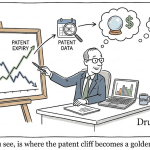
The second, and far more perilous, front is the battle against the generic and biosimilar onslaught. This begins the moment a drug’s patent protection expires. This event, known as the “patent cliff,” is not a gradual decline but a catastrophic financial event. It is common for a small-molecule drug to lose 80-90% of its revenue within the first few months of generic entry, as low-cost alternatives flood the market and are rapidly substituted by pharmacies and payers.17 The scale of this threat is staggering. Between now and 2030, the industry is bracing for a patent cliff that puts an estimated
$200 billion to $300 billion in annual revenue at risk.16 This is an existential threat that looms over every successful drug from the day it is launched.
Even before the cliff arrives, the competitive environment is intensifying. Governments and private payers, armed with more therapeutic options and facing immense budget pressures, are increasingly challenging the pricing power of innovator companies. Measures like the Inflation Reduction Act in the U.S. introduce direct price negotiations, while commercial payers leverage the presence of multiple branded competitors to demand ever-steeper discounts and rebates.15
At first glance, these two competitive fronts—the war among innovators and the defense against generics—may seem distinct. However, they are deeply and symbiotically linked. The looming, inevitable threat of the patent cliff in the future profoundly shapes a company’s competitive behavior in the present. It forces companies to engage in aggressive and sophisticated “product lifecycle management” strategies from the very beginning.18 They don’t just protect their initial invention; they work for years to build a “patent thicket”—a dense web of secondary patents on new formulations, new methods of use, and manufacturing processes—specifically designed to delay and deter future generic entry.16
This proactive defense, in turn, reshapes the innovator-versus-innovator battlefield. The competitive game is not just about who can get the first molecule to market. It’s also about who can build the most robust and defensible patent fortress around their asset. Companies are not only racing to develop new drugs; they are also engaged in a strategic chess match in the patent office, filing patents that could potentially block a rival’s lifecycle extension plans or provide leverage for their own.
Therefore, a truly comprehensive competitive analysis cannot be limited to a simple review of a competitor’s clinical pipeline. It demands a deep dive into their patenting strategy. Is a rival company filing patents around your target’s blockbuster drug, signaling a clear intent to challenge its dominance in the future? Is your target company proactively building a resilient patent thicket, or is its multi-billion-dollar revenue stream precariously balanced on a single, aging, and vulnerable patent? The answers to these questions, found only within patent data, provide a far more accurate and forward-looking picture of the true competitive risks than any financial statement or pipeline chart ever could.
Beyond the Balance Sheet: Why the Patent Portfolio is a Company’s True Forward-Looking Statement
Having established the treacherous landscape of pharmaceutical investment, it becomes clear why traditional, rearview-mirror analysis is insufficient. To navigate the clinical, regulatory, and market gauntlets, we need a predictive tool—an instrument that provides insight into a company’s future, not just its past. That instrument is the intellectual property portfolio. It is the legally enforceable, revenue-generating asset that forms the true bedrock of value for any innovation-driven life sciences company.
The Patent as the Bedrock of Value
The entire economic model of the pharmaceutical industry is built upon a societal bargain enshrined in the patent system. In exchange for publicly disclosing the details of an invention, the innovator is granted a temporary monopoly—typically 20 years from the filing date—during which they have the exclusive right to commercialize that invention.3 This period of market exclusivity is not a loophole; it is the fundamental incentive that justifies the immense risk and expenditure of R&D. It is the only mechanism that allows a company to recoup the billions of dollars invested in the one successful drug that must pay for its nine failed siblings.23 Without this protection, generic manufacturers could immediately copy a new medicine and sell it at a fraction of the price, collapsing the innovator’s return on investment and extinguishing the motivation for future research.23
This makes the patent portfolio the ultimate leading indicator of a company’s financial future, standing in stark contrast to the lagging indicators we typically rely on.
A balance sheet provides a snapshot of a company’s financial health at a single point in time. It’s a static photograph of the past.3
A clinical pipeline is a list of aspirations. It outlines what a company hopes to achieve, but against the backdrop of a 90% failure rate, it remains a statement of potential, not of tangible value.3
A patent portfolio, however, is a legally-enforceable right to exclude competitors and generate future revenue. It is a tangible, defensible asset that represents what a company truly owns in terms of its innovative power and market position.3
It is this tangible promise of future, protected revenue streams that makes a strong patent portfolio a magnet for investment. For venture capitalists evaluating an early-stage biotech, the patent application on its lead compound is often the single most important asset. It provides the assurance that if the science proves out, there will be a clear and defensible path to profitability.23 A robust IP position signals to the market that a company has not only created a valuable invention but has also taken the necessary steps to protect it, thereby de-risking the investment for all stakeholders.
Decoding the Language of Patents: More Than Just a Legal Document
To the uninitiated, a patent can appear to be an impenetrable wall of dense legal and scientific text. But for those who know how to read it, it is a rich, multi-layered story that reveals a company’s past research, its present focus, and its future ambitions.3 To unlock this strategic value, one must move beyond simply counting patents and learn to appreciate the anatomy of the document itself. For a business or investment analyst, two sections are paramount:
The Specification: This is the detailed technical disclosure of the invention. It must be written with enough clarity and detail that a “person having ordinary skill in the art” could replicate it without undue experimentation.26 For an analyst, the specification is a treasure trove of competitive intelligence. It provides a deep dive into the company’s scientific methodology, its understanding of the underlying biology, and the specific technical hurdles it has overcome. It is a window into the depth and quality of the company’s R&D engine.
The Claims: This is the legal heart of the patent. The claims are a series of numbered sentences at the end of the document that define, with legal precision, the exact boundaries of the intellectual property. Everything that falls within the scope of the claims is protected; everything outside is not.26 The breadth and wording of the claims are what determine the true strength and value of the patent. A patent with narrow claims may be easy for a competitor to “design around,” while a patent with broad, well-crafted claims can block off an entire area of research, creating a powerful competitive moat.
Even before a patent is granted, the very act of filing sends strategic signals to the market. The “patent pending” status, while not legally enforceable, serves as a powerful strategic flag. It puts the entire industry on notice that legal protection is being sought for an invention, acting as a significant deterrent to competitors who might otherwise be tempted to invest resources in developing a similar product.27
Furthermore, because patent applications are typically published 18 months after their initial filing, the global patent database functions as an incredible early warning system. By monitoring these publications, a company can gain insights into a competitor’s R&D pipeline and strategic direction years before any press release, clinical trial disclosure, or scientific publication.27 This lead time is an invaluable strategic advantage, allowing for proactive adjustments to one’s own R&D and commercial strategies.
Beyond analyzing individual patents, a more sophisticated level of insight comes from examining the portfolio’s narrative arc over time. A company’s patenting strategy is not a single event but a continuous story told through the sequence and timing of its filings. A typical narrative for a successful drug begins with an early, broad “composition of matter” patent, the foundational claim on the new molecule itself.29 This is the story’s opening chapter. But a savvy company doesn’t stop there. As the drug moves through development and into the market, the story continues with new chapters: a “formulation” patent for a new extended-release version that improves patient convenience 30, followed by a “method of use” patent for a new disease indication discovered years after the initial launch.31
This pattern of sequential filings tells a powerful story of a company that is not just resting on its laurels but is actively engaged in continuous innovation and strategic lifecycle management. It demonstrates a forward-thinking approach to maximizing and defending the value of its core asset. For an investor, mapping a company’s patent filings on a timeline provides a powerful proxy for the quality of its strategic management. Does the portfolio show a dynamic, evolving narrative of ongoing innovation? Or is it a short story, with a single patent filed a decade ago and nothing since? A static portfolio is a major red flag, suggesting a lack of strategic foresight and a dangerous vulnerability to the patent cliff. In contrast, a portfolio with a rich and ongoing narrative arc is a strong indicator of a well-managed, de-risked company that is actively building its future.
The Analyst’s Toolkit: Core Disciplines of Patent Intelligence
To move from a theoretical appreciation of patent value to its practical application in de-risking investments, one must master a set of core analytical disciplines. These are the tools that allow an analyst to dissect a company’s IP portfolio, map its position within the competitive landscape, and identify both hidden risks and untapped opportunities. This is not about becoming a patent attorney; it is about developing the strategic literacy to ask the right questions and interpret the answers in a commercial context. Mastering these three disciplines—understanding the anatomy of a patent fortress, conducting patent landscape analysis, and performing freedom-to-operate searches—is the foundation of turning raw patent data into actionable business intelligence.
Anatomy of a Pharmaceutical Patent Fortress
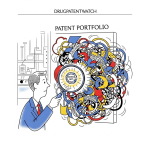
In the modern pharmaceutical industry, a blockbuster drug is rarely protected by a single patent. Instead, it is shielded by a meticulously constructed “patent thicket”—a dense, overlapping, and interlocking web of intellectual property designed to create a formidable fortress around the innovation.3 The strategic value of a patent thicket lies not in the individual strength of any single secondary patent, but in its cumulative deterrent effect. A generic competitor looking to enter the market doesn’t just have to invalidate or design around one patent; they may have to confront dozens, each presenting its own legal and financial hurdles. This deliberate strategy creates a legal minefield that can delay, deter, and sometimes defeat would-be competitors, extending a drug’s profitable life far beyond the expiration of its original patent.22
Deconstructing this fortress requires understanding the different types of patents and the specific strategic role each one plays.
The Cornerstone: Composition of Matter Patent. This is the foundational patent, the “gold standard” of pharmaceutical IP. It provides the broadest and strongest form of protection because it covers the new chemical entity (NCE) or new molecular entity (NME) itself—the active pharmaceutical ingredient (API) that is the core of the medicine.3 This “base patent” is typically the first to be filed, often early in the discovery phase, and its 20-year term establishes the initial period of market exclusivity. For an investor, the existence of a granted composition of matter patent in key global markets is the first and most critical checkpoint in any IP due diligence.
The Walls: Secondary Patents for Lifecycle Management (LCM). While the composition of matter patent is the cornerstone, a fortress is not built with a single stone. The true strength and resilience of a modern drug patent portfolio comes from the strategic layering of numerous secondary patents. These patents do not cover the core molecule itself but instead protect every conceivable aspect of the drug’s development, formulation, manufacturing, and use. Key types include:
Formulation Patents: These protect the specific “recipe” or formulation of the final drug product. They cover the unique combination of the active ingredient with various inactive ingredients (excipients), carriers, or delivery mechanisms.29 A formulation patent might protect an extended-release version of a pill that allows for once-daily dosing instead of twice-daily, a specific coating that improves the drug’s stability, or a novel nanoparticle delivery system that enhances bioavailability. These are crucial tools for “product hopping,” allowing a company to launch an improved version of a drug with a fresh 20-year patent term just as the original patent is set to expire.3
Method-of-Use / New Indication Patents: These patents are incredibly valuable. They do not protect the drug itself, but rather a new way of using a known drug to treat a particular disease.3 For example, the original patent for sildenafil (Viagra) was for treating hypertension; a later, and far more lucrative, patent was secured for its use in treating erectile dysfunction.26 This “pipeline-in-a-product” strategy allows a company to dramatically expand a drug’s market and revenue potential over its lifetime. A remarkable 41% of all patents filed after a drug’s initial FDA approval are for new methods of use, highlighting their strategic importance.31
Process Patents: These patents protect a specific, novel, and non-obvious method of manufacturing a compound.26 While important for small molecules, they are absolutely critical for biologics. Because it is incredibly difficult to replicate a complex biological molecule exactly, the manufacturing process is inextricably linked to the final product. A strong portfolio of process patents can create a formidable moat around a biologic drug, making it much harder, more expensive, and more time-consuming for a biosimilar competitor to develop a comparable product and gain regulatory approval.3
Other Reinforcements: The patent thicket can be further reinforced with several other specialized types of patents, such as Polymorph Patents (protecting specific crystalline structures of the drug molecule), Chiral Switch Patents (protecting a single, more active mirror-image version of a previously marketed drug), and Delivery Device Patents (protecting a proprietary inhaler or auto-injector system).29
The following table provides a strategic overview of these key components, transforming abstract legal concepts into tangible business assets.
Table 1: Anatomy of a Pharmaceutical Patent Fortress
Patent Type
What It Protects
Strategic Value / Role in Portfolio
Typical Filing Stage
Composition of Matter
The new chemical/molecular entity (API) itself.
Cornerstone: Provides the broadest and most powerful protection. Establishes the initial market exclusivity period.
Early Discovery
Formulation
The specific “recipe” of the drug product, including excipients and delivery mechanisms.
Lifecycle Management: Creates improved versions (e.g., extended-release), enhances patient compliance, and can generate a new 20-year patent term. Key tool for “product hopping.”
Pre-clinical / Clinical / Post-Approval
Method of Use
A new therapeutic use or indication for a known drug.
Market Expansion: “Pipeline-in-a-product” strategy that opens up entirely new patient populations and revenue streams.
Clinical / Post-Approval
Process
A specific, novel method of manufacturing the drug.
Barrier to Entry: Creates significant hurdles for generic/biosimilar competitors, especially critical for complex biologics where the process defines the product.
Development / Scale-up
Polymorph
Specific crystalline structures of the API, which can affect stability, solubility, and bioavailability.
Layered Defense: Adds another layer of complexity for generics to design around, potentially blocking less stable or effective forms.
Development
Delivery Device
A proprietary device for administering the drug (e.g., inhaler, auto-injector).
System Lock-in: Forces competitors to develop their own delivery systems, which can be a significant technical and regulatory barrier.
Development / Pre-launch
Patent Landscape Analysis: Mapping the Strategic Terrain
If understanding the patent fortress is about dissecting a single company’s strategy, then Patent Landscape Analysis (PLA) is about creating a map of the entire strategic terrain for a given technology or disease area. A PLA is a comprehensive, data-driven analysis of patenting activity that provides a panoramic view of the IP ecosystem.32 It moves beyond a one-dimensional list of competitors to a multi-dimensional understanding of who is doing what, where the technological currents are flowing, and where the next battles might be fought. It is an indispensable tool for informing R&D, business development, and investment strategy.34
A well-executed PLA can answer a host of critical strategic questions:
Who are the key players? By mapping the volume and quality of patent filings, a PLA can identify the dominant incumbents, the fast-moving challengers, and the emerging stealth startups in a particular field.32 This provides a much more nuanced view of the competitive landscape than a simple market share report.
What are the technology trends? Plotting patent filings over time can reveal which scientific approaches are gaining momentum and which are falling out of favor. For example, in a specific cancer type, is patenting activity shifting from traditional chemotherapy to targeted therapies or immuno-oncology? This intelligence is crucial for ensuring a company’s R&D investments are aligned with the future of the field, not its past.32
Where is the “White Space”? Perhaps the most valuable output of a PLA is the identification of “white space”—areas within a technology domain that have significant therapeutic potential but surprisingly low patenting activity.27 These are the underexplored territories ripe for innovation. Directing R&D efforts toward these less crowded fields can dramatically increase the probability of securing strong patents and reduce future competitive pressure.34
Who are potential partners or M&A targets? A PLA can be a powerful tool for corporate development. It can uncover smaller companies or academic institutions that have developed strong, focused patent portfolios in a niche area that is complementary to a larger company’s strategy, highlighting them as prime targets for licensing, collaboration, or acquisition.32
To illustrate, imagine conducting a PLA for a new class of anti-inflammatory drugs. Data visualization tools could generate a heat map showing intense patenting activity (a “red ocean”) clustered around well-known biological targets like TNF-alpha. However, the same map might reveal a “blue ocean” of white space around a newly discovered inflammatory pathway, with only a handful of patents filed by a small university spin-out. For a large pharmaceutical company, this is an immediate, actionable insight: instead of developing the tenth TNF-alpha inhibitor, it could de-risk its R&D by acquiring or partnering with the spin-out to pioneer a first-in-class drug in an uncontested space.
Freedom-to-Operate (FTO) Analysis: The Ultimate Risk Mitigation Tool
There is a critical and often misunderstood distinction in the world of intellectual property: owning a patent on your product does not automatically give you the right to sell it. This is where Freedom-to-Operate (FTO) analysis comes in. An FTO analysis is a rigorous, targeted investigation to determine if a planned commercial product or process is at risk of infringing the valid, in-force patent rights of a third party.37
For a life sciences company, FTO is a non-negotiable aspect of due diligence. The investment required to bring a drug through clinical trials and regulatory approval is astronomical.37 To launch that product only to be immediately hit with a patent infringement lawsuit that results in a court-ordered injunction—forcing the product off the market—is a catastrophic, company-ending scenario. An FTO analysis is the essential risk mitigation tool designed to prevent this very outcome.37
The FTO process is methodical and should be iterative, starting early in the development process and being updated at key milestones.
Define the Scope: The analysis begins by clearly defining the product’s key features, components, and manufacturing processes. Crucially, it must also define the specific geographic markets where the company intends to launch, as patent rights are territorial. A patent in the U.S. has no bearing on your freedom to operate in Brazil, for example.38
Conduct a Comprehensive Search: The next step is a deep and thorough search of all granted patents and pending patent applications in the target jurisdictions that could potentially cover any aspect of the product.37
Perform Legal Analysis: This is the most critical step, requiring the expertise of a qualified patent attorney. The attorney meticulously compares the legal claims of the identified third-party patents against the features of the company’s product to render a legal opinion on the likelihood and severity of any infringement risk.40
If the FTO analysis uncovers a significant risk from a “blocking” patent, it does not necessarily mean the project is dead. It does, however, trigger an urgent strategic discussion. The company has several potential paths forward:
License the Patent: The most direct approach is to negotiate a license from the owner of the blocking patent. This provides legal certainty but comes at the cost of ongoing royalty payments, which must be factored into the product’s financial model.42
“Invent Around” the Patent: The R&D team can attempt to modify the product or process in such a way that it no longer falls within the scope of the blocking patent’s claims. This can be a powerful driver of innovation.42
Challenge the Patent’s Validity: If the company believes the blocking patent is weak and should not have been granted, it can proactively seek to have it invalidated, either through litigation in court or through an administrative proceeding like an Inter Partes Review (IPR) at the U.S. Patent and Trademark Office.3
Wait for Expiration: If the blocking patent is nearing the end of its 20-year term, the company may simply choose to delay its launch until the patent expires and the technology enters the public domain.41
While FTO is often viewed as a purely defensive, legalistic exercise, this perspective misses its profound strategic value. The process of identifying and dissecting competitors’ patents provides an unparalleled source of competitive intelligence. Furthermore, the necessity to “invent around” a blocking patent can be a powerful catalyst for innovation. It forces a company’s R&D team to think creatively and develop novel solutions that they might not have otherwise considered, often leading to new and valuable patentable inventions of their own. For an investor conducting due diligence, the key question is not just, “Has the company performed an FTO analysis?” but rather, “How has the FTO analysis informed and shaped their R&D and IP strategy?” A company that can demonstrate how it has successfully navigated a crowded patent landscape and developed clever workarounds is showcasing a high degree of technical and strategic sophistication, turning a risk mitigation exercise into a powerful indicator of its innovative resilience.
The Patent Cliff: Forecasting and Mitigating the Inevitable Revenue Shock
Of all the risks in the pharmaceutical industry, none is as dramatic, as certain, or as financially consequential as the patent cliff. It is the moment the music stops. After years of market exclusivity, a blockbuster drug’s core patent protection expires, the floodgates of generic competition swing open, and a multi-billion-dollar revenue stream can be decimated in a matter of months. This is not a theoretical risk; it is a recurring, predictable event that is the single greatest challenge to the long-term sustainability of every major pharmaceutical company. For investors, the ability to accurately forecast the timing of this cliff and to assess a company’s strategy for mitigating its impact is a critical component of any valuation thesis.
Quantifying the Cliff: The Staggering Financial Impact of Exclusivity Loss
The term “patent cliff” is a colloquialism, but one that aptly captures the phenomenon: a sharp, sudden, and often catastrophic decline in revenue.18 The scale of this financial shock is difficult to overstate. The industry is currently staring down a precipice of tectonic magnitude: between 2025 and 2030, nearly 70 high-revenue products are set to lose patent protection, putting an estimated
$236 billion in annual revenue at risk.17
The mechanism of this revenue erosion is swift and brutal. The moment a drug loses exclusivity, multiple generic manufacturers, who have been preparing for years, enter the market. Because they did not have to bear the massive costs of initial R&D and clinical trials, they can price their products at a significant discount. The first generic entrant may already be 30-90% cheaper than the brand.44 As more competitors enter, a price war ensues, and prices can plummet by 80% or even more.20 Payers and pharmacy systems are designed to encourage rapid substitution to these cheaper alternatives, meaning the brand’s market share can collapse almost overnight. It is not uncommon for a blockbuster small-molecule drug to lose
80-90% of its sales within the first year of generic competition.17
This looming cliff has profound implications for investors. A company that is heavily reliant on a single product facing imminent patent expiry is a high-risk proposition. An unaddressed patent cliff can erode investor confidence, depress a company’s stock price, and limit its access to the very capital it needs to fund the R&D required to discover the next generation of products to replace the lost revenue.18 Consequently, a company’s ability to articulate and execute a clear and credible strategy for managing its patent cliffs is a critical component of modern investor relations and a key determinant of its long-term valuation.
Forecasting the Fall: Predicting Loss of Exclusivity (LOE)
Accurately forecasting the patent cliff is the foundational step in assessing this risk. However, it is not as simple as looking up a single patent’s expiration date. The true date of generic entry is determined by the Loss of Exclusivity (LOE) date, which is defined as the date that the last relevant patent or regulatory exclusivity expires, whichever is later.47 This requires an analyst to track two separate but overlapping clocks.
The first clock is for Patent Protection. This begins with the standard 20-year term from the patent’s filing date. However, this can be extended. In Europe, a Supplementary Protection Certificate (SPC) can add up to five years to compensate for the time a drug spent in clinical trials and regulatory review. Both the U.S. and Europe also offer a potential six-month Paediatric Extension for conducting studies in children.22 Furthermore, one must consider the entire patent thicket; a secondary patent on a new formulation could expire years after the original composition of matter patent.
The second clock is for Regulatory Exclusivity. These are periods of market protection granted by regulatory agencies that are entirely separate from patents. For example, in the U.S., a New Chemical Entity (NCE) receives five years of data exclusivity, an Orphan Drug for a rare disease receives seven years, and a complex biologic receives twelve years.22 During these periods, the FDA is barred from approving a generic application, regardless of the patent status.
For a financial analyst or investor, calculating the true LOE date is one of the most critical variables in any valuation model, as it determines the number of years of monopoly revenue a drug will generate.22 This meticulous work of tracking multiple patents, potential extensions, and varying regulatory exclusivities across different global jurisdictions is incredibly complex. This is where specialized business intelligence platforms like
DrugPatentWatch become indispensable. Such platforms aggregate and curate this disparate data from global patent offices and regulatory agencies, providing a consolidated and reliable view of a drug’s exclusivity timeline, which is essential for accurate forecasting.48
Once the LOE date is established, one can begin to predict the timeline of generic entry. Generic manufacturers typically begin their development, including bioequivalence studies and manufacturing scale-up, years in advance of the LOE. The entire process from starting development to being ready for launch can take approximately 36 months.46 Under the Hatch-Waxman Act in the U.S., the first generic company to file an application challenging a brand’s patents is often rewarded with a 180-day period of generic exclusivity. This is a highly lucrative prize, as it creates a temporary duopoly between the brand and the first generic, and it is a powerful incentive that drives the timing and strategy of patent challenges.46
Case Studies in Defense: Lessons from the Cliff Edge
The inevitability of the patent cliff forces companies to think defensively from day one. The strategies they employ to soften the blow offer powerful lessons in the value of proactive IP management. The tales of Lipitor and Humira, two of the best-selling drugs in history, provide a fascinating contrast in defensive strategies.
Case Study 1: The Lipitor Legacy – Pfizer’s All-Out War
When Pfizer’s cholesterol drug Lipitor, a product that generated peak annual sales of around $13 billion, faced its U.S. patent expiration in 2011, it represented the largest patent cliff the industry had ever seen.17 Pfizer’s response was not a single masterstroke but a multi-pronged tactical war fought on every available front to extract every last dollar of value from its flagship asset.
The strategy included aggressive legal maneuvering, such as “pay-for-delay” settlements that paid generic challengers to postpone their launch, buying precious extra months of monopoly sales.18 When generic entry finally occurred, Pfizer went to war on price. It launched the unprecedented “Lipitor-For-You” program, offering copay cards and deep rebates to payers that made the brand-name drug as cheap, or even cheaper, for many insured patients than the new generic.18 Simultaneously, Pfizer executed an “Authorized Generic” (AG) gambit. It partnered with a generic manufacturer to launch its own branded generic, allowing Pfizer to compete in the generic market and retain a significant share of the revenue from those sales.18 The outcome, while still a massive financial hit, was a masterclass in tactical damage control. Lipitor’s worldwide revenues fell by a staggering 59% in the first year, from $9.5 billion in 2011 to $3.9 billion in 2012, but Pfizer’s aggressive, multi-front war successfully softened the blow and managed the decline, demonstrating how a well-resourced company can fight a fierce rearguard action.18
Case Study 2: The Humira Fortress – AbbVie’s Masterclass in Modern Biologic Defense
If Pfizer’s defense of Lipitor was a brilliant tactical battle, AbbVie’s defense of Humira was a long-term strategic masterpiece. Humira, an injectable biologic for autoimmune diseases, became the best-selling drug in history, with peak annual sales exceeding $21 billion.18 Its loss of U.S. exclusivity, which began in 2023, was set to be the steepest patent cliff ever. AbbVie’s defense, however, began more than a decade earlier.
The core of their strategy was the construction of an impenetrable “patent thicket.” Long after securing the initial composition of matter patent, AbbVie continued to file hundreds of patent applications, ultimately being granted over 160 U.S. patents covering every conceivable aspect of Humira—from manufacturing processes and formulations to specific methods of use.18 This legal fortress made a direct, all-out assault by a biosimilar competitor prohibitively risky and expensive.
Instead of fighting in court, AbbVie used its patent thicket as a powerful negotiating tool. It entered into strategic settlements with all potential biosimilar competitors, granting them licenses to enter the U.S. market, but on AbbVie’s terms—on a staggered, controlled timeline beginning in January 2023.18 This allowed AbbVie to orchestrate the pace of competition. The final stroke of genius was a classic “product hop.” Years before biosimilar entry, AbbVie developed and switched the entire market to a new, separately patented, high-concentration, citrate-free formulation of Humira that was less painful for patients to inject.18 When the biosimilars finally launched in 2023, the vast majority were based on the
old formulation and were therefore not deemed “interchangeable” with the version that over 90% of patients were actually using.
The result was a dramatically blunted impact. A full year after the first biosimilar launch, brand-name Humira still commanded over 96% of the market share. Sales in the first nine months of competition fell by about 31%—a significant drop, but a far cry from the 80-90% cliff typical for small molecules.18 The Humira case is the modern epitome of using a proactive, long-term, and multi-layered patent strategy to de-risk a company’s most valuable asset.
The following table summarizes these landmark cases, providing a data-driven comparison of the financial stakes and strategic outcomes.
Table 2: Landmark Patent Cliff Case Studies
Drug (Generic Name)
Company
Peak Annual Sales
Year of Exclusivity Loss (US)
Key Defensive Strategy
Financial Impact (First Year Post-LOE)
Source(s)
Lipitor (atorvastatin)
Pfizer
~$13 Billion
2011
Authorized Generic, Price War, Legal Delays
Revenue fell 59% from $9.5B to $3.9B
18
Humira (adalimumab)
AbbVie
~$21.2 Billion
2023
Patent Thicket, Strategic Settlements, Product Hop
Sales fell ~31% in first nine months of competition
18
Keytruda (pembrolizumab)
Merck
~$29.5 Billion (2023)
2028 (projected)
Ongoing R&D, M&A, and Lifecycle Management
Projected 19% decline from $33.7B to $27.4B
18
From Data to Deals: Actionable Strategies for De-Risking Investments
Understanding the risks and mastering the analytical tools of patent intelligence are necessary but not sufficient. The ultimate goal is to translate this knowledge into concrete, actionable strategies that lead to better investment decisions. This is where the rubber meets the road—transforming data into deals. The following “plays” represent a strategic framework for leveraging patent intelligence to identify undervalued assets, conduct more effective M&A due diligence, and guide R&D investment toward a higher probability of success.
Play #1: Identifying Undervalued Innovators and “Stealth” Companies
The public market is notoriously inefficient at pricing the complex, long-term value of pharmaceutical IP. It tends to overreact to near-term news like clinical trial announcements while often overlooking the foundational strength of a company’s patent portfolio. This creates opportunities for savvy investors to use patent data to see what the market is missing and identify undervalued assets before they are widely recognized.3
One approach is to screen for the “Undervalued Innovator.” This is typically a small- or mid-cap biotech company whose stock price does not fully reflect the strength and durability of its intellectual property. The screen involves asking a series of targeted questions:
Does the company have a granted composition of matter patent in key global markets? The existence of this “cornerstone” patent on a promising new molecule is a massive de-risking event that the market may not have fully priced in, especially if the company is still in the early stages of development.3
How broad are the patent’s claims? A patent that claims not just a single molecule but a whole class of related compounds can create a powerful “blocking” position, preventing competitors from developing even similar drugs. This strategic breadth is a significant source of value that requires a deeper analysis than a simple patent count.3
What do the citation metrics say? A high number of “forward citations”—meaning the patent is frequently cited by later patents from other companies—is a strong quantitative indicator of its technological importance. It suggests the patent covers a foundational invention that others in the field must build upon or work around, making it a particularly valuable asset.3
A second, more proactive strategy is to hunt for “Stealth Companies.” These are high-potential startups that are operating below the radar of most investors, often before they have even issued a press release. Patent databases are one of the best hunting grounds for these nascent opportunities.
Track the Filings of Key Inventors: World-class scientists from top academic institutions or those who have recently departed from leadership roles at Big Pharma are a major source of breakthrough innovation. By monitoring new patent applications filed by these key opinion leaders, you can often spot the creation of a new, well-funded, and scientifically pedigreed startup before it is formally announced.3
Monitor Emerging Technology Areas: Using patent landscape analysis, one can detect a sudden surge in patent filings around a novel biological target or a new drug delivery platform. The companies that are filing these earliest patents are the pioneers in the space. Identifying them at this stage is akin to getting a ground-floor investment opportunity in the next big therapeutic wave.27
Play #2: M&A Due Diligence as a Strategic Weapon
In pharmaceutical mergers and acquisitions, intellectual property is not just one of the assets being transferred; in many cases, it is the entire business.55 A biotech company’s value is almost entirely encapsulated in its patents, its data, and its regulatory exclusivities. Therefore, patent due diligence cannot be treated as a last-minute, pass/fail legal checkbox. It must be elevated to a central, strategic, intelligence-gathering operation that fundamentally informs valuation, deal structure, and post-merger integration planning.56
A robust patent portfolio for a key drug asset can grant a legal monopoly for up to 20 years from the filing date, creating a period of market exclusivity where the owner can recoup massive R&D investments and generate substantial profits without direct generic competition. This exclusivity is the fundamental economic pillar of the entire industry. As Dr. Adam J. Kessel, a partner at a prominent intellectual property law firm, often emphasizes: “In biotech and pharma, you’re not buying tangible assets like factories and equipment in the traditional sense. You are buying a legally-enforced right to exclude others. That right is the patent. The entire valuation of the target hinges on the quality of that right.” 57
A modern, strategic approach to due diligence focuses on uncovering the red flags that can detonate post-acquisition and turn a prized asset into a massive liability.
Ownership Defects: Is the “chain of title” for the key patents clean and unbroken? Under U.S. law, the inventors initially own an invention. Rights must be formally assigned to the company. If an inventor, such as a university collaborator or a former employee, never properly signed over their rights, the acquiring company may find it does not actually own what it just paid billions for. Verifying these assignments is a critical, foundational step.26
Validity Risks: A granted patent is not invincible. It can be challenged and invalidated later. Diligence must include a search for “prior art”—any public disclosure that predates the patent filing—that the patent examiner may have missed. Discovering strong, previously unknown prior art is a major red flag that suggests the patent is vulnerable.3
Freedom-to-Operate (FTO) Blockers: This is the ultimate nightmare scenario. The target company may have a perfectly valid patent on its drug, but the manufacturing or use of that drug could infringe on a broader, pre-existing patent held by a competitor. This “blocking patent” could prevent the acquirer from legally selling the product without securing a costly license, or at all.55 A thorough FTO analysis is essential to avoid this catastrophic outcome.
Ongoing Litigation and IPRs: Is the target’s key patent already under attack? A search of court dockets and USPTO records is crucial. An ongoing Inter Partes Review (IPR), an administrative proceeding used to challenge patent validity, is a particularly significant risk. IPRs have a notoriously high rate of invalidating challenged patents, and an active IPR against a target’s crown jewel asset must be heavily factored into the valuation and risk assessment.3
This rigorous process is not just about finding risks to kill a deal; it’s about gaining the intelligence to negotiate a better one. Uncovering a potential validity weakness or an FTO issue can provide powerful leverage to lower the acquisition price. Conversely, discovering that a target’s patent portfolio is even stronger and broader than initially advertised can provide the confidence to move aggressively and outbid competitors.
This level of sophisticated due diligence requires a truly cross-functional team. It cannot be siloed within the legal department. It demands a seamless collaboration between patent attorneys, who can interpret the legal claims; Ph.D. scientists, who can assess the underlying science and the risk of a competitor “designing around” the patents; and commercial strategists, who can model the financial impact of different IP scenarios.56 Companies that excel at M&A are those that have fostered this collaborative, “IP-savvy” culture. When evaluating a target, it is therefore wise to perform a kind of cultural due diligence as well. Is the target’s IP team integrated into its strategic decision-making, or are they an isolated support function? A company that demonstrates a deep, cross-functional fluency in its own IP landscape is inherently a more mature, better-managed, and de-risked acquisition target.
Play #3: Guiding R&D Investment with “White Space” Analysis
The earliest, riskiest, and most capital-intensive stage of pharmaceutical investment is the R&D pipeline itself. This is where the 90% attrition rate takes its toll. One of the most powerful applications of patent intelligence is its ability to de-risk this very first step by guiding R&D investment away from crowded, hyper-competitive areas and toward promising, underexplored territories. This is accomplished through “White Space” analysis.27
A white space analysis uses patent landscaping techniques to map out all the patenting activity within a given technological or therapeutic field. The goal is to identify areas with low patent density but high scientific and commercial potential.35 Instead of developing yet another “me-too” drug in a field already saturated with competitors and their patents—a high-risk, low-reward strategy—a company can use white space analysis to pivot its resources toward areas that offer a much higher probability of success.
Directing R&D toward a white space provides several distinct advantages:
Higher Probability of Securing Strong Patents: With less “prior art” in the field, it is inherently easier to meet the legal requirements of novelty and non-obviousness, leading to broader and more defensible patents.
Lower Competitive Pressure: Being the first or one of the first to innovate in a new area allows a company to establish a dominant IP position and create significant barriers to entry for any competitors that follow.
Addressing Unmet Medical Needs: Often, a technological white space corresponds directly to an unsolved scientific problem or an unmet need for patients. Focusing on these areas aligns the company’s commercial interests with a clear societal benefit.
For example, a patent landscape analysis in immuno-oncology might show a massive cluster of patents related to the well-known PD-1/PD-L1 pathway, indicating a field with intense competition and a high bar for innovation.3 However, the same analysis might reveal a “white space” around a novel immune checkpoint pathway that has only recently been discovered and has very few patents filed against it. A company can then make a data-driven, strategic decision to terminate its high-risk “me-too” PD-1 program and redirect its R&D budget to pioneer a first-in-class drug against this new, uncontested target. This is a prime example of using patent data not just to evaluate existing assets, but to proactively de-risk the creation of future assets from the ground up.
The Next Frontier: AI and Predictive Analytics in Patent Strategy
The principles of patent intelligence we have discussed are powerful, but their application has historically been a labor-intensive process, requiring teams of highly specialized experts to manually sift through mountains of data. Today, we are at the cusp of a new frontier, where the convergence of artificial intelligence (AI), machine learning (ML), and vast, digitized patent datasets is poised to revolutionize the field. This technological shift is transforming patent intelligence from a descriptive and diagnostic discipline into a truly predictive one, amplifying our ability to forecast trends, quantify risk, and make smarter investment decisions with unprecedented speed and scale.
The AI Revolution in Patent Intelligence
The traditional method of searching for patents has long been reliant on keywords. This approach is fraught with limitations. An inventor in Japan might describe a concept using entirely different terminology than an inventor in Germany, causing a keyword search to miss a critical piece of prior art. AI is shattering this barrier.
The revolution is being driven by semantic search, powered by advanced Natural Language Processing (NLP) models. Unlike keyword search, which matches exact words, semantic search understands the underlying meaning and context of the technical language in a patent.61 It can identify conceptually similar inventions even if they use completely different phrasing. This dramatically improves the accuracy and comprehensiveness of prior art searches, reducing the risk of missing a crucial document that could invalidate a patent.
Beyond search, AI and machine learning are automating the entire process of patent landscape analysis. AI algorithms can now ingest thousands of patent documents and, in a matter of hours, automatically cluster them into distinct technological groups, identify the key players in each cluster, and visualize the trends over time.61 This democratizes access to high-level strategic insights that were once the exclusive domain of large corporations with dedicated IP analyst teams.
This technological shift is fundamentally reshaping the role of the IP professional. The value is no longer in the laborious, manual task of finding and organizing the data. The AI can do that. The new, higher value lies in the strategic interpretation of the AI’s output—validating its findings, understanding the commercial implications, and translating the data-driven insights into actionable business strategy.61 The future is one of the “AI-augmented professional,” where human expertise is amplified, not replaced, by computational power.
Predictive Analytics: Quantifying Future Risk and Opportunity
The most transformative impact of AI lies in its ability to move beyond analyzing the past to predicting the future. This is the domain of predictive analytics, and it is unlocking several game-changing capabilities for pharmaceutical investors and strategists.
Predicting Patentability: This is a monumental breakthrough. By training machine learning models on millions of historical patent applications and their final outcomes (i.e., whether they were granted or rejected by the patent office), it is now possible to generate a “patentability score” for a new invention.61 An AI can analyze a new drug candidate and, based on all known prior art, predict the probability that it will be deemed novel and non-obvious. This transforms a subjective legal opinion into a quantitative risk metric. For the first time, a company can get a data-driven answer to the question, “What is the probability that we can actually protect this asset?” This score can be plugged directly into a risk-adjusted net present value (rNPV) model, allowing for a much more rigorous and rational allocation of R&D capital.61
Forecasting Technology Trends: AI can analyze the trajectory of patent filings, the network of citations between patents, and the language used in scientific publications to identify emerging technologies before they become mainstream.64 This provides an early-warning system for investors, highlighting the technological areas that are poised for exponential growth and the companies that are leading the charge.
Optimizing Clinical Trials: The application of predictive analytics extends beyond IP to the clinical abyss itself. By analyzing vast datasets of historical trial data, electronic health records, and genomic information, AI models can help optimize clinical trial design. They can identify the patient populations most likely to respond to a drug, predict potential safety issues, and forecast trial success rates with increasing accuracy.66 This ability to de-risk the most expensive and failure-prone part of the development process has the potential to fundamentally alter the economics of the entire industry.
Of course, this new frontier is not without its challenges. AI models can be susceptible to biases hidden in their training data, the “black box” nature of some algorithms can make their conclusions difficult to interpret, and the use of proprietary data for model training raises critical issues of confidentiality and data security.61 The most effective model for the future is a symbiotic one: a “human-in-the-loop” system where AI provides the scale, speed, and pattern-recognition capabilities, while human experts provide the essential strategic oversight, ethical judgment, and nuanced interpretation of the results.61
This technological evolution has a profound and perhaps unexpected long-term implication that investors must begin to consider. The legal standard for patentability requires that an invention be “non-obvious to a person of ordinary skill in the art”.29 As powerful AI tools for drug design and analysis become ubiquitous in the pharmaceutical industry, the very definition of “ordinary skill” will inevitably evolve to include proficiency with these tools.61 An invention that can be easily and predictably generated by a standard AI model, given a known biological target and access to public chemical databases, may soon be deemed “obvious” and therefore unpatentable.61
This raises the bar for innovation itself. To secure strong and defensible patents in the future, companies will need to demonstrate a level of human ingenuity and a conceptual leap that goes beyond what an AI could predictably generate. R&D strategies may need to shift from high-throughput screening of AI-generated candidates to tackling truly complex, multi-factorial biological problems that AI cannot yet solve. For investors, this introduces a new and critical question for long-term due diligence: “Is this company’s innovation pipeline based on ‘AI-obvious’ discoveries, or is it driven by true, human-led conceptual breakthroughs?” The companies that can demonstrate the latter will be the ones that hold the most valuable and durable intellectual property in the coming decade.
Conclusion: Integrating Patent Intelligence into the Investment Thesis
The journey through the pharmaceutical investment landscape is, without question, a perilous one. The staggering 90% clinical failure rate, the labyrinthine complexity of global regulations, and the brutal, unforgiving nature of market competition create a perfect storm of risk that can capsize even the most promising ventures. In this environment, relying on traditional financial metrics alone is not just insufficient; it is an act of willful blindness to the true drivers of value and risk. The balance sheet is a history book, and the clinical pipeline is a book of prayers. The patent portfolio, however, is the blueprint for the future.
We have seen how a deep, nuanced analysis of intellectual property can provide a powerful, forward-looking lens to de-risk investments at every stage. By dissecting a company’s patent fortress, we can assess the strength and durability of its competitive moat. By mapping the patent landscape, we can guide R&D investment away from red oceans of competition and toward the blue oceans of untapped opportunity. By conducting rigorous freedom-to-operate analysis, we can neutralize the catastrophic risk of infringement. And by meticulously forecasting the patent cliff, we can anticipate and plan for the single greatest financial event in any drug’s lifecycle.
The strategies employed by companies like Pfizer and AbbVie to defend their blockbuster assets are not just historical anecdotes; they are masterclasses in the strategic deployment of intellectual property as a corporate defense weapon. They prove that a proactive, long-term patent strategy is not a legal expense but a core component of value preservation and creation.
Now, with the advent of artificial intelligence and predictive analytics, our ability to extract intelligence from this data is entering a new era. We are moving from a descriptive to a predictive paradigm, where we can begin to quantify patentability, forecast technological trends, and de-risk the innovation process itself.
The call to action for every investor, executive, analyst, and consultant in the life sciences ecosystem is clear: integrate patent intelligence into the very core of your investment thesis. It should not be an afterthought or a delegated legal check. It must be a foundational component of every M&A due diligence, every venture financing decision, and every R&D portfolio review. In the 21st-century pharmaceutical industry, a company’s greatest asset is its intellectual property. To ignore the rich, predictive, and strategic story that this asset tells is a risk no prudent investor can afford to take. The tools and the data are available. The time to move beyond the balance sheet is now.
Key Takeaways
Traditional Metrics are Insufficient: Standard financial statements are lagging indicators in an industry defined by long-term, binary-outcome R&D. The patent portfolio is a company’s most valuable forward-looking asset, detailing its protected future revenue streams.
Risk is Multifaceted: Pharma investments face a trio of massive risks: a 90% clinical trial failure rate, a complex and evolving global regulatory landscape, and intense market competition culminating in a catastrophic “patent cliff” where revenues can drop 80-90% post-exclusivity.
Patents are a Strategic Fortress, Not a Single Wall: Modern drug protection relies on a “patent thicket”—a dense web of different patent types (composition of matter, formulation, method of use, process) strategically filed over a drug’s lifecycle to maximize and extend market exclusivity.
Patent Intelligence Provides Actionable Frameworks: Core disciplines like Patent Landscape Analysis (to find “white space” for R&D), Freedom-to-Operate analysis (to mitigate infringement risk), and Loss of Exclusivity forecasting (to predict the patent cliff) are essential tools for de-risking investments.
The Patent Cliff is Manageable with Proactive Strategy: As demonstrated by AbbVie’s defense of Humira, a long-term, multi-layered IP strategy involving patent thickets, strategic settlements, and product hopping can significantly blunt the financial impact of losing exclusivity on a blockbuster drug.
Due Diligence Must Be Strategic, Not Just Legal: In M&A, patent due diligence is a critical intelligence-gathering operation that should inform valuation and negotiation, not just serve as a legal checkbox. Assessing a target’s “IP culture” is a key indicator of a well-managed company.
AI is Revolutionizing the Field: Artificial intelligence and predictive analytics are transforming patent intelligence from a descriptive to a predictive science, enabling the quantification of patentability risk, the forecasting of technology trends, and the optimization of clinical trials.
Frequently Asked Questions (FAQ)
1. How can a small biotech with a limited budget effectively conduct a patent landscape analysis?
While a comprehensive, professionally commissioned patent landscape analysis (PLA) can be expensive, smaller companies can take a highly effective, targeted approach. First, they should leverage free public databases like the USPTO’s PatFT, the EPO’s Espacenet, and WIPO’s PATENTSCOPE. Second, instead of analyzing an entire therapeutic area, they should focus the search very narrowly on their specific mechanism of action or drug target. Third, they can utilize more affordable subscription-based platforms, like DrugPatentWatch, which offer powerful search and analytics tools at a fraction of the cost of a full consulting engagement. The goal is not to replicate a Big Pharma analysis but to gain an 80/20 understanding of the immediate competitive landscape, identify the top 5-10 key competing patents, and confirm that there is a plausible path to patentability for their own innovation.
2. What is the single biggest mistake companies make during M&A patent due diligence?
The single biggest mistake is treating patent due diligence as a siloed, last-minute legal check instead of an integrated, strategic, and early-stage part of the deal process. This often leads to a superficial “pass/fail” assessment that misses critical nuances. The most catastrophic failures occur when the legal team confirms a patent is valid, but the scientific and commercial teams are not sufficiently engaged to realize that the patent’s claims are too narrow to prevent competitors from easily “designing around” it, or that the market has already shifted to a new standard of care, rendering the patented technology obsolete. Effective due diligence requires a cross-functional team of legal, scientific, and business experts working together from the very beginning to assess not just the patent’s validity, but its real-world commercial strength and strategic relevance.
3. Beyond the “patent cliff,” what is the most significant long-term threat to a drug’s revenue that can be identified through patent data?
Beyond the cliff, the most significant threat is the emergence of a disruptive, next-generation technology that renders the current drug obsolete, even while it’s still on patent. This can be identified by conducting ongoing patent landscape analysis in the company’s therapeutic area. A sudden surge in patent filings from new players around a novel biological target, a new modality (e.g., a shift from monoclonal antibodies to cell therapy), or a new delivery technology (e.g., a move from injection to an oral pill) is a powerful early warning signal. This indicates that the fundamental standard of care may be about to change. A company that is not actively patenting in these emerging areas is at high risk of being leapfrogged, and its current blockbuster, while profitable today, may be facing a much faster-than-expected decline in the future.
4. How is the rise of AI affecting the legal definition of ‘inventorship’ and what are the investment implications?
Currently, U.S. patent law is clear: only a human can be an inventor. An AI system cannot be listed as an inventor on a patent. However, the USPTO has issued guidance clarifying that inventions created with the assistance of AI are patentable, provided a human made a “significant contribution” to the conception of the invention. The investment implication is twofold. First, for due diligence, investors must now scrutinize the R&D process to ensure there is clear documentation of human intellectual contribution to avoid the risk of a patent being invalidated for improper inventorship. Second, and more strategically, as AI becomes a standard tool, the legal bar for “non-obviousness” will rise. An invention that an AI could have predictably generated may be deemed “obvious.” This means investors should favor companies whose R&D is focused on true conceptual breakthroughs that go beyond what standard AI can achieve, as these will be the most defensible and valuable innovations in the long term.
5. If a company’s key patent is challenged in an Inter Partes Review (IPR), how should an investor quantify that risk in their valuation model?
An IPR is a serious and quantifiable risk. Historically, a high percentage of patent claims challenged in IPRs have been invalidated. To quantify this, an investor should build a scenario-based valuation model. First, determine the base case valuation assuming the patent remains valid. Then, create a “risk-adjusted” scenario. This involves estimating the probability of the patent being invalidated. This probability can be informed by historical IPR success rates for similar technologies, the specific arguments made in the IPR petition, and the opinion of a patent attorney. For example, if the attorney assesses a 60% chance of invalidation, the investor can create a weighted-average valuation: (40% * Base Case NPV) + (60% * NPV assuming immediate generic entry). This provides a more realistic, probability-weighted valuation of the company and transforms an abstract legal risk into a concrete financial input.
Drug Development Challenges – Improving and Accelerating Therapeutic Development for Nervous System Disorders – NCBI Bookshelf, accessed August 20, 2025, https://www.ncbi.nlm.nih.gov/books/NBK195047/
Risk Capital and Emerging Technologies: Innovation and Investment Patterns Based on Artificial Intelligence Patent Data Analysis – MDPI, accessed August 20, 2025, https://www.mdpi.com/1911-8074/12/4/189
Find Your Next Blockbuster – Biotech & Pharmaceutical patents, sales, drug prices, litigation – DrugPatentWatch, accessed August 20, 2025, https://www.drugpatentwatch.com/about.php