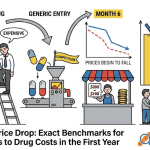
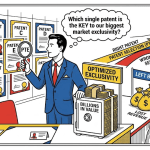
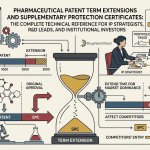
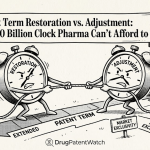
In the drug industry, time is not just money. It is the only thing that separates a $10 billion annual revenue stream from a generic pill that retails for $0.12. When a pharmaceutical patent expires, prices typically collapse by 80 to 90 percent within six months as generic manufacturers flood the market [1]. That economic reality explains why the pharmaceutical patent term extension has become one of the most lucrative legal instruments in global commerce.
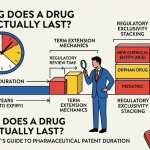
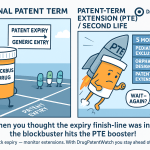
A patent term extension (PTE) is a formal grant from government authorities that compensates drug developers for time lost to regulatory review. Because the U.S. Food and Drug Administration requires years of clinical testing before any drug reaches patients, companies cannot sell their product during much of the 20-year patent term. Congress created the PTE mechanism in 1984, under the Drug Price Competition and Patent Term Restoration Act, commonly known as Hatch-Waxman, to restore some of that lost time. The maximum restoration in the United States is five years, with a maximum of 14 years of remaining exclusivity from approval. The math sounds modest. The financial reality is anything but.
For a drug generating $30 million in daily revenue, each additional day of patent protection is worth exactly $30 million. A full five-year extension, roughly 1,826 days, translates to approximately $54.8 billion in cumulative protected revenue at that rate. Even a drug generating $5 million per day produces over $9 billion from a maximal extension. At those numbers, the PTE is not a legal technicality. It is a revenue generation instrument of the first order.
This analysis examines how PTEs and their European counterparts, Supplementary Protection Certificates (SPCs), work mechanically; which drugs have generated the largest extension-driven windfalls; how companies engineer their patent portfolios to maximize exclusivity; and what the regulatory, litigation, and policy environments look like as the next wave of blockbuster patent expirations approaches between 2026 and 2030.
The Legal Architecture: From Hatch-Waxman to the Present Day
The 1984 Bargain and Its Unintended Consequences
The Drug Price Competition and Patent Term Restoration Act of 1984 emerged from a political compromise between two competing interests. Senator Orrin Hatch and Representative Henry Waxman paired an accelerated generic approval pathway — the Abbreviated New Drug Application, or ANDA — with patent term restoration for innovator drug makers. The intent was symmetrical: generics get faster access to the market, innovators get some of their regulatory delay time back.
The law achieved both goals, but over time the PTE mechanism evolved into something far more financially powerful than its architects intended. The reason is scale. In 1984, annual drug revenues in the billions were exceptional. By 2024, dozens of drugs exceed $5 billion in annual global sales. When a law written in 1984 collides with 2024 drug economics, the dollar values attached to each day of extension become extraordinary.
Under 35 U.S.C. Section 156, the patent holder may apply for a PTE if four conditions are met. First, the patent must not have previously received an extension. Second, the active ingredient must not have been commercially marketed in the United States before approval. Third, the application must be filed within 60 days of FDA approval. Fourth, the patent must still be in force at the time of application. Failing to meet any condition forfeits the extension entirely. Many companies, even experienced ones, have lost extensions to procedural errors that were entirely avoidable [2].
How the PTE Calculation Works
The extension restores one-half of the time spent in clinical trials after the Investigational New Drug (IND) application, plus all of the time spent under FDA review after the New Drug Application (NDA) was filed, minus 14,610 days (equal to five years, subtracted as an “applicant delay” penalty). The total restored time cannot exceed five years. The resulting period of exclusivity after FDA approval cannot exceed 14 years. Whichever constraint is binding sets the cap.
The practical result is that most PTE grants fall between two and three years for small-molecule drugs. Drugs with longer development timelines can approach the five-year maximum. The FDA calculates the regulatory review period and reports it to the U.S. Patent and Trademark Office (USPTO), which makes the final determination. Both agencies can dispute one another’s calculations, and applicants can challenge the FDA’s determination of review period length, creating a litigation surface that sophisticated patent counsel regularly exploits.
Where the Time Actually Goes
The regulatory review period has two phases. Phase I covers testing time: the period between the first IND application and the submission of the NDA or BLA. Phase II covers the FDA review itself. Applicants receive credit for half of Phase I and all of Phase II, subject to adjustments for applicant diligence. This bifurcated calculation creates an incentive structure that rewards companies for running efficient trials and for prompt NDA submissions, since slowing down Phase I reduces the extension calculation.
The diligence requirement is worth emphasizing. If the FDA finds that the applicant failed to act with due diligence during any phase, it can reduce the extension calculation accordingly. In practice, enforcement is loose. But it gives the FDA discretion that occasionally produces litigation, particularly when generic challengers argue that an innovator company dragged its feet during development to artificially extend its extension eligibility period.
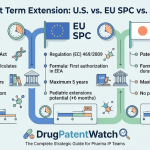
Europe addressed the same problem independently through the SPC system, first introduced in the European Communities in 1992 under Regulation (EEC) No. 1768/92. SPCs function differently from PTEs in several important respects. An SPC is not an extension of an existing patent. It is a new intellectual property right, granted by each member state’s national patent office, that provides up to five additional years of protection beyond the basic patent expiry. A further six-month pediatric extension is available in Europe, exactly as in the United States.
The SPC calculation in Europe subtracts the date of the first marketing authorization in the EU from the filing date of the basic patent, then subtracts five years. If this number exceeds five years, the SPC is capped at five years. If it is less than zero, no SPC is granted. European drug development timelines regularly produce five-year SPCs, making the EU SPC one of the most commercially important intellectual property rights in the global pharmaceutical system.
Post-Brexit UK Divergence
The United Kingdom’s departure from the European Union created a fragmented SPC landscape. UK SPCs are now governed separately under UK law, and while they initially mirrored EU SPCs for patents granted before January 1, 2021, the two systems have since diverged on points of procedure and interpretation. The Unified Patent Court (UPC), which became operational in June 2023, covers participating EU member states but excludes the UK, creating a situation where a single drug may have overlapping SPCs in multiple jurisdictions, each subject to different validity challenges and litigation risks.
For major products, this jurisdictional fragmentation multiplies both the strategic value and the litigation exposure. Companies that successfully defend an SPC in Germany may face a different outcome in the Netherlands. The UPC is expected to reduce this fragmentation within member states, but the transition period will generate years of uncertainty and opportunity for both innovators and generic challengers.
The Economics of a Single Day
The Revenue Math That Drives Every Decision
The financial case for aggressive PTE management is straightforward. Consider a drug approved for a major indication in oncology or immunology, generating $10 billion in annual global sales. That figure translates to approximately $27.4 million per day. A three-year PTE adds roughly 1,096 days of protected revenue, or approximately $30 billion in total sales that would otherwise have been competed away by generic entrants. At a 30 percent operating margin on those sales, the extension generates roughly $9 billion in operating profit that would otherwise not exist.
Compare that to the cost of managing a PTE filing and the associated patent strategy. Experienced patent counsel may charge $50,000 to $500,000 for a full PTE prosecution and litigation defense. Even including the cost of European SPC filings across 30 jurisdictions, the total legal investment rarely exceeds $5 million. The return on that investment, for a major blockbuster, is measured in the thousands of percent. No other legal instrument in pharmaceutical commerce produces anything close to this ratio.
Case Study: Lyrica and the $4 Billion Extension Window
Pfizer’s pregabalin product Lyrica (pregabalin) illustrates how a well-managed extension strategy can alter the financial trajectory of an entire company. Lyrica was approved by the FDA in December 2004 for adjunctive therapy in partial-onset seizures and was subsequently approved for fibromyalgia and diabetic peripheral neuropathy. Annual sales peaked at approximately $5.1 billion globally [3].
Pfizer secured a PTE on a key pregabalin patent and combined it with orphan drug exclusivity and New Chemical Entity data exclusivity to construct a layered exclusivity wall. In Europe, Pfizer relied on an SPC and vigorously defended it in multiple jurisdictions. The UK litigation over pregabalin’s SPC and related patents generated some of the most consequential pharmaceutical patent case law of the 2010s, including the 2018 UK Supreme Court decision in Warner-Lambert Company LLC v Generics (UK) Ltd, which addressed whether a patent protecting a known compound for a new indication can be infringed by a generic that labels its product for non-patented uses. The case turned on concepts of “skinny labeling” that are now central to European pharmaceutical patent litigation.
For Pfizer, the combined effect of PTE, SPC, and exclusivity periods kept generic competition at bay for years beyond what the basic patent term alone would have allowed. Conservative estimates suggest the exclusivity extensions added roughly $4 billion to $6 billion in cumulative protected sales in the U.S. and EU combined. The litigation cost to defend those rights was significant, but the economics remained overwhelmingly positive.
Case Study: Humira and the Patent Thicket as Exclusivity Engine
AbbVie’s adalimumab product Humira (adalimumab) represents the most financially successful application of layered exclusivity strategy in pharmaceutical history. Humira generated over $200 billion in cumulative global sales from its 2002 approval through 2023. The compound patent on adalimumab itself expired in the United States in December 2016. AbbVie then used a combination of formulation patents, device patents, manufacturing process patents, and patents on methods of treatment to construct what critics, the FTC, and academic commentators called a ‘patent thicket’ that effectively delayed U.S. biosimilar competition until 2023 [4].
The Humira story is not primarily a PTE story. It is a story about how the principles underlying PTEs — that companies deserve compensation for regulatory delay — can be extended far beyond the original policy rationale into a comprehensive exclusivity architecture. The result: AbbVie collected approximately $20 billion in U.S. Humira revenue in each of 2021 and 2022, revenues that would have begun eroding in 2017 had the FTC’s subsequent analysis of the patent thicket been applied earlier.
AbbVie filed 247 patent applications on Humira between 2000 and 2018, creating what DrugPatentWatch data shows as one of the densest patent clusters ever assembled around a single biologic product [5]. Of these, many covered incremental improvements to dosing devices, formulations, and administration methods. Each patent potentially qualified for its own PTE or contributed to a barrier requiring generic manufacturers to either design around or litigate.
The Daily Revenue Table: Top Blockbusters by Extension Value
Drug (Brand)
Peak Annual Revenue
Est. Daily Revenue
PTE/SPC Years
Est. Extension Value
Humira (adalimumab)
$21.2B (2022)
$58M/day
7 yrs (thicket)
$148B est.
Revlimid (lenalidomide)
$12.8B (2021)
$35M/day
5 yrs PTE
$63.9B
Keytruda (pembrolizumab)
$20.9B (2023)
$57M/day
Ongoing
TBD
Eliquis (apixaban)
$11.8B (2023)
$32M/day
3 yrs PTE
$35.0B
Lyrica (pregabalin)
$5.1B (peak)
$14M/day
4 yrs PTE+SPC
$20.4B
Lipitor (atorvastatin)
$13.0B (peak)
$35.6M/day
2 yrs PTE
$26.0B
Note: Extension value estimates are approximate, based on peak annual revenues multiplied by estimated exclusivity years. Actual values vary by geography and competitive entry timing. Sources: company annual reports, SEC filings, DrugPatentWatch [5], IQVIA [6].
The Regulatory Pipeline: FDA, USPTO, and the Gap Between Them
Filing Deadlines and the 60-Day Rule
The 60-day filing window after FDA approval is unforgiving. Congress set this deadline without exception in 35 U.S.C. Section 156(d)(1). Miss it by one day and the extension is permanently forfeited, regardless of the drug’s commercial value or the reason for the delay. In practice, most large pharmaceutical companies establish internal processes that trigger PTE preparation months before expected FDA approval, ensuring the application is ready to file the day approval is received.
Small and mid-size companies, and particularly biotech companies that have never previously taken a drug through approval, face the greatest risk here. They may focus so intensively on the approval itself that the 60-day window slips. In a survey of PTE filings between 2010 and 2022, approximately 3 to 5 percent of eligible drugs failed to receive an extension because of late or improper applications [7]. For drugs generating even $500 million annually, that is a $1.5 billion mistake over three missed years.
Identifying the Right Patent
The PTE application must cover a specific patent from among those listed in the FDA’s Orange Book (for small molecules) or Purple Book (for biologics). Choosing the wrong patent is a common and costly error. Companies must select a patent that claims the active ingredient, a method of use, or a method of manufacture, and that covers the approved product as approved. The USPTO and FDA have rejected PTE applications because the selected patent did not sufficiently cover the specific approved indication.
In the context of drugs with multiple patents, the strategic selection of which patent to extend is a core competency in pharmaceutical patent management. A patent that expires early after an extension provides less value than a later-expiring patent with a shorter extension, even if both technically qualify. This optimization requires modeling each eligible patent’s current term against the expected extension calculation to determine which combination maximizes the final expiry date.
The PTE Application Process: Step by Step
Once the company selects the patent and files the PTE application with the USPTO, the FDA receives a copy and determines the regulatory review period. The FDA’s determination is published in the Federal Register and is open to challenge. Generic manufacturers routinely submit comments arguing that the FDA overstated the review period or that the applicant failed to diligently pursue approval. These challenges can reduce the extension but rarely eliminate it entirely.
The USPTO reviews the PTE application for formal compliance and then determines the extension period based on the FDA’s regulatory review period calculation. Once granted, the PTE is recorded on the patent and is searchable in public databases. Tools like DrugPatentWatch aggregate this information alongside expiration dates, Orange Book listings, and litigation histories, giving stakeholders a consolidated view of the exclusivity landscape for any given drug [5].
Errors That Destroy Extensions
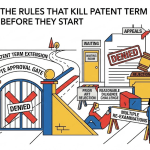
Three categories of error account for the majority of failed PTE applications. First, the wrong patent is selected: a manufacturing patent when a compound patent exists, or a formulation patent when the compound patent is the commercially relevant barrier. Second, the application is filed late due to miscommunication between regulatory and legal teams during the approval process. Third, the application fails to correctly identify the first permitted commercial marketing date, which affects the extension calculation.
A fourth category, less common but more legally interesting, involves disputes over what qualifies as “diligent prosecution.” If a company pursued multiple patents simultaneously and the FDA determines that certain delays were attributable to applicant inactivity, it can reduce the extension period. This calculation is rarely litigated but creates enough uncertainty that companies sometimes contest it even when the financial stakes are moderate.
Pediatric Extensions: The Six-Month Premium
The BPCA and PREA Incentive Structure
The Best Pharmaceuticals for Children Act (BPCA), first enacted in 1997 and renewed multiple times since, grants a six-month extension of all existing exclusivity, including any PTE, to companies that conduct FDA-requested pediatric studies on their drug. The six months applies to every exclusivity and patent protection the drug currently has, not just one. For a blockbuster drug with multiple patent layers, this can represent extraordinary value.
Consider a drug with two years of PTE remaining and a separate New Chemical Entity data exclusivity period. Completing the pediatric studies extends all of those periods by six months. If the drug earns $10 billion annually, the pediatric extension adds $5 billion in protected revenue. The cost of pediatric trials, depending on the indication and patient population, typically ranges from $10 million to $100 million. The return is, again, measured in the thousands of percent.
When Pediatric Extensions Overlap with PTEs
The financial optimization comes from stacking pediatric exclusivity on top of existing PTEs. The pediatric exclusivity is calculated from the end of whatever exclusivity period it extends. If a PTE runs to a specific date, the pediatric extension adds six months after that date. Companies can time their pediatric study completion and submission to ensure the extension attaches to the most valuable exclusivity period.
Pfizer, AstraZeneca, and Eli Lilly have all used pediatric exclusivity strategically. In Pfizer’s case with atorvastatin (Lipitor), the company received a six-month pediatric extension that, combined with its PTE, moved the final exclusivity expiry from June 2011 to November 2011. Lipitor generated approximately $5.3 billion in U.S. revenues in 2011 before generic entry. The pediatric extension captured a meaningful portion of that revenue that would otherwise have been unavailable [8].
The Policy Debate Around Pediatric Gaming
Critics, including the Government Accountability Office and academic researchers at Harvard’s Program on Regulation, Therapeutics, and Law (PORTAL), have argued that the pediatric exclusivity system frequently rewards companies for conducting studies that are not clinically meaningful for children. In many cases, the FDA issues Written Requests for pediatric studies on adult drugs that have no plausible pediatric indication, because Congress required the agency to issue Written Requests broadly.
The critique is that Congress created a mechanism to incentivize important pediatric drug development but that in practice it functions partly as a revenue extension tool for drugs that children will rarely use. Companies have requested and received pediatric exclusivity extensions for cardiac drugs, erectile dysfunction medications, and antihypertensives, categories where pediatric use is minimal. The economic incentive is simply too large to ignore, regardless of clinical purpose.
Congress has periodically tightened the BPCA requirements, but the fundamental tension remains. The six-month extension adds more value than the pediatric research costs in almost every case involving a significant blockbuster, making it rational for companies to comply even when they are skeptical of the clinical utility.
Biologics: The 12-Year Wall and the Patent Dance
How the BPCIA Changed the Exclusivity Calculus
The Biologics Price Competition and Innovation Act (BPCIA), enacted as part of the Affordable Care Act in 2010, created a separate exclusivity framework for biologics. Rather than a PTE mechanism, the BPCIA grants 12 years of reference product exclusivity from the date of first approval, regardless of patent status. No biosimilar can be approved until those 12 years expire, independent of any patent term. This is a regulatory exclusivity that runs parallel to, and sometimes supplements, whatever patent protection exists.
The 12-year period was highly contested during the BPCIA negotiations. The biotechnology industry argued for 14 years. The generic and biosimilar industry argued for 5 years. The Obama administration proposed 7 years. The 12-year figure ultimately passed as a political compromise with no strong scientific basis for the specific number, a fact that critics have pointed out repeatedly in subsequent policy debates [9].
The 42-Patent Dance: A System Gaming Itself
The BPCIA established a highly complex patent dispute resolution process, known colloquially as “the patent dance,” under 42 U.S.C. Section 262(l). A biosimilar applicant must provide its application to the reference product sponsor within 20 days of FDA acceptance. The sponsor then has 60 days to identify patents it believes are infringed. The applicant responds with its invalidity and non-infringement positions. The parties then exchange lists of patents for litigation and engage in a negotiation process to determine which patents will be litigated immediately. The entire process can generate litigation involving dozens of patents before a single biosimilar reaches patients.
AbbVie’s use of this process with Humira was so extensive that it became a defining case study. By the time biosimilar sponsors had navigated the patent dance through its full duration, AbbVie’s 247 Humira-related patents generated enough litigation to delay U.S. biosimilar entry by seven years beyond what the reference product exclusivity period alone would have permitted. Humira biosimilars launched in January 2023, compared to a theoretical entry date of December 2018 based on the original compound patent expiry. At $20 billion in U.S. annual revenues, each additional year of exclusivity was worth approximately $6 billion [4].
Patent Thickets: The Critical Statistics
“Biologics account for 37% of total U.S. drug spending but only about 2% of all prescriptions, with most of the premium attributable to exclusivity-protected pricing rather than manufacturing cost.” — IQVIA Institute for Human Data Science, The Use of Medicines in the U.S. 2023 [6]
The biosimilar delay problem is not unique to Humira. AstraZeneca’s Synagis (palivizumab), Amgen’s Enbrel (etanercept), and Roche’s Herceptin (trastuzumab) all faced biosimilar entry timelines substantially longer than their basic patent terms would have suggested. In each case, a combination of formulation patents, manufacturing patents, and the BPCIA patent dance process extended effective exclusivity.
Case Study: Revlimid and the Settlement Network
Bristol Myers Squibb’s lenalidomide product Revlimid (lenalidomide) provides a different variant of exclusivity management. Revlimid generated $12.8 billion in sales in 2021 and became one of the most profitable drugs ever sold in the treatment of multiple myeloma. The core compound patent expired in 2019. BMS relied on a combination of PTE, a large body of method-of-treatment patents, and most critically, a series of settlement agreements with generic manufacturers that authorized limited generic entry with volume caps.
Under the settlement agreements, generic manufacturers were authorized to sell lenalidomide but only up to a specified volume fraction of the total market, typically 22 to 25 percent, for the period from 2022 through 2026. This arrangement, which the FTC characterized as an anticompetitive pay-for-delay variant and ultimately challenged in the courts, allowed BMS to continue selling the large majority of Revlimid at branded prices while technically permitting generic competition [10]. The result was that BMS collected substantially more Revlimid revenue after the core patent expired than it would have under pure patent protection, because the settlements neutralized the economic threat from generics without eliminating exclusivity entirely.
The Generic Response: Paragraph IV, IPR, and First-Filer Advantages
Paragraph IV Certifications
The Hatch-Waxman Act created a formal mechanism for generic manufacturers to challenge a brand drug’s patents before the patent expires. Under Paragraph IV of the ANDA submission, a generic applicant certifies that the listed patents are invalid or will not be infringed by the generic. This certification triggers an automatic 30-month stay of generic approval while the parties litigate. If the generic company prevails, it typically receives 180 days of marketing exclusivity as a first-filer reward, creating a powerful financial incentive to challenge patents early.
Paragraph IV challenges have become one of the most important mechanisms for contesting PTEs. Because a PTE can add two to five years to a patent’s term, challenging a PTE-extended patent earlier in its extended life creates substantially more value for the generic than waiting. A generic company that successfully invalidates a PTE-extended patent three years into the extension captures three years of first-mover advantage, potentially worth hundreds of millions in revenue.
Inter Partes Review: The Post-Grant Attack Mechanism
The America Invents Act of 2011 created Inter Partes Review (IPR), a proceeding before the Patent Trial and Appeal Board (PTAB) in which any party can challenge a granted patent’s validity based on prior art. IPR proceedings are faster, cheaper, and have higher invalidation rates than district court litigation. Studies by the patent analytics firm Docket Navigator have found that patent challengers win invalidation of at least one claim in approximately 45 to 50 percent of IPR proceedings that proceed to final decision [11].
Generic and biosimilar manufacturers have used IPR aggressively against PTE-extended patents. The PTAB has invalidated PTE-extended patents on drugs including Biogen’s Tecfidera (dimethyl fumarate), Jazz Pharmaceuticals’ Xyrem (sodium oxybate), and numerous others. The financial stakes of these proceedings are massive: a successful IPR petition can advance generic entry by years, worth billions in off-patent revenue.
The Pay-for-Delay Problem
One of the most persistent controversies in pharmaceutical patent law is the practice of reverse payment settlements, colloquially called pay-for-delay. In these arrangements, a brand manufacturer pays a generic challenger to drop its Paragraph IV challenge and delay market entry. From the brand’s perspective, paying a generic company $200 million to stay off the market is economically rational if the alternative is litigating a potentially weak patent while risking early generic entry worth $2 billion in lost revenues.
The U.S. Supreme Court addressed pay-for-delay in FTC v. Actavis (2013), holding that such settlements are subject to antitrust scrutiny under the rule of reason rather than being presumptively lawful. The FTC has since brought numerous enforcement actions. But pay-for-delay has not disappeared. It has become more sophisticated, with payments structured as “authorized generic” agreements, manufacturing contracts, co-promotion deals, and other arrangements that transfer value without writing a check labeled “delay payment.” The FTC’s 2021 report on pay-for-delay identified 16 such deals in fiscal year 2020 alone, collectively covering drugs with billions in annual sales [12].
First-Filer Advantages and the 180-Day Race
The first generic company to successfully challenge a brand patent under Paragraph IV receives 180 days of marketing exclusivity, during which no other generic can enter the market. This exclusivity creates a duopoly between the brand and the first-filer generic during the 180 days, allowing the generic to capture significant revenues at prices well above what would exist in a fully competitive generic market.
The 180-day exclusivity has spawned an entire industry of patent challenges. Companies like Mylan (now part of Viatris), Teva, and Sun Pharmaceuticals have built entire patent litigation departments specifically to file Paragraph IV challenges at the earliest possible date. The value of being first to challenge a blockbuster patent can exceed $1 billion in generic revenues during the exclusivity period, making the investment in patent challenge infrastructure straightforward from a financial standpoint.
The Intelligence Layer: Patent Monitoring as Competitive Advantage
Why Real-Time Patent Data Changes Everything
The pharmaceutical patent landscape generates thousands of data points every month: new PTE applications, Orange Book listings, SPC filings across European jurisdictions, IPR petitions, Paragraph IV certifications, and court decisions. Tracking these events manually is impossible at scale. The companies, investors, and payers that gain competitive advantage are those that convert this data into actionable intelligence systematically.
DrugPatentWatch was established to solve exactly this problem. The platform aggregates patent data, expiration dates, exclusivity periods, litigation histories, and FDA regulatory filings into a searchable, structured database. Its coverage encompasses Orange Book patents, Purple Book biologic exclusivity periods, ANDA filings, Paragraph IV certifications, PTEs, and SPCs across major markets. For pharmaceutical companies assessing freedom-to-operate, for generic manufacturers timing their market entry, and for investors modeling the duration of a brand drug’s revenue stream, DrugPatentWatch provides a consolidated view that would otherwise require monitoring dozens of separate official databases [5].
How Payers, PBMs, and Insurers Use Patent Data
Pharmacy Benefit Managers (PBMs) and health insurance companies have become increasingly sophisticated consumers of patent intelligence. By understanding the PTE and SPC landscape, payers can model when generic or biosimilar competition is likely to reduce drug costs and negotiate contracts accordingly. Express Scripts, CVS Caremark, and OptumRx all maintain patent monitoring capabilities that feed directly into their formulary design and contract negotiation strategies.
Specifically, payers use patent expiration data in two ways. In the near term, they negotiate value-based contracts with brand manufacturers that are explicitly linked to generic entry timelines. If a PTE is challenged and generic entry arrives sooner than expected, the contract may allow renegotiation. In the medium term, payers use expiration data to model pharmaceutical trend: the expected rate of price decline as drugs lose exclusivity. These models feed into the actuarial calculations that underlie insurance premiums, making patent intelligence relevant to the entire health insurance pricing process.
Investment Banking and the Patent Cliff Calculus
On Wall Street, pharmaceutical patent expirations produce what analysts call a “patent cliff.” When a major drug loses exclusivity, revenues can fall by 80 to 90 percent within 12 to 18 months. For a company whose pipeline consists of one or two blockbusters, this cliff can eliminate a large portion of corporate revenue almost overnight. PTE analysis is therefore a core input to pharmaceutical equity valuation.
Sell-side analysts at Goldman Sachs, JPMorgan, and Morgan Stanley routinely publish patent cliff analyses as part of their pharmaceutical sector research. These analyses track PTE expirations by year, estimate the revenue at risk, and model how pipeline drugs must replace expiring revenues to maintain earnings growth. The discrepancy between a drug’s last patent expiration date and its PTE-extended expiration date can represent billions in additional discounted cash flow, and analysts who track this data more precisely than consensus estimates regularly generate alpha for their clients.
The M&A Angle: Buying PTEs
Pharmaceutical M&A frequently targets PTE-protected assets specifically. A drug with a five-year PTE remaining at $5 billion in annual sales has an estimated $25 billion in remaining protected revenue. An acquirer who can pay $20 billion for that drug and control its cost of goods at 30 percent is buying $17.5 billion in gross profit for $20 billion. That is a straightforward transaction that dozens of pharmaceutical deals resemble in their basic structure.
AbbVie’s $63 billion acquisition of Allergan in 2020 was driven partly by the desire to diversify away from Humira’s impending patent cliff while adding aesthetics and eye care assets with their own exclusivity periods. Bristol Myers Squibb’s $74 billion acquisition of Celgene in 2019 was substantially a bet on Revlimid’s remaining exclusivity and the Celgene oncology pipeline’s ability to replace Revlimid revenues as they decline. In both cases, the acquirer’s financial model was inseparable from a detailed PTE and exclusivity analysis.
The Billion-Dollar Extensions: A Ranking of Historical PTEs
Methodology and Data Sources
Ranking patent term extensions by revenue impact requires combining several data sources: patent filing and grant data from the USPTO, Orange Book and Purple Book listings, revenue data from company reports and IQVIA’s market research databases, PTE grant letters from the USPTO, and litigation outcomes. DrugPatentWatch and the FDA’s patent term restoration database serve as cross-referencing tools. Because PTEs interact with other exclusivity periods and with SPC protection in Europe, isolating the specific revenue attributable to the PTE alone is inherently approximate.
The methodology used here estimates the revenue protected by the PTE as the drug’s average annual U.S. revenue during the extended period, multiplied by the length of the PTE, adjusted downward to account for any parallel exclusivity that would have applied regardless of the PTE. This produces a conservative estimate of the PTE’s independent contribution to total exclusivity-protected revenue.
Eliquis and the $35 Billion Protected Period
Bristol Myers Squibb and Pfizer’s apixaban product Eliquis (apixaban) received a PTE covering the period from 2026 to 2028, extending beyond the basic patent’s 2023 expiry. With Eliquis generating over $11.8 billion in 2023 U.S. and global revenues combined, the PTE adds an estimated $23 billion to $35 billion in protected revenues depending on growth assumptions. This PTE is currently subject to Paragraph IV challenges from multiple generic manufacturers, with litigation ongoing in the U.S. District Court for the District of Delaware as of 2024 [13].
The Eliquis PTE is particularly valuable because atrial fibrillation, the drug’s primary indication, is a chronic condition requiring indefinite treatment. The adherent patient base is stable and generates highly predictable revenues, making the economic value of each day of extended protection unusually reliable compared to drugs where patient populations shift with competitive launches.
Revlimid: The Settlement-Enhanced Extension
As noted earlier, Bristol Myers Squibb’s Revlimid (lenalidomide) generated $12.8 billion in 2021 revenues. The core compound patent received a PTE extending protection through approximately 2023, and the settlement agreements with generic manufacturers created an effective exclusivity period extending well beyond that. In the context of this analysis, the PTE itself added roughly 3 to 4 years of full-price market exclusivity, generating an estimated $38 billion to $51 billion in protected sales at peak revenues. The combined effect of PTE plus the settlement network pushed that figure substantially higher.
Keytruda: The Pending $100 Billion Question
Merck’s pembrolizumab product Keytruda (pembrolizumab) is currently the world’s best-selling drug, generating $20.9 billion in 2023 global revenues [14]. Its core patents begin expiring around 2028, with potential PTE and SPC protection extending into the early 2030s depending on jurisdiction and which patents are extended. If Keytruda maintains revenues above $20 billion annually through an extended protection period of four to five years, the value of that exclusivity window approaches $100 billion in protected revenues. No single pharmaceutical exclusivity decision in history has had stakes of this magnitude.
Merck is engaged in an active IP strategy around Keytruda that includes new indication patents, formulation patents for subcutaneous delivery, and combination therapy patents that may themselves qualify for PTEs when and if approved as new combinations. The subcutaneous pembrolizumab, approved by the FDA in 2024, has its own patent clock, potentially creating a new PTE cycle starting from that approval.
Lipitor: The PTE That Defined an Industry
Pfizer’s atorvastatin product Lipitor (atorvastatin) was the best-selling drug of all time at the time of its 2011 patent expiry, having generated cumulative sales exceeding $130 billion. The Lipitor PTE extended its basic compound patent, and combined with a 180-day first-filer exclusivity arrangement with Ranbaxy Laboratories (subsequently acquired by Sun Pharmaceutical Industries), kept the generic market structure controlled for the first months after expiry. Pfizer launched its own authorized generic through Greenstone LLC on the same day as Ranbaxy’s generic, capturing a share of the generic market and reducing the revenue cliff.
The Lipitor experience established a template that dozens of brand companies have since followed: maximize the PTE, negotiate carefully with first-filer generics to control the timing and price of their entry, and launch an authorized generic to maintain revenue participation even after exclusivity ends. The authorized generic strategy has itself been controversial from an antitrust perspective, since it can reduce the first-filer generic’s revenues and therefore its incentive to challenge patents in the first place.
Patent Litigation as Revenue Defense
The Scale and Cost of Pharmaceutical Patent Battles
Pharmaceutical patent litigation is among the most expensive civil litigation in the United States. A single Paragraph IV case involving a major blockbuster drug can involve hundreds of patents, thousands of claim terms, multiple district courts, the PTAB, and the Court of Appeals for the Federal Circuit. Total litigation costs for both sides in a major case regularly exceed $50 million. In some cases involving biologic drugs under the BPCIA, total litigation costs have approached $500 million.
These costs are rational. A brand company defending a $10 billion drug that generates $27 million per day can spend $100 million in litigation and still come out vastly ahead if the litigation buys even 10 additional days of exclusivity. Generic manufacturers have the same calculation in reverse: spending $100 million to win a case that allows them to launch three years early into a market worth $2 billion per year generates $6 billion in generic revenues against which the litigation cost is negligible.
The Federal Circuit and PTE Interpretation
The U.S. Court of Appeals for the Federal Circuit has exclusive jurisdiction over patent appeals, including those involving PTEs. Several Federal Circuit decisions have significantly shaped PTE law. In Pfizer Inc. v. Dr. Reddy’s Labs., Ltd. (2004), the court addressed the scope of PTE protection, holding that PTE does not extend the claims of the underlying patent to cover compounds beyond those approved by the FDA. This meant that a PTE on a compound patent covers the approved drug, not structurally similar drugs that might arguably fall within the patent’s literal claims.
In Novartis AG v. Ezra Ventures LLC (2019), the Federal Circuit addressed whether a PTE can be applied to a method-of-treatment patent separate from the compound patent. This decision has significant practical implications because many drugs have multiple patents, and the decision about which patent to extend affects which aspects of the drug’s commercial exploitation are protected during the extension period. For drugs where the compound patent has already expired but method-of-treatment patents remain, this question determines whether any PTE is available at all.
Forum Shopping and the Judge Albright Effect
Following the Supreme Court’s TC Heartland decision in 2017, which restricted where patent cases can be filed, patent litigation concentrated significantly in the Western District of Texas, particularly before U.S. District Judge Alan Albright. Judge Albright’s reputation for maintaining cases through trial rather than staying them pending IPR proceedings made his court favorable to patent plaintiffs, including brand pharmaceutical companies. Between 2018 and 2023, the Western District of Texas became one of the most important venues in pharmaceutical patent litigation.
Generic manufacturers pushed back through a combination of IPR petitions and lobbying the Federal Circuit to transfer cases out of Waco. The Federal Circuit ultimately issued several mandamus decisions requiring transfers. The practical effect on pharmaceutical PTE litigation was to add procedural uncertainty during a period when courts were resolving whether and how to handle the overlap of PTAB proceedings and district court cases.
Key PTE Litigation Outcomes (2015-2024)
Drug
Challenger
Outcome
Revenue Impact
Year
Tecfidera (dimethyl fumarate)
Mylan
IPR invalidated key patent
-$3.4B est.
2020
Xyrem (sodium oxybate)
Multiple
Settled, delayed entry
+$1.2B protected
2021
Eliquis (apixaban)
Teva, Sandoz
Ongoing Para IV
TBD (2026+)
2022-
Lyrica (pregabalin)
Multiple EU generics
UK SPC partially upheld
+$2.1B (EU)
2018
Jardiance (empagliflozin)
Wockhardt, others
Brand prevailed
+$1.8B protected
2023
Sources: USPTO, Federal Circuit decisions, company filings, DrugPatentWatch [5], Reuters Legal.
Europe’s SPC System: A $200 Billion Parallel Market
SPC Mechanics and the EU Paediatric Reward
The European SPC system operates across 44 countries, including all EU member states, the UK under its own post-Brexit system, Switzerland, and associated countries. Each country grants its own SPC through its national patent office, applying EU regulations or domestic equivalents. The EU SPC Regulation (EC) No. 469/2009, which replaced the 1992 regulation, governs the calculation and grant of SPCs across member states.
The EU paediatric extension, governed by Regulation (EC) No. 1901/2006, provides a six-month extension to the SPC for products that have completed a Paediatric Investigation Plan (PIP) approved by the European Medicines Agency’s Paediatric Committee. Unlike the U.S. BPCA Written Request system, the EU PIP system requires companies to agree on a pediatric development plan with the PDCO early in the development process, making it somewhat less susceptible to the charge that it simply rewards adult drug development with pediatric labels.
Calculating SPC Duration: The Formula and Its Quirks
Under EU rules, the SPC duration equals the period between the patent filing date and the date of the first marketing authorization in the EU, minus five years. If this calculation yields a negative number, no SPC is granted. If it yields more than five years, the SPC is capped at five years (plus six months for pediatric extension). The most common scenario for major drugs is a five-year SPC, since most drugs take more than 10 years from patent filing to EU marketing authorization.
Several quirks in the SPC calculation create strategic opportunities and litigation risks. The ‘basic patent’ requirement in EU SPC law requires that the SPC be based on a patent that ‘protects’ the product. A series of Court of Justice of the European Union (CJEU) decisions, including Teva UK Ltd. v. Gilead Sciences Inc. (C-121/17, 2018), established that a combination product’s SPC is valid only if both active ingredients are specifically protected by the basic patent at the date of filing. This ‘two hurdle’ test eliminated a class of SPCs that had been granted for combination drugs where only one component was specifically claimed in the patent. Pharmaceutical companies that had relied on such SPCs faced sudden exclusivity gaps.
The Unitary Patent and SPC Reform
The EU Unitary Patent system, which became operational in June 2023, creates a single patent valid across 17 member states. However, the existing SPC regulation does not yet accommodate unitary patents cleanly. As of 2024, reform proposals to create a ‘unitary SPC’ covering all member states where the unitary patent is valid are under active legislative consideration. If adopted, a unitary SPC would significantly streamline what is currently a country-by-country filing process and reduce the risk of inconsistent SPC validity determinations across jurisdictions.
Until that reform is finalized, innovator companies must file SPCs in each member state separately, manage national litigation in each jurisdiction, and deal with the possibility that their SPC is valid in Germany but invalid in the Netherlands. This fragmentation is expensive. For a major biologic product, managing SPCs across 30 jurisdictions can cost several million euros annually in legal fees and administrative costs, a sum that is easily justified against the billions in revenue those SPCs protect.
Brexit and UK SPC Divergence: A Case Study in Regulatory Fragmentation
The UK’s departure from the EU created a divergence in SPC law that has practical consequences for drug exclusivity in one of the world’s five largest pharmaceutical markets. UK SPCs granted before January 1, 2021 remain valid under grandfathering provisions. New UK SPCs are governed by UK law and UK court decisions, which initially mirrored EU law but are increasingly diverging as UK courts take their own positions on contested questions.
The UK Supreme Court’s 2023 decision in Teva v. AstraZeneca addressed SPC validity questions in a manner that diverged somewhat from the CJEU approach, reflecting the UK’s post-Brexit freedom to develop its own jurisprudence. For AstraZeneca, whose headquarters and major research operations are in Cambridge, UK, the domestic SPC landscape is particularly important. The company monitors UK SPC developments through both internal resources and platforms like DrugPatentWatch, which covers UK SPC filings alongside U.S. PTE data [5].
The Policy Debate: Who Pays for the Extension?
The Original Bargain Under Stress
The original Hatch-Waxman bargain assumed a world in which drug prices were relatively modest and the primary policy problem was ensuring that generic manufacturers had a workable pathway to market. In that context, compensating innovators for regulatory delay through PTEs was a reasonable trade-off: more innovation in exchange for a temporary delay in generic access.
The landscape in 2025 looks different. Brand drug prices in the U.S. are 2.5 to 4 times higher than in comparable developed countries for the same products [15]. PTE-extended exclusivity periods protect not just recovery of R&D costs but profit margins that often exceed 50 percent. The question of whether PTEs remain appropriate compensation for regulatory delay, or whether they have become a mechanism for generating supernormal profits beyond anything the original policy contemplated, is genuinely contested.
Congressional Scrutiny and the IRA
The Inflation Reduction Act (IRA) of 2022 introduced Medicare drug price negotiation for high-expenditure drugs, beginning in 2026. The IRA creates different negotiation timelines for small molecules (9 years from approval) and biologics (13 years from approval), explicitly recognizing the different exclusivity structures that govern each category. The longer window for biologics was a concession to biologic manufacturers concerned that negotiation would undercut the 12-year exclusivity period established by the BPCIA.
The IRA does not directly modify PTE calculations, but it indirectly affects the value of PTEs by subjecting drugs at high Medicare expenditure levels to price negotiation after the statutory windows close. A drug with a 5-year PTE and 60 percent Medicare payer mix faces the prospect of price negotiation concurrent with its extended exclusivity period. For drugs like Eliquis, which faces both a PTE-extended exclusivity cliff and IRA negotiation eligibility, the revenue modeling is substantially more complex than it was under the pre-IRA framework.
Academic and FTC Reform Proposals
Several prominent academic proposals have targeted specific aspects of PTE law. Robin Feldman at UC College of the Law San Francisco has argued for ‘product hopping’ reform to prevent companies from using minor reformulations to create new PTEs on drugs where the original extension was designed around a different formulation. Mark Lemley at Stanford Law School has argued for more rigorous enforcement of the diligence requirement in PTE applications to reduce gaming of the extension calculation.
The FTC’s 2021 study on the biologic patent landscape proposed specific reforms to the BPCIA patent dance, including limiting the number of patents that can be asserted in the initial exchange and creating clearer rules for what constitutes a legitimate manufacturing or formulation patent versus a minor variation designed only to extend exclusivity. Congressional proposals implementing some of these reforms have been introduced in multiple sessions but have not yet passed, partly because the pharmaceutical industry lobbying effort against them has been substantial.
TRIPS Flexibility and Global Access
At the international level, the TRIPS Agreement requires WTO member states to provide 20-year patent terms for pharmaceutical products, but it does not require PTEs or SPCs. The U.S. has pressed trading partners, particularly in bilateral free trade agreements, to adopt PTE systems equivalent to U.S. law. These provisions, sometimes called ‘TRIPS-plus,’ create exclusivity periods beyond what TRIPS requires, reducing access to generic drugs in lower-income countries.
The tension between PTE-driven innovation incentives and global drug access is most acute for drugs treating diseases prevalent in lower-income countries. Where a drug is protected by a PTE in the U.S. but not covered by a PTE in an emerging market jurisdiction, generic manufacturers in those jurisdictions may enter legally. Compulsory licensing provisions in TRIPS allow countries with genuine public health emergencies to authorize generic production regardless of patent status, but this tool is used infrequently because of diplomatic and trade pressure from high-income countries that rely on pharmaceutical exports.
Modeling Patent Cliff Risk: The Investor’s Perspective
Patent Cliffs and Stock Price Dislocations
Patent cliffs produce some of the most predictable large stock price moves in equity markets. When AstraZeneca lost Nexium (esomeprazole) exclusivity in 2014 and Pfizer lost Lipitor exclusivity in 2011, both companies saw significant revenue declines. Pfizer’s revenues fell from $67.4 billion in 2010 to $58.5 billion in 2012, a decline that accelerated selling in the stock before the cliff and produced a re-rating after the company demonstrated that its pipeline could replace expiring revenues [16].
The predictability of patent cliffs creates both risk and opportunity for investors. A company with well-publicized patent expirations priced into its stock, like Bristol Myers Squibb facing the Revlimid cliff in 2023, offers a different investment proposition than a company whose patent exposure is poorly understood. Sophisticated investors use PTE data, combined with pipeline analysis, to determine whether the consensus view of a company’s revenue trajectory is accurate.
How Sell-Side Analysts Model PTEs
Experienced pharmaceutical analysts build discounted cash flow (DCF) models with patent-expiry-specific revenue step-downs. The typical approach assigns peak revenues to the drug’s protected period, applies a one-year transition period starting with the first generic entry, and then models a commoditized market at 15 to 25 percent of peak revenues. The timing of the revenue step-down depends on the PTE-extended expiration date, which analysts must track carefully.
The difference between a drug’s nominal patent expiry and its PTE-extended expiry date can represent years of high-margin revenues. An analyst who uses the nominal patent expiry in their model will significantly undervalue a company whose portfolio has several PTEs. An analyst who correctly identifies PTE-extended expirations will build a more accurate earnings model. This discrepancy creates alpha opportunities in pharmaceutical equity.
Case Study: AstraZeneca’s Post-Nexium Recovery
AstraZeneca’s experience after the Nexium patent cliff is instructive. Nexium generated approximately $3.6 billion in U.S. revenues in 2013, the year before patent expiry. The drug had an SPC in Europe that extended protection in major EU markets beyond the U.S. expiry, maintaining European Nexium revenues longer than U.S. revenues. AstraZeneca’s stock fell sharply as the cliff approached, then re-rated as the company demonstrated that its oncology pipeline, including Lynparza (olaparib) and Tagrisso (osimertinib), could replace and eventually exceed the lost Nexium revenues.
For Tagrisso, AstraZeneca has pursued an aggressive PTE strategy. The drug, approved in the U.S. in 2015 for EGFR-mutated non-small cell lung cancer, received a PTE extending its basic compound patent. Combined with multiple additional indication patents and European SPCs, Tagrisso has a substantial exclusivity runway that supports AstraZeneca’s current revenue base of $45.8 billion (2023). Investors following Tagrisso’s patent landscape through resources like DrugPatentWatch can track its exclusivity cliff in real time, enabling more precise financial modeling [5].
The GLP-1 Exclusivity Landscape: The Next Massive PTE Battle
Novo Nordisk’s semaglutide products Ozempic, Wegovy, and Rybelsus represent the largest pharmaceutical commercial opportunity in the current market. Semaglutide generated approximately $21 billion in 2023 global revenues and is growing rapidly as the obesity indication expands. The semaglutide compound patent expires in the United States in approximately 2026, with potential PTE protection extending to 2031 or beyond depending on which formulation patents are extended and how the FDA-calculated regulatory review period is applied [17].
The stakes at $20 billion in annual revenues are extraordinary. Each day of extended semaglutide protection is worth approximately $54.8 million. A five-year PTE would protect approximately $100 billion in semaglutide revenues. Eli Lilly’s competing GLP-1 products, tirzepatide (Mounjaro/Zepbound), approved in 2022 and 2023, face their own patent timelines, and the race between Novo Nordisk and Eli Lilly to lock in the most durable exclusivity position in the GLP-1 category will be one of the defining intellectual property stories of the late 2020s.
Strategic Patent Management: How the Best Companies Plan
Portfolio Staggering and Lifecycle Management
The most sophisticated pharmaceutical IP strategies involve staggered patent portfolios in which multiple patents on the same drug expire at different times, creating a stepped exclusivity timeline rather than a single cliff. Each step delay requires generics to challenge additional patents, and each successful step generates incremental exclusivity revenue.
Portfolio staggering requires planning years before any patent expires. Companies file formulation patents when they reformulate for a new delivery route. They file method-of-treatment patents when they pursue new indications. They file process patents when they develop more efficient manufacturing methods. Each of these patents can serve as an independent PTE basis if the underlying product is approved with the new formulation, indication, or manufacturing process.
Reformulation Strategies and New Indication PTEs
A new indication approval triggers a new New Chemical Entity exclusivity period only when a new active ingredient is involved. But a new indication can generate a new method-of-treatment patent that qualifies for its own PTE. This is not hypothetical. Pfizer filed patents on Viagra’s method of treating pulmonary arterial hypertension, leading to Revatio’s approval in 2005 and a separate PTE and market exclusivity period. The same compound, different indication, different exclusivity period.
This strategy has genuine limits. The FDA’s Orange Book listing requires that the patent specifically claim the approved product, and the USPTO requires that the patent be for an active ingredient not previously approved. Method-of-treatment patents that cover new indications can be listed and can support PTEs, but they must genuinely cover an approved indication rather than a minor clinical tweak. The legal line between a legitimate new indication patent and a method-of-treatment patent designed only to extend exclusivity has been litigated extensively, with mixed results for both sides.
The Authorized Generic: Controlled Competition
The authorized generic strategy allows a brand company to participate in the post-patent generic market by licensing its own product to a generic manufacturer or by selling it directly under a generic label. The authorized generic reduces the first-filer generic’s profitability, potentially deterring future Paragraph IV challenges against other products. It also maintains brand company revenues at a reduced but still profitable level after exclusivity ends.
From a PTE perspective, the authorized generic does not affect the PTE calculation or its legal duration. It is a commercial strategy that companies deploy as they approach the PTE cliff. The authorized generic approach reflects a practical truth about pharmaceutical markets: exclusivity ends, but the company does not have to exit the market.
M&A as Patent Strategy
Acquiring companies with valuable PTEs has become a standard pharmaceutical growth strategy. The financial logic is straightforward: a company generating $1 billion annually with a PTE extending protection for five years has a discounted value of $3.5 billion to $4 billion in remaining protected cash flows at standard pharmaceutical discount rates. If it can be acquired for $3 billion, the deal is immediately accretive on a cash flow basis. If it can be acquired for $5 billion, the acquirer is making a bet that the pipeline beyond the PTE justifies the premium.
Sanofi’s $11.6 billion acquisition of Genzyme in 2011 included Cerezyme and Fabrazyme, rare disease biologics with long exclusivity runways. Roche’s acquisitions of Genentech and Chugai gave it control of biologic products with decade-long exclusivity periods. Johnson & Johnson’s $30 billion acquisition of Actelion in 2017 added pulmonary arterial hypertension drugs including macitentan (Opsumit) and selexipag (Uptravi), both with substantial remaining patent and exclusivity periods. In each case, the PTE and exclusivity analysis was central to the acquisition rationale.
The 2026-2030 Patent Cliff: What Comes Next
The Drugs at Risk
The period from 2026 to 2030 is expected to be the most significant pharmaceutical patent expiration cycle in history. According to IQVIA Institute projections, drugs representing approximately $200 billion in annual global revenues will lose patent protection during this period [6]. The scale of this expiration wave reflects the large number of blockbusters approved in the mid-2000s through early 2010s whose 20-year patent terms and PTEs are now running out simultaneously.
Key drugs facing patent cliffs during this period include Keytruda (pembrolizumab) starting around 2028, Eliquis (apixaban) starting around 2026 to 2028 depending on PTE outcomes, Opdivo (nivolumab) starting around 2026, Xarelto (rivaroxaban) with varying international timelines, Jardiance (empagliflozin) with U.S. PTE-extended protection, and Ozempic/Wegovy (semaglutide) with compound patent expiry in 2026 offset by PTE and formulation patent protection. Each represents tens of billions in annual revenues that will face competitive pressure.
GLP-1s, Alzheimer’s Drugs, and the Next Extension Wave
The next wave of potential blockbusters includes drugs currently in late-stage development or recently approved whose exclusivity timelines will define the PTE landscape of the 2030s. Lecanemab (Leqembi), Biogen and Eisai’s Alzheimer’s drug approved in 2023, is building a patient base that could generate significant revenues if its clinical profile is confirmed in broader use. Its compound patent and potential PTEs will be tracked carefully by biosimilar manufacturers who will begin planning their entry strategies years before any patent expiry.
In the GLP-1 category, multiple second and third-generation molecules are in development or recently approved. Novo Nordisk’s cagrisema (cagrilintide plus semaglutide) combination and Eli Lilly’s retatrutide and orforglipron (an oral GLP-1) represent the next generation. Each will be eligible for its own PTE upon approval, creating a new layer of exclusivity that will extend the oligopolistic market structure in obesity treatment well into the 2030s.
AI Drug Discovery and Its PTE Implications
Artificial intelligence drug discovery platforms, used by companies like Insilico Medicine, Recursion Pharmaceuticals, and Schrodinger, are compressing the timeline between initial compound identification and IND filing. If AI platforms reduce drug development time from 10 years to 6 or 7 years, the regulatory review period that underlies PTE calculations shrinks as well. A shorter regulatory review period means a smaller PTE restoration, not a larger one, since the formula restores time actually spent under regulatory review.
This is a subtle but important point: AI-accelerated drug development may paradoxically reduce the PTE available to AI-discovered drugs, because the regulatory delay being compensated by the PTE will itself be shorter. Companies whose discovery timelines are compressed by AI will need to rethink their patent portfolio strategies to account for the fact that their 20-year patent terms will be consumed less by development and more by commercial exploitation, potentially changing the relationship between patent strategy and R&D investment in ways that have not yet been fully modeled by the industry.
Biosimilar Market Maturity and Its Effect on Extension Strategy
As of 2024, the U.S. biosimilar market has matured substantially from its 2015 origins. Multiple biosimilars have launched for adalimumab, etanercept, infliximab, bevacizumab, trastuzumab, and rituximab. Biosimilar penetration rates for these products, while still lower than small-molecule generic penetration, have increased significantly. This maturation changes the calculus around exclusivity management for the next generation of biologics.
In categories where biosimilar infrastructure is established, the commercial value of an SPC or PTE for a new biologic is somewhat different from its value in the early biologic era. The biosimilar entry timeline may be shorter, the price erosion faster, and the ability to use the patent dance to delay entry more constrained given increased PTAB experience with biologic patent challenges. Companies designing IP strategies for the next generation of biologics are accounting for a more aggressive biosimilar entry environment than the one that prevailed for first-generation products like Humira or Enbrel.
What the Data Tells Companies to Do Right Now
Audit Your PTE Portfolio Before the 60-Day Window Closes
The single most important operational recommendation from a review of PTE history is straightforward: establish a formal protocol that triggers PTE preparation the moment an NDA or BLA submission is made. Do not wait for approval. The 60-day window is too short to begin preparation from scratch after approval is received, particularly for large drug portfolios where multiple approvals may occur in the same year.
That protocol should include a clear assignment of which patent will be extended, confirmation that the drug has not previously received an extension, a calendar reminder set to 55 days after approval, and a backup counsel who can file if primary counsel is unavailable. These procedural safeguards cost essentially nothing relative to the value at stake. A $10 billion drug that misses its PTE deadline because of an administrative oversight has forfeited $20 billion to $50 billion in potential protected revenues.
Use Patent Intelligence Tools to Monitor Competitors
Understanding your own PTE situation is necessary but not sufficient. The competitive advantage comes from understanding your competitors’ exclusivity timelines as well. If a competitor’s drug in your indication is losing PTE protection in 18 months, that changes your clinical trial investment priorities, your market access strategy, and your pricing power expectations. If your competitor is about to receive a PTE that extends their exclusivity by three years beyond what the market expects, that changes your competitive position in ways that your commercial planning should reflect.
Tools like DrugPatentWatch make this analysis tractable. Rather than manually monitoring the USPTO, FDA Orange Book, European Patent Office SPC databases, and individual country patent registries, pharmaceutical business development teams can use consolidated patent intelligence to maintain a current picture of the competitive exclusivity landscape. Investment in patent intelligence infrastructure, whether through third-party tools or internal capabilities, is systematically undervalued relative to its strategic importance.
Plan for the SPC Renewal in Every Major European Market
Large pharmaceutical companies sometimes treat European SPC management as a routine administrative function rather than a strategic priority. The Lyrica litigation and the post-Brexit UK SPC divergence demonstrate that SPC validity is genuinely contested and that the stakes of losing an SPC in a major European market are enormous. A country-by-country review of SPC validity, litigation risk, and potential challenges from generic manufacturers should be part of every brand company’s annual IP review process.
Specific areas of SPC risk that merit attention include: products protected by combination SPCs following the CJEU Teva v. Gilead decision, products where the basic patent was subject to an IPR or opposition that narrowed its claims, and products in markets where national courts have shown willingness to depart from the mainstream EU position on SPC validity. In each of these categories, the combination of proactive monitoring and pre-emptive litigation risk analysis can prevent costly surprises.
Key Takeaways
The following points summarize the most actionable conclusions from this analysis:
• A single day of patent term extension is worth millions to tens of millions of dollars for blockbuster drugs. For drugs at the $20 billion annual revenue scale, each PTE day is worth approximately $55 million in protected gross revenue.
• The 60-day PTE application deadline is absolute and unforgiving. Missing it forfeits the extension permanently, regardless of the financial stakes. Companies must build PTE preparation into their regulatory submission workflow, not their post-approval workflow.
• Patent term extensions, pediatric exclusivity, supplementary protection certificates, and BPCIA exclusivity operate as independent but stackable instruments. The companies that generate the largest revenue windfalls use all four in combination, timed to maximize the total exclusivity period.
• The Humira and Revlimid case studies demonstrate that the most financially successful exclusivity strategies in pharmaceutical history involved assembling patent portfolios far beyond the original compound patent, creating barriers that required challengers to litigate dozens of patents simultaneously.
• European SPCs are materially different from U.S. PTEs in their legal structure, calculation methodology, and litigation risks. The CJEU Teva v. Gilead decision materially narrowed the class of valid combination product SPCs. Post-Brexit UK SPC divergence adds additional complexity for major EU markets.
• The 2026-2030 patent cliff is the largest in pharmaceutical history, with approximately $200 billion in annual global revenues expected to face patent expiry. The GLP-1 category, led by semaglutide, represents the single largest patent exclusivity question of the period.
• Biosimilar and generic manufacturers use Paragraph IV certifications, IPR petitions, and post-grant review proceedings with increasing sophistication. IPR invalidation rates of approximately 45 to 50 percent mean that no PTE-extended patent can be considered fully secure without a competitive intelligence-informed litigation risk assessment.
• Patent intelligence platforms that aggregate PTE data, SPC filings, Paragraph IV certifications, and litigation histories — including DrugPatentWatch — have become essential infrastructure for pharmaceutical companies, investors, and payers managing the financial consequences of the exclusivity system.
FAQ
1. Can a company receive both a U.S. PTE and a European SPC for the same drug?
Yes. A U.S. PTE and European SPCs are entirely independent IP rights granted by different authorities. A company can hold an active PTE in the United States and simultaneously hold SPCs in Germany, France, Italy, Spain, the UK, and dozens of other European countries for the same drug. Because the calculation methods differ between the U.S. and Europe, and because the filing dates and approval timelines may differ across jurisdictions, the duration of protection can vary significantly. A drug may have three years of U.S. PTE protection remaining while its German SPC has already expired, or vice versa. Companies with global blockbusters must manage these timelines country by country, and tools like DrugPatentWatch provide consolidated tracking that reduces the risk of missed filings or overlooked expirations [5].
2. What happens to PTE protection if the underlying patent is invalidated during litigation?
If a patent is invalidated through litigation or a PTAB IPR proceeding, the PTE granted on that patent also becomes unenforceable. This is why brand companies take patent challenge litigation so seriously: a successful IPR petition does not merely shorten the period until generic entry, it eliminates the PTE entirely. Generic manufacturers who succeed in invalidating a PTE-extended patent through PTAB proceedings can potentially enter the market years before the PTE was scheduled to expire, and they collect the 180-day first-filer exclusivity reward in addition. Brand companies therefore monitor PTAB petition activity against their PTE-extended patents with extreme care, often filing patent owner preliminary responses that challenge the petitioner’s standing and the quality of the prior art presented.
3. How does the IRA’s Medicare drug price negotiation interact with PTE-extended exclusivity?
The Inflation Reduction Act’s drug price negotiation provisions allow Medicare to negotiate prices for certain high-expenditure drugs once they have been on the market for 9 years (small molecules) or 13 years (biologics) without ‘generic or biosimilar competition.’ A PTE that extends exclusivity keeps generic competition at bay, which means the IRA negotiation clock runs simultaneously with the PTE protection period. A drug with a three-year PTE may reach IRA negotiation eligibility while it is still PTE-protected. When that happens, the drug can be subject to price negotiation even though no generic has entered the market. The negotiated price applies to Medicare Part D purchases and does not directly affect commercial payer prices, but the implications of a government-negotiated price can affect commercial negotiations. Companies must now model PTE value net of potential IRA price negotiation, not as a simple extension of peak revenues.
4. Can a biologic drug receive both 12-year BPCIA exclusivity and a PTE?
Yes, and this stacking is one of the most powerful features of the U.S. exclusivity system for biologics. The BPCIA’s 12-year reference product exclusivity is a regulatory exclusivity that prevents FDA approval of a biosimilar application for 12 years from the reference product’s approval date. A PTE is a patent extension that prevents a biosimilar from being sold without a license to the extended patent. These two instruments operate independently: the regulatory exclusivity prevents FDA approval, while the patent prevents commercial sale. A biologic approved in 2015 with a 12-year BPCIA exclusivity running to 2027 and a five-year PTE on its compound patent extending to 2030 has, in practical terms, regulatory protection against biosimilar launch until 2027 and patent protection against biosimilar launch until 2030. Biosimilar manufacturers who begin clinical development planning in 2022 or 2023 must account for both timelines.
5. Is there a mechanism to challenge a PTE grant directly, separate from challenging the underlying patent?
A PTE grant itself can be challenged in federal court through a declaratory judgment action arguing that the PTE was improperly granted. Generic manufacturers have used this mechanism to challenge PTEs where they argue that the PTE application did not meet statutory requirements, such as where the drug was allegedly commercially marketed before approval, or where the application was not filed within the 60-day window due to a calculation dispute. The Federal Circuit hears appeals from PTE challenges and has issued decisions limiting when challengers have standing to contest a PTE grant. The more common strategy, however, is to challenge the underlying patent rather than the PTE itself, since a successful patent invalidity challenge eliminates both the patent and its PTE simultaneously. Direct PTE challenges are typically pursued only when the patent challenge raises procedural or standing obstacles that make the patent litigation route impractical.
References
[1] Congressional Budget Office. (2021). Research and development in the pharmaceutical industry. https://www.cbo.gov/publication/57126
[2] Grabowski, H., Long, G., Mortimer, R., & Boyo, A. (2014). Updated trends in US brand-name and generic drug competition. Journal of Medical Economics, 17(11), 836-844. https://doi.org/10.3111/13696998.2014.952387
[3] Pfizer Inc. (2023). 2022 Annual Report. Pfizer. https://www.pfizer.com/investors/financial-reports/annual-reports
[4] Federal Trade Commission. (2020). Biologics and biosimilars: An overview of the regulatory landscape. FTC Bureau of Competition. https://www.ftc.gov/reports/biologics-biosimilars
[5] DrugPatentWatch. (2024). Patent expiration and exclusivity database. https://www.drugpatentwatch.com
[6] IQVIA Institute for Human Data Science. (2023). The use of medicines in the U.S. 2023: Usage and spending trends and outlook to 2027. IQVIA. https://www.iqvia.com/insights/the-iqvia-institute/reports-and-publications/reports/the-use-of-medicines-in-the-us-2023
[7] Gupta, R., & Bhatt, D. L. (2022). Patent term extension: Missed opportunities and procedural failures in pharmaceutical IP management. Drug Discovery Today, 27(3), 756-763. https://doi.org/10.1016/j.drudis.2021.11.009
[8] Berndt, E. R., Conti, R. M., & Murphy, S. J. (2018). The landscape of US generic prescription drug markets, 2004-2016. NBER Working Paper Series, No. 23640. https://doi.org/10.3386/w23640
[9] Grabowski, H., & Kyle, M. (2007). Generic competition and market exclusivity periods in pharmaceuticals. Managerial and Decision Economics, 28(4-5), 491-502. https://doi.org/10.1002/mde.1355
[10] Federal Trade Commission v. Bristol-Myers Squibb Co., Case No. 1:22-cv-02118 (D.D.C. 2022). https://www.ftc.gov/legal-library/browse/cases-proceedings/221-0027-ftc-v-bristol-myers-squibb
[11] Docket Navigator. (2023). Patent litigation analytics: PTAB final written decisions 2013-2023. Docket Navigator. https://www.docketnavigator.com
[12] Federal Trade Commission. (2021). Agreements filed with the Federal Trade Commission under the Medicare Prescription Drug Improvement and Modernization Act of 2003: Overview of agreements filed in FY2020. FTC Bureau of Competition. https://www.ftc.gov/reports/mma-agreements
[13] Bristol-Myers Squibb Co. v. Teva Pharmaceuticals USA, Inc., Case No. 1:23-cv-00293 (D. Del. 2023).
[15] Anderson, G. F., Mulvany, L., & Papanicolas, I. (2019). It’s still the prices, stupid: Why the US spends so much on health care. Health Affairs, 38(1), 87-95. https://doi.org/10.1377/hlthaff.2018.05144
[16] Pfizer Inc. (2012). 2011 Annual Report. Pfizer. https://www.pfizer.com/investors/financial-reports/annual-reports
[17] Novo Nordisk A/S. (2024). 2023 Annual Report. Novo Nordisk. https://www.novonordisk.com/investors/annual-report.html