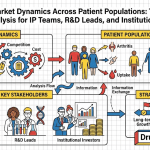
Introduction: Navigating the Shifting Sands of Pharmaceutical Exclusivity

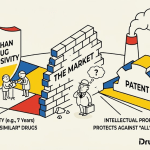
The pharmaceutical industry, a realm of profound scientific innovation and substantial financial investment, operates under a unique economic model heavily reliant on intellectual property protection. Patents serve as the bedrock of this ecosystem, granting innovator companies exclusive rights to market and sell novel therapies for a defined period.1 This temporary monopoly is designed to provide a crucial incentive, allowing companies to recoup the immense research and development (R&D) costs associated with bringing a new drug to market, a process that is both expensive and lengthy, with many compounds never making it past the lab or regulatory approval.1 However, this period of exclusivity is finite, culminating in a phenomenon widely recognized as the “patent cliff”.3
The Patent Cliff Defined: A Recurring Seismic Shift
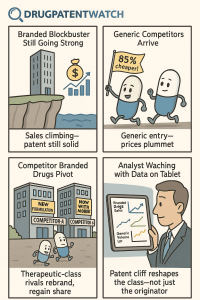
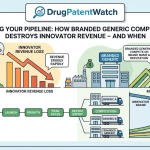
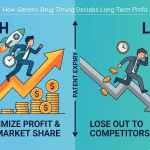
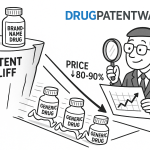
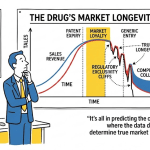
The term “patent cliff” colloquially describes the abrupt and often precipitous decline in revenues that a pharmaceutical firm experiences when the patent protection for one or more of its leading products expires.3 This is not merely a gradual erosion but a sharp drop, particularly when it affects “blockbuster” products—drugs with annual sales exceeding US$1 billion.4 For the United States market, once a product’s 20-year patent term from the filing date concludes, competitors are legally permitted to introduce generic or biosimilar versions, often at significantly lower prices.3 This immediate influx of competition fundamentally alters market dynamics, leading to substantial revenue losses for the original branded drug.1 For instance, a blockbuster drug can lose up to 80% of its revenue within the first year of facing generic or biosimilar competition.5 This dramatic shift underscores the critical importance of strategic foresight and proactive planning for all stakeholders in the pharmaceutical landscape.
The Imperative of Strategic Foresight for Branded Competitors
While the most direct impact of a patent cliff is felt by the innovator company whose drug loses exclusivity, the ripple effects extend far beyond, casting a discernible shadow over branded competitor drugs within the same therapeutic class. Understanding these broader market transformations is paramount for business professionals aiming to convert patent data into a decisive competitive advantage. The impending patent cliff, with over $200 billion in annual revenue at risk through 2030, represents an ongoing and intensifying challenge that necessitates sophisticated strategic responses.5 This report delves into the multifaceted implications of patent expirations, exploring not only the direct consequences for the originator but, more critically, the indirect impacts on rival branded drugs. It examines the strategic adaptations employed by pharmaceutical companies to mitigate risks and capitalize on emerging opportunities, emphasizing the indispensable role of competitive intelligence in navigating this complex and evolving environment.
The Genesis and Evolution of the Patent Cliff Phenomenon
The concept of the patent cliff is deeply interwoven with the very structure of the pharmaceutical industry, where innovation is incentivized by temporary monopolies. To truly grasp its impact, one must first appreciate the lifecycle of a drug patent and the regulatory frameworks that govern market exclusivity.
Understanding Pharmaceutical Patents and Market Exclusivity
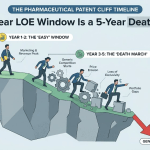
A pharmaceutical patent typically grants exclusive rights for 20 years from the date the patent application is filed.3 This period is crucial for innovator companies to recoup their substantial R&D investments, which can run into billions of dollars for a single successful drug, considering the numerous failed candidates that never reach the market.3 However, the effective market exclusivity period, the time during which a drug is protected from generic competition, is often considerably shorter than the statutory 20-year term, frequently ranging from approximately seven to ten years post-regulatory approval.11 This discrepancy arises because a significant portion of the patent term is consumed during the lengthy and arduous clinical trial and regulatory approval processes.10
The patent system, therefore, represents a delicate balance: it aims to foster innovation by providing a period of high profitability, while simultaneously ensuring that, eventually, essential medicines become more affordable and accessible to the public.1 This fundamental “Innovation-Exclusivity-Reinvestment Cycle” underpins the entire economic engine of the pharmaceutical industry, where high revenues from patented drugs are reinvested into future R&D.14
The Hatch-Waxman Act: A Catalyst for Generic Competition
A pivotal piece of legislation shaping the patent cliff landscape in the United States is the Drug Price Competition and Patent Term Restoration Act of 1984, commonly known as the Hatch-Waxman Act.13 This act fundamentally reshaped the competitive environment by balancing the interests of innovator companies with the public’s need for affordable generic drugs.13
The Hatch-Waxman Act introduced several key features:
- Abbreviated New Drug Application (ANDA) Process: It established a streamlined regulatory pathway for generic drugs, allowing manufacturers to demonstrate bioequivalence to the original branded drug rather than conducting extensive and costly preclinical and clinical trials.6 This significantly lowers development costs for generics, enabling them to be sold at a fraction of the branded price.3
- Early Generic Application: The Act permitted generic manufacturers to apply for FDA approval and conduct bioequivalence testing before the patent on an existing medication expired.13
- 180-Day Market Exclusivity: Crucially, it granted the first generic manufacturer to file an ANDA with a “Paragraph IV” certification (asserting that the brand-name patent is invalid or not infringed) a period of 180 days of market exclusivity.10 This “mini-patent” was intended as an incentive to encourage generic firms to challenge weak patents and bring lower-cost alternatives to market sooner.16
While the Hatch-Waxman Act has been hailed for its success in promoting generic drug utilization, leading to trillions of dollars in healthcare savings 12, it has also had some “unintended consequences.” Some analyses suggest it may have inadvertently slowed the development of new small-molecule products, leading to a greater focus on reformulations of existing drugs as a reactive measure to impending patent expirations.13 Moreover, the 180-day exclusivity provision, intended to spur patent challenges, has been criticized for being exploited through “pay-for-delay” or “reverse payment” settlements, where branded companies pay generic manufacturers to delay their market entry, thereby prolonging the branded drug’s monopoly and keeping prices high.16
Historical Waves of the Patent Cliff: Lessons from Blockbuster Expirations
The pharmaceutical industry has experienced several significant “patent cliff” periods throughout its history, each leaving an indelible mark on market dynamics and corporate strategies. The early 2010s witnessed a particularly pronounced wave, as patents on numerous small-molecule blockbuster medications expired simultaneously, causing significant financial turbulence across the sector.4
Perhaps the most iconic example from this era is Pfizer’s Lipitor (atorvastatin), a cholesterol-lowering drug that was once the world’s best-selling medication, generating peak sales of $12.9 billion in 2006.23 Upon its patent expiration in 2011, Lipitor’s sales plummeted dramatically. Within a few years, its annual revenue dropped from approximately $13 billion to under $3 billion, with some reports indicating a 71% sales drop in a single quarter.1 The entry of generic atorvastatin, priced as much as 90-95% lower than the brand, rapidly eroded Lipitor’s market share.17
Another notable case is AstraZeneca’s Nexium (esomeprazole), a proton pump inhibitor. By 2014, Nexium faced generic competition, leading to an estimated 80% price reduction for its generic versions.17 Similarly,
Sanofi/Bristol-Myers Squibb’s Plavix (clopidogrel) saw its sales decline precipitously upon patent expiration in 2012, with generic versions leading to a 90% price reduction.8 These examples vividly illustrate the immediate and severe financial impact of patent expiration on innovator companies.
The Looming Biologic Patent Cliff: A New Frontier
While past patent cliffs primarily involved small-molecule drugs, the current and impending wave, particularly between 2025 and 2030, presents a new frontier: the expiration of patents on complex biologic drugs.5 This period is projected to put over $200 billion to $300 billion in annual revenue at risk, exposing nearly 70 high-revenue products to competition.5
Biologic drugs, derived from living organisms, are far more complex to manufacture and regulate than small-molecule drugs.1 Their “generic” counterparts are known as
biosimilars, which are highly similar to, but not identical copies of, existing FDA-approved biologics.1 The regulatory and production landscape for biosimilars is more intricate, leading to different market dynamics compared to small-molecule generics.1
The development of a biosimilar is significantly more expensive and time-consuming than that of a generic small molecule. Biosimilar development can range from $100 million to $300 million and take 7 to 9 years, whereas generic small-molecule development typically costs between $2 million and $10 million and takes 2 to 3 years.25 These higher barriers to entry mean that biosimilar competition, while still substantial, tends to result in slower revenue declines and less dramatic price reductions (typically 10-50% reduction in unit price) compared to the precipitous drops seen with small-molecule generics (50-80% reductions).25
Despite these complexities, biosimilars are gaining traction. As of recent data, 45 biosimilars based on 15 brand-name biologics have been approved in the U.S., generating significant savings for healthcare systems.27 However, only a small percentage (19%) of biologics without patent protection currently have a marketed biosimilar, indicating that many biologics still face limited direct competition even after their patents expire.25 This highlights a unique challenge and opportunity for branded biologic manufacturers, who may be able to maintain market share more effectively than their small-molecule counterparts, albeit through different strategic maneuvers.
Direct and Indirect Impacts on Branded Drug Sales
The patent cliff creates a multifaceted impact that extends beyond the immediate revenue loss for the innovator. It reshapes the competitive landscape across entire therapeutic classes, influencing the sales of other branded drugs that may not be directly losing exclusivity.
The Innovator’s Precipitous Decline: A Direct Hit
For the innovator company whose blockbuster drug goes off-patent, the financial consequences are immediate and dramatic. The entry of generic manufacturers, offering bioequivalent versions at substantially lower prices, leads to a rapid erosion of the original drug’s market share.6 This revenue reduction can be swift, particularly for blockbuster medications that previously generated billions in annual sales.7
Consider AbbVie’s Humira, an immunology juggernaut that was one of pharma’s highest-selling drugs for years, peaking at $21.24 billion in sales in 2022.29 Following its loss of exclusivity, Humira’s sales plummeted to $14.04 billion in 2023 and further to $8.99 billion in 2024, demonstrating the stark reality of the patent cliff.29 This decline is a direct consequence of generic and biosimilar market entry, which can lead to market share reductions of up to 90% for small-molecule drugs within months of patent expiration.18
The pricing pressure intensifies as more generic competitors enter the market. While the first generic entrant might lead to a significant price drop (e.g., 39% for wholesale prices in the US with one generic), the entry of additional competitors drives prices down even further. With four generic competitors, prices can tumble by 79%, and with ten or more competitors, prices can decline by 70% to 80% relative to the pre-generic entry price within three years.11 This aggressive price competition is a direct assault on the innovator’s revenue stream, forcing a fundamental re-evaluation of their business model and pipeline.
The Spillover Effect: Impact on Branded Competitors within Therapeutic Classes
A less immediately obvious, but equally significant, consequence of a major drug’s patent expiration is its spillover effect on other branded competitor drugs within the same therapeutic class. When a leading branded drug loses its exclusivity, the entire market dynamics of that therapeutic area undergo a profound transformation.
Research indicates that the patent expiration of the first innovative drug in a therapeutic class can trigger a notable decrease in the sales volumes of its branded competitors within the same class. One study analyzing five major therapeutic classes revealed that the sales volumes of branded competitor drugs experienced a decline of nearly 50% in the first year following the patent expiration of the initial innovative drug. This downward trend often continues in subsequent years, with sales dropping to levels exceeding 60%. This suggests that the impact of patent expiration extends beyond just the original branded drug, affecting the broader competitive landscape within the therapeutic class by either contracting the overall market for branded options or shifting prescribing patterns towards the newly available, cheaper generic alternatives.
However, this impact is not uniformly negative across all players. In certain instances, some branded competitors have been able to capitalize on the market shift and even gain a dominant market share after the patent of the initial drug expired.2 This often occurs when these competitors can differentiate their products through unique formulations, delivery methods, or additional benefits that the newly available generic versions lack. This dynamic transforms the competitive battleground from one of direct brand-vs-brand rivalry to a more complex interplay where branded players must strategically position themselves against both the original generic and other branded options.
The “Generics Paradox” and Market Segmentation
A fascinating, and at times counter-intuitive, phenomenon observed in the wake of generic entry is the “generics paradox”.12 While generic competition generally leads to significant price reductions for the overall market, studies have shown that brand-name companies often do not lower their prices substantially in response to generic entry; in some cases, prices for the originator drug may even increase.12
This seeming paradox can be explained by market segmentation and price discrimination strategies.12 When a generic enters, price-sensitive consumers, often those with less comprehensive insurance coverage or higher out-of-pocket costs, rapidly switch to the much cheaper generic alternatives.33 This leaves a segment of brand-loyal consumers, who may be less price-sensitive due to strong insurance coverage, physician preference, or perceived quality differences, still purchasing the higher-priced branded drug.12 For this inelastic demand segment, the innovator firm may even raise prices to maximize revenue from those who remain loyal, effectively ceding the price-sensitive market to generics while extracting more value from the remaining brand-loyal base.12
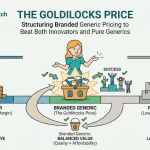
This creates a “two-tiered market” where branded manufacturers compete primarily on factors like advertising, product quality, and patient support, while generic manufacturers compete predominantly on price.12 The implication for other branded competitors in the same therapeutic class is complex: if they are sufficiently differentiated or cater to a distinct, less price-sensitive patient population, they might be able to maintain or even increase their prices, as the market re-segments around price sensitivity and perceived value.35
The Nuance of Biologics and Biosimilars: Slower Erosion, Different Dynamics
The impact of patent expiration on biologics differs significantly from that on small-molecule drugs, primarily due to the inherent complexity of biologics and the distinct regulatory pathway for biosimilars.5
- Higher Barriers to Entry: As previously noted, biosimilar development is considerably more expensive and time-consuming than generic small-molecule development.25 This higher barrier to entry means fewer biosimilar competitors typically enter the market, and their entry is often slower.25 For instance, while generics capture about 75% of market share within 12 months, biosimilars at most achieve 40% in the same timeframe.25
- Modest Price Reductions: Consequently, biosimilar prices, while lower than the reference biologic, tend to be less dramatically reduced (typically 5-25% at launch, or 10-50% overall) compared to the 80-95% drops seen with small-molecule generics.20 This less aggressive price competition allows originator biologics to experience a slower, though still substantial, decline in sales (e.g., 30-70% in the first year).18
- “Brand-Brand” Competition: The complexity of biologics also fosters a different competitive dynamic, often characterized by more “brand-brand” competition, even after loss of exclusivity.38 This means that originator biologic manufacturers have more avenues to protect market share, not just against biosimilars, but also against other branded biologics in the same therapeutic class that may offer alternative mechanisms of action or delivery methods.
- Rebate Barriers: A significant factor slowing biosimilar adoption, despite their cost savings, is the use of brand biologic rebate barriers.20 Innovator companies often employ complex rebate schemes with Pharmacy Benefit Managers (PBMs) and insurers to maintain preferred formulary placement for their branded biologics, making it challenging for biosimilars to gain traction even with lower list prices.20 This highlights the critical role of market access and contracting strategies in the post-exclusivity landscape for biologics.
These distinct dynamics mean that branded competitors within a therapeutic class dominated by a biologic facing patent expiration must adapt their strategies to a more nuanced and protracted competitive battle, focusing on clinical differentiation, market access, and patient support rather than solely on price.
Strategic Responses by Branded Pharmaceutical Companies
Facing the formidable challenge of the patent cliff, branded pharmaceutical companies are compelled to implement comprehensive and multi-pronged strategic responses. These strategies span lifecycle management, pipeline adjustments, market access tactics, and operational efficiencies, all aimed at mitigating revenue losses and sustaining long-term growth.
Proactive Lifecycle Management: Extending the Commercial Horizon
Lifecycle management (LCM) is a cornerstone strategy for branded pharmaceutical companies seeking to extend the commercial life of their products beyond the initial patent expiration.1 This involves a series of strategic maneuvers designed to maintain market exclusivity or differentiate the product in the face of generic competition.
Evergreening and Patent Thickets: Legal Fortifications
One of the most common and often controversial LCM tactics is “evergreening”.10 This involves filing for new patents on secondary features of a pharmaceutical as earlier patents expire, thereby attempting to extend effective patent exclusivity beyond the original 20-year term.10 These secondary patents can cover various aspects, including:
- New formulations: Developing extended-release versions, different dosage forms, or novel delivery systems (e.g., transitioning from oral tablets to transdermal patches or injectables) that offer distinct advantages over the original formulation.17
- Manufacturing processes: Protecting specific steps in the production and manufacturing process, particularly crucial for complex biologics where the process itself dictates the product’s characteristics.21
- Combination therapies: Patenting the use of the drug in combination with other active ingredients, which is increasingly relevant as complex diseases often require multi-drug regimens.43
- Crystalline forms, polymorphs, salts, or metabolites: Protecting different chemical forms of the active ingredient.21
The accumulation of numerous, overlapping patents on the same pharmaceutical is often referred to as creating “patent thickets”.5 The intent behind these thickets is to deter generic or biosimilar competition by increasing the risk of infringement and the high cost of patent litigation, thereby complicating generic manufacturers’ efforts to navigate the intellectual property landscape.10 AbbVie’s Humira provides a stark example, with the company reportedly filing over 250 patents related to the drug, half of them after its initial exclusivity period, and initiating lawsuits to delay biosimilar entry for several years.27 While effective in delaying competition, such aggressive tactics can draw regulatory scrutiny and antitrust lawsuits.27
Product Reformulation and Next-Generation Therapies
Beyond legal fortifications, companies actively pursue product reformulation to create new and improved versions of their drugs.40 These reformulations aim to offer distinct advantages, such as enhanced efficacy, fewer side effects, improved stability, or more convenient dosing schedules.40 By developing a “next-generation product” or a “line extension,” companies can encourage patients and prescribers to switch to the newer, patent-protected version before the original formulation faces generic competition.10 A classic example is AstraZeneca’s development of Nexium, a chemically similar but more effective version of its antiulcer drug Prilosec, which extended its commercial life.
New Indications and Combination Therapies
Another powerful lifecycle management strategy involves identifying and securing patents for new therapeutic applications or “indications” for existing drugs.1 By conducting additional clinical trials to demonstrate efficacy in treating other conditions or patient populations, pharmaceutical companies can obtain new patents and market exclusivity periods for these novel uses.40 This expands the drug’s market potential and diversifies its revenue streams, helping to offset losses from the original indication’s patent expiration.41 Similarly, developing and patenting combination therapies—drugs that combine an existing active ingredient with another compound—can create new periods of exclusivity and offer enhanced clinical benefits.43
Authorized Generics: A Controlled Transition
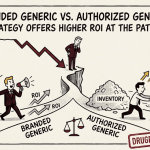
In a strategic move that reflects an “if you can’t beat ’em, join ’em” philosophy, some branded pharmaceutical companies choose to launch “authorized generics” (AGs).23 These are identical versions of the original brand-name drug, often marketed under a generic label through a subsidiary or a licensing agreement with a generic manufacturer.13 AGs are typically introduced just before or at the time of the original drug’s patent expiration.48
The rationale behind launching an authorized generic is multi-fold:
- Market Share Retention: It allows the innovator company to capture and maintain a portion of the generic market share, preventing a complete loss of revenue to independent generic manufacturers.43
- Revenue Stream: It provides a predictable income stream from the generic market, helping to cushion the financial blow of the patent cliff.47
- Discouraging Competition: By entering the generic market themselves, innovators can reduce the financial incentive for other generic manufacturers, particularly the first-to-file generic, by diluting the value of the 180-day exclusivity period.13 This can potentially discourage aggressive generic competition and patent challenges.
- Maintaining Relationships: It helps maintain relationships with distribution channels and gain insights into post-patent market dynamics.43
Pfizer’s licensing agreement with Ranbaxy Laboratories to sell a generic version of atorvastatin (Lipitor) is a prime historical example of this strategy.23
Pipeline Diversification and R&D Prioritization
Beyond managing the lifecycle of existing drugs, a fundamental response to the patent cliff is a robust strategy for pipeline diversification and R&D prioritization.1 This ensures a continuous flow of innovative new products to replace revenue lost from expiring patents.
Strategic Mergers and Acquisitions (M&A)
Large pharmaceutical firms frequently engage in strategic mergers and acquisitions (M&A) as a rapid means to acquire promising drug pipelines and secure new revenue streams.3 This approach is particularly attractive for obtaining late-stage pipeline assets that can quickly fill revenue gaps left by expiring blockbusters.47 For example, Pfizer has strengthened its oncology portfolio through acquisitions like Array BioPharma, Seagen, and Trillium Therapeutics, while Merck acquired Harpoon Therapeutics to bolster its oncology pipeline in anticipation of Keytruda’s patent expiry.22 M&A activity also allows companies to gain scale advantages in research, manufacturing, and commercialization, streamlining operations and accelerating time-to-market for new therapies.9
Investment in Niche Therapies and Emerging Modalities
There is a growing strategic shift away from heavy reliance on blockbuster drugs towards a more diverse and innovation-driven model, with increased investment in niche therapies.5 This includes treatments for rare diseases (orphan drugs), gene therapies, personalized medicine, and other complex modalities.1 These areas often benefit from extended exclusivity periods, face less competition, and can command premium pricing due to high unmet medical needs.1 While offering significant benefits and new avenues of innovation, these products are also typically more costly to develop, manufacture, and commercialize, requiring specialized expertise and infrastructure.50
Optimizing R&D Processes and Clinical Trial Design
The rising costs and complexities of drug development necessitate a continuous focus on optimizing R&D processes and enhancing clinical trial design.5 Poor design and unnecessary complexity in clinical trials can significantly increase their duration, driving up costs and prolonging time to market.50 Companies are streamlining R&D efforts, accelerating clinical trials, and refining go-to-market strategies to ensure a steady and efficient pipeline of new treatments.5 This includes improving decision-making and governance within R&D, fostering cross-functional collaboration, and boosting research productivity by focusing on areas where the company is truly positioned to win.50
Identifying White Space Opportunities through Patent Analytics
A sophisticated approach to pipeline diversification involves leveraging patent analytics to identify “white spaces”.14 White space refers to areas within a technological or therapeutic domain where there is limited or no existing innovation or patenting activity, presenting untapped opportunities for R&D investment and potential “first-to-market” advantages.45
By conducting comprehensive patent landscape analyses, companies can:
- Identify Gaps: Pinpoint therapeutic targets with limited patent coverage, delivery approaches not yet claimed for specific indications, or combination opportunities with minimal competitive activity.45
- Predict Research Directions: Analyze competitor patent filings to discern shifts in their R&D focus, emerging modalities, and areas of increasing investment or abandonment.45
- Map Technology Platforms: Understand competitors’ core molecular scaffolds, enabling technologies, and cross-therapeutic applications to identify areas of strength and potential vulnerability.45
This proactive use of patent intelligence allows companies to strategically apportion time, talent, and budgets to inventions that fill a void in the market, creating less competition and increasing the likelihood of success.51 It transforms the patent cliff from merely a threat into a catalyst for reinvention and strategic growth.9
Market Access, Pricing, and Commercial Strategies
In the highly competitive post-patent environment, traditional commercial strategies are no longer sufficient. Branded companies must adopt dynamic market access, pricing, and commercial approaches to retain market share and profitability.
Dynamic Pricing Adjustments and Rebate Strategies
While generic entry typically drives down overall market prices, branded companies employ sophisticated pricing strategies to manage the transition and maximize remaining revenue. One tactic is “surge pricing,” where companies implement gradual price increases for their branded drug in the 12 to 18 months leading up to patent expiration.8 This aims to maximize earnings before the inevitable revenue cliff.39
Furthermore, branded manufacturers engage in dynamic rebate strategies with Pharmacy Benefit Managers (PBMs) and payers.20 Despite the “generic first” attitude of many payers, innovators may offer heavy rebates on line extensions or next-generation brands to incentivize formulary placement and facilitate patient switching to their newer, still-exclusive products.39 This complex interplay of pricing and rebates aims to maintain market access and brand equity even as generic alternatives become available.39
Brand Loyalty and Patient Retention Programs
In a market flooded with cheaper generics, maintaining brand loyalty and patient retention becomes paramount.28 Branded companies invest heavily in programs designed to retain their customer base by offering value beyond the medication itself.39 These initiatives often include:
- Discounts and Copay Assistance: Providing copay cards or patient assistance programs that reduce out-of-pocket expenses for patients, making the branded medication’s cost competitive with or even lower than generic alternatives at the point of sale.39
- Patient Support Services: Offering comprehensive support services, such as adherence programs, educational resources, and direct patient outreach, which generic manufacturers may struggle to match.40
- Targeted Marketing: Shifting marketing efforts from broad awareness to driving patient acquisition and retention, emphasizing the branded product’s reliability, consistent quality, and proven track record compared to new generic entrants.40 For complex medications, campaigns may educate healthcare providers about potential subtle differences that could impact clinical outcomes when switching between branded and generic versions.40
Strategic Partnerships with Payers and PBMs
The influence of PBMs and insurance companies on drug utilization and formulary placement is immense.11 These entities actively promote generic substitution due to their significant cost savings for healthcare systems.17 Branded companies, therefore, seek strategic partnerships and innovative contracts with payers, distributors, and wholesalers to maintain reach and preference for their products.39 This can involve volume discounts, bundled product offerings, or service discounts to incentivize channels to stock or dispense preferred brands and inhibit generic substitution to some extent.39 For biologics, securing preferred formulary placement for biosimilars can be a critical battleground, with insurance companies leveraging their power to drive adoption of lower-cost alternatives.27
Global Market Expansion and Regional Nuances
Given the varying patent expiration timelines and regulatory environments across countries, global expansion serves as a vital diversification strategy.28 Different countries often have distinct intellectual property laws and pricing policies, allowing companies to continue marketing their products in regions where patents are still in effect or where generic competition is less intense.47
For instance, while the U.S. typically experiences the fastest and most dramatic price declines post-patent expiry (e.g., 32% in year 1, 82% in 8 years), other nations may see more moderate reductions (e.g., 18% in Switzerland over 8 years).31 Generic penetration rates also vary significantly by country; for example, generic penetration reached 55% in the UK within three years, but only 10-25% in France, Italy, and Spain.19 Furthermore, unique market dynamics, such as those observed in Korea where original drug sales volume can continue to grow post-LOE despite market share decline due to specific pricing policies, underscore the need for country-specific market intelligence and tailored strategies.54 Expanding into emerging markets, which often have less generic competition and growing healthcare demand, can provide a crucial “safety net” against intense competition in developed markets.47
Operational Efficiency and Digital Transformation
Beyond R&D and commercial strategies, optimizing internal operations and embracing digital transformation are increasingly critical for branded pharmaceutical companies to navigate the patent cliff effectively.
Streamlining Supply Chains and Inventory Management
As a drug nears the end of its patent life, competitive pricing pressures intensify, making cost-effective logistics and efficient supply chain management paramount.41 Companies must adjust their operations to adapt to new market dynamics and increased competition. Key considerations include:
- Assessing Shipping Volumes and Costs: Seeking lightweight and durable packaging to maximize cargo space and reduce shipping expenses.41
- Inventory Management: Balancing inventory to match demand fluctuations is crucial. Overstocking ties up valuable resources, while understocking risks supply interruptions.41 Analyzing sales data and market trends allows companies to fine-tune inventory distribution and prevent costly inefficiencies.41
- Process Optimization: Improving manufacturing efficiency, optimizing raw material sourcing, and upgrading technology to reduce production costs.43
These operational adjustments contribute directly to maintaining profitability in a lower-margin environment and accelerating time-to-market for new products.9
Leveraging AI and Advanced Analytics for Competitive Intelligence
The sheer volume and complexity of data in the pharmaceutical industry necessitate the adoption of advanced technologies like Artificial Intelligence (AI) and machine learning (ML) for competitive intelligence (CI).41 These tools are transforming how companies monitor competitors, analyze market trends, and make strategic decisions.
AI and advanced analytics can provide:
- Enhanced Patent Analysis: AI can automate the extraction of key data from patent documents, including chemical structures, names, and biological activity, and even generate thousands of examples for broader patent claims.14 Semantic analysis uses natural language processing (NLP) to extract meaning from patent text, identify key technologies, and detect shifts in sentiment.45
- Predictive Analytics: AI enables sophisticated market forecasting, predicting competitor product launches, and anticipating shifts in R&D directions by analyzing patent filing patterns, clinical trial registrations, and scientific publications.32
- Real-time Monitoring: Automated systems can provide immediate notifications and rapid data extraction, allowing companies to stay abreast of evolving market dynamics and competitor moves.45
- Optimized Resource Allocation: By identifying gaps and unmet needs in the market, CI tools help prioritize R&D spending and ensure optimal resource utilization.58
Platforms like DrugPatentWatch exemplify how integrated databases and analytical tools provide global biopharmaceutical business intelligence, helping companies identify market entry opportunities, inform portfolio management decisions, and set up daily alert watch lists for competitive monitoring.7 This capability allows branded manufacturers to proactively anticipate threats, identify potential partnerships, and refine their strategies to maintain a competitive edge.63
The Regulatory and Policy Landscape: Shaping Future Dynamics
The pharmaceutical industry operates within a dynamic regulatory and policy environment that significantly influences the impact of patent cliffs and the strategic responses of branded companies. Understanding these external forces is crucial for effective long-term planning.
The Influence of the Hatch-Waxman Act and BPCIA
As discussed, the Hatch-Waxman Act of 1984 fundamentally reshaped the generic drug market by streamlining approval processes and incentivizing patent challenges.13 While it has led to substantial cost savings for healthcare systems, it has also created complex legal and strategic battlegrounds. The 180-day exclusivity period for first-to-file generics, intended to encourage challenges to weak patents, has sometimes been leveraged by branded companies through “pay-for-delay” settlements, where the innovator pays the generic firm to delay market entry.16 This practice, while controversial and subject to antitrust scrutiny, effectively prolongs the branded drug’s monopoly.
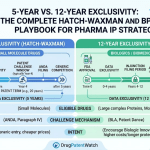
For biologics, the Biologics Price Competition and Innovation Act (BPCIA) of 2009 established a pathway for biosimilar approval, analogous to Hatch-Waxman for small molecules.21 However, due to the inherent complexity of biologics, the BPCIA grants a longer 12-year exclusivity period for originator biologics, compared to the typically shorter effective exclusivity for small molecules.18 This longer period provides branded biologic manufacturers more time to recoup investments and prepare for eventual biosimilar competition, though it also means biosimilar entry is slower and less frequent.25
The Inflation Reduction Act (IRA): Reshaping Incentives
The Inflation Reduction Act (IRA), enacted in 2022, represents a significant policy shift with profound implications for pharmaceutical R&D and patent cliff strategies, particularly in the United States.5 The IRA grants the Centers for Medicare & Medicaid Services (CMS) the authority to negotiate drug prices for selected high-cost drugs covered under Medicare.65
A critical aspect of the IRA is its differential treatment of small-molecule and large-molecule (biologic) drugs:
- Small Molecules: Subject to price controls after 9 years on the market.65
- Large Molecules (Biologics): Allowed 13 years of market pricing before price negotiation begins.65
This distinction is poised to reshape R&D incentives. Critics argue that the shorter exclusivity period for small molecules could reduce investment in their development, potentially shifting R&D focus towards biologics.65 This could disproportionately affect smaller biotech companies that often specialize in small-molecule treatments.65 Furthermore, the limited timeframe before price setting may discourage post-approval trials for new indications or patient populations, which are crucial for addressing unmet medical needs and expanding a drug’s market.65
However, the industry’s response suggests a degree of resilience and strategic adaptation. While concerns about reduced innovation persist, R&D spending by large pharmaceutical manufacturers has reportedly risen to all-time highs post-IRA, accompanied by increased acquisitions of clinical-stage biotech firms.66 This indicates that companies are finding ways to mitigate negative impacts, primarily through strategic allocation of internal R&D and increased external innovation via M&A, rather than a complete halt in new product development.66
Regulatory Scrutiny of Anti-Competitive Practices
The aggressive lifecycle management strategies employed by some branded pharmaceutical companies, particularly “evergreening” and “patent thickets,” have drawn increasing regulatory and ethical scrutiny.21 Critics argue that these practices unduly extend exclusivity without significant therapeutic benefits for patients, primarily serving to maintain high drug prices and stifle competition.21
Antitrust authorities, such as the Federal Trade Commission (FTC) in the U.S., have actively investigated “pay-for-delay” settlements and other tactics designed to delay generic or biosimilar entry.16 This heightened scrutiny creates a legal risk for companies employing such strategies, balancing the desire for extended exclusivity with the potential for costly litigation and reputational damage.46 The ongoing debate underscores the tension between incentivizing innovation and ensuring affordable access to medicines, prompting calls for balanced policy reforms.15
Global Regulatory Variations and Market Access
The impact of patent expiration and the effectiveness of strategic responses are not uniform across the globe. Variations in intellectual property laws, healthcare systems, pricing policies, and regulatory frameworks significantly influence market dynamics.52
- Pricing Environments: Countries with more regulated pricing environments, common in Europe, may experience more moderate price reductions post-patent expiry compared to the market-based approach in the U.S..31
- Generic Penetration: Generic penetration rates vary widely. For example, while generics account for 90% of prescriptions in the U.S. by volume, their market share can be much lower in other European countries.19
- Biosimilar Adoption: The adoption of biosimilars is also influenced by country-specific policies, including formulary preferences and reimbursement structures.26
- Emerging Markets: Expanding into emerging markets can offer less generic competition and potentially longer exclusivity periods, providing a growth lifeline for branded companies.47 However, these markets also present their own challenges, including intensifying global pricing pressures from growing local generics and biosimilars industries.5
These global nuances necessitate a sophisticated, country-specific approach to competitive intelligence and strategic planning, moving beyond a one-size-fits-all model.
The Critical Role of Competitive Intelligence
In a pharmaceutical landscape perpetually reshaped by patent expirations, competitive intelligence (CI) transcends mere information gathering; it becomes an indispensable strategic imperative. For business professionals striving to turn patent data into competitive advantage, CI provides the foresight and actionable insights necessary to navigate complex market shifts.
From Data to Advantage: The CI Imperative
Competitive intelligence in the pharmaceutical industry involves systematically collecting, analyzing, and interpreting data from diverse sources to gain a comprehensive understanding of the competitive environment.63 It’s about being proactive rather than reactive, anticipating competitor moves, and acting with confidence.57 Without robust CI, companies risk being caught off guard by competitor approvals, losing market share to faster-moving rivals, making R&D investments without understanding the competitive landscape, or missing critical regulatory and pricing shifts.57
CI helps to:
- Identify Emerging Market Opportunities: By monitoring competitor strategies, partnerships, and product pipelines, companies can identify untapped market opportunities and make informed decisions regarding market entry.63
- Assess Competitor Strengths and Weaknesses: Gaining a comprehensive understanding of rivals’ product portfolios, pricing strategies, marketing campaigns, and market share is crucial for strategic positioning.63
- Prioritize R&D and Manage Pipeline Assets: CI helps in keeping track of industry failures, identifying breakthrough therapies, and monitoring competitor development milestones, guiding resource allocation and ensuring a robust pipeline.58
- Anticipate Threats: Proactively monitoring competitor activities, such as product launches, M&A, and market expansion plans, allows for timely defensive measures.63
Patent Intelligence: An Early Warning System
Drug patent filings are a particularly valuable source of competitive intelligence, offering a unique window into competitor R&D pipelines years before products reach the market.45 Patent applications typically become public 18 months after filing, providing an early warning system for emerging competitive products.45
By systematically monitoring and analyzing these documents, companies can gain unprecedented insights:
- Decoding Patent Claims and Scope: Understanding the core innovation, potential future developments, and breadth of protection sought by competitors.45
- Analyzing Patent Filing Patterns: Observing geographical coverage (international filings often indicate high commercial value), filing velocity (accelerated rates suggest strategic priority), and the use of continuations or divisionals (pointing to platform technologies).45
- Connecting Patents to Pipeline Products: Grouping related patents into “families” and mapping them to therapeutic areas helps identify “stealth programs” and estimate development timelines for competitor drugs.45
- Identifying White Space: Patent landscape analysis can reveal areas with limited patent coverage or innovation, providing opportunities for a company to focus its R&D and gain a competitive edge.45
This granular patent intelligence allows companies to evaluate the potential impact of competitor innovations on their existing product lines, assess freedom-to-operate constraints for their own pipeline products, and develop contingency plans for market entry by rivals.45
Comprehensive CI Tools and Methodologies
Effective competitive intelligence requires not only robust data sources but also sophisticated analytical tools and methodologies. Companies leverage a combination of resources:
- Patent Databases: Platforms like MedsPaL and Derwent World Patents Index provide extensive global patent publications.45
- AI-Powered Analytics Platforms: Tools such as PatSight utilize AI to automate data extraction from patents, while platforms like AlphaSense integrate semantic search and sentiment analysis to quickly surface relevant information and gauge market sentiment.45 These AI capabilities significantly reduce the time and effort traditionally spent on manual data analysis, improving efficiency and accuracy.56
- Integration with Other Data Sources: The most powerful CI comes from integrating patent data with other intelligence streams, including clinical trial registrations, scientific publications, regulatory submissions, business development activities, and even social media monitoring and Key Opinion Leader (KOL) insights.45 This holistic approach provides a truly comprehensive view of the competitive landscape.
- Structured Processes: Implementing systematic monitoring systems with defined objectives, regular review protocols, and cross-functional teams ensures that intelligence is gathered, analyzed, and translated into actionable strategic insights.45
DrugPatentWatch: Empowering Strategic Decision-Making
In this complex environment, specialized platforms like DrugPatentWatch play a pivotal role in empowering pharmaceutical companies to transform patent data into competitive advantage. DrugPatentWatch offers a fully integrated database providing deep knowledge on pharmaceutical drugs, including patents, suppliers, generics, and formulations.62
Its comprehensive features and benefits include:
- Global Business Intelligence: Provides insights into biologic and small molecule drugs, prices, patents, litigation, and drugs in development across various countries.60
- Portfolio Management: Helps anticipate future budget requirements, identify generic sources, and inform portfolio management decisions for both specialty pharmaceuticals and generics.60
- Competitive Analysis: Enables branded manufacturers to assess past successes of patent challengers, elucidate competitors’ research paths, and monitor their patent filings and expiration dates.45 This includes tracking Paragraph IV challenges and identifying potential infringement risks or licensing opportunities.62
- Forecasting and Market Entry Opportunities: The platform assists in predicting branded drug patent expiration, identifying first-time generic entrants, and forecasting future therapeutic indications.60 This allows businesses to identify market entry opportunities and conduct sector landscaping and due diligence.62
- Real-time Alerts: Subscribers can set up daily email alert watch lists to stay informed of new developments and competitive moves.62
By providing granular, real-time data and analytical tools, DrugPatentWatch supports strategic decision-making across the entire drug lifecycle, from R&D prioritization and pipeline management to market access and commercialization strategies, ultimately helping companies to proactively navigate the patent cliff and maintain profitability.7
Case Studies: Real-World Manifestations of the Patent Cliff
Examining specific real-world examples offers tangible illustrations of the patent cliff’s impact and the diverse strategic responses employed by pharmaceutical companies.
Humira (AbbVie): A Paradigm of Biologic LOE Management
AbbVie’s Humira (adalimumab) stands as a quintessential case study in navigating the biologic patent cliff.5 For years, Humira was the world’s top-selling prescription drug, achieving peak sales of $21.24 billion in 2022.27 Its impending loss of exclusivity was a major concern for AbbVie.
AbbVie employed an aggressive, multi-pronged strategy to delay biosimilar entry and mitigate revenue loss:
- Extensive Patent Thicket: The company established a formidable “patent thicket” for Humira, reportedly filing over 250 patents related to the drug, with a significant portion filed after its initial exclusivity period had ended.27 This created a complex web of intellectual property that biosimilar manufacturers had to navigate.
- Legal Challenges: AbbVie initiated numerous lawsuits to defend its patents, effectively delaying the entry of Humira biosimilars into the U.S. market until early 2023.27
- Pipeline Replenishment: To patch the inevitable revenue hole, AbbVie proactively invested in and leaned on its new immunology stars, Skyrizi and Rinvoq, which collectively brought in substantial global sales in 2024, demonstrating successful pipeline diversification.29
Despite these efforts, Humira’s sales experienced a significant decline, dropping to $14.04 billion in 2023 and $8.99 billion in 2024.29 Biosimilars entered the market priced between 5% and 81% below Humira’s list price.27 AbbVie had anticipated a 37% decline in Humira sales, a testament to the unavoidable impact of the patent cliff even for highly protected biologics.27 This case highlights the effectiveness of aggressive patent strategies in delaying competition, but also the ultimate inevitability of market erosion and the need for robust pipeline replenishment.
Lipitor (Pfizer): The Archetypal Small Molecule Cliff
Pfizer’s Lipitor (atorvastatin) serves as the classic example of the small-molecule patent cliff, illustrating the dramatic and swift impact of generic competition.4 As the world’s best-selling drug for many years, Lipitor reached peak sales of $12.9 billion in 2006, accounting for a significant portion of Pfizer’s revenue.23
Upon its patent expiration in November 2011, the market dynamics changed almost overnight:
- Rapid Generic Entry: Indian generics manufacturer Ranbaxy Laboratories, through a licensing agreement with Pfizer, was among the first to launch a generic version of atorvastatin, enjoying 180 days of exclusivity.23 Other manufacturers quickly followed.
- Precipitous Sales Decline: Lipitor’s sales plummeted from $10.8 billion in 2010 to under $3 billion within a few years post-expiration.1 Some reports indicated a stunning 71% drop in a single quarter.8 Generic versions were priced as much as 90-95% lower than the brand.17
- Broader Impact: The expiration of Lipitor, along with other Pfizer drugs like Protonix and Geodon, meant that drugs accounting for 42% of Pfizer’s pharmaceutical revenue lost patent protection between 2010 and 2012, forcing the company to undertake aggressive cost-cutting measures and seek new avenues for growth.23
The Lipitor case vividly demonstrates the speed and severity of market share erosion and revenue loss for small-molecule blockbusters, underscoring the need for robust and diversified pipelines to withstand such events.
Keytruda (Merck): Navigating Future Biosimilar Challenges
Merck’s Keytruda (pembrolizumab), a blockbuster cancer immunotherapy, represents one of the most talked-about drugs facing a significant patent cliff in the near future, with key patents expiring in 2028.5 Keytruda accounted for a staggering 40% of Merck’s pharmaceutical sales in 2023, generating over $29 billion.22
Analysts project that following patent expiration, Keytruda sales will decrease from an estimated $33.7 billion in 2028 to approximately $27.4 billion in 2029, representing a 19% decline.7 While this decline is substantial, it is less precipitous than seen with small-molecule drugs, reflecting the complexities and higher barriers to entry for biosimilar alternatives.5
Merck’s strategic response includes:
- Strengthening Immunotherapy Portfolio: Proactively building a pipeline of early-stage assets in immunotherapy.22
- Strategic Acquisitions: Acquiring companies like Harpoon Therapeutics to further advance its oncology portfolio.22
- R&D Investment: Increasing investment in R&D, targeting diseases with high unmet needs, and optimizing drug development and launch strategies.5
The Keytruda case highlights the ongoing challenge of the patent cliff, particularly for high-value biologics, and the proactive measures companies must take years in advance to prepare for the inevitable shift in market dynamics.
Therapeutic Class Dynamics: The Fujimoto Study
Beyond the innovator’s direct hit, the impact on other branded competitors within the same therapeutic class is a critical dimension of the patent cliff’s shadow. A study by Fujimoto, Tien, Snyder, and Schweitzer, “The effect of patent expiration on sales of branded competitor drugs in a therapeutic class,” provides valuable quantitative insights.2
This research, which analyzed the effect of patent expiration of the first innovative drug in a therapeutic class on competitor sales, revealed a significant spillover effect 2:
- Sales Volume Decline: The composite quantity sales of branded competitor drugs within the same therapeutic class decreased by 49% in the first year, 65% in the second year, and 67% in the third year following the patent expiration of the initial innovative drug.2 This indicates a broader market contraction or a shift in prescribing patterns towards the newly available, cheaper generic alternatives across the entire class.
- Non-Uniform Impact and Opportunity: Importantly, the study found that the effect was not uniformly negative.2 In certain instances, some branded competitors were able to capitalize on the market shift and even gain a dominant market share after the patent of the initial drug expired.2 This was often achieved by differentiating their products through unique formulations, delivery methods, or additional benefits that the generic versions lacked.
This study underscores that the patent cliff is a consequential event not only for the drug directly losing exclusivity but also for the entire therapeutic class it belongs to. It highlights that while the market contracts for many branded players, strategic differentiation can create opportunities for others to emerge stronger in the new competitive landscape.
Conclusion: Navigating the Future of Pharmaceutical Competition
The patent cliff is more than just a cyclical challenge for the pharmaceutical industry; it is a fundamental and recurring force that perpetually reshapes the competitive landscape. As blockbuster drugs lose their exclusive market protection, the ensuing surge of generic and biosimilar competition triggers dramatic revenue declines for innovator companies and creates significant ripple effects across entire therapeutic classes. This dynamic necessitates a profound shift in strategic thinking, moving from a reactive stance to one of proactive foresight and agile adaptation.
A Landscape of Perpetual Transformation
The evidence overwhelmingly demonstrates the severity of the patent cliff. Blockbuster drugs can lose up to 80% of their revenue within the first year of generic entry, and the current wave of expirations, particularly for biologics, places hundreds of billions of dollars in annual revenue at risk through 2030. While biosimilars may lead to a slower erosion of market share and less dramatic price reductions compared to small-molecule generics, the impact remains substantial. Furthermore, the patent expiration of a leading drug can significantly diminish the sales volumes of other branded competitors within the same therapeutic class, indicating a broader market contraction.
However, this transformation is not solely about loss. It is also a powerful catalyst for innovation and strategic evolution. The industry’s resilience is evident in its multi-faceted responses: aggressive lifecycle management tactics like evergreening and product reformulation, strategic pipeline diversification through M&A and investment in niche therapies, sophisticated market access and pricing adjustments, and a growing emphasis on operational efficiency and digital transformation. The “generics paradox,” where branded prices may even rise for loyal segments, highlights the importance of market segmentation and brand loyalty in mitigating the cliff’s full impact.
The regulatory environment, exemplified by the Hatch-Waxman Act, BPCIA, and the Inflation Reduction Act, plays a critical role in shaping these dynamics, influencing R&D incentives and the speed and intensity of generic and biosimilar entry. Global variations in patent laws, pricing policies, and market penetration rates further complicate the picture, demanding tailored regional strategies.
The Mandate for Agility and Proactive Strategy
For business professionals in the pharmaceutical sector, the patent cliff serves as a constant reminder that success hinges on the ability to anticipate and adapt. Turning patent data into competitive advantage requires more than just monitoring; it demands a deep, analytical understanding of the intellectual property landscape, competitor pipelines, market access dynamics, and evolving regulatory frameworks.
The strategic imperative for branded pharmaceutical companies is clear:
- Embrace Proactive Lifecycle Management: Continuously innovate around existing assets, exploring new formulations, indications, and delivery methods to extend commercial viability.
- Cultivate a Robust and Diverse Pipeline: Invest strategically in R&D, pursue targeted M&A, and explore white space opportunities to ensure a steady stream of new, high-value products.
- Refine Commercial and Market Access Strategies: Implement dynamic pricing, sophisticated rebate programs, and patient-centric loyalty initiatives to retain market share and maximize value from remaining loyal segments.
- Leverage Advanced Competitive Intelligence: Utilize platforms like DrugPatentWatch and AI-powered analytics to gain real-time insights into competitor activities, identify emerging trends, and inform data-driven strategic decisions.
- Prioritize Operational Efficiency: Streamline supply chains, optimize manufacturing, and embrace digital transformation to reduce costs and accelerate time-to-market.
- Navigate Global Nuances: Develop country-specific strategies that account for diverse regulatory environments, pricing policies, and generic penetration rates.
The patent cliff is not merely an obstacle to be overcome; it is an inherent feature of the pharmaceutical landscape that compels continuous innovation and strategic evolution. By embracing agility, foresight, and a comprehensive approach to competitive intelligence, branded pharmaceutical companies can not only weather the storm but also emerge stronger, more diversified, and better positioned for sustained growth in a perpetually transforming market.
Key Takeaways
- The Patent Cliff is a Quantifiable and Recurring Threat: Patent expirations, particularly for blockbuster drugs, lead to abrupt and substantial revenue declines, with sales often plummeting by 80% or more in the first year of generic competition.4
- Significant Financial Exposure Looms: Over $200 billion to $300 billion in annual pharmaceutical revenue is at risk from patent expirations through 2030, affecting numerous high-revenue products across key therapeutic areas like oncology, diabetes, and immunology.5
- Spillover Effect on Branded Competitors: The patent expiration of a leading drug significantly impacts other branded competitors within the same therapeutic class, leading to sales volume declines of up to 50-60% in the years following the initial loss of exclusivity.2
- The “Generics Paradox” and Market Segmentation: Branded manufacturers may not significantly lower prices post-generic entry, sometimes even increasing them, by focusing on price-insensitive, brand-loyal patient segments.12 This creates a two-tiered market.
- Biologics vs. Small Molecules: Distinct Dynamics: Biologics face slower market erosion and less dramatic price reductions (10-50%) from biosimilars due to higher development costs, manufacturing complexity, and lower biosimilar penetration compared to small-molecule generics (50-80% price drops).5
- Multi-faceted Lifecycle Management is Crucial: Strategies like “evergreening” (new formulations, indications, delivery methods) and “patent thickets” are employed to extend exclusivity, though they face increasing regulatory scrutiny.10
- Pipeline Diversification is Key to Sustainability: Companies actively pursue M&A, invest in niche therapies, and optimize R&D processes to replenish pipelines and offset revenue losses.5
- Market Access and Patient Retention Strategies are Evolving: Dynamic pricing adjustments, strategic rebates with PBMs, and patient loyalty programs (e.g., copay assistance) are vital for maintaining market share and brand equity.20
- Global Strategies are Essential: Patent expiry impacts and generic penetration rates vary significantly by country, necessitating tailored regional approaches and expansion into emerging markets.19
- Competitive Intelligence is a Strategic Imperative: Leveraging patent intelligence as an early warning system, combined with comprehensive CI tools (like DrugPatentWatch) and advanced analytics (AI/ML), is critical for anticipating threats, identifying opportunities, and informing data-driven decisions.45
- Operational Efficiency and Digital Transformation Support Resilience: Streamlining supply chains, optimizing inventory, and adopting digital solutions enhance cost-efficiency and accelerate time-to-market in the post-patent landscape.9
- Regulatory Environment Shapes the Future: Acts like Hatch-Waxman and BPCIA, along with the Inflation Reduction Act’s differential impact on small vs. large molecules, fundamentally influence R&D incentives and market dynamics.13
FAQ Section
1. How does the patent cliff for a major blockbuster drug affect other branded drugs in the same therapeutic class, even if their patents are not expiring?
When a blockbuster drug’s patent expires, it introduces a significantly cheaper generic or biosimilar alternative into the market, which can cause a substantial shift in patient and prescriber behavior across the entire therapeutic class. This often leads to a “spillover effect,” where the sales volumes of other branded competitor drugs in the same class can decrease, sometimes by as much as 50-60% within the first few years, as the overall market for branded options contracts or shifts towards more affordable alternatives.2 The increased affordability of the genericized drug can draw patients away from other, still-patented branded therapies in the same class, even if those therapies offer differentiated benefits.
2. What is the “generics paradox” and how do branded pharmaceutical companies leverage it after a major drug’s patent expires?
The “generics paradox” refers to the phenomenon where, despite the entry of cheaper generic alternatives, the prices of originator branded drugs do not always fall significantly, and in some instances, may even increase.12 Branded pharmaceutical companies leverage this by segmenting the market. Price-sensitive patients typically switch to generics, but a segment of brand-loyal patients, often those with comprehensive insurance coverage or strong physician preference, continue to use the branded drug.33 For this less price-sensitive segment, the innovator may maintain or even raise prices, effectively ceding the high-volume, low-margin market to generics while maximizing revenue from their loyal customer base.12
3. How do the market dynamics differ for biologics facing patent expiration compared to small-molecule drugs?
The market dynamics for biologics differ significantly from small molecules due to their inherent complexity and the distinct regulatory pathway for biosimilars.5 Biosimilar development is considerably more expensive and time-consuming than generic small-molecule development, leading to fewer competitors and slower market entry.25 Consequently, biosimilar price reductions are generally less dramatic (10-50% vs. 50-80% for small molecules), and market share erosion for the originator biologic is typically slower.25 This often results in more “brand-brand” competition, allowing originator biologics more avenues to protect market share through clinical differentiation, patient support, and complex rebate strategies with payers.27
4. What role does competitive intelligence, including patent analytics, play in helping branded companies navigate the patent cliff?
Competitive intelligence (CI) is crucial for branded companies navigating the patent cliff, acting as an early warning system and a strategic compass.57 Patent analytics, a key component of CI, provides insights into competitor R&D pipelines, technological innovations, and potential market entries years before products launch.45 By monitoring patent filings, analyzing filing patterns, and identifying “white spaces” (areas with limited innovation), companies can anticipate threats, identify new market opportunities, and make informed decisions about their R&D investments and product development strategies.45 Comprehensive CI tools, such as DrugPatentWatch, integrate patent data with other market, regulatory, and clinical information to provide a holistic view, enabling proactive strategic planning to mitigate risks and capitalize on competitive advantages.7
5. How does the Inflation Reduction Act (IRA) impact pharmaceutical companies’ strategies related to the patent cliff?
The Inflation Reduction Act (IRA) significantly impacts pharmaceutical strategies by granting Medicare the authority to negotiate drug prices, with different timelines for small-molecule and large-molecule drugs.65 Small molecules become eligible for price negotiation after 9 years, while biologics have a longer 13-year period.65 This differential treatment is perceived to reduce incentives for small-molecule R&D and may discourage post-approval trials for new indications.65 In response, pharmaceutical companies are adapting by increasing R&D spending, accelerating acquisitions of clinical-stage biotech firms, and focusing on external innovation to replenish pipelines and mitigate the IRA’s potential negative effects on future revenue streams.66
References
.1
.1# The Patent Cliff’s Shadow: Impact on Branded Competitor Drug Sales
Introduction: Navigating the Shifting Sands of Pharmaceutical Exclusivity
The pharmaceutical industry, a realm of profound scientific innovation and substantial financial investment, operates under a unique economic model heavily reliant on intellectual property protection. Patents serve as the bedrock of this ecosystem, granting innovator companies exclusive rights to market and sell novel therapies for a defined period.1 This temporary monopoly is designed to provide a crucial incentive, allowing companies to recoup the immense research and development (R&D) costs associated with bringing a new drug to market, a process that is both expensive and lengthy, with many compounds never making it past the lab or regulatory approval.3 However, this period of exclusivity is finite, culminating in a phenomenon widely recognized as the “patent cliff”.3
The Patent Cliff Defined: A Recurring Seismic Shift
The term “patent cliff” colloquially describes the abrupt and often precipitous decline in revenues that a pharmaceutical firm experiences when the patent protection for one or more of its leading products expires.3 This is not merely a gradual erosion but a sharp drop, particularly when it affects “blockbuster” products—drugs with annual sales exceeding US$1 billion.4 For the United States market, once a product’s 20-year patent term from the filing date concludes, competitors are legally permitted to introduce generic or biosimilar versions, often at significantly lower prices.3 This immediate influx of competition fundamentally alters market dynamics, leading to substantial revenue losses for the original branded drug.1 For instance, a blockbuster drug can lose up to 80% of its revenue within the first year of facing generic or biosimilar competition.5 This dramatic shift underscores the critical importance of strategic foresight and proactive planning for all stakeholders in the pharmaceutical landscape.
The Imperative of Strategic Foresight for Branded Competitors
While the most direct impact of a patent cliff is felt by the innovator company whose drug loses exclusivity, the ripple effects extend far beyond, casting a discernible shadow over branded competitor drugs within the same therapeutic class. Understanding these broader market transformations is paramount for business professionals aiming to convert patent data into a decisive competitive advantage. The impending patent cliff, with over $200 billion in annual revenue at risk through 2030, represents an ongoing and intensifying challenge that necessitates sophisticated strategic responses.5 This report delves into the multifaceted implications of patent expirations, exploring not only the direct consequences for the originator but, more critically, the indirect impacts on rival branded drugs. It examines the strategic adaptations employed by pharmaceutical companies to mitigate risks and capitalize on emerging opportunities, emphasizing the indispensable role of competitive intelligence in navigating this complex and evolving environment.
The Genesis and Evolution of the Patent Cliff Phenomenon
The concept of the patent cliff is deeply interwoven with the very structure of the pharmaceutical industry, where innovation is incentivized by temporary monopolies. To truly grasp its impact, one must first appreciate the lifecycle of a drug patent and the regulatory frameworks that govern market exclusivity.
Understanding Pharmaceutical Patents and Market Exclusivity
A pharmaceutical patent typically grants exclusive rights for 20 years from the date the patent application is filed.3 This period is crucial for innovator companies to recoup their substantial R&D investments, which can run into billions of dollars for a single successful drug, considering the numerous failed candidates that never reach the market.3 However, the effective market exclusivity period, the time during which a drug is protected from generic competition, is often considerably shorter than the statutory 20-year term, frequently ranging from approximately seven to ten years post-regulatory approval.11 This discrepancy arises because a significant portion of the patent term is consumed during the lengthy and arduous clinical trial and regulatory approval processes.10
The patent system, therefore, represents a delicate balance: it aims to foster innovation by providing a period of high profitability, while simultaneously ensuring that, eventually, essential medicines become more affordable and accessible to the public.1 This fundamental “Innovation-Exclusivity-Reinvestment Cycle” underpins the entire economic engine of the pharmaceutical industry, where high revenues from patented drugs are reinvested into future R&D.14
The Hatch-Waxman Act: A Catalyst for Generic Competition
A pivotal piece of legislation shaping the patent cliff landscape in the United States is the Drug Price Competition and Patent Term Restoration Act of 1984, commonly known as the Hatch-Waxman Act.13 This act fundamentally reshaped the competitive environment by balancing the interests of innovator companies with the public’s need for affordable generic drugs.13
The Hatch-Waxman Act introduced several key features:
- Abbreviated New Drug Application (ANDA) Process: It established a streamlined regulatory pathway for generic drugs, allowing manufacturers to demonstrate bioequivalence to the original branded drug rather than conducting extensive and costly preclinical and clinical trials.6 This significantly lowers development costs for generics, enabling them to be sold at a fraction of the branded price.3
- Early Generic Application: The Act permitted generic manufacturers to apply for FDA approval and conduct bioequivalence testing before the patent on an existing medication expired.13
- 180-Day Market Exclusivity: Crucially, it granted the first generic manufacturer to file an ANDA with a “Paragraph IV” certification (asserting that the brand-name patent is invalid or not infringed) a period of 180 days of market exclusivity.10 This “mini-patent” was intended as an incentive to encourage generic firms to challenge weak patents and bring lower-cost alternatives to market sooner.16
While the Hatch-Waxman Act has been hailed for its success in promoting generic drug utilization, leading to trillions of dollars in healthcare savings 12, it has also had some “unintended consequences.” Some analyses suggest it may have inadvertently slowed the development of new small-molecule products, leading to a greater focus on reformulations of existing drugs as a reactive measure to impending patent expirations.13 Moreover, the 180-day exclusivity provision, intended to spur patent challenges, has been criticized for being exploited through “pay-for-delay” or “reverse payment” settlements, where branded companies pay generic manufacturers to delay their market entry, thereby prolonging the branded drug’s monopoly and keeping prices high.16
Historical Waves of the Patent Cliff: Lessons from Blockbuster Expirations
The pharmaceutical industry has experienced several significant “patent cliff” periods throughout its history, each leaving an indelible mark on market dynamics and corporate strategies. The early 2010s witnessed a particularly pronounced wave, as patents on numerous small-molecule blockbuster medications expired simultaneously, causing significant financial turbulence across the sector.4
Perhaps the most iconic example from this era is Pfizer’s Lipitor (atorvastatin), a cholesterol-lowering drug that was once the world’s best-selling medication, generating peak sales of $12.9 billion in 2006.23 Upon its patent expiration in 2011, Lipitor’s sales plummeted dramatically. Within a few years, its annual revenue dropped from approximately $13 billion to under $3 billion, with some reports indicating a 71% sales drop in a single quarter.1 The entry of generic atorvastatin, priced as much as 90-95% lower than the brand, rapidly eroded Lipitor’s market share.17
Another notable case is AstraZeneca’s Nexium (esomeprazole), a proton pump inhibitor. By 2014, Nexium faced generic competition, leading to an estimated 80% price reduction for its generic versions.17 Similarly,
Sanofi/Bristol-Myers Squibb’s Plavix (clopidogrel) saw its sales decline precipitously upon patent expiration in 2012, with generic versions leading to a 90% price reduction.8 These examples vividly illustrate the immediate and severe financial impact of patent expiration on innovator companies.
The Looming Biologic Patent Cliff: A New Frontier
While past patent cliffs primarily involved small-molecule drugs, the current and impending wave, particularly between 2025 and 2030, presents a new frontier: the expiration of patents on complex biologic drugs.5 This period is projected to put over $200 billion to $300 billion in annual revenue at risk, exposing nearly 70 high-revenue products to competition.5
Biologic drugs, derived from living organisms, are far more complex to manufacture and regulate than small-molecule drugs.1 Their “generic” counterparts are known as
biosimilars, which are highly similar to, but not identical copies of, existing FDA-approved biologics.1 The regulatory and production landscape for biosimilars is more intricate, leading to different market dynamics compared to small-molecule generics.1
The development of a biosimilar is significantly more expensive and time-consuming than that of a generic small molecule. Biosimilar development can range from $100 million to $300 million and take 7 to 9 years, whereas generic small-molecule development typically costs between $2 million and $10 million and takes 2 to 3 years.25 These higher barriers to entry mean that biosimilar competition, while still substantial, tends to result in slower revenue declines and less dramatic price reductions (typically 10-50% reduction in unit price) compared to the precipitous drops seen with small-molecule generics (50-80% reductions).25
Despite these complexities, biosimilars are gaining traction. As of recent data, 45 biosimilars based on 15 brand-name biologics have been approved in the U.S., generating significant savings for healthcare systems.27 However, only a small percentage (19%) of biologics without patent protection currently have a marketed biosimilar, indicating that many biologics still face limited direct competition even after their patents expire.25 This highlights a unique challenge and opportunity for branded biologic manufacturers, who may be able to maintain market share more effectively than their small-molecule counterparts, albeit through different strategic maneuvers.
Direct and Indirect Impacts on Branded Drug Sales
The patent cliff creates a multifaceted impact that extends beyond the immediate revenue loss for the innovator. It reshapes the competitive landscape across entire therapeutic classes, influencing the sales of other branded drugs that may not be directly losing exclusivity.
The Innovator’s Precipitous Decline: A Direct Hit
For the innovator company whose blockbuster drug goes off-patent, the financial consequences are immediate and dramatic. The entry of generic manufacturers, offering bioequivalent versions at substantially lower prices, leads to a rapid erosion of the original drug’s market share.6 This revenue reduction can be swift, particularly for blockbuster medications that previously generated billions in annual sales.7
Consider AbbVie’s Humira, an immunology juggernaut that was one of pharma’s highest-selling drugs for years, peaking at $21.24 billion in sales in 2022.29 Following its loss of exclusivity, Humira’s sales plummeted to $14.04 billion in 2023 and further to $8.99 billion in 2024, demonstrating the stark reality of the patent cliff.29 This decline is a direct consequence of generic and biosimilar market entry, which can lead to market share reductions of up to 90% for small-molecule drugs within months of patent expiration.18
The pricing pressure intensifies as more generic competitors enter the market. While the first generic entrant might lead to a significant price drop (e.g., 39% for wholesale prices in the US with one generic), the entry of additional competitors drives prices down even further. With four generic competitors, prices can tumble by 79%, and with ten or more competitors, prices can decline by 70% to 80% relative to the pre-generic entry price within three years.11 This aggressive price competition is a direct assault on the innovator’s revenue stream, forcing a fundamental re-evaluation of their business model and pipeline.
The Spillover Effect: Impact on Branded Competitors within Therapeutic Classes
A less immediately obvious, but equally significant, consequence of a major drug’s patent expiration is its spillover effect on other branded competitor drugs within the same therapeutic class. When a leading branded drug loses its exclusivity, the entire market dynamics of that therapeutic area undergo a profound transformation.
Research indicates that the patent expiration of the first innovative drug in a therapeutic class can trigger a notable decrease in the sales volumes of its branded competitors within the same class. One study analyzing five major therapeutic classes revealed that the sales volumes of branded competitor drugs experienced a decline of nearly 50% in the first year following the patent expiration of the initial innovative drug. This downward trend often continues in subsequent years, with sales dropping to levels exceeding 60%. This suggests that the impact of patent expiration extends beyond just the original branded drug, affecting the broader competitive landscape within the therapeutic class by either contracting the overall market for branded options or shifting prescribing patterns towards the newly available, cheaper generic alternatives.
However, this impact is not uniformly negative across all players. In certain instances, some branded competitors have been able to capitalize on the market shift and even gain a dominant market share after the patent of the initial drug expired.2 This often occurs when these competitors can differentiate their products through unique formulations, delivery methods, or additional benefits that the newly available generic versions lack. This dynamic transforms the competitive battleground from one of direct brand-vs-brand rivalry to a more complex interplay where branded players must strategically position themselves against both the original generic and other branded options.
The “Generics Paradox” and Market Segmentation
A fascinating, and at times counter-intuitive, phenomenon observed in the wake of generic entry is the “generics paradox”.12 While generic competition generally leads to significant price reductions for the overall market, studies have shown that brand-name companies often do not lower their prices substantially in response to generic entry; in some cases, prices for the originator drug may even increase.12
This seeming paradox can be explained by market segmentation and price discrimination strategies.12 When a generic enters, price-sensitive consumers, often those with less comprehensive insurance coverage or higher out-of-pocket costs, rapidly switch to the much cheaper generic alternatives.33 This leaves a segment of brand-loyal consumers, who may be less price-sensitive due to strong insurance coverage, physician preference, or perceived quality differences, still purchasing the higher-priced branded drug.12 For this inelastic demand segment, the innovator firm may even raise prices to maximize revenue from those who remain loyal, effectively ceding the price-sensitive market to generics while extracting more value from the remaining brand-loyal base.12
This creates a “two-tiered market” where branded manufacturers compete primarily on factors like advertising, product quality, and patient support, while generic manufacturers compete predominantly on price.12 The implication for other branded competitors in the same therapeutic class is complex: if they are sufficiently differentiated or cater to a distinct, less price-sensitive patient population, they might be able to maintain or even increase their prices, as the market re-segments around price sensitivity and perceived value.35
The Nuance of Biologics and Biosimilars: Slower Erosion, Different Dynamics
The impact of patent expiration on biologics differs significantly from that on small-molecule drugs, primarily due to the inherent complexity of biologics and the distinct regulatory pathway for biosimilars.5
- Higher Barriers to Entry: As previously noted, biosimilar development is considerably more expensive and time-consuming than generic small-molecule development.25 This higher barrier to entry means fewer biosimilar competitors typically enter the market, and their entry is often slower.25 For instance, while generics capture about 75% of market share within 12 months, biosimilars at most achieve 40% in the same timeframe.25
- Modest Price Reductions: Consequently, biosimilar prices, while lower than the reference biologic, tend to be less dramatically reduced (typically 5-25% at launch, or 10-50% overall) compared to the 80-95% drops seen with small-molecule generics.20 This less aggressive price competition allows originator biologics to experience a slower, though still substantial, decline in sales (e.g., 30-70% in the first year).18
- “Brand-Brand” Competition: The complexity of biologics also fosters a different competitive dynamic, often characterized by more “brand-brand” competition, even after loss of exclusivity.38 This means that originator biologic manufacturers have more avenues to protect market share, not just against biosimilars, but also against other branded biologics in the same therapeutic class that may offer alternative mechanisms of action or delivery methods.
- Rebate Barriers: A significant factor slowing biosimilar adoption, despite their cost savings, is the use of brand biologic rebate barriers.20 Innovator companies often employ complex rebate schemes with Pharmacy Benefit Managers (PBMs) and insurers to maintain preferred formulary placement for their branded biologics, making it challenging for biosimilars to gain traction even with lower list prices.20 This highlights the critical role of market access and contracting strategies in the post-exclusivity landscape for biologics.
These distinct dynamics mean that branded competitors within a therapeutic class dominated by a biologic facing patent expiration must adapt their strategies to a more nuanced and protracted competitive battle, focusing on clinical differentiation, market access, and patient support rather than solely on price.
Strategic Responses by Branded Pharmaceutical Companies
Facing the formidable challenge of the patent cliff, branded pharmaceutical companies are compelled to implement comprehensive and multi-pronged strategic responses. These strategies span lifecycle management, pipeline adjustments, market access tactics, and operational efficiencies, all aimed at mitigating revenue losses and sustaining long-term growth.
Proactive Lifecycle Management: Extending the Commercial Horizon
Lifecycle management (LCM) is a cornerstone strategy for branded pharmaceutical companies seeking to extend the commercial life of their products beyond the initial patent expiration.1 This involves a series of strategic maneuvers designed to maintain market exclusivity or differentiate the product in the face of generic competition.
Evergreening and Patent Thickets: Legal Fortifications
One of the most common and often controversial LCM tactics is “evergreening”.10 This involves filing for new patents on secondary features of a pharmaceutical as earlier patents expire, thereby attempting to extend effective patent exclusivity beyond the original 20-year term.10 These secondary patents can cover various aspects, including:
- New formulations: Developing extended-release versions, different dosage forms, or novel delivery systems (e.g., transitioning from oral tablets to transdermal patches or injectables) that offer distinct advantages over the original formulation.17
- Manufacturing processes: Protecting specific steps in the production and manufacturing process, particularly crucial for complex biologics where the process itself dictates the product’s characteristics.21
- Combination therapies: Patenting the use of the drug in combination with other active ingredients, which is increasingly relevant as complex diseases often require multi-drug regimens.43
- Crystalline forms, polymorphs, salts, or metabolites: Protecting different chemical forms of the active ingredient.21
The accumulation of numerous, overlapping patents on the same pharmaceutical is often referred to as creating “patent thickets”.5 The intent behind these thickets is to deter generic or biosimilar competition by increasing the risk of infringement and the high cost of patent litigation, thereby complicating generic manufacturers’ efforts to navigate the intellectual property landscape.10 AbbVie’s Humira provides a stark example, with the company reportedly filing over 250 patents related to the drug, half of them after its initial exclusivity period, and initiating lawsuits to delay biosimilar entry for several years.27 While effective in delaying competition, such aggressive tactics can draw regulatory scrutiny and antitrust lawsuits.27
Product Reformulation and Next-Generation Therapies
Beyond legal fortifications, companies actively pursue product reformulation to create new and improved versions of their drugs.40 These reformulations aim to offer distinct advantages, such as enhanced efficacy, fewer side effects, improved stability, or more convenient dosing schedules.40 By developing a “next-generation product” or a “line extension,” companies can encourage patients and prescribers to switch to the newer, patent-protected version before the original formulation faces generic competition.10 A classic example is AstraZeneca’s development of Nexium, a chemically similar but more effective version of its antiulcer drug Prilosec, which extended its commercial life.
New Indications and Combination Therapies
Another powerful lifecycle management strategy involves identifying and securing patents for new therapeutic applications or “indications” for existing drugs.1 By conducting additional clinical trials to demonstrate efficacy in treating other conditions or patient populations, pharmaceutical companies can obtain new patents and market exclusivity periods for these novel uses.40 This expands the drug’s market potential and diversifies its revenue streams, helping to offset losses from the original indication’s patent expiration.41 Similarly, developing and patenting combination therapies—drugs that combine an existing active ingredient with another compound—can create new periods of exclusivity and offer enhanced clinical benefits.43
Authorized Generics: A Controlled Transition
In a strategic move that reflects an “if you can’t beat ’em, join ’em” philosophy, some branded pharmaceutical companies choose to launch “authorized generics” (AGs).23 These are identical versions of the original brand-name drug, often marketed under a generic label through a subsidiary or a licensing agreement with a generic manufacturer.13 AGs are typically introduced just before or at the time of the original drug’s patent expiration.48
The rationale behind launching an authorized generic is multi-fold:
- Market Share Retention: It allows the innovator company to capture and maintain a portion of the generic market share, preventing a complete loss of revenue to independent generic manufacturers.43
- Revenue Stream: It provides a predictable income stream from the generic market, helping to cushion the financial blow of the patent cliff.47
- Discouraging Competition: By entering the generic market themselves, innovators can reduce the financial incentive for other generic manufacturers, particularly the first-to-file generic, by diluting the value of the 180-day exclusivity period.13 This can potentially discourage aggressive generic competition and patent challenges.
- Maintaining Relationships: It helps maintain relationships with distribution channels and gain insights into post-patent market dynamics.43
Pfizer’s licensing agreement with Ranbaxy Laboratories to sell a generic version of atorvastatin (Lipitor) is a prime historical example of this strategy.23
Pipeline Diversification and R&D Prioritization
Beyond managing the lifecycle of existing drugs, a fundamental response to the patent cliff is a robust strategy for pipeline diversification and R&D prioritization.1 This ensures a continuous flow of innovative new products to replace revenue lost from expiring blockbusters.
Strategic Mergers and Acquisitions (M&A)
Large pharmaceutical firms frequently engage in strategic mergers and acquisitions (M&A) as a rapid means to acquire promising drug pipelines and secure new revenue streams.3 This approach is particularly attractive for obtaining late-stage pipeline assets that can quickly fill revenue gaps left by expiring blockbusters.47 For example, Pfizer has strengthened its oncology portfolio through acquisitions like Array BioPharma, Seagen, and Trillium Therapeutics, while Merck acquired Harpoon Therapeutics to bolster its oncology pipeline in anticipation of Keytruda’s patent expiry.22 M&A activity also allows companies to gain scale advantages in research, manufacturing, and commercialization, streamlining operations and accelerating time-to-market for new therapies.9
Investment in Niche Therapies and Emerging Modalities
There is a growing strategic shift away from heavy reliance on blockbuster drugs towards a more diverse and innovation-driven model, with increased investment in niche therapies.5 This includes treatments for rare diseases (orphan drugs), gene therapies, personalized medicine, and other complex modalities.1 These areas often benefit from extended exclusivity periods, face less competition, and can command premium pricing due to high unmet medical needs.1 While offering significant benefits and new avenues of innovation, these products are also typically more costly to develop, manufacture, and commercialize, requiring specialized expertise and infrastructure.50
Optimizing R&D Processes and Clinical Trial Design
The rising costs and complexities of drug development necessitate a continuous focus on optimizing R&D processes and enhancing clinical trial design.5 Poor design and unnecessary complexity in clinical trials can significantly increase their duration, driving up costs and prolonging time to market.50 Companies are streamlining R&D efforts, accelerating clinical trials, and refining go-to-market strategies to ensure a steady and efficient pipeline of new treatments.5 This includes improving decision-making and governance within R&D, fostering cross-functional collaboration, and boosting research productivity by focusing on areas where the company is truly positioned to win.50
Identifying White Space Opportunities through Patent Analytics
A sophisticated approach to pipeline diversification involves leveraging patent analytics to identify “white spaces”.14 White space refers to areas within a technological or therapeutic domain where there is limited or no existing innovation or patenting activity, presenting untapped opportunities for R&D investment and potential “first-to-market” advantages.45
By conducting comprehensive patent landscape analyses, companies can:
- Identify Gaps: Pinpoint therapeutic targets with limited patent coverage, delivery approaches not yet claimed for specific indications, or combination opportunities with minimal competitive activity.45
- Predict Research Directions: Analyze competitor patent filings to discern shifts in their R&D focus, emerging modalities, and areas of increasing investment or abandonment.45
- Map Technology Platforms: Understand competitors’ core molecular scaffolds, enabling technologies, and cross-therapeutic applications to identify areas of strength and potential vulnerability.45
This proactive use of patent intelligence allows companies to strategically apportion time, talent, and budgets to inventions that fill a void in the market, creating less competition and increasing the likelihood of success.51 It transforms the patent cliff from merely a threat into a catalyst for reinvention and strategic growth.9
Market Access, Pricing, and Commercial Strategies
In the highly competitive post-patent environment, traditional commercial strategies are no longer sufficient. Branded companies must adopt dynamic market access, pricing, and commercial approaches to retain market share and profitability.
Dynamic Pricing Adjustments and Rebate Strategies
While generic entry typically drives down overall market prices, branded companies employ sophisticated pricing strategies to manage the transition and maximize remaining revenue. One tactic is “surge pricing,” where companies implement gradual price increases for their branded drug in the 12 to 18 months leading up to patent expiration.8 This aims to maximize earnings before the inevitable revenue cliff.39
Furthermore, branded manufacturers engage in dynamic rebate strategies with Pharmacy Benefit Managers (PBMs) and payers.20 Despite the “generic first” attitude of many payers, innovators may offer heavy rebates on line extensions or next-generation brands to incentivize formulary placement and facilitate patient switching to their newer, still-exclusive products.39 This complex interplay of pricing and rebates aims to maintain market access and brand equity even as generic alternatives become available.39
Brand Loyalty and Patient Retention Programs
In a market flooded with cheaper generics, maintaining brand loyalty and patient retention becomes paramount.28 Branded companies invest heavily in programs designed to retain their customer base by offering value beyond the medication itself.39 These initiatives often include:
- Discounts and Copay Assistance: Providing copay cards or patient assistance programs that reduce out-of-pocket expenses for patients, making the branded medication’s cost competitive with or even lower than generic alternatives at the point of sale.39
- Patient Support Services: Offering comprehensive support services, such as adherence programs, educational resources, and direct patient outreach, which generic manufacturers may struggle to match.40
- Targeted Marketing: Shifting marketing efforts from broad awareness to driving patient acquisition and retention, emphasizing the branded product’s reliability, consistent quality, and proven track record compared to new generic entrants.40 For complex medications, campaigns may educate healthcare providers about potential subtle differences that could impact clinical outcomes when switching between branded and generic versions.40
Strategic Partnerships with Payers and PBMs
The influence of PBMs and insurance companies on drug utilization and formulary placement is immense.11 These entities actively promote generic substitution due to their significant cost savings for healthcare systems.17 Branded companies, therefore, seek strategic partnerships and innovative contracts with payers, distributors, and wholesalers to maintain reach and preference for their products.39 This can involve volume discounts, bundled product offerings, or service discounts to incentivize channels to stock or dispense preferred brands and inhibit generic substitution to some extent.39 For biologics, securing preferred formulary placement for biosimilars can be a critical battleground, with insurance companies leveraging their power to drive adoption of lower-cost alternatives.27
Global Market Expansion and Regional Nuances
Given the varying patent expiration timelines and regulatory environments across countries, global expansion serves as a vital diversification strategy.28 Different countries often have distinct intellectual property laws and pricing policies, allowing companies to continue marketing their products in regions where patents are still in effect or where generic competition is less intense.47
For instance, while the U.S. typically experiences the fastest and most dramatic price declines post-patent expiry (e.g., 32% in year 1, 82% in 8 years), other nations may see more moderate reductions (e.g., 18% in Switzerland over 8 years).31 Generic penetration rates also vary significantly by country; for example, generic penetration reached 55% in the UK within three years, but only 10-25% in France, Italy, and Spain.19 Furthermore, unique market dynamics, such as those observed in Korea where original drug sales volume can continue to grow post-LOE despite market share decline due to specific pricing policies, underscore the need for country-specific market intelligence and tailored strategies.54 Expanding into emerging markets, which often have less generic competition and growing healthcare demand, can provide a crucial “safety net” against intense competition in developed markets.47
Operational Efficiency and Digital Transformation
Beyond R&D and commercial strategies, optimizing internal operations and embracing digital transformation are increasingly critical for branded pharmaceutical companies to navigate the patent cliff effectively.
Streamlining Supply Chains and Inventory Management
As a drug nears the end of its patent life, competitive pricing pressures intensify, making cost-effective logistics and efficient supply chain management paramount.41 Companies must adjust their operations to adapt to new market dynamics and increased competition. Key considerations include:
- Assessing Shipping Volumes and Costs: Seeking lightweight and durable packaging to maximize cargo space and reduce shipping expenses.41
- Inventory Management: Balancing inventory to match demand fluctuations is crucial. Overstocking ties up valuable resources, while understocking risks supply interruptions.41 Analyzing sales data and market trends allows companies to fine-tune inventory distribution and prevent costly inefficiencies.41
- Process Optimization: Improving manufacturing efficiency, optimizing raw material sourcing, and upgrading technology to reduce production costs.43
These operational adjustments contribute directly to maintaining profitability in a lower-margin environment and accelerating time-to-market for new products.9
Leveraging AI and Advanced Analytics for Competitive Intelligence
The sheer volume and complexity of data in the pharmaceutical industry necessitate the adoption of advanced technologies like Artificial Intelligence (AI) and machine learning (ML) for competitive intelligence (CI).41 These tools are transforming how companies monitor competitors, analyze market trends, and make strategic decisions.
AI and advanced analytics can provide:
- Enhanced Patent Analysis: AI can automate the extraction of key data from patent documents, including chemical structures, names, and biological activity, and even generate thousands of examples for broader patent claims.14 Semantic analysis uses natural language processing (NLP) to extract meaning from patent text, identify key technologies, and detect shifts in sentiment.45
- Predictive Analytics: AI enables sophisticated market forecasting, predicting competitor product launches, and anticipating shifts in R&D directions by analyzing patent filing patterns, clinical trial registrations, and scientific publications.32
- Real-time Monitoring: Automated systems can provide immediate notifications and rapid data extraction, allowing companies to stay abreast of evolving market dynamics and competitor moves.45
- Optimized Resource Allocation: By identifying gaps and unmet needs in the market, CI tools help prioritize R&D spending and ensure optimal resource utilization.58
Platforms like DrugPatentWatch exemplify how integrated databases and analytical tools provide global biopharmaceutical business intelligence, helping companies identify market entry opportunities, inform portfolio management decisions, and set up daily alert watch lists for competitive monitoring.7 This capability allows branded manufacturers to proactively anticipate threats, identify potential partnerships, and refine their strategies to maintain a competitive edge.63
The Regulatory and Policy Landscape: Shaping Future Dynamics
The pharmaceutical industry operates within a dynamic regulatory and policy environment that significantly influences the impact of patent cliffs and the strategic responses of branded companies. Understanding these external forces is crucial for effective long-term planning.
The Influence of the Hatch-Waxman Act and BPCIA
As discussed, the Hatch-Waxman Act of 1984 fundamentally reshaped the generic drug market by streamlining approval processes and incentivizing patent challenges.13 While it has led to substantial cost savings for healthcare systems, it has also created complex legal and strategic battlegrounds. The 180-day exclusivity period for first-to-file generics, intended to encourage challenges to weak patents, has sometimes been leveraged by branded companies through “pay-for-delay” settlements, where the innovator pays the generic firm to delay market entry.16 This practice, while controversial and subject to antitrust scrutiny, effectively prolongs the branded drug’s monopoly.
For biologics, the Biologics Price Competition and Innovation Act (BPCIA) of 2009 established a pathway for biosimilar approval, analogous to Hatch-Waxman for small molecules.21 However, due to the inherent complexity of biologics, the BPCIA grants a longer 12-year exclusivity period for originator biologics, compared to the typically shorter effective exclusivity for small molecules.18 This longer period provides branded biologic manufacturers more time to recoup investments and prepare for eventual biosimilar competition, though it also means biosimilar entry is slower and less frequent.25
The Inflation Reduction Act (IRA): Reshaping Incentives
The Inflation Reduction Act (IRA), enacted in 2022, represents a significant policy shift with profound implications for pharmaceutical R&D and patent cliff strategies, particularly in the United States.5 The IRA grants the Centers for Medicare & Medicaid Services (CMS) the authority to negotiate drug prices for selected high-cost drugs covered under Medicare.65
A critical aspect of the IRA is its differential treatment of small-molecule and large-molecule (biologic) drugs:
- Small Molecules: Subject to price controls after 9 years on the market.65
- Large Molecules (Biologics): Allowed 13 years of market pricing before price negotiation begins.65
This distinction is poised to reshape R&D incentives. Critics argue that the shorter exclusivity period for small molecules could reduce investment in their development, potentially shifting R&D focus towards biologics.65 This could disproportionately affect smaller biotech companies that often specialize in small-molecule treatments.65 Furthermore, the limited timeframe before price setting may discourage post-approval trials for new indications or patient populations, which are crucial for addressing unmet medical needs and expanding a drug’s market.65
However, the industry’s response suggests a degree of resilience and strategic adaptation. While concerns about reduced innovation persist, R&D spending by large pharmaceutical manufacturers has reportedly risen to all-time highs post-IRA, accompanied by increased acquisitions of clinical-stage biotech firms.66 This indicates that companies are finding ways to mitigate negative impacts, primarily through strategic allocation of internal R&D and increased external innovation via M&A, rather than a complete halt in new product development.66
Regulatory Scrutiny of Anti-Competitive Practices
The aggressive lifecycle management strategies employed by some branded pharmaceutical companies, particularly “evergreening” and “patent thickets,” have drawn increasing regulatory and ethical scrutiny.21 Critics argue that these practices unduly extend exclusivity without significant therapeutic benefits for patients, primarily serving to maintain high drug prices and stifle competition.21
Antitrust authorities, such as the Federal Trade Commission (FTC) in the U.S., have actively investigated “pay-for-delay” settlements and other tactics designed to delay generic or biosimilar entry.16 This heightened scrutiny creates a legal risk for companies employing such strategies, balancing the desire for extended exclusivity with the potential for costly litigation and reputational damage.46 The ongoing debate underscores the tension between incentivizing innovation and ensuring affordable access to medicines, prompting calls for balanced policy reforms.15
Global Regulatory Variations and Market Access
The impact of patent expiration and the effectiveness of strategic responses are not uniform across the globe. Variations in intellectual property laws, healthcare systems, pricing policies, and regulatory frameworks significantly influence market dynamics.52
- Pricing Environments: Countries with more regulated pricing environments, common in Europe, may experience more moderate price reductions post-patent expiry compared to the market-based approach in the U.S..31
- Generic Penetration: Generic penetration rates vary widely. For example, while generics account for 90% of prescriptions in the U.S. by volume, their market share can be much lower in other European countries.19
- Biosimilar Adoption: The adoption of biosimilars is also influenced by country-specific policies, including formulary preferences and reimbursement structures.26
- Emerging Markets: Expanding into emerging markets can offer less generic competition and potentially longer exclusivity periods, providing a growth lifeline for branded companies.47 However, these markets also present their own challenges, including intensifying global pricing pressures from growing local generics and biosimilars industries.5
These global nuances necessitate a sophisticated, country-specific approach to competitive intelligence and strategic planning, moving beyond a one-size-fits-all model.
The Critical Role of Competitive Intelligence
In a pharmaceutical landscape perpetually reshaped by patent expirations, competitive intelligence (CI) transcends mere information gathering; it becomes an indispensable strategic imperative. For business professionals striving to turn patent data into competitive advantage, CI provides the foresight and actionable insights necessary to navigate complex market shifts.
From Data to Advantage: The CI Imperative
Competitive intelligence in the pharmaceutical industry involves systematically collecting, analyzing, and interpreting data from diverse sources to gain a comprehensive understanding of the competitive environment.63 It’s about being proactive rather than reactive, anticipating competitor moves, and acting with confidence.57 Without robust CI, companies risk being caught off guard by competitor approvals, losing market share to faster-moving rivals, making R&D investments without understanding the competitive landscape, or missing critical regulatory and pricing shifts.57
CI helps to:
- Identify Emerging Market Opportunities: By monitoring competitor strategies, partnerships, and product pipelines, companies can identify untapped market opportunities and make informed decisions regarding market entry.63
- Assess Competitor Strengths and Weaknesses: Gaining a comprehensive understanding of rivals’ product portfolios, pricing strategies, marketing campaigns, and market share is crucial for strategic positioning.63
- Prioritize R&D and Manage Pipeline Assets: CI helps in keeping track of industry failures, identifying breakthrough therapies, and monitoring competitor development milestones, guiding resource allocation and ensuring a robust pipeline.58
- Anticipate Threats: Proactively monitoring competitor activities, such as product launches, M&A, and market expansion plans, allows for timely defensive measures.63
Patent Intelligence: An Early Warning System
Drug patent filings are a particularly valuable source of competitive intelligence, offering a unique window into competitor R&D pipelines years before products reach the market.45 Patent applications typically become public 18 months after filing, providing an early warning system for emerging competitive products.45
By systematically monitoring and analyzing these documents, companies can gain unprecedented insights:
- Decoding Patent Claims and Scope: Understanding the core innovation, potential future developments, and breadth of protection sought by competitors.45
- Analyzing Patent Filing Patterns: Observing geographical coverage (international filings often indicate high commercial value), filing velocity (accelerated rates suggest strategic priority), and the use of continuations or divisionals (pointing to platform technologies).45
- Connecting Patents to Pipeline Products: Grouping related patents into “families” and mapping them to therapeutic areas helps identify “stealth programs” and estimate development timelines for competitor drugs.45
- Identifying White Space: Patent landscape analysis can reveal areas with limited patent coverage or innovation, providing opportunities for a company to focus its R&D and gain a competitive edge.45
This granular patent intelligence allows companies to evaluate the potential impact of competitor innovations on their existing product lines, assess freedom-to-operate constraints for their own pipeline products, and develop contingency plans for market entry by rivals.45
Comprehensive CI Tools and Methodologies
Effective competitive intelligence requires not only robust data sources but also sophisticated analytical tools and methodologies. Companies leverage a combination of resources:
- Patent Databases: Platforms like MedsPaL and Derwent World Patents Index provide extensive global patent publications.45
- AI-Powered Analytics Platforms: Tools such as PatSight utilize AI to automate data extraction from patents, while platforms like AlphaSense integrate semantic search and sentiment analysis to quickly surface relevant information and gauge market sentiment.45 These AI capabilities significantly reduce the time and effort traditionally spent on manual data analysis, improving efficiency and accuracy.56
- Integration with Other Data Sources: The most powerful CI comes from integrating patent data with other intelligence streams, including clinical trial registrations, scientific publications, regulatory submissions, business development activities, and even social media monitoring and Key Opinion Leader (KOL) insights.45 This holistic approach provides a truly comprehensive view of the competitive landscape.
- Structured Processes: Implementing systematic monitoring systems with defined objectives, regular review protocols, and cross-functional teams ensures that intelligence is gathered, analyzed, and translated into actionable strategic insights.45
DrugPatentWatch: Empowering Strategic Decision-Making
In this complex environment, specialized platforms like DrugPatentWatch play a pivotal role in empowering pharmaceutical companies to transform patent data into competitive advantage. DrugPatentWatch offers a fully integrated database providing deep knowledge on pharmaceutical drugs, including patents, suppliers, generics, and formulations.62
Its comprehensive features and benefits include:
- Global Business Intelligence: Provides insights into biologic and small molecule drugs, prices, patents, litigation, and drugs in development across various countries.60
- Portfolio Management: Helps anticipate future budget requirements, identify generic sources, and inform portfolio management decisions for both specialty pharmaceuticals and generics.60
- Competitive Analysis: Enables branded manufacturers to assess past successes of patent challengers, elucidate competitors’ research paths, and monitor their patent filings and expiration dates.45 This includes tracking Paragraph IV challenges and identifying potential infringement risks or licensing opportunities.62
- Forecasting and Market Entry Opportunities: The platform assists in predicting branded drug patent expiration, identifying first-time generic entrants, and forecasting future therapeutic indications.60 This allows businesses to identify market entry opportunities and conduct sector landscaping and due diligence.62
- Real-time Alerts: Subscribers can set up daily email alert watch lists to stay informed of new developments and competitive moves.62
By providing granular, real-time data and analytical tools, DrugPatentWatch supports strategic decision-making across the entire drug lifecycle, from R&D prioritization and pipeline management to market access and commercialization strategies, ultimately helping companies to proactively navigate the patent cliff and maintain profitability.7
Case Studies: Real-World Manifestations of the Patent Cliff
Examining specific real-world examples offers tangible illustrations of the patent cliff’s impact and the diverse strategic responses employed by pharmaceutical companies.
Humira (AbbVie): A Paradigm of Biologic LOE Management
AbbVie’s Humira (adalimumab) stands as a quintessential case study in navigating the biologic patent cliff.5 For years, Humira was the world’s top-selling prescription drug, achieving peak sales of $21.24 billion in 2022.27 Its impending loss of exclusivity was a major concern for AbbVie.
AbbVie employed an aggressive, multi-pronged strategy to delay biosimilar entry and mitigate revenue loss:
- Extensive Patent Thicket: The company established a formidable “patent thicket” for Humira, reportedly filing over 250 patents related to the drug, with a significant portion filed after its initial exclusivity period had ended.27 This created a complex web of intellectual property that biosimilar manufacturers had to navigate.
- Legal Challenges: AbbVie initiated numerous lawsuits to defend its patents, effectively delaying the entry of Humira biosimilars into the U.S. market until early 2023.27
- Pipeline Replenishment: To patch the inevitable revenue hole, AbbVie proactively invested in and leaned on its new immunology stars, Skyrizi and Rinvoq, which collectively brought in substantial global sales in 2024, demonstrating successful pipeline diversification.29
Despite these efforts, Humira’s sales experienced a significant decline, dropping to $14.04 billion in 2023 and $8.99 billion in 2024.29 Biosimilars entered the market priced between 5% and 81% below Humira’s list price.27 AbbVie had anticipated a 37% decline in Humira sales, a testament to the unavoidable impact of the patent cliff even for highly protected biologics.27 This case highlights the effectiveness of aggressive patent strategies in delaying competition, but also the ultimate inevitability of market erosion and the need for robust pipeline replenishment.
Lipitor (Pfizer): The Archetypal Small Molecule Cliff
Pfizer’s Lipitor (atorvastatin) serves as the classic example of the small-molecule patent cliff, illustrating the dramatic and swift impact of generic competition.4 As the world’s best-selling drug for many years, Lipitor reached peak sales of $12.9 billion in 2006, accounting for a significant portion of Pfizer’s revenue.23
Upon its patent expiration in November 2011, the market dynamics changed almost overnight:
- Rapid Generic Entry: Indian generics manufacturer Ranbaxy Laboratories, through a licensing agreement with Pfizer, was among the first to launch a generic version of atorvastatin, enjoying 180 days of exclusivity.23 Other manufacturers quickly followed.
- Precipitous Sales Decline: Lipitor’s sales plummeted from $10.8 billion in 2010 to under $3 billion within a few years post-expiration.1 Some reports indicated a stunning 71% drop in a single quarter.8 Generic versions were priced as much as 90-95% lower than the brand.17
- Broader Impact: The expiration of Lipitor, along with other Pfizer drugs like Protonix and Geodon, meant that drugs accounting for 42% of Pfizer’s pharmaceutical revenue lost patent protection between 2010 and 2012, forcing the company to undertake aggressive cost-cutting measures and seek new avenues for growth.23
The Lipitor case vividly demonstrates the speed and severity of market share erosion and revenue loss for small-molecule blockbusters, underscoring the need for robust and diversified pipelines to withstand such events.
Keytruda (Merck): Navigating Future Biosimilar Challenges
Merck’s Keytruda (pembrolizumab), a blockbuster cancer immunotherapy, represents one of the most talked-about drugs facing a significant patent cliff in the near future, with key patents expiring in 2028.5 Keytruda accounted for a staggering 40% of Merck’s pharmaceutical sales in 2023, generating over $29 billion.22
Analysts project that following patent expiration, Keytruda sales will decrease from an estimated $33.7 billion in 2028 to approximately $27.4 billion in 2029, representing a 19% decline.7 While this decline is substantial, it is less precipitous than seen with small-molecule drugs, reflecting the complexities and higher barriers to entry for biosimilar alternatives.5
Merck’s strategic response includes:
- Strengthening Immunotherapy Portfolio: Proactively building a pipeline of early-stage assets in immunotherapy.22
- Strategic Acquisitions: Acquiring companies like Harpoon Therapeutics to further advance its oncology portfolio.22
- R&D Investment: Increasing investment in R&D, targeting diseases with high unmet needs, and optimizing drug development and launch strategies.5
The Keytruda case highlights the ongoing challenge of the patent cliff, particularly for high-value biologics, and the proactive measures companies must take years in advance to prepare for the inevitable shift in market dynamics.
Therapeutic Class Dynamics: The Fujimoto Study
Beyond the innovator’s direct hit, the impact on other branded competitors within the same therapeutic class is a critical dimension of the patent cliff’s shadow. A study by Fujimoto, Tien, Snyder, and Schweitzer, “The effect of patent expiration on sales of branded competitor drugs in a therapeutic class,” provides valuable quantitative insights.2
This research, which analyzed the effect of patent expiration of the first innovative drug in a therapeutic class on competitor sales, revealed a significant spillover effect 2:
- Sales Volume Decline: The composite quantity sales of branded competitor drugs within the same therapeutic class decreased by 49% in the first year, 65% in the second year, and 67% in the third year following the patent expiration of the initial innovative drug.2 This indicates a broader market contraction or a shift in prescribing patterns towards the newly available, cheaper generic alternatives across the entire class.
- Non-Uniform Impact and Opportunity: Importantly, the study found that the effect was not uniformly negative.2 In certain instances, some branded competitors were able to capitalize on the market shift and even gain a dominant market share after the patent of the initial drug expired.2 This was often achieved by differentiating their products through unique formulations, delivery methods, or additional benefits that the generic versions lacked.
This study underscores that the patent cliff is a consequential event not only for the drug directly losing exclusivity but also for the entire therapeutic class it belongs to. It highlights that while the market contracts for many branded players, strategic differentiation can create opportunities for others to emerge stronger in the new competitive landscape.
Conclusion: Navigating the Future of Pharmaceutical Competition
The patent cliff is more than just a cyclical challenge for the pharmaceutical industry; it is a fundamental and recurring force that perpetually reshapes the competitive landscape. As blockbuster drugs lose their exclusive market protection, the ensuing surge of generic and biosimilar competition triggers dramatic revenue declines for innovator companies and creates significant ripple effects across entire therapeutic classes. This dynamic necessitates a profound shift in strategic thinking, moving from a reactive stance to one of proactive foresight and agile adaptation.
A Landscape of Perpetual Transformation
The evidence overwhelmingly demonstrates the severity of the patent cliff. Blockbuster drugs can lose up to 80% of their revenue within the first year of generic entry, and the current wave of expirations, particularly for biologics, places hundreds of billions of dollars in annual revenue at risk through 2030. While biosimilars may lead to a slower erosion of market share and less dramatic price reductions compared to small-molecule generics, the impact remains substantial. Furthermore, the patent expiration of a leading drug can significantly diminish the sales volumes of other branded competitors within the same therapeutic class, indicating a broader market contraction.
However, this transformation is not solely about loss. It is also a powerful catalyst for innovation and strategic evolution. The industry’s resilience is evident in its multi-faceted responses: aggressive lifecycle management tactics like evergreening and product reformulation, strategic pipeline diversification through M&A and investment in niche therapies, sophisticated market access and pricing adjustments, and a growing emphasis on operational efficiency and digital transformation. The “generics paradox,” where branded prices may even rise for loyal segments, highlights the importance of market segmentation and brand loyalty in mitigating the cliff’s full impact.
The regulatory environment, exemplified by the Hatch-Waxman Act, BPCIA, and the Inflation Reduction Act, plays a critical role in shaping these dynamics, influencing R&D incentives and the speed and intensity of generic and biosimilar entry. Global variations in patent laws, pricing policies, and market penetration rates further complicate the picture, demanding tailored regional strategies.
The Mandate for Agility and Proactive Strategy
For business professionals in the pharmaceutical sector, the patent cliff serves as a constant reminder that success hinges on the ability to anticipate and adapt. Turning patent data into competitive advantage requires more than just monitoring; it demands a deep, analytical understanding of the intellectual property landscape, competitor pipelines, market access dynamics, and evolving regulatory frameworks.
The strategic imperative for branded pharmaceutical companies is clear:
- Embrace Proactive Lifecycle Management: Continuously innovate around existing assets, exploring new formulations, indications, and delivery methods to extend commercial viability.
- Cultivate a Robust and Diverse Pipeline: Invest strategically in R&D, pursue targeted M&A, and explore white space opportunities to ensure a steady stream of new, high-value products.
- Refine Commercial and Market Access Strategies: Implement dynamic pricing, sophisticated rebate programs, and patient-centric loyalty initiatives to retain market share and maximize value from remaining loyal segments.
- Leverage Advanced Competitive Intelligence: Utilize platforms like DrugPatentWatch and AI-powered analytics to gain real-time insights into competitor activities, identify emerging trends, and inform data-driven strategic decisions.
- Prioritize Operational Efficiency: Streamline supply chains, optimize manufacturing, and embrace digital transformation to reduce costs and accelerate time-to-market.
- Navigate Global Nuances: Develop country-specific strategies that account for diverse regulatory environments, pricing policies, and generic penetration rates.
The patent cliff is not merely an obstacle to be overcome; it is an inherent feature of the pharmaceutical landscape that compels continuous innovation and strategic evolution. By embracing agility, foresight, and a comprehensive approach to competitive intelligence, branded pharmaceutical companies can not only weather the storm but also emerge stronger, more diversified, and better positioned for sustained growth in a perpetually transforming market.
Key Takeaways
- The Patent Cliff is a Quantifiable and Recurring Threat: Patent expirations, particularly for blockbuster drugs, lead to abrupt and substantial revenue declines, with sales often plummeting by 80% or more in the first year of generic competition.4
- Significant Financial Exposure Looms: Over $200 billion to $300 billion in annual pharmaceutical revenue is at risk from patent expirations through 2030, affecting numerous high-revenue products across key therapeutic areas like oncology, diabetes, and immunology.5
- Spillover Effect on Branded Competitors: The patent expiration of a leading drug significantly impacts other branded competitors within the same therapeutic class, leading to sales volume declines of up to 50-60% in the years following the initial loss of exclusivity.2
- The “Generics Paradox” and Market Segmentation: Branded manufacturers may not significantly lower prices post-generic entry, sometimes even increasing them, by focusing on price-insensitive, brand-loyal patient segments.12 This creates a two-tiered market.
- Biologics vs. Small Molecules: Distinct Dynamics: Biologics face slower market erosion and less dramatic price reductions (10-50%) from biosimilars due to higher development costs, manufacturing complexity, and lower biosimilar penetration compared to small-molecule generics (50-80% price drops).5
- Multi-faceted Lifecycle Management is Crucial: Strategies like “evergreening” (new formulations, indications, delivery methods) and “patent thickets” are employed to extend exclusivity, though they face increasing regulatory scrutiny.10
- Pipeline Diversification is Key to Sustainability: Companies actively pursue M&A, invest in niche therapies, and optimize R&D processes to replenish pipelines and offset revenue losses.5
- Market Access and Patient Retention Strategies are Evolving: Dynamic pricing adjustments, strategic rebates with PBMs, and patient loyalty programs (e.g., copay assistance) are vital for maintaining market share and brand equity.20
- Global Strategies are Essential: Patent expiry impacts and generic penetration rates vary significantly by country, necessitating tailored regional approaches and expansion into emerging markets.19
- Competitive Intelligence is a Strategic Imperative: Leveraging patent intelligence as an early warning system, combined with comprehensive CI tools (like DrugPatentWatch) and advanced analytics (AI/ML), is critical for anticipating threats, identifying opportunities, and informing data-driven decisions.45
- Operational Efficiency and Digital Transformation Support Resilience: Streamlining supply chains, optimizing inventory, and adopting digital solutions enhance cost-efficiency and accelerate time-to-market in the post-patent landscape.9
- Regulatory Environment Shapes the Future: Acts like Hatch-Waxman and BPCIA, along with the Inflation Reduction Act’s differential impact on small vs. large molecules, fundamentally influence R&D incentives and market dynamics.13
FAQ Section
1. How does the patent cliff for a major blockbuster drug affect other branded drugs in the same therapeutic class, even if their patents are not expiring?
When a blockbuster drug’s patent expires, it introduces a significantly cheaper generic or biosimilar alternative into the market, which can cause a substantial shift in patient and prescriber behavior across the entire therapeutic class [
Works cited
- The Impact of Patent Expirations on the Pharmaceutical Industry, accessed July 25, 2025, https://www.jocpr.com/articles/the-impact-of-patent-expirations-on-the-pharmaceutical-industry-10233.html
- The Patent Cliff’s Shadow: Impact on Branded Competitor Drug Sales – DrugPatentWatch, accessed July 25, 2025, https://www.drugpatentwatch.com/blog/the-effect-of-patent-expiration-on-sales-of-branded-competitor-drugs-in-a-therapeutic-class/
- Patent Cliff: What It Means, How It Works – Investopedia, accessed July 25, 2025, https://www.investopedia.com/terms/p/patent-cliff.asp
- Patent cliff – Wikipedia, accessed July 25, 2025, https://en.wikipedia.org/wiki/Patent_cliff
- The Impact of Patent Cliff on the Pharmaceutical Industry, accessed July 25, 2025, https://bailey-walsh.com/news/patent-cliff-impact-on-pharmaceutical-industry/
- Why do competitors get to make a drug, without having to contribute to the research and development, after a drug’s patent protection expires?, accessed July 25, 2025, https://synapse.patsnap.com/article/why-do-competitors-get-to-make-a-drug-without-having-to-contribute-to-the-research-and-development-after-a-drugs-patent-protection-expires
- The Impact of Drug Patent Expiration: Financial Implications, Lifecycle Strategies, and Market Transformations – DrugPatentWatch, accessed July 25, 2025, https://www.drugpatentwatch.com/blog/the-impact-of-drug-patent-expiration-financial-implications-lifecycle-strategies-and-market-transformations/
- What is a patent cliff, and how does it impact companies? – Patsnap Synapse, accessed July 25, 2025, https://synapse.patsnap.com/article/what-is-a-patent-cliff-and-how-does-it-impact-companies
- The Patent Cliff: From Threat to Competitive Advantage – Esko, accessed July 25, 2025, https://www.esko.com/en/blog/patent-cliff-from-threat-to-competitive-advantage
- The Impact of Patent Expirations on Generic Drug Market Entry – PatentPC, accessed July 25, 2025, https://patentpc.com/blog/the-impact-of-patent-expirations-on-generic-drug-market-entry
- Generic Drug Entry Timeline: Predicting Market Dynamics After Patent Loss, accessed July 25, 2025, https://www.drugpatentwatch.com/blog/generic-drug-entry-timeline-predicting-market-dynamics-after-patent-loss/
- Competition between Generic and Brand Name Drugs: New Evidence from the U.S. Pharmaceutical Market, accessed July 25, 2025, https://economiaemanagement.dip.unipv.it/sites/dip10/files/2022-12/DEMWP0209.pdf
- Seizing the Opportunity – PMC, accessed July 25, 2025, https://pmc.ncbi.nlm.nih.gov/articles/PMC4115321/
- Best Practices for Drug Patent Portfolio Management: Leveraging Patent Data for Competitive Advantage – DrugPatentWatch, accessed July 25, 2025, https://www.drugpatentwatch.com/blog/best-practices-for-drug-patent-portfolio-management-2/
- Patent Cliffs: What Happens When a Drug Patent Expires?, accessed July 25, 2025, https://jchr.org/index.php/JCHR/article/view/8398
- Earning Exclusivity: Generic Drug Incentives and the Hatch-‐Waxman Act1 C. Scott – Stanford Law School, accessed July 25, 2025, https://law.stanford.edu/index.php?webauth-document=publication/259458/doc/slspublic/ssrn-id1736822.pdf
- Understanding Patent Expiries and Their Impact on Drug Prices – East Street Pharmacy, accessed July 25, 2025, https://eaststreetpharmacy.com/understanding-patent-expiries-and-their-impact-on-drug-prices.html
- Navigating the Patent Cliff: Precision Print Campaigns for Pharma’s Evolving Landscape – RxJam, accessed July 25, 2025, https://rxjam.com/blog/navigating-the-patent-cliff-precision-print-campaigns-for-pharmas-evolving-landscape/
- Effects of Generic Entry on Market Shares and Prices of Originator Drugs – PubMed Central, accessed July 25, 2025, https://pmc.ncbi.nlm.nih.gov/articles/PMC12209137/
- The U.S. Generic & Biosimilar Medicines Savings Report, accessed July 25, 2025, https://accessiblemeds.org/wp-content/uploads/2025/01/AAM-2024-Generic-Biosimilar-Medicines-Savings-Report.pdf
- The Role of Patents and Regulatory Exclusivities in Drug Pricing | Congress.gov, accessed July 25, 2025, https://www.congress.gov/crs-product/R46679
- Top 10 drugs with patents due to expire in the next five years – Proclinical, accessed July 25, 2025, https://www.proclinical.com/blogs/2024-2/top-10-drugs-with-patents-due-to-expire-in-the-next-5-years
- Drug Patent Expirations and the “Patent Cliff” – U.S. Pharmacist, accessed July 25, 2025, https://www.uspharmacist.com/article/drug-patent-expirations-and-the-patent-cliff
- The Impact of Patent Expiry on Drug Prices – DrugPatentWatch, accessed July 25, 2025, https://www.drugpatentwatch.com/blog/the-impact-of-patent-expiry-on-drug-prices-a-systematic-literature-review/
- Competition in the US Therapeutic Biologics Market – HHS ASPE, accessed July 25, 2025, https://aspe.hhs.gov/sites/default/files/documents/3a05af053eeeaa4c7c95457dcafefa68/ASPE-Competition-in-the-Biologics-Market.pdf
- The Cost Savings Potential of Biosimilar Drugs in the United States – RAND Corporation, accessed July 25, 2025, https://www.rand.org/content/dam/rand/pubs/perspectives/PE100/PE127/RAND_PE127.pdf
- Biosimilar Disruption: Taking the Temperature of Drugmakers | American Century, accessed July 25, 2025, https://www.americancentury.com/insights/biosimilar-disruption-taking-the-temperature-of-drugmakers/
- Understanding the Financial Implications of Patent Expirations …, accessed July 25, 2025, https://www.qualifyze.com/resources/understanding-the-financial-implications-of-patent-expirations/
- 5 Pharma Powerhouses Facing Massive Patent Cliffs—And What …, accessed July 25, 2025, https://www.biospace.com/business/5-pharma-powerhouses-facing-massive-patent-cliffs-and-what-theyre-doing-about-it
- Drug Competition Series – Analysis of New Generic Markets Effect of Market Entry on Generic Drug Prices – HHS ASPE, accessed July 25, 2025, https://aspe.hhs.gov/sites/default/files/documents/510e964dc7b7f00763a7f8a1dbc5ae7b/aspe-ib-generic-drugs-competition.pdf
- Drug Prices After Patent Expirations in High-Income Countries and Implications for Cost-Effectiveness Analyses – PMC, accessed July 25, 2025, https://pmc.ncbi.nlm.nih.gov/articles/PMC11329876/
- (PDF) How should the health system react to informal drug …, accessed July 25, 2025, https://www.researchgate.net/publication/257873500_How_should_the_health_system_react_to_informal_drug_dispensaries_The_case_of_self-medication_in_Yogyakarta_Province
- Generic Scrip Share and the Price of Brand-Name Drugs: The Role of Consumer Choice, accessed July 25, 2025, https://www.nber.org/system/files/working_papers/w11431/w11431.pdf
- The effect of generic competition on the price of brand-name drugs – PubMed, accessed July 25, 2025, https://pubmed.ncbi.nlm.nih.gov/15033552/
- Higher Prices from Entry: Pricing of Brand-Name Drugs, accessed July 25, 2025, https://are.berkeley.edu/~jperloff/PDF/match05.pdf
- Generic utilization and cost-sharing for prescription drugs – PubMed, accessed July 25, 2025, https://pubmed.ncbi.nlm.nih.gov/20575234/
- Higher Prices from Entry: Pricing of Brand-Name Drugs – Agricultural & Resource Economics, accessed July 25, 2025, https://are.berkeley.edu/~jperloff/PDF/match06.pdf
- Patent Cliffs in the Era of Complex Therapies and Biologics – PubMed, accessed July 25, 2025, https://pubmed.ncbi.nlm.nih.gov/32772314/
- Navigating pharma loss of exclusivity | EY – US, accessed July 25, 2025, https://www.ey.com/en_us/insights/life-sciences/navigating-pharma-loss-of-exclusivity
- Top Strategies for Pharma Profitability after Drug Patents Expire – DrugPatentWatch, accessed July 25, 2025, https://www.drugpatentwatch.com/blog/top-strategies-for-pharma-profitability-after-drug-patents-expire/
- Managing Patent Cliffs – Envirotainer, accessed July 25, 2025, https://www.envirotainer.com/resources/industry-insights/articles/20242/managing-patent-cliffs/
- Next drug patent cliff to challenge Big Pharma strategy – European Pharmaceutical Review, accessed July 25, 2025, https://www.europeanpharmaceuticalreview.com/news/261834/next-drug-patent-cliff-to-challenge-big-pharma-strategy/
- 5 Steps to Take When Your Drug Patent is About to Expire, accessed July 25, 2025, https://www.drugpatentwatch.com/blog/5-steps-to-take-when-your-drug-patent-is-about-to-expire/
- Exploring companies’ manipulation of pharma patents – Pharmaceutical Technology, accessed July 25, 2025, https://www.pharmaceutical-technology.com/features/pharma-patents-manpulation/
- How to Track Competitor R&D Pipelines Through Drug Patent …, accessed July 25, 2025, https://www.drugpatentwatch.com/blog/how-to-track-competitor-rd-pipelines-through-drug-patent-filings/
- Life after patent: Drug price dynamics and cost-effectiveness analysis – medRxiv, accessed July 25, 2025, https://www.medrxiv.org/content/10.1101/2023.06.08.23290510v1.full.pdf
- Drug Patent Expirations: Unlocking Strategic Investment Opportunities – DrugPatentWatch, accessed July 25, 2025, https://www.drugpatentwatch.com/blog/drug-patent-expirations-unlocking-strategic-investment-opportunities/
- The Generic Marketplace: Innovation and Opposing Forces – Employers Health, accessed July 25, 2025, https://www.employershealthco.com/resource-center/articles/the-generic-marketplace-innovation-and-opposing-forces/
- What are Patent Cliffs and How Pharma Giants Face Them in 2024 – PatentRenewal.com, accessed July 25, 2025, https://www.patentrenewal.com/post/patent-cliffs-explained-pharmas-strategies-for-2024-losses
- Biopharma’s Patent Cliff Puts Costs Front and Center – Boston Consulting Group, accessed July 25, 2025, https://www.bcg.com/publications/2025/patent-cliff-threatens-biopharmaceutical-revenue
- White Space Analysis And Patent Landscape Analysis – IIPRD, accessed July 25, 2025, https://www.iiprd.com/white-space-analysis/
- The Impact of Patent Expiry on Drug Prices: A Systematic Literature Review – PMC, accessed July 25, 2025, https://pmc.ncbi.nlm.nih.gov/articles/PMC6132437/
- Strategies for Pricing Generic Drugs – DrugPatentWatch, accessed July 25, 2025, https://www.drugpatentwatch.com/blog/strategies-for-pricing-generic-drugs/
- (PDF) A Five-Year Analysis of Market Share and Sales Growth for Original Drugs after Patent Expiration in Korea – ResearchGate, accessed July 25, 2025, https://www.researchgate.net/publication/387900118_A_Five-Year_Analysis_of_Market_Share_and_Sales_Growth_for_Original_Drugs_after_Patent_Expiration_in_Korea
- A Five-Year Analysis of Market Share and Sales Growth for Original Drugs after Patent Expiration in Korea – PMC, accessed July 25, 2025, https://pmc.ncbi.nlm.nih.gov/articles/PMC11880101/
- Pharma and Biotech Competitive Intelligence – AlphaSense, accessed July 25, 2025, https://www.alpha-sense.com/solutions/pharma-and-biotech-competitive-intelligence/
- How Pharma Competitive Intelligence Helps You Stay Ahead – Signum.ai, accessed July 25, 2025, https://signum.ai/blog/ompetitive-intelligence-helps-pharma/
- Pharma CI Tracking | Competitive Intelligence Tracking – DelveInsight, accessed July 25, 2025, https://www.delveinsight.com/consulting/ci-tracking
- Role of Competitive Intelligence in Pharma and Healthcare Sector, accessed July 25, 2025, https://www.delveinsight.com/blog/competitive-intelligence-in-healthcare-sector
- DrugPatentWatch 2025 Company Profile: Valuation, Funding & Investors | PitchBook, accessed July 25, 2025, https://pitchbook.com/profiles/company/519079-87
- DrugPatentWatch.com: Early Patent Integration, Competitive Analysis, and Expert Collaboration Recommended for Pharmaceutical Profit Protection. – GeneOnline, accessed July 25, 2025, https://www.geneonline.com/drugpatentwatch-com-early-patent-integration-competitive-analysis-and-expert-collaboration-recommended-for-pharmaceutical-profit-protection/
- DrugPatentWatch | Software Reviews & Alternatives – Crozdesk, accessed July 25, 2025, https://crozdesk.com/software/drugpatentwatch
- A Complete Guide To Pharmaceutical Competitive Intelligence, accessed July 25, 2025, https://www.watchmycompetitor.com/resources/a-complete-guide-to-pharmaceutical-competitive-intelligence/
- Competitive intelligence | Clarivate, accessed July 25, 2025, https://clarivate.com/life-sciences-healthcare/portfolio-strategy/competitive-intelligence/
- The Inflation Reduction Act Is Negotiating the United States Out of Drug Innovation | ITIF, accessed July 25, 2025, https://itif.org/publications/2025/02/25/the-inflation-reduction-act-is-negotiating-the-united-states-out-of-drug-innovation/
- The Inflation Reduction Act’s Impact on Pharmaceutical Innovation: What Real Evidence Shows, accessed July 25, 2025, https://www.ineteconomics.org/perspectives/blog/the-inflation-reduction-acts-impact-on-pharmaceutical-innovation-what-real-evidence-shows
- Strategic Patenting by Pharmaceutical Companies – Should Competition Law Intervene? – PMC, accessed July 25, 2025, https://pmc.ncbi.nlm.nih.gov/articles/PMC7592140/
- Branded response to generic entry: Detailing beyond the patent cliff, accessed July 25, 2025, https://personal.eur.nl/stremersch/artikels/Branded%20response%20to%20generic%20entry.pdf
- Predicting patent challenges for small-molecule drugs: A cross-sectional study – PMC, accessed July 25, 2025, https://pmc.ncbi.nlm.nih.gov/articles/PMC11867330/
- Patent Expiration and Pharmaceutical Prices | NBER, accessed July 25, 2025, https://www.nber.org/digest/sep14/patent-expiration-and-pharmaceutical-prices
- Competitive Patent Landscape Analysis – Lexgin, accessed July 25, 2025, https://www.lexgin.com/service/patent-landscape/
- IPD Analytics | The Industry Leader in Drug Life-Cycle Insights, accessed July 25, 2025, https://www.ipdanalytics.com/
- Jeff FUJIMOTO | University of California, Los Angeles – ResearchGate, accessed July 25, 2025, https://www.researchgate.net/profile/Jeff-Fujimoto
- PHARMACEUTICAL PRICING IN EMERGING MARKETS: EFFECTS OF INCOME, COMPETITION, AND PROCUREMENT – PMC – PubMed Central, accessed July 25, 2025, https://pmc.ncbi.nlm.nih.gov/articles/PMC4320771/
- How to Conduct a Competitive Analysis of Patent Portfolios | PatentPC, accessed July 25, 2025, https://patentpc.com/blog/how-to-conduct-a-competitive-analysis-of-patent-portfolios
- Primary literature citing DrugPatentWatch – DrugPatentWatch Citations, accessed July 25, 2025, https://www.drugpatentwatch.com/citations/