You're using a free limited version of DrugPatentWatch: Upgrade for Complete Access

Last Updated: December 15, 2025

Expiring Drug Patents Cheat Sheet
We analyse the patents covering drugs in 134 countries and quickly give you the likely loss-of-exclusivity/generic entry date

➤ Get the Full List

Montenegro: These 5 Drugs Face Patent Expirations and Generic Entry From 2025 - 2026

The content of this page is licensed under a Creative Commons Attribution 4.0 International License. Creative Commons License

Preferred citation:
Friedman, Yali, "Montenegro: These 5 Drugs Face Patent Expirations and Generic Entry From 2025 - 2026" DrugPatentWatch.com thinkBiotech, 2025 www.drugpatentwatch.com/p/expiring-drug-patents-generic-entry/.
Media collateral
These estimated drug patent expiration dates and generic entry opportunity dates are calculated from analysis of known patents covering drugs. Many factors can influence early or late generic entry. This information is provided as a rough estimate of generic entry potential and should not be used as an independent source. The methodology is described in this blog post.
When can XIFAXAN (rifaximin) generic drug versions launch?

Generic name: rifaximin
DrugPatentWatch® Estimated Key Patent Expiration / Generic Entry Date: February 27, 2026
Generic Entry Controlled by: Montenegro Patent P34408
Patent Title: NOVI POLIMORFNI OBLICI RIFAKSIMINA, POSTUPAK NJIHOVE PROIZVODNJE I NJIHOVA UPOTREBA U MEDICINSKIM PREPARATIMA (NEW POLYMORPHOUS FORMS OF RIFAXIMIN, PROCESSES FOR THEIR PRODUCTION AND USE THEREOF IN THE MEDICINAL)
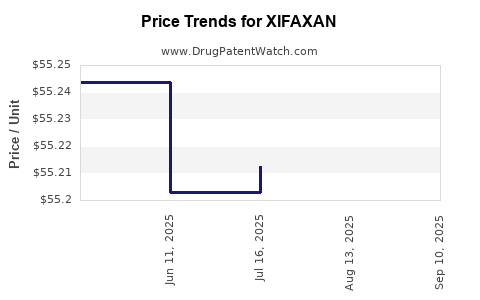
Drug Price Trends for XIFAXAN
XIFAXAN is a drug marketed by Salix Pharms. There are twenty-two patents protecting this drug and two Paragraph IV challenges. Four tentatively approved generics are ready to enter the market.

This drug has two hundred and nineteen patent family members in forty-one countries. There has been litigation on patents covering XIFAXAN

See drug price trends for XIFAXAN.

The generic ingredient in XIFAXAN is rifaximin. There are fourteen drug master file entries for this API. Three suppliers are listed for this generic product. Additional details are available on the rifaximin profile page.

When can TRADJENTA (linagliptin) generic drug versions launch?

Generic name: linagliptin
DrugPatentWatch® Estimated Key Patent Expiration / Generic Entry Date: May 04, 2026
Generic Entry Controlled by: Montenegro Patent 1,170
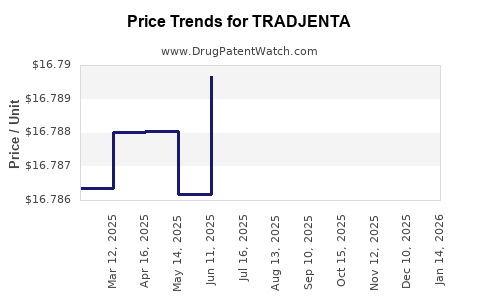
Drug Price Trends for TRADJENTA
TRADJENTA is a drug marketed by Boehringer Ingelheim. There are eleven patents protecting this drug and one Paragraph IV challenge. Three tentatively approved generics are ready to enter the market.

This drug has four hundred and eighty-six patent family members in forty-five countries. There has been litigation on patents covering TRADJENTA

See drug price trends for TRADJENTA.

The generic ingredient in TRADJENTA is linagliptin. There are nineteen drug master file entries for this API. Three suppliers are listed for this generic product. Additional details are available on the linagliptin profile page.

When can TRADJENTA (linagliptin) generic drug versions launch?

Generic name: linagliptin
DrugPatentWatch® Estimated Key Patent Expiration / Generic Entry Date: May 04, 2026
Generic Entry Controlled by: Montenegro Patent 1,941

Drug Price Trends for TRADJENTA
TRADJENTA is a drug marketed by Boehringer Ingelheim. There are eleven patents protecting this drug and one Paragraph IV challenge. Three tentatively approved generics are ready to enter the market.

This drug has four hundred and eighty-six patent family members in forty-five countries. There has been litigation on patents covering TRADJENTA

See drug price trends for TRADJENTA.

The generic ingredient in TRADJENTA is linagliptin. There are nineteen drug master file entries for this API. Three suppliers are listed for this generic product. Additional details are available on the linagliptin profile page.

When can RASUVO (methotrexate) generic drug versions launch?

Generic name: methotrexate
DrugPatentWatch® Estimated Key Patent Expiration / Generic Entry Date: July 21, 2026
Generic Entry Controlled by: Montenegro Patent 1,940
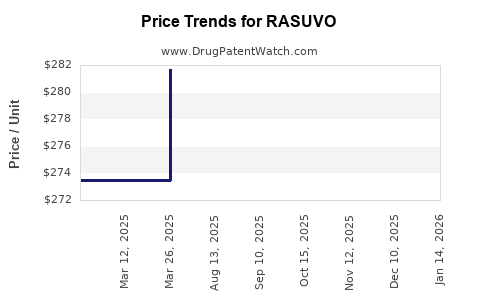
Drug Price Trends for RASUVO
RASUVO is a drug marketed by Medexus. There is one patent protecting this drug.

This drug has twenty-nine patent family members in twenty-one countries. There has been litigation on patents covering RASUVO

See drug price trends for RASUVO.

The generic ingredient in RASUVO is methotrexate. There are twenty drug master file entries for this API. Four suppliers are listed for this generic product. Additional details are available on the methotrexate profile page.

When can OLYSIO (simeprevir sodium) generic drug versions launch?

Generic name: simeprevir sodium
DrugPatentWatch® Estimated Key Patent Expiration / Generic Entry Date: July 28, 2026
Generic Entry Controlled by: Montenegro Patent 1,231
Patent Title: Makrociklički inhibitori virusa hepatitisa C (MACROCYCLIC INHIBITORS OF HEPATITIS C VIRUS)

OLYSIO is a drug marketed by Janssen Prods. There are nine patents protecting this drug.

This drug has one hundred and forty patent family members in forty-three countries.

See drug price trends for OLYSIO.

The generic ingredient in OLYSIO is simeprevir sodium. There is one drug master file entry for this API. Additional details are available on the simeprevir sodium profile page.

When can OLYSIO (simeprevir sodium) generic drug versions launch?

Generic name: simeprevir sodium
DrugPatentWatch® Estimated Key Patent Expiration / Generic Entry Date: July 28, 2026
Generic Entry Controlled by: Montenegro Patent 2,415
Patent Title: Intermedijari za pripremu makrocikličkih inhibitora virusa hepatitisa C (Intermediates for the preparation of Macrocyclic inhibitors of hepatitis c virus)

OLYSIO is a drug marketed by Janssen Prods. There are nine patents protecting this drug.

This drug has one hundred and forty patent family members in forty-three countries.

See drug price trends for OLYSIO.

The generic ingredient in OLYSIO is simeprevir sodium. There is one drug master file entry for this API. Additional details are available on the simeprevir sodium profile page.

When can LYRICA CR (pregabalin) generic drug versions launch?

Generic name: pregabalin
DrugPatentWatch® Estimated Key Patent Expiration / Generic Entry Date: October 23, 2026
Generic Entry Controlled by: Montenegro Patent 482
Patent Title: ČVRSTE FARMACEUTSKE KOMPOZICIJE KOJE SADRŽE PREGABALIN SREDSTVO ZA FORMIRANJE MATRIKSA I SREDSTVO ZA BUBRENJE (SOLID ORAL PHARMACEUTICAL COMPOSITIONS FOR ONCE DAILY DOSING CONTAINING PREGABALIN, A MATRIX FORMING AGENT AND A SWELLING AGENT)

Drug Price Trends for LYRICA CR
LYRICA CR is a drug marketed by Upjohn. There are three patents protecting this drug and four Paragraph IV challenges. Six tentatively approved generics are ready to enter the market.

This drug has thirty-seven patent family members in thirty-three countries.

See drug price trends for LYRICA CR.

The generic ingredient in LYRICA CR is pregabalin. There are forty-one drug master file entries for this API. Fifty-four suppliers are listed for this generic product. Additional details are available on the pregabalin profile page.

Montenegro Branded and Generic Drug Markets: Assessment, Regulatory Opportunities, and Challenges

Last updated: July 27, 2025

Introduction

Montenegro’s pharmaceutical market demonstrates dynamic growth driven by an expanding healthcare sector and increasing demand for both branded and generic medicines. As a small yet strategically located country in Southeast Europe, Montenegro offers unique opportunities and regulatory landscapes impacting drug manufacturers, investors, and policymakers. This article provides a comprehensive assessment of Montenegro's branded and generic drug markets, delineates key regulatory opportunities, and explores inherent challenges impacting industry stakeholders.

Market Overview

Pharmaceutical Market Size and Trends

Montenegro's pharmaceutical market, valued at approximately €70 million in 2022, exhibits steady growth with a compound annual growth rate (CAGR) of approximately 4%. This growth stems from increased healthcare expenditure, demographic shifts favoring aging populations, and heightened primary healthcare utilization. The market comprises both branded medications, often imported from larger European markets, and domestically produced or imported generics aimed at cost-effective disease management.

Market Segmentation

  • Branded Drugs: Represent roughly 60% of the pharmaceutical market by value, primarily imported from Western Europe, Serbia, and regional manufacturers. These drugs tend to target chronic diseases, advanced therapies, and specialized treatments.
  • Generic Drugs: Constitute around 40% of the market, with a focus on cost-containment and expanding access to essential medicines. Local production is minimal, with most generics imported from neighboring Serbia, Greece, and EU countries.

Market Dynamics

The Montenegro pharmaceutical sector remains heavily reliant on imports, with domestic manufacturing limited to basic health commodities. The government’s emphasis on expanding local manufacturing capabilities and encouraging generic substitution aligns with regional trends toward healthcare cost containment.

Regulatory Environment in Montenegro

Montenegro's pharmaceutical regulation is governed primarily by the Drug Law (Law No. 02-743/2, 2014), aligned with European Union (EU) standards through accession negotiations and commitments. The regulatory authority responsible is the Agency for Medicines and Medical Devices of Montenegro (ALIMS), which oversees registration, licensing, inspection, and pharmacovigilance operations.

Regulatory Framework Highlights

  • Medicines Registration: Requires submission of detailed dossiers, including quality, safety, and efficacy data. The process generally aligns with EU directives, with recognition mechanisms for EMA-approved products.
  • Good Manufacturing Practice (GMP): Mandatory for all manufacturing facilities, including imported products intended for local distribution. Montenegro has adopted EU GMP standards to facilitate recognition and streamline import procedures.
  • Pricing and Reimbursement: Pharmaceutical pricing is regulated by the Ministry of Health, with reference pricing systems and reimbursement schemes emphasizing affordability and access.
  • Pharmacovigilance: Compliance with EU-based pharmacovigilance standards is mandated, including post-market surveillance and adverse event reporting.

Opportunities in Montenegro’s Pharmaceutical Sector

1. Entry for Western and Regional Manufacturers

Montenegro's proximity to major European markets and integration with regional trade agreements provides an efficient entry point for manufacturers seeking EU market access or regional expansion. Harmonization with EU regulatory standards facilitates smoother registration pathways, especially for products already approved by the EMA.

2. Growing Demand for Cost-Effective Generics

The government’s policy shift toward generic substitution and biosimilars enhances opportunities for generic manufacturers and regional players. Cost containment initiatives and public healthcare reforms stimulate demand for affordable medicines, creating a conducive environment for generic market penetration.

3. Development of Local Manufacturing

Government incentives, including tax benefits, reduced import tariffs, and potential public-private partnerships, support the development of local production capabilities. Establishing manufacturing units compliant with EU GMP standards can boost Montenegro’s self-sufficiency and exportability.

4. Digitalization and Pharmacovigilance Enhancement

Montenegro’s efforts to upgrade pharmacovigilance infrastructure and adopt digital health records open avenues for innovative pharmaceutical solutions, including digital therapeutics and real-time monitoring of drug safety.

5. Integration with EU Regulatory Frameworks

Montenegro’s alignment with EU pharmaceutical legislation presents opportunities for stakeholders to leverage recognition of approvals and expedite market entry, especially for products with existing EMA approval or equivalents.

Challenges Facing the Market

1. Limited Domestic Manufacturing and R&D Capabilities

Currently, Montenegro’s pharmaceutical industry is predominantly import-dependent. Limited local manufacturing restricts diversification and innovation, constraining the development of novel and biosimilar products within the country.

2. Regulatory Complexity and Harmonization Barriers

Despite alignment efforts, procedural delays, bureaucratic inefficiencies, and lack of local expertise may hinder the registration process and regulatory compliance. Variations in regional implementation of EU directives can also pose challenges for regional players seeking seamless market access.

3. Price Controls and Reimbursement Bottlenecks

Stringent price regulation, driven by government-led reference pricing and budget constraints, may suppress market margins for pharmaceutical companies, especially for innovative and high-cost medicines, impacting investment decisions.

4. Limited Market Size and Purchasing Power

Montenegro’s small population (~620,000) constrains market volume, impacting economies of scale. International companies may perceive limited profitability, particularly for high-value branded drugs with narrow margins.

5. Pharmacovigilance and Regulatory Capacity Constraints

The capacity for pharmacovigilance and inspection remains evolving; staff expertise and infrastructure require further development to meet EU standards fully, potentially delaying product approvals and increasing compliance costs.

Regulatory Opportunities for Stakeholders

1. Leveraging EU Harmonization

Stakeholders can capitalize on Montenegro’s regulatory alignment with EU standards to facilitate product registration and compliance, enabling faster market access. EMA recognition pathways can streamline approval for products with existing EU authorization.

2. Encouraging Local Manufacturing with Incentives

Investment in local pharmaceutical manufacturing, supported by government incentives, could reduce dependence on imports, foster R&D, and create export opportunities within the region.

3. Building Regional Collaborations

Partnerships with regional regulators, academic institutions, and industry associations can improve regulatory capacity, facilitate knowledge exchange, and promote advanced manufacturing practices.

4. Digital Health and Pharmacovigilance Enhancements

Embracing digital solutions for pharmacovigilance, supply chain transparency, and medical record management can improve compliance and bolster market confidence.

5. Supporting generics and biosimilars

Policy initiatives favoring bioequivalence studies and streamlined registration pathways for generics and biosimilars can expand affordable access and stimulate market growth.

Market Entry Strategies

  • Regulatory Readiness: Ensure dossiers meet EU standards, and leverage recognition agreements.
  • Partnerships: Collaborate with local distributors and healthcare providers to navigate market dynamics.
  • Pricing Strategies: Align product pricing with Montenegro’s reference pricing and reimbursement policies.
  • Local Investment: Consider establishing manufacturing or R&D units to enhance market credibility and reduce import dependence.

Conclusion

Montenegro’s pharmaceutical landscape offers promising growth avenues amid regulatory harmonization, regional integration, and increasing demand for affordable medicines. While challenges such as limited domestic manufacturing and regulatory procedural complexities persist, proactive engagement with evolving policies, strategic partnerships, and compliance with EU standards can unlock substantial opportunities.

Stakeholders should leverage Montenegro’s strategic position and regulatory alignment to develop innovative, cost-effective solutions tailored to the local and regional markets. Sustained investment in capacity building, regulatory modernization, and local production will be vital for long-term success.

Key Takeaways

  • Montenegro’s pharmaceutical market is growing steadily, with significant opportunities for international and regional pharmaceutical companies.
  • The regulatory environment, aligned with EU standards, facilitates quicker approval for EMA-approved medicines, incentivizing market entry.
  • Opportunities exist in developing local manufacturing, expanding generics, and biosimilars, and improving pharmacovigilance infrastructure.
  • Challenges, including market size, regulatory complexities, and dependence on imports, require strategic navigation and investment.
  • Stakeholders should focus on leveraging EU harmonization, fostering regional collaborations, and embracing digital innovations to capitalize on Montenegro’s evolving pharmaceutical landscape.

FAQs

1. How does Montenegro’s alignment with EU pharmaceutical regulations benefit foreign manufacturers?
It simplifies registration processes for EMA-approved medicines, enabling faster market entry and recognition of quality standards, thus reducing compliance costs and timelines.

2. What are the main barriers for pharmaceutical companies entering Montenegro’s market?
Limited domestic manufacturing, market size constraints, regulatory procedural delays, and price control policies pose significant hurdles for new entrants.

3. Are there incentives for establishing local pharmaceutical production in Montenegro?
Yes; the government offers incentives such as tax benefits, reduced tariffs, and support for public-private partnerships to promote local manufacturing and R&D.

4. How can regional trade agreements influence Montenegro’s pharmaceutical market?
Agreements enhance market access, facilitate distribution, and enable recognition of regulatory approvals within regional markets, expanding sales channels.

5. What role does pharmacovigilance play in Montenegro’s regulatory landscape?
Robust pharmacovigilance is essential for market authorization, especially under EU standards, ensuring drug safety and maintaining market confidence.


Citations:

[1] Agency for Medicines and Medical Devices of Montenegro. (2022). Pharmaceutical Sector Report.
[2] Montenegro Ministry of Health. (2021). National Pharmaceutical Strategy and Regulations.
[3] European Medicines Agency. (2022). Regulatory Pathways for EU Member States and Candidates.
[4] World Bank. (2022). Montenegro Economic Overview.
[5] Statista. (2022). Montenegro Pharmaceutical Market Data.

More… ↓

⤷  Get Started Free

DrugPatentWatch cited by CNN, NEJM, Nature Journals, and more …

Make Better Decisions: Try a trial or see plans & pricing

Drugs may be covered by multiple patents or regulatory protections. All trademarks and applicant names are the property of their respective owners or licensors. Although great care is taken in the proper and correct provision of this service, thinkBiotech LLC does not accept any responsibility for possible consequences of errors or omissions in the provided data. The data presented herein is for information purposes only. There is no warranty that the data contained herein is error free. We do not provide individual investment advice. This service is not registered with any financial regulatory agency. The information we publish is educational only and based on our opinions plus our models. By using DrugPatentWatch you acknowledge that we do not provide personalized recommendations or advice. thinkBiotech performs no independent verification of facts as provided by public sources nor are attempts made to provide legal or investing advice. Any reliance on data provided herein is done solely at the discretion of the user. Users of this service are advised to seek professional advice and independent confirmation before considering acting on any of the provided information. thinkBiotech LLC reserves the right to amend, extend or withdraw any part or all of the offered service without notice.
