You're using a free limited version of DrugPatentWatch: Upgrade for Complete Access

Last Updated: December 19, 2025

LYRICA CR Drug Patent Profile


✉ Email this page to a colleague

« Back to Dashboard


When do Lyrica Cr patents expire, and when can generic versions of Lyrica Cr launch?

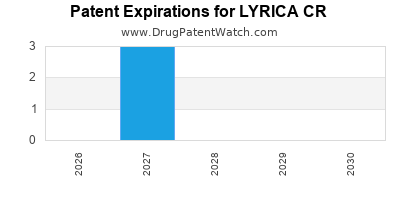
Lyrica Cr is a drug marketed by Upjohn and is included in one NDA. There are three patents protecting this drug and two Paragraph IV challenges.

This drug has thirty-seven patent family members in thirty-three countries.

The generic ingredient in LYRICA CR is pregabalin. There are forty-one drug master file entries for this compound. Fifty-six suppliers are listed for this compound. Additional details are available on the pregabalin profile page.

DrugPatentWatch® Litigation and Generic Entry Outlook for Lyrica Cr

A generic version of LYRICA CR was approved as pregabalin by ALEMBIC on July 19th, 2019.

  Get Started Free

AI Deep Research
Questions you can ask:
  • What is the 5 year forecast for LYRICA CR?
  • What are the global sales for LYRICA CR?
  • What is Average Wholesale Price for LYRICA CR?
Summary for LYRICA CR
International Patents:37
US Patents:3
Applicants:1
NDAs:1
Finished Product Suppliers / Packagers: 1
Raw Ingredient (Bulk) Api Vendors: 69
Clinical Trials: 163
Patent Applications: 3,953
Drug Prices: Drug price information for LYRICA CR
What excipients (inactive ingredients) are in LYRICA CR?LYRICA CR excipients list
DailyMed Link:LYRICA CR at DailyMed
Drug patent expirations by year for LYRICA CR
Drug Prices for LYRICA CR

See drug prices for LYRICA CR

Recent Clinical Trials for LYRICA CR

Identify potential brand extensions & 505(b)(2) entrants

SponsorPhase
Eurofarma Laboratorios S.A.PHASE3
Beijing Tiantan HospitalPHASE1
Neurodawn Pharmaceutical Co., Ltd.PHASE1

See all LYRICA CR clinical trials

Paragraph IV (Patent) Challenges for LYRICA CR
Tradename Dosage Ingredient Strength NDA ANDAs Submitted Submissiondate
LYRICA CR Extended-release Tablets pregabalin 82.5 mg and 165 mg 209501 1 2018-02-02
LYRICA CR Extended-release Tablets pregabalin 330 mg 209501 1 2018-01-29

US Patents and Regulatory Information for LYRICA CR

LYRICA CR is protected by three US patents.

Applicant Tradename Generic Name Dosage NDA Approval Date TE Type RLD RS Patent No. Patent Expiration Product Substance Delist Req. Exclusivity Expiration
Upjohn LYRICA CR pregabalin TABLET, EXTENDED RELEASE;ORAL 209501-001 Oct 11, 2017 AB RX Yes No ⤷  Get Started Free ⤷  Get Started Free Y ⤷  Get Started Free
Upjohn LYRICA CR pregabalin TABLET, EXTENDED RELEASE;ORAL 209501-003 Oct 11, 2017 AB RX Yes Yes ⤷  Get Started Free ⤷  Get Started Free Y ⤷  Get Started Free
Upjohn LYRICA CR pregabalin TABLET, EXTENDED RELEASE;ORAL 209501-002 Oct 11, 2017 AB RX Yes No ⤷  Get Started Free ⤷  Get Started Free Y ⤷  Get Started Free
Upjohn LYRICA CR pregabalin TABLET, EXTENDED RELEASE;ORAL 209501-003 Oct 11, 2017 AB RX Yes Yes ⤷  Get Started Free ⤷  Get Started Free Y ⤷  Get Started Free
Upjohn LYRICA CR pregabalin TABLET, EXTENDED RELEASE;ORAL 209501-001 Oct 11, 2017 AB RX Yes No ⤷  Get Started Free ⤷  Get Started Free Y ⤷  Get Started Free
>Applicant >Tradename >Generic Name >Dosage >NDA >Approval Date >TE >Type >RLD >RS >Patent No. >Patent Expiration >Product >Substance >Delist Req. >Exclusivity Expiration

EU/EMA Drug Approvals for LYRICA CR

Company Drugname Inn Product Number / Indication Status Generic Biosimilar Orphan Marketing Authorisation Marketing Refusal
Zentiva k.s. Pregabalin Zentiva k.s. pregabalin EMEA/H/C/004277Neuropathic painPregabalin Zentiva k.s. is indicated for the treatment of peripheral and central neuropathic pain in adults.EpilepsyPregabalin Zentiva k.s. is indicated as adjunctive therapy in adults with partial seizures with or without secondary generalisation.Generalised anxiety disorderPregabalin Zentiva k.s. is indicated for the treatment of generalised anxiety disorder (GAD) in adults. Withdrawn yes no no 2017-02-27
Zentiva, k.s. Pregabalin Zentiva pregabalin EMEA/H/C/003900Neuropathic pain, , , Pregabalin Zentiva is indicated for the treatment of peripheral and central neuropathic pain in adults., , , Epilepsy, , , Pregabalin Zentiva is indicated as adjunctive therapy in adults with partial seizures with or without secondary generalisation., , , Generalised anxiety disorder, , , Pregabalin Zentiva is indicated for the treatment of generalised anxiety disorder (GAD) in adults., , Authorised yes no no 2015-07-17
Mylan S.A.S. Pregabalin Mylan Pharma pregabalin EMEA/H/C/003962EpilepsyPregabalin Mylan Pharma is indicated as adjunctive therapy in adults with partial seizures with or without secondary generalisation.Generalised Anxiety DisorderPregabalin Mylan Pharma is indicated for the treatment of Generalised Anxiety Disorder (GAD) in adults. Withdrawn yes no no 2015-06-25
Upjohn EESV Pregabalin Pfizer pregabalin EMEA/H/C/003880Neuropathic painPregabalin Pfizer is indicated for the treatment of peripheral and central neuropathic pain in adults.EpilepsyPregabalin Pfizer is indicated as adjunctive therapy in adults with partial seizures with or without secondary generalisation.Generalised Anxiety DisorderPregabalin Pfizer is indicated for the treatment of Generalised Anxiety Disorder (GAD) in adults. Authorised no no no 2014-04-10
Upjohn EESV Lyrica pregabalin EMEA/H/C/000546Neuropathic painLyrica is indicated for the treatment of peripheral and central neuropathic pain in adults.EpilepsyLyrica is indicated as adjunctive therapy in adults with partial seizures with or without secondary generalisation.Generalised anxiety disorderLyrica is indicated for the treatment of generalised anxiety disorder (GAD) in adults. Authorised no no no 2004-07-05
Sandoz GmbH Pregabalin Sandoz GmbH pregabalin EMEA/H/C/004070EpilepsyPregabalin Sandoz GmbH is indicated as adjunctive therapy in adults with partial seizures with or without secondary generalisation.Generalised Anxiety DisorderPregabalin Sandoz GmbH is indicated for the treatment of Generalised Anxiety Disorder (GAD) in adults. Withdrawn yes no no 2015-06-19
>Company >Drugname >Inn >Product Number / Indication >Status >Generic >Biosimilar >Orphan >Marketing Authorisation >Marketing Refusal

International Patents for LYRICA CR

When does loss-of-exclusivity occur for LYRICA CR?

Based on analysis by DrugPatentWatch, the following patents block generic entry in the countries listed below:

Dominican Republic

Patent: 006000241
Patent: COMPOSICIONES FARMACÉUTICAS SÓLIDAS QUE CONTIENEN PREGABALINA
Estimated Expiration: ⤷  Get Started Free

Montenegro

Patent: 482
Patent: ČVRSTE FARMACEUTSKE KOMPOZICIJE KOJE SADRŽE PREGABALIN SREDSTVO ZA FORMIRANJE MATRIKSA I SREDSTVO ZA BUBRENJE (SOLID ORAL PHARMACEUTICAL COMPOSITIONS FOR ONCE DAILY DOSING CONTAINING PREGABALIN, A MATRIX FORMING AGENT AND A SWELLING AGENT)
Estimated Expiration: ⤷  Get Started Free

Serbia

Patent: 080181
Patent: ČVRSTE FARMACEUTSKE KOMPOZICIJE KOJE SADRŽE PREGABALIN SREDSTVO ZA FORMIRANJE MATRIKSA I SREDSTVO ZA BUBRENJE (SOLID PHARMACEUTICAL COMPOSITIONS CONTAINING PREGABALIN, A MATRIX FORMING AGENT AND A SWELLING AGENT)
Estimated Expiration: ⤷  Get Started Free

Spain

Patent: 49231
Estimated Expiration: ⤷  Get Started Free

Taiwan

Patent: 0803831
Patent: Solid pharmaceutical compositions containing pregabalin
Estimated Expiration: ⤷  Get Started Free

Generics may enter earlier, or later, based on new patent filings, patent extensions, patent invalidation, early generic licensing, generic entry preferences, and other factors.

See the table below for additional patents covering LYRICA CR around the world.

Country Patent Number Title Estimated Expiration
Poland 1945186 ⤷  Get Started Free
Norway 325822 ⤷  Get Started Free
Portugal 934061 ⤷  Get Started Free
Slovakia 283281 ⤷  Get Started Free
Brazil PI0618211 composição farmacêutica contendo pregabalina e uso do referido composto ⤷  Get Started Free
World Intellectual Property Organization (WIPO) 9209560 ⤷  Get Started Free
>Country >Patent Number >Title >Estimated Expiration

Supplementary Protection Certificates for LYRICA CR

Patent Number Supplementary Protection Certificate SPC Country SPC Expiration SPC Description
0641330 CA 2004 00036 Denmark ⤷  Get Started Free
0934061 PA2004017,C0934061 Lithuania ⤷  Get Started Free PRODUCT NAME: PREGABALINUM ((S)-3-(AMINOMETIL)-5-METILHEKSANO RUGSTIS); REGISTRATION NO/DATE: EU/1/04/279/001-025 20040725
0641330 91112 Luxembourg ⤷  Get Started Free 91112, EXPIRES: 20180518
0934061 PA2004017 Lithuania ⤷  Get Started Free PRODUCT NAME: PREGABALINUM ((S)-3-(AMINOMETIL)-5-METILHEKSANO RûGðTIS)
0641330 2004C/022 Belgium ⤷  Get Started Free PRODUCT NAME: PREGABALIN; REGISTRATION NO/DATE: EU/1/04/279/001 20040708
0641330 CR 2004 00036 Denmark ⤷  Get Started Free PRODUCT NAME: PREGABALIN ELLER ET FARMACEUTISK ACCEPTABELT SALT DERAF; REG. NO/DATE: EU/1/04/279/001-025 20040706
>Patent Number >Supplementary Protection Certificate >SPC Country >SPC Expiration >SPC Description

Market Dynamics and Financial Trajectory for LYRICA CR

Last updated: July 27, 2025

Introduction

LYRICA CR, a sustained-release formulation of pregabalin, is a prominent pharmaceutical product indicated primarily for neuropathic pain, generalized anxiety disorder, and focal seizures. As an extension of Pfizer’s LYRICA portfolio, LYRICA CR embodies strategic innovation aimed at enhancing patient compliance and market share. Understanding its market dynamics and financial trajectory requires an examination of competitive positioning, regulatory factors, market drivers, and potential growth pathways.

Market Overview of Pregabalin and LYRICA CR

Pregabalin’s debut transformed neuropathic pain management owing to its efficacy and acceptable safety profile. Launched in 2004 under the name LYRICA (brand name), the drug garnered widespread acceptance. LYRICA CR entered the market as a sustained-release version targeting chronic pain management, aiming to reduce dosing frequency, improve adherence, and differentiate from immediate-release formulations.

The global neuropathic pain therapeutics market is projected to reach USD 7.0 billion by 2027, with sustained-release formulations capturing a significant share due to increasing preferences for convenient dosing options (Source: MarketsandMarkets). The adoption of LYRICA CR aligns with evolving clinical guidelines emphasizing sustained plasma levels for better symptom control.

Market Dynamics

  1. Competitive Landscape
    LYRICA CR faces competition from several generics and alternative therapies: gabapentin, duloxetine, and other anticonvulsants. Generic pregabalin has significantly eroded branded sales since patent expiration, with generics accounting for over 80% of the pregabalin market in many regions [1]. These generics offer lower-cost options, pressuring LYRICA CR's premium pricing. Furthermore, on-market products like Enacarbil and gabapentin ER formulations target similar indications, intensifying competitive pressures.

  2. Regulatory Environment and Patent Life
    Pfizer’s primary patents for LYRICA have expired in key markets like the US and Europe, leading to waves of generic competition post-2018. While patent defenses for LYRICA CR have extended exclusivity in certain jurisdictions through formulation patents, the ultimate expiration threatens market share erosion. The regulatory landscape also influences the approval of biosimilars and alternative delivery systems, impacting the market’s evolution.

  3. Pricing and Reimbursement Policies
    Health system policies in major markets significantly influence LYRICA CR’s revenue potential. For example, US payers emphasize cost-effective therapies, favoring generics. Conversely, in markets with higher drug pricing flexibility, LYRICA CR can sustain a premium segment. In Europe, reimbursement decisions hinge on clinical value demonstrations, affecting market accessibility.

  4. Market Drivers

    • Increasing Prevalence of Neuropathic Pain: An aging population with rising diabetes and peripheral neuropathy cases fuels demand.
    • Patient Preference for Sustained-Release Formulations: The convenience of less frequent dosing enhances adherence, especially in chronic conditions.
    • Expanding Indications: Clinical trials exploring LYRICA CR for generalized anxiety disorder and fibromyalgia may open additional markets, provided approval is secured.
  5. Technological Innovations and Pipeline Developments
    Advances in drug delivery systems, including bioavailability enhancements and fixed-dose combinations, could impact LYRICA CR’s market share. Conversely, competitors developing novel molecules with improved efficacy or safety profiles threaten existing therapies.

Financial Trajectory

  1. Historical Revenue and Profitability
    Pfizer’s revenues from LYRICA, including LYRICA CR, peaked before patent cliffs, with LYRICA generating over USD 4 billion globally in 2017 [2]. Post-generic entry, revenues sharply declined. LYRICA CR historically contributed modest incremental revenue, with profitability influenced by high R&D and marketing costs for extension formulations.

  2. Current Financial Outlook
    As of recent fiscal reports, LYRICA CR’s contribution to Pfizer’s portfolio has diminished but remains relevant in select markets where exclusivity persists. Revenue projections suggest a continued decline due to generic competition, with residual sales driven by ongoing prescriptions in certain territories and off-label uses.

  3. Growth Opportunities

    • Market Penetration in Emerging Economies: Developing markets with expanding healthcare infrastructure may sustain growth if supply chains are optimized.
    • Extended Indication Approvals: Regulatory approvals for additional indications such as generalized anxiety disorder could revive demand.
    • Lifecycle Management Strategies: Reformulation, combination therapies, or digital health solutions may offer new revenue streams.
  4. Risks and Challenges

    • Patent Expiry and Generics: Pivotal to future revenue erosion.
    • Regulatory Uncertainties: Particularly in new markets or for additional indications.
    • Price Competition: From generics and biosimilars.
    • Market Saturation: Especially in mature markets where significant penetration has been achieved.

Strategic Outlook

The trajectory of LYRICA CR hinges on balancing patent protections, penetrating untapped markets, and broadening its clinical use cases. Pfizer’s strategic focus on innovation, including digital health integration and novel delivery mechanisms, could influence its long-term positioning. The ongoing patent disputes and market entries of generics imply that any resurgence depends on value differentiation and lifecycle extension.

Key Takeaways

  • Patent Cameos and Market Erosion: The expiration of primary patents substantially restricts LYRICA CR’s growth in developed markets, increasing reliance on emerging markets and new indications.
  • Competitive Challenges: Generic pregabalin dominates pricing strategies, pressuring revenue margins for LYRICA CR.
  • Market Expansion Potential: Regulatory approvals for additional indications and increased acceptance of sustained-release formulations may offset some revenue decline.
  • Innovation as a Differentiator: Product modifications, digital health integrations, and combination therapies represent strategic avenues for extending market relevance.
  • Financial Outlook: Expect gradual revenue decline in mature markets with potential stabilization or modest growth in emerging regions contingent on regulatory and pricing factors.

Conclusion

LYRICA CR’s financial trajectory reflects the complexities inherent in branded drugs facing generic competition. While current market dynamics favor a downward trend in mature regions, strategic initiatives—particularly expanding indications and market penetration in emerging economies—offer potential for stabilization. Ultimately, Pfizer’s ability to innovate and adapt to evolving regulatory and competitive landscapes will determine the long-term financial health of LYRICA CR.


FAQs

1. How does patent expiration affect LYRICA CR's market share?
Patent expiration typically allows generic manufacturers to enter the market, significantly reducing pricing power and branded sales. For LYRICA CR, patent cliffs have led to rapid revenue declines in key markets, with generics capturing over 80% of pregabalin sales in certain regions [1].

2. What are the main competitive advantages of LYRICA CR over immediate-release formulations?
LYRICA CR offers a sustained plasma concentration with less frequent dosing, improving patient adherence, especially for chronic conditions. This convenience can translate into better treatment outcomes and patient satisfaction.

3. Are there upcoming indications that could bolster LYRICA CR sales?
Potential approval for additional indications such as generalized anxiety disorder could expand its usage. However, such approvals depend on clinical trial outcomes and regulatory decisions, which remain uncertain.

4. How do regulatory policies influence LYRICA CR’s market performance?
Regulatory decisions on patent extensions, biosimilar approvals, and reimbursement policies directly impact market exclusivity and pricing strategies, shaping revenue potential.

5. What strategic moves can Pfizer implement to sustain LYRICA CR’s relevance?
Pfizer can focus on lifecycle management through reformulations, exploring combination therapies, expanding into emerging markets, and initiating clinical trials for new indications to sustain demand.


Sources

[1] IQVIA, "Pregabalin Market Analysis," 2022.
[2] Pfizer SEC Filings, 2018 Annual Report.

More… ↓

⤷  Get Started Free

Make Better Decisions: Try a trial or see plans & pricing

Drugs may be covered by multiple patents or regulatory protections. All trademarks and applicant names are the property of their respective owners or licensors. Although great care is taken in the proper and correct provision of this service, thinkBiotech LLC does not accept any responsibility for possible consequences of errors or omissions in the provided data. The data presented herein is for information purposes only. There is no warranty that the data contained herein is error free. We do not provide individual investment advice. This service is not registered with any financial regulatory agency. The information we publish is educational only and based on our opinions plus our models. By using DrugPatentWatch you acknowledge that we do not provide personalized recommendations or advice. thinkBiotech performs no independent verification of facts as provided by public sources nor are attempts made to provide legal or investing advice. Any reliance on data provided herein is done solely at the discretion of the user. Users of this service are advised to seek professional advice and independent confirmation before considering acting on any of the provided information. thinkBiotech LLC reserves the right to amend, extend or withdraw any part or all of the offered service without notice.