Expiring Drug Patents Cheat Sheet
We analyse the patents covering drugs in 134 countries and quickly give you the likely loss-of-exclusivity/generic entry date
Brazil: These 39 Drugs Face Patent Expirations and Generic Entry From 2026 - 2027
The content of this page is licensed under a Creative Commons Attribution 4.0 International License.

Generic Entry Dates in Other Countries
Friedman, Yali, "Brazil: These 39 Drugs Face Patent Expirations and Generic Entry From 2026 - 2027" DrugPatentWatch.com thinkBiotech, 2026 www.drugpatentwatch.com/p/expiring-drug-patents-generic-entry/.
Media collateral
These estimated drug patent expiration dates and generic entry opportunity dates are calculated from analysis of known patents covering drugs. Many factors can influence early or late generic entry. This information is provided as a rough estimate of generic entry potential and should not be used as an independent source. The methodology is described in this blog post.
When can ZYKADIA (ceritinib) generic drug versions launch in Brazil?
Generic name: ceritinib
DrugPatentWatch® Estimated Key Patent Expiration / Generic Entry Date: December 08, 2026
Generic Entry Controlled by: Brazil Patent PI0722383
ZYKADIA is a drug marketed by Novartis. There are eight patents protecting this drug.
See drug price trends for ZYKADIA.
The generic ingredient in ZYKADIA is ceritinib. Additional details are available on the ceritinib profile page.
When can ZYKADIA (ceritinib) generic drug versions launch in Brazil?
Generic name: ceritinib
DrugPatentWatch® Estimated Key Patent Expiration / Generic Entry Date: December 08, 2026
Generic Entry Controlled by: Brazil Patent PI0815979
ZYKADIA is a drug marketed by Novartis. There are eight patents protecting this drug.
See drug price trends for ZYKADIA.
The generic ingredient in ZYKADIA is ceritinib. Additional details are available on the ceritinib profile page.
When can PICATO (ingenol mebutate) generic drug versions launch in Brazil?
Generic name: ingenol mebutate
DrugPatentWatch® Estimated Key Patent Expiration / Generic Entry Date: December 18, 2026
Generic Entry Controlled by: Brazil Patent PI0619919
Patent Title: composições terapêuticas

See drug price trends for PICATO.
The generic ingredient in PICATO is ingenol mebutate. Additional details are available on the ingenol mebutate profile page.
When can EPSOLAY (benzoyl peroxide) generic drug versions launch in Brazil?
Generic name: benzoyl peroxide
DrugPatentWatch® Estimated Key Patent Expiration / Generic Entry Date: February 01, 2027
Generic Entry Controlled by: Brazil Patent PI0808160
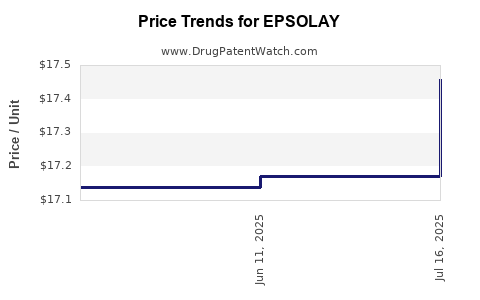
See drug price trends for EPSOLAY.
The generic ingredient in EPSOLAY is benzoyl peroxide. Additional details are available on the benzoyl peroxide profile page.
When can OSENI (alogliptin benzoate; pioglitazone hydrochloride) generic drug versions launch in Brazil?
Generic name: alogliptin benzoate; pioglitazone hydrochloride
DrugPatentWatch® Estimated Key Patent Expiration / Generic Entry Date: February 01, 2027
Generic Entry Controlled by: Brazil Patent PI0807453

See drug price trends for OSENI.
The generic ingredient in OSENI is alogliptin benzoate; pioglitazone hydrochloride. Additional details are available on the alogliptin benzoate; pioglitazone hydrochloride profile page.
When can PANCREAZE (pancrelipase (amylase;lipase;protease)) generic drug versions launch in Brazil?
Generic name: pancrelipase (amylase;lipase;protease)
DrugPatentWatch® Estimated Key Patent Expiration / Generic Entry Date: February 20, 2027
Generic Entry Controlled by: Brazil Patent PI0807718
PANCREAZE is a drug marketed by
See drug price trends for PANCREAZE.
The generic ingredient in PANCREAZE is pancrelipase (amylase;lipase;protease). Additional details are available on the pancrelipase (amylase;lipase;protease) profile page.
When can ZENPEP (pancrelipase (amylase;lipase;protease)) generic drug versions launch in Brazil?
Generic name: pancrelipase (amylase;lipase;protease)
DrugPatentWatch® Estimated Key Patent Expiration / Generic Entry Date: February 20, 2027
Generic Entry Controlled by: Brazil Patent PI0807718
ZENPEP is a drug marketed by
See drug price trends for ZENPEP.
The generic ingredient in ZENPEP is pancrelipase (amylase;lipase;protease). Additional details are available on the pancrelipase (amylase;lipase;protease) profile page.
When can DYANAVEL XR (amphetamine) generic drug versions launch in Brazil?
Generic name: amphetamine
DrugPatentWatch® Estimated Key Patent Expiration / Generic Entry Date: March 15, 2027
Generic Entry Controlled by: Brazil Patent PI0709606
Patent Title: suspensão líquida administrável oralmente com características de liberação modificada
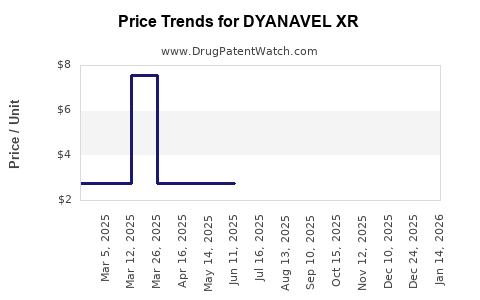
See drug price trends for DYANAVEL XR.
The generic ingredient in DYANAVEL XR is amphetamine. Additional details are available on the amphetamine profile page.
When can TUZISTRA XR (chlorpheniramine polistirex; codeine polistirex) generic drug versions launch in Brazil?
Generic name: chlorpheniramine polistirex; codeine polistirex
DrugPatentWatch® Estimated Key Patent Expiration / Generic Entry Date: March 15, 2027
Generic Entry Controlled by: Brazil Patent PI0709606
Patent Title: suspensão líquida administrável oralmente com características de liberação modificada
TUZISTRA XR is a drug marketed by Tris Pharma Inc. There are two patents protecting this drug. There has been litigation on patents covering TUZISTRA XR
See drug price trends for TUZISTRA XR.
The generic ingredient in TUZISTRA XR is chlorpheniramine polistirex; codeine polistirex. Additional details are available on the chlorpheniramine polistirex; codeine polistirex profile page.
When can XENLETA (lefamulin acetate) generic drug versions launch in Brazil?
Generic name: lefamulin acetate
DrugPatentWatch® Estimated Key Patent Expiration / Generic Entry Date: March 20, 2027
Generic Entry Controlled by: Brazil Patent PI0809023
XENLETA is a drug marketed by Hong Kong. There are four patents protecting this drug. There has been litigation on patents covering XENLETA
See drug price trends for XENLETA.
The generic ingredient in XENLETA is lefamulin acetate. Additional details are available on the lefamulin acetate profile page.
When can EDARBI (azilsartan kamedoxomil) generic drug versions launch in Brazil?
Generic name: azilsartan kamedoxomil
DrugPatentWatch® Estimated Key Patent Expiration / Generic Entry Date: March 28, 2027
Generic Entry Controlled by: Brazil Patent PI0809522
Patent Title: COMPOSIÇÃO FARMACÊUTICA SÓLIDA, MÉTODOS PARA ESTABILIZAR UM COMPOSTO, E PARA MELHORAR DISSOLUÇÃO DE UM COMPOSTO, E, USO DE UM AGENTE DE CONTROLE DE PH.
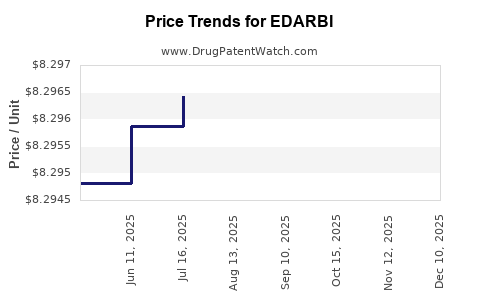
See drug price trends for EDARBI.
The generic ingredient in EDARBI is azilsartan kamedoxomil. Additional details are available on the azilsartan kamedoxomil profile page.
When can INLYTA (axitinib) generic drug versions launch in Brazil?
Generic name: axitinib
DrugPatentWatch® Estimated Key Patent Expiration / Generic Entry Date: April 05, 2027
Generic Entry Controlled by: Brazil Patent PI0809471
INLYTA is a drug marketed by Pf Prism Cv. There are four patents protecting this drug and one Paragraph IV challenge. Two tentatively approved generics are ready to enter the market. There has been litigation on patents covering INLYTA
See drug price trends for INLYTA.
The generic ingredient in INLYTA is axitinib. Additional details are available on the axitinib profile page.
When can SYMDEKO (COPACKAGED) (ivacaftor; ivacaftor, tezacaftor) generic drug versions launch in Brazil?
Generic name: ivacaftor; ivacaftor, tezacaftor
DrugPatentWatch® Estimated Key Patent Expiration / Generic Entry Date: April 09, 2027
Generic Entry Controlled by: Brazil Patent PI0710965
Patent Title: moduladores de transportadores de cassete de ligação de atp
SYMDEKO (COPACKAGED) is a drug marketed by Vertex Pharms Inc. There are twenty-six patents protecting this drug. There has been litigation on patents covering SYMDEKO (COPACKAGED)
The generic ingredient in SYMDEKO (COPACKAGED) is ivacaftor; ivacaftor, tezacaftor. Additional details are available on the ivacaftor; ivacaftor, tezacaftor profile page.
When can QVAR REDIHALER (beclomethasone dipropionate) generic drug versions launch in Brazil?
Generic name: beclomethasone dipropionate
DrugPatentWatch® Estimated Key Patent Expiration / Generic Entry Date: April 11, 2027
Generic Entry Controlled by: Brazil Patent PI0809477
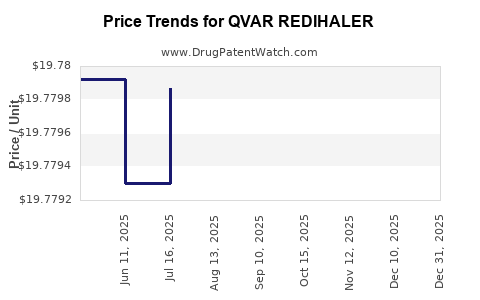
See drug price trends for QVAR REDIHALER.
The generic ingredient in QVAR REDIHALER is beclomethasone dipropionate. Additional details are available on the beclomethasone dipropionate profile page.
When can PROMACTA (eltrombopag olamine) generic drug versions launch in Brazil?
Generic name: eltrombopag olamine
DrugPatentWatch® Estimated Key Patent Expiration / Generic Entry Date: May 03, 2027
Generic Entry Controlled by: Brazil Patent PI0721651
PROMACTA is a drug marketed by Novartis. There is one patent protecting this drug and two Paragraph IV challenges. There has been litigation on patents covering PROMACTA
See drug price trends for PROMACTA.
The generic ingredient in PROMACTA is eltrombopag olamine. Additional details are available on the eltrombopag olamine profile page.
When can ICLUSIG (ponatinib hydrochloride) generic drug versions launch in Brazil?
Generic name: ponatinib hydrochloride
DrugPatentWatch® Estimated Key Patent Expiration / Generic Entry Date: May 08, 2027
Generic Entry Controlled by: Brazil Patent PI0710331
ICLUSIG is a drug marketed by Takeda Pharms Usa. There are six patents protecting this drug. One tentatively approved generic is ready to enter the market. There has been litigation on patents covering ICLUSIG
See drug price trends for ICLUSIG.
The generic ingredient in ICLUSIG is ponatinib hydrochloride. Additional details are available on the ponatinib hydrochloride profile page.
When can VRAYLAR (cariprazine hydrochloride) generic drug versions launch in Brazil?
Generic name: cariprazine hydrochloride
DrugPatentWatch® Estimated Key Patent Expiration / Generic Entry Date: May 11, 2027
Generic Entry Controlled by: Brazil Patent PI0811199
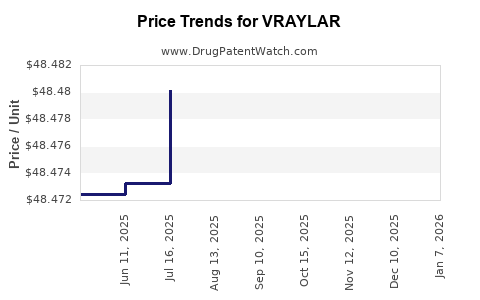
See drug price trends for VRAYLAR.
The generic ingredient in VRAYLAR is cariprazine hydrochloride. Additional details are available on the cariprazine hydrochloride profile page.
When can SIGNIFOR LAR (pasireotide pamoate) generic drug versions launch in Brazil?
Generic name: pasireotide pamoate
DrugPatentWatch® Estimated Key Patent Expiration / Generic Entry Date: May 24, 2027
Generic Entry Controlled by: Brazil Patent PI0811904
SIGNIFOR LAR is a drug marketed by Recordati Rare. There are three patents protecting this drug.
See drug price trends for SIGNIFOR LAR.
The generic ingredient in SIGNIFOR LAR is pasireotide pamoate. Additional details are available on the pasireotide pamoate profile page.
When can TRELSTAR (triptorelin pamoate) generic drug versions launch in Brazil?
Generic name: triptorelin pamoate
DrugPatentWatch® Estimated Key Patent Expiration / Generic Entry Date: June 06, 2027
Generic Entry Controlled by: Brazil Patent PI0812250
TRELSTAR is a drug marketed by Verity. There is one patent protecting this drug.
See drug price trends for TRELSTAR.
The generic ingredient in TRELSTAR is triptorelin pamoate. Additional details are available on the triptorelin pamoate profile page.
When can TRIPTODUR KIT (triptorelin pamoate) generic drug versions launch in Brazil?
Generic name: triptorelin pamoate
DrugPatentWatch® Estimated Key Patent Expiration / Generic Entry Date: June 06, 2027
Generic Entry Controlled by: Brazil Patent PI0812250
TRIPTODUR KIT is a drug marketed by Azurity. There is one patent protecting this drug.
The generic ingredient in TRIPTODUR KIT is triptorelin pamoate. Additional details are available on the triptorelin pamoate profile page.
When can XADAGO (safinamide mesylate) generic drug versions launch in Brazil?
Generic name: safinamide mesylate
DrugPatentWatch® Estimated Key Patent Expiration / Generic Entry Date: June 08, 2027
Generic Entry Controlled by: Brazil Patent PI0712936
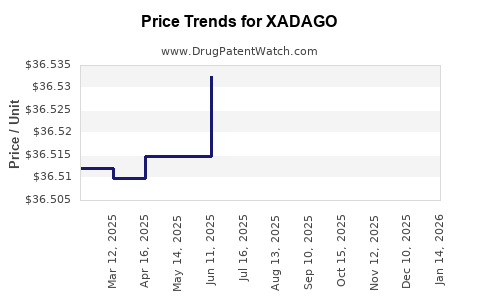
See drug price trends for XADAGO.
The generic ingredient in XADAGO is safinamide mesylate. Additional details are available on the safinamide mesylate profile page.
When can JAKAFI (ruxolitinib phosphate) generic drug versions launch in Brazil?
Generic name: ruxolitinib phosphate
DrugPatentWatch® Estimated Key Patent Expiration / Generic Entry Date: June 13, 2027
Generic Entry Controlled by: Brazil Patent PI0814254
JAKAFI is a drug marketed by Incyte Corp. There are nineteen patents protecting this drug and one Paragraph IV challenge. There has been litigation on patents covering JAKAFI
See drug price trends for JAKAFI.
The generic ingredient in JAKAFI is ruxolitinib phosphate. Additional details are available on the ruxolitinib phosphate profile page.
When can BYFAVO (remimazolam besylate) generic drug versions launch in Brazil?
Generic name: remimazolam besylate
DrugPatentWatch® Estimated Key Patent Expiration / Generic Entry Date: July 10, 2027
Generic Entry Controlled by: Brazil Patent PI0714886
Patent Title: sais de benzodiazepina de aÇço rÁpida e suas formas polimàrficas
BYFAVO is a drug marketed by Acacia. There are eleven patents protecting this drug. There has been litigation on patents covering BYFAVO
See drug price trends for BYFAVO.
The generic ingredient in BYFAVO is remimazolam besylate. Additional details are available on the remimazolam besylate profile page.
When can TEPMETKO (tepotinib hydrochloride) generic drug versions launch in Brazil?
Generic name: tepotinib hydrochloride
DrugPatentWatch® Estimated Key Patent Expiration / Generic Entry Date: July 12, 2027
Generic Entry Controlled by: Brazil Patent PI0813707
Patent Title: DERIVADOS DE PIRIMIDINIL-PIRIDAZINONA
TEPMETKO is a drug marketed by Emd Serono Inc. There are eight patents protecting this drug. There has been litigation on patents covering TEPMETKO
See drug price trends for TEPMETKO.
The generic ingredient in TEPMETKO is tepotinib hydrochloride. Additional details are available on the tepotinib hydrochloride profile page.
When can KAZANO (alogliptin benzoate; metformin hydrochloride) generic drug versions launch in Brazil?
Generic name: alogliptin benzoate; metformin hydrochloride
DrugPatentWatch® Estimated Key Patent Expiration / Generic Entry Date: July 19, 2027
Generic Entry Controlled by: Brazil Patent PI0814299

See drug price trends for KAZANO.
The generic ingredient in KAZANO is alogliptin benzoate; metformin hydrochloride. Additional details are available on the alogliptin benzoate; metformin hydrochloride profile page.
When can RASUVO (methotrexate) generic drug versions launch in Brazil?
Generic name: methotrexate
DrugPatentWatch® Estimated Key Patent Expiration / Generic Entry Date: July 20, 2027
Generic Entry Controlled by: Brazil Patent PI0715433
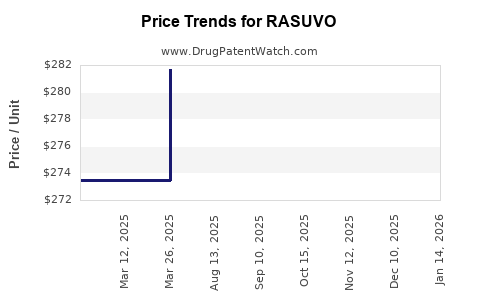
See drug price trends for RASUVO.
The generic ingredient in RASUVO is methotrexate. Additional details are available on the methotrexate profile page.
When can MULPLETA (lusutrombopag) generic drug versions launch in Brazil?
Generic name: lusutrombopag
DrugPatentWatch® Estimated Key Patent Expiration / Generic Entry Date: July 31, 2027
Generic Entry Controlled by: Brazil Patent PI0814891
MULPLETA is a drug marketed by Vancocin Italia. There are three patents protecting this drug.
See drug price trends for MULPLETA.
The generic ingredient in MULPLETA is lusutrombopag. Additional details are available on the lusutrombopag profile page.
When can WINLEVI (clascoterone) generic drug versions launch in Brazil?
Generic name: clascoterone
DrugPatentWatch® Estimated Key Patent Expiration / Generic Entry Date: August 03, 2027
Generic Entry Controlled by: Brazil Patent PI0814163
Patent Title: PROCESSO PARA A PREPARAÇÃO DE COMPOSTOS, FORMA CRISTALINA, E, COMPOSIÇÃO FARMACÊUTICA
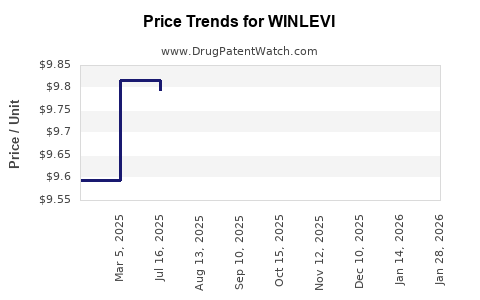
See drug price trends for WINLEVI.
The generic ingredient in WINLEVI is clascoterone. Additional details are available on the clascoterone profile page.
When can BRILINTA (ticagrelor) generic drug versions launch in Brazil?
Generic name: ticagrelor
DrugPatentWatch® Estimated Key Patent Expiration / Generic Entry Date: August 20, 2027
Generic Entry Controlled by: Brazil Patent PI0715712
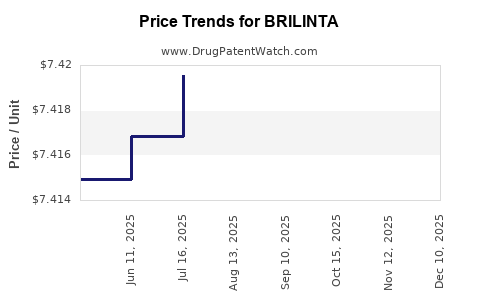
See drug price trends for BRILINTA.
The generic ingredient in BRILINTA is ticagrelor. Additional details are available on the ticagrelor profile page.
When can KORSUVA (difelikefalin acetate) generic drug versions launch in Brazil?
Generic name: difelikefalin acetate
DrugPatentWatch® Estimated Key Patent Expiration / Generic Entry Date: November 12, 2027
Generic Entry Controlled by: Brazil Patent PI0718651
KORSUVA is a drug marketed by Vifor Intl. There are twelve patents protecting this drug. There has been litigation on patents covering KORSUVA
See drug price trends for KORSUVA.
The generic ingredient in KORSUVA is difelikefalin acetate. Additional details are available on the difelikefalin acetate profile page.
When can VELPHORO (sucroferric oxyhydroxide) generic drug versions launch in Brazil?
Generic name: sucroferric oxyhydroxide
DrugPatentWatch® Estimated Key Patent Expiration / Generic Entry Date: November 16, 2027
Generic Entry Controlled by: Brazil Patent PI0820308
Patent Title: Composições farmacêuticas
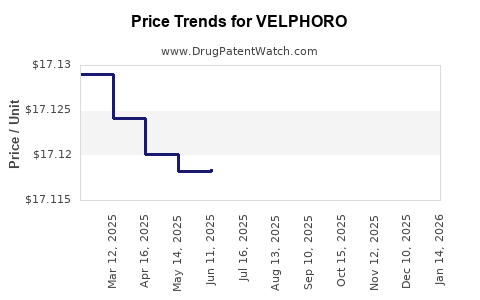
See drug price trends for VELPHORO.
The generic ingredient in VELPHORO is sucroferric oxyhydroxide. Additional details are available on the sucroferric oxyhydroxide profile page.
When can ZYKADIA (ceritinib) generic drug versions launch in Brazil?
Generic name: ceritinib
DrugPatentWatch® Estimated Key Patent Expiration / Generic Entry Date: November 20, 2027
Generic Entry Controlled by: Brazil Patent PI0720264
ZYKADIA is a drug marketed by Novartis. There are eight patents protecting this drug.
See drug price trends for ZYKADIA.
The generic ingredient in ZYKADIA is ceritinib. Additional details are available on the ceritinib profile page.
When can ZYKADIA (ceritinib) generic drug versions launch in Brazil?
Generic name: ceritinib
DrugPatentWatch® Estimated Key Patent Expiration / Generic Entry Date: November 20, 2027
Generic Entry Controlled by: Brazil Patent PI0722384
ZYKADIA is a drug marketed by Novartis. There are eight patents protecting this drug.
See drug price trends for ZYKADIA.
The generic ingredient in ZYKADIA is ceritinib. Additional details are available on the ceritinib profile page.
When can ZEMDRI (plazomicin sulfate) generic drug versions launch in Brazil?
Generic name: plazomicin sulfate
DrugPatentWatch® Estimated Key Patent Expiration / Generic Entry Date: November 21, 2027
Generic Entry Controlled by: Brazil Patent PI0819319
Patent Title: Análogos de aminoglicosídeo antibacteriano
ZEMDRI is a drug marketed by Cipla Usa. There are four patents protecting this drug. There has been litigation on patents covering ZEMDRI
See drug price trends for ZEMDRI.
The generic ingredient in ZEMDRI is plazomicin sulfate. Additional details are available on the plazomicin sulfate profile page.
When can DUZALLO (allopurinol; lesinurad) generic drug versions launch in Brazil?
Generic name: allopurinol; lesinurad
DrugPatentWatch® Estimated Key Patent Expiration / Generic Entry Date: November 27, 2027
Generic Entry Controlled by: Brazil Patent PI0819847

See drug price trends for DUZALLO.
The generic ingredient in DUZALLO is allopurinol; lesinurad. Additional details are available on the allopurinol; lesinurad profile page.
When can DUZALLO (allopurinol; lesinurad) generic drug versions launch in Brazil?
Generic name: allopurinol; lesinurad
DrugPatentWatch® Estimated Key Patent Expiration / Generic Entry Date: November 27, 2027
Generic Entry Controlled by: Brazil Patent PI0918584
See drug price trends for DUZALLO.
The generic ingredient in DUZALLO is allopurinol; lesinurad. Additional details are available on the allopurinol; lesinurad profile page.
When can DUZALLO (allopurinol; lesinurad) generic drug versions launch in Brazil?
Generic name: allopurinol; lesinurad
DrugPatentWatch® Estimated Key Patent Expiration / Generic Entry Date: November 27, 2027
Generic Entry Controlled by: Brazil Patent PI0918586
See drug price trends for DUZALLO.
The generic ingredient in DUZALLO is allopurinol; lesinurad. Additional details are available on the allopurinol; lesinurad profile page.
When can ZURAMPIC (lesinurad) generic drug versions launch in Brazil?
Generic name: lesinurad
DrugPatentWatch® Estimated Key Patent Expiration / Generic Entry Date: November 27, 2027
Generic Entry Controlled by: Brazil Patent PI0819847
ZURAMPIC is a drug marketed by Ironwood Pharms Inc. There are eight patents protecting this drug. There has been litigation on patents covering ZURAMPIC
See drug price trends for ZURAMPIC.
The generic ingredient in ZURAMPIC is lesinurad. Additional details are available on the lesinurad profile page.
When can ZURAMPIC (lesinurad) generic drug versions launch in Brazil?
Generic name: lesinurad
DrugPatentWatch® Estimated Key Patent Expiration / Generic Entry Date: November 27, 2027
Generic Entry Controlled by: Brazil Patent PI0918584
ZURAMPIC is a drug marketed by Ironwood Pharms Inc. There are eight patents protecting this drug. There has been litigation on patents covering ZURAMPIC
See drug price trends for ZURAMPIC.
The generic ingredient in ZURAMPIC is lesinurad. Additional details are available on the lesinurad profile page.
When can ZURAMPIC (lesinurad) generic drug versions launch in Brazil?
Generic name: lesinurad
DrugPatentWatch® Estimated Key Patent Expiration / Generic Entry Date: November 27, 2027
Generic Entry Controlled by: Brazil Patent PI0918586
ZURAMPIC is a drug marketed by Ironwood Pharms Inc. There are eight patents protecting this drug. There has been litigation on patents covering ZURAMPIC
See drug price trends for ZURAMPIC.
The generic ingredient in ZURAMPIC is lesinurad. Additional details are available on the lesinurad profile page.
When can SIRTURO (bedaquiline fumarate) generic drug versions launch in Brazil?
Generic name: bedaquiline fumarate
DrugPatentWatch® Estimated Key Patent Expiration / Generic Entry Date: December 03, 2027
Generic Entry Controlled by: Brazil Patent PI0719693
SIRTURO is a drug marketed by Janssen Therap. There are two patents protecting this drug.
See drug price trends for SIRTURO.
The generic ingredient in SIRTURO is bedaquiline fumarate. Additional details are available on the bedaquiline fumarate profile page.
When can ALIQOPA (copanlisib dihydrochloride) generic drug versions launch in Brazil?
Generic name: copanlisib dihydrochloride
DrugPatentWatch® Estimated Key Patent Expiration / Generic Entry Date: December 05, 2027
Generic Entry Controlled by: Brazil Patent PI0720178
Patent Title: DERIVADOS DE 2,3-DI-HIDROIMIDAZO[1,2-C]QUINAZOLINA SUBSTITUÍDA ÚTEIS PARA TRATAR DISTÚRBIOS E DOENÇAS HIPERPROLIFERATIVOS ASSOCIADOS COM ANGIOGÊNESE
ALIQOPA is a drug marketed by Bayer Healthcare. There are three patents protecting this drug.
See drug price trends for ALIQOPA.
The generic ingredient in ALIQOPA is copanlisib dihydrochloride. Additional details are available on the copanlisib dihydrochloride profile page.
When can XERMELO (telotristat etiprate) generic drug versions launch in Brazil?
Generic name: telotristat etiprate
DrugPatentWatch® Estimated Key Patent Expiration / Generic Entry Date: December 11, 2027
Generic Entry Controlled by: Brazil Patent PI0720270
XERMELO is a drug marketed by Tersera. There are five patents protecting this drug.
See drug price trends for XERMELO.
The generic ingredient in XERMELO is telotristat etiprate. Additional details are available on the telotristat etiprate profile page.
When can INVEGA SUSTENNA (paliperidone palmitate) generic drug versions launch in Brazil?
Generic name: paliperidone palmitate
DrugPatentWatch® Estimated Key Patent Expiration / Generic Entry Date: December 19, 2027
Generic Entry Controlled by: Brazil Patent PI0821408
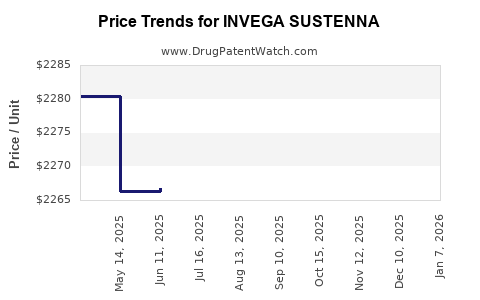
See drug price trends for INVEGA SUSTENNA.
The generic ingredient in INVEGA SUSTENNA is paliperidone palmitate. Additional details are available on the paliperidone palmitate profile page.
When can SOLUPREP (chlorhexidine gluconate; isopropyl alcohol) generic drug versions launch in Brazil?
Generic name: chlorhexidine gluconate; isopropyl alcohol
DrugPatentWatch® Estimated Key Patent Expiration / Generic Entry Date: December 31, 2027
Generic Entry Controlled by: Brazil Patent PI0819567
Patent Title: "composições antimicrobianas, método para aprimorar a adesão molhada do artigo adesivo médico e método para evitar ou tratar uma condição da pele de um mamífero
SOLUPREP is a drug marketed by Solventum.
The generic ingredient in SOLUPREP is chlorhexidine gluconate; isopropyl alcohol. Additional details are available on the chlorhexidine gluconate; isopropyl alcohol profile page.
Brazil Branded and Generic Drug Markets: Regulatory Opportunities, Patent Risks, and Market Entry
More… ↓
DrugPatentWatch cited by CNN, NEJM, Nature Journals, and more …

Make Better Decisions: Try a trial or see plans & pricing
Drugs may be covered by multiple patents or regulatory protections. All trademarks and applicant names are the property of their respective owners or licensors. Although great care is taken in the proper and correct provision of this service, thinkBiotech LLC does not accept any responsibility for possible consequences of errors or omissions in the provided data. The data presented herein is for information purposes only. There is no warranty that the data contained herein is error free. We do not provide individual investment advice. This service is not registered with any financial regulatory agency. The information we publish is educational only and based on our opinions plus our models. By using DrugPatentWatch you acknowledge that we do not provide personalized recommendations or advice. thinkBiotech performs no independent verification of facts as provided by public sources nor are attempts made to provide legal or investing advice. Any reliance on data provided herein is done solely at the discretion of the user. Users of this service are advised to seek professional advice and independent confirmation before considering acting on any of the provided information. thinkBiotech LLC reserves the right to amend, extend or withdraw any part or all of the offered service without notice.
ISSN: 2162-2639

Privacy and Cookies
Terms & Conditions
Site Map
DrugPatentWatch Alternatives
LOE / Major Patent Expirations 2026 - 2027
NCE-1 Patent Challenge Dates 2026 - 2027
Friedman, Yali. "DrugPatentWatch" DrugPatentWatch, thinkBiotech, 2026, www.DrugPatentWatch.com.
See Primary Research Papers Citing DrugPatentWatch