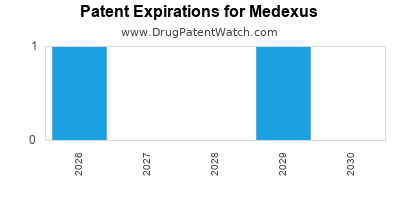
Last updated: July 27, 2025
Introduction
Medexus Pharmaceuticals Inc. operates within a highly competitive pharmaceutical landscape marked by innovation, regulation, and relentless market shifts. As a specialty pharmaceutical company focused on rare and underserved diseases, Medexus's positioning is critical in navigating the complexities of drug development, commercialization, and market penetration. This analysis explores Medexus's current market stance, core strengths, vulnerabilities, and strategic pathways to enhance its future growth trajectory.
Market Position Overview
Medexus positions itself as a dedicated provider of autoimmune, allergic, and rare disease therapies. Its portfolio includes key products such as IXINITY (for hemophilia B), Rasuvo (auto-injector for rheumatoid arthritis), and Mepsevii (for Mucopolysaccharidosis VII). The company’s focus on niche markets distinguishes it from larger rivals whose portfolios span broad therapeutic areas.
In the broader pharmaceutical industry, Medexus operates within the specialty and rare disease segments, which have demonstrated resilient growth owing to high unmet needs and premium pricing strategies. The company's market capitalization reflects a nimble scale—smaller than giants like Pfizer or Novartis but allows targeted growth and agility.
Recent financial disclosures suggest Medexus is executing an aggressive expansion via acquisitions, strategic collaborations, and portfolio diversification. Its recent acquisition of PaxVax, for example, underscores a strategic intent to complement its existing pipeline with additional vaccine-based solutions. This positioning enhances Medexus’s influence within specialty therapeutics and sets a foundation for sustainable growth.
Strengths
1. Focused Niche Portfolio
Medexus's specialization in rare hematologic and autoimmune diseases provides a competitive edge through high barriers to entry, lower generic competition, and significant pricing power. Its flagship product, IXINITY, caters to hemophilia B patients—a small but critical patient group with limited treatment options.
2. Strategic Acquisition and Diversification
Medexus's acquisition strategy bolsters its product pipeline and market footprint. The acquisition of PaxVax diversified its portfolio into vaccines, opening avenues in infectious disease markets. This move mitigates risks associated with reliance on a limited therapeutic area and opens new revenue streams.
3. Strong Regulatory Relationships and Approvals
The company benefits from established regulatory approvals across North America and selectively in other markets, facilitating quicker market access and revenue realization. Its ability to comply with complex regulatory standards underscores operational competence.
4. Proprietary and Patented Technologies
Medexus invests in proprietary formulations and delivery mechanisms, such as auto-injectors (e.g., Rasuvo), which enhance patient compliance and differentiate its products. Patents provide a temporary monopoly on these innovations, safeguarding revenue streams.
5. Solid Distribution Channels
Medexus has developed efficient, specialized distribution channels, partnering with healthcare providers, biotech firms, and hospital networks. These channels optimize product accessibility and market share expansion.
Market Challenges and Vulnerabilities
1. Limited Scale and Market Presence
Compared to industry giants, Medexus's smaller size limits bargaining power with global payers and distributors. Market penetration, particularly outside North America, faces constraints due to limited resources and brand recognition.
2. Competitive Pressure from Biosimilars and Generics
The repricing of biologic and biosimilar drugs poses a perennial threat. As patents expire or are challenged, Medexus must innovate continuously or secure patent extensions to defend revenue.
3. Regulatory and Pricing Risks
The industry’s regulatory landscape is evolving, with increased scrutiny on drug pricing and reimbursement. Changes in policies, particularly in the United States under CMS and FDA, could impact profitability.
4. Dependence on Limited Products
Heavy reliance on flagship therapies such as IXINITY exposes the company to risks associated with patent cliffs, manufacturing issues, or adverse clinical outcomes. Diversification efforts are critical to mitigate this vulnerability.
5. Pipeline Development Risks
Biopharmaceutical development is inherently risky, with high attrition rates for new products. Medexus’s pipeline projects must demonstrate efficacy and safety to reach commercialization, requiring substantial R&D investment.
Strategic Insights
A. Expand Global Footprint
Medexus should prioritize strategic entry into emerging markets where unmet needs align with its portfolio. Regulatory harmonization in regions like Asia and Latin America creates opportunities for accelerated approvals and market share expansion.
B. Invest in R&D and Innovation
Continued investment in R&D can lead to product extensions, such as biosimilars or next-generation therapies, aiding in patent protection and competitive differentiation. Collaborations with biotech firms can accelerate innovation.
C. Strengthen Strategic Partnerships
Forming alliances with healthcare providers, payer organizations, and academic institutions can facilitate market access, patient education, and adherence programs, enabling sustainable growth.
D. Diversify Therapeutic Portfolio
Broadening beyond current core areas into adjacent niches like gene therapies or personalized medicine could unlock new revenue streams and improve the company's resilience to market volatilities.
E. Leverage Digital and Data Analytics
Implementing advanced data analytics and digital health tools can improve clinical trial efficiency, post-market surveillance, and real-world evidence generation, supporting regulatory submissions and market strategies.
F. Focus on Patient-Centric Models
Enhancing patient engagement through better delivery devices, education, and support programs improves treatment adherence, customer loyalty, and brand reputation.
Key Takeaways
- Medexus’s specialization in rare and niche therapeutic areas provides strategic advantages but necessitates ongoing innovation and pipeline expansion.
- The company's acquisition-driven growth strategy is a key differentiator, enabling diversification and market access.
- Limitations on scale and market presence require targeted international expansion and strategic collaborations.
- Regulatory and pricing dynamics present both risks and opportunities; proactive engagement and policy adaptation are vital.
- Future success hinges on balancing clinical R&D, market expansion, and digital innovation, emphasizing a patient-centered approach.
Conclusion
Medexus operates as a focused specialty pharmaceutical firm with a distinctive niche portfolio. Its strengths lie in strategic acquisitions, proprietary technologies, and regulatory competence. However, its future growth depends on overcoming scale limitations, diversifying product lines, and proactively managing the evolving regulatory landscape. By leveraging strategic partnerships and investing in innovation, Medexus can solidify its market position and unlock new growth opportunities in a dynamic environment.
FAQs
1. How does Medexus differentiate itself from larger pharmaceutical companies?
Medexus's focus on rare and niche therapy areas allows it to operate with less competition in specific segments, providing opportunities for premium pricing and rapid market access, unlike larger firms with broader, more commoditized portfolios.
2. What are the main risks faced by Medexus in the current market?
Key risks include patent expiries, regulatory and pricing pressures, dependence on limited flagship products, and challenges in expanding globally due to resource constraints.
3. How does Medexus’s acquisition strategy contribute to its growth?
Acquisitions enable Medexus to diversify its portfolio, expand market presence quickly, acquire new technologies, and access additional customer bases, reducing reliance on a singular product line.
4. What is the company's outlook regarding pipeline development?
While pipeline success is inherently uncertain, Medexus invests significantly in R&D and strategic partnerships to accelerate development, expand indications, and secure future revenues from new therapies.
5. How can Medexus improve its global market footprint?
By pursuing regulatory harmonization, local partnerships, targeted market studies, and tailored commercialization strategies, Medexus can more effectively penetrate emerging markets.
Sources:
[1] Medexus Pharmaceuticals Inc. Annual Reports and Investor Presentations (2022-2023).
[2] Market Research Reports on Rare Disease Therapeutics.
[3] Industry Analyst Commentaries on Specialty Pharmaceutical Strategies.