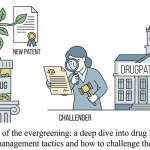
In pharmaceutical development the term “evergreening” is a lightning rod. To its critics—consumer advocates, public health officials, and generic drug manufacturers—it’s a pejorative, a word that conjures images of corporate machinations designed to artificially extend drug monopolies, stifle competition, and keep prices punishingly high.1 They point to damning statistics, like the finding that a staggering 78% of drugs associated with new patents between 2005 and 2015 were not novel treatments but existing ones, as proof of a system being gamed.4
But walk the halls of any major pharmaceutical company, and you’ll hear a different term: “lifecycle management.” From this perspective, it’s not about gaming the system; it’s about the responsible stewardship of a valuable asset. It’s about continuous, incremental innovation that can improve a drug’s safety, efficacy, or patient adherence.1 It’s about protecting massive, high-risk investments in research and development (R&D) to fund the next generation of breakthrough therapies.1 As Dr. Joel Lexchin, a professor at York University, frames the debate, “Typically, when you evergreen something, you are not looking at any significant therapeutic advantage. You are looking at a company’s economic advantage. The response from the brand side is that they are trying to protect their markets so they can further invest in R&D”.1
So, which is it? A cynical ploy to maximize profit, or a necessary strategy to fuel innovation? The truth, as is often the case in this industry, is far more complex and strategically vital than either side lets on. Evergreening, or lifecycle management, is not merely a legal tactic; it is the central battlefield where billions of dollars in revenue are won and lost. It is a sophisticated chess match involving patent law, regulatory maneuvering, and aggressive marketing, played out on a global scale.
This report is not here to moralize. It is a strategic briefing for the players on the field: the IP, R&D, and business development teams at the heart of the pharmaceutical and biotech industries, and the legal experts, consultants, and investors who advise them. Our goal is to cut through the rhetoric and provide a clear-eyed, data-driven analysis of evergreening as a core business strategy. We will dissect the economic drivers, map the tactical playbook, analyze landmark case studies, and navigate the divergent global legal landscapes. Most importantly, we will demonstrate how to transform patent data from a defensive legal shield into an offensive weapon for competitive intelligence.
In the modern pharmaceutical landscape, understanding and mastering the art of the second act—the strategic extension of a drug’s commercial life—is no longer optional. It is a critical determinant of market leadership, financial stability, and long-term survival. Welcome to the evergreening gambit.
The Strategic Imperative: Why Every Pharma Leader Must Master Lifecycle Management
To truly grasp why evergreening has become such a cornerstone of pharmaceutical strategy, you have to understand the brutal economic realities that haunt every boardroom in the industry. The practice is not born out of simple greed; it is a rational, and arguably necessary, response to two immense financial pressures: the catastrophic finality of the “patent cliff” and the staggering, ever-increasing cost of discovering the next blockbuster drug.
The Unforgiving Reality of the Patent Cliff
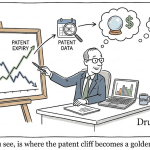
The term “patent cliff” is almost too gentle. It’s less a cliff and more a financial black hole. After a decade or more of R&D and billions in investment, a company typically enjoys only 7 to 12 years of effective market exclusivity before its foundational patents expire.8 What happens next is nothing short of a financial cataclysm.
When a drug’s patent protection ends, the floodgates open. Generic competitors, who have been preparing for this moment for years, enter the market with bioequivalent products at a fraction of the cost. The impact on the original brand is immediate and devastating. It is not uncommon for an innovator company to lose 80% to 90% of its market share within the first 12 to 24 months post-expiration.10
The scale of the revenue at stake is breathtaking. Between 2025 and 2030, analysts project that more than $200 billion in annual pharmaceutical revenue is at risk from these expiring patents.11 For a company whose fortunes are tied to a single blockbuster drug, this isn’t just a dip in profits; it’s an existential threat. This precipitous drop in revenue cripples a company’s ability to fund its ongoing R&D pipeline, creating a powerful, almost desperate, incentive to delay that cliff by any legal means necessary.7
The R&D Paradox: Skyrocketing Costs and Declining Productivity
Compounding the terror of the patent cliff is the second half of the industry’s economic vise: the R&D paradox. The cost of bringing a truly novel drug to market has exploded. When you factor in the high rate of clinical trial failures, the price tag for a single new FDA-approved drug can range from just under $1 billion to well over $2 billion.14 In 2019, the industry invested a staggering $83 billion in R&D, an amount roughly ten times the inflation-adjusted spending of the 1980s.14
Yet, despite this massive increase in spending, the output of truly transformative, first-in-class medicines has not kept pace. The pipeline of “me-too” drugs and incremental improvements has grown, but the well of genuine blockbusters is running dry.1 This creates a powerful economic incentive to shift focus. Why gamble billions on the high-risk, long-shot search for a new chemical entity when you can invest a fraction of that amount to secure several more years of monopoly pricing on a proven, multi-billion-dollar asset?
From a purely financial standpoint, evergreening is the more rational, risk-averse business decision. It is far more profitable to extend the market monopoly for an existing medicine than it is to undertake the far riskier research required to develop a totally new one.17 This isn’t just about maximizing profit; it’s a financial instrument used to de-risk the entire pharmaceutical business model. By adding, on average, three to seven-and-a-half years of exclusivity through secondary patents, a company can smooth its revenue curve, making its financial future more predictable for investors and lowering its cost of capital.18 In this light, lifecycle management becomes a critical tool not just for IP lawyers, but for the Chief Financial Officer, tasked with ensuring the company’s long-term financial stability.
The Evergreening Playbook: A Taxonomy of Modern Patent Extension Strategies
Lifecycle management is a multi-faceted discipline, a creative fusion of science, law, and marketing. Over the years, innovator companies have developed a sophisticated playbook of strategies designed to build layers of protection around their most valuable assets. Understanding this playbook is the first step toward anticipating a competitor’s moves or fortifying your own portfolio. Let’s break down the core tactics.
New Formulations and “Product Hopping”: The Art of the Timely Switch
Perhaps the most classic evergreening strategy is the “product hop” or “product switch.” The mechanism is elegant in its simplicity: shortly before the patent on an original formulation (e.g., an immediate-release tablet) is set to expire, the innovator company launches a new, patent-protected version (e.g., an extended-release capsule).20
This is far more than a simple product line extension. It is a calculated commercial assault designed to shrink the market for the impending generic. The launch of the new formulation is accompanied by a massive marketing campaign aimed at convincing doctors and patients to switch. The company may even withdraw the original product from the market entirely, forcing the switch.20 By the time the generic version of the original formulation arrives, its potential market has been significantly eroded.
Legally, this strategy is enabled by the fact that a new formulation, if it requires new clinical investigations, can be granted not only a new patent but also a three-year period of regulatory exclusivity from the FDA.21 A prime example is the HIV drug Viramune. Its manufacturer launched an extended-release (ER) version in 2011, just before the generic for the original immediate-release (IR) version was expected in 2012. This move successfully preserved a significant portion of the brand’s market share for several more years.21
Advanced Delivery Systems: The Device as the Moat
One of the most powerful and increasingly common strategies involves shifting the focus of patent protection from the drug to its delivery mechanism. For medicine-device combination products—like respiratory inhalers, insulin pens, and auto-injectors—companies can build a formidable moat by patenting the device separately from the active pharmaceutical ingredient (API).22
The strategic genius here is that the device patents often expire years, or even decades, after the patents on the drug itself. A generic manufacturer may have the right to produce the drug, but they are blocked from the market because they cannot sell it without an infringing device. This forces them into the costly and time-consuming process of designing, testing, and getting regulatory approval for a new, non-infringing device—a significant engineering hurdle that goes far beyond typical generic drug development.23
The data on this strategy’s effectiveness is compelling.
A study of medicine/device combination products published in PLOS ONE found that unexpired device patents existed for 90 percent of the products studied. Comparing the last-to-expire device patent to the last-to-expire active ingredient patent, the median additional years of patent protection afforded by device patents was 4.7 years, with a range of 1.3 to 15.2 years.24
Classic examples abound in the respiratory field. The drug combination in Combivent Respimat® (albuterol and ipratropium) has been off-patent for over 25 years. However, the product is protected by a thicket of 17 patents on its inhaler device, with expiration dates stretching to 2028. This could potentially extend the product’s monopoly, in one form or another, to an astonishing 58 years.22 Similarly, the life-saving epinephrine in the EpiPen has been a generic commodity for over a century, but the auto-injector device is shielded by a dense web of patents, effectively controlling the market.23
The Chiral Switch: Unlocking Value in Mirror Images
The “chiral switch” is a scientifically elegant strategy rooted in stereochemistry. Many drug molecules are chiral, meaning they exist in two forms that are mirror images of each other, much like a left and right hand. These forms are called enantiomers.25 Often, a drug is initially developed and sold as a “racemic mixture,” containing an equal 50/50 mix of both enantiomers.27
However, the human body, being composed of chiral molecules itself, often interacts differently with each enantiomer. One enantiomer, the “eutomer,” may be responsible for most of the therapeutic effect, while the other, the “distomer,” may be less active, inactive, or even contribute to side effects.26
The chiral switch strategy involves separating the two enantiomers, isolating the more effective eutomer, and patenting it as a new, purified, and improved drug—often just as the patent on the original racemic mixture is about to expire.20 This tactic is particularly powerful because it comes with a compelling scientific rationale: the new single-enantiomer drug can be marketed as being more potent, having fewer side effects, or having a more predictable metabolism, providing a legitimate basis for a new patent and premium pricing.25 The landmark example that defined this strategy is AstraZeneca’s masterful switch from its blockbuster heartburn drug Prilosec (omeprazole, a racemic mixture) to Nexium (esomeprazole, the isolated S-enantiomer).27
Polymorphs, Salts, and Esters: The Science of Subtle Distinction
This category of strategies delves into the fine details of a drug’s solid-state chemistry. An active pharmaceutical ingredient can often exist in different crystalline structures, known as polymorphs. While chemically identical, different polymorphs can have different physical properties, such as stability, solubility, and bioavailability. A company can patent a newly discovered polymorph, claiming it offers an advantage over the original form.4
Similarly, companies can create and patent new salt or ester forms of the original API. By combining the active ingredient with a different salt or ester, they can create a new composition of matter that may have improved properties, making it eligible for a new patent.34
These strategies are among the most contentious, as the claimed improvements are often marginal. They are at the heart of the legal battle in jurisdictions like India, which has implemented strict rules to curb the practice. India’s Patent Act, under the famous Section 3(d), requires that a new form of a known substance must demonstrate a significant enhancement in “therapeutic efficacy” to be patentable—a much higher bar than in the U.S. or Europe.1 This was the central issue in the landmark
Novartis v. Union of India case, where India’s Supreme Court rejected a patent for a new crystalline form of the cancer drug Gleevec (imatinib mesylate) for failing to meet this enhanced efficacy standard.1
Combination Therapies: A New Front in Exclusivity
As the pressure on single-agent drugs grows, combination therapies have emerged as a new and powerful front in lifecycle management. This strategy involves combining two or more existing drugs—often ones that are themselves off-patent—into a single, fixed-dose combination (FDC) product.4
The primary argument in favor of FDCs is improved patient compliance. A single pill is easier for a patient to manage than multiple pills, which can lead to better health outcomes.4 This patient benefit provides the rationale for a new patent on the combination product.
However, the financial implications are profound. FDCs can be priced far higher than the cost of their individual generic components combined. One study found that for nine out of ten common drugs, FDCs cost at least 364% more than their generic constituents. The most extreme example, Duexis (a combination of ibuprofen and famotidine), was found to cost an astonishing 3,534% more than its generic parts.39 This creates a powerful incentive for companies to develop and patent new combinations, effectively creating a new monopoly from off-patent building blocks.
New Indications: Teaching an Old Drug New Tricks
Discovering a new medical use for an existing drug, a practice also known as drug repositioning or repurposing, is another key evergreening strategy.3 A company can secure a new “method-of-use” patent that protects the drug specifically for the treatment of the new disease.34
This strategy is often viewed as a win-win. It brings a new treatment to patients, often much faster and cheaper than developing a new drug from scratch, since the safety profile of the existing drug is already well-known. For the company, it opens up a new market and extends the commercial life of the asset. If the new indication requires new clinical trials, the company may also be eligible for additional periods of FDA regulatory exclusivity.34
Pfizer’s Lyrica (pregabalin) is a textbook example. Originally developed and approved for epilepsy, its commercial life was vastly expanded when Pfizer discovered, patented, and secured approval for its use in treating neuropathic pain—a much larger and more lucrative market. This new indication became the primary driver of Lyrica’s blockbuster sales for years.41
To provide a clear, at-a-glance summary of these complex tactics, the following table breaks down each strategy by its core mechanism, the primary legal hurdle it must overcome, and a landmark real-world example.
Tactic
Mechanism
Key Legal Hurdle
Landmark Example
Product Hopping
Launching a new formulation (e.g., extended-release) and switching the market before the original patent expires.
Proving the new formulation is a non-obvious improvement and not an anti-competitive act.
Boehringer Ingelheim’s Viramune IR to Viramune ER switch.
Device Patenting
Securing patents on the delivery device (inhaler, pen) that outlast the drug patent.
Demonstrating the device’s features are novel and non-obvious; defending against “design around” attempts.
Boehringer’s Combivent Respimat® inhaler.
Chiral Switch
Isolating and patenting a single active enantiomer from a previously marketed racemic mixture.
Demonstrating non-obviousness and an “unexpected result” over the original racemate.
AstraZeneca’s Prilosec® (omeprazole) to Nexium® (esomeprazole).
Polymorph/Salt Patents
Patenting new crystalline forms or salts of an existing API with claims of improved properties.
Meeting the “enhanced therapeutic efficacy” standard in strict jurisdictions like India (Section 3(d)).
Novartis’s Gleevec® (imatinib mesylate) case in India.
Combination Therapy
Combining two or more existing drugs into a single fixed-dose combination (FDC) pill.
Proving the combination provides a synergistic or unexpected effect beyond the sum of its parts.
Duexis® (ibuprofen and famotidine).
New Indication
Patenting a new method of use for an existing drug to treat a different disease.
Proving the new use is novel and non-obvious; conducting new clinical trials to secure FDA approval.
Pfizer’s Lyrica® (pregabalin) for neuropathic pain.
Titans of Longevity: Case Studies in Strategic Patenting
Theory and tactics are one thing; execution is another. To truly appreciate the power and complexity of modern lifecycle management, we must move from the playbook to the playing field. By dissecting the strategies employed for some of the world’s best-selling drugs, we can see how these individual tactics are woven together into cohesive, multi-billion-dollar campaigns that can extend a product’s dominance for decades.
Case Study 1: Humira (adalimumab) – Deconstructing the Ultimate “Patent Thicket”
If there is a Mount Rushmore of evergreening, AbbVie’s Humira is the undisputed centerpiece. The strategy employed to protect the world’s best-selling drug is a masterclass in creating a “patent thicket”—a dense, overlapping, and bewildering web of patents so complex that it deters potential competitors through sheer intimidation and litigation cost.43
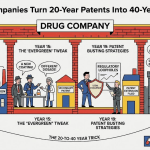
The sheer numbers are staggering. In the United States, AbbVie filed an astonishing 247 patent applications related to Humira. The most telling statistic? A full 89% of these were filed after the drug was already approved and on the market, with nearly half filed more than a decade after its launch.45 These were not patents on the core invention; they were secondary patents covering everything from manufacturing processes and formulations to specific methods of use for various autoimmune conditions. The collective goal of this thicket was to create the potential for 39 years of monopoly protection—nearly double the standard 20-year patent term.45
The market impact was profound and intentional. While biosimilar versions of Humira entered the European market in 2018, AbbVie’s patent fortress successfully held off any competition in the lucrative U.S. market until 2023.45 This five-year delay is estimated to have cost the U.S. healthcare system over $14.4 billion in excess spending.45 During this period of extended monopoly, the price of Humira in the U.S. soared, increasing by 144% between 2012 and 2017 alone.47
The Humira case study reveals a crucial strategic insight: the deterrent power of a patent portfolio can be a function of its volume and complexity, not just the strength of any single patent. For a biosimilar competitor, the prospect of fighting dozens of lawsuits on multiple fronts, each costing millions in legal fees and years of uncertainty, becomes economically untenable. The patent thicket transforms patent litigation from a legal dispute into a war of attrition, where the company with the deepest pockets often wins by default.
Case Study 2: Nexium (esomeprazole) – The Archetypal Chiral Switch
AstraZeneca’s transition from Prilosec to Nexium is the archetypal case study of the chiral switch, a strategy so successful it has been emulated across the industry.30 As the patent on its blockbuster heartburn drug Prilosec (omeprazole) neared its 2001 expiration, AstraZeneca faced the imminent loss of a $6 billion-a-year revenue stream.48
Their solution was Nexium, the isolated S-enantiomer of omeprazole.30 The strategy was controversial from the start. Critics, including rival drugmakers and public health groups, argued that Nexium offered little to no clinical advantage over Prilosec for the vast majority of patients. They pointed to AstraZeneca’s own clinical trials, which often compared unequal doses (e.g., 40 mg of Nexium versus the standard 20 mg of Prilosec) to create an illusion of superior efficacy.48
But the commercial execution was flawless. AstraZeneca launched one of the most aggressive marketing campaigns in pharmaceutical history, spending a reported half-billion dollars in 2001 alone.50 Branding Nexium as the “new purple pill” and leveraging its massive sales force, the company successfully persuaded doctors and patients to switch from Prilosec to the new, patent-protected Nexium
before generic omeprazole could even enter the market.48
The financial results were a stunning success. The product hop worked. By 2010, Nexium had become AstraZeneca’s new blockbuster, pulling in over $5.6 billion in U.S. sales and completely offsetting the revenue lost from Prilosec’s patent expiration.30 The Nexium story demonstrates that a scientifically clever patent strategy, when combined with a perfectly timed and massively funded marketing blitz, can effectively transfer brand loyalty from an old product to a new one, rendering the threat of generic competition to the original drug almost irrelevant.
Case Study 3: Lyrica (pregabalin) – A Masterclass in New Indications and Regulatory Maneuvering
Pfizer’s strategy for Lyrica showcases a multi-stage approach, combining new indication patents with shrewd navigation of regulatory exclusivities to maximize the drug’s commercial lifespan.
Lyrica (pregabalin) was first approved in 2004, initially for epilepsy.52 However, Pfizer’s masterstroke was securing a secondary method-of-use patent for a far larger and more profitable indication: the treatment of neuropathic pain.41 This new indication became the drug’s primary commercial engine, driving it to blockbuster status with over $5 billion in annual global sales.41
Pfizer defended this pain patent with ferocious litigation. Even after the original compound patent expired, the company sued generic manufacturers attempting to launch with a “skinny label” (a label carving out the patented pain indication). In the U.K., Pfizer’s actions prompted the National Health Service (NHS) to issue guidance to doctors to prescribe only the branded Lyrica for pain, a move that delayed widespread generic uptake.53 Although the U.K. Supreme Court ultimately invalidated the pain patent claims in 2018, the protracted legal battle had already protected billions in revenue for years.55
But the final act was yet to come. As the main U.S. patents were set to expire on December 30, 2018, Pfizer executed a final, perfectly timed maneuver. By completing required pediatric studies for the drug, the company earned a six-month pediatric exclusivity extension from the FDA.57 This seemingly minor extension pushed the date of generic entry from the end of 2018 to June 30, 2019.59 That single move protected an estimated $1.75 billion in additional U.S. revenue, demonstrating the immense financial power of even the shortest regulatory extensions.
These cases reveal a critical overarching theme: the most successful lifecycle management strategies are never one-dimensional. They are multi-pronged campaigns that seamlessly integrate patent law (the Humira thicket), aggressive marketing (the Nexium switch), and regulatory strategy (the Lyrica extension). A purely legalistic view of evergreening misses the point. It is a cross-functional business strategy where IP, regulatory, marketing, and commercial teams must work in lockstep to build a layered defense around their most valuable assets.
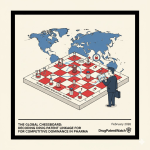
The Global Chessboard: Navigating Divergent Legal and Regulatory Landscapes
A lifecycle management strategy that is brilliant in one country can be a catastrophic failure in another. Evergreening is not a monolithic global practice; it is a series of localized tactics that must be tailored to the unique legal and regulatory environments of each major market. For any company with global ambitions, understanding these differences is not just important—it is fundamental to success.
The United States: The Hatch-Waxman Act and the FDA/USPTO Nexus
The United States is, without question, the most important and permissive market for evergreening strategies. The legal framework is primarily defined by the 1984 Drug Price Competition and Patent Term Restoration Act, commonly known as the Hatch-Waxman Act.21 While the Act created the modern abbreviated pathway for generic drugs (the ANDA), it also established key provisions that innovator companies have learned to use strategically.
The most significant of these is the automatic 30-month stay of generic approval. When a generic company challenges an innovator’s patent (a “Paragraph IV” certification), the brand-name company can sue for infringement, which automatically triggers a stay of up to 30 months on the FDA’s ability to approve the generic.34 This provides a powerful tool to delay competition, even if the patents being asserted are weak.
Furthermore, the U.S. system provides multiple avenues for regulatory exclusivity that can be stacked on top of patents, including five years for a New Chemical Entity (NCE), seven years for an Orphan Drug, and an additional six months for conducting pediatric studies.34
There is also a growing debate around the relationship between the two key agencies: the U.S. Patent and Trademark Office (USPTO), which grants patents, and the Food and Drug Administration (FDA), which approves drugs. Critics, including the FDA itself, have raised concerns that companies may make inconsistent statements to the two agencies—for example, arguing that a modification is a major, non-obvious invention to the USPTO, while simultaneously arguing to the FDA that it is similar enough to an existing drug to rely on previous safety data.62 In a 2021 letter, the FDA explicitly asked the USPTO to increase collaboration to address concerns about patent thickets and evergreening.64
The European Union: Competition Law and Supplementary Protection Certificates (SPCs)
The European approach is markedly different, relying less on specific patentability criteria and more on the powerful lens of competition law. While secondary patents are assessed under the European Patent Convention (EPC) for novelty and inventive step, the key battleground is often whether an evergreening strategy constitutes an abuse of a dominant market position under Article 102 of the Treaty on the Functioning of the European Union (TFEU).16
The European Commission’s 2009 Pharmaceutical Sector Inquiry marked a turning point, signaling increased scrutiny of practices like “pay-for-delay” settlements and other strategies seen as anti-competitive.66 The landmark case against AstraZeneca, which resulted in the company being fined for abusing its dominant position through misrepresentations to patent offices and deregistering a product to hinder generic entry, established that these lifecycle management tactics could fall foul of competition law.16
The EU also has a formal, regulated system for patent term extension called the Supplementary Protection Certificate (SPC). An SPC can compensate a patent holder for the marketing time lost during the lengthy regulatory approval process, extending protection for up to five years (or five and a half years with a pediatric extension).68 It is crucial to understand that an SPC is a
sui generis right that extends the protection of a specific approved product; it is distinct from the strategy of filing new, secondary patents to achieve a similar extension.71
India: A Public Health-Centric Approach and Section 3(d)
India represents the other end of the spectrum from the United States, having enacted one of the world’s most stringent legal frameworks against evergreening. The cornerstone of this approach is Section 3(d) of India’s Patents Act, introduced in a 2005 amendment.36
This groundbreaking provision explicitly states that the “mere discovery of a new form of a known substance which does not result in the enhancement of the known efficacy of that substance” is not a patentable invention.36 The law goes on to list specific examples of such forms, including salts, esters, ethers, and polymorphs.27 To secure a patent on such a modification, an applicant must demonstrate a significant enhancement of
therapeutic efficacy—a much higher and more clinically relevant bar than simply proving novelty and non-obviousness.1
The definitive interpretation of this law came in the 2013 Supreme Court of India decision in Novartis AG v. Union of India. The court rejected Novartis’s patent application for a new crystalline form of its cancer drug Gleevec, ruling that the company had failed to show that the new form had enhanced therapeutic efficacy over the original substance.37 This landmark case sent a clear signal to the global pharmaceutical industry that routine evergreening strategies would face immense hurdles in India, cementing the country’s position as a leader in prioritizing public health and access to affordable medicines in its patent law.
This fragmentation of the global legal landscape means that a one-size-fits-all patent strategy is doomed to fail. What works in the U.S. may be illegal in the EU and unthinkable in India. The following table provides a comparative overview of these key differences.
Parameter
United States
European Union
India
Primary Legal Framework
Hatch-Waxman Act; Patent Act (35 U.S.C.)
European Patent Convention (EPC); EU Competition Law (Art. 102 TFEU)
Indian Patents Act, 1970
Standard for New Forms
Must meet standard novelty & non-obviousness criteria.
Must meet novelty & inventive step criteria; subject to competition law scrutiny.
Must demonstrate enhanced “therapeutic efficacy” under Section 3(d).
Patent Term Extension
Patent Term Extension (PTE) up to 5 years; various regulatory exclusivities (Pediatric, Orphan).
Supplementary Protection Certificate (SPC) up to 5.5 years.
No formal system for patent term extension.
Key Legal Precedent
FTC v. Actavis (Pay-for-Delay).
AstraZeneca v. Commission (Abuse of Dominance).
Novartis v. Union of India (Section 3(d)).
Quantifying the Stakes: The Financial and Market Impact of Extended Exclusivity
The debate over evergreening is not academic; it is a battle over hundreds of billions of dollars that directly impacts healthcare systems, corporate balance sheets, and patients’ wallets. To make strategic decisions, leaders need to understand the quantifiable financial stakes for every player involved.
The Cost to Healthcare Systems and Payers
For national healthcare systems, private insurers, and other payers, the delay of generic competition is a direct and massive cost. When a generic drug enters the market, prices can plummet by 80-90% after several competitors arrive.4 Every year that entry is delayed by an evergreening strategy represents a year of paying monopoly prices instead of competitive ones.
The macro-level impact is enormous. One analysis by the Committee for a Responsible Federal Budget estimated that a policy to curtail just one type of evergreening—strategic line extensions—could reduce U.S. federal deficits by at least $10 billion over a decade. This includes projected savings of $7 billion for Medicare Part D and $9 billion for the private sector.21
The costs are also clear at the drug-specific level. A study in a single Swiss canton found that the use of “follow-on drugs” (evergreened products) accounted for an extra €30.3 million (nearly $40 million) in healthcare spending over an eight-year period.76 This financial burden is disproportionately borne by the United States, where brand-name drugs are, on average, more than three times as expensive as in comparable developed countries, making it the primary prize in the global evergreening game.14
The Burden on Patients
While payers bear the systemic cost, patients feel the impact directly in their out-of-pocket expenses. The delay of affordable generics means higher co-pays, larger deductibles, and greater financial strain, particularly for those with chronic conditions requiring long-term medication.22
This financial burden can have dire health consequences. When essential medicines are unaffordable, patients may resort to rationing doses or forgoing treatment altogether. This non-adherence leads to poorer health outcomes, increased hospitalizations, and, tragically, preventable deaths. This creates a vicious cycle where high short-term drug costs lead to even higher long-term systemic costs from managing the complications of untreated or undertreated disease.14
The Impact on Generic and Biosimilar Competition
For generic and biosimilar manufacturers, evergreening represents a direct assault on their business model. The core objective of these strategies is to delay or prevent their market entry. The creation of dense patent thickets, like the one surrounding Humira, raises the cost and risk of litigation to a prohibitive level, forcing many potential competitors to either abandon their plans or agree to delayed-entry settlements.43
Data shows these strategies are effective. For the 12 best-selling drugs in the U.S., innovator companies have sought an average of 38 years of patent protection—nearly twice the statutory 20-year term.47 For drugs that undergo evergreening, the average delay in the arrival of meaningful generic competition can be several years, each year representing billions in lost sales opportunities for generics and billions in excess costs for the healthcare system.4
The ROI for Innovator Companies
The motivation for innovator companies is simple and powerful: the return on investment (ROI) is astronomical. As one analysis bluntly states, the reason for evergreening is that it is “profitable. Very profitable”.17
A relatively small investment in developing a new formulation or conducting a pediatric study can protect a multi-billion-dollar revenue stream. A single six-month pediatric exclusivity extension, for example, can be worth billions in sales for a blockbuster drug.60 The numbers from our case studies speak for themselves. AbbVie’s evergreening of Humira protected a franchise that generated $14 billion in U.S. sales in 2018 alone.43
This creates a significant asymmetry. The R&D cost of an incremental “tweak” is a tiny fraction of the cost of discovering a new molecule.79 Yet, this minor investment can yield a disproportionately massive financial return for the innovator company, while imposing an equally massive cost on the healthcare system. This disconnect between the value created (a marginal clinical improvement, if any) and the value captured (billions in extended monopoly profits) is the fundamental source of the entire evergreening controversy.
From Defense to Offense: Turning Patent Data into Competitive Intelligence
For too long, many in the industry have viewed patents through a purely defensive, legalistic lens. They are seen as shields to be raised when a product is launched and defended when challenged. This is a dangerously outdated perspective. In the modern pharmaceutical landscape, patent data is one of the most powerful and underutilized sources of offensive competitive intelligence (CI). Mastering its use can transform a company’s strategic posture from reactive to predictive.
The Patent as a Strategic Document: Beyond Legal Protection
A patent filing is not just a legal document; it is a strategic roadmap. It is one of the earliest, most detailed public disclosures of a competitor’s R&D direction, technological capabilities, and future commercial ambitions. Under most patent systems, applications are published 18 months after their initial filing date.80 This creates a crucial intelligence window, allowing you to see what your competitors are working on years before they announce clinical trial results or present at a scientific conference. As a McKinsey & Company report noted, “Companies that use patent data for trend forecasting are 2.3 times more likely to be market leaders in their respective fields”.80
The CI Playbook: How to Leverage Patent Analytics
A systematic approach to patent analysis can provide actionable intelligence to inform decisions across the entire organization, from the R&D lab to the C-suite.
Anticipating Competitor Lifecycle Strategies
By systematically monitoring the patent filings of your key competitors for their most important assets, you can anticipate their lifecycle management plans long before they are executed. Is a rival company filing a cluster of patents around a new extended-release formulation for their blockbuster drug that is set to expire in five years? That is a clear signal of an impending “product hop.” This early warning allows a generic or biosimilar firm to adjust its own strategy: Should we invest in developing our own ER version? Should we prepare to challenge the validity of their new patents? Or should we pivot our resources to a less-defended target? This proactive monitoring turns a potential surprise into a predictable event.80
Identifying “White Space” Opportunities for R&D
Patent analytics is not just about tracking threats; it’s about finding opportunities. By conducting a “patent landscape” analysis, a company can map the density of patent filings within a specific therapeutic area. This visual map can reveal “white spaces”—areas with significant therapeutic potential but limited patent activity.81 These gaps may represent novel biological targets, un-derexplored mechanisms of action, or innovative delivery technologies that competitors have overlooked. This data-driven approach allows an R&D organization to steer its investments toward less crowded and higher-potential areas, increasing the probability of discovering a truly innovative product with a strong, defensible patent position.
Informing Freedom-to-Operate (FTO) and Mitigating Risk
Before investing hundreds of millions of dollars into clinical development, it is critical to understand the patent landscape you will be entering. A thorough Freedom-to-Operate (FTO) analysis, based on a comprehensive search of existing patents, is essential to identify potential infringement risks from competitor patents, including their secondary evergreening patents.80 This analysis can inform key decisions: Can we design our product to avoid infringement? Is a competitor’s patent weak enough to be challenged in court or through an
Inter Partes Review (IPR) at the USPTO? Do we need to seek a license? Answering these questions early can prevent a costly and potentially fatal infringement lawsuit down the road.
Supporting Due Diligence for M&A and Licensing
For business development teams, patent intelligence is a critical due diligence tool. When evaluating a potential acquisition or in-licensing opportunity, a deep analysis of the target’s patent portfolio is essential.80 How strong are their core patents? Do they have a thoughtful secondary patent strategy in place to extend the asset’s lifecycle? What is the true, defensible period of market exclusivity? The answers to these questions are fundamental to accurately valuing the asset and forecasting its future revenue streams. A target with a robust, multi-layered patent estate is far more valuable than one with a single patent nearing expiration.
The Role of Specialized Tools: The DrugPatentWatch Advantage
The challenge, of course, is the sheer volume and complexity of the data. There are millions of patents filed across dozens of international patent offices. Manually tracking and analyzing this deluge of information is a Herculean task.80
This is where specialized business intelligence platforms like DrugPatentWatch become indispensable. These services are the engines of modern pharmaceutical CI, providing the tools to aggregate, filter, and analyze patent data efficiently and effectively. Platforms like DrugPatentWatch offer several key advantages:
Integrated Databases: They consolidate vast amounts of information from the FDA (e.g., the Orange Book), the USPTO, and international patent offices into a single, searchable platform. This data is enriched with information on litigation, regulatory exclusivities, clinical trials, and generic/biosimilar approvals, providing a holistic view of a product’s lifecycle.86
Alert Systems and Custom Tools: Users can set up automated alerts to be notified in real-time of new patent filings by specific competitors, new litigation involving a key drug, or patents nearing expiration in a therapeutic area of interest. This transforms a manual, periodic search into a continuous stream of actionable intelligence.86
Forecasting and Analytics: These platforms provide tools to help predict patent expiration dates, identify first-to-file generic challengers, and analyze the complex interplay of patents and regulatory exclusivities that determine a drug’s true period of market protection. This allows for more accurate financial forecasting and strategic planning.86
By leveraging these tools, companies can overcome the challenges of information overload and turn the global patent system into a rich source of competitive intelligence. The ROI of this approach is clear: it enables more effective R&D allocation, proactive risk mitigation, and smarter strategic planning, saving millions in wasted development costs and unlocking new revenue opportunities.81
The Ethical Tightrope and the Future of Pharmaceutical Innovation
No discussion of evergreening would be complete without addressing the profound ethical and policy questions at its core. The practice exists in a state of perpetual tension, balanced on a tightrope between the industry’s need for incentives to innovate and society’s demand for access to affordable medicine. The future of lifecycle management will be shaped by how regulators, courts, and payers around the world decide to resolve this fundamental conflict.
The Core Ethical Dilemma: Innovation vs. Access
The arguments on both sides of the ethical debate are deeply held and compelling.
Proponents of lifecycle management argue that it is the engine of medical progress. They contend that strong and predictable intellectual property rights, including for incremental improvements, are essential to justify the immense financial risks of drug development.1 From this viewpoint, a new formulation that improves patient adherence or a new delivery system that reduces side effects is a valuable innovation that deserves patent protection.3 The profits generated from these extended monopolies, they argue, are reinvested into the high-risk search for the next generation of breakthrough cures.
Critics, however, see an abuse of a system that was designed to promote genuine invention. They argue that evergreening diverts vast resources away from high-risk, high-reward research into low-risk, low-value “tweaks” designed solely to extend monopolies.3 This, they claim, stifles true innovation and creates an unjustifiable barrier to affordable medicines. From a public health perspective, it is unethical to use legal loopholes to keep life-saving drugs priced out of reach for vulnerable populations, particularly in developing countries where patients rely on the availability of low-cost generics.1
The Shifting Landscape: Potential Legislative and Regulatory Reforms
The ground beneath the evergreening landscape is shifting. The intense public and political pressure over high drug prices is leading to a wave of proposed reforms that could significantly disrupt current strategies.
In the United States, legislators have proposed bills aimed at curbing the practice by limiting the number of patents an innovator can assert in litigation, raising the patentability standards for secondary patents, and reforming the 180-day generic exclusivity period to prevent it from being used to block other competitors.90 The increased collaboration and scrutiny from the FDA and USPTO also signal a less permissive future environment.62
Globally, the trend is also moving toward greater scrutiny. The EU is increasingly using its powerful competition laws to investigate and punish what it deems to be anti-competitive lifecycle management strategies.16 And there is a growing possibility that more countries, particularly in the developing world, may look to India’s Section 3(d) as a model for implementing stricter patentability criteria to protect their public health interests.36
Ultimately, the future of evergreening will be defined by an ongoing battle over the definition of “innovation.” The entire system hinges on a single question: Is a new formulation, a new delivery device, or a new crystalline form a genuine therapeutic advance worthy of a new monopoly, or is it a trivial modification designed to game the system? A strong patent alone may no longer be sufficient. In the future, to secure premium pricing and market access, innovator companies will increasingly need to demonstrate not just patentability, but tangible, real-world clinical and economic value to regulators, payers, and patients.
Conclusion and Strategic Outlook
Pharmaceutical patent evergreening, or lifecycle management, is not a simple issue of right versus wrong. It is a complex and deeply embedded business strategy, born from the unforgiving economics of an industry defined by staggering R&D costs and the existential threat of the patent cliff. It is a high-stakes game of scientific, legal, and commercial chess, played on a global board with ever-changing rules.
For industry professionals, ignoring this reality is not an option. The ability to skillfully navigate this landscape—to both protect one’s own assets through intelligent lifecycle management and to anticipate and counter the strategies of competitors—has become a prerequisite for success.
The winners in this new era will be those who move beyond a defensive, legalistic view of intellectual property. They will be the organizations that embrace patent data as a primary source of competitive intelligence, using sophisticated tools and analytics to forecast market shifts, identify hidden opportunities, and mitigate risks before they materialize. They will understand that a successful strategy is multi-pronged, seamlessly integrating R&D, regulatory affairs, IP law, and commercial execution into a cohesive campaign.
The legal and ethical debates will continue to rage, and the regulatory landscape will undoubtedly evolve. But the fundamental strategic imperative will remain: in the pharmaceutical industry, the future belongs to those who can master the art of the second act.
Key Takeaways
Evergreening is a Core Business Strategy: Driven by the “patent cliff” and high R&D costs, lifecycle management is a rational and necessary strategy for financial stability and funding future innovation, not merely a legal tactic.
The Playbook is Diverse and Sophisticated: Effective strategies range from new formulations (“product hopping”) and patented delivery devices to chiral switches and new indications. The most successful approaches combine multiple tactics into a layered defense.
The Global Legal Landscape is Fragmenting: Strategies must be tailored to specific jurisdictions. The U.S. remains the most permissive environment, while the EU increasingly uses competition law and India uses strict patentability criteria (Section 3(d)) to limit the practice.
The Financial Stakes are Enormous: Evergreening can protect billions in revenue for innovator companies but imposes significant costs on healthcare systems and patients by delaying the entry of low-cost generics.
Patent Data is a Powerful CI Tool: Systematically analyzing patent filings provides an early warning system for competitor strategies, helps identify “white space” R&D opportunities, and is critical for FTO analysis and M&A due diligence.
Specialized Platforms are Essential: The volume of patent data makes specialized tools like DrugPatentWatch indispensable for aggregating, analyzing, and translating raw data into actionable competitive intelligence.
The Future is About Demonstrating Value: As regulatory and payer scrutiny increases, securing a secondary patent will not be enough. Companies will need to provide robust clinical and economic evidence that their incremental innovations provide real value to patients and the healthcare system.
Frequently Asked Questions (FAQ)
1. What is the difference between a “patent thicket” and other evergreening strategies?
A patent thicket is a specific and highly aggressive evergreening strategy focused on sheer volume and complexity. While other strategies might involve securing one or two key secondary patents (e.g., for a new formulation or a new indication), a patent thicket involves filing dozens or even hundreds of overlapping patents covering a single product. As seen in the Humira case, this includes patents on manufacturing processes, formulations, dosing regimens, and methods of use. The strategic goal of a thicket is not necessarily to win every potential lawsuit, but to make the prospect of challenging the monopoly so expensive, time-consuming, and complex that it deters generic or biosimilar competitors from even trying. It weaponizes the litigation process itself as a barrier to entry.
2. How can a smaller biotech company with a single key asset defend against the evergreening strategies of a larger competitor?
Smaller companies must be proactive and strategic. First, they should use patent intelligence tools to monitor the landscape and anticipate which evergreening tactics a larger competitor might use against them. Second, they must build their own “picket fence” of secondary patents around their core innovation—focusing on quality over quantity. This could include patenting specific patient subpopulations that respond best, novel combination therapies, or unique biomarkers associated with the drug’s efficacy. Finally, they should understand the Inter Partes Review (IPR) process at the USPTO, which can be a faster and less expensive way to challenge the validity of a competitor’s weaker secondary patents compared to full-blown district court litigation.
3. Does the rise of biologics and biosimilars change the evergreening game compared to small-molecule drugs?
Yes, significantly. Biologics are large, complex molecules, and the “product” is often inextricably linked to the “process” of manufacturing it. This opens up a much wider field for secondary patenting related to cell lines, purification methods, and formulation/stability techniques. Furthermore, in the U.S., the Biologics Price Competition and Innovation Act (BPCIA) grants innovators a 12-year period of data exclusivity, a much longer baseline of protection than the 5 years for small molecules.34 This gives biologics manufacturers a longer runway to build their patent thickets before biosimilar competition is even a possibility, making the evergreening challenge for biosimilars even more formidable.
4. From a strategic perspective, what is the single most important factor for a successful “product hop”?
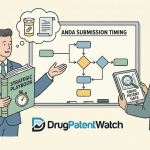
Timing. A product hop’s success is almost entirely dependent on executing the switch before the generic of the original product can establish a market foothold. If the new formulation is launched too early, it cannibalizes sales of the still-profitable original product. If it’s launched too late, after the generic is available, it becomes incredibly difficult to convince payers, pharmacy benefit managers (PBMs), and patients to switch to a more expensive branded alternative when a cheap generic is already on formulary. The sweet spot is typically 12-24 months before the original patent expires, allowing enough time for a massive marketing push to transition the market while minimizing self-cannibalization.
5. How does the concept of “plausibility” in European patent law affect evergreening strategies for new indications?
The concept of “plausibility,” particularly as interpreted by the European Patent Office (EPO) and national courts, is becoming a major hurdle for new indication patents. It is no longer enough to simply claim a drug could be used for a new disease. The patent application must provide enough evidence—either experimental data or a credible scientific rationale—to make it plausible that the drug will actually be effective for that new use at the time of filing.91 This raises the bar for innovators, requiring them to have more substantial data earlier in the process. It aims to prevent purely speculative filings designed to block off therapeutic areas without a solid scientific basis, thereby making it harder to evergreen a drug with a long list of weakly supported new use patents.
September 10, 2021 Mr. Andrew Hirshfeld Performing the Functions and Duties of the Under Secretary of Commerce for Intellectual – FDA, accessed August 19, 2025, https://www.fda.gov/media/152086/download
evolution of EU competition law and policy in the pharmaceutical sector: long-lasting impacts of a pandemic | Journal of Antitrust Enforcement | Oxford Academic, accessed August 19, 2025, https://academic.oup.com/antitrust/article/13/1/94/7706281