In pharmaceuticals market exclusivity is the ultimate prize. It is the golden period during which an innovator company can recoup the billions of dollars invested in research and development and generate the profits necessary to fund the next wave of life-saving therapies. But this period is finite, and the moment a blockbuster drug loses its exclusivity, a fierce battle for market share begins. At the very heart of this conflict lies a complex, often misunderstood, and globally varied set of regulations known as patent linkage.
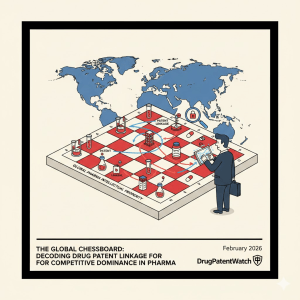
For the uninitiated, patent linkage might seem like a dry, procedural topic—a mere bureaucratic checkpoint in the drug approval process. But for the seasoned IP strategist, the R&D leader, or the savvy investor, it is the central battlefield. It is a global chessboard where the rules change from one country to the next, and where a single, well-played move can be worth billions in revenue. Understanding the nuances of this game is not just a legal curiosity; it is a strategic imperative for anyone looking to turn patent data into a decisive competitive advantage.1
So, what exactly is this critical mechanism? At its core, patent linkage is the formal connection between the regulatory approval process for a pharmaceutical product and the patent status of the original, innovator drug.2 In simpler terms, it dictates that a national drug regulatory authority—like the U.S. Food and Drug Administration (FDA) or the European Medicines Agency (EMA)—must consider the patents protecting an innovator drug before it can grant marketing approval for a generic or biosimilar version.1 Without patent linkage, these agencies are concerned with only one thing: is the generic drug safe, effective, and of high quality? The patent status of the original drug is entirely irrelevant to their decision-making process.2 Patent linkage changes that, fundamentally intertwining the worlds of regulatory science and intellectual property law.
This system is built upon a foundational “grand bargain,” a delicate and often contentious balance between two competing public policy goals.4 On one side of the scale is the need to incentivize innovation. The journey of a new drug from lab bench to pharmacy shelf is incredibly long, risky, and expensive, with costs often exceeding $2 billion.1 Robust patent protection, enforced through linkage systems, provides the security that innovators need to undertake this monumental risk, assuring them a period of market exclusivity to recover their investment.1
On the other side of the scale is the urgent public health need for access to affordable medicines. Generic competition is the most proven and sustainable method for driving down drug prices, and patent linkage systems are designed to facilitate the timely entry of these lower-cost alternatives as soon as the innovator’s legitimate patent protection expires or is proven invalid.1 This dual mandate—to protect innovators while promoting competition—is the philosophical core of every patent linkage system in the world.
However, the implementation of this philosophy has profound strategic consequences. It transforms patent enforcement from a reactive, post-market activity—where an innovator sues a generic after an infringing product is already being sold—into a proactive, pre-market regulatory and legal framework.1 It gives innovators a powerful tool to defend their market share before it can be eroded, but it also establishes a formal pathway for generics to challenge patents before they commit to a full commercial launch.
This proactive enforcement mechanism fundamentally alters the role of drug regulatory bodies. These agencies, whose core expertise lies in the scientific evaluation of safety and efficacy, are effectively deputized as quasi-patent enforcement agencies.1 They are tasked with functions for which they generally possess no inherent legal or technical expertise in patent law, creating a systemic tension that can lead to administrative backlogs and divert resources from their primary public health mission.9
Furthermore, this system represents a profound shift in legal philosophy. Traditional patent law establishes a private right; the patent holder is responsible for monitoring the market and actively suing infringers to enforce their monopoly.2 Patent linkage, however, leverages the power of the state to
prevent potential infringement before it even occurs, transforming the patent into a quasi-public right enforced by a government agency.4 This is a key reason why these systems are so controversial and why they are not mandated by the foundational global IP treaty, the WTO’s TRIPS Agreement. They are “TRIPS-Plus” provisions, often implemented as a result of bilateral free trade agreements, reflecting a major issue of international trade policy as much as domestic health policy.4
For any pharmaceutical company, law firm, or investor operating on the global stage, mastering the intricacies of these systems is non-negotiable. It is the key to predicting market entry timelines, managing R&D pipelines, assessing investment risk, and ultimately, achieving commercial success. Welcome to the global chessboard of patent linkage. Let the game begin.
The American Blueprint: A Deep Dive into the Hatch-Waxman Act
To understand patent linkage anywhere in the world, you must first understand the American system. The Drug Price Competition and Patent Term Restoration Act of 1984, known universally as the Hatch-Waxman Act, is the foundational text—the blueprint from which nearly all subsequent linkage systems have been built, adapted, or intentionally rejected.5 It is a landmark piece of legislation that single-handedly created the modern generic drug industry in the United States and established the complex, adversarial, yet highly effective framework that governs the relationship between innovator and generic companies to this day.
The Grand Compromise: Balancing Innovation and Competition
Before 1984, the U.S. pharmaceutical market was caught in a state of regulatory paralysis that satisfied no one. Innovator companies saw the effective life of their patents—the time they could actually sell their product—eroded by the lengthy FDA approval process, with no mechanism to restore that lost time. On the other side, generic manufacturers faced a monumental barrier to entry. Even after an innovator’s patent expired, they were required to conduct their own full suite of expensive and time-consuming clinical trials to prove safety and efficacy, a duplicative process that created a de facto extension of the brand’s monopoly for several years.1 The result? Stifled innovation and delayed access to affordable medicines.
The Hatch-Waxman Act was designed as a “grand compromise” to break this stalemate.4 It was a masterfully crafted bargain that gave something significant to both sides.
For the Innovators: The Act created Patent Term Extensions (PTEs). This mechanism allows brand-name companies to restore a portion of the patent term that was lost during the lengthy FDA regulatory review process, ensuring they have a commercially viable period of exclusivity to recoup their R&D investments.11
For the Generics: The Act created the Abbreviated New Drug Application (ANDA) pathway. This streamlined process allows generic manufacturers to rely on the innovator’s original safety and efficacy data. Instead of repeating clinical trials, a generic company’s primary burden is to prove that its product is “bioequivalent” to the brand-name drug—meaning it delivers the same amount of active ingredient into the bloodstream in the same amount of time.8
At the heart of this new pathway lies the “Safe Harbor” provision, also known as the Bolar exemption. Codified in 35 U.S.C. § 271(e)(1), this critical clause states that it is not an act of patent infringement to conduct development work, such as manufacturing test batches and running bioequivalence studies, that is “reasonably related to the development and submission of information” to the FDA.11 This provision was revolutionary. It allows generic companies to prepare their products and regulatory submissions
during the innovator’s patent term, ensuring they are ready to launch on day one of patent expiry, thereby eliminating the de facto monopoly extension that existed before the Act.
Pillars of the System: The Orange Book, Certifications, and Stays
The Hatch-Waxman framework rests on three interconnected pillars that form the operational core of the U.S. patent linkage system. These are the mechanisms that translate the Act’s grand compromise into a functional, albeit highly litigious, reality.
The Orange Book: The Central Public Ledger
If the Hatch-Waxman Act is the constitution of the U.S. pharmaceutical patent system, the Orange Book is its central public ledger. Officially titled Approved Drug Products with Therapeutic Equivalence Evaluations, this FDA publication is the linchpin that connects the worlds of drug approval and patent law.5 Its purpose is twofold: to provide a transparent registry of the patents and regulatory exclusivities that protect brand-name drugs, and to inform healthcare professionals about which generic drugs are therapeutically equivalent and substitutable.1
Patent Listing Requirements
When an innovator company submits a New Drug Application (NDA) to the FDA, it is required to list all patents for which a claim of patent infringement could reasonably be asserted if someone were to make, use, or sell the drug. The types of patents eligible for listing are very specific:
Drug Substance (Active Ingredient) Patents: Covering the core molecule itself.
Drug Product (Formulation or Composition) Patents: Covering the specific formulation of the drug, such as an extended-release tablet.
Method of Use Patents: Covering a specific, FDA-approved way of using the drug to treat a particular condition.1
Crucially, certain types of patents are explicitly excluded from being listed in the Orange Book. These include patents covering manufacturing processes, packaging, metabolites (the substances a drug breaks down into in the body), or intermediates (chemicals used in the manufacturing process).17 This distinction is a frequent point of contention in litigation and a key area for strategic analysis by generic challengers.
The FDA’s “Ministerial” Role and Its Strategic Consequences
A defining feature of the Orange Book system is the FDA’s role in the listing process. The agency acts in a purely “ministerial” or administrative capacity. It does not substantively review the patents submitted by innovator companies to verify their validity or even their relevance to the approved drug.18 The FDA essentially takes the innovator’s declaration at face value.
This seemingly minor procedural detail has created a massive structural vulnerability in the system. The commercial benefit of listing a patent in the Orange Book is immense—it is the prerequisite for triggering the automatic 30-month stay of generic approval upon filing a lawsuit. The historical downside for an improper or overly aggressive listing, however, has been minimal.18 This asymmetry creates a powerful incentive for innovator companies to engage in “over-listing” or “improper listing,” creating dense “patent thickets” of secondary patents around a single drug.18
The Orange Book, therefore, is not merely a neutral database. It has become a strategic weapon. Innovators can use it to build a formidable defensive wall around their products, while generic companies must treat it as a map of a legal minefield, requiring them to critically assess the quality and relevance of each listed patent rather than taking it at face value. The proliferation of hundreds of “patent use codes” for a single drug, like the 407 codes linked to Imbruvica’s 41 patents, is a direct symptom of this strategic manipulation.18
The Four Certifications: Pathways to Market
When a generic company files an ANDA, it must address every single patent listed in the Orange Book for the brand-name drug it seeks to copy. It does this by making one of four possible certifications for each patent 5:
Paragraph I Certification: A statement that no patent information has been submitted to the FDA.
Paragraph II Certification: A statement that the listed patent has already expired.
Paragraph III Certification: A statement that the generic drug will not be marketed until the date the listed patent expires.
Paragraph IV (PIV) Certification: A statement that the listed patent is invalid, unenforceable, or will not be infringed by the manufacture, use, or sale of the proposed generic drug.
The first three certifications represent straightforward, non-confrontational paths to market. Approval for Paragraph I and II filers is granted as soon as the ANDA is ready. For Paragraph III filers, approval is timed to coincide with the patent’s expiration date.1
The Paragraph IV certification, however, is a declaration of war. It is a direct challenge to the innovator’s intellectual property rights. Under U.S. law, the very act of filing an ANDA with a PIV certification is considered an “artificial act of infringement”.13 This clever legal construction allows the patent dispute to be litigated and resolved
before the generic product ever hits the market, which is the central purpose of the patent linkage system.
The High-Stakes Gambit: Paragraph IV Challenges and Litigation
The PIV certification triggers a highly structured and time-sensitive series of events that define the landscape of pharmaceutical patent litigation in the U.S.
Notification and the 30-Month Stay
Once a generic company files a PIV certification, it must send a detailed notice letter to the brand-name company (the NDA holder) and the patent owner. This letter must be sent within 20 days of the FDA formally accepting the ANDA for review, and it must lay out the full factual and legal basis for the generic’s claim that the patent is invalid or not infringed.20
This notice starts a critical 45-day clock. If the brand-name company sues the generic for patent infringement within this 45-day window, it triggers an automatic 30-month stay of FDA approval for the generic’s ANDA.5 This stay is the innovator’s most powerful defensive tool. It provides a guaranteed period of up to two and a half years to litigate the patent dispute without the threat of generic competition. If the court rules in the generic’s favor or the 30 months expire, the FDA can then grant final approval.27
This 30-month stay is a classic double-edged sword. While designed to provide a reasonable timeframe for litigation, it is frequently criticized as a mechanism that allows brand manufacturers to delay competition, even on the basis of weak or questionable patents.1 At the same time, it provides a degree of predictability. The brand company gets a clear window to mount its defense, and the generic company knows the maximum potential regulatory delay. This allows the generic to plan for a potential “at-risk” launch—a high-stakes business decision to market the product after the 30-month stay expires but before the litigation has reached a final conclusion.13
The Ultimate Prize: 180-Day Exclusivity
To counterbalance the innovator’s advantage of the 30-month stay, the Hatch-Waxman Act created a powerful incentive for generics to challenge patents: 180 days of market exclusivity.1 This valuable prize is awarded to the
first generic company to file a “substantially complete” ANDA containing a PIV certification.
During this six-month period, the FDA is barred from approving any subsequent generic applications for the same drug. This effectively creates a duopoly between the brand-name drug and the first generic entrant.1 Given that the first generic typically enters the market at a modest discount to the brand price, this 180-day period can be immensely profitable, often generating hundreds of millions of dollars in revenue.
This incentive has profoundly shaped the generic industry. It has transformed generic companies from passive market entrants into active “patent watchdogs,” constantly scouring the Orange Book for weak patents to challenge.1 The potential payoff is so significant that it makes the high cost of litigation a calculated and often worthwhile business risk. Studies have shown that while generics may win only about half of the PIV cases that go to trial, their overall success rate—including favorable settlements and cases where the brand drops the suit—is around 76%.24 This demonstrates that the system, by design, is adversarial and actively encourages patent challenges as a core feature of the pharmaceutical market lifecycle.
A Global Tapestry: Comparative Analysis of Key Jurisdictions
While the Hatch-Waxman Act provided the original blueprint, the global landscape of patent linkage is anything but uniform. As nations have sought to balance the competing demands of fostering domestic innovation, controlling healthcare costs, and complying with international trade obligations, a diverse and complex tapestry of linkage systems has emerged. Each jurisdiction represents a unique strategic environment, with its own set of rules, risks, and rewards. For any company operating globally, understanding these differences is not just an academic exercise—it is fundamental to successful market entry, lifecycle management, and investment strategy.
Canada: The Evolving PM(NOC) Framework
Canada’s patent linkage system, governed by the Patented Medicines (Notice of Compliance) Regulations, or PM(NOC) Regulations, offers a fascinating case study in regulatory evolution.31 Initially modeled after the U.S. Hatch-Waxman Act, the Canadian system has carved its own path, particularly following significant reforms in 2017 driven by the Canada-European Union Comprehensive Economic and Trade Agreement (CETA).31
The core mechanics of the Canadian system will feel familiar to those versed in the U.S. model:
The Patent Register: Maintained by Health Canada, this is Canada’s equivalent of the Orange Book. Innovator companies must submit patents for listing, but the criteria are strict: the patent must contain a claim for the medicinal ingredient, the formulation, the dosage form, or an approved use of the drug.31
Notice of Allegation (NOA): When a generic or biosimilar manufacturer seeks approval, it must serve an NOA on the patent holder for each relevant patent on the Register. The NOA is analogous to a PIV certification, asserting that the patent is invalid or will not be infringed.31
Statutory Stay: If the innovator company initiates a patent infringement action within 45 days of receiving the NOA, an automatic 24-month stay is placed on the approval of the generic product.5 This is shorter than the U.S. 30-month stay but serves the same purpose of providing time for litigation.
The most significant development in Canada was the 2017 reform, which fundamentally changed the nature of PM(NOC) litigation. Before 2017, a legal action under the PM(NOC) Regulations was a summary “prohibition proceeding,” separate from a full infringement action under the Patent Act. This created a problematic “dual-track” system where the two parallel proceedings could, and sometimes did, lead to conflicting court decisions, creating immense legal uncertainty.31
The 2017 amendments replaced this with a single, comprehensive patent infringement action. A decision in a PM(NOC) case is now a final and binding determination on patent validity and infringement, complete with full rights of appeal.31 This shift represents a maturation of the Canadian system, prioritizing legal finality and predictability. It eliminates the strategic gamesmanship of dual-track litigation and provides both innovator and generic companies with a clear, definitive outcome upfront, thereby de-risking the market entry process.
Another key feature, also introduced as part of CETA compliance, is the Certificate of Supplementary Protection (CSP). This mechanism provides up to two years of additional market exclusivity to compensate innovators for delays in the Canadian regulatory approval process, functioning as a Canadian-style patent term extension.31
The European Union: A Patchwork of De Facto Linkage
The European Union presents a starkly different and far more fragmented landscape. Officially, the European Commission is vehemently opposed to formal patent linkage. It has repeatedly stated that such systems are “unlawful” under EU law because they undermine the “Bolar” provision (the EU’s safe harbor for generic development) and improperly burden drug regulatory agencies with patent enforcement duties.2
This official stance is reinforced by the structural realities of the European patent system. There is no centralized “Orange Book.” A European patent is effectively a “bundle” of individual national patents, and the patent term extensions, known as Supplementary Protection Certificates (SPCs), are also granted on a country-by-country basis. This makes a unified, EU-wide linkage system logistically impractical.36
However, the absence of a formal system does not mean linkage is non-existent. Instead, a complex patchwork of de facto linkage mechanisms has emerged at the national level, creating subtle but effective barriers to generic entry. The strategic battlefield in Europe is not at the central regulatory body (the EMA) but within the national systems for pricing, reimbursement, and procurement.
Germany and the Netherlands: In these countries, a form of linkage exists related to prescription and reimbursement databases. Innovator companies have successfully argued that a generic medicine should not be listed in these databases—which are essential for doctors to prescribe and for pharmacies to be reimbursed—while a patent is still in force. This doesn’t block the formal marketing authorization, but it effectively prevents market access and uptake by making the product invisible to the healthcare system.2
Italy: For years, Italy operated under the “Balduzzi Provision,” which explicitly linked the reimbursement of a generic drug by the national health service to the patent status of the originator product.2 A generic could receive marketing approval, but it could not be placed on the list of reimbursed medicines until the originator’s patent or SPC expired. In a publicly funded healthcare system, this is a powerful deterrent. This provision has faced intense criticism and is now in the process of being repealed to align with broader EU law.38
This reality of “soft linkage” means that for companies operating in Europe, the strategic focus must shift. Securing a marketing authorization from the EMA is only the first step. The real battle for market access is fought on a country-by-country basis with national health technology assessment (HTA) bodies and reimbursement authorities.
China: The New Global Player
In 2021, China dramatically reshaped the global pharmaceutical IP landscape by implementing its own formal patent linkage system.39 This move, driven in part by its trade commitments with the United States, was a deliberate policy decision to create a more balanced and predictable environment that could both encourage innovation from multinational corporations and foster a competitive domestic generic industry.40
China’s system borrows heavily from the U.S. model but incorporates several unique features that reflect its specific policy goals:
The “Chinese Orange Book”: The National Medical Products Administration (NMPA) established the Patent Information Registration Platform for Marketed Drugs, which serves as the central public registry.39 Listing patents is voluntary for innovators, but a crucial detail is that only patents listed on the platform can be enforced through the linkage system’s early dispute resolution mechanism.44
Four-Tier Declaration System: Similar to the U.S. certifications, a generic applicant must file one of four declarations for each listed patent, with Category 4 being the equivalent of a PIV challenge (asserting patent invalidity or non-infringement).39
Dual-Track Dispute Resolution: This is a distinctly Chinese innovation. Upon receiving a Category 4 declaration, the patent holder has 45 days to initiate a dispute. They have the choice of bringing the case through a judicial route (filing a lawsuit in the Beijing IP Court) or an administrative route (requesting a ruling from the China National Intellectual Property Administration, or CNIPA).46
9-Month Stay: Initiating a dispute triggers a 9-month stay on the approval of the generic chemical drug. This is significantly shorter than the 30-month stay in the U.S. and does not apply to biologics or traditional Chinese medicines.5
12-Month Exclusivity: As a powerful incentive for challengers, the system grants a generous 12-month period of market exclusivity to the first generic company that successfully challenges a listed patent and obtains marketing approval.44
China’s system is not a simple carbon copy; it is a carefully calibrated hybrid. The combination of a short 9-month stay and a long 12-month exclusivity period creates a unique risk-reward dynamic. The shorter stay reduces the ability of innovators to use litigation as a pure delaying tactic for weak patents. Conversely, the longer exclusivity period provides a much stronger financial incentive for generic companies to mount serious, well-resourced, and meritorious patent challenges. This structure suggests a deliberate policy to encourage fewer, but higher-quality, challenges aimed at efficiently clearing away weak patents—a crucial strategic insight for any company formulating its China market entry plan.
Japan: The Opaque Administrative Approach
Japan’s approach to patent linkage stands in stark contrast to the formal, litigation-driven systems of the U.S. and China. Japan has no specific law or statute establishing a patent linkage system. Instead, it operates through an informal, administrative process guided by notifications from the Ministry of Health, Labour and Welfare (MHLW).49
The system is defined by its opacity and its emphasis on negotiation over confrontation:
Non-Public Patent Information: Innovator companies may voluntarily submit information about their patents to the Pharmaceuticals and Medical Devices Agency (PMDA). However, unlike the Orange Book, this information is not made public.5 This lack of transparency creates significant uncertainty for generic manufacturers trying to assess the patent landscape.
Two-Stage Process:
Approval Review Stage: During the review of a generic application, the PMDA internally checks for potential conflicts with the innovator’s listed substance and use patents.51
NHI Price Listing Stage: After the generic is approved but before it is listed for reimbursement on the National Health Insurance (NHI) price list—a necessary step for commercial viability—the MHLW encourages the innovator and generic companies to engage in “prior discussions” to resolve any remaining patent disputes, typically concerning formulation or manufacturing process patents.51
The entire Japanese framework is designed to push the parties toward negotiation and private settlement rather than public litigation. The system is widely seen as helping to “avoid unnecessary litigation”.51 The lack of transparency, while a major criticism, serves this purpose by creating a fog of uncertainty that can often only be cleared through direct communication and negotiation between the companies. For firms looking to enter the Japanese market, this means that building relationships and honing negotiation skills can be just as critical as assembling a strong litigation team.
Australia: The “Passive” Notification Model
Australia has adopted what can be described as a “diluted” or “passive” form of patent linkage, implemented as part of its Free Trade Agreement (FTA) with the United States.5 It is a minimalist system that preserves the traditional separation between the regulatory agency and the courts.
No Orange Book: Australia does not have an official patent register that links approved drugs to specific patents.54
Certification Requirement: When applying for approval of a generic or biosimilar, the applicant must certify one of two things to the Therapeutic Goods Administration (TGA): either that they believe in good faith they will not infringe a valid patent, or that they have notified the relevant patent holder of their intention to market the product before the patent expires.5
No Automatic Stay: This is the crucial distinction. The TGA’s role is purely administrative; it only verifies that the required certification has been made. It does not delay or block marketing approval based on a patent dispute.5 The full responsibility for enforcement rests with the patent holder, who must proactively go to court and seek an injunction to stop a potentially infringing product from launching.5
Australia’s “linkage-lite” model represents a conscious policy choice. By rejecting an automatic stay and a formal patent register, the country has fulfilled the basic requirements of its trade agreement while ensuring that the core of patent enforcement remains where it traditionally belongs: with the judiciary. This system does not deputize the TGA as a patent enforcer. For an innovator company, this means there is no automatic regulatory safety net; they must be extremely vigilant in monitoring the market and be prepared to act swiftly in court to protect their IP.
South Korea: A U.S. Model with Local Adaptations
South Korea’s patent linkage system is a direct product of its Free Trade Agreement with the U.S. (KORUS) and was implemented in stages between 2012 and 2015.10 It closely mirrors the U.S. framework, incorporating all four of its key pillars:
A public patent list, known as the “K-Orange Book”.10
A notification process for patent challenges, similar to a PIV certification.59
A stay of approval for generic drugs.10
A period of first generic exclusivity as an incentive for challengers.60
However, South Korea has tailored the system with important local adaptations, creating a different strategic dynamic:
Stay Period: The automatic stay on generic approval is 9 months, much shorter than the U.S. 30-month period.10
Exclusivity Period: The exclusivity period for the first successful generic challenger is also 9 months, longer and more lucrative than the 180 days offered in the U.S..10
Scope: Unlike the U.S. Hatch-Waxman Act, the Korean linkage system applies to biologics and biosimilars in addition to small-molecule drugs.58
The initial implementation of the system in South Korea led to a massive surge in patent challenges, with many being filed speculatively and later withdrawn.7 This was partly driven by a rule that allowed multiple companies to share “first-filer” status if they submitted their challenges within 14 days of the actual first applicant.57 This created a “file first, ask questions later” dynamic, potentially clogging the system with cases of varying merit—an unintended consequence that highlights the difficulty of perfectly calibrating the incentives within these complex systems.
Industry Insight
Comparative Matrix of Global Patent Linkage Systems
To distill this complex global landscape into an actionable strategic overview, the following table compares the core mechanics of the key jurisdictions discussed.
Feature
United States
Canada
European Union
China
Japan
South Korea
Australia
Legal Basis
Hatch-Waxman Act (Statutory)
PM(NOC) Regulations (Regulatory)
Officially Anti-Linkage; De Facto via National Rules
Amended Patent Law (Statutory)
MHLW Notifications (Administrative)
KORUS FTA Implementation (Statutory)
AUSFTA Implementation (Statutory)
Patent Register
Orange Book (Public)
Patent Register (Public)
None (National SPCs)
Patent Platform (Public)
Pharma Patent Info Sheet (Not Public)
K-Orange Book (Public)
None
Notification Duty
Yes (PIV Notice Letter)
Yes (Notice of Allegation)
No Formal System
Yes (Category 4 Declaration)
Informal (Encouraged Negotiation)
Yes (Patent Challenge Notification)
Yes (Certification to TGA)
Statutory Stay
30 Months
24 Months
None (De Facto Delays via Reimbursement)
9 Months (Chemical Drugs Only)
None (Administrative Discretion)
9 Months
None
First Generic Exclusivity
180 Days
None
None
12 Months
None
9 Months
None
Applies to Biologics?
No (Separate BPCIA Framework)
Yes
N/A
Yes (but stay/exclusivity do not apply)
Yes
Yes
Yes
The Biologic Frontier: Navigating Linkage for Biosimilars
The rise of biologics—large, complex therapeutic proteins derived from living organisms—represents one of the most significant shifts in modern medicine. These powerful therapies have revolutionized the treatment of cancer, autoimmune diseases, and other serious conditions. However, their complexity also presents a profound challenge to the traditional models of patent law and generic competition, forcing a fundamental rethinking of how patent linkage systems should operate in this new frontier.
A Different Breed: Why Biologics Change the Game
Biologics are not like traditional small-molecule drugs, and this difference has massive implications for the patent and regulatory landscape.
Scientific Complexity: A small-molecule drug like aspirin has a simple, well-defined chemical structure that can be replicated exactly. A biologic, such as a monoclonal antibody, is a massive, intricate protein produced by living cells. The manufacturing process is the product, and it is impossible to create an identical copy. This is why we have “biosimilars”—products that are highly similar to the original biologic with no clinically meaningful differences—rather than “bio-generics”.62
Regulatory Hurdles: Because a biosimilar is not an exact copy, the regulatory pathway for its approval is far more rigorous and expensive than the ANDA pathway for a small-molecule generic. Biosimilar developers must conduct extensive analytical, preclinical, and often clinical studies to demonstrate similarity to the reference product. The cost of developing a biosimilar can be between $100 million and $250 million, orders of magnitude higher than for a typical generic.63
The “Patent Thicket”: The sheer complexity of biologics provides innovators with a vast canvas for patenting. A single biologic drug can be protected by a dense web of over one hundred overlapping patents, a phenomenon known as a “patent thicket”.65 These patents cover not just the primary molecule, but also countless variations, manufacturing processes, purification methods, formulations, delivery devices, and methods of use. AbbVie’s Humira is the quintessential example, protected by a fortress of more than 130 patents that successfully delayed U.S. biosimilar competition for years after its primary patent expired.23
The U.S. BPCIA and the “Patent Dance”
Recognizing that the Hatch-Waxman framework was ill-suited for biologics, the U.S. Congress enacted the Biologics Price Competition and Innovation Act (BPCIA) in 2009. This created a separate and distinct regulatory and legal pathway for biosimilars.69
The BPCIA’s approach to patent linkage is fundamentally different from Hatch-Waxman:
No Central “Orange Book”: While the FDA maintains a “Purple Book” that lists licensed biologics and biosimilars, it does not function as a comprehensive, enforceable patent register in the same way as the Orange Book.19
The “Patent Dance”: The BPCIA introduced a complex, multi-step process for information exchange between the biosimilar applicant and the innovator company, colloquially known as the “patent dance.” This process is designed to identify and narrow the scope of potential patent disputes before litigation begins.63 The biosimilar applicant initiates the dance by providing its confidential application and manufacturing information to the innovator, which then responds with a list of patents it believes could be infringed. A series of negotiations follows to determine which patents will be litigated in an initial wave.
Optional Participation: In a landmark 2017 decision (Sandoz v. Amgen), the Supreme Court ruled that participation in the patent dance is optional for the biosimilar applicant.63 A biosimilar company can choose to forgo the dance entirely, in which case the innovator’s only recourse is to file a traditional patent infringement lawsuit, but without the benefit of the structured information exchange.
No Automatic Stay: Perhaps the most critical difference is that the BPCIA does not include an automatic stay of approval. Unlike in the Hatch-Waxman system, an innovator cannot automatically block a biosimilar’s approval for a set period simply by filing a lawsuit. To prevent a biosimilar from launching, the innovator must go to court and convince a judge to grant a preliminary injunction—a much higher legal bar to clear.
The combination of extremely high development costs, the formidable barrier of patent thickets, and a linkage system without an automatic stay creates a dramatically different strategic calculus for biosimilars. The Hatch-Waxman model, which incentivizes a single generic company to launch a high-risk, high-reward challenge against a handful of patents, simply does not apply. Challenging over 100 patents is a logistically and financially overwhelming prospect for any single company.68
This reality has shifted the balance of power decisively in favor of the innovator. The primary pathway for biosimilar market entry in the U.S. has not been through litigation victories, but through settlement agreements. Biosimilar developers engage in the patent dance and initial litigation to demonstrate the credibility of their challenge, but the endgame is typically a negotiated settlement that grants them a license to enter the market on a specific future date, often years before the last patents in the thicket expire, but still long after the primary patent has lapsed.67 For biologics, patent linkage is less about a single, decisive court battle and more about a protracted war of attrition that culminates in a negotiated peace.
Strategic Playbooks: Turning Linkage Data into Market Advantage
Understanding the intricate rules of patent linkage across different jurisdictions is only half the battle. The true value lies in translating that knowledge into actionable strategies that create a competitive edge. For both innovator and challenger companies, the patent linkage system is not a passive regulatory hurdle but an active strategic arena. Success requires a sophisticated playbook, leveraging deep legal expertise, commercial acumen, and, increasingly, powerful competitive intelligence platforms.
The Innovator’s Playbook: Maximizing Exclusivity
For an innovator company, the primary goal is to leverage the patent linkage system to maximize the duration and value of its market exclusivity. This is a defensive strategy, but it requires proactive and aggressive tactics.
Strategic Patent Listing: The first and most crucial step is to meticulously manage the listing of patents in relevant public registers like the U.S. Orange Book or China’s Patent Platform. This is the entry ticket to the linkage system’s protections. Timely listing—within 30 days of drug approval or patent issuance in the U.S.—is essential to ensure that the patents can trigger a stay.20 A comprehensive listing strategy involves not just the primary compound patent but a carefully curated portfolio of secondary patents.
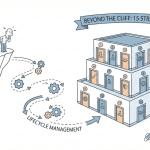
Lifecycle Management and “Evergreening”: The most sophisticated innovators view patenting not as a one-time event at the time of discovery, but as a continuous process throughout the drug’s lifecycle. They strategically file for and list secondary patents on new formulations (e.g., extended-release versions), new methods of use (new indications), new dosage forms, and even specific crystalline structures (polymorphs).65 Each of these patents, when listed, creates a new and independent hurdle that a generic challenger must overcome. This strategy, often criticized as “evergreening,” is a powerful way to use the linkage system to extend a product’s monopoly far beyond the life of the original patent.74
Defensive Litigation and the Stay: The automatic stay is the innovator’s most powerful tactical weapon. The decision to file a lawsuit within the 45-day window to trigger the stay is a core defensive maneuver.24 The strategic objective is not always to win the litigation on its merits. The procedural delay itself is valuable. It provides a crucial 24- or 30-month window during which the company can execute commercial strategies to mitigate the impact of eventual generic entry, such as “product hopping”—aggressively marketing a new, patented version of the drug and switching patients to it before the original version faces competition.24
Controlled Entry via Settlement: While litigation is the trigger, settlement is often the endgame. Innovator companies can use the leverage afforded by their patent portfolio and the high cost of litigation to negotiate settlement agreements that control the timing of generic entry. These agreements, which have come under intense antitrust scrutiny to prevent anticompetitive “pay-for-delay” deals, can provide a predictable and orderly transition to a competitive market that is often preferable to the uncertainty of a court decision.68
The Challenger’s Gambit: Strategies for Generic & Biosimilar Entry
For a generic or biosimilar company, the playbook is offensive. The goal is to navigate the innovator’s patent fortress as efficiently as possible to secure early market entry and capture the significant financial rewards that come with it.
Data-Driven Opportunity Identification: The first step is identifying the right targets. This is where modern competitive intelligence platforms become indispensable. Companies must meticulously analyze patent registers, litigation histories, and regulatory data to find products protected by weak patents, patents that are expiring soon, or patents that can be “designed around” with a non-infringing formulation.14 Platforms like DrugPatentWatch provide the curated, cross-referenced data necessary for this analysis, offering detailed information on patent expiration dates (including extensions), ongoing Paragraph IV challenges, and historical litigation outcomes.1
The First-to-File Race: In the lucrative U.S. market, the 180-day exclusivity for the first PIV filer is the ultimate prize. Winning this race requires constant, real-time monitoring of the patent and regulatory landscape to identify the optimal moment to file an ANDA.30 This is a high-stakes competition where timing is everything.
Crafting a Bulletproof Challenge: A successful challenge requires a robust and well-documented PIV notice letter. The legal strategy typically rests on two pillars:
Invalidity: Arguing that the innovator’s patent is invalid and should never have been granted by the patent office in the first place (e.g., because it was obvious or not novel).14
Non-Infringement: Demonstrating that the generic product has been carefully formulated or designed to avoid infringing the specific claims of the innovator’s patent.14
The “At-Risk” Launch Decision: One of the most consequential decisions a generic company can make is whether to launch its product “at risk.” This occurs when the 30-month stay has expired, but the underlying patent litigation is still ongoing. Launching the product can lead to massive profits if the generic company ultimately wins the case. However, if it loses, it can be liable for catastrophic damages based on the brand’s lost profits, potentially bankrupting the company.13 This is a high-stakes gamble that requires a deep understanding of the legal merits of the case and a thorough financial risk assessment.
Innovator vs. Generic: Strategic Considerations in Patent Linkage (U.S. Example)
The adversarial nature of the U.S. Hatch-Waxman system is best understood by viewing each procedural step as a point of strategic action and counter-action.
Strategic Element
Innovator (Brand) Objective & Tactics
Generic (Challenger) Objective & Tactics
Patent Listing (Orange Book)
Objective: Create a formidable patent fortress. Tactics: List all eligible patents promptly. Employ lifecycle management to file and list secondary patents (formulations, methods of use) to create a “patent thicket.”
Objective: Identify weaknesses in the fortress. Tactics: Meticulously scrutinize all listed patents for validity and relevance. Identify patents that can be designed around or are vulnerable to an invalidity challenge.
PIV Notification
Objective: Assess the threat and prepare for litigation. Tactics: Analyze the generic’s notice letter to understand their legal arguments. Prepare infringement claims and legal strategy.
Objective: Initiate the challenge and establish a strong legal position. Tactics: Be the “first-to-file” a PIV to secure potential 180-day exclusivity. Draft a comprehensive and detailed notice letter laying out a strong case for invalidity or non-infringement.
30-Month Stay
Objective: Maximize the delay to protect revenue. Tactics: File suit within the 45-day window to trigger the automatic stay. Use the 30-month period to execute commercial strategies like product hopping or negotiating favorable settlements.
Objective: Overcome the delay as quickly as possible. Tactics: Litigate aggressively to seek a court decision within the 30-month window. Prepare for a potential “at-risk” launch if litigation is not resolved when the stay expires.
Litigation
Objective: Uphold patent validity and prove infringement to block generic entry until patent expiry. Tactics: Assert a broad range of patent claims. Seek discovery on the generic’s product and processes. File for preliminary injunctions if an at-risk launch is imminent.
Objective: Invalidate the patent or prove non-infringement to clear the path for market entry. Tactics: File counterclaims for invalidity. Argue for a narrow construction of the patent’s claims. Utilize administrative challenges at the USPTO (Inter Partes Review) to attack patent validity.
180-Day Exclusivity
Objective: Mitigate the impact of the first generic. Tactics: Launch an “authorized generic” (a branded generic) to compete directly with the first filer and capture a portion of the generic market revenue. Offer deep discounts to PBMs to maintain formulary status.
Objective: Maximize revenue during the exclusivity period. Tactics: Launch immediately upon final approval. Price strategically to capture significant market share from the brand while maintaining a price premium over subsequent generics.
The Role of Competitive Intelligence Platforms
In this complex and data-intensive environment, success is increasingly dependent on the ability to gather, analyze, and act upon vast amounts of information. Modern pharmaceutical strategy is no longer based on intuition; it is driven by data. Competitive intelligence platforms have become essential tools for executing the playbooks of both innovators and challengers.86
These platforms aggregate and integrate disparate data sources that are critical for navigating the patent linkage landscape, including:
Global patent databases from offices like the USPTO and EPO.
Regulatory filings and approval data from agencies like the FDA and EMA.
Litigation dockets from district courts and administrative bodies like the Patent Trial and Appeal Board (PTAB).
Financial reports, clinical trial data, and market sales information.
A platform like DrugPatentWatch provides a powerful, integrated solution that transforms this raw data into actionable intelligence. It serves as a command center for strategic planning, enabling companies to:
For Generic and Biosimilar Companies: Identify the most promising market entry opportunities by tracking patent expiration dates, including all extensions like PTEs and SPCs. DrugPatentWatch allows users to monitor Paragraph IV filings in real-time, which is critical for assessing the competitive landscape and strategizing for the first-to-file race. By analyzing the platform’s comprehensive litigation database, a company can identify which of an innovator’s patents have been successfully challenged in the past, revealing potential vulnerabilities in their portfolio.24
For Innovator Companies: Proactively defend their assets by tracking the R&D pipelines of potential competitors through their patent filing activities. The platform’s real-time alerts can provide an early warning of a Paragraph IV challenge, giving the innovator’s legal team a head start in preparing their litigation strategy. They can also assess the strength and track record of a potential challenger by reviewing their litigation history on the platform.83
For Investors and Analysts: Conduct rigorous IP due diligence before making an investment or acquisition. By using DrugPatentWatch to analyze the strength, breadth, and remaining lifespan of a company’s patent portfolio, investors can more accurately forecast revenue streams and predict the timing and impact of the “patent cliff.” This data-driven approach allows for the identification of undervalued companies with strong but overlooked IP assets, or the de-risking of an investment by uncovering potential patent vulnerabilities.86
In the modern pharmaceutical industry, navigating the global patent linkage chessboard without a powerful competitive intelligence engine is like playing blindfolded. The ability to see the entire board, anticipate the opponent’s moves, and make data-driven decisions is the ultimate key to victory.
The Bottom Line: Economic Impacts and Future Trajectories
The intricate legal and regulatory mechanics of patent linkage systems are not just theoretical constructs; they have profound, real-world consequences. They directly influence the price of medicines, shape the flow of international trade, and are at the center of an ongoing global debate about the future of pharmaceutical innovation and access. Understanding these downstream impacts is essential for appreciating the full strategic significance of the patent linkage chessboard.
The Impact on Drug Pricing and Healthcare Costs
The economic rationale for facilitating generic competition is clear and empirically undeniable: it is the single most effective mechanism for reducing prescription drug costs.
The Power of Generic Competition: A wealth of data demonstrates that when generic drugs enter a market, prices plummet. The entry of just the first few competitors can lead to significant price reductions, and in markets with robust competition (10 or more manufacturers), prices can fall by as much as 80-90% compared to the pre-entry brand price.93 In the United States, where generics now account for over 90% of prescriptions filled, they have saved the healthcare system trillions of dollars.1
The Cost of Delay: From this perspective, any feature of a patent linkage system that delays the entry of generic competition comes at a direct and substantial cost to patients, insurers, and government payers. The strategic use of patent thickets and evergreening tactics, enabled by the linkage system, has been shown to delay generic entry for years, costing the U.S. healthcare system billions of dollars annually by keeping prices for blockbuster drugs artificially high.23 A 2023 report, for example, quantified the one-year cost of lost savings on just five drugs with egregious patent thickets, including Humira and Imbruvica, at over $16 billion.23
The “Generics Paradox”: An interesting and often counterintuitive market dynamic is the so-called “generics paradox.” Studies have shown that the price of the brand-name drug often increases after the first generic competitor enters the market.97 This occurs because the launch of the generic captures the most price-sensitive patients and payers, leaving the brand-name product to serve a smaller, more loyal, and less price-sensitive segment of the market. This allows the innovator to raise the price for this remaining cohort, even as the overall average price for the molecule (brand and generic combined) drops precipitously.
The Influence of International Trade Agreements
The global proliferation of patent linkage systems is not an organic phenomenon. It is a direct consequence of international trade policy, driven primarily by the United States through a series of bilateral and multilateral trade agreements.
TRIPS as a Baseline: The foundational treaty for global intellectual property is the World Trade Organization’s Agreement on Trade-Related Aspects of Intellectual Property Rights (TRIPS). TRIPS sets minimum standards for IP protection that all WTO members must adhere to, such as providing 20-year patent terms for pharmaceuticals. However, TRIPS does not require patent linkage.4 The agreement mandates general enforcement of patent rights but leaves the specific mechanisms up to individual countries.
FTAs as the Driver of “TRIPS-Plus”: The spread of patent linkage is a result of so-called “TRIPS-Plus” provisions. These are IP protection standards that go above and beyond the minimum requirements of TRIPS. The United States has consistently used its leverage in negotiating Free Trade Agreements (FTAs) to compel its trading partners to adopt these higher standards, with patent linkage being a key demand.9
Case Studies in Trade Policy:
KORUS FTA: The U.S.-Korea Free Trade Agreement is a clear example of this dynamic. The agreement explicitly required South Korea to implement a patent linkage system modeled on the U.S. framework, leading directly to the creation of the K-Orange Book and its associated mechanisms.10
CPTPP: The history of the Comprehensive and Progressive Agreement for Trans-Pacific Partnership (CPTPP) is equally revealing. The original agreement, the Trans-Pacific Partnership (TPP), was heavily negotiated by the U.S. and included strong, U.S.-style patent linkage provisions.104 However, after the United States withdrew from the TPP in 2017, the remaining 11 countries renegotiated the agreement into the CPTPP and chose to suspend many of the most controversial TRIPS-Plus pharmaceutical IP provisions, including those related to patent linkage.51 This demonstrates that without U.S. negotiating pressure, many countries are reluctant to adopt these stronger IP protections, highlighting their contentious nature on the global stage.
The Future of Patent Linkage
The landscape of patent linkage is not static. It is constantly evolving in response to new technologies, legal challenges, and shifting political priorities. The future of these systems will likely be defined by three key trends.
The Biosimilar Challenge: The most significant driver of change is the rise of biologics and biosimilars. The existing linkage systems, which were designed for the relative simplicity of small-molecule drugs, are often ill-suited to handle the immense complexity of biosimilar patent disputes, particularly the challenge of patent thickets. We can expect continued legislative and regulatory evolution in this space. In the U.S., this will likely involve reforms to the BPCIA’s “patent dance” to make it more efficient and predictable. Proposals are already being debated to cap the number of patents an innovator can assert in litigation or to accelerate the timeline for dispute resolution.63
Legislative and Regulatory Pushback: There is a growing political and policy backlash against the perceived abuses of the patent linkage system. In the U.S. and elsewhere, policymakers are increasingly focused on curbing tactics like evergreening and the creation of patent thickets, which are seen as gaming the system to unfairly delay competition.75 Future reforms may include giving patent offices and regulatory agencies more power to scrutinize the quality and relevance of secondary patents, thereby making it harder to build and defend a patent thicket.
Global Convergence or Divergence? The central question for the future is whether the world will continue to move toward a harmonized, U.S.-style model of patent linkage, or if a multi-polar world will see the continued divergence of systems. The answer will depend heavily on the future of international trade negotiations. Will the U.S. continue to successfully export its model via FTAs? Or will the distinct approaches of the EU (anti-linkage), China (a calibrated hybrid model), and other nations persist, creating a permanently fragmented global landscape? The most critical area for potential harmonization is in the regulation of biosimilars. The enormous cost and complexity of biosimilar development mean that a more unified global framework for both regulatory approval and patent dispute resolution could significantly reduce duplicative costs, lower barriers to entry, and ultimately accelerate global access to these vital medicines.63 This push for efficiency may become the most powerful force shaping the future of patent linkage.
Conclusion and Key Takeaways
Patent linkage is far more than a regulatory footnote; it is a powerful and complex mechanism that sits at the very nexus of pharmaceutical innovation, market competition, and public health. It has transformed the enforcement of intellectual property from a reactive legal process into a proactive strategic game played out on a global stage. The rules of this game are not uniform; they are a diverse tapestry of national laws and administrative practices, each creating a unique landscape of risks and opportunities.
For innovator companies, these systems offer a vital shield to protect massive R&D investments, but they also create a predictable pathway for their patents to be challenged. For generic and biosimilar manufacturers, they present formidable barriers to entry but also offer lucrative incentives for those who can successfully navigate the legal and regulatory maze.
Success in this environment is no longer possible through intuition or isolated expertise. It demands a holistic, data-driven approach. It requires a deep understanding of the legal nuances of each key jurisdiction, from the litigation-heavy framework of the U.S. Hatch-Waxman Act to the opaque, negotiation-focused system in Japan and the emerging hybrid model in China. Most importantly, it requires the sophisticated use of competitive intelligence to transform the vast sea of patent, regulatory, and litigation data into a clear, actionable strategic advantage. The companies that master this global chessboard will be the ones that thrive, shaping the future of medicine by successfully balancing the dual mandate of fostering innovation and ensuring access.
Key Takeaways
Patent Linkage is a Strategic Battleground, Not a Bureaucratic Hurdle: Understanding and strategically navigating patent linkage systems is a core business function that directly impacts R&D pipelines, market entry timing, and financial performance for both innovator and generic/biosimilar companies.
The U.S. Hatch-Waxman Act is the Global Blueprint: Its core mechanics—the Orange Book, Paragraph IV certifications, the 30-month stay, and 180-day exclusivity—have influenced nearly every other linkage system and remain the most important framework to master.
Global Systems are Highly Divergent: Do not assume a one-size-fits-all approach. Each major market (Canada, EU, China, Japan, Australia, South Korea) has a unique system with different rules for patent listing, dispute resolution, statutory stays, and exclusivity, requiring tailored market entry and IP defense strategies.
Biologics and Biosimilars Have Changed the Game: The scientific complexity and “patent thickets” associated with biologics have rendered traditional linkage models less effective. The future of linkage will be defined by the evolution of frameworks like the U.S. BPCIA and a global push for regulatory harmonization.
Competitive Intelligence is Non-Negotiable: Success depends on the ability to leverage data from platforms like DrugPatentWatch to identify opportunities, assess risks, and track competitor activity. Analyzing patent listings, PIV challenges, and litigation outcomes is essential for making informed strategic decisions.
The Landscape is Evolving Under Political Pressure: There is growing global scrutiny of linkage system “abuses” like evergreening and patent thickets. Expect future legislative and regulatory reforms aimed at re-balancing the system to curb delays in generic and biosimilar entry and control healthcare costs.
Frequently Asked Questions (FAQ)
1. What is the single biggest mistake innovator companies make when listing patents in the U.S. Orange Book?
The most common and costly mistake is untimely listing. Under the Hatch-Waxman Act, a patent must be submitted to the FDA for listing within 30 days of the drug’s approval or the patent’s issuance. If an innovator misses this 30-day window, a generic company that has already filed its ANDA is not required to certify against that late-listed patent. This can effectively neutralize the patent’s ability to trigger a 30-month stay, stripping the innovator of its most powerful defensive tool. A close second is “improper listing”—listing patents that do not meet the statutory criteria (e.g., process or packaging patents). This practice is facing increasing scrutiny from the Federal Trade Commission (FTC) and can expose a company to antitrust liability.
2. For a generic company, is it ever strategically wise not to be the first to file a Paragraph IV challenge?
While the 180-day exclusivity is a massive incentive, there are niche scenarios where not being the first-to-file can be a viable strategy. If a small generic company lacks the financial resources to withstand a protracted, multi-million-dollar legal battle with a major pharmaceutical company, it might be more prudent to wait. They can let a larger, better-capitalized competitor take on the risk and expense of the initial litigation. If the first filer successfully invalidates the patent, the second-wave generics can enter the market 180 days later without having spent a dime on the initial lawsuit. This is a “free-rider” strategy that sacrifices the top prize for a lower-risk, lower-reward market entry.
3. How does the lack of a formal patent linkage system in the EU change the nature of “at-risk” launches compared to the U.S.?
In the U.S., an “at-risk” launch is a clearly defined event: launching after the 30-month stay expires but before a final court decision. The potential damages are enormous but calculable (based on the brand’s lost profits). In the EU, the situation is more complex and fragmented. Since there is no automatic stay, a generic can launch as soon as it receives marketing authorization, making every launch before patent expiry technically “at-risk.” However, the innovator must proactively seek a preliminary injunction in a national court to stop the launch. The likelihood of obtaining an injunction varies significantly by country, depending on the local judiciary’s standards. Therefore, the risk calculation for a generic is not about a single 30-month timeline but a multi-jurisdictional assessment of the probability of being injuncted in key national markets like Germany, France, or the UK.
4. Given the high cost and complexity, what is the realistic ROI for challenging a biologic patent thicket versus seeking a settlement?
For most biosimilar developers, the realistic ROI of litigating a patent thicket through to a final court victory on all or most patents is likely negative. The sheer cost and time required to challenge over 100 patents, as in the case of Humira, would likely exceed the potential profits from a successful launch. The innovator only needs to win on a single valid patent to block market entry. This asymmetry of risk is why settlements have become the dominant pathway for biosimilar entry. The strategic goal of litigation for a biosimilar company is not necessarily to win in court, but to demonstrate a credible threat of invalidating key patents, thereby creating enough leverage to force the innovator to the negotiating table and secure a settlement with a commercially viable, albeit delayed, entry date. The ROI is calculated on the value of that negotiated entry date versus the cost of the litigation required to achieve it.
5. How can our company use data from a platform like DrugPatentWatch to predict whether a competitor is likely to settle a patent dispute or litigate through to a final decision?
Predicting a competitor’s litigation strategy involves analyzing their historical behavior and current incentives, which can be done using a platform like DrugPatentWatch. Key data points to analyze include:
Litigation History: Does the competitor have a history of settling cases early, or do they consistently litigate through trial and appeal? Analyzing their track record against different types of challengers (e.g., large vs. small generics) can reveal patterns.
Patent Portfolio Strength: Assess the strength of the patents being challenged. Are they core composition-of-matter patents, or weaker secondary formulation patents? Have these or similar patents been successfully challenged in other jurisdictions?
Financial Stakes: How important is the drug to the innovator’s overall revenue? A company will fight much harder to protect a blockbuster drug that accounts for 40% of its sales than a smaller, niche product.
Pipeline Status: Does the innovator have a next-generation product in late-stage development? If so, they may be more willing to settle the dispute over the older product to ensure a smooth market transition to their new, patented therapy. By integrating these data points, a company can build a probabilistic model of a competitor’s likely course of action, informing its own negotiation and litigation strategy.
Moderating the impact of patent linkage on access to medicines: lessons from variations in South Korea, Australia, Canada, and the United States, accessed August 19, 2025, https://pmc.ncbi.nlm.nih.gov/articles/PMC6201583/
Perceived impact of the patent linkage system on pharmaceutical market from the viewpoint of the domestic manufacturers in South Korea, accessed August 19, 2025, https://pmc.ncbi.nlm.nih.gov/articles/PMC8935685/
Pharmaceutical Patent Disputes: Generic Entry for Small-Molecule Drugs Under the Hatch-Waxman Act | Congress.gov, accessed August 19, 2025, https://www.congress.gov/crs-product/IF13028
Canada’s Patented Medicine Notice of Compliance regulations: balancing the scales or tipping them? – PMC – PubMed Central, accessed August 19, 2025, https://pmc.ncbi.nlm.nih.gov/articles/PMC3073891/
Patent challenges and factors associated with successful patent challengers under the patent linkage system: recent evidence from South Korea after the Korea United States free trade agreement, accessed August 19, 2025, https://pmc.ncbi.nlm.nih.gov/articles/PMC8480108/
Pharmaceutical Patent Litigation Settlements: Balancing Patent & Antitrust Policy through Institutional Choice – University of Michigan Law School Scholarship Repository, accessed August 19, 2025, https://repository.law.umich.edu/mttlr/vol17/iss2/3/
Effects of Generic Entry on Market Shares and Prices of Originator Drugs: Evidence from Chinese Pharmaceutical Market – PMC – PubMed Central, accessed August 19, 2025, https://pmc.ncbi.nlm.nih.gov/articles/PMC12209137/
The Trans Pacific Partnership Agreement, intellectual property and medicines: Differential outcomes for developed and developing countries – PMC, accessed August 19, 2025, https://pmc.ncbi.nlm.nih.gov/articles/PMC5892849/
The potential impact of the Comprehensive and Progressive Agreement for Trans-Pacific Partnership on Thailand’s hepatitis C treatment program – PMC, accessed August 19, 2025, https://pmc.ncbi.nlm.nih.gov/articles/PMC11170909/