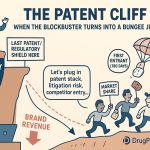
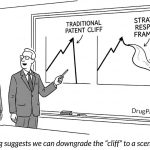
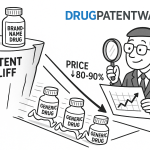
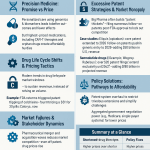
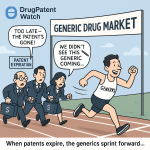
This report provides a comprehensive strategic framework for succeeding in the global generic drug market, a sector defined by the central paradox of robust, sustained growth against a backdrop of intense price commoditization and increasing complexity. The global market is projected to expand significantly, from a baseline of approximately $450-$519 billion in 2024-2025 to over $700-$926 billion by the early 2030s, driven by powerful tailwinds including an impending “patent cliff” of over $200 billion in branded drug sales, relentless global pressure for healthcare cost containment, and the rising prevalence of chronic diseases.1
However, success is no longer achievable through a simple low-cost manufacturing model. The very forces that create opportunity—lucrative patent expirations—also catalyze the industry’s greatest challenge: a rapid “race-to-the-bottom” on price that can erode margins by over 95%.4 This dynamic has fundamentally reshaped the competitive landscape, demanding a radical strategic evolution. Sustainable success now requires mastery of a new triad of competitive differentiators: embracing product complexity, integrating technology throughout the value chain, and mastering geographically-specific market strategies.4
This report presents a four-pillar framework for achieving market leadership and sustainable profitability: (1) Mastering Patent Intelligence and Opportunity Selection; (2) Navigating the Regulatory Gauntlet as a Business Strategy; (3) Forging an Unbreakable Supply Chain; and (4) Executing a Flawless Commercial Launch. The analysis synthesizes market forecasts, regulatory statutes, legal precedents, and operational best practices to deliver actionable recommendations for portfolio management, research and development (R&D) investment, and commercial execution. The ultimate objective is to provide decision-makers with the tools to transform the challenges of the modern generic landscape into durable competitive advantages.
Section 1: The Global Generic Drug Market Landscape: Navigating the Affordability Paradox
The generic drug industry operates within a unique economic environment characterized by powerful but contradictory forces. On one hand, fundamental demographic and economic trends ensure a consistent and growing demand for affordable medicines. On the other, the industry’s core business model—competition based on price—creates relentless downward pressure on revenue and profitability. Understanding and navigating this “affordability paradox” is the foundational strategic challenge for any company seeking to enter and thrive in this market.
1.1 Market Sizing and Growth Trajectory (2025-2035): A Synthesis of Forecasts
The global generic drug market is poised for a period of robust and sustained expansion. A synthesized analysis of multiple independent market research reports indicates a strong growth trajectory over the next decade. The market’s value, estimated to be between $445 billion and $515 billion in the 2024-2025 timeframe, is projected to exceed $700 billion and potentially reach over $926 billion by the early 2030s.1
This growth is underpinned by a consistent Compound Annual Growth Rate (CAGR) that most forecasts place in the 5% to 9% range.1 Some more aggressive projections estimate a CAGR as high as 10.5%.13 Minor discrepancies among these forecasts often arise from different methodological assumptions, such as the inclusion or exclusion of the rapidly growing biosimilars segment, varying timelines for the market impact of major patent expiries, and different models for predicting price erosion rates.4 Despite these variations, the consensus points unequivocally toward a large and expanding global opportunity.
Geographically, North America, led by the United States, currently represents the largest single market, commanding over a third of the global revenue share.1 This dominance is a result of high prescription drug utilization, a well-established regulatory pathway for generics, and strong incentives for generic substitution from payers. However, the most rapid growth is anticipated in emerging economies, particularly in the Asia-Pacific region. Factors such as rising healthcare expenditures, expanding access to medicine, and favorable government initiatives are expected to propel this region to the forefront of market expansion.10
Report Source
Base Year
Base Value (USD Billion)
Forecast Year
Forecast Value (USD Billion)
CAGR (%)
Vision Research Reports 1
2025
$515.07
2033
$775.61
5.25%
Custom Market Insights 2
2025
$519.11
2034
$926.54
6.55%
Precedence Research 3
2025
$468.08
2034
$728.64
5.04%
Stellar Market Research 7
2024
$453.65
2032
$681.57
5.22%
PharmiWeb 8
2024
$487.21
2035
$898.00
5.75%
Mordor Intelligence 10
2025
$431.10
2030
$530.32
4.23%
Towards Healthcare 9
2025
$513.02
2034
$816.75
5.30%
1.2 The Unrelenting Tailwinds: Patent Cliffs, Cost Containment, and Chronic Disease
The market’s strong growth is not speculative; it is driven by powerful, long-term, and predictable macroeconomic and demographic trends.
First and foremost is the phenomenon known as the “patent cliff,” which is widely regarded as the single most significant driver of generic market opportunity.4 This term describes the sharp and dramatic decline in revenue experienced by innovator pharmaceutical companies as their blockbuster drugs lose patent protection and market exclusivity.15 Between 2025 and 2030, an unprecedented wave of patent expiries is expected to put between $200 billion and $300 billion in annual branded drug sales at risk.4 This includes some of the best-selling drugs in history, such as Merck’s Keytruda, Johnson & Johnson’s Stelara, and Bristol Myers Squibb’s Eliquis, creating a steady and robust pipeline of multi-billion-dollar opportunities for generic and biosimilar manufacturers in high-value therapeutic areas like oncology, immunology, and cardiovascular disease.4
The second major driver is the relentless global pressure for healthcare cost containment. Governments, public payers, and private insurers worldwide are grappling with escalating healthcare expenditures and are actively promoting the use of generic drugs as a primary tool for managing costs and ensuring the long-term sustainability of their healthcare systems.1 The economic impact is staggering. In the United States, generic drugs account for approximately 91% of all prescriptions filled yet represent only 18.2% of total prescription drug spending.22 This efficiency generates immense savings, estimated at $373 billion in 2021 alone and over $2.9 trillion in the past decade.22 This top-down pressure from payers creates a consistent and powerful demand for affordable alternatives to branded medicines.
Finally, the growing global burden of chronic disease provides a foundational demographic tailwind. An aging global population and the increasing prevalence of chronic, non-communicable diseases such as cancer, diabetes, cardiovascular disease, and respiratory illnesses necessitate affordable, long-term medication regimens.1 Generic drugs are essential for managing these conditions, serving a vast and growing patient population. The oncology segment, in particular, is a significant growth vector due to rising cancer incidence and the exceptionally high cost of branded cancer treatments, making affordable generic alternatives a critical component of patient care.1
1.3 The Inescapable Headwinds: Price Erosion, Regulatory Complexity, and Supply Chain Fragility
Despite the powerful growth drivers, the generic drug market is fraught with significant and persistent challenges that can severely impact profitability and operational stability.
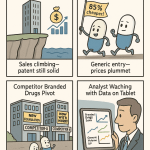
The most formidable challenge is intense price competition and commoditization. The very patent expiries that create market opportunities also act as a catalyst for the industry’s greatest threat: a “race-to-the-bottom” on price.4 The entry of multiple generic competitors into a market post-exclusivity leads to a predictable and severe erosion of prices. As illustrated in the table below, this commoditization effect is dramatic, with prices capable of plummeting by 85% to 95% compared to the pre-entry brand price once six or more generic manufacturers are competing.4 This dynamic relentlessly compresses profit margins and threatens the long-term economic viability of companies that focus solely on simple, easily manufactured oral solid drugs.5
Number of Generic Competitors
Average Price Reduction vs. Brand Price (%)
Data Sources
1
~6% – 39%
5
2
~54%
23
3
~50% – 70% (price is ~20% lower than initial generic)
5
4
~79%
6
6+
>95%
4
10+ (after 3 years)
~70% – 80%
25
A second major headwind is the labyrinth of global regulatory compliance. There is a significant lack of harmonization between the world’s major regulatory bodies, such as the U.S. Food and Drug Administration (FDA), the European Medicines Agency (EMA), and others.5 Each authority maintains its own distinct pathways, data requirements, review timelines, and manufacturing standards. This forces global manufacturers to dedicate substantial resources to tailor development programs and submission strategies for each region, leading to duplicated efforts, increased costs, and staggered product launches that can compromise the first-mover advantage.5 Furthermore, regulatory frameworks like the Generic Drug User Fee Amendments (GDUFA) in the U.S., while intended to improve the efficiency of the review process, have introduced significant, non-refundable upfront fees that can act as a substantial barrier to entry, particularly for smaller companies or those targeting niche products.5
Finally, the industry is grappling with supply chain fragility. The strategic offshoring of manufacturing over the past several decades has led to a heavy concentration of Active Pharmaceutical Ingredient (API) and Key Starting Material (KSM) production in a few key regions, primarily China and India.4 This geographic concentration creates profound systemic risks. The COVID-19 pandemic starkly exposed these vulnerabilities, leading to widespread disruptions, export restrictions, and critical drug shortages.4 As a result, there is a growing strategic imperative for onshoring, “friend-shoring,” and building more resilient, diversified supply networks. While necessary for ensuring a stable supply of medicines, this reconfiguration will inevitably increase production costs and place further pressure on the low-price model of generics.4
1.4 The Strategic Metamorphosis: The Imperative to Move Up the Value Chain
The central paradox of the generic market—robust growth coupled with extreme price pressure—is forcing a fundamental strategic evolution. The traditional model of competing solely on price for simple oral solids is becoming increasingly unsustainable. The future of the industry will be defined not by the company that is merely the cheapest, but by the one that can master complexity, technology, and geography.4
This is leading to a clear strategic pivot up the value chain toward products that are inherently more difficult to develop, manufacture, and regulate. These products create natural barriers to entry, resulting in less crowded competitive landscapes and more durable pricing power. Two areas stand out in this strategic shift:
Complex Generics: Companies are increasingly redirecting R&D investment toward complex generic products. This category includes sterile injectables, long-acting depot injections, transdermal patches, inhalation products, ophthalmic drugs, and complex drug-device combinations.4 These products present significant scientific, technical, and regulatory challenges that fewer companies possess the expertise and capital to overcome. The result is a less competitive market with higher and more sustainable profit margins.4
The Biosimilar Revolution: The development and commercialization of biosimilars represents the most significant and lucrative new frontier for the industry.4 Biosimilars are highly similar versions of complex biologic drugs, which are derived from living cells. As many of the world’s top-selling biologics lose patent protection, the biosimilar market is projected to grow at a CAGR exceeding 17%.4 However, the scientific complexity of reverse-engineering a biologic and the immense development cost—ranging from $100 million to $250 million per product—create formidable barriers to entry, limiting this space to large, well-capitalized, and scientifically advanced firms.4
This strategic shift is creating a bifurcated market. One segment will remain a high-volume, low-margin “commodities” space for simple oral solids, where success will be dictated by massive scale and extreme operational efficiency—a classic cost leadership strategy. The other segment is an emerging lower-volume, high-margin “specialty” space for complex generics and biosimilars, where success will be driven by scientific expertise, technological superiority, and regulatory savvy—a classic differentiation strategy. Any new entrant into the generic drug market must consciously and strategically decide which of these two distinct games it intends to play.
Section 2: Pillar I – Mastering Patent Intelligence and Opportunity Selection
The foundation of a successful generic drug enterprise is built long before any product enters a laboratory. It begins with the strategic identification and rigorous evaluation of market opportunities. This process, which is the single most important determinant of a generic program’s success, has evolved far beyond simply tracking patent expiry dates.34 It now requires a sophisticated, multi-faceted approach that integrates patent law, market analytics, and a realistic assessment of internal technical capabilities. A well-chosen candidate can generate hundreds of millions in revenue, while a poor choice can become a black hole for R&D resources, culminating in a crowded, low-margin market or a complete development failure.34
2.1 Decoding the Patent Cliff: Identifying High-Value Targets
The starting point for opportunity identification remains the patent cliff. The process begins with systematically monitoring and analyzing the patent and exclusivity landscape of brand-name drugs to build a pipeline of potential targets, typically focusing on products whose key patents are expected to expire 3 to 5 years in the future.35
A standard pharmaceutical patent grants 20 years of protection from the date of filing.35 However, a substantial portion of this term—often 10 to 15 years—is consumed by the lengthy R&D and regulatory review processes.20 This means the effective period of market exclusivity after a drug is launched is often closer to 7 to 10 years.36 To compensate for these delays, regulatory frameworks provide mechanisms like Patent Term Extensions (PTE) and Patent Term Adjustments (PTA) in the U.S., which can reclaim some of this lost time.36 Additionally, the FDA grants other forms of exclusivity, such as for New Chemical Entities (5 years), Orphan Drugs (7 years), or for conducting pediatric studies (6 months), which can further delay generic entry.35
Therefore, a crucial first step is to move beyond the nominal 20-year patent term and determine the true, adjusted loss of exclusivity (LoE) date for each potential target. This requires meticulous tracking of all applicable patents and regulatory exclusivities. Specialized business intelligence platforms, such as DrugPatentWatch, are indispensable tools in this effort, providing curated data on patent expiration dates, regulatory exclusivities, ongoing litigation, and competitive activity, which are essential for building a robust and strategically timed development pipeline.35
2.2 The Art of the Freedom-to-Operate (FTO) Analysis: Navigating Patent Thickets
Identifying the expiration of a drug’s primary compound patent is merely the opening move. A successful strategy requires a deep and comprehensive analysis of the entire patent estate associated with the target drug.23 Innovator companies strategically employ “evergreening” or “lifecycle management” tactics to extend their monopolies well beyond the life of the initial patent.44
These strategies result in the creation of “patent thickets”—dense and overlapping networks of secondary patents that create formidable barriers to generic entry.43 These secondary patents can cover a wide array of innovations related to the drug, including 43:
New Formulations: Such as extended-release or delayed-release versions.
Methods of Use: Patents on new indications for treating different diseases.
Polymorphs: Different crystalline forms or structures of the same active ingredient.
Manufacturing Processes: Novel and more efficient methods of producing the drug.
Delivery Devices: Such as specialized inhalers or injector pens.
A rigorous Freedom-to-Operate (FTO) analysis is therefore essential. This involves meticulously mapping this entire patent landscape to assess the strength, validity, and scope of each secondary patent. This analysis is not merely a defensive legal check; it is an offensive strategic tool. By identifying potential weaknesses in the innovator’s patent estate—such as patents that may be invalid due to prior art or those with overly broad claims—a generic company can identify opportunities for legal challenges (discussed in Section 3) or strategic “design-arounds”.35 For example, a generic product may be able to enter the market before all patents have expired if it utilizes a different, unpatented manufacturing process or is approved for an indication that is not covered by a valid method-of-use patent.55 This elevates patent intelligence from a legal compliance function to a core driver of business strategy, as it directly informs R&D pathways and determines the timing and viability of market entry.
2.3 A Quantitative Framework for Candidate Selection: Balancing Market Size, Competitive Density, and Technical Feasibility
Once the IP landscape is understood, a potential candidate must be evaluated through a quantitative framework that balances three critical variables: market viability, competitive density, and technical achievability. A failure to rigorously assess any one of these dimensions is a common cause of failed launches.
Market Size and Viability: The annual sales of the brand-name drug prior to patent expiry serve as the primary indicator of the total addressable market.35 However, a large market is a double-edged sword. While it presents a significant revenue opportunity, it also tends to attract a larger number of competitors, which accelerates price erosion and can quickly diminish profitability.25 An analysis of Medicare data from 2007-2022 shows that the most intense competition, averaging close to 10 manufacturers per drug, occurs in the largest markets.25 Consequently, small- to medium-sized markets may often present more attractive risk-adjusted returns, as they are less likely to become hyper-competitive.25
Competitive Density: A critical component of the analysis is to accurately predict the number of future competitors. This is not speculative; it can be informed by data. This involves actively tracking Abbreviated New Drug Applications (ANDAs) that have been filed with the FDA, paying particular attention to those that include Paragraph IV certifications, as these signal a company’s intent to launch at the earliest possible date.59 The FDA’s Competitive Generic Therapy (CGT) designation is another key indicator. This program is designed to incentivize the development of generics for drugs with “inadequate generic competition,” meaning a CGT designation signals a market that the FDA itself has identified as having limited competition, making it a potentially attractive target.61
Technical Feasibility and Capability Match: A dazzling market opportunity is worthless if an organization lacks the technical prowess to seize it.34 A common and costly mistake is to pursue a high-value product without a realistic and honest assessment of the internal capabilities required to develop, manufacture, and gain regulatory approval for it.34 This assessment must answer critical questions: Can the company reliably source or synthesize the API? Does the R&D team have the specialized expertise to reverse-engineer a complex formulation or delivery system? Does the company have the manufacturing capacity and cGMP compliance record to produce the drug at scale?
The ideal generic candidate exists at the intersection of these three domains: a market that is large enough to be profitable but not so large as to be hyper-competitive; an intellectual property landscape that is vulnerable to challenge or design-around; and a technical profile that matches the company’s core competencies. A robust selection process requires a cross-functional team of experts from business development, legal, R&D, and manufacturing to score potential candidates across all three dimensions simultaneously. The “winning” products are those that score highly across the board, not just exceptionally in one area.
Feature
Drug A (High-Value, High-Complexity)
Drug B (Mid-Value, Med-Complexity)
Drug C (High-Value, Low-Complexity)
Market Viability
Annual Branded Sales (USD)
$2.5 Billion
$400 Million
$1.8 Billion
Projected Competitors (Year 1)
2-3
3-4
10+
Viability Score (1-10)
9
7
5
IP Vulnerability
Primary Patent Expiry
2028
2029
2027
“Thicket” Complexity (Secondary Patents)
High (15 patents)
Medium (6 patents)
Low (2 patents)
Known P-IV Filers
1
2
8
IP Vulnerability Score (1-10)
6
8
3
Technical Achievability
Technical Complexity (Formulation)
High (Sterile Injectable)
Medium (Modified-Release Oral)
Low (Immediate-Release Oral)
Internal Capability Match
Partial (Requires new investment)
Yes (Core competency)
Yes (Standard process)
Achievability Score (1-10)
4
9
10
Overall Opportunity Score
6.3
8.0
6.0
Note: Scores are illustrative and would be based on a weighted-average model in a real-world scenario.
2.4 Beyond the Pill: Assessing Opportunities in Complex Formulations and Delivery Systems
As the market for simple oral solids becomes increasingly commoditized, the most durable and profitable opportunities often lie in the realm of complex generics.4 The candidate selection framework must therefore evolve to view technical difficulty not as a deterrent, but as a desirable attribute that creates a competitive moat.
The evaluation process should actively screen for and prioritize candidates based on the complexity of their:
Active Pharmaceutical Ingredient (API): Such as peptides, complex mixtures, or highly potent compounds.
Formulation: Such as liposomes, emulsions, or long-acting injectable suspensions.
Route of Delivery: Products that are not simple oral tablets, such as topical creams, ophthalmic drops, or inhaled aerosols.
Drug-Device Combination: Products that require a specialized delivery device, such as an auto-injector or a metered-dose inhaler.
Furthermore, companies should explore opportunities via the 505(b)(2) regulatory pathway. This “hybrid” application allows for the approval of drugs that represent a modification of an existing approved drug (e.g., a new dosage form, a new strength, or a new indication) by relying in part on the FDA’s previous findings of safety and effectiveness for the original drug.4 Crucially, products approved via the 505(b)(2) pathway can be granted their own period of market exclusivity (typically three to seven years), providing a protected period to recoup R&D investment. This pathway is an ideal route for creating “value-added” or “differentiated” generics that can compete on clinical benefits rather than solely on price, creating a highly attractive and defensible market niche.4
Section 3: Pillar II – Navigating the Regulatory Gauntlet: The Hatch-Waxman Act as a Business Strategy
For any company seeking to enter the U.S. generic drug market, the regulatory process is not merely a bureaucratic hurdle to be cleared; it is a competitive arena with a highly structured set of rules, timelines, and incentives. The Drug Price Competition and Patent Term Restoration Act of 1984, commonly known as the Hatch-Waxman Act, established this framework. A deep, strategic understanding of this Act is a prerequisite for success, as its provisions directly shape market entry timing, competitive dynamics, and profitability. The most successful generic companies do not simply comply with the regulations; they leverage them as a core component of their business strategy.
3.1 The Abbreviated New Drug Application (ANDA) Pathway: A Practical Guide
The centerpiece of the Hatch-Waxman Act is the Abbreviated New Drug Application (ANDA) pathway, codified under Section 505(j) of the Federal Food, Drug, and Cosmetic Act.4 This pathway is the central mechanism for generic drug approval in the United States. It is termed “abbreviated” because it allows a generic manufacturer to gain FDA approval without conducting new, duplicative, and costly preclinical (animal) and clinical (human) trials to establish safety and efficacy.53 Instead, the ANDA process relies on the FDA’s previous finding that the innovator’s drug, referred to as the Reference Listed Drug (RLD), is safe and effective.
The core of the ANDA is to provide comprehensive scientific evidence demonstrating that the generic product is a therapeutic equivalent to the RLD. This involves submitting a detailed dossier, now required in the electronic Common Technical Document (eCTD) format, that meticulously documents the following 30:
Sameness to the RLD: The generic must have the same active ingredient(s), strength, dosage form, and route of administration.
Labeling: The proposed labeling for the generic must be the same as the most recently approved labeling for the RLD, with certain permissible differences (e.g., manufacturer name, inactive ingredients).
Manufacturing: The application must provide detailed information on the chemistry, manufacturing, and controls (CMC) to ensure the product’s identity, strength, quality, and purity. This includes demonstrating adherence to Current Good Manufacturing Practices (cGMP).
Bioequivalence: The applicant must scientifically prove that its product is bioequivalent to the RLD.
The FDA’s review of an ANDA is a multi-phase, rigorous process. If the agency identifies deficiencies in the application, it will issue a Complete Response Letter (CRL), which details the issues that must be resolved before approval can be granted.64 Receiving a CRL can lead to significant and costly delays, jeopardizing a company’s ability to be first to market and potentially rendering the entire project unprofitable.68
3.2 The Scientific Cornerstone: Demonstrating Bioequivalence (BE)
Demonstrating bioequivalence is the scientific bedrock of the ANDA approval process.63 It is the evidence that establishes that the generic drug performs in the same manner as the brand-name drug, allowing it to be considered therapeutically equivalent and substitutable at the pharmacy.62 Bioequivalence means that there is no significant difference in the rate and extent to which the active ingredient becomes available at the site of drug action when administered at the same dose under similar conditions.71
For most systemically absorbed drugs (like oral tablets), BE is typically demonstrated through in vivo pharmacokinetic (PK) studies conducted in a small number of healthy volunteers.70 These studies measure the concentration of the drug in the blood over time after both the generic (test) and brand-name (reference) products have been administered. Two key PK parameters are analyzed 71:
Cmax: The maximum observed concentration of the drug in the blood. This is a measure of the rate of absorption.
AUC (Area Under the Curve): The total area under the drug concentration-time curve. This is a measure of the total extent of drug absorption.
The statistical standard for demonstrating bioequivalence is precise and internationally recognized. The 90% confidence interval for the geometric mean ratio of the test product to the reference product for both Cmax and AUC must fall entirely within the acceptance range of 80.00% to 125.00%.63
In certain well-defined cases, the FDA may waive the requirement for an in vivo BE study. These “biowaivers” are typically available for products like solutions (e.g., intravenous, oral, ophthalmic) or for different strengths of a solid oral dosage form, provided that specific criteria regarding the formulation’s composition and solubility are met.72 To assist applicants, the FDA’s Office of Generic Drugs (OGD) develops and publishes Product-Specific Guidances (PSGs), which provide detailed, up-to-date recommendations on the most appropriate BE methodologies for specific drug products. Adherence to these PSGs is critical for a smooth and efficient review process.53
3.3 The Legal Chess Match: The Paragraph IV Challenge and the 30-Month Stay
The Hatch-Waxman Act established a unique and highly structured process for resolving patent disputes that is central to the business strategy of both brand and generic companies. At the heart of this process is the Paragraph IV (P-IV) certification. When submitting an ANDA, a generic applicant must make a certification for each patent listed for the RLD in the FDA’s Orange Book. A P-IV certification is a bold assertion that a listed patent is invalid, unenforceable, or will not be infringed by the marketing of the proposed generic drug.59
This certification is legally defined as an “artificial act of infringement,” which allows the brand-name company to initiate patent litigation before the generic product has actually been marketed.59 The generic applicant is required to send a notice letter to the brand manufacturer and patent holder within 20 days of its ANDA being accepted for review by the FDA, detailing the basis for its P-IV certification.59
This notification triggers a critical 45-day window for the brand company. If the brand manufacturer files a patent infringement lawsuit against the generic applicant within this 45-day period, it automatically triggers a 30-month stay of regulatory approval.23 During this 30-month period, the FDA is generally prohibited from granting final approval to the ANDA, unless the patent litigation is resolved in the generic company’s favor before the period expires.
This 30-month stay is a powerful defensive shield for brand manufacturers, providing them with a significant and predictable period of continued market exclusivity and revenue protection while the patent dispute is litigated.23 For the generic company, this period is not dead time. It represents a defined planning horizon. A well-prepared generic company uses this time to complete all necessary pre-commercialization activities, such as scaling up manufacturing, securing the API supply chain, preparing marketing materials, and negotiating with distributors and payers.59 By treating the 30-month stay as a fixed project timeline, a company can ensure it is ready to launch its product immediately upon receiving final FDA approval or a favorable court decision, thereby maximizing its market opportunity.
3.4 The “Brass Ring”: Securing and Maximizing the 180-Day Exclusivity Period
To incentivize generic companies to undertake the costly and risky process of challenging brand-name patents, the Hatch-Waxman Act created a powerful reward: a 180-day period of marketing exclusivity.35 This exclusivity is granted to the
first applicant (or applicants, in the case of simultaneous filings) to submit a “substantially complete” ANDA containing a P-IV certification.
During this 180-day period, the FDA is barred from approving any subsequent ANDAs for the same drug that also contain a P-IV certification. This effectively creates a temporary duopoly, where the only products on the market are the brand-name drug and the first-filer’s generic.24 This period of limited competition is exceptionally profitable. The first generic can capture a significant portion of the market while pricing its product at only a moderate discount to the brand (typically 15-30% below the brand price).6
The financial value of this 180-day exclusivity is so immense—potentially worth hundreds of millions of dollars for a blockbuster drug—that it is often referred to as the “brass ring” of generic development.6 This incentive fundamentally transforms patent litigation from a mere legal risk to be mitigated into a core, offensive business strategy for generic manufacturers. The pursuit of this exclusivity is the primary driver of early patent challenges and is arguably the most significant engine of competition and price reduction in the U.S. pharmaceutical market.86 The entire pre-launch strategy, from R&D to regulatory filing, is often optimized for speed with the singular goal of being the first to file and securing this lucrative prize.
3.5 Global Regulatory Considerations: A Comparative Snapshot (FDA vs. EMA vs. India)
While the U.S. market is governed by the highly structured Hatch-Waxman framework, generic companies with global ambitions must navigate a diverse and fragmented international regulatory landscape.
The European Union, under the purview of the European Medicines Agency (EMA), offers a more complex system with multiple pathways for approval. Unlike the single, centralized ANDA process in the U.S., applicants in the EU can choose from a centralized procedure (for certain drugs), a decentralized procedure, a mutual recognition procedure, or purely national procedures within individual member states.92
Approval timelines also vary significantly across major markets. While the FDA’s standard GDUFA goal for an ANDA review is 10 months, the actual time to approval can be much longer if CRLs are issued.5 In contrast, India’s Central Drugs Standard Control Organization (CDSCO) is known for a generally faster approval timeline of approximately 90 days, whereas other jurisdictions like Australia’s Therapeutic Goods Administration (TGA) can be slower, with timelines of around 11 months.74
Although the core scientific principles of demonstrating quality, safety, and bioequivalence are broadly similar across these regions, critical differences exist in specific data requirements, the design of BE studies (e.g., rules for sourcing the reference product), and the legal mechanisms for linking patent status to regulatory approval.5 These differences necessitate that a global generic company develop tailored regulatory and legal strategies for each target market. Despite these procedural divergences, it is noteworthy that a high degree of scientific alignment exists between the major agencies. A recent study found a 95% concordance rate in the final approval decisions for applications that were submitted to both the FDA and the EMA, suggesting that a high-quality submission is likely to succeed in both jurisdictions, even if the timing and process differ.5
Feature
United States (FDA)
European Union (EMA)
India (CDSCO)
Key Legislation
Hatch-Waxman Act (1984)
Directive 2001/83/EC
Drugs and Cosmetics Act (1940)
Regulatory Body
Food and Drug Administration
European Medicines Agency & National Agencies
Central Drugs Standard Control Organization
Application Type
Abbreviated New Drug Application (ANDA)
Marketing Authorisation Application (MAA)
Form 44 / New Drug Application
Core Requirement
Bioequivalence to Reference Listed Drug (RLD)
Bioequivalence to Reference Medicinal Product
Bioequivalence to Innovator Product
Typical Review Timeline
10 months (GDUFA goal); often longer
~150-210 days (varies by procedure)
~90 days
Patent Challenge System
Paragraph IV Certification; 30-month stay; 180-day exclusivity
Patent linkage is weaker; litigation handled separately by national courts
Patent linkage exists; litigation handled by courts
Data Exclusivity
5 years (NCE); 3 years (New Clinical Investigation)
8 years (data) + 2 years (market) + 1 year (new indication)
4 years
Section 4: Pillar III – Forging an Unbreakable Supply Chain: From API Sourcing to Distribution
In the generic drug industry, where price is the primary basis of competition, operational excellence is not just a goal; it is a prerequisite for survival. A robust, resilient, and compliant supply chain is a critical competitive differentiator. The ability to reliably produce a high-quality product at a low cost and ensure its uninterrupted availability to patients is paramount. This pillar focuses on the strategic management of the supply chain, from the sourcing of raw materials to the final distribution of the finished drug product.
4.1 Strategic Sourcing of Active Pharmaceutical Ingredients (APIs): A Risk-Based Approach
The Active Pharmaceutical Ingredient (API) is the biologically active component of a drug that produces the intended therapeutic effect.33 The quality, purity, and consistency of the API are the foundation upon which the entire drug product is built. Therefore, the strategic selection of a reputable API supplier is one of the most critical decisions in the generic development process.97 A compromise in API quality can lead to failed bioequivalence studies, regulatory rejection, product recalls, and, most importantly, potential patient harm.97
A strategic sourcing approach must extend beyond mere cost considerations and adopt a comprehensive, risk-based methodology for supplier qualification. This involves a multi-faceted evaluation of potential suppliers based on 32:
Regulatory Compliance and Quality Systems: The supplier must demonstrate strict adherence to Current Good Manufacturing Practices (cGMP). This is verified through on-site audits and a thorough review of the supplier’s Drug Master File (DMF)—a confidential submission to the FDA that details the chemistry, manufacturing, and controls of the API.31
Technical Capability: The supplier must have the technical expertise and infrastructure to consistently produce the API to the required specifications, including characteristics like particle size and polymorphic form, which can significantly impact the final product’s performance.98
Scalability and Capacity: The supplier must have the capacity to meet projected commercial demand and the ability to scale up production without compromising quality.96
Supply Chain Resilience: The supplier’s own supply chain for Key Starting Materials (KSMs) and their overall operational stability should be assessed to ensure they can provide an uninterrupted supply.97
In many cases, partnering with specialized API distributors can add a valuable layer of risk mitigation. These intermediaries often maintain an extensive network of pre-qualified manufacturers, manage complex logistics, and provide regulatory support, allowing the generic company to focus on its core competencies.97
4.2 Mitigating Geopolitical Risk: Diversification and Resilience in the China/India Era
The global pharmaceutical supply chain is characterized by a high degree of geographic concentration. Over 80% of the world’s API supply is manufactured in China and India, with China also dominating the upstream production of KSMs.31 While this concentration was historically driven by the pursuit of lower manufacturing costs, it has created significant systemic vulnerabilities.4
Geopolitical tensions, trade disputes, natural disasters, or public health crises in these regions can lead to severe disruptions, export bans, and critical drug shortages globally.26 The COVID-19 pandemic served as a stark wake-up call, exposing the fragility of this over-reliance and prompting a strategic re-evaluation of supply chain design across the industry.4
To mitigate these risks, a modern sourcing strategy must prioritize resilience and diversification. Key tactics include:
Dual Sourcing: Qualifying at least two independent API suppliers, preferably in different geographic regions, for each critical product. This provides redundancy and reduces dependence on a single source.33
Nearshoring and Onshoring: Evaluating suppliers in closer proximity (e.g., Mexico or Canada for the U.S. market) or domestic manufacturers to shorten supply lines, reduce lead times, and simplify regulatory oversight, even if it comes at a higher unit cost.97
Strategic Inventory Management: Moving beyond “just-in-time” models to maintain strategic stockpiles of critical APIs and finished products to buffer against unexpected supply disruptions.97
4.3 Manufacturing and Quality: Adherence to cGMP as a Competitive Differentiator
Strict adherence to Current Good Manufacturing Practices (cGMP) is a non-negotiable regulatory requirement and a cornerstone of operational excellence.5 cGMP regulations ensure that drug products are consistently produced and controlled according to quality standards, guaranteeing their identity, strength, quality, and purity.5
In a market where trust is a key factor for physicians and patients, a strong and consistent quality record can be a powerful competitive differentiator. Conversely, lapses in quality can have devastating consequences. High-profile cases, such as the nitrosamine impurity crisis that led to global recalls of common blood pressure and heartburn medications, or instances of data integrity violations at overseas manufacturing facilities, have eroded confidence and resulted in severe regulatory actions, including warning letters, import alerts, and product discontinuations.5
A change in API supplier for an approved product is considered a major change by the FDA and typically requires the submission of a Prior Approval Supplement (PAS), as it has a high potential to adversely affect the drug’s impurity profile and physical properties.100 This underscores the critical importance of selecting the right suppliers from the outset and maintaining rigorous quality oversight throughout the product lifecycle.
4.4 The Distribution Ecosystem: Understanding Wholesalers, GPOs, and PBMs
Once a generic drug is manufactured and packaged, it must navigate a complex distribution ecosystem to reach pharmacies and patients. In the United States, this system is highly consolidated and dominated by a few key players.
Pharmaceutical Wholesalers: Approximately 92% of all prescription drugs in the U.S. are distributed through wholesalers.101 Three major companies—AmerisourceBergen (now Cencora), Cardinal Health, and McKesson—account for over 90% of this market.101 These entities act as the vital link between hundreds of manufacturers and tens of thousands of pharmacies, hospitals, and clinics. They purchase drugs in bulk from manufacturers, store them in their distribution centers, and then sell and deliver them to dispensing outlets.101 For generic manufacturers, securing contracts with these three wholesalers is effectively a prerequisite for achieving broad market access.101
Group Purchasing Organizations (GPOs): GPOs aggregate the purchasing volume of their members (which include hospitals, clinics, and nursing homes) to negotiate discounts from manufacturers and distributors. They play a significant role in the institutional market (hospitals and clinics).102
Pharmacy Benefit Managers (PBMs): PBMs are intermediaries that manage prescription drug benefits on behalf of health insurers, Medicare Part D plans, and large employers. They exert enormous influence over the market by developing formularies (lists of covered drugs), negotiating rebates with brand manufacturers, and processing prescription claims.103 While their primary leverage is in the brand-name market, their formulary decisions and reimbursement policies also significantly impact the uptake and profitability of generic drugs.
Understanding the business models and incentives of these powerful intermediaries is crucial for developing an effective commercialization and pricing strategy, which will be discussed in detail in the next section.
Section 5: Pillar IV – The Launch: Commercial Execution and Market Dominance
A successful generic drug launch is a meticulously orchestrated event where years of strategic planning, legal maneuvering, scientific development, and operational readiness converge. In a market defined by intense competition and rapid price erosion, flawless execution at the moment of launch is critical. The initial days and weeks following market entry often determine the ultimate profitability of the product over its entire lifecycle. This final pillar focuses on the key commercial strategies for achieving market dominance: leveraging the first-mover advantage, implementing a dynamic pricing strategy, gaining market access through payers and PBMs, and building trust with key stakeholders.
5.1 The Day-1 Imperative: The Overwhelming Power of the First-Mover Advantage
In the generic drug market, timing is arguably the single most critical factor for success.23 The first generic manufacturer to enter the market after the brand’s loss of exclusivity secures a commanding and remarkably durable competitive advantage.6 Research consistently shows that the first generic entrant rapidly captures a dominant market share, often exceeding 70-80% of the genericized market within the first few months.6
This initial dominance is not a fleeting phenomenon. It tends to persist for years, with studies indicating the advantage extends for at least three to four years, and in some cases, up to ten years after launch.6 This is due to several factors:
Prescribing Inertia: Physicians who switch from the brand to the first generic are often reluctant to switch their patients again to a later-entering generic.
Pharmacy Stocking: Pharmacies and wholesalers quickly establish supply chains and ordering patterns around the first generic, creating a barrier for subsequent entrants.
Payer Formularies: The first generic is often quickly placed on a preferred tier in payer formularies, making it the most accessible and lowest co-pay option for patients.
This first-mover advantage is so powerful that it creates high “switching costs” for later entrants, who must compete aggressively on price to gain even a small foothold in the market. The financial implications are profound. The 180-day exclusivity period granted to the first P-IV filer is the most extreme and lucrative example of this advantage, but the principle holds even in markets without this statutory exclusivity. The paramount objective of the entire pre-launch process, therefore, must be speed—to be ready to launch on “Day 1” of the loss of exclusivity.
5.2 The Price is Right: A Dynamic Pricing Strategy for Launch and Beyond
Pricing a generic drug is a strategic exercise that must balance the need to gain market share with the imperative to maximize profitability in the face of predictable and severe price erosion. A static, “cost-plus” pricing model is insufficient. A dynamic, multi-phased strategy is required.68
Phase 1: The Launch/Limited Competition Window: During the initial launch phase, particularly if the generic has 180-day exclusivity, the pricing strategy focuses on value capture. The first generic typically enters the market at a moderate discount to the brand’s Wholesale Acquisition Cost (WAC), often in the range of 15-30% below the brand price.6 This allows the company to rapidly gain market share from the brand while maintaining healthy profit margins and recouping the significant upfront costs of R&D and litigation.6
Phase 2: The Multi-Competitor Market: The pricing strategy must pivot dramatically as soon as the second, third, and subsequent generic competitors enter the market. The focus shifts from value capture to market share retention and defense. As competition intensifies, prices erode rapidly and predictably (as detailed in Section 1.3). Pricing becomes primarily market-based, driven by the need to match or beat competitor prices to maintain formulary placement and volume contracts with wholesalers and pharmacies.106
In the long term, sustainable profitability is dictated by a company’s cost structure. The manufacturer with the most efficient API sourcing, lowest manufacturing costs, and greatest economies of scale will be the one that can withstand the intense price wars and remain profitable when prices have fallen by 90% or more.34
5.3 Gaining Market Access: A Playbook for Payer and PBM Engagement
In the U.S. healthcare system, securing favorable placement on the formularies controlled by Pharmacy Benefit Managers (PBMs) and other payers is critical for driving utilization and achieving commercial success.68 PBMs manage drug benefits for the majority of insured Americans and their decisions determine which drugs are covered and what a patient’s out-of-pocket cost will be.103
A generic manufacturer’s market access strategy must focus on ensuring its product is placed on the lowest possible formulary tier, typically Tier 1 for “Preferred Generics.” This placement results in the lowest patient co-payment, which strongly encourages substitution from the brand (often on a higher, more expensive tier) and discourages the use of other, non-preferred generics.68
Engaging with payers and PBMs should begin well before launch. The value proposition for a generic drug is straightforward and powerful: bioequivalence to the brand at a significantly lower cost. Negotiations will focus on the price offered by the manufacturer in exchange for preferred formulary status. In a competitive market, PBMs and wholesalers can exert immense leverage, effectively making generic manufacturers price-takers.5
It is also important to understand the complex and sometimes misaligned incentives within the PBM business model. PBMs often profit from rebates negotiated with brand manufacturers and from “spread pricing” on generics (the difference between what they charge the health plan and what they reimburse the pharmacy).105 These dynamics can occasionally lead to situations where a PBM may favor a high-priced brand drug with a large rebate over a low-cost generic. A sophisticated engagement plan must navigate these complexities and clearly articulate a value proposition that aligns with the payer’s goal of reducing overall drug spend.
5.4 Marketing and Education: Building Trust with Physicians, Pharmacists, and Patients
While generic drugs are not typically promoted with the large-scale marketing campaigns associated with brand-name drugs, targeted marketing, education, and stakeholder engagement are essential for driving adoption and overcoming potential barriers.68 The key audiences are physicians, pharmacists, and, indirectly, patients.
Physicians: While most physicians are confident in the efficacy of generics, targeted communication can be valuable, especially for complex generics or biosimilars.12 For physicians, messaging should be clinical and data-driven, emphasizing bioequivalence data, FDA approval standards, and patient outcomes.68
Pharmacists and Payers: For pharmacists, wholesalers, and payers, the communication should focus on the economic and logistical value proposition: competitive pricing, supply chain reliability, and cost savings for the healthcare system.68 Engaging with large pharmacy chains like CVS or Walgreens through incentives or co-marketing agreements can be critical for securing shelf space and ensuring product availability.68
Patients: Direct-to-consumer advertising for generics is rare. However, it is crucial to address potential patient misconceptions. Patients may be concerned when their medication changes in size, shape, or color, leading them to believe the generic is less effective or safe.68 Education is key, and it is best delivered through healthcare providers. Equipping physicians and pharmacists with simple, reassuring materials that explain the FDA’s rigorous standards for generic approval can help build patient confidence and ensure adherence.
A prime example of a successful, data-driven launch was Teva’s introduction of generic Viagra in 2017. By filing early to secure first-mover advantage, pricing aggressively, and executing targeted digital campaigns aimed at urologists, Teva successfully captured 70% of the market within a year, demonstrating how a well-executed commercial strategy can turn a generic product into a market dominator.6
Section 6: Anticipating the Counter-Attack: Neutralizing Brand Defense Tactics
The launch of a generic drug does not occur in a vacuum. It represents a direct and significant threat to the revenue stream of the innovator company, which will often deploy a range of sophisticated and aggressive strategies to defend its market share, delay generic entry, and minimize the financial impact of the patent cliff. A successful generic market entry strategy must not only focus on its own execution but must also anticipate and develop countermeasures for these brand defense tactics.
6.1 The Authorized Generic (AG): Understanding its Impact on Pricing and Exclusivity
One of the most potent defensive weapons in the brand manufacturer’s arsenal is the Authorized Generic (AG).90 An AG is the brand-name company’s own drug, approved under the original New Drug Application (NDA), but packaged and marketed as a generic product, either by the brand company itself or through a subsidiary or partner.109 Because it is the identical product, it does not need to go through the ANDA approval process and can be launched at any time at the brand’s discretion.109
The AG has a profound and disruptive impact on market dynamics, particularly during the lucrative 180-day exclusivity period for the first-to-file generic. Under the law, the 180-day exclusivity only blocks the approval of other ANDA filers; it does not block the brand from marketing its own product as a generic.90 The strategic deployment of an AG has two primary effects:
Accelerated Price Erosion: The launch of an AG immediately introduces a second competitor into what would otherwise be a duopoly market (brand + one generic). This added competition leads to lower prices. Studies by the Federal Trade Commission (FTC) found that the presence of an AG during the 180-day period was associated with retail generic prices that were 4-8% lower and wholesale prices that were 7-14% lower than in markets without an AG.90
Reduced First-Filer Revenue: The most significant impact of an AG is on the profitability of the first-to-file generic. By capturing a substantial portion of the generic market share, the AG dramatically reduces the revenue and profit of the first ANDA filer. The FTC estimated that the presence of an AG reduces the first-filer’s revenues by 40% to 52% during the 180-day exclusivity period.90 This impact persists even after exclusivity ends, with revenues remaining 53% to 62% lower in the subsequent 30 months.90
While AGs can provide short-term benefits to consumers through lower prices, they also diminish the value of the 180-day exclusivity incentive, which could potentially deter generic companies from undertaking risky patent challenges on smaller market products.90 A particularly concerning trend is the use of
“no-AG agreements” in patent litigation settlements. In these deals, a brand manufacturer agrees not to launch an AG in exchange for the generic company agreeing to delay its market entry.90 This arrangement is mutually beneficial for the two companies but comes at the expense of consumers, who face both a longer wait for any generic and the absence of AG competition when one finally launches.90
6.2 “Evergreening” and “Product Hopping”: Recognizing and Countering Lifecycle Extension Strategies
As discussed in Section 2, brand manufacturers use “evergreening” strategies to build patent thickets around their products. A related tactic used closer to the time of patent expiry is “product hopping” or “product switching”.45 This involves the brand company making minor modifications to its product—such as switching from an immediate-release to an extended-release formulation, or changing the delivery device—and then heavily promoting the “new and improved” version to physicians and patients in an effort to switch the market over before the original product’s patent expires.46
A classic example is AstraZeneca’s successful switch of a large portion of the market from its heartburn medication Prilosec to the next-generation product, Nexium, just before Prilosec’s patents expired.47 By transferring patients to the new, patent-protected product, the brand company can effectively maintain its monopoly and blunt the impact of generic entry for the original version.
Other defensive tactics employed by brand manufacturers include 114:
Filing Frivolous Citizen Petitions: Submitting petitions to the FDA that raise purported safety or bioequivalence concerns about a pending generic application, with the primary goal of delaying its approval.
Restricting Access to Samples: In some cases, brand companies have used restricted distribution programs to prevent generic manufacturers from obtaining the samples of the brand drug that are required to conduct bioequivalence studies.
Countering these strategies requires a proactive and aggressive legal and regulatory approach from the generic company. The most effective countermeasure is often a well-planned Paragraph IV patent challenge that seeks to invalidate the weak, secondary patents that underpin many of these lifecycle extension strategies.
6.3 Case Studies in Market Dynamics: Lessons from Successful and Failed Generic Launches
Analyzing real-world examples provides invaluable lessons in strategic execution.
Successful Launch – Teva’s Generic Viagra (Sildenafil): As previously mentioned, Teva’s launch of generic Viagra in 2017 is a case study in successful execution. Their strategy integrated all the key pillars: they filed their ANDA early to be in a position for first-mover advantage; they navigated the patent litigation successfully; they launched with an aggressive pricing strategy ($35 per pill vs. the brand’s $65); and they supported the launch with data-driven marketing campaigns targeting key prescribers (urologists). The result was the capture of 70% of the market within one year.6
Brand Defense Success – AstraZeneca’s Prilosec/Nexium Switch: This case illustrates the power of a well-executed product hop. By developing Nexium (a single isomer of Prilosec’s active ingredient) and launching it with a massive marketing campaign before Prilosec’s patent expiry, AstraZeneca successfully transferred a significant share of patients to the new, patent-protected product. This limited the market potential for generic Prilosec and preserved the company’s dominance in the gastrointestinal market.47
Launch Failure – The Ranbaxy Sotret Case and Quality Control: The case of Ranbaxy’s generic version of Accutane, Sotret, serves as a cautionary tale about the paramount importance of quality control. While the initial batches submitted to the FDA for approval met all standards, the company later discovered that its commercial batches were failing stability tests, meaning the drug was not effective.116 This case, and others involving the company, ultimately led to felony charges and highlighted how a failure in manufacturing and quality control can lead to a catastrophic commercial and reputational failure, even if the initial regulatory and legal strategies are successful.116 This underscores the principle that operational excellence is not a secondary consideration but a foundational pillar of a sustainable generic business.
Section 7: Strategic Synthesis and Recommendations for Market Leadership
The generic drug market is at a strategic inflection point. The confluence of immense opportunity and unprecedented competitive pressure demands a new paradigm for success. The traditional, volume-driven model that defined the industry’s past is no longer a reliable blueprint for a sustainable future. Market leadership in the coming decade will not be achieved by companies that are merely the cheapest, but by those that can integrate sophisticated strategies across the entire value chain—from portfolio selection to commercial execution.
7.1 The Winning Formula: Integrating the Four Pillars for a Cohesive Strategy
Success in the modern generic drug market requires a holistic and integrated approach. The four pillars outlined in this report—Patent Intelligence, Regulatory Acumen, Supply Chain Excellence, and Commercial Execution—are not independent silos of activity. They are deeply interconnected, and a winning strategy is one that synthesizes them into a single, cohesive plan of action.
Portfolio selection must inform regulatory strategy. The decision to pursue a complex generic or a product with a challenging patent landscape (Pillar I) dictates the need for a more sophisticated and resource-intensive regulatory and legal approach (Pillar II). A company cannot decide to enter the biosimilar space without simultaneously committing to the massive investment required to navigate its unique regulatory and legal hurdles.
Regulatory timing dictates commercial success. The entire regulatory strategy, particularly the timing of the ANDA filing in the U.S., is designed to achieve the first-mover advantage (Pillar II). This advantage is the cornerstone of the commercial launch strategy (Pillar IV), as it determines the pricing power and market share potential in the critical initial launch phase.
Technical feasibility is dependent on the supply chain. The decision to develop a particular product (Pillar I) is contingent on the ability to reliably source high-quality API and manufacture the finished product at scale (Pillar III). A failure in the supply chain renders even the most brilliant patent and regulatory strategy worthless.
Commercial strategy must anticipate competitive realities. The pricing and market access plan (Pillar IV) cannot be developed in isolation. It must be informed by a deep understanding of the likely number of competitors (Pillar I) and the potential for brand defense tactics like Authorized Generics (Section 6), which will directly impact price erosion and market share.
7.2 The Future of Generics: Technology, Consolidation, and the Rise of Value-Added Medicines
The strategic metamorphosis of the generic industry will be shaped by three key trends in the coming years:
Technological Disruption: The adoption of disruptive technologies will become a key differentiator.4 Artificial intelligence (AI) and machine learning (ML) are already being used to accelerate formulation development, predict bioequivalence outcomes, and optimize manufacturing processes.4 Advanced manufacturing techniques like continuous manufacturing promise to enhance efficiency and improve quality.4 Companies that invest in and successfully integrate these technologies will gain a significant competitive advantage in speed-to-market and cost of goods.
Industry Consolidation: The intense price pressure in the commodities segment and the high capital requirements for entering the complex generics and biosimilars space will continue to drive mergers and acquisitions.4 The landscape will likely become more concentrated, with large, scaled players dominating the high-volume oral solids market and a smaller group of scientifically advanced companies leading in the high-value complex product space.
The Rise of Value-Added Medicines: The most forward-thinking companies will move beyond being simple replicators of brand-name drugs and will seek to create “generic+” or “value-added” products. This involves using established molecules but improving upon them in clinically meaningful ways, such as through novel drug delivery systems, improved formulations, or by pairing a low-cost generic with a digital therapeutic (DTx) app to improve patient adherence and outcomes.5 These products, often approved via the 505(b)(2) pathway, allow companies to compete on value and innovation rather than just price, creating a more sustainable and profitable business model.
7.3 Actionable Recommendations for Portfolio Management, R&D Investment, and Commercial Execution
Based on the comprehensive analysis presented in this report, the following actionable recommendations are provided for companies seeking to achieve market leadership:
Establish a Cross-Functional Portfolio Management Committee: Portfolio selection should be governed by a dedicated, high-level committee with representation from business development, legal/IP, R&D, manufacturing, and commercial. This committee should use a quantitative decision-making framework (as outlined in Section 2.3) to ensure that all investment decisions are based on a holistic assessment of market viability, IP vulnerability, and technical achievability.
Bifurcate R&D and Manufacturing Strategy: Explicitly recognize the split between the “commodities” and “specialty” segments of the generic market.
For simple oral solids, the strategic focus must be on extreme cost efficiency. Invest in technologies and process improvements that lower the cost of goods and maximize economies of scale. Only pursue opportunities where a clear cost advantage can be established.
For complex generics and biosimilars, the strategic focus must be on scientific and technical excellence. Invest in building deep expertise in specific complex technology platforms (e.g., long-acting injectables, inhalation) and view R&D as a driver of differentiation and sustainable margins.
Treat Regulatory Affairs as a Strategic Weapon: The regulatory department should be integrated into the earliest stages of strategic planning. The primary goal of the regulatory function for the U.S. market should be to achieve “first-to-file” status for all P-IV opportunities. The entire development timeline should be reverse-engineered from the target filing date to maximize the chances of securing the 180-day exclusivity.
Build a Resilient, Multi-Source Supply Chain: Immediately initiate a comprehensive review of the current API supply chain to identify single-source and geographic concentration risks. Mandate a dual-sourcing strategy for all critical products, with a preference for qualifying at least one supplier outside of the traditional high-concentration regions, even if it incurs a modest cost premium. This should be viewed as a necessary cost of insurance against supply disruptions.
Develop a “Day 1 Launch” Standard Operating Procedure: Create a detailed, cross-functional launch readiness plan that is initiated the moment an ANDA is filed. This plan should treat the 30-month stay period as a hard deadline for completing all pre-commercialization activities, ensuring that the company is fully prepared to launch the product on the day of approval.
By embracing this integrated, forward-looking strategic framework, a generic drug company can move beyond the relentless pressures of commoditization and position itself to not only survive but to thrive, capturing sustainable value while fulfilling its essential mission of providing affordable and accessible medicines to patients worldwide.
DrugPatentWatch has revolutionized our approach to identifying and seizing business opportunities, accessed August 5, 2025, https://www.drugpatentwatch.com/
The impact of an ‘evergreening’ strategy nearing patent expiration on the uptake of biosimilars and public healthcare costs: a case study on the introduction of a second administration form of trastuzumab in The Netherlands, accessed August 5, 2025, https://pmc.ncbi.nlm.nih.gov/articles/PMC11377641/
Comparing FDA and EMA Decisions for Market Authorization of Generic Drug Applications covering 2017–2020, accessed August 5, 2025, https://www.fda.gov/media/156611/download