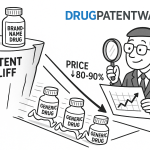
A deep dive into patent cliffs, IP valuation, biosimilar development roadmaps, complex generics portfolios, and the regulatory playbooks that will determine who wins and who exits the most consequential growth markets in global pharmaceuticals.
The Pharmerging Framework: Redefining the Opportunity
The term ’emerging markets’ was coined in 1981 by economists at the International Finance Corporation as shorthand for investment destinations that offered higher expected returns alongside higher risk. For four decades, that trade-off worked as a heuristic for capital allocation. It no longer describes what is actually happening in global pharmaceuticals.
Several countries once lumped into this category are now major producers, regulators, and exporters of drugs. India supplies roughly 20% of global generic drug volume and about 40% of generics dispensed in the United States. South Korea fields two companies, Celltrion and Samsung Bioepis, that have become reference-class biosimilar manufacturers. China’s National Medical Products Administration (NMPA) operates an expedited review infrastructure that is in some respects more current than several European national agencies. ‘Emerging’ describes neither their market maturity nor their industrial capability.
The sector-specific term that has gained traction in strategy circles is ‘pharmerging market.’ It designates the rapidly accelerating pharmaceutical consumption sectors of developing economies, a category where drug market growth consistently outpaces GDP growth. The difference matters. An economy can be growing at 4% while its pharmaceutical market expands at 10-13%, driven by an epidemiological transition to chronic disease, rapid income gains, and government healthcare expansion. For a generic drug company, pharmerging markets are not a supplemental revenue story; they are the core volume growth story for the next decade.
Projections across major forecasting organizations converge on a pharmerging CAGR of approximately 13% through 2030, roughly double the roughly 5-6% blended global figure and more than three times the projected growth rate of the U.S. generic market. The Asia-Pacific region drives most of that acceleration, with some individual country projections exceeding 9% annually. Latin America and parts of the Middle East contribute the remainder.
$779B
Projected global generic drug market by 2034, up from ~$465B in 2024 (CAGR 5.3-8.3%)
1.1 Retiring ‘Emerging Markets’ as an Analytical Category
The practical problem with treating pharmerging nations as a single unit is strategic. Brazil’s generic market turns on public-sector procurement and government price negotiations under the Farmacia Popular program. Mexico’s market is dominated by branded generics and patent linkage barriers that require litigation-led entry strategies. India runs on export-oriented manufacturing economics and a domestic branded generic dynamic. China’s off-patent market has been restructured by centralized procurement to the point where a company without commodity-scale manufacturing capacity simply cannot compete in the public hospital channel. Russia is in a selective localization program that conditions market access on domestic production. Indonesia’s generic utilization is driven by the national insurance scheme JKN. These are not variations on a theme; they are categorically different markets.
A company that applies a uniform pricing model, regulatory strategy, or portfolio selection framework across these six countries will underperform in all of them. The analytical unit of strategy is the individual country, not the ‘pharmerging’ category, which is useful only as a growth-direction indicator.
The most useful analytical tool for prioritizing investment is what strategists at IQVIA and ZS Associates call the Pharma-to-GDP Growth Ratio: the ratio of pharmaceutical market CAGR to GDP CAGR. Countries where this ratio exceeds 1.5x signal that healthcare is absorbing a disproportionately high share of incremental income, a structural indicator that favorable conditions for drug market expansion will persist even through periods of economic volatility. Countries in this category as of 2025-2026 include Indonesia (ratio approximately 2.2x), Vietnam (approximately 1.9x), and several markets across Sub-Saharan Africa. These figures should anchor resource allocation decisions for companies planning a 7-10 year pharmerging build-out.
Key Takeaways: Section 1.1
Retire ’emerging markets’ as a planning category. Use country-specific models built around regulatory regime, procurement structure, patent environment, and OOP spending rate.
The Pharma-to-GDP Growth Ratio is a superior screening metric for prioritizing new market entry. A ratio above 1.5x indicates durable demand growth regardless of macroeconomic volatility.
South Korea, once a pharmerging consumer, is now a pharmerging competitor. Model this progression into 10-year strategic plans for India and China.
1.2 The Four Demand Engines
Engine 1: Demographics at Scale
The BRIC nations account for approximately 40% of the world’s population. Within that mass, two structural forces drive drug consumption upward: population growth concentrated in younger cohorts, and simultaneously an aging of the existing population in countries like China, where the one-child policy has created an inverted demographic pyramid. The geriatric population is the primary consumer of pharmaceuticals. As this cohort grows across pharmerging markets, chronic disease maintenance becomes the dominant prescription driver, increasing both unit volume and treatment duration.
Engine 2: The Out-of-Pocket Spending Differential
In pharmerging markets, out-of-pocket expenditure averages 35% of total healthcare spending, against 12% in OECD countries. In India, OOP payments account for approximately 65.6% of total healthcare expenditure. That figure produces a market structure unlike anything in Western Europe: the patient is simultaneously the end consumer and the primary payer. Price sensitivity is not a secondary factor to be managed through payer negotiations; it is the dominant commercial variable. It explains why branded generics, products that carry a trusted local brand name over a generic molecule to signal quality, command substantial market share in India, Brazil, and Mexico. Physicians in price-sensitive environments do not prescribe the cheapest molecule; they prescribe the cheapest molecule they trust. Brand is a quality proxy.
Engine 3: The Epidemiological Transition
Pharmerging markets carry a double disease burden: infectious diseases that historically absorbed the majority of public health spending, and a rapidly expanding incidence of non-communicable diseases (NCDs). By 2030, diabetes incidence and oncologic disease in these markets are projected to grow by 20% or more over 2025 baseline levels. Cardiovascular disease is already the primary cause of death in China, Brazil, and India. This transition from acute, episodic treatment to long-term, chronic maintenance therapy increases both the volume and duration of drug consumption in ways that compound over time. A patient initiating antihypertensive therapy at age 45 in Mumbai represents 30-40 years of prescription volume.
Engine 4: The Global Patent Cliff
More than $200 billion in branded pharmaceutical revenue from drugs losing exclusivity is projected for the 2025-2032 period. Key molecules include rivaroxaban (Xarelto), the sacubitril/valsartan combination (Entresto), ustekinumab (Stelara), and eventually pembrolizumab (Keytruda), the single highest-revenue oncology drug in existence. Each loss of exclusivity (LOE) event creates a supply opening for generic and biosimilar manufacturers. In pharmerging markets, the affordability gains from generic entry are often dramatic, opening a patient population that was previously excluded from treatment entirely due to cost. These are not marginal market expansions; they are category creation events.
1.3 Global Generic Market Sizing: Two Speeds
The global generic drug market is forecast to grow from approximately $465 billion in 2024 to $779 billion by 2034. BCC Research estimates an 8.5% CAGR from 2023 to 2028. Grand View Research estimates 8.3% from 2023 to 2030. More conservative projections from IQVIA place blended growth closer to 5-6%, reflecting the drag from slower-growth mature markets. The divergence between forecasters is largely a function of methodology: broader market definitions that include branded generics in pharmerging markets produce higher numbers.
The more analytically significant figure is the regional growth split. Asia-Pacific is the acknowledged fastest-growing region, estimated at approximately 8% CAGR through 2030. The U.S. generic market, in contrast, is projected at 3.5-3.7% CAGR through 2033, constrained by near-saturated generic penetration rates (currently 90-91% of dispensed prescriptions by volume), continued pricing pressure from pharmacy benefit manager (PBM) consolidation, and FDA abbreviated new drug application (ANDA) backlog dynamics. Some analysts project that pharmerging markets will account for up to 90% of total global pharmaceutical sales volume growth over the next decade.
Large populations, rising incomes, government insurance expansion, VBP procurement
North America
~$161
~$248
~3.7%
High generic penetration; growth from complex generics and biosimilars
Europe
~$118
~$183
~4.5%
Government tendering, patent expiry wave, biosimilar uptake in hospital channel
Latin America
~$62
~$106
~5.5%
Middle class expansion, government formulary programs, NCD burden
Figures synthesized from BCC Research, Grand View Research, IMARC Group, and IQVIA with varying base years; intended for directional comparison.
Investment Strategy: Global Generics Positioning
The value/volume bifurcation between mature and pharmerging markets suggests a dual operating model. Companies with significant U.S. exposure should weight future capital allocation toward complex generics and biosimilars, where pricing power is defensible. Companies building out pharmerging operations should structure for high-volume, lower-margin economics with heavy investment in manufacturing efficiency and local regulatory infrastructure. A single P&L that tries to serve both markets with the same cost structure will underperform on both dimensions. The companies that built dedicated pharmerging business units with autonomous operational models, Dr. Reddy’s, Teva’s emerging market operation, and Hikma in MENA, have historically outperformed those that ran pharmerging as an extension of their developed-market business.
Part Two
Country Intelligence Briefings: Six Critical Markets
The following briefings are designed for teams conducting market entry analysis, portfolio selection, and regulatory strategy. Each section covers the regulatory regime, procurement structure, patent environment, IP enforcement dynamic, and strategic implications specific to that country. They are not overviews; each is written at operational density.
Country
Generic Market 2024 (USD B)
CAGR to 2033
Key Regulatory Body
Dominant Market Feature
Primary Entry Driver
India
$28.1
6.97%
CDSCO
Global export manufacturing hub
PLI scheme; branded generic trust premium
China
$16.1 (simple generics)
9.4%
NMPA
VBP centralized tender
Winning VBP tender or operating in innovation segment
Brazil
~$18-20
5.8%
ANVISA
Farmacia Popular public programs
Alignment with public health priority list; PDPs
Mexico
$7.4
5.25%
COFEPRIS
Patent linkage / branded generics
IP litigation strategy; private OOP channel
Russia
$30.9 (all pharma, USD; flat in USD terms 2024)
9% generics (RUB terms, 2022-27)
Roszdravnadzor / MOH
Domestic production mandate
Localization, technology transfer
Indonesia
$5.0
7.87%
BPOM
JKN national insurance formulary
JKN formulary inclusion; price compliance
Market size figures are from IMARC Group, Grand View Research, and Expopharmtech with varying methodologies. Intended for comparative reference.
2.1 India: Scale, Quality Deficit, and the PLI Recalibration
India’s pharmaceutical sector is the world’s largest generic supplier by volume. The country produces roughly 20% of global generic output, fills approximately 40% of U.S. generic drug demand by volume, and supplies about a third of the UK’s NHS generic requirements. Its domestic market, valued at $28.1 billion in 2024, is projected to reach $51 billion by 2033. The industry operates through more than 10,000 manufacturing facilities, including the second-largest concentration of U.S. FDA-approved plants outside the United States.
The Production-Linked Incentive (PLI) scheme is the most consequential government intervention in Indian pharmaceutical manufacturing in the last decade. It targets the country’s structural API dependency: approximately 70% of Indian APIs have historically sourced key starting materials (KSMs) from China. The COVID-19 pandemic converted that supply concentration from an efficiency advantage into a strategic liability. The PLI scheme addresses this through tiered financial incentives for companies that invest in domestic KSM and API manufacturing. Through 2025, the scheme attracted nearly $4 billion in investment and, according to government reporting, shifted India from a net importer to a net exporter of bulk drugs in targeted categories. Total PLI disbursements across all sectors reached approximately $21 billion in investment through the scheme’s broader application.
IP Valuation: India’s Major Generic Exporters
Sun Pharmaceutical Industries holds the largest patent portfolio of any Indian generics company, with over 2,000 active patents globally. Its specialty and complex generic pipeline, including modified-release dermatology and ophthalmology formulations, carries estimated IP value in excess of $3-4 billion by standard royalty-relief methodology. Dr. Reddy’s Laboratories holds approximately 700-900 pharmaceutical patents globally, with its proprietary API and formulation patents providing defensible margins on approximately 30% of its revenue base. Cipla’s IP portfolio emphasizes respiratory and HIV combination therapies; its inhalation formulation patents for the U.S. market are the most commercially significant assets, estimated at $600-900 million in aggregate. For acquirers evaluating Indian generic companies, a central due diligence question is the ratio of defensive (blocking) IP to offensive (product-protecting) IP in the target’s portfolio, as these have different valuation implications for mature versus pharmerging market revenue streams.
The Quality Deficit: Data and Strategic Implications
A 2025 study published in Production and Operations Management generated significant concern in regulatory and procurement circles. It found that generic drugs manufactured in India were associated with 54% more severe adverse events, including hospitalizations and deaths, compared to U.S.-manufactured equivalents. The effect was most pronounced for ‘mature generics,’ older molecules where intense price competition can compress operational and quality spending. The study authors, from Indiana University’s Kelley School of Business, controlled for drug class and patient characteristics.
That finding is contested by the Indian pharmaceutical industry and by several methodological critiques, and it has not prompted formal regulatory action by the FDA. However, it has accelerated an existing trend among institutional buyers, hospital systems, and some national health services toward requiring more detailed manufacturing site documentation and, in some cases, specifying preferred sourcing. The quality perception gap, whether or not it reflects a true pharmacovigilance signal at the population level, is a commercial reality. For generic companies, it creates a premium market segment for ‘certified quality’ branded generics, a category where additional transparency, third-party auditing, and visible quality investment can command a 10-20% price premium over undifferentiated generics with identical molecules.
CDSCO Biosimilar Guideline Revision (May 2025)
India’s Central Drugs Standard Control Organisation released revised draft biosimilar guidelines in May 2025, a meaningful regulatory evolution. The core changes align India’s comparability framework more closely with WHO, EMA, and FDA standards. The most commercially significant provision allows conditional waivers of clinical efficacy trials when sponsors demonstrate robust analytical and in-vitro comparability data, a provision that reduces development timelines by 18-24 months and can cut biosimilar development costs by 15-25% for analytically straightforward molecules. The guidelines also clarify the requirement for pharmacovigilance plans and introduce a formal provision for extrapolation of indications based on mechanism of action, which had previously been handled inconsistently across review cycles.
Key Takeaways: India
The PLI scheme is restructuring India’s API supply chain away from China dependency. Companies investing in PLI-aligned domestic API production gain both cost visibility and a ‘friend-shoring’ sales proposition to Western buyers seeking supply chain diversification.
The quality premium opportunity is real. A branded-generic strategy anchored on transparent quality documentation can capture 10-20% pricing power above undifferentiated generics in the private-pay channel.
The revised CDSCO biosimilar guidelines reduce development costs meaningfully for companies that can demonstrate strong analytical comparability. This opens India as a development and launch base for molecules previously considered too capital-intensive to develop in-country.
2.2 China: The Post-VBP Barbell and the Innovation Pivot
China is the world’s second-largest pharmaceutical market. Volume-Based Procurement (VBP), the centralized drug purchasing program introduced in 2018, has restructured its off-patent drug market more completely than any single policy intervention in any major pharmaceutical market in the past 25 years. Understanding VBP’s mechanics is not optional for any company with China market ambitions.
VBP runs centralized national tenders for off-patent drugs. Manufacturers bid to supply a specified quantity to public hospitals. The winning bidder, typically the lowest-priced compliant submission, receives a contract for the full allocated volume across participating hospitals. The price reductions have been severe: average discounts of over 50%, with some molecules seeing 90% or greater reductions from pre-VBP prices. A pilot VBP study showed a 132% increase in procurement volume for selected winning drugs, demonstrating that the volume guarantee is real. But the margin economics for winners are near breakeven for any company without scale-optimized manufacturing. For losers, including originator brands and non-winning generics, the public hospital channel effectively closes immediately upon tender award.
This has created a structurally bimodal market. Strategists from Simon-Kucher and Pacific Bridge Medical describe it as a ‘barbell.’ One end is high-volume, ultra-low-margin, commodity generic production for the VBP channel. The other is high-value, innovation-driven branded product competition for molecules not yet subject to VBP. The middle, older branded products priced above commodity levels and below innovative drug pricing, has been hollowed out. A company cannot successfully straddle both ends of the barbell with a blended strategy; the cost structures and commercial models required are mutually incompatible.
IP Valuation: Chinese Patent Enforcement and Strategic Ambiguity
China’s National Intellectual Property Administration (CNIPA) has made measurable progress in IP protection quality since 2020, and public satisfaction with IP enforcement is rising. At the same time, research published in 2024, including tracking by Selendy Gay, documented an aggressive pattern of Chinese patent invalidation proceedings targeting foreign-held pharmaceutical patents in therapeutic areas designated as national priorities, particularly obesity and diabetes. In these areas, foreign companies have seen primary and secondary patents challenged and invalidated at rates substantially above the baseline invalidation rate across other technology fields. The implication for IP valuation in China is a required haircut on the effective duration of protection for foreign-held pharmaceutical patents. A standard discounted cash flow model for a patented compound’s China revenue stream should apply a scenario-weighted probability of early invalidation; for priority therapeutic areas, that probability is non-trivial and should be quantified before licensing or market-entry decisions. Freedom-to-Operate analyses for China must account not only for current patent status but for the geopolitical alignment of the relevant therapeutic area.
The Innovation Pivot: Deal Flow and Pipeline Growth
VBP’s margin compression on older products has accelerated Chinese pharmaceutical companies’ shift into innovation. China’s share of the global drug development pipeline is now second only to the United States. Chinese firms executed cross-border licensing deals estimated at $46 billion in combined value in 2024, with assets ranging from oncology small molecules to mRNA platform technologies going to Western partners including Pfizer, Novartis, and Bristol-Myers Squibb. This is not incremental activity; it is a structural shift in where pharmaceutical R&D capacity is accumulating globally.
NMPA has supported this through an expedited review architecture that includes Priority Review, Breakthrough Therapy designation, and Conditional Approval pathways. China approved a record 48 first-in-class innovative drugs in 2023. In some therapeutic areas, Chinese patients now receive new drug approvals ahead of patients in France, Italy, and Spain.
Key Takeaways: China
VBP has permanently bifurcated the Chinese market. Generic companies without commodity-scale manufacturing have no viable path in the public hospital channel for off-patent molecules. The viable strategies are: compete at scale in VBP, or pivot entirely to patented innovative products that remain outside VBP scope.
IP rights for foreign companies in China are selectively enforced, with therapeutic area priority status determining risk exposure. Discount cash flow valuations for China-market revenue from patented foreign compounds must reflect scenario-weighted invalidation probabilities.
Chinese pipeline outflows, licensing deals, and the NMPA’s expedited review pathways make China a source of innovation assets, not just a market to sell into. Western companies that are not actively monitoring Chinese development pipelines for in-licensing opportunities are missing a significant portfolio-building channel.
2.3 Brazil: Farmacia Popular, PDPs, and the Supply Chain Vulnerability
Brazil is the largest healthcare market in Latin America. Its pharmaceutical sector is projected to reach nearly $49 billion by 2030. The modern generic market was established by the 1999 Generic Drug Act, which created a parallel approval pathway requiring bioequivalence demonstration, launched products at approximately 40% below originator prices, and built the market structure that now supports several hundred generic manufacturers competing on the same molecules.
Farmacia Popular and the Public Procurement Anchor
The Programa Farmacia Popular (PFP) is the central demand mechanism for generic drugs in Brazil. It subsidizes essential medicines through private pharmacy networks. The 2011 expansion that made hypertension and diabetes drugs available free-of-charge produced a 277% increase in antihypertensive generic market volume in the following year. A 2023 expansion broadened the PFP’s coverage further. The program is now so deeply embedded in Brazil’s public health infrastructure that any generic product aligned with its therapeutic priority list, principally cardiovascular, diabetes, respiratory, and psychiatric drugs, has a guaranteed high-volume demand channel. The practical implication for market entry strategy is that portfolio selection for Brazil should be built around PFP alignment first, private market opportunity second.
The same government procurement power that creates volume also drives hard price negotiations. The Ministry of Health uses its role as primary payer to push prices to or near the marginal cost of production for many essential generic categories. This is further institutionalized through production-development partnerships (PDPs), where the government trades guaranteed market access for commitments to technology transfer to local manufacturers, price reductions, and eventually full local production. PDPs have been used across antiretrovirals, vaccines, oncology drugs, and complex biologics. For a multinational company, entering a PDP is a long-term market access commitment with significant IP transfer obligations. The decision requires explicit senior-level analysis of what IP is being transferred, to whom, and with what contractual protections.
IP Valuation: How Brazil’s PDPs Affect Originator Exclusivity
Brazil’s compulsory licensing authority under its 1996 industrial property law and TRIPS flexibilities gives the government leverage even before a formal compulsory license is issued. The threat of compulsory licensing has historically been sufficient to force price concessions. In 2007, Brazil issued a compulsory license for efavirenz, producing a 72% price reduction. More recently, the Ministry of Health invoked compulsory licensing discussions for several oncology biologics, ultimately securing substantial voluntary price reductions without formal license issuance. For originator companies, the IP value of a patent in Brazil is best modeled not as full market exclusivity but as protected market position subject to price negotiation under credible compulsory licensing threat. Analysts valuing pipeline assets for Brazil market contribution should apply a 20-35% revenue discount on patented biologics and specialty drugs, reflecting this structural price vulnerability. For generic companies, monitoring Ministry of Health compulsory licensing signals provides advance intelligence on future high-value LOE targets.
ANVISA Modernization and Supply Chain Exposure
Brazil’s Health Surveillance Agency, ANVISA, has been on a gradual modernization path. Mandatory electronic dossier submissions were set to begin in March 2025, replacing a paper-based submission process that had extended review timelines. In May 2024, ANVISA issued updated biosimilar regulations that more closely align with international comparability frameworks. These changes reduce submission preparation time and simplify the review cycle for companies that have already built submissions for the FDA or EMA. A Brazil submission prepared after obtaining an EMA approval can now be substantially adapted rather than rebuilt from scratch.
Brazil’s underlying supply chain vulnerability remains a structural concern. The country imports approximately 95% of the APIs used in its vaccine production. The COVID-19 pandemic disrupted this supply chain severely, producing shortages that drove government investment in domestic biopharmaceutical manufacturing capacity through entities like the Oswaldo Cruz Foundation (Fiocruz) and Instituto Butantan. Any company that relies on Brazilian public sector contracts should conduct a supply chain concentration audit and build contingency sourcing protocols for their highest-volume API inputs.
2.4 Mexico: Patent Linkage as the Dominant Entry Variable
Mexico’s generic drug market was valued at approximately $7.4 billion in 2024 and is projected to reach $12.1 billion by 2033 at a 5.25% CAGR. The market’s defining structural feature is not its growth rate but its patent linkage system, which makes IP litigation, not regulatory science, the primary determinant of market entry timing.
The COFEPRIS-IMPI Linkage Architecture
Mexico’s patent linkage connects marketing authorization at COFEPRIS (Federal Commission for the Protection against Sanitary Risks) to patent status at IMPI (Mexican Institute of Industrial Property). Under the linkage mechanism, COFEPRIS cannot grant marketing authorization to a generic drug if a relevant patent for the originator product appears in the ‘Linkage Gazette,’ the official listing of pharmaceutical patents maintained by IMPI. This single procedural rule gives originator companies a powerful tool to delay generic entry: populate the Gazette with secondary patents, formulation patents, dosage form patents, and method-of-use patents that extend the effective exclusivity period well beyond the expiration of the primary compound patent.
This is textbook evergreening, and Mexico’s Gazette is systematically exploited for it. The practical result is that generic entry in Mexico lags patent expiration by an average of two years, significantly longer than comparable OECD countries. The delay is not a regulatory processing time problem; it is a litigation-driven outcome. For every product targeting Mexico’s private-pay market, the go-to-market critical path runs through an IP litigation strategy, not through COFEPRIS’s regulatory review timeline.
IP Valuation: Evergreening in the Mexican Linkage Gazette
The commercial value of an originator’s Gazette listing portfolio can be estimated by multiplying the expected revenue delay imposed on generic competition by the originator’s current annual net sales in Mexico, discounted at the company’s cost of capital. For a blockbuster molecule generating $50 million annually in Mexico, a two-year entry delay achieved through secondary patent listings has a net present value to the originator of approximately $80-90 million at typical pharmaceutical discount rates. This is the target that generic companies’ IP litigation strategy must dislodge. IMPI cancellation proceedings against Gazette-listed secondary patents are the primary mechanism; they run 18-36 months on average. The probability of cancellation for formulation and dosage-form secondary patents, where inventive step is often weak, is materially higher than for primary compound patents. A realistic litigation budget for a high-value Mexico product launch should allocate $2-4 million for IMPI proceedings and associated court challenges, with a 12-24 month timeline before commercial launch is secured.
Key Takeaways: Mexico
The legal department leads market access in Mexico. Product launch timelines should be built around IMPI proceedings and court challenge resolution, not regulatory review timelines, which are secondary.
The Linkage Gazette requires proactive monitoring. Any target molecule with a Gazette listing should trigger an immediate freedom-to-operate analysis that assesses each patent’s validity, scope, and IMPI cancellation probability before development investment decisions are finalized.
The branded generic structure of Mexico’s private-pay market means that brand investment compounds over time. Companies that build Mexico-specific brands for key molecules before the patent cliff create durable market positions that commodity generics cannot easily displace.
2.5 Russia: The Localization Trap and Pharma 2030
Russia’s pharmaceutical market reached 2.85 trillion roubles in 2024, a 10% nominal increase over 2023. In U.S. dollar terms, the market remained flat at approximately $30.9 billion due to rouble devaluation. This divergence is analytically critical. Double-digit nominal growth in local currency is driven largely by drug price inflation and increased domestic production volumes. It does not represent growing purchasing power for imported products or expanding market opportunity for foreign-currency-denominated revenues. Companies that report Russia market performance in dollar terms without this caveat are presenting a misleading picture.
The ‘Pharma 2030’ strategy aims to increase the share of domestically produced drugs on the list of vital and essential medicines (VED). That share now exceeds 64% by volume. The regulatory mechanism enforcing this is a preferential procurement rule that gives domestic products priority in government tender processes. For foreign generic companies, market access in the government procurement channel, which represents the majority of antibiotic, cardiovascular, and chronic disease prescriptions, now depends on establishing local manufacturing or technology-transfer partnerships with Russian CMOs. Companies without a localization strategy have seen their public tender participation restricted, not through explicit exclusion but through preferential scoring mechanisms that make competing on price alone impractical.
Investment Strategy: Russia Market Exposure
Given the geopolitical risk premium, currency volatility, and localization requirements, institutional investors should apply a country-risk discount of 30-40% to any Russia pharmaceutical revenue DCF model. Companies that exited Russia post-2022 locked in the losses of their initial market-building investment but avoided the ongoing capital requirements of compliance with localization mandates. Companies that remained face the dual burden of compliance cost and ongoing political risk. The generics segment, at a projected 9% RUB-denominated CAGR through 2027, remains an attractive growth story on paper; the practical investability depends heavily on whether the company has already built a localized operational footprint or would need to build one from scratch.
2.6 ASEAN: Regulatory Fragmentation and the Sequential Beachhead Strategy
The Association of Southeast Asian Nations includes over 660 million people across 10 member states. Indonesia dominates the generic drug opportunity by volume; its market was valued at $5.0 billion in 2024 and is forecast to approach $9.9 billion by 2033 at a 7.87% CAGR, driven primarily by inclusion on the JKN (Jaminan Kesehatan Nasional) national insurance formulary. Vietnam, Thailand, and the Philippines each represent secondary pharmerging markets with meaningful growth trajectories but distinct regulatory architectures.
ASEAN lacks a centralized approval authority equivalent to the EMA. The ASEAN Common Technical Document (ACTD) format represents a partial harmonization effort, but adherence is inconsistent. As of 2025, only Thailand accepts electronic common technical document (eCTD) submissions from international applicants. Other national agencies use proprietary electronic portals, require country-specific formatting, and in several cases still mandate paper submissions for certain product categories. This adds 6-18 months of submission adaptation work for each additional country in a regional launch sequence.
The practical response to this fragmentation is a sequential beachhead strategy. Launch first in Indonesia, which has the largest patient volume and a relatively established regulatory process for foreign applicants with WHO Prequalification. The Indonesian approval, combined with post-launch safety and efficacy data, then serves as evidence supporting submissions in Malaysia and Thailand, markets with more structured review processes but smaller immediate volumes. Singapore, with the highest regulatory standards in the region and a Health Sciences Authority (HSA) that operates as a recognized Stringent Regulatory Authority, becomes the final step, but its approval then opens access to regulatory reliance frameworks in several smaller ASEAN markets. The sequence captures volume quickly, builds evidence progressively, and minimizes wasted submission investment.
Part Three
The Generic Portfolio of 2035: Complexity, Biosimilars, and the Manufacturing Revolution
The economics of simple oral solid dosage forms, the tablet and capsule molecules that built the global generics industry, are under terminal pressure. China’s VBP system has shown what happens when a government decides to treat commodity generics as a procurement category rather than a pharmaceutical product: prices collapse to marginal production cost, and any company without industrial-scale manufacturing exits the channel. Versions of this dynamic are playing out across Europe’s tender markets and in the U.S. through PBM formulary negotiations. The viable path to sustained margin in the generic segment runs through complexity, not cost reduction.
3.1 Complex Generics: Full Technology Roadmap
Complex generics are defined by the FDA as drug products that present challenges in formulation, manufacturing, or characterization that make their development and approval more demanding than standard oral solids. The category includes long-acting injectables (LAIs), inhalation products (MDIs, DPIs, nebulizable solutions), transdermal delivery systems, drug-device combinations, and products involving complex active ingredient characterization such as liposomal formulations or protein-drug conjugates. Some estimates placed the complex generics market at approximately $84 billion in 2024 with an 8% CAGR, though definitions vary across forecasters.
The barriers to entry in complex generics operate at several levels. The formulation challenge for an inhalation product like a pressurized metered-dose inhaler (pMDI) involves replicating not just the active drug but the complete aerosol physics: particle size distribution, aerodynamic behavior, delivery to specific lung regions, and interaction with the propellant system. The FDA’s product-specific guidance (PSG) for fluticasone/salmeterol MDI, for example, requires a combination of aerodynamic particle size distribution studies, in-vitro deposition modeling, pharmacokinetic bioequivalence studies, and device performance characterization across multiple patient handling scenarios. That is a substantially different development program from a bioequivalence study for an immediate-release tablet.
Technology Roadmap: Complex Generic Development by Category
LAIs
Long-acting injectable formulations, including microsphere-based (risperidone, paliperidone), oil-depot (testosterone, naltrexone), and implantable (buprenorphine) formats. Key development challenges: matching in-vitro/in-vivo release profiles, demonstrating in-vivo bioequivalence without conventional PK bridging in some cases, and regulatory alignment with FDA’s evolving complex product guidance. Development timeline: 5-8 years. Typical ANDA development cost: $3-8 million. Competitive landscape: typically 2-4 approved ANDAs per reference product vs. 8-12 for standard oral solids.
Inhalation
Pressurized metered-dose inhalers (pMDIs), dry powder inhalers (DPIs), and nasal spray products. Core regulatory hurdle is demonstrating in-vitro equivalence (aerodynamic particle size, dose uniformity, drug delivery through device) and pharmacokinetic bioequivalence, sometimes combined with comparative clinical endpoints for locally acting products. Device characterization under simulated patient use conditions (humidity, temperature, force) is technically demanding. Development timeline: 6-10 years. ANDA development cost: $5-15 million including device development and clinical pharmacology studies.
Transdermal
Patch-based delivery systems for systemic drugs (fentanyl, buprenorphine, rivastigmine, testosterone). Key complexity: matching membrane permeation kinetics, adhesive performance, and skin sensitization profile. Human skin in-vitro permeation testing (IVPT) methodology has been standardized by FDA guidance and is now the core approval pathway tool, replacing some in-vivo PK studies. Development timeline: 3-5 years. Development cost: $2-5 million.
Drug-Device
Combination products where the primary mode of action is pharmaceutical (e.g., auto-injectors for adalimumab biosimilars, prefilled syringes, drug-eluting stents). Regulatory pathway involves both 21 CFR Part 314/315 (drug) and Part 820 (device quality system) requirements. Human factors testing is mandatory for auto-injectors under FDA Human Factors guidance. Development timeline varies by device complexity: 4-9 years for new injector design. Market protection: device design patents often extend effective exclusivity beyond small-molecule compound patent expiration.
Liposomal / Nano
Liposomal doxorubicin, amphotericin B, and emerging nanoparticle-based formats. FDA requires demonstration of physicochemical equivalence (particle size distribution, encapsulation efficiency, membrane composition) plus in-vivo PK bioequivalence. Manufacturing scale-up for liposomal products remains a significant process challenge. Active research into in-vitro release methods that predict in-vivo behavior will, when validated, reduce development cost substantially. Development timeline: 7-12 years. Development cost: $10-20 million.
The FDA has consistently prioritized complex generics through its Product-Specific Guidance (PSG) publication program. In May 2023 alone it published 47 draft PSGs, with complex products representing more than half. These documents reduce developer uncertainty by specifying acceptable bioequivalence approaches, thereby reducing the risk of a complete response letter (CRL) rejection due to methodological disagreement. For companies building complex generic pipelines, PSG publication is a leading indicator of commercial readiness: a molecule with a finalized PSG has a defined regulatory pathway and is a substantially lower-risk development target than one without.
Investment Strategy: Complex Generics Portfolio Construction
A complex generics portfolio should be evaluated on three dimensions simultaneously: IP vulnerability of the reference product (is the compound patent the only protection or is there a device/formulation patent layer?), competitive landscape (how many ANDAs are filed or approved for the same reference product?), and market size at expected generic entry price. The intersection of high market size, limited ANDA competition, and an IP landscape reducible to the compound patent produces the optimal target. Inhalation products for major asthma/COPD brands and LAI formulations for psychiatric drugs currently represent the best balance across these three criteria for a 2025-2030 launch window.
3.2 Biosimilar Development: The Full Technical and Commercial Roadmap
Biosimilars represent the most technically demanding and commercially high-stakes frontier in the generic industry. The molecules in question, large biological proteins produced in living cell systems, cannot be exactly replicated. The regulatory standard is not identity but ‘highly similar,’ meaning the biosimilar developer must demonstrate through a layered evidentiary package that any observed structural differences between their product and the reference biologic do not produce clinically meaningful differences in safety, purity, or potency.
Stage 1: Analytical Characterization and Reverse Engineering
Development starts with an extensive analytical characterization phase in which the reference product is analyzed across multiple lots using state-of-the-art biophysical and biochemical techniques. Primary sequence confirmation is achieved through peptide mapping and mass spectrometry. Higher-order structure is characterized using circular dichroism spectroscopy, hydrogen-deuterium exchange, and nuclear magnetic resonance where accessible. Post-translational modifications, particularly glycosylation patterns for antibody-based products, are mapped because glycan structures influence both biological activity and immunogenicity. The developer must identify all Critical Quality Attributes (CQAs) of the reference product and demonstrate that their process consistently produces a molecule that matches those CQAs within acceptable analytical ranges.
This analytical phase typically requires 12-18 months and 20-30 lots of reference product sourcing from multiple markets. The cost runs $5-10 million before a single manufacturing run begins.
Stage 2: Process Development and Cell Line Selection
Unlike a small-molecule generic, which can start with the known chemical structure and synthesize directly, a biosimilar developer must develop a proprietary manufacturing process that independently produces a protein matching the reference product’s CQAs. This involves cell line selection (typically CHO cell lines for monoclonal antibodies), upstream process development (bioreactor culture conditions, media optimization), and downstream purification train development (chromatography sequences, filtration). Each step is optimized not just for yield but for matching the reference product’s glycan profile, charge variants, and aggregation levels.
Process development for a monoclonal antibody (mAb) biosimilar typically takes 24-36 months and costs $15-30 million before clinical trials begin. AI-assisted process development platforms, which use predictive modeling to narrow the design space for cell culture conditions and purification parameters, are now cutting this phase by 20-30% in time and cost at leading developers.
Stage 3: Comparative Preclinical and Clinical Studies
For most mAb biosimilars, the clinical evidentiary package follows a stepwise structure: a pharmacokinetic (PK) bridging study comparing the biosimilar and reference product in healthy volunteers or patients, followed by a comparative clinical safety study, and in some cases a comparative efficacy study in a sensitive reference population. The FDA’s biosimilar guidance allows, and increasingly encourages, reliance on analytical and PK data to support a ‘totality of evidence’ approach that can reduce or eliminate the need for full comparative efficacy trials.
India’s revised CDSCO biosimilar guidelines (May 2025) and Brazil’s updated ANVISA framework (May 2024) both move in this direction, allowing waiver of clinical efficacy trials when analytical and in-vitro comparability is robust. The commercial significance is substantial: a phase III comparative efficacy trial for a major autoimmune biologic can cost $50-150 million and add 3-5 years to the development timeline.
Biosimilar Development Roadmap: Monoclonal Antibody (mAb) Target
Year 1-2
Reference product analytical characterization (30+ lots); CQA identification; cell line development and selection; initial upstream process screening. Cost: $8-15M. Key risk: failure to match glycan profile or charge variant distribution triggers restart.
Year 2-4
Process optimization and scale-up to clinical-scale bioreactor; downstream purification train development; analytical method development and validation; preclinical PK/pharmacodynamic (PD) comparison in relevant animal models. Cost: $20-35M cumulative.
Year 4-5
Phase 1 comparative PK/PD study (healthy volunteers or patients); immunogenicity assessment (anti-drug antibody, neutralizing antibody). FDA/EMA pre-IND or Scientific Advice meeting to align on clinical evidence requirements. Cost: $10-20M incremental.
Year 5-7
Comparative clinical safety study (in sensitive reference population, typically most clearly differentiated indication); confirmatory immunogenicity data; clinical pharmacology bridging if device format differs. Totality of evidence package assembly. Cost: $30-80M incremental.
Year 7-9
BLA/MAA submission; FDA/EMA review period 12-18 months; manufacturing site inspection; potential Complete Response Letter (CRL) resolution. Target: biologic license/approval. Total program cost: $80-200M depending on clinical evidence required.
Post-Approval
Pharmacovigilance plan implementation; real-world evidence generation for immunogenicity and switching safety; interchangeability designation pursuit (U.S.) if auto-injection device enables it; medical education program deployment to address prescriber trust deficit.
IP Valuation: The Biosimilar Patent Thicket Problem
AbbVie’s adalimumab (Humira) is the most extensively studied example of pharmaceutical patent thicket construction. At its peak, AbbVie held more than 250 U.S. patents covering adalimumab, including the compound patent, manufacturing process patents, formulation patents, and method-of-use patents across all approved indications. The compound patent expired in 2016, but AbbVie’s thicket of secondary patents delayed U.S. biosimilar market entry until January 2023, seven years later. AbbVie also executed patent settlement agreements with multiple biosimilar developers, granting licenses with royalty obligations that persist until specific secondary patent expiration dates. The result: a year after multiple Humira biosimilars launched in the U.S., their collective market share remained modest and pricing was only modestly below originator levels, partly due to AbbVie’s own ‘unbranded biologic’ strategy and partly due to prescriber inertia. Keytruda (pembrolizumab), with an estimated LOE timeline beginning around 2028, is widely expected to face a similar thicket construction by Merck. Biosimilar developers targeting Keytruda should begin IP landscape analysis now, identifying the most legally vulnerable secondary patents for Paragraph IV-equivalent or IPR challenges, and building development timelines that account for 2-5 years of potential litigation before commercial launch.
The Physician Trust Deficit: Data and Countermeasures
The slow initial adoption of Humira biosimilars in the U.S. market, where prescribers remained on the originator at much higher cost despite price discounts available, is a documented example of the trust deficit. Unlike small-molecule generics, where chemical identity with the reference product is legally established and the concept of interchangeability is straightforward, biosimilars carry an inherent ambiguity in the phrase ‘highly similar.’ Prescribers managing stable patients on a biologic are reluctant to switch that patient to a product with a different manufacturing origin and a different lot-to-lot variability profile, even when the regulatory evidence package is robust.
The most effective countermeasures are: generating and publishing real-world evidence from switching studies in post-approval settings, deploying medical science liaison programs specifically targeting the prescriber hesitancy concern with mechanism-of-action level explanations of biosimilarity, and where applicable, pursuing the FDA’s interchangeability designation, which allows pharmacist-level substitution without prescriber intervention and substantially increases uptake in the U.S. retail pharmacy channel.
South Korea’s Celltrion and Samsung Bioepis built global biosimilar positions by investing heavily in this evidence infrastructure. South Korea’s biosimilar market CAGR of approximately 22.5% from 2021 to 2027 reflects both the commercial returns on that investment and the broader maturation of prescriber acceptance across markets where real-world data has accumulated over multiple years.
3.3 AI and Machine Learning in Generic R&D: Practical Applications
AI’s most commercially relevant applications in generic drug development are not the speculative, drug-discovery-forward use cases that dominate press coverage. They are the formulation optimization, bioequivalence prediction, and process analytical technology applications that reduce the number of failed experiments, shorten development timelines, and lower the cost of getting a complex generic or biosimilar to an approvable state.
For oral solids, machine learning models trained on large historical datasets of formulation inputs and dissolution outcomes can predict optimal excipient combinations for a target release profile, reducing bench-scale screening runs from 50-100 experiments to 10-20. For long-acting injectables, AI-assisted microsphere fabrication models can predict how polymer type, molecular weight, and processing parameters interact to determine in-vitro release kinetics, a relationship that would otherwise require extensive trial-and-error screening. For biosimilars, AI platforms can model the relationship between upstream cell culture process parameters (pH, temperature, dissolved oxygen, nutrient concentrations) and output CQAs (glycosylation pattern, aggregation levels), dramatically compressing the iterative process development cycle.
China has built a structural advantage in this domain through the combination of government investment, the scale of its healthcare data ecosystem, and the computational capacity of its technology sector. Shanghai invested $15 billion in life sciences R&D in 2022. Companies like XTalPi are commercializing AI-assisted molecular design platforms for both drug discovery and formulation optimization. Western generic companies that are not actively building or acquiring AI/ML capabilities in formulation and process development are structurally disadvantaged relative to Chinese peers for the development of complex products targeting 2030 commercial launches.
3.4 Continuous Manufacturing: The Reshoring Calculus
Continuous Manufacturing (CM) integrates traditionally separate pharmaceutical production steps (blending, granulation, tableting, coating) into a single, uninterrupted flow, with real-time process analytical technology (PAT) monitoring replacing end-of-batch testing. The operational advantages over batch manufacturing include a 50% reduction in product-to-product variation by some estimates, significantly reduced manufacturing footprint, lower energy consumption, and production timelines measured in hours rather than days or weeks. The FDA has approved multiple CM processes and published guidance documents actively encouraging adoption.
The strategic dimension of CM adoption that is underweighted in most generic industry analysis is its effect on the reshoring economics of pharmaceutical manufacturing. The dominant reason Western governments have struggled to build domestic generic manufacturing capacity since the 1990s is cost. Labor-intensive batch manufacturing in the U.S. or Germany simply cannot compete on a cost-per-unit basis with facilities in India or China. CM changes this equation by removing the majority of direct labor from the production process. A CM facility producing 200 million tablets per year requires substantially fewer operators than a conventional batch facility at the same capacity, and its smaller physical footprint reduces capital cost per unit of capacity. This makes domestic manufacturing in high-wage countries economically viable for the first time in decades for a meaningful subset of generic products.
Investment Strategy: Continuous Manufacturing and Supply Chain Positioning
Companies that invest in CM capabilities now, particularly for products in their highest-volume pharmerging market lines, will occupy a defensible cost position in 5-7 years when regulatory approval of CM processes is more routine and capital costs have fallen on second-generation equipment. For institutional investors, CM capital expenditure in new facility builds should be treated as a long-duration strategic asset with a 15-20 year payback horizon, not a near-term EBITDA driver. The companies best positioned to benefit are mid-to-large Indian generics firms with existing U.S. and EU customer relationships and the financial capacity to co-locate CM facilities near their primary regulated-market customers. This would simultaneously satisfy Western ‘friend-shoring’ preferences and reduce transportation and inventory carrying costs relative to Asian-produced inventory.
Part Four
The Strategic Playbook: Patent Intelligence, Regulatory Arbitrage, and Supply Chain Architecture
4.1 Weaponizing Patent Intelligence: From FTO to Paragraph IV Offense
The historical use of patent analysis in generic drug development was primarily defensive. A Freedom-to-Operate (FTO) analysis confirmed that a planned product did not infringe valid, enforceable claims of listed patents before development investment commitments were made. That use remains necessary and non-negotiable. What has changed is the availability of integrated patent, litigation, regulatory exclusivity, and settlement data from platforms like DrugPatentWatch, which makes a fully offensive strategic use of patent intelligence operationally practical.
Research published in PMC (2025) analyzing Paragraph IV filing patterns identified market value as the single most significant predictor of whether a drug’s patents will face challenge. This finding has a clear operational implication: generic companies should allocate their Paragraph IV challenge capacity to the largest-revenue molecules, then apply a secondary screen for IP vulnerability. IP vulnerability for a given molecule is a function of the quality of the secondary patent portfolio protecting it. A large-revenue molecule with only a compound patent and no meaningful formulation, dosage form, or method-of-use extensions in the Orange Book is a high-priority attack target. A similarly large-revenue molecule with a dense thicket of secondary patents, AbbVie’s adalimumab being the canonical example, requires a different legal strategy and a longer development timeline budget.
Litigation history analysis allows further refinement. By examining historical Hatch-Waxman litigation outcomes for a given innovator company, a generic developer can estimate the probability that challenging a specific patent will result in: a court victory (patent held invalid or not infringed), a settlement that allows early entry with royalty obligations, or a defeat that enforces the patent expiry date. Settlement patterns for high-revenue drugs are particularly informative; companies that have settled Paragraph IV litigation on previous products at specific royalty rates and entry date terms provide a predictive baseline for negotiating the next settlement in their franchise.
4.2 The 2025-2032 Patent Cliff: Priority LOE Target Analysis
The wave of LOE events scheduled for 2025-2032 includes several of the highest-revenue pharmaceutical products in history. Generic and biosimilar developers should be actively in process development for 2028-2030 launch targets today. The following table provides a working LOE analysis for key priority molecules.
Drug (INN)
Brand / Innovator
Therapeutic Area
2024 Global Revenue (Est.)
LOE Date (U.S.)
Pathway
IP Vulnerability Assessment
Rivaroxaban
Xarelto / Bayer-Janssen
Anticoagulation
~$5.5B
2025-2026
ANDA (small molecule)
Compound patent expired; formulation and method-of-use patents in Orange Book. High Paragraph IV challenge probability; multiple ANDAs filed. Moderate thicket; expect 30-40% price erosion within 12 months of first generic.
Sacubitril/Valsartan
Entresto / Novartis
Heart failure
~$7.2B
2025-2027 (contested)
ANDA (combination)
Complex combination with multiple compound and formulation patents. Novartis litigation strategy is aggressive; expect 2-4 year delay post-nominal compound LOE. High litigation budget required. Premium opportunity for first authorized generic holder.
Ustekinumab
Stelara / J&J
Autoimmune
~$10.4B
2025 (U.S. compound)
BLA (biosimilar)
Multiple biosimilars in late-stage development or approved. J&J executed patent settlements with several biosimilar developers allowing January 2025 U.S. entry with royalties. Trust deficit management is primary commercial challenge post-launch.
Pembrolizumab
Keytruda / Merck
Oncology (immuno-oncology)
~$25B
~2028 (U.S.)
BLA (biosimilar)
Largest single revenue target in biosimilar history. Dense secondary patent portfolio expected. Merck will almost certainly pursue thicket extension strategy. Biosimilar developers targeting Keytruda must begin IPR/patent challenge programs now; development programs should budget $150-200M. Only largest-capitalized biosimilar players are viable candidates.
Apixaban
Eliquis / BMS-Pfizer
Anticoagulation
~$12B
2026-2028 (U.S.)
ANDA (small molecule)
Multiple Orange Book patent challenges already filed. BMS has been aggressive in litigation. Complex formulation secondary patents may extend effective exclusivity 12-18 months past compound LOE. High-value target for first-to-file Paragraph IV filer.
Dupilumab
Dupixent / Sanofi-Regeneron
Atopic dermatitis/asthma
~$13B
~2031-2033
BLA (biosimilar)
mAb targeting IL-4/IL-13. Very early in its LOE window; compound patents run to early 2030s. Companies initiating biosimilar development now will be in clinical stage by 2028-2030. Method-of-use patents in expanding indications (COPD, prurigo nodularis) create additional IP complexity to map.
LOE dates are estimates based on Orange Book patent listings and published litigation data as of March 2026. Actual first generic entry dates may differ based on litigation outcomes and settlement terms.
4.3 Regulatory Reliance as Market Access Strategy
Full harmonization of pharmaceutical regulations across pharmerging markets remains a distant aspiration. The ASEAN harmonization initiative, Mercosur’s pharmaceutical coordination mechanism, and the African Medicines Agency have all moved more slowly than initial timelines projected. For operational planning through 2030, companies should treat multi-market regulatory submissions as a sequential process built around a ‘master dossier’ strategy anchored on Stringent Regulatory Authority (SRA) approval.
An FDA or EMA approval, or WHO Prequalification status, functions as a quality signal that an increasing number of National Regulatory Authorities (NRAs) in pharmerging markets are willing to formally rely on. The WHO Prequalification Programme is particularly effective as a regulatory passport for public-sector procurement: UN agencies, the Global Fund, and national health ministries in lower-income countries actively require or favor WHO PQ status as a condition of tender eligibility. An FDA approval enables a reliance pathway in several ASEAN countries, parts of Latin America outside Brazil, and several African markets. EMA approval enables a parallel set of reliance pathways, with particular reach in francophone Africa.
Building a dossier strategy around an SRA as the primary market should be an explicit portfolio management decision, not an afterthought. It means that the analytical package, clinical bioequivalence data, and stability data are generated to meet the highest regulatory standard in the target set from the outset, rather than conducting a U.S. submission and then attempting to adapt for WHO PQ or EMA requirements retrospectively. The additional cost of designing the dossier to meet multiple standards from day one is modest compared to the cost of redoing studies to different specifications later.
A ‘value-added generic’ (VAG), sometimes marketed as a ‘super-generic’ or reformulated generic, applies the 505(b)(2) regulatory pathway in the U.S. or equivalent regulatory mechanisms internationally to a known molecule with an incremental but clinically meaningful improvement in delivery, formulation, or combination. The innovation required is not the discovery of a new molecule but the engineering of a better product based on an existing one.
Commercially successful examples include: extended-release formulations that convert twice-daily dosing regimens to once-daily (hydrocodone ER, oxymorphone ER, metformin XR), fixed-dose combinations that reduce pill burden for patients on multiple chronic disease medications (amlodipine/atorvastatin, olmesartan/hydrochlorothiazide/amlodipine), and abuse-deterrent formulations for opioids that incorporate physical and chemical barriers to extraction or dissolution (OxyContin ER).
In pharmerging markets, the VAG opportunity is concentrated in the NCD treatment categories that are growing most rapidly: diabetes, hypertension, dyslipidemia, and asthma. A once-daily fixed-dose combination of metformin and a DPP-4 inhibitor can command a 30-50% premium over the individual components taken separately, while improving patient adherence in markets where polypharmacy is a documented adherence problem. The development cost for a VAG is substantially lower than a new chemical entity, regulatory approval timelines are 2-3 years rather than 8-12, and the molecule’s safety profile is already established, eliminating the largest category of clinical development risk.
4.5 Hub-and-Spoke Supply Chain Architecture
The COVID-19 pandemic forced a reckoning with the pharmaceutical industry’s supply chain model. Years of globalization and offshoring had concentrated API production in a small number of geographies, primarily India and China. When those geographies experienced manufacturing disruptions or export restrictions, the effect propagated instantly and globally. Drug shortages across antibiotic, generic critical care, and over-the-counter categories affected every major health system simultaneously.
The policy response from the U.S., EU, India, and Brazil has been to subsidize domestic production of critical drug categories, with varying definitions of ‘critical’ and varying degrees of market intervention. India’s PLI scheme for APIs, Brazil’s domestic production mandate through PDPs, and the U.S. Bipartisan Infrastructure Law provisions for pharmaceutical manufacturing are all versions of the same industrial policy argument: strategic medicines cannot be treated as pure commodity products subject only to cost optimization in a global supply chain.
For generic drug companies, the strategic response to this policy environment is a hub-and-spoke supply chain model. The structure places core R&D, advanced formulation development, and regulatory affairs in established centers with the deepest talent and institutional infrastructure, typically the U.S., India (for export-oriented programs), and increasingly South Korea for biosimilars. Regional manufacturing spokes serve the Latin American market from Brazil or Mexico, serve the ASEAN market from India or Indonesia, and serve the European market from EU or near-shore locations. Each spoke is dimensioned for regional demand, reduces in-transit time and inventory holding cost, satisfies local content preferences for public procurement, and provides isolation from a disruption in any other spoke.
CM technology is an enabler of this architecture. A spoke facility running continuous manufacturing for a top-10 volume generic product requires a fraction of the floor space and direct labor of a conventional batch facility at the same capacity. That economics change makes building regional spokes financially viable where it previously was not.
Conclusion
The New Rules of Engagement
Pharmerging markets will account for the majority of global pharmaceutical volume growth through 2035. The companies that win in these markets over the next decade will not be the ones with the lowest-cost production of the most commoditized molecules. They will be the companies with the clearest country-specific strategies, the most sophisticated patent intelligence operations, the deepest investment in complex generics and biosimilar pipelines, and the most resilient, regionalized supply chains.
Four principles summarize the operational priorities:
Country-specific strategy is the unit of competitive advantage, not pharmerging strategy at a regional level. China’s VBP barbell, India’s quality premium opportunity, Brazil’s PFP-anchored public procurement market, Mexico’s litigation-led patent linkage barrier, Russia’s localization mandate, and ASEAN’s sequential beachhead dynamics each require a distinct regulatory, IP, commercial, and manufacturing approach. A company that runs all six through a single operating model will underperform in all six.
Complexity is the durable escape from commodity pricing pressure. The data on this point is consistent across every segment analyzed: LAI injectables, inhalation products, transdermal systems, biosimilars, and value-added generics all carry significantly higher and more durable margins than standard oral solids. The R&D investment required to enter these categories is substantial, but so is the competitive moat that results.
Patent intelligence is an offensive capability, not a defensive compliance function. The companies generating the highest risk-adjusted returns from pharmerging market generics are those whose IP and legal teams operate as profit centers, identifying and pursuing Paragraph IV challenges and international patent invalidation proceedings against commercially valuable targets. Building this capability requires integrating litigation data, regulatory exclusivity tracking, and market revenue data into a single analytical framework.
Supply chain resilience is a competitive differentiator, not just a risk mitigation tool. Western governments and health systems are now willing to pay a premium, through procurement preferences, subsidies, or guaranteed contract volumes, for secure, diversified drug supply chains. Companies that invest now in the manufacturing infrastructure to supply that premium, through CM-enabled domestic facilities and regionalized hub-and-spoke networks, will be rewarded both in government contracts and in reduced operational risk exposure.
Master Key Takeaways
Replace ’emerging markets’ with country-specific models. The Pharma-to-GDP Growth Ratio is the most useful single screening metric for prioritizing new market entry. Countries with a ratio above 1.5x warrant dedicated strategic resources.
Complex generics and biosimilars represent the only durable path to margin defense in a global generics landscape where VBP-style price compression is spreading. Portfolio rebalancing toward these categories should be treated as a structural imperative, not an incremental opportunity.
Patent intelligence from integrated platforms should drive portfolio selection and launch timing decisions, with IP vulnerability scores weighted alongside market size in target prioritization models. The legal team is a profit center when properly resourced and tooled.
The biosimilar trust deficit requires investment in post-approval real-world evidence generation and medical education programs comparable in scale to the development investment itself. Companies that under-invest in evidence generation will underperform commercially regardless of the quality of their development program.
The regulatory reliance strategy, building a master dossier to SRA standards and sequencing submissions through WHO PQ and national NRA reliance frameworks, produces the highest return per dollar of regulatory development investment in multi-market pharmerging programs.
Continuous Manufacturing investment is the enabling technology for both supply chain resilience and the economic viability of near-shore or domestic pharmaceutical manufacturing. Capital allocation decisions for new manufacturing capacity should default to CM where technically feasible.
AI and ML are production-ready tools for formulation optimization, bioequivalence prediction, and biosimilar process development. Companies without active ML programs in formulation R&D are structurally disadvantaged in complex generics development versus peers who have been building these capabilities since 2020-2022.
FAQ
Frequently Asked Questions
What is the single most consequential policy difference between China’s VBP system and standard generic competition in the U.S. or EU?
In the U.S. and EU, generic entry after patent expiration creates price competition among multiple manufacturers, with price erosion occurring over 6-18 months as additional ANDAs are approved and enter the market. The originator retains a portion of the market at branded prices throughout this process. Under China’s VBP, price collapse is immediate and total for the public hospital channel. The government sets the allocated volume in advance and awards it to the winning bidder. Non-winners receive zero public hospital volume in that tender cycle. The originator does not retain a high-price branded segment in the same channel. The result is that a VBP-subject molecule goes from protected to commodity in a single tender round, with price reductions of 50-90%. No company with a Western generic market background should assume that China’s VBP market operates on the same competitive dynamics as any market they have previously operated in.
How should a company value a biosimilar pipeline asset for a molecule like ustekinumab or dupilumab using standard IP valuation methodology?
A royalty-relief or discounted cash flow model for a biosimilar asset requires several pharma-specific inputs beyond standard DCF methodology. Revenue projection requires a market erosion model for the reference product that accounts for the trust deficit effect on penetration rates in the first 24-36 months post-launch, typically 10-25% initial share versus the 70-90% that a small-molecule generic might achieve in the same window. Cost inputs must include the full development program cost ($80-200M for a mAb), amortized manufacturing scale-up costs for commercial-scale bioreactor capacity, and post-approval evidence generation programs. The discount rate should carry a biosimilar-specific risk premium reflecting the probability of a Complete Response Letter for analytical deficiencies (historically 15-20% for first-generation biosimilar programs), manufacturing inspection failure risk, and patent litigation cost provisions. A realistically constructed DCF for a mAb biosimilar targeting a $10B reference product typically yields an NPV in the range of $400-900M depending on competitive entry assumptions, which justifies the development investment for companies with the capital and manufacturing infrastructure to absorb a 7-9 year development cycle.
For a generic drug company evaluating its first major pharmerging market entry, what is the correct sequence of analytical steps before committing capital?
The sequence should run in this order. First, a Pharma-to-GDP Growth Ratio screen across candidate markets to identify where durable demand conditions exist. Second, a regulatory regime classification: is the market tender-driven (China, Indonesia), private-pay branded generic (Mexico, parts of India), or government program driven (Brazil, Russia)? Each regime requires a different commercial and operational model. Third, a patent landscape analysis for the specific molecules under consideration in that market, including any country-specific linkage gazette or patent term extension mechanisms that may delay entry. Fourth, a supply chain feasibility analysis: can existing manufacturing infrastructure serve that market’s volume and documentation requirements, or does entry require dedicated capacity investment? Fifth, a partner landscape assessment: are there local distribution, regulatory affairs, or manufacturing partners whose existing relationships reduce the time and cost of market entry? The companies that skip or compress steps two through five in their eagerness to access the growth headline numbers consistently report lower-than-projected returns in their first three years of pharmerging market operation.
What makes Mexico’s patent linkage system different from Hatch-Waxman patent linkage in the United States, and what are the operational implications?
U.S. Hatch-Waxman linkage is initiated by the ANDA filer, who must make a certification about each Orange Book-listed patent. A Paragraph IV certification (patent invalid or not infringed) triggers a mandatory 30-month stay of FDA approval and initiates litigation. The process is formally structured, with defined timelines and judicial oversight. Mexico’s linkage through the COFEPRIS-IMPI Gazette is less formally structured in its procedures but potentially more permissive in its scope. Originators can list secondary patents in the Gazette proactively, before any generic challenge is filed, and COFEPRIS approval is blocked for any generic applicant while those patents remain listed, regardless of their validity or relevance. The practical implication is that in Mexico, the generic applicant must proactively challenge the Gazette listing through IMPI cancellation proceedings before or simultaneously with the regulatory submission, rather than waiting for the innovator to initiate litigation. Timelines for IMPI proceedings run 18-36 months on average. Budget accordingly: a competitive Mexico launch for a significant molecule requires a dedicated IP litigation team and a $2-5M legal budget with 18-30 month patience before market entry is secured.
Is there a practical framework for evaluating whether to pursue biosimilar interchangeability designation in the United States for a pharmerging market biosimilar program?
Interchangeability designation by the FDA allows pharmacist-level substitution of the biosimilar for the reference biologic without prescriber intervention, the functional equivalent of generic substitution for small molecules. It requires a switching study demonstrating that alternating between the biosimilar and reference product does not produce greater immunogenicity or safety risk than continuous use of either alone. The development cost for a switching study adds $10-25M and 18-24 months to the program. The commercial return on that investment depends entirely on whether the product’s route of administration and dispensing channel are compatible with pharmacy-level substitution. For self-injectable products (adalimumab, etanercept) dispensed through specialty pharmacy, interchangeability designation produces a meaningful uptake advantage. For infused products (natalizumab, vedolizumab) administered in a clinical setting, prescriber involvement is inherent to the dispensing process regardless of interchangeability status, so the designation adds less commercial value. Evaluate the dispensing channel before committing to the switching study investment.
Primary Sources Referenced in This Analysis
IMARC Group. India Generic Drugs Market Size, Growth and Report 2033. Grand View Research. Generic Pharmaceuticals Market Size & Share Report, 2030. BCC Research. Navigating Global Pharma: The Rise of Generic Drugs. IQVIA Institute. The Global Use of Medicines Outlook Through 2029. McKinsey & Company. What’s Next for Pharma in Emerging Markets; Emerging from Disruption: The Future of Pharma Operations Strategy. Kelley School of Business, Indiana University. Study Finds India Generics Have More Severe Adverse Events (published PMC, 2025). PubMed Central. Impact of the Pilot Volume-Based Drug Purchasing Policy in China (PMC 2022); Does China’s national volume-based drug procurement policy promote or hinder pharmaceutical innovation? (Frontiers in Pharmacology, 2024). Pearce IP Law. India’s CDSCO Publishes Draft Revised Biosimilar Guidelines (May 2025). SciELO. Brazilian Generics Market Change After Farmacia Popular Program. Grand View Research. Mexico Branded Generics Market Size & Outlook; Mexico Generic Drug Market Size. Expopharmtech. Russian Pharmaceutical Market 2024. IMARC Group. Indonesia Generic Drug Market Size, Share. PMC. Regulatory Challenges with Biosimilars: An Update from 20 Countries (PMC 2021). Selendy Gay PLLC. Tracking China’s Push to Invalidate Foreign Patents (2024). FDA. Complex Generics News; Examples of Accepted Emerging Technologies. USP. Accelerating Adoption of Pharmaceutical Continuous Manufacturing. PMC. Predicting Patent Challenges for Small-Molecule Drugs (PMC 2025). DrugPatentWatch. The Role of Litigation Data in Predicting Generic Drug Launches; Generic Drug Entry Timeline: Predicting Market Dynamics After Patent Loss. South Korea Grand View Research. South Korea Biosimilars Market Size & Outlook. Goodwin. South Korea’s Biosimilars Industry Poised to Grow Domestically and Abroad. India Briefing. India’s PLI Schemes Bring in US$21 Billion in Investment in 2025. OliVARES. Regulatory, Pricing and Reimbursement Overview, Mexico.
Note: This analysis synthesizes data from multiple sources with differing base years, methodologies, and market definitions. Market size figures are intended for directional comparison, not precise projection. All LOE dates are estimates subject to change based on litigation outcomes, patent term extensions, and regulatory exclusivity periods. This document does not constitute investment advice.