Business Intelligence on Biologic and Small Molecule Drugs
The Generic Drug Launch Playbook: Patent Intelligence, Hatch-Waxman Tactics, IP Valuation, and Commercial Execution for Pharma IP Teams, R&D Leads, and Institutional Investors
A technical deep dive for professionals who need more than a checklist. This is the architecture of a market-winning generic strategy, built molecule by molecule, patent by patent, and dollar by dollar.
Part I: Opportunity Intelligence — Decoding the Patent Cliff and Selecting Targets
The Scale and Structure of the Generic Market
The global generic drug market reached approximately $453 billion in 2024 and is projected to approach $700 billion by 2032, expanding at a CAGR above 5%. In the United States, generic and biosimilar medicines account for 90% of all prescriptions dispensed while representing only 17.5% of total prescription drug spending. The AAM’s 2023 savings report calculated $408 billion in system-wide savings that year alone, bringing the decade-long cumulative figure to $2.9 trillion.
Those numbers are cited constantly, but the strategic insight buried inside them matters more than the headline. The 72.5-percentage-point gap between volume share (90%) and cost share (17.5%) is not a sign of efficiency — it is a structural description of the price compression every generic manufacturer lives inside. Margins are thin, competition is relentless, and the window for above-market returns is narrow. Success in this environment is not accidental. It requires a precisely sequenced, technically grounded strategy executed across legal, scientific, regulatory, and commercial functions in parallel, beginning four to seven years before a product reaches the pharmacy shelf.
Approximately $300 billion in annual revenue held by major pharmaceutical companies is at risk through 2030 from patent expirations on roughly 190 drugs, 69 of which are blockbusters with annual sales exceeding $1 billion. Each expiration is a discrete competitive event. Generic companies that have prepared for it will capture the vast majority of volume within 12 months. Those that have not will spend years chasing a market already defined by others.
Key Takeaways: Market Structure
The 90%/17.5% volume-to-cost split defines the competitive logic of the industry: high volume is available, but only to those who execute fastest and operate most efficiently. The patent cliff through 2030 represents a known, finite set of opportunities — each requiring a multi-year preparation cycle to capture properly. Companies that treat these events as tactical rather than strategic will consistently underperform.
Freedom-to-Operate Analysis: The True Starting Point
A drug patent in the United States grants 20 years of market exclusivity from the filing date. That 20-year term sounds clean and absolute. It is neither. Originator companies have spent decades building sophisticated lifecycle management strategies that obscure, extend, and multiply the effective period of market exclusivity well beyond any single patent’s expiration.
The central instrument of this strategy is the patent thicket: a dense, overlapping portfolio of secondary patents filed after the original composition-of-matter patent. These secondary patents cover new salt forms, polymorphs, enantiomers, prodrugs, formulations, dosing regimens, manufacturing processes, and delivery systems. AstraZeneca’s esomeprazole (Nexium) patent estate, for example, ultimately comprised over 200 patents across multiple countries, the majority of them secondary. Clopidogrel (Plavix), manufactured by Bristol-Myers Squibb and Sanofi, was protected by overlapping claims covering its bisulfate salt form long after the base molecule composition patent lapsed. Teva’s glatiramer acetate (Copaxone) became the textbook case for late-stage thicketing when the company built a portfolio of over 40 Orange Book-listed patents, most of them filed within a few years of the original product’s approval, covering concentration formulations, dosing frequencies, and devices — each designed to reset the exclusivity clock.
This reality means a freedom-to-operate (FTO) analysis is not a legal formality. It is the foundational intelligence document of a generic launch strategy. A complete FTO for a target drug maps every patent and regulatory exclusivity listed in the FDA’s Orange Book, every additional patent found in USPTO and international databases, the prosecution history of those patents (which reveals claim scope and potential invalidity arguments), the expiration dates of all applicable exclusivities including five-year New Chemical Entity (NCE) exclusivity, three-year New Clinical Investigation exclusivity, seven-year Orphan Drug exclusivity, and pediatric exclusivity extensions of six months. The FTO also must account for non-patent exclusivities tied to the Reference Listed Drug (RLD) designation.
Conducting this analysis in-house requires access to real-time patent databases, Orange Book monitoring tools, and legal counsel with pharmaceutical patent prosecution experience. Platforms like DrugPatentWatch aggregate this data systematically and allow teams to model the true ‘open date’ for each target, separating primary composition patents from secondary evergreening patents that may be challengeable or designed to bluff rather than litigate.
Investment Strategy Note: For institutional investors evaluating a generic company’s pipeline, the quality of its FTO process is a leading indicator of launch success rates. A company that systematically identifies ‘paper patents’ — secondary claims likely to fail in litigation — will consistently outperform peers by challenging those patents rather than waiting them out. Portfolio-level FTO discipline is measurable: track the ratio of Paragraph IV (P-IV) filings to ANDA filings, the settlement rate in P-IV litigation, and the average time from P-IV filing to first commercial launch.
Target Selection: The Multi-Variable Scoring Framework
Once FTO analysis has mapped the available opportunity set, the selection of which targets to pursue is the single most consequential portfolio decision a generic company makes. The framework must be multi-dimensional, quantitative, and updated continuously as new data arrives.
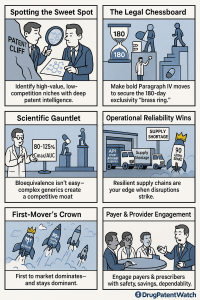
Patent Expiration Timing and Exclusivity Mapping defines the window of opportunity. An ANDA filer needs a minimum of 18 to 24 months of lead time from filing to approval in most scenarios, and that timeline can extend significantly for complex generics or products requiring clinical bioequivalence trials. The practical implication: if a company is not actively working on an ANDA three to five years before the target patent expiration, it is likely already too late to capture first-mover position.
Competitive Density is the second screen. The FDA’s Orange Book provides a count of approved ANDAs for any given drug, and DrugPatentWatch tracks pending applications and P-IV notifications in real time. A market with one approved ANDA or none is fundamentally different from one with eleven. Research across launch histories consistently shows that markets attracting fewer than four generic entrants sustain price levels 60% to 80% above eventual floor prices for at least 18 months. Once six or more manufacturers enter, prices compress below 95% of the original brand price within 24 months. Target selection must account for the number of filers already in the race, not just the number of approvals.
Market Size and Erosion Trajectory defines the revenue ceiling and floor. The commonly cited ‘sweet spot’ of $50 million to $200 million in annual brand sales is a reasonable heuristic, but it needs refinement. The right metric is not peak brand sales — it is the net present value (NPV) of the generic market over a five-year post-launch window, discounted for expected competitive entry density, price erosion speed, and launch cost. A $150 million brand market in a complex formulation segment that will attract two competitors over three years is worth considerably more than a $300 million market in a simple oral solid that will attract nine.
Scientific Complexity and Barrier Height is the variable most commonly underweighted by companies that focus exclusively on legal and financial screens. Products requiring specialized manufacturing infrastructure, proprietary analytical methods, or evidence of clinical equivalence beyond standard pharmacokinetic (PK) studies carry a natural barrier to entry that caps competitive density far more durably than any single patent. Sterile injectable formulations, liposomal drug products, complex topicals, and metered-dose inhalers (MDIs) all fall into this category. The development cost and timeline are higher, but the competitive environment at launch is structurally more favorable.
Therapeutic Category Dynamics round out the framework. A generic entering an oncology supportive care market may face different formulary access conditions than one in cardiovascular or CNS categories. Payer sensitivity to therapeutic interchange varies by category; some PBMs apply mandatory generic substitution protocols in certain classes but permit therapeutic discretion in others. These dynamics affect the achievable market share trajectory post-launch and belong inside the financial model.
Key Takeaways: Target Selection
The optimal generic target has a realistic first-to-file opportunity, a competitive density of two to four anticipated entrants, a market generating sufficient NPV to justify development and litigation costs, and a scientific barrier that prevents rapid entry proliferation. Companies that apply all five variables consistently — not just market size and patent date — will build more durable portfolio value. The selection framework must be a living process updated quarterly as patent data, competitor filings, and regulatory signals evolve.
Investment Strategy Note: Analysts evaluating a generic company’s pipeline should request visibility into the expected number of competitors at launch for each filed ANDA, not just the ANDA count. A portfolio of 40 ANDAs where 30 target markets with 10-plus filers will underperform a portfolio of 20 ANDAs targeting markets with two to four expected competitors. Pipeline depth is a vanity metric; pipeline quality is the relevant variable.
Part II: The Legal Engine — Hatch-Waxman Mechanics, Paragraph IV Tactics, and IP Valuation
The Architecture of the Hatch-Waxman Act
The Drug Price Competition and Patent Term Restoration Act of 1984, universally known as the Hatch-Waxman Act, created the legal infrastructure for the modern generic drug industry. The Act embodies an explicit legislative trade-off: patent term restoration for innovators (via Patent Term Extensions under 35 U.S.C. 156) in exchange for a streamlined approval pathway for generic manufacturers through the Abbreviated New Drug Application. Every generic launch strategy in the United States operates inside this architecture.
The ANDA pathway eliminates the requirement for a generic manufacturer to conduct its own preclinical toxicology studies and Phase I through Phase III clinical trials. The generic applicant relies on the FDA’s prior finding of safety and efficacy for the Reference Listed Drug and instead demonstrates pharmaceutical equivalence (same active ingredient, strength, dosage form, and route of administration) and bioequivalence (comparable rate and extent of absorption). This regulatory reliance mechanism reduces development costs by an order of magnitude relative to an NDA.
The patent certification framework embedded in Hatch-Waxman is where the Act’s real strategic complexity lies. When filing an ANDA, the applicant must address every patent listed for the RLD in the Orange Book with one of four certifications. A Paragraph I certification states that no patent information has been filed. A Paragraph II certification states that the patent has already expired. A Paragraph III certification acknowledges the patent’s validity and states that the generic will not launch until it expires, which functionally defers market entry. The Paragraph IV certification is the aggressive option: a legal declaration that the listed patent is either invalid, unenforceable, or will not be infringed by the generic product.
Each Orange Book patent type carries different strategic implications. Composition-of-matter patents protect the molecule itself and are generally the strongest and most broadly enforceable. Formulation patents protect specific dosage forms or delivery systems. Method-of-use patents protect specific therapeutic indications. Process patents cover manufacturing methods. The Hatch-Waxman safe harbor provision under 35 U.S.C. 271(e)(1) protects generic manufacturers from infringement claims while conducting development and regulatory activities, but a P-IV filing for any Orange Book patent converts subsequent ANDA approval into a theoretical act of infringement, triggering the brand’s right to sue.
The Paragraph IV Certification: Mechanics and Strategic Logic
A Paragraph IV certification is not merely a legal filing. It is a business decision to invest in patent litigation as a path to early market entry and, potentially, a 180-day period of generic exclusivity. The mechanics of the process are rigid and their timing consequences are severe.
When a generic company files an ANDA containing a P-IV certification, the FDA acknowledges the filing and the generic company must send a formal notice letter to both the NDA holder (brand manufacturer) and the patent owner within 20 days of receiving that acknowledgment. The notice letter must contain a detailed, patent-by-patent statement of the factual and legal basis for the P-IV certification. Courts have scrutinized notice letter adequacy in multiple decisions; an inadequate letter can forfeit 180-day exclusivity eligibility or expose the generic company to claims that the statutory clock never started.
Upon receiving the notice letter, the brand company has 45 days to initiate a patent infringement lawsuit in federal court. Filing within this window automatically triggers a 30-month stay on FDA final approval of the ANDA. This stay is not discretionary — it is mechanical, a product of the statute. For any drug generating substantial revenue, the brand company will almost invariably file suit within 45 days. The litigation cost to the brand is a fraction of the revenue protected by the 30-month stay. From the generic company’s perspective, the 30-month stay is therefore a known, fixed delay that must be built into every financial model as a base case.
The first generic applicant to file a substantially complete ANDA with a P-IV certification wins eligibility for the 180-day exclusivity period. During those 180 days, the FDA cannot grant final approval to any other ANDA for the same drug. The exclusivity is triggered by the date of first commercial marketing, not by FDA approval. This means a company that secures a court decision or settlement before the 30-month stay expires can launch ‘at risk,’ capturing the first-mover position at the price point of a duopoly with the brand before the market commoditizes.
The financial mathematics of 180-day exclusivity make it the most valuable single prize in generic pharmaceuticals. During this window, the generic manufacturer can price its product at a discount of 15% to 30% below the brand’s Wholesale Acquisition Cost (WAC), compared to the 80% to 95% discounts typical in a multi-competitor market. Barr Laboratories’ challenge to Eli Lilly’s fluoxetine (Prozac) patent, which concluded with an at-risk launch in 2001, generated gross profit margins near 29% during the exclusivity window — roughly double the company’s prior year margin. Teva’s atorvastatin (generic Lipitor) capture in 2011 remains the archetypal execution of this strategy at scale. Ranbaxy received tentative approval first due to prior P-IV filing, but supply constraints and the FDA’s import alert on Ranbaxy’s Paonta Sahib facility allowed Teva to negotiate a first-launch position and capture over 70% of the $6 billion atorvastatin generic market within months.
IP Valuation: Mapping Patent Estate Economics for Each Target
Every originator drug subject to a P-IV challenge has an associated IP estate with discrete, quantifiable economic value. Generic companies and their litigation funders need a rigorous framework for valuing that estate — both to decide whether a challenge is worth pursuing and to understand how brand companies will defend it.
Composition-of-Matter Patent Value is the highest-value asset in the estate and the most dangerous to challenge. These patents protect the molecule itself, meaning invalidation or a finding of non-infringement opens the entire molecule class to competition. The brand’s NPV from defending a composition-of-matter patent is typically the full present value of future sales revenue until natural expiration, which can be several hundred million to several billion dollars for a blockbuster. The generic company’s NPV from a successful challenge is the 180-day exclusivity premium — the difference between a duopoly price and a competitive market price applied to the expected volume. For a drug with $1 billion in annual sales, that exclusivity window can generate $150 million to $300 million in incremental gross profit.
Secondary Patent Value and Challengeability varies enormously. Formulation patents, polymorph patents, and method-of-use patents are frequently challenged successfully because they often represent incremental innovations over prior art, rely on unexpected results that are difficult to substantiate in court, or cover subject matter that the generic formulation does not practice. The best targets for P-IV certification are Orange Book patents with any of the following characteristics: claims that are narrow relative to the generic’s intended formulation, prosecution histories showing significant claim amendments under examiner rejection, or prior art that post-dates the priority date by less than two years (suggesting the patent covers something other than a genuine novel discovery).
Patent Thicket Density and its Investment Implications should be assessed as a portfolio risk metric. A drug surrounded by 30 to 50 Orange Book patents is not necessarily harder to enter than one with 5 — but it is harder to model. Each patent requires a separate certification decision and potentially separate litigation. The economic analysis must estimate the probability-weighted cost of all active litigations simultaneously, the risk of losing on any single patent claim that could enjoin the generic product, and the scope of any potential ‘carve-out’ labeling strategy (which allows a generic to omit a patented method-of-use indication from its label while still obtaining approval for other indications — a tactic known as ‘skinny labeling’).
No-AG Agreement Valuation is a critical component of settlement economics. When brand and generic companies settle P-IV litigation, the settlement’s core financial term is often the entry date — the date when the generic can launch. Alongside the entry date, the parties may agree on whether the brand will launch an Authorized Generic (AG) during the first-filer’s 180-day exclusivity window. An AG launch during this period typically reduces the first-filer’s revenue by 30% to 50% by introducing a third competitor (the generic first-filer, the AG, and the brand). A ‘no-AG agreement’ preserves the full duopoly economics of the exclusivity window and is therefore economically equivalent to extending the exclusivity period significantly. Generic companies should model the NPV differential between an exclusivity period with and without an AG launch to understand the monetary value of a no-AG clause in any settlement — this value should inform how much generic companies are willing to concede on entry date to secure it.
Key Takeaways: Hatch-Waxman and IP Valuation
The P-IV pathway is a calculated investment decision requiring multi-variable NPV analysis of the IP estate, not merely a legal stratagem. Composition-of-matter patents command the highest defensive value and the highest risk for challengers. Secondary patents, particularly late-filed formulation and polymorph claims, are frequently the most vulnerable and the most valuable to challenge because invalidating them eliminates delay without requiring the generic to differentiate its formulation. Settlement terms — particularly the entry date and the no-AG commitment — carry discrete, quantifiable financial value that must be modeled explicitly before any negotiation.
Investment Strategy Note: Public company disclosure under Hatch-Waxman litigation requirements gives analysts a partial view into P-IV pipelines. When a generic company reports receiving a P-IV notice letter, model the 30-month stay timeline and the potential 180-day exclusivity NPV immediately. Companies that are the first-filer for a drug with annual brand sales above $500 million hold an option value that the market frequently underweights. Conversely, generic companies that face a P-IV challenge on their own branded product should be evaluated for the quality of their Orange Book patents: thin, largely secondary estates will not sustain a 30-month stay through court judgment.
Evergreening Tactics: A Technical Roadmap of Originator Defenses
‘Evergreening’ is the collective term for lifecycle management strategies that extend effective market exclusivity beyond the primary composition-of-matter patent. Understanding the specific mechanisms — not as a generic category but as discrete legal and regulatory tools — is essential for both originator IP teams building these strategies and for generic companies planning to penetrate them.
Salt and Polymorph Patents cover alternative physical or chemical forms of the same active molecule. Pharmaceutical polymorphs — crystalline solids with identical chemical composition but different crystal lattice structures — can differ in solubility, bioavailability, stability, and processability. A drug originally approved as its free base may accumulate secondary patents on its most stable polymorph or its most bioavailable salt form. Omeprazole’s magnesium salt (esomeprazole) is the most commercially significant example: AstraZeneca separated the single active enantiomer and obtained new composition patents, effectively converting Prilosec into Nexium and launching a new exclusivity cycle. Generic companies encountering polymorph patents must conduct X-ray powder diffraction (XRPD), differential scanning calorimetry (DSC), and solid-state NMR studies to characterize their API’s polymorphic form and argue non-infringement (their product is in a different polymorph) or invalidity (the claimed polymorph was obvious or already known).
Enantiomer and Metabolite Patents follow similar logic. A racemic drug contains equal portions of two mirror-image molecules (enantiomers). If one enantiomer drives efficacy and the other contributes side effects, isolating the active enantiomer creates a patentable, clinically differentiated product. Citalopram (Celexa) became escitalopram (Lexapro) under this strategy. Omeprazole became esomeprazole. Oxybutynin became solifenacin. Active metabolites follow a parallel path: the marketed drug converts in vivo to an active species that can itself be patented as a new chemical entity, resetting the exclusivity clock.
Formulation and Delivery System Patents protect the physical design of the dosage form. Extended-release, modified-release, and controlled-release formulations reduce dosing frequency, improve tolerability profiles, and create a patentable difference from the immediate-release original. The clinical benefit is sometimes genuine; often it is modest. The key strategic variable for generics is whether the modified-release formulation patent is truly novel or whether the technology (osmotic push-pull systems, polymer matrix tablets, multiparticulate bead systems) was already well-described in the literature at the time of filing. OROS (Osmotic Release Oral System) technology, widely used for controlled-release generics from nifedipine to oxycodone, became generic itself and is now a standard formulation tool — demonstrating that even proprietary delivery platforms eventually lose their exclusivity value.
Method-of-Use and Dosing Regimen Patents cover not what a drug is but how it is prescribed. A patent claiming the administration of Drug X at a specific dose in patients with a specific biomarker, or at a specific dosing interval, can block a generic from using that labeled indication. The generic’s counter-strategy — ‘skinny labeling’ — involves filing an ANDA with a label that carves out the patented method-of-use while retaining approval for all non-patented indications. Skinny labeling has been a source of litigation in itself: in GSK v. Teva (2021), the Federal Circuit found Teva liable for induced infringement despite a carved-out label, on the basis that Teva’s promotional communications encouraged physicians to use the generic for the patented indication. The skinny label strategy remains valid but requires careful label design and restrained commercial communications.
Pediatric Exclusivity grants a six-month extension to any regulatory exclusivity — including patent-based exclusivity — in exchange for the brand conducting pediatric studies requested by the FDA under Written Request. The extension attaches to all forms of the drug approved under the NDA, meaning a brand company can add six months to every expiring exclusivity on a blockbuster by conducting even a small pediatric PK study. This is one of the most cost-effective evergreening tools available: the cost of a pediatric study is typically in the range of $3 million to $10 million, while the revenue protected by six additional months of exclusivity on a billion-dollar drug can exceed $500 million. Generic companies should model pediatric exclusivity extensions explicitly and track the FDA’s Published Pediatric Study Requests to anticipate which drugs will receive extensions.
Part III: The Scientific Gauntlet — Bioequivalence, Formulation Science, and Complex Generic Strategy
Bioequivalence: The Regulatory Standard and Its Scientific Nuances
The FDA’s bioequivalence standard requires that the 90% confidence interval for the ratio of the generic’s mean pharmacokinetic parameters (Cmax, the peak plasma concentration, and AUC, the area under the plasma concentration-time curve) to those of the Reference Listed Drug fall within 80% to 125%. This is the ’80/125 rule,’ and its apparent simplicity conceals substantial statistical and clinical complexity.
The 90% confidence interval requirement is more demanding than the bounds themselves suggest. Achieving a 90% CI within 80-125% for AUC and Cmax simultaneously in a crossover PK study with 24 to 36 healthy volunteers requires that the point estimates be close to 100% and the within-subject variability be low. For drugs with high intra-subject variability — often defined as a coefficient of variation (CV) above 30% for Cmax or AUC — the standard BE criteria may require an implausibly large study or may be inapplicable. The FDA’s Reference-Scaled Average Bioequivalence (RSABE) approach, applicable to Highly Variable Drugs (HVDs), scales the acceptance interval in proportion to the reference drug’s own variability, allowing a wider CI for drugs where the brand itself shows high within-subject variation. Getting this right requires the generic developer to access PK data from the brand’s clinical trial history — which is public in FDA review documents but requires careful extraction and analysis.
Narrow Therapeutic Index (NTI) drugs present the opposite challenge. For drugs where small differences in exposure translate directly into clinically meaningful differences in response or toxicity — anticoagulants, immunosuppressants, thyroid preparations, antiepileptics — the FDA applies a tighter bioequivalence standard with a 90% CI within 90% to 111.11% for the log-transformed AUC ratio. Warfarin, cyclosporine, levothyroxine, and phenytoin all fall under heightened scrutiny. FDA guidance documents and Citizen Petitions from brand companies frequently contest the adequacy of standard BE data for NTI drugs, creating additional litigation risk for generic developers.
The specific choice of study design matters substantially. A standard two-period, two-sequence crossover study is appropriate for most oral solid dosage forms with uncomplicated PK. But for drugs with long half-lives, a parallel-group design or a replicate crossover design may be required. The replicate crossover design, where each subject receives both test and reference products twice, provides estimates of within-subject variability for both formulations — essential for RSABE calculations and for demonstrating that the generic’s intra-subject variability does not exceed the reference’s.
De-formulation is the reverse-engineering work that underpins generic development. The generic developer cannot access the brand’s proprietary formulation data or manufacturing process documentation. Instead, the team must characterize the RLD analytically to understand its physical, chemical, and biopharmaceutical properties, then design a formulation that achieves bioequivalent performance. High-performance liquid chromatography (HPLC) and liquid chromatography-mass spectrometry (LC-MS) characterize the API and its impurity profile. Scanning electron microscopy (SEM) and particle size distribution analysis characterize the physical form of the API and excipients. Dissolution testing across multiple pH conditions mimics the gastrointestinal environment and predicts in vivo absorption. The Biopharmaceutics Classification System (BCS) organizes drugs by their solubility and permeability to guide formulation strategy and predict bioavailability risk.
Excipient Strategy and its Underappreciated Risk
While the active pharmaceutical ingredient must be identical to the RLD, inactive ingredients — binders, fillers, disintegrants, lubricants, coatings, plasticizers, glidants — can differ. This flexibility is essential: no generic developer would survive if they needed the exact same excipient grades and suppliers as the innovator. But excipient choice is one of the most consequential decisions in generic formulation, and companies that treat it as a cost-minimization exercise court failure.
Excipient-API interactions are well-documented but incompletely predictable. Magnesium stearate, the most common tablet lubricant, is hydrophobic and reduces tablet wettability if overused, which can retard dissolution of poorly soluble APIs. Microcrystalline cellulose (MCC), a ubiquitous filler, can adsorb some APIs at the molecular level, altering the dissolution rate. Film-coating polymers, particularly hydroxypropyl methylcellulose (HPMC) and ethyl cellulose, modulate drug release rates in extended-release formulations and must be selected to match the RLD’s release profile precisely. For BCS Class II drugs (low solubility, high permeability) and BCS Class IV drugs (low solubility, low permeability), dissolution performance is rate-limiting for absorption, meaning minor excipient changes can shift the AUC and Cmax outside the 80/125 window.
Regulatory guidance encourages generic developers to use excipients with prior FDA-approval history (i.e., those appearing in FDA’s Inactive Ingredient Database for the same route of administration) rather than novel excipients, which would require additional safety data. But even compendially acceptable excipients require qualification at the specific grades and quantities used in the formulation. A stability-indicating analytical method — typically a validated HPLC method capable of detecting the API, its degradation products, and interaction products with excipients — must be developed and included in the ANDA submission’s Chemistry, Manufacturing, and Controls (CMC) section.
Complex Generic Development: Where Science Becomes the Competitive Moat
The market for simple oral solid generics — tablets and capsules — has been commoditized by decades of competition. Entry barriers are low, analytical methods are well-established, and the FDA receives hundreds of ANDAs for these products annually. Margins in this segment have compressed to levels where manufacturing efficiency and API sourcing cost are the primary variables. Companies with no differentiation in these areas compete purely on price and win contracts only when the lowest bidder.
The strategic response — and the source of durable profitability in modern generic pharma — is the pivot toward complex generics. The FDA’s Complex Drug Substances and Complex Drug Products regulatory frameworks define this category, which includes products with complex active ingredients (peptides, polymeric compounds, highly conjugated molecules), complex formulations (liposomes, microspheres, nanoparticles), complex routes of administration (inhalation, ophthalmic, transdermal, nasal), and complex drug-device combinations.
Sterile Injectables require manufacturing under aseptic conditions in Class 100 (ISO 5) cleanrooms using validated sterilization techniques including terminal sterilization (heat, radiation, or filtration) where feasible and aseptic processing where not. The FDA’s cGMP requirements for sterile products are codified in 21 CFR Parts 210 and 211, supplemented by the FDA’s 2004 Sterile Drug Products Produced by Aseptic Processing guidance and the recently finalized Modernization of Sterile Product Manufacturing guidance. Container-closure integrity, particulate matter control, endotoxin testing, and sterility assurance level (SAL) documentation are all required. A company without existing sterile manufacturing infrastructure faces capital requirements in the range of $50 million to $200 million to build compliant facilities, which is itself a meaningful barrier.
Liposomal and Nanoparticle Drug Products add biophysical complexity to the manufacturing challenge. Liposomal formulations, such as liposomal doxorubicin (Doxil/Caelyx) and liposomal amphotericin B (AmBisome), encapsulate the API within phospholipid bilayer vesicles. The therapeutic properties of these products depend on vesicle size distribution, lamellarity (number of lipid bilayers), drug-to-lipid ratio, encapsulation efficiency, drug release kinetics, and in vivo pharmacokinetics — all of which must be characterized to demonstrate ‘sameness’ to the RLD. The FDA’s 2018 draft guidance on complex drug products identifies physicochemical characterization panels including dynamic light scattering (DLS), asymmetric flow field-flow fractionation (AF4), cryo-electron microscopy (Cryo-EM), and in vitro drug release studies under biorelevant conditions as components of a complete analytical package. No simple in vivo BE study can substitute for this characterization work.
Metered-Dose Inhalers (MDIs) and Dry-Powder Inhalers (DPIs) require demonstration of therapeutic equivalence rather than simple bioequivalence because the therapeutic effect of an inhaled product depends not just on the formulation but on the device’s aerosol generation characteristics. The FDA requires generic inhalation products to demonstrate in vitro performance equivalence (aerodynamic particle size distribution, APSD, as measured by cascade impaction), in vivo PK equivalence, and for some products, pharmacodynamic (PD) equivalence demonstrated by clinical endpoint studies. The APSD must be characterized across the full range of flow rates likely in clinical use. The device must have identical or demonstrably equivalent actuation and inhalation resistance characteristics. A fully compliant MDI or DPI generic program can require 8 to 12 years of development and $50 million to $150 million in investment before an ANDA is filed — but the resulting product faces perhaps two to four competitors at launch rather than twelve.
Transdermal Drug Delivery Systems (TDDS), including patches for drugs like fentanyl, buprenorphine, rivastigmine, and scopolamine, require characterization of drug release kinetics from the patch matrix, permeation through skin membranes, and systemic PK in vivo. The FDA’s 2019 guidance on transdermal drug delivery systems outlines an in vitro/in vivo correlation (IVIVC) framework that generic developers can use to reduce the number of clinical PK studies required, but achieving a validated Level A IVIVC — the highest correlation level, providing a point-to-point relationship between in vitro release rate and in vivo absorption rate — requires extensive dissolution and permeation experimentation and may not be achievable for all TDDS products.
Key Takeaways: Formulation Science and Complex Generics
Bioequivalence is a rigorous statistical and clinical standard, not a box-checking exercise. Excipient choices are consequential and require systematic risk assessment against the specific API’s dissolution and absorption behavior. The shift toward complex generics is both the correct strategic response to margin erosion in simple oral solids and a real technical commitment requiring specialized infrastructure, analytical expertise, and extended development timelines. Companies that have built genuine platform capabilities in sterile injectables, inhaled products, or complex modified-release formulations hold competitive positions that are difficult and expensive for others to replicate.
Investment Strategy Note: Complex generic pipeline quality is best assessed by examining the specific product types in development, the existing manufacturing capabilities, and the FDA’s track record of responses (including Complete Response Letters) to that company’s complex generic submissions. A company that has received multiple Complete Response Letters citing inadequate characterization of a specific product type is signaling a formulation platform weakness that will persist across its pipeline. Conversely, a company with a track record of first-cycle approvals on sterile injectables or inhaled products has demonstrated manufacturing compliance maturity that compounds over time.
Part IV: Regulatory and Operational Readiness — ANDA Execution and Supply Chain Architecture
The ANDA Lifecycle: From Pre-Submission to Approval Letter
The Abbreviated New Drug Application is the regulatory artifact that converts years of scientific and legal work into market authorization. Its submission, review, and approval sequence is procedurally complex and commercially consequential in ways that go beyond the obvious.
Pre-ANDA Meeting Strategy is the most underutilized risk-reduction tool available to generic developers. The FDA’s Office of Generic Drugs (OGD) accepts pre-ANDA meeting requests to discuss complex scientific, regulatory, or safety issues prior to submission. For a complex generic where the bioequivalence methodology is novel or where significant regulatory uncertainty exists about the characterization requirements, a pre-ANDA meeting can clarify agency expectations and prevent the most costly type of regulatory failure: a Complete Response Letter rejecting the BE methodology entirely, which can require redesigning and repeating a $2 million to $5 million clinical study. The FDA has published product-specific guidance documents (PSGs) for thousands of drugs that specify recommended BE study designs, characterization requirements, and comparative testing protocols. Reading and following the applicable PSG is mandatory — not optional — for any serious submission.
CMC Section Quality is the most common source of deficiencies in ANDA submissions and the most controllable. The Chemistry, Manufacturing, and Controls section must document the drug substance’s synthesis or isolation process, its physical and chemical characterization, its impurity profile and limits, the drug product’s formulation and manufacturing process, process validation data, analytical methods and their validation, container-closure system qualification, and stability data demonstrating that the product meets specifications through its proposed shelf life. Since the FDA’s requirement for electronic Common Technical Document (eCTD) format submission in 2018, CMC deficiencies are more rapidly identified through automated format and completeness checks — but this also means that poorly organized or incomplete submissions are caught earlier, triggering refuse-to-file (RTF) actions that add months to the review timeline before scientific review even begins.
GDUFA Economics and the Capital Commitment of pursuing an ANDA have changed substantially since 2012. The Generic Drug User Fee Act mandated that the FDA collect fees from applicants to fund enhanced review capacity. In fiscal year 2024, the ANDA application fee was approximately $315,000. Annual Drug Master File fees, facility fees for each domestic and foreign manufacturing site, and program fees applied to companies with approved ANDAs add additional costs. A mid-size generic company maintaining a portfolio of 50 approved ANDAs across multiple manufacturing sites can face total annual GDUFA-related fee obligations exceeding $5 million. This ‘pay-to-play’ structure is not inherently problematic — the FDA’s review timelines and first-cycle approval rates have improved materially under GDUFA — but it fundamentally changes the economics of small-volume or niche product strategies. A product generating $20 million annually in generic sales cannot easily justify a $315,000 filing fee, facility compliance costs, and the opportunity cost of development resources.
Complete Response Letters: Categories and Recovery Timelines must be understood at the individual deficiency level to manage launch risk. The FDA issues CRLs for deficiencies in three primary categories: bioequivalence (failed BE study, inadequate study design, missing data), CMC (out-of-specification results, inadequate stability data, unvalidated analytical methods), and labeling (deviation from RLD label without adequate justification). A CMC deficiency requiring additional stability data typically adds 12 to 18 months to the review cycle while the data are generated and re-submitted. A failed BE study requiring a redesigned clinical program adds 18 to 30 months and millions in additional development cost. A labeling deficiency may be resolved in 3 to 6 months if the underlying science is already complete. Understanding the deficiency category before projecting a revised launch date is essential for accurate financial modeling.
API Supply Chain Architecture: Risk Quantification and Competitive Differentiation
The API supply chain is the structural foundation of generic drug manufacturing and one of the most systematically under-analyzed sources of risk in pharmaceutical company valuations. The pharmaceutical industry has spent three decades optimizing this supply chain for cost efficiency through geographic concentration, predominantly in India and China. The result is a system that is low-cost but fragile.
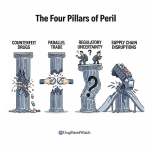
Approximately 80% of the active pharmaceutical ingredients used in generic drugs sold in the United States are manufactured or processed in India, China, or both. The top five API-producing facilities in India — including plants operated by Aurobindo, Cipla, Dr. Reddy’s, Sun Pharma, and Divis Laboratories — supply a substantial portion of the global generic market. The top Chinese API producers, including Zhejiang Huahai (implicated in the valsartan NDMA contamination crisis of 2018-2019) and Apotex’s API operations, serve a similar function. The geographic concentration of this capacity means that a quality crisis at a major facility, a geopolitical disruption to trade, or a regulatory agency enforcement action can propagate across the global supply of multiple generic products simultaneously.
The valsartan contamination crisis of 2018-2019, in which the nitrosamine impurity N-nitrosodimethylamine (NDMA) was detected in batches produced by Zhejiang Huahai Pharmaceutical, triggered recalls across multiple countries, created a multi-year drug shortage in the ARB class, and forced the FDA to develop new guidance on nitrosamine impurity testing and control — a regulatory change that affected dozens of additional drug classes. Companies that had qualified multiple API suppliers recovered faster. Companies that depended on a single source faced compulsory market withdrawal.
API Supplier Qualification: The Minimum Standard requires far more than a Drug Master File (DMF) review. A complete qualification program includes an on-site audit of the supplier’s manufacturing facility, quality management systems, data integrity practices, and personnel training documentation; a review of the facility’s FDA inspection history (accessible through FDA’s Establishment Inspection Reports and Warning Letter database); a technical review of the API synthesis route and its potential impurity profile; analytical testing of multiple production batches against the specification agreed in the Quality Agreement; and a formal Qualified Person (QP) or Responsible Person (RP) sign-off in regulatory jurisdictions that require it.
Dual Sourcing and Safety Stock are the fundamental risk mitigation tools. A company that qualifies two API suppliers from different geographic regions (for example, one in India and one in Europe) absorbs significant upfront qualification costs but protects its supply against single-source disruptions. Safety stock — maintaining finished goods or API inventory in excess of the standard pipeline fill quantity — provides buffer time to respond to supply disruptions without losing market presence. The carrying cost of safety stock is real but quantifiable; the cost of a market withdrawal during a high-value exclusivity period is not.
Vertical Integration as a Strategic Differentiation Tool is the most advanced form of supply chain risk mitigation and the most capital-intensive. Companies that manufacture their own API eliminate external supplier risk, gain full visibility into their cost structure, and can often improve API quality consistency compared to external suppliers. Teva operates API manufacturing through its Teva API business unit, producing approximately 200 APIs across its facilities. The benefit of this integration is particularly pronounced in complex API synthesis, where proprietary process chemistry can create a durable cost advantage and prevent competitors from accessing equivalent API quality.
For the sterile injectable segment specifically, supply chain reliability has become a commercial differentiator because this category has experienced the highest incidence of drug shortages in the U.S. healthcare system over the past decade. Hospitals and integrated delivery networks (IDNs) that have experienced shortage-related clinical disruptions are willing to pay a modest premium and accept multi-year supply contracts with manufacturers who can credibly demonstrate supply chain resilience. This turns operational excellence in API sourcing and manufacturing into a direct revenue variable.
The Authorized Generic: Regulatory Pathway, IP Implications, and Market Impact
The Authorized Generic occupies a unique position in the generic landscape. It is the brand-name drug, manufactured under the same NDA, sold as a generic. The brand company — or a licensee operating under the NDA — simply notifies the FDA that it is marketing an AG and distributes the product, typically through a generic marketing partner. Sandoz, Prasco, and Greenstone (a Pfizer subsidiary) have all operated extensively as AG distributors.
The AG requires no ANDA and is not subject to the 180-day exclusivity rule. The FDA explicitly permits AG launch during the first-filer’s exclusivity window, and this interpretation has been upheld in litigation (Teva Pharmaceuticals USA, Inc. v. Crawford, 2005). The AG’s entry during the first-filer’s 180-day window compresses pricing and reduces the first-filer’s market share, typically by 25% to 40% depending on the AG’s pricing aggressiveness. Multiple studies have quantified this impact: a 2022 Health Affairs analysis found that AG entry during the exclusivity window reduced first-filer revenues by an average of 33% compared to periods without an AG.
From the brand company’s perspective, the AG decision involves a genuine trade-off. Launching an AG generates revenue that partially offsets brand revenue erosion, provides control over product quality during the generic transition, and may prevent the first-filer from establishing durable customer relationships with pharmacies and PBMs. But it also accelerates the brand-to-generic price transition, acknowledges the legitimacy of the generic market, and potentially undermines the brand’s own premium positioning if patients and physicians associate the AG with the brand directly.
From the first-filer’s perspective, the no-AG commitment — a settlement provision in which the brand agrees not to launch an AG during the 180-day window — is the most economically valuable term in any Hatch-Waxman settlement. The FTC has scrutinized no-AG agreements for potential anticompetitive effects, particularly when combined with delayed entry dates. The Supreme Court’s 2013 Actavis decision established that reverse payments from brand to generic companies in Hatch-Waxman settlements can violate antitrust law under a rule of reason analysis, and no-AG agreements can constitute a form of reverse payment when they preserve the exclusivity economics that the generic company would have shared with the AG competitor. Companies entering settlement negotiations should treat no-AG clauses as having an explicit dollar value and model them accordingly.
Part V: Commercial Launch — First-Mover Dynamics, Pricing Architecture, and PBM Strategy
The First-Mover Advantage: Quantifying and Protecting the Lead
The generic drug industry has a first-mover effect that is more absolute and more durable than most other markets. Research quantifying this effect consistently shows that the first generic entrant captures an 80% market share advantage over the second entrant and a 225% advantage over the third. A McKinsey analysis of nearly 500 drug launches confirmed that first entrants maintain higher market share even a decade after launch. These are not temporary advantages that erode as the market equilibrates — they are structural positions reinforced by physician prescribing habits, pharmacy ordering patterns, and PBM formulary placement decisions.
The mechanism behind this durability is straightforward. When the first generic launches, physicians who have been prescribing the brand product receive new prescriptions called in or faxed to pharmacies. Pharmacies stock the first available generic. Prescription management systems at pharmacies and pharmacy benefit managers update to reflect that generic. Within 60 to 90 days, the first generic has been systematically substituted for the brand in the distribution infrastructure. When a second generic arrives, there is no analogous ‘switching’ mechanism — pharmacies are already dispensing a generic, and no party in the distribution chain has a financial incentive to change their established pattern unless the second generic’s price is meaningfully lower.
The practical implication for launch planning is that being one week faster to market than a competitor matters proportionally less than being one month faster — and being one month faster matters proportionally more than being three months faster, because the pharmacy and prescribing patterns set during the first 30 to 60 days are the most malleable. The first generic to stock pharmacies across the major chains (CVS, Walgreens, Rite Aid, McKesson, Cardinal Health distribution customers) within the first week of launch achieves a distribution position that subsequent entrants spend months trying to dislodge.
Launch Execution Planning must begin no later than 12 months before the anticipated ANDA approval date, even during active litigation when approval timing is uncertain. This means building finished goods inventory to meet first-week demand while managing the risk that the inventory may not be needed if litigation extends the 30-month stay or a CRL delays approval. For a blockbuster generic launch, the first-week demand for a drug moving from brand-only to generic-available can spike 400% to 600% above the drug’s average weekly prescription volume as pharmacies build safety stock. A company that cannot fill this initial demand surge loses retail shelf presence and PBM contracting priority to the competitor who can.
At-Risk Launch Dynamics apply when a generic company has received final FDA approval but patent litigation has not yet concluded. An at-risk launch means the company sells product knowing that if the brand subsequently wins the litigation, the generic must cease selling and may owe damages. For drugs where the anticipated litigation outcome is favorable — where the generic company has a strong invalidity argument or a non-infringement position that has held up through claim construction — the at-risk launch calculation is straightforward: the revenue from the exclusivity window, properly probability-weighted, exceeds the expected damage exposure. For drugs where the litigation is genuinely uncertain, the at-risk decision requires a rigorous expected value calculation incorporating counsel’s assessment of win probability, the anticipated magnitude of any damages award, and the probability that a preliminary injunction would be granted to stop sales before a final judgment.
Generic drug pricing cannot be managed as a static decision. The competitive dynamics shift within weeks of launch, and a company that applies its Day 1 price strategy at Month 18 is systematically leaving money on the table or losing market share to the most aggressive price competitor.
The Exclusivity/Limited Competition Phase — whether a formal 180-day window or simply a period of two or fewer market entrants — supports price levels at 15% to 30% below the brand WAC. At this price point, the generic captures rapid volume substitution from the brand while maintaining margins sufficient to recover development and litigation costs. The 30-percent discount versus brand is a market convention that balances volume capture (patients and payers have a clear financial incentive to request or accept the generic) with margin preservation. For a drug with $1 billion in annual brand sales, a 30% discount generic capturing 80% of the volume in the first six months generates approximately $280 million in generic net sales at this price level.
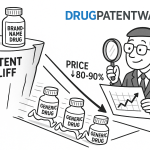
The Multi-Competitor Phase begins when the second ANDA receives approval, typically at or shortly after the first-filer’s 180-day exclusivity expires. Pricing compression in this phase follows a predictable but non-linear trajectory. One competitor generates a 39% average price reduction from brand WAC. Two competitors produce a 54% reduction. Four competitors drive prices to 79% below brand WAC. Six or more competitors push prices above 95% below brand WAC in most therapeutic categories. These averages, derived from HHS ASPE analysis and FDA market data, mask significant variation by product complexity, market size, and therapeutic category, but the directional pattern is consistent.
The practical implication for pricing strategy is that the transition from Phase 1 to Phase 2 must be anticipated rather than reactive. A company that waits until a competitor announces its launch to reprice will consistently lose market share because the time required to renegotiate PBM and GPO contracts with new pricing terms is 30 to 90 days. Proactively modeling each competitor’s expected entry date (based on their ANDA filing date, the 30-month stay timeline, and the FDA’s review clock) allows a company to pre-negotiate tiered pricing agreements with its largest customers that automatically adjust as competitive milestones are reached.
Cost of Goods Sold as the Long-Term Pricing Floor is the single most important determinant of sustainable profitability in the multi-competitor generic market. In a commoditized segment where six manufacturers are competing for the same volume, selling prices will be driven toward the marginal cost of production. The manufacturer with the lowest COGS — driven by API sourcing efficiency, manufacturing productivity, and overhead absorption across a high-volume product portfolio — will be the last competitor profitable enough to continue supplying the market. This is why Teva, Sun Pharma, and Aurobindo have invested persistently in API backward integration and manufacturing automation: the competitive advantage of a lower COGS compounds over time as weaker-margin competitors exit. A $0.10 per unit COGS advantage in a product with 10 million units sold annually generates $1 million in incremental profit — or, more importantly, allows the company to price $0.10 below its competitor and still break even at a price level where the competitor cannot.
PBM and Formulary Strategy: Moving Beyond the Price Equation
Pharmacy Benefit Managers administered prescription drug benefits for approximately 80% of insured Americans in 2024. The three largest PBMs — CVS Caremark, Express Scripts (Cigna), and OptumRx (UnitedHealth Group) — collectively managed prescription coverage for over 200 million patients. Their formulary decisions determine which generics are ‘preferred’ (lowest patient cost-sharing, automatic substitution) and which are ‘non-preferred’ (higher cost-sharing, requiring prior authorization or step therapy).
The conventional wisdom that generic drugs are automatically placed on Tier 1 with lowest cost-sharing is increasingly inaccurate. An Avalere Health analysis found that 57% of generic drugs covered under Medicare Part D plans in 2022 were placed on non-generic tiers with higher patient cost-sharing requirements, a 21-percentage-point increase from 2016. This shift reflects the PBM’s economic incentive structure: PBMs generate revenue from spread pricing on generic drugs (charging the health plan more than they reimburse the dispensing pharmacy), from rebates on brand drugs (which can be larger than the cost savings from generic substitution on a per-script basis), and from administrative fees that increase with plan complexity.
The practical consequence for generic manufacturers is that formulary access is no longer guaranteed and must be actively secured. Several strategies apply. Preferred Generic Contracting involves negotiating with PBMs to secure Tier 1 placement in exchange for pricing guarantees or volume commitments. This is more common for branded generics or for generic companies with multiple products that create portfolio leverage. GPO (Group Purchasing Organization) Contracting applies primarily to sterile injectables and hospital market generics, where IDNs and hospital groups procure through centralized contracting vehicles. Winning a GPO contract for a sterile injectable generic provides access to hundreds of hospitals simultaneously and is often more commercially significant than any individual PBM contract. Patient Access Programs that reduce out-of-pocket costs for patients on commercial insurance can complement formulary positioning, particularly for chronic condition therapies where adherence to the generic medication is clinically important.
Part VI: Post-Launch Sustainability — Originator Defense, Market Vigilance, and the Biosimilar Frontier
Mapping the Originator’s Post-Patent Counter-Strategies
Brand pharmaceutical companies do not accept LOE (loss of exclusivity) passively. The defense playbook is extensive, well-resourced, and has grown more sophisticated over time. A generic company whose post-launch commercial strategy does not explicitly anticipate and counter each of these tactics will consistently underperform its launch model.
Product Hopping is the most structurally damaging originator defense. The brand company introduces a minor change to its product — typically a formulation modification, a delivery system change, or a combination product creation — shortly before the original version’s LOE, then migrates patients and formulary coverage to the new version. Because the new version is still on-patent, the impending generic competes against a product that a shrinking fraction of patients are actually being prescribed. Warner Chilcott’s multiple product hops in the extended-release nifedipine market, AstraZeneca’s esomeprazole launch pre-dating omeprazole’s LOE, and Allergan’s Namenda (memantine) extended-release conversion before the immediate-release version went generic are all instructive examples. The antitrust challenge to product hopping is difficult: courts have generally held that product innovation, even if the clinical benefit is modest, does not constitute exclusionary conduct unless the brand company physically removes the old product from the market to prevent patients from substituting to the generic. The generic company’s best counter is to have filed ANDAs for both the original and the new formulation, preserving competitive access regardless of which version the market migrates to.
Citizen Petitions filed with the FDA by brand companies have been used systematically to delay generic approvals by raising purported safety, efficacy, or scientific concerns about the pending ANDA. While many citizen petitions raise legitimate scientific questions, the FDA’s own analysis has documented that the majority of brand-company citizen petitions filed near the time of anticipated generic approvals are denied. The 2007 FDA Amendments Act added a requirement that the FDA must take action on a citizen petition no later than 150 days after filing if a generic application is pending — and must not delay generic approval beyond that period solely because of a pending citizen petition. Generic companies should track citizen petitions related to their target products through the FDA’s docket system and be prepared with scientific rebuttals through the ANDA record.
Risk Evaluation and Mitigation Strategies (REMS) present a more complex challenge. When the FDA approves a brand drug with a REMS program — required safety conditions for prescribing, dispensing, or patient monitoring — generic manufacturers must demonstrate that their REMS is comparable to the brand’s. Brand companies have attempted to block generic REMS development by refusing to share REMS program materials or by restricting access to the brand drug samples needed for bioequivalence studies. The FDA Safety and Innovation Act of 2012 and subsequent guidance addressed this ‘REMS shield’ strategy by confirming that REMS programs may not be used to block or delay generic competition, and the FDA has tools to compel brand cooperation. Despite this framework, REMS-related delays remain a source of litigation and regulatory friction in categories including opioids, certain oncology agents, and some CNS therapies.
Pharmacovigilance Infrastructure: The Regulatory and Commercial Foundation
Every marketing authorization holder for a generic drug product is legally required to maintain a pharmacovigilance system and to report adverse drug reactions (ADRs) to the FDA on defined timelines. Serious and unexpected ADRs must be reported within 15 calendar days (expedited reports), while all other ADRs are reported in periodic safety update reports (PSURs) or periodic adverse drug experience reports (PADERs) filed annually for the first three years post-approval and every three years thereafter.
The Adverse Event Reporting System (FAERS) database — the FDA’s repository for post-market safety reports — is publicly accessible and analyzed continuously by the FDA’s Office of Pharmacovigilance and Epidemiology, by academic researchers, and by competitors tracking signal emergence in their therapeutic categories. A credible signal in FAERS — for example, an unexpected clustering of serious cardiovascular events associated with a generic drug product — can trigger an FDA safety communication, a label update requirement, or in severe cases a market withdrawal, regardless of whether the signal is causal. Generic manufacturers must staff adequate pharmacovigilance functions, implement validated safety database systems (Argus, ARISg, or comparable), and conduct signal detection analyses on their marketed portfolio on a defined periodic schedule.
From a competitive positioning standpoint, pharmacovigilance is not merely a compliance burden. A generic company with a strong, proactive pharmacovigilance program that rapidly identifies and communicates safety signals builds credibility with the FDA, with prescribers, and with hospital formulary committees. In therapeutic categories where physicians exercise discretion in generic substitution (psychiatry, neurology, endocrinology), a demonstrated commitment to post-market safety monitoring is a meaningful differentiator. This is particularly relevant in the branded generic segment, where the ability to communicate a quality and safety narrative to physicians and patients is central to the value proposition.
The Biosimilar Frontier: Where Generic Strategy Meets Biologic Complexity
Biologics — large-molecule drugs produced through biological processes in living cells — represent the highest-growth segment of the pharmaceutical market and the next major frontier for generic-style competition. The global biologics market exceeded $400 billion in 2023. The top 20 biologics by sales generate over $200 billion annually and collectively face biosimilar competition on a rolling timeline through 2030. Adalimumab (Humira), bevacizumab (Avastin), trastuzumab (Herceptin), etanercept (Enbrel), and the insulin analogs have already seen biosimilar entry. Several of the market’s largest remaining biologics — including apixaban (small molecule, but illustrative of the category value), ustekinumab (Stelara), and the anti-VEGF agents in ophthalmology — are approaching LOE.
Biosimilars are not generics, and the Biologics Price Competition and Innovation Act (BPCIA) pathway that governs them is not Hatch-Waxman. Several specific differences define the strategic environment.
The Science is Categorically More Complex. A small-molecule generic can be an exact chemical replica of its reference drug. A biosimilar cannot. Biologic medicines are produced in living cell systems (CHO cells, E. coli, yeast) that generate complex, heterogeneous molecular populations. The active molecule may have dozens of isoforms, glycoforms, and charge variants. The biological reference product (BRP) has its own molecular heterogeneity that evolves over time as the manufacturing process changes. Demonstrating ‘biosimilarity’ — that there are no clinically meaningful differences between the biosimilar and the BRP — requires an extensive analytical characterization package (primary, secondary, and tertiary protein structure; post-translational modifications; biological activity assays), PK/PD studies in healthy volunteers or patients, and frequently clinical safety and efficacy studies. Total biosimilar development costs typically range from $100 million to $300 million, compared to $1 million to $10 million for a simple small-molecule generic.
The Interchangeability Designation adds a layer of regulatory complexity without parallel in the small-molecule world. An FDA ‘interchangeable’ biosimilar designation — obtained by demonstrating that switching between the BRP and the biosimilar does not produce greater risk than continuous use of either product — allows pharmacists to substitute the biosimilar without a prescriber’s intervention (subject to state pharmacy laws). Without interchangeability, the biosimilar can only be dispensed if the prescriber specifically prescribes it or permits generic-class substitution. Achieving interchangeability requires one or more ‘switching studies’ in which patients alternate between the BRP and the biosimilar multiple times; the resulting PK and safety data must demonstrate no meaningful impact from the switching. As of 2024, all FDA-designated interchangeable biosimilars that have reached the market have demonstrated that interchangeability designation significantly accelerates market share uptake.
The BPCIA ‘Patent Dance’ replaces Hatch-Waxman’s Paragraph IV mechanism with a more complex and less commercially predictable patent dispute resolution procedure. Under the BPCIA, the biosimilar applicant and the reference product sponsor engage in a multi-step information exchange and negotiation process to identify and resolve patent disputes. The biosimilar applicant can choose to opt out of most of the patent dance steps, triggering a more direct litigation pathway. The commercial implication is that biosimilar launch timing is less predictable than small-molecule generic timing, and at-risk launches in biosimilars carry larger exposure given the higher development investment at stake.
Pricing and Market Access Dynamics for biosimilars are structurally different from small-molecule generics. Automatic substitution is not the default; physician and payer acceptance must be earned through clinical communications and formulary access negotiations. The initial price discounts for biosimilars at launch — typically 15% to 35% below the BRP’s list price at the point of initial approval — are modest compared to small-molecule generic discounts, reflecting the higher development cost and the need to build prescriber acceptance. Over time, with multiple competing biosimilars in the market, discounts deepen: the adalimumab biosimilar market in the United States saw net prices decline more aggressively than most expected within 18 months of multi-biosimilar entry, as PBMs leveraged the competitive set to extract large formulary rebates.
Key Takeaways: Biosimilars
Biosimilar development requires a hybrid strategy combining elements of generic drug development (manufacturing scale-up, COGS optimization, regulatory execution) with elements of branded pharmaceutical development (clinical investment, medical affairs, prescriber education). The interchangeability designation is commercially important and worth the incremental clinical investment for large-market BRPs. The BPCIA patent dance adds launch timing uncertainty that must be modeled conservatively. Companies with existing generic drug manufacturing infrastructure and regulatory capabilities have a meaningful head start over pure biologics companies in biosimilar development, but the science is non-trivial and cannot be delegated to CMOs without deep in-house technical oversight.
Part VII: Building the Integrated Generic Portfolio — A Strategic Framework for 2025-2035
The KPMG Generics 2030 Framework: Where it Holds and Where it Falls Short
KPMG’s 2023 ‘Generics 2030: Three strategies to curb the downward spiral’ report identified three strategic responses to the structural margin compression afflicting generic companies: scale through M&A, vertical integration of the supply chain, and portfolio evolution toward complex generics and biosimilars. This framework is largely correct as a directional prescription but needs elaboration at the execution level.
Scale Through M&A generates cost savings through manufacturing consolidation, overhead reduction, and procurement leverage but does not by itself resolve the fundamental problem of margin erosion in simple oral solids. Teva’s 2016 acquisition of Actavis Generics for $40.5 billion is the cautionary tale: the deal created the world’s largest generic company by ANDA count but saddled Teva with $35 billion in debt and forced years of cost-cutting that undermined its R&D pipeline. Viatris’s formation in 2020 through the merger of Mylan and Pfizer’s Upjohn division followed a similar logic and generated similar operational complexity without clearly resolving the margin problem. Scale-driven M&A creates value only when the combined entity can remove cost from the system faster than the market removes price. That requires exceptional post-merger integration discipline and a clear-eyed assessment of which product families benefit from consolidation and which are simply legacy volume with no path to adequate returns.
Vertical Integration creates the most durable competitive advantage when applied selectively to the API supply for high-value, complex generic products where API quality consistency is directly linked to BE performance and product approval rates. Backward-integrating into generic APIs for oral solids with 12 competitors is not a differentiated strategy — API cost for these products is already commoditized. Backward-integrating into a controlled-substance API, a narrow-therapeutic-index API, or a biologic API used in a biosimilar program, where quality and supply security have tangible market value, generates real, sustainable advantage.
Portfolio Evolution toward complex generics and biosimilars is the necessary long-term strategy but requires honest assessment of organizational capabilities. A company that has spent two decades manufacturing simple oral solids does not become a sterile injectable manufacturer by executive declaration. It becomes one through capital investment in appropriate facilities, hiring of specialized manufacturing and quality personnel, partnering with CDMO organizations that have the required infrastructure, and accepting that the first two to four complex generic programs will have higher-than-expected development costs and timelines as the organization builds competency. The portfolio evolution must be sequenced by product type difficulty and organizational learning curve, not by expected market size alone.
Technology Roadmap: Five Emerging Platforms Defining the Next Decade
Long-Acting Injectable (LAI) Formulations encompass microsphere, nanoparticle, and in-situ forming implant technologies that extend drug release from a single injection over weeks to months. The LAI category is dominated in branded drugs by products like risperidone microspheres (Risperdal Consta), naltrexone microspheres (Vivitrol), and buprenorphine implants (Probuphine), but the technology platform is now transitioning to generic development as the originator patents age. Developing a microsphere-based LAI generic requires mastery of emulsion polymerization or spray-drying processes for PLGA (poly lactic-co-glycolic acid) microsphere production, characterization of particle size distribution and drug encapsulation efficiency, in vitro release testing with biorelevant dissolution conditions, and in vivo PK studies demonstrating bioequivalence after a single injection. The development timeline is 8 to 12 years from initiation to approval, but the competitive barrier is sufficiently high to limit most markets to two to four manufacturers.
Peptide Generics are an emerging category created by the LOE of branded peptide drugs including semaglutide (Ozempic/Wegovy), liraglutide (Victoza), and the growing class of GLP-1 receptor agonists. Small synthetic peptides (under 40 amino acids) can be characterized analytically in a manner sufficient to support an ANDA-like abbreviated approval pathway, distinct from the BPCIA pathway that applies to complex protein biologics. The FDA has provided guidance on peptide drug characterization requirements and is actively developing specific guidance for GLP-1 generics as multiple patents approach LOE. The technical challenge is peptide synthesis purity, impurity characterization (related substances from incomplete synthesis, racemization, or oxidation), and formulation stability for subcutaneous injection. Companies with existing peptide API synthesis capabilities (Bachem, PolyPeptide, AmbioPharm) are well-positioned as contract manufacturers for generic peptide programs.
Ophthalmic Drug Delivery — including both topical ophthalmic solutions and intravitreal injection formulations — is a high-barrier complex generic category driven by the large commercial size of the branded ophthalmic market (anti-VEGF agents, glaucoma medications, corticosteroid implants). Topical ophthalmic generics require demonstration of in vitro equivalence across a comprehensive characterization panel (pH, osmolality, viscosity, surface tension, drug release) in addition to in vivo PK studies in ocular tissues where blood sampling is not feasible, necessitating alternative PD or clinical endpoint studies. Intravitreal injection generics for drugs like bevacizumab face the full biologic/biosimilar characterization burden given their protein molecule complexity.
Inhaled Biologic Combinations — reformulating existing small-molecule inhaled drugs in combination with biologics for respiratory conditions — represent a frontier where the device, the formulation, and the biologic molecule create a multi-layer development challenge. While no inhaled biologic generic exists yet, the technological foundation is being laid by companies working on inhaled insulin (Afrezza’s generic development pathway) and inhaled monoclonal antibody research programs.
3D-Printed Drug Products received their first FDA approval in 2015 (Spritam, levetiracetam manufactured by Aprecia using ZipDose technology) and represent a platform capable of creating highly complex, customized dosage forms. For generics, 3D printing is most relevant as a manufacturing technology for extremely complex modified-release matrices that cannot be practically replicated by conventional tableting — creating a non-patent barrier to entry based purely on manufacturing process differentiation.
Investment Strategy: Evaluating Generic and Biosimilar Companies for Long-Term Value
Institutional investors evaluating generic pharmaceutical companies should apply a framework that weights pipeline quality, IP position, manufacturing capability, and capital allocation discipline over reported ANDA count and trailing revenue.
Pipeline Quality Metrics worth tracking include the ratio of complex generic ANDAs to total ANDAs filed, the number of P-IV first-filer positions held in the pipeline, the average expected number of competitors at launch for pipeline products, and the first-cycle approval rate for submitted ANDAs. A company with a 65% first-cycle approval rate is generating fewer CRL-related delays and demonstrating stronger regulatory submission quality than a competitor at 40%.
IP Position should be assessed at the product level. For each major P-IV challenge in the pipeline, analysts should model the probability-weighted NPV of the 180-day exclusivity window, adjusted for at-risk launch probability and the likelihood of a no-AG settlement provision. This analysis requires access to the P-IV notice letter (publicly disclosed when filed) and an assessment of the strength of the invalidity or non-infringement argument.
Manufacturing Capability and Compliance Track Record are measurable through FDA inspection outcomes. The frequency and severity of FDA Warning Letters, Import Alerts, and cGMP deficiencies identified during pre-approval inspections are public indicators of manufacturing quality risk. A company that has received multiple Warning Letters for data integrity violations at its primary manufacturing site is carrying undisclosed supply chain risk that will manifest in CRLs, market withdrawals, or FDA consent decrees at an unpredictable future point.
Capital Allocation Discipline is the meta-criterion. A company that generates strong cash flow from its generic portfolio and reinvests it in complex generic R&D and manufacturing infrastructure is building compounding competitive advantage. A company that generates the same cash flow and uses it to fund acquisitions at premium multiples without clear integration plans is converting operational profitability into financial leverage without strategic rationale.
Conclusion: The Architecture of a Winning Strategy
The generic drug launch playbook is not a checklist. It is an integrated system of decisions made across legal, scientific, regulatory, operational, and commercial functions over a period of years. Each decision creates the conditions for the next. The FTO analysis defines which P-IV challenges are worth funding. The P-IV strategy determines the patent estate the scientific team must design around. The formulation design determines the ANDA CMC quality and the BE study requirements. The BE study quality determines the probability of first-cycle FDA approval. The approval timing determines whether the first-mover position is captured. The first-mover position determines the price at which the first year’s revenue is generated. The first year’s revenue determines whether the capital allocated to the program generates an acceptable return.
Failures at any stage cascade forward. A patent analysis that misses a secondary formulation patent leads to an ANDA filing with the wrong certification, which can forfeit the P-IV first-filer position to a competitor who identified the patent correctly. A formulation design optimized for cost rather than BE performance leads to a failed BE study, which adds 18 months to the regulatory timeline and likely surrenders the first-mover advantage. A manufacturing site with unresolved cGMP issues receives a pre-approval inspection failure that delays the approval while a competitor launches.
The companies that consistently execute successful generic launches — Teva at its peak, Sun Pharma, Aurobindo, Sandoz — are not simply those with the largest ANDA portfolios. They are the ones that have built systems capable of executing all phases of the strategy simultaneously and in parallel, with the organizational discipline to make the right decisions at each stage even when cost pressure argues for shortcuts.
The next decade will reward generic manufacturers that move up the complexity curve, build genuine scientific platform capabilities, manage their supply chains as strategic assets rather than cost centers, and apply rigorous NPV discipline to every portfolio decision. The market will punish those that continue pursuing commodity simple generics at scale in the hope that volume can substitute for margin. The data from the last decade make this clear. The question for each company is whether it has the strategic clarity and the organizational capability to act on what the data say.
Key Takeaways: Full Playbook Summary
The generic drug market’s 90%/17.5% volume-to-cost split defines the structural problem every company in it must solve: how to generate adequate margins in a market that systematically compresses prices. The answer is speed, complexity, and supply chain resilience.
Being the first generic to market is the paramount commercial objective. The first-mover advantage — 80% market share premium over the second entrant, persisting for years — is more absolute and more durable than in virtually any other market. Every pre-launch decision must be tested against the question of whether it accelerates or delays the launch date.
The Paragraph IV challenge is a business investment, not a legal proceeding. The 180-day exclusivity prize available to the first successful P-IV filer has generated some of the highest return-on-invested-capital events in the pharmaceutical industry. The 30-month litigation stay and multi-million dollar legal costs are fixed entry costs, not variables to minimize.
Patent thickets are navigable but require systematic, expert FTO analysis. Secondary patents — particularly late-filed formulation, polymorph, and method-of-use claims — are frequently vulnerable to invalidity challenges and are often designed to create delay rather than to withstand litigation. Companies that can distinguish ‘paper patents’ from genuinely defensible claims will consistently identify better P-IV opportunities.
Complex generic development is the primary route to durable above-average margins. Sterile injectables, inhalation products, modified-release systems, and transdermal drug delivery systems all carry development costs and timelines substantially higher than simple oral solids, but they also attract substantially fewer competitors, producing price environments that sustain margins for years rather than months.
API supply chain architecture is a competitive differentiator. The valsartan contamination crisis demonstrated that single-source API dependency is an operational risk with direct commercial consequences. Companies that qualify multiple geographically diverse suppliers and maintain strategic inventory levels convert supply chain resilience into market share gains when competitors face disruptions.
PBM formulary access is not automatic for generics and must be actively secured. The structural shift of generic drugs onto non-preferred formulary tiers, documented by Avalere’s analysis of Medicare Part D plans, means that launch strategy must include explicit PBM engagement plans that address the financial incentives driving formulary placement decisions.
Biosimilars require a hybrid strategy combining generic drug manufacturing discipline with biologic scientific investment and branded pharmaceutical commercial capabilities. The interchangeability designation materially accelerates market share capture and is worth the incremental clinical investment for large-market reference biologics.
Long-term profitability in the generic market is ultimately determined by cost of goods sold. In a market where prices are driven relentlessly toward the marginal cost of production, the manufacturer with the lowest COGS — built through API backward integration, manufacturing automation, and operational excellence — will be the last competitor standing at a price level that generates positive returns.
Patent expiration dates, ANDA approval timelines, and market structure data are subject to change. This document does not constitute legal or investment advice. Readers should consult legal counsel for patent-specific FTO analysis and licensed financial advisors for investment decisions.