1. The Cliff Everyone Sees Coming — and Still Falls Off
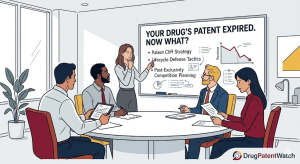
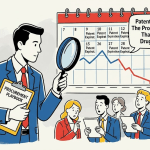
Every branded pharmaceutical product carries a date of death. It is printed nowhere on the label, but it sits in government databases, patent filings, and the spreadsheets of every generic manufacturer on the planet. The date is the expiration of the drug’s primary patent protection, and what happens next — the so-called patent cliff — has destroyed more shareholder value in the pharmaceutical sector than any clinical failure, regulatory setback, or pricing scandal combined.
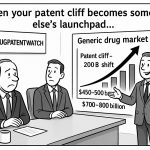
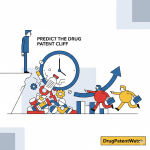
Between 2025 and 2030, the industry faces a patent cliff of approximately $250 billion in annual branded revenues. That number, sourced from EvaluatePharma’s 2024 consensus forecasts, means a quarter-trillion dollars’ worth of drugs will lose their market exclusivity within a five-year window. The companies holding those patents know it. The generic and biosimilar manufacturers waiting in the wings know it. And the payers — insurers, pharmacy benefit managers, government health systems — are counting the days.
Yet knowing the cliff is coming and preparing for it are different things. The pharmaceutical industry’s track record of lifecycle management ranges from brilliant (Allergan’s repeated reformulations of Restasis) to catastrophic (Pfizer’s loss of Lipitor, which erased $10 billion in annual revenue in under 18 months). The difference between those outcomes is not luck. It is strategy, timing, and an obsessive attention to the patent landscape that most companies begin too late.
This guide is built for the professionals who need to understand what actually happens when a drug patent expires — not in theory, but in practice. We will walk through the legal architecture of pharmaceutical patents, the economic mechanics of generic entry, the defensive strategies available to branded companies, the offensive playbook used by generic manufacturers, and the emerging complications created by biosimilars, patent thickets, and global regulatory divergence. We will use real numbers, real case studies, and real strategic frameworks drawn from companies that have survived — or failed to survive — the patent cliff.
A resource like DrugPatentWatch, which tracks patent expiration dates, exclusivity periods, and FDA Orange Book listings for thousands of drugs, provides the raw intelligence that makes this kind of strategic analysis possible. Throughout this article, we will reference the type of patent data that platforms like DrugPatentWatch aggregate, because that data is the starting point for every decision described here.
Let’s start with the basics — and then move far beyond them.
2. The Anatomy of a Pharmaceutical Patent
A pharmaceutical patent is not one thing. It is a bundle of legal instruments, each covering a different aspect of a drug’s composition, manufacture, or use. Understanding the difference between these patent types is the first step toward understanding what happens when they expire — because they do not all expire at once, and the strategic implications of each expiration are different.
2.1 Composition-of-Matter Patents: The Crown Jewels
The composition-of-matter patent covers the active pharmaceutical ingredient itself — the molecule. This is the strongest form of patent protection available for a drug, because it prevents anyone else from making, using, or selling that specific chemical compound for any purpose. It does not matter if a competitor discovers a different use for the molecule, or a different way to manufacture it, or a different formulation. If the composition-of-matter patent is in force, the molecule belongs to the patent holder.
For small-molecule drugs, composition-of-matter patents are relatively straightforward. The patent describes the molecular structure, and the scope of protection is clear. For biologics — large, complex protein-based therapies — the situation is murkier. A biologic’s “composition” includes its three-dimensional structure, post-translational modifications, and the specific cell line used to produce it. This complexity is one reason biosimilars face a different competitive landscape than small-molecule generics, a distinction we will explore in detail later.
Composition-of-matter patents are filed early in the drug development process, often years before clinical trials begin. Because the standard U.S. patent term is 20 years from the filing date, this means a significant portion of the patent’s life is consumed by the development and regulatory approval process. A drug that takes 12 years from patent filing to FDA approval has only 8 years of marketed exclusivity under its composition-of-matter patent — unless extensions are granted.
2.2 Formulation Patents
Formulation patents cover the specific way a drug is prepared for administration: the combination of active ingredient, excipients, coatings, delivery mechanisms, and dosage forms. An extended-release tablet, a transdermal patch, a liposomal injection — each can be separately patented even if the underlying molecule’s composition-of-matter patent has expired.
Formulation patents are a core element of lifecycle management strategy. When a company reformulates its product — switching from an immediate-release to an extended-release version, for example — it can obtain new patent protection that extends beyond the original composition patent. AbbVie’s management of Humira is an instructive case: the company built a thicket of over 250 patents around the adalimumab molecule, many of them covering formulation details like citrate-free injectable solutions and specific concentrations.
2.3 Method-of-Use Patents
Method-of-use patents cover specific therapeutic applications. A single molecule might be patented for use in treating depression, then separately patented for use in treating chronic pain, with each patent carrying its own expiration date. These patents are listed in the FDA’s Orange Book alongside the approved indications they cover.
The strategic value of method-of-use patents is real but limited. Generic manufacturers can file for approval to market the drug for the indications whose patents have expired, while “carving out” the still-patented indications from their labeling. This practice, known as a section viii carve-out or skinny label, allows generic competition on some uses while the branded company retains exclusivity on others. In practice, however, physicians often prescribe drugs off-label, so the competitive impact of generic entry for one indication tends to bleed into other indications regardless of patent status.
2.4 Process Patents
Process patents cover the method of manufacturing the drug. They are the weakest form of pharmaceutical patent protection because a competitor can often design around them by developing an alternative synthesis route. Process patents matter most for complex molecules — particularly biologics and peptides — where the manufacturing method directly affects the product’s characteristics.
2.5 Patent Term and Extensions
The base U.S. patent term is 20 years from the earliest filing date. The Hatch-Waxman Act of 1984 created a mechanism called Patent Term Extension (PTE) that allows patent holders to recover some of the time lost during FDA review. The extension is calculated based on the regulatory review period and can add up to five years, though the total patent life after FDA approval cannot exceed 14 years. Only one patent per drug product can receive a PTE.
Pediatric exclusivity adds another six months of protection if the sponsor conducts FDA-requested pediatric studies. This additional six months can be worth billions of dollars for a blockbuster drug — Pfizer’s pediatric exclusivity on Lipitor, for example, was estimated to be worth approximately $2.5 billion in additional revenue.
DrugPatentWatch tracks these extensions and exclusivity periods for each drug, providing a consolidated view of the actual — not just nominal — patent expiration landscape. For strategic planners, this consolidated view is the difference between looking at raw patent filings and understanding when a market will actually open to competition.
3. Regulatory Exclusivity: The Other Clock
Patents are not the only source of market exclusivity for pharmaceutical products. The FDA grants several forms of regulatory exclusivity that operate independently of patent protection. A drug can lose its patent protection and still be shielded from generic competition by regulatory exclusivity — or, conversely, its patents can remain in force while its regulatory exclusivity has lapsed.
3.1 New Chemical Entity (NCE) Exclusivity
A drug containing an active ingredient that has never been approved by the FDA receives five years of NCE exclusivity. During this period, no generic manufacturer can submit an Abbreviated New Drug Application (ANDA) referencing the branded drug’s clinical data. This means that even if every patent on the drug were invalidated tomorrow, no generic could be approved for at least five years from the date of original approval. For new chemical entities, this is the absolute floor of market exclusivity.
3.2 New Clinical Investigation Exclusivity
When a sponsor conducts new clinical investigations (other than bioavailability studies) that are essential to the approval of a supplemental application — for a new indication, new dosage form, or new route of administration — the FDA grants three years of exclusivity for that specific change. Unlike NCE exclusivity, this three-year period does not block ANDA submission entirely; it blocks only final approval of generics that rely on the new clinical data.
3.3 Orphan Drug Exclusivity
Drugs approved under the Orphan Drug Act for conditions affecting fewer than 200,000 people in the United States receive seven years of market exclusivity. This is the longest form of regulatory exclusivity available and applies even if no patents protect the product. Orphan drug exclusivity has become a strategic tool: companies have sought orphan designations for narrow subpopulations even when the underlying drug has broader applications.
3.4 Biologics and the BPCIA Framework
The Biologics Price Competition and Innovation Act (BPCIA) of 2009 created a separate regulatory pathway for biosimilar approval. Under the BPCIA, reference biologic products receive 12 years of data exclusivity from the date of first licensure. Biosimilar applicants cannot submit their applications until four years after the reference product’s approval, and cannot receive approval until year 12. This 12-year window is substantially longer than the 5 years granted to small-molecule NCEs, reflecting the argument that biologics require greater investment to develop.
The interplay between patent protection and regulatory exclusivity creates a complex timeline for each drug product. DrugPatentWatch maps both layers — patent expiration dates and regulatory exclusivity periods — to provide a comprehensive picture of when a drug will actually face generic or biosimilar competition. The “effective expiration date” is determined by whichever protection expires last.
4. What Actually Happens When the Patent Expires
The economic consequences of patent expiration follow a pattern that has been documented across hundreds of drugs over four decades. The pattern is predictable in its broad strokes, though the speed and severity of revenue decline vary based on the drug’s market size, therapeutic area, dosage complexity, and the number of generic competitors that enter the market.
4.1 The Generic Entry Cascade
Generic entry does not happen on the day a patent expires. It happens on the day the FDA approves the first generic application — which may be the same day as patent expiration, or months before (under the Hatch-Waxman framework), or years later (if no generic manufacturer has filed). For a blockbuster drug, the first generic is typically approved on or very near the patent expiration date, because generic manufacturers have been preparing their ANDAs for years in advance.
The first generic entrant often benefits from a 180-day exclusivity period granted under paragraph IV of the Hatch-Waxman Act. This period allows the first generic filer to be the sole generic on the market for six months, during which it typically prices its product at 80-90% of the branded price and captures 40-60% of prescriptions. This is a lucrative window: at a modest discount with limited competition, the first generic entrant can generate hundreds of millions of dollars in revenue before other generics arrive.
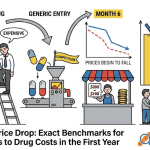
After the 180-day exclusivity period, additional generics flood the market. Prices fall rapidly. With two generics, the average generic price drops to approximately 50% of the branded price. With five generics, it drops to 30-40%. With ten or more, prices can fall to 10-20% of the original branded price, and in some cases to less than 5%.
“Within one year of generic entry, branded drugs lose an average of 80% of their market share, and the average generic price falls to approximately 55% of the branded price. Within three years, the average generic price falls to less than 33% of the pre-expiration branded price.” — Congressional Budget Office, Effects of Using Generic Drugs on Medicare’s Prescription Drug Spending, 2023
4.2 The Revenue Collapse
The speed of revenue decline after patent expiration is staggering for large-market drugs. Lipitor (atorvastatin) lost approximately 80% of its U.S. revenue within the first year of generic entry in 2011-2012. Plavix (clopidogrel) lost 75% of its market share within six months of generic launch in 2012. Seroquel (quetiapine) saw its U.S. revenues fall by over 70% in the year following generic entry.
The dynamics differ by therapeutic area. Drugs dispensed as chronic oral medications — statins, antihypertensives, antidepressants — experience the fastest and most complete generic substitution. State pharmacy laws in most U.S. jurisdictions allow or require pharmacists to substitute generics unless the prescribing physician specifies “dispense as written.” Automatic substitution means the branded company loses volume even without losing prescriptions: a physician writes a prescription for Lipitor, and the patient walks out of the pharmacy with atorvastatin.
Specialty drugs, injectables, and complex formulations experience slower generic erosion. Hospital-administered drugs involve different purchasing dynamics. Transdermal patches and inhaler devices require generic manufacturers to demonstrate bioequivalence for complex delivery systems, which takes more time and reduces the number of generic entrants.
4.3 The Pricing Paradox
Here is a fact that surprises many observers: when generics enter the market, the branded company often raises its price. This is not irrational. The patients who remain on the branded product after generic entry tend to be the least price-sensitive segment — those with strong brand loyalty, those whose insurance formularies favor the branded product, or those who have had poor experiences with generic substitution. The branded company milks this residual market by increasing the per-unit price even as total volume plummets.
Pfizer raised the price of Lipitor after generic entry. Bristol-Myers Squibb raised the price of Plavix. AstraZeneca raised the price of Seroquel. In each case, the company was maximizing revenue from a shrinking base of brand-loyal customers. This strategy produces a strange result on paper: total revenue drops sharply, but revenue per unit rises. For financial analysts tracking the transition, it is essential to separate volume effects from pricing effects to understand the true trajectory.
5. The Hatch-Waxman Framework: How the Game Is Played
The Drug Price Competition and Patent Term Restoration Act of 1984 — universally known as the Hatch-Waxman Act — created the legal framework that governs pharmaceutical patent challenges in the United States. Understanding Hatch-Waxman is non-negotiable for anyone involved in pharmaceutical competitive strategy, because it defines the rules of engagement between branded and generic companies.
5.1 The Orange Book and Patent Listings
The FDA’s Approved Drug Products with Therapeutic Equivalence Evaluations — the Orange Book — is the central registry of patents and exclusivities associated with approved drugs. When the FDA approves a new drug application (NDA), the sponsor must list all patents that claim the drug substance, drug product, or approved methods of use. These listings become the basis for the paragraph IV challenge process.
Patent listings in the Orange Book are self-reported by the NDA holder, a fact that has generated significant controversy. Companies have an incentive to list as many patents as possible, creating a broader defensive perimeter. The FDA’s role in reviewing Orange Book listings is limited: the agency accepts the sponsor’s certifications without independently evaluating the relevance or validity of each listed patent. This has led to complaints from generic manufacturers that the Orange Book is cluttered with “secondary” patents that should not qualify for listing.
DrugPatentWatch aggregates Orange Book data alongside other patent and exclusivity information, allowing users to see the full set of listed patents for a given drug product, their expiration dates, and any paragraph IV challenges that have been filed against them.
5.2 Paragraph IV Certifications: The Challenge Mechanism
When a generic manufacturer files an ANDA, it must certify its position on each patent listed in the Orange Book for the reference drug. There are four types of certification:
Paragraph I: No patent information has been listed for the reference drug.
Paragraph II: The listed patent has expired.
Paragraph III: The listed patent will expire on a certain date, and the generic will not be marketed until then.
Paragraph IV: The listed patent is invalid, unenforceable, or will not be infringed by the generic product.
A paragraph IV certification is a direct challenge to the branded company’s patents. It is the mechanism by which generic manufacturers attempt to enter the market before patent expiration. Filing a paragraph IV certification triggers a 45-day window during which the NDA holder can sue the ANDA filer for patent infringement. If the NDA holder files suit within 45 days, the FDA imposes a 30-month stay on approval of the ANDA — an automatic delay that gives the branded company time to litigate its patents.
The 30-month stay is one of the most powerful tools available to branded companies. It provides up to 30 months of additional de facto exclusivity, even if the generic manufacturer’s paragraph IV challenge has merit. For a blockbuster drug generating $1 billion per year, a 30-month stay is worth approximately $2.5 billion in additional branded revenue — the cost of litigation pales by comparison.
5.3 The 180-Day Exclusivity Prize
The first generic manufacturer to file a paragraph IV certification for a particular drug — and to have its ANDA approved — receives 180 days of generic market exclusivity. During this period, no other generic can be approved, creating a temporary duopoly between the branded product and the first generic. This exclusivity period is enormously valuable. It is the carrot that motivates generic companies to invest in the risky, expensive process of paragraph IV litigation.
The 180-day exclusivity has created its own set of strategic behaviors. “Authorized generics” — branded products repackaged and sold as generics by the NDA holder or a licensee — can be launched during the 180-day period and are not blocked by the first-filer’s exclusivity. This practice dilutes the first generic’s market share and has been the subject of ongoing legislative and regulatory debate.
5.4 The 30-Month Stay: Automatic Delay as a Strategic Asset
When a branded company sues a paragraph IV filer within 45 days of receiving the notice letter, the FDA automatically delays approval of the ANDA for 30 months from the date of the notice. This 30-month stay is one of the most criticized features of Hatch-Waxman. Critics argue it rewards the mere act of filing a lawsuit, regardless of the patent’s strength, and gives branded companies an automatic 2.5-year extension of effective exclusivity. Defenders argue it prevents the irreparable harm that would result from generic entry during unresolved patent litigation.
The 30-month stay can be shortened if the court resolves the patent dispute before the stay expires, or extended if the court grants a preliminary injunction. In practice, many paragraph IV cases settle before the 30-month stay runs out, with the settlement terms often including a negotiated generic entry date. The average paragraph IV litigation takes approximately 30-36 months to resolve, closely tracking the stay period — a coincidence that is not entirely coincidental, since both sides have reduced incentives to accelerate resolution while the stay is in effect.
Multiple 30-month stays are possible if different patents are listed in the Orange Book at different times. If a branded company lists a new patent after the original paragraph IV challenge is filed, and the generic company challenges the new patent, a second 30-month stay can be triggered. This practice — sometimes called “sequential listing” — has been criticized as a form of patent evergreening that exploits the Hatch-Waxman framework. The FDA Amendments Act of 2007 limited the availability of multiple stays, but the potential for strategic patent listing remains a factor in lifecycle management planning.
5.5 Litigation Outcomes and Settlement Patterns
The empirical record of paragraph IV litigation shows that generic challengers win approximately 48% of cases that go to trial, while branded companies win approximately 52%. These numbers are remarkably close to a coin flip, reflecting the genuine uncertainty in patent validity and infringement determinations. For generic companies, this near-even split means that paragraph IV challenges are rational bets with positive expected value, given the enormous upside of the 180-day exclusivity.
Most paragraph IV disputes do not reach trial. The majority settle, and settlement terms vary widely. Some settlements involve a straightforward agreed-upon generic entry date, typically 1-5 years before patent expiration. Others involve authorized generic licenses, co-marketing arrangements, supply agreements, or other non-cash consideration. The economic analysis of these settlements requires evaluating what the generic entry date would have been absent the settlement — a counterfactual that is inherently uncertain and subject to dispute.
DrugPatentWatch tracks both active paragraph IV litigation and settlement outcomes, providing a historical record that enables stakeholders to benchmark expected timelines and outcomes for pending challenges. For a drug with an active paragraph IV challenge, the platform’s data on comparable cases can inform financial modeling and strategic planning.
6. Lifecycle Management: The Branded Company’s Defensive Playbook
The branded pharmaceutical company facing patent expiration has a range of defensive strategies available. Some are legitimate and create real value for patients. Others are controversial, and a few have been challenged in court as anticompetitive. What follows is a comprehensive inventory of the lifecycle management tools that branded companies actually use.
6.1 Reformulation and Line Extensions
The most common lifecycle management strategy is reformulation: developing a new version of the drug with improved characteristics — extended-release formulations, lower-dose options, combination products, new routes of administration — and obtaining new patents that extend protection beyond the original compound patent’s expiration.
AstraZeneca’s switch from Prilosec (omeprazole) to Nexium (esomeprazole) is the textbook example. Prilosec was a racemic mixture; Nexium is the S-enantiomer of the same molecule. AstraZeneca invested heavily in clinical trials and marketing to establish Nexium as a distinct product before Prilosec’s patent expired, then shifted prescribers and patients to the new product. By the time generic omeprazole became available, Nexium had its own market identity, its own patents, and its own regulatory exclusivity. The strategy was criticized as offering minimal clinical advantage over the original product, but it was commercially successful: Nexium generated over $60 billion in cumulative global revenue.
Forest Laboratories executed a similar switch from Celexa (citalopram) to Lexapro (escitalopram), isolating the active enantiomer and obtaining fresh patent protection. Shire converted Adderall (amphetamine salts) to Adderall XR (extended-release), extending market exclusivity with a genuinely improved formulation that offered once-daily dosing.
6.2 Patent Thickets and Evergreening
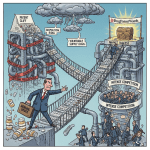
A patent thicket is a dense web of overlapping patents covering different aspects of a drug product — the molecule, formulations, methods of use, manufacturing processes, dosing regimens, delivery devices, and combinations. The purpose is to make it prohibitively expensive and time-consuming for a generic or biosimilar manufacturer to challenge every relevant patent.
AbbVie’s Humira patent strategy is the most frequently cited example. The company accumulated over 250 patents related to adalimumab, covering the antibody itself, its manufacturing process, its formulation (including the citrate-free version), its use in various autoimmune conditions, and its delivery device. When biosimilar manufacturers sought to enter the market, they faced the prospect of challenging dozens of patents simultaneously — each requiring separate litigation. AbbVie used this thicket to delay U.S. biosimilar competition until January 2023, approximately 20 years after Humira’s original approval and years after biosimilars had launched in Europe.
The FTC and academic researchers have raised concerns about patent thickets as a barrier to competition. A 2023 FTC report found that the 12 best-selling biologics in the United States were protected by an average of 74 patents each, with some products covered by over 100. The report noted that many of these patents were filed years after the original product approval, extending the effective protection period well beyond the original patent term.
6.3 Pay-for-Delay Settlements
When a generic manufacturer files a paragraph IV challenge, the ensuing patent litigation often results in a settlement. In some cases, these settlements include a payment from the branded company to the generic challenger, coupled with an agreement by the generic manufacturer to delay its market entry until a specified date. These arrangements are known as “pay-for-delay” or “reverse payment” settlements.
The FTC estimated in 2010 that pay-for-delay settlements cost U.S. consumers $3.5 billion per year in higher drug prices. The Supreme Court addressed these agreements in FTC v. Actavis (2013), holding that pay-for-delay settlements are not immune from antitrust scrutiny and should be evaluated under the rule of reason. Since Actavis, the frequency of large reverse payments has declined, but settlement structures have become more creative — involving authorized generic licenses, supply agreements, and other non-cash considerations that achieve similar delays without explicit cash transfers.
6.4 Authorized Generics
An authorized generic is the branded product itself, sold under a generic label at a lower price. The branded company either markets it directly or licenses a generic partner to sell it. Authorized generics serve two strategic purposes: they capture a share of the generic market after patent expiration, and they can be deployed during the first generic filer’s 180-day exclusivity period to reduce the financial incentive for paragraph IV challenges.
Pfizer launched an authorized generic of Lipitor through a partnership with Watson Pharmaceuticals (now Allergan) immediately upon patent expiration. This allowed Pfizer to participate in the generic market even as branded Lipitor lost volume. Some analysts have argued that the threat of authorized generics deters generic companies from filing paragraph IV challenges in the first place, because the financial reward of the 180-day exclusivity is diminished when an authorized generic is competing for the same market.
6.5 Product Hopping
Product hopping involves switching patients from an older formulation (about to face generic competition) to a newer formulation (with fresh patent protection), then withdrawing the older product from the market so that generic substitution at the pharmacy level is impossible. If the branded company pulls the original formulation from the market, pharmacists cannot substitute a generic equivalent for the new formulation, even if a generic of the old formulation is available.
Actavis’s management of Namenda (memantine) is the most scrutinized example. As Namenda IR’s patents approached expiration, Actavis launched Namenda XR, an extended-release version, and announced it would withdraw Namenda IR from the market — forcing patients and prescribers to switch to the XR version for which no generic existed. The state of New York sued, and a federal court issued an injunction preventing the withdrawal of Namenda IR, holding that the product hop constituted anticompetitive behavior. The Second Circuit affirmed the injunction, establishing a precedent that product hopping combined with product withdrawal can violate antitrust law.
6.6 REMS as a Competitive Barrier
Risk Evaluation and Mitigation Strategies (REMS) are FDA-mandated safety programs that restrict how certain drugs are distributed. Some branded companies have been accused of using REMS programs to block generic manufacturers from obtaining the samples they need to conduct bioequivalence studies required for ANDA approval. Without samples of the reference drug, a generic company cannot file an ANDA.
The CREATES Act, signed into law in December 2019, addressed this problem by giving generic manufacturers the right to sue for access to reference drug samples when branded companies refuse to sell them. The law also provides for an FDA-imposed penalty if branded companies use REMS or other restricted distribution systems as a pretext for refusing sample access. Since the CREATES Act’s passage, several generic companies have filed suits under its provisions, though the full impact on generic competition is still developing.
7. The Generic Manufacturer’s Offensive Playbook
Generic pharmaceutical companies are not passive recipients of market access. They employ aggressive, well-funded strategies to accelerate their entry into branded markets, sometimes years before patent expiration. The most successful generic companies — Teva, Sandoz, Viatris, Sun Pharmaceutical, Dr. Reddy’s — invest hundreds of millions of dollars annually in paragraph IV litigation, formulation development, and regulatory strategy.
7.1 Strategic ANDA Filing and Paragraph IV Timing
The decision of when to file a paragraph IV challenge involves a calculation of risk, cost, and potential reward. Filing early — close to the branded drug’s NDA approval — maximizes the chance of being the first filer and capturing the 180-day exclusivity. But it also means litigating against patents that may have more remaining term and thus more value to the branded company, which will defend them aggressively.
Large generic companies maintain dedicated patent analysis teams that evaluate the strength of branded patents, identify potential invalidity arguments, and select targets based on expected return on investment. A successful paragraph IV challenge against a drug generating $5 billion in annual revenue can yield $500 million or more during the 180-day exclusivity period. The litigation cost — typically $5-15 million per challenge — is small relative to the potential upside.
7.2 Inter Partes Review (IPR) at the Patent Trial and Appeal Board
Since the America Invents Act of 2011, generic manufacturers have had access to inter partes review (IPR) proceedings at the Patent Trial and Appeal Board (PTAB). IPR allows challengers to contest the validity of patents based on prior art, with proceedings completed within 12-18 months — faster than district court litigation. The PTAB has invalidated a significant number of pharmaceutical patents, leading branded companies to characterize it as a “death squad” for patents (former Federal Circuit Chief Judge Randall Rader’s description).
Generic companies use IPR strategically, filing PTAB petitions in parallel with district court paragraph IV litigation. Even if the IPR does not result in patent invalidation, it creates additional cost and uncertainty for the branded company, potentially making settlement more attractive.
The statistics on IPR outcomes are striking. Between 2012 and 2024, the PTAB instituted trial on approximately 65% of pharmaceutical IPR petitions, and among instituted cases, claims were found unpatentable in whole or in part approximately 70% of the time. These numbers have made IPR a preferred tool for generic manufacturers seeking to weaken or eliminate patents that might otherwise survive district court scrutiny, where patent holders benefit from a presumption of validity that does not apply in IPR proceedings.
The interaction between IPR and district court litigation creates strategic complexity for both sides. A branded company defending its patents in district court may find that a parallel IPR proceeding invalidates key claims before the court reaches a verdict. Generic companies sometimes use IPR filings as leverage in settlement negotiations, threatening to petition the PTAB unless the branded company agrees to an earlier generic entry date. The two-front war — district court and PTAB — has become a standard feature of pharmaceutical patent disputes.
7.4 Building Manufacturing Readiness Before Approval
Successful generic companies do not wait for ANDA approval to prepare for launch. They invest in manufacturing scale-up, raw material sourcing, and distribution partnerships months or years before the expected approval date. For high-value targets — drugs with $1 billion or more in annual revenue — generic companies may invest $50-100 million in launch preparation, including building dedicated manufacturing lines, securing API supply agreements with multiple vendors, and pre-positioning inventory at distribution centers.
The first generic entrant’s ability to capture the 180-day exclusivity prize depends on being ready to ship product on day one. Any delay in manufacturing, quality testing, or distribution logistics reduces the revenue captured during the exclusivity window. Teva, Sandoz, and other large generic companies have developed sophisticated launch-readiness programs that coordinate regulatory, manufacturing, legal, and commercial functions to ensure simultaneous execution when the approval letter arrives.
Patent intelligence feeds directly into launch-readiness planning. By monitoring litigation timelines, settlement patterns, and patent expiration dates through platforms like DrugPatentWatch, generic companies can calibrate their manufacturing investments to the probability and timing of market entry. A drug whose patents appear weak — based on prior art, IPR petitions, or litigation history — justifies earlier and larger manufacturing investment. A drug with strong patents and no active challenges may not justify investment until the patent expiration date is closer.
7.3 Skinny Labels and Section viii Carve-Outs
When some but not all of a drug’s approved indications are covered by unexpired method-of-use patents, a generic manufacturer can seek approval for only the unpatented indications using a section viii carve-out. The resulting “skinny label” lists fewer indications than the branded product but allows the generic to be legally marketed.
In practice, skinny labels often lead to broader substitution than their labeling suggests. Pharmacists may substitute the generic for prescriptions written for patented indications, either because they are unaware of the labeling difference or because state substitution laws do not require indication-level matching. The recent litigation over GSK’s Paxil (paroxetine) and its patented use for specific anxiety disorders illustrates the complications that arise when generic drugs with skinny labels are prescribed off-label for patented uses.
8. Biosimilar Competition: A Different Game Entirely
The loss of patent protection for biologic drugs follows a different trajectory than for small molecules. Biosimilars are not generics. They are not identical copies of the reference product, because the complexity of biologic molecules makes exact replication impossible. They are “highly similar” products with “no clinically meaningful differences” — the FDA’s standard for biosimilar approval — and this distinction has profound implications for competition, pricing, and market dynamics.
8.1 The Biosimilar Approval Pathway
Under the BPCIA, a biosimilar applicant must demonstrate that its product is highly similar to the reference biologic based on analytical, animal, and clinical studies. The extent of required clinical data varies by product; the FDA has accepted applications with limited or no clinical efficacy trials for some well-characterized biologics, while requiring more extensive data for others.
Interchangeable biosimilars — those that can be substituted at the pharmacy without prescriber intervention — face a higher regulatory bar. The applicant must demonstrate that switching between the biosimilar and the reference product does not reduce efficacy or increase immunogenicity. As of 2025, the FDA had approved relatively few interchangeable biosimilars, though the number is growing.
8.2 The Patent Dance
The BPCIA created a unique, codified patent resolution process known informally as the “patent dance.” Within 20 days of the FDA notifying the reference product sponsor that a biosimilar application has been filed, the applicant must share its application and manufacturing information with the sponsor. The parties then exchange lists of patents they believe are relevant, negotiate which patents to litigate first, and proceed to litigation on agreed-upon terms.
Not all biosimilar applicants participate in the patent dance. The Supreme Court held in Sandoz v. Amgen (2017) that the BPCIA’s disclosure provisions are not enforceable by injunction — a biosimilar applicant can decline to share its application and instead provide notice of commercial marketing, triggering a different set of legal consequences. This has given biosimilar manufacturers additional strategic flexibility in navigating the patent landscape.
8.3 Why Biosimilar Discounts Are Smaller
Unlike small-molecule generics, which routinely achieve 80-95% price discounts within a few years of generic entry, biosimilars have achieved more modest discounts. In the United States, the average biosimilar discount has been approximately 15-35% off the reference product’s list price, though the trend is toward deeper discounts as the market matures.
Several factors explain the smaller discounts. Biosimilar manufacturing is expensive, requiring specialized bioreactor facilities and extensive quality control. Biosimilar development costs $100-300 million per product, compared to $1-5 million for a typical small-molecule generic. Prescriber and patient acceptance has been slower, with concerns about immunogenicity and switching from a familiar biologic. Rebate structures in the U.S. market also play a role: reference biologic manufacturers offer large rebates to PBMs and insurers, and biosimilars must offer even larger rebates to gain formulary access, compressing their margins.
The Humira biosimilar market, which opened in January 2023, has been a test case for U.S. biosimilar competition. Multiple biosimilars launched simultaneously — Amjevita (adalimumab-atto), Hadlima (adalimumab-bwwd), Hyrimoz (adalimumab-adaz), and others — but initial discounts were modest, and AbbVie retained a significant share of the market through rebate contracts and formulary positioning. The dynamics have shifted over time, with deeper discounts emerging as competition intensified through 2024 and 2025.
8.4 Interchangeability: The Missing Accelerant
One reason biosimilar uptake has been slower in the United States than in Europe is the regulatory and commercial distinction between biosimilars and interchangeable biosimilars. A standard biosimilar can be prescribed by a physician as an alternative to the reference biologic, but it cannot be automatically substituted at the pharmacy level without a new prescription. An interchangeable biosimilar, by contrast, can be substituted by the pharmacist without prescriber intervention, just as a small-molecule generic can be substituted for a branded drug.
The FDA granted its first interchangeability designation in 2021 to Viatris’s Semglee (insulin glargine-yfgn), and has since granted interchangeability for several additional products including Cyltezo (adalimumab-adbm). The interchangeability designation has a direct impact on market dynamics: interchangeable biosimilars benefit from automatic substitution at the pharmacy level, which accelerates volume capture and reduces the branded company’s ability to retain market share through prescriber relationships alone.
For products approaching biosimilar competition, the interchangeability landscape is a critical variable. A reference biologic facing competition only from non-interchangeable biosimilars will erode more slowly than one facing interchangeable competitors. DrugPatentWatch tracks biosimilar approvals and interchangeability designations as part of its patent and exclusivity data, providing a complete view of the competitive threats facing each reference biologic.
8.5 The European Experience as a Leading Indicator
Europe’s biosimilar market is approximately five to seven years ahead of the United States in terms of regulatory experience, market penetration, and price competition. The European experience provides a useful, if imperfect, template for forecasting U.S. biosimilar dynamics.
In the Nordic countries, biosimilar market share for established products like infliximab, etanercept, and rituximab has exceeded 80-90%, with price discounts of 40-70%. In Germany, which uses reference pricing and mandatory substitution for biosimilars, adoption has been rapid. In France and Italy, where physician discretion plays a larger role, adoption has been slower but still significantly faster than in the United States.
The key differences between European and U.S. biosimilar markets are structural. European single-payer or multi-payer systems can mandate biosimilar switching at the health system level. European pricing and reimbursement frameworks are designed to capture savings from competition. And European physicians, particularly in Northern Europe, have more experience prescribing biosimilars and greater comfort with switching patients. The U.S. market’s fragmented payer landscape, rebate-driven formulary decisions, and prescriber hesitancy combine to slow biosimilar adoption, though the gap is narrowing as the market matures.
9. Case Studies: Lessons from the Cliff
9.1 Lipitor: The $125 Billion Free Fall
Lipitor (atorvastatin) was the best-selling drug in pharmaceutical history, with cumulative revenues exceeding $125 billion. Pfizer’s patent expired on November 30, 2011, and the company had been preparing for the cliff for years. Despite those preparations, the loss was staggering.
Pfizer’s strategy included: seeking and obtaining pediatric exclusivity (adding six months of protection), launching an authorized generic through Watson Pharmaceuticals, implementing a patient loyalty program (Lipitor For You) that offered co-pay discounts, and investing in direct-to-consumer advertising emphasizing brand trust. Pfizer also explored reformulation options but ultimately concluded that atorvastatin’s chemical simplicity offered limited opportunities for a differentiated follow-on product.
The results: within 12 months of generic entry, Lipitor’s U.S. market share fell from approximately 90% to less than 15%. Multiple generic manufacturers entered the market, driving prices below $0.30 per tablet compared to Lipitor’s $5+ branded price. Pfizer’s U.S. Lipitor revenue fell from $5.3 billion in 2011 to $1.2 billion in 2012. The authorized generic captured some generic market share but could not offset the branded revenue loss.
The Lipitor case demonstrates that for a widely prescribed oral medication with a simple molecule, no amount of lifecycle management can prevent a catastrophic revenue decline after patent expiration. The only winning move is to have replacement revenue ready — and Pfizer did not.
9.2 Humira: The $200 Billion Patent Fortress
Humira (adalimumab), approved in 2002, became the world’s best-selling drug with cumulative revenues exceeding $200 billion through the end of AbbVie’s exclusivity. The composition-of-matter patent expired in December 2016, but AbbVie’s extensive patent thicket — covering formulation, manufacturing, delivery devices, and treatment methods — kept U.S. biosimilar competition at bay until January 2023.
AbbVie’s strategy was multi-layered. The company filed additional patents throughout Humira’s marketed life, building the thicket. It settled paragraph IV challenges with biosimilar manufacturers, granting them January 2023 launch dates in exchange for ending litigation. And it invested in a citrate-free formulation (less painful injection) and a high-concentration version that required smaller injection volumes, creating meaningful product differentiation that maintained patient loyalty even after biosimilar entry.
The result: AbbVie gained approximately six additional years of effective U.S. exclusivity beyond the composition patent expiration. At Humira’s peak annual revenue of $21 billion (2022), those six years were worth well over $100 billion in additional revenue. By any measure, AbbVie’s lifecycle management of Humira is the most financially successful patent strategy in pharmaceutical history.
9.3 Revlimid: Celgene’s Controlled Erosion
Celgene (now part of Bristol-Myers Squibb) managed the patent expiration of Revlimid (lenalidomide) through a negotiated “volume-limited” generic entry arrangement. Under settlements with multiple generic manufacturers, generics were permitted to launch before full patent expiration but with limited initial volume — capturing a specified percentage of the market that increased over time. This unusual structure allowed branded Revlimid to retain a substantial share of the market for longer than a typical generic entry scenario would permit.
The volume-limited approach attracted significant criticism and legal scrutiny. The FTC investigated whether the arrangements constituted anticompetitive market allocation. Celgene argued that the settlements reflected genuine patent strength and represented a reasonable compromise that brought some generic competition earlier than full litigation would have allowed. Regardless of the legal merits, the case illustrates the creative — and aggressive — strategies that companies deploy at the patent cliff.
9.4 Stelara: The Upcoming Test
Stelara (ustekinumab), Johnson & Johnson’s blockbuster immunology drug with approximately $10 billion in annual U.S. revenue, faces biosimilar entry starting in 2025 after J&J settled patent litigation with multiple biosimilar manufacturers. The Stelara case will be a key indicator of how the biosimilar market has matured since the Humira launches.
J&J has been preparing for the transition by investing in its successor products — Tremfya (guselkumab) and the recently approved IL-23 pipeline — and by implementing patient support programs designed to retain Stelara patients during the transition period. The company’s handling of the Stelara cliff will provide data on whether biosimilar competition has become more effective at capturing market share since the early Humira biosimilar launches.
10. The Global Dimension: Patent Cliffs Are Not Uniform
Patent expiration dates differ by country. A drug’s U.S. patent may expire in 2027 while its European patent expires in 2025 and its Japanese patent in 2029. This creates a fragmented global landscape in which generic and biosimilar competition begins at different times in different markets.
10.1 European Patent and Regulatory Differences
The European Patent Office grants Supplementary Protection Certificates (SPCs) that function similarly to U.S. Patent Term Extensions, adding up to five years of protection. Data exclusivity in the EU follows an 8+2+1 formula: eight years of data exclusivity, during which no generic or biosimilar application can be filed; two years of market exclusivity, during which a generic application can be filed but not approved; and one optional year if the originator obtains approval for a new therapeutic indication during the first eight years. This provides a total of up to 11 years of regulatory protection.
European biosimilar competition has generally been more robust than in the United States. The European Medicines Agency (EMA) approved its first biosimilar in 2006, seven years before the first U.S. biosimilar. European pricing and reimbursement systems, which are more centralized and price-sensitive than the U.S. system, have driven faster biosimilar adoption and deeper discounts. Biosimilar discounts in Europe typically reach 30-60% of the reference product price, compared to the more modest discounts seen in the U.S. market.
10.2 Compulsory Licensing and TRIPS Flexibilities
In developing countries, the patent landscape is shaped by the TRIPS Agreement (Trade-Related Aspects of Intellectual Property Rights) and its flexibilities. Countries can issue compulsory licenses that allow generic production of patented drugs under certain conditions — national emergencies, public health crises, or failure of the patent holder to supply the domestic market at affordable prices.
India’s patent law, amended in 2005 to comply with TRIPS, includes Section 3(d), which prevents patenting of new forms of known substances unless they demonstrate enhanced efficacy. This provision has blocked several attempts by branded companies to extend patent protection through formulation changes — most notably, the Supreme Court of India’s 2013 decision denying Novartis a patent on the beta-crystalline form of imatinib (Gleevec). The Indian market provides an important early indicator of generic competition for drugs whose patent protection is weaker or shorter in developing markets.
11. Financial Impact: Modeling the Patent Cliff
For investors, analysts, and corporate strategists, quantifying the financial impact of patent expiration requires a structured approach. The variables are knowable, even if the exact outcomes are uncertain.
11.1 Key Variables in Revenue Erosion Models
The four primary drivers of post-patent revenue erosion are: the number of generic entrants, the speed of formulary switching, the magnitude of generic price discounts, and the branded company’s lifecycle management effectiveness. Each variable can be estimated based on precedent and market-specific factors.
Variable
Low Erosion
Moderate Erosion
High Erosion
Generic entrants (Year 1)
1-2
3-5
6+
Price discount (Year 1)
10-25%
30-50%
60-90%
Market share loss (Year 1)
20-40%
50-70%
75-90%
Revenue decline (Year 1)
15-30%
40-60%
70-90%
Specialty drugs, complex formulations, and biologics tend toward the “low erosion” end. Simple oral generics with multiple ANDA filers sit at the “high erosion” end. The branded company’s own actions — authorized generics, product hops, settlement agreements — can shift the outcome between categories.
11.2 The Pipeline Replacement Imperative
Companies facing a patent cliff have one fundamental question: can they replace lost revenue with new products? The answer depends on pipeline productivity, which has been declining across the industry. The average cost to develop a new drug has risen to an estimated $2.3 billion (Tufts Center for the Study of Drug Development, adjusted for time and risk), while the probability of clinical success from Phase 1 to approval remains approximately 10-12%.
Companies that successfully navigate patent cliffs tend to share two characteristics: they begin pipeline investment early (10-15 years before expected patent expiration of their lead product), and they diversify their pipeline across multiple therapeutic areas and modalities. Companies that rely on a single franchise — as Pfizer relied on Lipitor, or as AbbVie relied on Humira — face existential risk when that franchise loses exclusivity.
AbbVie’s response to the Humira cliff is instructive. The company invested aggressively in two replacement franchises: Skyrizi (risankizumab) and Rinvoq (upadacitinib), both targeting autoimmune conditions. Combined Skyrizi/Rinvoq revenue exceeded $16 billion in 2025, offsetting a substantial portion of Humira’s decline. This did not happen by accident — AbbVie began developing both drugs over a decade before Humira’s biosimilar entry.
11.3 Valuation Impact: How Wall Street Prices the Cliff
Patent cliff exposure is one of the most significant factors in pharmaceutical stock valuation. Companies with concentrated revenue in a single product approaching patent expiration typically trade at discounted price-to-earnings multiples relative to diversified peers. The magnitude of the discount depends on the cliff’s timing, the severity of expected revenue erosion, and the market’s confidence in the company’s replacement pipeline.
Merck’s valuation trajectory provides a real-time case study. As Keytruda approaches its loss-of-exclusivity window (2028-2030), the stock’s forward multiple reflects a blend of Keytruda’s near-term cash flows and the uncertainty about post-Keytruda revenue. Every positive pipeline readout — a successful Phase 3 trial, a new indication approval, a licensing deal — narrows the valuation discount. Every setback widens it. Analysts covering Merck devote more time to modeling the Keytruda cliff than to any other single variable, because it dominates the company’s long-term earnings trajectory.
For institutional investors, patent cliff analysis is a specialized discipline. Dedicated healthcare analysts maintain detailed models of patent expiration timelines for every major drug in a company’s portfolio, incorporating patent intelligence data from sources like DrugPatentWatch, commercial forecasts from IQVIA and EvaluatePharma, and proprietary assessments of pipeline probability. The quality of these models directly affects portfolio performance: an investor who correctly anticipates the timing and severity of a patent cliff can position ahead of the market’s repricing of the stock.
11.4 M&A as a Patent Cliff Response
Mergers and acquisitions are the fastest way to replace revenue lost at the patent cliff, and the pharmaceutical industry’s M&A activity is closely correlated with the timing of major patent expirations. Companies facing near-term cliffs acquire pipeline-stage or recently launched products to fill the revenue gap. The premiums they pay reflect the urgency of the replacement need.
Pfizer’s acquisition spree following the Lipitor cliff — including its $68 billion purchase of Wyeth in 2009 and later acquisitions of Hospira, Medivation, Array BioPharma, and Seagen — was driven in large part by the need to replace Lipitor’s lost revenue. AbbVie’s $63 billion acquisition of Allergan in 2020 was partly a hedge against the Humira cliff, adding Botox and other aesthetics products to reduce AbbVie’s dependence on immunology. Bristol-Myers Squibb’s $74 billion acquisition of Celgene in 2019 brought Revlimid, Pomalyst, and a hematology pipeline that partially offset the loss of exclusivity on Plavix and other mature products.
The M&A-as-cliff-response strategy has a mixed track record. Acquisitions made under the pressure of an approaching patent cliff tend to be priced at premium valuations, because the buyer is negotiating from a position of urgency. Synergy estimates are often optimistic. Integration risk is real. And the acquired products themselves may face their own patent cliffs within a decade, restarting the cycle. Celgene’s Revlimid, acquired by BMS in 2019, began facing volume-limited generic competition within three years of the acquisition’s close.
12. Patent Intelligence: Using Data to Anticipate the Cliff
The pharmaceutical patent landscape is public information. Patent filings are published. Orange Book listings are updated regularly. FDA exclusivity dates are recorded. The challenge is not access — it is synthesis. The raw data exists across dozens of government databases, legal repositories, and clinical registries. Converting that data into strategic insight requires tools that aggregate, normalize, and analyze it.
12.1 What Patent Intelligence Platforms Track
Platforms like DrugPatentWatch compile patent expiration dates, Paragraph IV certification filings, FDA approval timelines, Orange Book listings, and exclusivity periods into a single interface. For each drug product, a user can see the full set of listed patents, their expiration dates (including any extensions), any paragraph IV challenges that have been filed, the status of ongoing litigation, and the regulatory exclusivity dates.
This consolidated view serves multiple constituencies. Generic manufacturers use it to identify targets: drugs with expiring patents, weakened patent positions, or large market opportunities. Branded companies use it to monitor threats: new ANDA filings, paragraph IV challenges, or IPR petitions against their patents. Investors use it to model revenue trajectories: which drugs face near-term generic competition, and how prepared is the company to absorb the loss.
12.2 Monitoring Paragraph IV Filings
Paragraph IV filings are the earliest public signal that generic competition is approaching. When a generic manufacturer files a paragraph IV certification, it must notify the patent holder, and litigation typically follows within weeks. Tracking these filings across the industry provides an early warning system for upcoming patent challenges.
DrugPatentWatch tracks Paragraph IV filings and provides alerts when new challenges are filed against tracked drugs. For investors and analysts, this information is material: a new paragraph IV filing against a blockbuster drug can trigger significant stock price movements, particularly if the challenge is unexpected or if the patent’s validity appears questionable based on prior art or litigation history.
12.3 Modeling Effective Expiration Dates
The “effective expiration date” of a drug’s market exclusivity is determined by the latest of: the last relevant patent expiration, the end of any applicable regulatory exclusivity, and the resolution of any ongoing paragraph IV litigation (including the 30-month stay, if applicable). Calculating this date requires integrating patent, regulatory, and litigation data — a task that manual analysis makes error-prone and that automated platforms make routine.
For the 2025-2030 patent cliff, the effective expiration dates of several blockbuster drugs have been a source of active market debate. Products like Keytruda (pembrolizumab), Eliquis (apixaban), and Stelara (ustekinumab) each have complex patent situations involving multiple listed patents, ongoing paragraph IV litigation, and potential regulatory exclusivity extensions. DrugPatentWatch and similar platforms provide the data infrastructure that enables analysts to form their own views on the most likely entry dates for generic and biosimilar competition.
13. The 2025-2030 Patent Cliff: Scale and Stakes
The patent cliff facing the pharmaceutical industry between 2025 and 2030 is the largest in history, both in absolute dollar terms and in the concentration of exposure among a handful of companies. The drugs at risk include some of the most commercially successful products ever marketed.
Drug
Company
Indication
Peak Revenue
LOE Window
Keytruda
Merck
Oncology (PD-1)
$25B+ (2024)
2028-2030
Eliquis
BMS / Pfizer
Anticoagulant
$18B+ (2023)
2026-2028
Stelara
J&J
Immunology
$10B+ (2023)
2025
Opdivo
BMS
Oncology (PD-1)
$9B+ (2023)
2028-2030
Eylea
Regeneron
Retinal disease
$9B+ (2023)
2027-2029
Merck’s exposure is particularly acute. Keytruda accounts for over 45% of Merck’s total revenue, and the company’s efforts to extend its exclusivity through new indications, combination therapies, and subcutaneous formulations are among the most closely watched strategic initiatives in the industry. Merck has also pursued acquisitions — including its $11 billion purchase of Prometheus Biosciences — to build replacement revenue, but the sheer scale of the Keytruda franchise makes full replacement extremely difficult.
BMS faces a dual exposure: Eliquis and Opdivo together represent a combined $27 billion in peak annual revenues. BMS has invested in cell therapy (Abecma, Breyanzi) and neuroscience, but the timeline for these assets to reach Eliquis-level revenues is measured in decades, not years.
The aggregate cliff creates opportunities for generic and biosimilar companies, CROs supporting bioequivalence and biosimilar development, and patent litigation specialists. It also creates risk for payers, who must manage formulary transitions for millions of patients, and for patients, who may face disruption as their medications become available from new manufacturers.
14. The Inflation Reduction Act and Its Impact on Patent Strategy
The Inflation Reduction Act (IRA), signed into law in August 2022, introduced Medicare drug price negotiation for the first time. The law’s provisions interact with patent expiration dynamics in ways that are reshaping pharmaceutical lifecycle management strategy.
14.1 How Medicare Negotiation Changes the Calculus
Under the IRA, Medicare can negotiate prices for drugs that have been on the market for at least 9 years (small molecules) or 13 years (biologics) and lack generic or biosimilar competition. The first round of negotiations, announced in 2024, targeted 10 high-revenue drugs including Eliquis, Jardiance, Xarelto, and Januvia.
For drugs approaching patent expiration, the IRA creates a new variable in the revenue model. Previously, branded companies could maintain list prices until generic entry forced discounts. Now, Medicare negotiation can impose price reductions years before patent expiration, compressing the revenue available during the final years of exclusivity.
The IRA also affects lifecycle management incentives. The 9-year and 13-year eligibility thresholds create a structural incentive for companies to develop biologics (which have a longer runway before negotiation eligibility) over small molecules. Some industry analysts have argued that this will shift R&D investment toward biologics and away from small-molecule drugs, though the evidence for this shift remains preliminary.
14.2 Strategic Responses to the IRA
Companies have responded to the IRA in several ways. Some have accelerated lifecycle management activities — filing new indications, launching reformulations, and seeking pediatric exclusivity — to maximize pre-negotiation revenues. Others have restructured their pipelines to emphasize biologics and orphan drugs, both of which face later or no negotiation eligibility. Legal challenges to the IRA’s negotiation provisions are ongoing, though early court decisions have generally upheld the law’s constitutionality.
For patent intelligence purposes, the IRA adds a new layer of complexity to the “effective expiration date” calculation. A drug’s commercial value is now determined not only by patent and regulatory exclusivity but also by its Medicare negotiation timeline. Platforms tracking drug patent data will increasingly need to integrate IRA-related timelines into their analyses to provide a complete picture of a drug’s commercial trajectory.
15. Patent Thickets Under Legal and Regulatory Scrutiny
The use of patent thickets to delay generic and biosimilar competition has drawn increasing attention from regulators, legislators, and courts. What was once an accepted part of pharmaceutical lifecycle management is now the subject of active enforcement and legislative reform.
15.1 FTC Enforcement Actions
The FTC has filed multiple complaints targeting pharmaceutical patent practices. In 2023, the FTC released a report documenting the scale of patent thickets around the top-selling biologics and characterizing the practice as a barrier to competition that inflates drug prices. The agency has also challenged specific patent listings as improper under the Orange Book’s rules, seeking to remove patents that do not meet the statutory criteria for listing.
In September 2023, the FTC took the unprecedented step of challenging Orange Book listings directly, filing petitions with the FDA to delist over 100 patents that the agency argued were improperly listed. Several companies voluntarily delisted patents in response, suggesting that some listings may have been strategically aggressive rather than legally defensible.
15.2 Congressional and International Responses
Congress has considered several bills targeting patent thickets and evergreening. The Affordable Prescriptions for Patients Act, which passed the Senate Judiciary Committee in 2019 but has not been enacted, would limit the number of patents that can be asserted against any single generic or biosimilar applicant. Other proposals would shorten the 30-month stay, limit patent term adjustments, or create expedited review procedures for weak patents.
Internationally, the EU Pharmaceutical Legislation Reform proposed in 2023 includes provisions to reduce data exclusivity periods for drugs that do not address unmet medical needs, create incentives for earlier generic and biosimilar entry in smaller EU markets, and increase transparency around patent thickets. If enacted, these reforms would create different patent cliff dynamics in European markets compared to the United States.
16. The Payer and Health System Perspective
Patent expiration is not just a pharmaceutical company event. It is a health system event. When a blockbuster drug loses exclusivity, every participant in the healthcare value chain — insurers, PBMs, hospitals, pharmacies, prescribers, and patients — is affected.
16.1 Formulary Transitions
Payers begin planning for generic and biosimilar transitions months or years before patent expiration. The process involves identifying affected patients, negotiating contracts with generic and biosimilar manufacturers, updating formulary tier placements, communicating changes to prescribers and pharmacies, and managing patient transitions to ensure continuity of care.
For small-molecule generics with automatic pharmacy substitution, formulary transitions are relatively straightforward. The payer moves the branded product to a higher tier (or removes it from the formulary entirely), and pharmacy substitution handles the rest. For biosimilars, the transition is more complex: prescribers may need to actively switch patients, patients may need education about the biosimilar, and payers may need to implement step therapy or prior authorization requirements to drive adoption.
16.2 Savings Projections and Reality
The Congressional Budget Office estimated that the IRA’s Medicare negotiation provisions would save approximately $100 billion over 10 years. Generic competition provides additional savings: the FDA estimates that generics saved the U.S. healthcare system $373 billion in 2023 alone. These savings accrue to payers, but the distribution across stakeholders — insurers, employers, patients, and government programs — depends on benefit design and contracting arrangements.
Biosimilar savings have been slower to materialize. Despite the availability of multiple biosimilar alternatives for products like Humira, Remicade, and Neulasta, realized savings have been smaller than projected, partly because of rebate dynamics that favor incumbent biologics on formularies. The IQVIA Institute projected that U.S. biosimilar savings would reach $180 billion cumulatively by 2028, but this estimate depends on the pace of adoption and the depth of price competition.
The gap between theoretical and realized savings is a persistent challenge in pharmaceutical economics. Theoretical savings assume rapid generic or biosimilar adoption at significant discounts. Realized savings are reduced by slow formulary transitions, prescriber inertia, patient resistance to switching, and contractual arrangements between branded manufacturers and PBMs that delay biosimilar adoption. For the 2025-2030 patent cliff, payers who actively manage the transition — investing in prescriber education, patient communication, and proactive formulary management — will capture significantly more savings than those who wait for the market to adjust on its own.
16.3 The Procurement Challenge for Hospital Systems
Hospital systems face their own set of challenges when branded drugs lose exclusivity. For physician-administered drugs — infused oncology agents, surgical anesthetics, hospital-use antibiotics — the transition from branded to generic or biosimilar involves supply chain management, clinical protocols, pharmacy and therapeutics committee decisions, and sometimes electronic health record modifications. Group purchasing organizations (GPOs) play a role in negotiating pricing and supply terms, but individual hospitals must still manage the operational transition internally.
The infliximab market provides an instructive example. When biosimilar infliximab (Inflectra, Renflexis) became available, hospital systems that had established biosimilar switching protocols and invested in clinician education achieved switching rates above 90% within 12-18 months. Systems that left the decision to individual prescribers saw much slower adoption. The operational lesson is that patent expiration creates a window of opportunity that requires active management — the savings do not capture themselves.
Artificial intelligence is being applied to pharmaceutical patent analysis in two ways. Generic companies use AI-powered prior art searches to identify weaknesses in branded patents more quickly and comprehensively than manual analysis allows. Branded companies use AI to optimize their patent filing strategies, identifying gaps in their thickets and predicting which patents are most vulnerable to challenge.
AI tools can now analyze thousands of patent documents, scientific publications, and regulatory filings to identify prior art references that human searchers might miss. For a generic company evaluating a paragraph IV challenge, this capability reduces the risk of investing millions in litigation based on an incomplete understanding of the prior art landscape. Companies like Innography (now part of CPA Global/Clarivate), PatSnap, and specialized pharmaceutical IP analytics firms have developed AI-driven platforms that score patent strength, predict litigation outcomes, and map competitive patent landscapes.
On the defensive side, branded companies are using AI to identify opportunities for new patent filings — combinations of known compounds, novel dosing regimens, or manufacturing improvements that may not have been previously considered. The goal is to build thicker, more defensible patent portfolios by identifying patentable innovations that human patent attorneys might overlook. The arms race between AI-powered attack and AI-powered defense is still in its early stages, but it is already changing how pharmaceutical patent strategy is practiced.
AI is also accelerating drug development timelines, which has downstream effects on patent economics. If AI enables faster identification of drug candidates and more efficient clinical trials, the gap between patent filing and market approval could narrow, leaving more of the 20-year patent term available for commercialization. This would increase the economic value of each patent and potentially reduce the urgency of lifecycle management activities.
17.2 Cell and Gene Therapies: Patents Without Cliffs?
Cell and gene therapies present a novel challenge for patent cliff analysis. These products — many of which are administered as a single treatment — do not generate recurring revenue in the way that chronic therapies do. A one-time treatment generating $2 million per patient has a fundamentally different patent cliff profile than a monthly injectable generating $3,000 per dose over many years.
The manufacturing complexity of cell and gene therapies also creates natural barriers to generic or biosimilar competition. Autologous CAR-T therapies, which are manufactured from each patient’s own cells, are particularly difficult to replicate. The combination of one-time dosing and manufacturing barriers may mean that some cell and gene therapies face limited post-patent competition even after their patents expire — a dynamic that has no precedent in the small-molecule or conventional biologic markets.
17.3 Global Patent Harmonization Efforts
Efforts to harmonize patent terms and regulatory exclusivity periods across jurisdictions have had limited success. The Trans-Pacific Partnership (TPP) included provisions for minimum biologic data exclusivity, but the agreement was modified after the U.S. withdrawal. Bilateral trade agreements continue to include intellectual property provisions that affect pharmaceutical patents, creating a patchwork of different rules that multinational companies must manage product by product and market by market.
18. Strategic Recommendations by Stakeholder
18.1 For Branded Pharmaceutical Companies
Start lifecycle planning at launch, not at patent expiration. The companies that navigate cliffs successfully begin investing in reformulations, new indications, and pipeline replacements within the first two years of a product’s market life. Monitor the patent landscape continuously using platforms like DrugPatentWatch to track competitive filings, paragraph IV challenges, and changes in the regulatory exclusivity landscape. Build replacement revenue across multiple products and therapeutic areas to reduce concentration risk.
18.2 For Generic and Biosimilar Manufacturers
Target drugs with the highest revenue exposure and the weakest patent positions. Use patent intelligence data to identify drugs where paragraph IV challenges are most likely to succeed, and invest in bioequivalence studies early enough to file as the first ANDA applicant. For biosimilars, prioritize products where the reference biologic has limited remaining patent protection and the manufacturing platform is well-characterized.
18.3 For Investors and Analysts
Model patent expiration risk explicitly. For each drug in a company’s portfolio, identify the effective expiration date (integrating patents, regulatory exclusivity, and litigation outcomes), estimate the speed and severity of revenue erosion based on comparable precedents, and assess the adequacy of pipeline replacements. Companies that are transparent about their patent cliff exposure and demonstrate credible replacement strategies deserve premium valuations; those that rely on a single franchise approaching the cliff deserve discounts.
18.4 For Payers and Health Systems
Build generic and biosimilar adoption into formulary planning well before patent expiration. Negotiate biosimilar contracts early, implement prescriber and patient education programs, and monitor post-transition outcomes to ensure that switches are clinically appropriate. Track patent expiration timelines using industry databases to anticipate savings opportunities and budget accordingly.
19. Key Takeaways
Drug patent expiration is the single largest recurring wealth-transfer event in the pharmaceutical industry. It shifts tens of billions of dollars annually from branded companies and their shareholders to generic manufacturers, payers, and patients. Understanding the mechanics, timeline, and strategic options around patent expiration is not optional for anyone operating in this sector.
A drug’s patent protection is not a single instrument but a layered system of composition, formulation, method-of-use, and process patents, each with its own expiration date and strategic significance.
Regulatory exclusivity operates independently of patents. The “effective expiration date” — the date when generic or biosimilar competition actually begins — is determined by whichever protection expires last.
Generic entry for simple oral medications is fast and devastating: 80%+ market share loss within 12 months is typical. Biosimilar competition is slower and less complete, with discounts of 15-35% rather than the 80-95% seen for small-molecule generics.
Lifecycle management strategies — reformulation, patent thickets, authorized generics, product hops — can extend effective exclusivity by years and generate billions in additional revenue, but they face increasing regulatory and legal scrutiny.
The 2025-2030 patent cliff is the largest in history, with approximately $250 billion in annual branded revenues at risk. Keytruda, Eliquis, Stelara, Opdivo, and Eylea are among the highest-value drugs facing loss of exclusivity.
The Inflation Reduction Act’s Medicare price negotiation provisions add a new variable to patent cliff economics, compressing branded revenue before patent expiration and shifting R&D incentives toward biologics.
Patent intelligence platforms like DrugPatentWatch provide the data infrastructure that enables strategic decision-making for all stakeholders — branded companies, generic manufacturers, investors, and payers. Access to consolidated, current patent and exclusivity data is the starting point for every strategy described in this guide.
20. Frequently Asked Questions
Q1: How long does it take for a generic to reach the market after a patent expires?
For blockbuster drugs with high revenue potential, the first generic typically launches on the day of patent expiration or within days of it. Generic manufacturers prepare their ANDAs years in advance and coordinate with the FDA to align approval timing with the patent expiration date. For smaller-market drugs, the gap between patent expiration and generic entry may be months or years, depending on whether generic manufacturers find it commercially worthwhile to invest in ANDA development. Some drugs never receive a generic competitor because the market is too small to justify the investment in bioequivalence studies and manufacturing.
Q2: Can a branded company prevent generic entry even after its patents expire?
Not through patent protection alone, but regulatory exclusivity may extend beyond patent expiration. If orphan drug exclusivity, pediatric exclusivity, or new clinical investigation exclusivity has not yet expired, generic approval can be blocked even with no active patents. Branded companies can also use non-patent barriers such as REMS restrictions (to limit sample access), citizen petitions to the FDA (requesting additional regulatory requirements for generic approval), and complex formulation designs that make bioequivalence testing difficult. The CREATES Act and FTC enforcement actions have reduced the effectiveness of some of these non-patent strategies, but they remain part of the competitive landscape.
Q3: What is the difference between a generic drug and a biosimilar, and why does it matter for patent expiration?
A generic drug is chemically identical to the reference small-molecule drug and is approved through the ANDA pathway based on bioequivalence studies. A biosimilar is highly similar to a reference biologic but not identical, because biologics are large, complex proteins that cannot be exactly replicated. Biosimilars are approved under the BPCIA with more extensive analytical and clinical requirements. The difference matters because biosimilars face higher development costs ($100-300 million vs. $1-5 million for generics), slower market adoption (due to prescriber and patient hesitancy), and more modest price discounts. As a result, the post-patent revenue trajectory for biologics is less steep than for small-molecule drugs, and the branded company retains a larger share of the market for a longer period after biosimilar entry.
Q4: How does the Inflation Reduction Act affect drugs that are approaching patent expiration?
The IRA allows Medicare to negotiate prices for drugs that have been on the market for 9+ years (small molecules) or 13+ years (biologics) and lack generic or biosimilar competition. For drugs approaching patent expiration, this means that Medicare-negotiated prices may reduce revenue during the final years of branded exclusivity — a period that was previously the highest-margin phase of a drug’s commercial life. The IRA also creates an incentive for companies to develop biologics over small molecules, since biologics have a longer runway before negotiation eligibility. For investors, the IRA adds a new timeline variable to revenue models that must be integrated alongside patent and regulatory exclusivity dates.
Q5: Where can I find comprehensive data on drug patent expiration dates and exclusivity periods?
DrugPatentWatch is the most comprehensive commercial platform for tracking drug patent expiration dates, FDA exclusivity periods, Orange Book listings, and Paragraph IV challenge filings. The site aggregates data from the FDA’s Orange Book, the USPTO, and other regulatory sources to provide a consolidated view of each drug’s patent and exclusivity landscape. The FDA also publishes the Orange Book directly (accessible online), and the USPTO provides patent data through its PAIR system. For biosimilars, the FDA’s Purple Book lists approved biologic products and their associated exclusivities. Industry analysts and investors also use data from EvaluatePharma, IQVIA, and Clarivate for commercial forecasting that incorporates patent expiration timelines.
21. Patent Challenges in Specialty Pharma and Complex Generics
Not all generic entries are created equal. The term “complex generics” refers to products that are more difficult to copy and approve than standard oral solid dosage forms. These include inhalation products, ophthalmic formulations, transdermal systems, long-acting injectables, locally acting drugs, and complex peptide products. The FDA has acknowledged this category through its Complex Generic Drug Product Development Program, which provides pre-ANDA guidance and alternative bioequivalence approaches for challenging product types.
21.1 Inhalation Products: The Advair Example
GlaxoSmithKline’s Advair Diskus (fluticasone/salmeterol) is the canonical example of a complex generic challenge. Despite losing its primary patent protection in 2010, Advair faced no generic competition in the United States until 2019 — nearly a decade later. The delay was caused by the FDA’s requirement that generic inhalers demonstrate bioequivalence not only for the active ingredients but also for the device’s performance characteristics, particle size distribution, and local lung deposition patterns. Mylan (now Viatris) was the first to gain approval for a generic version, but the development process required years of testing and multiple FDA review cycles.
The Advair case illustrates an important principle: formulation complexity is itself a form of market protection. Even without a single active patent, the regulatory barriers to generic entry for complex products can provide years of effective exclusivity. Companies developing complex formulations are, in effect, building a non-patent moat around their products.
21.2 Long-Acting Injectables and Depot Formulations
Long-acting injectable (LAI) formulations, such as Johnson & Johnson’s Invega Sustenna (paliperidone palmitate) and AbbVie’s Lupron Depot (leuprolide acetate), present distinct generic challenges. These products rely on proprietary microsphere or nanoparticle technologies that control drug release over weeks or months. A generic manufacturer must not only match the drug substance and its pharmacokinetic profile but also replicate the release mechanism with sufficient precision to satisfy the FDA’s bioequivalence standards.
The result is that LAI products often maintain branded market dominance long after patent expiration. Lupron Depot, first approved in 1989, did not face meaningful generic competition for decades, despite its patents expiring years earlier. The technical barriers — not patent barriers — kept competitors out. For companies evaluating lifecycle management options, the lesson is that investing in complex formulations can provide durable market protection that outlasts patents.
21.3 Ophthalmic and Topical Products
Ophthalmic formulations (eye drops, gels, inserts) and topical dermatological products face unique bioequivalence challenges. For ophthalmic drugs, the FDA typically requires clinical endpoint studies rather than pharmacokinetic studies, because systemic drug levels do not reflect local ocular exposure. These clinical studies are expensive and time-consuming, reducing the number of generic manufacturers willing to invest in development.
Allergan exploited this dynamic with Restasis (cyclosporine ophthalmic emulsion). The company filed multiple patents on the formulation and even attempted to transfer its patents to the Saint Regis Mohawk Tribe to claim sovereign immunity from IPR proceedings at the PTAB. That strategy was rejected by the Federal Circuit, but it underscored the lengths to which branded companies will go to protect products in the complex generic space. Restasis eventually faced generic competition in 2022, years after its original composition patent expired.
22. International Case Studies: How Different Markets Navigate Patent Cliffs
22.1 Japan’s Drug Pricing Reform and Generic Promotion
Japan has historically been a slow adopter of generic drugs, with generic utilization rates well below those of the United States and Europe. The Japanese government set a target of 80% generic utilization by volume (achieved in 2023) and has implemented biannual drug price revisions that reduce branded prices after patent expiration, creating economic pressure on both branded companies and prescribers to switch to generics.
Japan’s approach differs from the U.S. system in a critical respect: branded drug prices are reduced by regulation, not just by market competition. When a generic enters the Japanese market, the national health insurance system reduces the branded product’s reimbursement price in the next pricing revision. This means that branded companies face revenue erosion from both generic volume substitution and administrative price cuts — a double hit that does not exist in the U.S. free-pricing system.
For multinational pharmaceutical companies, the Japanese patent cliff is steeper per year of generic availability than in the United States, because the administrative price cuts accelerate the economic impact. Companies planning for global patent expiration must model each market separately, accounting for local pricing regulations, reimbursement structures, and generic substitution practices.
22.2 China’s Volume-Based Procurement
China’s Volume-Based Procurement (VBP) program, launched in 2018, has transformed the country’s pharmaceutical market. Under VBP, the government conducts centralized tenders for generic drugs that have passed bioequivalence testing, awarding contracts to manufacturers that offer the lowest prices. Winning bidders receive guaranteed volume from public hospitals, but the price reductions are dramatic — often 50-90% below pre-tender prices.
For branded companies, VBP has accelerated patent cliff dynamics in China. Products that might have retained significant branded market share for years after generic entry in the U.S. or Europe lose volume almost overnight when a VBP tender is conducted. AstraZeneca, Pfizer, and other multinationals with large China businesses have seen branded revenue for mature products collapse within a single quarter of a VBP award.
The Chinese market has also become a source of generic competition for other markets. Indian and Chinese generic manufacturers are increasingly seeking FDA and EMA approval for products developed to serve their domestic markets, using the manufacturing capabilities and regulatory experience gained through VBP participation to compete globally.
22.3 Brazil and the Use of Compulsory Licensing
Brazil has been among the most active countries in using compulsory licensing to override pharmaceutical patents. In 2007, the Brazilian government issued a compulsory license for Merck’s Efavirenz (Stocrin), an HIV antiretroviral, allowing domestic manufacturers to produce generic versions while the patent was still in force. The decision was based on public health grounds and the government’s assessment that Merck’s pricing was unaffordable for Brazil’s national HIV treatment program.
The Brazilian precedent — and similar actions in Thailand, India, and other countries — has created a dual-track patent expiration dynamic for global pharmaceutical companies. In developed markets with strong patent enforcement, branded exclusivity holds until patents expire or are successfully challenged. In developing markets with compulsory licensing provisions, exclusivity can be overridden at any time if the government determines that public health needs outweigh patent rights. This asymmetry means that the “patent cliff” for a given drug occurs at different times in different parts of the world, and global revenue models must account for the risk of early generic entry in markets where compulsory licensing is politically feasible.
23. The Role of PBMs in Shaping Patent Cliff Outcomes
Pharmacy Benefit Managers sit at the center of the post-patent competitive landscape in the United States. PBMs — primarily CVS Caremark, Express Scripts (Cigna), and OptumRx (UnitedHealth Group) — negotiate rebates with branded manufacturers, determine formulary placement for generics and biosimilars, and control pharmacy networks. Their decisions about when to prefer a generic or biosimilar over a branded product have a direct and measurable impact on how quickly the branded company loses market share after patent expiration.
23.1 Rebate Dynamics and the Biosimilar Paradox
For small-molecule generics, PBM behavior is straightforward: the generic is cheaper, so the PBM moves it to a preferred tier. Branded products are moved to higher tiers or removed from formularies entirely. The transition happens quickly because the economic incentive is clear and unambiguous.
For biosimilars, the dynamics are more complex. Branded biologic manufacturers often offer large rebates to PBMs to maintain formulary position, and these rebates can exceed the savings offered by biosimilar manufacturers. The result is that PBMs sometimes prefer the branded biologic over a cheaper biosimilar because the net cost after rebates favors the branded product. This “rebate wall” has been identified as a major barrier to biosimilar adoption in the United States.
The FTC, Congress, and biosimilar manufacturers have all criticized the rebate wall. Proposed reforms include requiring PBMs to pass through the full value of rebates to patients, prohibiting rebate contracts that exclude biosimilars from formularies, and mandating transparency in PBM pricing and rebate structures. The outcome of these reform efforts will have a significant impact on the speed and depth of biosimilar competition for the wave of biologics approaching patent expiration between 2025 and 2030.
23.2 Formulary Exclusion as a Competitive Weapon
In some cases, PBMs have used formulary exclusion as a negotiating tool in the post-patent market. Express Scripts, for example, has excluded branded products from its national formulary when generic alternatives are available, forcing patients to switch or pay the full out-of-pocket cost. This aggressive approach accelerates generic adoption but has drawn criticism from prescribers and patient advocacy groups who argue that some patients have legitimate clinical reasons for remaining on the branded product.
For branded companies, the risk of formulary exclusion adds urgency to lifecycle management planning. A product facing both generic entry and PBM exclusion will experience faster revenue erosion than one facing generic entry alone. Companies must factor PBM behavior into their patent cliff financial models, including scenarios in which major PBMs move to preferred generics or biosimilars immediately upon market availability.
24. Patient Impact: What Patent Expiration Means at the Pharmacy Counter
The financial and strategic dimensions of patent expiration can obscure the human impact. For patients, patent expiration and generic entry mean lower out-of-pocket costs, broader access to medications, and — in some cases — confusion, anxiety, and disruption.
24.1 Cost Savings for Patients
The most tangible patient benefit of patent expiration is reduced cost. A branded drug costing $500 per month may drop to $20-50 per month once multiple generics are available. For patients with high-deductible insurance plans or those in the Medicare Part D coverage gap (before IRA reforms take full effect), the difference between branded and generic pricing can be the difference between adherence and abandonment of therapy.
The Association for Accessible Medicines reported that generic drugs saved U.S. patients and the healthcare system $373 billion in 2023. That figure reflects both the direct price difference between branded and generic products and the indirect effect of generic competition on branded pricing. For individual patients, generic availability can reduce annual medication costs by thousands of dollars.
24.2 Therapeutic Substitution Concerns
While generic drugs are required to demonstrate bioequivalence to the reference product, some patients report differences in efficacy or tolerability when switching from branded to generic medications. These reports are most common for drugs with narrow therapeutic indices (NTI) — medications where small changes in blood levels can affect efficacy or safety. Thyroid hormones (levothyroxine), anticonvulsants (phenytoin, carbamazepine), and certain cardiovascular drugs fall into this category.
The FDA has addressed NTI drugs by requiring tighter bioequivalence standards for generics of these products. Prescribers can also specify “dispense as written” (DAW) to prevent generic substitution for individual patients who have demonstrated sensitivity to formulation changes. For the vast majority of drugs, however, generic substitution produces clinically equivalent outcomes at substantially lower cost.
24.3 Biosimilar Switching and Patient Communication
Biosimilar switching raises unique patient communication challenges. Patients on biologic therapies for chronic conditions — rheumatoid arthritis, inflammatory bowel disease, psoriasis, cancer — often have strong relationships with their current medications and may resist switching to a biosimilar. Effective patient communication requires clear information about what a biosimilar is, how it has been tested, and what the clinical evidence shows about switching. Health systems that have invested in structured biosimilar switching programs, including Norway’s NOR-SWITCH study and Denmark’s national switching initiative, have demonstrated that non-medical switching from reference biologics to biosimilars can be done safely and effectively at scale.
25. Looking Ahead: The Patent Cliff of the 2030s and Beyond
While the 2025-2030 cliff dominates current analysis, the pipeline of future patent expirations is already visible. Drugs approved in the 2015-2020 period — including next-generation oncology agents, GLP-1 receptor agonists for diabetes and obesity, and gene therapies for rare diseases — will face their own cliffs in the 2030s. The competitive dynamics they encounter will be shaped by precedents being set right now.
25.1 GLP-1 Receptor Agonists: A Massive Cliff Forming
The GLP-1 receptor agonist class, led by Novo Nordisk’s Ozempic/Wegovy (semaglutide) and Eli Lilly’s Mounjaro/Zepbound (tirzepatide), represents a potential multi-hundred-billion-dollar patent cliff in the early-to-mid 2030s. Semaglutide’s core composition patents expire around 2031-2032, and Lilly’s tirzepatide patents follow in a similar timeframe. The commercial stakes are enormous: the combined GLP-1 market is projected to exceed $100 billion annually by 2030.
Both companies are investing heavily in lifecycle management. Novo Nordisk is developing oral semaglutide formulations with improved bioavailability, higher-dose versions, and combination products. Lilly is pursuing additional indications (heart failure, sleep apnea, liver disease) that would support method-of-use patents and new clinical investigation exclusivity. The GLP-1 patent cliff will be the largest single-class loss of exclusivity in pharmaceutical history, and the strategies deployed to manage it will define the next decade of industry competition.
25.2 Gene Therapy: Uncharted Patent Territory
Gene therapies approved in the 2020s — including Spark Therapeutics’ Luxturna (voretigene neparvovec), Novartis’s Zolgensma (onasemnogene abeparvovec), and bluebird bio’s Zynteglo and Lyfgenia — will face patent expirations in the 2030s and 2040s. The patent cliff dynamics for these products are genuinely unknown. No gene therapy has yet lost patent protection, and the question of what “generic” or “biosimilar” competition looks like for a one-time gene therapy has not been tested.
The manufacturing complexity of gene therapies — which require viral vectors produced in specialized facilities — creates substantial barriers to follow-on competition. Regulatory pathways for gene therapy follow-ons have not been fully defined by the FDA or EMA. And the one-time dosing model means that the commercial impact of competition, if it arrives, will affect new patient starts rather than existing patients (who have already been treated). The gene therapy patent cliff will require entirely new analytical frameworks.
25.3 The Role of Patent Intelligence in a Changing Landscape
As the pharmaceutical industry’s product portfolio shifts from small molecules to biologics, cell therapies, gene therapies, and RNA-based medicines, the patent landscape becomes correspondingly more complex. Each modality has different patent strategies, different regulatory pathways, and different competitive dynamics. Platforms like DrugPatentWatch will need to evolve alongside the industry, tracking not only traditional patent and exclusivity data but also the novel intellectual property instruments that protect emerging therapeutic modalities.
For the professionals reading this guide — whether you are defending a branded franchise, planning a generic launch, modeling an investment thesis, or managing a health plan formulary — the message is consistent: patent expiration is a certainty, but the outcome is not. The difference between a managed transition and a catastrophic collapse is determined by the quality of your intelligence, the timeliness of your planning, and the discipline of your execution. The data exists. The tools exist. The question is whether you use them.
The pharmaceutical patent system is, at its core, a bargain: society grants a temporary monopoly in exchange for the investment required to discover, develop, and bring to market new treatments. Patent expiration is the moment when that bargain completes — when the monopoly ends and the drug becomes available to the competitive market. The transition is disruptive, expensive, and occasionally ugly. It is also essential. Without it, the pipeline of generic and biosimilar medicines that saves the U.S. healthcare system hundreds of billions of dollars per year would not exist. The question for every participant in the pharmaceutical value chain is not whether to prepare for patent expiration, but whether you have prepared well enough.
Every year, the industry watches companies approach the cliff. Some have planned for the drop and built bridges to the other side — new products, new indications, new formulations, new acquisitions. Others have not, and they fall. The pattern repeats with remarkable consistency. The companies that treat patent expiration as an event to manage in the final two years of a product’s life are the ones that suffer the most. The companies that treat it as a strategic imperative from the moment of product launch are the ones that thrive. Patent data — tracked, analyzed, and acted upon — is the difference between those two outcomes.
References
[1] Congressional Budget Office. (2023). Effects of using generic drugs on Medicare’s prescription drug spending. CBO.gov.
[2] EvaluatePharma. (2024). World preview 2024, outlook to 2030 (14th ed.). Evaluate Ltd.
[3] Federal Trade Commission. (2023). Pharmaceutical patent thickets: How drug companies extend their monopolies. FTC Report.
[4] Tufts Center for the Study of Drug Development. (2023). Cost of developing a new drug (updated estimate). Tufts CSDD Impact Report.
[5] U.S. Food and Drug Administration. (2024). Approved drug products with therapeutic equivalence evaluations (Orange Book). FDA.gov.
[6] IQVIA Institute for Human Data Science. (2024). Biosimilars in the United States 2024-2028: Market dynamics and savings projections. IQVIA.
[7] FTC v. Actavis, Inc., 570 U.S. 136 (2013).
[8] Sandoz Inc. v. Amgen Inc., 582 U.S. 1 (2017).
[9] New York v. Actavis PLC, 787 F.3d 638 (2d Cir. 2015).
[10] Novartis AG v. Union of India, (2013) 6 SCC 1 (Supreme Court of India).
[11] Biologics Price Competition and Innovation Act of 2009, 42 U.S.C. 262.
[12] Drug Price Competition and Patent Term Restoration Act of 1984 (Hatch-Waxman Act), Pub. L. No. 98-417.
[13] Inflation Reduction Act of 2022, Pub. L. No. 117-169, 136 Stat. 1818.
[14] Creating and Restoring Equal Access to Equivalent Samples (CREATES) Act of 2019, Pub. L. No. 116-94, Div. N, Title I.
[15] European Commission. (2023). Proposal for a Directive on the Union code relating to medicinal products for human use. COM(2023) 192 final.
[16] FDA. (2024). Savings from generic drugs purchased at retail pharmacies. FDA Generic Drug Program Report.
[17] Association for Accessible Medicines. (2024). The case for competition: 2024 generic drug and biosimilar access and savings in the U.S. report. AAM.
[18] Grabowski, H., Long, G., & Mortimer, R. (2014). Recent trends in brand-name and generic drug competition. Journal of Medical Economics, 17(3), 207-214.
[19] Berndt, E. R., & Aitken, M. L. (2011). Brand loyalty, generic entry and price competition in pharmaceuticals in the quarter century after the 1984 Waxman-Hatch legislation. International Journal of the Economics of Business, 18(2), 177-201.
[20] IQVIA Institute. (2025). Global medicine spending and usage trends: Outlook to 2029. IQVIA.
[21] Kvesic, D. Z. (2008). Product lifecycle management: Marketing strategies for the pharmaceutical industry. Journal of Medical Marketing, 8(4), 293-301.
[22] National Bureau of Economic Research. (2023). The impact of generic entry on pharmaceutical innovation. NBER Working Paper Series.
[23] Kanavos, P., et al. (2024). Biosimilar uptake across European markets: Policy determinants and market outcomes. Health Policy, 140, 104942.