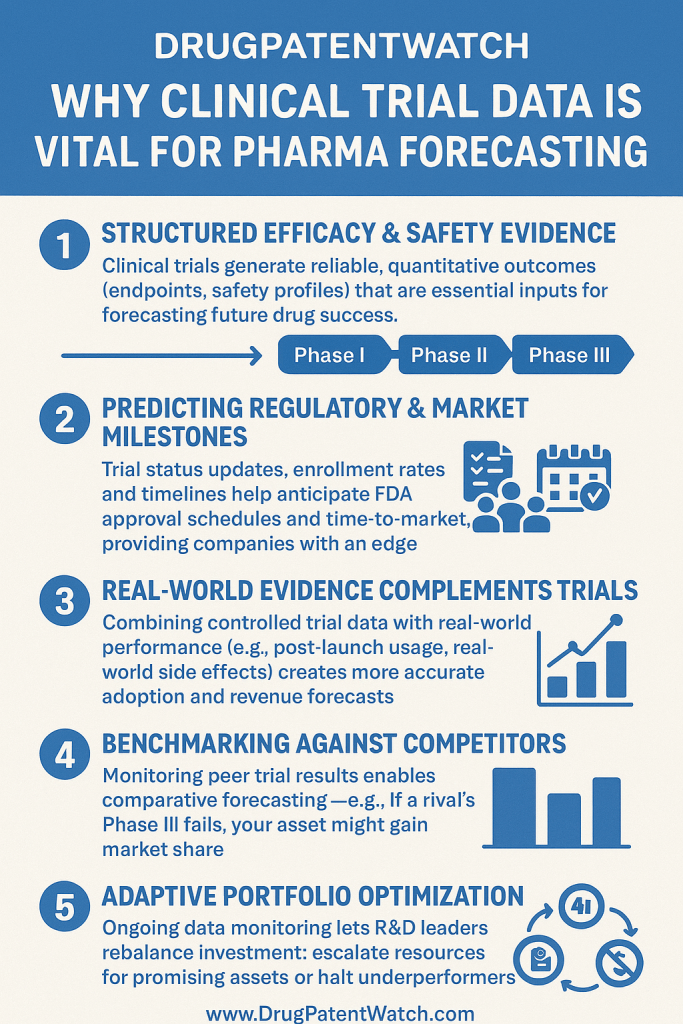
A deep-dive for pharma/biotech IP teams, portfolio managers, R&D leads, and institutional investors who need to move beyond 71% forecast error rates and start treating clinical data as a financial instrument.
1. Why Pharma Forecasting Fails Systematically
The Scale of the Problem
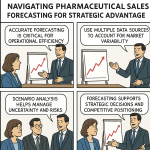
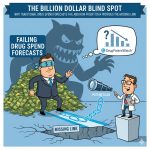
Pharmaceutical revenue forecasting is broken in a measurable, documented way. A study of 1,700 forecasts across 260 drugs found that actual peak sales diverged from pre-launch predictions by 71% on average, with many forecasters overstating projections by more than 160%. Six years post-launch, the same forecasts were still 45% off actual results. That is not statistical noise. That is a structural failure embedded in how the industry converts clinical data into commercial projections.
The financial consequences compound quickly. Overproduction of a biologic that misses its forecast means wasted manufacturing capacity and product write-downs; underproduction means stockouts, lost revenue, and formulary positioning risks that take years to repair. When companies build their five-year plans on projections that are structurally 45-71% inaccurate, the downstream decisions on capital allocation, licensing deal terms, headcount, and manufacturing investment are all contaminated at the source.
Where the Error Originates
The inaccuracy is not primarily a modeling problem. It is a data infrastructure problem layered over a process problem layered over a cognitive bias problem. Historically, forecasting teams relied on manual data transcription, copying figures from PDF regulatory documents into Excel workbooks, introducing transcription errors at every step. The underlying assumptions those models ran on, such as patient population size, market share capture rates, and payer uptake curves, were built on simplified heuristics rather than granular clinical evidence.
Regulatory approval timelines across the FDA, EMA, PMDA, and NMPA vary substantially and are frequently longer than modeled. Health technology assessment (HTA) bodies in Germany, the United Kingdom, France, and Canada apply different evidentiary standards, meaning a product that clears FDA review may face severe formulary restrictions in Europe that cut revenue by 30-50% below projection. Supply chain fragility, starkly visible during COVID-19, demonstrated that even a perfect demand forecast becomes worthless when active pharmaceutical ingredient (API) sourcing breaks down.
The talent dimension matters too. The STEM and data science roles required to build sophisticated forecasting models, including pharmacometricians, health economists, and machine learning engineers, are chronically underresourced within commercial functions. The result is that modeling work defaults to simpler tools and older methods.
The Forecasting-as-Barometer Principle
Forecast accuracy is a direct proxy for organizational agility. Companies that build tight feedback loops between clinical development and commercial forecasting outperform those that treat the two functions as sequential. When clinical teams generate Phase II biomarker data and commercial teams do not receive it until a Phase III readout, the commercial model is running 18 to 24 months behind the science. That lag directly explains post-launch underperformance.
The remainder of this guide maps the specific data each clinical trial phase generates, explains how that data propagates into commercial models, and identifies where IP valuation, competitive intelligence, and patent intelligence intersect with revenue forecasting to produce more defensible, durable projections.
Key Takeaways: Section 1
Forecasting error rates of 45-71% are not inevitable. They trace to three fixable inputs: poor data infrastructure (manual transcription, siloed clinical and commercial data), oversimplified assumptions (flat payer uptake curves, single-market projections), and cognitive anchoring on early estimates. Every subsequent section addresses a specific lever for correcting one of these inputs.
2. Phase I Data: PK/PD as the First Commercial Signal
What Phase I Actually Produces
Phase I trials are designed primarily for safety and dose-finding in humans, but the pharmacokinetic and pharmacodynamic (PK/PD) data they generate is the first commercially relevant signal a company has about a compound’s viability. The primary deliverables from Phase I include the maximum tolerated dose (MTD), dose-limiting toxicities (DLTs), the Recommended Phase 2 Dose (RP2D), and a characterization of absorption, distribution, metabolism, and excretion (ADME) behavior.
The “3+3” dose-escalation design remains standard for small molecules, but accelerated titration designs and model-based approaches using continual reassessment method (CRM) have gained ground in oncology specifically. CRM designs reduce the number of patients treated at subtherapeutic doses, generating cleaner PK data faster. For biologics, particularly monoclonal antibodies with target-mediated drug disposition (TMDD), first-in-human starting dose selection relies on minimal anticipated biological effect level (MABEL) calculations rather than the allometric scaling used for small molecules, which changes the structure of the dose-escalation and the forecasting model built around it.
PK/PD Modeling as Early Commercial Intelligence
Physiologically based pharmacokinetic (PBPK) models built during Phase I answer commercially critical questions well before a Phase III trial starts. Specifically, they predict drug behavior in special populations (hepatic impairment, renal impairment, pediatric patients, elderly patients) that shape label language, and label language directly determines the addressable patient population. A label that restricts use to patients with normal renal function can cut the commercial population by 15-25% for drugs treating conditions with high comorbidity rates, such as heart failure or diabetic kidney disease.
PBPK modeling also estimates drug-drug interaction potential (DDI). If a compound is a strong CYP3A4 inhibitor, the label will carry DDI warnings that complicate co-administration with common medications. For a drug targeting elderly patients already on polypharmacy regimens, that DDI profile is a direct market access signal that should feed into the commercial model at Phase I, not at launch.
The safety margin ratio, calculated as the ratio of the no-observed-adverse-effect level (NOAEL) from preclinical toxicology to the human equivalent dose, is a quantitative predictor of Phase II and Phase III failure risk. Narrow safety margins identified at Phase I are associated with higher rates of adverse event-driven discontinuation in later phases. This ratio belongs in the probability-of-success (POS) model from the first human dose forward.
Phase I IP Valuation: How Early Safety Data Moves Asset Value
From an IP and licensing perspective, Phase I completion is the first inflection point at which a compound’s value becomes transactable with a meaningful data package behind it. Pre-Phase I outlicensing deals for small molecules in oncology have historically traded at $10-50 million upfront with total deal values of $200-500 million, contingent heavily on preclinical mechanistic data. Post-Phase I, the same compound with a clean safety profile, confirmed target engagement via PD biomarkers, and a validated ADME profile will transact at $50-150 million upfront, with significantly tighter milestone structures.
The IP assets securing that value include composition-of-matter patents, which cover the chemical or biological entity itself and typically expire 20 years from filing, method-of-treatment patents covering specific indications, and formulation patents that may add exclusivity beyond the primary composition-of-matter expiry. At Phase I, the composition-of-matter patent is usually the primary asset. Its remaining life, adjusted for pediatric exclusivity extensions under PREA/BPCIA or orphan drug designation (ODD), determines how long a post-approval revenue stream can be projected.
The formula matters here: a compound with a composition-of-matter patent filed at IND submission (often five to seven years before approval) enters the market with 13-15 years of remaining patent life. That remaining exclusivity period is the primary driver of net present value (NPV) in any licensing or M&A transaction. Every month of Phase I delays erodes patent-protected commercial life. This is why Hatch-Waxman patent term restoration (PTR), which can restore up to five years of patent life lost to the FDA regulatory clock, is calculated with precision by IP teams from the Phase I start date.
Investment Strategy Note: At Phase I completion, the key question for portfolio managers is not whether the drug works, it is whether the PK/PD profile supports a commercially viable dose and schedule, whether the safety margin is wide enough to reach therapeutic exposures in the target population, and whether the remaining composition-of-matter patent life, accounting for PTR and pediatric exclusivity, supports the revenue duration required to justify Phase II-III investment. A drug with compelling PD biomarker data but a narrow safety margin or a composition-of-matter patent expiring in eight years faces structural commercial headwinds that do not disappear with Phase III success.
Key Takeaways: Section 2
Phase I PK/PD data is not a regulatory formality. It is the first quantitative commercial signal. PBPK modeling predicts special population behavior that determines label scope. Safety margin ratios predict late-stage attrition. Remaining patent life at Phase I determines whether NPV calculations can support the $100-500 million investment required to advance through Phase III. IP teams should be embedded in Phase I design discussions, not brought in after IND submission.
3. Phase II Data: Biomarker Strategy, POS Models, and Market Segmentation
The Phase II Paradox
Phase II occupies an uncomfortable position in the development continuum. It is expensive enough that failure is financially damaging (a single Phase II oncology trial runs $10-50 million), but its failure rate is high enough that more than 30% of drugs that enter Phase II never progress to Phase III. Of those that do advance, more than 58% subsequently fail in Phase III. The data generated in Phase II is both the most commercially informative early signal available and one of the least reliable predictors of Phase III success.
That paradox shapes how Phase II data should be used in forecasting: not as a confirmation signal, but as a calibration input that narrows the range of plausible Phase III outcomes.
Efficacy Endpoints: ORR, PFS, and OS
The primary efficacy endpoints in Phase II oncology trials are Objective Response Rate (ORR), Progression-Free Survival (PFS), and in select settings, Overall Survival (OS). Each carries different implications for commercial modeling.
ORR is the proportion of patients achieving a complete or partial response per RECIST 1.1 criteria (or equivalent disease-specific criteria). It is fast to measure and drives accelerated approval pathways at FDA under 21 CFR 314.510. High ORR in Phase II oncology can support a Breakthrough Therapy designation application, which compresses Phase III timelines through intensive FDA guidance and rolling review. But ORR alone is a fragile forecasting anchor: high response rates do not automatically translate to durable PFS or OS improvements, which payers ultimately require for unrestricted formulary placement.
PFS measures the time from randomization to disease progression or death. It is increasingly the preferred primary endpoint in randomized Phase II trials because it is observable in 12-18 months rather than the 3-5 years required for OS. PFS gains in Phase II must be interpreted carefully because PFS-to-OS correlation varies by tumor type. In non-small cell lung cancer (NSCLC), PFS improvements from PD-1/PD-L1 inhibitors have translated reliably to OS benefits; in some colorectal cancer settings, the correlation is much weaker. A commercial model built on a Phase II PFS readout should carry explicit uncertainty ranges calibrated to the historical PFS-OS correlation in that specific tumor type.
OS data in Phase II is most informative when collected in diseases with median survival under 12 months, where a mature OS readout is achievable within a reasonable trial timeline. In acute myeloid leukemia, pancreatic cancer, and small cell lung cancer, Phase II OS data carries significant commercial weight because the magnitude of improvement, even if based on a small sample, is directionally predictive for Phase III effect sizes.
Biomarker-Driven Segmentation and Its Commercial Implications
Biomarker-defined patient populations are the most commercially consequential output from Phase II trials. The mechanism is straightforward: if a Phase II trial enrolls an unselected patient population and the drug shows a 20% ORR overall, it may look marginal. If biomarker analysis reveals that patients with a specific mutation, gene expression profile, or protein expression level have a 65% ORR, the commercial model shifts entirely. The drug is no longer a marginal all-comers therapy; it is a precision oncology asset targeting a smaller but highly responsive population.
The commercial implications cascade through pricing, market access, and competitive positioning. A drug with a 65% ORR in a biomarker-selected population of 30,000 patients per year can command $15,000-25,000 per month pricing because the clinical differentiation is clear and payers can identify the population. A drug with 20% ORR in an unselected population of 200,000 competes on cost and convenience rather than efficacy, which is a weaker commercial position.
Research supports that biomarker-enriched Phase II trials improve Phase III success rates substantially, with some analyses suggesting a tripling of success probability when companion diagnostics are developed in parallel. That improvement in POS directly improves the NPV of the asset, because it shifts probability-weighted expected cash flows upward.
Traditional POS benchmarks in pharma used generic phase transition probabilities: roughly 50-65% from Phase II to Phase III, and 50-60% from Phase III to regulatory approval. Those numbers are averages across all therapeutic areas, all trial designs, and all sponsor types, making them nearly useless for any specific program.
Next-generation POS models, increasingly built on machine learning architectures trained on historical clinical trial databases, incorporate up to 14 program-specific features including drug mechanism of action, trial indication, sponsor organizational experience, trial design quality, endpoint selection, biomarker use, and competitive landscape. One published analysis demonstrated that this type of multi-factor POS model improved decision-making accuracy by 44% relative to traditional benchmarks, and predicted Phase II hematology trial outcomes with 80% accuracy. Those performance statistics matter in a practical sense: a 44% improvement in POS accuracy across a 10-compound Phase II portfolio means fewer wrong “go” decisions on weak programs and fewer wrong “no-go” decisions on strong ones. Across a large portfolio, that accuracy improvement translates to hundreds of millions in capital correctly deployed or redirected.
The practical implementation of a next-generation POS model requires structured clinical trial data at scale. This is where databases such as ClinicalTrials.gov, combined with proprietary sources tracking trial design, enrollment performance, and historical success rates by sponsor, become direct inputs into commercial forecasting rather than background research.
Phase II IP Valuation: Licensing Deal Terms and the Biomarker Premium
Phase II data readouts are the most common trigger for major licensing and acquisition transactions in pharma/biotech. A positive Phase II readout with a clean safety profile and credible efficacy signal in a high-value indication can 3-5x the asset’s valuation relative to Phase I.
The biomarker dimension adds a specific premium. Assets with validated companion diagnostics (CDx) in development alongside Phase II clinical data attract higher upfront payments in licensing negotiations because the CDx reduces commercial uncertainty. Roche/Genentech’s Herceptin (trastuzumab) combined with HER2 testing is the canonical historical example; the CDx-linked commercial model justified premium pricing and created a durable market position that sustained revenues for over two decades before biosimilar competition accelerated with the FDA’s biosimilar interchangeability framework.
For biosimilar applicants monitoring originator programs, Phase II biomarker data is also a signal for reference product characterization complexity. A biologic whose Phase II data reveals narrow therapeutic index characteristics or complex exposure-response relationships will be a harder reference product to characterize analytically, which increases the technical development cost and regulatory risk for biosimilar programs.
Investment Strategy Note: Phase II is where strategic partnerships should be evaluated, not just executed. A company advancing a program with strong Phase II data but limited Phase III execution capability should assess licensing to a large-cap partner versus raising capital for independent Phase III development. The licensing option crystallizes value now at a discount to peak potential; the independent development option preserves upside at the cost of execution risk. The POS model should drive that decision quantitatively, with explicit assumptions about Phase III success probability, regulatory timeline, and competitive dynamics at projected launch.
Key Takeaways: Section 3
Phase II produces the first direct clinical efficacy signal, but its predictive value for Phase III success is conditional on trial design quality, endpoint selection, and biomarker integration. ORR alone is a weak commercial anchor; PFS with a validated tumor-type-specific PFS-OS correlation is stronger; OS in short-survival indications is the most commercially durable. Multi-factor POS models built on machine learning outperform generic benchmarks by 44%. Biomarker validation in Phase II is the single highest-leverage action for increasing asset value before Phase III investment is committed.
4. Phase III Data: The Commercial Proving Ground
The Architecture of a Pivotal Trial
Phase III trials are designed to generate statistically robust, regulatorily acceptable evidence of efficacy and safety in a population large enough and diverse enough to support labeling decisions. They are also, unavoidably, the primary data source for every downstream commercial decision: pricing, market access negotiation, payer coverage, prescriber adoption, and competitive positioning.
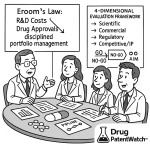
The statistical design of a Phase III trial has direct commercial consequences that are often underappreciated at the protocol-writing stage. Sample size calculations determine the minimum detectable treatment effect, which determines the hazard ratio (HR) at which the trial will achieve statistical significance. A trial powered to detect HR=0.75 in PFS will look like a failure at HR=0.80, even if HR=0.80 represents a clinically meaningful improvement for patients. The threshold chosen for statistical significance in Phase III is effectively the floor of commercial differentiation, and it should be set in consultation with payers and HTA bodies before the trial starts, not after.
Many trials have failed at the Phase III stage not because the drug was ineffective, but because the trial was designed to detect an effect size that payers and prescribers did not find clinically meaningful. An OS improvement of 1.2 months at a cost of $120,000 per treatment course does not justify premium reimbursement in Germany’s AMNOG framework, regardless of what the p-value shows.
Primary Endpoints and Their Commercial Weight
In oncology, the FDA accepts PFS as a surrogate endpoint for accelerated approval when the PFS improvement is deemed likely to predict OS benefit. Confirmatory OS data is required post-approval, creating a structured risk for assets that received accelerated approval based on PFS or ORR. When confirmatory OS trials fail, as has happened with several accelerated approvals withdrawn between 2019 and 2022, the commercial damage is immediate and severe: formulary removal, label contraction, and stock price collapse.
The EMA applies a different standard. Under the conditional marketing authorization (CMA) pathway, comprehensive data must be submitted within one to three years post-authorization. European payers, particularly those operating IQWIG in Germany and NICE in the UK, apply their own benefit assessment on top of regulatory approval. A drug that receives EMA approval on PFS data but fails to demonstrate statistically significant OS benefit in the subgroup IQWIG evaluates may receive a “no added benefit” rating in Germany, effectively capping its reimbursable price at the lowest-cost comparator. That is not a regulatory failure; it is a commercial failure, and it is avoidable if trial design accounts for HTA requirements from the start.
Outside oncology, cardiovascular outcome trials (CVOTs) have been required by the FDA for glucose-lowering drugs since 2008, following the rosiglitazone safety controversy. CVOTs typically enroll 7,000-14,000 patients over five to seven years and cost $250-700 million. The CVOT data for SGLT2 inhibitors produced a commercial outcome that fundamentally altered the class: empagliflozin’s EMPA-REG OUTCOME trial, dapagliflozin’s DECLARE-TIMI 58, and canagliflozin’s CANVAS program each generated cardiorenal benefit data that repositioned SGLT2 inhibitors from glucose management to cardiovascular and renal protection, substantially expanding their commercial addressable market and justifying premium pricing over generic sulfonylureas.
Phase III IP Valuation: Case Studies in Patent-Protected Commercial Windows
Merck’s Winrevair (sotatercept): Sotatercept is an activin receptor ligand trap approved in March 2024 for pulmonary arterial hypertension (PAH). The STELLAR Phase III trial demonstrated statistically significant improvement on the six-minute walk distance (6MWD) test and reduced the risk of clinical worsening or death. Merck acquired Acceleron Pharma in November 2021 for $11.5 billion, with sotatercept’s Phase III pipeline being the primary valuation driver. By 2029, analyst consensus projects sotatercept revenues at $11.4 billion annually, a figure that would make it one of the highest-revenue rare disease launches in pharmaceutical history.
The IP architecture behind this projection matters. Sotatercept’s composition-of-matter patents, filed by Acceleron, provide a core exclusivity window. Merck’s post-acquisition patent prosecution strategy has focused on method-of-treatment patents covering PAH specifically, dosing regimens, and patient selection criteria. Secondary filings targeting potential new indications (pulmonary hypertension associated with interstitial lung disease, HFpEF) extend the potential exclusivity runway. Each new indication patent, if litigated successfully against a Paragraph IV filer, adds three to five years of commercial life for that indication.
AstraZeneca and Daiichi Sankyo’s Datopotamab Deruxtecan (Dato-DXd): This antibody-drug conjugate (ADC) targeting TROP2 received FDA approval in January 2025 for HR+/HER2-low breast cancer (TROPION-Breast01 trial) and locally advanced or metastatic NSCLC (TROPION-Lung01 trial). The Phase III TROPION-Breast01 trial showed statistically significant PFS benefit over investigator’s choice chemotherapy in HR+/HER2-low disease, which has become a rapidly growing commercial category following the redefinition of HER2-low expression as a clinically actionable biomarker.
AstraZeneca’s 2020 collaboration deal with Daiichi Sankyo valued the ADC pipeline at $6 billion upfront plus up to $1 billion in additional payments, with profit-sharing arrangements. That deal structure explicitly priced the Phase III risk into the upfront payment. Post-approval, the combined ADC franchise (trastuzumab deruxtecan T-DXd plus Dato-DXd) generates a portfolio of intellectual property covering the DXd toxin chemistry, the cleavable linker technology, and the antibody selection process. The core DXd payload patents, filed by Daiichi Sankyo, are the highest-value assets in this IP stack. Biosimilar and generic ADC competition faces a substantially higher technical bar than small molecule generics, because ADC characterization requires demonstrating linker-payload equivalence in addition to antibody biosimilarity.
Merck’s Keytruda (pembrolizumab): Pembrolizumab now has more FDA-approved indications than any other oncology drug in history, a position achieved through a deliberate Phase III expansion strategy across tumor types and biomarker subgroups. The KEYNOTE trial program numbered more than 1,500 clinical studies at its peak. Each successful Phase III readout generated a new method-of-treatment patent filing covering the specific indication, biomarker threshold, and dosing regimen. This indication-stacking strategy, which some patent practitioners classify as a form of evergreening, means that even as the core pembrolizumab composition-of-matter patent expires, the portfolio of indication-specific and combination-regimen patents continues to provide barriers to biosimilar market entry.
Keytruda’s composition-of-matter patent (US 8,168,757) expired in 2028. Method-of-treatment patents covering specific tumor types and PD-L1 expression thresholds extend into the 2030s. Biosimilar pembrolizumab applicants filing abbreviated BLA (aBLA) under the BPCIA must navigate this layered IP estate and litigate selectively via the patent dance provisions of the BPCIA, a process that can delay commercial biosimilar entry by three to four years beyond the exclusivity expiration of the reference product.
Pricing Strategy Anchored in Phase III Data
Drug pricing decisions are made in the shadow of Phase III data. The clinical benefit demonstrated in the pivotal trial, measured through meaningful endpoints such as OS improvement, disease-free survival (DFS), or quality-adjusted life year (QALY) gain, determines what value-based pricing models will support.
HTA bodies use ICER analysis (incremental cost-effectiveness ratio) to determine whether a drug’s price is justified by its clinical benefit. In the UK, NICE applies a threshold of approximately £20,000-30,000 per QALY for standard therapies, with higher thresholds for oncology under the Cancer Drugs Fund. In the US, ICER publishes voluntary cost-effectiveness analyses that increasingly influence commercial payer negotiations and Pharmacy Benefit Manager (PBM) formulary decisions.
A Phase III trial that shows an OS benefit of three months in an unselected population will face ICER pressure regardless of the mechanism of action. A Phase III trial that shows an OS benefit of six months in a biomarker-selected population will support a price point that clears the ICER threshold in most payer frameworks. The trial design decision, specifically whether to run a biomarker-selected or all-comers trial, is simultaneously a scientific decision and a pricing strategy decision.
Investment Strategy Note: For portfolio managers evaluating oncology assets at Phase III entry, three metrics carry the most weight: the historical PFS-OS correlation in the specific tumor type, the ICER-modeled cost-effectiveness at the likely launch price, and the competitive landscape at projected approval. A drug entering a category with four approved competitors faces a steeper formulary access curve regardless of efficacy, because payers will use competitive bidding to drive price concessions. Exclusive first-in-class position at launch is worth an estimated 20-40% pricing premium that erodes as the competitive set expands.
Key Takeaways: Section 4
Phase III trial design is a commercial decision as much as a scientific one. Sample size, endpoint selection, and patient population definition determine the minimum commercial differentiation floor. HTA body requirements (AMNOG, NICE) should inform trial design from protocol inception. Indication-specific patent stacking (Keytruda model) extends effective commercial exclusivity well beyond composition-of-matter expiry. ADC IP architecture (Dato-DXd model) provides deeper generic/biosimilar barriers than standard antibody programs. ICER-modeled cost-effectiveness at Phase III readout, not at launch, is the appropriate time to evaluate pricing risk.
5. Phase IV Data: Post-Market Surveillance as Lifecycle Management
What Phase IV Actually Does
Phase IV, also called post-marketing surveillance or post-authorization safety study (PASS) in EMA terminology, is routinely described as a safety monitoring exercise. That framing is accurate but incomplete. Phase IV generates the Real-World Evidence (RWE) that determines whether a drug’s initial market penetration trajectory sustains or decelerates, and it is the primary data source for lifecycle management decisions that add years of commercial value to mature assets.
The data sources for Phase IV studies are heterogeneous: electronic health records (EHRs), insurance claims data from payers and PBMs, patient registries both sponsor-run and independent, wearable device outputs, and patient-reported outcome (PRO) instruments administered outside clinical trial sites. The regulatory frameworks governing this data include FDA’s 21 CFR Part 11 for electronic records, EMA’s Policy 0070 requiring proactive publication of clinical data submitted with marketing authorization applications, and the EMA-funded DARWIN EU initiative collecting federated real-world data from European health data networks.
Real-World Evidence vs. Randomized Controlled Trials: The Evidentiary Hierarchy
RWE occupies a specific and often misunderstood position in the evidentiary hierarchy. Randomized controlled trials (RCTs) generate internal validity at the cost of external validity: their controlled enrollment criteria, standardized dosing, and frequent monitoring produce results that are systematically more optimistic than real-world performance. RWE generates external validity at the cost of internal validity: the uncontrolled confounding in observational data makes causal inference difficult.
The methodological solutions to this tradeoff have matured substantially. Causal inference approaches, including inverse probability of treatment weighting (IPTW), instrumental variable analysis, and target trial emulation, allow RWE studies to approximate randomized designs more closely when done rigorously. Target RWE and similar organizations have published next-generation causal inference methods that demonstrate reproducibility of RCT findings in well-designed observational studies for multiple drug classes.
This matters for forecasting because formulary committees, HTA bodies, and payers increasingly accept RWE as supplementary evidence for coverage decisions and pricing negotiations, particularly for rare diseases where RCT sample sizes are insufficient to detect all clinically relevant effects.
Phase IV IP Valuation: Evergreening and New Indication Patents
The commercial value extracted from Phase IV data comes primarily through two mechanisms: evergreening via new indication discovery and label expansion, and competitive defense through safety data differentiation.
Evergreening, the practice of extending a product’s effective patent exclusivity by obtaining new patents on reformulations, dosing regimens, new indications, or delivery devices, is both a legal strategy and a clinical development strategy. Phase IV data provides the scientific basis for many evergreening patent filings. If Phase IV observational data reveals that a drug reduces cardiovascular events in a specific comorbidity subpopulation not studied in Phase III, a sponsor can initiate a new indication trial, generate regulatory approval for the new indication, and file method-of-treatment patents covering it. Those patents, if filed after the original composition-of-matter patent, extend the effective exclusivity period for the new indication by an additional period from their filing date.
The pediatric exclusivity extension under PREA (Pediatric Research Equity Act) and BPCA (Best Pharmaceuticals for Children Act) adds six months of market exclusivity beyond all existing patents and exclusivities when a sponsor completes FDA-requested pediatric studies. Phase IV is frequently when pediatric studies are conducted, meaning a Phase IV investment of $20-50 million in pediatric data can generate six months of exclusivity on a drug with $5 billion in annual US revenues: a $2.5 billion exclusivity value for that half-year alone.
For biosimilar originators, Phase IV data also allows the accumulation of safety differentiation data relative to biosimilar interchangeability applicants. An interchangeable biosimilar under the BPCIA must demonstrate that switching between the reference biologic and the biosimilar does not produce greater safety or efficacy concerns than continued use of the reference product. If Phase IV post-marketing safety data shows that the reference product has a specific rare adverse event profile in a subpopulation, that data can inform prescriber counseling in ways that slow interchangeable substitution at the pharmacy level.
Lifecycle Management Case Studies
Actelion’s OPSUMIT (macitentan) and UPTRAVI (selexipag) illustrate Phase IV-driven lifecycle value creation in the PAH category. Both products generated post-marketing evidence across diverse PAH patient subgroups, including those with connective tissue disease-associated PAH and those on combination therapy, that supported label expansions and reinforced prescriber confidence in long-term tolerability. This body of evidence contributed to the commercial trajectory that led to Johnson and Johnson’s acquisition of Actelion for $30 billion in 2017. Phase IV data was not peripheral to that valuation; it was the foundation of the long-term revenue visibility that justified the acquisition premium.
Vertex Pharmaceuticals’ cystic fibrosis franchise (Trikafta/Kaftrio, now the Vanza triple combination) projects $8.3 billion in annual sales by 2030. Vertex’s Phase IV commitments include long-term registry follow-up in cystic fibrosis patients, generating continuous data on lung function, exacerbation rates, and transplant-free survival that payers use to justify coverage at list prices exceeding $300,000 per year. Vertex’s IP portfolio for the CFTR modulator franchise includes composition-of-matter patents, combination-regimen patents, and method-of-treatment patents that collectively provide exclusivity into the late 2030s. The Phase IV data stream is the commercial infrastructure that makes those patent protections commercially durable: without ongoing evidence of long-term benefit, payer formulary positions would be renegotiated at each contract cycle.
Investment Strategy Note: Phase IV investment decisions should be modeled the same way as Phase III investments: as capital allocations with expected returns, not as regulatory obligations. The pediatric exclusivity calculation is straightforward: six months of exclusivity value equals half of annual US revenue. If annual US revenue is $3 billion, pediatric exclusivity is worth $1.5 billion. The pediatric study cost of $20-50 million generates a return of 30-75x on that specific investment, making it one of the highest-return capital allocations in pharmaceutical commercial strategy.
Key Takeaways: Section 5
Phase IV is a revenue-generating investment, not a regulatory tax. Pediatric exclusivity returns 30-75x the study cost in exclusivity value for products above $1 billion in annual US revenue. Evergreening via new indication patents requires Phase IV RWE to establish the scientific basis. Biosimilar interchangeability frameworks make Phase IV safety differentiation data commercially important for reference biologic manufacturers. Causal inference methods in RWE (target trial emulation, IPTW) now produce HTA-acceptable evidence that can support formulary negotiations and pricing maintenance.
6. IP Valuation Across the Clinical Development Continuum
The Patent Estate as a Revenue Timeline
Drug IP valuation is not a single-point estimate. It is a timeline of exclusivity events, each with a probability and a revenue impact, that collectively determine the net present value of a pharmaceutical asset. Building that timeline requires integrating data from the clinical development program with patent prosecution strategy, generic or biosimilar applicant activity, litigation history, and regulatory exclusivity provisions.
The Orange Book (for small molecules) and the Purple Book (for biologics) are the regulatory infrastructure for exclusivity management. Orange Book-listed patents are those that a drug applicant certifies cover the approved drug product and its approved methods of use. A Paragraph IV certification from a generic applicant, asserting that an Orange Book-listed patent is invalid or will not be infringed by the generic product, triggers a 45-day window for the NDA holder to file suit, which automatically stays FDA approval of the ANDA for 30 months. The commercial value of that 30-month stay, at average US branded drug pricing, is enormous: for a $5 billion revenue product, a 30-month exclusivity extension is worth $12.5 billion in protected sales.
For biologics under the BPCIA, the patent dance process governs information exchange and litigation timing. An interchangeable biosimilar applicant must provide 180-day notice before commercial launch. The 12-year period of reference product exclusivity for biologics, separate from patent exclusivity, means that no biosimilar aBLA can be approved before 12 years have elapsed from the reference product’s approval date. This statutory exclusivity is independent of patent protection and applies regardless of whether the originator’s patents survive litigation.
Small Molecule IP Valuation Methodology
For a small molecule drug, IP valuation begins with identifying all Orange Book-listed patents and their expiry dates, then adjusting for patent term extension (PTE) under Hatch-Waxman, which can add up to five years of exclusivity. The probability of surviving Paragraph IV litigation is estimated based on the type of patent (composition-of-matter patents have historically survived litigation more often than method-of-use patents), the strength of the prosecution history, and the track record of the filer.
The commercial value at risk in a Paragraph IV filing scenario is calculated as: annual US revenue multiplied by the remaining years of market exclusivity at risk, discounted by the litigation loss probability. If a drug generates $2 billion in US revenue annually and the contested patent has four years of remaining life, and the probability of losing the litigation is 40%, the expected value at risk is $2 billion multiplied by four years multiplied by 40%, which equals $3.2 billion in expected revenue loss. That figure drives the litigation settlement calculus and determines whether a reverse payment settlement (pay-for-delay agreement) is economically rational, though such settlements face ongoing regulatory scrutiny following the Actavis Supreme Court decision.
Biologic IP Valuation: Biosimilar Interchangeability and Market Share Erosion
For biologics, the IP valuation framework is more complex because the biologic product itself cannot be fully characterized by a single patent or even a portfolio of patents. The IP estate for a biologic includes composition-of-matter patents on the antibody or protein sequence, manufacturing process patents covering cell line selection, fermentation conditions, and purification steps, and formulation patents covering the drug product as administered (concentration, excipients, delivery device).
Biosimilar market share erosion follows a different trajectory than small molecule generic erosion. For small molecules with more than three generic entrants, originator market share typically falls to 10-20% of unit volume within two years, with price deflation of 80-90% from branded price. For biologics, especially those without interchangeability designation, market share erosion is slower: four to five years post-biosimilar entry, branded originator products commonly retain 30-50% of the market, particularly in categories where prescriber switching behavior is conservative (oncology, immunology) or where payer exclusion of the originator is contractually difficult.
Biosimilar interchangeability, which allows pharmacists to substitute a biosimilar for the reference product without a prescriber’s intervention (the same standard that applies to generic small molecules), dramatically accelerates market share erosion. As of 2025, multiple insulin biosimilars and adalimumab biosimilars have received interchangeability designation. The commercial impact on AbbVie’s Humira (adalimumab) following biosimilar interchangeable entry illustrates this dynamic: US Humira revenues declined from $14.9 billion in 2022 to approximately $8.9 billion in 2024, a 40% decline in two years, despite AbbVie’s citrate-free formulation switching campaign designed to retain patients on the originator product.
Investment Strategy Note: Biosimilar applicants evaluating reference products for development should conduct a biosimilar interchangeability cost-benefit analysis before committing to the development program. Achieving interchangeability designation requires additional clinical switching studies (the totality of evidence demonstrating that alternating between products does not produce greater safety or efficacy concerns than continuous use), which adds $50-150 million to the development cost. But without interchangeability, payer formulary dynamics in the US market will often exclude the biosimilar in favor of the reference product, particularly when originators offer contracted rebates. The interchangeability investment is often the difference between commercial viability and a niche market position.
Key Takeaways: Section 6
IP valuation is a quantitative discipline with direct inputs from clinical development data. Patent estate construction should begin at IND filing, not at NDA submission. Paragraph IV litigation expected value calculations determine settlement strategy. Pediatric exclusivity is the highest-return clinical investment available for products above $1 billion in US revenue. Biosimilar interchangeability transforms the market share erosion trajectory for biologics; without it, formulary dynamics often protect the reference product well beyond statutory exclusivity expiration.
7. Advanced Forecasting Methods: AI/ML, Simulation, and Real-World Evidence
AI and Machine Learning: From Feature to Infrastructure
AI and ML are now infrastructure in pharmaceutical forecasting, not features. The global AI in pharmaceutical market is projected to reach $16.49 billion by 2034, with a CAGR of 27% from 2025. By 2025, approximately 30% of new drug candidates are expected to involve AI in their discovery phase. These figures reflect genuine adoption rather than aspirational projections, driven by the measurable performance improvements AI methods deliver over traditional approaches.
In clinical trial operations, ML models perform patient eligibility screening against EHR databases at a scale and speed that manual review cannot match. Amgen’s Analytical Trial Optimization Module (ATOMIC) analyzes historical enrollment data to generate ranked lists of clinical trial sites by predicted enrollment rate, along with country-level and investigator-level performance predictions. This type of system shifts enrollment planning from experience-based estimates to data-driven projections, reducing the frequency of enrollment shortfalls that cause trial extensions and cost overruns.
ML-based patient stratification models classify patients by predicted treatment response using genetic profile, baseline biomarker levels, and prior treatment history. Deep learning algorithms have demonstrated drug response prediction accuracy exceeding 85% in some oncology applications, based on genomic input data. Those predictions feed directly into commercial models by defining the responsive patient population more precisely than Phase III enrollment criteria alone.
Monte Carlo Simulation and Clinical Trial Design Optimization
Monte Carlo simulation applies random sampling across distributions of uncertain input parameters to generate probability distributions of outcomes, rather than single-point estimates. Applied to clinical trial design, Monte Carlo simulation answers questions that deterministic models cannot: given the observed variability in PFS from Phase II, what sample size provides 90% power to detect the target HR in Phase III, and what is the probability distribution of trial completion timelines under different enrollment rate scenarios?
For commercial forecasters, Monte Carlo simulation translates into revenue probability distributions rather than point estimates. A Monte Carlo revenue model for a Phase III drug might show a median NPV of $3.5 billion with a 90th percentile of $7.2 billion and a 10th percentile of $800 million, given parameter uncertainties in trial success probability, pricing, and market penetration. That distribution is substantially more useful to a portfolio manager than a single NPV figure, because it quantifies downside risk and upside potential simultaneously.
Discrete event simulation (DES) models pharmaceutical supply chains and patient treatment flows. DES-based forecasting of biologic demand accounts for treatment initiation rates, discontinuation rates, dose modifications, and restocking lead times simultaneously, producing more accurate manufacturing capacity planning than demand-curve approaches. For products with complex administration requirements (IV infusions at specialty pharmacies, cold-chain biologics, limited distribution drugs), DES models outperform simpler demand models substantially.
Physiologically based pharmacokinetic (PBPK) modeling bridges preclinical and clinical data in ways that directly improve Phase I-to-II transition decisions. PBPK models predict drug behavior in special populations (pediatric, geriatric, renal-impaired, hepatic-impaired) from preclinical data, allowing early identification of populations where clinical development may be required or where label restrictions are likely. Each label restriction has a commercial consequence that should be quantified at the PBPK modeling stage.
Real-World Evidence: Methodological Standards and Regulatory Acceptance
RWE has moved from supplementary to primary evidentiary status in several regulatory and payer contexts. The FDA’s Framework for Real-World Evidence (December 2018) outlined the conditions under which RWE could support label expansions for approved drugs, and subsequent FDA guidance documents have elaborated specific methodological standards for RWE studies submitted for regulatory purposes.
The EMA’s DARWIN EU initiative represents a systematic effort to create federated real-world data infrastructure across European health data networks, enabling population-level analyses that no single national registry can support. DARWIN EU data is used directly by the EMA for regulatory benefit-risk assessments, particularly for post-authorization safety surveillance.
The methodological standards that distinguish credible RWE from inadequate observational data have clarified substantially. Target trial emulation, a framework developed by Hernan and Robins, specifies how an observational study should be designed to approximate a randomized trial: defining the eligibility criteria, treatment strategies, assignment procedures, follow-up period, outcome, causal contrast, and analysis plan explicitly, before touching the data. RWE studies that follow target trial emulation protocols generate evidence that is increasingly accepted by NICE, IQWIG, and HAS for coverage decision support.
For commercial forecasters, credible RWE translates to durable formulary positions. Payers renew formulary contracts annually or biannually; at each renewal, they can renegotiate pricing based on updated evidence. A sponsor with a robust Phase IV RWE program demonstrating long-term effectiveness and cost-effectiveness in real-world populations enters each renegotiation from a position of evidence strength. A sponsor without Phase IV data defends pricing based on Phase III trial data alone, which payers treat as increasingly outdated as years pass post-launch.
Key Takeaways: Section 7
Monte Carlo simulation produces revenue probability distributions that are more useful than point estimates for portfolio-level decision-making. PBPK modeling identifies label restriction risks before Phase III investment. ML-based POS models outperform generic benchmarks by 44% when trained on comprehensive clinical trial databases. Target trial emulation is the methodological standard for RWE studies used in regulatory and payer submissions. Robust Phase IV RWE programs strengthen formulary renegotiation positions throughout the product lifecycle.
8. Patent Intelligence as Forecasting Infrastructure
From Passive Monitoring to Active Signal Intelligence
Patent intelligence is the systematic analysis of patent filings, prosecution histories, litigation records, and loss-of-exclusivity (LOE) timelines to generate actionable commercial signals. For pharma IP teams and portfolio managers, it is the data layer that determines how long a revenue stream is defensible and when competitive erosion begins.
Paragraph IV certification tracking is the most commercially urgent element of patent intelligence. When a generic applicant files an ANDA with a Paragraph IV certification against an Orange Book-listed patent, it initiates a litigation and exclusivity sequence with defined commercial consequences. ANDA filers are required to notify the NDA holder within 20 days of FDA acceptance of the ANDA. The 45-day window for initiating suit, the 30-month stay, and the 180-day first-filer exclusivity for the first successful Paragraph IV challenger are all commercially significant events that should appear in any revenue model for a branded drug.
Drug patent databases such as DrugPatentWatch aggregate Orange Book listings, prosecution histories, ANDA filing activity, and litigation records in formats that allow systematic LOE timeline construction. For portfolio managers building long-term revenue models, this data infrastructure replaces manual Orange Book searches with structured, queryable datasets that can be integrated into financial models directly.
Patent Clustering and Evergreening Strategies
Patent clustering, the accumulation of multiple patent filings covering different aspects of a single drug product, is the primary mechanism by which pharmaceutical companies extend effective market exclusivity beyond the composition-of-matter patent expiry. The strategic logic is straightforward: a generic applicant must either design around or invalidate every Orange Book-listed patent to achieve an unencumbered market position. Each additional patent in the cluster adds litigation cost and risk for the generic applicant.
Common clustering strategies include formulation patents (covering specific dosage forms, excipients, and delivery systems), dosing regimen patents (covering specific dosing schedules or titration protocols), combination product patents (covering co-administration with other drugs), and metabolite patents (covering clinically active metabolites of the parent compound). Method-of-treatment patents covering specific patient populations or biomarker-defined subgroups add another layer.
The commercial value of successful patent clustering is substantial. Analyses of branded drugs have shown that products with more than eight Orange Book-listed patents face lower rates of early generic entry and retain higher revenue shares post-LOE than products with two to three patents. The FDA’s Unified Agenda and FTC oversight of Orange Book listings have increased scrutiny of patents that do not actually cover the approved product, limiting the most aggressive clustering strategies, but the core practice of building multi-patent exclusivity portfolios remains legally sound.
LOE Modeling and Generic Entry Forecasting
Loss-of-exclusivity modeling requires integrating patent expiry dates, pediatric exclusivity dates, Hatch-Waxman new chemical entity (NCE) exclusivity (five years from approval for small molecules with no previously approved active moiety), and three-year clinical investigation exclusivity with generic entry probability estimates. Generic entry probability varies by patent type, litigation history, and the number of ANDA filers.
Historical data on small molecule generic entry dynamics shows that first generic entry triggers rapid price erosion to 20-30% of branded price when two to three generics are present; when five or more generics enter, prices fall to 10-15% of branded price in competitive segments. For products with sustained high unit volume (high-prescribing generic categories such as antihypertensives, statins, and antidiabetics), generic erosion of branded share can reach 90% within 12-18 months of first generic entry.
Biologic LOE modeling requires a different approach. BPCIA 12-year reference product exclusivity, the patent dance timeline, and the biosimilar interchangeability approval pathway create a more complex and longer erosion trajectory. Biosimilar market penetration for IV biologics administered in clinical settings (infliximab, rituximab) has been faster than for self-administered subcutaneous biologics (adalimumab, etanercept), where patient inertia and prescriber switching behavior slow biosimilar uptake. For subcutaneous biologics, first-year biosimilar penetration commonly reaches 15-25% of unit volume; for IV biologics with payer-driven formulary exclusions of the originator, first-year penetration has exceeded 60% in some therapeutic categories.
Investment Strategy Note: LOE analysis is one of the highest-value applications of patent intelligence for portfolio managers. A drug approaching LOE with $3 billion in annual revenue and 36 months of remaining patent life has a quantifiable revenue at risk: $9 billion in gross revenue over the remaining exclusivity period, discounted at appropriate rates. Whether to acquire that asset at current valuation depends on the strength of the remaining IP estate, the number of ANDA filers already in queue, the probability of successful Paragraph IV litigation, and the availability of lifecycle management options (new formulation, new indication, new delivery device) that could generate new exclusivity streams.
Key Takeaways: Section 8
Patent intelligence is not background research; it is a direct input into revenue models. Paragraph IV certification monitoring triggers the commercial LOE timeline. Patent clustering strategies add litigation cost for generic applicants but face increasing regulatory scrutiny. LOE modeling for biologics requires integrating BPCIA 12-year exclusivity, patent dance timelines, and interchangeability status. Generic erosion dynamics differ fundamentally between IV biologics (fast, payer-driven) and subcutaneous self-administered biologics (slower, patient-inertia-driven).
9. Data Quality, Cognitive Bias, and Extrapolation Error
The Data Quality Problem in Clinical Forecasting
Clinical trial data is the input layer for pharmaceutical forecasting, and its quality directly determines the reliability of every downstream projection. Data quality failures in pharma are documented and costly. Inconsistencies across trial sites, missing or erroneous annotations, non-standardized data formats, and inadequate audit trails produce datasets that cannot be pooled or meta-analyzed reliably. In regulatory submissions, inconsistencies in clinical trial data discovered by FDA investigators have resulted in Complete Response Letters (CRLs) requiring additional trials, adding one to three years and $100-500 million to development programs.
The specific failure modes are identifiable. Transcription errors from source documents to case report forms (CRFs) remain common in sites without electronic data capture (EDC). Protocol deviations from sites that do not fully implement Good Clinical Practice (GCP) per ICH E6(R2) generate per-protocol population exclusions that reduce the statistical power of the analysis and force sponsor-unfavorable intention-to-treat analyses. Missing patient-reported outcome (PRO) data, which typically runs at 15-25% missing rates in trials without real-time monitoring, introduces selection bias when non-random patterns of missing data are correlated with treatment effect.
Standardized data architectures using HL7 FHIR-compliant schemas allow cross-site and cross-trial data aggregation that manual transcription workflows cannot support. Clinical data repositories built on unified data models (CDISC CDASH for data collection, SDTM for submission formatting, ADaM for analysis datasets) enable automated data quality checks that flag anomalies in real time rather than at database lock. Implementing these standards at trial initiation rather than retrofitting them post-data collection is the difference between a clean submission dataset and a 12-month data remediation exercise.
Cognitive Bias in Pharmaceutical Decision-Making
The high-stakes, high-uncertainty environment of pharmaceutical R&D creates systematic conditions for cognitive bias that distort forecasting inputs and POS estimates. Four biases are most impactful in this context.
Overoptimism bias, the tendency to assign higher success probabilities to programs one has invested in emotionally or financially, is well-documented in pharmaceutical R&D decision-making. Internal POS estimates consistently exceed external benchmark rates across the industry: when companies are asked to estimate their own programs’ Phase II-to-III success probability, they systematically report 10-15 percentage points higher than historical external benchmarks for comparable programs. That overoptimism translates directly into revenue projections that exceed eventual actual results.
Anchoring bias occurs when initial estimates, even when known to be preliminary or uncertain, exert excessive influence on subsequent revisions. A Phase II revenue forecast of $5 billion will anchor Phase III forecasting exercises even when Phase III data suggests a smaller target population or a weaker than expected effect size. The 71% pre-launch forecast deviation documented in the IQVIA study likely reflects anchoring on early Phase II projections that were not sufficiently revised as Phase III data emerged.
Planning fallacy, the systematic underestimation of time and cost required to complete complex tasks, explains much of the consistent underprediction of clinical trial timelines and overestimation of launch speed. Trials almost universally take longer than planned. Patient enrollment shortfalls are the most common driver: 80% of clinical trials fail to meet initial enrollment timelines, with enrollment-related delays averaging 6-12 months per trial. Revenue models that assume on-time launch without explicitly modeling enrollment delay risk are systematically optimistic.
Competitive neglect, underestimating the development activity of competitors when projecting market share, is particularly damaging in large therapeutic areas with multiple parallel development programs. A company projecting 35% market share for a Phase III asset does not always account for the two competitor drugs at similar development stages that will reach the market within 12-18 months. The resulting market share overprojection is a direct cause of post-launch underperformance.
Extrapolation from Trial to Real World: Where Models Break
Clinical trials are optimized for internal validity. Inclusion criteria select patients who are likely to comply with treatment protocols and complete assessments. Exclusion criteria remove patients with comorbidities that create safety signals or confound efficacy measurement. The resulting trial population is systematically healthier, more compliant, and less comorbid than the real-world patient population that will use the drug.
This gap between trial population and real-world population creates a predictable pattern: real-world effectiveness is typically lower than trial efficacy, real-world adherence is lower than trial compliance, and real-world adverse event rates are higher than trial adverse event rates in some patient subgroups (elderly, renally impaired, polypharmacy patients). Commercial models that do not apply a systematic real-world effectiveness discount to Phase III efficacy data will overestimate treatment response rates and underestimate discontinuation rates.
Survival extrapolation is the most technically demanding extrapolation problem in pharmaceutical forecasting. Phase III trials have defined follow-up periods; payer economic evaluations require long-term survival projections (10-20 years) to compute lifetime cost-effectiveness. Extrapolating OS curves beyond the trial observation period requires selecting parametric survival models (Weibull, log-normal, log-logistic, Gompertz, exponential) whose assumptions about survival behavior beyond the data are not empirically testable. The model selected can produce lifetime OS estimates that differ by a factor of two to three, which translate into ICER results that are above or below cost-effectiveness thresholds. Survival model selection is therefore a financial decision with pricing implications, not merely a statistical modeling choice.
Key Takeaways: Section 9
CDISC-compliant data architectures (CDASH, SDTM, ADaM) are prerequisite for scalable, audit-ready clinical data. Overoptimism in internal POS estimates typically adds 10-15 percentage points above external benchmarks. Real-world effectiveness discounts of 15-30% relative to Phase III efficacy are appropriate for most drug classes with strict trial eligibility criteria. Survival model selection in OS extrapolation is a financial decision, not just a statistical one: model choice can shift ICER results across cost-effectiveness thresholds.
10. Competitive Intelligence: From Monitoring to Anticipation
The Architecture of Pharmaceutical Competitive Intelligence
Pharmaceutical competitive intelligence covers scientific, clinical, regulatory, and commercial activity across the competitive landscape. Effective CI is not a news monitoring function. It is an analytical infrastructure that synthesizes structured and unstructured data into forward-looking assessments of competitor strategy, pipeline strength, and market threat timelines.
Structured data sources for CI include ClinicalTrials.gov trial registrations and results postings (required under FDAAA 801 for qualifying trials), patent database filings (USPTO, EPO, WIPO PCT filings), regulatory submission notifications (FDA PDUFA dates, EMA CHMP opinions, approval decisions), and ANDA filing notifications from the Orange Book. Unstructured data sources include scientific publications, conference abstracts and posters, investor presentations, earnings call transcripts, press releases, and social media activity from key opinion leaders (KOLs).
AI-powered CI platforms aggregate both data types and apply natural language processing (NLP) and machine learning to identify patterns in competitor activity that manual monitoring misses. Predictive CI using ML can identify early signals of a competitor’s Phase III failure risk from enrollment rate data on ClinicalTrials.gov, which historically predicts subsequent trial timeline extensions. It can identify potential acquisition targets by tracking which private biotech companies present at investor conferences, publish Phase II data, and file IND applications in therapeutic areas where large-cap companies have stated strategic interest.
Anticipating Generic and Biosimilar Entry
For branded drug manufacturers, the most commercially critical CI function is anticipating generic and biosimilar entry timing. ANDA filing activity, tracked through FDA ANDA approval databases and Paragraph IV certification notifications, provides real-time intelligence on which generic applicants are preparing to enter a market. The number of ANDA filers for a given drug is one of the most reliable predictors of post-LOE price erosion speed and magnitude.
For biosimilar programs, BPCIA patent dance filings provide intelligence on biosimilar applicants’ patent positions and litigation strategy. A biosimilar applicant that declines to participate in the patent dance (choosing the “default” patent list option) signals a litigation strategy that may be less aggressive than one that engages fully, which has implications for the litigation timeline and the reference product’s commercial defense planning.
CI on formulation changes and new delivery device patents filed by branded competitors is also commercially significant. A competitor filing patents on an autoinjector device for a drug approaching small-volume generic LOE signals a lifecycle management strategy aimed at migrating patients to a new delivery form before generics enter. If the new delivery device is patented and patients or prescribers develop strong preferences for it during a migration campaign, the commercial impact of generic entry on the branded product is reduced. Tracking device patents in combination with clinical trial registrations for formulation studies reveals these strategies at an early stage.
Key Takeaways: Section 10
Effective CI is anticipatory, not reactive. ClinicalTrials.gov enrollment rate data predicts timeline extensions before official announcements. ANDA filing volumes are leading indicators of post-LOE price erosion speed. BPCIA patent dance participation signals biosimilar litigation strategy. AI-powered NLP on unstructured data sources (conference abstracts, KOL social media, investor presentations) surfaces early competitive signals that structured data sources miss.
11. Investment Strategy for Portfolio Managers and Analysts
Valuing Clinical-Stage Assets: A Structured Framework
Clinical-stage pharmaceutical asset valuation uses risk-adjusted NPV (rNPV) as the primary metric, applying phase-specific POS estimates as discount factors to the probability-weighted future cash flows. The formula is: rNPV = (POS_overall) multiplied by (NPV of successful commercialization) minus (development costs).
The POS_overall is the product of phase transition probabilities from the current stage to commercial launch. For a drug entering Phase III, using next-generation ML-based POS estimates rather than generic historical benchmarks (which may be 10-15 points overoptimistic) produces a more reliable rNPV. Critically, the NPV of successful commercialization should use Monte Carlo-generated revenue distributions rather than point estimates, which quantifies downside scenarios that single-point models obscure.
Development cost estimation requires realistic timeline assumptions. Using actual enrollment rate data from comparable trials and therapeutic areas, rather than protocol-planned timelines, adds 6-18 months to most Phase III programs in the base case. That timeline extension reduces NPV by reducing the remaining patent-protected commercial window at launch.
Portfolio-Level Forecasting: Correlation and Diversification
At the portfolio level, rNPV calculations for individual assets are necessary but insufficient. Portfolio-level value depends on the correlation structure between assets. Programs sharing the same mechanism of action, the same target, or the same patient population have correlated failure risks: if one program fails due to target-related biology, the probability of failure for other programs on the same target increases. A portfolio of eight uncorrelated assets has different risk characteristics than a portfolio of eight assets all targeting PD-1 inhibition.
Portfolio diversification in pharmaceutical R&D means spreading programs across mechanisms, indications, and development stages in ways that reduce correlation. For institutional investors holding positions in multiple pharmaceutical companies, cross-company correlation matters as well: two large-cap oncology companies with similar pipeline concentrations in HER2-targeted therapies have correlated revenue at risk when biosimilar ADC competition intensifies.
M&A Valuation: When Clinical Data Drives Deal Pricing
Pharmaceutical M&A deal pricing is directly driven by clinical trial stage and data quality. The premium paid in a Phase II-stage acquisition reflects the expected probability of Phase III success, the revenue potential at peak, and the remaining patent life at projected approval. When Phase III data is positive but the deal is done pre-approval, the premium reflects regulatory risk and market access uncertainty on top of clinical uncertainty.
Several structural elements recur in pharmaceutical M&A pricing. Earn-out provisions link a portion of acquisition price to specific milestones (regulatory approval, first-year sales targets), transferring Phase III and commercial execution risk partially to the seller. Collar structures protect against stock price movements in all-stock deals. Contingent value rights (CVRs) allow sellers to participate in upside if the acquired asset exceeds specified revenue targets within defined periods.
For R&D leads and IP teams participating in due diligence, the critical evaluation areas are: patent estate completeness and validity (are all claims likely to survive IPR proceedings?), freedom-to-operate analysis (are there third-party patents that block manufacturing or use?), regulatory status (are there prior FDA enforcement actions, manufacturing deficiencies, or clinical holds that create undisclosed risk?), and data room quality (is the clinical data package organized to CDISC standards and internally consistent?). Gaps in any of these areas adjust acquisition price downward or trigger indemnification provisions.
Key Takeaways: Section 11
rNPV with next-generation POS estimates and Monte Carlo revenue distributions is the appropriate valuation tool for clinical-stage assets. Realistic timeline assumptions (actual enrollment rates from comparable trials) reduce NPV relative to protocol-planned forecasts. Portfolio correlation across mechanisms and indications quantifies true diversification value. Earn-outs and CVRs are the standard tools for pricing Phase III and commercial execution risk in M&A. Due diligence on patent estate validity, freedom-to-operate, and clinical data quality are the deal-critical evaluation areas.
12. Emerging Trends: Digital Biomarkers, Adaptive Trials, and Precision Pricing
Digital Biomarkers: Continuous Data as Commercial Infrastructure
Digital biomarkers, objective physiological measurements collected by digital sensors and devices, are transforming the data density available from clinical trials and post-market surveillance. Wearable accelerometers measure daily step counts and activity patterns. Continuous glucose monitors capture glycemic dynamics at five-minute resolution. Smart inhalers record inhaler actuation events and technique patterns. Implantable cardiac monitors generate continuous rhythm data. Smartwatch photoplethysmography detects atrial fibrillation in undiagnosed patients.
For clinical trial operations, digital biomarkers enable decentralized trial designs that reduce site visits, expand geographic recruitment reach, and increase data collection frequency. FDA’s 2021 guidance on decentralized clinical trials and 2023 final guidance on digital health technologies for drug and biological product development provide the regulatory framework for incorporating these data streams into trial designs.
For commercial forecasting, digital biomarker data collected in Phase IV generates insights into real-world drug use patterns, adherence, and treatment response that claim-based RWE misses. A continuous glucose monitor cohort on a GLP-1 receptor agonist reveals glycemic response trajectories that prescribers and payers use to evaluate comparative effectiveness. That data, aggregated across thousands of patients and analyzed in real time, provides a continuously updating commercial signal that static claims-based RWE cannot match.
The remote monitoring and sensor-based markets are projected to grow at double-digit CAGRs through 2030, reflecting increasing adoption of digital health monitoring across therapeutic areas. For pharmaceutical companies, the commercial question is not whether to collect digital biomarker data; it is whether to control that data through proprietary platforms or rely on third-party digital health vendors for data access.
Adaptive Clinical Trial Designs: Compressing Development Timelines
Adaptive trial designs allow pre-specified modifications to trial parameters based on accumulating data, without compromising the overall type I error rate. Response-adaptive randomization adjusts treatment allocation probabilities as interim efficacy data accumulates, concentrating more patients in the better-performing arm. Seamless Phase II/III designs eliminate the gap between Phase II and Phase III by using an adaptive stage transition that increases sample size and expands enrollment if interim data meets pre-specified thresholds.
Master protocol designs, including basket trials (one drug, multiple cancer types defined by biomarker) and umbrella trials (one cancer type, multiple drugs or biomarker-defined arms), reduce development costs by sharing infrastructure across programs. The FDA’s Project Optimus initiative, which seeks to optimize oncology dose selection through more rigorous dose-ranging in Phase I and Phase II, is pushing sponsors toward more complex adaptive Phase I/II designs that generate commercial-grade dose-response data earlier than traditional Phase I designs.
For commercial forecasters, adaptive designs change the information timeline: Phase III enrollment decisions can be triggered by interim Phase II data, reducing the gap between early efficacy signals and pivotal trial initiation by 12-24 months. That compression directly increases the remaining patent-protected commercial window at approval, which is one of the highest-value outcomes in pharmaceutical development strategy.
Precision Pricing: From One Drug, One Price to Outcomes-Based Contracts
Precision pricing matches drug prices to demonstrated patient outcomes rather than applying a single list price across all patients. Outcomes-based contracts (OBCs), also called value-based contracts (VBCs), structure drug pricing around specific clinical outcomes: if patients achieve the defined outcome (LDL reduction below 70 mg/dL for a lipid-lowering drug, seizure-free status for an epilepsy drug), the drug is reimbursed at full price; if patients do not achieve the outcome, the price is discounted or refunded.
OBCs are most viable when the outcome is objectively measurable, the measurement timing is reasonably short (within 12-18 months of treatment initiation), and the data infrastructure for outcome tracking exists. Digital biomarkers are enabling OBCs in categories where outcomes were previously difficult to measure in real time. A continuous glucose monitoring dataset can verify HbA1c improvement for an OBC in diabetes; a wearable step-count monitor can verify functional improvement in PAH (the same endpoint used in Winrevair’s STELLAR trial).
The personalized medicine market is projected to reach $658.4 billion by 2028, at an 11.5% CAGR from 2023. Oncology patients receiving biomarker-matched therapies show response rates 30-40% higher than those on standard protocols in multiple tumor types. That differential response rate is the commercial foundation for precision pricing: payers pay premium prices for precision oncology drugs because the biomarker-selected population has a high probability of response, which justifies the cost in cost-effectiveness analyses.
For pharmaceutical forecasters, precision pricing introduces a new modeling variable: the precision premium, the price differential above the standard of care that a biomarker-selected indication can command, as a function of the response rate differential and the HTA-acceptable ICER threshold. Modeling this variable explicitly, rather than assuming a single price for all uses of a drug, produces more accurate revenue forecasts in the precision medicine era.
Key Takeaways: Section 12
Digital biomarkers generate continuously updating real-world commercial signals that claims-based RWE cannot replicate. Adaptive and seamless Phase II/III designs compress development timelines by 12-24 months, increasing remaining patent-protected commercial windows. Outcomes-based contracts are increasingly feasible as digital biomarkers make outcomes objectively measurable in short timeframes. Precision pricing modeling requires an explicit precision premium variable calibrated to HTA cost-effectiveness thresholds and biomarker-selected response rate differentials.
13. Master Key Takeaways
For Pharma/Biotech IP Teams
Patent prosecution strategy should be integrated with clinical development from IND filing. Composition-of-matter patents, method-of-treatment patents, and formulation patents form a layered IP estate; each layer requires dedicated filing and prosecution timelines. Pediatric exclusivity (six months under PREA/BPCA) is the highest-return single clinical investment for products above $1 billion in US annual revenue. Biosimilar interchangeability status fundamentally changes market erosion dynamics; reference product manufacturers should treat interchangeability approval for a biosimilar as a major commercial LOE event, not a minor market development.
For Portfolio Managers
The 71% pre-launch forecast deviation is not a characteristic of the market; it is a characteristic of how forecasts are built. Forecasts that use next-generation ML-based POS estimates, Monte Carlo revenue distributions, realistic enrollment timeline assumptions, and explicit real-world effectiveness discounts will systematically perform better. Phase I PK/PD data, Phase II biomarker results, and Phase III trial design quality are the three highest-signal data points for portfolio allocation decisions. The remaining patent-protected commercial window at projected approval, adjusted for all applicable exclusivities, determines how much revenue duration the investment is buying.
For R&D Leads
Trial design is a commercial decision. Endpoint selection, patient population definition, and the biomarker strategy chosen in Phase II determine the commercial positioning space available at launch. Adaptive designs compress timelines and add patent-protected commercial life. PBPK modeling at Phase I predicts label restrictions before Phase III investment is committed. Phase IV investments in new indications, pediatric data, and outcomes-based RWE programs generate measurable commercial returns that should be modeled and justified as capital allocation decisions.
For Institutional Investors
Pharmaceutical sector revenue forecasts are structurally overoptimistic at the portfolio level. External benchmarks for phase transition probabilities are more reliable than company-provided POS estimates, which run 10-15 percentage points high on average. LOE timelines derived from Paragraph IV filing activity and patent estate analysis provide the most accurate predictor of revenue cliff timing. Biosimilar interchangeability approval for a reference product’s biosimilar is a more significant commercial event than formal patent expiry, because it enables pharmacy-level substitution without prescriber intervention. Companies that have built Phase IV RWE programs demonstrating real-world effectiveness enter payer negotiations with stronger pricing defense than those relying on Phase III trial data alone.
Data referenced throughout this document draws on publicly available sources including IQVIA commercial forecasting analyses, ClinicalTrials.gov trial registrations, FDA Orange Book and Purple Book listings, published clinical trial results, and patent databases including the USPTO, EPO, and DrugPatentWatch. All revenue projections cited represent analyst consensus estimates from the sources noted in-text and are subject to material change based on clinical, regulatory, and commercial developments.