Introduction: Beyond Purchase Price – Redefining Value in Pharma Procurement
In the intricate and high-stakes world of pharmaceutical procurement, the traditional playbook is becoming dangerously obsolete. For decades, the primary metric of success has been cost savings, a relentless pursuit of the lowest possible purchase price. This single-minded focus, while understandable, has created a strategic blind spot, obscuring a far more complex and critical reality. In today’s volatile market, true value in pharmaceutical procurement is not found on the invoice alone. It is a multi-faceted calculus that must weigh cost against quality, supply chain resilience, risk mitigation, and access to innovation. This report challenges the legacy, cost-centric view, reframing procurement from a transactional, back-office function into a strategic driver of organizational health and competitive advantage.1
The modern pharmaceutical landscape is defined by a powerful paradox. On one hand, the generic drug market is a monumental success story of cost containment. In 2022 alone, generic and biosimilar medicines saved the U.S. healthcare system an astonishing $408 billion, with cumulative savings over the past decade surpassing $2.9 trillion.3 These products account for 90% of all prescriptions filled in the United States, yet they represent a mere 17.5% of total prescription drug spending, a testament to their profound economic impact.3 This success has, however, forged a market of fierce competition and razor-thin margins.
On the other hand, this very success has engineered a market teetering on the brink of fragility. The relentless downward pressure on generic drug prices has created an environment where there are “insufficient incentives for redundancy or resilience-oriented manufacturing, distribution, and purchasing”.5 The consequences are now a persistent reality for healthcare providers: chronic and debilitating drug shortages. These shortages predominantly affect the very products that deliver the most savings—low-cost, sterile injectable generics that are the workhorses of hospital care.5 The pursuit of the lowest unit cost, when taken to its extreme, has inadvertently eroded the stability of the supply chain it depends on.
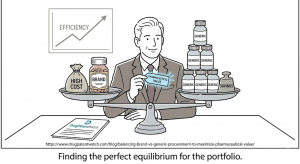
This creates a critical inflection point for procurement leaders. A strategy that exclusively targets purchase price variance is no longer just incomplete; it is an active participant in a system that generates risk. The “value” of a slightly more expensive but reliable supplier—one with redundant manufacturing, a robust quality record, and a transparent supply chain—represents a hidden but substantial return on investment that traditional procurement metrics fail to capture. The true cost of a drug is not its purchase price but the total cost of ensuring its uninterrupted availability and quality.
This report will provide a comprehensive framework for navigating this new reality. It will deconstruct the distinct lifecycles, risks, and opportunities of both brand-name and generic drugs. It will delve into the complex interplay of patents and regulatory exclusivities that govern market dynamics. Most importantly, it will equip decision-makers with advanced strategic tools—from Total Cost of Ownership (TCO) analysis and Value-Based Procurement (VBP) models to sophisticated competitive intelligence platforms—to build a procurement ecosystem that is not only cost-efficient but also resilient, agile, and aligned with the future of medicine. The objective is to move beyond tactical buying and embrace a holistic, value-driven approach where procurement becomes a central pillar of enterprise strategy, safeguarding patient care and securing long-term organizational success.
The Two Sides of the Coin: Deconstructing the Brand and Generic Lifecycles
At the heart of any sophisticated pharmaceutical procurement strategy lies a deep understanding of the fundamentally different journeys a brand-name drug and its generic counterpart take from concept to patient. These are not merely two versions of the same product; they are the outcomes of distinct business models, regulatory pathways, and risk philosophies. The regulatory chasm between a New Drug Application (NDA) for an innovator product and an Abbreviated New Drug Application (ANDA) for a generic does more than define timelines and costs; it fundamentally shapes the risk profile that procurement teams must manage. For brand-name drugs, the primary risk is financial—the high acquisition cost necessary to support innovation. For generics, the risk is primarily operational—the potential for supply chain instability and quality variance born from a low-margin, high-volume model. Recognizing and managing these divergent risk landscapes is the first step toward a truly strategic sourcing framework.
The Brand Gauntlet: From Discovery to Blockbuster
The journey of a brand-name drug is a high-risk, high-reward gauntlet characterized by immense upfront investment and a low probability of success. The process begins not in a factory, but in a laboratory, with the discovery or synthesis of a new chemical entity. From that point, the path to market is long, arduous, and astronomically expensive. On average, bringing a new medicine to patients takes 12 years of dedicated work.7 The financial commitment is equally staggering, with the cost of development, from initial research through final regulatory approval, ranging from a conservative $43.4 million to an eye-watering $4.2 billion.4
This colossal investment is funneled into a rigorous, multi-stage process mandated by regulatory bodies like the U.S. Food and Drug Administration (FDA). Before a drug can even be tested in humans, it must undergo extensive preclinical studies in laboratory and animal models to assess its basic safety and biological activity.9 If these studies are successful, the developer files an Investigational New Drug (IND) application with the FDA to begin clinical trials in humans. This is where the costs and risks escalate dramatically. The clinical trial process is divided into three sequential phases:
Phase 1: The drug is tested in a small group of healthy volunteers (typically 20-80) to evaluate its safety, determine a safe dosage range, and identify side effects.9
Phase 2: The drug is given to a larger group of people (typically 100-300) who have the target disease or condition to test its efficacy and further evaluate its safety.9
Phase 3: The drug is administered to large groups of people (typically 1,000-3,000) to confirm its effectiveness, monitor side effects, compare it to commonly used treatments, and collect information that will allow the drug to be used safely.9
Only after this exhaustive data collection is complete can the manufacturer compile and submit a New Drug Application (NDA) to the FDA. The NDA is a comprehensive document containing all animal and human data, analyses of the data, information on how the drug behaves in the body, and details of its manufacturing process.9 The FDA’s review of an NDA can take anywhere from 6 to 10 months, or longer.9
The entire purpose of this high-risk endeavor is to secure a period of government-sanctioned market monopoly. This monopoly, granted through a combination of patents and regulatory exclusivities, is the fundamental economic engine of pharmaceutical innovation. It provides the innovator company with a temporary window—often only a decade or so by the time the drug reaches the market—to recoup its massive R&D investment and generate the profits necessary to fund the search for the next generation of breakthrough therapies.4 When a procurement team pays the premium price for a brand-name drug, they are not just buying a molecule; they are funding this entire ecosystem of discovery.
The Generic Pathway: Speed, Bioequivalence, and the ANDA
The generic drug industry operates on a completely different paradigm. Its business model is not built on novel discovery but on efficient replication and speed to market. The regulatory pathway for generics, established by the landmark Drug Price Competition and Patent Term Restoration Act of 1984 (commonly known as the Hatch-Waxman Act), is designed to facilitate this model.12 Instead of a full NDA, generic manufacturers submit an Abbreviated New Drug Application (ANDA).9
The ANDA is “abbreviated” because it does not require the applicant to conduct new, independent preclinical and clinical trials to prove the drug’s safety and efficacy. Instead, the ANDA relies on the FDA’s previous finding that the innovator drug, known as the Reference Listed Drug (RLD), is safe and effective.9 The generic manufacturer’s primary task is to prove that its product is a therapeutic equivalent of the RLD. This is achieved by meeting two critical standards:
Pharmaceutical Equivalence: The generic drug must have the same active ingredient(s), strength, dosage form, and route of administration as the brand-name drug.4 Its inactive ingredients (such as fillers, binders, and dyes) must be safe and not alter the drug’s effect. Manufacturers must also conduct stability tests to demonstrate that the generic has the same shelf life as the brand.4
Bioequivalence: This is the scientific cornerstone of generic approval. The generic manufacturer must conduct studies, typically in a small number of healthy volunteers, to demonstrate that its drug is absorbed into the bloodstream at the same rate and to the same extent as the brand-name drug.4 If the two drugs deliver the same amount of active ingredient to the bloodstream over the same period, they are considered bioequivalent and can be expected to have the same therapeutic effect.
In addition to these core requirements, the FDA rigorously inspects generic manufacturing facilities to ensure they meet the same quality standards as brand facilities, and reviews the product’s container and labeling to ensure they are appropriate and consistent with the brand’s, with some exceptions for patented uses.4
Because the costly and time-consuming R&D and clinical trial phases are bypassed, generic manufacturers can bring their products to market far more quickly and at a fraction of the cost. This efficiency is passed on to the healthcare system in the form of dramatically lower prices, which are often 80-85% less than the brand-name equivalent.13
It is important to note that while therapeutically equivalent, generic drugs are not identical copies. U.S. trademark laws require generics to have a different appearance (e.g., color, shape, or flavor) from their brand-name counterparts.4 Furthermore, the inactive ingredients can differ. While these differences do not affect the drug’s efficacy for the vast majority of patients, in rare cases, a patient may have an allergy or sensitivity to a specific inactive ingredient, necessitating a switch to a different generic or back to the brand.15 For a small category of drugs known as “narrow therapeutic index drugs,” where even minor variations in dose can have significant clinical consequences, physicians may specify that only the brand-name version be dispensed to ensure maximum consistency.4 However, for the overwhelming majority of medicines, the FDA-approved generic is a safe, effective, and cost-efficient alternative.
A world-class procurement team must internalize these distinct models. When sourcing a brand-name drug, the negotiation focuses on financial terms, rebates, and patient access programs, with quality being a high-confidence assumption backed by the innovator’s reputation and high-margin business. When sourcing a generic, the price is the starting point, but the strategic analysis must immediately pivot to operational metrics. A robust generic supplier scorecard should heavily weight factors like manufacturing redundancy, geographic diversification of API sources, FDA inspection history (e.g., Form 483s and warning letters), and the supplier’s historical failure-to-supply track record. Simply selecting a generic based on FDA approval and the lowest price on a bid sheet is a tactical error that ignores the inherent operational risks of the low-cost model and invites the very supply disruptions that a strategic procurement function is designed to prevent.
The Twin Shields of Monopoly: Navigating Patents and Exclusivities
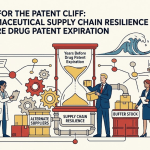
To master the art of pharmaceutical procurement, one must first master the language of market exclusivity. A brand-name drug’s period of monopoly—the lucrative window before generic competition erodes its market share—is not protected by a single wall, but by a sophisticated, multi-layered fortress of intellectual property (IP) and regulatory protections. These “twin shields” of patents and FDA-granted exclusivities are distinct, operate under different laws, and can run concurrently or sequentially. Understanding their intricate interplay is not merely an academic exercise for IP lawyers; it is a fundamental requirement for any procurement or business development professional aiming to create accurate financial forecasts, identify strategic opportunities, and mitigate supply chain risks. The term “patent cliff” is often used to describe the moment a blockbuster drug loses protection, but this is a misleading simplification. For a strategist, it is not a single cliff edge but a complex, multi-year “unraveling” of these interwoven protections. The true date of market opening for generic entry is dictated by the last-to-expire barrier, whether that barrier is a patent or a regulatory exclusivity. A procurement model that fails to account for this complexity is a model destined for failure, leading to inaccurate budgets and missed strategic opportunities.
Understanding the Patent Thicket: A Multi-Layered Defense
Patents, granted by the U.S. Patent and Trademark Office (USPTO), are the primary shield protecting a brand manufacturer’s innovation. They provide the legal right to exclude others from making, using, or selling the patented invention for a term of 20 years from the filing date.10 However, savvy innovator companies rarely rely on a single patent. Instead, they strategically construct a “patent thicket”—a dense, overlapping portfolio of patents designed to create multiple layers of defense and extend the product’s commercial life as long as possible.8 Navigating this thicket is a primary challenge for generic competitors. The key types of patents include:
Composition of Matter Patents: These are the crown jewels of pharmaceutical IP.8 They protect the active pharmaceutical ingredient (API) itself—the core molecule responsible for the drug’s therapeutic effect. These are the strongest and most valuable patents, as they are very difficult to “design around” without creating an entirely new drug.
Formulation Patents: These patents protect the specific way a drug is delivered to the patient, not the API itself. This can include extended-release formulations, transdermal patches, specific coatings, or combinations of excipients that improve stability or patient compliance.8
Method of Use Patents: These patents cover a new therapeutic use for a known drug. For example, if a drug initially approved for hypertension is later found to be effective for another condition, the manufacturer can obtain a new method of use patent for that new indication, potentially extending its market protection for that specific use.8
Process Patents: These protect novel and innovative methods of manufacturing a drug. A unique, more efficient, or purer synthesis route can be patented, forcing potential generic competitors to develop their own non-infringing manufacturing processes.8
Other Ancillary Patents: The thicket can be further fortified with patents on specific crystalline forms of the API (polymorphs), active metabolites, or specific dosage regimens.
This strategy of layering secondary patents on top of an original invention is often referred to as “evergreening” or “product lifecycle management”.16 A classic example is Teva’s strategy for its multiple sclerosis drug, Copaxone. Well before the patent on the original 20mg daily injection was set to expire, Teva developed, patented, and launched a new 40mg three-times-a-week version. This “product hopping” strategy, combined with a dense thicket of other patents, aimed to transition patients to the new, longer-protected version of the drug, thereby preserving market share long after the original patent expired.17 The rise of artificial intelligence in drug discovery is poised to make these strategies even more potent, as AI can rapidly identify new formulations or functionally similar substances, potentially allowing companies to build patent blockades faster than ever before.18
The Regulatory Moat: FDA-Granted Exclusivities
Entirely separate from the patent system, the FDA grants its own set of market protections, known as regulatory exclusivities. These are a function of the Food, Drug, and Cosmetic Act and are designed to provide additional incentives for innovation, particularly in areas of unmet medical need.8 These exclusivities can run concurrently with patents and serve as an independent barrier to generic competition. Even if all patents on a drug have expired or been invalidated, a period of regulatory exclusivity can still keep generics off the market.8 Key types include:
New Chemical Entity (NCE) Exclusivity: A drug containing an active ingredient never before approved by the FDA is typically granted five years of market exclusivity from the date of its approval. Critically, the FDA cannot even accept an ANDA from a generic manufacturer for the first four years of this period (or five years if the generic does not challenge a patent).8
Orphan Drug Exclusivity (ODE): To incentivize the development of treatments for rare diseases (affecting fewer than 200,000 people in the U.S.), the FDA grants a seven-year period of market exclusivity for drugs designated as “orphan drugs.” During this time, the FDA cannot approve another application for the same drug for the same orphan indication.10
New Clinical Investigation Exclusivity: This three-year exclusivity is granted for the approval of applications that contain new clinical investigations (other than bioavailability studies) that were essential to the approval. This often applies to new dosage forms, new indications, or a switch from prescription to over-the-counter (OTC) status for a previously approved drug.8
Pediatric Exclusivity (PED): This is a powerful incentive. If a manufacturer conducts pediatric studies in response to a written request from the FDA, an additional six months of exclusivity is added to all existing patents and exclusivities for that drug.8 This six-month extension on a multi-billion-dollar drug can be worth hundreds of millions of dollars.
Biologics Exclusivity: Under the Biologics Price Competition and Innovation Act (BPCIA), innovator biologic products are granted 12 years of exclusivity from the date of first licensure, reflecting their higher development cost and complexity. This is a formidable barrier for biosimilar competitors.20
The Patent Cliff: A Predictable Tsunami of Opportunity and Risk
The “patent cliff” is the term used to describe the phenomenon where a pharmaceutical company experiences a sharp drop in revenue as one or more of its blockbuster drugs loses market exclusivity.21 This is not a random event but a predictable, recurring seismic shift in the industry’s financial landscape. The stakes are immense; between now and 2030, over $200 billion in annual revenue from some of the world’s best-selling drugs—including AbbVie’s Humira, Merck’s Keytruda, and Johnson & Johnson’s Stelara—is projected to be at risk due to patent and exclusivity expirations.21
For the innovator company, the cliff represents a significant strategic threat, often triggering major restructuring, M&A activity, and a desperate search for new revenue streams. For the generic industry, however, the patent cliff is a gold rush. It represents a massive, predictable transfer of wealth from a single innovator to multiple competitors. The financial impact is swift and dramatic. A blockbuster drug can lose up to 80% of its revenue within the first year of facing generic or biosimilar competition.21
This predictable event is the central organizing principle for strategic planning on both sides of the brand-generic divide. Innovator companies engage in lifecycle management and evergreening strategies for years in advance to delay the fall. Generic companies, in turn, invest heavily in R&D and legal preparations to be ready for a “Day 1” launch, the moment the last barrier to market entry falls. The most aggressive generic players may even try to accelerate that date by challenging the innovator’s patents in court, a high-risk, high-reward strategy that, if successful, can grant them a lucrative 180-day period of generic exclusivity as the first challenger to market.8
For procurement professionals, the patent cliff is the master key to forecasting and strategy. An accurate understanding of a drug’s true exclusivity landscape allows for precise budget modeling, proactive identification of future cost-saving opportunities, and the development of sourcing strategies that can be executed the moment the market opens. This elevates the procurement function from a passive buyer reacting to market changes to an active intelligence hub that anticipates and capitalizes on them. This proactive stance is impossible without dedicated tools and expertise to monitor the complex, dynamic, and ever-shifting landscape of pharmaceutical IP.
The Procurement Playbook: From Tactical Buying to Strategic Sourcing
In the face of mounting market complexities—from fragile supply chains to opaque pricing intermediaries—the traditional procurement model of simply negotiating the lowest unit price is no longer sufficient. A modern, high-performing pharmaceutical procurement organization must evolve from a tactical buying center into a strategic sourcing hub. This transformation is built on three foundational pillars: a risk-managed sourcing framework that prioritizes safety and reliability; a rigorous financial methodology based on Total Cost of Ownership (TCO) that uncovers hidden costs; and a forward-looking adoption of Value-Based Procurement (VBP) that aligns spending with patient outcomes. These pillars represent an evolutionary continuum. An organization first masters TCO to gain control over its internal value chain—quantifying costs related to labor, waste, and supply disruptions. It then leverages that data and discipline to engage in VBP, projecting its influence onto the patient value chain by linking procurement decisions to the ultimate goal of healthcare: improving health. This evolution is the definitive path to maximizing true, sustainable value.
Pillar 1: A Risk-Managed Sourcing Framework
The cornerstone of any modern procurement strategy is a framework that systematically manages risk. In an industry where a supply chain failure can have direct consequences on patient health, risk management is not just about protecting the bottom line; it is a fundamental ethical and operational imperative. This begins with a profound shift in mindset: a supplier is not a vendor but a partner, and the selection process must be as rigorous as a clinical trial. As Dr. Elena Petrova, an expert in global pharmaceutical supply chains, notes, “A pharmaceutical supply chain is only as strong as its weakest link, and often, that link is an unvetted supplier”.22
A robust, risk-managed framework is built on several key components:
Comprehensive Supplier Vetting and Prequalification: Before any contract is signed, potential suppliers must undergo thorough due diligence. This goes far beyond a simple price quote. It involves a deep assessment of their regulatory standing, including a review of their FDA inspection history and compliance with Good Manufacturing Practices (GMP).22 It requires verification of quality certifications, such as those from the International Council for Harmonisation (ICH Q10) or the International Organization for Standardization (ISO 9001), which provide a systematic approach to managing quality from raw material sourcing to final distribution.22 Financial viability, past performance, and manufacturing capacity must also be scrutinized to ensure the supplier can reliably meet demand.
Documentation and End-to-End Traceability: A clear, verifiable chain of custody for all products is non-negotiable. This is critical not only for routine regulatory audits but also for rapid response in the event of a product recall.23 Modern technology, including blockchain, is increasingly being leveraged to create immutable records of a drug’s journey through the supply chain, ensuring authenticity and preventing the entry of substandard or counterfeit medicines.24 As one study highlighted, robust traceability systems are a crucial defense against the infiltration of poor-quality products into the supply chain.23
Secure and Transparent Processes: The framework must extend to financial and logistical processes. This includes using secure payment solutions, such as escrow services, which protect payments until products are confirmed and delivered, mitigating the risks of cross-border transactions.23 It also involves establishing clear contract terms that meticulously detail quality standards, delivery timelines, payment schedules, and dispute resolution mechanisms, protecting both the buyer and the seller.22
Pillar 2: Total Cost of Ownership (TCO) vs. Acquisition Cost
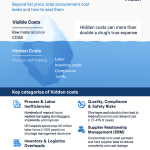
The most significant intellectual leap for a procurement organization is the transition from focusing on acquisition cost to analyzing the Total Cost of Ownership (TCO). The purchase price of a drug is merely the “tip of the iceberg”; the true financial burden lies in the vast, submerged costs generated by process inefficiencies, supply chain failures, and quality issues.24 A TCO model is a comprehensive methodology for quantifying all expenses associated with a product over its entire lifecycle, providing a holistic financial picture that enables far more intelligent sourcing decisions.26
The key components of a TCO analysis in a pharmaceutical context include:
Acquisition Costs: The initial purchase price of the drug.24
Operating and “Hidden” Costs: This is where the TCO model reveals its power. These costs include:
Labor Costs of Shortage Management: When a low-cost supplier fails to deliver, the ripple effects are expensive. A 2022 study found that U.S. hospitals spent an estimated 20 million staff hours managing drug shortages, translating to nearly $900 million in labor costs annually. This is the time pharmacists, technicians, and clinicians spend on non-value-added activities like identifying the shortage, sourcing expensive alternatives, and updating internal systems.27
Inventory Carrying Costs: Holding inventory is expensive. These costs, which include warehousing, security, insurance, and the cost of capital tied up in stock, are estimated to be between 10% and 35% of the inventory’s total value annually.27 An unreliable supplier may force an organization to hold more safety stock, driving up these costs.
Waste and Spoilage: An estimated 7.1% of all pharmaceutical stock is lost within the supply chain due to expiry, damage, or overproduction, representing a staggering $10.3 billion in lost value.27
Quality Failure Costs: The cost of a single quality failure can be catastrophic. Recalls, regulatory penalties, and reputational damage can dwarf any savings achieved on the initial purchase price. The incidents involving contaminated heparin and valsartan serve as stark reminders of the immense price of failure.22
The following table provides a practical illustration of how a TCO analysis can dramatically reframe a sourcing decision, demonstrating that the “cheapest” option on paper can ultimately be the most expensive.
Cost Category
Option 1: Brand-Name Drug
Option 2: Generic Supplier A (Lowest Price, High Risk)
Option 3: Generic Supplier B (Higher Price, Low Risk)
Acquisition Costs
Annual Drug Purchase Cost
$10,000,000
$2,000,000
$2,300,000
Operational & Risk Costs (Hidden Costs)
Est. Labor for Shortage Management
$10,000
$250,000
$25,000
Cost of Emergency Alternatives
$5,000
$500,000
$50,000
Inventory Carrying Costs
$200,000
$80,000
$95,000
Administrative Overhead
$25,000
$50,000
$35,000
Est. Cost of Quality Failures
$1,000
$150,000
$15,000
Total 5-Year TCO Projection
$51,205,000
$15,150,000
$12,600,000
Note: Figures are illustrative. The model assumes higher risk probabilities for Supplier A, leading to greater projected costs for shortage management, emergency sourcing, and quality failures over a five-year period.
This analysis reveals a powerful conclusion. While Generic Supplier A offers the lowest acquisition cost, its poor reliability and quality profile lead to substantial hidden costs, making it more expensive over the long term than the slightly higher-priced but more resilient Generic Supplier B. The brand-name drug, despite its high initial cost, demonstrates the lowest operational risk. The strategic choice becomes clear: Option 3, Generic Supplier B, offers the optimal balance, delivering the lowest Total Cost of Ownership.
Pillar 3: The Shift to Value-Based Procurement (VBP)
The final and most advanced pillar of strategic sourcing is Value-Based Procurement (VBP). While TCO focuses on optimizing costs within the healthcare system, VBP expands the aperture to link procurement decisions to the ultimate goal: improving patient outcomes.30 VBP is a sophisticated model that seeks to achieve “outcomes that matter to people at the lowest possible cost”.31 It moves the conversation away from the cost of the pill and toward the value of the therapy.
“Value-based procurement (VBP) has been defined as achieving ‘outcomes that matter to people at the lowest possible cost’…. Many purchasers are shifting from a traditional approach based on single-unit cost-saving to a more holistic approach, encompassing long-lasting performance evaluation, including the highest possible number of stakeholders and wider sets of indicators.” 31
The primary mechanism for VBP is the Value-Based Contract (VBC), a performance-based reimbursement agreement between a payer (or provider) and a pharmaceutical manufacturer.32 In a VBC, the price or reimbursement for a drug is tied to its real-world performance against pre-defined metrics. These metrics can be clinical, such as a reduction in hospitalizations or an improvement in a biomarker, or financial, such as achieving a certain level of patient adherence.34
For payers, VBCs reduce the risk of paying a premium for a new drug that may not perform as well in a real-world population as it did in clinical trials.33 For manufacturers, VBCs provide a way to demonstrate the value of their product and differentiate it in a crowded market, potentially securing better formulary placement and patient access.33
While the concept is powerful, implementation faces significant hurdles. These include the complexity of collecting and analyzing real-world outcomes data, the administrative costs of managing the contracts, and regulatory barriers such as the Medicaid Best Price rule, which can complicate innovative pricing arrangements.33 Despite these challenges, VBP represents the future of strategic procurement, where purchasing decisions are inextricably linked to the quality and efficiency of patient care. It is the ultimate expression of a procurement function that has evolved from a cost center to a true partner in the healthcare mission.
Market Forces and Future Frontiers
The pharmaceutical procurement landscape is not shaped by internal strategies alone. It is a dynamic ecosystem influenced by powerful external market forces, from the opaque operations of intermediaries to the systemic economic pressures that create supply chain fragility. A truly strategic procurement function must not only optimize its own processes but also understand and navigate these external currents. The interconnected issues of Pharmacy Benefit Manager (PBM) pricing distortions, chronic drug shortages, and global quality control concerns are not separate problems; they are symptoms of a single underlying market failure—the extreme commoditization of generic drugs, where price has become the sole visible metric of value. To build a resilient supply chain for the future, procurement leaders must look beyond today’s challenges and prepare for the new frontiers of medicine: the biosimilar revolution and the paradigm-shifting logistics of personalized medicine.
The PBM Paradox: How Generic Savings Get Distorted
Pharmacy Benefit Managers (PBMs) are powerful intermediaries in the U.S. healthcare system, processing prescription drug claims for hundreds of millions of Americans. While their stated purpose is to control drug costs for health plans and employers, their complex and often opaque business models can create a paradox, particularly in the generic drug market. Their practices can sometimes distort pricing and prevent the full value of low-cost generics from being passed on to payers and patients.14
Several key mechanisms contribute to this distortion:
Spread Pricing: This is a common practice where a PBM charges a health plan a higher price for a generic drug than it reimburses the pharmacy that dispensed it. The PBM then pockets the difference, or “spread.” This is especially prevalent with low-cost generics, where the spread can represent a significant markup, eroding the savings that should have been realized by the plan sponsor.14 An audit of Ohio’s Medicaid program, for instance, found that the average spread on generic prescriptions was 31.4%, costing taxpayers $208 million in a single year.37
Rebate Games and Formulary Design: PBMs negotiate substantial rebates from brand-name drug manufacturers in exchange for giving those drugs preferential treatment on their formularies (the list of covered drugs). Because low-cost generics offer minimal to no rebates, this system creates a perverse incentive. A PBM may be financially motivated to favor a high-list-price, high-rebate brand drug over a clinically equivalent, low-net-cost generic.14 This can lead to PBMs excluding new generics from their formularies or placing them on higher-cost tiers, forcing patients to navigate complex appeals or pay more out-of-pocket.14
Copay Clawbacks: In some cases, a patient’s copayment for a generic drug can be higher than the actual cost of the drug that the PBM pays the pharmacy. The PBM then “claws back” the overpayment from the pharmacy. This practice directly inflates patient costs and was historically enabled by “gag clauses” that contractually prohibited pharmacists from telling patients they could save money by paying the cash price instead of using their insurance.14 While these clauses were outlawed in 2018, the underlying pricing dynamics persist.
For employers and health plans, countering these distortions requires a proactive and vigilant approach. It is essential to review PBM contracts meticulously to ensure clear terms on how generic savings are passed through and to demand transparency in pricing models. Regular audits and detailed reports can verify that agreed-upon savings are being realized. Furthermore, plan sponsors should analyze generic utilization data to identify opportunities for improvement and work with their PBM to design formularies that truly prioritize the lowest-net-cost therapies.14
The Anatomy of a Drug Shortage: A Market Engineered for Fragility
The persistent crisis of drug shortages in the United States is one of the most glaring failures of the modern pharmaceutical market. These are not random, unpredictable events but the logical outcome of a system that has pushed the price of essential medicines to unsustainable lows. The overwhelming majority of drugs in short supply are not complex, novel therapies but older, low-cost, sterile injectable generics.5 These are the foundational workhorse drugs of hospital care—anesthetics, analgesics, chemotherapy agents, and anti-infectives—without which modern medicine cannot function.
The root causes of this fragility are deeply embedded in the market’s economic structure:
Intense Price Competition: The success of the generic model has led to intense price competition, driven by consolidated purchasing power from Group Purchasing Organizations (GPOs) and PBMs. This drives prices down to levels that provide little to no profit margin for manufacturers.5
Disincentives for Investment: With razor-thin margins, manufacturers have little incentive to invest in upgrading aging facilities, maintaining robust quality systems, or building redundant manufacturing capacity. The high investment required to maintain mature quality systems becomes economically unviable when revenue streams are low and uncertain.5
Manufacturer Consolidation and Market Exit: As profitability declines, manufacturers may choose to exit the market for a particular drug altogether. This consolidation leaves the entire supply for a critical medicine dependent on a small number of producers, sometimes only one.5
Geographic Concentration: To cut costs, much of the manufacturing for both finished drugs and the Active Pharmaceutical Ingredients (APIs) has moved overseas, particularly to China and India. An estimated 90-95% of generic sterile injectables used in U.S. critical care rely on key materials from these two countries.5 This geographic concentration makes the U.S. supply chain highly vulnerable to international political, economic, or public health disruptions.
When a quality issue or other disruption occurs at one of the few remaining manufacturing facilities, there is no alternative supply to fill the gap, and a shortage ensues.5 Addressing this systemic failure requires a multi-pronged policy approach. Experts and government agencies have proposed several strategies, including establishing a
vulnerable medicines list to prioritize at-risk drugs, promoting sustainable pricing models that reward reliability, creating early warning systems to proactively identify supply chain risks, and using government incentives to encourage geographic diversification and domestic manufacturing of critical medicines.14
The Quality Question: Global Manufacturing and Regulatory Oversight
Alongside supply stability, the globalization of the pharmaceutical supply chain has raised legitimate concerns about quality control. While the FDA mandates that all drugs marketed in the U.S. meet the same stringent quality standards regardless of where they are made, the practical realities of global oversight present significant challenges. These are not just perceptions; they are backed by documented failures.
High-profile incidents have shaken confidence in the global supply chain. In 2008, contaminated heparin from China led to numerous deaths and adverse reactions.29 More recently, starting in 2018, the discovery of carcinogenic N-nitrosamine impurities in widely used generic blood pressure medications (ARBs) like valsartan, sourced from overseas manufacturers, led to massive, ongoing recalls.29 These events highlight that breakdowns in manufacturing quality can and do occur, with potentially severe consequences for patients.
A key factor contributing to this risk is the difference in regulatory oversight. In the United States, the FDA can and does conduct unannounced, surprise inspections of manufacturing facilities. However, for overseas facilities, inspections are typically arranged in advance with the foreign government and the manufacturer.29 This advance notice may allow a facility to temporarily correct issues or conceal problems, making it more difficult for inspectors to get an accurate picture of day-to-day operating conditions. This creates a potential “quality assurance blind spot” in the global system.
Recent academic research has started to quantify the potential impact of these differences. A groundbreaking study from researchers at The Ohio State University and Indiana University was the first to link a large sample of generic drugs to their specific manufacturing plants. Their analysis of FDA adverse event data found that generic drugs manufactured in India were associated with 54% more severe adverse events (including hospitalization, disability, and death) than their chemically equivalent, U.S.-made counterparts.42 The effect was primarily driven by older, more commoditized drugs where cost pressures are most intense. The researchers concluded that this is likely a regulatory oversight issue that could be improved, suggesting that making all inspections unannounced and increasing the transparency of a drug’s country of origin could create market incentives for higher quality.42 For procurement teams, this underscores the importance of looking beyond the FDA approval label and incorporating supplier quality history and manufacturing location into their risk assessment models.
Strategic Intelligence: Using Data to Win the Procurement Game
In the modern pharmaceutical market, the most valuable commodity is not a molecule, but information. A reactive procurement strategy, one that simply responds to price lists and supplier availability, is perpetually at a disadvantage. A proactive, strategic procurement function, in contrast, leverages data and market intelligence to anticipate events, identify opportunities, and mitigate risks before they materialize. This transforms procurement from a cost center into a competitive intelligence hub. At the core of this transformation is the ability to systematically track and analyze the complex landscape of intellectual property, regulatory approvals, and market competition. This is where specialized platforms like DrugPatentWatch become indispensable strategic assets.43
Investing in a dedicated competitive intelligence platform is no longer a luxury for the legal department; it is a core competency for strategic procurement, finance, and business development teams. Such platforms provide the raw data and analytical tools necessary to move beyond guesswork and build robust, data-driven models for forecasting, budgeting, and sourcing. As one user of DrugPatentWatch noted, “Knowing when drugs are coming off patent and who to contract with has enabled us to stay ahead of the curve and align ourselves with the proper vendors”.43 This sentiment captures the essence of strategic intelligence: turning information into a decisive competitive advantage.
The core use cases for a platform like DrugPatentWatch within a procurement and business strategy context are numerous and powerful:
Accurately Tracking the Patent Cliff: As established, the end of a drug’s monopoly is not a single date but the expiration of the last-to-expire patent or regulatory exclusivity.8 Manually tracking the dense “patent thicket” and various FDA exclusivities for a portfolio of drugs is a monumental and error-prone task. An intelligence platform automates this process, providing a clear, consolidated view of the entire IP landscape for any given drug. This allows procurement and finance teams to build highly accurate, long-range budget forecasts, pinpointing the exact quarter when generic competition will become available and significant cost savings can be realized.8
Gauging the Competitive Landscape and Price Erosion: The magnitude of price reduction for a generic drug is directly correlated with the number of competitors in the market. The first generic to market, especially one with 180-day exclusivity, captures the most value and experiences the slowest price erosion. As a second, third, and fourth competitor enter, prices collapse rapidly.8 A platform like DrugPatentWatch can provide crucial intelligence on how many ANDAs have already been filed for a target drug. This allows a procurement team to forecast the likely steepness of the price erosion curve, enabling more aggressive negotiation tactics and more realistic savings projections.8
Monitoring Litigation for Early Market Entry: The most aggressive generic companies do not wait for patents to expire; they challenge them in court through a process known as a Paragraph IV certification. This litigation can result in two outcomes that dramatically affect procurement timelines: an “at-risk” launch, where a generic enters the market while litigation is still pending, or a settlement between the brand and generic company that allows for an agreed-upon early entry date. Tracking this litigation is a critical early warning system. By monitoring patent challenges and legal disputes, procurement teams can anticipate early generic entry months or even years ahead of the patent’s natural expiry, unlocking savings far sooner than passive monitoring would allow.43
Identifying and Vetting Suppliers: Global business intelligence platforms are not limited to IP data. They can also serve as powerful tools for identifying potential suppliers of both Active Pharmaceutical Ingredients (APIs) and finished dosage forms on a global scale. This allows procurement teams to expand their sourcing options, diversify their supply base to enhance resilience, and conduct initial due diligence on potential partners.43
Beyond these core procurement functions, the intelligence gathered from such platforms has broader strategic implications for the entire organization:
Informing R&D and Portfolio Management: By systematically monitoring the patent filings of competitors, R&D and business development teams can gain unprecedented insight into their research pipelines. This serves as an early warning system for emerging competitive threats and helps identify technology trends, such as shifts toward new biological targets or novel drug delivery platforms. It also allows for “gap analysis,” identifying therapeutic areas or technologies with limited patent coverage that may represent opportunities for internal development or acquisition.44
Driving Business Development and M&A: Patent landscape analysis can uncover smaller companies with strong, innovative IP in niche areas. By analyzing patent portfolios and citation patterns, business development teams can identify highly influential early-stage technologies and potential acquisition targets that could strengthen the company’s own pipeline or competitive position.44
In essence, strategic intelligence platforms democratize access to the data that was once the exclusive domain of specialized analysts. They empower procurement and business teams to see what the analysts see, to build their own forecasts, and to make decisions based not on assumptions, but on a comprehensive, real-time view of the market. This data-driven approach is the defining characteristic of a world-class procurement organization.
The New Frontiers: Adapting Procurement for Tomorrow’s Therapies
The pharmaceutical landscape is in the midst of a profound technological revolution. The traditional model, dominated by chemically synthesized small-molecule drugs, is rapidly being augmented and, in some cases, supplanted by two new frontiers: large-molecule biologics and their biosimilar competitors, and the highly individualized paradigm of personalized medicine. These advanced therapies promise unprecedented efficacy for some of the most challenging diseases, but they also bring with them a new level of manufacturing and logistical complexity. For procurement organizations, this is not an incremental change; it is a fundamental shift that demands new knowledge, new systems, and new strategies. The supply chains for biosimilars and personalized “batch-of-one” therapies are fundamentally different from those of traditional generics. A failure to recognize and adapt to these differences will leave organizations unable to effectively manage costs, mitigate risks, or capitalize on the therapeutic potential of these groundbreaking treatments. The rise of these new frontiers will ultimately force a convergence of procurement, logistics, and clinical operations into a single, tightly integrated function, as the traditional silos become untenable in an era where a single patient’s treatment schedule dictates the entire manufacturing and supply process.
The Biosimilar Revolution: More Than Just a Generic
While often discussed in the same breath as generics, biosimilars are a distinct and far more complex class of drugs. Understanding their unique characteristics is critical for developing an effective procurement strategy. A generic drug is an identical chemical copy of a small-molecule brand drug. A biosimilar, however, is a “highly similar,” but not identical, version of a large-molecule biologic drug, which is produced in or derived from living cells.20
This fundamental difference in origin and structure has several critical implications for procurement:
Manufacturing Complexity and Cost: Small-molecule drugs can be perfectly replicated through predictable chemical synthesis. Biologics, being large, complex proteins produced by living organisms, have an inherent variability and cannot be exactly copied. The process of developing a biosimilar is therefore significantly more demanding and expensive than for a generic. It requires extensive analytical and clinical studies to demonstrate to the FDA that there are no clinically meaningful differences in safety, purity, and potency compared to the reference biologic. This drives development costs into the range of $100 million to $300 million, compared to just a few million for a typical generic.20
Slower and Less Certain Adoption: The adoption of biosimilars in the U.S. has been significantly slower than that of generics for several reasons. The complexity of the science can lead to a lack of awareness or confidence among physicians and patients.45 Innovator companies often engage in prolonged and aggressive patent litigation to delay market entry.45 Furthermore, payer incentives and rebate structures can sometimes favor the incumbent, higher-priced reference biologic, creating commercial barriers to biosimilar uptake.45
The “Interchangeability” Designation: In the U.S., a biosimilar can seek an additional designation from the FDA as “interchangeable.” An interchangeable biosimilar has met further requirements to show that it can be expected to produce the same clinical result as the reference product in any given patient and that the risk of switching between it and the reference product is no greater than using the reference product alone. This designation allows a pharmacist to substitute the biosimilar for the reference biologic without the intervention of the prescribing physician, similar to how generics are substituted.20 It is crucial for procurement teams to understand that interchangeability is primarily a market access lever that simplifies substitution; it is not an indicator of superior quality. The FDA explicitly states that both biosimilars and interchangeable biosimilars are equally safe and effective as their reference products.20
Different Price Dynamics: Due to their higher development costs and the more limited number of competitors, biosimilars offer significant but less dramatic price reductions than generics. They typically launch at prices 15% to 50% lower than their reference products, a substantial savings but far from the 80-95% price collapse seen in competitive generic markets.20
Procurement strategies for biosimilars must account for this unique landscape. It requires a greater emphasis on clinical stakeholder education to build confidence and drive adoption. It also demands close collaboration with payers to ensure formulary design and reimbursement policies support the use of lower-cost biosimilars, preventing a situation where misaligned incentives block access to savings.
The Personalized Medicine Paradigm: The “Batch-of-One” Supply Chain
If biosimilars represent an evolution in complexity, personalized medicines—particularly autologous cell and gene therapies—represent a complete revolution. These treatments, which are custom-made for a single patient using their own cells, shatter the traditional pharmaceutical supply chain model. The industry is shifting from a “make-to-stock” paradigm, where large batches of a uniform product are manufactured for inventory, to a “make-to-order” paradigm, where a unique “batch of one” is created for a specific individual.48
This creates unprecedented logistical challenges. The supply chain for a therapy like Novartis’s Kymriah, a CAR-T cell therapy for cancer, is a marvel of precision logistics often referred to as a “vein-to-vein” journey.49 The process involves:
Extracting T-cells from a patient’s blood at a qualified hospital.
Cryopreserving and shipping the cells under strict, sub-zero temperature conditions to a central manufacturing facility.
Re-engineering the cells in the lab to recognize and attack cancer cells—a process that takes several weeks.
Cryopreserving the final, custom-engineered drug product.
Shipping the finished therapy back to the hospital, again under flawless cold chain conditions.
Infusing the living drug back into the same patient from whom the cells were originally taken.49
This entire intricate process must be completed within a tight timeframe, often less than three weeks, for a critically ill patient.50 The procurement and logistics challenges are immense:
“Tight Coupling” of Stakeholders: This model creates an unprecedented interdependence between the manufacturer and the healthcare provider. A patient’s clinical readiness or a scheduling issue at the hospital directly impacts the manufacturing plan. Conversely, a delay or capacity constraint at the manufacturing facility requires immediate rescheduling of the patient’s infusion. As one pharmaceutical executive noted, managing this is “more like running a complex logistics operation like an airline than any pharma company I’ve been part of”.48
Flawless Chain of Identity and Custody: There is zero margin for error. The therapy created from Patient A’s cells must be returned to Patient A. This requires an unbroken chain of identity and chain of custody, tracked and verified at every single step of the process.50
Extreme Logistical Demands: The process can involve multiple shipments of different materials at several different sub-zero temperatures.50 This necessitates advanced cold chain packaging and real-time monitoring using Internet of Things (IoT) sensors to track temperature and location, ensuring the viability of the living cellular material.49
For procurement, this new paradigm requires a complete redefinition of the function. The “buyer” is no longer just sourcing a product; they are managing a highly complex, time-sensitive service. The core competencies shift from price negotiation to logistics management, clinical coordination, and technology integration. The role demands deep collaboration with clinical teams, manufacturing sites, and specialized third-party logistics (3PL) providers who now employ their own pharmacists and patient coordinators to manage this complexity.49 Success in the era of personalized medicine will belong to those organizations that can break down the traditional silos and build a single, integrated operational team that can manage the seamless flow of data, materials, and therapy from the patient’s vein to the lab and back again.
Conclusion: Building a Resilient, Value-Driven Procurement Ecosystem
The journey through the complex terrain of pharmaceutical procurement reveals a clear and urgent mandate for change. The legacy model, anchored in the singular pursuit of the lowest acquisition cost, is no longer fit for purpose. It has created a market paradox where the immense cost savings delivered by generic drugs are counterbalanced by the systemic fragility and risk this low-cost model engenders. To navigate the future successfully, procurement must evolve from a tactical purchasing function into a strategic, value-driven ecosystem. This requires a holistic, proactive, and data-driven approach that balances the imperatives of cost, quality, risk, and innovation.
A modern pharmaceutical procurement strategy must be built on a balanced scorecard that moves definitively beyond a price-only worldview. It must internalize the principles of Total Cost of Ownership, recognizing that the true cost of a drug includes the significant downstream expenses of managing supply disruptions, quality failures, and administrative inefficiencies. It must embrace the principles of Value-Based Procurement, forging a clear line of sight between procurement decisions and the ultimate goal of improving patient outcomes. This requires deep collaboration with clinical stakeholders, payers, and suppliers, transforming transactional relationships into strategic partnerships.
The role of the Chief Procurement Officer (CPO) and their team is being fundamentally redefined. The CPO of the future is not just a negotiator but a strategist, a risk manager, and an intelligence analyst. This new role demands a sophisticated understanding of the intricate web of intellectual property and regulatory exclusivities that govern the market. It requires the mastery of data and analytical tools, like the competitive intelligence platform DrugPatentWatch, to anticipate market shifts rather than react to them. And it necessitates the foresight to prepare for the new frontiers of medicine—the complex supply chains of biosimilars and the revolutionary “vein-to-vein” logistics of personalized therapies.
Building this resilient, value-driven procurement ecosystem is not a simple task. It requires investment in technology, talent, and a cultural shift that positions procurement as a central partner in the organization’s strategic mission. However, the cost of inaction is far greater. A procurement strategy that remains tethered to the past will be increasingly exposed to the shocks of a volatile global supply chain, unable to capitalize on the opportunities of an innovative therapeutic landscape. The path forward is clear: to maximize true value, pharmaceutical procurement must become the strategic fulcrum that expertly balances the powerful forces of cost and innovation, ensuring a stable supply of high-quality medicines for the patients who depend on them.
Key Takeaways
Value is Greater Than Price: The most critical shift for modern pharmaceutical procurement is moving from a focus on Purchase Price Variance (PPV) to a Total Cost of Ownership (TCO) model. A TCO framework quantifies the often-hidden costs of supply disruption, quality failures, inventory management, and administrative burden, revealing that the lowest-priced supplier is frequently not the lowest-cost option over the long term.
IP Intelligence is Non-Negotiable: The “patent cliff” is not a single date but a complex unraveling of multiple patents and regulatory exclusivities. A strategic procurement function must use competitive intelligence tools like DrugPatentWatch to build accurate financial forecasts and identify true market entry opportunities based on the last-to-expire patent or exclusivity, not just the primary patent.
De-Commoditize Critical Generics: For essential medicines prone to shortages (e.g., sterile injectables), the lowest-cost supplier often represents the highest risk. A resilient procurement strategy must prioritize supply chain stability by diversifying suppliers, vetting manufacturing redundancy, and rewarding reliability, even if it comes at a modest price premium.
Master the Intermediary Relationship: The business models of intermediaries like Pharmacy Benefit Managers (PBMs) can create misaligned incentives. Procurement and benefits teams must understand the mechanics of spread pricing and rebates, auditing PBM contracts rigorously to ensure that generic savings are passed through and that formularies are not biased against lower-net-cost therapeutic alternatives.
Prepare for the New Frontiers of Medicine: The supply chains for biosimilars and personalized medicines are fundamentally different and more complex than those for traditional small-molecule drugs. Procurement teams must develop specialized expertise and strategies to manage the unique challenges of these therapies, from the higher development costs and slower adoption of biosimilars to the intricate “vein-to-vein” logistics required for cell and gene therapies.
Frequently Asked Questions (FAQ)
1. Our current strategy is to always switch to the generic on Day 1 of patent expiry. What is the primary risk of this approach?
The primary risk of a mandatory Day 1 switch to the lowest-cost generic is that it prioritizes initial acquisition price over the Total Cost of Ownership (TCO). This approach ignores significant hidden costs and operational risks. The lowest-priced new entrant may have a less resilient supply chain, a single overseas manufacturing site, or a less robust quality history, increasing the likelihood of drug shortages or quality issues.5 The costs associated with managing a shortage—including immense staff labor, sourcing expensive emergency alternatives, and potential clinical disruptions—can quickly dwarf the initial savings from the lower unit price, resulting in a higher TCO.27 A more strategic approach involves vetting new generic suppliers based on a balanced scorecard of price, quality, and supply chain reliability.
2. How can my team realistically track the complex web of patents and exclusivities for dozens of drugs in our portfolio?
Manually tracking the “patent thicket” and various FDA exclusivities for a large portfolio is impractical and highly susceptible to error. The landscape is dynamic, with new patents being granted and litigation constantly shifting timelines. The most realistic and effective solution is to invest in a dedicated pharmaceutical competitive intelligence platform, such as DrugPatentWatch.43 These platforms automate the aggregation of patent data, litigation updates, and regulatory exclusivity information into a single, easily searchable database. This transforms the task from a resource-intensive research project into a streamlined monitoring process, enabling accurate forecasting and proactive strategic planning. It should be viewed as a necessary investment in risk management and budget accuracy, not an optional expense.
3. What are the first practical steps to move from a price-based model to a Total Cost of Ownership (TCO) model for generic procurement?
Transitioning to a TCO model can be done incrementally. A practical three-step approach would be:
Select a Pilot Category: Start with a high-risk, high-impact category of drugs, such as generic sterile injectables that have a history of shortages.5 This allows you to focus your efforts where the potential ROI of a TCO approach is highest.
Quantify Past “Hidden Costs”: Work with pharmacy, clinical, and finance teams to retrospectively analyze a recent shortage in your pilot category. Calculate the “hidden costs” incurred: the hours of staff time spent managing the shortage, the premium paid for alternative drugs, and any quantifiable clinical impact. This creates a powerful internal business case for the TCO model.27
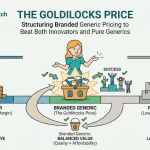
Develop a Supplier Scorecard: Create a simple supplier evaluation scorecard for the pilot category that weighs multiple factors. For example, Price (50%), Supply Reliability (30% – based on manufacturing sites, safety stock levels), and Quality Record (20% – based on FDA inspection history). This moves the decision-making process beyond a single data point and begins to institutionalize a more holistic, risk-adjusted sourcing methodology.
4. We’ve seen slow uptake of biosimilars despite their savings potential. What is the single biggest lever a procurement team can pull to accelerate adoption?
While pricing and contracting are important, the single biggest lever for accelerating biosimilar adoption is often proactive stakeholder education and alignment. Unlike generics, biosimilars are not identical copies and cannot always be automatically substituted at the pharmacy level without an “interchangeable” designation.20 This creates a higher barrier to adoption that stems from a lack of awareness or confidence among prescribers and patients.45 A procurement team can lead a multi-disciplinary effort—involving pharmacy leaders, key physicians, and patient advocacy liaisons—to disseminate clear, evidence-based information on the safety and efficacy of specific biosimilars. Simultaneously, the team must collaborate closely with payers to ensure formulary placement and reimbursement policies are structured to incentivize, rather than penalize, the use of the lower-cost biosimilar over the reference biologic.
5. Value-Based Procurement (VBP) sounds good in theory, but seems too complex for us to implement right now. Is there an intermediate step?
Yes, mastering Total Cost of Ownership (TCO) is the perfect intermediate step and a necessary foundation for future VBP initiatives. VBP requires sophisticated data infrastructure to track patient outcomes in the real world.33 A TCO model builds the essential organizational muscle for this type of data-driven analysis. By learning to systematically identify, quantify, and analyze the
internal costs and value drivers within your own health system (e.g., staff efficiency, inventory costs, waste), you develop the data systems and analytical capabilities required to later engage in more complex, external, outcomes-based contracts with manufacturers. Think of TCO as VBP “inside the hospital walls.” Mastering TCO demonstrates that your organization can credibly measure value, making you a more attractive and capable partner for future VBP agreements.