Why the Cheapest Generic Manufacturer Usually Loses
The dominant assumption inside generic pharma for the past three decades has been simple: drive cost of goods low enough, file fast enough, and the math works. It worked reliably when patent cliffs were steep and competition was thin. That era is over.
The global generic drug market is projected to exceed $775 billion by 2033, growing at a blended CAGR between 5% and 8%. The wave of branded drugs losing market exclusivity between 2025 and 2030 — representing an estimated $217 billion to $236 billion in annual sales — is one of the largest in history. At face value, the opportunity looks extraordinary.
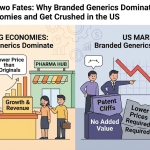
What the headline numbers obscure is the speed of margin destruction. The moment a tenth generic competitor enters a market, prices can fall 95% from the branded reference. The first entrant captures a meaningful share at a 30-40% discount. By the time competitor number four arrives, the price has collapsed 70%. By competitor number ten, the economics resemble a commodity grain market. Manufacturing efficiency is necessary but not sufficient for survival once a product reaches that state.
The KPMG ‘Generics 2030’ analysis described the current trajectory as a potential ‘downward spiral’: volume demand remains strong, but the economics become self-defeating, suppressing investment in quality, redundancy, and supply chain resilience — which then drives the drug shortages that damage the sector’s regulatory standing. In 2023, generic and biosimilar medicines saved the U.S. healthcare system $445 billion, and cumulative savings over the prior decade exceeded $2.9 trillion. Generics account for 90% of all U.S. prescriptions filled while representing only 13.1% of total prescription drug spending. The system depends on this efficiency. When the economic model breaks, patients are the first to feel it.
The companies that will capture disproportionate value through 2030 are not the ones that can make the cheapest tablet. They are the ones that can deploy patent intelligence offensively, engineer around formulation thickets, file 505(b)(2) NDAs ahead of ANDA competitors, characterize complex molecules that rivals cannot replicate, and generate clinical evidence that payers will actually pay for.
Part I: Market Structure
The Market Structure That Destroys Margins
The generic drug market’s competitive dynamics are not random. They follow a predictable, mechanical pattern driven by regulatory structure and buyer consolidation that IP and portfolio teams must model explicitly rather than treat as background noise.
The price-erosion curve by competitor count:
Competitors
Price vs. Brand
Strategic Position
1
-30% to -39%
180-day exclusivity period; highest value window
2–3
-50% to -70%
Still profitable for early movers; margin compression begins
4–5
~-70%
Pricing becomes the primary competitive variable
6–9
~-85%
Effectively commoditized for all but the most cost-efficient producers
10+
-70% to -95%
No economic buffer; only ultra-high-volume manufacturers survive
(Source: Synthesized from DrugPatentWatch, KPMG Generics 2030)
This table is not a market-sizing tool. It is a wargaming tool. A portfolio decision made solely on the basis of branded drug revenues — without adjusting for predicted competitive density — will systematically overestimate returns.
The buyer-side of the equation compounds the problem. Pharmacy Benefit Managers (PBMs), Group Purchasing Organizations (GPOs), and large retail chains have consolidated to the point where they can extract steep discounts from multiple generic manufacturers simultaneously. A manufacturer with a 15% cost-of-goods advantage over its nearest competitor can see that advantage entirely captured by a GPO’s preferred formulary negotiation.
The nitrosamine crisis as a stress test. Beginning in 2018, the discovery of N-nitrosodimethylamine (NDMA) and related nitrosamine impurities in sartan antihypertensives, ranitidine, and metformin products forced an industry-wide response. Manufacturers had to implement highly sensitive testing — gas chromatography-mass spectrometry (GC-MS) and liquid chromatography-mass spectrometry (LC-MS/MS) with detection thresholds in the parts-per-billion range — across entire portfolios and conduct process re-validation for implicated synthetic routes, particularly those using nitrite reagents or secondary amines under acidic conditions. For products already operating on sub-5% margins, these unbudgeted costs were often the final straw. The result was a wave of market exits that contributed directly to drug shortages. The nitrosamine crisis was not an aberration. It was a proof-of-concept for how fragile a market stripped of economic redundancy actually is.
Key Takeaways: Market Structure
The competitive density of any target product must be modeled probabilistically, not estimated from current ANDA counts. Historical filing rates for similar drug classes are a more accurate predictor.
Buyer concentration in PBMs and GPOs has fundamentally altered the pricing floor for standard oral solid dosage forms. Products without differentiation compete on cost alone.
Drug shortages are a downstream output of margin destruction, not isolated supply chain events. Portfolio strategy must account for the reputational and regulatory risk of being a single-supplier in a shortage-prone category.
The $200 Billion Patent Cliff: What’s Actually Expiring and When
The 2025-2030 LOE wave is often described in aggregate, which obscures the strategic specificity that IP teams actually need. The composition of the cliff matters as much as its size.
Several of the largest-revenue products facing loss of exclusivity through 2028 are biologics or complex small molecules — not standard oral tablets. Adalimumab (Humira, AbbVie) biosimilar competition is already well underway following the January 2023 U.S. patent expiry, with more than a dozen biosimilar versions approved or in development. Pembrolizumab (Keytruda, Merck), with 2028-era key patent expiries in multiple jurisdictions, will be among the most contested franchise cliffs in biopharmaceutical history. Apixaban (Eliquis, BMS/Pfizer), with U.S. compound patent expiry in 2026 and formulation/method patents extending further, is already subject to multiple active Paragraph IV litigations.
For standard small-molecule oral generics, the quality of the patent cliff has declined since the last major wave (2011-2015). Most remaining off-patent small molecules are already genericized. The new wave consists disproportionately of molecules with formulation complexity (long-acting injectables, drug-device combinations), atypical regulatory histories, or active patent thickets that require litigation to clear.
This structural shift has a direct implication for resource allocation: the generic companies that will grow through this cliff are those that have built the scientific infrastructure to handle complex chemistry, formulation, and characterization — not those that have optimized their ANDA filing pipelines for simple tablet products.
Part II: The Innovator’s Toolkit
Patent Intelligence as Offensive Weapon
A drug patent is a mandatory public disclosure. In exchange for a limited monopoly, the applicant must teach the public how the invention works — with enough specificity that a person having ordinary skill in the art (PHOSITA) can replicate it. Most generic companies treat this disclosure as a legal document to be reviewed by outside counsel. The most sophisticated companies treat it as a competitor intelligence brief.
The four sections that matter most for an R&D and IP team are the Background of the Invention, the Detailed Description, the Examples, and the Claims — and each yields a different type of strategic intelligence.
The Background of the Invention is where the applicant publicly states the problem they were solving. A formulation patent background will typically detail the shortcomings of prior art: poor aqueous solubility of the API, physical or chemical instability in liquid form, inadequate bioavailability, or the need for patient-unfriendly administration. This section defines the technical parameters of the challenge and immediately frames the design space for a generic or VAM developer’s own R&D.
The Detailed Description is the invention’s recipe. It lists excipient classes, preferred concentration ranges, manufacturing process parameters, and stabilization strategies considered by the inventors. For a formulation scientist, this is a window into the full experimental scope. It often reveals which excipient families were tested and rejected, which is nearly as valuable as knowing what was selected — because the rejections define the boundaries of the protected design space.
The Examples contain the actual experimental data. Specific weight percentages, dissolution profiles, stability data at ICH conditions, comparative bioavailability results. This section reconstructs the innovator’s development timeline. A competitor who reads the Examples section carefully can understand why a particular cosolvent concentration was chosen, why a specific buffer pH was selected, and what physicochemical trade-offs the inventors accepted. This data is the starting point for designing a non-infringing but scientifically equivalent alternative.
The Claims define the legal boundary. Claim construction — the process of determining exactly what combination of elements a claim covers — is the joint work of patent attorneys and formulation scientists. Understanding whether a claim covers an API-excipient ratio as a genus or only specific values, or whether a process claim covers only a specific temperature range, determines the parameters within which a generic formulator can work.
IP Valuation of a Formulation Patent Estate. When a generic company targets a branded product, the formulation patent estate has a calculable economic value as a blocking asset. A single formulation patent with a 2028 expiry covering the dominant commercial form of a drug generating $3 billion in annual U.S. sales provides roughly 6 years of protected cash flow — conservatively worth $6-10 billion in NPV terms to the innovator (depending on discount rate and expected biosimilar/generic entry after expiry). For the generic challenger, the litigation cost to invalidate or design around that patent must be weighed against the NPV of early market entry. A successful Paragraph IV challenge that advances entry by even two years on a $3 billion product represents a prize that can easily justify $30-50 million in litigation spend.
Platforms like DrugPatentWatch provide patent-to-drug linkage, Orange Book status, litigation outcome history, and competitive ANDA filing data in integrated form, which is necessary infrastructure for conducting this analysis at scale.
Key Takeaways: Patent Intelligence
Read patents as competitor R&D notebooks, not just legal barriers. The Examples section is the highest-value data source.
IP valuation of a blocking formulation patent must be calculated in NPV terms, accounting for time to market entry. This converts a legal cost into a strategic investment decision.
Patent thickets — clusters of overlapping divisional patents covering the same commercial product — require a multi-claim invalidation strategy, not a single Paragraph IV challenge.
Solid-State Engineering: The Science of Non-Infringing Formulations
Solid-state engineering is the most powerful scientific tool available to a generic developer seeking to create a non-infringing, patentably distinct product from a known API. Because it manipulates the physical organization of a molecule without altering its chemical structure, it can produce new IP from a molecule that has been on the market for decades.
Polymorphism. A polymorph is a crystalline form of a compound with a distinct spatial arrangement of its molecules in the crystal lattice. The same chemical compound can crystallize in multiple polymorphic forms, each with different melting points, solubility profiles, dissolution rates, and stability characteristics. Innovators typically patent the most thermodynamically stable polymorph (conventionally Form I) because it is the easiest to manufacture reproducibly. Metastable polymorphs (Form II, Form III, etc.) can offer superior solubility but require more controlled processing conditions. Advanced polymorph screening — using high-throughput crystallization in diverse solvent systems and temperature gradients — can identify novel forms that are both commercially viable and non-infringing. A novel polymorph, if it meets the criteria of novelty and non-obviousness, is itself patentable, providing the generic developer with proprietary IP and a competitive moat against subsequent ANDA filers.
Pseudopolymorphs: Solvates and Hydrates. These incorporate solvent molecules (water in the case of hydrates; other solvents in solvates) into the crystal lattice. They represent distinct crystalline forms from the anhydrous compound and from each other. Paroxetine hemihydrate vs. paroxetine anhydrate is the canonical example of how a solvate dispute can anchor years of litigation and shape a market’s competitive dynamics. Pseudopolymorphs are particularly relevant when an innovator has patented only the anhydrous form or a specific hydration state.
Amorphous Solids and Amorphous Solid Dispersions (ASDs). Amorphous forms lack long-range crystalline order. They typically exhibit 2-100x higher apparent solubility than the corresponding crystalline form — a property that is critical for BCS Class II and Class IV drugs with poor aqueous solubility. However, amorphous forms are thermodynamically unstable and prone to crystallization on storage. Amorphous Solid Dispersions address this by embedding the amorphous API within a polymeric matrix (typically HPMC-AS, PVP-VA, or Eudragit polymers) that physically and/or chemically stabilizes the amorphous state. ASD technology is now central to the development of several oncology and antiviral compounds. Hot-melt extrusion (HME) and spray drying are the two dominant manufacturing platforms for ASD production, and the choice between them has significant implications for scale-up economics and particle engineering.
Cocrystals. A pharmaceutical cocrystal is a crystalline material consisting of an API and one or more coformers in a defined stoichiometric ratio, held together by non-covalent interactions (hydrogen bonding, pi-stacking, van der Waals forces). The FDA issued draft guidance on pharmaceutical cocrystals in 2013 and updated it in 2018, clarifying that cocrystals can be approved as a single drug product rather than requiring a fixed-dose combination NDA. This regulatory clarity has made cocrystals an attractive pathway. Valsartan/sacubitril (the active moiety in Entresto) is a cocrystalline complex, and its distinctive solid-state chemistry is central to Novartis’s IP strategy around the product.
Coamorphous Systems. A coamorphous system combines an API with a low-molecular-weight coformer in an amorphous dispersion without the polymeric carrier. The interactions between the API and coformer provide mutual stabilization. Indomethacin/arginine and naproxen/indomethacin are well-characterized model systems. Coamorphous systems can be simpler to manufacture than polymer-based ASDs and may offer superior dissolution performance.
Manufacturing Technology as Competitive Moat. Beyond solid-state engineering, the choice of manufacturing platform is itself a source of competitive differentiation.
Continuous Manufacturing (CM) integrates all production steps — wet granulation, drying, blending, tableting — into a single, uninterrupted process. The FDA has actively promoted CM adoption since its 2019 guidance on the subject. CM offers real-time release testing (RTRT), smaller facility footprints, and faster production cycles. Critically, it generates real-time process analytical technology (PAT) data that can support tighter quality control and reduce the probability of batch failures. For a generic manufacturer, FDA recognition of CM as a quality-superior technology provides both a regulatory advantage (potential for expedited reviews) and a manufacturing cost advantage over time.
Continuous wet granulation — using twin-screw extruders — has become the workhorse of tablet CM. Hot-melt extrusion for ASD production is a related continuous process. Both require capital investment and process development expertise that create a barrier to entry.
Pharmaceutical 3D printing (additive manufacturing), specifically binder jetting and fused deposition modeling, has moved from research curiosity to commercial reality. Aprecia’s Spritam (levetiracetam) — approved by the FDA in 2015 — was the first 3D-printed drug. The technology enables precise dose titration, novel geometric drug release structures, and rapid prototyping for pediatric or personalized dosing. For a generic developer, 3D printing is most relevant as a platform for developing orphan drug candidates, pediatric formulations exempt from certain bioequivalence requirements, or complex controlled-release structures that are difficult to manufacture using conventional processes.
Key Takeaways: Solid-State Engineering
Polymorph screening using high-throughput crystallization is not a one-time exercise. It should be conducted early in target identification, before the innovator has fully locked down its IP estate.
ASDs are the enabling technology for a large fraction of BCS Class II oncology compounds in the current pipeline. ASD manufacturing expertise (HME or spray drying) is a core capability for any generic company targeting the next wave of LOEs.
Cocrystals now have a clear FDA regulatory pathway and can support independent IP claims — making them a viable alternative to both standard generics and full NDA development for certain molecules.
Part III: Legal and Regulatory Strategy
Paragraph IV: How to Turn Patent Litigation into a Revenue Strategy
The Hatch-Waxman Act of 1984 did something unusual in U.S. pharmaceutical policy: it explicitly created an economic reward for patent challengers. The 180-day marketing exclusivity awarded to the first substantially complete ANDA filer with a Paragraph IV (P-IV) certification is, in effect, a temporary duopoly with the brand — and it is worth pursuing with the same analytical rigor applied to any other major capital allocation decision.
The mechanics are straightforward. A generic company files an ANDA and certifies that the Orange Book-listed patents are invalid, unenforceable, or will not be infringed (Paragraph IV). It then notifies the NDA holder and patent owner. The patent holder has 45 days to file an infringement suit. If it does, a 30-month automatic stay commences, during which the FDA cannot grant final approval to the ANDA (unless the litigation resolves sooner). If the first filer wins — either by successfully challenging the patents in court or by reaching a settlement that permits launch — it is entitled to 180 days during which no other ANDA-approved generic can enter the market.
The 30-month stay has been widely mischaracterized as a pure delay tactic for brand companies. Its actual economic function is more nuanced. A study of generic drugs launched between 2013 and 2020 found that the stay expired a median of 3.2 years before actual generic launch. The litigation and ANDA approval process itself frequently takes longer than 30 months. The stay primarily compresses the timeline for legal resolution, providing clarity to both parties rather than systematically extending exclusivity.
The NPV of the 180-Day Prize. For a branded product with $1 billion in annual U.S. sales, the 180-day exclusivity window can be worth $150-400 million in net operating income to the first-filer generic, depending on the price discount from brand, market share capture rate, and the number of authorized generics the innovator launches simultaneously. At that magnitude, a $25-50 million litigation investment — including district court proceedings, expert witnesses, and potential Inter Partes Review (IPR) proceedings at the USPTO — represents a return multiple of 3x to 16x. This is not litigation cost. It is venture capital deployed against a defined prize.
IP Valuation of the P-IV Target. Before filing, the target’s patent estate must be valued both from the offensive and defensive perspective. The key variables are: number of Orange Book-listed patents and their claim coverage (composition of matter vs. formulation vs. method of use), litigation history for the same or structurally similar patents, inter partes review success rates for analogous claims, and the strength of the innovator’s technical evidence. DrugPatentWatch’s litigation outcome database is an essential tool for benchmarking expected case duration and resolution probability.
Inter Partes Review (IPR) as a Parallel Track. Since the America Invents Act (AIA) created the IPR mechanism in 2012, generic challengers have used it aggressively as a lower-cost, faster alternative to district court patent invalidity arguments. The Patent Trial and Appeal Board (PTAB) has historically invalidated a higher percentage of challenged claims than district courts. IPR and district court litigation can proceed simultaneously, and a favorable PTAB outcome can accelerate settlement discussions. However, the Supreme Court’s 2023 Arthrex-related jurisprudence and subsequent PTAB Director Review procedures have introduced new procedural complexity that must be factored into litigation planning.
Key Takeaways: Paragraph IV Strategy
The P-IV filing decision must be modeled as an NPV calculation, not a legal budget approval. The 180-day exclusivity period is a capital asset with a quantifiable expected value.
First-to-file status requires continuous monitoring of ANDA filing activity. DrugPatentWatch’s ANDA status tracking provides the real-time competitive intelligence needed to identify first-filer opportunities before they are fully competitive.
IPR proceedings should be evaluated as a parallel strategy to district court invalidity arguments. They are cheaper, faster, and statistically more likely to succeed — but carry estoppel risks that must be carefully managed.
The 505(b)(2) Pathway: The Regulatory Detour That Changes the Game
The 505(b)(2) pathway is the most strategically underutilized tool in the generic/specialty pharma arsenal. It exists because the standard ANDA pathway (505(j)) is too narrow: it requires sameness with the reference drug in active ingredient, dosage form, strength, and route of administration. That rigidity is its weakness, and 505(b)(2) is the designed workaround.
A 505(b)(2) NDA relies, at least in part, on the FDA’s prior findings of safety and effectiveness for a reference drug. The applicant does not replicate the original clinical trial program. Instead, it conducts bridging studies — typically pharmacokinetic studies — that connect its modified product to the reference drug’s established evidence base. The FDA approves the new product not just on the bridging data but on the combination of the bridge plus the body of prior evidence it references.
The products appropriate for 505(b)(2) include: new formulations (extended-release, immediate-release, topical, injectable), new routes of administration (oral to transdermal, IV to subcutaneous), new combinations of approved drugs, new strengths, new indications for approved drugs, and new salt forms or esters of approved APIs. The Dr. Reddy’s amlodipine case (detailed below) is the canonical example of the last category.
Exclusivity Structure. Unlike an ANDA, a 505(b)(2) NDA can earn its own market exclusivity: three years for a new formulation, dosage form, indication, or other change that required new clinical investigations; five years for a new chemical entity (NCE) if the active ingredient has never been previously approved; and seven years for an orphan drug designation. This exclusivity blocks subsequent 505(b)(2) applications and ANDAs referencing the same change. It does not block other 505(b)(2) applications referencing the same reference listed drug for a different change. The layering of exclusivity periods is both a protection mechanism for the 505(b)(2) filer and a modeling input for competitors assessing entry timing.
The Pathway Comparison:
Feature
505(b)(1) NDA
505(b)(2) NDA
505(j) ANDA
Product type
New Chemical Entity
Modified/improved existing drug
Bioequivalent copy
Data requirement
Full stand-alone safety/efficacy package
Partial reliance on RLD data; bridging studies required
Bioequivalence to reference
Development cost
$500M–$1B+
$20M–$100M
$2M–$10M
Timeline
10–15 years
3–7 years
2–5 years
Market exclusivity
5 years (NCE), 7 years (Orphan)
3 years (formulation), 5 years (NCE), 7 years (Orphan)
180 days (first P-IV filer only)
Strategic goal
De novo innovation
Differentiated re-innovation
Cost-based competition
(Source: FDA guidance documents; Premier Research; Sterne Kessler analysis)
The 505(b)(2) Filing as IP Armor. A product approved under 505(b)(2) can list its own formulation, method-of-use, and other patents in the Orange Book. This creates an IP estate around the improved product that is entirely separate from the reference drug’s estate. Competitors who want to launch a generic of the 505(b)(2) product must file their own ANDA or 505(b)(2), challenge the new patents via Paragraph IV, and navigate the new exclusivity period. This layered IP structure is the mechanism through which a company can convert a mature, off-patent molecule into a proprietary franchise with years of protected revenue.
Key Takeaways: 505(b)(2) Strategy
The 505(b)(2) pathway provides a legal and regulatory mechanism to escape the 180-day exclusivity period that blocks standard ANDA filers — as demonstrated decisively by Dr. Reddy’s in the amlodipine case.
A 505(b)(2) product can establish its own independent IP estate through Orange Book listing of new formulation and method-of-use patents, creating layered exclusivity on top of the original LOE.
The bridging study design is the critical technical deliverable. A well-designed PK bridging study, with appropriate reference arm data, is sufficient to connect a modified product to a robust brand safety/efficacy dossier without conducting full Phase III trials.
Part IV: Value-Added Medicines and Complex Generics
Value-Added Medicines (VAMs): When Innovation Beats Price
The term ‘Value-Added Medicine’ was formalized by Medicines for Europe but reflects a strategic category that has existed in practice for decades. A VAM is a medicine based on a known molecule that delivers a meaningful improvement — in efficacy, safety, route of administration, dosing convenience, or patient population coverage — over the existing approved form. The commercial logic is that this improvement justifies either a price above the commodity generic floor, a protected formulary position, or both.
The three primary innovation vectors for VAMs are drug repurposing, drug reformulation, and fixed-dose combination development. These are not mutually exclusive, and the most defensible VAMs often combine at least two.
Drug Repurposing. Repurposing identifies new therapeutic indications for approved molecules. Sildenafil moving from a Phase II antihypertensive failure to the first PDE5 inhibitor for erectile dysfunction is the clearest historical case. Modern repurposing is increasingly data-driven: computational network biology models map disease pathways and identify which known drugs modulate relevant targets; AI-driven ligand-receptor binding prediction narrows the candidate list further; and real-world pharmacovigilance data (via FDA Adverse Event Reporting System analysis and health insurance claims databases) surfaces unexpected drug-disease correlations at scale.
Repurposing typically requires a 505(b)(2) NDA, as the new indication requires bridging data even if the original safety profile is well-established. A successful repurposing application earns three years of new indication exclusivity, and if the molecule qualifies as an orphan drug in the new indication, seven years. The IP strategy around a repurposed product must also include method-of-use patents covering the new indication — these are the primary protection vehicle, since composition-of-matter claims on the API are long expired.
Drug Reformulation. Reformulation is the most common VAM strategy because it has the most direct pathway from known molecule to improved product. The relevant variants are extended-release (XR) conversion, where a multiple-daily-dose product becomes once-daily; transdermal patch development, eliminating first-pass metabolism and enabling continuous plasma level maintenance; long-acting injectable (LAI) formulation, which transforms a daily oral medication into a monthly or quarterly injection; orally disintegrating tablet (ODT) or oral film development, which eliminates swallowing barriers for pediatric, geriatric, or dysphagia patients; and nanoparticle drug delivery, which can convert an IV formulation requiring toxic solvents (such as Cremophor EL in the case of original paclitaxel) into a tolerability-improved alternative.
Risperdal CONSTA — risperidone in a long-acting injectable microsphere formulation — is the commercial archetype of LAI reformulation. The conversion from daily oral tablets to biweekly IM injection addressed a chronic adherence problem in schizophrenia management, produced measurable improvements in hospitalization rates, and justified a significant price premium. The IP estate protecting Risperdal CONSTA covered the microsphere encapsulation technology, the PLGA polymer formulation, and the specific particle size distribution — an estate that Janssen and its successors defended aggressively.
Fixed-Dose Combinations (FDCs). FDCs reduce pill burden, simplify regimens, and can produce genuine pharmacological synergies. The HIV treatment paradigm — moving from complex multi-pill regimens to single-tablet STRs (Single Tablet Regimens) — is the most commercially successful application of FDC strategy in recent pharmaceutical history. The initial Truvada (emtricitabine/tenofovir disoproxil fumarate), followed by Atripla (adding efavirenz), then Stribild and Genvoya (adding integrase inhibitors in a single pill), represents a systematic program of FDC innovation that extended Gilead’s franchise revenues by years beyond the individual component patents.
For a generic or specialty pharma company, FDC development must account for formulation compatibility (can the two APIs be co-formulated without physicochemical interaction?), bioequivalence or clinical bridging requirements, and the regulatory pathway to approval of both the combination and its components.
Key Takeaways: VAMs
VAM development must be reverse-engineered from the payer’s reimbursement criteria, not from what is technically achievable. The evidence generation plan must answer the HTA body’s cost-effectiveness model, not just the FDA’s approval requirements.
Long-acting injectable reformulation consistently produces the strongest payer acceptance because the clinical benefit (adherence improvement, reduced relapse rates) can be demonstrated in outcomes data.
FDC strategy must include IP protection on both the combination itself (composition-of-matter claims on the combination) and the manufacturing process, since combination products can be difficult to prosecute under a single claim structure.
Complex Generics: Where High Barriers Create High Returns
Complex generics are defined by the FDA as products where demonstrating equivalence to a reference listed drug is non-trivial due to the complexity of the active ingredient, the formulation, the drug-device combination, or the route of administration. The FDA’s Complex Drug Substances and Products list (also known as the Product-Specific Guidance, PSG, program) covers hundreds of products, but the categories of highest strategic interest are non-biological complex drugs (NBCDs), locally acting products, drug-device combinations, and long-acting injectables.
NBCD Science and Valuation. Non-biological complex drugs — including glatiramer acetate (Copaxone), iron carbohydrate complexes (Feraheme, Injectafer), liposomal formulations (Doxil, Abelcet), and glatiramoid mixtures — present the most demanding characterization challenge in the generic industry. Unlike a small molecule with a defined MW and crystal structure, an NBCD is a population of related but heterogeneous macromolecular species. Glatiramer acetate, for example, is a mixture of synthetic random polypeptides of L-alanine, L-glutamic acid, L-lysine, and L-tyrosine, with average molecular weight around 5,000-9,000 Da — but the distribution of sequence lengths, amino acid sequences, and charge profiles varies across batches and manufacturers.
Proving equivalence for an NBCD requires a battery of physicochemical and biological characterization: molecular weight distribution (SEC, MALS), amino acid composition and sequence analysis (LC-MS/MS), circular dichroism spectroscopy, and a range of in vitro biological assays (MHC binding, T-cell proliferation assays). No single assay is definitive. The regulatory standard for NBCD equivalence is ‘sameness’ across the full characterization profile, and the FDA has required clinical endpoint bioequivalence studies for glatiramer acetate rather than accepting PK/PD bridging alone — a requirement that adds 3-5 years and $50-150 million to the development program.
The IP valuation of an NBCD market position reflects these barriers. A company that has successfully developed and launched a complex generic equivalent of an NBCD faces competition from at most two or three subsequent entrants — not from the ten-plus that flood standard oral tablet markets. The resulting competitive density supports margins of 40-60% gross profit rather than the sub-20% margins typical of commoditized generics. For portfolio managers, an NBCD generic is valued at a higher EBITDA multiple than an equivalent-revenue ANDA product precisely because of this structural margin protection.
Drug-Device Combinations. Products like multidose inhalers (MDIs, DPIs), prefilled syringes, autoinjectors, and nasal spray devices require the generic developer to match both the drug formulation and the device performance characteristics. For an MDI product like albuterol sulfate, the device equivalence study must demonstrate that the aerodynamic particle size distribution (APSD) — measured via cascade impactor — matches the reference product across the full range of actuation speeds and orientations. For a DPI like Advair Diskus (fluticasone/salmeterol), the device complexity (the Diskus mechanism itself) is itself a significant IP and engineering challenge, as Mylan’s multi-year development program for Wixela Inhub demonstrated.
The IP estate around a drug-device combination typically has multiple layers: device design patents (covering the physical mechanism), formulation patents (covering the drug-excipient system), and method-of-use patents. Challengers must navigate all of them. Device patents are often prosecuted in design patent applications, which have shorter terms (15 years from grant) but are notoriously difficult to design around because they protect visual appearance and configuration, not just function.
Long-Acting Injectables (LAIs). LAI complex generics — typically microsphere or nanoparticle depot formulations — present a distinct challenge: in vitro-in vivo correlation (IVIVC) for complex release profiles, combined with the characterization of polymer degradation kinetics and drug release mechanisms. Risperdal CONSTA (risperidone PLGA microspheres) and Lupron Depot (leuprolide PLGA microspheres) have both faced prolonged generic development timelines due to the difficulty of achieving a meaningful IVIVC and the FDA’s historical reluctance to approve depot generics without clinical endpoint data.
Key Takeaways: Complex Generics
NBCD generics require 5-10x the characterization investment of standard small-molecule generics but support 2-3x the gross margin. The capital allocation argument for complex generic development is strongest when the development investment is modeled against the competitive density (and resulting price floor) of the alternative.
Drug-device combination generics must address both formulation equivalence and device performance equivalence. Early engagement with the FDA via the product-specific guidance (PSG) program is essential before committing to a device engineering approach.
The FDA’s willingness to issue product-specific guidances is a signal of regulatory confidence in the equivalence framework for a given product. Products with a published PSG are developmentally de-risked relative to products where the equivalence methodology is still being debated.
Part V: Case Studies
Case Study 1: Dr. Reddy’s Amlodipine Maleate Gambit
The Context. Pfizer’s Norvasc (amlodipine besylate) was one of the most prescribed cardiovascular drugs in the United States heading into the mid-2000s, with annual U.S. sales exceeding $3 billion at peak. The patent expiry on amlodipine besylate attracted a large field of ANDA filers. One competitor — Mylan — filed first with a Paragraph IV certification and secured first-filer status, earning the right to 180 days of marketing exclusivity upon a successful challenge.
The Problem for Dr. Reddy’s. Dr. Reddy’s Laboratories was not the first ANDA filer for amlodipine besylate. Under the standard 505(j) pathway, it would have been excluded from the U.S. market for the entirety of Mylan’s 180-day window — a period during which the price premium above subsequent generic entry would be substantial.
The Scientific Pivot. Dr. Reddy’s scientists developed amlodipine maleate — a different salt form of the same active moiety, amlodipine. In pharmaceutical salt chemistry, the salt form affects the physicochemical properties of the API (solubility, stability, crystal form) but not the pharmacological activity of the free base or ion. Amlodipine maleate is therapeutically equivalent to amlodipine besylate — the same active moiety achieves the same mechanism of action at the calcium channel — but is chemically distinct.
The Regulatory Masterstroke. Because amlodipine maleate is not the ‘same’ active ingredient as amlodipine besylate (different salt), it could not be the subject of a standard 505(j) ANDA referencing Norvasc. Instead, Dr. Reddy’s filed a 505(b)(2) NDA, referencing Norvasc’s original safety and efficacy data and providing bridging PK studies to establish that the maleate salt produced equivalent systemic exposure. The 505(b)(2) is an NDA, not an ANDA. The 180-day exclusivity granted to Mylan as first ANDA filer explicitly blocks subsequent ANDA approvals — it has no effect on NDA approvals.
The Outcome. Pfizer challenged the strategy, arguing that Dr. Reddy’s should have been required to use a different approval mechanism. The FDA sided with Dr. Reddy’s, approved the 505(b)(2) NDA, and permitted launch during the 180-day window. Dr. Reddy’s competed in the most profitable window of the Norvasc generic market, capturing revenues that would have been inaccessible via any standard ANDA strategy.
IP Valuation Dimension. The value created by Dr. Reddy’s regulatory maneuver was the difference between entering a market at the end of Mylan’s 180-day exclusivity (with 10+ ANDA competitors already approved) versus entering during the exclusivity window with only one competitor (the brand). On a $3 billion annual sales product, the pricing differential between these two entry points represents hundreds of millions of dollars in operating income. The 505(b)(2) filing cost — bridging PK studies, CMC development for the maleate salt, regulatory fees — was likely in the $15-30 million range. The ROI on that investment was extraordinary.
Lesson. The amlodipine maleate case demonstrates that regulatory pathway selection is itself a competitive weapon. Understanding the legal boundary conditions of the 180-day exclusivity provision — specifically, that it blocks ANDAs but not NDAs — converted a structural competitive disadvantage into a market access advantage. The prerequisite was mastery of both salt chemistry and 505(b)(2) regulatory mechanics.
Case Study 2: The Copaxone Wars (Teva vs. Mylan, 2008-2024)
The Asset. Teva’s Copaxone (glatiramer acetate) is a treatment for relapsing forms of multiple sclerosis. Its active ingredient is a complex synthetic polypeptide mixture, not a defined small molecule. This classification as a non-biological complex drug made it one of the most difficult generic development targets in the industry and one of the most contentious patent disputes in pharmaceutical history.
At its peak, Copaxone generated over $4 billion in annual global revenues, representing roughly 50% of Teva’s total sales. The defense of this franchise was existential for Teva in a way that few patent disputes are for any single company.
Teva’s Defense Architecture.
Product hopping is the lifecycle management strategy Teva deployed most aggressively. Well before the patent covering the 20 mg daily injection expired, Teva developed and launched a 40 mg three-times-weekly version. It then ran a major physician education and patient conversion campaign to shift the installed base to the new formulation. The 40 mg product had its own patent estate, separate from the 20 mg version’s patents, forcing generic challengers to restart the clock on their P-IV litigation for the dominant commercial product.
Teva’s patent estate for Copaxone was not a single fence but a thicket — a dense cluster of overlapping divisional patents, all stemming from the same parent application but covering different aspects of the composition, manufacturing process, and methods of use. By strategically filing divisional applications, Teva maintained prosecution of related patents in parallel, creating a situation where a generic challenger had to defeat multiple waves of patent assertions in sequence, not a single case. The European Commission’s 2024 investigation found that Teva had engaged in what the Commission termed a ‘divisionals game’ — filing and subsequently withdrawing divisional patent applications in a deliberate pattern designed not to protect genuine innovation but to extend litigation uncertainty and impose costs on competitors.
The European Commission’s €462.6 million fine, issued in 2024, was the first time a competition authority in any jurisdiction imposed a monetary penalty specifically for the abuse of divisional patent filings in the pharmaceutical sector. The Commission also found that Teva ran a ‘systematic disparagement campaign’ by providing misleading safety and efficacy comparisons between Copaxone and its generic equivalents to physicians and health authorities. These two findings — patent gaming and disparagement — represent the clearest judicial articulation to date of where vigorous IP defense ends and anticompetitive abuse begins.
Mylan’s Multi-Front Offense. Mylan’s Copaxone challenge required simultaneous scientific, legal, and regulatory execution at a scale few generic companies have attempted.
On the scientific side, Mylan developed a comprehensive characterization package for its glatiramer acetate product, using LC-MS/MS sequencing, SEC-MALS molecular weight profiling, circular dichroism spectroscopy, and a battery of in vitro biological assays to demonstrate equivalence to Copaxone. This package had to satisfy both the FDA’s product-specific guidance for glatiramer acetate and the evidentiary standards required for patent litigation expert testimony.
On the legal side, Mylan pursued Paragraph IV challenges to Teva’s 20 mg and 40 mg patents in district court while simultaneously filing IPR petitions at the PTAB. The PTAB found key claims of Teva’s 40 mg patents invalid on obviousness grounds — specifically, that the pharmacological rationale for 40 mg three-times-weekly dosing was obvious from prior art given the 20 mg daily dosing data. The district court litigation produced similar findings on invalidity. Mylan launched its 40 mg glatiramer acetate product in 2018 following a successful district court ruling, capturing a significant market share despite Teva’s Citizen Petitions and related delay tactics.
IP Valuation Context. The Copaxone patent estate, at its height, was worth billions in NPV to Teva — each year of protected sales on a $4 billion franchise, discounted appropriately, represented several hundred million dollars in economic value. Mylan’s litigation investment — estimated in the hundreds of millions across its multi-year legal program — was calibrated against this prize. The European Commission fine to Teva ($462.6 million) exceeded Mylan’s estimated total litigation spend, illustrating that the cost of abusive IP defense can ultimately exceed what would have been paid in competitive market losses.
Lesson. For complex products, patent defense and generic challenge are both multi-year, multi-front campaigns. The Copaxone case establishes that: (a) product hopping is a legitimate lifecycle management strategy but becomes legally precarious if accompanied by anticompetitive conduct; (b) divisional patent filing strategies have a defined legal limit, now articulated by the European Commission; and (c) the combination of PTAB IPR and district court litigation gives generic challengers two independent invalidity tracks that compound pressure on the innovator.
Case Study 3: VAM Reimbursement Outcomes — Abraxane, Targin, DuoResp Spiromax
Creating a clinical or formulation improvement is necessary but not sufficient for VAM commercial success. The ultimate test is whether payers — HTA bodies, insurance formularies, government reimbursement authorities — will pay a price that justifies the development investment. Three VAMs that confronted this test illustrate the range of outcomes.
Abraxane (nab-paclitaxel, Celgene/BMS). Abraxane is albumin-bound paclitaxel nanoparticles (130 nm), approved initially for metastatic breast cancer and subsequently for non-small cell lung cancer and pancreatic adenocarcinoma (in combination with gemcitabine). The original motivation was formulation-driven: conventional paclitaxel (Taxol) requires Cremophor EL as a solubilizing agent, which causes hypersensitivity reactions severe enough to require steroid and antihistamine premedication and limits the infusable dose rate. Abraxane eliminated Cremophor, shortened infusion time from 3 hours to 30 minutes, removed the premedication requirement, and — critically — allowed higher doses to be administered, because dose-limiting neuropathy rather than hypersensitivity became the primary toxicity.
The payer case for Abraxane rested on hard clinical endpoints. In the Phase III MPACT trial for pancreatic adenocarcinoma (nab-paclitaxel plus gemcitabine vs. gemcitabine alone), the combination demonstrated a statistically significant improvement in overall survival (median OS 8.5 months vs. 6.7 months; HR 0.72, p<0.001) and progression-free survival. Overall survival improvement is the currency that HTA bodies value most. Abraxane received favorable reimbursement decisions in most major markets for its pancreatic cancer indication, and its premium over generic paclitaxel was accepted as cost-effective given the survival benefit. For the breast cancer indication, where the evidence of superiority over conventional paclitaxel was less definitive in overall survival terms, access was more restricted in some European markets.
The IP estate around Abraxane — covering the nab-technology manufacturing process, the specific particle size and albumin-drug binding characteristics, and method-of-use claims — supported Celgene’s defense against generic biosimilar-like challengers for years. By the time Celgene was acquired by Bristol-Myers Squibb for $74 billion in 2019, Abraxane represented a multi-billion-dollar revenue contributor, and its IP estate was a key component of the transaction’s asset valuation.
Targin (oxycodone/naloxone, Mundipharma). Targin combines an opioid analgesic (oxycodone) with an opioid antagonist (naloxone) in a fixed-dose extended-release tablet. The pharmacological rationale is elegant: oral naloxone is extensively metabolized on first pass through the gut wall and liver, producing negligible systemic bioavailability. At the gut level, however, naloxone competitively antagonizes opioid receptors in the enteric nervous system, blocking the mu-receptor-mediated inhibition of bowel motility that produces opioid-induced constipation (OIC) — without meaningfully reducing the analgesic effect of oxycodone at the CNS level.
The clinical evidence demonstrated significant reduction in OIC scores relative to oxycodone alone, with comparable analgesic efficacy. The question for payers was whether this benefit was worth paying a substantial premium over generic oxycodone extended-release (once that patent expired) plus a generic laxative. In Germany and Italy, authorities accepted the combination’s value and provided favorable reimbursement. Scottish Medicines Consortium and French HAS were more skeptical, effectively declining to recommend Targin at a price premium because the alternative standard of care — generic opioid plus generic laxative — was cheap, clinically acceptable, and the additional cost of Targin was not demonstrably cost-effective in their QALY-based models.
The Targin case demonstrates that solving a genuine clinical problem does not guarantee payer acceptance if the alternative management strategy is pharmacoeconomically competitive. The VAM value proposition must be compared not just to the innovator brand but to the full standard-of-care treatment algorithm, including cheap generic alternatives to each component.
DuoResp Spiromax (budesonide/formoterol, Teva). DuoResp Spiromax is a fixed-dose combination of budesonide and formoterol in a breath-actuated Spiromax DPI device, referencing AstraZeneca’s Symbicort Turbuhaler. The formulation is bioequivalent; the clinical package demonstrated therapeutic equivalence to Symbicort. The differentiation was entirely device-based: the Spiromax was designed to require less inspiratory effort and produce fewer handling errors than the Turbuhaler.
Patient preference data showed that some users found the Spiromax easier to operate. However, no controlled clinical trial demonstrated that improved usability translated into better adherence, fewer exacerbations, or reduced hospitalizations. Without that clinical chain of evidence — device preference to adherence improvement to outcome improvement — HTA bodies had no basis for a positive benefit rating above what the standard Turbuhaler achieved. French authorities granted Spiromax an ASMR V rating, the lowest possible level, indicating no added therapeutic benefit. Market adoption remained limited. Teva’s price premium over the reference was effectively undefendable in formal reimbursement negotiations.
The Comparative Lesson. These three cases produce a clear evidence hierarchy for VAM reimbursement success:
Survival or major morbidity endpoint improvements at the Phase III level are the strongest currency. Abraxane succeeded in pancreatic cancer because overall survival data was available and compelling. Meaningful mechanistic advantage that prevents a serious adverse effect — as with Targin’s OIC reduction — can support reimbursement if the comparator standard of care does not achieve the same endpoint at lower cost. Device or convenience improvements alone, without demonstrated linkage to clinical outcomes, will not generate a sustainable price premium in rigorous HTA environments.
Key Takeaways: Case Studies
In complex generic development, litigation investment must be sized relative to the NPV of the market prize, not relative to legal budget benchmarks. Mylan’s Copaxone investment was appropriate for a $4 billion franchise target.
Innovator anticompetitive conduct — patent gaming, disparagement campaigns — now carries real financial exposure in EU and, increasingly, in U.S. regulatory proceedings. IP defense strategies must be reviewed for compliance risk alongside their exclusivity extension value.
Payer evidence generation planning must begin at the inception of a VAM development program, not at Phase III completion. The clinical trial design must be pre-specified to generate the endpoints that HTA bodies will accept in health economic models.
Part VI: Biologic IP and Evergreening
Biosimilar Evergreening and the Biologic IP Lifecycle
The patent lifecycle management strategies deployed for small-molecule drugs have direct analogs in biologics, though the regulatory framework is sufficiently different that each requires separate analysis.
A biologic’s IP estate typically consists of: the original compound patent on the protein sequence (filed at the time of initial discovery, often 15-20 years before commercial launch, and thus expiring relatively early in the product’s commercial life); manufacturing process patents covering the cell line, expression system, purification process, and formulation; and method-of-use patents covering specific dosing regimens, patient populations, or combination therapy approaches.
For most major biologics, the compound patent expiration triggers the opening of biosimilar development but not necessarily commercial competition, because the formulation and process patents — filed closer to the time of commercial launch — often provide an additional 5-10 years of protection. AbbVie’s management of adalimumab (Humira) is the textbook case. The compound patent expired in the U.S. in 2016. However, AbbVie had constructed a patent estate of more than 100 patents covering formulation, manufacturing process, and device design. Biosimilar entry was delayed by patent litigation until January 2023 under a settlement framework.
The Biosimilar Interchangeability Designation. Under U.S. law (as modified by the BPCIA and subsequent FDA guidance), a biosimilar can earn an interchangeability designation from the FDA if it demonstrates, through switching studies, that alternating between the biosimilar and the reference product does not produce a greater risk than continued use of the reference product alone. An interchangeable biosimilar can be substituted at the pharmacy without physician intervention — the equivalent of automatic substitution for small-molecule generics. This designation is commercially significant, as many state pharmacy substitution laws require interchangeability for automatic substitution. The biosimilar companies that secure interchangeability designations early in a product’s market lifecycle capture a structural formulary advantage over non-interchangeable competitors.
Product Hopping for Biologics. The Copaxone playbook — transition patients to a modified formulation with a new patent estate before the original’s patents expire — has been attempted in biologics with mixed results. AbbVie’s launch of Humira with citrate-free formulation (reducing injection-site pain) and with a different device (the SureClick autoinjector vs. the prefilled syringe) created some switching activity. However, the biosimilar market’s dynamics are fundamentally different from small-molecule generics: biosimilar adoption in the U.S. has been slower than in Europe due to formulary contracting practices, patient assistance programs, and PBM rebate structures that favor the originator biologic.
IP Valuation of a Biologic Franchise. The valuation of a biologic’s patent estate requires modeling the entire IP lifecycle in concert with the regulatory exclusivity structure. Under U.S. law (BPCIA), a biologic receives 12 years of regulatory exclusivity from approval (4 years of data exclusivity during which a biosimilar cannot even reference the BLA, and 12 years during which biosimilar approval is blocked). This exclusivity is independent of patents. For a biologic approved in 2020, regulatory exclusivity alone provides protection through 2032 — irrespective of patent expiry. The NPV of this regulatory exclusivity, for a biologic generating $5 billion annually, can be modeled as the present value of 12 years of protected revenue minus the probability-weighted value of any patent challenges that succeed before regulatory exclusivity expires.
Key Takeaways: Biologic IP
Biosimilar development timelines must account for both the patent estate and the 12-year regulatory exclusivity. Neither alone defines the earliest commercial entry date.
Interchangeability designation is the primary commercial differentiator among biosimilars in U.S. markets where pharmacy-level automatic substitution is permitted. Companies should prioritize switching study design and FDA engagement to achieve this designation.
Biologic product hopping strategies have lower commercial impact than small-molecule equivalents, because formulary contracting and PBM rebate structures tend to anchor payors to a reference product regardless of minor formulation changes.
Part VII: IP Valuation
IP Valuation Frameworks for Generic and VAM Assets
The decision to pursue a generic or VAM development program is, at its core, a capital allocation decision. The inputs required to evaluate that decision rigorously are specific to the asset type.
Risk-Adjusted NPV (rNPV) for Generic Development. The standard model for a generic ANDA development program discounts expected future revenues by the probability of achieving each milestone — ANDA filing, ANDA approval, successful P-IV litigation (if applicable), market launch, and sustained market share. The key probability estimates are: regulatory approval rate (historically ~85-90% for completed ANDAs under GDUFA II), litigation success rate for P-IV challenges (historically ~50% from filed challenges), competitive density at launch (estimated from ANDA tracking data), and price erosion curve shape (modeled from analogous products by drug class and dosage form).
The rNPV for a first-to-file P-IV generic targeting a $1 billion branded product might look as follows: expected 180-day exclusivity period revenues of $200-400 million, probability of first-filer success (securing the prize) of approximately 40-60% given competitive litigation risk, litigation costs of $25-50 million, development costs of $5-15 million, giving an rNPV of approximately $50-150 million depending on assumptions. Sensitivity to litigation success probability dominates — a 10-percentage-point improvement in win probability changes rNPV by $25-40 million.
Valuation of a 505(b)(2) Product. A 505(b)(2) VAM is valued more like a specialty pharma asset than a generic. The relevant comparables are products in a similar therapeutic category with similar exclusivity duration. The three-year NCE exclusivity period for a formulation change generates premium pricing during that window — often 2-4x the commodity generic price — before competition from authorized generics or subsequent ANDAs erodes the price. The development investment ($20-100 million depending on bridging study complexity) is discounted against the NPV of 3-7 years of protected revenues.
Patent Estate Valuation for Licensing and M&A. In M&A contexts, a generic company’s pipeline is valued based on: the number and quality of first-to-file ANDA opportunities, the maturity of pending litigation, and the expected revenue and margin profile of approved products. A company with 5 first-to-file P-IV challenges pending against $5 billion+ branded products, even at a 40% aggregate win probability, represents a significant probability-weighted pipeline value. Buy-side analysts should model each challenge independently, accounting for litigation stage and patent claim strength, rather than applying a uniform discount to the aggregate prize value.
Key Takeaways: IP Valuation
rNPV modeling for generic ANDA programs must incorporate litigation success probability as the dominant variable for P-IV filings. Use historical win rates for analogous patent claim types as the baseline.
505(b)(2) products should be valued using specialty pharma comparable transactions, not generic drug revenue multiples. The exclusivity structure and pricing dynamics are fundamentally different.
In M&A diligence on generic companies, the quality of first-to-file P-IV opportunities — measured by claim strength and litigation stage — is a more reliable value indicator than the aggregate number of ANDA filings.
Part VIII: Investment Strategy
Investment Strategy for Analysts
The generic and specialty pharma landscape through 2030 presents several distinct investment theses, differentiated by risk profile and time horizon.
Thesis 1: Complex Generic Platforms. Companies with proven capability in NBCD characterization, drug-device combination development, or long-acting injectable formulation are structurally advantaged for the current LOE wave. The development investment is higher, but the competitive moat is wider and the resulting margin profile is more durable. Viatris (legacy Mylan capabilities), Sandoz (post-Novartis spin-off), and select Indian generic companies (Sun Pharma, Dr. Reddy’s) with demonstrated complex product pipelines represent the clearest expression of this thesis.
Thesis 2: 505(b)(2) Specialists. Companies that have built a systematic program around the 505(b)(2) pathway — generating a steady pipeline of reformulated or repositioned assets with their own exclusivity periods — have characteristics more similar to branded specialty pharma than traditional generic companies. Higher valuation multiples, more predictable exclusivity-driven revenue, and the ability to compete in therapeutic areas where commodity generics cannot survive. Assertio Therapeutics, Paratek Pharmaceuticals, and larger players like Amneal with specialty divisions represent varying expressions of this model.
Thesis 3: First-Filer Pipeline Quality. For investors with longer time horizons and higher litigation risk tolerance, the value of a deep first-to-file P-IV portfolio is underappreciated by generic-sector valuation multiples, which tend to be applied to current revenue rather than risk-adjusted pipeline value. Companies with multiple pending first-filer cases against $500M+ products trade at compressed multiples that do not reflect the optionality in their litigation portfolios. Identifying these situations requires real-time ANDA tracking data and patent claim quality assessment.
Risks to Monitor. Section 232 tariff exposure on imported APIs (particularly from India and China) represents a structural cost risk for any U.S. generic manufacturer dependent on offshore API supply. The IRA’s drug negotiation provisions create uncertainty around reference pricing for some categories. PBM reform legislation — if enacted — could reshape formulary dynamics in ways that affect both generic access and VAM pricing power.
Part IX: Forward Outlook
Where the Industry Goes from Here
The generic pharmaceutical industry is going through a structural reorientation, not a cyclical trough. The dynamics driving margin compression in standard oral solid dosage forms are durable: GDUFA-accelerated ANDA approvals, consolidated buyer power, and the absence of meaningful product differentiation in commodity categories.
The reorientation is toward complexity. Complex generics, 505(b)(2) VAMs, biosimilars requiring clinical switching studies, and long-acting injectable platforms are all categories where the competitive density is structurally lower, the IP protection is more durable, and the margins are meaningfully higher. The capital requirements are also higher. The winners will be companies that commit to building the scientific and regulatory infrastructure needed to compete in these categories — and that have the patent intelligence infrastructure to identify and model opportunities before they become competitive.
AI-driven solid-state screening (using machine learning models trained on crystal structure databases to predict novel polymorphs), continuous manufacturing process integration with real-time PAT data, and computational repurposing models trained on real-world pharmacovigilance data are the three technology vectors that will most materially change generic and VAM development timelines in the 2025-2030 period. Companies investing in these capabilities now will have demonstrable development cycle advantages within 3-5 years.
The nitrosamine crisis, the COVID-era API supply chain disruption, and ongoing geopolitical pressure on Indian and Chinese API supply all point in the same direction: supply chain resilience is going to be a regulatory and commercial differentiator, not just a risk management cost. The FDA’s Strategic Plan for Preventing Drug Shortages, the DSCSA serialization requirements, and emerging qualified manufacturer list policies for certain essential medicines will increasingly favor companies with diversified, validated supply chains.
Key Takeaways by Segment
Market Structure. Price erosion on standard oral generics can reach 95% with ten or more competitors. Portfolio strategy must model competitive density probabilistically, not estimate it from current ANDA counts. Drug shortages are a downstream output of margin destruction, preventable only by developing products with structural competitive moats.
Patent Intelligence. The Detailed Description and Examples sections of a formulation patent are the highest-value data sources for a generic developer. IP valuation of a blocking patent must be calculated in NPV terms to convert legal cost into strategic investment logic. Patent thickets require a multi-claim invalidation strategy deployed across both district court litigation and IPR proceedings.
Solid-State Engineering. Polymorph screening and ASD development are the two most commercially consequential solid-state tools for BCS Class II and IV molecules. Cocrystals have a defined FDA regulatory pathway and can support independent IP claims. Continuous manufacturing and 3D printing are competitive differentiators, not distant capabilities.
Paragraph IV. The 180-day exclusivity period is a capital asset with a quantifiable expected value. P-IV litigation is a strategic investment, not a legal cost. IPR proceedings provide a parallel, faster invalidity track with historically higher success rates than district court.
505(b)(2) Pathway. The pathway converts regulatory knowledge into market access. It can bypass the 180-day exclusivity that blocks ANDA filers, as demonstrated by Dr. Reddy’s. Products approved under this pathway can establish independent IP estates through Orange Book listing of new formulation patents.
VAM Reimbursement. Survival and major morbidity improvements are the strongest payer currency. Convenience improvements require demonstrated linkage to clinical outcomes to support a price premium. HTA evidence planning must begin at program inception, not at Phase III completion.
Complex Generics. NBCD generics support 40-60% gross margins vs. sub-20% for commoditized tablets. Drug-device combination equivalence requires matching both formulation and device performance. Product-specific FDA guidances define the equivalence framework and reduce regulatory risk for prioritized targets.
IP Valuation. rNPV modeling for P-IV generics is dominated by litigation success probability. 505(b)(2) products command specialty pharma valuation multiples, not generic multiples. M&A diligence on generic company pipelines should weight claim strength and litigation stage more heavily than aggregate ANDA filing count.
FAQ: The Questions IP Teams Actually Ask
Our company has always focused on efficient ANDA filing. Why should we take on the risk of 505(b)(2) or complex generic development?
The risk profile of the two strategies has inverted. A standard ANDA for an oral tablet in a competitive category now carries high probability of sub-10% gross margin within 18 months of launch. That is not a low-risk outcome. A 505(b)(2) product with three years of exclusivity, even if development costs $50 million, generates returns that a commodity ANDA cannot match. Complex generic development is capital-intensive but produces margin structures that simple ANDA programs cannot achieve once competitive density normalizes.
What is the single biggest mistake in VAM development?
Designing the clinical program to satisfy the FDA without modeling what the HTA body will require for reimbursement. FDA approval is necessary but not sufficient. The DuoResp Spiromax case is the clearest proof: European regulatory approval was straightforward; reimbursement at a meaningful price premium was not. The evidence generation plan must be reverse-engineered from the payer’s cost-effectiveness model from day one.
How do we justify Paragraph IV litigation costs to our board?
Model it as an NPV decision. Calculate the expected value of the 180-day exclusivity window against the probability of litigation success and the cost of the legal program. For most significant first-filer opportunities, the expected value calculation produces a clear positive return. The appropriate comparison is not ‘litigation cost vs. no litigation cost.’ It is ‘first-filer NPV (risk-adjusted) vs. subsequent ANDA filer NPV (no litigation required but no exclusivity benefit).’
How do we effectively design around a formulation patent without infringing?
Start with claim construction — understand exactly what combination of elements is legally protected, not just what was preferred in the examples. Then identify the scientific problem the patented formulation solved. Design a solution to the same problem using a technically distinct approach: a different excipient class, a different solid state, a different manufacturing process, or a different release mechanism that achieves equivalent bioavailability through a different physical route. The goal is not to change one ingredient while keeping everything else constant. That approach produces products that may infringe under doctrine of equivalents. The goal is to design a genuinely different solution to the same therapeutic challenge.
Are complex small-molecule generics still attractive with biosimilar development capturing so much R&D attention?
Yes, and the two are not competing for the same scientific capabilities. Biosimilar development requires expertise in cell biology, protein expression systems, biophysical characterization, and immunogenicity assessment. Complex small-molecule generics require expertise in polymer chemistry, particle engineering, physicochemical characterization, and in vitro release methodology. A company strong in traditional pharmaceutical sciences is better positioned to enter complex small-molecule generics than to attempt biosimilar development without the necessary biological infrastructure. The market opportunity in complex small-molecule generics is also structurally attractive: fewer developers, higher barriers, better margins.
How should we think about the IRA’s drug negotiation provisions in context of LOE strategy?
The IRA’s Medicare negotiation authority applies primarily to small-molecule drugs 9 years post-approval and biologics 13 years post-approval. For generic companies, the most direct effect is on the reference pricing environment: if an innovator’s price is suppressed by negotiation in the years before LOE, the absolute price from which generics discount will be lower. The strategic response is to prioritize generic entry as early as possible in a product’s LOE cycle — before negotiated prices are fully reflected in market benchmarks — and to focus on complex products where the generic entry itself is delayed regardless of negotiation.
This analysis is for informational and strategic planning purposes. It does not constitute legal advice. Patent claim construction and litigation strategy should be conducted with qualified patent counsel experienced in pharmaceutical Hatch-Waxman matters.
Sources and Further Reading:
DrugPatentWatch: Patent-to-drug linkage database, ANDA tracking, Orange Book analytics
FDA Office of Generic Drugs 2022 Annual Report
KPMG, ‘Generics 2030: Three Strategies to Curb the Downward Spiral’
IQVIA/Medicines for Europe: ‘Case Studies for Value Added Medicines’ (2019)
European Commission: Decision in Case AT.40588 (Teva/Copaxone), 2024
Sterne Kessler: ‘505(b)(2) Drug Approval Pathway’ analysis
PMC: ‘The timing of 30-month stay expirations and generic entry’ (2021)
NBER Working Paper: ‘Regulation and Welfare: Evidence from Paragraph IV Generic Entry’ (Lee et al.)
Accessiblemeds.org: ‘2024 U.S. Generic & Biosimilar Medicines Savings Report’
Mylan press release: ‘Mylan Wins U.S. District Court Ruling Related to Copaxone 40 mg/mL Patents’