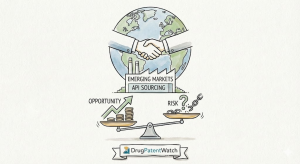
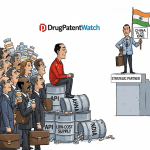
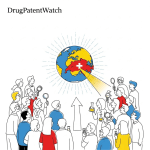
For decades, the pharmaceutical industry’s center of gravity was firmly anchored in the mature, high-margin markets of North America, Western Europe, and Japan. Today, that center has migrated. The sprawling, dynamic, and complex economies of Asia, Latin America, and the Middle East are no longer a secondary consideration or a mere footnote in an annual report. They have become the new epicenter of growth, the powerful engine driving the future of global health and, critically, the crucible where the world’s supply of Active Pharmaceutical Ingredients (APIs) is forged.1
For the seasoned business leaders, R&D heads, IP strategists, and investors I work with, this is not news. You’ve seen the trend lines. You’ve felt the cost pressures. You’ve likely already dipped your toes, or perhaps dived headfirst, into sourcing from these markets. But the real question is no longer if you should engage with emerging markets, but how. How do you navigate this high-stakes world where immense opportunity is shadowed by profound, multifaceted risk? How do you move beyond a simplistic cost-reduction mindset to build a sourcing strategy that is not just efficient, but resilient, intelligent, and a source of durable competitive advantage?
This report is designed to be your strategic compass. We will move beyond the headlines and the hype to conduct a rigorous, data-driven analysis of the API sourcing landscape. We will dissect the historical forces that drove this great manufacturing migration, provide a granular comparative analysis of the titans—China and India—and explore the next frontier of emerging API hubs. Most importantly, we will map the gauntlet of risks—from geopolitical volatility and regulatory minefields to intellectual property battlegrounds and the rising tide of ESG scrutiny. This is not an academic exercise. It is a playbook for turning one of the most critical decisions in the pharmaceutical value chain into a powerful strategic weapon. The stakes are too high for anything less.
The Great Migration: Understanding the Tectonic Shift in Global API Production
To master the present, we must first understand the past. The concentration of API manufacturing in emerging markets, particularly in Asia, was not an overnight phenomenon. It was the result of a decades-long migration driven by a powerful confluence of economic pressures in the West and strategic industrial policy in the East. Understanding this history is crucial because the very forces that created this dependency now define its complexities and risks.
From West to East: A Historical Perspective
Until the latter half of the 20th century, the story of pharmaceutical manufacturing was a Western one. Europe and the United States were the undisputed global leaders, home to vertically integrated pharmaceutical giants that controlled every step of the process, from chemical synthesis to finished drug formulation.2 Before the 1990s, these regions were not just the primary markets; they were the primary producers, boasting large-scale industries and the most advanced technology of the day.3
However, beginning in the 1960s and accelerating dramatically in the 1990s, the landscape began to change. The drivers were twofold and deeply intertwined: economics and environment. In the West, the costs associated with chemical manufacturing began to soar. Labor costs, real estate for large factory sites, and the capital expenditure required for new facilities became increasingly burdensome. Simultaneously, a new era of environmental consciousness brought stricter regulations. The environmental liabilities associated with handling and disposing of toxic chemicals used in traditional synthesis processes added another layer of cost and complexity.3
As Western companies faced these mounting pressures, a compelling alternative emerged in the East. Nations like India and China, initially focused on building domestic production capacity to reduce their own dependency on Western medicines, began to emerge as highly competitive manufacturing hubs.2 They offered a potent combination of low-cost labor, government support for industrial development, and, at the time, more lenient environmental regulations.4 The arbitrage was too significant to ignore. The migration began as a trickle and soon became a flood.
The data tells a story of a stunningly rapid transfer of global market share.
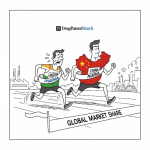
In a little over a decade, the global supply of APIs from China and India combined skyrocketed from 16.7% in 2008 to an astonishing 47% in 2019.3 This wasn’t just a shift; it was a wholesale relocation of a critical global industry.
This dramatic rise in the East was mirrored by a decline in the West. North America’s share of the global API market, for instance, fell from 46% in 2008 to 43% in 2012, while the Asia-Pacific region’s share jumped from 24.2% to 28.3% in the same period.6 Today, the map of API production looks radically different than it did 30 years ago. In Europe, only a handful of countries like Italy, Germany, France, and Ireland retain a limited number of specialized API factories; most have ceded the production of bulk APIs entirely.3 In the United States, the situation is even more stark, with the majority of generic drug companies now operating without their own API workshops, relying almost completely on imports.3 As of 2019, a staggering 72% of the API manufacturing facilities supplying the U.S. market were located overseas.4
The Economic Engine: Deconstructing the Cost and Market Drivers
This historic migration was fueled by an economic engine with two powerful cylinders: an irresistible supply-side cost advantage in the East and a voracious demand-side appetite for cheaper drugs in the West.
The Unbeatable Economics of Offshoring
The cost advantage offered by emerging markets, particularly China and India, is not marginal; it is structural and multifaceted. While lower labor costs are the most frequently cited factor, they are only one piece of a much larger economic puzzle. A 2009 World Bank paper starkly illustrated the labor arbitrage: if a typical Western API company has an average wage index of 100, the equivalent index is as low as 8 for a Chinese company and 10 for an Indian one.4
However, the true advantage extends far beyond the payroll. A comprehensive analysis reveals a systemic cost structure that Western producers, using traditional manufacturing technologies, simply cannot match.
Table 1: Comparative Cost Analysis of API Manufacturing (US/EU vs. India vs. China)
Cost Category
US/EU (Baseline)
India
China
Labor (Wage Index)
100
~10
~8
Overall Mfg. Cost Savings
0%
30-35% Lower
35-40% Lower
Borrowing Costs (Interest)
Varies (e.g., 3-5%)
11-14%
5-7%
Electricity Costs (avg.)
Varies
~19 US cents/kWh
~11 US cents/kWh
Logistics (% of total cost)
Varies
~3%
~1%
Gov’t Support
Limited / Targeted
Significant (e.g., PLI Schemes)
Massive (Subsidies, SEZs)
Sources: 4
As the table demonstrates, the cost advantage is comprehensive. Chinese manufacturers benefit from state-supported infrastructure in massive Special Economic Zones (SEZs), lower borrowing costs, and significantly cheaper utilities like electricity.7 Furthermore, Chinese firms are deeply embedded within a dense network of raw material and intermediary suppliers, which dramatically reduces shipping and transaction costs for the foundational building blocks of APIs.4 This creates an entire ecosystem geared towards cost-efficient chemical production at a scale that is difficult for any single Western company to replicate.
The Demand-Side Tsunami: Patent Cliffs and the Generic Revolution
While the supply-side advantages were building in the East, a perfect storm was brewing in the Western pharmaceutical markets. For decades, the industry’s profitability was driven by blockbuster-branded drugs, protected by long patent lives that granted them market exclusivity. But beginning in the early 2000s and accelerating dramatically between 2011 and 2016, many of these multi-billion-dollar drugs began to lose their patent protection—an event that came to be known as the “patent cliff”.8
This created a massive opportunity for generic drug manufacturers. Once a patent expired, they could produce chemically identical versions of the drug at a fraction of the cost, often up to 80% cheaper than the branded original.8 Facing aging populations and ballooning healthcare budgets, governments and insurers in developed markets aggressively promoted the use of generics to contain costs. The result was a seismic shift in prescription volumes. In the U.S., for example, generic drugs now account for roughly 90% of all prescriptions filled.9
This generic revolution fundamentally changed the competitive dynamics of the industry. For generic companies operating on thin margins and competing fiercely on price, the cost of the API became the single most critical component of their Cost of Goods Sold (COGS). The imperative was simple: find the cheapest, reliable source of API possible. This created a massive, sustained demand-side pull that perfectly matched the supply-side cost advantages offered by India and China, cementing their role as the world’s primary API suppliers.10
The initial economic logic for offshoring was a straightforward calculation of cost arbitrage. However, over the past two decades, this has evolved into something far more profound. The advantage is no longer just about a cheaper factory; it’s about accessing entire, highly specialized industrial ecosystems that have been built and scaled over a generation. Regions like Hyderabad in India and the Yangtze River Delta in China are not merely collections of factories; they are dense clusters of API manufacturers, intermediate suppliers, raw material producers, specialized logistics firms, and a massive pool of trained chemists and engineers.11
This evolution has critical implications for the ongoing debate about “reshoring” manufacturing to the West. Rebuilding a single factory is a matter of capital investment. Rebuilding an entire ecosystem is a multi-decade, multi-trillion-dollar national industrial strategy. The reliance on these emerging market hubs has become structurally “sticky,” not just because of cost, but because of capability and scale that the West has allowed to atrophy. Therefore, for the foreseeable future, the strategic question for Western pharmaceutical companies is not how to disengage from these indispensable hubs, but how to partner with them more intelligently and manage the inherent risks more effectively.
The Titans of API: A Comparative Deep-Dive into China and India
While often grouped together, China and India represent two distinct models of API dominance. They are competitors, yet they are also deeply codependent. China is the undisputed king of scale, raw materials, and intermediates, functioning as the foundational layer of the global supply chain. India is the world’s pharmacy, a powerhouse of finished generic formulations with unparalleled expertise in process chemistry and navigating stringent regulatory environments. Understanding their unique strengths, weaknesses, and strategic trajectories is the first step toward building a sophisticated, multi-pronged sourcing strategy.
China: The Undisputed King of Scale and Intermediates
If the global pharmaceutical industry were a construction project, China would be the supplier of the steel, concrete, and foundational materials. Its dominance is built on a strategy of massive scale, state-supported industrial policy, and deep integration into the global chemical industry.
Strengths – The World’s Factory Floor
China’s primary strength lies in its sheer production volume and its control over the earliest stages of the chemical synthesis value chain. It is the world’s largest producer of bulk APIs, particularly for high-volume, lower-cost products like antibiotics, vitamins, and analgesics.3 Data suggests that Chinese manufacturers are responsible for approximately 40% of all APIs used worldwide.13
This scale is no accident. It is the result of decades of state-driven industrial policy that established massive bio-industrial parks and chemical zones, providing companies with subsidized land, utilities, and favorable financing.11 This has allowed Chinese firms to achieve economies of scale that are difficult for others to match. Furthermore, China’s massive and diverse domestic chemical industry gives its API manufacturers a significant advantage in sourcing Key Starting Materials (KSMs) and intermediates at a lower cost and with greater reliability than foreign competitors.4 This upstream integration makes China not just an API producer, but the foundational supplier to the world’s API producers, including those in India.
Weaknesses and Evolving Challenges
China’s dominance, however, is not without its vulnerabilities. The very factors that fueled its rise are now presenting new challenges. The country’s rapid economic development has led to a significant increase in labor costs, eroding some of its competitive price advantage over other emerging markets.16
More significantly, Beijing has begun to take environmental pollution seriously. For years, lax environmental enforcement was a hidden subsidy for the chemical industry. Today, increasing scrutiny from regulators is forcing factory shutdowns and requiring significant investment in pollution control technologies, driving up compliance costs and creating supply chain volatility.13
The most pressing challenge, however, is geopolitical. Growing tensions between China and the West have placed sourcing from China under an intense spotlight. The introduction of U.S. tariffs has directly increased the cost of Chinese APIs, while proposed legislation like the BIOSECURE Act, which targets specific Chinese biotech firms as “companies of concern,” has created significant regulatory uncertainty and prompted many Western companies to actively seek alternatives.18
Strategic Trajectory: Moving Up the Value Chain
China is acutely aware of these challenges and is not content to remain the world’s low-cost factory floor. Through ambitious national strategies like “Healthy China 2030” and “Made in China 2025,” Beijing is aggressively pushing its domestic industry up the value chain.11 The strategic focus is shifting from high-volume, low-margin bulk APIs to high-value, complex products.
There is a concerted effort to build capabilities in biotechnology, particularly in the research and manufacturing of large-molecule biologics and biosimilars, an area where China is already demonstrating superior capabilities compared to India.21 In 2022, China nearly equaled all of Europe as an originator of new active substances launched on the global market, a clear signal of its rapidly advancing innovative capacity.1 The long-term goal is to transform China from a supplier of ingredients into a global biopharmaceutical leader that competes directly with the West in innovation.
India: The Pharmacy of the World and Generic Powerhouse
If China supplies the raw materials, India builds the final product. Dubbed the “pharmacy of the world,” India has carved out a dominant niche as the global leader in the production and export of generic finished-dose formulations.12 Its strengths are rooted in a unique history of process innovation and a deep understanding of the world’s most demanding regulatory systems.
Strengths – Process Chemistry and Regulatory Acumen
India’s prowess was born from its 1970 Patent Act, which for decades only recognized process patents, not product patents, for pharmaceuticals. This created a powerful incentive for Indian companies to become masters of reverse engineering and process chemistry, developing novel and cost-effective ways to synthesize drugs that were patented elsewhere.22 This 50-year legacy has created a deep reservoir of scientific talent and process innovation that is now the bedrock of its API and Contract Development and Manufacturing Organization (CDMO) industry.
This technical expertise is complemented by unparalleled regulatory experience. To export its generic drugs to lucrative Western markets, the Indian industry had to learn to meet the stringent standards of the U.S. Food and Drug Administration (FDA) and the European Medicines Agency (EMA). As a result, India now boasts the highest number of USFDA-approved manufacturing facilities outside of the United States, with over 650 such plants.12 This regulatory track record is a critical asset, giving Western partners confidence in the quality and compliance of Indian manufacturers. Today, India supplies over 40% of the generic drugs in the U.S. and 25% of all medicines in the UK.12
Weaknesses and Systemic Vulnerabilities
Despite its formidable strengths, the Indian pharmaceutical industry has a critical and widely acknowledged Achilles’ heel: its profound dependence on China. India imports between 70% and 90% of its KSMs and basic APIs from China.5 This reliance creates a massive strategic vulnerability. Any disruption in China—be it from geopolitical tensions, a public health crisis, or environmental shutdowns—can have an immediate and severe impact on India’s ability to produce finished medicines, creating a domino effect that ripples through the entire global supply chain.
Beyond this external dependency, India also faces significant domestic challenges. Its infrastructure, while improving, can be unreliable, leading to logistical complexities, long lead times, and an inefficient distribution network.26 Furthermore, while the top-tier Indian firms operate at global standards, the industry is highly fragmented. Quality control can be inconsistent among smaller, second-tier players, leading to a higher risk of regulatory compliance issues and product quality failures.26
Strategic Trajectory: The “China Plus One” Beneficiary
India is strategically positioning itself to be the primary beneficiary of the geopolitical shift away from China. The “China Plus One” strategy, where multinational corporations seek to de-risk their supply chains by establishing a second manufacturing base outside of China, has created a massive tailwind for the Indian industry.24 Western and even Japanese firms are increasingly looking to India as a credible, large-scale alternative.
The Indian government is actively capitalizing on this trend. It has launched ambitious initiatives like “Atmanirbhar Bharat” (Self-Reliant India) and, most notably, the Production Linked Incentive (PLI) schemes.22 These programs provide significant financial incentives to companies that increase domestic manufacturing of critical KSMs, APIs, and drug intermediates, with the explicit goal of reducing the nation’s dependence on China.30 The strategic objective is twofold: to secure its own domestic supply chain and to capture a larger share of the global CDMO market, moving up the value chain from simple generics to more complex contract research, development, and manufacturing services for innovator companies.28 The Indian CDMO sector is forecast to see some of the highest growth rates in the world, potentially overtaking China’s by 2028.18
The Symbiotic Rivalry: Deconstructing the India-China Interdependence
To view China and India as simple competitors is to miss the most critical dynamic of the modern API landscape. They are locked in a fierce and enduring competition for market share, yet they are also symbiotically linked in a way that defines the entire global supply chain.3 India’s success as the world’s formulation factory is built upon the foundation of China’s dominance in raw materials.
This creates a complex strategic calculus for any company sourcing from the region. The popular “China Plus One” strategy, which often involves shifting final production from a Chinese CDMO to an Indian one, is frequently misunderstood as a true diversification of risk. In reality, it often transforms a single-point dependency on China into a two-point, sequential dependency. The supply chain has not been de-risked from China; it has simply been lengthened and made less transparent. The Western company is now exposed not only to the risk of a US-China disruption but also to the risk of an India-China disruption, on top of India’s own domestic logistical challenges.
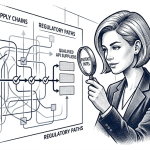
This reality makes true supply chain visibility paramount. Effective risk management requires mapping the entire value chain, from KSMs to the final API, and demanding that Indian partners demonstrate their own supply chain resilience. The most forward-thinking Indian CDMOs are recognizing this as a competitive advantage, actively working to build and market verifiably non-Chinese supply chains for critical products. For sourcing professionals, the key takeaway is clear: a stamp that says “Made in India” does not mean “Free from China Risk.” Diligence is required to understand the true origin of every component in your value chain.
Table 2: SWOT Analysis for API Sourcing: India vs. China
China
India
Strengths
– Unmatched scale in bulk APIs & intermediates 3
– Deeply integrated chemical/raw material industry 4
– Strong government support & infrastructure (SEZs) 14
– Growing capabilities in biologics & innovation 11
– World leader in generic formulations & exports 12
– Deep expertise in process chemistry & reverse engineering 22
– Persistent IP enforcement challenges (no patent linkage) 34
– Language and cultural barriers for Western firms 36
– Critical dependence on China for KSMs & intermediates (70-90%) 24
– Inconsistent quality outside of top-tier firms 37
– Domestic infrastructure and logistics challenges 26
– Complex domestic IP landscape (Sec 3(d), compulsory licensing) 38
Opportunities
– Transitioning to a high-value biopharma innovator (“Healthy China 2030”) 11
– Dominating the supply chain for new modalities (e.g., cell & gene therapy)- Leveraging domestic market as a launchpad for global products 11
– Primary beneficiary of the “China Plus One” strategy 28
– Rapidly growing CDMO/CRDMO sector for innovator drugs 28
– Government incentives (PLI schemes) to build self-sufficiency 30
– Expanding into biosimilars and complex generics 12
Threats
– Coordinated effort by Western nations to de-risk supply chains- Loss of low-cost manufacturing to other Asian nations (e.g., Vietnam)- Internal economic slowdown impacting industrial investment- Increased international regulatory scrutiny of data integrity 40
– Geopolitical disruption between India and China cutting off KSM supply- Increased FDA/EMA scrutiny leading to more import alerts 42
– Price erosion in the US generics market squeezing margins 24
– Failure of PLI schemes to meaningfully reduce China dependency
Beyond the Big Two: Charting the Next Frontier of Emerging API Hubs
While the strategic conversation around API sourcing is often dominated by the titanic rivalry between China and India, a fixation on this duopoly is a form of strategic myopia. The global landscape is far more dynamic and nuanced. A second and even third tier of emerging hubs is rising, each with unique capabilities, market dynamics, and strategic value. For companies looking to build truly resilient and diversified “China Plus Many” supply chains, these alternative locations represent the next frontier of opportunity.
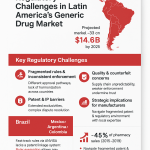
Latin America’s Rising Star: The Case of Brazil
Brazil stands out as the pharmaceutical heavyweight of Latin America. With a projected market size expected to reach nearly USD 49 billion by 2030, it is a formidable market in its own right.44 The growth is fueled by powerful and sustainable macro-trends: a large and aging population, the expansion of a middle class with greater spending power, and, most critically, a universal public healthcare system, the
Sistema Único de Saúde (SUS), which provides treatments at no cost to the population.44
From a sourcing perspective, Brazil’s API industry, while smaller than its Asian counterparts, presents unique opportunities. The country has existing API factories and a government keen on fostering domestic production to reduce reliance on imports.3 For international firms, Brazil offers a compelling dual proposition: it can serve as a regional manufacturing hub for the broader Latin American market while also providing preferential access to its own massive domestic market. Foreign investment is generally treated on par with domestic capital, and the government offers various incentives, including tax exemptions and low-cost financing, to attract manufacturing operations.46 Companies that establish a local presence, whether through direct investment or partnership, are often better positioned to navigate the SUS reimbursement process and gain formulary access, turning a sourcing decision into a powerful market access strategy.45
The Asian Tigers 2.0: South Korea and Taiwan
South Korea and Taiwan represent a fascinating evolution in the emerging market narrative. They have largely transcended the label of low-cost manufacturing hubs and are now increasingly viewed as innovation partners, particularly for high-value, technologically complex APIs. Their journey offers a glimpse into the future trajectory that China is attempting to follow.
These nations have cultivated highly skilled scientific workforces and built sophisticated R&D and manufacturing infrastructures. They have carved out a niche in specialized areas that require deep technical expertise rather than just massive scale.3
Taiwan: The Taiwanese API sector has a strong focus on high-potency APIs (HPAPIs), particularly cytotoxic compounds used in cancer treatments. Companies like ScinoPharm have established a global reputation for quality and were among the first in the region to pass inspections by Japan’s stringent Pharmaceutical and Medical Device Agency (PMDA).48 This focus on complex, high-margin products makes Taiwan an attractive partner for innovator companies developing next-generation oncology drugs.
South Korea: South Korea has become a global force in the biosimilars market. Companies like Celltrion and Samsung Bioepis are at the forefront of developing and manufacturing complex biologic drugs, leveraging strong government support and significant R&D investment.48 For Western pharma companies looking to outsource the production of monoclonal antibodies or other large-molecule drugs, South Korean CDMOs offer a compelling combination of technical prowess, regulatory experience, and a more stable geopolitical environment compared to China.
The Next Wave: Vietnam, Malaysia, and Southeast Asia
For companies seeking to diversify their supply chains for less complex, small-molecule APIs and intermediates, the nations of Southeast Asia are emerging as a viable “Plus Many” option. Countries like Vietnam, Thailand, and Malaysia are actively courting pharmaceutical investment and are experiencing some of the fastest market growth rates in the world.6
While their domestic API production capabilities are still nascent compared to India and China, they offer several key advantages. Labor costs are often lower than in China, and governments are providing attractive tax incentives and establishing dedicated industrial parks to attract foreign manufacturers.48 Malaysia, for example, has successfully positioned itself as a regional manufacturing hub for Southeast Asia, attracting investment from major Indian firms like Dr. Reddy’s and Biocon, who use their Malaysian facilities to supply the entire ASEAN region.48
These countries are unlikely to replace India or China in terms of scale in the near future. However, for a company pursuing a true resilience strategy, they represent essential nodes in a decentralized network. Establishing a secondary or tertiary supplier in Vietnam or Malaysia for a critical API can provide an invaluable buffer against disruptions affecting the primary suppliers in China or India, making the entire supply chain more robust and adaptable.
Navigating the Gauntlet: A Multi-Dimensional Risk Analysis
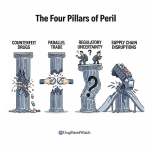
Sourcing APIs from emerging markets is a high-reward endeavor, but it is also a high-risk one. The landscape is a veritable gauntlet of interconnected challenges that can derail a product launch, destroy a company’s reputation, and put patients at risk. A successful sourcing strategy is, therefore, fundamentally a risk management strategy. It requires a clear-eyed assessment of the four critical domains of risk: geopolitical volatility, quality and regulatory compliance, intellectual property, and the rapidly expanding mandate of ESG. Crucially, these risks are not siloed; a failure in one domain often triggers a cascading crisis across the others.
Geopolitical Volatility and Supply Chain Resilience
The era of predictable, frictionless global trade is over. The pharmaceutical supply chain, once seen as a model of globalized efficiency, is now on the front lines of geopolitical rivalry. This new reality introduces a level of volatility and uncertainty that must be central to any sourcing decision.
The China Nexus: Tariffs, Sanctions, and the BIOSECURE Act
Sourcing from China now carries a distinct and escalating geopolitical risk premium. The U.S.-China trade war, which began in 2018, has seen the imposition of tariffs of up to 25% on a range of Chinese imports, including certain APIs and chemical intermediates.16 These tariffs directly impact the cost of goods, forcing companies to either absorb the cost and reduce margins or attempt to pass it on to consumers.
More recently, the risk has become more targeted and acute. The proposed U.S. BIOSECURE Act, for example, aims to prevent U.S. federal agencies from contracting with specific Chinese biotechnology companies, such as WuXi AppTec, on national security grounds.18 For the many global pharmaceutical companies that rely on these firms for contract research and manufacturing services, this legislation creates profound uncertainty and the urgent need to find and qualify alternative suppliers, a process that can take years and cost millions. This is a clear example of how geopolitical tensions can directly sever established, critical supply chain links with little warning.
Lessons from the Pandemic: When Global Chains Break
The COVID-19 pandemic served as a brutal, real-world stress test for the global pharmaceutical supply chain, and the results were alarming. The crisis exposed the inherent fragility of a system that had become hyper-concentrated in a few geographic locations.2 When China implemented strict lockdowns in early 2020, factories producing essential APIs and KSMs ground to a halt. The Chinese government went a step further, nationalizing control over the production and distribution of medical supplies, directing all output for domestic use and effectively cutting off exports.52 The ripple effects were felt immediately around the world, leading to critical shortages of medicines in Europe and the United States.2
This was not an isolated incident. In 2016, a single explosion at a factory in China that was a key global supplier of an intermediate for the antibiotic piperacillin-tazobactam triggered a worldwide shortage of this essential medicine.53 These events provide two critical lessons. First, geographic concentration in the pursuit of cost efficiency creates single points of failure that can bring the entire system down. Second, in a crisis, supply chains can be “weaponized,” with national governments prioritizing their own populations and using control over essential goods as a tool of foreign policy. This underscores the absolute necessity of building redundancy and diversification into any critical API sourcing strategy.
The Quality and Regulatory Compliance Minefield
Beyond geopolitical shocks, the most immediate and persistent risk in emerging market sourcing lies in quality and regulatory compliance. A failure here does not just impact costs; it can lead to import bans, product recalls, and direct harm to patients. The scrutiny from regulatory bodies like the US FDA and the EMA is intense and getting stricter.
The View from the FDA and EMA
Inspection data reveals a challenging landscape. Between January 2019 and August 2021, the FDA issued 678 drug-related warning letters globally. The United States received the most, but India and China were also prominent, receiving 20 and 13 letters, respectively, in 2019 alone.43 These letters are not minor infractions; they cite significant violations of Current Good Manufacturing Practices (cGMP).
Common findings in Indian facilities include inadequate written procedures, poor quality systems, and failures in laboratory controls and investigations.43 A particularly graphic 2025 warning letter issued to Granules India Limited cited investigators finding bird droppings and feathers inside the facility’s air handling units, raising serious concerns about contamination of the air supplied to critical manufacturing areas.54 Similarly, EMA data from 2023 shows that four statements of GMP non-compliance were issued to facilities in India, while none were issued to sites in China or the USA that year.56
Data Integrity: The Digital Achilles’ Heel
Among the most serious and frequent citations issued by both the FDA and EMA is the failure to ensure data integrity. This goes to the very heart of the quality assurance system, as it calls into question the reliability of all data generated by the manufacturer. Inspectors in China have uncovered egregious examples, including a plant where testing data had been overwritten, HVAC system qualification data had been falsified, and the company had no protections to prevent unauthorized employees from altering test results in its computerized systems.41 In another case, FDA investigators in China found a drug manufacturer had failed to ensure the accuracy and integrity of data supporting the safety and quality of its drugs.40
These are not clerical errors; they represent a fundamental breakdown in the quality culture of a facility. For a sourcing company, such a finding is a massive red flag. It suggests that you cannot trust the Certificate of Analysis or any other quality documentation provided by the supplier. This risk makes on-site audits and a deep, skeptical vetting of a potential partner’s quality systems and data governance practices an absolute non-negotiable.
Protecting Your Crown Jewels: The Intellectual Property Battleground
For an innovator pharmaceutical company, intellectual property is its most valuable asset. Navigating the IP landscapes of emerging markets is fraught with peril and requires a sophisticated, country-specific strategy. The legal frameworks in India and China, in particular, contain unique provisions and enforcement challenges that can put foreign patents at risk.
India’s IP Landscape: Navigating Section 3(d) and Compulsory Licensing
India’s patent law is explicitly designed to balance the protection of innovation with the public health priority of ensuring access to affordable medicines.57 This has resulted in a legal framework that is significantly stricter on what is considered patentable than in the US or Europe.
The most famous and challenging provision is Section 3(d) of the Indian Patent Act. This section explicitly states that “the mere discovery of a new form of a known substance which does not result in the enhancement of the known efficacy of that substance” is not a patentable invention.35 This provision is aimed squarely at preventing the “evergreening” of patents, where companies make minor modifications to existing drugs to extend their monopoly. The landmark case involving Novartis’s cancer drug Glivec, where the Indian Supreme Court rejected a patent for a new crystalline form of the drug on the grounds that it did not demonstrate enhanced therapeutic efficacy, set a powerful precedent.35 For foreign firms, this means that many secondary patents that are standard practice in the West may not be granted in India, potentially shortening a product’s effective market exclusivity.
Furthermore, India’s patent law contains robust provisions for compulsory licensing. If the government determines that a patented invention is not being made available to the public in sufficient quantity or at a reasonable price, it can grant a license to a third party (typically a local generic manufacturer) to produce the drug without the patent holder’s consent.38 While used sparingly—the most notable case being the 2012 compulsory license for Bayer’s cancer drug Nexavar—the threat of its use remains a powerful lever in price negotiations and a significant risk for patent holders.
China’s IP Paradox: Stronger Laws, Persistent Enforcement Challenges
On paper, China has made significant strides in strengthening its patent laws to align with international standards. In fact, foreign plaintiffs now enjoy a high success rate in Chinese patent litigation, winning around 77% of their cases in 2022.36 However, the on-the-ground reality of enforcement remains challenging and complex.
A critical weakness in the Chinese system is the lack of “patent linkage.” Unlike in the U.S., where the drug regulatory agency (the FDA) is linked to the patent office and generally cannot approve a generic drug that infringes an existing patent, China’s National Medical Products Administration (NMPA) operates independently.34 This means the NMPA can grant marketing approval to a generic product even while the innovator’s patent is still valid. The burden then falls entirely on the patent holder to identify the infringement and sue the generic company in court, often after the infringing product is already on the market, causing significant price erosion and loss of revenue.
Furthermore, while courts in major hubs like Beijing and Shanghai are seen as increasingly fair, concerns about local protectionism persist in other provinces.36 A more insidious threat is the rising use of patent invalidation proceedings as a defensive tactic. The number of patent invalidation requests filed in China has grown dramatically, and some estimates suggest that up to 60% of patents subjected to these proceedings are ultimately declared invalid.58 This creates a significant risk that a foreign company’s hard-won patent could be nullified when it tries to enforce it.
The ESG Imperative: Navigating Environmental and Social Risks
The fourth, and increasingly critical, dimension of risk is Environmental, Social, and Governance (ESG). What was once a “soft” corporate social responsibility issue has become a hard-edged business imperative, driven by regulatory pressure, investor demands, and consumer expectations. For pharmaceutical companies with complex global supply chains, ESG compliance is a major source of cost, risk, and potential reputational damage.
The Environmental Cost of Cheap APIs
The low cost of APIs from some emerging markets has often come at a high environmental price. The chemical-intensive nature of API synthesis generates significant hazardous waste, and for years, lax enforcement of environmental laws in countries like India and China led to widespread pollution of air, water, and soil.59
The consequences are severe. Studies have found antibiotic residues in rivers across India, with effluent from some wastewater treatment plants containing concentrations of antibiotics like ciprofloxacin up to a million times higher than normal levels.61 This large-scale release of APIs into the environment is not just an ecological disaster; it is a direct threat to global public health. The presence of antibiotics in the environment is a major driver of antimicrobial resistance (AMR), one of the most significant health threats facing humanity.62 As a result, both local governments and international bodies are increasing their scrutiny. China’s environmental crackdown has already led to factory closures, and Western companies are facing growing pressure to ensure their suppliers are not contributing to this crisis.13
Social and Governance (S&G) Factors in Supplier Vetting
The “S” and “G” of ESG are equally critical. Social compliance involves ensuring that suppliers adhere to fair labor laws, provide safe working conditions, and respect human rights. Governance involves having robust systems to prevent bribery and corruption and ensure ethical business practices.63
The regulatory landscape here is tightening rapidly. Directives like the EU’s Corporate Sustainability Due Diligence Directive (CSDDD) will soon mandate that large companies conduct due diligence to identify and mitigate human rights and environmental risks not just in their own operations, but across their entire global supply chains.65 Failure to comply can result in significant financial penalties and legal liability. This means that Western pharmaceutical companies are now directly responsible for the ESG performance of their API suppliers in emerging markets. This elevates ESG from a reputational concern to a core compliance and risk management function, adding significant cost and complexity to the supplier vetting and auditing process.
These four risk domains are not independent; they are a tightly woven web. An environmental crackdown in China (ESG) leads to factory shutdowns and supply disruptions (Geopolitical/Supply Chain). Geopolitical tensions lead to a halt in FDA inspections (Geopolitical), creating a quality oversight vacuum (Quality/Regulatory). The perception of weak IP enforcement (IP) is a key driver of punitive tariffs (Geopolitical). A siloed approach to managing these risks is doomed to fail. A truly resilient sourcing strategy requires an integrated, cross-functional framework where teams from supply chain, quality, legal, and compliance work together to assess and mitigate risk holistically. The best strategic choice is not always the supplier with the lowest price, but the one with the lowest total risk-adjusted cost.
Table 3: Emerging Market Risk & Mitigation Matrix
Risk Category
Specific Risk Example
Potential Impact
Mitigation Strategy
Geopolitical
US-China Tariffs / BIOSECURE Act
– 25%+ cost increase on APIs/intermediates – Forced re-sourcing from targeted firms – Sudden supply chain severance
– Implement “China Plus One/Many” strategy- Qualify secondary suppliers in India, EU, or nearshore locations (e.g., Mexico)- Engage in tariff engineering and supply chain mapping to understand true exposure 19
Quality/Regulatory
FDA/EMA Warning Letter for data integrity violations
– Import alerts/bans from US/EU markets – Forced production halts and costly remediation – Severe reputational damage – Potential for product recalls
– Rigorous pre-qualification audits focusing on data governance- Insist on contractual rights for unannounced audits- Continuous monitoring and “for-cause” audits- Partner only with suppliers with a strong, consistent regulatory history 41
Intellectual Property
Patent invalidation challenge in China after filing an infringement suit
– Complete loss of market exclusivity – Unchecked generic competition – Inability to recoup R&D investment
– Build a layered IP strategy (process patents, trade secrets)- Use platforms like DrugPatentWatch to monitor litigation trends and challenger history- Avoid relying solely on a single product patent 36
Intellectual Property
Compulsory License issued in India for a critical drug
– Loss of monopoly pricing power – Drastic reduction in revenue from the Indian market
– Implement tiered and “access-friendly” pricing strategies- Engage in local manufacturing/partnerships to demonstrate commitment to supplying the market- Proactively negotiate with government bodies 38
ESG
Supplier cited for major environmental pollution (e.g., API discharge)
– Reputational damage by association – Consumer boycotts and investor backlash – Potential legal liability under CSDDD – Risk of supplier shutdown by local authorities
– Conduct on-site ESG audits as part of due diligence- Include specific ESG compliance clauses in supplier contracts- Utilize third-party ESG rating platforms to monitor suppliers- Prioritize suppliers with certified green chemistry processes 61
The Sourcing Playbook: From Due Diligence to Strategic Partnership
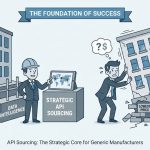
In this complex and high-stakes environment, success in API sourcing is no longer a simple procurement function. It is a core strategic capability that requires a sophisticated, forward-looking playbook. This playbook must move beyond traditional cost-based supplier selection to encompass rigorous, multi-domain due diligence, the deliberate design of a resilient supply network, and the cultivation of deep, collaborative partnerships.
Redefining Due Diligence for Emerging Markets
The foundation of any successful sourcing strategy is a due diligence process that is as rigorous and multifaceted as the risks it seeks to mitigate. A standard checklist approach is woefully inadequate for the complexities of emerging markets. A best-in-class framework must be a deep, investigative process that assesses potential partners across several critical dimensions:
Financial Stability: Before engaging with any supplier, a thorough financial health check is essential. This involves analyzing their balance sheets, income statements, and cash flow statements to assess their liquidity, profitability, and debt levels.67 A supplier teetering on the edge of bankruptcy, no matter how low their price, represents an unacceptable risk of supply disruption.
Technical and Operational Capabilities: The assessment must go beyond the supplier’s ability to produce the API to the required chemical specifications. It must evaluate their capacity for scale-up, the modernity and maintenance of their equipment, and their expertise in the specific type of chemistry required (e.g., small molecule synthesis vs. large molecule fermentation).69 For sensitive biologics or HPAPIs, this includes verifying their specialized infrastructure, such as cold chain logistics and containment facilities.67
Regulatory and Quality Track Record: This is a non-negotiable gate. The due diligence team must conduct a deep dive into the supplier’s inspection history with major regulatory bodies like the FDA and EMA. This involves reviewing past inspection reports (Form 483s), warning letters, and import alerts.71 A history of recurring issues, particularly around data integrity, is a major red flag that should prompt extreme caution, if not outright disqualification.
Upstream Supply Chain Transparency: A critical, and often overlooked, aspect of due diligence is mapping the supplier’s own supply chain. Where do they source their KSMs and critical raw materials? Are they single-sourced from a high-risk region? A truly resilient partner must be able to provide transparency into their Tier 2 and Tier 3 suppliers and demonstrate that they have their own risk mitigation strategies in place.72
Cultural and Management Compatibility: A partnership is a relationship. Due diligence should include an assessment of the supplier’s management team, their business ethics, and their communication style. Is their quality culture proactive or merely reactive? Are they transparent and collaborative when issues arise? A cultural mismatch can lead to friction, misunderstandings, and a breakdown in trust, undermining the long-term viability of the partnership.69
The “China Plus One” Strategy in Practice
Driven by the escalating geopolitical and pandemic-related risks of over-reliance on China, the “China Plus One” strategy has become the dominant paradigm in supply chain diversification. The rationale is sound: reduce dependence on a single country to build resilience.17 However, the implementation is fraught with challenges.
The Rationale and the Reality
The goal of a “China Plus One” strategy is to maintain the benefits of sourcing from China (scale, cost, and ecosystem) while mitigating the risks by establishing a second, fully qualified source of supply in another country, often India, Vietnam, or Mexico.16 This dual-sourcing model provides a crucial buffer; if one supply chain is disrupted, the other can ramp up production to maintain supply.
The reality, however, is often more complex and costly than anticipated. Few countries can match China’s mature infrastructure, deep supplier networks, and highly skilled labor force at scale.17 Implementing a “Plus One” strategy often involves:
Higher Upfront Investment: Setting up and qualifying a new manufacturing site or partner requires significant time and capital.50
Infrastructure Gaps: The “+1” country may have less developed logistics, port capacity, or reliable energy infrastructure, leading to potential delays.73
Regulatory Complexity: Each new country brings a unique set of legal, tax, and labor regulations that must be navigated.17
Quality Control Challenges: Maintaining consistent quality standards across two different manufacturing sites with different cultures and operational practices requires robust oversight and harmonized quality systems.
Choosing Your “+1”: A Strategic Framework
The selection of the “+1” location should not be a default choice but a deliberate strategic decision based on a holistic assessment. Key factors to consider include:
Technical Capability: Does the country have a proven ecosystem for the specific type of API required? (e.g., South Korea for biologics, India for complex generics).
Geopolitical Alignment: Is the country a stable trading partner with strong diplomatic ties to your primary markets?
Total Cost of Ownership (TCO): The analysis must go beyond the per-kilogram price of the API to include logistics, tariffs, compliance costs, and the cost of managing a more complex supply chain.
Logistical Infrastructure: How efficient are the country’s ports, airports, and ground transportation networks? What are the typical lead times to your key markets?
IP Environment: Does the country have a strong and reliable legal framework for protecting intellectual property?
Building Resilient Partnerships
Ultimately, a resilient supply chain is built not on transactions, but on true strategic partnerships. This requires moving beyond a purely cost-driven, adversarial relationship with suppliers to a more collaborative and integrated model. A prime example of this approach is Divi’s Laboratories in India. Divi’s has built its success not by competing on the lowest price for bulk generics, but by establishing itself as a critical, long-term CDMO partner for global pharmaceutical innovators. Their Custom Synthesis division serves many of the world’s top pharma companies, offering customized solutions and becoming deeply integrated into their partners’ value chains.74 This model is built on trust, quality, and long-term collaboration.
Different partnership models can be deployed depending on the strategic importance of the API and the level of demand uncertainty 75:
Fee-for-Service: The traditional model, best for non-critical, commoditized APIs where multiple suppliers are available.
Reserved Capacity (“Take or Pay”): A more strategic arrangement where the pharma company pays to reserve a certain amount of manufacturing capacity at a CMO. This guarantees supply but carries a financial penalty if the capacity is not used. It is best suited for products with predictable demand.
Dedicated Suite (“Condo”): A deeper partnership where the pharma company co-invests in or leases a dedicated manufacturing suite within a CMO’s facility. This provides greater control and security and is often used for critical, high-value products.
Joint Venture (JV): The deepest level of integration, where the pharma company and the local manufacturer form a new entity to build and operate a facility. This is a high-investment, high-reward model often used to gain access to local markets with significant localization requirements.
Regardless of the model chosen, the partnership must be underpinned by a comprehensive Quality Agreement that clearly defines roles, responsibilities, quality control procedures, and audit rights.69 Building these relationships takes time and investment, but in an increasingly volatile world, a network of trusted, strategic partners is one of the most valuable assets a pharmaceutical company can possess.
The Intelligence Advantage: Leveraging Patent Data for Strategic Sourcing
In the high-stakes chess game of global API sourcing, the most successful players are those with the best intelligence. While traditional due diligence focuses on a supplier’s current state—their facilities, their finances, their regulatory history—a truly strategic approach requires a forward-looking view. It requires knowing not just what a potential partner can do today, but what they are planning to do tomorrow. One of the most powerful, yet consistently underutilized, sources for this kind of predictive intelligence is the global patent database.
Why Patent Intelligence is a Sourcing Superpower
Traditionally viewed through a narrow legal lens as a tool for securing monopoly rights, the patent system is, in fact, the world’s largest and most detailed repository of competitive, scientific, and commercial intelligence.76 Every patent application is a declaration of intent. It reveals a company’s R&D priorities, the specific technical problems it is solving, its areas of deep expertise, and the commercial markets it is targeting. For a sourcing professional, this is a treasure trove of information that provides a window into a potential supplier’s soul long before the first sales pitch or facility tour.
Systematically monitoring and analyzing these documents provides several profound strategic advantages 77:
Early Warning System: Patent applications are typically published 18 months after their initial filing date. This means you can see what your competitors—and potential suppliers—are working on years before a product ever enters clinical trials or is announced publicly.
Objective Capability Assessment: A company’s marketing materials will always claim broad expertise. Their patent portfolio provides an objective, verifiable record of their actual R&D activities and technical sophistication.
Risk Identification: Analyzing a supplier’s patents can reveal potential freedom-to-operate issues or dependencies on third-party technologies that could create legal or supply risks down the road.
A Practical Guide to Using Patent Data for Supplier Vetting
Integrating patent analysis into the supplier vetting process can transform it from a reactive check-the-box exercise into a proactive, strategic assessment.
Assessing Technical Sophistication and Freedom-to-Operate
Instead of simply asking a potential CDMO if they have experience with a certain class of molecules, you can analyze their patent portfolio to see for yourself.
Mapping Expertise: Does their patent portfolio show a deep and consistent focus on the specific synthesis routes, formulation technologies, or complex molecular structures relevant to your project? Or is their experience superficial and scattered? A dense cluster of patents in a specific area is a strong indicator of true expertise.78
Gauging Innovation: Are their patents frequently cited by other innovators? Forward citations are a strong metric of a patent’s technological importance and suggest that the company is working at the cutting edge of its field.78
De-Risking Your Supply Chain: A critical step is to conduct a Freedom-to-Operate (FTO) analysis on your potential supplier’s proposed manufacturing process. Does their process infringe on any valid third-party patents? Discovering an infringement issue after you have signed a contract can be catastrophic, leading to costly litigation and a complete halt in production. A proactive FTO analysis, informed by a deep search of the patent landscape, is an essential risk mitigation tool.79
The Role of Platforms like DrugPatentWatch
The sheer volume and complexity of global patent data make manual analysis an impossible task. This is where specialized patent intelligence platforms become indispensable. Services like DrugPatentWatch are designed to aggregate, structure, and analyze the vast universe of pharmaceutical patent and regulatory data, turning raw information into actionable intelligence.81
These platforms are not just search engines; they are analytical tools that empower strategic sourcing teams to:
Monitor Competitor and Supplier Activity: Set up alerts to track all new patent filings by potential suppliers or in specific technology areas. This allows you to stay ahead of the curve and identify emerging capabilities or threats in real-time.77
Identify Patent Expiry and Generic Entry Windows: For generic drug sourcing, knowing the precise patent landscape and expiry dates for a target drug is critical. DrugPatentWatch provides expertly curated data on patent lifecycles, including any extensions and litigation, allowing for more accurate launch planning and API sourcing timelines.82
Mitigate IP Risk in Emerging Markets: Navigating the unique IP challenges of markets like India and China requires specialized knowledge. By providing comprehensive data on patent litigation, invalidation proceedings, and compulsory licensing cases, DrugPatentWatch helps companies assess the real-world IP risks associated with a particular market or partner, allowing them to make more informed decisions.81
As one pharmaceutical executive noted about a similar platform, it is “one of the greatest tools for us to manage our suppliers in API business,” providing “unique and serious data for those who are responsible in supply management, control and new product development”.83 In the modern sourcing environment, leveraging this level of intelligence is no longer a luxury; it is a necessity for anyone serious about building a secure, competitive, and resilient API supply chain.
The Future of Sourcing: Trends, Technologies, and Tomorrow’s Supply Chain
The world of API sourcing is not static. The same forces of technology, economics, and geopolitics that created the current landscape are continuing to reshape it. As we look to the horizon, several key trends are emerging that will define the next decade of pharmaceutical manufacturing and supply chain strategy. The most successful organizations will be those that not only react to these shifts but anticipate them, building a sourcing strategy that is agile, technologically advanced, and prepared for a more decentralized and dynamic future.
The Reshoring and Nearshoring Debate: Hype vs. Reality
In the wake of the pandemic-induced supply shocks, the call to “reshore” or “nearshore” pharmaceutical manufacturing has grown louder in the political corridors of Washington D.C. and Brussels.2 The logic is appealing: bring production back home or to a nearby, friendly country (like Mexico for the U.S.) to shorten supply chains, enhance security, and reduce reliance on geopolitical rivals.85
However, while the strategic intent is sound, the practical reality is far more challenging. Decades of offshoring have not just moved factories; they have moved entire ecosystems. The U.S., for example, currently has less than 5% of the world’s large-scale API sites, with the vast majority located in India and China.86 A full-scale reshoring of the API industry would be a monumental undertaking, requiring massive capital investment to build not just API plants, but also the entire upstream network of KSM and intermediate suppliers.37 The high costs of labor, construction, and regulatory compliance in the West remain a significant economic barrier.2
Therefore, a more likely future is not a wholesale return of manufacturing, but a strategic and partial reshoring of the most critical products. We are already seeing government-supported initiatives to build domestic capacity for essential medicines and APIs needed for national security and pandemic preparedness.2 For most commercial products, however, the near-term future is less about abandoning emerging markets and more about intelligently diversifying within and beyond them. Nearshoring to countries in Eastern Europe or Latin America may be a viable option for certain products, but it will complement, not replace, the established hubs in Asia.87
The Rise of New Manufacturing Hubs and the “China Plus Many” Future
The logical evolution of the “China Plus One” strategy is the “China Plus Many” model. As companies seek ever-greater resilience, they will move away from a simple dual-source model to a more decentralized, multi-nodal supply network. This is creating opportunities for a new tier of manufacturing hubs to emerge and capture a share of the global market.
We are already seeing this play out. As discussed, countries like South Korea and Taiwan are establishing themselves as leaders in high-value, complex APIs.48 In Southeast Asia, nations like Vietnam, Malaysia, and Thailand are attracting investment for small-molecule manufacturing, positioning themselves as credible secondary and tertiary supply points.48 In the U.S., a government- and university-backed consortium in Virginia is working to create a domestic hub for advanced pharmaceutical manufacturing, focusing on innovative technologies.89
The future supply chain map will be more geographically dispersed. A single pharmaceutical company might source a bulk intermediate from China, have a complex synthesis step performed by a specialist CDMO in South Korea, source the final generic API from two different suppliers in India, and have a backup supplier for a critical KSM in Malaysia. This network is more complex to manage, but it is infinitely more resilient to localized disruptions.
The Technology Tipping Point: Industry 4.0 and Advanced Manufacturing
Perhaps the most transformative trend is the application of advanced technology to the science of making medicines. The convergence of digital tools (Industry 4.0) and new manufacturing paradigms has the potential to upend the traditional economics of API production and could, in the long term, make reshoring more viable.
Continuous Manufacturing (CM): This represents a fundamental shift away from traditional, slow, and inefficient batch-based production. In CM, the synthesis process occurs in a continuous, uninterrupted flow within a smaller, closed, and highly automated system.74 The benefits are transformative: CM can reduce capital expenditures by up to 76%, cut overall costs by 9% to 40%, significantly shrink the physical footprint of a factory, and dramatically improve product quality and consistency.90
Artificial Intelligence (AI) and Machine Learning (ML): AI/ML algorithms are being deployed to optimize manufacturing processes in real-time, predict equipment failures before they happen (predictive maintenance), and analyze vast datasets to identify opportunities for process improvement.90 This leads to higher yields, less waste, and more robust processes.
Blockchain and Digital Twins: Technologies like blockchain are being used to create immutable, transparent records of the entire supply chain, enhancing traceability and combating counterfeiting.66 Digital twins—virtual replicas of physical manufacturing processes—allow companies to simulate and stress-test their supply chains, identifying vulnerabilities before they manifest in the real world.66
The FDA has explicitly stated its belief that these advanced manufacturing technologies could be the key to enabling U.S.-based pharmaceutical manufacturing to regain its competitiveness with foreign countries.4 By replacing the need for large factories and extensive manual labor with smaller, smarter, more automated systems, these technologies can directly attack the cost advantages that drove manufacturing offshore in the first place. The adoption of these technologies will be a slow but powerful force reshaping the global sourcing map over the coming decade.
Conclusion: Forging a Resilient, Intelligent, and Sustainable API Sourcing Strategy
The landscape of API sourcing has been irrevocably altered. The migration of manufacturing to emerging markets, driven by decades of economic and market forces, has created a new global reality—one that is rich with opportunity but also fraught with complex, interconnected risks. Navigating this new world requires a fundamental shift in mindset. API sourcing can no longer be viewed as a back-office procurement task focused solely on minimizing cost. It must be elevated to a core strategic function, integrated across R&D, legal, quality, and commercial operations, with the explicit goal of building a supply chain that is not just efficient, but resilient, intelligent, and sustainable.
The path forward demands a multi-pronged approach. It requires a nuanced understanding of the diverse capabilities and risks of different emerging markets, moving beyond a monolithic view to a tailored, country-specific strategy. It necessitates the deliberate design of a diversified supply network—a “China Plus Many” model—that values redundancy as much as efficiency. It demands a redefinition of due diligence, expanding the aperture to include rigorous assessment of geopolitical exposure, IP risk, and ESG compliance alongside traditional quality and financial metrics.
Above all, the future belongs to the organizations that embrace intelligence. By leveraging powerful tools like patent analytics and platforms such as DrugPatentWatch, companies can gain a predictive edge, anticipating market shifts and de-risking partnerships before making critical investments. And by strategically adopting the transformative potential of advanced manufacturing technologies, they can begin to reshape the very economics of production.
The challenges are formidable, but the mandate is clear. In an industry where the stakes are measured in both billions of dollars and human lives, the strength and intelligence of your API sourcing strategy are no longer just a matter of competitive advantage; they are a prerequisite for survival and success.
Key Takeaways
The Shift is Structural, Not Cyclical: The dominance of emerging markets, particularly China and India, in API manufacturing is an irreversible result of decades of economic and policy shifts. They represent indispensable ecosystems of scale and capability, not just low-cost alternatives.
“Emerging Markets” is a Monolith Fallacy: A “one-size-fits-all” sourcing strategy is a critical error. China (scale, intermediates), India (generics, process chemistry), South Korea (biologics), and Brazil (market access) offer vastly different value propositions and risk profiles. Strategy must be tailored to the specific country and the specific API.
“China Plus One” is Not a Panacea: Simply shifting final production to India does not eliminate China risk; it often lengthens the supply chain and adds a layer of complexity due to India’s own dependence on Chinese raw materials. True resilience requires end-to-end supply chain mapping and a “China Plus Many” approach.
Risk is Interconnected: Geopolitical, quality, IP, and ESG risks are not siloed. A failure in one domain can trigger a cascading crisis in others. Sourcing decisions must be made through an integrated, cross-functional risk management framework that calculates a total risk-adjusted cost, not just the purchase price.
Patent Intelligence is a Strategic Imperative: Patent databases are a powerful, underutilized source of competitive and technical intelligence for vetting suppliers. Leveraging platforms like DrugPatentWatch to analyze a potential partner’s IP portfolio provides a forward-looking view of their capabilities, innovation pipeline, and potential legal risks.
Technology Will Reshape the Map: Advanced technologies like Continuous Manufacturing and AI-driven process control have the potential to disrupt the current labor-cost-driven sourcing paradigm. While adoption is gradual, these technologies represent the most significant long-term force that could enable a partial and strategic reshoring of critical manufacturing.
Frequently Asked Questions (FAQ)
1. Is the “China Plus One” strategy just a temporary trend, or is it a permanent shift in global sourcing?
It is a permanent strategic shift, not a temporary trend. The drivers are structural: escalating geopolitical tensions between the U.S. and China, the clear lessons in supply chain fragility from the COVID-19 pandemic, and rising labor and compliance costs within China itself. Companies now view supply chain resilience as a board-level priority, and diversification away from single-country over-reliance is the primary mechanism to achieve it. While China will remain a critical part of the global supply chain due to its scale and ecosystem, the era of it being the default, sole-source option is over. The new normal is a multi-pronged sourcing network.
2. We are a small biotech with a limited budget. How can we afford the rigorous due diligence and dual sourcing you recommend?
For a smaller company, the key is a highly targeted, risk-based approach. You cannot audit everyone, so you must focus intensely on your most critical inputs. For your lead asset’s API, a full, on-site audit of the primary supplier is non-negotiable—this is a cost that must be built into the development budget. For less critical materials, you can leverage desktop audits and third-party reports. For dual sourcing, consider a phased approach: qualify the primary supplier for initial clinical phases while simultaneously beginning the paper qualification of a backup. The goal is to have the backup supplier ready to be activated quickly if needed, without bearing the full cost of maintaining two active supply lines from day one. The cost of qualifying a second source is significant, but it is an order of magnitude less than the cost of a multi-year clinical trial delay caused by a single-supplier failure.
3. How can we truly verify that an API sourced from India is not dependent on KSMs from China?
This requires moving from a position of trust to one of verification. The first step is contractual: your Quality Agreement with the Indian supplier must explicitly grant you the right to audit their upstream supply chain and require them to disclose the origin of all KSMs. The second step is the audit itself: during on-site inspections, demand to see purchase orders, shipping documents, and certificates of origin for the KSMs they use. The third step is to build intelligence: use market intelligence and platforms that map chemical supply chains to cross-reference your supplier’s claims. Finally, for the most critical products, the best strategy is to work with suppliers who are proactively building and marketing a “China-free” supply chain as a key differentiator. This transparency is becoming a major competitive advantage.
4. With the rise of biologics, are the sourcing dynamics for large molecules different from traditional small-molecule APIs?
Yes, profoundly so. The manufacturing of large-molecule (biologic) APIs is far more complex, capital-intensive, and technologically demanding than small-molecule chemical synthesis. This means the number of qualified suppliers is much smaller, and the cost advantages of offshoring are less pronounced. Sourcing decisions for biologics are driven more by technical expertise and specialized infrastructure than by labor cost arbitrage. This is why countries like South Korea, with its deep investment in biomanufacturing technology, have become major hubs for biologics CDMOs, competing directly with European and U.S. players. When sourcing biologics, the primary due diligence focus shifts from cost to a supplier’s technological platform, track record with similar molecules, and capacity for sterile manufacturing and complex analytics.
5. How can patent intelligence help us choose between two seemingly equal API suppliers in an emerging market?
Patent intelligence can be a powerful tie-breaker. Imagine two Indian CDMOs both claim expertise in your required synthesis pathway. By analyzing their patent portfolios, you can uncover crucial differences. Supplier A may have a dozen patents on novel process improvements and impurity controls related to that specific chemistry, with their patents being frequently cited by others. This indicates deep, innovative expertise. Supplier B may have no patents in that area, suggesting their experience is purely based on executing standard, publicly known methods. Furthermore, an FTO analysis might reveal that Supplier B’s process comes dangerously close to infringing a third party’s patent, creating a hidden legal risk. In this scenario, patent intelligence clearly shows that Supplier A is the more sophisticated and less risky long-term partner, a conclusion you could never reach from a facility tour or a sales presentation alone.
A pharmaceutical policy accident: collision of shareholder capitalism and Chinese state capitalism driving the shortage of an essential antibiotic – PubMed Central, accessed August 17, 2025, https://pmc.ncbi.nlm.nih.gov/articles/PMC11616744/
Journey from an Enabler to a Strategic Leader: Integration of the Medical Affairs Function in ESG Initiatives and Values – PubMed Central, accessed August 17, 2025, https://pmc.ncbi.nlm.nih.gov/articles/PMC10587287/