The biopharma industry has spent decades optimizing for efficiency. Lean supply chains, single-source API relationships, centralized cell storage, and just-in-time manufacturing became standard operating models, praised in boardrooms and rewarded by investors who prized cost discipline above redundancy. Then the 2020s arrived.
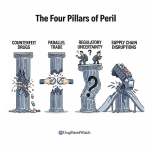
A global pandemic froze logistics networks. Geopolitical fractures split supply chains across regulatory and tariff boundaries. Sophisticated ransomware campaigns took down hospital systems and clinical trial databases. A fire at a single contract manufacturing facility in Germany triggered a shortage of a critical cancer drug in fourteen countries. Each event revealed the same structural fragility: biopharma’s operational model was optimized for a world that no longer exists.
The life sciences industry has suffered from the highest number of supply disruptions of any sector, a trend confirmed by global supply chain monitoring platforms tracking cross-industry performance. This is not a temporary anomaly created by one unusually disruptive decade. It reflects a permanent shift in the risk environment—one where perpetual volatility has become the baseline condition for doing business in biomedical research and drug development.
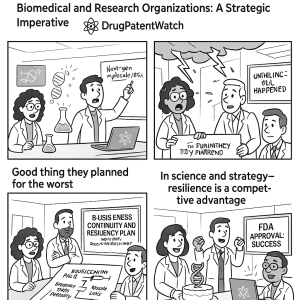
What follows is not a manual for writing a better business continuity plan. Most organizations already have one. The problem is that most of those plans sit in a shared drive, were last tested during an Obama administration tabletop exercise, and treat resilience as a static document rather than a living organizational capability. This article is a strategic blueprint for executives who understand the difference, and who want to build resilience into the operating model, not just the risk register.
We will examine the full architecture of organizational resilience—from the theoretical frameworks that give it structure to the operational methodologies that make it real. We will analyze each of the four most fragile points in the biopharma value chain, detail the protocols that protect irreplaceable R&D assets, and make the case for integrating competitive patent intelligence into enterprise risk management. For executives who want to see around corners rather than react to whatever just walked through the door, this guide provides the analytical framework to do exactly that.
Part I: From Compliance Checkbox to Competitive Capability
The Architecture of Organizational Resilience
Business continuity planning (BCP) and organizational resilience are not the same thing, and confusing them is expensive. BCP is a set of documented procedures—what to do when a specific, anticipated event occurs. Organizational resilience is the broader capability that allows an organization to anticipate events it has not fully anticipated, absorb the impact of events it cannot prevent, and emerge from disruption in a stronger position than before.
The distinction matters because a static BCP, however well-written, fails in precisely the scenarios where it is most needed: novel disruptions, cascading failures that cut across process boundaries, and crises that evolve faster than the plan can be consulted. A company that confuses the document for the capability will discover the difference at the worst possible moment.
Modern resilience theory defines a clear, three-stage process that separates truly resilient organizations from those that are merely prepared for known threats: anticipation, coping, and adaptation. Each pillar demands different organizational capabilities, different investments, and different cultural conditions to function.
Anticipation: Building Foresight Into the System
Anticipation is the proactive component of resilience—the ability to detect emerging problems before they become crises. It is not about predicting the future with a crystal ball; it is about robust environmental scanning, sophisticated risk assessment, and leveraging intelligence from a wide range of sources.
For a biopharmaceutical organization, anticipation requires monitoring across multiple threat dimensions simultaneously. Geopolitical tensions that could affect API suppliers in China or India require different monitoring tools than an emerging cybersecurity threat targeting clinical trial data management systems. Supply chain vulnerability to a single irradiation facility requires different intelligence than the competitive risk of a rival company’s patent filings in your core therapeutic area. Anticipation is not a single activity; it is a portfolio of sensing capabilities that must be actively maintained and regularly calibrated.
The most mature organizations operationalize anticipation by embedding it into existing decision-making cycles. Quarterly risk reviews, supplier performance scoring systems, competitive intelligence feeds, and patent landscape monitoring all serve as formal inputs into an ongoing environmental scan. The signal that distinguishes an anticipation-capable organization from one that merely reacts is the presence of documented processes for aggregating these inputs and converting them into explicit risk scenarios—scenarios that have owners, timelines, and pre-approved response options.
Coping: The Operational Response Layer
Coping is where traditional BCP lives. It is the capacity to absorb the immediate shock of an adverse event while maintaining critical functions under stress. When a hurricane makes landfall near a manufacturing facility, or a sole-source API supplier announces a cGMP consent decree, the coping capability determines how fast the organization can activate pre-defined response protocols, protect its people and physical assets, and prevent a disruption from becoming a catastrophe.
Effective coping requires two things that are often underdeveloped: a clear, practiced escalation structure that moves information from the operational level to the decision-making level without bureaucratic delay, and pre-authorized response options that allow managers to act without waiting for approvals that take hours to obtain during a fast-moving crisis. Both requirements point back to the same root problem: coping capability is not built by writing plans—it is built by practicing them.
An organization that runs quarterly tabletop exercises across its most critical disruption scenarios will outperform one that last tested its BCP at implementation, regardless of the comparative quality of the written documents. Muscle memory, tested communication channels, and clearly understood decision authorities are what actually determine performance when a real incident occurs.
Adaptation: The Mechanism That Builds Long-Term Resilience
Adaptation is the most strategically valuable pillar and the one most consistently underfunded. It is the capacity to learn from an adverse event, update the organization’s mental models and operating procedures, and emerge from disruption better equipped than before. Adaptation is not about simply returning to the ‘old normal’ but about emerging stronger, smarter, and better prepared for the future.
The practical mechanism for adaptation is a rigorous post-event review process—sometimes called a post-mortem or after-action review—that examines what happened, why it happened, and what structural changes to the organization’s processes, capabilities, or risk model would prevent a recurrence or improve the response to a similar event. This review must be explicitly protected from the organizational incentive to assign blame, which shuts down honest analysis. Its purpose is not accountability; it is learning.
Research has shown that learning is not just a byproduct of resilience; it is a fundamental precondition and an ongoing process that reinforces it at every stage. The most sophisticated form of organizational learning involves ‘unlearning’—the process of recognizing and discarding outdated assumptions and ingrained mental models that worked in a previous operating environment but now hinder adaptation. A company that cannot unlearn its reliance on a single-source API supplier, even after experiencing repeated disruptions, cannot become genuinely resilient.
Why Culture Is the Real Infrastructure
Here is the analytically uncomfortable truth about organizational resilience: the most sophisticated risk management framework, the most meticulously crafted BCP, and the most expensive disaster recovery infrastructure will underperform in an organization with a dysfunctional culture. Culture is the substrate on which all three pillars of resilience actually run.
A hierarchical, siloed culture where information is hoarded, mistakes are punished, and bad news is suppressed actively inhibits the learning required for resilience. It prevents the organization from anticipating threats because information does not flow freely. It hampers coping because cross-functional collaboration is weak. And it makes adaptation impossible because an honest assessment of failures cannot occur.
Conversely, a culture characterized by psychological safety, active cross-functional collaboration, and a leadership posture that treats operational failures as learning inputs rather than evidence of individual incompetence creates the conditions under which all three resilience pillars can function. Investing in leadership development, collaborative tools, and a culture of continuous improvement is a direct investment in the company’s ability to withstand the next crisis.
The practical implication for executives is that resilience investment cannot be delegated entirely to the Chief Risk Officer or the Business Continuity team. It requires active leadership engagement in building the cultural conditions that make resilience possible. This includes modeling transparent communication about organizational failures, creating formal mechanisms for surfacing operational risks from the front line to leadership, and holding leaders accountable for building genuinely collaborative relationships across functional boundaries.
Part II: The Governing Frameworks—ISO 22301 and ICH Q9
ISO 22301: The International Standard for Business Continuity Management
ISO 22301 provides the structural operating system for an organizational resilience program. It defines the requirements for a Business Continuity Management System (BCMS)—not just a set of plans, but a managed, governed, continuously improving program that is integrated with the organization’s overall management structure. It elevates business continuity from a series of disconnected plans into a cohesive, managed program that is embedded in the organization’s overall management structure.
The standard is built on the Plan-Do-Check-Act (PDCA) cycle, which provides a rigorous framework for continuous improvement across four phases:
Plan encompasses the analytical foundation of the BCMS: understanding the organization’s external and internal context, securing leadership commitment, defining scope, and—critically—conducting the Business Impact Analysis and risk assessment that identify which processes matter most and where the most significant vulnerabilities lie.
Do is the implementation phase, where continuity plans, incident response procedures, and communication protocols are developed and documented based on the analysis completed in Plan.
Check mandates regular testing of those plans through exercises and drills, combined with internal audits and performance monitoring. A plan that has never been tested against reality is a hypothesis, not a capability.
Act closes the loop: findings from tests, audits, and real incidents drive corrective actions and improvements to the BCMS. This is where the standard institutionalizes the adaptation pillar.
Adopting an ISO 22301 framework demonstrates to regulators, partners, and customers that the organization has a mature, internationally recognized approach to resilience. It can provide a significant competitive advantage, reduce dependence on key individuals, and ensure a structured, predictable response when a crisis hits.
The PDCA Cycle in a Pharmaceutical Context
For a pharmaceutical or biotech company, each phase of the PDCA cycle carries industry-specific content. The Plan phase must produce a BIA that prioritizes processes not just by revenue contribution but by patient impact—a regulatory consideration embedded in ICH Q9, discussed below. The Do phase must address the full range of pharmaceutical-specific disruption scenarios: FDA-regulated manufacturing shutdowns, clinical trial site failures, cold chain breaks, and cyber intrusions targeting validated computerized systems.
The Check phase must include scenario-specific testing. A tabletop exercise simulating a cyberattack against the electronic data capture (EDC) system is a fundamentally different exercise from one simulating a freezer failure in the biorepository, and both are different from a full-scale drill testing the response to an API supplier quality crisis. Each scenario requires its own testing cadence and its own assessment criteria.
ICH Q9: Quality Risk Management as the Philosophical Foundation
Where ISO 22301 provides structure, ICH Q9: Quality Risk Management provides the philosophical foundation that aligns resilience activities with the core purpose of pharmaceutical organizations: protecting patients. ICH Q9 is guided by two primary principles: the evaluation of risk to quality should be based on scientific knowledge and ultimately link to the protection of the patient; and the level of effort, formality, and documentation of the Quality Risk Management process should be commensurate with the level of risk.
The first principle establishes patient safety as the non-negotiable baseline for all risk prioritization decisions. It means that a Business Impact Analysis for a pharmaceutical organization cannot rank processes purely by financial contribution. A process that produces a life-saving oncology drug with no therapeutic alternatives may generate less revenue than a high-volume over-the-counter product, but it must carry a higher continuity priority because the consequences of its disruption—measured in patient harm—are categorically more severe.
The second principle provides the practical flexibility that makes the framework workable. Not every process requires the same exhaustive level of risk analysis. The QRM framework allows organizations to calibrate the rigor of their risk assessment to the magnitude of the risk, concentrating analytical effort where it can do the most good.
Building the Unified Framework
The most effective approach integrates ISO 22301’s structural discipline with ICH Q9’s patient-centric philosophy into a single unified framework. A biopharma organization could be ISO 22301 certified but still fail a regulatory inspection if its BIA prioritizes financial impact over patient safety. Conversely, a company could follow the principles of ICH Q9 but lack the overarching BCMS structure to handle non-quality disruptions like a major IT outage or a facility lockdown.
The unified model requires that the BIA—the analytical engine at the center of the BCMS—is explicitly structured to evaluate impact through the dual lenses of operational consequence and patient safety risk. This is not a complicated structural change, but it requires deliberate design and executive endorsement. It means the BIA process must include medical affairs and clinical functions alongside manufacturing and IT, and that product criticality classifications—life-saving, significant medical benefit, some medical benefit, no medical use—must be formally documented and used as a primary ranking criterion before financial impact is considered.
Part III: Risk Assessment Methodologies That Convert Data Into Decisions
The Business Impact Analysis: Identifying What Actually Matters
The Business Impact Analysis is the analytical foundation of the entire resilience program. It is also the activity most commonly done poorly—either too narrowly (covering only IT systems), too superficially (collecting data from department heads who report whatever seems important to them), or too infrequently (conducted once at program launch and never refreshed). A BIA that reflects the organization’s risk landscape from three years ago is worse than no BIA at all, because it creates false confidence while misdirecting response resources.
The BIA answers the fundamental question: ‘If something breaks, what hurts the most, and how quickly does it need to be fixed?’ Its output is not the plan itself, but the critical information required to build an intelligent and prioritized plan.
The BIA Process: Seven Steps That Produce Actionable Intelligence
A rigorous BIA follows a seven-step process conducted by a cross-functional team with genuine operational knowledge across every function being analyzed:
First, define scope and objectives with specificity. A BIA that tries to cover everything at once produces data that is too thin to be actionable. In most pharmaceutical organizations, it is more productive to conduct deep BIAs for each major product line or operational unit, then synthesize findings at the enterprise level.
Second, identify critical functions through structured interviews with subject matter experts, not self-reported surveys. The distinction matters: an interview can probe below the surface answer to reveal hidden dependencies and secondary processes that would not appear on a survey form.
Third, map dependencies with rigor. This includes internal dependencies—for example, a manufacturing process depending on the IT network—and external dependencies, such as reliance on a single raw material supplier or a contract research organization. In biopharma, dependency mapping frequently reveals uncomfortable concentrations of risk that are invisible within individual departments: a single analytical lab that serves three different product lines, or a contract fill-and-finish organization that handles four different commercial products with no qualified alternative.
Fourth, assess impact across multiple dimensions: financial impact (lost revenue, costs of disruption), operational impact (production stoppage, batch loss), regulatory impact (GMP or GCP compliance breach, potential FDA enforcement action), and patient safety impact (drug shortage, compromised product quality). In biopharma, the impact assessment must incorporate consequences unique to the industry, including compromise of patient safety, breaches of GCP or GMP, significant regulatory fines, the irretrievable loss of clinical trial data, and the ethical and reputational fallout from failing to supply a critical medicine.
Fifth, set recovery objectives. Two metrics govern this step: the Maximum Tolerable Downtime (MTD)—the absolute outer limit of how long a function can be offline before consequences become unacceptable—and the Recovery Time Objective (RTO), set conservatively inside the MTD to provide operational buffer.
Sixth, prioritize ruthlessly. The BIA must produce a ranked list of critical functions that provides unambiguous guidance to crisis response teams about where to direct resources first when multiple systems are simultaneously disrupted, which is precisely the scenario in most major incidents.
Seventh, document and maintain. A BIA has a shelf life. Organizational changes, product launches, supplier transitions, and IT system upgrades all alter the risk landscape, and the BIA must be updated accordingly. Treating it as a living document with a defined refresh cycle—annually at minimum, with interim updates triggered by material organizational changes—is a foundational discipline of a mature BCMS.
The Crown Jewels Problem: Assets the BIA Must Protect
A biopharma BIA must look beyond processes to identify unique and often irreplaceable assets—the physical and digital ‘crown jewels’ of the organization. These include master and working cell banks stored in liquid nitrogen, unique biological specimens from long-term studies, decades of clinical trial data, highly specialized and calibrated equipment like bioreactors and mass spectrometers, and the animals in vivarium facilities.
These assets share one critical characteristic: their loss cannot be remedied by purchasing a replacement or waiting for a supplier to restore service. A master cell bank for a biologic in late-stage clinical development may represent fifteen years of scientific work and cannot be reconstructed. Clinical trial data collected from deceased or lost-to-follow-up patients cannot be recaptured. The financial value of these assets dwarfs any revenue impact calculation, and their protection must be treated accordingly.
A practical structure for a BIA applied to a monoclonal antibody development program looks like this:
Critical Function
Key Dependencies
Maximum Tolerable Downtime
RTO
RPO
Primary Risk
Master Cell Bank Maintenance
ULT freezers, backup power, LN2 supply, temperature monitoring
8 hours
4 hours
N/A
Irreversible loss of irreplaceable biological material
Upstream Bioreactor Manufacturing
Single-use bags, cell culture media, WFI system, MES
2 hours (in-process window)
1 hour
15 min (MES data)
Batch loss, drug shortage
Clinical EDC System
Cloud infrastructure, site internet, CRA availability
24 hours
4 hours
5 minutes
GCP violation, data integrity failure
API Inventory
Primary supplier, customs clearance, temperature storage
72 hours
48 hours
N/A
Manufacturing stoppage, drug shortage
Biorepository (patient samples)
-80°C freezers, independent power circuits, access control
8 hours
4 hours
N/A
Irreversible sample loss, protocol failure
FMEA: Preventing Failures Before They Occur
If the BIA identifies what to protect, Failure Mode and Effects Analysis (FMEA) identifies how things break, with enough specificity to enable targeted prevention. FMEA is a systematic, bottom-up technique for identifying all the potential ways a process or product could fail and then analyzing the potential consequences of those failures. It is a proactive tool designed to prevent problems rather than react to them.
The FMEA methodology produces a Risk Priority Number (RPN) for each identified failure mode, calculated by multiplying three scores on a 1–10 scale: Severity (how bad is the consequence if the failure occurs?), Occurrence (how likely is the failure?), and Detection (how likely are we to catch the failure before it causes harm?). The RPN can range from 1 to 1,000, and the process prioritizes corrective action on the failure modes with the highest RPNs.
In pharmaceutical manufacturing, FMEA applied to a peptide API synthesis process would examine each synthesis step individually. One illustrative failure mode: cross-contamination with another peptide sequence. The Severity score might be 10, reflecting a potentially toxic impurity in the final drug product. If contamination has occurred before, an Occurrence score of 4 is appropriate. If analytical methods for detecting this specific impurity are limited, a Detection score of 7 applies. The resulting RPN of 280 (10 × 4 × 7) signals urgent priority for corrective action: improving reactor cleaning validation, developing more specific analytical methods, or redesigning the process to eliminate the shared equipment.
The outputs of FMEA and HAZOP analyses provide a critical, quantifiable basis for making investment decisions in resilience. When a leader needs to justify capital expenditure for a redundant WFI system or the cost of qualifying a second supplier, the FMEA report provides the evidence, translating abstract operational risks into a structured, data-driven argument.
HAZOP: Systematic Hazard Identification for Complex Systems
Hazard and Operability (HAZOP) studies function as the process-level complement to FMEA, applied particularly to complex engineering systems such as manufacturing facilities during the design phase. A HAZOP team composed of multi-disciplinary experts examines a process diagram node by node, applying standardized ‘guide words’ to process parameters to explore potential deviations.
The guide words—NO/NOT, MORE, LESS, AS WELL AS, PART OF, REVERSE, OTHER THAN—are applied to process parameters like FLOW, TEMPERATURE, PRESSURE, LEVEL, and CONCENTRATION to generate specific ‘what-if’ scenarios. Applying ‘NO’ to ‘FLOW’ in a cooling water line to a bioreactor prompts the team to analyze the causes (pump failure, valve closure, blockage), the consequences (temperature excursion, cell death, batch loss), and the safeguards currently in place to detect or prevent the deviation.
This systematic approach ensures that all credible deviations are considered, uncovering hidden hazards and operability problems that might be missed by less structured reviews. Both FMEA and HAZOP produce documented, auditable records that regulators—particularly the FDA during process validation inspections—view favorably as evidence of a proactive, science-based quality risk management approach.
Setting RTOs and RPOs That Reflect Business Reality
Recovery Time Objective and Recovery Point Objective are the two most important technical parameters in any disaster recovery program. They are also the two parameters most frequently set by IT teams without meaningful input from the business functions that will live with the consequences of getting them wrong.
The RTO is the maximum acceptable amount of time that a system or process can be down before the disruption causes unacceptable consequences to the business. The RPO is the maximum acceptable amount of data loss, measured in time. Both are direct outputs of the BIA and are determined by the criticality of the business function they support, not by the convenience of the IT infrastructure.
The examples where this matters most in biopharma are instructive. A clinical trial’s Electronic Data Capture system, which holds irreplaceable patient safety and efficacy data, requires a very aggressive RTO—minutes to a few hours—and a near-zero RPO to comply with GCP and protect data integrity. The -80°C freezer holding the master cell bank has an RTO dictated by physics: the time it takes for the internal temperature to rise to the threshold at which cells are damaged. A finance system, by contrast, might tolerate 24–48 hours of downtime without affecting patient safety or core operations, and its recovery infrastructure investment should reflect that tolerance.
There is a direct, and often exponential, relationship between the stringency of these objectives and their cost. An RTO of near-zero requires massive investment in high-availability architecture, real-time data replication, and automated failover systems. This cost-objective relationship makes the setting of RTOs and RPOs a strategic business decision that must involve executive leadership, not a technical configuration choice made by IT architects.
The business leader’s role in this conversation is to provide the financial and patient-risk data that allows the organization to make an informed investment decision: what is the actual cost of this system being down for two hours versus four hours versus twelve hours, and what is the cost of the infrastructure required to achieve each recovery level? That conversation, structured by BIA data and conducted explicitly, produces defensible investment decisions and avoids both under-investment (accepting unacceptable recovery times to save infrastructure cost) and over-investment (building near-zero RTO capabilities for systems that could tolerate a day’s outage without consequence).
Part IV: Supply Chain Resilience—Fortifying the Three Most Fragile Links
The API Lifeline in a Geopolitically Fractured World
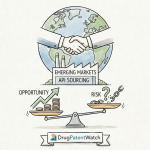
The global API supply chain’s structural fragility has been visible for years, yet it remains inadequately addressed in the risk management programs of a striking number of pharmaceutical organizations. The concentration of global API production in China and India—estimated to supply between 60% and 80% of finished pharmaceutical ingredients used by Western manufacturers—creates geopolitical, quality, and logistical exposures that have become increasingly difficult to ignore.
The risks are manifold: sudden supplier failures due to financial or operational issues, quality deviations or cross-contamination events that can halt production, unexpected and dramatic price increases, and regulatory or political actions that can sever supply lines overnight. The passage of the BIOSECURE Act in the United States, which restricts federal funding for companies using certain Chinese contract manufacturers, represents exactly this last category: a regulatory action that can force expensive, disruptive supply chain transitions in compressed timeframes. <blockquote> ‘The pharmaceutical industry is structurally dependent on a handful of geographies for the active ingredients that drive its entire product portfolio. For many critical medicines, there is literally one facility in the world capable of producing the API at commercial scale.’ — ISPE Pharmaceutical Engineering, January–February 2021 [1] </blockquote>
Addressing API supply risk requires four concurrent strategies, not one sequential response:
Dual and multi-sourcing is the foundational mitigation. Qualifying and maintaining active relationships with at least two suppliers in different geographic regions is essential to creating redundancy and avoiding a single point of failure. The key word is ‘active’: a qualified alternate supplier that receives no purchase orders and has not been audited in eighteen months is not a real backup—it is a paper backup that will fail when called upon.
Robust supplier management treats API suppliers as quality extensions of the manufacturing organization, not transactional vendors. This means rigorous initial qualification, regular cGMP compliance audits, formal Quality Agreements with clear change control provisions, and proactive monitoring of each supplier’s financial health and regulatory status.
Strategic safety stock provides a buffer against short-term disruption. The decision on how much inventory to hold—often six months’ worth or more—is a strategic trade-off, balancing carrying costs against the financial and reputational cost of a stock-out. For products treating serious or life-threatening conditions with no therapeutic alternatives, the calculus almost always favors more inventory, not less.
Onshoring and regionalization represent longer-term structural risk mitigation. There is a growing trend to ‘re-shore’ or ‘regionalize’ parts of the API supply chain. While potentially more expensive in the short term, manufacturing critical APIs closer to the end market can dramatically reduce lead times and insulate the supply chain from global geopolitical volatility. For executives evaluating this option, the analysis must account not just for the current cost differential but for the cost of a supply disruption event of even moderate severity—a calculation that almost always makes regionalization look substantially more attractive than the raw manufacturing cost comparison suggests.
The Single-Use Technology Paradox
Single-Use Technologies (SUTs)—bioreactor bags, tubing assemblies, sterile filters, and custom connectors—have transformed biomanufacturing economics. They eliminate cleaning validation complexity, reduce capital requirements, enable multi-product manufacturing facilities, and accelerate the transition between product campaigns. This has enabled the rise of multi-product facilities and accelerated the timeline for bringing new therapies to market.
The paradox is that by outsourcing the sterility function to specialized suppliers, biopharmaceutical manufacturers have traded one class of risk (in-house cleaning and sterilization complexity) for another: a deep and often fragile dependency on a concentrated supply chain for gamma-irradiated, custom-built plastic components with long lead times and limited qualified substitutes.
The risks include long lead times, raw material shortages particularly for specialized plastic resins, a high degree of supplier concentration, and potential quality issues like extractables and leachables that can impact the final drug product. In a shortage scenario—exactly the kind of scenario that occurred during the early COVID-19 pandemic response, when demand for single-use bioreactor components surged rapidly across the entire industry—organizations that had invested in supplier relationships and strategic inventory held their supply while those that had not faced multi-month delays.
Securing this supply chain requires three specific strategies:
Suppliers as strategic partners: Your key SUT suppliers are extensions of your own manufacturing facility. This means sharing long-range forecasts, conducting joint risk assessments, and performing due diligence to ensure your supplier has its own robust business continuity plan. Ask explicitly: what is your plan if your primary resin supplier goes down, or if your gamma irradiation facility is unavailable?
Component standardization across product lines reduces the number of unique SKUs requiring management, increases interchangeability between processes in shortage scenarios, and gives organizations greater leverage with suppliers. Where possible, organizations should drive a strategy of standardization using common components across multiple processes and products. The organizational friction of standardization projects—process owners defending their custom configurations—is real but should be weighed against the supply chain resilience benefit of reducing catalog complexity.
Strategic inventory and warehousing require explicit planning because SUT components are bulky, require climate-controlled storage, and have shelf lives that must be managed. Partnering with suppliers or specialized third-party logistics providers to maintain dedicated, localized inventory can be an effective way to buffer the supply chain and ensure quick access to critical components.
Cold Chain Integrity: From Manufacture to Patient
For biologics, vaccines, and the growing category of cell and gene therapies, the supply chain is a temperature-controlled race from manufacturing to patient. These products are exquisitely sensitive to temperature, and even a brief excursion outside their specified range can lead to denaturation, aggregation, and an irreversible loss of efficacy, posing a direct risk to patient safety.
The World Health Organization estimates that nearly 50% of vaccines are wasted globally every year, with a significant portion of this loss attributed to failures in temperature control during transport and storage. For advanced therapies—autologous CAR-T products that must be manufactured from a specific patient’s cells and returned to that patient within a defined window—a cold chain failure is not just a financial loss. It may be irreversible for that specific patient.
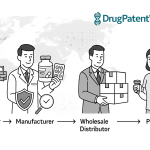
The cold chain spans three distinct temperature regimes: refrigerated (2°C to 8°C), frozen (-20°C to -80°C), and cryogenic (below -150°C, typically using liquid nitrogen). Each handoff point in the logistics journey represents a potential failure: loading dock to truck, truck to airport tarmac during a temperature inversion, customs inspection, last-mile delivery. Each handoff is a potential point of failure that must be explicitly addressed in the continuity plan.
Building a resilient cold chain requires investment in three areas, prioritized in this order:
Validated packaging and labeling is the first line of defense. It involves using thermally qualified shipping containers that have been rigorously tested and validated to maintain the required temperature for a specific duration under worst-case external conditions. Proper labeling that can withstand extreme temperatures is also critical for compliance and handling. Packaging validation is not a one-time exercise: it must be repeated whenever shipping lane parameters, packaging configurations, or product specifications change.
End-to-end visibility and monitoring converts the cold chain from an opaque process to a managed one. The use of real-time monitoring devices that track both location and internal temperature throughout the shipment’s journey provides end-to-end visibility and can send automated alerts if a temperature excursion is imminent, allowing for proactive intervention to save a shipment before it is lost. The technology cost of IoT-enabled temperature loggers with real-time cellular connectivity has fallen dramatically; the remaining barrier is operational: building the monitoring infrastructure and the trained response team that acts on the alerts.
Proactive contingency planning means pre-qualifying alternate shipping lanes, backup carriers, and emergency storage locations before a disruption occurs. Resilient organizations have clear, pre-defined protocols for what to do if a shipment is delayed or if a temperature alarm is triggered, including identifying locations where a shipment can be temporarily stored or ‘re-iced’ to maintain its integrity.
The deeper organizational insight is this: supply chain management is no longer a siloed logistics function focused on cost. A failure in the supply chain—whether an API shortage, a defective single-use bag, or a broken cold chain—is rightly understood as a quality failure, a regulatory failure, and a direct threat to patient safety. This reframing has structural implications: the Chief Supply Chain Officer and the Head of Quality must work in lockstep, with an integrated governance model that extends quality oversight deep into the global supplier network. This vision is strongly supported by recent analyses from Deloitte and McKinsey, which call for the creation of digitalized, visible, and integrated supply networks as the foundation for future resilience.
Part V: Protecting the Engine of Innovation—R&D and Clinical Trial Continuity
Laboratory Continuity: The Protocol for Protecting What Cannot Be Replaced
Research laboratories are among the most operationally complex environments in any industry. They run continuously, maintain highly specialized controlled environments, depend on equipment whose failure modes are poorly understood by non-specialists, and house assets whose loss cannot be remedied by any amount of money or time. A continuity plan that protects the manufacturing operation but ignores the biorepository has got its priorities wrong.
Research laboratories are uniquely vulnerable to common disruptions like power outages, equipment failures, fires, or floods, which can have devastating and irreversible consequences. The specific assets at greatest risk—master and working cell banks, patient biospecimens, transgenic mouse lines developed over years of breeding—share the characteristic of being irreplaceable at any price if destroyed.
The -80°C Protocol: Prevention, Response, and Recovery
Ultra-low temperature (ULT) freezer failure is not an edge case; it is a regular occurrence in any organization that maintains large populations of ULT equipment. The question is not whether a freezer will fail, but whether the organization has the systems in place to prevent that failure from becoming an asset loss.
Prevention requires a rigorous program of regular preventive maintenance for all ULT freezers, combined with temperature monitoring systems connected to a remote alarm service capable of sending text or email alerts to designated on-call personnel 24 hours a day, 7 days a week. A simple local alarm that beeps in an empty building overnight is useless. The single most important preventive measure is to never store 100% of an irreplaceable sample in a single freezer. Critical stocks must be split and stored in separate freezers, ideally in different rooms or buildings connected to separate electrical circuits.
This last point deserves emphasis because it is the most frequently violated rule in practice. The operational convenience of keeping all samples of a given cell line in a single freezer is real—it simplifies inventory management and sample retrieval. The cost of that convenience, in a failure scenario, is the potential loss of the entire stock. The correct policy is to maintain a minimum of two geographically separated aliquots of every irreplaceable biological asset, stored in equipment connected to independent power sources.
When an alarm is triggered, the response must be swift and organized. The lab’s continuity plan must include an up-to-date emergency contact list and a clear escalation path, a pre-identified backup freezer that is maintained, empty, and ready for use, and a documented procedure for safely and quickly transferring materials from the failing unit to the backup.
Following a failure, the decontamination and root cause analysis process is equally important. What caused this failure? Was it a maintenance deficit, a power event, an equipment age issue, or a manufacturing defect? The answer should drive a corrective action that prevents the same failure mode from occurring again across the entire ULT freezer population.
Vivarium Disaster Planning: The Ethical and Regulatory Dimension
Animal research facilities present an additional layer of continuity complexity because they operate under a body of ethical and regulatory obligations that does not exist in any other part of the organization. A disaster plan for a vivarium is not just good practice; it is a requirement under the Animal Welfare Act, PHS Policy, and for accreditation by AAALAC International.
The foundational principle of any vivarium disaster plan must be stated unequivocally at the outset: in an emergency, human life takes precedence. Personnel should never place themselves in harm’s way to evacuate animals. This is both an ethical and a legal position, and it must be communicated clearly to all facility staff so that it is not subject to improvised decisions during an actual emergency.
The plan must address both shelter-in-place and evacuation scenarios with equal specificity. Shelter-in-place planning focuses on maintaining life-sustaining systems including HVAC, potable water, and food supplies. Evacuation plans must identify pre-determined relocation sites and transport methods.
The triage question is the most difficult component of vivarium disaster planning: which animal lines are most critical and must be prioritized for protection in a catastrophic event? Investigators, in collaboration with veterinary staff, must decide in advance which animal lines are most critical due to their scientific value or irreplaceability. This decision must be made before a disaster occurs, documented, and reviewed regularly as the facility’s scientific portfolio evolves. Making this decision in real time during an active emergency produces inconsistent, emotionally driven outcomes.
Clinical Trial Continuity: The Dual Obligation to Patients and Data
Clinical trials are the most complex continuity challenge in the biopharma world because they operate across multiple sites, jurisdictions, and service provider relationships simultaneously, and because the consequences of a continuity failure are simultaneously clinical (patient safety), scientific (data integrity), regulatory (GCP compliance), and financial (potential loss of the entire trial dataset).
Patient Safety: The Non-Negotiable Priority
The first, last, and only absolute priority during a clinical trial disruption is the safety and well-being of the trial participants. All continuity and recovery actions must be viewed through this lens, including the ethical obligation to ensure that patients have access to appropriate medical care and follow-up, even if their formal participation in the trial has to be suspended or terminated.
Recent events—wildfires that threatened clinical sites in California and Arizona, the war in Ukraine that affected dozens of active trials across Eastern Europe, and pandemic-era lockdowns that made physical site visits impossible across entire regions—have tested the patient safety protocols of virtually every large sponsor organization. These events underscored the need for flexibility, creativity, and compassion from research teams, and demonstrated that patients may need to continue receiving investigational products even when standard site-based trial conduct is impossible.
Data Integrity: The ALCOA+ Framework Under Pressure
Alongside patient safety sits the integrity of the clinical trial data. The data is the evidence upon which regulatory agencies like the FDA and EMA will base their approval decisions. Compromised data can render a multi-billion dollar trial worthless.
The ALCOA+ framework—Attributable, Legible, Contemporaneous, Original, Accurate, Complete, Consistent, Enduring, Available—defines the standards that every data point in a clinical trial must meet. FDA guidance for computerized systems used in clinical trials is explicit: sponsors must have validated systems, robust backup and recovery procedures, and documented contingency plans to protect against data loss and ensure data quality in the event of a system failure.
This creates specific, auditable requirements for the Electronic Data Capture (EDC) system. Modern trials rely heavily on EDC systems, which must be protected by stringent cybersecurity measures, including encryption, strict access controls, and immutable audit trails that document every single change made to the data. For a sponsor organization conducting an EDC vendor selection, business continuity requirements—including the vendor’s own RTO, RPO, data redundancy architecture, and the existence of a tested disaster recovery plan—should be explicit contractual requirements, not optional considerations.
Decentralized Clinical Trials as Resilience Infrastructure
The need to adapt trial conduct during a crisis has accelerated the adoption of Decentralized Clinical Trial (DCT) methodologies. These approaches, which were once considered niche, are now seen as an inherent resilience strategy. Instead of relying solely on patients traveling to physical sites, DCTs leverage digital tools and alternative service providers to bring the trial to the patient.
The strategic insight is that DCT capabilities built for convenience or patient centricity in normal operations become resilience assets when those operations are disrupted. A direct-to-patient drug delivery infrastructure, validated for a study conducted in normal conditions, is immediately available for activation when a natural disaster or geopolitical disruption makes site visits impossible. A validated local laboratory network, built to reduce patient burden in a DCT, becomes a geographic redundancy asset when a central lab is disrupted.
A proactive business continuity plan for clinical research should build these flexible capabilities into trial protocols from the outset, allowing a trial to pivot efficiently when a disruption occurs, protecting both patients and data integrity.
This crisis-to-response matrix illustrates the approach:
Disruption Scenario
Preemptive BCP Design Element
Activated Response Option
Patients or staff cannot travel to site
Telemedicine and remote visit protocols incorporated in the original trial design
Activate decentralized visit option for affected sites; relocate available patients to unaffected sites
Staff unavailable to dispense investigational product on site
Direct-to-patient drug delivery supply chain pre-validated and included in IND
Activate DTP shipment for affected participants with documented chain of custody
Cannot ship samples to central lab
Pre-qualified local lab network in key regions; mobile phlebotomy contracts in place
Pivot to validated local laboratory with documented deviation from protocol
In-person endpoint collection impossible (e.g., 6-minute walk test)
Patient-reported outcome instruments and wearable device data embedded as secondary endpoints
Collect PROs and events remotely; obtain source documents from local care providers with explicit documentation
Part VI: Crisis Communication and Reputation Management
The Communication Blueprint: Building the Playbook Before You Need It
In a crisis, the organizations that communicate effectively are those that built their communication infrastructure before the crisis occurred. A vacuum of information is created when a crisis hits. If you do not fill that vacuum with timely, accurate, and empathetic communication, it will be filled by speculation, misinformation, and fear.
A robust plan is not something you improvise during an emergency. It is a pre-built and rehearsed playbook that includes identified potential scenarios, defined communication goals for each scenario, assigned roles with clearly defined responsibilities, pre-approved messaging templates and holding statements, multi-channel communication protocols, and real-time monitoring capabilities for media and social sentiment.
The pre-approved messaging point deserves particular attention. In a genuine crisis, the pressure to communicate immediately is intense, and the time available to craft thoughtful, legally reviewed messages is minimal. Organizations that develop holding statements for their most likely crisis scenarios—product quality issues, clinical trial adverse events, cybersecurity incidents, supply disruptions—can communicate within minutes of an incident, establishing a presence in the information environment before speculation fills the gap. The holding statement need not contain all the answers; it must convey acknowledgment, the steps being taken, and where stakeholders can get updated information.
Stakeholder-Specific Communication: A Segmented Approach
Effective crisis communication requires tailoring messaging to the specific needs and concerns of different stakeholder groups. For a biopharma company, the key audiences include patients and the public, healthcare professionals, regulatory agencies, employees, investors, and the media.
Patients and caregivers need clear, empathetic, jargon-free information about any health implications and specific actions to take. Healthcare professionals need the clinical detail to advise their patients accurately. Regulators require immediate, factual disclosure following established reporting protocols. Employees should be among the first informed—they will be asked questions by the people around them, and their ability to give consistent, accurate answers is a meaningful reputation asset.
Investors require transparent communication about potential financial and operational impacts. A clear, confident response plan can help maintain investor confidence and stabilize stock value, particularly when the crisis involves a product that represents a significant portion of revenue.
The key structural mistake in crisis communication is using a single communication to try to serve all audiences simultaneously. The result is a message that is too technical for patients, too vague for regulators, and too clinical for investors. A crisis communication plan must include distinct message tracks for each audience, with a central fact base that ensures consistency across all channels.
The Product Recall: Reputation Mathematics and Recovery Strategy
A product recall is simultaneously a quality failure, a regulatory event, a logistics challenge, and a reputational crisis. The financial impacts are often staggering: the loss in a firm’s value following a recall can be many times greater than the direct costs of the recall itself, reflecting significant damage to the company’s goodwill and reputation.
Research suggests a ‘reputation as a liability’ paradox: highly reputed firms may suffer more from a recall because the event represents a greater violation of the high expectations and trust placed in them. This creates a counter-intuitive situation where a company with a strong quality reputation has more to lose from a recall than one with a weaker reputation baseline, and must therefore invest correspondingly more in quality systems and crisis preparedness.
Recovery from a product recall requires four specific actions, executed in sequence:
Take full accountability where the company is at fault. A sincere and public acknowledgment of the problem is the necessary first step. Communicate the concrete corrective actions being taken to investigate the root cause, fix the problem, and prevent recurrence. Conduct a rigorous post-mortem that examines what went wrong—not to assign blame, but to learn. Embed the lessons learned into revised protocols, enhanced training, and updated risk assessment tools.
The post-mortem deserves particular emphasis as a resilience-building activity. The questions it must answer include: What were the earliest indicators that something was wrong, and why were they not acted upon? Where did the crisis communication plan perform as designed, and where did it fail? What would have been different if the BCP had been more current, better tested, or more widely understood? The answers to these questions, honestly pursued, are the raw material for genuine resilience improvement.
Part VII: Intelligence-Driven Resilience—Patent Data as Your Early Warning System
Why Patent Data Predicts the Future
Traditional risk management looks backward: it catalogs threats based on what has already happened and builds responses based on historical failure modes. This approach is useful for known risks but structurally incapable of anticipating novel ones. The most forward-looking organizations are supplementing backward-looking risk management with forward-looking intelligence—and one of the most powerful, most systematically underutilized sources of competitive and strategic intelligence in biopharma is the global patent system.
In most jurisdictions, patent applications are published 18 months after they are first filed. This predictable timeline creates an intelligence opportunity: you can see the technologies, molecular targets, and manufacturing processes your competitors are investing in years before a product enters clinical trials or appears in a press release.
This foresight allows an organization to evaluate the potential impact of a competitor’s emerging technology on its own portfolio, assess freedom-to-operate risks for pipeline products long before they become costly legal battles, identify opportunities to challenge weak patents held by competitors, and develop strategic contingency plans for the eventual market entry of disruptive competitive products. These capabilities represent a proactive form of strategic risk assessment that most risk registers do not contain.
Using DrugPatentWatch for Competitive Risk Assessment
Manually sifting through millions of patent documents is an impossible task. Specialized competitive intelligence platforms like DrugPatentWatch aggregate, analyze, and organize this vast body of data, making it accessible and actionable for strategic decision-making. A systematic approach to using such a platform for risk assessment involves three specific activities:
Monitoring competitor pipelines: Automated alerts can notify analysts whenever a key competitor files a new patent in relevant therapeutic areas. This provides a real-time feed of their R&D direction, allowing you to track their progress and anticipate their next moves. When a competitor begins filing manufacturing process patents for a biologic that targets the same mechanism as your lead program, that is an early signal worth incorporating into your competitive risk model years before any public announcement.
Identifying disruptive technology trends: Patent landscape analysis across an entire therapeutic area or technology platform reveals broader shifts that individual company monitoring might miss. Are competitors moving from small molecules to biologics for a particular class of targets? Are new drug delivery platforms or manufacturing technologies gaining traction? Spotting these trends early allows you to assess the risk of your own technology platform becoming obsolete and to plan R&D investments accordingly.
Assessing supply chain risk: Patent data can even provide clues about future supply chain vulnerabilities. If a competitor patents a novel, highly efficient manufacturing process for a key raw material that you also use, they could potentially dominate the supply or drive up prices, creating a strategic risk for your operations. This use case illustrates how patent intelligence is relevant not just to IP teams and business development but to supply chain risk management as well.
The Patent Cliff: Quantifying Known Risk and Turning It Into Strategy
Perhaps the most well-known strategic risk in the pharmaceutical industry is the ‘patent cliff’—the dramatic and predictable loss of revenue that occurs when a blockbuster drug’s primary patent expires, opening the market to generic or biosimilar competition. This is not a black swan event; it is a known risk with a specific date.
Patent expiration data, meticulously tracked and made accessible by platforms like DrugPatentWatch, is one of the most critical inputs for long-range financial and strategic planning. It allows an organization to quantify future revenue at risk—analysts project over $200 billion in revenue is at risk in the next five years alone—and develop proactive mitigation strategies long before the cliff arrives.
The three primary mitigation strategies, each informed by patent intelligence, operate at different time horizons:
Strategic pipeline management is the most fundamental long-term strategy: ensuring the R&D pipeline is robust enough to deliver new products that can replace revenue from expiring blockbusters. Patent data helps identify where the scientific ‘white space’ exists and where competitors are not yet active.
Proactive lifecycle management involves developing and patenting new formulations, new methods of use, or new combination therapies to extend market exclusivity for an existing product beyond its original patent expiration. This strategy—sometimes called ‘evergreening’—is a core part of modern pharmaceutical commercial strategy and requires close coordination between clinical, regulatory, and IP functions.
Targeted M&A and in-licensing uses patent landscape analysis as a corporate development tool. By mapping patent activity in a therapeutic area, organizations can identify smaller biotech companies with promising, strongly protected technologies, allowing for surgical targeting for acquisition or in-licensing to fill pipeline gaps before a patent cliff materializes.
Embedding Patent Intelligence Into Enterprise Risk Management
The integration of competitive and patent intelligence into formal Enterprise Risk Management (ERM) is the distinguishing characteristic of a strategically mature organization. Most risk registers contain only operational risks: equipment failures, supplier disruptions, regulatory actions, cybersecurity incidents. These are important—but they represent only the threats that have already been experienced or imagined.
A strategically resilient plan prepares not only for a fire in the warehouse but for a competitor’s new drug launch five years from now. It means the risk register should contain not only operational risks like ‘ULT Freezer Failure’ but also strategic risks identified through intelligence, such as ‘Competitor X patents novel CAR-T therapy targeting our lead indication’ or ‘Blockbuster Drug Y patent expires in Q3 2028.’
This integration requires breaking down the silos between the Head of Risk, the Head of R&D, the Head of IP, and the Head of Business Development. In the modern biopharma landscape, patent strategy is risk management, and risk management must be informed by patent strategy.
The practical mechanism for achieving this integration is a quarterly risk review process that explicitly includes both operational risk owners and strategic/IP risk owners at the same table, working from a shared risk framework that accommodates both categories. It also requires that patent and competitive intelligence outputs from platforms like DrugPatentWatch are formatted and presented in a way that risk management generalists can engage with—not as raw patent data, but as analyzed intelligence with clear implications for the risk register.
Part VIII: The Organizational Resilience Maturity Model
Where Does Your Organization Stand?
Organizational resilience is not binary—organizations do not simply have it or lack it. They occupy different positions along a maturity continuum, and understanding where your organization sits is the prerequisite for a rational investment strategy. The maturity model below provides a framework for that self-assessment.
Level 1: Reactive At this level, the organization responds to disruptions after they occur, with no pre-built plans. The BCP, if it exists, is a document that has not been tested. The risk register is maintained by a small team with limited operational input. Patient safety is understood as a quality function, not a supply chain function. Crisis communication is improvised. Patent monitoring, if it occurs, is informal and disconnected from the risk function.
Level 2: Compliance-Driven The organization has met regulatory requirements for business continuity and quality risk management. A BCP exists and has been reviewed, if not rigorously tested. The BIA covers the organization’s most critical processes but may not have been refreshed in the past twelve months. The risk register includes operational risks but not strategic ones. Crisis communication protocols exist but have not been exercised with key stakeholders. Supplier qualification programs are in place but vendor BCP reviews are not standard practice.
Level 3: Operationally Resilient BCP and quality risk management are fully integrated in a unified framework. The BIA is current, covers all critical functions, and explicitly prioritizes patient safety. RTOs and RPOs reflect actual business requirements. Plans are tested at least annually through tabletop exercises and periodic functional drills. Suppliers are evaluated for their own continuity capabilities as a standard component of qualification. Cold chain and SUT supply chain risks are actively managed. Crisis communication plans are exercised with executive participation.
Level 4: Strategically Resilient The organization has embedded all the capabilities of Level 3 and extended resilience into the strategic planning cycle. Patent and competitive intelligence from platforms like DrugPatentWatch is formally incorporated into the enterprise risk register. Patent cliff analysis informs the five-year financial plan and M&A strategy. Decentralized clinical trial capabilities are built into new study designs as a standard resilience feature. The organization monitors geopolitical and regulatory developments that could affect API sourcing and has qualified alternatives for all critical ingredients. The culture actively supports psychological safety and organizational learning. Post-incident reviews are conducted rigorously and drive documented improvements.
Level 5: Predictive and Adaptive At the leading edge, the organization uses advanced analytics and AI to anticipate disruptions before they occur. Machine learning models monitor supply chain signals, financial health indicators for key suppliers, geopolitical news feeds, and equipment sensor data to generate early warnings. Clinical trial design routinely incorporates adaptive elements that allow protocol modifications in response to external disruptions without requiring a full protocol amendment. The risk function is deeply integrated with R&D, IP, supply chain, and commercial operations, creating a genuine enterprise-wide intelligence capability.
Building the Roadmap from Current to Target State
Moving from one maturity level to the next requires a sequenced investment roadmap, not a simultaneous attempt to improve everything at once. Most organizations operating at Level 1 or Level 2 benefit from prioritizing the following sequence:
The first priority is protecting the irreplaceable. Before addressing any other resilience gap, ensure that every master cell bank, patient biospecimen collection, and irreplaceable biological asset has a documented, tested protection protocol with geographic redundancy and 24/7 temperature monitoring. The cost of getting this wrong is non-recoverable.
The second priority is refreshing the BIA with a patient-centric lens. A current, ICH Q9-informed BIA that explicitly ranks products by patient impact provides the analytical foundation for all subsequent resilience investments and cannot be substituted by any other activity.
The third priority is supplier resilience evaluation. For every single-source critical supplier of API, SUT components, or cold chain services, initiate a dual-sourcing strategy. This takes 12–24 months to execute fully, which means it must start now for the benefit to be available when the next supply disruption occurs.
The fourth priority is embedding patent intelligence into the risk function. A subscription to a platform like DrugPatentWatch, combined with a formal quarterly process for reviewing competitive patent activity with the IP and risk teams, moves the organization’s strategic risk horizon from three to six months out to three to five years out.
Conclusion: Resilience as the Operating Model
The organizations that will lead biopharma over the next decade are building resilience into their operating model, not bolting it on as a compliance afterthought. They understand that the cost of building genuine resilience—the investment in dual-sourced APIs, validated cold chain infrastructure, tested crisis communication protocols, and competitive patent intelligence—is a fraction of the cost of a single major disruption event, let alone the compounding cost of a pattern of disruptions in an industry where trust is the core asset.
The strategic case is straightforward: the most resilient organizations will not just survive—they will capture market share, accelerate innovation, and deliver on their ultimate promise of protecting and improving human health, no matter what challenges arise.
The framework laid out in this report provides the architecture for making that transition—from reactive to proactive, from siloed to integrated, from compliance-driven to strategically intelligent. The work is not simple, and it is never complete. But for organizations that take it seriously, resilience is not a cost center. It is the competitive advantage.
Key Takeaways
Resilience is distinct from BCP. Business continuity planning is a set of procedures. Organizational resilience is a dynamic capability built on three pillars—anticipation, coping, and adaptation—each requiring different investments and organizational conditions.
Culture determines capability. A culture that suppresses bad news, punishes failures, and operates in silos cannot build genuine resilience. Psychological safety and cross-functional learning are prerequisites, not nice-to-haves.
ISO 22301 plus ICH Q9 creates the unified framework. Neither standard alone is sufficient. The combination of ISO 22301’s BCMS structure with ICH Q9’s patient-centric risk philosophy produces a framework that is both operationally robust and regulatorily defensible.
The BIA must prioritize patient impact, not just revenue. A life-saving oncology drug with no alternatives must carry a higher continuity priority than a high-volume lifestyle product, regardless of relative revenue contribution.
The three most fragile supply chain links each require dedicated mitigation strategies: API sourcing (dual-sourcing, strategic safety stock, reshoring evaluation), single-use technologies (supplier partnership, component standardization, strategic inventory), and cold chain logistics (validated packaging, real-time monitoring, pre-qualified contingency routes).
Irreplaceable R&D assets require specialized protocols. Master cell banks, patient biospecimens, and long-term biological collections are not recoverable with insurance or capital expenditure. Geographic redundancy and 24/7 monitoring are the only effective protections.
Clinical trial continuity has a dual obligation. Patient safety is the primary obligation; data integrity under the ALCOA+ framework is the secondary one. Decentralized clinical trial capabilities serve both.
Patent intelligence is risk management. Monitoring competitor patent activity through platforms like DrugPatentWatch extends the strategic risk horizon from months to years, enabling proactive responses to competitive threats, technology shifts, and patent cliff scenarios.
Frequently Asked Questions
1. How do we get executive approval for a resilience investment that will cost eight figures but has no direct revenue impact?
The most effective approach reframes the investment as a risk-adjusted ROI analysis, not a cost request. Start by quantifying the expected loss from one unmitigated disruption event in your highest-priority product line. Use your FMEA outputs to assign a probability to that event occurring within a five-year window. Multiply the expected loss by the probability to get an expected-value loss figure. Then present the resilience investment cost against that figure. In most biopharma contexts, the expected-value loss from a single major supply disruption, a clinical trial data integrity failure, or a master cell bank loss substantially exceeds the cost of preventing it. The secondary argument is market share: when your supply chain holds during a crisis that disrupts your competitors, you capture prescriptions, patient relationships, and formulary positions that often prove permanent.
2. We have a written BCP that has never been tested. Where do we start?
The most efficient starting point is a tabletop exercise targeting your single highest-consequence disruption scenario—identified through a rapid, structured BIA with your top functional leaders. The tabletop should run for four hours, involve the executive team as well as operational leads, and be facilitated by someone with no stake in the outcome. The finding from almost every first tabletop in organizations that have not tested their BCP is the same: the escalation pathways are unclear, the contact lists are out of date, the decision authorities are undefined, and the dependencies between departments are more complex than the plan reflects. Each of these findings is a discrete, actionable improvement project. Prioritize them by impact and build a twelve-month remediation roadmap.
3. How should we think about cybersecurity threats to clinical trial data as a business continuity issue, rather than just an IT issue?
Clinical trial data is a regulated asset. Its integrity, availability, and confidentiality are subject to FDA and EMA oversight under GCP regulations and 21 CFR Part 11. A cyberattack that compromises an EDC system is therefore simultaneously a business continuity event, a data integrity event, a GCP compliance event, and potentially a public health event if it delays or undermines the approval of a needed therapy. The BCP must treat this scenario with the same priority as a manufacturing facility shutdown, with a defined RTO, a tested recovery procedure, and a pre-scripted regulatory notification process. The IT team owns the technical response. The clinical operations, quality, and regulatory affairs teams own the GCP compliance response. All three must have rehearsed their roles together before the event occurs.
4. Our single-use technology supplier has confirmed a 16-week lead time extension for a critical bioreactor bag assembly. What is the immediate BCP response?
This is a supply chain disruption, not a future risk—it requires immediate activation of your escalation protocol, not a planning meeting. The four parallel actions to take simultaneously are: first, calculate how many manufacturing batches your current inventory supports, and build a production schedule that reflects that constraint. Second, contact your qualified alternate supplier if one exists, confirm their capacity to fulfill an emergency order, and initiate an expedited PO. Third, if no qualified alternate exists, begin the qualification process immediately—this is an emergency situation that justifies expedited validation procedures. Fourth, assess whether the lead time extension affects committed supply to any market and initiate proactive communication with affected markets, customers, and regulatory agencies if product availability is at risk. The lesson to embed after resolution: any single-use component with a lead time greater than your safety stock buffer requires a qualified alternate source. That gap, now visible, must be permanently closed.
5. How do we incorporate patent cliff risk into our enterprise risk management framework when our risk function has no IP expertise?
The integration does not require the risk team to develop IP expertise. It requires a structured process for IP and risk to work together on a quarterly basis, using commercially available intelligence from platforms like DrugPatentWatch to produce outputs that the risk team can incorporate into the enterprise risk register in a standardized format. The IP team provides the analysis: what patents expire when, which competitor filings represent threats to which pipeline assets, and what the strategic implications of each scenario are. The risk team translates that analysis into the risk register format: likelihood, impact, time horizon, and mitigation owner. The output is a risk register that includes a line item like ‘Drug X primary compound patent expires Q2 2028; estimated revenue impact $1.4B annually; generic entry probability 85%; lifecycle management strategy required by Q2 2026.’ That risk entry has an owner, a deadline, and a mitigation action—exactly what the ERM framework is designed to manage.
References
[1] ISPE. (2021, January–February). Business continuity planning to prevent drug shortages. Pharmaceutical Engineering. https://ispe.org/pharmaceutical-engineering/january-february-2021/business-continuity-planning-prevent-drug
[2] ValGenesis. (n.d.). Business continuity in pharma: The role of risk management. https://www.valgenesis.com/blog/business-continuity-in-pharma-the-role-of-risk-management
[3] Pharma’s Almanac. (n.d.). Building resilient pharma supply chains in an uncertain world. https://www.pharmasalmanac.com/articles/building-resilient-pharma-supply-chains-in-an-uncertain-world
[4] News-Medical.net. (n.d.). Healthcare supply chain resilience: Lessons learned from the pandemic and strategies for the future. https://www.news-medical.net/health/Healthcare-Supply-Chain-Resilience-Lessons-Learned-from-the-Pandemic-and-Strategies-for-the-Future.aspx
[5] Frontieres in Communication. (2022). Building organizational resilience through organizational learning. Frontiers in Communication. https://www.frontiersin.org/journals/communication/articles/10.3389/fcomm.2022.837386/full
[6] PubMed Central. (2023). Organizational resilience in healthcare: A review and descriptive narrative synthesis. BMC Health Services Research. https://pmc.ncbi.nlm.nih.gov/articles/PMC10113996/
[7] MDPI. (2024). Enhancing organizational resilience: The transformative influence of strategic human resource management practices and organizational culture. Sustainability, 16(10), 4315. https://www.mdpi.com/2071-1050/16/10/4315
[8] ICH. (2023). Q9 briefing pack. International Council for Harmonisation of Technical Requirements for Pharmaceuticals for Human Use. https://ich.org/page/q9-briefing-pack
[9] Intertek. (n.d.). ISO 22301: Business continuity management systems. https://www.intertek.com/assurance/iso-22301/
[10] ISMS.online. (n.d.). ISO 22301: The business continuity management standard. https://www.isms.online/iso-22301/
[11] ASQ. (n.d.). What is FMEA? Failure mode and effects analysis. American Society for Quality. https://asq.org/quality-resources/fmea
[12] SafetyCulture. (n.d.). What is HAZOP? Hazard and operability study. https://safetyculture.com/topics/hazop/
[13] Commvault. (n.d.). What is recovery time objective (RTO) and how to calculate it. https://www.commvault.com/blogs/what-is-recovery-time-objective-rto-and-how-to-calculate-it
[15] Sensitech. (2019). Biologic medications and the specialty pharmacy. https://www.sensitech.com/zh/media/BioMed_Specialty_Pharma_WP_Web_28Feb2019_tcm971-132240.pdf
[16] Ohio State University. (2021). Freezer maintenance guidelines. Office of Business and Finance. https://busfin.osu.edu/sites/default/files/freezer_maintenance_guidelines_2021.pdf
[17] NCBI. (n.d.). Disaster resilience and animal research programs. National Academies Press. https://www.ncbi.nlm.nih.gov/books/NBK464167/
[18] American Heart Association Journals. (2022). Catastrophic disruptions in clinical trials. Circulation, 146(3). https://www.ahajournals.org/doi/10.1161/CIRCULATIONAHA.122.060541
[19] FDA. (1999). Guidance for industry: Computerized systems used in clinical trials. U.S. Food and Drug Administration. https://www.fda.gov/inspections-compliance-enforcement-and-criminal-investigations/fda-bioresearch-monitoring-information/guidance-industry-computerized-systems-used-clinical-trials
[21] Organization Science. (2006). The liability of good reputation: A study of product recalls in the U.S. automobile industry. INFORMS. https://pubsonline.informs.org/doi/10.1287/orsc.1050.0175
[22] DrugPatentWatch. (2025). How to track competitor R&D pipelines through drug patent filings. https://www.drugpatentwatch.com/blog/how-to-track-competitor-rd-pipelines-through-drug-patent-filings/
[23] DrugPatentWatch. (2025). The impact of drug patent expiration: Financial implications, lifecycle strategies, and market transformations. https://www.drugpatentwatch.com/blog/the-impact-of-drug-patent-expiration-financial-implications-lifecycle-strategies-and-market-transformations/
[24] Deloitte. (2025). Trends shaping biopharma in 2025. https://www.deloitte.com/us/en/Industries/life-sciences-health-care/blogs/health-care/trends-shaping-biopharma.html
[25] McKinsey & Company. (2022). Emerging from disruption: The future of pharma operations strategy. https://www.mckinsey.com/capabilities/operations/our-insights/emerging-from-disruption-the-future-of-pharma-operations-strategy
[26] Everbridge. (n.d.). How to create a crisis communication plan. https://www.everbridge.com/blog/crisis-communication-plan/
[27] Pharma’s Almanac. (n.d.). From niche to necessity: How single-use transformed biomanufacturing. https://www.pharmasalmanac.com/articles/from-niche-to-necessity-how-single-use-transformed-biomanufacturing