The Efficiency Trap: Why Lean Supply Chains Broke in 2024
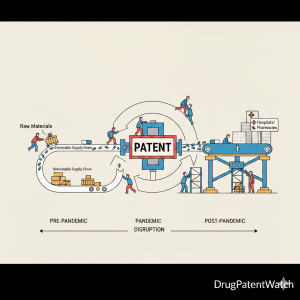
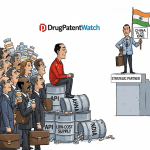
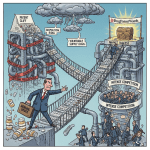
The global pharmaceutical landscape is currently navigating a period of profound structural transformation, driven by the realization that decades of optimizing for lean efficiency have created a system of extreme fragility. The traditional supply chain model, characterized by “Just-in-Time” delivery and a relentless focus on reducing cost-of-goods-sold (COGS), prioritized short-term financial margins over long-term operational durability. As a result, the industry became heavily dependent on a concentrated network of low-cost manufacturing hubs, particularly in China and India, which together accounted for nearly 70% of the manufacturing sites for antibiotic Active Pharmaceutical Ingredients (APIs) as recently as 2020.1 This hyper-globalization, while initially profitable, proved unable to withstand the cumulative shocks of geopolitical conflict, trade protectionism, and environmental volatility.
In 2024, the industry reached a breaking point, where 76% of European shippers and a vast majority of U.S. healthcare providers experienced significant supply chain disruptions.2 These were not isolated incidents but a “litmus test” for the adaptability of modern business models.3 The consequences of these failures were measured in more than just lost revenue; they resulted in persistent drug shortages that forced healthcare systems to use sub-optimal alternatives, increasing the risk of medication errors and inferior patient outcomes.4 The resilience gap became a strategic liability, revealing that “visibility without actionability is useless”.6
The shift toward “anti-fragile” supply chains—systems that do not just survive shocks but improve because of them—requires a fundamental reassessment of how pharmaceutical companies value their procurement functions.2 Procurement is no longer a transactional back-office activity; it is a central pillar of enterprise strategy. To thrive in 2025 and beyond, organizations must integrate competitive intelligence, patent data, and advanced digital technologies into a unified resilience framework. This evolution is spearheaded by the use of specialized tools like DrugPatentWatch, which allows stakeholders to transform intellectual property data into a predictive weapon for supply chain stability.7
The Vulnerable Medicines Landscape: Identifying Fragility in Essential Portfolios
Understanding the specific vulnerabilities of a medicine portfolio is the first step toward building a resilient strategy. In the United States, drug shortages have persisted for over a decade, often centered on older generic products that lack the profit margins necessary to incentivize investment in redundant manufacturing capacity.4 The United States Pharmacopeia (USP) recently conducted an analysis to identify a “Vulnerable Medicines List” (VML), which categorizes drugs based on their essentiality to patient care, their level of use, and their susceptibility to supply chain disruption.4
The USP methodology employs a Factor Analysis of Mixed Data (FAMD) to generate a composite index of criticality. This data-driven approach accounts for “reach”—a measure of how extensively a drug is used by the population—and “predicted shortage risk scores,” which estimate the likelihood of a shortage over a 12-month period.4 Drugs with a shortage risk score above 50% are considered highly vulnerable. The resulting list includes 100 medicines, split almost equally between chronic and acute care, highlighting that vulnerability is widespread across therapeutic classes.
Analysis of the 2024-2025 Vulnerable Medicines List (VML)
Category
Number of Medicines
Primary Drivers of Vulnerability
Strategic Mitigation
Chronic Care
49
High patient reach, low-cost generic competition, geographic concentration of API.4
Multi-regional sourcing, safety stock buffers.8
Acute Care
51
Manufacturing complexity, injectable delivery forms, high essentiality in hospitals.4
Dual sourcing for sterile injectables, digital twin monitoring.9
Injectable Products
~50% of total shortages
Sterile manufacturing requirements, median shortage duration of 4.6 years.5
Onshoring sterile capacity, GxP validated digital tracking.9
Oral / Topical
~50% of total shortages
Pricing pressures leading to manufacturer exit, median shortage duration of 1.6-2.2 years.5
Value-based procurement, price cap deregulation.11
The data indicates that shortages of essential medicines last nearly twice as long as non-essential products, with a median duration of 4.0 years.5 This duration is particularly concerning for therapies where few equivalent alternatives exist, such as oncology drugs or neonatal treatments.13 For business development and IP teams, the VML serves as a roadmap for identifying markets where supply security can be used as a primary competitive differentiator.
The Geopolitical Crucible: Tariffs, Reciprocity, and the End of Global Neutrality
The year 2025 has introduced a “geopolitical crucible” for the pharmaceutical industry, marked by escalating trade tensions and a shift away from global neutral trade.14 The imposition of significant tariffs—most notably a 55% consolidated tariff on Chinese imports effective June 11, 2025—has disrupted the traditional cost-efficiency models of global sourcing.14 Reciprocal tariffs have also been applied to imports from India (27%), Japan (24%), and the EU (20%), signaling a move toward trade protectionism that targets even allied regions.14
These tariffs are more than just economic adjustments; they are tools of leverage in trade negotiations and efforts to force the reshoring of critical manufacturing. McKinsey surveys indicate that 82% of supply chains are currently affected by these new tariffs, with many companies seeing their supplier and material costs rise by 39%.15 Surprisingly, only 18% of companies plan to pass more than 80% of these costs to their customers, with the weighted average pass-through rate standing at just 45%.15 This suggests that the majority of the pharmaceutical sector is either absorbing these costs or aggressively re-engineering their supply networks to avoid them.
Strategic Impact of 2025 Global Tariffs
Region
Tariff Rate (2025)
Procurement Implications
China
55% (Consolidated)
Massive pressure to decouple; CDMO transition risk; API cost spikes.14
India
27% (Reciprocal)
Challenges for low-cost generic sourcing; potential delays in trade talks.14
European Union
20% (Reciprocal)
Mitigation via joint Statements capping rates at 15% for specific sectors.10
Japan
24% (Reciprocal)
Impact on specialized chemical and machinery procurement.14
The response to this volatility has been a rapid shift toward “hybrid” supply chains. Organizations are moving away from a “China+1” model toward a multi-regional sourcing strategy that balances global cost advantages with regional resilience.14 By 2025, 43% of respondents reported plans to shift more of their supply chain footprint to the United States—a 25 percentage-point increase over the previous year.15 This trend is supported by “America First” policies aimed at strengthening domestic manufacturing and reducing dependency on non-allied sources for active ingredients.10
Patent Data as Predictive Intelligence: The New Foundation of Strategic Sourcing
One of the most profound, yet often overlooked, shifts in supply chain management is the transition from viewing patents as purely legal shields to treating them as fundamental economic instruments for procurement planning. Patent information is a potent source of predictive business intelligence that can transform a reactive supply chain into a proactive competitive weapon.7 By integrating patent intelligence into the procurement workflow, organizations can anticipate major market events—such as “patent cliffs,” “product hops,” and shifts in competitor manufacturing strategy—years before they manifest in financial reports.7
A “patent cliff” is not merely a legal expiration; it is a supply chain signal to begin the “controlled descent” of branded products and the aggressive ramp-up of generic inventory.7 For procurement teams, the “Composition of Matter” patent is the crown jewel, protecting the core API.7 When this patent approaches its expiration, a well-prepared supply chain team will have already begun reducing channel inventory to avoid massive write-offs of expired stock. Simultaneously, generic procurement teams use Paragraph IV patent litigation filings—which often trigger a 30-month stay on FDA approval—as a predictable clock to secure API contracts and scale manufacturing capacity.7
“Integrating patent intelligence into your supply chain strategy is not just about mitigating the risk of infringement. It is about transforming your supply chain from a reactive cost center into a proactive, forward-looking competitive weapon.” 7
The “patent thicket”—a dense collection of secondary patents covering formulations, delivery devices, and methods of use—provides additional intelligence. When a competitor files a new formulation patent, it is a direct signal of an intended “product hop” or “product switch”.7 Procurement must then coordinate a complex, synchronized ramp-down of the old Stock Keeping Unit (SKU) and a full-scale ramp-up of the new one. Failure to align these timelines leads to either stockouts or obsolete inventory, both of which are costly in a high-stakes market.
Leveraging DrugPatentWatch for Risk Mitigation and Portfolio Domination
In the complex ecosystem of pharmaceutical IP and procurement, platforms like DrugPatentWatch provide the granular data necessary to turn intellectual property into a strategic asset. For business development and R&D teams, DrugPatentWatch offers a systematic framework for risk mitigation through “excipient exclusion”.17 This process involves screening and eliminating potentially problematic inactive ingredients at the earliest stages of development, moving beyond reactive troubleshooting to a state of intelligent risk mitigation.17
The Excipient Exclusion Filter framework applies filters such as “lactose-free,” “gelatin-free,” or “dye-free” based on a deep understanding of the API and the target patient population. Research indicates that drugs developed using these patient-centric processes are 20% more likely to launch successfully.17 By identifying these requirements early, procurement can align with R&D and IP strategies to prevent costly late-stage reformulations.
Excipient Exclusion and Development Risk Domains
Risk Domain
Potential Impact
Mitigation Strategy
Adverse Patient Reactions
Hypersensitivity to preservatives or fillers.17
Proactive exclusion of dyes, alcohol, or common allergens.17
API-Excipient Incompatibility
Maillard reaction or oxidative degradation.17
Chemical compatibility screening using DrugPatentWatch data.17
Impurities & Residuals
Toxicity from hydrazine or heavy metals.17
Strict supplier vetting and control of polymerization byproducts.17
Regulatory Compliance
Failure to meet QbD or QTPP standards.17
Integration of excipient data into Quality by Design frameworks.17
Furthermore, DrugPatentWatch allows procurement agencies to close the “language gap” between standard medicine names and the technical terminology used in patents. By linking International Nonproprietary Names (INNs) with their respective patent portfolios across multiple jurisdictions, procurement teams can conduct more accurate Freedom-to-Operate (FTO) assessments, ensuring that secondary sourcing strategies do not inadvertently infringe on existing manufacturing process patents.18
The BIOSECURE Act: Navigating the Mandatory Decoupling of Biomanufacturing
A landmark regulatory development in 2025 is the enactment of the BIOSECURE Act, which was signed into law as part of the FY 2026 National Defense Authorization Act.20 This Act prohibits U.S. executive agencies from contracting with “Biotechnology Companies of Concern”—designated entities deemed national security risks due to links to foreign adversaries.21 The primary targets include major Chinese CDMOs such as WuXi AppTec and genomics firms like BGI Group.10
The Act’s reach is extensive, barring not just direct contracts but also any contract with an entity that “uses biotechnology equipment or services” provided by a company of concern in its performance of federal work.21 This forces a massive re-engineering of the pharmaceutical supply chain, as many U.S. biotech firms currently rely on these Chinese entities for drug substance manufacturing, API procurement, and research support.10
BIOSECURE Act: Key Implementation Provisions
Provision
Impact on Sourcing
Timeline / Status
1260H List Entities
Restrictions on designated Chinese military-linked firms.
Effective 60 days after FAR update (approx. 2027).20
OMB List Entities
OMB to publish additional list of concern companies.
Published within 1 year; 5-year transition for existing contracts.20
Federal Rebate Protection
Manufacturers won’t lose Medicaid/Medicare rebates for BIOSECURE non-compliance.
Section “Compliance with Limitation on Drug Prices”.20
Knowledge Requirement
Stricter “knows” standard replaces “reason to believe” for violations.
Industry-friendly adjustment to reduce compliance burden.20
Affiliate Exclusion
Affiliates of named companies are not automatically restricted.
Softened scope for “Biotechnology Company of Concern”.20
For smaller biopharmaceutical firms, the burden of transitioning away from an established CDMO is particularly high. Any modification to the manufacturing process of an FDA-approved drug must be reported to the agency and may require a “Prior-Approval Supplement” if it affects product quality, strength, or purity.20 This transition involves complex technology transfers and regulatory re-validation, which can lead to significant delays in drug development timelines and potential shortages.16
Digital Twins and AI: Building the Anti-Fragile Virtual Supply Network
To manage the escalating complexity of the 2025 supply chain, industry leaders are increasingly adopting Digital Twin technology. A Digital Twin is a live, data-driven virtual replica of the end-to-end physical supply chain, mirroring its behavior and performance in real-time.9 By integrating IoT telemetry, EPCIS (Electronic Product Code Information Services) event data, and GS1 identity standards, Digital Twins provide a holistic view of supply dynamics that enables proactive risk management.9
The value proposition for Digital Twins is measurable and significant. Systematic reviews of supply chain digital twins indicate process optimizations and shorter production cycles of 15-25%.24 Furthermore, cost savings of up to 30% are achievable through reduced downtime and improved energy efficiency.24 In the pharmaceutical context, Digital Twins are particularly effective for “what-if” scenario planning—allowing teams to stress-test lane capacity, supplier reliability, and customs lead times before physically moving a pallet.9
Financial ROI Metrics for Pharmaceutical Digital Twins
Metric
Calculation / Lever
Typical Industry Outcome
Productivity
Shorter production cycles and optimized workflows.
25% improvement.24
Energy & Downtime
Predictive maintenance and resource optimization.
15% – 20% decrease.24
Avoided Losses
Reduced spoilage from cold-chain excursions.
ROI = $\frac{Losses Avoided}{Program Cost}$.9
Write-off Reduction
IoT-driven auto-quarantine of compromised lots.
Measurable within first 90 days of pilot.9
One of the most ambitious applications of this technology is the partnership between NVIDIA and Eli Lilly, a $1 billion co-innovation investment aimed at moving drug discovery and manufacturing toward a high-speed engineering model.25 Utilizing NVIDIA’s BioNeMo AI platform, researchers can simulate vast chemical and biological spaces in silico, optimizing the manufacturing of high-demand medications such as GLP-1 weight loss drugs through Digital Twins of their production lines.25
The Financial Delta of Disruption: Quantifying the Cost of Shortage vs. Resilience
The economic case for building supply chain resilience is often built on the “financial delta” between the incremental cost of proactive measures and the catastrophic cost of a supply failure. While building redundancy—such as dual sourcing or maintaining safety stocks—incurs higher upfront costs, these are dwarfed by the avoided losses from preventing a shortage.26 In 2024, the “BioNova Case Study” during the Los Angeles port strike provided a clear real-world demonstration of this principle.6
BioNova relied on the Port of Los Angeles for 60% of its finished-drug imports. When a 48-hour strike occurred, BioNova’s digital control tower identified a dwell-time alert and automatically initiated an air-cargo bypass.6 Although this utilized expensive air freight, the incremental cost was only +$0.08 per unit. Had BioNova failed to deliver, the projected cost of lost sales was $1.40 per unit.6 By investing in the capability for rapid decision-making and pre-negotiated flex capacity, the company saved $1.32 per unit compared to the cost of failure.
Comparative Cost of Drug Shortages by Therapeutic Class
Drug Case Study
Impact Drivers
US Estimated Cost
EU Estimated Cost
Trastuzumab (Oncology)
Health losses due to lack of treatment access.27
$450 Million (Health loss)
€16.2 Million.27
Statins (Cholesterol)
Price increases due to high patient volume.27
$1.4 Billion (Price impact)
€63 Million (System disruption).27
Saline (Injectable)
Resource-intensive management/muddling through.27
“Extremely high” (System-wide)
Resource-intensive.27
These figures demonstrate that the “value of a QALY” (Quality Adjusted Life Year) and the cost of managing disruptions must be factored into the procurement calculus.27 In the United States, drug price increases resulting from shortages alone were responsible for $230 million in additional costs in 2018, and the health system disruption costs were estimated at $359 million annually.27
Excipient Exclusion Strategies: De-Risking the Development Pipeline
The “inert” myth of excipients has been thoroughly debunked by modern pharmaceutical science. Excipients are active participants in the safety and efficacy of a drug product, and their selection is a critical risk management activity.17 The DrugPatentWatch Excipient Exclusion Filter provides a roadmap for de-risking development by prioritizing patient-centric formulations.17
For example, preservatives in liquid formulations are frequent provocateurs of hypersensitivity. In development, the choice to move to a “preservative-free” single-dose format can significantly expand the addressable market and reduce regulatory hurdles, though it increases manufacturing complexity.17 Similarly, understanding the potential for the Maillard reaction—a classic incompatibility where primary or secondary amines in the API react with reducing sugars like lactose—is essential for ensuring long-term stability and potency.17
This framework moves beyond reactive troubleshooting to proactive, intelligent risk mitigation. By applying filters based on the target patient population (e.g., pediatric or geriatric requirements), companies can create differentiated products with a stronger value proposition.17 The outputs of this process become direct inputs for the Quality by Design (QbD) framework, where the chosen excipients are categorized as “Critical Material Attributes” (CMAs) that must be strictly controlled throughout the supply chain.17
Managing the 2026 Patent Cliff: Procurement’s Role in Lifecycle Protection
The 2026 “patent cliff” looms as a major strategic challenge, with several blockbuster therapies scheduled to lose exclusivity.28 This event triggers a massive shift in procurement strategy. Leading firms are currently pursuing M&A and licensing deals to fill their pipelines, but this consolidation creates significant complexity for procurement teams tasked with harmonizing disparate supplier ecosystems.28
As patents expire, procurement must manage the “controlled descent” of branded products while simultaneously integrating new acquisitions. This requires “post-merger integration” muscle—rapidly rationalizing suppliers, consolidating spend, and aligning quality processes.28 For firms moving into complex therapies like cell and gene medicine, the procurement focus shifts toward category strategies in biologics, where supply constraints and technical complexity are significantly higher.28
Procurement Actions for the 2026 Patent Cliff
Integrated Quality 4.0: Transition from paper-based investigations to workflows that combine Electronic Batch Records (EBR), IoT sensors, and e-CAPA (Corrective and Preventive Action).6
Total Cost of Ownership (TCO) Models: Shift from unit-price optimization to TCO models that prioritize value creation and supply continuity.28
Innovation-Sourcing Capabilities: Partnering with R&D early to identify and qualify emerging biotech and CDMO suppliers for the next generation of therapies.28
Channel Inventory Management: Using DrugPatentWatch data to predict LOE (Loss of Exclusivity) dates and adjust production schedules 36-60 months in advance to minimize write-offs.7
Strategic Sourcing Archetypes: Dual Sourcing, Nearshoring, and Regionalization
The mantra for 2025 is “resilience through diversification.” Relying on a single supplier for a critical ingredient is now widely recognized as a “recipe for trouble”.8 Modern procurement professionals are adopting various sourcing archetypes to mitigate regional and vendor-specific risks.
Dual Sourcing and Supplier Diversification The goal is to strike a balance where, if one region is hit by a crisis, other regions can compensate. Leading pharma organizations are qualifying backup suppliers—ideally in different geographic regions—to ensure they can quickly pivot.8 Companies that moved from single Indian API producers to dual EU+Asia suppliers in 2024 were able to maintain service levels above 95%, even while absorbing a 2-3% increase in COGS.6
Nearshoring and Reshoring Nearshoring involves shifting production to a nearby country (e.g., U.S. firms moving to Mexico or EU firms to Eastern Europe), while reshoring brings it back to the home country.14 These moves improve agility by reducing lead times and allow for better oversight of manufacturing quality.8 However, full regionalization is often avoided; 68% of companies prefer targeting individual initiatives rather than a full E2E regionalization, as the latter can backfire if local conditions change radically.29
The Quality 4.0 Transformation: Integrating Digital Integrity into GxP Environments
The intersection of supply chain management and quality assurance is the heart of pharmaceutical resilience. As the industry evolves, the “Integrated Quality 4.0” model is becoming standard.6 This model integrates digital verification with human elements to ensure that manufacturing standards are met consistently across a global network of partners.
In a GxP (Good Practice) environment, Digital Twin models must meet stringent standards for validation, data integrity, and traceability.23 The FDA now recognizes Digital Twins as valid tools for process design and for advancing smart manufacturing, which reduces the perceived risk when introducing model-based decisions into audited environments.9
Components of a Resilient Quality Program
Electronic Batch Records (EBR): These systems identify deviations fast, reducing the time spent on manual investigations.6
Real-Time Visibility: Merging movement events with sensor data gives operations a reliable view of location and product condition, improving exception handling.9
Supplier Performance Management (SPM): Integrating SPM systems allows for the continuous monitoring of supplier quality scores, delivery rates, and corrective action history.30
Workforce Upskilling: Resilient quality programs pair digital tools with ongoing operator training to close the gaps revealed by 2024’s sterile injectable recalls.6
ESG and Sustainability: Navigating the Regulatory Pressures of Green Procurement
Sustainability is no longer a corporate social responsibility (CSR) “nice-to-have”; it is a fundamental requirement for regulatory adherence and financial health. In 2025, procurement teams are increasingly tasked with reducing carbon emissions and ensuring ethical sourcing across the entire supply chain.31
The introduction of new documentation and reporting expectations—such as the EU Carbon Border Adjustment Mechanism (CBAM)—has made sustainability measurable. Procurement teams are now building carbon footprints into their network design and selecting suppliers based on ESG standards.14
“Investing in digital traceability tools is no longer just for efficiency or anti-counterfeiting; it is a fundamental requirement for regulatory adherence across multiple, complex domains, transforming compliance into a strategic investment.” 14
Organizations that act now to embed climate-related risk into their supply chain scorecards will be better prepared for future disruptions. Immediate actions include implementing early-warning systems for extreme weather events and relocating critical processes to fortified infrastructure.32 In sectors like consumer electronics, these risks are already pressing; in medtech and pharma, they represent a medium-term priority that requires a proactive roadmap today.
Workforce Resiliency: Bridging the Gap Between Data Science and Pharmaceutical Excellence
While technology and data are essential, the pandemic and subsequent disruptions proved that skilled personnel remain the most critical factor in crisis management.26 Resilience is as much about people as it is about machines. Companies are now investing in workforce development, cross-training staff on multiple roles, and maintaining “surge teams” that can be deployed globally to troubleshoot at plants in record time.26
There is also a growing need for cross-disciplinary talent. The industry realized that it needs people who understand both pharmaceutical science and data science to fully utilize tools like AI-driven analytics and Digital Twins.26 Cultivating a “resilience culture”—where short-term cost considerations are balanced against long-term supply security—starts with executive leadership but must be embedded at every level of the organization.8
The Autonomous Future: Predictions for the 2025 and 2026 Logistics Landscape
As we look toward 2026, the pharmaceutical supply chain is poised to evolve from a series of siloed links into a dynamic, autonomous network. AI and machine learning are advancing toward “self-adjusting” supply chains capable of predicting demand fluctuations and optimizing inventory levels with minimal human intervention.3
By 2025, cybersecurity will become integral to maintaining supply chain integrity, as 68% of executives identify theft, fraud, and cyberattacks as their top concerns.3 The ability to “foresee, manage, and mitigate” will be the defining characteristic of market leaders.3 Companies that prioritize visibility and sustainability will not only weather the storms but emerge stronger, redefining what is possible in modern pharmaceutical management.
Frequently Asked Questions
1. How does patent intelligence prevent inventory obsolescence during a patent cliff? By monitoring patent expiration dates and Paragraph IV filings through platforms like DrugPatentWatch, procurement teams can predict exactly when generic entry will occur. This allows them to implement a “controlled descent” of branded inventory 3-5 years in advance, ensuring that stock levels are depleted just as generic versions enter the market, thereby avoiding massive write-offs of expensive, expired branded products.7
2. What are the immediate CDMO transition requirements under the BIOSECURE Act? Entities currently using “Biotechnology Companies of Concern” (like WuXi AppTec) must evaluate alternative partners and assess technology-transfer requirements immediately. For companies on the DOD 1260H list, restrictions take effect 60 days after the Federal Acquisition Regulation (FAR) is updated. This transition requires filing Prior-Approval Supplements with the FDA for any manufacturing changes, which can take years to validate and implement.20
3. What is the calculated ROI for a pharmaceutical supply chain digital twin? The ROI is typically calculated as: $\text{ROI} = \frac{(\text{Avoided Losses} + \text{Efficiency Gains} + \text{Inventory Reduction} – \text{Program Cost})}{\text{Program Cost}}$. In practice, companies see a 15-25% reduction in production cycles and up to 30% in cost savings through reduced downtime and spoilage, especially in the cold chain.9
4. How does the EU Critical Medicines Alliance support strategic autonomy? The CMA aims to reduce the EU’s dependence on non-EU sources, particularly from China and India, for APIs. It supports this through joint procurement strategies, capacity reservation contracts, and leveraging national funding to boost local manufacturing. It also introduces regulatory flexibilities to speed up access to essential medicines without compromising safety.1
5. Why are generic drugs disproportionately affected by supply chain shortages? Generics operate on high-volume, razor-thin margins, which discourages manufacturers from investing in resilient infrastructure or backup capacity. When a market is supplied by only one or two producers, any disruption—from a quality failure to a regulatory inspection—impacts the total market supply. Furthermore, cost-containment policies often drive prices so low that manufacturers exit the market entirely, leaving it vulnerable to shortages.4