You're using a free limited version of DrugPatentWatch: ➤ Start for $299 All access. No Commitment.

Last Updated: December 31, 2025

Expiring Drug Patents Cheat Sheet
We analyse the patents covering drugs in 134 countries and quickly give you the likely loss-of-exclusivity/generic entry date

➤ Get the Full List

Germany: These 4 Drugs Face Patent Expirations and Generic Entry From 2025 - 2026

The content of this page is licensed under a Creative Commons Attribution 4.0 International License. Creative Commons License

Preferred citation:
Friedman, Yali, "Germany: These 4 Drugs Face Patent Expirations and Generic Entry From 2025 - 2026" DrugPatentWatch.com thinkBiotech, 2025 www.drugpatentwatch.com/p/expiring-drug-patents-generic-entry/.
Media collateral
These estimated drug patent expiration dates and generic entry opportunity dates are calculated from analysis of known patents covering drugs. Many factors can influence early or late generic entry. This information is provided as a rough estimate of generic entry potential and should not be used as an independent source. The methodology is described in this blog post.
When can TRADJENTA (linagliptin) generic drug versions launch?

Generic name: linagliptin
DrugPatentWatch® Estimated Key Patent Expiration / Generic Entry Date: May 04, 2026
Generic Entry Controlled by: Germany Patent 602,007,009,091
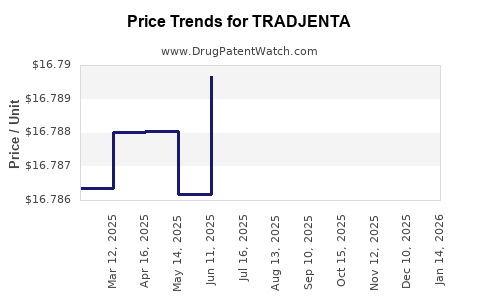
Drug Price Trends for TRADJENTA
TRADJENTA is a drug marketed by Boehringer Ingelheim. There are eleven patents protecting this drug and one Paragraph IV challenge. Three tentatively approved generics are ready to enter the market.

This drug has four hundred and eighty-six patent family members in forty-five countries. There has been litigation on patents covering TRADJENTA

See drug price trends for TRADJENTA.

The generic ingredient in TRADJENTA is linagliptin. There are nineteen drug master file entries for this API. Three suppliers are listed for this generic product. Additional details are available on the linagliptin profile page.

When can RASUVO (methotrexate) generic drug versions launch?

Generic name: methotrexate
DrugPatentWatch® Estimated Key Patent Expiration / Generic Entry Date: July 21, 2026
Generic Entry Controlled by: Germany Patent 102,006,033,837
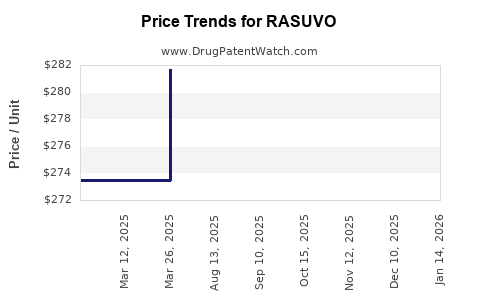
Drug Price Trends for RASUVO
RASUVO is a drug marketed by Medexus. There is one patent protecting this drug.

This drug has twenty-nine patent family members in twenty-one countries. There has been litigation on patents covering RASUVO

See drug price trends for RASUVO.

The generic ingredient in RASUVO is methotrexate. There are twenty drug master file entries for this API. Four suppliers are listed for this generic product. Additional details are available on the methotrexate profile page.

When can CREON (pancrelipase (amylase;lipase;protease)) generic drug versions launch?

Generic name: pancrelipase (amylase;lipase;protease)
DrugPatentWatch® Estimated Key Patent Expiration / Generic Entry Date: August 16, 2026
Generic Entry Controlled by: Germany Patent 602,006,012,346

CREON is a drug marketed by

This drug has twenty-nine patent family members in twenty-one countries.

See drug price trends for CREON.

The generic ingredient in CREON is pancrelipase (amylase;lipase;protease). There are six drug master file entries for this API. Four suppliers are listed for this generic product. Additional details are available on the pancrelipase (amylase;lipase;protease) profile page.

When can ZUNVEYL (benzgalantamine gluconate) generic drug versions launch?

Generic name: benzgalantamine gluconate
DrugPatentWatch® Estimated Key Patent Expiration / Generic Entry Date: September 23, 2026
Generic Entry Controlled by: Germany Patent 602,006,015,338

ZUNVEYL is a drug marketed by Alpha Cognition. There are three patents protecting this drug.

This drug has twenty-six patent family members in seventeen countries. There has been litigation on patents covering ZUNVEYL

The generic ingredient in ZUNVEYL is benzgalantamine gluconate. One supplier is listed for this generic product. Additional details are available on the benzgalantamine gluconate profile page.

Germany Branded and Generic Drug Markets Assessment and Regulatory Opportunities and Challenges

Last updated: December 28, 2025

Executive Summary

Germany stands as Europe's largest pharmaceutical market, characterized by a sophisticated healthcare system, robust regulatory framework, and a rising demand for both branded and generic drugs. The market's evolution presents substantial opportunities for pharmaceutical companies, but also significant regulatory and competitive challenges. This comprehensive analysis evaluates the market dynamics, regulatory landscape, growth opportunities, and hurdles, providing strategic insights for stakeholders seeking to penetrate or expand within Germany's pharmaceutical sector.


Market Overview: Branded vs. Generic Drugs in Germany

Parameter Branded Drugs Generic Drugs
Market Share (2022) ~55% of total pharmaceutical sales ~45% of total pharmaceutical sales
Market Value (2022, EUR) €26.5 billion €22.0 billion
Growth Rate (2021-2026 CAGR) ~2.0% ~4.3%
Pricing Strategies Premium, brand loyalty Cost-effective, price competition
Innovation Focus New molecular entities (NMEs), biologics Variations, biosimilars, off-patent molecules

Source: IMS Health (now IQVIA), 2022; Bundesministerium für Gesundheit (BMG), 2022.

The German pharmaceutical market is mature, with a balanced consumption of innovative and generic medicines driven by aging demographics, rising chronic conditions, and policy shifts favoring generics to contain healthcare costs.


Regulatory Landscape: Framework and Developments

What Are the Key Regulatory Bodies and Policies Governing Pharmaceuticals?

Agency/Policy Role Relevance
Federal Institute for Drugs and Medical Devices (BfArM) Authorization, licensing, pharmacovigilance Approves all medicinal products, monitors safety
European Medicines Agency (EMA) Centralized procedures for EU-wide approval Ensures harmonization of standards
Medicinal Products Act (AMG) National legal framework Implements EU directives, regulates licensing, pricing
Pharmacovigilance Regulation Post-marketing safety Critical for both branded and generic drugs

Germany aligns with EU regulations, including centralized approval procedures, but maintains national price controls and reimbursement policies.

How Has the Regulatory Environment Evolved in Recent Years?

  • Biosimilars: The 2015 EU directive facilitated faster approval pathways for biosimilars, a key segment in generics growth.
  • Pricing Reforms: 2010 reforms introduced reference pricing and reimbursement controls aiming to curb costs.
  • Digitalization: Increasing use of electronic submission, real-world evidence (RWE), and digital health solutions, per EU’s Digital COVID Certificate and eHealth initiatives.
  • Market Access: Recent policies incentivize the use of generics and biosimilars; a 2018 policy mandates substitution of prescribed generics unless explicitly refused.

Opportunities in Germany’s Pharmaceutical Market

What Are the Strategic Opportunities for Branded and Generic Drug Manufacturers?

1. Growth in Biosimilars and Biologics

Germany is projected to see a substantial rise (CAGR 6-8%) in biosimilars due to patent expirations of leading biologics (e.g., Humira, Remicade). The reimbursement landscape favors biosimilar adoption, especially when prices are substantially lower than originators.

2. Innovation in Digital and Precision Medicine

The integration of digital therapeutics, personalized medicine, and companion diagnostics offers higher margins for innovative branded drugs. Germany’s government programs promote digital health initiatives (e.g., Gematik, Digital Healthcare Act 2019).

3. Expanding Generic Market Share through Substitution Policies

Growing substitution rates (currently around 88% for generics by volume) present a fertile environment for generic manufacturers, especially with policies encouraging substitution at pharmacy level.

4. Market Penetration via Local Partnerships

Foreign companies can leverage local distributors, joint ventures, and R&D collaborations to navigate Germany's complex regulatory channels and gain market access efficiently.


Challenges Facing the German Pharmaceutical Market

What Are the Critical Regulatory and Market Risks?

1. Price Controls and Reimbursement Policies

Stringent price negotiations under the Arzneimittelmarktneuordnungsgesetz (AMNOG, 2011) limit profit margins, especially impacting branded drugs. A subsequent 2018 pharmaceutical pricing reform tightened these controls further.

2. Bureaucracy and Market Entry Barriers

Lengthy approval processes, documentation requirements, and mandatory pharmacovigilance systems increase time-to-market and operational costs.

3. Evolving Substitution and Tender Policies

Reforms promote mandatory substitution at pharmacies, favoring generics. Market entrants must develop pricing strategies aligned with substitution incentives.

4. Pricing Pressure from Healthcare Authorities

The G-BA (Gemeinsamer Bundesausschuss) plays a decisive role in price setting and reimbursement listing, exerting significant influence on market viability for new products.

5. Intellectual Property and Patent Litigation Risks

Patent expiry opportunities are offset by increasing patent litigations and patent cliffs, especially with early biosimilar entry attempts.


Comparative Analysis: Branded vs. Generic Market Dynamics

Criteria Branded Drugs Generic Drugs
Regulatory Pathway Stringent, data-intensive Similar but simplified for off-patent drugs
Pricing Strategy Premium, value-based Competitive, low-margin
Market Entry Timing Longer, requires R&D Faster, off-patent products
Growth Drivers Innovation, biologics Cost containment, substitution policies
Profit Margins Typically higher Lower, volume-driven

Policy and Regulatory Outlook for 2023-2025

Policy Initiative Expected Impact Status
Revised Pharmacovigilance System Enhanced safety monitoring Implemented 2022
E-Health Infrastructure Expansion Digital health adoption Ongoing, success in 2023
Enhanced Biosimilar Substitution Increased biosimilar uptake Proposed, awaiting legislative approval
Pricing Transparency Measures Greater transparency in R&D costs Under discussion
Potential Price Reductions on New Drugs Pressure on margins Expected continuing trend

Market Entry and Growth Strategies

Strategy Component Details
Regulatory Compliance Early engagement with BfArM and EMA; prepare detailed dossiers
Local Partnerships Collaborate with established distributors, KOLs, and healthcare providers
Pricing & Reimbursement Planning Align offerings with AMNOG and G-BA expectations
Market Differentiation Leverage digital health solutions, biosimilars, or niche innovative therapies
Localization Adapt products to local preferences, language, and clinical practices

Key Differences in Regulatory Approaches: Branded vs. Generic

Aspect Branded Drugs Generic Drugs
Approval Process Full data dossier, sometimes expedited Abbreviated pathway (Abridged Procedure)
Pricing Negotiation Negotiated with G-BA, based on added value Reference pricing, tenders
Reimbursement Conditional on pricing and efficacy Generally included post-patent expiry
Post-Market Surveillance Rigorous pharmacovigilance Similar but focuses on safety compared to originators

Deep Dive: Biosimilars and Biologic Drugs

Why Are Biosimilars a Key Opportunity?

  • Patent Expiries: Expected loss of patents for >20 biologics by 2025.
  • Cost Savings: Up to 30-50% cheaper than originators.
  • Market Penetration Rate: Currently around 60% in biologics; targeted to reach 80% with policy support.

Regulatory Pathway for Biosimilars in Germany

  • Follow EMA’s biosimilar guidelines (REF: EMA, 2018).
  • Requirements include comparative quality, safety, and efficacy data.
  • Fast-track approval path for well-established biosimilar classes.

Challenges with Biosimilars

  • Prescriber reluctance due to perceived safety concerns.
  • Limited substitution autonomy—requiring physician approval.
  • Navigating complex interchangeability and naming conventions.

Conclusions and Strategic Recommendations

  • Capitalize on Biosimilar Opportunities: Focus R&D on biosimilar development to leverage patent expiries.
  • Engage Early with Regulators: Establish liaison with BfArM and EMA to ensure compliance and expedience.
  • Invest in Digital Health and Personalized Medicine: Align product pipelines with digital transformation priorities.
  • Navigate Pricing Policies Carefully: Develop flexible pricing strategies that factor in reference pricing, tenders, and reimbursement negotiations.
  • Build Local Alliances: Collaborate with established German market players to gain insights and accelerate market access.

Key Takeaways

  • Germany remains a lucrative but challenging market with tight regulation and cost-containment policies.
  • Biosimilars and biologics present significant growth opportunities amid patent expirations.
  • Price control regulations necessitate innovative, cost-effective contracting strategies.
  • Digital health initiatives and personalized medicine are emerging avenues for branded drug differentiation.
  • Local partnerships, early regulatory engagement, and adherence to reimbursement pathways are critical for success.

FAQs

Q1: How does Germany's pricing regulation impact new drug launches?
A: Tight price controls and reference pricing limit profit margins; companies must strategize around negotiations with G-BA and consider early pricing agreements.

Q2: What is the current status of biosimilar adoption in Germany?
A: Biosimilar uptake is growing (around 60% for biologics), supported by policies favoring substitution and cost savings, with potential for further expansion.

Q3: Are digital health solutions gaining regulatory approval in Germany?
A: Yes, with initiatives like the Digital Healthcare Act (2020), digital therapeutics and apps are now reimbursable, offering new pathways for branded therapies.

Q4: What are the main barriers for market entry for foreign pharmaceutical companies?
A: Regulatory complexity, reimbursement hurdles, established local competitors, and language barriers must be navigated effectively.

Q5: How will recent EU-level policies affect Germany’s drug market?
A: Harmonization of regulations, increased emphasis on biosimilars, and digital health initiatives are expected to reinforce market opportunities while increasing compliance requirements.


References

  1. IQVIA, Germany Pharmaceutical Market Report, 2022
  2. Bundesministerium für Gesundheit, Annual Report 2022
  3. European Medicines Agency, 2018 Biosimilar Guidelines
  4. G-BA, Rules for Reimbursement and Substitution, 2019
  5. Digital Healthcare Act (DVG), Germany, 2019

More… ↓

⤷  Get Started Free

DrugPatentWatch cited by CNN, NEJM, Nature Journals, and more …

Make Better Decisions: Try a trial or see plans & pricing

Drugs may be covered by multiple patents or regulatory protections. All trademarks and applicant names are the property of their respective owners or licensors. Although great care is taken in the proper and correct provision of this service, thinkBiotech LLC does not accept any responsibility for possible consequences of errors or omissions in the provided data. The data presented herein is for information purposes only. There is no warranty that the data contained herein is error free. We do not provide individual investment advice. This service is not registered with any financial regulatory agency. The information we publish is educational only and based on our opinions plus our models. By using DrugPatentWatch you acknowledge that we do not provide personalized recommendations or advice. thinkBiotech performs no independent verification of facts as provided by public sources nor are attempts made to provide legal or investing advice. Any reliance on data provided herein is done solely at the discretion of the user. Users of this service are advised to seek professional advice and independent confirmation before considering acting on any of the provided information. thinkBiotech LLC reserves the right to amend, extend or withdraw any part or all of the offered service without notice.
