Introduction: Beyond Serendipity – The New Strategic Imperative
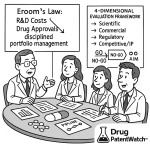
For decades, the pharmaceutical industry has operated on a model of heroic, high-stakes discovery. The quest for the next blockbuster drug has been a story of immense investment, painstaking research, and, all too often, spectacular failure. We’ve celebrated the breakthroughs, the novel chemical entities (NCEs) that have changed the face of medicine. But behind each success lies a graveyard of abandoned compounds and billions in sunk research and development costs. This traditional model, a high-risk game of scientific roulette, is becoming economically unsustainable. The journey from lab bench to pharmacy shelf now takes an average of 10 to 17 years and consumes an estimated $2.6 billion for every approved drug, a figure that accounts for the staggering 90% attrition rate of candidates entering clinical trials.1 This trend of declining R&D productivity, a phenomenon starkly captured by “Eroom’s Law”—Moore’s Law in reverse—shows the number of new drugs approved per billion dollars of R&D spending has been halving roughly every nine years. In this challenging environment, how can we innovate faster, cheaper, and with a higher probability of success?
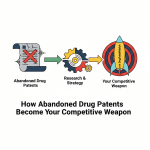
The answer, it turns out, has been hiding in plain sight all along: within our existing pharmacopeia and, crucially, within the vast archives of pharmaceutical patents. We are in the midst of a quiet but profound revolution, a strategic shift from pure invention to systematic reinvention. This is the era of drug repurposing.
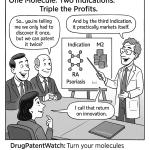
Drug repurposing—also known as drug repositioning, reprofiling, or redirecting—is the process of identifying new therapeutic uses for existing drugs.4 The concept was formally defined in a 2004 article by Ashburn and Thor, who described it as finding new uses for existing drugs, sometimes after they become generic.4 Initially, the history of repurposing was written by serendipity. Minoxidil, a failed anti-ulcer compound, became a powerful antihypertensive, and its unexpected side effect of hair growth led to its rebirth as Rogaine, a blockbuster treatment for baldness. Sildenafil was developed for angina, but its peculiar side effect profile created Viagra, a cultural and commercial phenomenon.7 These were happy accidents, lightning in a bottle.
But the modern practice of drug repurposing is no longer a game of chance. It has evolved into a deliberate, data-driven strategy that is becoming an essential pillar of pharmaceutical innovation.1 The definition has expanded beyond approved drugs to include a vast and valuable reservoir of assets: active substances that failed clinical trials due to insufficient efficacy (but not safety) and drugs withdrawn from the market for commercial or safety reasons.4 This evolution is not merely academic; it represents a fundamental change in our industry’s mindset. The very definition of a “failed” drug has been transformed. What was once considered a sunk cost—a multi-million-dollar write-off—is now viewed as a de-risked asset. The immense investment poured into a compound that failed its Phase III trial for cardiovascular disease is not lost; it has generated an invaluable library of human safety, toxicology, pharmacokinetic, and formulation data. This reframes the high attrition rate of traditional R&D not as a liability, but as a primary source of repurposing candidates—a strategic library of opportunities waiting to be unlocked.
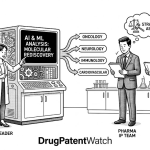
This strategic pivot has been supercharged by the convergence of big data, computational biology, and artificial intelligence. We can now systematically interrogate massive biological datasets, mine the unstructured text of millions of scientific publications and patents, and build predictive models that reveal non-obvious connections between drugs, genes, and diseases. This allows us to move from reacting to chance discoveries to proactively engineering new therapeutic opportunities. The strategic value of this approach became undeniable during the COVID-19 pandemic, where the urgent need for treatments propelled the rapid investigation and deployment of existing drugs like remdesivir and dexamethasone.8
Ultimately, drug repurposing is a strategic imperative. It is our most potent countermeasure to the crushing economics of Eroom’s Law. It provides a faster, more cost-effective, and less risky pathway to bring therapies to patients, especially for those with rare and neglected diseases where the traditional R&D model is often financially unviable.8 This report is a guide for the modern pharmaceutical strategist. It is a deep dive into the art and science of finding repurposable compounds by decoding the single most valuable, and often most overlooked, source of competitive intelligence: the patent document. By learning to read patents not just as legal shields but as strategic blueprints, we can turn data into discovery and transform intellectual property into life-saving innovation.
The Unbeatable Economics: A Comparative Analysis of Repurposing vs. De Novo Discovery
In the world of pharmaceutical strategy, decisions are driven by data. While the scientific and humanitarian arguments for drug repurposing are compelling, it is the stark, irrefutable economic advantages that have captured the attention of boardrooms and investors worldwide. When placed side-by-side with the traditional de novo drug discovery process, drug repurposing presents a fundamentally different and vastly more efficient model for value creation. This is not an incremental improvement; it is a paradigm shift in the risk-reward calculus of drug development.
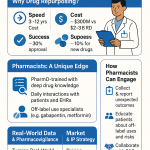
The financial chasm between the two approaches is the most striking differentiator. Bringing a new chemical entity (NCE) from initial discovery to market approval is a monumental undertaking, with average costs now widely cited at approximately $2.6 billion.1 This staggering figure accounts for the high cost of the numerous failures that occur for every one success. In dramatic contrast, the average cost to bring a repurposed drug to market is around $300 million.1 This represents a potential cost saving of over 85%, a level of efficiency that can fundamentally alter a company’s R&D budget and pipeline strategy.
This cost efficiency is a direct result of accelerated development timelines. The marathon of de novo discovery typically spans 10 to 17 years.1 Drug repurposing is a comparative sprint, with timelines ranging from 3 to 12 years.1 On average, this strategy can slash 5 to 7 years from the development clock.14 How is this possible? Repurposing leverages a compound’s existing data package. Because these drugs have already undergone extensive preclinical toxicology studies and, crucially, Phase I clinical trials to establish human safety, these early, time-consuming, and failure-prone stages can often be bypassed entirely.1 The development program can often jump directly to Phase II trials to test for efficacy in the new indication.
This inherent de-risking has a profound impact on the probability of success. The journey of an NCE through the clinical trial gauntlet is perilous, with a success rate of approximately 10% for candidates entering Phase I.1 Drug repurposing triples those odds. The probability of a repurposed drug gaining market approval is reported to be around 30%.1 The reason for this dramatic improvement is simple: the key failure point shifts. In
de novo discovery, a drug can fail due to either a lack of efficacy or unforeseen safety issues. With repurposed drugs, the human safety profile is already largely understood, meaning the primary hurdle remaining is to demonstrate efficacy in the new disease.
The impact of this more efficient model is not confined to a niche corner of the market. Repurposed products are a major and growing contributor to the pharmaceutical landscape. Various analyses indicate that 30% to 40% of all new drugs and biologics approved by the U.S. Food and Drug Administration (FDA) are repurposed products.1 Perhaps more tellingly, a study found that 35% of “transformative” drugs—those with groundbreaking effects on patient care—were the result of repurposing, underscoring their immense clinical importance. The global drug repurposing market reflects this significance, valued at over $34 billion in 2024 and projected to surge past $53 billion by 2033.
This economic and strategic superiority creates a new, more predictable investment paradigm within the pharmaceutical industry. The traditional high-risk, high-reward model, with its punishing >90% failure rate, can be balanced with a portfolio of lower-risk, higher-probability repurposing projects.17 This “barbell” strategy makes the industry more attractive to a wider range of investors and enables smaller biotech companies to build viable pipelines without the colossal capital outlays required for
de novo discovery from the ground up. It transforms drug development from a high-risk, exploratory endeavor into a more predictable, hypothesis-driven process, allowing for more efficient allocation of R&D resources and a higher probability of success.
Metric
De Novo Discovery
Drug Repurposing
Source(s)
Average Development Time
10–17 years
3–12 years
1
Average Development Cost
~$2.6 billion (incl. failures)
~$300 million
1
Probability of Success
~10%
~30%
1
Key Failure Point
Efficacy & Safety
Efficacy
Primary IP Advantage
Novelty (Composition of Matter IP)
Reduced Risk, Time, & Cost
1
A Reality Check: Navigating the Nuances and Contradictions in Success Rates
While the economic case for drug repurposing is compelling, a sophisticated strategist must look beyond the headline figures and engage with the nuances and apparent contradictions in the data. The widely cited 30% success rate is a powerful motivator, but it doesn’t tell the whole story.1 A deeper analysis reveals that “success rate” is a dangerously ambiguous metric, its value entirely dependent on the specific context and definition of “repurposing.” To build a robust and realistic strategy, we must deconstruct this number and understand the factors that drive both success and failure.
A landmark 2018 study from the University of Cambridge Judge Business School provides a crucial dose of realism. After analyzing the full clinical development history of over 800 new molecular entities over a 32-year period, the researchers arrived at a starkly different conclusion. They found that only 2% of new molecules entering clinical trials were ultimately launched in a therapeutic area different from the one in which they were initially tested. The study explicitly cautioned against the “excitement” surrounding repurposing and the high success rate estimates of 30% to 75%, stating that their extensive data did not support such projections.
How can we reconcile a 30% success rate with a 2% success rate? The answer lies in the definition. The Cambridge study highlights a critical distinction between what can be termed “soft” and “hard” repurposing.
“Soft” repurposing involves expanding a drug’s use within the same therapeutic area. A classic example is testing a drug approved for breast cancer in patients with ovarian cancer. These two diseases often share underlying biological pathways and molecular targets. The Cambridge study found that this type of repurposing is both common and highly successful. For FDA-approved products, 31% were tested for an extension in the same therapeutic area, and these attempts had an impressive success rate of 67%.
“Hard” repurposing, on the other hand, is the more ambitious goal of finding entirely new uses for a molecule in a different disease setting. This is the “alchemy” of turning a failed cardiovascular drug into a successful neurological therapy. Here, the success rates plummet. The study found that only 18% of approved products were even tried in a different therapeutic area, and their success rate was just 33%. The picture is even more grim for repurposing failed drugs. Only 10% of initial failures were tried in a different therapeutic area, and the success rate for these attempts was a mere 9%.
This stratification reveals that not all repurposing opportunities are created equal. The risk profile of repurposing an approved oncology drug for another cancer is vastly different from that of rescuing a failed metabolic drug for a rare autoimmune disorder. The optimistic 30% figure often amalgamates these different scenarios and typically refers to the probability of success for a curated list of de-risked candidates that have already shown some promise, not for any random molecule pulled from the shelf.
This nuanced understanding has profound strategic implications. A business strategy built on a blanket 30% success rate is destined for disappointment. Instead, companies must develop a sophisticated risk model that stratifies opportunities. This model should weigh key factors such as:
Candidate Status: Is the drug already approved and marketed, or is it a clinically failed asset?
Therapeutic Area Proximity: Is the new indication in the same therapeutic family as the original (“soft” repurposing) or a completely different one (“hard” repurposing)?
Mechanism of Action: Is the repurposing based on the drug’s known “on-target” mechanism, or does it rely on discovering a new “off-target” effect?
Strength of Evidence: Is the hypothesis based on a strong mechanistic rationale and preclinical data, or is it a more speculative, data-mining-driven signal?
By categorizing potential projects along these lines, an organization can create a balanced portfolio. It might include a few high-risk, high-reward “hard” repurposing projects alongside a larger number of lower-risk, higher-probability “soft” repurposing or line-extension projects. This allows for a more accurate allocation of R&D resources, a more realistic projection of pipeline value, and a more resilient long-term strategy that acknowledges both the immense potential and the significant challenges of finding new life in old drugs.
Decoding the Blueprint: How to Read a Pharmaceutical Patent Like a Repurposing Strategist
The Anatomy of a Patent: More Than Just a Legal Shield
To the uninitiated, a patent document can appear as an impenetrable wall of dense, legalistic text. It is often viewed as a purely defensive instrument—a legal shield to be wielded by attorneys in the courtroom. But for the savvy biopharmaceutical strategist, a patent is something far more valuable: it is a detailed scientific monograph, a competitive intelligence report, and a strategic blueprint all rolled into one. Learning to decode its structure is the first step in transforming patent data from a legal liability into a strategic asset for drug repurposing.
Every patent, whether from the U.S. Patent and Trademark Office (USPTO) or the European Patent Office (EPO), follows a standardized structure, a global consistency that makes systematic analysis possible. Understanding the purpose of each section is key to efficiently extracting the information that matters most.
The Front Page serves as the patent’s legal and bibliographic dashboard.22 It is packed with data crucial for competitive intelligence. Here you will find the unique
Patent Number and Publication Date, which establish the document’s identity and timeline. The Inventors and, more importantly, the Assignee—the company that owns the patent—tell you exactly who is working on what. This is the most direct way to track a competitor’s R&D activities. The front page also includes Classification Codes (e.g., Cooperative Patent Classification or CPC), which categorize the invention into specific technological fields, allowing for broader searches of related technologies. Finally, it lists the Prior Art citations—the patents and scientific publications the examiner considered during review—which provide a window into the technological context of the invention.
Following the front page, you will often find Drawings and Figures. In pharmaceutical patents, these are typically chemical structures, diagrams of formulations, or flow charts illustrating a manufacturing process or method of use.22 These visual aids provide a quick, intuitive understanding of the core inventive concept.
The heart of the document is the Detailed Description, often referred to as the Specification. This is the scientific narrative of the patent. It is legally required to meet two critical standards: written description and enablement. The written description must prove that the inventor was in “possession” of the full scope of the invention at the time of filing, while enablement requires the patent to teach a person having ordinary skill in the art (a PHOSITA) how to make and use the invention without “undue experimentation”. To meet these high standards, the specification becomes a rich source of technical detail. It typically includes:
Background of the Invention: A discussion of the prior art and the problem the invention aims to solve.
Summary of the Invention: A prose-like overview of the invention, often mirroring the language of the claims.
Detailed Description: This section explains the invention in depth, providing specific examples, experimental data, and different embodiments (variations) of the invention. For a repurposing strategist, this section is a goldmine, potentially revealing formulation details, mechanisms of action, and preclinical or clinical data.
Finally, and most importantly, we arrive at the Claims. The claims section is where legal rights are born. This is arguably the most critical part of the patent, as the claims define the precise legal boundaries of the invention—the “metes and bounds” of the protected territory. They are written as a single, heavily punctuated sentence and are the ultimate determinant of whether a competing product infringes.26 For a company looking to repurpose a drug, understanding a competitor’s claims is essential for assessing freedom-to-operate and identifying potential “design-around” opportunities. Mastering the language of this section is not just a task for lawyers; it is a core competency for any strategist in the pharmaceutical space.
Mastering the Language of Claims: Where Legal Rights Are Born
If the specification is the scientific story of a patent, the claims are its legal soul. Every word in this section is chosen with deliberate, strategic intent, as it is the claims that define the exact scope of the monopoly granted to the inventor. For the repurposing strategist, the ability to dissect and interpret these claims is paramount. It is here that you will find the precise boundaries of a competitor’s intellectual property, revealing both the risks of infringement and the white space for innovation.
A patent claim is typically composed of three distinct parts: the Preamble, the Transitional Phrase, and the Body.24
The Preamble is an introductory statement that defines the category of the invention. It might begin with “A pharmaceutical composition…” or “A method for treating cancer…”.26
The Transitional Phrase is a short but legally powerful term that connects the preamble to the body. The choice of this phrase is one of the most critical decisions in patent drafting. The most common phrase in U.S. practice is “comprising”. This is considered “open-ended,” meaning the invention includes the elements listed in the body but is not limited to them; it can contain other, unrecited elements and still fall within the scope of the claim.24 In contrast, the phrase “consisting of” is “closed-ended” and far more restrictive. It means the invention has only the elements listed in the body and nothing more.24 This distinction is vital: if a competitor’s patent claims a composition “consisting of A and B,” a new formulation “comprising A, B, and C” would not infringe.
The Body positively recites the essential elements of the invention.24 For a composition claim, this would be the list of ingredients and their properties. For a method claim, it would be the series of steps to be performed.
Claims are further organized into a hierarchy of independent and dependent claims. An independent claim stands on its own and provides the broadest definition of the invention.26
Dependent claims are narrower in scope and refer back to an independent claim, adding further limitations or specifics.26 A well-constructed patent will have a strategic mix: broad independent claims to capture the core invention, and a series of dependent claims to protect specific, valuable embodiments, creating multiple layers of defense.
In chemical and pharmaceutical patents, a unique and essential construct is the Markush Structure. When an inventor creates a new class of related molecules, it is impractical to list every single possible compound. Instead, they use a Markush group, which is a claim drafting convention that allows one to define a family of compounds with a common core structure but variable components at specific positions. The claim will define a chemical scaffold and then specify that certain positions (e.g., R1, R2) are “selected from the group consisting of…” followed by a list of possible chemical groups (e.g., methyl, ethyl, phenyl). Understanding the scope of a Markush claim is crucial for determining whether a new compound might infringe on an existing composition of matter patent.
The interplay between these elements reveals a wealth of strategic information. For example, the “Detailed Description” section of a patent, particularly the experimental examples, is a repository of what might be considered “failed” or suboptimal experiments that can be invaluable for repurposing. To satisfy the legal requirement of enablement for a broad Markush claim, patent applicants often include dozens of examples of synthesized compounds. Many of these examples may show only weak or moderate activity against the primary target, or they might show unexpected activity against secondary targets that were not the focus of the invention. While not the core of the patented invention, this is publicly disclosed scientific data. A competitor can systematically mine these examples to find starting points for their own repurposing efforts. An example showing weak activity against a secondary kinase could be the key to a new indication where that kinase is the primary driver of the disease. In its attempt to secure broad protection, the patent inadvertently discloses a roadmap of valuable leads for others.
Furthermore, the evolution of a company’s patent claims for a single drug over time tells a strategic story of its lifecycle management and perceived competitive threats. A drug’s first patent is typically a broad “composition of matter” claim covering the active molecule itself. Years later, as the drug approaches its patent cliff, the company will begin to build a “patent thicket” by filing secondary patents on new formulations, different crystalline forms (polymorphs), new delivery methods, or new methods of use.25 By analyzing the sequence and content of these filings—a process streamlined by platforms like
DrugPatentWatch—one can reverse-engineer a competitor’s strategy. A sudden flurry of patents on an extended-release formulation suggests they anticipate generic competition and are trying to switch the market to a new, protected version. A new method-of-use patent for a different indication reveals a planned repurposing effort long before it is announced in a press release. Patent analysis is not a static exercise; it is a dynamic form of competitive intelligence that allows a company to anticipate market shifts, identify emerging threats, and find “white space” opportunities.
The Strategist’s Toolkit: Systematic Methodologies for Unearthing Repurposing Gold
From Manual Sifting to Computational Sieving: The Evolution of Discovery
The history of drug repurposing is rooted in serendipity—the fortunate, unplanned observation. The discovery that sildenafil, an angina drug, could treat erectile dysfunction, or that minoxidil, an antihypertensive, could grow hair, were the results of astute clinical observation, not systematic design.5 For decades, this was the dominant paradigm: a combination of luck, keen observation, and deep pharmacological intuition. While this approach yielded some of the most famous blockbusters in history, it is inherently unpredictable and cannot be scaled to meet the modern R&D crisis.
Today, we have moved from the age of manual sifting to an era of computational sieving. The paradigm has shifted from reactive discovery to proactive, systematic exploration. This transformation is driven by the convergence of three powerful forces: an explosion in the availability of biomedical big data, the exponential growth of computing power, and the development of sophisticated algorithms, including artificial intelligence and machine learning.1 This new toolkit allows us to rapidly and cost-effectively analyze massive, complex datasets—from genomic sequences to patent literature—to generate and prioritize testable repurposing hypotheses on an industrial scale.
This systematic approach is generally organized around three core strategic frameworks, which provide different starting points for the discovery journey:
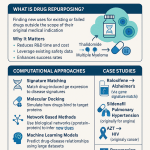
The Drug-Centric Approach: This is perhaps the most intuitive strategy. It begins with a specific drug of interest and systematically screens it for new therapeutic indications.1 The drug might be a company’s own asset nearing patent expiry, a compound that was abandoned for non-safety reasons, or a marketed drug that has shown interesting off-label effects. The goal is to cast a wide net, testing the drug against a diverse range of disease models or biological targets to find a new match. This can be further divided into “on-target” repurposing, where the drug’s known mechanism is applied to a new disease sharing the same pathway, and “off-target” repurposing, where a previously unknown molecular interaction provides the new therapeutic effect.1
The Disease-Centric Approach: This strategy flips the script. It starts with a specific disease, often one with a high unmet medical need, and searches the entire pharmacopeia for existing drugs that might be effective.9 This approach requires a deep understanding of the disease’s underlying pathophysiology. Researchers will analyze the key molecular pathways, genetic drivers, and cellular processes of the disease and then use computational tools to identify drugs known to modulate those specific components.
The Target-Centric Approach: This is a more focused strategy that begins with a specific, validated molecular target (e.g., a receptor, enzyme, or protein) known to be critical in a disease pathway.2 The objective is to screen libraries of known drugs to find any that interact with this target, regardless of their original indication. This method benefits from a clear mechanistic rationale but is limited by the universe of known and validated targets.
While these three pillars provide a useful framework, the most powerful modern approaches often blur the lines between them, integrating data from multiple perspectives to build a comprehensive picture of the therapeutic landscape. The following sections will explore the specific computational tools that power these strategies, from foundational in silico screening methods to the revolutionary impact of artificial intelligence.
In Silico and Computational Screening: The First Wave of Rational Design
The transition from serendipity to strategy in drug repurposing was enabled by the rise of in silico methods—computational techniques that allow researchers to conduct virtual experiments and screen vast chemical libraries without ever touching a test tube. These approaches form the first wave of rational design, leveraging our growing knowledge of biology and chemistry to predict drug-disease relationships. They are the workhorses of modern repurposing, capable of sifting through millions of data points to identify a manageable number of high-probability candidates for expensive and time-consuming wet-lab validation.
One of the most established target-centric methods is molecular docking. This structure-based technique requires a three-dimensional model of the protein target of interest, which can often be obtained from public databases like the Protein Data Bank (PDB). The algorithm then computationally simulates the physical interaction between a drug molecule and the protein’s binding site, calculating a “docking score” that predicts the binding affinity. This allows for the virtual screening of thousands or even millions of known drugs against a specific disease-relevant target to predict which ones are most likely to bind and modulate its function. It is a powerful tool for generating hypotheses with a clear mechanistic basis.
A different and highly influential approach is the use of signature-based methods. This technique operates on the principle that diseases and drugs can be characterized by their unique “signatures” of gene expression. By analyzing tissue from a patient with a specific disease, researchers can identify which genes are over- or under-expressed compared to healthy tissue. This creates a disease signature. The Connectivity Map (CMap) project, a landmark public resource, has cataloged the gene expression signatures produced by thousands of small molecules when applied to human cell lines. The core idea of signature-based repurposing is to search this database for a drug that induces a transcriptional profile opposite to that of the disease.1 If a disease is characterized by the upregulation of gene X and the downregulation of gene Y, the ideal repurposing candidate would be a drug that is shown to downregulate gene X and upregulate gene Y. This suggests the drug could pharmacologically reverse the disease state at a systems level, even without a full understanding of the specific molecular target.
Pathway- and network-based methods take a broader, more systems-biology-oriented view. These approaches leverage the vast amount of information we have on metabolic pathways, signaling cascades, and protein-protein interaction networks.2 The underlying assumption is that diseases are rarely caused by a single faulty gene or protein but by a disruption in a complex network of interactions. These methods construct computational models of these biological networks and then map the known targets of drugs onto them. By analyzing the network topology, researchers can identify non-obvious connections. For example, a drug might not directly hit a known disease target, but it might modulate a protein “upstream” or “downstream” in the same critical signaling pathway, suggesting it could still have a therapeutic effect. This “guilt-by-association” principle can uncover novel drug-disease connections that would be missed by more direct, target-focused approaches.
Crucially, the power of all these in silico methods is derived from their ability to integrate and synthesize data from a multitude of disparate sources. A single repurposing project might pull data from patent literature to understand a competitor’s chemical space, scientific publications for mechanistic insights, public databases like DrugBank and ChEMBL for drug information, the PDB for protein structures, and genomic databases like NCBI-GEO for expression signatures.30 The challenge, and the opportunity, lies in connecting these vast and varied datasets into a coherent, queryable whole—a challenge that has been supercharged by the advent of artificial intelligence.
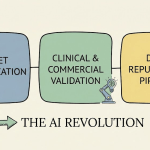
The AI Revolution: Using Machine Learning and NLP to Read Between the Lines
If in silico screening was the first wave of rational drug repurposing, then artificial intelligence (AI) is the tsunami that is reshaping the entire landscape. While the term “AI” is often used as a catch-all, it is a suite of specific technologies—particularly machine learning (ML) and natural language processing (NLP)—that are providing the tools to unlock insights at a scale and speed previously unimaginable.34 The primary challenge in leveraging the world’s biomedical knowledge is that the vast majority of it is locked away in unstructured text: the dense, narrative prose of scientific articles, clinical trial reports, and, most critically for our purposes, patent documents. Manually extracting structured, actionable information from this ocean of text is an impossible task. This is where NLP becomes the game-changing enabler.36
NLP-based text mining is, in essence, a way to teach computers to read and understand the language of science. It consists of several core processes that work together to turn text into structured data for analysis. The first step is Named Entity Recognition (NER). NER models are trained on large biomedical corpora to automatically identify and classify key entities within a text, such as drug names, gene and protein targets, diseases, symptoms, and chemical structures.38 For example, when processing a sentence from a patent’s “Examples” section, an NER model can tag “Compound X” as a drug, “EGFR” as a protein, and “non-small cell lung cancer” as a disease. Major pharmaceutical companies like Pfizer have successfully leveraged NER to build automated workflows that extract targets, indications, and organizations from the weekly torrent of new patent filings, providing real-time competitive intelligence.
Once the entities are identified, the next step is Relation Extraction (RE). RE algorithms work to identify the semantic relationships between these entities.38 In our example, an RE model would identify the relationship between “Compound X” and “EGFR” as “inhibits,” and the relationship between “EGFR” and “non-small cell lung cancer” as “is associated with.” This process transforms a simple sentence into structured data triples:
(Compound X, inhibits, EGFR) and (EGFR, associated_with, NSCLC).
When this process is applied across millions of patents and scientific articles, it creates a massive, interconnected network of biological knowledge known as a knowledge graph.11 This graph is a dynamic, queryable map of the entire biomedical universe, capturing complex relationships between drugs, genes, diseases, pathways, and the patents that describe them.
This structured data becomes the fuel for machine learning models. The extracted relationships are used to train algorithms—such as support vector machines, random forests, or deep learning neural networks—to predict novel drug-disease or drug-target associations.1 These models can identify subtle, complex, and non-linear patterns in the data that are completely invisible to human researchers. For example, an ML model might learn that drugs sharing a particular chemical substructure and a specific side-effect profile are highly likely to interact with a certain class of protein targets, even if that interaction has never been experimentally shown. This allows the model to generate novel, high-probability hypotheses for repurposing.
This AI-driven approach represents a fundamental shift in the utility of patent literature. A patent is no longer just a legal document to be read by a lawyer for infringement analysis. NLP transforms the text of the global patent portfolio from a legal barrier into a dynamic, queryable biological database. A researcher can now pose a question that was previously impossible to answer: “Show me all compounds mentioned in patents that are known to modulate mTOR signaling, were tested in the context of a metabolic disorder, but have never been patented for use in oncology.” This query, which cuts across therapeutic areas and patent classifications, can be executed computationally to directly generate a list of high-quality repurposing candidates for cancer. This is the core value proposition of using integrated intelligence platforms like DrugPatentWatch, which curate, structure, and connect this disparate data into a single, powerful analytical tool.34
Furthermore, the “prior art” cited within patents forms a rich citation network that can be analyzed to map the evolution of scientific thought and identify non-obvious connections between therapeutic areas. Patents are legally required to cite related prior patents and scientific literature. Each citation forms a link in a vast network, representing a relationship perceived by the inventor or patent examiner.44 Advanced network analysis techniques can identify clusters of patents that are frequently co-cited, even if they belong to different technological fields. For instance, a patent for a cardiovascular drug and a patent for a neurodegenerative disease drug might both cite the same foundational research paper on cellular autophagy. This “intellectual bridge” suggests a hidden mechanistic link between the two seemingly disparate fields. Analyzing these citation networks can reveal convergence points in research, highlighting novel biological pathways that could be exploited for repurposing long before they are explicitly described in the mainstream literature—a powerful, forward-looking competitive intelligence tool.45
The Intellectual Property Gauntlet: Securing and Defending Repurposed Assets
The Patentability Puzzle: Overcoming Novelty and Non-Obviousness Hurdles
Once a promising repurposing candidate has been identified through computational screening and validated in the lab, the project moves from the realm of science to the complex and challenging world of intellectual property. The central IP paradox of drug repurposing is this: how do you obtain a new, commercially valuable patent for an old, well-known drug? Without robust patent protection, securing the investment needed for expensive clinical trials and commercialization is nearly impossible.47 Navigating this puzzle requires a deep understanding of patent law and a creative approach to claim drafting.
The first major hurdle is novelty, governed by 35 U.S.C. § 102 in the United States. This section of the patent law dictates that an invention cannot be patented if it was already known to the public. By its very definition, the active pharmaceutical ingredient (API) of a repurposed drug is not novel. A “composition of matter” claim directed to the drug molecule itself will almost certainly be rejected because the compound has been previously disclosed in patents or publications.
Therefore, the strategy must shift from protecting the drug itself to protecting a new invention that incorporates the drug. There are several effective ways to achieve this:
Method-of-Use Claims: This is the foundational IP tool for drug repurposing. While the drug is old, the method of using it to treat a new disease is new. A claim drafted as “A method of treating Disease Y, comprising administering a therapeutically effective amount of Drug X to a patient in need thereof” can be novel if that specific use was not previously disclosed.1 These claims are powerful because they are difficult for competitors to design around and are recognized in most jurisdictions worldwide.
New Formulation or Dosage Claims: Often, a new indication requires a different formulation or dosage regimen than the original one. A new extended-release formulation, a novel injectable preparation, or a specific daily dosage can be patented.1 These claims protect the specific drug product being brought to market for the new use.
Combination Therapy Claims: A highly effective strategy is to claim a new combination of the repurposed drug with one or more other active agents. A claim to a composition comprising “a therapeutically effective amount of Drug X and a therapeutically effective amount of Drug Z” is novel if that specific combination has never been described before.
While overcoming novelty is often a matter of clever claim drafting, the second and more formidable hurdle is non-obviousness, governed by 35 U.S.C. § 103. This standard requires that the invention as a whole would not have been “obvious” to a person having ordinary skill in the art at the time the invention was made. For a repurposed drug, a patent examiner might argue that, based on the known properties of the drug and the biology of the new disease, it would have been “obvious to try” using the drug for the new indication. This can be a very difficult rejection to overcome.
The most powerful weapon against an obviousness rejection is the doctrine of “unexpected results”. This involves presenting scientific data demonstrating that the drug produced a surprising and unpredictable effect. Simply showing that the drug was effective may not be enough. The result must be truly unexpected based on the prior art. Examples of compelling unexpected results include:
Synergistic Effects: In a combination therapy, showing that the combined effect of two drugs is significantly greater than the sum of their individual effects (synergy) is strong evidence of non-obviousness.
Unexpected Potency: Demonstrating that the drug is effective at a surprisingly low dose for the new indication.
Novel Mechanism of Action: Discovering that the drug works for the new disease through a completely different biological mechanism than its original, known mechanism is a powerful argument for non-obviousness.
This legal requirement for demonstrating unexpected results creates a powerful and beneficial feedback loop between a company’s IP strategy and its R&D program. It incentivizes researchers to move beyond simple phenotypic screening (“Does it work?”) and to invest in deep mechanistic studies (“How does it work?”) early in the repurposing process. Uncovering a novel mechanism of action not only provides a compelling argument for patentability but also de-risks the subsequent clinical trials by providing a clearer biological rationale and potentially identifying predictive biomarkers for patient selection. This alignment of legal and scientific objectives is a hallmark of a sophisticated and successful drug repurposing strategy.
Building a Fortress: The Art of the Secondary Patent and the “Patent Thicket”
In the high-stakes world of pharmaceutical patents, a single patent is rarely enough to secure a blockbuster drug’s market exclusivity for its full commercial life. Innovator companies have become masters of a strategy known as lifecycle management, often employing a controversial tactic called the “patent thicket.” Understanding the nature of these thickets is crucial for any company in the repurposing space, as they represent both a formidable barrier to entry and, paradoxically, a rich source of competitive intelligence.
A patent thicket is a “dense web of overlapping intellectual property rights” that a company builds around a single drug product.29 The strategic objective is not necessarily for every patent in the thicket to be independently unassailable. Instead, the goal is to create a litigation landscape so complex, so costly, and so time-consuming to navigate that would-be generic or biosimilar competitors are deterred from even attempting to challenge the franchise.29 The success of the strategy lies in the prohibitive collective cost of fighting the entire portfolio.
The anatomy of a patent thicket is multi-layered. It begins with a primary patent, typically a “composition of matter” patent that protects the core active molecule. This is the crown jewel, providing the initial 20-year monopoly. However, the real thicket is built from dozens, or even hundreds, of secondary patents filed later in the drug’s lifecycle, often years after it has received FDA approval.29 These secondary patents do not cover the drug itself but target peripheral features, including:
New Formulations: Such as extended-release versions or different delivery systems (e.g., an oral pill to an injectable).51
Methods of Manufacturing: Minor changes or improvements to the manufacturing process.
Polymorphs: Different crystalline structures of the same active molecule.
Methods of Use: Patents for new indications—the very patents sought in drug repurposing.
This practice, often called “evergreening,” is at the center of the debate on drug pricing and innovation. Critics argue that it stifles competition and keeps drug prices high by rewarding trivial modifications over the pursuit of truly novel therapies.48 The statistics are telling: for top-selling drugs, an estimated 66% of patent applications are submitted
after the drug is already on the market, and 78% of all new drug patents are for existing medicines, not new ones. The case of AbbVie’s Humira is legendary; the company filed over 250 patent applications, extending its U.S. exclusivity for years beyond the expiration of its primary patent and delaying biosimilar entry until 2023 for a drug first launched in 2002.
For a smaller company or a new entrant looking to repurpose an on-patent drug, navigating a competitor’s thicket is a daunting prospect. The legal costs of challenging even a fraction of these patents can be prohibitive. However, several strategies can be employed:
Comprehensive Landscape Analysis: The first step is to conduct an exhaustive freedom-to-operate (FTO) analysis to map the entire patent thicket and understand the scope and expiration date of every relevant claim.
Design-Around: With a clear map of the patent claims, R&D can be directed to “design around” the existing IP. For example, if a competitor has patented a specific extended-release formulation, a company could develop and patent a different, non-infringing formulation technology.
Patent Validity Challenges: Not all secondary patents are strong. Many are granted for minor improvements and may be vulnerable to challenges on the grounds of obviousness. A smaller company can use post-grant review procedures at the patent office to try and invalidate the most problematic patents in the thicket, a less costly alternative to full-blown district court litigation.
Licensing: In some cases, it may be more cost-effective to negotiate a license for a specific blocking patent rather than trying to fight or circumvent it.
Paradoxically, these defensive patent thickets can also serve as an invaluable source of data for new repurposing opportunities. To be valid, each of the hundreds of patents in a thicket must disclose a new and non-obvious invention related to the drug. These disclosures often contain a wealth of scientific information about the drug’s properties, its stability in different formulations, its interactions with various excipients, and biological effects observed in different experimental contexts. A systematic analysis of an entire patent thicket, powered by NLP and ML tools, can reveal a detailed scientific profile of the drug that is not available in any other single source. This data can hint at unknown mechanisms or properties that could form the basis for a completely new repurposing opportunity in a therapeutic area the original company has not yet considered or patented. The defensive wall, in its construction, inadvertently becomes a detailed instruction manual for the next innovator.
From Signal to Market: Navigating the Regulatory and Commercial Landscape
The 505(b)(2) Pathway: An Accelerated Route to Approval
Identifying a promising repurposing candidate and securing intellectual property are monumental achievements, but they are only the halfway point in the journey. The ultimate goal is to bring the new therapy to patients, which requires navigating the rigorous regulatory landscape of the U.S. Food and Drug Administration (FDA). For repurposed drugs, the traditional, lengthy, and costly approval pathway designed for new chemical entities is often unnecessary. Instead, developers can leverage a powerful and flexible regulatory tool specifically suited for products with a pre-existing clinical history: the 505(b)(2) New Drug Application (NDA) pathway.54
The 505(b)(2) pathway is a hybrid approach that sits between a full 505(b)(1) NDA for a novel drug and a 505(j) Abbreviated New Drug Application (ANDA) for a generic. Its defining feature is that it allows a sponsor to rely, at least in part, on data that they did not generate themselves and for which they do not have a right of reference.54 Specifically, a 505(b)(2) application can reference the FDA’s previous findings of safety and efficacy for a previously approved drug, known as the “listed drug”.
This is a game-changer for drug repurposing. It means that a developer does not need to repeat the full suite of extensive and expensive preclinical toxicology studies and Phase I clinical safety trials that have already been conducted for the listed drug. This ability to leverage existing data is the primary driver of the significant cost and time savings associated with the repurposing model.
However, the 505(b)(2) pathway is not a simple rubber stamp. The key to a successful application is to scientifically justify the reliance on the listed drug’s data. This is accomplished through “bridging studies”. The sponsor must conduct a targeted clinical program to “bridge” the differences between their proposed product and the listed drug. For a new indication, this typically involves well-controlled Phase II and Phase III trials to establish efficacy for the new use. If the formulation or route of administration is different, bridging studies will often include pharmacokinetic (PK) and pharmacodynamic (PD) trials to demonstrate that the new product delivers the drug to the body in a comparable way to the listed drug.
The strategic flexibility of the 505(b)(2) pathway is one of its greatest assets. It can be used for a wide variety of development programs beyond simple new indications, including :
New Formulations: Changing a tablet to an extended-release capsule or a liquid.
New Routes of Administration: Moving from an oral to an injectable or topical formulation.
New Dosages or Strengths.
Combination Products: Combining two or more previously approved drugs into a single product.
Rx-to-OTC Switches: Moving a prescription drug to over-the-counter status.
Navigating this pathway requires deep regulatory expertise. There is no preset playbook; each product demands a tailored strategic approach to identify the data gaps between the new product and the listed drug and to design the most efficient clinical program to fill those gaps. Success requires proactive engagement with the FDA, a thorough understanding of regulatory precedents, and a cross-functional team with expertise in clinical pharmacology, nonclinical strategy, and manufacturing controls. When executed correctly, the 505(b)(2) pathway provides an accelerated, de-risked, and capital-efficient route to bring valuable repurposed therapies to the market.
Commercialization Strategies and Business Models
A successful drug repurposing venture requires more than just scientific ingenuity and regulatory savvy; it demands a viable business model that can navigate the unique commercial challenges and opportunities of this space. The central commercial challenge is securing a sufficient period of market exclusivity to justify the significant investment in clinical trials and earn a return, especially when dealing with off-patent drugs.
The primary obstacle is the practice of off-label prescribing. Even if a company successfully obtains a new method-of-use patent and FDA approval for a new indication, physicians can legally prescribe the cheaper, generic version of the same drug for that new use.12 This can severely erode the market for the newly branded, repurposed product, making it difficult to recoup R&D costs. This is a significant market failure that has historically dampened commercial interest in repurposing generic compounds.13
Despite this challenge, several powerful incentives and viable business models have emerged. The most significant of these is the Orphan Drug Act of 1983. This legislation provides powerful incentives for companies to develop drugs for rare diseases, defined in the U.S. as those affecting fewer than 200,000 people. These incentives include tax credits for clinical trials, grant funding, and, most importantly, a seven-year period of market exclusivity for the approved indication, independent of patent status.3 This guaranteed exclusivity provides the commercial certainty needed to attract investment, making the rare disease space one of the most active and attractive areas for drug repurposing.
Given this landscape, several distinct business models have proven successful:
Integrated Pharma Lifecycle Management: Large, established pharmaceutical companies often have dedicated units that systematically screen their own portfolios for repurposing opportunities. For them, repurposing is a key lifecycle management strategy to extend the commercial life of a blockbuster drug facing patent expiration or to extract additional value from assets that failed for their initial indication.35 They have the internal resources to conduct the necessary clinical trials and the marketing muscle to commercialize the new indication.
Specialized DRPx Companies: A growing ecosystem of smaller biotech companies, sometimes called “DRPx” (Drug Repurposing, Repositioning, and Rescue) firms, has emerged. These companies focus exclusively on identifying and developing repurposed candidates. They often employ proprietary computational platforms to generate leads, in-license promising compounds from academia or other companies, and advance them through early- to mid-stage clinical trials. Their typical exit strategy is to be acquired by a larger pharmaceutical company that can handle late-stage development and commercialization. Interestingly, studies have shown that these specialized DRPx companies have a significantly lower failure rate than general biotechnology startups, reflecting the inherently de-risked nature of their approach.
Academic and Non-Profit Models: Recognizing that many promising repurposing opportunities lack sufficient commercial incentive to attract industry investment (e.g., for ultra-rare diseases or conditions primarily affecting low-income populations), a new model driven by non-profit organizations and academic centers is gaining momentum. Organizations like Cures Within Reach and Every Cure leverage philanthropic funding, public grants, and powerful AI platforms to identify and validate repurposing candidates that the for-profit sector might overlook.13 They often partner with academic researchers to conduct initial clinical trials and then work with generic manufacturers or government agencies to make the treatments accessible.
In all of these models, access to high-quality, integrated business and patent intelligence is a critical success factor. Platforms like DrugPatentWatch play a vital role by providing a comprehensive view of the landscape. They consolidate data on drug patents, patent expiration dates, ongoing litigation, and regulatory status into a single, searchable database.8 This allows companies of all sizes to efficiently identify drugs nearing patent expiry as potential candidates, assess the freedom-to-operate and IP risks associated with a project, monitor the repurposing strategies of competitors, and make informed, data-driven decisions about which opportunities to pursue.1 In the competitive world of drug repurposing, this strategic intelligence is not just an advantage; it is a necessity.
Case Studies: From Patent Signal to Patient Impact
The true measure of any drug development strategy lies in its ability to deliver tangible benefits to patients. The theoretical advantages of drug repurposing—speed, cost, and reduced risk—are powerfully illustrated by a rich history of real-world successes. These case studies, ranging from serendipitous discoveries to the fruits of systematic, data-driven screening, demonstrate the profound impact this approach has had on medicine.
The classic examples, often born from serendipity, serve as the foundational proof-of-concept for the entire field. They revealed that a single molecule could harbor multiple, often unrelated, therapeutic personalities.
Sildenafil (Viagra): The poster child for repurposing, sildenafil was originally developed by Pfizer in the 1980s as a treatment for angina, a type of chest pain. While it proved underwhelming for its intended cardiovascular purpose, male participants in early clinical trials reported an unusual and consistent side effect: penile erections.7 Recognizing the potential, Pfizer pivoted its development strategy, and in 1998, Viagra was approved for erectile dysfunction, becoming one of the most recognized and commercially successful drugs in history.1
Minoxidil (Rogaine): Developed by the Upjohn Company in the 1950s, minoxidil was a potent vasodilator that found its first life as an oral medication for severe high blood pressure.6 Clinicians soon noticed a common side effect: hypertrichosis, or excessive hair growth.6 This observation led to the development of a topical formulation, which was eventually approved as Rogaine, the first drug sanctioned by the FDA to treat male pattern baldness.
Thalidomide: This case represents the most dramatic act of drug rescue. Originally marketed in the 1950s as a sedative, thalidomide was infamously withdrawn from the market after it was found to cause severe birth defects.62 For decades, the drug was a symbol of pharmaceutical tragedy. However, subsequent research revealed its powerful immunomodulatory and anti-angiogenic properties. This led to its remarkable resurrection, first gaining FDA approval in 1998 for treating complications of leprosy, and later, in 2006, as a cornerstone therapy for the blood cancer multiple myeloma.2
While these historical examples are compelling, the modern era of repurposing is increasingly defined by systematic, rational, and data-driven approaches. This is particularly evident in fields with complex biology and high unmet need.
Oncology: Cancer treatment is a dominant field for drug repurposing. The strategy of “soft” repurposing, or indication expansion, is common. Merck’s blockbuster immunotherapy, Keytruda (pembrolizumab), for example, was initially approved for melanoma but has since been expanded to treat more than 14 different cancer types, from lung cancer to cervical cancer, based on shared biomarkers.16 More “hard” repurposing is also occurring; dozens of non-cancer drugs, originally developed for conditions like arthritis or diabetes, are now known to have potential anti-cancer effects and are being investigated in clinical trials.
Psychiatry: Recent approvals in psychiatry showcase sophisticated repurposing concepts that go beyond finding a single new use. The development of Lybalvi (olanzapine and samidorphan) combined an effective antipsychotic (olanzapine) with another compound (samidorphan) specifically to mitigate the common and debilitating side effect of weight gain. Auvelity (dextromethorphan and bupropion) combined an old cough suppressant with antidepressant properties (dextromethorphan) with an approved antidepressant (bupropion) that also inhibits the enzyme that rapidly metabolizes dextromethorphan, thereby enhancing its efficacy and creating a novel, fast-acting antidepressant.
The COVID-19 Pandemic: The global health crisis served as an unprecedented, real-world test case for modern repurposing strategies. The urgent need for treatments spurred a massive global effort to screen existing drugs. This led to the rapid identification and validation of several effective therapies. Remdesivir, an antiviral originally developed for Ebola, was repurposed to reduce virus replication. Dexamethasone, a widely available and inexpensive steroid, was shown to significantly reduce mortality in hospitalized patients. And baricitinib, a JAK inhibitor approved for rheumatoid arthritis, was identified through AI-based screening and later validated in clinical trials for treating severe COVID-19.3 These successes, achieved in record time, demonstrated the power of systematic screening and computational approaches under immense pressure.2
Systematic Screening for Rare Diseases: Academic and non-profit hubs are now leading the charge in applying these methods to rare diseases. Researchers at the Broad Institute, using their comprehensive Drug Repurposing Hub library, screened thousands of compounds to find a treatment for Mucin-1 Kidney Disease, a rare genetic disorder with no available therapy. They identified BRD4780, a compound originally developed as an anti-hypertensive, as a promising lead that could correct the underlying cellular defect of the disease.
These cases, from the accidental discoveries of the past to the AI-driven searches of today, paint a clear picture: the potential hidden within our existing pharmacopeia is vast. By systematically applying the strategic and computational tools at our disposal, we can continue to unlock this potential and translate old patents into new hope for patients.
The Future Horizon: AI, Big Data, and the Next Generation of Repurposing
As we look to the future, the trajectory of drug repurposing is inextricably linked to the exponential advancements in artificial intelligence and big data analytics. The progress we have witnessed over the past decade is merely the prelude to a more profound transformation. We are moving beyond using AI as a simple screening tool and entering an era where it will be a fully integrated partner in discovery, development, and even clinical practice. The next generation of repurposing will be more predictive, more precise, and more personalized than ever before.
The evolution of AI and machine learning is at the heart of this future vision. While current models are powerful, the next wave of technology will be driven by more sophisticated deep learning architectures like Graph Neural Networks (GNNs) and Transformers.11 GNNs are perfectly suited to analyze the complex, interconnected data in biological knowledge graphs, learning the intricate topology of molecular interactions to predict novel relationships. Transformers, the same technology behind large language models like GPT-4, are being adapted to “read” the language of biology—the sequences of proteins and the structures of small molecules—to predict function and interaction with unprecedented accuracy.
This increasing sophistication will be fueled by the integration of richer and more diverse datasets. The power of any AI model is limited by the quality and breadth of its training data. The future of repurposing lies in creating standardized, interoperable, and multimodal datasets that break down the traditional silos of biomedical information. Imagine an AI model trained not just on patents and genomic data, but also on millions of electronic health records (EHRs), clinical trial databases, medical imaging archives (MRIs, pathology slides), real-world data from wearable sensors, and spatial transcriptomics data that maps gene activity within the physical architecture of a tissue.35 By learning from this holistic view of human health, AI will be able to identify patterns and generate hypotheses of a complexity that is currently beyond our reach.
A critical development for the real-world adoption of these advanced models will be the rise of Explainable AI (XAI). One of the major hurdles for AI in medicine is the “black box” problem—a model may make a highly accurate prediction, but we don’t know why. XAI aims to solve this by creating systems that can articulate the rationale behind their predictions, for example, by highlighting the key features in the data that led to a specific drug-disease hypothesis. This transparency is essential for gaining the trust of clinicians and, crucially, for satisfying the rigorous standards of regulatory agencies like the FDA.
The impact of AI will extend beyond discovery and into the design and execution of clinical trials for repurposed drugs. AI models will be used to optimize trial design by identifying the specific patient populations most likely to respond to a therapy based on their genetic or biomarker profiles.68 They can simulate trial outcomes under different scenarios, reducing the risk of costly failures. Furthermore, AI will be essential for analyzing the vast streams of real-world evidence from EHRs and insurance claims to monitor a repurposed drug’s effectiveness and safety post-approval.
This convergence of AI-driven repurposing and personalized medicine will ultimately lead to a new therapeutic paradigm: “N-of-1” repurposing. As AI models become more adept at integrating individual patient data—their unique genome, proteome, and clinical history—it will become feasible to run a virtual screen for a single patient’s specific disease biology against the entire pharmacopeia. A clinician treating a patient with a rare cancer driven by a unique mutation could use an AI tool to identify the optimal repurposed drug from thousands of candidates, tailored specifically to that patient’s molecular profile. This represents a fundamental shift from treating diseases to treating individual patients, the ultimate goal of precision medicine.
As these powerful AI tools become more accessible, they will democratize the “discovery” phase of repurposing. When multiple companies can use similar AI platforms to generate the same list of promising candidates, the discovery itself will cease to be the primary source of competitive advantage. The battleground will shift. The companies that succeed in this new era will be those that excel at what comes next: the rapid and efficient clinical validation of AI-generated leads, the masterful navigation of complex regulatory pathways like the 505(b)(2), and the strategic construction of a defensible intellectual property fortress around the new use. The core competencies will be less about pure bioinformatics and more about the seamless, holistic integration of computational science, clinical operations, regulatory affairs, and IP law. In this future, the ability to transform a patent signal into a protected, marketable, and life-changing therapy will be the ultimate differentiator.
“The development of a new drug from preclinical testing to regulatory approval generally takes ten years, on average, costs between $300 million and $2.8 billion, and has more than a 90 percent failure rate… Drug repurposing… has provided a potential means to accelerate the identification and development of novel treatments.”
— Greenblatt et al., Health Affairs, 2023
Conclusion and Key Takeaways
The pharmaceutical industry stands at a critical juncture, squeezed between the escalating costs of traditional R&D and the pressing demand for novel therapies. Drug repurposing, powered by the systematic analysis of patent data, has evolved from a series of fortunate accidents into an indispensable strategic pillar for sustainable innovation. It offers a proven pathway to develop new treatments faster, at a fraction of the cost, and with a significantly higher probability of success than the de novo discovery model. By reframing the vast archives of existing drugs, failed clinical candidates, and patent literature not as historical records but as a library of de-risked, high-potential assets, we can unlock immense value and address critical unmet medical needs.
The journey from patent signal to patient impact is complex, requiring a multidisciplinary mastery of computational biology, intellectual property law, regulatory strategy, and commercial acumen. The modern strategist must be fluent in the language of patent claims, adept at deploying a sophisticated toolkit of in silico and AI-driven methodologies to mine vast datasets for hidden connections, and skilled in navigating the IP and regulatory gauntlets that stand between a promising compound and the patients who need it.
As artificial intelligence continues to advance, the capacity for discovery will be further democratized. The competitive edge will belong not just to those who can find the next repurposing candidate, but to those who can most effectively validate, protect, and commercialize it. The future of drug development will be a hybrid model, where the insights gleaned from repurposing our existing pharmacopeia will fuel the intelligent design of the next generation of novel medicines. By embracing this repurposing revolution, the biopharmaceutical industry can counter the unsustainable trends of the past and build a smarter, faster, and more efficient future for therapeutic innovation.
Key Takeaways
Economic Imperative: Drug repurposing is a strategic necessity to combat declining R&D productivity (“Eroom’s Law”). It reduces development costs by over 85% (from ~$2.6B to ~$300M), shortens timelines by 5-7 years, and triples the probability of success to ~30%.
Patents as Strategic Blueprints: Pharmaceutical patents are not just legal documents; they are rich sources of scientific and competitive intelligence. The “Detailed Description” and “Examples” sections often contain valuable data on formulations, mechanisms, and even “failed” experiments that can serve as leads for new repurposing projects.
Systematic Discovery is Key: The modern approach to repurposing relies on systematic, data-driven methodologies, including computational screening and AI. NLP is a game-changing technology that transforms unstructured patent text into a queryable biological database, enabling the rapid generation of high-quality hypotheses.
IP Strategy is Paramount: Securing new intellectual property for an old drug is the central challenge. The primary tools are “method-of-use” patents, new formulation patents, and combination patents. Overcoming non-obviousness rejections often requires demonstrating “unexpected results,” which incentivizes deep mechanistic research.
Navigating Patent Thickets: While “patent thickets” are formidable barriers, they are also concentrated sources of technical information about a drug. Systematic analysis of a competitor’s thicket can reveal scientific insights and potential repurposing opportunities.
Regulatory Acceleration: The FDA’s 505(b)(2) pathway is a critical enabler for repurposed drugs, providing a streamlined regulatory route that leverages the existing safety data of an approved product to reduce costs and accelerate approval timelines.
The Future is AI-Driven and Personalized: The next generation of repurposing will be defined by more advanced AI, the integration of multimodal data (genomics, EHRs, imaging), and the rise of Explainable AI (XAI). This will ultimately lead to a paradigm of “N-of-1” repurposing, where treatments can be tailored to an individual patient’s unique biology.
Frequently Asked Questions (FAQ)
1. Is drug repurposing only viable for large pharmaceutical companies with vast portfolios of failed drugs?
Not at all. While large pharma companies certainly leverage repurposing for lifecycle management of their own assets, a vibrant ecosystem of small and mid-sized biotech companies has emerged that specializes in this strategy. These “DRPx” firms often use proprietary computational platforms to identify promising candidates from the public domain (off-patent drugs) or by in-licensing shelved assets from other companies. Because the initial capital outlay is much lower than for de novo discovery, repurposing provides a more accessible entry point for startups. Furthermore, academic institutions and non-profit organizations are increasingly leading successful repurposing efforts for rare and neglected diseases that lack commercial incentives.
2. If a “method-of-use” patent is the primary IP for a repurposed generic drug, how can a company protect its market from off-label prescribing of cheaper generics?
This is the central commercial challenge for repurposing off-patent drugs. While a method-of-use patent can prevent a generic company from explicitly marketing their product for the new, patented indication (a practice known as “skinny labeling”), it cannot stop physicians from prescribing the generic off-label. Several strategies can help mitigate this:
Orphan Drug Exclusivity: Targeting a rare disease provides seven years of market exclusivity, which is a much stronger protection than a use patent.
New Formulation: Developing a new, patented formulation (e.g., extended-release, different delivery system) that offers a clear clinical benefit for the new indication can encourage physicians to prescribe the new branded product over the old generic.
Payer and Formulary Strategy: Working with insurers and pharmacy benefit managers to demonstrate the value (e.g., improved outcomes, lower total cost of care) of the new, approved product can secure favorable formulary placement, making it easier for patients to access.
3. How can analyzing a competitor’s patents reveal repurposing opportunities if their patents are designed to block competition?
This is a key strategic insight. A patent is a quid pro quo: in exchange for a limited monopoly, the inventor must provide a full and enabling public disclosure of their invention. To secure broad patent protection, especially for a class of compounds (a Markush structure), a company must often include numerous examples and data points in the patent’s specification. Many of these examples may describe compounds with suboptimal activity for the primary indication or reveal unexpected activity against secondary targets. This disclosed data, while not the focus of the patent, can be a treasure trove for a competitor. By systematically mining the “less successful” data points within a competitor’s patents, a company can identify novel starting points for its own repurposing programs. The patent, in its effort to be broad, inadvertently leaks valuable information.
4. With the rise of powerful AI, will human expertise in patent analysis and drug discovery become obsolete?
Quite the opposite. While AI is an incredibly powerful tool for automating data extraction and pattern recognition at scale, it is not a substitute for human expertise. The future of repurposing lies in a human-in-the-loop model. AI can generate hundreds of hypotheses, but it requires a skilled scientist to evaluate their biological plausibility, a savvy IP attorney to assess the patent landscape, and an experienced clinician to judge their therapeutic potential. Furthermore, as AI models become more complex, new challenges arise around data quality, model bias, and the need for “Explainable AI” (XAI) to understand why a model made a prediction. The competitive advantage will shift from simply having an AI to having the best multidisciplinary team of experts who can effectively guide, interpret, and action the outputs of that AI.
5. The success rates for repurposing seem to vary wildly, from 2% to 30%. How should a company incorporate this uncertainty into its business planning?
The key is to move away from a single, universal success rate and adopt a stratified risk model. A company’s portfolio and financial projections should not be based on a blanket 30% probability. Instead, potential repurposing projects should be categorized and assigned different probabilities of success based on their specific characteristics. For example:
“Soft” Repurposing (e.g., new oncology use for an approved oncology drug): Highest probability of success (potentially >50%).
“Hard” Repurposing of an Approved Drug (e.g., a cardiovascular drug for a neurological disease): Moderate probability (perhaps in the 15-25% range).
Repurposing a Failed Candidate (failed for efficacy, not safety): Lowest probability (likely <10%). By building a portfolio with a deliberate mix of these risk tranches, a company can create more realistic financial models, manage investor expectations, and make more informed decisions about resource allocation.
In Silico Screening of Available Drugs Targeting Non-Small Cell Lung Cancer Targets: A Drug Repurposing Approach – MDPI, accessed August 8, 2025, https://www.mdpi.com/1999-4923/14/1/59
[2504.20598] Natural Language Processing tools for Pharmaceutical Manufacturing Information Extraction from Patents – arXiv, accessed August 8, 2025, https://arxiv.org/abs/2504.20598
Drug Repurposing and De Novo Drug Discovery of Protein Kinase Inhibitors as New Drugs against Schistosomiasis – MDPI, accessed August 8, 2025, https://www.mdpi.com/1420-3049/27/4/1414
Artificial Intelligence and Machine Learning Technology Driven Modern Drug Discovery and Development – MDPI, accessed August 8, 2025, https://www.mdpi.com/1422-0067/24/3/2026
The changing scenario of drug discovery using AI to deep learning: Recent advancement, success stories, collaborations, and challenges – PubMed Central, accessed August 8, 2025, https://pmc.ncbi.nlm.nih.gov/articles/PMC11386122/
The Potential of Artificial Intelligence in Pharmaceutical Innovation: From Drug Discovery to Clinical Trials – PMC – PubMed Central, accessed August 8, 2025, https://pmc.ncbi.nlm.nih.gov/articles/PMC12195710/
Drug Repurposing During The COVID-19 Pandemic: Lessons For Expediting Drug Development And Access – PubMed, accessed August 8, 2025, https://pubmed.ncbi.nlm.nih.gov/36877896/
Probabilistic Forecasting and Anomaly Detection in Sewer Systems Using Gaussian Processes – MDPI, accessed August 8, 2025, https://www.mdpi.com/2073-4441/17/16/2357