1.0 Executive Summary: The Tipping Point for a New R&D Paradigm
The pharmaceutical industry stands at a critical inflection point. The long-established model of de novo drug discovery, characterized by decade-long timelines, multi-billion-dollar investments, and staggering failure rates, has become economically unsustainable. This systemic inefficiency has created a profound market failure, leaving over a billion people suffering from Neglected Tropical Diseases (NTDs) without modern, effective treatments. These are not niche conditions; they represent a vast humanitarian crisis and a significant drain on developing economies, yet they offer no path to the blockbuster revenues required to justify investment within the traditional R&D framework.
This report presents a data-driven, strategic analysis of the solution that has now reached a state of commercial and technological maturity: AI-powered drug repurposing. This is not a theoretical exercise or a philanthropic appeal. It is a comprehensive business case demonstrating how the convergence of advanced artificial intelligence, a vast library of de-risked and previously abandoned pharmaceutical assets, and innovative commercialization models has created a new, highly efficient R&D paradigm. This approach transforms drug repurposing from a strategy of serendipity into a systematic, predictable, and financially viable engine for therapeutic innovation.
For the pharmaceutical executive, biotech investor, or R&D leader, this report will establish that investing in AI-driven repurposing for NTDs is a strategic imperative with a clear return on investment. This is not about sacrificing profit for public health; it is about leveraging a scientifically validated, lower-risk development pathway to generate high-value assets, most notably Priority Review Vouchers (PRVs), which can be monetized for over $100 million or used to accelerate a company’s own blockbuster drugs. It is about building next-generation discovery capabilities that are directly applicable across all therapeutic areas. And it is about unlocking the immense latent value hidden within shelved compounds that currently sit as liabilities on corporate balance sheets.
This analysis will proceed in a logical sequence designed to address the questions of a discerning and skeptical audience. First, it will quantify the profound economic and operational failures of the traditional R&D model and explain why it is structurally incapable of addressing the NTD crisis. Second, it will present the compelling business case for drug repurposing, supported by hard data on its advantages in cost, time, and probability of success. Third, it will demystify the core AI technologies that are industrializing this process, transforming it into a predictive science. Fourth, it will provide the definitive proof through real-world case studies in Chagas disease, leishmaniasis, dengue, and schistosomiasis, showcasing tangible progress from computational hypothesis to preclinical and in vivo validation. Finally, it will detail the complete playbook for commercial success, mapping the emerging ecosystem of players and outlining the specific intellectual property, regulatory, and economic strategies required to capture value and deliver life-saving medicines to the world’s most vulnerable populations.
2.0 The $3 Trillion Problem: Why Traditional Drug Discovery is Broken
The modern pharmaceutical R&D engine, for all its scientific marvels, is sputtering. The process of discovering and developing a new chemical entity (de novo) has become a high-stakes gamble defined by punishing costs, protracted timelines, and an overwhelming probability of failure. This inefficiency is not a minor operational drag; it is a fundamental flaw in the industry’s core value-creation process, and its consequences are most starkly visible in the vast, unaddressed landscape of neglected diseases.
The Unflinching Economics of Failure
The statistics paint a stark and sobering picture of the traditional drug development pipeline. The journey from initial target identification to an FDA-approved drug on a pharmacy shelf is a marathon that few candidates complete.
The cost of this journey is astronomical. The average capitalized R&D investment required to bring a single new product to market is now estimated to be over $2.5 billion, with some analyses placing the figure closer to $2.8 billion.1 These figures are not merely the direct, out-of-pocket expenses for a single successful project; they are fully loaded costs that account for the immense capital sunk into the vast number of candidates that are abandoned along the way.1 For particularly challenging therapeutic areas like oncology, the average cost per successful drug can escalate even higher, with one study showing a rise to $2.5 billion over just a six-year period.3
This expenditure unfolds over a timeline that is incompatible with the pace of modern innovation. Developing a new drug requires, on average, 13 to 15 years from discovery to approval.1 This lengthy, sequential process involves target identification, hit discovery, lead optimization, extensive preclinical testing, and a multi-phase clinical trial process that itself can last nearly eight years and consume almost 70% of the total R&D budget.5
The most damning statistic, however, is the attrition rate. The probability of success for a drug entering Phase I clinical trials is distressingly low. Only about 10% to 11% of candidates that begin human testing will ultimately achieve regulatory approval.5 This means that for every ten promising molecules that enter the clinic, nine will fail, often after hundreds of millions of dollars have already been invested.7 These failures are most commonly due to a lack of efficacy or the emergence of unacceptable safety and toxicity profiles in later-stage trials—risks that are often not fully understood until the most expensive phases of development are underway.1 In the most difficult fields, such as the development of new drugs for neurodegenerative diseases, the failure rate can approach a staggering 100%.7
This combination of extreme cost, extended timelines, and high risk of failure creates an economic model that can only be sustained by the promise of “blockbuster” drugs—therapies that generate over $1 billion in annual revenue. The entire financial architecture of modern pharma is built on the premise that the massive profits from a few big winners must subsidize the colossal losses from the many failures. This reality has profound implications for which diseases receive attention and which are systematically ignored.
Market Failure by Design: The NTD Chasm
Neglected Tropical Diseases (NTDs) are a diverse group of over 20 communicable conditions caused by a variety of pathogens, including viruses, bacteria, protozoa, and parasites.9 These are not rare diseases. The World Health Organization (WHO) estimates that NTDs affect more than 1 billion people worldwide, with nearly 1.5 billion people requiring interventions for prevention or treatment annually.9 They are diseases of poverty, thriving in communities with inadequate sanitation, poor housing, and limited access to healthcare.11
The human toll is immense, resulting in approximately 120,000 deaths and the loss of over 14 million disability-adjusted life years (DALYs) each year.9 Beyond the direct morbidity and mortality, NTDs inflict a devastating socioeconomic burden, costing developing economies the equivalent of billions of dollars annually in direct health costs and lost productivity.9 A single disease, schistosomiasis, was estimated to have an economic burden of nearly $50 billion across just 25 endemic countries between 2010 and 2021.13 These diseases trap individuals, families, and entire communities in a vicious cycle of poverty and poor health, hindering education, limiting economic potential, and reinforcing social marginalization.12
Despite this staggering global impact, NTDs have been historically and systematically ignored by the traditional pharmaceutical R&D industry.12 This is not an oversight or a moral failing; it is the logical and inevitable outcome of the R&D economic model described above. The R&D process is, at its core, a high-stakes portfolio management game. Pharmaceutical companies must allocate their finite R&D capital to projects with the highest potential for a positive return on investment. Given the $2.5 billion cost and 90% failure rate, a “positive return” necessitates the potential for massive, multi-billion-dollar revenues. The populations most affected by NTDs, living in some of the world’s poorest regions, cannot support this level of market return.12
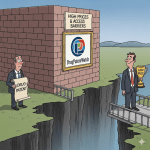
Therefore, NTDs are mathematically excluded from the investment portfolio of any purely profit-driven pharmaceutical company operating under the traditional model. The lack of commercial incentive creates a permanent market failure, a chasm that cannot be bridged by the existing paradigm. This is not a flaw in the system that can be tweaked; it is a fundamental feature of its design. Addressing the NTD crisis requires a completely different approach to R&D—one that fundamentally alters the equations of cost, time, and risk.
3.0 The Old is New Again: De-Risking R&D with Drug Repurposing
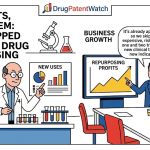
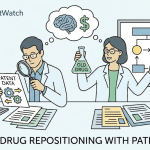
Faced with the unsustainable economics of de novo discovery and the market failure of NTDs, the pharmaceutical industry is increasingly turning to a strategy that is both old and new: drug repurposing. Also known as drug repositioning, this approach involves identifying new therapeutic uses for existing drugs that are outside the scope of their original medical indication.17 While the concept has existed for decades, exemplified by serendipitous discoveries like Sildenafil (Viagra) and Thalidomide, it is now being reimagined and industrialized by new technologies, transforming it from a practice of chance into a systematic and powerful R&D strategy.18
A Proven Strategy, Reimagined
The core advantage of drug repurposing lies in its ability to leverage the vast, pre-existing knowledge base surrounding approved or clinically tested compounds.18 When a drug has already been approved for one indication, or has even just successfully completed Phase I safety trials, a wealth of critical data already exists on its safety profile, pharmacology, pharmacokinetics, toxicology, and established manufacturing processes.17
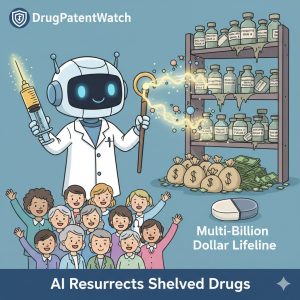
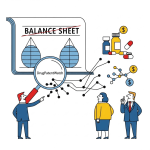
This creates an enormous head start. The R&D pipeline is filled with thousands of “shelved” or “abandoned” compounds—assets that were proven safe in humans but were discontinued due to a lack of efficacy for their original target or for strategic business reasons.20 These failed candidates represent a treasure trove of de-risked assets. The multi-million dollar investment in their initial safety and toxicology studies, which would normally be written off as a loss, becomes the foundation for a new development program.20 This process is not merely about saving money; it is an exercise in unlocking the immense latent value that lies dormant within corporate and academic archives. It transforms a balance sheet liability—a failed project—into a potential new asset, fundamentally altering the financial calculus of the R&D portfolio.
The Compelling Business Case in Numbers
When compared directly to the traditional de novo pathway, the quantitative advantages of drug repurposing are stark and compelling. For a data-driven executive audience, these numbers articulate a clear and powerful value proposition.
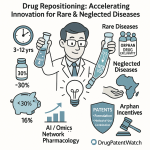
Drastic Timeline Reduction: The 13- to 15-year marathon of de novo development is cut to a fraction of the time. By bypassing the early, resource-intensive stages of preclinical discovery and Phase I safety studies, a repurposed drug can reach the market in just 3 to 12 years.7 This represents an average time savings of 5 to 7 years, a game-changing acceleration in a competitive market where time-to-market is a critical determinant of commercial success.18
Substantial Cost Reduction: The financial efficiency is equally dramatic. The staggering $2-3 billion capitalized cost of a novel drug plummets to an average of approximately $300 million for a repurposed candidate.7 This represents a cost reduction of 50-60%, and in some cases even more, as the most expensive and failure-prone early stages of development are largely eliminated.4
Significantly Increased Probability of Success: Perhaps the most critical advantage is the de-risking of the development process. Because repurposed drugs have already established safety and toxicity profiles in humans, the primary hurdle shifts from safety to efficacy for the new indication.18 This dramatically improves the odds of success. The approval rate for repurposed drugs that have already cleared Phase I trials is approximately 30%—a threefold improvement over the roughly 10% success rate for new chemical entities.4 This higher probability of success fundamentally changes the risk profile of an R&D investment.
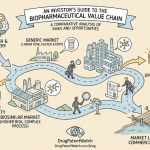
The following table provides an at-a-glance summary of this efficiency gap, highlighting the clear strategic advantages of the repurposing model.
Metric
De Novo Drug Discovery
Drug Repurposing
Strategic Advantage
Average Development Timeline
13–17 years 1
3–12 years 4
5-7 year acceleration to market, capturing peak sales sooner.
Average Capitalized Cost
$2–3 billion 18
~$300 million 7
>50% cost reduction, enabling more projects and diversifying portfolio risk.
Probability of Success
~10% 1
~30%4
3x higher success rate, fundamentally de-risking the investment.
Primary Risk Factor
Safety & Efficacy 1
Efficacy 21
Safety risk is significantly pre-mitigated, focusing resources on proving efficacy.
This powerful combination of speed, cost-efficiency, and reduced risk makes drug repurposing an exceptionally relevant strategy for addressing the challenges of NTDs. It provides a viable pathway to develop treatments for diseases where the traditional high-cost, high-risk model is financially impossible. It allows for the exploration of new therapeutic avenues without the need for a full-scale, multi-billion-dollar discovery program, making it a perfect fit for a field characterized by urgent unmet need and limited commercial incentives.
4.0 The Engine of Discovery: How AI is Systematizing Serendipity
For decades, drug repurposing was a discipline defined by serendipity—a fortunate clinical observation, an unexpected side effect, or an insightful researcher connecting disparate biological dots.19 While effective, this process was inherently sporadic and unscalable. The arrival of mature artificial intelligence and machine learning platforms has fundamentally changed this dynamic. AI is the engine that is transforming drug repurposing from an art of chance discovery into a predictive, systematic, and industrialized science.19 It achieves this by processing and synthesizing vast, heterogeneous datasets at a scale and speed that far exceed human cognitive capacity, uncovering non-obvious relationships between existing drugs and new disease targets.
From Human Intuition to Machine Intelligence
The primary value of AI in this context is not to replace human scientists, but to augment their intuition and expertise with an unparalleled analytical breadth.25 A skilled medicinal chemist or biologist possesses deep contextual knowledge but is limited in the sheer volume of information they can process. AI models, conversely, can sift through millions of research papers, patent filings, genomic datasets, and chemical structure libraries to identify subtle patterns and potential connections that would otherwise remain hidden.19 This creates a powerful synergy: AI generates high-probability hypotheses, and human experts provide the domain knowledge to interpret, validate, and pursue the most promising leads. This collaborative model, which integrates AI experts with biologists and chemists from the very beginning of a project, is proving to be the most effective approach, breaking down the data and departmental silos that have historically hindered innovation.27
A Technical Primer for the Non-Technical Leader
To understand the transformative impact of AI, it is crucial to grasp the core capabilities of the key technologies driving this revolution. These are not monolithic, inscrutable “black boxes” but rather distinct tools designed for specific analytical tasks.
Multimodal AI: The Data Fusion Engine
Traditional drug development has long been plagued by fragmented, siloed datasets—genomic data in one database, clinical trial results in another, and chemical properties in a third.27 Multimodal AI models are designed to solve this problem. They function as powerful data fusion engines, capable of integrating and analyzing many different types of data (
modalities) simultaneously. This includes structured data like genomic sequences and molecular property tables, as well as unstructured data like text from scientific literature, clinical notes, and even images from cellular assays.27 By creating a single, unified representation of a disease that incorporates all these data types, multimodal models can reveal complex, hidden patterns that are invisible when looking at each dataset in isolation. For a business leader, this is analogous to fusing market data, financial reports, supply chain logistics, and consumer sentiment surveys to build a complete, predictive model of a business environment.
Graph Neural Networks (GNNs): The Relationship Mapper
At their core, biology and chemistry are sciences of relationships—how atoms bond to form molecules, how molecules interact with protein targets, and how proteins function within complex cellular networks. Graph Neural Networks (GNNs) are a class of AI models uniquely architected to understand these relationships.5 They treat molecules and biological pathways not as simple strings of text or lists of numbers, but as graphs—networks of nodes (atoms, proteins) and edges (bonds, interactions). This allows GNNs to learn the intricate, three-dimensional, and relational features that govern biological activity. They are exceptionally powerful for tasks like predicting drug-target interactions, modeling how a drug will be partitioned in different body tissues, and identifying potential off-target effects, making them a cornerstone of modern computational drug discovery.4
Transformers and Large Language Models (LLMs): The Knowledge Synthesis Engine
Pioneered in the field of natural language processing, transformer architectures have proven to be remarkably adept at learning the underlying “language” of complex systems, including biology and chemistry. Models like ChemBERTa and ProtBert are trained on massive datasets of molecular structures and protein sequences, respectively, allowing them to learn the fundamental principles of molecular interaction.5 These models can then be used to predict crucial drug properties, such as toxicity or metabolic stability, with impressive accuracy. Studies have shown that these transformer-based models can achieve a 2–4% improvement in predicting toxicity compared to older, fingerprint-based methods.5 Furthermore, this category includes the use of Natural Language Processing (NLP) to systematically mine and synthesize knowledge from decades of unstructured text in scientific literature and patents, automatically identifying named entities like genes, diseases, and compounds and mapping their reported relationships.20
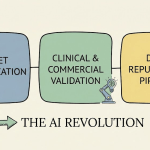
The AI-Powered Repurposing Workflow in Practice
These technologies are not used in isolation but are integrated into a systematic workflow that dramatically accelerates and de-risks the early stages of drug discovery.
Target Identification and Validation: The process often begins by using AI to understand the underlying biology of a disease. Platforms like Insilico Medicine’s PandaOmics ingest multi-omics data (genomics, proteomics, transcriptomics) and text-based data from literature to identify and prioritize the most promising protein targets for therapeutic intervention.24 The AI scores these potential targets based on factors like their association with the disease, their “druggability,” and their novelty.
Virtual Screening and Candidate Identification: Once a target is validated, AI algorithms perform large-scale virtual screening. They computationally test thousands of compounds from existing drug libraries—such as the Broad Institute’s Drug Repurposing Hub, which contains over 6,000 compounds with rich annotation data—against the 3D structure of the target protein.16 GNNs and other models predict the binding affinity and potential biological activity of each compound, rapidly generating a short list of high-probability “hits.”
Predictive Toxicology and Pharmacokinetics (ADMET): Before committing to expensive and time-consuming lab experiments, the shortlisted candidates are run through another set of AI models. These models predict the compound’s likely ADMET (Absorption, Distribution, Metabolism, Excretion, and Toxicity) profile.5 This crucial step helps to eliminate candidates that are likely to fail later in development due to poor pharmacokinetics or unforeseen toxicity, a major cause of attrition in traditional pipelines.
Addressing the Skeptic: Overcoming the “Black Box” and Data Problem
A healthy skepticism is warranted, as the field of AI is often subject to hype. Common critiques, often voiced in expert forums, center on two key issues: the poor quality of available data and the “black box” nature of the models themselves.25 The industry is actively addressing both.
The data challenge is significant. The performance of any AI model is fundamentally limited by the quality and quantity of the data on which it is trained. For NTDs and rare diseases, high-quality, well-annotated datasets can be particularly sparse.4 To overcome this, researchers are developing innovative techniques like data augmentation (using AI to generate synthetic but realistic data) and federated learning (training models across multiple decentralized datasets without sharing sensitive raw data).30 Furthermore, public-private initiatives like the Therapeutics Data Commons (TDC) are working to create standardized, high-quality benchmark datasets to validate and compare different AI models, fostering a more rigorous and reproducible research environment.30
The interpretability challenge, or the “black box” problem, refers to the difficulty in understanding precisely how a complex deep learning model arrived at a particular prediction. This is a major barrier to trust and regulatory acceptance. In response, the field of Explainable AI (XAI) has emerged. XAI frameworks, with names like SHAP (SHapley Additive exPlanations) and LIME (Local Interpretable Model-Agnostic Explanations), are designed to provide insights into the model’s decision-making process. They can highlight which specific molecular features or biological pathways most heavily influenced a prediction, making the AI’s “reasoning” more transparent to human scientists and regulators.30
By systematically identifying targets, screening candidates, and predicting risks, AI is transforming repurposing into a data-driven industrial process, capable of generating a robust pipeline of promising therapeutic candidates for diseases that have long been ignored.
5.0 The Proving Ground: AI-Driven Success Stories in Neglected Diseases
The ultimate test of any new technology in pharmaceuticals is its ability to produce tangible, verifiable results. For AI-driven drug repurposing, the evidence is mounting. Across a range of NTDs, computational predictions are now being translated into validated laboratory findings and preclinical progress. These case studies are not just academic exercises; they are the crucial proof points that demonstrate the real-world viability of this new R&D paradigm. They also reveal an important feature of this approach: the creation of a rapid, iterative validation cycle. AI-generated hypotheses are quickly tested in the lab, and the results—both positive and negative—are fed back into the system, continuously refining and improving the predictive power of the underlying models. This creates a virtuous cycle of learning and acceleration, a key strategic asset for any organization in this space.
5.1 Chagas Disease: Uncovering New Angles on an Old Foe
Chagas disease, caused by the parasite Trypanosoma cruzi, affects approximately 6 million people, primarily in Latin America.33 Current treatments are decades old, have limited efficacy, and are associated with severe side effects.34 AI is being deployed to find better alternatives by exploring novel mechanisms of action.
Case Study: Amiodarone. One of the earliest and most cited examples of AI in this space was the identification of the antiarrhythmic drug amiodarone as a potential treatment for Chagas disease.26 AI algorithms, analyzing the drug’s known mechanisms and chemical properties, flagged its potential anti-parasitic activity. Initial in vitro studies were promising, showing that amiodarone could inhibit the growth of the intracellular form of T. cruzi and help infected cardiac cells recover their structure and function.36 However, this case also serves as a critical lesson in the realities of drug development. More recent and rigorous preclinical studies have raised significant doubts. Research from organizations like DNDi found that while amiodarone does have some activity against the parasite, it lacks selectivity and is toxic to host cells at similar concentrations, making it unlikely to have a therapeutic effect at the approved human dosing regimen.37 Presenting this complete picture—from initial AI-driven promise to subsequent preclinical challenges—is essential for building credibility. It demonstrates that while AI can generate powerful hypotheses, it is not a magic bullet; rigorous experimental validation remains paramount.
Case Study: Ciprofloxacin. A more clear-cut success comes from a structure-based drug repositioning effort. Computational screening predicted that the widely used antibiotic ciprofloxacin could bind to and inhibit the T. cruzi trans-sialidase enzyme, a protein critical for the parasite’s survival and a previously unexplored target for this class of drug.39 This computational hypothesis was then tested in the lab. The results validated the prediction, showing that ciprofloxacin is a potent inhibitor of T. cruzi trypomastigotes ex vivo and can block the parasite’s growth in vivo.39 This represents a direct and successful translation from an in silico prediction of a novel mechanism to a validated biological effect.
5.2 Leishmaniasis: From Silicon Prediction to In Vitro Validation
Leishmaniasis is a parasitic disease that causes a spectrum of conditions, from disfiguring skin sores to a fatal visceral form. It is another area where AI-powered repurposing is delivering validated hits.
Case Study: A Validated Machine Learning Pipeline. In a landmark study, researchers developed a sophisticated machine learning pipeline using Random Forest (RF) and Support Vector Machine (SVM) algorithms. They trained these models on a large dataset of compounds with known activity against Leishmania parasites.40 The trained models were then used to screen a library of all FDA-approved drugs, predicting 19 candidates as potential anti-leishmanial agents with a confidence rate of over 90%.40
Experimental Validation: The team then moved from computation to the lab, selecting 10 of the predicted candidates for in vitro testing. The results were a powerful validation of the AI approach: five of the 10 drugs demonstrated previously unknown anti-leishmanial effects.41 Two candidates in particular, the local anesthetic Dibucaine and the anti-nausea drug Domperidone, showed significantly potent activity, with low micromolar IC50 values against both the extracellular (promastigote) and, crucially, the intracellular (amastigote) forms of the parasite.40 This work provides a clear, end-to-end demonstration of the workflow: leveraging existing biological data to train an AI model, using the model to make novel predictions, and confirming those predictions experimentally.
Case Study: Harvard’s TxGNN. Further reinforcing this progress, a new-generation AI model called TxGNN, developed at Harvard Medical School specifically for rare and neglected diseases, has also successfully identified promising repurposing candidates for leishmaniasis.42 The model’s unique architecture allows it to “transfer learn” from data-rich diseases to make accurate predictions for data-sparse conditions like NTDs, showcasing the rapid evolution and increasing power of these AI tools.43
5.3 Dengue Fever: A Strategic Alliance to Combat a Global Threat
Dengue is a mosquito-borne viral infection that has become a major global public health threat, with an estimated 390 million infections each year.44 There is no specific treatment, and severe dengue can be fatal. The effort to find a therapy for dengue provides a flagship example of the new collaborative ecosystem in action.
Case Study: The BenevolentAI & DNDi Collaboration. In April 2022, the AI-biotech firm BenevolentAI and the non-profit R&D organization DNDi announced a landmark partnership.44 The goal was to use BenevolentAI’s powerful biomedical Knowledge Graph and AI platform to interrogate the underlying mechanisms of dengue and identify existing drugs that could be repurposed to prevent the disease from progressing to its severe, life-threatening form.45
Tangible and Accelerated Progress: This collaboration has yielded a clear and rapid progression of results.
2022: The project was initiated, combining BenevolentAI’s platform—which integrates scientific literature, patents, genetics, and clinical trial data—with DNDi’s deep expertise in dengue biology and clinical development.44
2023: The AI-based investigation successfully identified a number of novel mechanistic pathways involved in severe dengue. Based on these insights, DNDi’s teams began experimental validation, focusing their efforts on compounds predicted to have a positive effect on maintaining vascular integrity—a key factor in preventing the hemorrhaging and plasma leakage seen in severe dengue.46
2024: The experimental work paid off. DNDi reported that in vivo studies in dengue infection models confirmed that selected compounds identified by the AI, specifically those acting through the sphingosine 1-phosphate receptor, provided a protective effect on membrane integrity.46 This represents a remarkable two-year journey from a broad AI-driven exploration to a validated in vivo effect on a specific, novel biological pathway.
5.4 Schistosomiasis: Targeting Kinases with Computational Precision
Schistosomiasis is a debilitating parasitic worm infection affecting over 230 million people.48 Treatment relies on a single drug, praziquantel, which has limitations, raising urgent concerns about the potential for drug resistance.49
Case Study: A Computationally-Guided Pipeline. To find new treatments, researchers developed an innovative computational pipeline that combined protein domain similarity analysis with structural interaction data to screen marketed drugs for potential anti-schistosomal activity.50 The pipeline highlighted a specific class of drugs—protein kinase inhibitors, many used in oncology—as highly promising candidates.50
Validation and Novel Discovery: Subsequent phenotypic screening in the lab against different life stages of the Schistosoma parasite validated the model’s predictive power. It correctly identified the activity of several kinase inhibitors that had been previously suggested as candidates, such as bosutinib and dasatinib, thereby confirming the pipeline’s accuracy.50 More importantly, it also uncovered several new active inhibitors, including vandetanib and saracatinib, that had not been previously associated with schistosomiasis.50 In a separate but related effort, a machine learning model trained on phenotypic screening data was able to predict active compounds with hit rates of 34% to 48%—a dramatic improvement over the typical 1-2% hit rate seen in traditional high-throughput screening campaigns.51
These case studies, spanning four major neglected diseases, provide concrete, data-backed evidence that AI is no longer a theoretical tool but a practical and productive engine for drug discovery in this challenging field.
6.0 The Emerging Ecosystem: Players, Partnerships, and Platforms
The rise of AI-driven drug repurposing for neglected diseases is not being driven by the traditional, vertically integrated pharmaceutical giants. Instead, a new, more agile, and decentralized R&D ecosystem is emerging. This ecosystem is characterized by a set of highly specialized players—AI-native biotechnology companies, mission-driven non-profit organizations, and pioneering academic labs—that are forming symbiotic partnerships to tackle problems the old model could not solve. Understanding the roles and capabilities of these key players is essential for any organization looking to engage with or invest in this rapidly evolving field. This new model distributes risk, combines complementary strengths, and is proving far more adept at navigating the unique scientific and economic challenges of NTD drug development.
6.1 The AI-Biotech Vanguard
At the heart of this new ecosystem are the technology-first biotechnology companies. These firms have built their entire R&D infrastructure around AI and machine learning, developing proprietary platforms that can industrialize the process of drug discovery.
Insilico Medicine: A leading example of an end-to-end AI-driven company. Their “Pharma.AI” platform is a suite of integrated tools that covers the entire early discovery pipeline. This includes PandaOmics for AI-powered target discovery and Chemistry42, a generative AI engine for designing novel molecules.52 While their pipeline is heavily focused on oncology and fibrosis, they have a notable infectious disease program for COVID-19, where they developed a 3CL protease inhibitor.53 Crucially, Insilico has provided a powerful proof-of-concept for the entire field by advancing the first drug with both an AI-discovered target and an AI-designed molecule into Phase 2 clinical trials for a rare disease, idiopathic pulmonary fibrosis (IPF).56
BenevolentAI: This UK-based firm is renowned for its powerful biomedical Knowledge Graph, a massive, interconnected database that synthesizes information from scientific literature, patents, clinical trials, and more.57 Their core strength lies in applying AI to this graph to uncover novel insights into disease biology. Their flagship project in the neglected disease space is their strategic collaboration with DNDi to discover repurposed therapies for dengue fever, which has already yielded validated in vivo results.44
Recursion & Exscientia: The recent merger of these two AI powerhouses created a formidable player in the field.58 Recursion brings its unique platform, which combines automated wet labs with machine learning and computer vision to run millions of phenotypic screening experiments on human cells, mapping the biological effects of thousands of compounds.59 Exscientia contributes its expertise in AI-driven precision design, particularly in oncology.61 Their commitment to infectious diseases is demonstrated by a grant from the Bill & Melinda Gates Foundation to leverage their platform to discover new drugs for malaria.60
Healx: A specialized AI-biotech that has built its entire business model around repurposing drugs for rare diseases.59 Their HealNet platform uses machine learning to scour data sources and predict which existing drugs or drug combinations are most likely to be effective for one of the thousands of rare conditions with no treatment. Their focused approach demonstrates the viability of a niche strategy within the broader AI discovery landscape.62
6.2 The Non-Profit Powerhouses
Because NTDs lack a traditional commercial market, non-profit organizations play an indispensable role. They act as mission-driven R&D funders and coordinators, de-risking projects to the point where commercial or philanthropic partners can step in.
Drugs for Neglected Diseases initiative (DNDi): Founded in 2003, DNDi operates as a “virtual biotech” or Product Development Partnership (PDP).63 They do not have massive internal labs; instead, they build and manage global networks of partners from academia, the public sector, and the pharmaceutical industry to advance promising drug candidates.65 They provide the deep, disease-specific biological expertise, the on-the-ground clinical trial infrastructure in endemic countries, and the patient-centric focus that AI companies often lack. Their collaborations with BenevolentAI (dengue) and Atomwise (Chagas disease) are perfect examples of this symbiotic model, where DNDi brings the disease knowledge and clinical pathways to leverage the tech company’s discovery engine.33
Every Cure: A more recent but highly influential non-profit, Every Cure has a bold and systematic mission: to unlock the full potential of every existing medicine for every disease possible.67 Their approach gained massive validation in February 2024 when they were awarded a landmark $48.3 million contract from the U.S. Advanced Research Projects Agency for Health (ARPA-H).67 This substantial federal investment is being used to build MATRIX, an open-source AI-powered platform that will generate predictive efficacy scores for all 3,000 FDA-approved drugs against all known human diseases.68 This initiative represents a major governmental endorsement of the AI repurposing thesis and aims to create a public resource that will catalyze research across the entire field.
6.3 Academic Accelerators and Open-Source Platforms
Academic research institutions continue to be a vital source of foundational innovation, developing the next generation of AI tools and making many of them publicly available, which accelerates progress for everyone.
Harvard Medical School (Zitnik Lab): A prime example of academic leadership is the work of Marinka Zitnik’s lab at Harvard. They developed TxGNN, a novel graph neural network model specifically designed to overcome the data scarcity problem in rare and neglected diseases.70 By using advanced techniques to transfer knowledge from well-studied, data-rich diseases to data-poor ones, TxGNN has demonstrated a nearly 50% improvement in identifying treatment candidates compared to previous leading AI models.43 Crucially, the researchers have made the tool freely available, empowering other scientists to use it in their own work and fostering a collaborative research environment.70
Open-Access Data Hubs: The effectiveness of all these AI platforms depends on access to high-quality data. Academic and public-private consortia are leading the charge to create these resources. The Broad Institute’s Drug Repurposing Hub provides an open-access library of over 6,000 compounds, complete with detailed annotations, for screening.29 Platforms like Open Targets integrate human genetics and genomics data to help systematically identify and prioritize drug targets.29 These open platforms provide the essential fuel for the AI discovery engines being built by both commercial and non-profit players.
This emerging ecosystem represents a fundamental shift in how pharmaceutical R&D can be conducted. It is a move away from monolithic, siloed organizations toward a flexible network of specialized partners. For a strategic executive, this signals that the key to success in this new domain may not be to build every capability in-house, but rather to master the art of forming strategic alliances with the right partners to create a whole that is far greater than the sum of its parts.
7.0 The Commercialization Playbook: Navigating the IP and Regulatory Landscape
A brilliant scientific discovery is commercially worthless without a viable path to market and a strategy to protect the underlying investment. This is the critical juncture where many promising academic or philanthropic projects falter. For AI-driven drug repurposing in NTDs, a sophisticated and nuanced commercialization playbook has emerged that addresses the unique challenges of this space. It leverages streamlined regulatory pathways to reduce time and cost, creates defensible intellectual property around known compounds, and utilizes innovative economic incentives to build a compelling business case where none traditionally existed.
7.1 Building a Defensible Moat: IP Strategy for Known Compounds
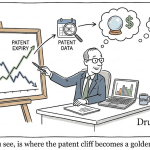
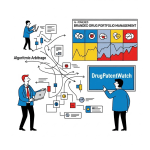
The central commercial challenge of drug repurposing is straightforward: how do you protect an investment in a drug whose core chemical structure, or composition-of-matter, is already in the public domain and off-patent? The answer lies in shifting the focus of intellectual property from the what (the molecule) to the how (its new, specific application). Intelligence from services like DrugPatentWatch highlights a multi-layered strategy for creating a defensible IP moat around a repurposed asset.18
Method-of-Use (MoU) Patents: This is the cornerstone of repurposing IP.22 An MoU patent, also known as a “new use” patent, does not protect the drug itself. Instead, it grants exclusivity over the specific method of using that drug to treat the newly discovered disease or condition.72 For example, while acetylsalicylic acid (aspirin) is in the public domain, a company could potentially patent the method of using a specific dose of aspirin to treat a particular type of cancer, if they can prove that this use is novel, useful, and non-obvious.
Formulation Patents: A powerful complementary strategy is to develop a novel formulation of the existing drug. This could involve creating an extended-release version, a topical application for a previously oral drug, or a pediatric-friendly formulation.22 This new formulation can be patented independently, providing an additional layer of protection that prevents a competitor from simply marketing a generic version for the new use.
Combination Patents: Another effective approach is to patent the use of the repurposed drug in combination with one or more other known drugs.22 If the combination provides a synergistic therapeutic effect that is not obvious, it can be a strong and defensible piece of intellectual property.
While these protections may not be as ironclad as a 20-year composition-of-matter patent for a new chemical entity, a well-executed strategy combining MoU, formulation, and combination patents can create a robust and commercially viable period of market exclusivity.
7.2 Streamlined Pathways to Market: The Regulatory Advantage
The U.S. Food and Drug Administration (FDA) and other global regulatory bodies have established specific pathways that recognize the unique nature of repurposed drugs, enabling a faster and more efficient route to approval.
The 505(b)(2) Pathway: This regulatory mechanism is the key enabler of the time and cost savings of drug repurposing.23 A 505(b)(2) New Drug Application (NDA) is one for which at least one of the studies relied upon for approval was not conducted by the applicant. In practice, this allows the sponsor of a repurposed drug to reference the extensive safety and toxicology data from the original drug’s approved NDA.23 This can dramatically reduce, or in some cases entirely eliminate, the need for new preclinical animal studies and Phase I clinical trials, allowing the developer to proceed directly to Phase II studies focused on proving efficacy for the new indication.18
Incentivizing the Unprofitable: To combat the market failure in rare and neglected diseases, governments have created powerful regulatory incentives that provide periods of market exclusivity, even for drugs that are off-patent.
Orphan Drug Exclusivity (ODE): If a repurposed drug is approved for a new indication that qualifies as an orphan disease (in the U.S., a condition affecting fewer than 200,000 people), the sponsor is granted 7 years of market exclusivity for that specific use.74 This prevents the FDA from approving another company’s application for the same drug for the same orphan indication during that period.
Priority Review Vouchers (PRVs): Perhaps the most powerful “pull” incentive for NTDs is the Priority Review Voucher program.76 A company that successfully gains FDA approval for a new drug or new indication for an NTD is awarded a voucher. This voucher is a tradable asset that can be used to obtain a priority review for any other drug in any company’s pipeline.76 A priority review shortens the FDA’s review timeline from the standard 10 months to just 6 months.
7.3 The ROI Equation for NTDs: How Vouchers Change the Game
The Priority Review Voucher fundamentally transforms the business case for NTD drug development. A standard return on investment (ROI) analysis for a new NTD drug, based solely on potential product sales in low-income countries, would almost certainly show a large negative return.77 The R&D costs, even for a repurposed drug, would far outweigh the achievable revenue. The PRV introduces a new, highly valuable variable into this equation.
The PRV can be monetized in two ways:
Direct Sale: A company that earns a PRV can sell it to another pharmaceutical company. The market price for these vouchers has historically fluctuated but has ranged from $40 million to over $200 million.77 This cash infusion can be used to directly offset, and in some cases completely cover, the entire R&D cost of the NTD drug development program.
Strategic Use: For a company with a potential blockbuster drug in its own pipeline, the value of a PRV can be far greater. Bringing a drug with projected peak annual sales of $1 billion or more to market four to six months earlier can translate into hundreds of millions of dollars in additional revenue that would otherwise have been lost while waiting for a standard review.
This mechanism reframes an NTD drug development project entirely. It is no longer a purely philanthropic or loss-making endeavor. Instead, it becomes a strategic investment in accelerating a company’s most valuable commercial assets. Consider a scenario: a company invests $80 million in an AI-driven project to repurpose a drug for Chagas disease. The project is successful, and the company earns a PRV. It then applies that PRV to its flagship oncology drug, which is in a tight race to market with a competitor. The PRV allows the oncology drug to launch six months earlier, capturing an additional $500 million in revenue during its period of market exclusivity. In this context, the $80 million “cost” of the NTD program generated a staggering $500 million return. The NTD project has been transformed from a cost center into a high-ROI strategic financial instrument. This is the crucial insight that makes this entire endeavor commercially compelling for the most bottom-line-focused executives and investors.
“We’ve tended to rely on luck and serendipity rather than on strategy, which limits drug discovery to diseases for which drugs already exist. With this tool we aim to identify new therapies across the disease spectrum but when it comes to rare, ultrarare, and neglected conditions, we foresee this model could help close, or at least narrow, a gap that creates serious health disparities. This is precisely where we see the promise of AI in reducing the global disease burden, in finding new uses for existing drugs, which is also a faster and more cost-effective way to develop therapies than designing new drugs from scratch.”
— Marinka Zitnik, Assistant Professor of Biomedical Informatics, Harvard Medical School 71
8.0 The Future is Automated: The Road Ahead for AI in Drug Discovery
The success of AI in systematizing drug repurposing is not the end of the story; it is the beginning of a much larger transformation in pharmaceutical R&D. The platforms, algorithms, and collaborative models being honed today in the challenging, data-sparse environment of neglected diseases are laying the groundwork for the next generation of drug discovery across all therapeutic areas. The road ahead points toward greater automation, more powerful predictive capabilities, and a future where the design of new medicines becomes a truly engineering-driven discipline.
Beyond Repurposing: AI for De Novo NTD Drug Design
While repurposing offers a powerful, efficient strategy for leveraging existing assets, the ultimate goal is to create entirely novel medicines tailored specifically to a disease target. The same generative AI platforms that have proven so effective at identifying new uses for old drugs are now being applied to design completely new molecules from the ground up.16 Generative models, such as Generative Adversarial Networks (GANs) and Transformers, can be trained on the principles of chemistry and biology. They can then be instructed to design novel molecular structures that are optimized for a specific NTD target, while simultaneously being designed for desirable properties like high potency, low toxicity, and ease of synthesis.78 Insilico Medicine’s Chemistry42 platform is a prime example of this approach, which has already been used to generate novel clinical candidates.56 This represents the next frontier: moving from finding the right key in a box of old keys to designing a perfect, novel key for a specific lock.
The Rise of Self-Driving Labs
The next logical step in this evolution is the integration of AI-driven design with robotic automation to create “self-driving labs” or “closed-loop” discovery systems.80 In this paradigm, an AI model designs a set of novel molecules and proposes the experiments needed to test them. Robotic lab equipment then automatically synthesizes these compounds and runs the biological assays. The experimental results are captured in real-time and fed directly back into the AI model, which learns from the new data and designs the next, improved set of molecules and experiments.81 This creates a rapid, autonomous cycle of design-build-test-learn that can operate 24/7, radically accelerating the pace of discovery from months or years to mere weeks. This approach is no longer science fiction; early versions are already being implemented in academic and industrial settings.
The Data Deluge and the Future of Prediction
The power of AI models is directly proportional to the quality and diversity of the data they are trained on. The future of AI in drug discovery will be defined by the integration of an ever-richer tapestry of data modalities, creating an unprecedentedly detailed and holistic understanding of human biology and disease.27 The multimodal models of the near future will not just analyze genomics and chemical structures; they will incorporate:
Medical Imaging: Data from MRI scans, CT scans, and digital pathology slides will be used to identify new biomarkers and stratify patient populations.20
Wearable Sensor Data: Real-time physiological data from wearables, such as heart rate, activity levels, and sleep patterns, will provide a dynamic view of disease progression and treatment response.20
Spatial Transcriptomics: This cutting-edge technology allows scientists to map gene activity within the physical context of a tissue, revealing how cells interact in their native environment and providing a much deeper understanding of disease mechanisms.20
By integrating these diverse data streams, future AI platforms will be able to build highly sophisticated, predictive models of disease that can simulate the effect of a potential drug with incredible accuracy before it ever enters a human patient.
Ultimately, investing in AI for neglected tropical diseases should be viewed as a strategic training ground. The unique challenges of NTDs—complex biology, sparse data, and urgent need—force the development of exceptionally robust, creative, and versatile AI platforms. The capabilities, expertise, and validated models built and honed in solving these difficult problems today will confer a significant and durable competitive advantage for tackling the blockbuster diseases of tomorrow. This endeavor is not just a lifeline for neglected diseases; it is a blueprint for the future of the entire pharmaceutical industry.
9.0 Key Takeaways
For the time-constrained executive, investor, or R&D strategist, the following points synthesize the most critical, actionable conclusions from this analysis:
The Status Quo is Unsustainable: The traditional de novo R&D model, with its $2.5+ billion cost, 13-15 year timeline, and ~90% failure rate, is financially broken. Its economic structure makes it fundamentally incapable of addressing the massive unmet medical need in Neglected Tropical Diseases (NTDs).
Repurposing is a Proven, De-risked Alternative: Drug repurposing is not a novel theory but a validated strategy that offers a clear business case. It slashes development costs by over 50% and timelines by an average of 5-7 years while tripling the probability of success from Phase I to approval (~30% vs. ~10%).
AI Industrializes Discovery: Artificial Intelligence transforms repurposing from a game of chance into a systematic, predictable industrial process. By analyzing massive, disparate datasets, AI platforms can identify non-obvious drug-disease connections and de-risk candidates computationally before expensive lab work begins.
The Evidence is Tangible: This is not future-facing speculation. Real-world case studies in Chagas disease, Leishmaniasis, Dengue, and Schistosomiasis demonstrate that AI-generated hypotheses are leading to validated preclinical and in vivo results through partnerships between AI-biotechs and non-profits like DNDi.
The ROI is Driven by Strategic Assets, Not Sales: The primary financial driver for NTD drug development is not direct product revenue. The true return on investment comes from acquiring high-value, tradable assets like Priority Review Vouchers (PRVs), which can be monetized for over $100 million or used strategically to accelerate a company’s own blockbuster assets, potentially generating hundreds of millions in additional revenue.
Investment is a Strategic Imperative: Engaging in this space is more than a philanthropic effort; it is a strategic necessity. The process of developing and validating AI platforms against the complex challenges of NTDs builds the core capabilities and expertise that will define the next generation of drug discovery across all therapeutic areas, from rare diseases to oncology.
10.0 Frequently Asked Questions (FAQ)
1. Isn’t “AI for drug discovery” just hype? Where is the tangible proof that it works better than traditional methods?
While the field is certainly accompanied by significant hype, there is now a growing body of tangible proof demonstrating its value. The proof lies not in AI replacing scientists, but in its ability to accelerate discovery and increase the probability of success. Tangible examples include Insilico Medicine’s drug for idiopathic pulmonary fibrosis, which moved from AI-driven target discovery to Phase 1 trials in under 30 months—a fraction of the industry average. In the NTD space, the BenevolentAI and DNDi collaboration progressed from an AI hypothesis for dengue to in vivo validation of a novel mechanism in just two years. Furthermore, machine learning models have demonstrated hit rates in screening for schistosomiasis of 34-48%, compared to the typical 1-2% for traditional high-throughput screening. The value is not a single “AI-discovered drug” but a consistent pattern of accelerated timelines, higher hit rates, and the ability to uncover novel biology that traditional methods miss.
2. Our company’s data is siloed and messy. How can we realistically implement AI without a multi-year data infrastructure overhaul?
This is a common and valid concern, as AI models are only as good as the data they are trained on. However, the solution is not necessarily a complete, top-down overhaul. A more pragmatic approach involves starting with a specific, high-value problem, such as repurposing candidates for a single disease in your portfolio. This allows for a focused data curation effort on the relevant datasets (e.g., clinical trial data for a specific class of compounds, relevant genomic data). Additionally, the emerging ecosystem offers alternatives to relying solely on internal data. Companies can partner with AI-biotechs that have already built massive, pre-integrated knowledge graphs (like BenevolentAI) or leverage public, standardized datasets from consortia like the Therapeutics Data Commons or the Broad Repurposing Hub to benchmark and validate internal efforts. The key is to start with a focused, strategic project rather than attempting to boil the ocean of enterprise-wide data reform.
3. How are regulators like the FDA and EMA treating data generated from “black box” AI models in regulatory submissions?
Regulators are cautiously optimistic and actively developing frameworks to address AI-generated data. They are not accepting “the AI said so” as a standalone justification. The key is to use AI as a tool to generate hypotheses that are then validated through traditional, rigorous experimental methods. The output of an AI model is not the final evidence, but the starting point. For submissions, companies must be able to explain the rationale behind their approach. This is where Explainable AI (XAI) tools are becoming critical. They provide transparency into the model’s decision-making process, allowing companies to show regulators why a particular candidate was chosen by highlighting the key biological or chemical features the model identified. The FDA’s 505(b)(2) pathway is well-suited for repurposed drugs, as it relies on pre-existing clinical safety data, with the AI-driven work primarily supporting the new efficacy hypothesis that is then tested in new clinical trials.
4. The intellectual property protection for repurposed drugs seems weak. How can we ensure a return on our investment if competitors can just use the generic drug off-label?
This is the central commercial challenge, and it is addressed through a multi-layered IP and regulatory strategy. While the original composition-of-matter patent may have expired, companies can create a new, defensible “moat” of exclusivity. This includes filing Method-of-Use patents for the new indication, developing and patenting novel formulations (e.g., extended-release), and patenting new drug combinations. These are then reinforced by regulatory exclusivities. Gaining Orphan Drug Exclusivity provides 7 years of market protection for the new indication. For NTDs, the Priority Review Voucher (PRV) is the ultimate backstop for ROI. The value of the PRV, whether sold for cash ($100M+) or used to accelerate a blockbuster, is often more than sufficient to justify the R&D investment, independent of direct sales of the repurposed drug. This combination of new IP and regulatory incentives creates a robust commercial framework.
5. For a mid-sized pharmaceutical firm, what is the most practical and highest-impact way to start investing in AI for drug repurposing without building an entire AI division from scratch?
The most pragmatic entry point is through strategic partnerships. Rather than attempting to build a large internal AI team and data infrastructure from the ground up, a mid-sized firm can leverage the specialized capabilities of the existing ecosystem. A high-impact approach would be to:
Identify a Strategic Need: Select a disease within the firm’s existing therapeutic area of expertise where the pipeline is thin or there is a high unmet need.
Partner with an AI-Biotech: Engage a company like BenevolentAI, Insilico Medicine, or Recursion on a collaborative, project-based agreement to use their platform to identify repurposing candidates for your target disease. This provides access to a state-of-the-art discovery engine without the massive upfront capital expenditure.
Collaborate with a Non-Profit or Academic Group: For an NTD project, partner with an organization like DNDi or a leading academic lab. They can bring disease-specific expertise, access to patient samples, and clinical trial networks that would be difficult to build independently. This partnership-driven model allows a firm to “lease” the AI capability, de-risk the technological learning curve, and generate valuable data and potential candidates quickly, providing a clear proof-of-concept for a broader, long-term AI strategy.
AI-powered drug discovery for neglected diseases: accelerating public health solutions in the developing world – PubMed Central, accessed August 17, 2025, https://pmc.ncbi.nlm.nih.gov/articles/PMC11719738/
Amiodarone Inhibits Trypanosoma cruzi Infection and Promotes Cardiac Cell Recovery with Gap Junction and Cytoskeleton Reassembly In Vitro, accessed August 17, 2025, https://pmc.ncbi.nlm.nih.gov/articles/PMC3019665/
Exploiting Advances in Automation and Artificial Intelligence to Find Drugs for Neglected Tropical Diseases – Pharmaceutical Sciences, accessed August 17, 2025, https://ps.tbzmed.ac.ir/PDF/ps-29-395.pdf
Exploiting Advances in Automation and Artificial Intelligence to Find Drugs for Neglected Tropical Diseases – Pharmaceutical Sciences, accessed August 17, 2025, https://ps.tbzmed.ac.ir/Inpress/ps-39645.pdf