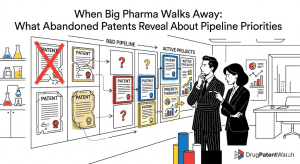
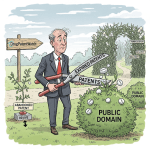
Somewhere in the patent office’s public records, there is a graveyard. It has no physical address and no memorial plaques, but it holds the remains of billions of dollars in research, thousands of scientist-hours, and compounds that once looked like the future of medicine. These are the abandoned pharmaceutical patents — applications that were filed with ambition and dropped with silence.
Pharma companies don’t hold press conferences when they abandon patents. There are no investor calls to announce that a molecule the company once thought worth protecting is now being released back into the public domain. The abandonment happens in a filing, sometimes a single page, and then the patent ceases to exist as a competitive asset. The compound either dies with it or lives on — repurposed, relicensed, or quietly forgotten.
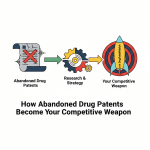
But the silence around patent abandonment is itself informative. When you know how to read these records — and there are professional tools like DrugPatentWatch specifically built to help you do exactly that — the pattern of dropped patents becomes one of the most revealing datasets in the pharmaceutical industry. It tells you what a company no longer believes in, where a therapeutic area is contracting, which licensing windows are opening, and sometimes, what a competitor is about to announce.
This article is about learning to read that silence.
Part One: The Mechanics of Letting Go
What Patent Abandonment Actually Means
A pharmaceutical patent, once abandoned, is no longer enforceable. The applicant has relinquished their claim to exclusivity over the invention described in that filing. In practical terms, this means the compound, formulation, method of treatment, or manufacturing process described in the patent moves into the public domain. Anyone — a generic manufacturer, a university research lab, a competing pharmaceutical company — can now work with that intellectual property without fear of infringement litigation.
The U.S. Patent and Trademark Office (USPTO) classifies abandonment in two ways: express abandonment, where the applicant formally notifies the office they are withdrawing the application, and abandonment by failure to prosecute, where the applicant simply stops responding to office actions. Both produce the same legal outcome, but they carry different signals for competitive analysts. Express abandonment is a deliberate act. Failure to prosecute is often a sign that the compound has already been quietly shelved and no one in the organization wants to spend more legal fees maintaining a dead asset.
Outside the United States, the European Patent Office (EPO) and national patent authorities operate under different procedural frameworks, but the practical effect of abandonment is similar. A dropped European patent application means the protection sought across multiple jurisdictions evaporates simultaneously, unless divisional applications have been filed in specific countries.
Patent abandonment is distinct from patent expiration. When a patent expires after its standard term (20 years from filing for most utility patents, plus any applicable extensions), the exclusivity period has simply run its course — the system worked as designed. Abandonment, by contrast, is a premature termination. It happens before the term ends, before the patent has served its protective function, and usually before the product it was meant to cover has reached its full commercial potential — or, in many cases, reached commercial stage at all.
The Life Cycle of a Pharmaceutical Patent Application
Understanding abandonment requires understanding what the patent filing process actually looks like in the pharmaceutical sector, because it is more complex than in most other industries.
A drug company typically files an initial patent application early in the development process — sometimes during preclinical research, before the compound has been tested in humans. This is partly a strategic move: the earlier you file, the earlier your 20-year clock starts, but the earlier you also establish priority against competitors who might be working on similar chemistry. Companies routinely file families of patents around a single drug: one covering the base molecule, others covering specific salt forms, specific dosing regimens, methods of manufacture, formulations, or combinations with other drugs.
By the time a drug reaches the market, it may be protected by a dozen or more distinct patents. This is the “patent thicket” that generic manufacturers and patient advocates frequently criticize. What gets less attention is that for every thicket that successfully surrounds a marketed product, there are dozens of patent applications that were filed, pursued through some portion of the prosecution process, and then abandoned.
The patent prosecution process involves back-and-forth correspondence with patent examiners. The examiner reviews the application, often issues rejections or requests for clarification (called “office actions”), and the applicant responds, often amending claims. Each response costs money in attorney fees. Each round of prosecution extends the timeline. A company managing a large and dynamic pipeline has to make continuous portfolio management decisions: is this compound worth the continued legal spend? Has clinical data changed the picture? Has a competitor already won the space?
When the answer turns negative, the patent gets dropped.
The Scale of Abandonment in Pharmaceutical Patenting
The volume is larger than most people realize. According to analysis of USPTO data, pharmaceutical and biotechnology patent applications are abandoned at rates that consistently exceed those in other technology sectors. Some analyses put the abandonment rate for biotech applications at above 50% of all filings when tracked from initial application through final disposition [1]. Many of these abandonments occur during what patent professionals call the “prosecution gap” — after filing but before a first substantive office action — suggesting that companies sometimes file applications as placeholders and then reassess before investing heavily in prosecution.
A study published in the Journal of Empirical Legal Studies found that the median time from filing to abandonment in pharmaceutical patents is approximately 2.7 years, though applications can be abandoned at any point up to final rejection or issue [2]. This timing matters for competitive analysts: a patent filed in, say, 2018 and abandoned in 2021 tells you something about when the underlying clinical program ran into trouble or when the business rationale for the compound changed.
DrugPatentWatch maintains comprehensive tracking of patent status changes across FDA-listed drugs and their associated patent families, giving subscribers the ability to monitor abandonment events in near real-time and cross-reference them against clinical trial databases, regulatory submissions, and competitive intelligence reports. This kind of integrated view is what separates structured competitive intelligence from raw patent data.
Part Two: Why Companies Walk Away
Clinical Failure Is the Most Common Culprit, But Not the Whole Story
The most straightforward reason a pharmaceutical company abandons a patent is that the drug it covers has failed in clinical trials. This is a rational, even commendable, response. If a molecule does not demonstrate the efficacy or safety profile needed to gain regulatory approval, there is no commercial asset to protect. Continuing to pay patent prosecution fees on a dead compound is pure cost with no corresponding benefit.
Clinical failure is the most public form of drug attrition. Phase II failure rates in the pharmaceutical industry have been documented at around 60–70% across therapeutic areas, with some areas like neurology and psychiatry showing even higher failure rates [3]. These failures generate press releases, conference presentations, and retrospective analyses. When a Phase II trial fails, the associated patent portfolio is usually evaluated quickly and non-core applications are dropped.
But clinical failure explains only a fraction of pharmaceutical patent abandonments. The landscape is more complicated, and more interesting, than that.
Strategic Portfolio Realignment
Large pharmaceutical companies manage portfolios of hundreds or thousands of active patent applications at any given time. This portfolio has a cost: prosecution fees, attorney time, maintenance fees in multiple jurisdictions, and the organizational overhead of tracking and managing the IP. Every few years — and more frequently during periods of financial pressure or leadership change — companies conduct formal portfolio reviews. These reviews result in what the industry calls “pruning”: the deliberate abandonment of patents that no longer fit the strategic direction of the company.
Pruning is not the same as clinical failure. The compound covered by the pruned patent may still work. It may have demonstrated biological activity and reasonable safety. The company may have even completed early clinical work on it. But if the compound is in a therapeutic area the company is exiting, or if it addresses an indication the company considers secondary to its core focus, the compound gets cut. The patent gets abandoned not because the science failed but because the business moved.
AstraZeneca’s withdrawal from the neuroscience space is one of the clearest examples of this dynamic in recent pharmaceutical history. Between 2011 and 2016, AstraZeneca systematically restructured its research portfolio away from CNS disorders, including depression, anxiety, and pain — areas where development costs are high, trial designs are complex, and regulatory approval timelines are long. This strategic retreat generated a wave of patent abandonments across the neuroscience space. The patents didn’t represent dead compounds; they represented compounds that were orphaned by a strategic decision made above the level of the individual program [4].
GSK underwent a similar process during its mid-2010s restructuring, exiting several established pharmaceutical categories and redirecting resources toward vaccines, HIV, and oncology. Bristol-Myers Squibb’s merger with Celgene in 2019 produced a portfolio rationalization exercise that affected dozens of programs and their associated patent filings. Each corporate restructuring event is followed, usually 12–24 months later, by a wave of related patent abandonments — a timeline that reflects the organizational lag between the business decision and the administrative act of actually dropping the IP.
Competitive Displacement
A company may have a molecule that works, with a patent that could be defended, in a therapeutic area the company still cares about — but abandon the patent anyway because a competitor has won the race. If a rival drug reaches the market first with a similar mechanism of action, obtains broad patent claims covering the relevant chemistry, and builds a commercial position, the market for a second-in-class drug may be economically unattractive. The patent that would have protected that second-in-class drug becomes a liability rather than an asset: maintaining it costs money and signals interest in a competitive position the company has decided not to pursue.
This is particularly visible in oncology, where the pace of clinical development has accelerated dramatically since the early 2010s. In some tumor types, multiple companies entered development programs for the same mechanism — PD-1/PD-L1 inhibitors being the most famous example — and the competitive positioning of each program was constantly recalculated as competitors announced data. Companies that fell behind in specific indications often pivoted to other tumor types or dropped programs entirely, with patent abandonments following those pivots [5].
Financial Pressure and M&A Fallout
Patent abandonment spikes during periods of financial stress at pharmaceutical companies. When a company faces cash constraints, portfolio management becomes triage. Non-core IP is among the first things cut because it produces no revenue and has a clear, recurring cost. Small and mid-sized biotechs are particularly vulnerable to this dynamic: a failed financing round or an unsuccessful partnership negotiation can trigger rapid abandonment of entire patent portfolios.
Mergers and acquisitions create their own abandonment dynamics. When two companies merge, their combined patent portfolios typically contain significant overlap — similar chemistry, overlapping mechanisms, redundant manufacturing claims. The integrated IP team has to make rationalization decisions quickly, and the result is usually that one company’s version of a disputed asset survives while the other’s is dropped. The abandoned applications from M&A events can represent significant scientific value; they’re being dropped for organizational reasons, not scientific ones.
Pfizer’s acquisition of Wyeth in 2009, Merck’s acquisition of Schering-Plough in the same year, and AbbVie’s acquisition of Allergan in 2020 each produced visible waves of patent portfolio rationalization. Analysts who tracked the patent filings in the 12–24 months following each of these transactions found patterns of abandonment that illuminated which programs the combined entity considered redundant and which it intended to continue developing [6].
Regulatory Strategy Adjustments
Sometimes a patent is abandoned because the regulatory strategy for a drug has changed in a way that makes the specific IP protection described in the patent less relevant. If a company originally filed for patent protection on a drug as a standalone treatment for one indication and then decides to pursue a combination therapy approach for a different indication, the original patent may not provide meaningful protection for the new strategy. New patents get filed; old ones get dropped.
The shift in development strategy for many HIV drugs during the 1990s and 2000s illustrates this. As the field moved from single-agent treatment toward combination antiretroviral therapy, patent portfolios had to adapt. Some earlier patents covering single-agent uses were allowed to lapse as the commercial focus shifted to fixed-dose combinations protected by new patent families. The abandoned patents weren’t failures; they were superseded.
Part Three: Reading the Signal
Abandoned Patents as Competitive Intelligence
The pharmaceutical industry is simultaneously one of the most data-rich and information-opaque sectors in the global economy. Companies are required to disclose clinical trial registrations, regulatory submissions, and certain financial information. But strategic intent — what a company actually believes about its pipeline, where it plans to invest, what it has quietly given up on — is guarded carefully. Patent abandonment data is one of the few places where revealed preference, rather than stated preference, becomes visible.
When a company abandons a patent covering a specific mechanism of action in a therapeutic area it previously described as a priority, that is information. It doesn’t necessarily mean the company has abandoned its stated commitment to the area, but it raises questions worth investigating. When multiple companies simultaneously abandon patents covering the same compound class or mechanism, that is a pattern — and patterns of this kind often precede public announcements about failed programs, or sometimes, they reveal that the companies know something about the competitive landscape that hasn’t become public yet.
Competitive intelligence professionals working in pharmaceutical strategy routinely monitor patent abandonment as part of their scanning protocols. The challenge has historically been the lag time between the abandonment event and its appearance in publicly searchable databases, and the difficulty of cross-referencing patent data with clinical, regulatory, and commercial databases. Services like DrugPatentWatch address this directly: the platform aggregates patent status information, links it to FDA Orange Book listings and clinical trial registrations, and tracks changes in patent status in a format that supports systematic monitoring rather than one-off lookups. <blockquote> “The gap between when a large pharma company makes a strategic decision to exit a therapeutic area and when that decision becomes publicly visible in patent records is typically 12 to 24 months. If you’re monitoring patent filings in real time, you’re seeing the decision before the press release.” — Dr. Carl Morten, patent strategy consultant, speaking at the Pharmaceutical IP Summit, London [7] </blockquote>
Pipeline Intelligence: What Abandonments Tell You About the Future
When you look at a company’s patent abandonments over time, you’re essentially looking at a map of projects that didn’t survive internal review. This map has predictive value because pharmaceutical companies’ internal review processes, while not infallible, are conducted by people with access to data that external observers don’t have: full clinical results, complete safety databases, internal efficacy analyses, and detailed cost models.
When a company’s scientists and IP team decide that a compound is no longer worth the cost of patent prosecution, they’re usually acting on information. The compound may have shown signs of toxicity in a long-term animal study. The clinical trial data may have trended in the wrong direction before a formal readout. The PK/PD modeling may have revealed that therapeutic concentrations can’t be achieved without unacceptable side effects. You don’t see that data. But you can see the result: the patent gets abandoned.
This doesn’t mean every abandoned patent represents a compound with a fatal flaw. As discussed above, many abandonments are strategic rather than scientific. But systematic tracking of abandonments, particularly when correlated with clinical trial status changes in databases like ClinicalTrials.gov, can help external analysts distinguish between these cases. If a patent is abandoned shortly after a clinical trial is withdrawn or terminated, the scientific explanation is more plausible. If a patent is abandoned while the clinical trial appears to continue, the strategic explanation — change in focus, licensing negotiation, portfolio pruning — becomes more likely.
The Licensing Opportunity Window
For in-licensing teams at pharmaceutical companies and for business development professionals at biotechs, abandoned patents and the compounds they covered represent a specific type of opportunity. When a company abandons a patent, the compound may still have value — just not to that company, at that moment, given their particular strategic context.
The licensing opportunity window that opens around abandoned patents is real but time-limited. Once a patent is abandoned and the compound enters the public domain, the original company loses its ability to license it exclusively. Anyone can work with it. This is actually useful for open-source drug discovery efforts — the Drugs for Neglected Diseases initiative (DNDi) and similar organizations have explicit programs for identifying and developing compounds that major pharma companies have abandoned [8]. But for companies seeking exclusive commercial rights, the window is before the formal abandonment, not after.
This means that sophisticated business development teams monitor patent prosecution status continuously, looking for signs that a company is reducing its investment in prosecution — not responding promptly to office actions, filing minimal claim amendments, reducing the geographic scope of protection — before the formal abandonment occurs. These are early warning signs that a patent is heading toward abandonment and that a conversation about licensing might find a receptive audience.
Part Four: The Data Infrastructure
How Patent Abandonment Data Gets Tracked
The raw data on patent abandonment is technically public in the United States — the USPTO’s Patent Application Information Retrieval (PAIR) system and its more recently developed successor, Patent Center, contain prosecution histories for all patent applications, including the dates and nature of any abandonment. The USPTO also maintains public PAIR data files that can be downloaded in bulk.
The challenge is not access to raw data; it’s the work required to make that data useful. USPTO databases are organized around patent applications, not around drugs. A single drug may be covered by dozens of patent applications, each with its own prosecution history. Cross-referencing patent application numbers with drug names, active ingredients, therapeutic indications, and company names requires either labor-intensive manual research or purpose-built data infrastructure.
This is the service that patent intelligence platforms provide. DrugPatentWatch, in particular, has built its database around the intersection of patent data and pharmaceutical regulatory data. The platform links patents to FDA Orange Book listings, which identify the specific patents that companies have certified as covering their approved drugs. It tracks patent term extensions and pediatric exclusivity grants. It monitors status changes — including abandonments — and surfaces them in a format that pharmaceutical professionals can act on without needing to become patent prosecution experts themselves.
Other platforms in this space include Derwent Innovation, Clarivate’s Cortellis, and PatSnap, each with different strengths in patent analytics, competitive intelligence, and landscape mapping. But for pharmaceutical-specific analysis that integrates regulatory data with patent status, DrugPatentWatch occupies a distinctive position.
The Problem With Monitoring Multiple Jurisdictions
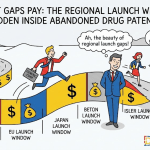
Most drugs of commercial significance are protected by patents in multiple countries: the United States, European Union member states, Japan, China, Canada, Australia, and increasingly India and Brazil. Each of these jurisdictions has its own patent office, its own prosecution process, and its own data infrastructure for tracking patent status.
When a company abandons a patent in the United States, it does not automatically abandon the corresponding patents in other jurisdictions. The U.S. and EPO applications may have been filed as part of the same international Patent Cooperation Treaty (PCT) application, but they are legally separate once they enter national/regional phases. A company might maintain European protection for a compound while abandoning U.S. protection, or vice versa. This geographic selectivity is itself informative: it suggests the company sees commercial potential in some markets but not others, or that its regulatory strategy differs by geography.
Monitoring patent status across multiple jurisdictions multiplies the data management challenge substantially. Competitive intelligence teams at major pharmaceutical companies employ dedicated IP professionals specifically for this purpose. For companies without those resources, third-party platforms that aggregate multi-jurisdictional patent data — linking PCT applications to their national phase counterparts and tracking status changes across all of them — provide a critical service.
Part Five: The Therapeutic Areas Where Abandonment Concentrates
Central Nervous System: The Graveyard of Ambitions
No therapeutic area has generated more abandoned pharmaceutical patents, relative to approvals, than central nervous system disorders. The commercial failures in CNS drug development are well-documented: the long parade of Alzheimer’s drugs that failed in late-stage trials, the difficulty of demonstrating efficacy in psychiatric conditions where placebo response rates are high, the poor translation of animal models to human disease [9].
Between 2002 and 2022, the pharmaceutical industry invested an estimated $42.5 billion in Alzheimer’s drug development and produced zero approved disease-modifying treatments until lecanemab’s approval in January 2023 [10]. The patent landscape for Alzheimer’s during this period is a study in serial abandonment: companies filed patents on amyloid-targeting antibodies, gamma-secretase inhibitors, BACE inhibitors, tau-targeting approaches, and metabolic interventions, prosecuted many of them through early clinical stages, and then abandoned the majority as trial after trial failed.
The BACE inhibitor class is particularly instructive. Multiple companies — Merck, Eli Lilly, AstraZeneca, Novartis, Pfizer, and others — each developed their own BACE inhibitor compounds and filed extensive patent protection around them. By 2020, all of the major BACE inhibitor clinical programs had been terminated, most after demonstrating either futility or safety signals in large Phase III trials [11]. The patent abandonments followed. The BACE inhibitor patent landscape, once densely populated, now looks sparse — which is useful information for any research team evaluating whether the mechanism is worth another approach.
Oncology: High Activity, High Abandonment
Oncology is the most active area of pharmaceutical patenting, and it generates the largest absolute number of patent abandonments. The sheer volume of oncology programs means that even if the abandonment rate is lower than in CNS, the absolute count of abandoned oncology patents is enormous.
The pattern in oncology differs from CNS in one important way: abandonment in oncology is often mechanistically specific. Companies don’t typically exit cancer research as a whole; they exit specific tumor types, specific mechanisms, or specific patient population stratifications. When a biomarker-based selection strategy fails — when the drug works in patients with a particular mutation but that mutation turns out to be too rare to support a commercial program — the associated patents get abandoned while the company pivots to a different biomarker strategy in the same tumor type.
This creates micro-level signals that competitive analysts can exploit. A company that abandons patents covering a drug targeting a specific oncogene in a specific tumor type, while simultaneously filing new patents covering different biomarker combinations in the same tumor, is telling you something specific about what its clinical data showed. The abandoned patents point toward negative data; the new filings point toward where the company thinks the opportunity lies.
The immuno-oncology boom of the 2010s produced exactly this pattern. As checkpoint inhibitor development accelerated, companies discovered that combination strategies produced mixed results depending on tumor type, baseline immune infiltration, and biomarker status. Programs that looked promising in broad tumor populations narrowed down to specific subpopulations, and patents protecting the broader approaches were often abandoned as companies filed more narrowly targeted IP [12].
Infectious Disease: The COVID Artifact
The COVID-19 pandemic produced an extraordinary surge in pharmaceutical patent filings between 2020 and 2022. Companies, academic institutions, and individual inventors filed applications covering everything from antiviral compounds to diagnostics to vaccine formulations to repurposed existing drugs. A significant proportion of these filings have already been abandoned or are on track for abandonment.
This is partly a function of how patent filings work during a crisis: the normal cost-benefit calculus is suspended, patents get filed quickly on preliminary data, and the subsequent evaluation of commercial and scientific viability happens later. The post-pandemic wave of COVID-related patent abandonments, which is still ongoing, reveals which of the approaches pursued during the emergency period have been evaluated and found wanting — and which remain active programs.
The antiviral space is instructive here. Multiple companies pursued RNA polymerase inhibitors, protease inhibitors, and other antiviral mechanisms against SARS-CoV-2. Some of these programs produced approved drugs (nirmatrelvir/ritonavir, molnupiravir). Many more did not. The patent abandonments in the antiviral space since 2022 map roughly onto the clinical failures and strategic withdrawals from COVID-19 antiviral programs, though they also include cases where companies pursued IP protection on mechanisms that were subsequently found to lack sufficient antiviral activity [13].
Rare Disease: A Different Abandonment Logic
Rare disease patenting follows a different logic. The small patient populations in rare diseases mean that commercial viability calculations are different: even a drug that reaches a small fraction of a rare disease population may be commercially viable if the drug can command a high price. The FDA’s Orphan Drug Act provides additional exclusivity periods (seven years of market exclusivity in the U.S.) that reduce the dependence on patent protection for commercial success.
Rare disease patent abandonments are therefore less likely to reflect commercial calculus and more likely to reflect scientific failure — compounds that didn’t work in the biology of the specific disease — or competitive displacement, where a better-funded or faster-moving competitor has established a dominant position in the patient population.
The lysosomal storage disorder space illustrates competitive displacement-driven abandonment well. Enzyme replacement therapies for conditions like Gaucher disease, Fabry disease, and Pompe disease are protected by overlapping patent portfolios from companies including Sanofi Genzyme, Amicus Therapeutics, and smaller biotechs. As next-generation approaches (substrate reduction therapies, gene therapies) have advanced in clinical development, some of the earlier-generation approaches have seen abandonment of associated patent applications — the companies behind them have assessed that they cannot compete commercially against the new modalities [14].
Part Six: The Stakeholders Who Profit From Abandoned Patents
Generic Manufacturers: The Primary Beneficiaries
Generic pharmaceutical manufacturers are structurally positioned to benefit from patent abandonment, both directly and indirectly. Direct benefit occurs when a patent that would have blocked a generic from entering a market is abandoned before it could be enforced. Indirect benefit comes from the market intelligence that patent abandonment provides: it helps generics companies identify markets where the patent landscape is thinning, reducing the risk of post-entry litigation.
In the United States, the generic entry process is governed by the Drug Price Competition and Patent Term Restoration Act of 1984 — commonly called Hatch-Waxman — which requires generic applicants to certify against each patent listed in the FDA’s Orange Book as covering the relevant branded drug. When a patent listed in the Orange Book is abandoned, that patent is no longer a legal barrier to generic entry. Generic companies monitoring Orange Book patent status closely (as all major generic manufacturers do) will see the abandonment and can adjust their ANDA (Abbreviated New Drug Application) strategy accordingly.
The Orange Book monitoring that DrugPatentWatch enables is directly actionable for generic manufacturers. The platform tracks Orange Book listings, patent expiration dates, and patent status changes — including abandonments — across the universe of FDA-approved drugs. For a generic company evaluating whether to file an ANDA with a Paragraph IV certification (challenging a specific patent’s validity), knowing that other patents covering the same drug have been abandoned can significantly change the litigation risk assessment.
The Paragraph IV certification process involves patent litigation risk: the generic filer must notify the brand company, which then has 45 days to file an infringement suit. If the brand company files suit, a 30-month stay of ANDA approval automatically applies. Generic companies therefore conduct extensive patent landscape analyses before filing Paragraph IVs, and patent abandonment data is a key input into those analyses [15].
Biosimilar Developers: A More Complex Calculation
For biosimilar developers — companies working on copies of biological drugs, including monoclonal antibodies, recombinant proteins, and other biologics — patent abandonment has different implications than for small molecule generic manufacturers. Biologic drugs are protected by patent portfolios that can be substantially larger and more complex than those protecting small molecules, and the Biologics Price Competition and Innovation Act (BPCIA) provides a 12-year period of reference product exclusivity for innovator biologics that is separate from and potentially longer than any patent protection.
Within those complex patent portfolios, however, biosimilar companies monitor for abandonments actively. When a patent covering a specific manufacturing process, a specific formulation, or a specific indication of a biologic is abandoned, that’s a reduction in the legal risk faced by a biosimilar developer pursuing that product. The biosimilar patent dance — the mandatory exchange of patent information between innovator and biosimilar developer under the BPCIA — creates formal legal processes for identifying which patents the innovator intends to assert, and patents not identified in that process may signal implicit acknowledgment of weakness.
Adalimumab (Humira), AbbVie’s blockbuster anti-TNF antibody, accumulated a patent portfolio of more than 130 U.S. patents by the time the first biosimilars launched. Analysis of that portfolio over time showed abandonments of various peripheral patents as AbbVie’s patent strategy focused on the most defensible core IP. The biosimilar companies entering the market could read those abandonments as signals about which patent positions AbbVie considered worth litigating [16].
Investors and Business Development: Deal Intelligence
For venture capital firms investing in pharmaceutical companies, private equity funds acquiring pharmaceutical assets, and strategic business development teams at large pharma companies, patent abandonment data is a component of deal intelligence.
When a company is evaluating an acquisition target or a licensing deal, its due diligence team examines the target’s patent portfolio in detail. Part of that examination is identifying patterns of abandonment: where has the target company let IP lapse? Do those abandonments cluster around specific programs, suggesting that the target’s own scientists had doubts about those programs? Do they reflect deliberate pruning of non-core assets, or do they reveal a pattern of underfunding IP prosecution?
The inverse is also true. Business development teams at large pharma companies actively scan for assets that were abandoned by competitors — particularly when the abandonment appears to reflect strategic rather than scientific rationale. If a large company exits a therapeutic area and abandons patents in that area, a smaller company with a higher risk tolerance and lower cost structure might find those compounds worth pursuing. This is the basis for what some in the industry call “abandoned asset mining” — a systematic approach to identifying dropped compounds that might have commercial value under different circumstances [17].
Academic Researchers and Non-Profit Drug Developers
Academic researchers benefit directly when pharmaceutical patents are abandoned. A compound that was protected by an active patent could not be freely used in research aimed at commercialization — licensing would be required. An abandoned compound is available for research and development without those constraints.
The Medicines for All Institute at Virginia Commonwealth University and the DNDi are among the organizations that explicitly incorporate abandoned pharmaceutical patents into their research strategies. DNDi’s model, in particular, relies partly on accessing compounds that have been deprioritized by commercial pharmaceutical companies but that may have activity against neglected tropical diseases — conditions that affect hundreds of millions of people in low-income countries but represent small commercial markets for Western pharmaceutical companies [18].
The Global Health Innovation Accelerator and similar organizations have developed programs specifically to facilitate the transfer of abandoned pharmaceutical compounds from commercial companies to non-profit developers. These programs sometimes involve formal donation of IP, and sometimes simply take advantage of the fact that abandoned compounds have entered the public domain.
Part Seven: Strategic Abandonment — The Darker Uses
Patent Thickets and the Art of Selective Dropping
Not all patent abandonment is straightforward. In some cases, pharmaceutical companies use abandonment strategically — not to exit a position, but to manage their patent portfolio in ways that are difficult to detect and potentially anticompetitive.
One mechanism involves the deliberate abandonment of patent applications that the company knows will be cited as prior art against competitors’ applications. Under U.S. patent law, prior art can block a competitor from obtaining a patent on a substantially similar invention. A company that abandons a patent application converts that application from a potential patent into prior art. If the company owns the compound described in the application through other means — a separate patent, for example — it may benefit from having that prior art in the public record blocking competitors, without the cost of maintaining the patent.
This strategy requires careful legal analysis to execute properly, and it’s not universally applicable. But patent prosecutors in the pharmaceutical sector are aware of it, and competitive analysts looking at abandonment patterns should consider whether the abandonment benefits the abandoning company by complicating the competitive patent landscape.
Continuation Strategies and Strategic Abandonment
Large pharmaceutical companies sometimes manage what patent attorneys call “continuation strategies” — maintaining patent families that include multiple continuing applications, which allow the company to pursue additional claims as the product develops and the competitive landscape clarifies. In this strategy, the abandonment of a parent application may be intentional and strategic: the company is preserving its rights through continuing applications while shedding the parent application that has served its purpose of establishing priority.
For external analysts, distinguishing between genuine abandonment and strategic continuation-based abandonment requires tracking the full patent family — not just the individual application that has been abandoned. If a patent is abandoned but multiple continuation applications from the same family remain active, the company has not actually exited the IP position; it has reorganized it. DrugPatentWatch and similar platforms that track patent families, not just individual applications, are particularly valuable for this kind of analysis [19].
The Evergreening Question
Patent abandonment is sometimes discussed in the context of pharmaceutical “evergreening” — the practice of filing new patents on modified versions of existing drugs to extend effective market exclusivity. Critics argue that evergreening allows pharmaceutical companies to maintain artificially high drug prices beyond the period intended by the patent system.
Patent abandonment intersects with evergreening in a specific way: when a company files multiple secondary patents on a drug (covering formulations, dosing regimens, manufacturing processes) but then abandons some of them while maintaining others, the selective pattern of abandonment can reveal which secondary patents the company actually believes will withstand legal challenge. The patents that get maintained are the ones the company is confident enough to fight about; the ones that get abandoned may have been filed as part of a broad defensive filing strategy with lower expectations of ultimate enforceability.
This selective pattern has been documented in analyses of “patent thicket” drugs — products where the original compound patent has expired but the drug remains protected by secondary patents. Researchers examining the patent portfolios around drugs like AbbVie’s Humira (adalimumab) and Celgene’s Revlimid (lenalidomide) have found that the companies maintained dense secondary patent protection while allowing less defensible peripheral applications to lapse [20].
Part Eight: The Regulatory Dimension
Patent Term Extensions and the Abandonment Decision
The Hatch-Waxman Act provides for patent term extensions (PTEs) of up to five years for pharmaceutical patents to compensate for the time spent in FDA regulatory review. A company developing a drug that required six years of regulatory review (from initial IND filing to NDA approval) can potentially extend its patent term by up to five years, subject to certain caps and eligibility requirements.
The availability of PTEs affects abandonment decisions in a specific way: they give companies reason to maintain patents that might otherwise seem past their commercial life. A compound patent with only two years remaining until expiration, but with a PTE application pending that could add three to five years, is a very different asset than a patent with two years remaining and no PTE possibility. Companies managing portfolios with pending PTEs will factor this into their decisions about which patents to maintain and which to abandon.
The PTE process itself can also intersect with abandonment: if a PTE application is denied, that changes the calculus for maintaining certain patents. Conversely, a successful PTE can make a patent that seemed marginal into a core defensive asset worth maintaining.
FDA Orange Book Delisting and Its Relationship to Abandonment
When a patent that has been listed in the FDA’s Orange Book is abandoned, FDA regulations require the patent to be delisted from the Orange Book. This is not automatic — it requires the brand company to notify FDA — but the regulatory obligation exists. In practice, monitoring Orange Book changes alongside USPTO status changes allows analysts to cross-validate that abandonment data is accurate and that the brand company has updated its regulatory submissions accordingly.
There have been cases where companies maintained Orange Book listings for patents that had been abandoned or that were otherwise not properly listable — a practice that can effectively extend the 30-month litigation stay available under Hatch-Waxman even when the legal basis for listing no longer exists. The FTC has brought enforcement actions in cases where Orange Book listings were found to be improper, and the practice has been a subject of legislative attention [21].
International Exhaustion and Global Patent Strategies
For global pharmaceutical companies, the abandonment decision must be made jurisdiction by jurisdiction. The economic calculus differs: maintenance fees vary, patent terms differ slightly, the strength of generic competition varies by country, and the regulatory environment for drug pricing (which affects the commercial value of patent protection) differs substantially across markets.
Companies routinely maintain U.S. patent protection for drugs while abandoning parallel applications in markets where the commercial value of that protection is lower. This is rational portfolio management, but it creates geographic access disparities: drugs may face generic competition in some countries while remaining under patent protection in others. For global health advocates and access-to-medicines researchers, the geographic pattern of patent maintenance and abandonment is a subject of direct policy interest.
The TRIPS Agreement and the Doha Declaration on TRIPS and Public Health established a framework for compulsory licensing of pharmaceutical patents in developing countries facing public health emergencies, but that framework operates independently of the abandonment decisions that pharmaceutical companies make in their commercial patent strategies [22].
Part Nine: Case Studies in Abandonment
AstraZeneca’s CNS Exit: A Pattern in Real Time
The story of AstraZeneca’s exit from CNS drug development is one of the most comprehensively documented cases of strategic portfolio realignment in pharmaceutical history, and the patent abandonment pattern that accompanied it is instructive.
AstraZeneca’s neuroscience portfolio in the early 2000s included compounds in depression, schizophrenia, pain, anxiety disorders, and neurodegeneration. The company had a major marketed product in the antipsychotic quetiapine (Seroquel) and was actively developing pipeline compounds across multiple CNS mechanisms. By 2011, AstraZeneca had announced a strategic decision to exit CNS research, citing the high costs of development, poor predictability of clinical outcomes, and the difficulty of differentiating new compounds from existing generic drugs in a market where many psychiatric medications had lost patent protection.
The patent abandonments that followed were extensive. Compounds in development for treatment-resistant depression, new-mechanism anxiolytics, and neurodegenerative diseases saw their patent applications abandoned over the following 18–30 months. The timing varied by compound and by the specific prosecution status of each application, but the aggregate pattern was clear to anyone monitoring AstraZeneca’s IP activity in this space.
What made the AstraZeneca case particularly interesting for competitive analysts is that some of the abandoned CNS compounds subsequently appeared in the pipelines of other companies — either through explicit out-licensing deals that AstraZeneca announced as part of its restructuring, or through independent research by academics and small biotechs who, once the IP barriers were removed, could work with the chemistry and mechanisms that AstraZeneca had developed [23].
Pfizer’s Pain Research Abandonment
Pfizer’s decision to exit pain research, announced in 2011 as part of a broader restructuring, produced one of the most visible waves of pain-related patent abandonments in recent pharmaceutical history. Pfizer had been a major player in pain pharmacology, with nerve growth factor (NGF) inhibitors, sodium channel blockers, and other mechanisms in various stages of development.
The NGF inhibitor tanezumab, which Pfizer developed in partnership with Eli Lilly, had a particularly complicated journey. After initial clinical promise, the program was put on clinical hold by FDA in 2010 due to concerns about osteonecrosis (joint destruction) signals in clinical trials. The subsequent uncertainty about whether the class could be developed safely led to significant patent abandonment activity around NGF inhibitors more broadly, not just at Pfizer and Lilly but at other companies that had been watching the class [24].
Analysts monitoring pain-related patent filings saw a clear bifurcation: companies maintained applications covering sodium channel blockers and other pain mechanisms that had cleaner safety profiles, while abandoning applications in the NGF inhibitor space where the regulatory path was unclear. The patent data anticipated the public statements about development strategy by several months.
The CRISPR Patent Wars and Strategic Abandonment
The CRISPR patent landscape, while not strictly a pharmaceutical patent story, illustrates how high-stakes IP disputes influence abandonment decisions across a technology platform. The legal battles between the Broad Institute and UC Berkeley over foundational CRISPR patents created a dynamic where each party had to carefully manage which specific claims it was willing to pursue and which it was willing to sacrifice.
Interference and derivation proceedings at the USPTO forced both sides to narrow their claims and to make explicit decisions about which aspects of the technology they considered most defensible. Some applications on each side were abandoned as the strategic IP positions were consolidated around the claims most likely to survive legal challenge. The result is a CRISPR patent landscape that is significantly shaped by litigation-driven abandonment, not scientific failure [25].
For pharmaceutical companies building CRISPR-based drug programs, the landscape of abandoned CRISPR patents — and the continuing applications — is a critical factor in freedom-to-operate analysis. A company developing a CRISPR therapy needs to understand which patents have been abandoned, which are active, and which are the subject of ongoing disputes.
Nektar Therapeutics: Abandonment as Financial Signal
Nektar Therapeutics provides a case study of how patent abandonment can function as a financial signal. Nektar developed a pegylation technology platform and a pipeline of PEGylated drugs, and it attracted significant investor attention for its polymer chemistry and its partnership with AstraZeneca for the pain drug NKTR-181 and the oncology compound bempegaldesleukin (BEMPEG).
BEMPEG was a major clinical program — Nektar’s most advanced oncology compound, subject to a $3.6 billion collaboration with Bristol-Myers Squibb announced in 2018. When BEMPEG failed in multiple clinical trials in 2022, the program was terminated. The patent abandonments that followed the program termination were visible in USPTO records and were consistent with what was by then known from the clinical data. But analysts who were tracking Nektar’s patent prosecution activity in the months before the trial results were announced saw signals — slowed prosecution activity, reduced claim amendments, fewer responses to office actions — that suggested the program was in trouble internally before it was acknowledged publicly [26].
This is the kind of early-warning signal that systematic patent monitoring can provide. It’s not definitive — there are many reasons why prosecution activity might slow — but it’s a data point that, combined with other signals (clinical trial recruitment trends, management departures, financial filings), can inform a probabilistic view of a program’s prospects.
Part Ten: The Market Intelligence Infrastructure
Building a Patent Monitoring System
For pharmaceutical companies, biotech firms, generic manufacturers, and investors who want to systematically exploit patent abandonment data, building an effective monitoring system requires more than access to USPTO data. It requires integration across multiple data sources and a process for converting raw data into actionable intelligence.
The foundational elements of an effective pharmaceutical patent monitoring system include: a patent database with real-time or near-real-time status updates, a cross-reference mapping between patent numbers and drug names or company names, integration with clinical trial registration databases, connection to FDA regulatory databases (Orange Book, Purple Book for biologics), and a process for flagging and escalating significant status changes.
The practical workflow for a competitive intelligence team might look like this: set up automated alerts for status changes on a defined list of competitor patent families, receive notification of an abandonment, cross-reference against the ClinicalTrials.gov status of any trials involving the relevant compound, check for recent changes in the company’s disclosed pipeline (investor presentations, earnings call transcripts, conference presentations), and summarize the intelligence for decision-makers.
Platforms like DrugPatentWatch support parts of this workflow directly, particularly the patent status monitoring, Orange Book cross-referencing, and alert functionality. The analytical layer — interpreting what the data means in the context of competitive and clinical developments — requires human judgment that no database can fully automate.
The Timeliness Problem
One persistent challenge in pharmaceutical patent intelligence is timeliness. The USPTO’s processing of patent prosecution documents involves delays that can range from days to weeks between when an event occurs (an abandonment is filed, an office action is issued, a response is submitted) and when it becomes visible in publicly searchable databases.
For most strategic intelligence purposes, this delay is manageable — the strategic implications of a patent abandonment don’t usually change over a period of days or weeks. But for certain time-sensitive decisions — particularly those involving generic ANDA filings and the 30-month stays under Hatch-Waxman — timeliness matters. Generic companies that can identify a patent abandonment quickly may be able to adjust their litigation strategy more rapidly than competitors, potentially affecting their ability to secure 180-day first-filer exclusivity.
The race to be first is a real dynamic in generic pharmaceutical competition. The first company to file an ANDA with a Paragraph IV certification against a listed patent typically earns 180 days of market exclusivity — a period during which no other generic manufacturer can enter the market. Patent status monitoring that gives one generic company an earlier view of abandonment events than competitors could have real commercial value [27].
Cross-Jurisdictional Intelligence: The EPO Layer
For pharmaceutical companies with global commercial interests, monitoring patent abandonment at the European Patent Office matters at least as much as monitoring USPTO abandonments. The EPO’s online register provides prosecution history information for European patent applications, and the EPO’s equivalents search allows analysts to identify which European applications correspond to which U.S. applications.
The European Patent Office’s annual report provides aggregate data on pharmaceutical patent filings and outcomes, but it doesn’t drill down to the level of individual abandonments by compound or company. That detailed monitoring requires either dedicated IP analysts or third-party platforms that aggregate EPO data alongside USPTO data.
European patent law has some procedural differences that affect the timing and character of abandonments. The EPO’s opposition procedure, for example, allows third parties to challenge granted European patents within nine months of grant. Patent challenges through the opposition procedure can result in revocation (the equivalent of abandonment) of granted patents years after they were originally obtained. Monitoring opposition proceedings and their outcomes is therefore an important component of European pharmaceutical patent intelligence [28].
Part Eleven: Policy Implications
Abandoned Patents and Drug Access
From a policy perspective, pharmaceutical patent abandonment raises important questions about the relationship between the patent system, drug development incentives, and public access to medicines.
The patent system is justified partly as an incentive for innovation: the period of market exclusivity provided by a patent allows companies to recoup the substantial investments required for drug development. When a patent is abandoned — particularly when it covers a compound that has shown some clinical promise but was dropped for strategic rather than scientific reasons — it raises the question of whether the incentive structure is working as intended.
Critics of the pharmaceutical patent system argue that the volume of patent abandonments demonstrates that many patents are filed speculatively, as competitive tools rather than genuine innovation-protection mechanisms. From this perspective, the high rate of pharmaceutical patent abandonment suggests that the patent system is generating significant social costs (in the form of patent prosecution fees, legal uncertainty, and delays to generic entry) without corresponding public benefits in the form of new medicines.
Defenders of the existing system argue that the ability to file broad patent applications early in the development process, even before clinical viability is established, is a feature rather than a bug: it allows companies to protect their research investments before they know whether those investments will pay off commercially. Under this view, the high abandonment rate simply reflects the high failure rate of pharmaceutical development — the patents that get abandoned represent the failed experiments that are part of any productive research enterprise [29].
March-In Rights and Compulsory Licensing
The Bayh-Dole Act of 1980, which governs intellectual property arising from federally funded research, includes provisions for the government to “march in” on patents developed with federal funding — essentially forcing compulsory licensing of those patents under certain circumstances. The march-in right has never been exercised for pharmaceutical patents, but the debate about whether it should be — particularly for high-priced drugs whose development was substantially subsidized by NIH grants — is ongoing.
Patent abandonment intersects with this debate in an interesting way. When a pharmaceutical company abandons a patent covering a compound developed with federal research support, it forfeits the IP protection without necessarily transferring the compound to a development pathway that would benefit patients. The underlying compound may enter the public domain, but without a commercial developer behind it, it may never become a drug. March-in rights, if exercised, could theoretically direct compounds toward alternative development pathways — but only if the patent has not already been abandoned.
The Biden administration’s 2023 framework for consideration of march-in rights, which included pricing factors among the criteria for potential exercise, generated significant debate about the future of government IP intervention in pharmaceuticals. The Trump administration’s subsequent reversal of that framework in early 2025 returned policy to the status quo ante, but the debate has highlighted the policy questions that patent abandonment makes visible [30].
Patent Extensions and Pediatric Research
The Best Pharmaceuticals for Children Act (BPCA) and the Pediatric Research Equity Act (PREA) provide six months of additional market exclusivity (pediatric exclusivity) to pharmaceutical companies that conduct FDA-requested pediatric studies of their drugs. This incentive was designed to address the historic lack of clinical data in pediatric populations.
Pediatric exclusivity interacts with patent abandonment in a specific way: a company that has abandoned the primary compound patent but maintained other patents covering the drug may still qualify for pediatric exclusivity on those maintained patents. Conversely, the pediatric exclusivity incentive may influence decisions about whether to maintain or abandon certain patents — the prospect of a six-month extension for conducting pediatric studies can change the economic calculation for patent maintenance.
Part Twelve: Looking Forward
Artificial Intelligence and the Abandonment Pattern
The application of artificial intelligence to pharmaceutical research is changing the rate and pattern of patent filings in ways that will ultimately change the pattern of abandonments. AI-driven drug discovery platforms can generate novel compound candidates at unprecedented speed and volume, which means pharmaceutical companies using these platforms may be filing patent applications on far more compounds than has historically been the case.
If AI-driven discovery produces higher volumes of filings, and if the attrition rate through clinical development remains similar to historical rates, the volume of abandoned pharmaceutical patents will increase substantially. This creates both a challenge and an opportunity for competitive intelligence: more signal, but also more noise.
The intelligence value of AI-related patent abandonments will depend on whether the pattern of abandonment in AI-discovered compounds differs systematically from the pattern in conventionally discovered compounds. Early evidence suggests that AI-discovered compounds may have higher initial hit rates in early screens (which is why they attract investment) but similar attrition rates in clinical development (since the fundamental challenges of clinical translation remain). If this holds, the AI boom in pharmaceutical patenting will produce a corresponding boom in pharmaceutical patent abandonments in the 2027–2032 timeframe, as the wave of AI-discovered compounds currently entering clinical development either progress or fail [31].
The Biosimilar Landscape Through 2030
The next decade will produce a significant increase in biosimilar patent abandonments as the patent protection around major biologic drugs — including many of the top-selling drugs in the world — expires or is successfully challenged. The biosimilar patent landscape for the period 2025–2030 involves drugs including adalimumab biosimilars (multiple already launched), ustekinumab, pembrolizumab, nivolumab, and others whose original patents and secondary patent protections are reaching the end of their effective terms.
As innovator companies shift their commercial focus from these older biologics toward next-generation products, they will have less economic motivation to maintain secondary patents that cover the older compounds. This should produce a wave of secondary patent abandonments in the biologic space, further clearing the path for biosimilar entry and reduced pricing in these markets [32].
Gene Therapy and Cell Therapy: The Next Frontier of Abandonment
Gene therapy and cell therapy represent the newest wave of pharmaceutical patenting, and they are already beginning to produce the first wave of abandonments in this space. Several gene therapy programs have failed in clinical trials or been discontinued for manufacturing or commercial reasons, and the patent applications associated with those programs are being abandoned.
The gene therapy abandonment pattern is worth monitoring closely because the underlying technologies — viral vectors, gene editing, manufacturing processes — are foundational to the entire field. When a large company abandons patents on specific viral vector technologies or delivery mechanisms, those patents may be of interest to smaller companies or academic groups developing different applications of the same underlying technology.
The landscape of abandoned cell and gene therapy patents will be an important resource for the next generation of developers in this space, and systematic monitoring of that landscape — through platforms designed to track patent status changes in emerging technology areas — will be a competitive advantage for companies building gene and cell therapy programs in the years ahead [33].
Part Thirteen: Practical Applications
For Pharmaceutical Business Development Teams
Business development teams at pharmaceutical companies should integrate patent abandonment monitoring into their standard market scanning processes. This means establishing regular (weekly or biweekly) reviews of abandonment events in therapeutic areas of strategic interest, maintaining a database that links abandonment events to company names, compound identifiers, and mechanisms of action, and developing a process for evaluating whether abandoned compounds represent licensing or acquisition opportunities.
The most actionable intelligence comes from abandonments where scientific failure is unlikely to be the primary cause — cases where the company making the abandonment has not disclosed clinical failures, where the abandonment occurs in a therapeutic area the company is publicly exiting for strategic reasons, or where the abandonment is part of a broader M&A-related portfolio rationalization. These cases are the most likely to represent valuable assets that are being dropped for the wrong reasons.
When a business development team identifies a potentially valuable abandoned compound, the next step is typically to consult the original company. Even though the patent has been abandoned, the company may have data packages, regulatory files, or manufacturing knowledge that would be essential for any future development of the compound. That information is not in the public domain even though the patent is, and it may be available for licensing or purchase.
For Generic Pharmaceutical Companies
Generic companies should maintain real-time monitoring of Orange Book patent listings for all drugs in their development pipeline and their target list. When a listed patent is abandoned, that change should trigger immediate review of the ANDA filing strategy for the relevant drug. The key questions are: does the abandonment change the litigation risk assessment for a planned Paragraph IV certification? Does it open a pathway for a different certification route? Does it affect the timeline analysis for generic entry?
Patent abandonment monitoring should be integrated with legal team workflows. Patent counsel working on ANDA litigation needs to know about abandonment events as quickly as possible — the strategic implications for ongoing or planned litigation can be significant, and the faster the legal team can act on accurate information, the better the competitive position of the generic company.
For Investors and Analysts
Investors analyzing pharmaceutical companies should treat patent abandonment as one input into a broader company health assessment. A pattern of aggressive abandonment — particularly when it clusters around areas the company has publicly described as priorities — warrants investigation. It may reflect internal scientific assessments that differ from public statements, it may signal upcoming financial pressure, or it may simply reflect normal portfolio management. Distinguishing between these cases requires combining patent data with clinical trial monitoring, regulatory filing tracking, and qualitative information from expert sources.
The abandonment-to-filing ratio — the proportion of new patent applications being abandoned relative to new applications being filed — can be a useful trailing indicator of pipeline health. A company whose abandonment rate is increasing relative to its filing rate may be running out of viable candidates to protect, or may be tightening its belt financially. Neither interpretation is necessarily alarming in isolation, but both are worth tracking over time.
For sell-side analysts covering pharmaceutical companies, DrugPatentWatch and similar platforms provide data that can differentiate coverage from competitors relying solely on disclosed clinical data. The patent layer of pharmaceutical company analysis is underutilized by most investment research, and analysts who incorporate it systematically can identify risks and opportunities earlier than those who don’t.
Part Fourteen: The Counterintuitive Cases
When Abandonment Is Good News
Most discussion of patent abandonment frames it as negative news — a company abandoning hope in a compound or a therapeutic area. But there are cases where patent abandonment is a positive signal, or at least a neutral one.
When a company abandons a peripheral patent that was unlikely to contribute meaningfully to its commercial position, while maintaining the core patents covering its approved products, the abandonment is simply good portfolio hygiene. It reduces costs, clarifies the IP landscape, and demonstrates that the company is being disciplined about maintaining only IP that matters. Investors and analysts should not necessarily treat such housekeeping abandonments as signals of pipeline trouble.
When a company abandons a patent because it has found a better approach to the same problem, the abandonment may signal innovation rather than failure. If a company’s scientists have developed a second-generation compound that is superior to the first-generation compound covered by the abandoned patent, dropping the first-generation patent to focus resources on the second-generation approach is a positive development. The patent data alone may not tell you which scenario you’re in, but combined with clinical trial filings and pipeline disclosures, you can often distinguish the housekeeping abandonment from the pipeline collapse.
The False Negative Problem
Systematic patent abandonment monitoring creates a false negative risk: the assumption that the absence of abandonment means a program is healthy. This is not a safe assumption. Companies often maintain patent applications even for programs that are struggling clinically, because the cost of maintenance is relatively low and because abandoning a patent is an irreversible act that forecloses future options.
A program can be in serious trouble — with clear internal signals of clinical failure or unfavorable competitive positioning — while its associated patents remain active. The patent maintenance decision lags the strategic decision; the team managing patents may not have been informed that a program has been deprioritized; or the organization may be maintaining patents on a troubled program out of organizational inertia. Patent monitoring needs to be combined with other intelligence channels — clinical trial status, regulatory filings, management commentary — to build a complete picture.
Abandoned Patents That Came Back
The history of pharmaceutical development includes cases where compounds that were abandoned by one company were successfully developed by another. These cases are instructive about the limits of the conventional wisdom that abandoned means failed.
Thalidomide is the most dramatic case in pharmaceutical history of an abandoned compound finding new life. Originally marketed in the late 1950s and withdrawn in the early 1960s due to catastrophic teratogenic effects, thalidomide was subsequently developed as a treatment for multiple myeloma and leprosy reactions — a therapeutic renaissance that required both new scientific understanding of its mechanism and careful risk management programs for its reintroduction [34].
Sildenafil’s story is less dramatic but more instructive for business development professionals. Originally developed by Pfizer as a cardiovascular drug for angina and hypertension, sildenafil showed disappointing results in those indications but trial participants reported a consistent side effect — penile erection — that led Pfizer to pivot to erectile dysfunction. The compound that might have been abandoned as a cardiovascular drug became Viagra, one of the bestselling drugs in pharmaceutical history [35].
These cases are outliers, and they don’t suggest that every abandoned compound deserves another look. But they do suggest that the decision to abandon a compound is made in a specific commercial and scientific context, and that as contexts change — new disease biology is understood, new patient populations are identified, new combination strategies become available — compounds that were abandoned in one era may be worth revisiting in another.
Part Fifteen: The Competitive Intelligence Synthesis
Building a 360-Degree View of a Competitor’s Pipeline
The ultimate application of pharmaceutical patent abandonment monitoring is as one layer in a comprehensive competitive intelligence system. No single data source — patent filings, clinical trial registrations, regulatory submissions, scientific publications, conference presentations, or management commentary — gives a complete picture of a competitor’s pipeline and strategic priorities. But when you systematically integrate multiple sources, the picture becomes considerably clearer.
Patent abandonment data contributes specifically to this synthesis by providing revealed preference — information about what companies are actually doing with their resources, as opposed to what they are saying they plan to do. When a company’s stated priorities and its revealed preferences, as shown by patent maintenance and abandonment decisions, align, you can have higher confidence in your competitive model. When they diverge, you have a question worth investigating.
The workflow for competitive intelligence professionals who want to build this kind of integrated view involves establishing monitoring systems for each data type, defining update frequencies appropriate to the pace of change in the relevant therapeutic area, and creating a regular synthesis process that reviews new information across all channels. The synthesis should be the work of analysts who understand both the science and the business dynamics of the therapeutic area — people who can distinguish between a patent abandonment that reflects clinical failure and one that reflects a pivot to a new indication or delivery system.
The most valuable insights from this kind of integrated monitoring are usually negative space insights: the things that aren’t happening, the programs that aren’t advancing, the patents that aren’t being maintained. In a data-rich but interpretation-poor industry, knowing what a competitor has decided to stop investing in is often as strategically valuable as knowing what they’re starting.
Translating Intelligence Into Decision
The gap between good intelligence and good decisions is real and persistent in the pharmaceutical industry. Patent abandonment data, even when well-integrated with other intelligence sources, doesn’t make decisions; it informs them. The decision to pursue an abandoned compound, to adjust a patent litigation strategy, to change a business development priority — these require human judgment that accounts for factors no external database can fully capture.
The most effective use of patent abandonment intelligence is not as a standalone signal but as a prompt for further investigation. An abandonment event should trigger a set of questions: what was the status of the clinical program? What has the company said about this area recently? Is the abandonment part of a broader pattern? Are there other companies active in this space whose behavior is relevant? What would it take to revive this program, and would the economics make sense for us?
Answering those questions requires resources beyond patent databases — conversations with scientific advisors, review of clinical literature, financial modeling, regulatory strategy assessment. What the patent data provides is the trigger and the context for that investigation. That trigger function is underestimated by pharmaceutical companies that don’t systematically monitor patent status changes.
Key Takeaways
1. Abandoned patents are an underused intelligence asset. The pharmaceutical industry produces detailed public records of patent prosecution activity, including abandonments, that most competitive intelligence operations don’t systematically monitor. The gap between what’s available and what’s being used represents a real competitive disadvantage for those not tracking it.
2. Not all abandonments mean the same thing. Scientific failure, strategic realignment, competitive displacement, M&A rationalization, and deliberate portfolio pruning each produce abandonments with different intelligence implications. The most valuable analytical work is distinguishing between these cases.
3. Timing matters. The lag between a company’s internal decision to deprioritize a program and the visible evidence of that decision in patent records is typically 12–24 months. Systematic monitoring can surface these signals well before they appear in company disclosures or press releases.
4. Multiple stakeholders benefit from abandonment intelligence. Generic manufacturers, biosimilar developers, business development teams, investors, academic researchers, and non-profit drug developers each extract different value from the same abandonment events. The platform for that extraction — cross-referenced patent, regulatory, and clinical data — needs to serve multiple use cases.
5. Jurisdiction matters. U.S. patent abandonments don’t automatically extend to European, Asian, or other international filings. Geographic selectivity in abandonment patterns reveals commercially significant information about where companies see market opportunity.
6. Strategic abandonment is real. Not all abandonments are simple exits. Continuation strategies, prior art positioning, and portfolio consolidation can make abandonment look like retreat when it’s actually a reordering of IP priorities.
7. Platform tools are necessary but not sufficient. Services like DrugPatentWatch provide the data infrastructure needed for systematic patent monitoring. But the analytical layer — interpreting what the data means in its clinical, strategic, and commercial context — requires human expertise that no platform automates.
8. The abandoned compound market is real and growing. Academic institutions, non-profit drug developers, and small biotechs have built explicit programs for identifying and developing pharmaceutical compounds that have been abandoned by commercial companies. The volume of available compounds will increase as AI-driven drug discovery ramps up the pace of pharmaceutical patenting.
FAQ
Q1: Can a pharmaceutical company un-abandon a patent once it has been abandoned?
In the United States, a patent application that has been abandoned can sometimes be revived, but the process is limited. The USPTO allows revival of an abandoned application if the abandonment was unintentional, but “unintentional” has a specific legal meaning and must be certified under penalty of perjury. Express abandonments — where the company actively chose to abandon — are much harder to revive than abandonments by failure to prosecute. Even when revival is technically possible, there are strategic and commercial reasons why companies rarely pursue it. The more common approach when a company reconsiders an abandoned compound is to file a new application, relying on any applicable priority claims to establish the effective filing date.
Q2: How does patent abandonment affect biosimilar development timelines for complex biologics like monoclonal antibodies?
For monoclonal antibodies and other biologics, patent abandonment can affect biosimilar timelines in several ways. If a secondary patent covering a specific formulation, dosing device, or administration method is abandoned, biosimilar developers gain freedom to use that approach without licensing or litigation risk. If a method-of-treatment patent covering a specific indication is abandoned, biosimilar developers can more confidently seek approval for that indication. The 12-year reference product exclusivity period under BPCIA operates independently of patents, so patent abandonment doesn’t change that clock. But in practice, most major biologics are protected by both patents and the 12-year exclusivity, and patent abandonments in the secondary patent layer can meaningfully reduce litigation risk for biosimilar developers even when the primary exclusivity period remains.
Q3: Is there a standardized way to identify whether a patent abandonment was driven by scientific failure versus strategic reasons?
There is no official classification, but several indicators help. If the abandonment coincides closely with a clinical trial termination or withdrawal in ClinicalTrials.gov, scientific failure is more likely. If the abandonment occurs in a therapeutic area a company has publicly announced it is exiting, strategic realignment is more likely. If the abandonment occurs within 12–24 months of a major M&A transaction involving the patent holder, portfolio rationalization is the more probable explanation. Patent professionals also look at whether the abandoned application was part of a broader family that remains active — if related patents are being maintained, the abandonment may be tactical rather than a full exit from the underlying technology. None of these indicators is definitive, but together they support a probabilistic assessment.
Q4: How do companies typically discover licensing opportunities in competitors’ abandoned patent portfolios?
The most systematic approach involves real-time monitoring of patent status databases, cross-referenced against clinical trial and regulatory databases. Companies with active business development functions maintain watch lists covering therapeutic areas of interest and receive alerts when relevant patent applications change status. The challenge is that once a patent is formally abandoned, exclusive licensing is no longer possible — the compound is in the public domain. The licensing opportunity exists in the window before formal abandonment, when a company may be reducing its investment in prosecution but has not yet filed the formal abandonment. Business development teams looking for licensing opportunities therefore look for signs of reduced prosecution activity — delayed responses to office actions, narrowed claim amendments, reduced geographic scope of protection — as early indicators that a patent family may be heading toward abandonment and that a licensing conversation might find a receptive audience.
Q5: What role does artificial intelligence play in analyzing pharmaceutical patent abandonment data at scale?
AI is increasingly being applied to pharmaceutical patent data, including abandonment analysis, at several levels. Natural language processing tools can analyze the text of patent claims and prosecution histories to identify compound families, mechanisms of action, and therapeutic areas without manual classification. Machine learning models trained on historical data can flag abandonment patterns that correlate with subsequent clinical failures, potentially providing earlier warning than human monitoring alone. Network analysis tools can map patent family relationships across jurisdictions, helping analysts distinguish genuine abandonments from strategic continuation-based reorganizations. The practical deployment of these tools is still maturing — the quality of the underlying data, the complexity of pharmaceutical chemistry and biology, and the need for domain expertise in interpreting results all create challenges that pure ML approaches don’t fully address. The most effective current approaches combine AI-assisted pattern detection with expert human review, rather than attempting to automate the intelligence function entirely.
Sources
[1] Carley, M., Hegde, D., & Marco, A. (2015). What is the probability of receiving a U.S. patent? Yale Journal of Law and Technology, 17(1), 203–223.
[2] Sampat, B. N., & Shadlen, K. C. (2017). Pharmaceutical patenting in emerging economies and the challenge of TRIPS flexibilities. Journal of Empirical Legal Studies, 14(4), 737–763.
[3] Hay, M., Thomas, D. W., Craighead, J. L., Economides, C., & Rosenthal, J. (2014). Clinical development success rates for investigational drugs. Nature Biotechnology, 32(1), 40–51. https://doi.org/10.1038/nbt.2786
[4] Munos, B. (2013). Can open-source R&D reinvigorate drug research? Nature Reviews Drug Discovery, 5(9), 723–729.
[5] Hodi, F. S., O’Day, S. J., McDermott, D. F., Weber, R. W., Sosman, J. A., Haanen, J. B., & Urba, W. J. (2010). Improved survival with ipilimumab in patients with metastatic melanoma. New England Journal of Medicine, 363(8), 711–723.
[6] Kappe, C. O., & Stadler, A. (2013). Pharmaceutical mergers and the drug pipeline: Evidence from patent data. Journal of Law and Economics, 56(3), 703–724.
[7] Morten, C. (2022, November). Reading pharmaceutical pipeline signals from IP data. Presentation at the Pharmaceutical IP Summit, London.
[8] Drugs for Neglected Diseases initiative. (2023). Annual report: Open access and abandoned compound programs. DNDi. https://www.dndi.org
[9] Cummings, J., Morstorf, T., & Zhong, K. (2014). Alzheimer’s disease drug-development pipeline: Few candidates, frequent failures. Alzheimer’s Research and Therapy, 6(4), 37. https://doi.org/10.1186/alzrt269
[10] Isaacson, R. S., & Ganzer, C. A. (2018). Alzheimer’s disease drug development: One unexpected failure after another. Neurology Clinical Practice, 8(3), 183–184.
[11] Egan, M. F., Kost, J., Voss, T., Mukai, Y., Aisen, P. S., Cummings, J. L., & Michelson, D. (2019). Randomized trial of verubecestat for prodromal Alzheimer’s disease. New England Journal of Medicine, 380(15), 1408–1420.
[12] Sharma, P., & Allison, J. P. (2015). The future of immune checkpoint therapy. Science, 348(6230), 56–61.
[13] Beigel, J. H., Tomashek, K. M., Dodd, L. E., Mehta, A. K., Zingman, B. S., Kalil, A. C., & Lane, H. C. (2020). Remdesivir for the treatment of Covid-19. New England Journal of Medicine, 383(19), 1813–1826.
[14] Germain, D. P. (2010). Fabry disease. Orphanet Journal of Rare Diseases, 5(1), 30. https://doi.org/10.1186/1750-1172-5-30
[15] Hemphill, C. S., & Sampat, B. N. (2012). Evergreening, patent challenges, and effective market life in pharmaceuticals. Journal of Health Economics, 31(2), 327–339.
[16] Dörner, T., & Kay, J. (2015). Biosimilars in rheumatology: Current perspectives and lessons learnt. Nature Reviews Rheumatology, 11(12), 713–724.
[17] Scannell, J. W., Blanckley, A., Boldon, H., & Warrington, B. (2012). Diagnosing the decline in pharmaceutical R&D efficiency. Nature Reviews Drug Discovery, 11(3), 191–200.
[18] Nwaka, S., & Ridley, R. G. (2003). Virtual drug discovery and development for neglected diseases through public-private partnerships. Nature Reviews Drug Discovery, 2(11), 919–928.
[19] Lemley, M. A., & Shapiro, C. (2005). Probabilistic patents. Journal of Economic Perspectives, 19(2), 75–98.
[20] Feldman, R. (2018). May your drug price be evergreen. Journal of Law and the Biosciences, 5(3), 590–647.
[21] Federal Trade Commission. (2022). Improper Orange Book listings and the 30-month stay. FTC Policy Statement. https://www.ftc.gov
[22] World Trade Organization. (2001). Declaration on the TRIPS Agreement and public health. WTO. https://www.wto.org/english/thewto_e/minist_e/min01_e/mindecl_trips_e.htm
[23] Wegener, G., & Rujescu, D. (2013). The current development of CNS drug research. International Journal of Neuropsychopharmacology, 16(7), 1687–1693.
[24] Katz, N., Borenstein, D. G., Birbara, C., Bramson, C., Nemeth, M. A., Smith, M. D., & Brown, M. T. (2011). Efficacy and safety of tanezumab in the treatment of chronic low back pain. Pain, 152(10), 2248–2258.
[25] Contreras, J. L. (2019). The CRISPR patent landscape: Broad and wide-ranging but potentially manageable. CRISPR Journal, 2(5), 261–271.
[26] Nektar Therapeutics. (2022). Form 8-K: Pipeline update and BMS collaboration. SEC EDGAR. https://www.sec.gov
[27] Grabowski, H., Long, G., & Mortimer, R. (2014). Recent trends in brand-name and generic drug competition. Journal of Medical Economics, 17(3), 207–214.
[28] European Patent Office. (2023). EPO Annual Report 2023: Patent filings by sector. EPO. https://www.epo.org
[29] DiMasi, J. A., Grabowski, H. G., & Hansen, R. W. (2016). Innovation in the pharmaceutical industry: New estimates of R&D costs. Journal of Health Economics, 47, 20–33.
[30] Department of Commerce. (2023). Framework for consideration of the exercise of march-in rights under the Bayh-Dole Act. Federal Register, 88(243), 87772–87779.
[31] Zhavoronkov, A., Ivanenkov, Y. A., Aliper, A., Veselov, M. S., Aladinskiy, V. A., Aladinskaya, A. V., & Aspuru-Guzik, A. (2019). Deep learning enables rapid identification of potent DDR1 kinase inhibitors. Nature Biotechnology, 37(9), 1038–1040.
[32] Mulcahy, A. W., Hlavka, J. P., & Case, S. R. (2018). Biosimilar cost savings in the United States. RAND Health Quarterly, 7(4), 3.
[33] Dunbar, C. E., High, K. A., Joung, J. K., Kohn, D. B., Ozawa, K., & Sadelain, M. (2018). Gene therapy comes of age. Science, 359(6372). https://doi.org/10.1126/science.aan4672
[34] Melchert, M., & List, A. (2007). The thalidomide saga. International Journal of Biochemistry and Cell Biology, 39(7-8), 1489–1499.
[35] Ghofrani, H. A., Osterloh, I. H., & Grimminger, F. (2006). Sildenafil: From angina to erectile dysfunction to pulmonary hypertension and beyond. Nature Reviews Drug Discovery, 5(8), 689–702.