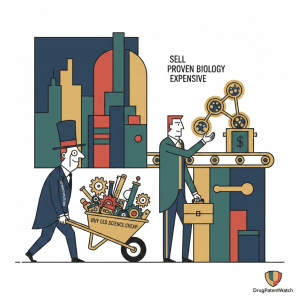
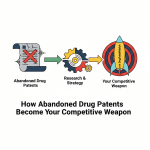
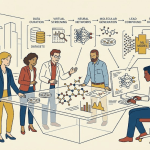
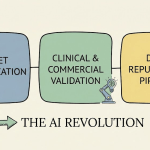
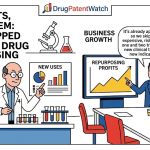
This is the arbitrage opportunity. The pharmaceutical secondary market — distressed assets, out-licensed compounds, abandoned pipelines, post-patent small molecules — consistently undervalues the scientific capital embedded in existing molecular entities. Companies and investors who can identify, acquire, and reposition that capital generate returns that routinely exceed returns from de novo drug development, at a fraction of the capital outlay and in a fraction of the time.
The numbers support this directly. The average cost of bringing a new molecular entity to market through de novo discovery and development is approximately $2.6 billion in capitalized costs, including the cost of failures [1]. The average development timeline from compound identification to first approval runs ten to fifteen years. By contrast, repurposing an existing drug — one with established safety data, known pharmacokinetics, and an existing manufacturing process — costs an estimated $300 million to $750 million and takes three to twelve years depending on how much new clinical work the new indication requires [2]. The capital efficiency ratio is not incremental. It is transformational.
Yet the pharmaceutical industry systematically underinvests in drug repurposing relative to the returns it generates. This article explains why that gap exists, how to exploit it, and what the best-performing repurposing programs have done that the mediocre ones missed.
Part One: Understanding the Secondary Market for Drug Assets
What the Pharmaceutical Secondary Market Actually Is
The phrase “secondary market” in pharmaceuticals covers four distinct asset categories, each with different pricing dynamics, different IP considerations, and different repurposing timelines.
Distressed pipeline assets are compounds that failed in their primary indication — not because they were toxic or inactive, but because they missed an efficacy endpoint, encountered commercial strategy changes, or became deprioritized during portfolio rationalization. These compounds have typically completed Phase 1 safety work and often completed at least one Phase 2 study. The data is real, the safety profile is established, and the reason for failure is usually specific to the indication, not the molecule.
Post-patent small molecules are generic or near-generic drugs whose primary commercial franchises have expired but whose biological activity remains relevant to unaddressed therapeutic problems. Metformin, aspirin, and hydroxychloroquine are the canonical examples — molecules whose primary indications are decades-established but whose mechanisms are biologically active in contexts that were not understood when they were originally developed. The primary patent protection on these molecules is gone, which both reduces the acquisition cost and complicates the IP strategy for building a defensible repurposed franchise.
Out-licensed or abandoned biologics are large-molecule assets — monoclonal antibodies, proteins, peptides — that originator companies chose not to advance. The economics of biologic development mean that the threshold for internal advancement is high; a molecule with modest projected peak sales in one indication may be below the internal hurdle rate while representing a commercially viable asset for a smaller company targeting a narrower patient population or a different indication entirely.
Approved drugs seeking new markets are marketed drugs whose originator companies are seeking additional FDA approvals for new indications using the 505(b)(2) regulatory pathway. These are the least distressed assets in the secondary market but often the most straightforward to repurpose because the manufacturing, supply chain, and basic commercial infrastructure already exists.
The pricing across these four categories varies enormously, but the consistent feature is that secondary market assets are priced primarily on their value in the original indication context — which means they are systematically mispriced relative to their potential value in a new indication.
Why Assets Get Abandoned and Why That Creates Value
Understanding why pharmaceutical companies abandon assets requires understanding how internal portfolio prioritization decisions are made. Most large pharmaceutical companies operate against an internal hurdle rate — a minimum return threshold, typically expressed as a risk-adjusted net present value per dollar of investment — that new program investments must clear to receive continued funding.
A compound that clears Phase 1 safety but shows a primary endpoint miss in Phase 2 does not automatically get a second chance in a different indication. It enters a portfolio triage process in which it competes against every other compound in the pipeline for development dollars. In a large company with fifty or one hundred active programs, a Phase 2 failure in the primary indication is usually terminal for that compound — not because there is no scientific rationale for a different indication, but because the internal opportunity cost of development spending is too high.
This creates a systematic misalignment between the scientific value of a compound and its commercial trajectory within the originating organization. The compound is abandoned based on organizational resource constraints, not on a comprehensive assessment of its biological potential. The organization that acquires it faces a different calculus: it has no competing programs, no internal opportunity cost, and therefore a lower threshold for advancing the asset.
The value differential between what the originator places on the abandoned asset and what a focused acquirer can generate from it is the core of pharmaceutical secondary market arbitrage.
The IP Position of Repurposed Assets: Building Exclusivity on Borrowed Science
The most technically complex aspect of drug repurposing is the IP strategy. When a company repurposes a molecule, it typically cannot obtain composition-of-matter patent protection on the active ingredient itself — either because the original composition patent is still owned by the originator, or because it has already expired and the molecule is in the public domain.
What the repurposing company can protect is the new indication, the specific formulation developed for the new use, the dosing regimen that proves effective in the new indication, and in some cases the patient selection biomarker or companion diagnostic that makes the new indication commercially viable.
Method-of-use patents are the primary IP tool for repurposed drugs. A method-of-use patent claiming the use of compound X in treating condition Y — where condition Y is novel relative to the prior art — is fully patentable regardless of whether compound X itself is patentable. The prior art analysis looks at whether the specific combination of the compound and the new therapeutic use has been previously disclosed, not whether the compound has been disclosed.
The strength of method-of-use patents in the repurposing context is meaningful but limited. A generic manufacturer can file a skinny label ANDA — listing the drug for its original, unpatented indication while omitting the new, patented indication from its label. The generic is then on the market for the original indication, and off-label prescribing for the repurposed indication follows from there. If the new indication is large enough and prescribers widely associate the molecule with both uses, method-of-use patent enforcement becomes genuinely difficult.
Data exclusivity provides a more reliable protection mechanism. A new clinical investigation — a new set of clinical trials demonstrating efficacy and safety in the new indication — generates three years of data exclusivity under 21 U.S.C. § 355(j)(5)(F)(iii) [3]. If the repurposed indication involves a new chemical entity modification — a new salt form, a new stereoisomer, a new prodrug — five-year NCE exclusivity may apply. Orphan drug designation, which provides seven years of market exclusivity for rare conditions, has become one of the most frequently used IP strategies in repurposing precisely because many unaddressed medical conditions affecting small patient populations are ideal targets for repurposed molecules.
Part Two: The Financial Architecture of Repurposing Returns
Decomposing the ROI: Where the Value Comes From
The return on investment in drug repurposing comes from three specific sources, and understanding each independently is necessary for building an accurate financial model.
Reduced discovery and early development costs. The drug already exists. Its chemical structure is known. Its synthesis route is established. Its basic pharmacokinetics in humans are documented. A new drug program spends three to five years and $50 to $150 million reaching the point where a repurposed drug starts. That saving is not merely financial — it is temporal. The time-value of getting to Phase 2 three to five years earlier, in a market where first-mover advantage in a therapeutic category can be worth billions, makes the temporal savings at least as valuable as the dollar savings.
Reduced safety risk. Phase 1 clinical trials exist primarily to establish a drug’s safety profile in humans — to identify dose-limiting toxicities, maximum tolerated doses, and pharmacokinetic behavior. A repurposed molecule with an established Phase 1 history has already answered these questions. The risk of Phase 1 failure is effectively zero. The risk of Phase 2 failure remains, but the aggregate probability of technical success from Phase 1 to approval for a repurposed asset is materially higher than for a novel molecular entity, because the largest single source of attrition — early safety failure — has been eliminated.
Premium pricing for unmet medical needs. The third driver is market positioning. Drug repurposing programs that successfully address conditions with no approved treatments or inadequate existing treatments can command orphan drug pricing, specialty pricing, or rare disease economics that are disproportionate to the development cost. Colchicine’s repurposing for cardiovascular inflammation, thalidomide’s reinvention as a multiple myeloma treatment, and sildenafil’s evolution from an angina drug into an erectile dysfunction blockbuster all extracted enormous pricing premiums from indications that the market was not addressing.
A 2020 analysis published in PLOS ONE estimated the average capitalized cost of a repurposed drug development program at $41.3 million per indication, compared to the $2.6 billion average for a new molecular entity [4]. Even accounting for the difference in success rates between repurposed programs and novel programs (repurposed programs have higher absolute success rates but sometimes lower approval probability per specific new indication attempt), the capital efficiency of repurposing is unambiguous.
Transaction Structures in the Secondary Market
The financial structures through which pharmaceutical companies acquire repurposing opportunities are more varied than in primary drug licensing, because the asset value is harder to establish and the IP position is more complex.
Asset purchases — direct acquisition of the compound, its associated data, its pending patents, and its regulatory history — are the cleanest structure. The buyer gets full ownership and full control of the development path. The disadvantage is that the buyer absorbs the full development risk with no risk sharing. Asset purchases are most common for post-patent small molecules where the originator has no residual IP interest and wants a clean exit.
Licensing agreements — in-licenses of the compound with milestone and royalty structures — distribute development risk between licensor and licensee. The licensor receives upfront payments, development milestone payments, and royalties on net sales. The licensee receives the right to develop and commercialize the compound in specific indications or geographies. For compounds where the originator retains meaningful IP (active composition patents with several years of exclusivity remaining), licensing is typically the only available acquisition structure.
Research collaborations with option rights are common in academic repurposing contexts. A university or research institution identifies a repurposing opportunity, publishes or patents the discovery, and then licenses it to a pharmaceutical company with an option to acquire the full rights on completion of proof-of-concept studies. The pharmaceutical company funds the proof-of-concept work, reducing its risk before exercising the option. These structures generate lower upfront costs but require patient capital and comfort with early-stage risk.
Equity investments in companies built around repurposing platforms are a fourth path, particularly for investors seeking diversified exposure to the repurposing opportunity. Companies like Navitor Pharmaceuticals (mTOR pathway modulators), Bioxcel Therapeutics (AI-driven repurposing), and Heptares Therapeutics built their valuations primarily on the application of systematic repurposing approaches to existing compound classes.
Tracking which assets are available, which have recent transaction activity, and what the current IP status of specific compounds is requires systematic market intelligence. Platforms like DrugPatentWatch aggregate this information — patent expiration timelines, Orange Book status, ANDA filings, and Paragraph IV activity — making it possible to identify which compounds in specific therapeutic areas are approaching windows of reduced IP constraint that might support repurposing with improved commercial viability.
Part Three: The Science of Why Molecules Work Twice
Polypharmacology and the Target Promiscuity Advantage
The classical model of drug discovery assumes that each drug acts on a single, specific molecular target. A good drug, under this model, is highly selective for its target and produces minimal off-target effects. This model is useful for drug development but it is a simplification of biology.
Most drugs act on multiple molecular targets. The selectivity data that accompanies drug development tracks the most important off-target activities but does not catalog the full biological activity profile of a molecule. When a drug fails in one indication, its off-target activities are typically not systematically investigated as potential therapeutic mechanisms in other contexts. The scientific opportunity in those unexplored activities is what repurposing programs exploit.
The concept of polypharmacology — the simultaneous engagement of multiple biological targets by a single molecule — has shifted from being seen as a liability (unwanted side effects) to being recognized as a potential asset (pleiotropic therapeutic effects). A molecule that engages three different kinases does not simply have two off-target effects. It has two potential additional therapeutic mechanisms whose relevance depends entirely on what disease state is being treated.
This reframing is not merely philosophical. It changes how failed assets should be analyzed. When a Phase 2 failure is reviewed, the question should not only be “why didn’t it work for indication A?” but also “what is the complete target engagement profile of this molecule, and which of those targets is relevant to an indication where there is an unmet need?”
Network Pharmacology: Mapping Disease Biology to Molecular Mechanisms
The emergence of network pharmacology — using protein-protein interaction networks, transcriptomic data, and systems biology to map the relationship between molecular mechanisms and disease phenotypes — has materially improved the scientific basis for repurposing predictions [5]. Where earlier repurposing discoveries were largely serendipitous (sildenafil’s effect on erectile function was discovered through clinical observation during an angina trial, not through planned scientific investigation), modern computational approaches can generate mechanistically grounded hypotheses about which compounds are likely to be active in which disease contexts.
The network pharmacology approach works by mapping known drug-target interactions onto disease-specific biological networks. If drug A inhibits protein X, and protein X is highly connected to a disease-specific signaling pathway in disease B, drug A becomes a testable hypothesis for disease B. The approach does not generate certainty — biological networks are complex, and on-paper connectivity does not guarantee clinical efficacy — but it generates a prioritized list of hypotheses that is far more informative than random screening of available compounds.
Academic groups at the Icahn School of Medicine at Mount Sinai, Stanford University, and the Broad Institute have published large-scale computational repurposing analyses that identified dozens of candidate repurposing opportunities across multiple disease areas. Some of these analyses have been validated in subsequent clinical studies; others remain untested. For companies building repurposing programs, these published analyses represent a form of publicly available scientific capital — hypotheses that have passed peer review but have not yet been translated into development programs.
What Phenotypic Screening Reveals That Target-Based Screening Misses
Target-based drug discovery — designing molecules to inhibit or activate a specific, well-characterized protein — has dominated pharmaceutical R&D for thirty years. It has generated important medicines. It has also generated a large body of evidence that the actual mechanisms by which many effective drugs work in complex human diseases do not match their putative primary targets.
Phenotypic screening — testing compounds for their effects on a disease-relevant biological system (a cell line, an organoid, a zebrafish model) without specifying the target mechanism in advance — captures biological effects that target-based approaches miss. Importantly, drugs that were approved through phenotypic-based development (before target identification became standard) have historically been more likely to succeed in clinical development than drugs developed through explicit target-based approaches in the same therapeutic area [6].
This observation has direct implications for repurposing. Approved drugs that were originally developed through phenotypic mechanisms may have target engagement profiles that are richer and more disease-relevant than their putative primary target suggests. Antidepressants with anti-inflammatory effects, antipsychotics with antimicrobial activity, and antiepileptics with analgesic properties are categories of drug that contain molecules whose clinical utility in secondary indications consistently exceeds what a pure target-based analysis would predict.
Part Four: Case Studies in Repurposing Capital — The Full Financial Picture
Thalidomide: From Catastrophe to Oncology Franchise
No repurposing story involves a more extreme revaluation of a single molecule. Thalidomide was introduced in the late 1950s as a sedative and antiemetic, withdrawn in 1961 following the discovery that it caused severe birth defects when taken during pregnancy, and became for decades the pharmaceutical industry’s most cautionary example of safety failure.
Its scientific rehabilitation began in the 1990s when researchers at the National Institutes of Health identified its potent anti-inflammatory properties — specifically, its ability to inhibit tumor necrosis factor alpha (TNF-α) and modulate the tumor microenvironment. Celgene acquired thalidomide and developed it for multiple myeloma, receiving FDA approval in 1998 for erythema nodosum leprosum and in 2006 for multiple myeloma in combination with dexamethasone [7].
The financial outcome was extraordinary. Celgene generated over $8 billion in annual revenue at peak from its thalidomide derivatives — including the second-generation compound lenalidomide (Revlimid) — before Bristol Myers Squibb acquired the company in 2019 for $74 billion. The entire franchise was built on a molecule that was not merely cheap when Celgene acquired the rights but was actively stigmatized, carrying a regulatory and reputational liability that had driven every other pharmaceutical company away.
The repurposing insight — that thalidomide’s biological activity included mechanisms relevant to the tumor microenvironment in blood cancers — was not commercially obvious when Celgene pursued it. What Celgene had was a willingness to look at the biology without the weight of the molecule’s history, a regulatory strategy that addressed the teratogenicity risk through one of the most rigorous risk management programs the FDA had ever approved (the STEPS program), and a business model built on capturing the value of a genuinely effective treatment in a high-value rare oncology indication.
The thalidomide case illustrates the most important principle of pharmaceutical secondary market arbitrage: the lowest-priced assets are not always the most impaired assets. They are sometimes the most stigmatized assets, and stigma is a market inefficiency that careful scientific analysis can resolve.
Sildenafil: The Accidental Blockbuster as a Capital Allocation Lesson
The sildenafil story is widely known but rarely analyzed for its capital allocation lessons. Pfizer developed sildenafil as a phosphodiesterase type 5 (PDE5) inhibitor for the treatment of hypertension and angina. Phase 2 trials for angina showed modest efficacy. When Pfizer investigators asked trial participants to return unused pills at the end of the study, they observed that participants were reluctant to do so and had begun reporting unsolicited improvements in erectile function [8].
The commercial decision to pivot — to abandon the primary angina indication and pursue erectile dysfunction, a condition that at the time had limited approved treatments and a substantial untreated patient population — was made based on entirely anecdotal observation. Pfizer commissioned formal clinical studies for the new indication, and Viagra launched in 1998, generating $1.9 billion in U.S. sales in its first year and accumulating over $11 billion in cumulative U.S. revenues before generic entry [9].
The mechanism of the pivot was straightforward. PDE5 inhibition had the same biological effect in penile smooth muscle as in cardiac smooth muscle — vasodilation — but the clinical significance of that vasodilation was dramatically larger in the context of erectile dysfunction than in the context of angina. The molecule did not change. The disease context in which its mechanism was relevant changed.
From a capital allocation perspective, what Pfizer had at the moment of pivot was a compound whose complete Phase 1 and Phase 2 safety data had been collected at the expense of the angina program. The pivot to erectile dysfunction required new Phase 2 and Phase 3 trials, but not Phase 1. The time and capital invested in the angina development program was not wasted — it was redirected.
This is the mechanism of internal repurposing arbitrage. Companies that maintain systematic processes for reviewing failed programs — specifically for off-target observations, unexpected biological findings, and anomalous safety data that might indicate activity in a different disease context — generate internal opportunities to repurpose before the asset leaves the portfolio. The opportunity cost of missing this is the difference between Viagra’s revenue history and an abandoned angina compound. <blockquote> “Drug repurposing and repositioning is estimated to account for approximately 30% of newly approved drugs and vaccines in the United States over the past decade, generating over $50 billion in annual revenues from assets that would otherwise have remained commercially dormant.” — Pushpakom et al., Nature Reviews Drug Discovery, 2019 [2] </blockquote>
Metformin: When Generic Science Generates Premium Hypotheses
Metformin is one of the most widely prescribed drugs in the world, generic since the 1990s, and priced at less than $5 per month in the United States. It has been a first-line treatment for type 2 diabetes for decades based on its mechanism of action through AMPK activation and mitochondrial complex I inhibition.
Over the past fifteen years, epidemiological data from diabetic cohorts have consistently shown that patients taking metformin have lower rates of certain cancers, lower cardiovascular mortality, and — in the most recent data — potentially slower rates of cellular aging, compared with diabetic patients on other glucose-lowering therapies [10]. These observations have generated a substantial scientific literature on metformin’s potential utility in oncology, cardiovascular disease prevention, and longevity.
The capital arbitrage question is whether that scientific literature translates into commercial opportunity — and here the picture is complicated. Because metformin is long off-patent and cheap, a company pursuing a new indication cannot protect the molecule itself. It can protect a specific formulation (an extended-release preparation, a novel combination product), a specific dosing regimen for the new indication (method-of-use patent), or a patient selection biomarker that identifies the population most likely to benefit.
The TAME trial (Targeting Aging with Metformin), sponsored by the American Federation for Aging Research and funded substantially through philanthropic channels, is studying metformin’s effects on aging biomarkers and age-related diseases in a primary prevention population [11]. The trial does not have a commercial sponsor precisely because the commercial case for funding the trial is weak — the IP protection available on generic metformin for a new aging indication is insufficient to support the full risk-adjusted commercial return required by a pharmaceutical company investor.
This is the negative case for repurposing capital arbitrage: when the molecule is completely off patent and the indication’s IP protection is limited to narrow method-of-use claims that generic manufacturers can design around with skinny labels, the commercial case for development funding collapses. The scientific opportunity exists. The capital structure to exploit it commercially does not.
The lesson is that repurposing capital arbitrage requires a viable IP strategy, not just a viable scientific hypothesis. The two are separable, and many promising repurposing opportunities fail commercially because their IP position cannot support the premium pricing needed to generate an adequate return.
Colchicine for Cardiovascular Disease: Building a Moat Around an Ancient Molecule
Colchicine has been used medicinally for over three thousand years, primarily for gout, and its anti-inflammatory mechanism through microtubule disruption and NLRP3 inflammasome inhibition has been understood for decades. The hypothesis that this inflammation pathway contributes to atherosclerotic cardiovascular disease was well-established in the scientific literature before any company attempted to develop colchicine commercially for that indication.
Montreal-based Agepha Pharma (working with researchers who had generated the early clinical data) and subsequently Agepha’s partner in the U.S., later joined by Canadian company HLS Therapeutics, pursued colchicine’s cardiovascular development primarily through the COLCOT trial (published in the New England Journal of Medicine in 2019 [12]) and the LoDoCo2 trial (published in 2020). The trials demonstrated that low-dose colchicine reduces the risk of cardiovascular events in stable coronary artery disease patients.
The FDA approved low-dose colchicine (Lodoco, branded by Agepha Pharma) for cardiovascular risk reduction in June 2023 [13]. The commercial strategy that makes this viable despite colchicine’s generic status relies on a narrow-dose formulation patent, a specific safety labeling differentiated from generic colchicine (which is approved for gout and pericarditis), and three years of data exclusivity from the new clinical investigation.
The commercial result is that Lodoco sells at approximately $250 to $300 per month in the United States, roughly 60 times the price of generic colchicine. That premium is supported entirely by the new indication’s clinical data, the specific 0.5 mg dose not available generically in that formulation, and payer formulary decisions that recognize the FDA-approved cardiovascular indication as clinically distinct from the generic off-label use.
The colchicine case demonstrates precisely how narrow IP positions can support substantial commercial premiums for repurposed drugs when the clinical differentiation is genuine and the target patient population is well-defined. The molecule is three millennia old. The commercial franchise is new.
Hydroxychloroquine and the Scientific Limits of Repurposing Claims
The hydroxychloroquine pandemic episode — in which a decades-old antimalarial was prematurely promoted as a COVID-19 treatment based on laboratory evidence and small, uncontrolled clinical studies, before larger randomized trials failed to demonstrate efficacy — illustrates the risk side of repurposing capital arbitrage [14].
The scientific hypothesis was not unreasonable. Hydroxychloroquine had known immunomodulatory effects and demonstrated in vitro activity against SARS-CoV-2. The mechanism was biologically plausible. What was missing was any controlled clinical evidence that the in vitro activity translated to clinical benefit in infected patients.
The capital destruction from the episode — including the cost of hydroxychloroquine stockpiling by governments, the diversion of clinical trial resources, and the opportunity cost of delayed investigation of actually effective COVID-19 treatments — was enormous. The lesson is not that repurposing is unreliable. It is that the validation chain from laboratory observation to clinical evidence to commercial development cannot be abbreviated. Biological plausibility is a starting point, not a finish line.
For investors and companies evaluating repurposing opportunities, the hydroxychloroquine episode provides a negative screen: discount opportunities in which the repurposing evidence chain does not include controlled clinical data, regardless of the plausibility of the mechanism. The secondary market mispricing that creates repurposing opportunities arises from inadequate commercial interest in scientifically valid assets, not from the suspension of clinical standards.
Part Five: The Orphan Drug Strategy — Repurposing’s Highest-Return Niche
Why Rare Diseases and Old Molecules Are a Perfect Match
Orphan drug economics are structurally favorable for repurposing. The Orphan Drug Act provides seven years of market exclusivity, a 50 percent tax credit on clinical development costs, reduced FDA user fees, and a FDA dedicated office for expedited development guidance — all for drugs treating conditions affecting fewer than 200,000 U.S. patients [15].
The combination of these incentives with the capital efficiency of repurposing creates a specific deal structure that venture investors have targeted with increasing sophistication. Acquire or license a compound with a known safety profile and a plausible mechanism for a rare disease. Obtain orphan drug designation. Conduct a relatively small Phase 2/3 trial (rare disease trial requirements are generally lower than for large-indication trials). Receive approval with seven years of exclusivity. Price at orphan disease levels ($50,000 to $500,000 per patient per year for severe rare diseases). Generate returns that are wildly disproportionate to development cost.
The financial model works because orphan drug pricing is determined primarily by clinical benefit and the severity of the condition being treated, not by comparison to competing generic molecules. When a repurposed drug addresses a serious rare condition with no existing treatment, payers will reimburse at orphan drug prices even if the active molecule is identical to a cheap generic product for another indication, because the clinical data supporting the rare disease use is new, proprietary, and clinically distinct.
This structure has generated some of the highest returns in pharmaceutical investing. It has also generated regulatory scrutiny, as the FDA and Congress have become concerned about companies that use orphan drug designation strategically for subsets of large-market conditions, effectively carving premium pricing from market segments that could otherwise be served by generic competition.
Everolimus, Sirolimus, and the Transplant-to-Oncology Repurposing Pipeline
Sirolimus (rapamycin) was originally developed as an immunosuppressant for organ transplant rejection. Its mechanism — inhibition of mTOR (mechanistic target of rapamycin) — proved relevant to cancer biology because mTOR signaling regulates cell growth and proliferation. Wyeth (later acquired by Pfizer) developed temsirolimus, a sirolimus analog, as an oncology drug, receiving FDA approval in 2007 for renal cell carcinoma [16]. Novartis developed everolimus, another sirolimus analog, which received FDA approvals for renal cell carcinoma, pancreatic neuroendocrine tumors, and in combination with exemestane for breast cancer.
The repurposing logic was straightforward in retrospect: mTOR inhibition suppresses immune function (relevant in transplant), and mTOR inhibition also suppresses tumor growth (relevant in cancer). The same mechanism, in two different disease contexts, with two different commercial outcomes.
The commercial arc of the mTOR inhibitors illustrates a second mechanism of repurposing arbitrage: the application of a known mechanism to disease contexts that were not fully understood when the mechanism was first characterized. Transplant rejection and solid tumor growth share no clinical presentation, but they share a molecular mechanism. Companies that systematically monitor the scientific literature for new disease contexts in which their proprietary mechanisms are relevant — and that have internal processes for translating those observations into development programs — generate repurposing opportunities that competitors without those monitoring capabilities miss.
The Rare Pediatric Disease Priority Review Voucher
One of the more unusual financial instruments in pharmaceutical repurposing is the rare pediatric disease priority review voucher (PRV), created by the Food and Drug Administration Safety and Innovation Act of 2012 [17]. A company that receives FDA approval for a drug treating a rare pediatric disease receives a PRV — a transferable voucher that can be used to obtain priority review (six-month rather than twelve-month FDA review) for any future drug application, regardless of indication.
PRVs can be sold. The market price for PRVs has ranged from $100 million to $350 million [18]. For a company that has developed a repurposed drug for a rare pediatric indication — investing $50 to $150 million in development — a PRV at $150 to $200 million represents a material financial return independent of the commercial success of the repurposed drug itself.
This creates a specific investment category: rare pediatric disease repurposing programs where the expected PRV value, added to the discounted expected commercial return, makes the program financially viable even under conservative commercial assumptions. Companies targeting Duchenne muscular dystrophy, spinal muscular atrophy, and various rare pediatric metabolic diseases have specifically structured their development programs around the PRV economics.
Part Six: The Technology Layer — AI and Computational Repurposing at Scale
Why Computational Approaches Work Better on Existing Data
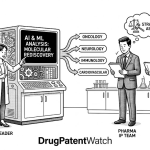
The fundamental advantage of computational repurposing over traditional repurposing is the ability to process and integrate biological data at a scale that human researchers cannot. A systematic analysis of drug-target interaction data, disease transcriptomics, protein-protein interaction networks, and clinical observation databases can generate repurposing hypotheses across thousands of compound-disease pairs simultaneously. The most promising hypotheses can then be selected for experimental validation — focusing wet-lab resources on computational predictions rather than random screens.
The key insight is that computational approaches work better when the input data is richer and more reliable — which is exactly the case for existing drugs. An approved drug has a complete pharmacokinetic dataset, a known safety profile across diverse patient populations, established manufacturing specifications, and in many cases decades of clinical observation data including off-label use reports. A novel compound has none of this. Computational models trained to predict clinical outcomes from biological input data are more accurate and more informative when applied to existing drugs than when applied to novel compounds, because the input data quality is fundamentally better.
BenevolentAI, Atomwise, and the Platform Repurposing Business Model
Several companies have built explicit business models around AI-driven pharmaceutical repurposing. BenevolentAI, a London-based company, operates a knowledge graph combining biomedical literature, clinical trial data, and molecular interaction databases to identify repurposing hypotheses [19]. Its platform generated the hypothesis that baricitinib — a JAK1/JAK2 inhibitor developed by Eli Lilly for rheumatoid arthritis — would be effective in COVID-19 by blocking the ACE2 receptor pathway used by SARS-CoV-2 to infect cells.
That hypothesis was published in Lancet Infectious Diseases in February 2020 [20], before clinical trial data existed. Baricitinib subsequently demonstrated clinical efficacy in COVID-19 trials and received FDA emergency use authorization and then full approval for hospitalized COVID-19 patients in 2022. The hypothesis-to-validation timeline — from published prediction to FDA authorization — ran approximately two years.
Atomwise uses convolutional neural networks to predict the binding affinity of small molecules to protein targets, enabling virtual screening of existing compound libraries against new disease-relevant targets. The company has applied this approach to identify repurposing candidates for Ebola, multiple sclerosis, and various rare diseases, and has established academic partnerships through a program called AtomsNet Academic Collaborations that provided free virtual screening to over 1,000 research groups by 2022 [21].
The business model implications are significant. Companies that own proprietary compound libraries — pharmaceutical companies with large portfolios of failed or deprioritized compounds — are the natural beneficiaries of these computational approaches, because their compound library is the input data. A large pharmaceutical company with several hundred compounds in its failed program archive that has not systematically applied computational repurposing tools to that archive has a data asset it has not fully monetized.
The Electronic Health Records Goldmine
Electronic health records (EHR) data represents one of the largest and most underutilized sources of repurposing evidence. When large patient populations taking Drug X for Indication A are systematically tracked, and subgroups within that population show unexpectedly lower rates of Disease B, the observation is a naturalistic experiment — not randomized, not controlled, but generated at a scale and in a patient population diversity that no clinical trial could match.
Several computational groups have mined EHR data specifically for drug repurposing signals. A Stanford study published in Nature in 2011 showed that EHR data could recapitulate known drug effects and predict new ones at a rate significantly better than chance [22]. The principle has been extended by groups at the University of California San Francisco, the University of Manchester, and several commercial data analytics companies.
For pharmaceutical companies, the practical application is identifying drugs in their marketed portfolio whose patient data show unexpected protective effects in disease areas outside their labeled indication. Those observations become the clinical hypothesis for a structured repurposing program. The data is proprietary (the company’s own patient data), the scientific hypothesis is externally validated (the EHR signal is real-world data, not an in vitro artifact), and the development pathway begins at a point that would normally require years of early-stage investigation to reach.
Part Seven: Building the Repurposing Business — Structure, Strategy, and Capital
The Dedicated Repurposing Company: Pros and Cons of the Focused Model
Several companies have built their entire enterprise around pharmaceutical repurposing as a business model. Melior Pharmaceuticals, Autifony Therapeutics, Recursion Pharmaceuticals, and Bioxcel Therapeutics are examples of companies whose pipelines consist primarily or entirely of repurposed compounds in new indications.
The focused model has specific advantages. The company can develop deep competence in the scientific, regulatory, and commercial aspects of repurposing without the distraction of managing a de novo discovery operation in parallel. The capital model is cleaner — the company raises against a portfolio of repurposing programs with known assets, known timelines, and known capital requirements, rather than against the inherently uncertain timescale of de novo discovery. And the organizational culture can be explicitly built around the capability of identifying, validating, and commercializing repurposed science, which is a distinct skill set from primary drug discovery.
The disadvantages are competitive and structural. A focused repurposing company depends on a continuous supply of attractive repurposing opportunities available on commercially viable terms. When the secondary market for pharmaceutical assets is competitive — when many companies are looking for the same types of off-patent or distressed molecules — acquisition prices rise and returns fall. The business model is also exposed to regulatory risk specific to repurposing: the FDA’s willingness to accept existing safety data as the basis for expedited development, the strength of the IP position available on method-of-use and formulation claims, and the durability of orphan drug designation against challenges.
How Large Pharmaceutical Companies Should Think About Their Abandoned Asset Archives
For large pharmaceutical companies, the repurposing opportunity within their own compound archives is often the highest-return and lowest-risk component of their business development strategy. These companies have spent billions developing compounds that are now sitting in internal archives with complete safety datasets, established manufacturing processes, and scientific rationales that may now be more relevant to current disease biology than they were when the compounds were originally developed.
The organizational barrier to capturing this value is significant. The internal teams that are most familiar with the archived compounds — the scientists who ran the original programs — have often left or moved to different roles. The data is in legacy systems. The institutional memory of why specific compounds were abandoned, and what their complete biological activity profile looked like, is fragmented.
Companies that have built systematic approaches to their compound archives — formal asset recovery programs with dedicated scientific teams, data mining capabilities, and external partnership mechanisms for advancing promising candidates — have generated material value from programs they had previously written off. AstraZeneca’s compound library sharing initiative, through which it provided over 200 molecules from its archive to academic researchers in exchange for rights to repurposing discoveries, generated several clinical-stage programs that would not have been developed otherwise [23].
The key organizational intervention is creating a clear incentive structure for internal teams to identify and advance repurposing opportunities. In large organizations, scientists who propose advancing a compound that their predecessor declared a failure face institutional friction that scientists proposing new discovery programs do not. Removing that friction — by explicitly rewarding repurposing discoveries and creating structured review processes for archived compounds — is necessary to capture the internal value of failed programs.
The Academic-Industry Interface: Who Owns the Repurposing Discovery?
Many of the most scientifically compelling repurposing discoveries originate in academic settings. A basic science researcher studying the biology of Disease B observes that Compound X — already approved for Disease A — has activity in their disease model. They publish. The publication attracts commercial interest. Licensing negotiations begin.
The ownership question is deceptively complex. If Compound X is fully off patent, the original manufacturer has no residual rights, and the academic researcher’s institution holds a patent on the new method of use, the licensing economics favor the academic institution — it is the sole IP owner. If Compound X is still under composition patent, the manufacturer must be involved as a licensor in any commercial development, creating a three-party structure (academic institution, original manufacturer, and development partner) that complicates negotiation substantially.
The most efficient structures observed in the repurposing space are those in which the commercial development partner engages early — ideally before the academic publication — to secure a license before the discovery becomes competitive. Once a repurposing hypothesis is published in a high-impact journal, multiple commercial parties become aware of it simultaneously, and the licensing process becomes an auction rather than a negotiation.
This creates a genuine premium for scientific intelligence — the ability to identify repurposing discoveries in the preprint stage, in conference presentations, or in early-access publications before formal publication. Research organizations that maintain systematic monitoring of the scientific literature, preprint servers, and clinical trial registrations for repurposing signals have a structural advantage over organizations that rely on scientific press coverage.
Part Eight: Regulatory Strategy for Repurposed Assets
The 505(b)(2) Pathway: The Repurposer’s Preferred Regulatory Route
The 505(b)(2) New Drug Application pathway allows applicants to rely on published literature and the FDA’s prior findings of safety and effectiveness for a previously approved drug, supplemented by new clinical investigations for the new indication [24]. For repurposing developers, this pathway is typically faster than a full 505(b)(1) NDA because the applicant does not need to repeat all the safety and efficacy studies done by the original developer — it can reference that data as established background.
The pathway is not without regulatory complexity. The FDA requires that the 505(b)(2) applicant certify the same patent certifications as an ANDA filer — meaning that if the original drug’s composition patent is still listed in the Orange Book, the repurposing developer faces the same Paragraph IV exposure as a generic manufacturer. This creates a patent certification requirement that can expose the repurposing developer to infringement litigation even when the repurposed indication is entirely new.
In practice, this issue most commonly arises when the repurposing developer is pursuing a new indication while the original manufacturer retains composition patent rights. The solution is either to negotiate a license for the composition patent as part of the repurposing agreement (ensuring the 505(b)(2) applicant has freedom to operate) or to time the new NDA filing for after the composition patent expires.
FDA’s Expedited Programs: Which Apply to Repurposed Drugs
The FDA offers multiple expedited development and review pathways that are accessible to repurposed drugs based on the clinical profile of the new indication, not on the novelty of the molecule. These include:
Fast Track designation for drugs treating serious conditions where preliminary clinical evidence indicates that the drug may demonstrate substantial improvement over available therapies [25]. Repurposed drugs addressing serious conditions with unmet needs — particularly in oncology, rare diseases, and infectious disease — routinely receive fast track designation, which provides more frequent FDA interactions during development and rolling NDA review.
Breakthrough Therapy designation for drugs that treat a serious or life-threatening condition and preliminary clinical evidence indicates substantial improvement over existing therapies on clinically significant endpoints [25]. This is the most powerful expedited pathway, providing intensive FDA guidance throughout development. Several repurposed drugs have received breakthrough therapy designation based on Phase 2 data in new indications — data that was far more efficiently generated because the Phase 1 work was already complete.
Accelerated Approval for drugs for serious conditions that fill an unmet medical need, based on a surrogate or intermediate clinical endpoint that is “reasonably likely to predict” clinical benefit [25]. The post-marketing confirmation trial requirements attached to accelerated approval are a risk for repurposing programs, as the eventual confirmatory trial can be expensive — but the ability to reach the market years earlier than a traditional approval timeline makes the structure commercially attractive.
Orphan Drug designation adds to this toolkit for rare disease applications, providing the additional IP and financial incentives discussed in Part Five.
The aggregate effect of FDA expedited pathways on repurposing economics is significant. A repurposed drug that receives fast track or breakthrough therapy designation, with the Phase 1 work already complete, can reach regulatory approval in three to five years from a standing start. A novel drug targeting the same indication, without Phase 1 data and without an expedited designation, takes eight to twelve years from comparable starting point.
Post-Marketing Safety Data as a Repurposing Accelerator
An underappreciated aspect of repurposing regulatory strategy is the role of post-marketing pharmacovigilance data in supporting new indication development. When a drug has been on the market for ten or twenty years, the FDA has accumulated a substantial FAERS (FDA Adverse Event Reporting System) database of reported adverse events. That database is public.
For repurposing developers, FAERS data provides two types of useful information. It can identify signals of unexpected biological activity — adverse events that are actually therapeutic in a different context (an antidepressant that has an adverse event profile suggesting antiviral activity, or an antihypertensive whose FAERS data shows an unexpected protective effect in cognitive decline). It can also demonstrate the real-world safety profile of the drug in populations that differ from the original clinical trial population — the elderly, patients with multiple comorbidities, patients on polypharmacy — in ways that may be directly relevant to the target population for the repurposed indication.
Mining FAERS data for repurposing signals has become a systematic research methodology. A 2017 analysis demonstrated that FAERS data mining could identify drug repurposing candidates with a precision significantly above random chance [26]. Several commercial pharmacovigilance companies offer FAERS mining as a service. For companies considering repurposing a drug in a new patient population that is similar to the original post-marketing population, the FAERS database represents a form of observational clinical evidence that the FDA will consider in the context of a 505(b)(2) application.
Part Nine: The IP Intelligence Advantage in Repurposing Markets
How to Use Patent Expiration Data to Time Repurposing Entries
The timing of a repurposing program’s market entry relative to the patent status of the original drug creates fundamentally different commercial outcomes. When repurposing a still-patented drug — one where the composition patent has years remaining — the repurposing developer faces competition from the originator, faces the need to license the composition patent, and enters a commercial landscape in which the original branded product’s prescribing and reimbursement infrastructure may help or hinder adoption of the new indication.
When repurposing a drug whose composition patent has recently expired or is imminent to expire — where the molecule is entering or has entered generic territory — the commercial dynamics change completely. The repurposing developer can position its new indication approval as the only branded option for a defined clinical use, in a market where generic versions of the molecule exist for other indications but not for the specific new indication with the proprietary dosing and formulation.
The window around patent expiration — roughly the two to four years before primary composition patent expiration — is often optimal for initiating a repurposing development program. The molecule will be generic by the time the new indication NDA is approved (assuming a three- to five-year development timeline), which means the IP strategy relies entirely on the new indication’s method-of-use patents, formulation patents, and data exclusivity rather than on any licensed rights to the original composition patent. The originator’s composition patent becomes irrelevant to the commercial strategy.
Tracking this expiration timing precisely requires the same kind of Orange Book and patent expiration monitoring that generic manufacturers use. Platforms like DrugPatentWatch provide the patent expiration calendar, formulation patent status, and Paragraph IV filing activity that allows a repurposing developer to identify the optimal entry window — when to initiate development programs so that FDA approval coincides with a market landscape in which the composition patent constraints are resolved and the new indication’s data exclusivity and method-of-use patents provide the maximum possible commercial protection.
Monitoring Competitor Repurposing Programs Through Clinical Trial Registries
ClinicalTrials.gov is a public database of registered clinical trials. It is also one of the most useful competitive intelligence databases in pharmaceutical repurposing, because it provides early visibility into which companies are advancing which molecules in which new indications before the programs become visible in public company filings.
When a company registers a Phase 2 trial studying Drug X in Indication B — two years before the trial reports — it signals a potential repurposing claim that competitors need to evaluate. If Drug X is in a relevant therapeutic class, the trial registration alerts competitors to: whether to pursue a parallel development program in Indication B, whether to file a blocking patent on related methods of use before the registering company’s priority date, and whether to acquire or out-license competing assets that address the same indication.
Systematic monitoring of ClinicalTrials.gov for repurposing activity in specific therapeutic areas is a straightforward competitive intelligence function that surprisingly few pharmaceutical companies execute systematically. The data is public, updated weekly, and provides 12 to 24 months of advance notice of competitive repurposing developments relative to the publication of clinical results.
Similarly, the European Medicines Agency’s EudraCT database and the WHO International Clinical Trials Registry Platform provide international repurposing trial registrations that may precede U.S. ClinicalTrials.gov registration for companies initiating development programs in Europe or Asia before the U.S. market.
The Evergreening Critique and Its Limits
Drug repurposing and pharmaceutical lifecycle management are sometimes conflated in policy discussions under the general heading of “evergreening” — the pejorative term for any practice that extends a pharmaceutical company’s market exclusivity beyond what the original innovation’s IP scope was intended to protect. This critique has merit when applied to purely cosmetic lifecycle management — label changes, packaging modifications, or trivially different formulations that do not deliver clinical benefit. It has limited merit when applied to genuine therapeutic repurposing.
The distinction matters for capital allocation decisions. Policy risk — the risk that payers, regulators, or legislators will challenge a company’s repurposing IP position — is higher for programs that cannot demonstrate genuine clinical benefit in the new indication relative to the molecule’s previous commercial use. The colchicine cardiovascular case described earlier has attracted payer pushback on the grounds that generic colchicine is available and off-label use for cardiovascular disease is common. The Lodoco IP position is defensible legally, but the commercial moat depends on clinical differentiation, formulary access, and payer willingness to pay for the specific branded product.
Programs with strong clinical differentiation — where the new indication is genuinely distinct from the original use, where the clinical benefit is substantial and well-evidenced, and where the patient population is clearly defined — generate both better IP positions and better policy risk profiles. The scientific rigor of the repurposing case is directly correlated with the commercial durability of the repurposing position.
Part Ten: Capital Flows, Investor Behavior, and Market Dynamics
Venture Capital’s Evolving Relationship with Repurposing
The venture capital community’s attitude toward drug repurposing has undergone a significant shift over the past decade. Through most of the 2000s, repurposing programs were viewed with institutional skepticism — they lacked the narrative novelty of first-in-class programs, they often had IP positions that were perceived as weak, and the investor community had not yet built the frameworks to evaluate repurposing-specific capital efficiency.
The change began as a series of notable exits demonstrated the return profile. Anacor Pharmaceuticals — which repurposed boron-containing compounds for dermatological indications and was acquired by Pfizer for $5.2 billion in 2016 — showed that repurposing could generate large-cap exits. Retrophin’s repurposing programs in rare metabolic diseases, though ultimately complicated by its management’s legal difficulties, demonstrated the rare disease repurposing return model. And the COVID-19 pandemic created a compressed, high-visibility demonstration of repurposing’s efficiency when the entire scientific community pivoted to evaluating existing drugs against a new pathogen.
By 2022, dedicated repurposing-focused funds had raised billions in capital. Flagship Pioneering, which backed the creation of Moderna, also incubated Larimar Therapeutics and other repurposing-adjacent programs. Atlas Venture, OrbiMed, and RA Capital have all funded companies whose primary assets are repurposed compounds. The institutional capital that had avoided repurposing programs for a decade followed the data.
How Public Market Investors Misprice Repurposing Assets
Public equity markets consistently undervalue repurposing programs relative to their clinical risk-adjusted value. The misvaluation takes a specific form: repurposed drugs in Phase 2 trials receive lower market valuations per probability-adjusted peak sales than novel compounds at the same stage, despite having materially lower development risk.
The mechanism is analyst coverage. Pharmaceutical analysts in public equity research are trained to evaluate drug candidates using discounted cash flow models that begin with peak sales estimates and work backward through probability-of-success assumptions. For repurposed drugs, the peak sales estimates are often lower (narrow orphan disease populations, competition from generic versions for original indication) and the probability-of-success is genuinely difficult to assess because there is no standard risk-adjustment framework for repurposed programs.
The result is that repurposed programs often look, in analyst models, like inferior investments compared to novel programs in the same space. The model fails to capture the capital efficiency advantage: a repurposed program that costs $150 million to reach approval may generate a 5x return, while a novel program that costs $1.5 billion to reach approval in the same indication may generate only a 2x return. The multiple on invested capital is dramatically higher for the repurposed program, but the absolute dollar return is lower — and analyst models and fund mandates that reward absolute scale over capital efficiency systematically penalize repurposing.
Investors who build their own models from first principles — tracking the actual capital invested, the actual timeline, and the actual probability of success adjusted for the known safety profile — consistently find that repurposing programs are undervalued in the public market relative to their risk-adjusted capital efficiency.
The Secondary Market Deal Flow: Where to Find What No One Else Is Looking For
The supply of repurposing opportunities is not limited by the number of compounds available. It is limited by the number of organizations with the scientific infrastructure to identify valuable compounds and the deal-making capability to acquire them on favorable terms.
The most productive sources of deal flow in the pharmaceutical secondary market are:
Academic licensing offices at major research universities, which hold patents on repurposing discoveries that were published in peer-reviewed journals and then licensed on commercially favorable terms because the academic institution lacks the capital to advance them into development. Technology transfer offices at institutions like Harvard, Johns Hopkins, UCSF, and MIT collectively license several hundred pharmaceutical development opportunities per year, the majority of which are repurposing programs.
Pharma company divestiture programs, through which large companies dispose of compounds that are no longer strategic priorities. AstraZeneca, GSK, Pfizer, and Sanofi have each operated structured programs at various points for divesting non-core assets. These programs offer access to well-documented compounds with complete data packages, sold by organizations that have already paid for the development work.
Bankruptcy estates and distressed asset situations, in which pharmaceutical companies in financial difficulty liquidate their compound libraries as part of restructuring. The pricing in distressed asset sales is often below the scientific value of the assets because the seller is under time pressure and lacks the capacity to conduct a full auction.
Clinical trial failures, where the published negative trial results actually contain significant positive signals in defined patient subgroups. A Phase 3 trial that fails on its primary endpoint in a heterogeneous patient population may show striking efficacy in a biomarker-defined subset. That subset becomes the target population for a new development program. Reading trial failure publications analytically — looking for the signal in the noise, not just the headline result — is a form of scientific deal sourcing that requires deep therapeutic expertise but generates opportunities that are invisible to less sophisticated acquirers.
Part Eleven: Quantifying the Competitive Advantage — What Best-in-Class Programs Do Differently
The Due Diligence Framework for Repurposing Acquisitions
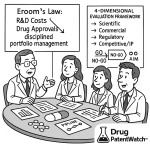
Companies that consistently generate returns from pharmaceutical repurposing apply a structured due diligence framework that evaluates potential acquisitions across four dimensions simultaneously rather than sequentially.
Scientific validity of the repurposing hypothesis: Is the mechanism biologically coherent? Is there controlled clinical evidence, or only in vitro and observational data? Does the target indication involve the same mechanistic pathway as the original indication, or a different pathway where the drug’s activity is less well-characterized?
IP constructability: What patents can be built around the repurposed indication? Are method-of-use claims available? Is the specific formulation or dosing protocol novel relative to prior art? Does the indication qualify for orphan drug designation? Is there a biomarker or companion diagnostic that can be proprietary and that narrows the patient population to those most likely to respond?
Regulatory pathway clarity: Is the 505(b)(2) pathway available and supportive? What are the likely requirements for the new indication NDA — what new clinical trials are required, what endpoints will the FDA accept, and how long will the development timeline realistically run?
Commercial viability: Is the target indication currently underserved? What is the pricing environment for treatments in this space? What is the payer reimbursement landscape, and will payers recognize the clinical differentiation between the repurposed drug and generic versions of the same molecule?
Failures in repurposing due diligence almost always trace back to inadequate analysis of one of these four dimensions. The most common failure mode is acquiring a scientifically valid program with a compelling mechanism but with an IP position too thin to support the commercial premium necessary for the program’s economics to work.
Metrics That Predict Repurposing Program Success
A 2021 retrospective analysis of 146 pharmaceutical repurposing programs that entered Phase 2 clinical trials identified several metrics that were significantly associated with eventual approval [27]. These included:
The quality and size of the pre-existing safety database: programs with larger Phase 1 cohort data (more than 200 subjects) had higher approval rates than programs relying on smaller historical safety databases.
The mechanistic proximity between the original indication and the new indication: programs where the target indication involved the same primary pharmacological target as the original indication had higher approval rates than programs relying on secondary or off-target mechanisms. Counterintuitively, this suggests that the most attractive repurposing opportunities are those where the original indication was the wrong market application of a validated mechanism, not where the drug is doing something entirely unexpected.
Orphan designation status: programs that received orphan drug designation during development had higher approval rates and shorter development timelines than comparable non-orphan programs, reflecting the FDA’s expedited review support for orphan indications.
Existing regulatory precedent in the target indication: programs entering therapeutic areas where the FDA had previously approved drugs of similar mechanism types had higher approval rates, likely because the regulatory pathway for demonstrating efficacy was better established.
These metrics can be operationalized into a pre-acquisition scoring framework that prioritizes opportunities with demonstrably better probability-of-success profiles.
Conclusion
The pharmaceutical secondary market represents a genuine, durable, and systematically exploitable inefficiency. The market consistently undervalues compounds that have passed Phase 1 safety, established manufacturing processes, accumulated real-world safety data, and demonstrated biological activity in contexts that their originators chose not to pursue. The capital efficiency of repurposing relative to de novo development is not marginal — it is an order-of-magnitude difference in cost per indication, compressed into a timeline that creates earlier-than-expected cash flows.
The opportunity has a specific set of requirements. It requires scientific competence to distinguish compelling repurposing hypotheses from superficially plausible ones that lack controlled clinical support. It requires IP sophistication to construct a defensible exclusivity position around a molecule that the company may not own composition-of-matter rights to. It requires regulatory expertise to navigate 505(b)(2) filings, orphan drug designation, and the specific clinical development requirements for new indications. And it requires competitive intelligence — knowing which molecules are available, what their patent status is, what clinical programs competitors are running, and when the optimal entry window opens.
The companies and investors who have built these capabilities generate returns that are difficult to replicate through conventional pharmaceutical investment. They are buying depressed prices on proven biology and extracting the scientific value that organizational constraints, portfolio triage, and commercial myopia left behind.
The science already did the hard part. The arbitrage is in recognizing it before everyone else does.
Key Takeaways
The capital efficiency advantage of repurposing is structural, not situational. At roughly $300-750 million per indication versus $2.6 billion for de novo development, repurposing programs generate better probability-adjusted returns across most therapeutic areas.
IP construction is the constraint, not the science. Method-of-use patents, formulation patents, orphan drug designation, and data exclusivity can build defensible positions on off-patent molecules — but only when the clinical differentiation is genuine and the patient population is precisely defined.
The orphan disease repurposing opportunity is the most capital-efficient category. Seven years of market exclusivity, reduced trial requirements, premium pricing, and potential PRV value combine to create return profiles that exceed most other pharmaceutical investment categories.
AI-driven repurposing platforms are changing the sourcing equation. Computational approaches to identifying repurposing candidates — through network pharmacology, EHR data mining, and virtual target screening — now generate mechanistically grounded hypotheses at a scale that outpaces human-only scientific surveillance.
Clinical trial failures contain repurposing opportunities that most companies miss. Subgroup analyses, off-target observations, and unexpected safety data from failed Phase 2 and Phase 3 trials are frequently the best-evidenced repurposing leads available — and they are underpriced because the failure narrative obscures the signal.
Patent expiration timing drives optimal repurposing entry windows. Initiating a repurposing program two to four years before composition patent expiration allows the development program to complete around the time the molecule becomes generically available, maximizing the commercial relevance of new-indication exclusivity.
Public equity markets systematically undervalue repurposing programs. Analyst frameworks that penalize lower peak sales estimates without adjusting for dramatically lower capital requirements create mispricing opportunities for investors who evaluate programs on return-on-invested-capital rather than absolute commercial scale.
Competitive intelligence tools — including patent monitoring on platforms like DrugPatentWatch — are essential for identifying optimal acquisition timing. The window between composition patent expiration and peak generic competition is the sweet spot for repurposing commercial strategy, and it requires precise patent tracking to exploit.
Frequently Asked Questions
Q1: What makes a repurposing opportunity commercially viable when the active molecule is off-patent and any generic manufacturer can copy it?
The commercial viability of a repurposed off-patent molecule depends entirely on the IP and regulatory position available for the new indication, not on the molecule itself. There are three reliable commercial protection mechanisms. First, orphan drug designation for a rare indication provides seven years of market exclusivity for the specific indication, regardless of generic availability of the molecule for other uses. Second, new clinical investigation data exclusivity (three years under 21 U.S.C. § 355) prevents FDA approval of any generic ANDA referencing the new NDA’s clinical data for three years. Third, a specific formulation — a novel dosing strength, delivery system, or excipient combination not available generically — can support formulation patents and a branded market position even in the presence of generic competition for the original indication. The colchicine cardiovascular case (Lodoco at $250-300/month against generic colchicine at $5/month) demonstrates all three mechanisms working together. Without at least one of these mechanisms, a commercially viable repurposed program on a fully generic molecule is difficult to sustain.
Q2: How should a pharmaceutical company evaluate its own archive of abandoned compounds for repurposing potential?
A systematic archive evaluation should proceed in two stages. The first stage is data completeness assessment: for each archived compound, catalog the available safety data (Phase 1 reports, toxicology studies, ADME data), the reason for discontinuation, and the primary mechanism of action. Compounds discontinued for commercial reasons (market size, competitive landscape, pipeline prioritization) rather than scientific reasons (toxicity, poor pharmacokinetics, lack of efficacy) are the priority cohort. The second stage is prospective mechanism mapping: for the priority cohort, use current disease biology knowledge to identify therapeutic areas where the compound’s mechanism is now known to be relevant in ways that were not established when the compound was originally developed. Disease biology understanding has advanced substantially in the last decade across oncology, immunology, and metabolic disease — compounds rejected in 2005 may map onto 2025 disease pathways that were poorly characterized at the time. Companies without internal resources for this analysis can engage academic consortium partners (the NCATS National Center for Advancing Translational Sciences runs repurposing programs specifically for industry compound libraries) or commission computational analyses from platform companies.
Q3: What is the role of biomarker development in pharmaceutical repurposing programs, and how does it affect both the clinical and commercial strategy?
Biomarker development has become one of the most commercially important elements of sophisticated repurposing programs. A biomarker that identifies the patient subpopulation most likely to respond to the repurposed drug does three things simultaneously: it increases the clinical trial probability of success (enriching for responders), it narrows the commercial target population to a precision medicine context where premium pricing is more defensible, and it generates a proprietary companion diagnostic asset that is itself patentable and potentially licensable separately. The precision medicine pricing model — demonstrated most clearly in oncology, where biomarker-defined patient populations routinely support pricing above $100,000 per year for targeted therapies — is directly available to repurposing programs that can identify predictive biomarkers for the new indication. For a repurposed molecule with a limited IP position on the compound itself, a validated proprietary companion diagnostic can substantially improve the commercial moat.
Q4: How does the Inflation Reduction Act’s drug price negotiation mechanism affect the repurposing investment case?
The IRA’s drug price negotiation provisions — which make small-molecule drugs eligible for Medicare negotiation at year nine and biologics at year thirteen — affect repurposing programs differently depending on when the repurposed drug is first approved. For a repurposed drug whose original approval (for any indication) predates the IRA’s negotiation clock, the nine-year eligibility window runs from the date of original approval, not from the date of the new indication approval. This means a drug approved in 2015 for Indication A and repurposed to Indication B in 2025 enters its negotiation-eligible period in 2024 — immediately when the new indication launches. For repurposing programs targeting existing marketed drugs, this dynamic compresses the free-pricing commercial window for the new indication. For programs repurposing compounds that have never been marketed (failed Phase 2 candidates being repurposed), the nine-year clock starts from the first market approval — which would be the repurposed indication approval. These programs get the full nine-year window and are relatively less affected by the IRA’s negotiation provisions.
Q5: What distinguishes the most successful repurposing programs from those that generate promising Phase 2 results but fail to achieve significant commercial uptake?
The consistent distinguishing factor between Phase 2 successes that become commercial successes and those that do not is the quality of the clinical differentiation narrative — the ability to articulate why the repurposed drug is clinically superior or clinically distinct from available alternatives, including generic versions of the same molecule used off-label. Programs that win commercial uptake have three characteristics that Phase 2-only successes frequently lack. They have prospectively defined the patient population that benefits most clearly, rather than seeking broad label claims. They have designed clinical trials with endpoints that are directly relevant to formulary decision-makers and prescribers — endpoints that speak to outcomes that payers reimburse for and prescribers recognize as meaningful, not just endpoints that satisfy regulatory requirements. And they have built the prescriber education and market access infrastructure in advance of approval, rather than treating commercial preparation as something to be done after the approval is received. The science creates the opportunity. Commercial execution determines whether the opportunity becomes revenue.
Citations
[1] DiMasi, J. A., Grabowski, H. G., & Hansen, R. W. (2016). Innovation in the pharmaceutical industry: New estimates of R&D costs. Journal of Health Economics, 47, 20–33.
[2] Pushpakom, S., Iorio, F., Eyers, P. A., Escott, K. J., Hopper, S., Wells, A., Doig, A., Guilliams, T., Latimer, J., McNamee, C., Norris, A., Sanseau, P., Cavalla, D., & Pirmohamed, M. (2019). Drug repurposing: Progress, challenges and recommendations. Nature Reviews Drug Discovery, 18(1), 41–58.
[3] 21 U.S.C. § 355(j)(5)(F)(iii) (2023). Three-year data exclusivity for new clinical investigations. United States Code.
[4] Cha, Y., Erez, T., Reynolds, I. J., Kumar, D., Ross, J., Koytiger, G., Kusko, R., Zeskind, B., Risso, S., Kagan, E., Papapetropoulos, S., Grossman, I., & Laifenfeld, D. (2020). Drug repurposing from the perspective of pharmaceutical companies. PLOS ONE, 15(1), e0234543.
[5] Barabási, A. L., Gulbahce, N., & Loscalzo, J. (2011). Network medicine: A network-based approach to human disease. Nature Reviews Genetics, 12(1), 56–68.
[6] Swinney, D. C., & Anthony, J. (2011). How were new medicines discovered? Nature Reviews Drug Discovery, 10(7), 507–519.
[7] U.S. Food and Drug Administration. (2006). FDA approves thalidomide for multiple myeloma treatment. FDA Press Announcement.
[8] Boolell, M., Allen, M. J., Ballard, S. A., Gepi-Attee, S., Muirhead, G. J., Naylor, A. M., Osterloh, I. H., & Gingell, C. (1996). Sildenafil: An orally active type 5 cyclic GMP-specific phosphodiesterase inhibitor for the treatment of penile erectile dysfunction. International Journal of Impotence Research, 8(2), 47–52.
[10] Saisho, Y. (2015). Metformin and inflammation: Its potential beyond glucose-lowering effect. Endocrine, Metabolic & Immune Disorders — Drug Targets, 15(3), 196–205.
[11] Barzilai, N., Crandall, J. P., Kritchevsky, S. B., & Espeland, M. A. (2016). Metformin as a tool to target aging. Cell Metabolism, 23(6), 1060–1065.
[12] Tardif, J. C., Kouz, S., Waters, D. D., Bertrand, O. F., Diaz, R., Maggioni, A. P., Pinto, F. J., Ibrahim, R., Gamra, H., Kiwan, G. S., Berry, C., López-Sendón, J., Ostadal, P., Koenig, W., Angoulvant, D., Grégoire, J. C., Lavoie, M. A., Dubé, M. P., Rhainds, D., … Bhatt, D. L. (2019). Efficacy and safety of low-dose colchicine after myocardial infarction. New England Journal of Medicine, 381(26), 2497–2505.
[13] U.S. Food and Drug Administration. (2023). FDA approves colchicine to reduce the risk of cardiovascular events in adult patients. FDA Drug Approval Announcement.
[14] RECOVERY Collaborative Group. (2020). Effect of hydroxychloroquine in hospitalized patients with COVID-19. New England Journal of Medicine, 383(21), 2030–2040.
[15] Orphan Drug Act of 1983, Pub. L. 97-414, 96 Stat. 2049 (1983) (codified at 21 U.S.C. §§ 360aa-360ee).
[16] U.S. Food and Drug Administration. (2007). FDA approves Torisel (temsirolimus) for advanced renal cell carcinoma. FDA Press Announcement.
[17] Food and Drug Administration Safety and Innovation Act, Pub. L. 112-144, § 908 (2012). Rare pediatric disease priority review voucher program.
[18] Ridley, D. B., & Régnier, S. A. (2016). The U.S. market for priority review vouchers. Health Affairs, 35(5), 776–783.
[19] BenevolentAI. (2022). Our platform: Knowledge graph and AI-driven drug discovery. BenevolentAI Corporate Publication.
[20] Richardson, P., Griffin, I., Tucker, C., Smith, D., Oechsle, O., Phelan, A., Rawling, M., Savory, E., & Stebbing, J. (2020). Baricitinib as potential treatment for 2019-nCoV acute respiratory disease. The Lancet, 395(10223), e30–e31.
[22] Dudley, J. T., Deshpande, T., & Butte, A. J. (2011). Exploiting drug-disease relationships for computational drug repositioning. Briefings in Bioinformatics, 12(4), 303–311.
[24] 21 U.S.C. § 355(b)(2) (2023). New drug applications relying on published literature or prior approvals. United States Code.
[25] U.S. Food and Drug Administration. (2023). Expedited programs for serious conditions: Drugs and biologics — Guidance for industry. FDA.
[26] Liu, M., Wu, Y., Chen, Y., Sun, J., Zhao, Z., Chen, X. W., Matheny, M. E., & Xu, H. (2012). Large-scale prediction of adverse drug reactions using chemical, biological, and phenotypic properties of drugs. Journal of the American Medical Informatics Association, 19(e1), e28–e35.
[27] Ashburn, T. T., & Thor, K. B. (2004). Drug repositioning: Identifying and developing new uses for existing drugs. Nature Reviews Drug Discovery, 3(8), 673–683.