Introduction: Beyond the Molecule, A Multi-Billion Dollar Battlefield
In the biopharmaceutical strategy intellectual property is more than a legal formality; it’s the terrain upon which multi-billion-dollar wars are waged. We’re not just talking about protecting an invention. We’re talking about defending a blockbuster biologic, an asset that can generate revenue equivalent to the GDP of a small nation—often tens of billions of dollars annually.1 When the stakes are this high, patent defense ceases to be a reactive, back-office legal function. It becomes the central pillar of corporate strategy, a proactive and aggressive campaign to secure market exclusivity for as long as legally and commercially possible.
This is a world far removed from the straightforward patenting of traditional, chemically synthesized small-molecule drugs. The unique scientific nature of biologics—their immense size, their complex three-dimensional structures, and their origin in living cells—fundamentally rewrites the rules of IP engagement. The journey from a promising protein in a lab to an FDA-approved therapy is a perilous one, fraught with staggering costs and a high probability of failure. The capitalized cost to bring a single new drug to market now hovers between $2.2 billion and $2.6 billion, a figure that accounts for the vast graveyard of candidates that never make it.3 With only about 12% of drugs that enter clinical trials ever receiving approval, the economic imperative for innovator companies is unforgiving: they must secure the longest and most robust period of market exclusivity possible to have any chance of recouping their investment and funding the next wave of innovation.3
This creates a powerful and inherent tension. On one side, you have the non-negotiable need to incentivize groundbreaking research through strong, defensible intellectual property rights.5 Without the promise of a protected market, the river of private capital that fuels the biopharma R&D engine would run dry. On the other side stands the urgent public health goal of increasing patient access to these life-altering medicines. As biologics become the standard of care for everything from cancer to autoimmune diseases, the pressure to bring lower-cost biosimilar competitors to market grows ever more intense.6
Navigating this conflict is the defining challenge for today’s biopharma leaders. It requires a mastery of not just the science, but of the intricate legal and regulatory frameworks that govern this space. It demands a strategic mindset that views patents not as standalone legal documents, but as interconnected components of an impenetrable fortress built to withstand an inevitable siege. This report is your blueprint to that fortress. We will dissect the foundational science that makes biologics unique, explore the dual pillars of patent protection and regulatory exclusivity, and dive deep into the aggressive defense tactics—from patent thickets to evergreening—that have become the industry standard. We will navigate the legal gauntlet of BPCIA litigation, contrast the divergent strategic landscapes of the U.S. and Europe, and quantify the staggering economic impact of these high-stakes battles. For the IP, R&D, and business development professional, this is not an academic exercise. It is a guide to survival and dominance on the modern pharmaceutical battlefield.
The Biologic Difference: Why Size and Complexity Change Everything
To truly grasp the intricacies of biologic patent defense, one must first appreciate the profound scientific distinctions that separate these therapeutic giants from their small-molecule cousins. These are not mere differences of scale; they are fundamental distinctions in origin, structure, and function that dictate every subsequent aspect of their development, regulation, and, most critically, their intellectual property strategy.
Size, Structure, and the Science of “Big Medicine”
The most obvious difference is, of course, size. A typical small-molecule drug, like aspirin, is a simple, well-defined chemical compound consisting of perhaps 20 to 100 atoms.3 They are the foot soldiers of the pharmacopoeia—effective, easy to manufacture, and with structures that can be precisely replicated time and again.
Biologics, in contrast, are the titans. A therapeutic protein, such as a monoclonal antibody, can contain anywhere from 5,000 to 50,000 atoms, making them 200 to 1,000 times larger than a small molecule.3 These are not simple chemical structures; they are complex polypeptides that fold into intricate, specific three-dimensional shapes. This tertiary and quaternary structure is not just an aesthetic feature; it is absolutely integral to the drug’s biological activity.3 Think of a small molecule as a simple skeleton key, able to fit a variety of locks, sometimes with unintended consequences. A biologic, on the other hand, is like a highly specific, digitally-coded keycard, crafted to interact with a single, unique cellular lock with incredible precision.10
This structural complexity has immediate, practical consequences. Their large size and proteinaceous nature mean they cannot be taken orally, as they would be digested and destroyed in the gastrointestinal tract. Instead, they must be administered via injection or intravenous infusion.10 They are also far less stable than small molecules, often requiring precise temperature controls like refrigeration to maintain their structural integrity and therapeutic efficacy.10
The Manufacturing Conundrum: “Process Is the Product”
Perhaps the most critical distinction, and the one that forms the bedrock of biologic IP law, lies in the manufacturing process. Small-molecule drugs are created through chemical synthesis—a predictable, controllable, and perfectly replicable process. Every batch of atorvastatin is, for all intents and purposes, chemically identical to the last.
Biologics are a different beast entirely. They are not synthesized in a flask; they are produced in living systems—mammalian cell cultures, bacteria, or yeast.13 This is a process inherently subject to variability. The final product is a direct consequence of the specific cell line used, the nutrients in the culture medium, the temperature, the pH, and a hundred other variables. Even slight, unavoidable variations in this complex process can lead to subtle differences in the final product.3
A key example of this is glycosylation, the process by which sugar molecules are attached to the protein backbone. These glycosylation patterns can have a significant impact on a biologic’s stability, efficacy, and immunogenicity. Yet, they are notoriously difficult to control perfectly. The result is a phenomenon known as “microheterogeneity,” where even within a single batch of an originator biologic, there exists a population of molecules with slight structural variations.8
This scientific reality has a monumental legal consequence: it is impossible to create a perfect, 100% identical copy of a biologic drug. A competitor can only produce a “biosimilar”—a product that is highly similar to the reference product with no clinically meaningful differences in terms of safety, purity, and potency.6 This “identical copy fallacy” is the central theme that permeates every aspect of biologic patenting and regulation. It is the fundamental principle upon which the entire defensive strategy is built. Because a biosimilar can never be a perfect replica, the originator has a powerful argument: any deviation in the manufacturing process or the final product structure could potentially lead to different clinical outcomes. This raises the scientific and regulatory bar for biosimilar approval and, crucially, opens up a vast landscape of patentable subject matter related not just to the molecule itself, but to the unique and proprietary process used to create it.
Precision Targeting and Market Dynamics
The structural complexity of biologics allows for highly specific mechanisms of action. Monoclonal antibodies, for instance, can be engineered to bind to a single, specific target—like a receptor on a cancer cell or an inflammatory cytokine—with exquisite precision.10 This high target specificity often leads to greater efficacy and fewer off-target side effects compared to many small molecules, which can sometimes interact with multiple cellular targets.10 This has revolutionized the treatment of complex conditions like autoimmune diseases (e.g., rheumatoid arthritis, Crohn’s disease) and many forms of cancer.10
This therapeutic advantage, coupled with the high cost of development, has dramatically shifted the pharmaceutical market. The global biologics market is growing three times faster than the small-molecule market, expanding from 31% of total pharma sales in 2018 to 42% in 2023.16 Some analysts predict that biologics will outstrip small-molecule sales by 2027. This economic tidal wave is also reflected in R&D spending, where the share allocated to biologics has steadily increased, now consuming more than half of the total budget.16 As biologics become the dominant force in both medicine and commerce, mastering the unique IP strategies they require is no longer optional; it is essential for survival and growth in the modern pharmaceutical landscape.
The Twin Pillars of Protection: Weaving Together Patents and Regulatory Exclusivity
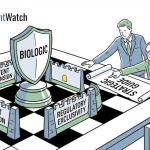
Defending a multi-billion-dollar biologic asset from competition relies on two distinct but deeply intertwined legal frameworks: patent protection and regulatory data exclusivity. Think of them as the dual pillars supporting the entire structure of market exclusivity. Patents provide a shield against infringement of a specific invention, while regulatory exclusivity acts as a government-granted blackout period, preventing competitors from even getting their products approved. Understanding the interplay between these two pillars is the first step in developing a comprehensive and resilient lifecycle management strategy.
The BPCIA’s Double-Edged Sword: 12 Years of Data Exclusivity in the U.S.
In the United States, the landscape of biologic competition was fundamentally reshaped by the passage of the Biologics Price Competition and Innovation Act (BPCIA) in 2009, enacted as part of the Affordable Care Act.17 Before the BPCIA, there was no defined pathway for approving biosimilars, creating a state of perpetual monopoly for originator biologics. The BPCIA was designed to change that by creating an abbreviated approval pathway for biosimilars, intending to foster a competitive market similar to the one created for small-molecule drugs by the Hatch-Waxman Act.6
To balance the goal of increased competition with the need to incentivize the formidable investment required for biologic R&D, the BPCIA created a powerful, patent-independent form of protection: a 12-year period of regulatory data exclusivity for novel biologics.8 This means that for 12 years from the date of the originator’s first FDA approval, the agency is legally prohibited from approving a biosimilar that references the originator’s safety and efficacy data.6
This is a formidable barrier. It provides a guaranteed, incontestable period of market monopoly, allowing the innovator company a significant window to recoup its investment. However, this exclusivity is not granted for just any change. To qualify for a new 12-year clock, the product must be a truly novel biologic. Minor modifications to an existing product—such as developing a new indication, changing the dosing schedule, or altering the delivery device—do not reset the exclusivity period.5 The law is designed to reward genuine innovation, not incremental tinkering.
While the BPCIA’s intent was to strike a balance, its real-world impact has been a subject of intense debate. The 12-year exclusivity period is a calendar, not a clock that dictates the end of a monopoly. It merely marks the earliest possible moment a biosimilar can be approved. In practice, the actual period of market exclusivity enjoyed by originators is often far longer. One comprehensive study looking at the first decade of the BPCIA found that the average time from the approval of an original biologic to the actual market launch of its first competing biosimilar was a staggering 19.87 years.17
This nearly eight-year gap between the end of statutory exclusivity and the beginning of actual competition reveals a crucial truth: the 12-year regulatory period is merely the starting point. It’s the floor, not the ceiling, of market protection. The additional years of monopoly are not granted by the FDA; they are won through a second, even more powerful mechanism: strategic patenting. This reframes the entire strategic picture. Regulatory exclusivity provides the initial, guaranteed runway, but a robust, multi-layered patent portfolio is what allows the innovator to keep the competition grounded long after that runway ends.
A Tale of Two Systems: The U.S. vs. European Exclusivity Frameworks
The U.S. approach to regulatory exclusivity stands in stark contrast to the framework established in the European Union, which has long been the pioneer in biosimilar regulation. The European Medicines Agency (EMA) approved its very first biosimilar back in 2006, years before the BPCIA was even enacted in the U.S..21 This head start has led to a more mature and competitive biosimilar market in Europe, shaped by a different philosophy of exclusivity.
The EU employs a standardized “8+2+1” system for all new medicines, including biologics.20 This breaks down as follows:
Eight years of data exclusivity: During this period, a biosimilar applicant cannot file an application that references the originator’s preclinical and clinical trial data.
Two additional years of market protection: After the eight-year data exclusivity period ends, a biosimilar can be submitted and approved, but it cannot be legally marketed for another two years.
This creates a total of 10 years of market protection. This period can be extended by one additional year if, within the first eight years, the originator company secures approval for a new therapeutic indication that brings a significant clinical benefit compared to existing therapies.20
The differences are significant. The U.S. offers a longer upfront period (12 years vs. 10), but the European system’s structure allows for the regulatory review process of a biosimilar to begin earlier, potentially enabling a faster launch once the market protection period expires.
Another critical point of divergence is the concept of “interchangeability.” In the U.S., the BPCIA created a two-tier system: “biosimilar” and “interchangeable”.24 To achieve the higher designation of interchangeability, a manufacturer must conduct additional clinical studies demonstrating that a patient can be switched back and forth between the originator and the biosimilar with no adverse effects.8 The reward for this extra effort is that an interchangeable biosimilar can be automatically substituted for the brand-name product at the pharmacy level, much like a generic drug, without the intervention of the prescribing physician.25
The EU has no such formal, separate designation. From a scientific viewpoint, the EMA and the Heads of Medicines Agencies (HMA) consider all approved biosimilars to be interchangeable with their reference product.21 The decision of whether to allow automatic substitution is left to individual member states, but the underlying scientific principle is one of equivalence. This difference in approach has significant commercial implications, as the higher bar for interchangeability in the U.S. can act as another hurdle for biosimilar developers and a point of differentiation that originators can leverage in their marketing.
Building the Fortress: The Art and Science of the Biologic Patent Thicket
If regulatory exclusivity is the foundation of a biologic’s defense, the “patent thicket” is the towering, multi-layered fortress built upon it. This is where the real war for market longevity is fought. A patent thicket is not simply a large portfolio of patents; it is a dense, overlapping, and intentionally complex web of intellectual property designed to do one thing: make it prohibitively difficult, expensive, and risky for a biosimilar competitor to enter the market.2 It is a rational economic response to the need to protect a multi-billion-dollar asset, and mastering its construction and defense has become the defining feature of modern biologic IP strategy.3
Deconstructing the Thicket: More Than Just a Numbers Game
The power of a patent thicket lies not just in the sheer quantity of patents, but in their strategic diversity and layering. While the initial “primary” patent on a biologic might cover the core active molecule—the specific amino acid sequence of the antibody, for example—this is only the beginning. The real strength of the fortress comes from the dozens, or even hundreds, of “secondary” patents filed over the product’s lifecycle, often long after it has been approved and is on the market. These secondary patents create a defensive minefield, covering every conceivable aspect of the product and its use.26
A well-constructed thicket typically includes several layers of protection:
Formulation Patents: Biologics are notoriously unstable molecules. Keeping them in a stable, liquid, and effective state requires a precise cocktail of excipients like buffers, surfactants, and stabilizers. Originators will file numerous patents covering specific combinations and concentrations of these ingredients, arguing that their unique formulation is essential for the drug’s safety and efficacy.27 A biosimilar manufacturer must either design a different, non-infringing formulation that is still “highly similar” or challenge the validity of these patents.
Manufacturing Process Patents: Given the “process is the product” nature of biologics, this is a particularly potent area for patenting. Patents can cover every step of the complex manufacturing journey, from the specific genetically engineered cell line used to produce the protein, to the composition of the cell culture media, to proprietary methods for purifying the final product to remove impurities.27 A competitor cannot simply copy the molecule; they must develop their own manufacturing process that ideally avoids infringing on this wall of process patents.
Method of Use & Dosing Patents: As a biologic is studied over time, new uses and more effective dosing regimens are often discovered. Originators will patent the use of their drug to treat specific diseases (e.g., “a method of treating rheumatoid arthritis by administering antibody X”) or at specific dosages or schedules (e.g., “administering 40mg every other week”).27 This forces a biosimilar to either avoid those patented uses on its label (a “skinny label”) or fight the patents in court.
Delivery Device Patents: Since most biologics are self-administered via injection, the delivery device itself—the auto-injector pen, for example—becomes a critical component of the product experience and a prime target for patenting. Patents can cover the mechanical workings of the pen, its ergonomics, or safety features.28 This forces a biosimilar to either develop its own proprietary device or risk infringing on the originator’s device patents.
The cumulative effect of these overlapping patents is to create a daunting legal challenge. A biosimilar company doesn’t face a single patent to overcome; it faces a tangled web that requires years of litigation and tens of millions of dollars to navigate, with no guarantee of success.30
Case Study in Focus: The Humira Saga—A Masterclass in Monopoly Extension
To understand the sheer power of a patent thicket, one need look no further than AbbVie’s strategy for Humira (adalimumab), the best-selling drug in the world for many years and the quintessential example of this defensive strategy in action.26
Humira’s primary patent on its active molecule was set to expire in the U.S. in December 2016. In a typical small-molecule scenario, this would have triggered an immediate flood of low-cost generic competitors. But this was not a typical scenario. Over the course of two decades, AbbVie constructed what can only be described as an IP fortress of unprecedented scale.
The Numbers: The statistics are staggering. AbbVie filed a total of 247 patent applications related to Humira in the U.S., which ultimately resulted in over 130 granted patents.30 This wall of IP was designed to extend its monopoly for a potential 39 years. Most tellingly, a jaw-dropping 89% of these patent applications were filed
after Humira was first approved by the FDA in 2002 and was already being sold to patients.31 Nearly half of the total applications were filed after 2014, more than a decade into the drug’s commercial life.
The Strategy: This was not a random accumulation of patents; it was a deliberate, strategic campaign. Armed with this massive thicket, AbbVie engaged in a series of BPCIA litigations with every biosimilar manufacturer that attempted to enter the U.S. market, including major players like Amgen, Sandoz, and Boehringer Ingelheim.32 Facing the daunting prospect of litigating against dozens of patents simultaneously, each of these competitors ultimately chose to settle.
The settlements were a strategic masterstroke for AbbVie. In exchange for dropping the litigation, AbbVie granted each biosimilar a license to enter the U.S. market, but not until a specific, future date. The result was a carefully orchestrated, staggered entry schedule that pushed the first biosimilar launch all the way to January 2023—a full seven years after the primary patent expired.32 This delay was in stark contrast to Europe, where AbbVie held far fewer patents and biosimilars launched in late 2018.31
The Legal Challenge and Outcome: The sheer scale and success of AbbVie’s strategy inevitably drew legal scrutiny. A class-action lawsuit was filed, arguing a novel antitrust theory: that the creation of the patent thicket itself was an illegal, anti-competitive act designed to unlawfully maintain a monopoly, in violation of the Sherman Act.35
The case, In re: Humira (Adalimumab) Antitrust Litigation, worked its way through the federal courts, culminating in a landmark decision by the Seventh Circuit Court of Appeals. The court ultimately dismissed the lawsuit, delivering a major victory for AbbVie and other originator companies. The court’s reasoning was direct: as long as the patents were lawfully obtained from the U.S. Patent and Trademark Office (USPTO) and were not procured through outright fraud, the act of accumulating and asserting them against competitors is protected legal activity. In a now-famous passage, the court posed the rhetorical question that has come to define the legal landscape: “If AbbVie made 132 inventions, why can’t it hold 132 patents?”.38
The ruling effectively established that, under current U.S. law, the size of a patent portfolio alone is not grounds for an antitrust violation. This decision has had profound consequences, essentially creating a legal “safe harbor” for the patent thicket strategy. It sent a clear message to the industry that building a massive, multi-layered patent defense is not just a viable business tactic, but a legally sound one.30 For those seeking to curb this practice, the
Humira decision made it clear that the battleground would have to shift from the courtroom to the halls of Congress and the rule-making bodies of the USPTO.
The engine that powers the creation of these dense thickets in the United States is a procedural feature of the patent system known as “continuation” applications, often paired with “terminal disclaimers.” Analysis of Humira’s U.S. patent portfolio revealed that roughly 80% of its patents were non-patentably distinct from one another, linked together by this mechanism.40 A continuation application allows an inventor to file a new application that claims the filing date of an earlier “parent” application, but with modified claims. A terminal disclaimer is a tool used to overcome a rejection for “obviousness-type double patenting”—a situation where the claims of a new application are deemed an obvious variation of claims in an earlier, commonly owned patent. By filing a terminal disclaimer, the applicant agrees that the new patent will expire on the same date as the earlier patent.27
While this mechanism does not extend the term of any single patent family, it has a dramatic effect on the density of the thicket. It allows an originator to obtain dozens of separate patents on minor, obvious variations of a single core invention. Each of these patents is granted a presumption of validity by law.39 This forces a biosimilar challenger into a nightmare scenario: instead of needing to invalidate a single key patent, they must now fight a war of attrition, challenging and invalidating dozens of closely related, overlapping patents, each requiring its own costly legal and expert analysis. This procedural feature, which is not used in the same way in Europe, is a key structural reason why patent thickets are a uniquely potent and prevalent strategy in the United States.27
Extending the Dynasty: “Evergreening” as Proactive Lifecycle Management
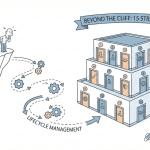
While often used interchangeably with “patent thickets,” the term “evergreening” describes a related but distinct set of strategies. If a patent thicket is about building a defensive fortress around an existing product, evergreening is about proactively creating new, slightly modified versions of that product to secure fresh layers of patent protection and extend the franchise’s monopoly. In the sanitized language of the pharmaceutical industry, this is known as “lifecycle management”.41 To critics, however, it’s a deliberate tactic to delay competition and maintain monopoly pricing power.42
From Pejorative to Practice: Understanding the Nuances of Evergreening
Evergreening involves leveraging the patent system to obtain new patents on minor modifications to a drug that is nearing the end of its original patent life.43 The goal is to create a new, patented product to which the market can be shifted before the original becomes subject to generic or biosimilar competition. This practice is not unique to biologics, but the complexity of these molecules provides fertile ground for such strategies.
Common evergreening tactics include:
Product Hopping: This is the quintessential evergreening strategy. Just before the patent on the original version of a drug is set to expire, the originator company launches a “new and improved” version and puts its full marketing muscle behind convincing doctors and patients to switch. This new version might be an extended-release formulation, a different delivery method (e.g., a subcutaneous injection instead of an intravenous infusion), or a pre-filled syringe instead of a vial.41 Once the market has been successfully “hopped” to the new, patented product, the company may even withdraw the original version, making it impossible for pharmacists to substitute a generic or biosimilar version of the old drug.43 AstraZeneca’s transition from its blockbuster heartburn drug Prilosec to the next-generation Nexium is a classic textbook example of this play.45
New Formulations, Polymorphs, or Isomers: Pharmaceutical compounds can often exist in different crystalline structures (polymorphs) or as different stereoisomers (molecules that are mirror images of each other). Companies will often patent these slight variations, claiming they offer some benefit, such as improved stability or bioavailability.41 The legal battle over Novartis’s cancer drug Gleevec in India famously hinged on this issue, with the Indian Supreme Court ultimately ruling that a new polymorph did not meet the country’s heightened standard for patentability, a major blow to evergreening strategies in that jurisdiction.41
Combination Drugs: Another common tactic is to combine the original drug with another known active ingredient into a single-dose product. This new combination can then be patented as a novel invention, even if both components were previously available separately.
The Fine Line: Legitimate Innovation vs. Anti-Competitive Strategy
This brings us to the central debate surrounding evergreening: where is the line between genuine, patient-benefiting innovation and a purely anti-competitive business strategy?.43 An extended-release formulation that reduces dosing from twice a day to once a day is a clear benefit to patients. A new delivery device that is less painful or easier to use is a legitimate improvement. The pharmaceutical industry argues that this is simply the natural process of innovation—continuously improving upon their products throughout their lifecycle.
However, critics argue that many of these “improvements” are trivial changes that offer little to no real clinical advantage, designed for the sole purpose of securing a new patent and blocking competition.42 The success of this strategy hinges on a fundamental disconnect between the standards of patent law and the realities of clinical medicine. The patent office may grant a patent for a change that is technically “new” and “non-obvious” from a legal perspective, even if that change has no meaningful impact on the drug’s safety or efficacy for a patient. Evergreening thrives in this gap, allowing companies to reset the 20-year patent clock for modifications that are legally novel but not medically significant.
The economic incentives to engage in these practices are immense. With blockbuster biologics like Merck’s Keytruda and BMS’s Opdivo, which together generate tens of billions in annual sales, facing patent expirations before the end of the decade, the pressure to find ways to extend their market exclusivity is enormous.1 The financial impact of these delays is borne by the healthcare system and patients. By preventing or delaying the entry of lower-cost biosimilars, evergreening strategies contribute to the persistently high cost of biologic drugs in the United States, costing the system billions of dollars in lost savings.1 The “patent cliff”—the dramatic and sudden loss of revenue when a blockbuster drug finally loses exclusivity—is a powerful motivator, and evergreening is one of the primary tools companies use to soften that landing, often at the expense of timely market competition.4
The Legal Gauntlet: Navigating BPCIA Litigation and PTAB Challenges
Once a biosimilar developer has navigated the scientific and manufacturing hurdles and submitted an application to the FDA, they enter the next phase of the conflict: the legal gauntlet. The Biologics Price Competition and Innovation Act (BPCIA) did not just create a regulatory pathway for biosimilars; it also established a highly complex and unique framework for resolving the inevitable patent disputes. This framework, combined with other legal avenues like the Patent Trial and Appeal Board (PTAB), creates a multifaceted battlefield where strategic legal decisions can be just as important as the scientific data in the biosimilar application.
The “Patent Dance”: To Dance or Not to Dance?
At the heart of the BPCIA’s litigation framework is a series of choreographed information exchanges colloquially known as the “patent dance”.47 This process was intended to provide an orderly mechanism for the biosimilar applicant and the reference product sponsor (RPS) to identify and narrow down the patents that would be subject to litigation, ideally resolving key disputes before the biosimilar launches and minimizing market uncertainty.19
The dance is an intricate, multi-step process with strict timelines that, if followed in its entirety, can take up to 250 days (over eight months) to complete.47 The key steps include:
Within 20 days of the FDA accepting its application, the biosimilar applicant provides the RPS with a copy of its abbreviated Biologics License Application (aBLA) and detailed information about its manufacturing process.49
Within 60 days of receiving this information, the RPS provides the applicant with a list of all patents it believes could reasonably be asserted.23
The applicant then has 60 days to respond with its own list of patents it believes are relevant and provide detailed statements explaining why each of the RPS’s patents is invalid, unenforceable, or not infringed.
The RPS then responds with its own detailed rebuttal.
Following these exchanges, the parties are supposed to negotiate in good faith to agree on a final list of patents to be litigated in the “first wave” of litigation.50
For years, the central question surrounding this complex process was whether it was mandatory. The statute uses the word “shall,” suggesting an obligation. However, in 2017, the U.S. Supreme Court provided a definitive answer in the landmark case Amgen v. Sandoz. The Court’s unanimous decision held that the patent dance is optional.47 A biosimilar applicant cannot be forced by a federal court injunction to participate.
This ruling transformed the dance from a required procedure into a critical strategic choice with significant consequences for both sides.
For the Biosimilar Applicant: The decision to “sit out” the dance allows the applicant to protect its highly confidential and proprietary manufacturing information from its direct competitor.54 However, this comes at a steep price: the applicant cedes all control over the scope and timing of the ensuing litigation. The RPS is free to immediately file a patent infringement lawsuit on any and all patents it deems relevant, potentially creating a much larger, more complex, and more expensive legal battle.47
For the Reference Product Sponsor: If the applicant opts out, the RPS gains the strategic advantage of controlling the litigation narrative from the outset. However, it does so without the benefit of seeing the applicant’s confidential aBLA, making it harder to craft its infringement arguments with precision.
The Amgen v. Sandoz decision also clarified another crucial timing issue: the 180-day notice of commercial marketing. The BPCIA requires a biosimilar applicant to give the RPS 180 days’ notice before it begins selling its product. The Supreme Court ruled that this notice can be given before the FDA has officially approved the biosimilar, rejecting the argument that it could only be given post-approval.53 This allows biosimilar companies to start the 180-day clock earlier, potentially accelerating their path to market once approval is granted.
The choice of whether to engage in the patent dance is now a high-stakes calculation of risks and rewards, as summarized in the table below.
Table 1: The BPCIA Patent Dance: A Strategic Decision Matrix
Strategic Factor
Biosimilar Applicant Chooses to “Dance”
Biosimilar Applicant Chooses to “Sit Out”
Control over Litigated Patents
Shared Control: Applicant participates in negotiating the “first wave” patents, potentially limiting the initial scope of litigation.
RPS Control: RPS can immediately sue on any patent it deems relevant, creating a potentially massive and unfocused lawsuit.
Disclosure of Confidential Info
High Disclosure: Applicant must provide its full aBLA and detailed manufacturing process information to the RPS.
No Disclosure: Applicant’s proprietary manufacturing information remains confidential, a major competitive advantage.
Timing of Litigation
Structured Timeline: Litigation follows the prescribed, multi-month timeline of the BPCIA dance.
Immediate Litigation: RPS can file a declaratory judgment action for infringement as soon as the applicant opts out.
Litigation Scope & Cost
Potentially Narrower: The dance is designed to narrow the dispute, which can lead to a more focused and less costly initial lawsuit.
Potentially Broader: Litigation can be a “kitchen sink” approach, increasing complexity and legal costs for the applicant.
Strategic Takeaway
Favors applicants who prioritize a more predictable and potentially narrower legal battle over protecting their manufacturing secrets.
Favors applicants who prioritize protecting their confidential information above all else, and are prepared for a broader, more aggressive litigation response from the RPS.
The PTAB Battlefield: Using Inter Partes Review (IPR) to Punch Through the Thicket
Beyond the confines of the BPCIA framework, biosimilar developers have another powerful weapon in their arsenal: the inter partes review (IPR) process at the Patent Trial and Appeal Board (PTAB), an administrative body within the USPTO.55 Created by the America Invents Act, IPRs offer a faster, more streamlined, and often less expensive alternative to district court litigation for challenging the validity of an issued patent.52
For a biosimilar company facing a dense patent thicket, the PTAB can be an attractive venue. It allows them to proactively “clear the brush” by challenging and invalidating weaker secondary patents—particularly those related to manufacturing processes or formulations—before they even have to engage in the full-blown BPCIA process.55 The proceedings are overseen by technically-savvy administrative patent judges, and the burden of proof for invalidating a patent is lower than in federal court.
However, the data on IPR outcomes for biologic patents reveals a fascinating and counterintuitive dynamic—a high-risk, high-reward proposition.
Statistical analysis shows that it is actually harder to get an IPR started against a biologic patent than against a small-molecule (Orange Book) patent or patents in other technology areas. The all-time institution rate for IPR petitions challenging biologic patents is 55%, the lowest of any utility patent category, compared to 62% for Orange Book patents.56 In recent years, this gap has been even more pronounced, with institution rates for biologics dipping as low as 33%.57 This suggests the PTAB sets a higher initial bar for these types of challenges.
But here is the critical twist: once an IPR against a biologic patent is instituted, the patent is far more likely to be invalidated than its small-molecule counterpart.
A comprehensive analysis of PTAB statistics reveals a stark disparity in outcomes post-institution. While only 31% of instituted claims in Orange Book patent challenges were ultimately found unpatentable, a remarkable 59% of instituted claims in biologics patent challenges were invalidated. This suggests that while the barrier to entry at the PTAB is higher for biologics, the potential for a decisive victory is significantly greater for those challengers who can clear that initial hurdle.57
This dynamic is further illustrated by final written decisions. One study found that 70% of IPRs on biologic patents that went to a final decision resulted in all challenged claims being cancelled, compared to only 45% for Orange Book patents.58 This high “kill rate” post-institution likely reflects the nature of the patents being challenged. The core composition of matter patents for biologics are often robust and difficult to invalidate. However, the secondary patents that make up the bulk of a patent thicket—covering specific manufacturing steps, formulations, or methods of use—are often more vulnerable to being found obvious or lacking novelty in light of prior art, especially when scrutinized by the PTAB’s expert judges.57
This creates a clear strategic calculus for biosimilar developers. Filing an IPR is a gamble, with a lower-than-average chance of the case even being taken up. But for those who succeed in getting a trial instituted, the odds of delivering a knockout blow to a key patent in the thicket are surprisingly high.
Table 2: IPR Outcomes: Biologic vs. Orange Book Patents (A Statistical Snapshot)
Metric
Biologic Patents
Orange Book (Small Molecule) Patents
All Utility Patents (for context)
All-Time IPR Institution Rate
55% (Lowest of all categories)
62%
~64%
Recent Institution Rate (2021)
33%
27%
N/A
% of Petitions Resulting in All Claims Invalidated
21%
15%
N/A
% of Instituted Claims Found Unpatentable
59%
31%
N/A
Strategic Takeaway
Higher barrier to entry, but a significantly higher chance of total victory if the challenge is instituted. A high-risk, high-reward strategy.
Lower barrier to entry, but a lower probability of invalidating all claims. A more incremental, lower-risk approach.
Baseline for comparison.
Data compiled from multiple analyses of USPTO PTAB statistics.56
The Global Chessboard: Contrasting U.S. and EU Defense Strategies
The battle for biologic market exclusivity is not fought on a single front; it is a global campaign waged across vastly different legal and regulatory terrains. The strategies that prove wildly successful in the United States often fail or are simply unavailable in the European Union, and vice versa. This transatlantic divide has created two distinct market realities: a U.S. landscape characterized by delayed biosimilar entry and prolonged originator monopolies, and a more mature, competitive European market. Understanding the foundational reasons for this “biosimilar gap” is essential for any company operating on this global chessboard.
Why the Thicket Thrives in America
The United States has proven to be exceptionally fertile ground for the growth of dense and durable patent thickets. This is not by accident, but rather the result of a confluence of factors unique to its legal and regulatory system.
First and foremost is the permissive patenting environment at the USPTO. As discussed previously, the widespread use of continuation applications paired with terminal disclaimers allows innovators to generate a large number of patents on obvious variations of a core invention.27 This procedural mechanism is the primary engine of thicket creation, enabling the layering of dozens of overlapping patents that, while not extending the ultimate expiration date of the patent family, dramatically increase the cost and complexity of litigation for a challenger.
Second, the U.S. legal system currently offers no effective antitrust remedy against the practice of building a thicket. The landmark Humira decision by the Seventh Circuit established that the mere act of accumulating a large number of lawfully obtained patents does not, in itself, constitute an antitrust violation.38 This gives originator companies a legal “safe harbor” to pursue this strategy aggressively without fear of being penalized for anti-competitive behavior, a stark contrast to the potential for competition law challenges in other jurisdictions.
Third, the BPCIA framework itself contributes to the friction and delay. The intricate, multi-stage “patent dance” and the two-phase litigation structure, while intended to be orderly, create numerous opportunities for strategic maneuvering and procedural delays that are not present in the more streamlined European regulatory process.59
The cumulative effect of these factors is a market where biosimilar entry is significantly delayed. The median time from the approval of a biologic drug to the market availability of its first biosimilar in the U.S. has been found to be over 20 years, far exceeding the 12-year statutory exclusivity period and the timelines seen in Europe.61
The European Counterpoint: A More Restricted Playing Field
The European system, governed by the European Patent Convention (EPC), presents a much more challenging environment for building and maintaining a U.S.-style patent thicket. Several key differences act as structural barriers to this strategy.
The European Patent Office (EPO) is widely regarded as having stricter patentability standards, particularly concerning inventive step (the European equivalent of non-obviousness) and the prohibition on “added matter”.59 The added matter doctrine prevents applicants from adding subject matter to a patent application after its filing date. This makes it much more difficult to file the kind of sprawling families of continuation-style applications with tweaked claims that are common practice at the USPTO.63
Furthermore, the European system lacks the procedural tools that enable thicket density in the U.S. The concept of filing a terminal disclaimer to overcome an obviousness-type double patenting rejection is not a feature of EPO practice.27 This removes the primary mechanism for obtaining numerous patents on trivial variations of the same invention.
Finally, the regulatory pathway for biosimilars is more mature and streamlined. The EMA’s science-driven approach, established years before the BPCIA, has fostered a more predictable and competitive environment. The agency’s position that all approved biosimilars are scientifically interchangeable, and its recent moves to potentially reduce the need for comparative clinical efficacy studies for certain products, further lower the barriers to entry for biosimilar developers.21
The result of these systemic differences is not just a market phenomenon; it is a direct and predictable outcome of divergent legal philosophies and administrative procedures. The “biosimilar gap” between the U.S. and Europe, where biosimilars for blockbuster drugs like Humira launched years earlier in the EU, is not an anomaly.59 It is the logical consequence of a U.S. system that structurally enables and legally protects the patent thicket strategy, and a European system that structurally discourages it. For global biopharma strategists, this means that a one-size-fits-all approach to IP is doomed to fail. A successful global defense requires a nuanced, jurisdiction-specific strategy that recognizes and adapts to these foundational differences in the rules of the game.
From Data to Dominance: Leveraging Competitive Patent Intelligence
In the high-stakes world of biologic drug development, knowledge is not just power; it is the ultimate competitive advantage. While much of the focus in IP strategy is rightly placed on building a defensive fortress around one’s own assets, the most sophisticated players in the industry have learned to turn the patent system into a powerful offensive weapon. By systematically monitoring and analyzing the patent filings of competitors, companies can gain an unprecedented, real-time view into their rivals’ R&D pipelines, strategic priorities, and future market intentions. This transforms a company’s posture from one of reactive defense to proactive, predictive strategy, allowing them to anticipate and shape the competitive landscape rather than merely responding to it.
Turning Patent Filings into a Strategic Crystal Ball
By international convention, most patent applications are published 18 months after their initial filing date. This seemingly mundane administrative detail is, in fact, a goldmine of competitive intelligence.66 It provides a clear, detailed window into a competitor’s research activities years before a product is ever mentioned in a press release, presented at a scientific conference, or entered into clinical trials. For the savvy strategist, a patent application is a crystal ball that can reveal the future of the market.
A systematic program of patent monitoring can yield a wealth of actionable insights:
Mapping Competitor R&D Pipelines: By tracking the patents filed by a rival, you can identify the new molecular entities and biological targets they are pursuing, see which therapeutic areas they are investing in most heavily, and even detect which research programs they may be abandoning.66 This serves as a powerful early warning system for emerging competitive threats.
Predicting Future Product Characteristics: The claims and detailed examples within a patent application are a blueprint for a future product. They can reveal the specific formulation technologies being developed, the therapeutic indications being targeted, and the potential advantages the competitor will claim, allowing you to prepare your own counter-strategy years in advance.66
Conducting Freedom-to-Operate (FTO) Analysis: As your own pipeline products advance, continuous monitoring of the patent landscape is essential to ensure you are not inadvertently heading towards a collision with a competitor’s emerging IP. Early identification of a potential FTO issue can save hundreds of millions of dollars by allowing for a strategic pivot or the initiation of a licensing discussion long before the problem becomes critical.66
Identifying “White Space” for Innovation: Patent landscape analysis is not just about tracking threats; it’s also about finding opportunities. By mapping the entire patent landscape for a given disease or technology area, you can perform a gap analysis to identify therapeutic targets, delivery approaches, or combination therapies that have limited patent coverage.67 These “white spaces” represent less crowded areas for your own R&D, with a higher potential for securing a strong, defensible patent position.
The Strategist’s Toolkit: How to Use Platforms like DrugPatentWatch
The sheer volume of patent data published globally makes manual tracking an impossible task. To effectively leverage this information, companies rely on specialized competitive intelligence platforms that aggregate, filter, and analyze this data. Services like DrugPatentWatch are indispensable tools in the modern biopharma strategist’s toolkit, transforming raw data into actionable intelligence.69
These platforms enable a range of critical strategic activities:
Automated Monitoring and Alerts: The foundation of any patent intelligence program is systematic monitoring. Platforms allow users to set up automated alerts based on specific criteria—such as a competitor’s name, a particular technology keyword, or a therapeutic area classification code. This ensures that you are notified in real-time whenever a relevant new patent or application is published, allowing for immediate assessment and response.66
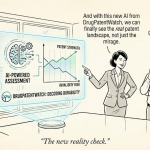
Predicting Commercial Viability and Market Dynamics: The most advanced use of this data goes beyond simple tracking. By integrating patent information with other data streams—such as clinical trial data, regulatory timelines, and market size estimates—it becomes possible to build sophisticated predictive models. For example, by analyzing a biologic’s molecular complexity (which dictates development cost) and the size of its target market, a platform like DrugPatentWatch can help forecast the likely number of biosimilar entrants and the probable degree of price erosion upon patent expiry.69 This transforms portfolio management and business development from a gut-feel exercise into a data-driven science.
Informing M&A and Licensing Strategy: Patent landscape analysis is a critical component of due diligence for any merger, acquisition, or in-licensing deal. By mapping the patent portfolio of a potential target, a company can assess the strength and durability of its IP, identify any potential liabilities or FTO constraints, and gain a much clearer valuation of the asset.67
Ultimately, the strategic use of patent intelligence fundamentally changes the competitive dynamic. It allows a company to move from playing defense—protecting what it already has—to playing offense. It provides the foresight needed to guide R&D resource allocation, neutralize competitive threats before they fully materialize, and identify and seize strategic opportunities that would otherwise remain hidden. In an industry where a single strategic misstep can cost billions, the ability to see the future in the patent record is an advantage that no serious competitor can afford to ignore.
The Bottom Line: Quantifying the Staggering Economic Impact
The strategic maneuvering, legal battles, and complex defense tactics surrounding biologic patents are not abstract academic concepts; they have real-world economic consequences of a staggering scale. The success or failure of these strategies directly translates into billions of dollars transferred between companies, healthcare systems, and patients. Quantifying this impact reveals both the immense financial rewards for originators who successfully prolong their monopolies and the enormous costs borne by society as a result of delayed competition.
The Price of Delay: Billions in Added Healthcare Costs
The primary economic consequence of delayed biosimilar entry is the sustained high cost of biologic medicines. In a competitive market, the entry of multiple biosimilars can drive down the price of a biologic by 30% or more, generating massive savings for payers and patients.25 When that competition is held at bay by patent thickets and evergreening, those savings fail to materialize.
The numbers are breathtaking. A 2024 analysis by the Initiative for Medicines, Access & Knowledge (I-MAK) calculated that the delayed U.S. market entry of just three blockbuster drugs—Humira, Enbrel, and Eliquis—compared to their earlier launches in Europe, cost the American healthcare system an estimated $167 billion in potential savings.1 The delay for Humira alone, which entered the European market with biosimilar competition in 2018 but was protected in the U.S. until 2023, is estimated to have cost American payers and taxpayers more than
$14.4 billion.31
This financial burden is a direct result of the disproportionate role biologics play in overall drug spending. While biologics account for only about 2% of all prescriptions filled in the U.S., they are responsible for a stunning 43% to 50% of total net drug spending.2 This imbalance is a direct function of their high prices, which are sustained by the lack of competition. In 2019, net spending on biologics in the U.S. totaled $211 billion and was growing at a compound annual rate of nearly 15%.2
Early projections of the cost-saving potential of biosimilars have been repeatedly frustrated by the effectiveness of originator defense tactics. A 2014 study by the RAND Corporation estimated that biosimilars would yield $44.2 billion in savings for the U.S. system by 2024.2 However, the slow pace of market entry has meant that much of this potential has been left on the table. The high prices have a direct impact on patient access, with studies showing that as many as one in four Americans ration or skip medications due to cost.46
The Reward for Success: Unprecedented Revenue Extension for Originators
On the other side of this economic equation is the massive financial windfall for originator companies that successfully execute a robust patent defense strategy. The data clearly shows that the return on investment for building and defending a patent thicket is astronomical.
The Humira case is, once again, the most vivid example. AbbVie’s primary U.S. patent on the molecule expired in 2016, but its patent thicket delayed biosimilar competition until 2023. During that seven-year extension of its monopoly, the company reaped the majority of the drug’s lifetime revenue. Analysis shows that two-thirds of all U.S. revenue ever earned on Humira was made in the period after its main patent had expired.1 In the period just before biosimilar entry, Humira was generating an incredible
$47.5 million per day in revenue for AbbVie.46
This illustrates a fundamental economic reality of the pharmaceutical industry: the vast majority of a drug’s lifetime value is captured during its period of market exclusivity. Studies show that drugs protected by strong patents generate 80-90% of their lifetime revenue during this period. The moment that exclusivity is lost, the financial consequences are immediate and severe, with revenues often plummeting by 80-90% within a year of generic or biosimilar entry.4
This stark “patent cliff” is the ultimate justification for the immense resources poured into patent defense. The cost of building the thicket, while seemingly large, is dwarfed by the revenue it protects. A simple calculation for Humira illustrates this point: assuming a generous cost of $100,000 per patent for 200 patents, the total investment in building the thicket would be around $20 million.30 At a revenue rate of $47.5 million per day, AbbVie recouped that entire investment in less than half a day of sales. This profound return-on-investment asymmetry ensures that building patent thickets is, from a purely financial standpoint, one of the most rational and valuable activities a pharmaceutical company can undertake. This economic reality will continue to drive these defensive strategies until the underlying legal and regulatory framework is changed to alter that ROI calculation. The projected cost to the U.S. healthcare system from the extended monopoly of just one other drug, Keytruda, is estimated to be over
$137 billion.46
The Next Frontier: AI, Legislative Reform, and the Future of Biologic Patents
The established strategies of biologic patent defense, honed over the past two decades, have proven remarkably effective. However, the battlefield is not static. Two powerful forces are converging on the horizon that have the potential to fundamentally reshape the landscape of biologic IP: the technological disruption of artificial intelligence and the growing political momentum for legislative and regulatory reform. For strategists looking to the future, understanding these emerging trends is not just important; it is critical for survival.
The AI Revolution: A New Variable in the Patent Equation
Artificial intelligence and machine learning are no longer the stuff of science fiction; they are rapidly becoming integral tools in biopharmaceutical R&D, and their impact on patent law will be profound.73
AI is dramatically accelerating the pace of drug discovery. By analyzing vast datasets of genomic, proteomic, and chemical information, AI algorithms can identify novel drug targets and design promising candidate molecules with a speed and efficiency that is impossible for human researchers alone. This is already shrinking preclinical development timelines, in some cases from a standard 5-6 years down to as little as 2-3 years.74 Insilico Medicine, for example, went from target identification to a preclinical candidate for pulmonary fibrosis in just 18 months using its AI platform.74
This acceleration creates new opportunities, but also new legal challenges. The most pressing is the dilemma of inventorship. If an AI system, operating with a high degree of autonomy, identifies a novel and effective drug molecule, who is the legal inventor? Current patent law in both the U.S. and the U.K., as affirmed in the high-profile Thaler v. Vidal cases, is unequivocal: an inventor must be a human being.75 An AI system cannot be named as an inventor on a patent. This creates a significant legal gray area. The USPTO attempted to clarify this with its 2024 guidance, which states that an invention is patentable if a human being provided a “significant contribution” to its conception.74 But what constitutes a “significant contribution” in the age of generative AI is a question that will undoubtedly be litigated for years to come.
This creates a paradoxical future for biologic patents. On one hand, AI will enable originator companies to discover and patent novel biologics, formulations, and manufacturing processes at an unprecedented rate, potentially leading to even larger and more complex patent portfolios. On the other hand, the same AI tools can be weaponized by competitors. A biosimilar company could use AI to analyze an originator’s patent thicket and rapidly design non-infringing “workaround” molecules that achieve the same therapeutic effect without literally violating the patent claims.74 This could dramatically shorten the effective period of market exclusivity, even for well-patented drugs. The future of biologic IP may be a technological arms race, where the ability to innovate with AI faster than competitors can design around you with their own AI becomes the ultimate form of market protection, potentially supplanting purely legal barriers.
Can the Thicket Be Trimmed? A Look at Legislative and Regulatory Reform
As the economic and social costs of delayed biosimilar competition have mounted, and with courts proving unwilling to dismantle patent thickets using existing antitrust law, political pressure for legislative reform has been steadily building. Several bipartisan proposals are now under consideration in the U.S. Congress, each aimed at curbing the most aggressive patenting strategies.
The Affordable Prescriptions for Patients Act: First introduced in 2019, this bill has been narrowed to focus specifically on biologics. Its main provision would cap the number of patents an originator company can assert in BPCIA litigation at 20, but this cap would only apply to patents filed more than four years after the drug’s initial FDA approval.29 While it represents a step towards reform, critics argue it is too weak to be effective. The median number of patents litigated for a biologic is already only 14, meaning the cap would have no effect in most cases. The four-year window also exempts a large number of patents filed early in a drug’s lifecycle.29
The Eliminating Thickets to Increase Competition (ETHIC) Act: This is a much more aggressive and targeted proposal. It takes direct aim at the primary mechanism of thicket creation: the use of terminal disclaimers to patent obvious variations of an invention. The ETHIC Act would restrict an originator to asserting only one patent from a “family” of patents that are linked by terminal disclaimers.29 This would dramatically reduce the density of patent thickets and lower the litigation burden for biosimilar challengers.
USPTO Rule Changes: In 2024, the USPTO itself proposed a new rule that would have had a significant chilling effect on the filing of weak patents. The rule stated that if any claim in a patent was found to be invalid, all related “downstream” patents that were obvious variants and linked by a terminal disclaimer would become unenforceable.29 This would have raised the stakes for originators, as losing one patent could cause a domino effect, wiping out a large portion of their thicket. The rule was ultimately withdrawn, with the USPTO citing a lack of resources, but the concept could easily be revived in future legislation.29
These legislative efforts represent the most significant threat to the status quo of biologic patent defense. Their potential passage, particularly a strong bill like the ETHIC Act, would force a fundamental rethinking of lifecycle management strategy. The era of relying on sheer volume of patents to deter competition could come to an end, placing a renewed emphasis on the quality and strength of core inventive patents. For all players in the biologic space, monitoring this legislative front is no longer a peripheral concern; it is a central strategic imperative.
Conclusion and Key Takeaways
The defense of a blockbuster biologic drug is one of the most complex and high-stakes endeavors in modern business. It is a multi-front war fought across scientific, regulatory, legal, and commercial domains, where success is measured in billions of dollars of extended revenue and failure means a precipitous fall off the patent cliff. Our deep dive into the tactics and strategies employed in this arena reveals a landscape shaped by the unique nature of biologic medicines themselves. Their inherent complexity and the impossibility of creating perfect copies have given rise to a sophisticated and aggressive set of defensive plays that go far beyond traditional patent prosecution.
The current U.S. legal and regulatory environment—characterized by a permissive patent office, a judiciary reluctant to apply antitrust law to patent accumulation, and a complex statutory litigation framework—has made the “patent thicket” a rational, legally defensible, and extraordinarily profitable business strategy. The astronomical return on investment for building these dense webs of intellectual property ensures that they will remain the central feature of biologic patent defense for the foreseeable future.
However, the ground is beginning to shift. The glaring disparity between the competitive biosimilar markets in Europe and the delayed, friction-filled landscape in the United States has drawn the attention of policymakers. Legislative proposals aimed at trimming the thickets are gaining bipartisan traction, threatening to rewrite the rules of the game. Simultaneously, the disruptive force of artificial intelligence promises to accelerate both the creation of new IP and the means to design around it, introducing a new era of technological competition.
Navigating this evolving battlefield requires more than just top-tier legal counsel. It demands a proactive, integrated strategy that aligns R&D, business development, and IP law from the earliest stages of a product’s life. It requires a forward-looking perspective that leverages competitive intelligence to anticipate threats and a global mindset that adapts to the divergent rules of different jurisdictions. The fortress of biologic IP is formidable, but it is not immutable. The strategists who will win the next generation of these wars will be those who not only understand how the fortress was built, but who can also anticipate the forces that may one day bring its walls down.
Key Takeaways
The Science Dictates the Strategy: The fundamental scientific reality that biologics are complex and cannot be perfectly replicated (the “identical copy fallacy”) is the bedrock of all biologic patent defense, creating a higher bar for competitors and a wider field for patenting.
Exclusivity is a Two-Pillar System: Market protection relies on both a fixed-term regulatory exclusivity (12 years in the U.S.) and a variable, often much longer, period of patent protection. The regulatory period is merely the floor, not the ceiling, of monopoly.
Patent Thickets are a Rational and Legal Strategy (in the U.S.): Under current U.S. law, accumulating hundreds of overlapping secondary patents (covering formulations, manufacturing, uses, and devices) is a legally sound and highly profitable strategy for delaying biosimilar competition. The Humira antitrust case affirmed this.
The U.S. vs. EU Gap is Systemic: The stark difference in biosimilar competition between the U.S. and Europe is a direct result of foundational differences in patent office procedures (e.g., U.S. continuation practice) and legal philosophies.
Litigation is a Strategic Choice: The BPCIA “patent dance” is optional. The decision to participate or opt out is a critical strategic calculation, trading the disclosure of confidential information for greater control over the litigation process.
IPRs are a High-Risk, High-Reward Weapon: While harder to initiate against biologic patents, inter partes reviews (IPRs) at the PTAB have a much higher “kill rate” once instituted, making them a powerful tool for biosimilar challengers to punch holes in a patent thicket.
The ROI is Asymmetrical: The cost of building and defending a patent thicket, while substantial, is a rounding error compared to the billions of dollars in revenue generated by even a short extension of market exclusivity, ensuring the strategy’s continued use.
The Future is Disruption: The twin forces of legislative reform (e.g., the ETHIC Act) aimed at curbing thickets and technological disruption from AI are poised to fundamentally alter the strategic landscape in the coming decade.
Frequently Asked Questions (FAQ)
1. Q: If the Humira antitrust case failed, is there any viable legal theory to challenge a patent thicket in the U.S. today, short of new legislation?
A: It is extremely difficult, but not theoretically impossible. The Humira decision closed the door on the theory that accumulating a large number of lawfully-obtained patents is, by itself, an antitrust violation. However, it left other, much narrower, avenues open. A challenger could still potentially succeed with a Walker Process claim, which requires proving that the originator obtained its patents through intentional fraud on the USPTO. This is a very high bar to clear. Another potential, though challenging, theory is “sham litigation,” where a plaintiff would need to prove that the originator asserted patents that were objectively baseless with a subjective intent to interfere with competition. The Humira court noted AbbVie had asserted some arguably baseless patents, but the plaintiffs failed to show this conduct directly caused the biosimilar launch delays. In short, while a direct assault on the thicket’s existence is likely to fail, a highly targeted attack focused on fraudulent procurement or baseless assertion of specific patents remains a theoretical, albeit challenging, possibility.
2. Q: My company is developing a biosimilar. Given the risks, is it ever strategically advantageous to “sit out” the patent dance?
A: Yes, absolutely. The decision to “sit out” the patent dance is a calculated risk that can be highly advantageous in certain situations. The primary benefit is protecting your most valuable trade secret: the specific, proprietary manufacturing process you’ve developed. Handing this information over to your direct competitor via the dance is a significant competitive risk. Opting out is often the preferred strategy for a biosimilar developer who is extremely confident in their non-infringement position or in their ability to invalidate the originator’s key patents. It is also a viable strategy if the company has the financial resources and legal appetite to handle a broader, more aggressive “kitchen sink” lawsuit from the originator. By sitting out, you are essentially betting that the value of keeping your manufacturing process secret outweighs the cost and complexity of a less structured, originator-controlled litigation.
3. Q: How does the concept of “interchangeability” in the U.S. act as another layer of patent defense for originators?
A: The U.S.-specific designation of “interchangeability” acts as a subtle but powerful commercial and defensive tool for originators. Because it requires additional, costly switching studies, it creates a higher barrier to entry for biosimilar developers, bifurcating the market into “standard” biosimilars and “premium” interchangeable ones. Originators can leverage this in their marketing to physicians and payers, creating doubt about non-interchangeable biosimilars and arguing for the superiority and safety of their brand-name product. This “confidence gap” can slow biosimilar adoption. Furthermore, the first interchangeable biosimilar is granted its own 1-year period of exclusivity against other interchangeable competitors, which can fragment the market and complicate the competitive dynamics, ultimately benefiting the originator by preventing a unified, rapid erosion of their market share.
4. Q: With the EMA streamlining clinical data requirements for biosimilars, could this create a new “regulatory arbitrage” opportunity for companies launching first in Europe to gain experience before tackling the U.S. market?
A: This is a key strategic consideration for global biosimilar developers. The EMA’s move to potentially waive comparative efficacy studies for some biosimilars, relying more heavily on robust analytical and pharmacokinetic data, significantly lowers the cost and time of development for the European market. This creates a clear “Europe-first” strategy. A company can launch in the EU, which has a more mature and receptive market, at a lower initial investment. This allows them to gain real-world manufacturing experience at scale, generate post-marketing safety data, and begin generating revenue. This revenue and experience can then be used to fund the more extensive and expensive clinical programs (including potential interchangeability studies) required to tackle the more litigious and complex U.S. market. It’s a classic de-risking strategy enabled by the diverging regulatory philosophies.
5. Q: As an investor, what are the top three non-obvious IP-related red flags I should look for when evaluating a biotech company with a promising biologic candidate?
A: Beyond the obvious check for a granted composition of matter patent, here are three more nuanced red flags:
A “Front-Loaded” and Static Patent Portfolio: If a company’s entire IP position rests on one or two early patents filed a decade ago with no subsequent filings, it’s a major red flag. It suggests a lack of a sophisticated lifecycle management strategy. A strong portfolio should show a continuous stream of filings covering new formulations, manufacturing improvements, and methods of use, demonstrating that the company is proactively building a defensive thicket.
Overly Broad or “Prophetic” Claims: Examine the claims in their key patents. If they are extremely broad and not well-supported by concrete data and examples in the patent’s specification (relying on “prophetic” or purely theoretical examples), they are highly vulnerable to being invalidated for lack of written description or enablement, especially under recent U.S. case law.
Absence of a Global Filing Strategy: Look at where they have filed for patent protection. If they have only filed in the U.S. and have neglected key markets like Europe and Japan, it indicates either a lack of capital or a lack of strategic foresight. A serious biologic asset will have a robust, coordinated global patent strategy to protect its value across major markets.
Biosimilarity and Interchangeability in the Biologics Price Competition and Innovation Act of 2009 and FDA’s 2012 Draft Guidance for Industry – PMC, accessed August 17, 2025, https://pmc.ncbi.nlm.nih.gov/articles/PMC3827854/