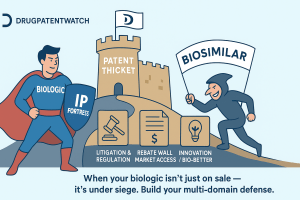
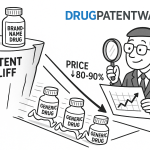
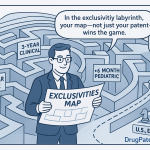
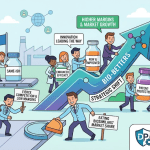
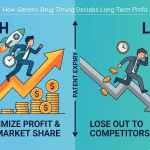
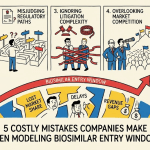
The loss of exclusivity for a blockbuster biologic is no longer a theoretical risk management exercise. It is a discrete, dateable revenue event that strips away hundreds of millions in quarterly cash flow within 18 to 36 months of the first biosimilar launch. The companies that have navigated this the best — AbbVie with Humira, Roche with its HER2 franchise, Amgen with Neupogen — did not wait for the legal clock to run out. They spent a decade engineering the outcome they wanted.
This guide is for IP teams, portfolio managers, and R&D leads who need more than an overview. It covers the science of biosimilar complexity, the mechanics of the BPCIA patent dance, the architecture of the patent thicket, the perverse reimbursement incentives that shape provider behavior, and the R&D moves that reset the competitive clock entirely. Every section pulls from real litigation, real regulatory events, and real commercial outcomes.
I. The Competitive Threat: What Makes Biosimilars Structurally Different from Generics
1.1 Molecular Scale and Manufacturing Complexity: The Scientific Basis for Every Downstream Strategy
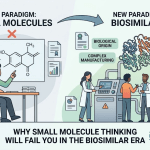
Small-molecule generics and large-molecule biosimilars are not comparable competitive threats. Treating them as analogous is the first strategic error an originator can make, and it tends to produce a defense that is too shallow, too late, and too narrowly scoped.
The chemistry is the starting point. A small-molecule drug like aspirin has 21 atoms. A fully glycosylated monoclonal antibody like adalimumab has roughly 25,000 atoms, a molecular weight around 148 kDa, and a three-dimensional structure that is inextricable from its function. That structure is produced in living cells — most commonly Chinese hamster ovary (CHO) cell lines — not synthesized from defined chemical reagents. The originator’s CHO cell line, developed over years of selection and engineering, is a proprietary biological system. No competitor can replicate it. What they can do is develop their own cell line and manufacturing process and demonstrate that the resulting protein falls within the statistical envelope of acceptable variability that defines the reference product. That is a fundamentally different challenge from following a published synthesis route.
The consequence is that a biosimilar is, by regulatory definition, not identical to its reference product. The FDA standard under the BPCIA is ‘highly similar’ with ‘no clinically meaningful differences’ in safety, purity, and potency. Minor differences in clinically inactive components — glycosylation patterns, charge variants, aggregation profiles — are acceptable, provided they do not translate into detectable differences in efficacy or immunogenicity at the clinical level. This unavoidable microheterogeneity is not a flaw in the regulatory framework. It is a scientific reality inherent to living-system manufacturing.
For the originator, this distinction provides the first and most durable strategic lever. It justifies a more rigorous and expensive regulatory pathway for biosimilar developers, creates a legitimate scientific basis for raising physician and patient concerns about switching, and opens a wide field of patentable manufacturing innovations — cell culture media optimization, novel purification sequences, proprietary analytical methods — that a biosimilar developer must navigate around.
The cost of developing a biosimilar reflects this complexity. The investment ranges from $100 million to $250 million over seven to eight years. A small-molecule generic costs $1 million to $4 million. This asymmetry is the economic foundation of every effective biologic defense strategy, because it means a competitor’s business case is fragile. Any delay, any uncertainty, any litigation risk that erodes expected market share or defers launch timing can tip the ROI calculation into the negative.
Key Takeaways
The ‘high similarity’ standard is not a weakness of the regulatory framework — it is an accurate description of a scientific reality that creates durable IP and commercial differentiation opportunities for the originator. The $100M-$250M development cost for a biosimilar means that delay and uncertainty are strategic weapons, not just legal outcomes.
1.2 The Financial Scale: How Biosimilar Competition Reshapes a Revenue Model
Biologics generate a disproportionate share of pharmaceutical revenue relative to their prescription volume. They account for roughly 2% of U.S. prescriptions but 37% to 46% of net drug expenditures. That concentration is precisely why biosimilar competition is a strategic priority for payers, health systems, and the biosimilar manufacturers themselves — and why it should be the organizing priority for any originator with a blockbuster biologic approaching LOE.
The savings generated by biosimilar entry are real and large. Through 2022, biosimilars saved the U.S. health system an estimated $23.6 billion. Projections for cumulative savings between 2023 and 2027 run from $125 billion to $181 billion. These numbers come from two sources: the biosimilar’s own lower price, and the competitive pressure that forces the originator’s net price downward. Both mechanisms work simultaneously.
Biosimilars typically launch at a list price 15% to 35% below the reference product’s list price, though the average sales price (ASP) discount can reach 50% at the time of launch in competitive markets. In oncology, where multiple biosimilars compete for the same indication, net prices have declined 12% to 15% per year following initial market entry, eventually stabilizing 60% to 70% below the pre-competition price. The trastuzumab market provides a precise data point: after five biosimilars entered, Herceptin’s ASP fell 29%, and the average treatment cost for trastuzumab dropped 52% between 2018 and 2022.
For the originator, these are not abstract percentages. On a $5 billion annual revenue product, a 50% net price reduction on a steadily shrinking volume base represents a revenue loss that compounds across every year of competition. The defense playbook must be designed to slow that revenue destruction, not prevent it entirely — that is not a realistic objective once patents expire. The realistic objectives are: delay the first biosimilar’s market entry by the maximum defensible period, slow the pace of volume erosion through commercial and loyalty strategies, and migrate the patient population to a next-generation product before the erosion becomes terminal.
Investment Strategy
For institutional investors modeling LOE risk on a biologic asset, the relevant metric is not the primary patent expiration date. It is the effective market exclusivity date — the estimated date on which a biosimilar will achieve 10% or greater market share. That date is determined by the interaction of secondary patent expiration dates, BPCIA litigation settlement timelines, and payer formulary contracting cycles. AbbVie extended Humira’s effective U.S. exclusivity by more than six years beyond the primary patent expiration through this mechanism. Model accordingly.
1.3 Regulatory Pathways: BPCIA vs. EMA, and Why the Sequence Matters
The two dominant regulatory frameworks — the FDA’s BPCIA pathway and the EMA’s centralized authorization process — operate on meaningfully different timelines and carry different strategic implications. Understanding both, and the sequence by which biosimilar competition typically unfolds across geographies, is foundational to a coherent global defense.
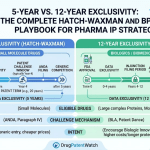
The EMA pioneered biosimilar regulation with a dedicated pathway established in 2004 and the first approved biosimilar in 2006. The EU framework provides the originator biologic eight years of data exclusivity from initial authorization, after which a biosimilar applicant can reference the originator’s data. An additional two years of market protection runs concurrently, bringing the practical protection period to ten years in most cases. Once approved by the EMA, a biosimilar is considered clinically interchangeable — prescribers can use it in place of the reference product — but automatic pharmacy-level substitution is left to individual member states. Belgium, France, and Germany take substantially different approaches to substitution, which shapes the commercial uptake dynamics within each market.
The BPCIA, enacted in 2010, grants a 12-year period of regulatory data exclusivity from the date of first FDA licensure. This is independent of patent protection and provides a predictable, statutory floor of market protection that runs regardless of patent challenges. The BPCIA also created a two-tiered approval structure. A standard ‘biosimilar’ designation requires demonstration of high similarity with no clinically meaningful differences. An ‘interchangeable’ designation requires additional switching study data showing that alternating between the biosimilar and the reference product does not increase safety risks or reduce efficacy. Only an interchangeable biosimilar can be substituted at the pharmacy counter without prescriber authorization, subject to individual state pharmacy laws.
The practical implication of these different timelines is that European biosimilar competition precedes U.S. competition by three to five years for most major biologics. This is not merely an inconvenience. Used correctly, it is a strategic intelligence asset. The European experience provides real-world data on which competitors have successfully manufactured a biosimilar, their pricing behavior, their commercial tactics, and the switching rates achievable in practice. Roche observed the European infliximab and trastuzumab markets years before the U.S. battles matured and used that intelligence to sharpen its U.S. commercial and legal positioning.
Feature
FDA (BPCIA)
EMA
Established
2010
2004
Data Exclusivity
12 years from first licensure
8 years + 2 years market protection
Core Standard
‘Highly similar,’ no clinically meaningful differences
‘Highly similar’ to reference medicine
Interchangeability
Separate designation; pharmacy substitution varies by state
Clinical interchangeability assumed; substitution by member state
Application Type
abbreviated Biologics License Application (aBLA)
Marketing Authorisation Application (Art. 10.4)
Key Takeaways
The 12-year BPCIA data exclusivity is a statutory protection that runs regardless of patent status. It should be the anchor of any LOE timeline model. The 4-5 year gap between EU and U.S. biosimilar entry gives originators a real-world intelligence window that most companies underuse.
II. Building the IP Fortress: Patent Strategy Architecture for Biologics
2.1 The Patent Thicket: Construction, Maintenance, and Strategic Logic
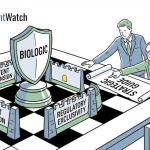
The patent thicket is the most operationally intensive and commercially powerful IP strategy available to a biologic originator. The term describes a deliberate accumulation of overlapping secondary patents that cover the product’s formulation, manufacturing process, methods of use, and delivery device — creating a legal environment in which a biosimilar challenger must defeat every single asserted patent to launch without risk.
The strategic asymmetry is the core insight. The originator needs to win on only one valid, infringed patent claim to obtain an injunction or compel a settlement. The challenger must win on all of them. Given typical patent portfolios of 40 to 130 patents for a major biologic, and given that each patent can be litigated separately or collectively at substantial cost, the economic calculus favors settlement — a negotiated delayed entry — over a full-spectrum legal war. This is not a hypothetical dynamic. It is the documented outcome in the Humira litigation, where AbbVie settled with nine separate biosimilar developers at staggered entry dates, extending its effective U.S. monopoly to January 2023, seven years after the primary antibody patent expired in 2016.
The components of a well-constructed thicket fall into four categories, each with its own filing strategy and commercial rationale.
Formulation patents cover the specific composition of the final drug product — buffers, excipients, stabilizers, concentration — and any novel combination of those components that produces a measurable clinical or patient-experience benefit. AbbVie’s citrate-free formulation of Humira is the canonical example. The original Humira formulation contained citrate as a buffer, which caused a stinging sensation on injection. AbbVie’s citrate-free version, covered by its own patent family, reduced injection-site pain substantially — producing both a new patent with a later expiration date and a genuinely superior patient experience that drove market conversion to the new formulation. Any biosimilar approved to the original citrate-containing reference product faced the commercial problem of competing against a product patients preferred.
Manufacturing process patents cover the cell culture conditions, purification sequences, and analytical methods used to produce the biologic. This category is often underused by originator IP teams who focus primarily on product-facing patents. The manufacturing domain rewards aggressive filing. Cell culture media composition, bioreactor feeding strategies, novel chromatography sequences, and host cell protein clearance methods are all patentable. Critically, these patents are difficult for a biosimilar to design around without fundamentally altering their manufacturing process — which risks changing the product’s quality attributes and requiring additional comparability data.
Method-of-use patents cover specific dosing regimens, patient populations, or clinical applications. Each new FDA-approved indication generates the opportunity to file method-of-use patents. These are harder to enforce in a buy-and-bill environment because prescribers can technically use an approved biosimilar off-label for a carved-out indication, but they provide both legal leverage and a commercial narrative around the originator’s clinical expertise.
Delivery device patents cover the autoinjector, prefilled syringe, or wearable pump used to administer the drug. AbbVie patented specific mechanical features of the Humira autoinjector. These patents are structurally similar to formulation patents in their commercial utility: they protect a patient-experience innovation while adding another legal hurdle for the biosimilar developer.
IP Valuation Lens: Humira (adalimumab)
AbbVie’s Humira portfolio illustrates how secondary patent value compounds. At the time of the primary antibody patent’s 2016 expiration, the 130-plus U.S. patents in the thicket carried a combined implicit option value estimated in the tens of billions — not as patents likely to survive every PTAB challenge, but as negotiating instruments capable of deferring $6 billion to $8 billion in annual U.S. revenue per year. The effective royalty rate AbbVie extracted from each settlement, expressed as years of deferred competition, ranged from three to seven years depending on the developer. By the time Amgen’s Amjevita launched in January 2023, AbbVie had already negotiated Skyrizi and Rinvoq into their growth phase, significantly reducing its LOE exposure.
Key Takeaways
A patent thicket is a negotiating structure, not just a litigation strategy. Its value is measured in the quality and duration of settlement terms it produces. Filing formulation and manufacturing process patents early — ideally within the first five years of commercialization — maximizes the range of expiration dates and the density of the legal obstacle course.
2.2 Evergreening: A Technology Roadmap for Sequential IP Renewal
Evergreening is distinct from thicketing, though the two strategies overlap. A patent thicket is built from patents that can be filed concurrently with the original product based on knowledge existing at launch. Evergreening is the ongoing accumulation of new patents through continued R&D — inventions that could not have been claimed at the time of the original filing because they did not yet exist. This distinction matters legally, as evergreening patents are generally harder to attack as obvious or anticipated, provided the underlying R&D was genuine.
The technology roadmap for a biologic evergreening program typically follows a predictable sequence tied to the product’s commercial lifecycle.
Years 1-5 post-launch: Formulation optimization is the primary focus. The original product, designed with Phase III clinical development as the objective, often has room for improvement in stability, concentration, or patient comfort. Systematic formulation studies generate patentable inventions while also creating commercial differentiation. Subcutaneous conversion — replacing an intravenous formulation with a self-injectable version — is one of the highest-value evergreening moves available, as it simultaneously produces new patents, expands the addressable market, and creates a clinically meaningful patient preference that biosimilar IV-only products cannot match.
Years 5-10 post-launch: Indication expansion and dosing optimization become central. As post-marketing experience accumulates, new patient subpopulations and dosing regimens emerge from investigator-initiated studies and company-sponsored Phase IIb/III trials. Each new approved indication is a method-of-use patent opportunity. Dosing innovations — a transition from monthly to quarterly administration, a weight-based dose simplification, a loading-dose regimen that improves early response — generate patentable inventions with filing dates a decade or more after the original product’s approval.
Years 8-12 post-launch: Combination therapy development becomes the most strategically powerful evergreening play. Developing a novel drug designed to work with the existing biologic as a combination standard of care does three things at once: it creates a new, fully protected product with its own 12-year data exclusivity, it makes the original biologic more clinically entrenched, and it forces biosimilar developers to compete against a combination standard their mono-product cannot replicate.
Roche’s HER2 franchise is the reference case for this full-cycle evergreening approach. Herceptin (trastuzumab) was approved in 1998. Rather than simply defending that single molecule, Roche built a systematically expanding portfolio: Perjeta (pertuzumab), approved in 2012 as a combination partner with Herceptin, then Kadcyla (ado-trastuzumab emtansine, T-DM1) in 2013 as a next-line therapy, then Phesgo (pertuzumab/trastuzumab fixed-dose subcutaneous combination) in 2020. By the time Herceptin biosimilars launched in the U.S. in 2019, much of the market had already moved to Perjeta-containing regimens that biosimilars could not replicate. Herceptin’s revenue erosion was real — ASP fell 29%, treatment cost declined 52% — but Roche’s HER2 franchise revenues held because the center of gravity had shifted to newer protected products.
Evergreening requires a committed and sequenced R&D investment, not just a legal filing strategy. The highest-value maneuvers — subcutaneous conversion, combination therapy development, bio-better engineering — take 5 to 10 years to execute. They must be resourced before the primary LOE becomes visible on a 3-year planning horizon.
2.3 Patent Portfolio IP Valuation: Quantifying the Asset Before It Depreciates
IP teams that cannot put a credible number on their patent portfolio’s defensive value cannot make rational resource allocation decisions. R&D budgets for lifecycle management compete against pipeline programs, and without a quantified estimate of what each evergreening investment protects, the portfolio gets underfunded.
The standard approach to biologic patent portfolio valuation uses a probability-weighted revenue protection model. For each patent family in the portfolio, the analyst assigns: a probability of validity (based on prosecution history, PTAB challenge risk, and prior art density), a probability of infringement by a given biosimilar candidate, the revenue at risk in the period protected by that patent if it is the last barrier to entry, and the years of protection remaining. The sum of these probability-weighted revenue protection values across all patent families, discounted to present value, produces an aggregate IP asset value.
For a major antibody franchise with $5 billion in annual U.S. revenue and a primary patent expiring in five years, a well-constructed secondary portfolio with 40 patent families covering formulations, methods of use, and manufacturing can carry a present value in excess of $3 billion to $4 billion, assuming the portfolio delays competitive entry by three to five years. This is why M&A transactions involving biologics approaching LOE still command premium valuations — the acquirer is paying not just for remaining exclusivity but for the quality and density of the secondary portfolio.
Platforms like DrugPatentWatch provide the raw data for this type of analysis: Orange Book and Purple Book listings, PTAB petition history, litigation docket tracking, settlement terms (where disclosed), and biosimilar pipeline intelligence. The output feeds directly into LOE timing models and informs the R&D investment case for lifecycle management programs.
Investment Strategy
Before acquiring or in-licensing a biologic asset within 10 years of its primary patent expiration, conduct a full secondary patent audit. Map all asserted patents by category (formulation, manufacturing, method of use, device), assess PTAB challenge risk for each using prosecution history and prior art, and model three LOE scenarios — optimistic (thicket holds), base (2-3 year delay), and pessimistic (rapid entry following key patent invalidation). Discount cash flows accordingly. Acquirers that skip this step routinely overpay.
III. The Legal Battlefield: BPCIA Mechanics, PTAB Strategy, and Litigation Tactics
3.1 The Patent Dance: A Step-by-Step Strategic Analysis
The BPCIA’s information exchange and patent dispute resolution process — the ‘patent dance’ — is the procedural framework within which most biologic patent litigation begins. The Supreme Court’s 2017 decision in Sandoz Inc. v. Amgen Inc. ruled the dance optional for biosimilar applicants, converting a mandatory procedural sequence into a strategic choice. The decision to participate or abstain now carries significant downstream consequences for both parties.
The dance works as follows. After FDA acceptance of the biosimilar’s abbreviated Biologics License Application (aBLA), the applicant has 20 days to provide the reference product sponsor (RPS) with a copy of the aBLA and detailed manufacturing information. The RPS then has 60 days to provide the applicant with a list of patents it believes could be infringed and a list of patents it would be willing to license. The applicant responds within 60 days with a claim-by-claim analysis of why each asserted patent is invalid, unenforceable, or not infringed. The RPS has 60 days to rebut that analysis. The parties then have 15 days to negotiate which patents will be litigated in a ‘first wave,’ after which the RPS files suit within 30 days. At least 180 days before commercial marketing, the applicant provides a notice of commercial marketing, which triggers the RPS’s right to seek a preliminary injunction on any unresolved patents.
The strategic considerations at each step determine how the litigation unfolds.
For the originator, participation in the dance is almost always preferable. Access to the biosimilar’s aBLA and manufacturing information — provided under confidentiality — is intelligence that money cannot otherwise buy. It reveals the competitor’s cell line selection, purification strategy, and formulation choices, all of which sharpen the infringement arguments. It also reveals which patents the competitor believes are weak — the ones they argue are invalid or not infringed with the most confidence — allowing the originator to assess its own portfolio’s vulnerabilities before discovery begins.
For the biosimilar applicant, the decision is harder. The manufacturing process for a biologic is often the most proprietary and most competitively sensitive information the company possesses. Disclosing it to a direct competitor, even under a protective order, carries genuine risk. The alternative — refusing to dance — protects those trade secrets but transfers the timing and scope of the first lawsuit entirely to the originator. An RPS facing a non-participating applicant can file a declaratory judgment action immediately, asserting all potentially infringed patents simultaneously, without being constrained by the negotiated first-wave list.
The empirical record supports dance participation for most biosimilar applicants in most circumstances. Over 75% of BPCIA patent disputes end in negotiated settlement, and the settlement terms — primarily the agreed entry date — are shaped by the leverage each party accumulates during the dance and early litigation. A biosimilar applicant that has a strong invalidity position, documented during the exchange period, enters settlement negotiations with more leverage than one that refused to dance and faces an unconstrained multi-patent lawsuit.
Dance Step
Action
Timeline
Originator Strategy
Biosimilar Strategy
1
aBLA and manufacturing info provided to RPS
20 days post-FDA acceptance
Engage: gain process intelligence. Refuse: file immediate DJ action.
Engage: control scope. Refuse: protect trade secrets, lose scope control.
2
RPS provides patent list with license offers
60 days
List comprehensively — unlisted patents are deferred to post-commercial launch litigation.
First view of the full thicket. License offer signals settlement appetite.
Early notice can accelerate resolution of all patent disputes before planned launch.
Key Takeaways
The dance is now a strategic instrument, not a procedural formality. The originator should nearly always want the applicant to participate — the manufacturing disclosure has higher intelligence value than the slight tactical risk of a constrained first-wave patent list. A well-prepared applicant uses the dance to build settlement leverage, not just to manage litigation cost.
3.2 PTAB as a Biosimilar Weapon: Inter Partes Review Mechanics and Originator Countermeasures
The Patent Trial and Appeal Board (PTAB), created by the America Invents Act of 2011, has become one of the most consequential venues in biologic patent litigation. Inter partes review (IPR) allows any party to challenge the validity of a patent on grounds of prior art (anticipation or obviousness) through a streamlined administrative process. The standard of proof is preponderance of the evidence — lower than the clear and convincing evidence standard required in district court. PTAB judges have deep technical backgrounds. And the timeline is compressed: a final written decision typically issues 12 to 18 months after institution.
Biosimilar developers routinely file IPR petitions against formulation and method-of-use patents in the originator’s thicket — specifically the secondary patents with the weakest prosecution history or the most crowded prior art field. A successful IPR cancels the challenged claims, removing those patents from the litigation and narrowing the originator’s ability to seek an injunction or damages. Even a petition that is not ultimately successful can produce tactical value: it forces the originator to devote resources to PTAB proceedings simultaneously with district court litigation, increases the originator’s overall litigation cost, and introduces uncertainty about specific patent claims that can shift settlement dynamics.
Amgen’s Enbrel (etanercept) and Roche’s Herceptin both faced coordinated IPR campaigns from biosimilar developers. In the trastuzumab litigation, multiple IPR petitions were filed against patents covering formulation components and method-of-use claims, several of which were instituted and resulted in claim cancellations that simplified the biosimilar’s launch path.
The originator’s countermeasures against PTAB challenges are limited but meaningful. First, the prosecution history of every patent in the portfolio should be hardened before an IPR is filed. This means anticipating the most likely prior art arguments and building detailed specification language and claim differentiation into the application during prosecution. Second, Patent Owner Preliminary Responses (POPRs) should be aggressive and technically comprehensive — a well-constructed POPR can prevent institution, which terminates the challenge before it reaches the merits stage. Third, the originator should conduct regular internal PTAB risk assessments of its own portfolio, identifying the 15% to 20% of patents most vulnerable to IPR challenge and taking remedial prosecution steps or filing continuation applications to create claim coverage that is less exposed to prior art.
Key Takeaways
PTAB IPR proceedings are the primary tool biosimilar developers use to chip away at a patent thicket before or during district court litigation. Every secondary patent in a biologic’s portfolio should be stress-tested against the IPR standard — preponderance of the evidence — not just the district court standard, before it is relied upon as a core defensive asset.
3.3 Preliminary Injunctions, At-Risk Launches, and Settlement Dynamics
The preliminary injunction is the originator’s most powerful litigation weapon. A court order blocking commercial launch while litigation continues can halt a biosimilar program for two to four years, fundamentally disrupting the developer’s financial model and often forcing settlement on terms the originator dictates.
Securing a preliminary injunction requires the originator to demonstrate four elements to the district court’s satisfaction: a likelihood of success on the merits of at least one patent claim, a likelihood of irreparable harm if the biosimilar launches, a balance of hardships that favors the injunction, and public interest compatibility. The irreparable harm prong is where biologic originators often struggle — courts have occasionally held that monetary damages are an adequate remedy for patent infringement, particularly when the biosimilar’s entry generates system-wide cost savings. This means that injunction motions require careful preparation, including expert declarations on market harm, price erosion that cannot be fully compensated after the fact, and disruption of long-term customer relationships.
The alternative to a preliminary injunction is an ‘at-risk launch’ — where the biosimilar enters the market before all patent disputes are resolved. This is a high-stakes gamble. If the originator subsequently prevails on a valid and infringed patent, the biosimilar manufacturer faces damages calculated on all infringing sales, which on a commercially launched product can reach hundreds of millions of dollars. Very few biosimilar developers have the balance sheet to absorb that risk, which is why at-risk launches are rare and almost always preceded by a specific legal analysis concluding that the remaining patents are likely invalid or not infringed.
The most common outcome remains negotiated settlement. Both parties have rational economic incentives to reach a deal: the originator gets a predictable entry date and can plan commercial and product transition strategies accordingly; the biosimilar gets certainty about its launch window and avoids the risk of damages from an at-risk launch. Settlement terms typically include a specific authorized entry date, an authorized entry volume or market share cap in some cases, and sometimes a royalty payment on post-entry sales.
3.4 Skinny Labeling, Induced Infringement, and the GSK v. Teva Problem
The ‘skinny labeling’ pathway allows a biosimilar applicant to seek approval only for indications that are not patent-protected, carving out patented methods of use from its FDA label. Congress designed this as a mechanism to allow earlier competition for off-patent indications while respecting IP rights on still-protected uses.
Recent litigation has substantially narrowed the safety of this strategy. In GlaxoSmithKline LLC v. Teva Pharmaceuticals USA, the Federal Circuit found Teva liable for induced infringement of a method-of-use patent covering carvedilol’s use in chronic heart failure — despite Teva having a skinny label that carved out that indication. The court found that Teva’s marketing communications, including press releases describing its product as a generic version of Coreg, constituted sufficient evidence that Teva knew its drug would be used for the patented indication and intended to encourage that use.
The implications for biosimilar developers are direct. In Amarin Pharma, Inc. v. Hikma Pharmaceuticals USA Inc., the court allowed an induced infringement claim to proceed based partly on the fact that Hikma’s press releases referenced Vascepa’s total revenue, which included sales attributable to the patented indication. The act of marketing a product as a generic or biosimilar equivalent to a brand — referencing the brand’s name, citing its total revenue, describing the product as a therapeutic substitute — can now provide the evidentiary basis for an induced infringement case covering carved-out indications.
For the originator, this creates a new litigation front that can be opened even after primary patents have expired. Any biosimilar that launches with a skinny label and any promotional communication that references the brand’s total market can be challenged on inducement grounds. The proposed Skinny Labels, Big Savings Act (S.43, 119th Congress) would create a statutory safe harbor for biosimilar manufacturers who comply with carve-out labeling, but its passage is uncertain as of 2026.
The strategic calculus for biosimilar developers now includes a careful review of all promotional communications before and after launch — press releases, investor presentations, patient materials — for any language that could be construed as encouraging use for a carved-out indication.
Key Takeaways
GSK v. Teva converted skinny labeling from a reliable competition pathway into a litigation risk. Biosimilar manufacturers must treat all marketing communications as potential evidence in an induced infringement case. Originators should monitor competitor marketing materials and investor communications for language that supports an inducement claim on any carved-out indication.
IV. Commercial Defense: Formulary Control, Reimbursement Mechanics, and Loyalty Architecture
4.1 The Rebate Wall: Construction, Legality, and Competitive Effect
The rebate wall is the dominant commercial defense instrument in the U.S. biologic market. Its mechanics are straightforward: a manufacturer with near-100% market share pre-LOE offers payers and PBMs a rebate large enough — typically 40% to 60% of list price on a high-volume product — to outweigh the savings a payer would achieve by shifting patients to a lower-cost biosimilar. The condition attached to the rebate is formulary exclusivity or preferred positioning, placing the originator in a lower cost-sharing tier and the biosimilar in a non-preferred tier with utilization management barriers like prior authorization or step therapy.
Step therapy is particularly effective as a biosimilar barrier. A payer requirement that patients ‘fail first’ on the originator product before moving to a biosimilar inverts the normal logic of cost-based formulary management. It means that new patients, who have no prior treatment history, must start on the originator before gaining access to the biosimilar — which concentrates new patient starts with the brand and prevents the biosimilar from building volume quickly.
AbbVie’s execution of this strategy ahead of the 2023 adalimumab biosimilar launches was precise. The company negotiated rebate contracts with major PBMs — Express Scripts, CVS Caremark, OptumRx — that provided formulary exclusivity for Humira in exchange for rebates that made Humira’s net cost competitive with or below the biosimilars’ list price. The result was that despite 10 adalimumab biosimilars launching in 2023 at list price discounts of 5% to 85% below Humira’s list price, biosimilar market penetration in the commercial insurance segment was substantially slower than in government programs, where rebate walls are less effective. By mid-2023, biosimilar adalimumab had achieved higher market share in Medicare Part D — where formulary exclusivity contracts are less prevalent — than in the commercial market.
The antitrust exposure of rebate walls is real but has not, to date, produced successful litigation against a biologic originator. AbbVie won dismissal of the class-action antitrust suit challenging its Humira contracts, with the court holding that the contracts, while aggressive, did not rise to the level of anticompetitive conduct prohibited by the Sherman Act. Whether this holding survives as the FTC and DOJ scrutinize pharmaceutical market access practices more aggressively is an open question.
IP Valuation Connection
Rebate wall contracts have implicit IP-adjacent value: they extend the originator’s effective commercial exclusivity beyond legal exclusivity in a segment-specific way. An originator with strong commercial contracts can model its effective revenue protection period as the later of the legal exclusivity date and the contract expiration date — which in some cases extends protection by 12 to 24 months beyond the last patent expiration.
4.2 ASP Mechanics and the Buy-and-Bill Reimbursement Incentive
For biologics administered in physician offices and hospital outpatient departments — primarily oncology and rheumatology — the ‘buy-and-bill’ reimbursement model creates structural incentives that can slow biosimilar adoption independent of any active originator strategy.
Under buy-and-bill, the provider purchases the biologic directly and bills Medicare for reimbursement at ASP plus a statutorily defined add-on payment. Medicare’s add-on is 6% of ASP (effectively 4.3% after sequestration). Because the add-on is calculated as a percentage of price, the absolute dollar value of the add-on is higher for a more expensive product. A physician administering a drug with an ASP of $1,000 receives a $60 add-on; the same physician administering a drug with an ASP of $700 receives $42. For a high-volume practice, the cumulative difference is measurable.
The infliximab market provided the first documented example of this dynamic distorting the expected pricing hierarchy. When Pfizer launched Inflectra in late 2016 at a 15% list price discount to Remicade, the existing rebate structure had already driven Remicade’s ASP to a level where the initial Medicare reimbursement rate for Inflectra was actually higher than for Remicade — making the ‘cheaper’ biosimilar more expensive to the payer and more profitable to the provider simultaneously. This paradox reflected the fact that list price discounts and net price discounts operate in different markets, on different timescales, and through different economic mechanisms.
Johnson & Johnson exploited this gap methodically. Rather than competing purely on list price, J&J maintained Remicade’s rebate structure with hospital systems and payers while offering value-added services to rheumatology and gastroenterology practices that created operational switching costs. The result was that Remicade retained over 70% of the U.S. infliximab market well into 2018, more than two years after biosimilar launch.
The Centers for Medicare and Medicaid Services (CMS) has made periodic regulatory attempts to reduce the provider incentive for higher-cost products, including a proposal to test a flat add-on payment for Part B drugs. These proposals have not advanced to final rule. Originator manufacturers with significant buy-and-bill volume should model the regulatory risk of ASP payment reform as a scenario in their commercial defense planning.
Key Takeaways
List price competition is not net price competition. The buy-and-bill model insulates a significant portion of the biologic market from the competitive pressure that retail pharmacy biosimilar substitution would generate. Biosimilar developers who model their U.S. market opportunity on list price discounts without adjusting for buy-and-bill mechanics will consistently overestimate their achievable market share in the first two to three years post-launch.
4.3 Physician Inertia, Nocebo Effects, and the Switching Cost Architecture
Beyond hard financial incentives, biologic originators benefit from a set of behavioral and psychological dynamics that create real switching friction. Understanding and reinforcing these dynamics is a legitimate component of commercial defense.
Physician inertia is the primary mechanism. A prescriber who has treated 50 stable patients on a biologic over five years has accumulated clinical experience that is specific to that product — a familiarity with its efficacy onset, its side effect patterns, and its dose management in specific patient subpopulations. Switching those patients to a biosimilar is not a zero-cost transaction. It requires a new prescribing workflow, a new prior authorization process, new patient education, and a new monitoring protocol if the patient’s clinical course changes after the transition. For a practice with 200 patients on an infliximab product, the administrative cost of a forced switch can be measured in days of staff time. This creates a rational preference for inertia that is not attributable to financial incentives.
The nocebo effect compounds this. A patient who is informed that their treatment is changing to a ‘generic version’ of their biologic may report symptom worsening even in the absence of any pharmacological difference — purely as a function of reduced confidence in the new therapy. Studies of infliximab switching in clinical practice have documented this phenomenon. A 2019 analysis of patients in the U.S. Veterans Health Administration who were transitioned to a biosimilar infliximab found that a substantial proportion were subsequently switched back to reference Remicade — not for documented clinical failure, but for patient and physician preference. The precise rate varied by study design, but the directional finding was consistent: unforced transitions back to the originator occurred at rates that were clinically meaningful and commercially significant.
Originator manufacturers can reinforce these dynamics through several mechanisms without crossing into false or misleading communications. Robust post-marketing data generation — real-world evidence studies tracking patient outcomes, immunogenicity rates, and persistence on therapy — builds a scientific record that supports the originator’s clinical narrative. Medical education programs that help rheumatologists and gastroenterologists understand the pharmacological basis for product differences (glycosylation patterns, charge variant profiles) provide a legitimate rationale for prescriber caution about non-medical switching. KOL engagement programs that position the brand as the reference standard against which all competitors are measured maintain the originator’s clinical authority in the therapeutic area.
Patient support programs — co-pay assistance, nurse hotlines, reimbursement navigation services, home injection training — directly reduce the practical friction of remaining on the brand while increasing the relative complexity of transitioning to a biosimilar, which may offer less robust support infrastructure due to thinner margins.
Key Takeaways
Switching costs in biologics are not purely financial. The behavioral and psychological switching barriers are durable and can be reinforced through post-marketing evidence generation, KOL engagement, and patient support programs. Originators that invest in these programs during the pre-LOE period build a loyalty architecture that persists well into the biosimilar competition phase.
V. The Innovation Gambit: Developing the Next-Generation Product Before the Competition Arrives
5.1 The Bio-better: Regulatory Path, IP Reset, and Commercial Logic
A bio-better is not a biosimilar. It is not an improved version of the reference product submitted via an abbreviated pathway. It is a distinct biologic, developed through a full R&D program, submitted via a full BLA, and approved on the basis of its own safety and efficacy data. The bio-better designation is not an FDA regulatory category — it is an industry term describing a biologic engineered to be clinically superior to an existing reference product.
The regulatory consequence of this distinction is important. A bio-better receives its own 12-year data exclusivity period under the BPCIA, measured from its own approval date. It is entitled to its own patent portfolio, with composition-of-matter claims covering the novel molecular modifications that differentiate it from the reference product. If the bio-better is meaningfully better — superior efficacy, reduced immunogenicity, longer half-life, more convenient administration — it can achieve its own primary market position rather than simply substituting for its predecessor.
The PEGylation strategy Amgen used to develop Neulasta (pegfilgrastim) from Neupogen (filgrastim) remains the reference case in this category. Neupogen, a G-CSF used to stimulate white blood cell production during chemotherapy, required daily subcutaneous injections throughout the recovery period following each chemotherapy cycle. Attaching a 20-kDa polyethylene glycol molecule to the filgrastim backbone extended its circulating half-life from approximately 3.5 hours to 15 to 80 hours — enabling a single injection per chemotherapy cycle. Neulasta’s approval in 2002 allowed Amgen to shift the market from Neupogen before biosimilar competition materialized, and Neulasta reached peak annual sales exceeding $4 billion. When Neupogen’s biosimilars launched, they were competing for a rapidly contracting legacy market.
Half-life extension through PEGylation is one of several bio-better engineering approaches. Fc fusion technology can extend half-life through neonatal Fc receptor (FcRn) recycling, as demonstrated by multiple extended half-life coagulation factors in hemophilia. Glycoengineering can alter glycosylation patterns to enhance antibody-dependent cellular cytotoxicity (ADCC) or to reduce immunogenicity. Bispecific antibody engineering can create molecules that engage two targets simultaneously — combining the mechanism of action of two existing drugs into a single, more potent molecule that neither biosimilar can replicate. Antibody-drug conjugates (ADCs) attach a cytotoxic payload to a targeting antibody, creating a new molecular entity with a fundamentally different mechanism that biosimilar pathways do not directly address.
IP Valuation: Bio-better vs. Defended Reference Product
A bio-better launched three years before the reference product’s primary LOE can carry a higher intrinsic IP value than the patent thicket defending the reference product itself — because the bio-better’s value is based on its own 12-year exclusivity and clinical superiority, not on the outcome of patent litigation. An originator that has both a well-constructed thicket on the reference product and a commercially launched bio-better approaching the LOE event has layered exclusivity that can extend revenue protection for 15 to 20 years beyond the reference product’s original primary patent expiration.
Key Takeaways
The bio-better is the only defense strategy that does not merely delay the reference product’s revenue erosion — it renders that erosion strategically irrelevant by moving the market to a new product with its own exclusivity. Timing is the controlling variable: launch and market conversion must be substantially complete before the first biosimilar achieves meaningful market penetration.
5.2 Subcutaneous Conversion: Execution Mechanics and Market Dynamics
Converting an intravenous biologic to a subcutaneous formulation is the most frequently executed and commercially proven bio-better strategy in the current market. The clinical benefit is clear — patients administer at home in seconds rather than receiving infusions in a clinical setting over one to four hours — and the commercial dynamics are favorable, since the IV biosimilar competitors cannot match the convenience benefit without their own subcutaneous development programs.
The technical path to subcutaneous conversion for large proteins typically requires co-formulation with recombinant human hyaluronidase PH20 (rHuPH20), licensed from Halozyme Therapeutics. This enzyme transiently degrades subcutaneous hyaluronan, increasing the dispersion and absorption volume of the injected drug and enabling delivery of protein volumes that would otherwise be too large for comfortable subcutaneous injection. Halozyme’s ENHANZE technology platform has been licensed to Roche, Janssen, AbbVie, Pfizer, and others. The licensing fee structure typically includes an upfront payment, milestones, and royalties, and the resulting co-formulated product receives its own intellectual property coverage from both the licensee’s formulation patents and Halozyme’s ENHANZE platform patents.
Roche’s subcutaneous Herceptin (trastuzumab SC, co-formulated with rHuPH20) reduced administration time from 30-90 minutes to 2-5 minutes. A randomized crossover preference study (PrefHer) found that 86% of patients preferred the subcutaneous formulation. Roche subsequently extended this approach to develop Phesgo — the fixed-dose subcutaneous combination of pertuzumab and trastuzumab — which reduced administration time further and combined two separate drugs into a single injection. Each product in this sequence received independent patent protection and independent regulatory data exclusivity.
The competitive implication for biosimilar developers is that subcutaneous conversion creates a two-tier market: an IV segment where they compete on price, and an SC segment where the originator holds exclusivity. Market segmentation of this kind is exactly what a well-timed lifecycle management strategy is designed to achieve.
5.3 Combination Therapy and Indication Expansion as LOE Shields
Combination therapy development is the most strategically complex and highest-value lifecycle management play available to a biologic originator. When successful, it does not just extend the reference product’s patent life — it repositions the reference product as a component of a new standard of care that biosimilars, as single agents, structurally cannot replicate.
Roche’s HER2 franchise strategy is the most fully documented case study. Herceptin was approved for HER2-positive metastatic breast cancer in 1998. Beginning in the early 2000s, Roche invested in a second HER2-targeting antibody — pertuzumab — specifically designed to be used with trastuzumab rather than instead of it. Perjeta (pertuzumab), approved in 2012, demonstrated a statistically significant improvement in progression-free survival when added to trastuzumab plus docetaxel in the CLEOPATRA trial. The combination of pertuzumab and trastuzumab became the new standard of care in HER2-positive metastatic breast cancer — and then, following the APHINITY trial data, in the adjuvant setting as well. By the time trastuzumab biosimilars launched in the U.S. in 2019, the most clinically important patients — those receiving the new standard of care — were receiving pertuzumab-containing regimens that biosimilars could not directly match.
The addition of Kadcyla (T-DM1) in 2013 extended the strategy into the second-line setting, creating a franchise architecture in which Roche had a protected product for every line of HER2-positive breast cancer therapy. Trastuzumab biosimilars were left competing for patients who, for clinical or economic reasons, could not access the newer combination regimens — a shrinking and often lower-value segment.
Indication expansion compounds this effect. Each new approved indication for a biologic generates its own method-of-use patent opportunities and can create additional regulatory exclusivity in some circumstances. Orphan drug designation for a new rare disease indication grants seven years of orphan drug exclusivity for that specific indication under the Orphan Drug Act, independent of the product’s patent status. Pediatric study data, generated under the Best Pharmaceuticals for Children Act or the Pediatric Research Equity Act, can add six months of pediatric exclusivity to all remaining patent terms and exclusivity periods. These regulatory exclusivity extensions are relatively small individually but compound across a diverse indication portfolio.
Investment Strategy
For analysts modeling biologic franchise value, the relevant revenue base is not the reference product’s current revenue — it is the total franchise revenue across all products in the therapeutic area where the originator has built a defensible position. Roche’s HER2 franchise remained commercially dominant well after Herceptin biosimilar entry because the revenue base had shifted to Perjeta, Kadcyla, and Phesgo. Valuations that treat Herceptin’s LOE as a franchise-level event systematically understate Roche’s HER2 position.
VI. Case Studies: Three Defense Models, Three Outcomes
6.1 AbbVie and Humira (Adalimumab): The Integrated Fortress Model
Humira generated over $200 billion in cumulative global revenue between its 2003 approval and 2023. Its defense against biosimilar competition is the most studied IP strategy in pharmaceutical history — not because it was flawless, but because it produced the longest effective market exclusivity extension achieved for any biologic, executed through a systematic and legally defensible application of every available mechanism.
AbbVie’s core composition-of-matter patent on adalimumab, U.S. Patent No. 6,090,382, expired in December 2016. At that point, AbbVie had assembled a portfolio of over 130 additional U.S. patents covering the drug’s formulation, manufacturing process, specific dosing regimens across its ten-plus indications, and the delivery device. The formulation portfolio included patents specifically on the citrate-free high-concentration formulation (100 mg/mL, versus the original 50 mg/mL), which substantially reduced injection-site pain and was commercially differentiated from all existing biosimilar reference products that had been approved to the original formulation.
Between 2016 and 2018, AbbVie initiated BPCIA litigation against every biosimilar developer that filed an aBLA — Amgen, Boehringer Ingelheim, Momenta (now Janssen), Mylan, Pfizer, Samsung Bioepis, Sandoz, Coherus BioSciences, and Fresenius Kabi. Each lawsuit asserted dozens of patents simultaneously, creating a multi-front war that would have cost each challenger hundreds of millions of dollars to litigate to a final judgment. Over the following three years, AbbVie settled individually with each developer. Settlement terms were not publicly disclosed in their entirety, but the announced entry dates ranged from January 2023 for U.S. entry to October 2018 for several ex-U.S. markets.
On the commercial side, AbbVie invested in the citrate-free formulation rollout, converting the existing patient base to the new product in the years before LOE. When biosimilar competitors entered in January 2023, they were approved to the original citrate-containing reference product, giving Humira’s improved formulation a distinct and legitimate patient-preference advantage. AbbVie’s concurrent rebate wall negotiations with CVS Caremark, Express Scripts, and Optum ensured Humira’s preferred formulary positioning in the commercial insurance market for an initial period, slowing volume erosion in that segment.
The antitrust litigation — In re Humira (Adalimumab) Antitrust Litigation — was dismissed at the district court level, with the court holding that AbbVie’s patent enforcement and settlement activities fell within the scope of rights the patent system grants. The Seventh Circuit affirmed. This outcome does not mean the strategy was beyond regulatory reach going forward: the FTC and state attorneys general have expressed increasing interest in biologic market conduct, and the IRA’s drug price negotiation provisions interact with the market in ways that may alter the economics of patent thicket strategies for future products.
Key Takeaways from Humira
The value of the Humira defense was not that every patent in the thicket was valid and infringed. It was that no challenger could determine, at acceptable cost, which patents were valid and infringed without litigating all of them. The density of the portfolio — 130 patents across multiple categories — was the asset, not any individual claim. AbbVie extracted seven years of effectively unchallenged U.S. revenue worth roughly $14 billion per year at peak.
6.2 Johnson & Johnson and Remicade (Infliximab): The Commercial Mechanics Defense
The Remicade (infliximab) defense against Inflectra (Pfizer/Celltrion) and Renflexis (Samsung Bioepis) is the case study in buy-and-bill reimbursement manipulation as a primary commercial defense strategy. It did not involve a particularly robust patent thicket — the primary infliximab antibody patents expired in multiple jurisdictions between 2012 and 2015 — but it demonstrated that a sufficiently sophisticated understanding of reimbursement mechanics can delay biosimilar uptake by two to three years beyond legal exclusivity expiration.
Pfizer launched Inflectra in November 2016 at a list price of $753 per 100 mg vial, approximately 15% below Remicade’s $884 list price. The discount was designed to signal value to payers and prompt formulary access. What it failed to account for was the structure of the existing Remicade contracting environment.
Janssen (J&J’s pharmaceutical subsidiary) had been providing substantial rebates to hospitals, hospital systems, and payers for years. These rebates had already driven Remicade’s net price — and thus its Medicare ASP — to a level below the new biosimilar’s list price. When CMS published ASP data for Q1 2017, it set Remicade’s reimbursement at $78.59 per unit and Inflectra’s at $95.98 — a paradox in which the generic-priced biosimilar was reimbursed at a higher rate. The financial incentive for Medicare-billing providers pointed directly toward the originator product.
Janssen reinforced this with explicit hospital contracting language. Internal communications later surfaced in litigation showed that Janssen offered hospitals a structured rebate conditional on maintaining Remicade’s market share above a defined threshold — effectively a loyalty contract. Hospitals that failed to maintain Remicade share above the contracted level would lose the entire rebate, not just the marginal volume. This all-or-nothing structure made switching to the biosimilar economically irrational for any hospital dependent on the rebate for its biologic program budget.
The result: Inflectra captured less than 5% of the U.S. infliximab market in its first year. A VA study published in 2020 found that many patients switched to biosimilar infliximab were eventually switched back, with documented discontinuation rates that supported the commercial case for Remicade’s continued positioning. Remicade’s U.S. market share remained above 80% through 2018, declining only as payers began mandating biosimilar use at renewal and the VA implemented a system-wide formulary conversion.
Key Takeaways from Remicade
List price discounts do not translate directly into market share in the buy-and-bill segment. Biosimilar developers entering the U.S. market need a net price model — accounting for existing originator rebates, site-of-care reimbursement mechanics, and loyalty contract structures — before projecting market penetration. Originators with large buy-and-bill exposure should model the reimbursement dynamics as a core component of their commercial defense plan, not a secondary consideration.
6.3 Roche and Herceptin/HER2 Franchise: The Innovation-Led Defense
Roche’s defense of its HER2 franchise is the reference case for an innovation-led approach to biologic LOE. The strategy did not rely primarily on a patent thicket or commercial contracting. It relied on continuous and systematic clinical development to shift the standard of care — and the center of commercial gravity — to newer, better-protected products before biosimilar competition made the original molecule’s revenue base strategically important.
When the first trastuzumab biosimilar (Mylan/Biocon’s Ogivri) received FDA approval in December 2017, Roche’s HER2 strategy had already been substantially executed. Perjeta was the standard first-line combination partner. Kadcyla was the standard second-line therapy. Herceptin SC had been approved in Europe in 2013 and was in U.S. regulatory submission. By the time commercial-scale biosimilar competition began in the U.S. in mid-2019, the patients for whom trastuzumab monotherapy or trastuzumab-plus-chemotherapy represented the optimal treatment were a shrinking fraction of the total HER2-positive breast cancer population.
The market consequences were direct. Five trastuzumab biosimilars had entered the U.S. market by 2022. Herceptin’s ASP declined 29%. The average treatment cost for trastuzumab across all products fell 52% between 2018 and 2022. These are significant price reductions. But for Roche, the more relevant metric was total HER2 franchise revenue — which held substantially because the revenue base had shifted to Perjeta ($3+ billion global annual revenue), Kadcyla ($2+ billion), and the subsequently launched Phesgo.
Phesgo — the fixed-dose subcutaneous combination of pertuzumab and trastuzumab — completed the defensive architecture. Approved by the FDA in June 2020, Phesgo combined the two standard-of-care agents into a single subcutaneous injection deliverable in 5 to 8 minutes, compared to the combined IV infusion time of 3 to 4 hours. The PHILA randomized preference study found that 85% of patients preferred Phesgo to separate IV infusions. Phesgo received its own patents, its own 12-year data exclusivity, and its own commercial positioning as a meaningfully more convenient standard of care. Biosimilar developers who had invested $100 million to $200 million in trastuzumab programs found themselves competing for a patient population whose physicians were converting to a protected combination product they could not replicate.
Key Takeaways from Herceptin/HER2
The most durable biologic defense is the one that makes the original product’s LOE commercially irrelevant by the time it occurs. This requires a 10-year R&D and commercial investment that precedes the LOE event by years, not months. Roche’s HER2 franchise provides the empirical proof that this strategy works at scale — and the framework for implementing it on any large biologic franchise with the scientific and commercial infrastructure to execute combination therapy development.
VII. Integrated Defense Playbook: What a Coordinated Strategy Looks Like in Practice
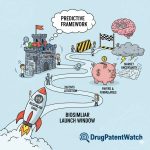
7.1 The Defense Calendar: 15-Year Countdown to LOE
Effective biologic defense operates on a 15-year planning horizon, not a 3-year one. The milestones that determine outcomes at LOE — secondary patent filings, bio-better development initiation, commercial contracting cycles, payer relationship architecture — all have lead times that precede the LOE event by five to ten years. Companies that initiate defense planning three years before LOE are managing the consequences of earlier strategic omissions, not executing a full playbook.
The 15-year framework works backward from the LOE date, typically defined as the expiration of the primary composition-of-matter patent or the end of 12-year BPCIA data exclusivity, whichever is later.
Years 15-10 before LOE: The primary strategic priority is secondary patent filing and bio-better development initiation. Formulation optimization programs should be running by Year 12, with initial clinical studies supporting new claims. Bio-better feasibility assessments should be completed by Year 12, with a development commitment made by Year 10. The R&D cycle for a meaningful bio-better — half-life extension, glycoengineering, subcutaneous conversion — requires 8 to 12 years from program initiation to approval.
Years 10-5 before LOE: New indication development and method-of-use patent filing become the primary focus. Combination therapy development should be in Phase II clinical testing by Year 7. Payer landscape analysis should begin identifying the formulary contracting cycles that will be relevant at LOE, typically on 2-3 year renewal cycles, and relationship development with major PBM medical directors should be formalized.
Years 5-2 before LOE: Commercial defense architecture is finalized. Rebate contract negotiations with major PBMs and payers should be initiated or renewed with LOE provisions. Patient support program enhancements should be planned and resourced. PTAB risk assessments of the entire secondary patent portfolio should be completed and remedial prosecution steps initiated where needed.
Years 2-0 before LOE: BPCIA litigation is likely underway or settlement negotiations are active. Market conversion to the new formulation or bio-better should be substantially complete. Physician and patient communication programs about the product transition should be in execution. Post-marketing evidence generation programs should be producing real-world data supporting the originator’s clinical narrative.
7.2 Cross-Functional Integration: The Organizational Requirement
The most common failure mode in biologic defense is functional siloing. The IP team files patents without commercial input on which formulation improvements have market value. The commercial team negotiates contracts without legal input on which defense strategies are most likely to produce injunctive relief. The R&D team develops a bio-better on a timeline that misses the market conversion window. These failures are organizational, not strategic.
Effective defense requires a cross-functional LOE team with formal decision rights and a shared timeline. The team needs representatives from IP, legal, regulatory, market access, commercial, and R&D. It needs a single integrated ‘defense calendar’ that tracks all milestones across all functions. It needs a defined escalation process for resolving tradeoffs between functions — the moment when the R&D team’s preferred timeline for a bio-better conflicts with the commercial team’s preferred launch timing, or when a litigation strategy has commercial implications that require commercial team input.
Companies that have executed best-in-class LOE defenses — AbbVie, Roche, Amgen — share a common organizational characteristic: dedicated LOE management teams with multi-year mandates, executive sponsorship, and direct access to capital allocation decisions.
Key Takeaways
The defense calendar and cross-functional team structure are the organizational prerequisites for executing any of the strategies described in this guide. Without them, the individual tactics exist in functional isolation and are likely to be executed too late, without coordination, and without the commercial-legal-R&D alignment needed to produce an integrated outcome.
VIII. Frequently Asked Questions for IP Teams and Portfolio Managers
Q: Which single patent category has the highest value in a biologic defense portfolio?
Formulation patents, particularly those covering an improved version of the reference product that is commercially differentiated — reduced injection pain, higher concentration enabling smaller volume, longer shelf life — carry the highest per-patent commercial value in most portfolios. This is because they combine legal protection (a patent with a later expiration date) with commercial differentiation (a product attribute patients and physicians prefer), creating a self-reinforcing defense where the legal asset and the commercial asset are the same invention. AbbVie’s citrate-free Humira is the definitive example.
Q: How do we assess PTAB risk across our secondary patent portfolio?
Conduct a formal internal IPR simulation for each patent family in the portfolio. For each family, identify the most likely prior art combinations that could support an obviousness rejection, assess the strength of the claim differentiation arguments built into the specification, review the prosecution history for any admissions or claim amendments that could limit the patent’s scope, and assign a probability of institution (typically 50%-70% for patents in crowded art fields with multiple prior art references). Patents that score above a defined risk threshold should be subject to continuation prosecution to create stronger defensive claim coverage.
Q: When is an ‘at-risk launch’ by a biosimilar developer actually rational?
An at-risk launch is rational when: the remaining unresolved patents have a high probability of invalidity based on PTAB outcomes or prior art density, the damages exposure is bounded and manageable relative to the commercial opportunity, no preliminary injunction is likely to be granted because the irreparable harm argument is weak, and the first-mover commercial advantage of an early launch materially exceeds the downside risk of damages. Amgen’s at-risk launch of Zarxio (filgrastim-sndz) in 2015 is the closest large-scale U.S. example — Amgen launched with a single unresolved dispute pending and managed the risk successfully. Most biosimilar developers lack Amgen’s balance sheet tolerance for this risk.
Q: How should we model the impact of the Inflation Reduction Act (IRA) on biologic defense strategy?
The IRA’s drug price negotiation provisions apply to biologics after 13 years from FDA approval (12-year BPCIA exclusivity plus one additional year before negotiations commence). For drugs subject to negotiation, CMS sets a ‘maximum fair price’ that applies to Medicare. This directly reduces the revenue base that the originator is protecting through its defense strategy — if the negotiated price in Medicare approaches the biosimilar’s net price, the incremental value of delaying biosimilar entry is reduced. Model IRA negotiation scenarios for any biologic with annual Medicare spending above $200 million (the threshold for small-molecule selection) or above $500 million (the threshold for biologic selection in early negotiation cohorts). The interaction between IRA price negotiation and LOE timing creates a new analytical dimension: in some cases, accelerating LOE through earlier biosimilar entry may be preferable to an extended LOE that simply extends the period of IRA-negotiated pricing.
Q: What is the practical value of patent intelligence platforms in building a defense?
Patent intelligence platforms provide data that is not otherwise accessible in consolidated, analytically usable form: biosimilar aBLA filings by developer, the patent claims being challenged in each BPCIA litigation, PTAB petition histories for the originator’s patents and competitors’ manufacturing patents, FDA Purple Book exclusivity listings and expiration dates, and global litigation tracking across EPO, UK IPO, and major national jurisdictions. The analytical value is not just descriptive — it is predictive. By tracking the pace of competitor aBLA filings, the patent claims they are targeting in PTAB proceedings, and the timing of their clinical trial completions, an originator can build a probabilistic model of competitive entry timing that is substantially more accurate than relying on primary patent expiration dates alone.
IX. Defense Strategy Matrix: Tactic, Objective, and Reference Case
Strategic Pillar
Tactic
Primary Objective
Reference Case
Intellectual Property
Patent thicket construction
Create litigation asymmetry; force settlement on favorable terms
Humira (AbbVie)
Intellectual Property
Evergreening via formulation improvement
Extend patent protection with commercially differentiated product
Herceptin SC (Roche)
Intellectual Property
Manufacturing process patents
Create non-obvious design-around barriers
Enbrel (Amgen)
Legal/Regulatory
BPCIA patent dance participation
Gain manufacturing intelligence; control first-wave scope
Reset 12-year data exclusivity; render reference product obsolete
Neupogen/Neulasta (Amgen)
Innovation
Subcutaneous conversion
Segment market; biosimilar IV competitors cannot match SC
Herceptin SC (Roche), Phesgo (Roche)
Innovation
Combination therapy development
Create new protected standard of care; structurally block biosimilar equivalence
Herceptin + Perjeta → Phesgo (Roche)
Innovation
Orphan/pediatric exclusivity extensions
Stack regulatory exclusivity on top of patent protection
Industry-wide
The companies that have successfully defended major biologic franchises did not execute one of these strategies. They executed all of them — in sequence, in coordination, on a 10-to-15-year planning horizon. The playbook exists. The question is how early a company chooses to pick it up.