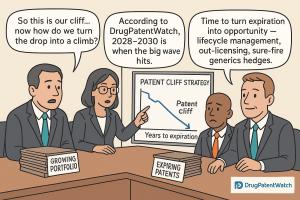
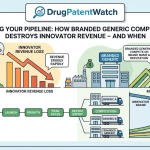
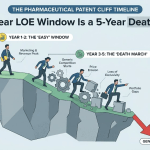
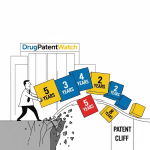
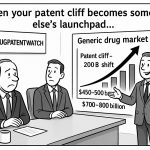
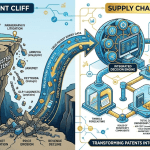
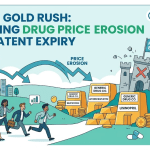
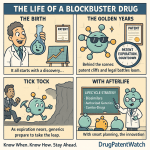
The patent cliff bearing down on pharma between now and 2030 is not a scheduling problem. It is a structural threat to the industry’s financial architecture. Nearly 190 drugs face loss of exclusivity (LOE) in this window, placing roughly $400 billion in annual revenue at risk. For Merck alone, the expiry of Keytruda’s composition-of-matter patents creates a hole projected at $30 billion starting in 2028. AbbVie is managing the post-Humira world in real time. Bristol Myers Squibb is watching Eliquis and Opdivo approach their cliffs on parallel tracks. No internal R&D engine runs fast enough to fill gaps at that scale on a five-year horizon. Only one or two substances in every 10,000 synthesized ever reach the market, and the path from molecule to NDA approval routinely consumes a decade. That math does not favor organic replacement. The result is predictable: M&A activity accelerates years ahead of the cliff itself, valuations for late-stage biotech assets inflate, and the entire innovation ecosystem reconfigures around the demand signal that Big Pharma’s expiring monopolies create. Understanding the mechanics of that reconfiguration is the starting point for every IP team, portfolio manager, and R&D lead reading this.
Part I: The Architecture of Pharmaceutical Exclusivity
Two Parallel Systems, One Competitive Window
A drug’s period of market exclusivity is not controlled by a single statute. It runs on two separate and sometimes independent tracks: patents issued by the U.S. Patent and Trademark Office (USPTO) under Title 35, and regulatory exclusivities granted by the FDA under the Federal Food, Drug, and Cosmetic Act. Conflating them is one of the most operationally expensive mistakes a lifecycle management team can make.
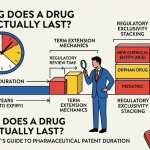
A patent grants the holder the right to exclude others from making, using, selling, or importing the patented invention for 20 years from the date of the original filing. The critical phrase is ‘from the date of filing.’ Because the clock starts running the moment a company files its first patent application, often during early preclinical research, the portion of that term consumed by clinical development and FDA review can be enormous. A typical Phase I through Phase III development program plus an FDA review under a standard 12-month clock leaves an innovator with an effective patent life of 7 to 12 years after approval. The gap between the theoretical 20-year term and the practical effective term is the foundational economic pressure that drives every strategy discussed in this article.
The FDA’s regulatory exclusivities run in parallel and operate independently. A new chemical entity (NCE) approval carries five years of exclusivity during which the FDA cannot even accept an ANDA from a generic manufacturer for the first four years, providing a structured quiet period regardless of patent status. Drugs requiring new clinical investigations to support label changes, new dosing regimens, or new indications receive three years of marketing exclusivity. Pediatric exclusivity adds six months to all existing patents and exclusivities across the board, a provision that costs relatively little in clinical investment relative to what it returns in protected revenue. The rule for timing generic entry is a simple ceiling function: whichever protection expires last controls the date of first possible competition.
Key Takeaways for IP Teams
Mapping both timelines simultaneously for every asset in the portfolio is non-negotiable. A team that focuses exclusively on patent expiry without modeling regulatory exclusivity periods will systematically underestimate its protection window. Conversely, relying on NCE exclusivity as a substitute for building a robust patent estate leaves the franchise exposed to a cliff the moment that five-year term ends.
IP Valuation: The Patent Estate as a Balance Sheet Asset
Patent portfolios rarely appear on pharmaceutical balance sheets at anything approaching their economic value. Standard accounting treats patents as intangible assets amortized over their useful life, which understates their function as the primary engine of future cash flows. For IP teams and portfolio managers, the more useful framework is a discounted cash flow model that treats each patent as a probability-weighted revenue barrier.
For a blockbuster drug, the relevant calculation is the net present value of the monopoly cash flows protected by each individual patent in the portfolio, discounted by the probability that any given patent survives litigation. Keytruda’s composition-of-matter patents, covering the pembrolizumab antibody itself, represent the highest-value tier because invalidating them would open the entire drug to biosimilar competition rather than a specific formulation or use. By contrast, formulation patents and method-of-use patents protecting specific indications or delivery systems have lower individual valuations but collectively form the patent thicket that makes generic or biosimilar entry operationally complex and expensive.
When Pfizer acquired Array BioPharma in 2019 for $11.4 billion, the IP valuation of binimetinib and encorafenib drove the deal thesis. When AstraZeneca paid $39 billion for Alexion in 2021, a significant portion of that premium reflected the defensibility of Soliris’s patent estate and the interchangeability barriers facing potential eculizumab biosimilars. The acquirer in every major biopharma transaction is, at its core, purchasing a portfolio of time-limited monopolies with varying probabilities of survival, expressed as a single enterprise value.
Investment Strategy
Portfolio managers evaluating pharma equities should decompose the patent estate into three tiers: composition-of-matter patents (highest value, highest litigation risk), secondary patents on formulations and delivery systems (moderate value, moderate litigation risk), and method-of-use patents (lower individual value, often easier to design around). An equity position in a company where the patent estate is concentrated in a single composition-of-matter patent for a flagship drug carries materially different cliff risk than one where the same drug is protected by an overlapping portfolio of 15 to 20 patents with staggered expiry dates. The Orange Book listing is the starting point for this analysis; the full patent thicket is visible through USPTO filings.
The Hatch-Waxman Act: Why the 180-Day Exclusivity Bounty Defines Generic Strategy
The Drug Price Competition and Patent Term Restoration Act of 1984 created the modern competitive architecture for small-molecule drugs. The Abbreviated New Drug Application (ANDA) pathway allows generic manufacturers to rely on the reference listed drug’s safety and efficacy data, proving only bioequivalence, defined as delivery of the same active ingredient at the same rate to the systemic circulation. This dramatically reduced the cost and time required for generic development, which is the mechanism that produces 90% generic prescription volume in the U.S. while generics account for only around 13% of total prescription drug spending.
The Act also created two provisions that have shaped decades of patent litigation strategy. The Paragraph IV certification allows a generic applicant to certify that the listed patents are invalid, unenforceable, or not infringed. Filing that certification is a formal act of patent challenge and constitutes technical infringement, triggering the brand company’s right to sue. If the brand sues within 45 days, an automatic 30-month stay on ANDA approval goes into effect, giving the innovator time to litigate before a generic can launch. That 30-month stay is a significant commercial weapon because litigation timelines frequently consume its entirety, meaning the brand effectively banks roughly two and a half years of protected revenue simply by filing suit regardless of the merits.
The 180-day first-filer exclusivity is the Act’s most behaviorally consequential provision. The first generic company to file a substantially complete ANDA with a Paragraph IV certification earns 180 days during which no other generic can receive FDA approval. During that window, the first filer competes only against the brand, typically capturing market share at a price 20% to 40% below the brand’s list price. The financial value of that window is enormous, frequently in the hundreds of millions of dollars for a major drug, and it is precisely that quantifiable value that created the economic logic for reverse payment settlements.
The ‘Bolar’ Safe Harbor and Its Strategic Implications
The safe harbor provision in Section 271(e)(1) of the Patent Act allows generic manufacturers to conduct research and development activities using a patented drug without infringing the patent, provided the activities are ‘reasonably related’ to the development of information for FDA submissions. This means generic companies can begin bioequivalence studies, develop their manufacturing processes, and prepare their ANDA filings while the brand’s patents are still in force. The practical effect is that sophisticated generic manufacturers have their products ready to launch on day one of patent expiry, eliminating the lag that once gave brands a natural grace period. Brand teams that assume any period of practical exclusivity beyond the legal expiry date are consistently surprised by the speed of generic uptake.
The BPCIA Patent Dance and Biologic Exclusivity Architecture
The Biologics Price Competition and Innovation Act of 2009 created a separate regulatory pathway for biosimilars under Section 351(k) of the Public Health Service Act. The pathway is structurally similar to Hatch-Waxman but operationally far more complex, reflecting the scientific differences between small molecules and large, complex biologics manufactured in living cells.
The ‘patent dance’ is the BPCIA’s core litigation choreography. After the FDA accepts a 351(k) application, the biosimilar applicant must provide the reference product sponsor with its application and manufacturing information. The parties then exchange lists of patents they believe could reasonably be asserted, negotiate a list of patents to litigate, and proceed through a phased litigation process. The entire exchange is governed by strict deadlines and has produced extensive appellate litigation about what happens when parties deviate from the prescribed sequence. The Supreme Court addressed aspects of the dance in Sandoz v. Amgen (2017), holding that the 180-day notice of commercial marketing is not a condition of BPCIA approval but that biosimilar applicants can provide it before FDA approval.
The interchangeability designation is the BPCIA’s most commercially consequential provision. A biosimilar designated as interchangeable can be substituted for the reference biologic at the pharmacy without prescriber intervention, under state substitution laws. Achieving interchangeability requires demonstrating that switching between the biosimilar and the reference product does not produce greater risk than continued use of the reference product. Boehringer Ingelheim’s Cyltezo, an adalimumab biosimilar, received the first interchangeability designation in July 2023, and its market impact on Humira provides the clearest current data point on what interchangeability means commercially. The competitive dynamics are still evolving, but the general finding is that even interchangeable biosimilars face slower erosion than small-molecule generics because prescriber inertia and payer contract structures create friction that automatic substitution laws alone cannot eliminate.
Key Takeaways
The biologic patent cliff is slower-moving but longer-duration than the small-molecule cliff. Revenue erosion of 30% to 70% in year one versus 80% to 90% for small molecules is the current empirical range, though this varies considerably by therapeutic area, number of biosimilar entrants, and payer formulary decisions. The BPCIA’s 12-year reference product exclusivity (four years of data exclusivity plus eight years before a 351(k) application can be approved) creates a longer runway for proactive lifecycle management than Hatch-Waxman provides for small molecules.
The Anatomy of a Generic Launch: Price Dynamics and the ‘Generics Paradox’
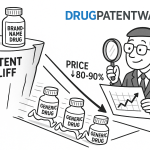
When the last patent barrier falls, the competitive transformation of a branded drug is not a gradual process. For a typical small-molecule drug with multiple ANDA filers, 80% to 90% of prescription volume shifts to generic products within 180 days. Price data from the HHS Assistant Secretary for Planning and Evaluation shows that a single generic competitor produces only modest price reductions, but two generic competitors push prices down roughly 25%, five competitors produce declines of 50% to 60%, and markets with ten or more competitors see prices 70% to 90% below the pre-generic brand list price. That pricing cascade is driven by the competitive dynamics among generic manufacturers, who compete primarily on price and have low marginal costs once ANDA approval is in hand.
The ‘generics paradox’ is a well-documented but counterintuitive phenomenon that any financial model of a brand’s post-LOE trajectory must account for. In the immediate period following first generic entry, some branded drugs see their list prices increase rather than decrease. The mechanism is market segmentation. Before generic entry, the brand prices to maximize revenue across a heterogeneous patient population that includes both price-sensitive and price-insensitive segments. When the first generic enters, it captures price-sensitive payers and patients almost immediately through pharmacy-level substitution and formulary tiering by PBMs. The brand’s remaining patient base consists predominantly of those who are price-insensitive, whether because they have comprehensive insurance with fixed co-pays, because a physician is actively directing them to stay on the brand, or because they have a strong preference for continuity. The optimal pricing strategy for that residual population is higher, not lower, list prices combined with aggressive co-pay assistance to maintain patient-facing affordability while extracting maximum revenue from payers. The financial forecasting implication is that brand revenue in the first 12 months post-LOE does not follow a simple straight-line decline from peak sales; the trajectory is more complex and depends critically on modeling payer rebate economics alongside list price movements.
Part II: Proactive Lifecycle Management
The Strategic Logic of LCM: Why the Window Is Compressing
Lifecycle management begins not at LOE but at Phase III, ideally earlier. The window for a new drug to achieve 50% of its lifetime sales has contracted by 18 to 24 months since 2000, a phenomenon driven by faster generic launch readiness, more aggressive Paragraph IV filings, and increasingly sophisticated payer cost-management. That compression makes early-stage LCM planning a financial imperative rather than an optional strategic exercise.
The core objective of proactive LCM is to produce follow-on assets that are clinically differentiated from the original drug, protected by their own patent estates with later expiry dates, and not bioequivalent to the original, thereby breaking the chain of automatic substitution that Hatch-Waxman’s ANDA pathway depends on. A successful LCM program converts a single patent cliff into a portfolio of staggered cliffs, each requiring its own generic development program and patent challenge strategy.
Formulation and Delivery System Innovation: Building Non-Substitutable Follow-Ons
The most direct LCM path is to develop a new formulation or delivery system that offers measurable clinical benefits and is protected by formulation patents. Extended-release (ER) formulations are the most widely deployed tool in this category. Converting a twice-daily immediate-release product to a once-daily ER version generates new formulation and drug-release mechanism patents, typically with a 7 to 10 year effective patent life from the ER product’s own launch date. More importantly, a generic of the original immediate-release product cannot be automatically substituted for the ER version at the pharmacy, because they are not bioequivalent by definition.
Salt switches, polymorph patents, and particle size patents have generated substantial litigation because they represent incremental physical chemistry changes that may or may not have clinical relevance. India’s Section 3(d) and Canada’s PM(NOC) regulations explicitly address this by requiring enhanced therapeutic efficacy for new forms of known substances, which limits the global applicability of certain formulation strategies. U.S. patent law applies no such standard to patentability, though clinical differentiation remains important for regulatory exclusivity claims and payer coverage decisions.
Delivery system migration represents a higher-commitment but often more durable LCM investment. Shifting from an intravenous formulation to a subcutaneous auto-injector, as AbbVie did with Humira’s subcutaneous formulation, or from an oral tablet to a transdermal patch, creates a product that is categorically non-substitutable with the original. Device patents protecting auto-injector mechanisms typically have different expiry profiles than the underlying drug compound patents, extending the overall exclusivity architecture. The 505(b)(2) NDA pathway is the regulatory vehicle for most of these submissions, allowing the applicant to rely on existing safety and efficacy data for the drug substance while generating new data for the modified product.
For biologics, subcutaneous formulation development has become a standard LCM move. Roche’s development of subcutaneous trastuzumab (Herceptin SC) and subcutaneous pertuzumab plus trastuzumab (Phesgo) are instructive examples of how SC formulation can differentiate from IV versions while providing genuine clinical benefits in patient convenience and healthcare system efficiency. Each SC formulation requires its own clinical data package demonstrating pharmacokinetic comparability and carries device patents on the co-formulation and delivery system that are independent of the antibody’s composition-of-matter patents.
Half-life extension technologies for biologics, including PEGylation, Fc engineering for extended FcRn binding, and albumin fusion, represent another formulation LCM layer. UCB’s certolizumab pegol (Cimzia) and Amgen’s etanercept (Enbrel) with its specific Fc fusion structure illustrate how molecular engineering choices made during drug design can create patent positions that are qualitatively different from and more durable than the original composition-of-matter patent.
New Indications and Method-of-Use Patents: Resetting the Commercial Clock
Expanding a drug into new therapeutic indications is the highest-value LCM strategy because it does not merely extend the original product’s life, it creates a new commercial trajectory for the same molecular entity. A successful new indication approval resets the growth story for the brand, opens an entirely new patient population, and generates both a new method-of-use patent and three years of new clinical investigation exclusivity under Hatch-Waxman.
The method-of-use patent is a particularly useful tool in the Paragraph IV context because it is harder to design around than a formulation patent, generic manufacturers must either limit their labeled indication (carve-out) or challenge the patent. Skinny labeling, where the generic carves out the patented indication from its prescribing information, is an increasingly contested area. Brand companies have argued that if physicians prescribe the generic for the patented indication based on published literature or off-label practice patterns, the generic is inducing infringement. The Federal Circuit’s decision in GlaxoSmithKline v. Teva (2021) on this question generated substantial commentary and uncertainty, ultimately addressing when a generic’s labeling can support an induced infringement claim even after a skinny carve-out.
Oncology provides the most active current examples of new indication LCM. Pembrolizumab (Keytruda) has accumulated more than 30 FDA-approved indications since its initial melanoma approval in 2014. Each indication approval carries its own method-of-use patent filing. This accumulation of method-of-use patents, while not extending the underlying antibody’s composition-of-matter patents, creates a complex web that any biosimilar manufacturer must navigate carefully if it intends to compete across the full breadth of Keytruda’s commercial market rather than in a carved-out subset of indications. The IP valuation implication is that Keytruda’s portfolio value is not simply the NPV of its composition-of-matter patent-protected cash flows; it is the sum of the probability-weighted revenue streams from each indication, each with its own patent and exclusivity expiry profile.
Key Takeaways for R&D Leads
New indication programs require the same commercial rigor applied to entirely new drug development programs. A Phase III study in a new indication represents a substantial capital commitment, and the exclusivity it generates, three years, is short relative to the investment horizon. The strategic calculus favors indications with large addressable markets, high unmet need, strong evidence of mechanistic relevance, and a competitive landscape that gives the drug a defensible differentiated position. Indications selected primarily on the basis of extending exclusivity rather than clinical opportunity tend to underperform commercially and receive increased scrutiny from payers.
Fixed-Dose Combinations: Creating New Standards of Care
Fixed-dose combinations (FDCs) have become one of the most commercially successful LCM tools in cardiovascular, infectious disease, HIV, and respiratory therapeutics. An FDC packages two or more active pharmaceutical ingredients into a single dosage form, protected by combination patents that cover the specific ratio, formulation, and pharmacokinetic profile of the combined product.
The HIV franchise built by Gilead Sciences represents the most sophisticated long-running FDC LCM program in pharmaceutical history. The progression from Combivir through Truvada, Atripla, Complera, Stribild, Genvoya, Biktarvy, and Sunlenca reflects 25 years of continuous combination innovation, with each new combination offering genuine clinical improvements in tolerability, resistance profile, and dosing convenience while generating new patent positions. Each iteration required a prior component to lose exclusivity as a platform for reformulation into the next combination. The commercial outcome is that Gilead has maintained dominant market share in HIV treatment throughout a period when the underlying component drugs were experiencing LOE, by consistently staying one combination ahead of generic substitution.
Genvoya’s launch in 2015 provides a clean case study. It combined elvitegravir, cobicistat, emtricitabine, and tenofovir alafenamide (TAF), replacing the older Stribild which used tenofovir disoproxil fumarate (TDF). The switch from TDF to TAF was not merely a formulation change; TAF has a different metabolic profile with improved renal and bone safety data, generating both a new NDA and new patent positions. When Stribild began facing generic entry pressure, Genvoya already had a substantial patient base, payer contracts, and three years of new clinical investigation exclusivity. That is textbook FDC LCM execution.
Investment Strategy
FDC strategy creates specific equity signals. When a company files a new NDA for a combination product containing one or more components approaching LOE, it is a visible indicator of LCM intent. The 505(b)(2) filing reflects a calculation that the investment in clinical data for the combination will generate returns in excess of what could be extracted from defending the original component alone. Portfolio managers should treat FDC NDA filings for drugs within three to five years of LOE as positive signals for managed cliff execution, provided the combination offers genuine clinical differentiation rather than an obvious combination with minimal new clinical data.
Rx-to-OTC Switch: The Consumer Franchise Play
The switch from prescription to over-the-counter status is among the most structurally underused LCM strategies in the current environment. A successful Rx-to-OTC switch converts a prescription drug franchise, constrained by healthcare system intermediaries, into a consumer product with direct retail distribution, mass-market advertising reach, and a commercial life that extends indefinitely beyond the original patent estate.
The regulatory pathway requires demonstrating that the drug is safe and effective for self-directed consumer use without physician oversight. This requires label comprehension studies showing that target consumers can correctly identify indications, contraindications, and dosing instructions, as well as actual use studies demonstrating that consumers will use the product appropriately in a simulated over-the-counter setting. Both study types involve substantial methodological complexity and cost, but the three-year marketing exclusivity granted for the new OTC product’s supporting clinical studies provides a valuable head start against private-label competition.
The FDA’s 2023 final rule on Additional Conditions for Nonprescription Use (ACNU) is the most significant regulatory development in this space in two decades. ACNU allows the FDA to approve a drug for OTC use subject to conditions that wouldn’t apply to all OTC products, such as requiring consumers to answer a digital questionnaire before the product is dispensed. This mechanism could extend the OTC-eligible drug universe substantially, potentially covering oral contraceptives, statins for defined risk populations, certain migraine preventatives, and other currently Rx-only products that have been blocked from OTC status primarily by prescriber-oversight requirements. Perrigo, Bayer, and Haleon are the companies most actively positioned in OTC switches, but brand pharma companies have historically underinvested in this pathway relative to its strategic potential.
AstraZeneca’s execution of the Prilosec OTC switch while simultaneously launching Nexium as a prescription product remains the canonical model. Prilosec OTC launched in 2003 with a $100 million marketing budget, capturing a consumer antacid segment worth more than $1 billion annually at its peak, while Nexium absorbed the prescription volume. The strategy divided the market along a prescription/OTC axis in a way that prevented any single generic entrant from capturing both segments simultaneously.
Key Takeaways
OTC switch analysis should run in parallel with every major LCM review for drugs with well-established safety profiles and self-diagnosable indications. The ACNU pathway opens the aperture further than it has historically been. The primary financial modeling input is whether the consumer market, at OTC price points, generates sufficient NPV to justify the clinical development investment and the three-year exclusivity period needed to recoup it before private-label competition arrives.
Part III: Commercial Warfare Post-LOE
The Authorized Generic: Financial Mechanics and Strategic Calculus
The authorized generic is a uniquely powerful commercial instrument because it exploits the 180-day first-filer exclusivity in a way that only the reference listed drug holder can. An AG is manufactured under the original NDA, contains identical active and inactive ingredients, and is sold under a generic label either by the brand company directly or through a partnership. It does not require a separate ANDA approval, which means there is no regulatory lag between the brand’s decision to launch an AG and the product’s availability in the market.
The AG’s primary commercial function is to capture a substantial share of the first-filer’s 180-day revenue. FTC data shows that an AG reduces the first-filing generic’s revenue during the exclusivity period by 47% to 51%. That reduction in first-filer profitability has two downstream effects. It makes the 180-day exclusivity period less attractive as a prize, which reduces the incentive for smaller generic companies to undertake the risky and expensive Paragraph IV litigation required to claim it. Over time, this means the AG threat can deter the litigation that would otherwise advance the generic entry date, a defensive benefit that extends well beyond the 180-day window itself.
Pfizer’s Lipitor defense is the most extensively documented AG deployment. Facing Ranbaxy’s first-filer generic atorvastatin in November 2011, Pfizer executed an agreement with Watson Pharmaceuticals to launch an authorized generic atorvastatin simultaneously. Pfizer retained approximately 70% of AG revenues under the partnership structure. The result was that Ranbaxy’s 180-day window, which represented the commercial prize it had litigated years to secure, was significantly devalued by the presence of a competing product at the pharmacy counter backed by Pfizer’s distribution infrastructure. Watson’s AG captured roughly half the generic volume during the exclusivity period, and Pfizer collected revenue from that volume that it would otherwise have lost entirely.
The ‘no-AG agreement’ is the reverse of this instrument and has attracted sustained FTC enforcement attention. When a brand company, as part of a reverse payment settlement, promises not to launch an AG during the first-filer’s 180-day period, it is granting the generic a more valuable and competition-free monopoly window. The FTC treats this as a form of reverse payment because the economic value of the no-AG commitment is quantifiable as the delta between a 180-day period with and without an AG. Post-Actavis, no-AG agreements are subject to ‘rule of reason’ antitrust scrutiny, and several have been challenged.
Key Takeaways for Commercial Teams
The AG decision requires modeling three scenarios in parallel: launch at LOE, launch at day one of generic entry, or no AG. Each scenario produces a different NPV for the overall franchise. The no-AG scenario maximizes short-term brand revenue but cedes the generic market entirely. The day-one AG maximizes total revenue capture but cannibalizes brand sales more aggressively. Partial-market AG launches through a partner, where the brand company receives a revenue share without directly managing the generic commercial infrastructure, are the most common execution structure for major products.
Patent Thickets and Orange Book Strategy: Building the Legal Moat
The Orange Book is the FDA’s official list of drug products with approved applications, including the patents that the NDA holder certifies as relevant to the listed product. Every patent listed in the Orange Book automatically triggers a 30-month stay if a generic manufacturer files a Paragraph IV certification, regardless of how strong the listed patent actually is. This characteristic makes Orange Book listing decisions among the most commercially consequential IP management choices a brand team makes.
The academic literature on pharmaceutical patenting documents extensive accumulation of secondary patents in the years surrounding major drug LOE events. One study covering drugs associated with new patent filings found that 78% were not new chemical entities but existing drugs receiving additional patent protection on peripheral aspects. The mechanism is straightforward: a company files formulation patents, polymorph patents, method-of-manufacturing patents, and method-of-use patents covering every commercially relevant aspect of the drug’s use, then lists each applicable patent in the Orange Book. Any generic applicant must certify against all listed patents or omit the patented aspects from its labeling.
For a drug with 15 to 20 Orange Book-listed patents, a generic applicant faces a choice: challenge all of them in parallel, carve out the patented uses, or wait for the patents to expire. Challenging all of them requires expert witnesses, scientific discovery, and expensive legal proceedings for each patent, across a period that can span seven to ten years of multi-front litigation. The financial cost of that litigation runs into hundreds of millions of dollars for major cases, which deters all but the largest and best-capitalized generic companies.
Humira’s patent estate demonstrates this strategy at its most fully developed. AbbVie accumulated more than 130 U.S. patents covering adalimumab, its formulations, dosing regimens, manufacturing processes, and methods of use. The result was that despite Humira’s composition-of-matter patent expiring in 2016, no U.S. biosimilar entered the market until 2023, when AbbVie reached agreements with biosimilar manufacturers allowing entry at defined dates. The patent thicket effectively extended AbbVie’s practical U.S. exclusivity by seven years beyond the composition-of-matter patent expiry, during which Humira generated cumulative global revenues exceeding $200 billion.
IP Valuation: Thicket Assessment
From a buy-side M&A perspective, the durability of a target company’s patent thicket is a primary driver of acquisition price. A drug protected by a single composition-of-matter patent expiring in four years is a different asset from a drug with the same composition-of-matter expiry but an additional 20 formulation and method-of-use patents extending the practical exclusivity horizon. Patent analytics firms including Clarivate, Patcore, and Anaqua provide quantitative thicket assessment metrics. The key variables are patent count, expiry dispersion across the timeline, percentage of patents currently subject to IPR petitions at the Patent Trial and Appeal Board, and litigation history suggesting patterns of successful or unsuccessful challenges.
Payer Dynamics, Rebate Mechanics, and the Synthetic Monopoly
The post-LOE commercial environment is a payer negotiation problem as much as a marketing problem. The three large PBMs, CVS Caremark, Express Scripts (Cigna), and OptumRx (UnitedHealth), collectively manage pharmacy benefits for roughly 270 million Americans. Their formulary decisions determine whether a branded drug retains preferred coverage status after generic entry, which directly controls the volume of prescriptions that flow through the brand versus generic channel for commercially insured patients.
The rebate mechanics in branded drug contracting are opaque by design, but the economic structure is well understood. A brand company offers a percentage rebate off its list price to a PBM in exchange for formulary position: preferred tier status, no step-edit requirements, no prior authorization hurdles, or explicit restrictions on generic substitution in specific channels. The PBM retains some portion of this rebate and passes some through to plan sponsors, though the exact pass-through rates are contractually confidential and have been the subject of ongoing Congressional and FTC scrutiny.
In the post-LOE window, this rebate infrastructure becomes the primary mechanism for the ‘synthetic monopoly’ dynamic. A brand drug with a list price of $300 per month might offer a 60% rebate to retain preferred formulary status, bringing its net cost to $120 per month. A generic entering at $90 per month has a lower list price but offers no rebate to the PBM. The PBM may calculate that the rebate revenue from the brand exceeds the savings from routing volume to the generic, and maintain the brand in a preferred position. Simultaneously, the brand’s co-pay card program ensures commercially insured patients pay $15 per month for the brand, identical to or lower than their generic co-pay. The patient, physician, and pharmacist all face zero financial incentive to make the substitution. The generic captures only the uninsured, Medicare, and Medicaid volume where co-pay cards are restricted by regulation, and those segments carry lower margins.
The Lipitor defense executed this playbook with documented precision. In the mail-order pharmacy channel, which accounted for approximately 40% of Lipitor prescriptions at LOE, payer rebate agreements effectively blocked pharmacist substitution of generic atorvastatin during the first 180 days. Generic market penetration in the mail-order channel was substantially delayed relative to retail pharmacy, where state substitution laws operated more directly.
Investment Strategy
For portfolio managers, the synthetic monopoly effect is a source of forecast error in LOE revenue models. Standard analyst models of post-LOE revenue erosion tend to project rapid, near-linear declines based on historical averages across all drugs. Drugs with strong payer rebate programs, co-pay card deployments, and active authorized generic strategies will outperform those averages. The key model inputs are the share of prescriptions in the mail-order and specialty pharmacy channels, where rebate agreements have the most leverage; the drug’s position on major PBM formularies in the six months before LOE; and the brand’s disclosed co-pay assistance spending. Public filings and 10-K disclosures provide partial data on the latter.
Part IV: Litigation Strategy and the Legal Defense Stack
Paragraph IV Litigation Economics: The 30-Month Stay as a Commercial Instrument
When a brand company receives notice of a Paragraph IV certification, the 45-day decision window to sue is one of the most commercially consequential short-cycle decisions it faces. Suing triggers the 30-month stay. Not suing allows the ANDA approval to proceed without a litigation-derived delay, exposing the brand to generic entry as soon as the FDA completes its review.
The decision calculus involves several inputs. First, the probability-weighted outcome of the patent case: if the challenged patent is likely invalid or not infringed based on a candid technical assessment, litigating primarily to trigger the stay still generates 30 months of protected revenue at the cost of litigation expenses typically ranging from $5 million to $50 million per case depending on complexity. For a drug generating $500 million annually, even a low-confidence 30-month litigation cycle generates $1.25 billion in protected revenue against litigation costs of $20 million, an attractive expected value calculation. Second, the reputational and regulatory effects of litigating patents that are ultimately found to be weak or invalid, which can invite FTC scrutiny and damage relationships with generic companies whose co-operation may be needed for future authorized generic partnerships.
The Federal Circuit hears almost all pharmaceutical patent appeals and has developed a substantial body of doctrine on the key patentability issues that recur in these cases: obviousness under KSR International (2007), written description and enablement requirements for broad antibody claims, and the structural relationship between claimed and prior art compounds in small-molecule obviousness analysis. Understanding this doctrine is prerequisite to calibrating litigation risk before filing suit on a Paragraph IV notification.
Inter Partes Review: The PTAB as a Generic Weapon
The America Invents Act of 2011 created the Patent Trial and Appeal Board (PTAB) and the inter partes review (IPR) proceeding, which allows any party to challenge the validity of an issued patent on prior art grounds. The standard is a preponderance of the evidence, substantially lower than the clear and convincing evidence standard required in district court. IPR petitions must be filed within one year of the petitioner being served with an infringement complaint.
IPR has become a primary generic industry weapon against pharmaceutical patent thickets because it provides a faster, cheaper, and more patent-holder-unfriendly forum than district court litigation. Institution rates in pharmaceutical IPRs historically ran around 60% to 70%, and once instituted, patents were invalidated in roughly 70% to 80% of final written decisions through the peak PTAB activity years. The combination of lower evidentiary standard, faster timeline (typically 18 months from filing to final written decision), and institution rates that were widely perceived as favoring petitioners prompted legislative proposals to reform the PTAB, though as of 2025 those proposals have not produced fundamental structural change.
For brand companies, the strategic response to IPR threats is to patent claims in multiple claim sets with varying scope and different prior art landscapes, so that invalidation of one claim family does not clear the entire patent thicket. Companies including AbbVie, Amgen, and Pfizer have refined IPR defense strategies through extensive PTAB practice, including developing specific claim drafting protocols aimed at prior art differentiation and building internal technical expert teams that can rapidly mobilize for post-grant proceedings.
Key Takeaways for IP Teams
IPR freedom-to-operate analysis must be integrated into Orange Book listing decisions. A patent that is technically listable but carries high IPR vulnerability at the PTAB may be more liability than asset if its listing invites an IPR challenge that results in claim cancellation. Conversely, patents with strong prior art positions relative to the likely generic challengers’ art are the appropriate anchors of an Orange Book listing strategy. The goal is not maximum patent count in the Orange Book but maximum resilience against post-grant challenge.
Evergreening Technology Roadmap: From Salt Switches to Metabolite Patents
The following taxonomy describes the range of secondary patenting strategies in current use, organized by the incremental distance from the original compound:
Polymorph patents cover specific crystalline forms of the active pharmaceutical ingredient. A given compound can exist in multiple crystalline forms with different melting points, solubility profiles, and stability characteristics. A drug manufactured as Form I might be reformulated using Form II, which the manufacturer claims has improved dissolution or stability. AstraZeneca’s Nexium litigation involved polymorph patents on esomeprazole magnesium, and Ranbaxy’s challenge to these patents was a central battleground in the years before the 2012 Lipitor LOE.
Prodrug patents cover molecules that are inactive in administered form but convert to the active compound in vivo. Prodrug patents are particularly resilient to design-around because they claim a structurally distinct molecule, not the active compound itself. Mylan’s Valacyclovir (the prodrug form of acyclovir) and Forest Laboratories’ development of escitalopram from citalopram illustrate how prodrug patents can generate entirely separate patent estates with independent expiry timelines.
Metabolite patents cover the active metabolite produced when the body processes the administered drug. The Supreme Court’s decision in Metabolite Laboratories v. Laboratory Corporation (2006) addressed but did not fully resolve the patentability of natural metabolites, and subsequent cases have struggled with the 35 U.S.C. 101 subject matter eligibility question for naturally occurring compounds. This has made metabolite patents less reliable than they were in the pre-Mayo/Alice era of patent eligibility doctrine.
Method-of-treatment patents for new dosing regimens cover specific dose levels, dosing frequencies, or patient selection criteria. These are common targets for skinny labeling carve-outs by generic applicants, but the carve-out protection is only as durable as the prescribing community’s willingness to limit generic prescribing to non-patented indications, which in practice is highly variable.
Reverse Payment Settlements Post-Actavis: Current Enforcement Landscape
The Supreme Court’s 2013 decision in FTC v. Actavis established the ‘rule of reason’ standard for analyzing reverse payment settlements. The majority opinion, written by Justice Breyer, identified a ‘large and unjustified’ payment as the primary indicator of an anticompetitive agreement. The Court declined to define what ‘large’ or ‘unjustified’ means in numerical terms, leaving that determination to the factual record in individual cases.
Post-Actavis litigation has produced a complex body of lower court decisions. The Southern District of New York’s analysis in In re Lipitor Antitrust Litigation applied the rule of reason to the Pfizer-Ranbaxy settlement and required detailed market analysis. The district court handling In re Nexium Antitrust Litigation similarly required extensive expert economic testimony on the counterfactual of what the generic entry date would have been absent the settlement. These decisions have made reverse payment cases expensive to litigate for both the FTC and the private plaintiffs who bring class actions under the Actavis framework.
The current enforcement landscape reflects these complications. The FTC continues to identify and challenge agreements it views as large reverse payments, including no-AG agreements, free goods supplied to the generic, and side business deals that provide value to the generic in exchange for delayed entry. Private antitrust class actions, typically brought by end-payer classes of insurers and consumers, have become the primary enforcement mechanism because they can proceed without the FTC’s resource constraints.
Investment Strategy
For companies holding brand drugs with patent litigation pending, announced settlements involving any payment to the generic challenger, including no-AG commitments or supply agreements, should be treated as a potential indicator of delayed generic entry and a positive near-term revenue signal. However, settlements subject to FTC challenge, or that attract private class action litigation, create a tail risk of damages liability that can be substantial. The FTC’s pre-clearance requirement for settlements covered by the Medicare Modernization Act creates some ex ante review for branded drugs in specific therapeutic categories. Flagging pending antitrust class actions in target company due diligence is essential for accurate LOE revenue modeling in M&A contexts.
Citizen Petitions: Regulatory Gaming and the $3.6 Million Per Day Calculus
The FDA Citizen Petition process, established under 21 CFR Part 10, allows any person to request that the FDA take or refrain from taking administrative action. The process was designed to allow legitimate stakeholder input into regulatory decisions, including raising scientific or safety concerns about generic drug applications. Its exploitation as a delay mechanism is well-documented.
The pattern is consistent: a brand company files a Citizen Petition shortly before the FDA is expected to approve a generic competitor’s application, raising scientific questions about bioequivalence methodology, labeling, or safety. The questions are typically framed to require scientific response but are not issues that the generic’s approval process has failed to address. The FDA denies the petition and approves the generic, usually on the same day, but the filing introduced administrative processing requirements that can add 30 to 90 days to the approval timeline.
An academic analysis of 32 Citizen Petitions filed against ANDA applications found that the FDA denied 92% of them. A separate analysis focused on four cases where a late-filed Citizen Petition was the final procedural obstacle to generic entry calculated that the resulting delays cost the healthcare system $1.9 billion in aggregate, at an average rate of $3.6 million per day of delay. The cost breakdown showed that federal Medicaid and Medicare programs absorbed nearly $800 million of that total.
The FDA’s response to this pattern has been cautious. The agency issued guidance in 2009 and updated it in 2011 clarifying that it will consider whether a Citizen Petition was submitted primarily to delay approval of a competing product, and that it can deny a petition on that basis. In practice, distinguishing a petition filed with genuine scientific concern from one filed primarily for delay is difficult, and the FDA has been reluctant to deny petitions on motive grounds without addressing the underlying scientific claims. Congress has proposed various reforms, including requiring petitioners to disclose financial interests and imposing costs on petitions denied for delay, but no legislation has passed.
Part V: Long-Term Corporate Resilience
M&A Strategy: Valuing Pipeline Assets Against the Revenue Gap
The $400 billion patent cliff creates a buyers’ market for M&A bankers and a seller’s market for late-stage biotech companies. The large pharma companies collectively hold substantial cash reserves that analysts widely reference as dry powder for acquisitions, and the M&A activity those reserves fund is directly correlated to the patent expiry calendars of the buyers.
The targeting logic for acquisitions driven by patent cliff replacement is clear and consistent. Buyers prioritize late-stage assets, Phase II positive or Phase III, because those assets can be approved and commercially launched within a timeframe that contributes meaningfully to the revenue replacement requirement. Early-stage assets are valuable for long-term pipeline building but do not address the near-term cliff. Platform technology acquisitions, companies with RNA therapeutics capabilities, cell and gene therapy manufacturing infrastructure, or ADC linker-payload expertise, address a different objective: building internal innovation capacity that can generate multiple future revenue streams rather than a single product.
Pfizer’s acquisition of Seagen in 2023 for $43 billion exemplifies the platform approach. Seagen’s ADC technology provided Pfizer not just Adcetris and Padcev as marketed products but an entire linker-payload-conjugation platform applicable to multiple oncology targets. The acquisition was designed to address Pfizer’s Ibrance and Eliquis cliff, but more strategically, to build a capability in antibody-drug conjugates that Pfizer had previously lacked. Merck’s acquisition of Prometheus Biosciences for $10.8 billion in 2023 provides a complementary example: the primary asset, PRA023, a TL1A antibody in Phase II for inflammatory bowel disease, was not yet late-stage at acquisition but carried sufficient Phase II data to justify the premium as a derisked asset in a high-value indication.
IP Valuation in M&A Due Diligence
The IP due diligence process in a pharma acquisition has three primary objectives: confirming that the target holds the IP it claims to own, assessing the durability of that IP against challenge, and identifying third-party IP that might block or encumber commercialization. Confirmatory diligence reviews assignment chains, inventor identification for each patent, and government license rights arising from federally funded research (Bayh-Dole). Durability assessment covers claim scope, prosecution history estoppel, and IPR vulnerability based on the prior art landscape. Freedom-to-operate analysis identifies blocking patents held by third parties, including process patents for manufacturing, formulation patents for delivery systems, and method-of-use patents for clinical indications.
For biologics, the due diligence scope expands to include manufacturing process patents, since biologic manufacturing IP is often independently valuable and separately patented from the drug product itself. Cell line patents, purification process patents, and analytical method patents all affect the acquirer’s ability to manufacture the drug without third-party licenses.
The M&A Treadmill and Its Financial Consequences
The risk of serial M&A as the primary cliff response is structural. A large acquisition typically involves substantial premium, often 50% to 100% above market capitalization for a clinical-stage biotech, financed through debt, equity, or both. The integration process absorbs management attention and frequently involves headcount reduction in R&D to fund synergy commitments made to justify the deal to shareholders. Early-stage research programs are often the first to be cut because they generate no near-term revenue and are hardest to value in a deal model. The consequence is a predictable hollowing out of the internal early-stage pipeline that becomes visible three to five years after the acquisition closes, precisely when the acquired asset’s own patent clock is advancing.
AbbVie’s post-Humira strategy illustrates both the benefits and risks of this pattern. The acquisition of Pharmacyclics in 2015 for $21 billion secured Imbruvica, generating peak revenues exceeding $7 billion annually. The acquisition of Allergan in 2020 for $63 billion provided Botox and a diversified aesthetics and CNS portfolio. Both deals successfully replaced near-term Humira revenue, but the combined debt burden and integration complexity absorbed capital and management focus that would otherwise have been available for internal R&D. AbbVie’s early pipeline depth has been a recurring concern among analysts evaluating its long-term cliff management beyond the current acquisition cycle.
R&D Productivity: From Throughput to Capital Efficiency
Improving R&D productivity is the only strategy that addresses the patent cliff on a structural rather than transactional basis. The measure that matters is not R&D spend as a percentage of revenue, which drives incentives toward throughput, but the net present value of approved drugs per billion dollars of R&D investment. By this measure, R&D productivity in large pharma declined steadily through the 2000s and 2010s as blockbuster productivity expectations drove increasingly risk-averse program selection.
The primary drivers of productivity loss are late-stage attrition and indication selection. A Phase III failure on a drug that has consumed $300 million to $1 billion in clinical investment generates no return and frequently arises from target and mechanism choices that could have been deselected earlier with more rigorous Phase II proof-of-concept criteria. The industry-wide response has been a shift toward biomarker-driven patient selection, adaptive trial designs, and earlier go/no-go decision gates anchored in objective efficacy signals rather than safety-driven continuation logic.
Eli Lilly’s performance through the current period provides a relevant positive reference point. Its tirzepatide program, which produced both Mounjaro for diabetes and Zepbound for obesity, was the product of a deliberate investment in GLP-1/GIP dual agonist biology that was not obvious to the rest of the industry when Lilly committed to it in the early 2010s. Lilly’s pipeline execution has allowed it to enter the 2025-2030 patent cliff period as one of the few large pharma companies whose organic growth trajectory offsets rather than amplifies the cliff pressure from its expiring portfolio. Its market capitalization growth from approximately $150 billion in 2020 to more than $700 billion in early 2025 is a direct expression of the market’s valuation of a credibly productive R&D engine.
The current generation of clinical investment in new modalities, RNA therapeutics, cell and gene therapy, antibody-drug conjugates, and radiopharmaceuticals, reflects a deliberate industry strategy to find molecular classes where the composition-of-matter patent estates are less exposed to the patent thicket arguments that have made small-molecule and monoclonal antibody IP increasingly contested.
mRNA therapeutics carry strong manufacturing process patents and formulation patents (particularly for lipid nanoparticle delivery systems) that have already been extensively litigated, as in the Moderna v. Pfizer/BioNTech case over COVID-19 vaccine IP. The LNP patent landscape is complex and will define the competitive architecture for this modality for the next decade. CAR-T therapies carry cell engineering patents, viral vector manufacturing patents, and method-of-treatment patents whose collective durability against generic entry is difficult to assess because no CAR-T therapy has yet faced biosimilar competition. Radiopharmaceuticals, which received renewed commercial attention after Novartis’s Lutathera and Pluvicto successes, benefit from the manufacturing complexity of short-lived isotopes and the specialized delivery infrastructure required for radioligand therapy as natural barriers to competition beyond the formal patent estate.
Key Takeaways for C-Suite Strategy
The companies that will maintain above-average returns through the 2025-2030 cliff are those managing at least three parallel processes simultaneously: executing aggressive proactive LCM on the products approaching LOE, deploying selective M&A to bridge near-term revenue gaps without over-leveraging or gutting early-stage R&D, and making long-term commitments to next-generation modality platforms whose IP architecture is structurally more durable than the mature small-molecule and antibody paradigms. Companies managing only one or two of these three processes face binary outcomes on the cliff.
Part VI: Case Studies in Cliff Management
Pfizer and Lipitor: The Coordinated Defense
Lipitor’s patent cliff was the most financially watched LOE event in pharmaceutical history. Atorvastatin calcium’s primary composition-of-matter patents expired November 30, 2011, ending a period during which Lipitor had accumulated more than $125 billion in cumulative global revenues, the highest of any drug in history.
Pfizer’s defense began well before the expiry date. The 2008 settlement with Ranbaxy, which resolved worldwide patent litigation and established a U.S. generic entry date of November 30, 2011, gave Pfizer three years of certainty to prepare its commercial response. That settlement included careful structuring around the authorized generic question, with Pfizer ultimately engaging Watson Pharmaceuticals to launch an AG simultaneously with Ranbaxy’s branded generic.
The commercial response had four simultaneous components: the Lipitor-For-You co-pay assistance program reducing patient out-of-pocket costs to $4 per month; aggressive payer rebate agreements that kept Lipitor in preferred formulary positions with major PBMs; the Watson authorized generic partnership capturing generic volume for Pfizer’s account; and sustained DTC advertising through the LOE date to reinforce brand loyalty in the physician and patient base most likely to resist substitution.
Pfizer reported that Lipitor revenues in the six months following generic entry were significantly higher than standard LOE models had projected, a result attributable primarily to the payer rebate program’s success in maintaining preferred formulary status in the mail-order channel. The Watson AG captured approximately 40% of generic volume during the 180-day first-filer window, generating revenue that flowed back to Pfizer under the partnership agreement.
The lesson for current executives is not that Pfizer saved Lipitor. It did not. Revenue fell from approximately $9.6 billion in 2011 to less than $3 billion by 2013. The lesson is that a coordinated, fully resourced, multi-channel defense can retain two to three times more revenue in the cliff period than a passive or poorly coordinated one. For a drug at Lipitor’s scale, the difference between a well-executed and a poorly executed LOE strategy can be measured in billions of dollars annually.
Investment Strategy
Analysts covering companies within two years of a major LOE event should model three LOE scenarios: a passive defense producing 85% volume erosion in 12 months (the average for drugs with multiple generic entrants and no co-pay program); an active defense with co-pay assistance and payer rebates producing 60% to 70% erosion; and a full Pfizer-style defense with AG, co-pay cards, and payer rebates producing 40% to 55% erosion. The equity valuation difference between these scenarios for a $5 billion drug is meaningful, and the signals of which scenario a company is executing are visible in formulary decisions, AG partnership announcements, and disclosed co-pay assistance spending in the 12 months before LOE.
AstraZeneca’s Prilosec to Nexium: The Chiral Switch as IP Architecture
AstraZeneca’s management of the omeprazole franchise provides the most extensively studied example of a product hop executed through a structurally justified, though commercially motivated, molecular redesign. Omeprazole, marketed as Prilosec, is a racemic mixture of (R) and (S) stereoisomers. AstraZeneca’s research demonstrated that the S-isomer, esomeprazole, had a somewhat more favorable pharmacokinetic profile, with higher plasma concentrations due to reduced first-pass metabolism, which translated to a modest but statistically significant improvement in gastric acid suppression at equivalent doses.
AstraZeneca filed patents on esomeprazole as a distinct compound and launched Nexium in 2001, three years before Prilosec’s primary patent expiry, backed by a $500 million marketing investment and a clinical comparison program designed to establish Nexium as clinically superior to generic omeprazole. The company simultaneously pursued and executed the Prilosec OTC switch, converting the original product to consumer status and capturing the self-medication segment.
The patent thicket around esomeprazole ultimately comprised more than 40 U.S. patents covering the compound, polymorphic forms, formulations, and methods of use. Generic challenges to these patents generated years of litigation. The commercial result was that Nexium reached annual sales of $5.63 billion at peak and replaced most of the Prilosec revenue that was lost to generic competition, extending the franchise’s total contribution period by a decade.
The clinical efficacy question deserves honest assessment. Clinical trials comparing Nexium to generic omeprazole showed statistically significant but modestly sized differences in acid suppression and healing rates in certain populations. Whether those differences justified the price differential, which ran to several thousand percent for some patients, was contested by payers and health technology assessment bodies in multiple markets. The Nexium case became a reference point in global debates about what constitutes genuine innovation, particularly in countries with explicit requirements for enhanced therapeutic value as a prerequisite for premium pricing.
Bristol Myers Squibb, Sanofi, and the Plavix At-Risk Launch
Plavix (clopidogrel bisulfate) was one of the world’s best-selling drugs in the mid-2000s, with U.S. revenues for the BMS-Sanofi partnership exceeding $6 billion annually. The primary challenge came from Apotex, the Canadian generic manufacturer, which filed a Paragraph IV certification against the key patents and initiated litigation.
The parties negotiated a settlement in 2006 that was structured as a reverse payment agreement. The settlement provided Apotex with a future generic entry date and various financial benefits in exchange for dropping the patent challenge. The agreement failed to receive the regulatory clearance required under the Antitrust Laws because the FTC raised concerns about its anticompetitive nature. When the settlement collapsed, Apotex made the decision to launch its generic clopidogrel commercially before the patent litigation was resolved, an ‘at-risk’ launch.
The at-risk launch immediately disrupted the market. Pharmacies began stocking and dispensing generic clopidogrel at a substantial discount to Plavix. BMS and Sanofi sought and ultimately obtained a preliminary injunction halting further Apotex shipments, but the product already in the distribution pipeline could continue to be dispensed. Market share that transferred to generic clopidogrel during the brief at-risk window was not fully recoverable, because patients and physicians who had experienced the switch faced less inertia against continuing on the generic.
The subsequent litigation produced a verdict upholding the core Plavix patents, and in 2012 BMS and Sanofi announced collection of $442 million in damages from Apotex for the infringement. The damages award demonstrated that the legal system provided a remedy for an at-risk launch, but the remedy came after years of litigation and did not restore the market position lost during the at-risk period.
For current executives, the Plavix case establishes that a strong patent position does not prevent an at-risk launch and does not guarantee rapid market restoration even when the patent is ultimately upheld. The practical implication is that litigation risk management must include contingency planning for at-risk entry scenarios, including pre-positioning inventory, readying injunction papers for immediate filing, and modeling the market impact of a successful injunction versus one that is delayed by procedural factors.
Novartis Gleevec and India’s Section 3(d): The Global Cliff Is Not Uniform
Gleevec (imatinib mesylate) transformed the treatment of chronic myelogenous leukemia and certain gastrointestinal stromal tumors. Novartis’s original imatinib compound was not patented in India under the pre-WTO patent law that excluded pharmaceutical product patents. After India amended its patent law to comply with TRIPS, Novartis applied for a patent on the beta crystalline form of imatinib mesylate, which had improved bioavailability and stability compared to the free base.
The Indian Patent Office rejected the application under Section 3(d), which provides that a new form of a known substance is not a new invention unless it results in enhancement of the ‘known efficacy’ of that substance. The rejection was sustained through the courts and ultimately affirmed by the Indian Supreme Court in Novartis AG v. Union of India (2013), which held that Novartis had not demonstrated enhanced therapeutic efficacy, specifically anti-cancer activity, for the new salt form relative to the known compound.
The ruling had immediate commercial consequences for Novartis in India, where the drug cost approximately $2,600 per month in branded form but was available from Indian generic manufacturers including Cipla, Natco, and Sun Pharma for less than $200 per month. It had broader legal consequences for the global pharmaceutical industry by demonstrating that a country’s definition of patentable invention can effectively override lifecycle management strategies built on incremental chemistry changes.
From a strategic planning perspective, the Gleevec case mandates market-specific patent landscape analysis as a component of every global LCM program. The Section 3(d) standard applied in India is more restrictive than U.S. or European patentability standards for incremental pharmaceutical innovations. Similar provisions have been proposed or adopted in various forms in other jurisdictions including Brazil, Argentina, and South Africa. A strategy built on polymorph patents or salt-switch patents that is entirely sound in U.S. or EU markets may generate no patent protection in multiple emerging markets representing billions of dollars in revenue.
Key Takeaways for Global IP Strategy
IP landscape analysis for major markets, specifically the U.S., EU, Japan, China, India, and Brazil, must be conducted for every LCM strategy before investment decisions are finalized. Patent prosecution strategies should account for market-specific patentability standards. In markets with Section 3(d)-type provisions, LCM programs focused on genuine therapeutic improvements, new delivery systems with documented clinical benefits, or new molecular entities will receive better protection than those relying on physical chemistry changes alone. This market differentiation in IP protection quality should be reflected in the revenue assumptions of LCM financial models.
Part VII: Monitoring Tools and Competitive Intelligence Infrastructure
Patent Intelligence as a Competitive Weapon
The foregoing analysis makes clear that pharmaceutical lifecycle management is fundamentally an information problem. The decisions that determine whether a company extracts maximum value from its IP estate or leaves billions on the table are driven by information: when competitors file new patents, which generics have filed ANDAs, what the litigation history of key claims looks like, and where the Orange Book-listed patent estate has gaps that a challenger might exploit.
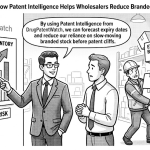
Patent intelligence platforms including DrugPatentWatch aggregate Orange Book data, ANDA filing histories, litigation dockets, patent expiry timelines, and exclusivity status into a structured database that supports systematic monitoring of the competitive environment. The analytical use cases fall into several categories. Competitive intelligence on competitor LCM strategies is one of the highest-value applications: analyzing the types and timing of patents a competitor files around a lead drug, whether formulation patents, delivery system patents, or method-of-use patents, reveals the LCM roadmap being executed, often two to three years before it is reflected in public communications or regulatory submissions. Freedom-to-operate assessment for potential LCM investments is another critical use: before committing to a development program for a new formulation or indication, screening for blocking third-party patents in the relevant claim space prevents investment in programs that will be encumbered at launch. ANDA filing monitoring provides early warning of generic intent, allowing brand teams to prepare authorized generic decisions and payer rebate strategies in advance of the 30-month litigation clock.
The Window for early intelligence is narrowing as generics become more sophisticated in their patent challenge strategies, filing ANDAs earlier in the brand’s life cycle and deploying IPR petitions more aggressively. A brand team that is monitoring its own Orange Book portfolio and the ANDA filing environment in real time will consistently have more runway to respond than one that discovers a Paragraph IV filing for the first time from a notice letter.
Conclusion: The Operational Architecture of Cliff Resilience
The $400 billion patent cliff is not a single event but a distributed crisis playing out across dozens of companies and hundreds of drugs through the end of this decade. The companies that manage it successfully will not do so through any single strategy, whether litigation, LCM, M&A, or commercial defense. They will do so through an organizational capability that integrates all of these strategies into a coherent, data-driven, early-moving response system.
That system requires IP teams that think in terms of portfolio architecture rather than individual patents, modeling the entire patent estate as a time-distributed set of probability-weighted revenue barriers. It requires commercial teams that understand the payer rebate mechanics and co-pay economics that determine real-world substitution rates, not just the legal date of generic entry. It requires R&D organizations that evaluate new indication and formulation investments on LCM economic criteria alongside clinical priority, and that have the organizational standing to advance those programs in parallel with primary research priorities. It requires legal teams that monitor the PTAB and district court litigation landscape continuously, not reactively. It requires executive leadership that resists the short-term temptation to fund M&A at the expense of the early-stage programs that will determine the company’s competitive position in the decade after the current cliff.
The companies that built the $400 billion at risk did so by running all of these functions well for the better part of two decades. Managing the cliff they created will require running them equally well, and under substantially more time pressure than existed during the building phase.
Key Takeaways
The $400 billion revenue exposure concentrated between 2025 and 2030 is larger in absolute terms than any prior patent cliff, driven by the simultaneous expiry of biologics and small-molecule blockbusters including Keytruda (pembrolizumab), Humira’s remaining global protection, Eliquis (apixaban), and Stelara (ustekinumab).
Effective patent life of 7 to 12 years, not the statutory 20 years, is the correct planning horizon. LCM investments made after a drug is already approved and within three years of LOE are typically too late to produce protected follow-on products in time to prevent cliff-level revenue loss.
The Orange Book listing decision is a high-stakes IP management choice, not a routine administrative process. Each listed patent triggers a potential 30-month stay, invites IPR challenge at the PTAB, and signals the brand’s litigation posture to every generic company considering an ANDA filing.
Post-LOE commercial performance is governed by payer rebate mechanics and co-pay economics as much as by patent status. The synthetic monopoly effect, where aggressive rebates and co-pay cards maintain brand market share despite generic entry, can extend effective revenue by three to five years beyond the legal exclusivity date for well-resourced brands.
The BPCIA’s biosimilar pathway produces slower but longer-duration revenue erosion than Hatch-Waxman generic entry. Biologics facing biosimilar competition will see 30% to 70% revenue loss in year one, not 80% to 90%, but the erosion continues for five to ten years rather than stabilizing. Interchangeability designation at the FDA accelerates substitution rates but has not yet produced the magnitude of erosion seen in small-molecule markets.
Global IP strategy must account for market-specific patentability standards. India’s Section 3(d), Brazil’s ANVISA pharmaceutical patent review, and Canadian PM(NOC) regulations all create material deviations from the U.S. and European patent protection frameworks that underpin most LCM investment models.
M&A executed to plug patent cliff gaps must be evaluated against its effect on early-stage R&D capacity, not just its near-term revenue contribution. The M&A treadmill, where each cliff-driven acquisition reduces internal R&D capacity and creates the conditions for the next cliff, is the primary long-term risk of a purely acquisitive cliff management strategy.
Superior competitive intelligence, specifically real-time monitoring of ANDA filings, Orange Book challenges, PTAB petitions, and competitor patent activity, consistently produces better LOE preparation than reactive monitoring. The companies with the most effective cliff defenses begin planning from the moment of drug approval, not from the moment a generic notice letter arrives.