Part I: The Dual Frameworks of Protection: Legal and Regulatory Foundations
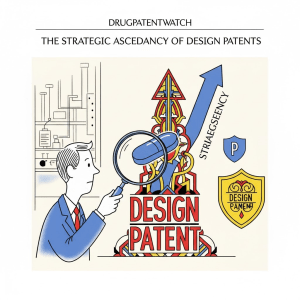
In the capital-intensive world of pharmaceutical innovation, intellectual property (IP) is the central economic engine, providing the essential period of market exclusivity required to recoup billions of dollars in research and development (R&D) investment.1 While the composition-of-matter utility patent covering a new active pharmaceutical ingredient (API) has long been considered the crown jewel of any pharma IP portfolio, the strategic landscape is evolving. Increasingly, pharmaceutical companies are recognizing the profound and often underestimated value of a different tool: the design patent. Protecting the ornamental appearance of everything from a pill’s unique shape to the ergonomic form of an auto-injector, design patents are no longer a peripheral consideration but a critical component of a comprehensive, multi-layered IP strategy. This report provides an exhaustive analysis of the use of design patents in the pharmaceutical sector, examining their legal foundations, strategic applications, financial value, and the rapidly changing enforcement environment. It is intended for senior business and legal professionals seeking to leverage this powerful IP right to secure a durable competitive advantage.
1.1 Delineating Form from Function: A Comparative Analysis of Utility and Design Patents
Understanding the strategic application of design patents begins with a clear delineation of their role relative to their more famous counterpart, the utility patent. The fundamental distinction lies in the separation of form and function: a utility patent protects the way an article is used and works, while a design patent protects the way an article looks.5 For the pharmaceutical industry, the interplay between these two forms of protection provides a powerful mechanism for building a comprehensive and resilient IP fortress.
Utility Patents are the traditional bedrock of pharmaceutical IP, granting protection for any new and useful process, machine, article of manufacture, or composition of matter.9 In the pharmaceutical context, this primarily covers the functional aspects of an innovation, such as the chemical structure of an API, a specific drug formulation, or a method of treating a disease.11 The path to securing a utility patent is arduous and resource-intensive. The legal standards for patentability are high, requiring the invention to be novel, useful, and non-obvious to a person of ordinary skill in the art.8 The examination process at the United States Patent and Trademark Office (USPTO) is rigorous, with initial rejection rates hovering around 90%.6 The process is also lengthy, often taking two to five years or more from application to grant.8 Once granted, a utility patent provides protection for a term of 20 years from the earliest effective filing date, but this protection comes at a cost, as periodic maintenance fees must be paid to keep the patent in force.6
Design Patents, in contrast, protect the “visual ornamental characteristics” of an article of manufacture.6 Governed by 35 U.S.C. § 171, they safeguard the non-functional, aesthetic aspects of a product, including its shape, configuration, or surface ornamentation.5 The process for obtaining a design patent is markedly different from that for a utility patent. It is significantly faster, typically taking only one to two years, and substantially less expensive.6 The examination process is less rigorous, focusing primarily on the novelty and non-obviousness of the design’s appearance rather than its technical merits.16 Upon issuance, a design patent grants protection for a term of 15 years from the date of grant, and crucially, it requires no maintenance fees for the duration of its term.6 This combination of speed, lower cost, and simplified maintenance makes design patents a highly efficient and cost-effective tool for layering IP protection.
A single product can, and often should, be protected by both types of patents.5 An innovative auto-injector, for example, may have its internal spring-loaded mechanism protected by a utility patent, while its unique ergonomic shape and user-friendly button placement are protected by a design patent. This synergistic approach creates a formidable barrier to entry. A competitor seeking to launch a similar product would need to engineer a workaround for both the functional mechanism and the ornamental appearance, a far more challenging and costly endeavor than circumventing a single patent. This dual-protection strategy transforms a company’s IP portfolio from a simple shield into a multi-layered defense system.
Table 1: Utility vs. Design Patents – A Strategic Comparison for the Pharmaceutical Sector
Feature
Utility Patent
Design Patent
Strategic Implication for Pharma
Core Subject Matter
Function: How it works (e.g., API, mechanism of action, formulation) 5
Appearance: How it looks (e.g., pill shape, inhaler ergonomics, GUI layout) 5
Allows for comprehensive protection of both the core therapeutic innovation and the user-facing delivery system.
Legal Standard
Novel, Useful, Non-obvious 11
New, Original, Ornamental, Non-obvious 5
The “ornamental” standard for design patents offers a distinct avenue of protection for R&D investment in user experience and brand identity.
Term of Protection
20 years from filing date 6
15 years from grant date 6
The later start date for design patent terms can be strategically valuable for extending franchise protection after early-filed utility patents expire.
Maintenance Fees
Required at 3.5, 7.5, and 11.5 years 6
None required 6
Lower lifetime cost makes it feasible to build a large portfolio of design patents to create a “thicket” around a product line.
Average Cost to Obtain
High (due to complexity, prosecution) 9
Low 6
Cost-effective for protecting iterative design improvements and for startups seeking to build an IP portfolio on a limited budget.
Average Time to Grant
Long (2-5+ years) 8
Short (1-2 years) 6
Speed to issuance provides rapid protection that can be crucial in fast-moving markets, such as digital therapeutics.
Infringement Test
Technical claim construction and comparison 18
“Ordinary Observer” test based on visual similarity 19
A visual test can be more straightforward to prove and can stop competitors from launching “look-alike” products that create market confusion.
Role in “Patent Thicket”
The foundational posts protecting core technology 3
The “pickets” that fill the gaps, making it harder to design around 15
Design patents significantly increase the cost and complexity for generic competitors attempting to enter the market.
Vulnerability to Invalidation
Higher; subject to rigorous prior art and obviousness challenges (e.g., IPRs) 21
Lower; less rigorous examination and different obviousness standard can make them more resilient 6
Can serve as a valuable “insurance policy” if core utility patents are successfully challenged and invalidated.
1.2 The Anatomy of a Design Patent: Unpacking 35 U.S.C. § 171
The legal basis for design patents in the United States is found in 35 U.S.C. § 171, which states that a patent may be obtained for “any new, original and ornamental design for an article of manufacture”.5 To effectively leverage this tool, pharmaceutical companies must understand the practical implications of each element of this statute.
First, the design must be new and original.5 The novelty requirement is similar to that for utility patents; the design cannot have been previously disclosed to the public. The originality requirement means the design must be the product of the inventor’s own creative work and not a copy of an existing design or a simulation of a well-known or naturally occurring object.5 This prevents the patenting of designs that are already in the public domain.
Second, and most critically, the design must be ornamental. This means its primary purpose must be aesthetic, not functional.5 If a design’s appearance is dictated solely by its function—meaning it is the only possible design that can perform a specific function—it is not patentable as a design.9 This functionality doctrine is a central issue in pharmaceutical and medical device design, where form and function are often inextricably linked.15 For example, the ergonomic grip of a surgical tool may be both aesthetically pleasing and functionally superior. The key is that the design must not be
purely functional; if alternative designs could achieve the same function, then the chosen design has an ornamental component and is eligible for protection.22
Third, the design must be for an article of manufacture.5 This is a broad category that encompasses nearly any tangible object produced by human industry. In the pharmaceutical context, this includes the drug product itself (e.g., a pill or capsule), its packaging (bottles, blister packs), and any associated delivery devices (inhalers, injectors, patches).16
A unique feature of design patent applications is the single claim rule.5 Unlike a utility patent, which can have numerous claims of varying scope, a design patent application is permitted only one claim. This claim typically reads simply, “The ornamental design for [the article] as shown and described”.14 Consequently, designs that are considered independent and distinct must be filed in separate applications.5 This has significant strategic implications. A company wishing to protect multiple distinct ornamental features of a single complex device, such as an inhaler, may need to file several separate design patent applications, each focused on a different aspect of the device’s appearance.
Finally, the drawings are the patent. The visual disclosure in the drawings is the most important part of the application, as it defines the scope of the protected design.5 The specification is typically minimal, often limited to a brief description of the drawing figures. Applicants use specific conventions, such as solid lines to indicate the claimed portions of the design and broken (dashed) lines to disclaim subject matter that is not part of the claimed design.5 This technique allows applicants to strategically focus the patent on the most novel and important visual features of their product. Furthermore, color can be claimed as an integral part of the design, providing an additional layer of specificity and protection.5
1.3 The Regulatory Nexus: Design Patents and the FDA Landscape
The pharmaceutical industry operates under a dual-protection framework where intellectual property rights granted by the USPTO intersect with market exclusivity provisions administered by the U.S. Food and Drug Administration (FDA).11 This regulatory nexus creates unique strategic challenges and opportunities, particularly concerning the listing of patents in the FDA’s “Orange Book.”
It is essential to distinguish between patent protection and regulatory exclusivity. A patent is a property right that excludes others from making, using, or selling the patented invention for a set term.1 Regulatory exclusivity, on the other hand, is a statutory provision that prevents the FDA from approving a competing generic drug application for a certain period, regardless of patent status.11 These exclusivities are granted for various reasons, such as for a New Chemical Entity (NCE), which receives five years of exclusivity, or for an Orphan Drug (treating a rare disease), which receives seven years.24 These two systems operate independently and can run concurrently, providing overlapping layers of market protection.11
The primary point of intersection is the FDA’s publication, Approved Drug Products with Therapeutic Equivalence Evaluations, commonly known as the Orange Book.11 When a brand-name drug manufacturer submits a New Drug Application (NDA), it must also submit a list of all patents that it believes claim the drug or a method of using the drug.13 These patents are then listed in the Orange Book.
The strategic power of an Orange Book listing is immense. Under the Hatch-Waxman Act, when a generic company files an Abbreviated New Drug Application (ANDA) and challenges a listed patent (a “Paragraph IV certification”), the brand manufacturer can sue the generic for patent infringement. The filing of this lawsuit automatically triggers a 30-month stay of FDA approval for the generic drug.26 This stay provides the brand company with a significant period of continued market exclusivity while the patent litigation proceeds, effectively delaying the entry of lower-cost competition.
This mechanism has led to a significant point of contention and a fundamental shift in the risk-reward calculation for pharmaceutical companies. The low cost and high probability of issuance for design patents on drug delivery devices made them an attractive tool for triggering the high-value 30-month stay. A company could make a relatively small investment in obtaining a design patent for its inhaler or auto-injector, list it in the Orange Book, and potentially delay a multi-billion dollar generic launch for up to two and a half years. This created a powerful strategic arbitrage opportunity.
However, this very practice has drawn intense scrutiny from the Federal Trade Commission (FTC) and generic competitors. The core of the dispute is whether patents that claim only a device component, and not the drug substance or formulation itself, are properly listable under the statute, which requires the patent to “claim the drug”.26 The FTC has argued that many such listings are improper and constitute an anticompetitive tactic to wrongfully delay generic competition.27 This has culminated in the FTC formally challenging hundreds of patents listed in the Orange Book for products like inhalers and epinephrine auto-injectors, and supporting litigation by generic companies to have these patents “delisted”.27 This regulatory blowback means that the decision to list a design or device patent is no longer a simple, low-risk administrative step. It has become a high-stakes legal and strategic calculation, where the potential reward of a 30-month stay must be carefully weighed against the new and significant risk of an FTC investigation and costly antitrust litigation. This evolution transforms the role of in-house counsel and IP strategists from mere patent prosecutors to critical risk managers at the intersection of IP, regulatory, and competition law.
Part II: The Expanding Canvas: Defining Patentable Subject Matter
The scope of what constitutes a patentable “article of manufacture” in the pharmaceutical industry is far broader than commonly perceived. While the core API remains the domain of utility patents, design patents offer a vast canvas for protecting the physical and digital manifestations of a therapeutic product. This protection extends from the tangible form of the pill itself to the increasingly complex devices that deliver it and the software interfaces that manage its use.
2.1 The Tangible Form: Pills, Packaging, and Delivery Systems
The most traditional applications for design patents in the pharmaceutical sector cover the physical appearance of the drug product and its immediate container. These features are often the first and most direct way a patient or provider interacts with the brand, making their design a valuable asset.
Solid Dosage Forms: The unique visual characteristics of a pill or tablet are eligible for design patent protection.16 This can include a distinctive shape (e.g., hexagonal, diamond-shaped), a specific color or combination of colors, or the design of a score line used for splitting the tablet. Protecting these features serves multiple strategic purposes. It enhances brand recognition, helping patients and pharmacists quickly identify the correct medication and distinguish it from generics. It can also serve as a deterrent to counterfeiters, who may be able to replicate the active ingredient but would be infringing the design patent if they also copied the pill’s appearance. However, the design must remain primarily ornamental. If a particular shape is proven to be functionally necessary—for instance, a specific coating profile that is essential for a controlled-release mechanism—it may be deemed functional and thus ineligible for design patent protection.
Packaging and Containers: The ornamental design of product packaging is a rich area for design patent protection. This extends beyond simple aesthetics to encompass designs that enhance usability and safety. Examples of patentable subject matter include the unique shape of a medicine bottle, the design of a child-resistant cap, or a novel configuration for a blister pack that makes it easier for elderly patients to dispense their medication.32 In the era of “smart” medicine, this can also include the design of containers with integrated technology, such as a “smart cap” on a vial that tracks when the bottle is opened.23 Protection can even extend to the arrangement of components within a package. For modular devices or kits, the specific layout of items in the packaging tray—designed to guide the user through proper assembly or use—can be protected by a design patent.32
Surface Ornamentation: In cases where the design is not about the three-dimensional shape but about a two-dimensional pattern, design patents are also applicable. This is known as surface ornamentation. Such a design cannot exist on its own; it must be shown applied to an article of manufacture.5 For instance, a unique pattern embossed on the surface of a pill, a graphical logo applied to an inhaler, or a decorative texture on a medicine bottle could all be protected. In the patent drawings, the article of manufacture itself would typically be shown in broken lines (disclaimed), while the surface ornamentation being protected would be shown in solid lines.5
2.2 The Rise of Combination Products: Securing Inhalers, Auto-Injectors, and Prefilled Syringes
One of the most significant trends in the pharmaceutical industry is the growth of combination products—therapeutics that integrate a drug or biologic with a medical device for delivery.20 In this domain, the delivery device is no longer a mere container; it has evolved into a sophisticated piece of technology that is integral to the product’s safety, efficacy, and commercial value.20 This makes the device’s design a critical asset to protect.
Inhalers and Auto-Injectors: Devices such as metered-dose inhalers for asthma and auto-injectors for emergency epinephrine or chronic conditions like rheumatoid arthritis are prime candidates for design patent protection.16 The development of these devices involves substantial R&D investment in human factors engineering and usability testing to create a product that is intuitive, reliable, and easy for patients to use, often under stressful conditions.32 The resulting designs—encompassing the ergonomic shape of the casing, the placement and feel of the actuator button, the design of the dose counter display, and the overall aesthetic—are valuable intellectual property. A design patent can prevent competitors from copying these carefully engineered features, forcing them to develop their own, potentially less user-friendly designs.
Prefilled Syringes and Injection Pens: Similarly, the design of prefilled syringes and multi-dose injection pens, commonly used for insulin or biologic drugs, can be protected. The visual design of the dose-setting dial, the shape of the injection button, and the overall form factor of the pen are all eligible for protection. These design elements contribute directly to patient safety and adherence, making them a key competitive differentiator.
Disposable and Replacement Components: Design patents are a particularly potent tool for protecting the revenue streams associated with disposable or replaceable components.22 For many medical devices, such as insulin pens with replaceable drug cartridges, the majority of the long-term profit is derived from the ongoing sale of the consumable portion. A competitor might try to enter the market by selling only a look-alike replacement cartridge that fits the innovator’s reusable pen. While utility patents may be difficult to enforce in such a scenario, a design patent on the ornamental appearance of the cartridge itself can provide a strong defense. It can prevent the sale of visually identical replacement parts, thereby protecting the innovator’s crucial after-market revenue.35
2.3 The Digital Frontier: Patenting the User Experience in Digital Therapeutics (DTx) and Device Interfaces
The convergence of pharmaceuticals and digital technology has opened a new and expansive frontier for design patent protection. As software becomes an integral part of therapy delivery and management, the design of the user interface is no longer a secondary consideration but a core component of the product’s value proposition.
Graphical User Interfaces (GUIs): The visual appearance of a software interface is protectable with a design patent. This includes the layout of information on a screen, the design of icons and buttons, and the overall visual arrangement and “look and feel” of the user experience.6 For modern medical devices, from hospital-based monitoring equipment to handheld diagnostic tools, the GUI is the primary point of interaction for healthcare professionals. An intuitive, well-designed interface that minimizes clutter and highlights critical patient data can reduce errors and improve efficiency. Protecting this layout with a design patent can create significant user loyalty and make it more difficult for competitors to offer a product with a similar, familiar workflow.32
Digital Therapeutics (DTx): This emerging class of medical interventions uses software to deliver evidence-based therapeutic effects to treat, manage, or prevent a disease.36 For a DTx product—which might take the form of a smartphone app delivering cognitive behavioral therapy or a game designed to treat ADHD—the user interface
is the delivery mechanism. The design of the interface is directly linked to patient engagement, adherence, and, ultimately, clinical outcomes.38 This creates a unique situation where the ornamental design and the therapeutic function become deeply intertwined. The legal requirement that a design be “ornamental” and not purely “functional” is tested in this context. Because the visual design of a DTx app directly influences its therapeutic effectiveness by driving user behavior, the form, in essence, becomes the function. This convergence presents a powerful strategic opportunity for companies to use design patents to protect what amounts to a functional advantage. A successful design patent on a DTx interface could become as valuable as a traditional drug patent, as it protects the very method of therapeutic delivery. This is likely to be a key area of legal development and litigation as the DTx market matures.
“Around-the-Pill” Applications: A related trend is the development of “around-the-pill” digital solutions, where a traditional pharmaceutical is prescribed and used in conjunction with a companion software application.36 This app might track doses, monitor side effects, or provide educational content to improve patient adherence and outcomes. The GUI of this companion app is a perfect candidate for design patent protection, adding another layer to the product’s IP “thicket” and extending its competitive moat into the digital realm.
This digital frontier also highlights a key strategic advantage of design patents. Securing a utility patent for software-based inventions can be challenging due to the legal hurdles established by cases like Alice Corp. v. CLS Bank Int’l, which created a two-step test to screen for patent-ineligible abstract ideas.10 While a utility patent application for the underlying algorithm of a DTx might face a difficult examination under 35 U.S.C. § 101, a design patent application for its unique and ornamental GUI faces a much more straightforward path to allowance. Design patents thus provide a valuable and more certain route to protecting at least the visual aspects of software-based medical innovation.
Part III: The Strategic Imperative: Weaving Design Patents into the IP Fortress
A sophisticated intellectual property strategy in the pharmaceutical industry is not about acquiring a single, impenetrable patent. Rather, it is about constructing a multi-layered fortress of overlapping rights designed to protect an innovation from every conceivable angle. This defensive structure, often referred to as a “patent thicket” or “picket fence,” is designed to deter competitors and maximize the period of market exclusivity.3 Within this framework, design patents are not merely decorative additions; they are essential structural components that add depth, resilience, and longevity to the entire portfolio.
3.1 Constructing the “Picket Fence”: Layering Design and Utility Patents
The premise of a “patent thicket” is that a single patent, even a strong composition-of-matter patent, is rarely sufficient to provide comprehensive, long-term protection for a valuable drug product.43 Competitors will relentlessly seek to “design around” a single patent by creating a non-infringing alternative. To counter this, innovator companies build a dense “web of protection” by filing numerous patents covering every aspect of their product, including the API, different formulations, new methods of use, manufacturing processes, and associated delivery devices.1
Design patents serve as crucial “pickets” in this defensive fence.15 Consider a drug-device combination product like a next-generation inhaler. The innovator company will file utility patents on the novel drug formulation and the internal mechanism that ensures precise dosing. Simultaneously, it will file design patents on the inhaler’s unique ergonomic shape, the design of its mouthpiece, and the layout of its dose-counter display. This layered approach dramatically increases the challenge for a would-be competitor. The competitor must now invent a new functional mechanism that does not infringe the utility patents
and create a new external housing that is not confusingly similar to the design patent.32 This dual burden significantly increases the competitor’s R&D costs, extends their time to market, and raises the overall risk of their venture.
This strategy also has a powerful deterrent effect. A dense and diverse patent portfolio, prominently featuring both utility and design patents, signals to the market that the innovator is fully committed to defending its intellectual property.3 Potential infringers, seeing the complex web of rights they would need to navigate, may be discouraged from even attempting to enter the market, choosing instead to focus their resources on less well-protected targets.
Furthermore, design patents can function as a strategic hedge against the potential invalidation of utility patents. Utility patents are frequently the subject of intense legal challenges, both in district court litigation and in post-grant review proceedings like inter partes review (IPR) before the Patent Trial and Appeal Board (PTAB).21 These proceedings can result in the invalidation of key utility patent claims, creating a sudden vulnerability to generic competition. Design patents, having undergone a less rigorous examination and being subject to a different standard for obviousness, can be more resilient to such validity challenges.6 Therefore, holding a design patent on the same product acts as a critical insurance policy. If the core utility patents protecting the device’s function are struck down, the design patent protecting its appearance can remain as a final barrier to entry. A competitor might be legally free to copy the device’s internal mechanism, but they would still be forced to undertake a costly and time-consuming redesign of its external appearance to avoid design patent infringement. This forced redesign not only delays their market entry but may also result in a product that is less aesthetically pleasing or less familiar to patients and physicians, thus preserving a significant measure of market advantage for the innovator.
3.2 The Art of Life-Cycle Management: “Evergreening” with Ornamental Design
The “patent cliff” is one of the most significant financial threats facing pharmaceutical companies. When the key patents on a blockbuster drug expire, revenues can plummet by as much as 79% in a very short period as lower-cost generics flood the market.25 “Evergreening” is the set of strategies used by innovator companies to mitigate this cliff by obtaining new, later-expiring patents on incremental improvements or new features of a drug product, thereby extending its overall period of market exclusivity.1
Design patents are a powerful and increasingly popular tool in the evergreening toolkit. While a drug’s core API patent may have been filed early in the development process, the design of its delivery device or packaging often evolves over the product’s lifecycle. A company might launch a product with a first-generation auto-injector and later introduce a “next-generation” version with a more ergonomic shape, a clearer inspection window, or an improved grip, based on post-market feedback and human factors research. Each of these new design iterations is independently patentable. By filing a new design patent on the improved device, the company can secure a fresh 15-year term of protection for the appearance of that specific product version. This can effectively extend the market protection for the product franchise long after the original composition-of-matter and initial device utility patents have expired.20
This strategy aligns with observed industry filing patterns. An astonishing proportion of pharmaceutical patents are filed after a drug receives FDA approval. For many of the world’s top-selling drugs, 72% to 90% of all associated patent applications are filed post-approval.25 These post-approval patents, which add a median of nearly eight years of protection after the expiration of pre-approval patents, are the essence of lifecycle management.49 Design patents on refined delivery devices, updated packaging, and new digital interfaces are a key component of this critical post-approval patenting strategy.
3.3 Beyond Exclusivity: Protecting Brand Identity and Enhancing User Preference
The strategic value of design patents extends beyond simply blocking competitors. They play a vital role in building and protecting a product’s brand identity and enhancing its appeal to patients and healthcare providers.
A unique and consistent design aesthetic across a product line—for instance, a family of injector pens for different biologics that share a similar form factor and color scheme—helps to build powerful brand recognition and loyalty.32 Patients and providers become familiar and comfortable with the look and feel of the brand’s devices. Design patents are the legal mechanism used to protect this valuable visual identity from imitation by competitors who might seek to leverage the innovator’s established brand equity.
Moreover, in the context of medical devices, superior design is often synonymous with superior usability, safety, and patient experience.17 A well-designed auto-injector that is less intimidating and easier to handle can significantly improve patient compliance with a prescribed therapy, leading to better clinical outcomes. This enhanced user experience is a tangible competitive advantage. When a company invests heavily in the R&D to create such a user-preferred design, a design patent ensures that competitors cannot simply copy it. They are forced to develop their own design, which may prove to be less effective or less accepted by the market.
Finally, design patents provide a powerful defense against “look-alike” products. The infringement test for a design patent is based on overall visual similarity from the perspective of an ordinary observer.19 This can be a more straightforward standard to meet than the complex requirements for proving trademark or trade dress infringement, which may require evidence of consumer confusion. Therefore, even if a competitor’s device is functionally distinct and does not infringe any utility patents, a design patent can be used to stop it from being sold if it looks confusingly similar to the market-leading product. This prevents the erosion of brand identity and market share that can occur when visually similar products enter the marketplace.
Part IV: Calculating the Value Proposition: The Return on Investment of Ornamental Design
While often viewed as a “softer” form of intellectual property, design patents can generate a hard, quantifiable return on investment (ROI). Their value is derived not only from direct market exclusivity but also from their ability to enhance market share, extend a product’s profitable lifecycle, and increase overall enterprise value. To appreciate this, one must first understand the fundamental economic model that governs the pharmaceutical industry.
4.1 The Pharma R&D Economic Model: Contextualizing IP Value
The business of developing new medicines is characterized by extraordinarily high costs, long timelines, and immense risk. The average capitalized cost to develop a single new drug and bring it to market now exceeds $2.23 billion.4 The entire process, from initial discovery through preclinical studies and multiple phases of clinical trials, can take well over a decade.4 In 2019 alone, the pharmaceutical industry invested $83 billion in R&D.53
The entire economic model is predicated on the ability to recoup these massive, high-risk investments through a finite period of market exclusivity granted by patents.1 This exclusivity allows the innovator company to price its product at a level that reflects the value it provides and the R&D costs incurred, without immediate competition from lower-cost generic versions. Without this protected period, the financial incentive to undertake such a risky endeavor would be severely diminished, stifling the development of new therapies.2
In recent years, after a period of decline, the projected ROI for pharmaceutical R&D has shown signs of a promising recovery, rising from a low of 1.2% in 2022 to a projected 5.9% in 2024.50 This turnaround makes the strategic optimization of every component of the IP portfolio—including the often-overlooked design patent—more critical than ever to sustaining and building upon this positive momentum.
4.2 A Framework for Valuing Design Patents
Assessing the precise financial value of a design patent can be complex, as its contribution is often intertwined with other assets. However, a clear framework can be used to understand its direct and indirect value drivers.
Direct Contribution to Revenue: For a combination product, a significant portion of the product’s premium price is attributable to the delivery device. The convenience, improved safety, or enhanced efficacy enabled by a well-designed auto-injector or inhaler is a key part of the value proposition for which payers and patients are willing to pay. A design patent that protects the unique appearance of that device is therefore directly protecting a tangible stream of revenue.
Indirect Value Drivers: The broader financial impact of design patents is often realized through several indirect mechanisms:
Increased Market Share: A superior, user-preferred design can be a powerful competitive differentiator, driving market share gains against competitors whose devices are perceived as more cumbersome, less intuitive, or less aesthetically pleasing.32 This is particularly true in crowded therapeutic areas where multiple products with similar clinical profiles are available.
Extended Product Lifecycle and Revenue: As detailed in Part III, the most significant financial contribution of design patents often comes from their role in lifecycle management. By enabling the extension of market exclusivity for a product franchise, even a single additional year of protection for a blockbuster drug can translate into hundreds of millions or even billions of dollars in revenue that would otherwise be lost to generic competition.24
Investor Confidence and Enterprise Value: A robust, multi-layered IP portfolio is a critical asset that signals a company’s innovative capacity and defensible market position to investors.2 For startups and early-stage biotech companies, a portfolio that includes design patents on their novel delivery systems can be crucial for attracting venture capital and securing favorable valuations.55 The patents themselves are tangible assets that can be valued and even used as collateral in financing arrangements.55
Licensing and Monetization Opportunities: A portfolio of design patents can also become a direct source of revenue. A company may choose to license a non-core design patent to another firm operating in a different therapeutic area, turning a defensive asset into a profit center.43
A crucial, though less tangible, value of design patents lies in their ability to help mitigate the intense pricing pressure faced by the pharmaceutical industry. In an era of increasing political and public scrutiny over high drug prices, justifying a product’s value is paramount.46 Traditional arguments based solely on recouping R&D costs for the API are meeting with growing skepticism. Design patents allow a company to shift the value narrative. The conversation can move from “this is the only chemical that works” to “this is the only product that delivers this chemical in a way that is safe, effective, and that patients will actually use.” A patented design for an auto-injector that is easier for arthritic patients to grip, or an inhaler with a dose counter that demonstrably improves adherence in pediatric patients, provides a powerful, patient-centric justification for its value.32 This allows companies to compete on the basis of user experience and quality of life improvements—a narrative that may be far more palatable to payers, policymakers, and the public. In this way, design patents are not just a legal tool but a critical component of a modern commercial and public relations strategy.
4.3 Case Study Analysis: Estimating the Financial Impact on a Blockbuster Product
To illustrate the tangible ROI of a design patent strategy, consider a hypothetical blockbuster biologic drug delivered via a proprietary auto-injector, generating $2 billion in annual revenue.
Step 1: Deconstruct the Product’s Value. Market research and physician surveys indicate that 20% of the product’s market share advantage over competitors is due to the superior, patient-preferred ergonomic design of its auto-injector. This attributes $400 million in annual revenue directly to the device’s design.
Step 2: Model the “Without Design Patent” Scenario. The core utility patents on the biologic molecule and the injector’s internal mechanism are set to expire in Year 0. In this scenario, a generic competitor, free to copy the market-leading design, launches a visually identical biosimilar product within 18 months. Due to the identical appearance and user experience, the innovator’s product rapidly loses 80% of its market share, with revenues plummeting from $2 billion to $400 million in Year 2.
Step 3: Model the “With Design Patent” Scenario. The innovator holds a portfolio of design patents on the auto-injector’s appearance, which expire in Year 3. The generic competitor is now forced to launch with a “design-around” device that is functionally equivalent but looks different. This redesign process adds an extra 12 months to their development timeline, delaying their launch until Month 30. Furthermore, because their device is unfamiliar and perceived by patients as less user-friendly, the innovator’s product loses market share more slowly, retaining a 40% share ($800 million in revenue) in Year 4, two years post-generic entry.
Step 4: Quantify the Delta. The design patent portfolio delivered two key financial benefits:
Delayed Revenue Erosion: It delayed the onset of major revenue loss by 12 months (from Month 18 to Month 30). This alone preserves over $1.5 billion in revenue.
Preserved Market Share: It allowed the innovator to retain a larger share of the market post-generic entry due to the superior, familiar design. This “brand loyalty” attributable to the design is worth an additional $400 million in revenue in Year 4 alone.
In this conservative model, a design patent portfolio that may have cost less than $100,000 to obtain and maintain directly generated and protected nearly $2 billion in revenue, demonstrating an extraordinary return on investment.
Part V: The Battlefield: Enforcement, Litigation, and Competitive Intelligence
Securing a design patent is only the first step; its true value is realized through vigilant enforcement and its use as a tool for strategic competitive intelligence. The landscape for enforcing pharmaceutical design patents is dynamic, shaped by established legal standards, recent high-stakes litigation, and a new era of regulatory scrutiny. Simultaneously, the proliferation of sophisticated patent intelligence platforms has transformed how companies monitor their competitors and defend their own innovations.
5.1 The “Ordinary Observer” Test: The Standard for Infringement
The legal test for design patent infringement is fundamentally different from the technical, claim-by-claim analysis used for utility patents. Infringement is determined from the perspective of an “ordinary observer”.19 The seminal Supreme Court case
Gorham Mfg. Co. v. White established the standard: if, in the eye of an ordinary observer, giving such attention as a purchaser usually gives, two designs are substantially the same, and the resemblance is such as to deceive such an observer, inducing him to purchase one supposing it to be the other, the first one patented is infringed by the other.
This test has been refined by modern jurisprudence. The Federal Circuit’s decision in Egyptian Goddess, Inc. v. Swisa, Inc. clarified that the ordinary observer is deemed to be familiar with the “prior art”—the existing body of similar designs.19 Therefore, the comparison is not made in a vacuum. The court must assess whether the accused design has appropriated the novel, ornamental features of the patented design that distinguish it from what came before.
The landmark design patent litigation between Apple v. Samsung further shaped the modern understanding of enforcement, particularly regarding damages.19 The Supreme Court ruled that for a multi-component product, damages for design patent infringement can be based on the profits from the specific “article of manufacture” to which the design was applied, which may be just a component of the final product and not the entire end product itself.57 This ruling has significant implications for combination products in the pharmaceutical industry. For instance, if a competitor infringes a design patent on a disposable drug cartridge, damages could potentially be calculated based on the profits from that cartridge, a key recurring revenue stream.
5.2 Modern Litigation Trends: The Fight Over Drug-Device Patents
The most significant recent trend in pharmaceutical patent litigation involves the intersection of device patents and the FDA’s Orange Book. This battleground has been defined by a series of legal and regulatory challenges that have reshaped the strategic calculus for innovator companies.
A pivotal case is Teva Branded Pharmaceutical Products R&D, Inc. v. Amneal Pharmaceuticals of N.Y., LLC.26 In this dispute, Teva had listed five patents in the Orange Book for its ProAir® HFA (albuterol sulfate) inhalation aerosol product. These patents did not claim the drug albuterol sulfate itself, but rather claimed components of the inhaler device, such as its dose counter mechanism. Amneal, a generic competitor, challenged the listings, arguing that the patents did not “claim the drug” as required by the Hatch-Waxman Act. The U.S. District Court for the District of New Jersey agreed with Amneal and, in a landmark decision, ordered Teva to delist the five patents from the Orange Book. The court found that because the patents’ claims were directed to the device and did not even mention the active ingredient, they were improperly listed.26
This case is not an isolated incident but rather the leading edge of a broader campaign by the Federal Trade Commission (FTC). Citing concerns that innovator companies are using “improper” or “junk” patent listings to wrongfully trigger the 30-month stay and delay generic competition, the FTC has formally disputed the listing of more than 400 patents in the Orange Book.27 The agency’s targets have been heavily focused on drug-device combination products, including asthma inhalers, epinephrine auto-injectors like the EpiPen, and GLP-1 agonists for diabetes and weight loss delivered via injection pens.27
The strategic implications of this trend are profound. The automatic 30-month stay, once a near-guaranteed benefit of listing a device or design patent, is now a significant legal risk. Companies that list such patents must be prepared to defend not only against patent invalidity or non-infringement arguments from generic challengers but also against claims of improper listing and potential antitrust liability.29 A strong, good-faith basis for asserting that a device patent’s claims are inextricably linked to the approved drug product is now an absolute prerequisite for any Orange Book listing strategy.
Table 2: Key Design and Device Patent Litigation and Regulatory Actions
Case/Action
Parties Involved
Core Issue
Outcome
Strategic Takeaway for the Industry
Teva v. Amneal (D.N.J. 2024)
Teva, Amneal, FTC (amicus)
Whether patents claiming only components of an inhaler device (e.g., dose counter) can be listed in the Orange Book.
Court ordered Teva to delist five inhaler patents, finding they did not “claim the drug” as required by statute. 26
Listing device patents in the Orange Book now carries significant antitrust risk; the link between the patent claims and the specific drug product must be explicit and defensible.
FTC Orange Book Challenges (2023-Present)
FTC vs. Multiple Pharma Companies (e.g., GSK, Teva, AstraZeneca)
Systematic challenge of patents for devices (inhalers, auto-injectors) that the FTC alleges are “improperly” or “junk” listed.
Over 400 patents disputed; several companies have voluntarily delisted patents in response. Ongoing scrutiny expected. 27
The 30-month stay is no longer an automatic benefit. Companies must conduct rigorous internal reviews before listing device patents to mitigate regulatory and legal risk.
In re Lantus Direct Purchaser Antitrust Litig. (1st Cir. 2020)
Sanofi, Mylan
Antitrust claims based on Sanofi’s listing of patents for its SoloSTAR disposable injector pen for insulin glargine.
Appeals court found that listing certain device patents could potentially constitute anticompetitive behavior, setting a precedent for future cases. 29
Establishes that improper Orange Book listing can be a basis for antitrust lawsuits, raising the financial stakes of an aggressive listing strategy.
Samsung v. Apple (U.S. 2016)
Samsung, Apple
How to calculate damages for design patent infringement of a component of a multi-component product (a smartphone).
Supreme Court ruled damages can be based on the profits from the infringing “article of manufacture,” not necessarily the entire end product. 57
Provides a framework for calculating damages for infringement of pharmaceutical design patents on components, such as a disposable cartridge or a specific part of a delivery device.
5.3 Strategic Monitoring: Using Patent Intelligence Platforms
In today’s hyper-competitive pharmaceutical landscape, systematically monitoring the patent activities of competitors is not a discretionary activity; it is a fundamental business necessity for survival and growth.55 The advent of powerful patent intelligence platforms has democratized and automated this process, transforming raw patent data into actionable strategic insights.
Platforms such as DrugPatentWatch, Patsnap, and IQVIA’s ARK Patent Intelligence are designed specifically for the life sciences industry.63 They go far beyond simple keyword searching, integrating vast datasets from global patent offices with regulatory information from the FDA (including Orange Book data and exclusivity periods), clinical trial registries, and litigation records.58 This allows companies to:
Track Competitor R&D Pipelines: Since patent applications are typically published 18 months after filing, they provide an early window into a competitor’s research priorities and future product pipeline, years before any public announcement or product launch.59 Monitoring a competitor’s design patent filings can reveal their next-generation device strategies.
Identify “White Space” Opportunities: By mapping the patent landscape for a given technology or therapeutic area, companies can identify “white spaces”—areas with limited patent activity that represent opportunities for innovation with reduced competitive pressure.50
Conduct Freedom-to-Operate (FTO) Analysis: Before investing millions in the development of a new device design, it is crucial to conduct an FTO search to ensure the proposed design does not infringe on any existing patents. These platforms streamline and enhance the accuracy of FTO analyses.67
Deconstruct Competitor Strategies: A deep analysis of a competitor’s patent portfolio can reveal their formulation and device strategies. The claims, drawings, and examples within their patents can provide clues about the technical challenges they faced and the solutions they developed.69
Implementing an effective monitoring system involves a structured approach. First, a company must define its objectives (e.g., track a specific competitor, monitor a technology area like “smart inhalers”). Second, it must develop robust search strategies using keywords, company names (assignees), and relevant patent classification codes (e.g., Cooperative Patent Classification (CPC)).59 Finally, it should configure automated alerts to receive real-time notifications when new patents or applications matching the criteria are published.60
The widespread availability of these powerful analytical tools has fundamentally altered the nature of IP strategy. A company’s patent portfolio is no longer an opaque fortress whose strength is unknown to outsiders. Instead, it is a transparent structure under constant, data-driven scrutiny by competitors. Generic and biosimilar firms now use these platforms to systematically probe for weaknesses in a brand’s patent thicket, identifying the patents that are most vulnerable to an invalidity challenge or the easiest to design around.69 This new reality means that a strategy of simply accumulating a large quantity of patents is no longer viable. The quality, defensibility, and strategic placement of each patent—including every design patent—are now paramount. Any “weak picket” in the fence will be quickly identified and exploited by competitors armed with sophisticated analytical capabilities.
Part VI: The Horizon: Future Trends and Executive Recommendations
The role of design patents in the pharmaceutical industry is poised to expand dramatically in the coming years, driven by technological innovation, evolving business models, and a shifting regulatory landscape. As the industry moves toward more complex, patient-centric, and digitally integrated therapies, the ornamental design of products will become an increasingly critical source of value and competitive differentiation. For executive leadership, understanding these trends and proactively integrating a sophisticated design patent strategy into core business operations will be essential for future success.
6.1 The Next Wave of Innovation: The Impact of AI, 3D Printing, and Personalized Medicine
Several powerful technological trends are converging to elevate the importance of design IP in the pharmaceutical sector.
Artificial Intelligence and Digital Health: The fusion of pharmaceuticals and high-tech is accelerating, creating a new paradigm of treatment.30 The rise of Digital Therapeutics (DTx) places the software user interface at the very center of the therapeutic intervention.39 As these digital products become more sophisticated, incorporating AI-driven personalization and complex data visualizations, their unique “look and feel” will be a key differentiator. Design patents are the ideal tool to protect these novel user interfaces, which are the primary conduits for delivering care and ensuring patient engagement.
Additive Manufacturing (3D Printing): The advent of 3D printing is revolutionizing the production of both medicines and medical devices.75 This technology enables the creation of “polypills” with intricate internal geometries for tailored drug release profiles and patient-specific medical implants crafted to match an individual’s unique anatomy. The novel and often complex ornamental designs of these 3D-printed articles are perfectly suited for protection with design patents, securing the visual innovation that this new manufacturing paradigm unlocks.
Personalized Medicine: The broader shift toward personalized medicine means that treatments will increasingly be tailored to an individual’s genetic makeup or specific disease subtype.72 This will necessitate the development of specialized, often niche, drug delivery systems. Design patents will be crucial for protecting the appearance of these high-value devices, which may be designed for specific patient populations (e.g., pediatric or geriatric patients) with unique usability needs.
6.2 Navigating a Shifting Regulatory and Enforcement Environment
As the strategic importance of design patents grows, so too will the scrutiny they face from regulators and competitors. Companies must prepare to navigate an increasingly complex legal and political environment.
Heightened Scrutiny of Patent Listings: The recent campaign by the FTC against allegedly improper Orange Book listings is not a temporary phenomenon but rather the beginning of a new era of enforcement.27 The pharmaceutical industry should anticipate continued and possibly expanded regulatory and antitrust scrutiny of any patenting strategy that is perceived as extending market exclusivity without providing significant innovation. This means that every decision to list a patent, particularly a device or design patent, must be backed by a rigorous and defensible legal analysis.
The Global IP Landscape: Pharmaceutical companies operate in a global marketplace, and their IP strategies must reflect this reality. Patent laws, examination standards, and enforcement mechanisms for design patents vary significantly between major jurisdictions like the United States, Europe (via the European Patent Office), and key Asian markets such as China.17 For example, the approach to patenting software GUIs differs between the U.S. and Europe.76 A successful global strategy requires a nuanced, jurisdiction-specific approach to filing and enforcement, leveraging international agreements like the Hague System for the International Registration of Industrial Designs where appropriate.77
The Persistent Debate Over Access to Medicines: The inherent tension between the need to incentivize innovation through strong patent protection and the societal demand for affordable access to medicines will continue to be a central political and policy issue.46 This ongoing debate will shape the future of patent law and regulation. As argued throughout this report, a focus on design and user experience provides a powerful, patient-centric narrative that can help companies better articulate their value proposition in this challenging environment.
6.3 Actionable Recommendations: A Strategic Blueprint for Leadership
To capitalize on the opportunities presented by design patents and mitigate the associated risks, pharmaceutical executives and IP strategists should adopt the following five-point blueprint:
Integrate Design into Early-Stage R&D. Treat ornamental design as a core component of product development, not an aesthetic afterthought. From the earliest stages of developing a new combination product or digital therapeutic, involve industrial designers, human factors engineers, and UI/UX experts. This ensures that the final product is not only clinically effective but also boasts a superior, user-preferred design that can be a source of durable competitive advantage and a strong candidate for design patent protection.
Conduct Proactive IP Landscaping. Before significant resources are committed to a specific device or interface design, a comprehensive design patent landscape analysis should be mandatory. Using patent intelligence platforms, map the existing design patents of competitors in the space. This proactive analysis will ensure freedom-to-operate, prevent inadvertent infringement, and, most importantly, identify “white space” opportunities where a novel design can be created and protected, carving out a unique and defensible market position.
Adopt a “Portfolio-in-Time” Filing Strategy. A robust design patent strategy is not a single event but a continuous process. File a broad design patent application on the core ornamental features of a new device early in its development. As the design is refined based on clinical feedback and user testing, file subsequent, more focused design patent applications on specific improved components (e.g., a new grip texture), updated ergonomics, and evolving graphical user interfaces. This creates a time-staggered, layered portfolio that is more difficult for competitors to navigate and provides longer-lasting protection for the product franchise.
Scrutinize All Orange Book Listings. The decision to list a design or device patent in the Orange Book must now be treated as a major legal and compliance checkpoint. Before any such listing, conduct a rigorous internal review with both IP and antitrust counsel. The key question is whether a strong, good-faith, and technically sound argument can be made that the patent’s claims are for the approved “drug product,” not merely an ancillary device. Meticulous documentation of this analysis is essential to mitigate the now-significant risk of FTC action or antitrust litigation.
Elevate Design IP in Business Development and M&A. When evaluating potential acquisitions or in-licensing opportunities, the target’s design patent portfolio should be a key area of due diligence, especially for companies with strong combination product or digital health assets. An often-overlooked design patent portfolio can be a hidden source of immense value, providing a longer period of market exclusivity and a more resilient competitive position than the utility patent portfolio alone might suggest. Conversely, a lack of design protection for a key product should be seen as a significant vulnerability. By recognizing the strategic ascendancy of ornamental design, pharmaceutical leaders can unlock a new and powerful lever for creating and protecting value in an increasingly complex and competitive industry.
Sharpening a biotech patent through methods claims under the litigation strategy of induced infringement: A message from the US Federal Circuit full court decision, accessed August 20, 2025, https://pmc.ncbi.nlm.nih.gov/articles/PMC4130279/
Evolution of Digital Health and Exploration of Patented Technologies (2017-2021): Bibliometric Analysis – PMC – PubMed Central, accessed August 20, 2025, https://pmc.ncbi.nlm.nih.gov/articles/PMC11273069/