The global pharmaceutical industry operates on a complex and often contentious framework of intellectual property (IP) and regulatory protections designed to balance the immense cost of innovation with the societal need for access to medicines. At the core of this framework lie two distinct yet commercially symbiotic mechanisms: patent protection and Regulatory Data Protection (RDP). While patents grant a temporary monopoly on an invention, RDP provides a period of exclusivity for the costly clinical trial data required to prove that invention’s safety and efficacy. This report provides an exhaustive analysis of these dual protection systems, examining their legal foundations, their strategic interplay, and their divergent implementation across key global markets.
The fundamental distinction between these protections has created a profound global divide, rooted in competing interpretations of the World Trade Organization’s (WTO) Agreement on Trade-Related Aspects of Intellectual Property Rights (TRIPS). Article 39.3 of the agreement mandates protection for undisclosed test data against “unfair commercial use,” a deliberately ambiguous phrase that has been interpreted in two diametrically opposed ways. Developed nations, led by the United States and the European Union, have adopted a “data exclusivity” model, arguing that the only fair approach is to prohibit regulators from relying on an innovator’s data to approve generic competitors for a fixed period. Conversely, major developing economies, notably India and Brazil, champion a “data protection” model, contending that the TRIPS obligation is met by preventing data theft and disclosure, while permitting regulatory reliance to speed the entry of affordable generics.
This analysis reveals that patents and RDP, while legally separate, are commercially inseparable. Innovator companies strategically leverage both to construct a multi-layered “IP fortress” that is far more resilient than either protection could provide alone. RDP acts as a critical backstop, offering a predictable, unchallengeable period of market protection that begins at the commercially relevant date of product launch. This de-risks the enormous investment in research and development, particularly when patents are invalidated in court or their effective term is eroded by lengthy clinical trials.
A detailed jurisdictional review of the United States, European Union, China, Canada, Japan, India, and Brazil exposes a fragmented global landscape where RDP rules are a direct reflection of national industrial policy. From the robust 12-year exclusivity for biologics in the U.S. and the behavior-driven incentives of the EU’s proposed reforms, to China’s new framework designed to attract early launches and India’s steadfast resistance to protect its generic powerhouse, each system is tailored to specific economic and public health objectives.
For pharmaceutical executives, legal counsel, and business strategists, understanding the nuances of this dual fortress is no longer optional; it is a core component of modern lifecycle management. The ability to navigate the interplay between patent thickets and varying RDP regimes is paramount to maximizing asset value, forecasting revenue trajectories, and making informed decisions about global R&D investment and market entry.
I. The Pillars of Pharmaceutical Protection: Patents and Regulatory Data
In the high-stakes environment of pharmaceutical innovation, securing a period of market exclusivity is the fundamental economic prerequisite for undertaking the costly and high-risk journey from laboratory discovery to patient bedside. This exclusivity is not monolithic; it is constructed from two legally distinct but strategically intertwined pillars: patents, which protect the core invention, and Regulatory Data Protection (RDP), which protects the enormous investment required to prove that invention is safe and effective for human use. Understanding the unique function and synergistic relationship of these two mechanisms is essential for navigating the global pharmaceutical landscape.
1.1 Patents: Protecting the Invention
The primary and most widely understood form of intellectual property in the pharmaceutical sector is the patent. A patent is a legal property right granted by a national or regional patent office, such as the United States Patent and Trademark Office (USPTO), to an inventor.1 Its core function is to protect the
invention itself.3 This can encompass a wide range of claims, including the novel chemical compound or active pharmaceutical ingredient (API), the specific formulation of the drug product, the method of manufacturing it, or a new therapeutic method of using it to treat a disease.1 In exchange for a full public disclosure of the invention, the patent grants the holder the exclusive right to prevent others from making, using, selling, or importing the claimed invention for a limited period.2 This term is standardized in most jurisdictions at 20 years from the date the initial patent application was filed.1
A critical structural challenge inherent in the patent system for pharmaceuticals is the severe erosion of this 20-year term. The patent application is typically filed very early in the development process, often before preclinical studies are even complete, to establish a priority date for the invention.4 The subsequent process of preclinical research, multiple phases of human clinical trials, and rigorous regulatory review by agencies like the U.S. Food and Drug Administration (FDA) or the European Medicines Agency (EMA) can easily consume 10 to 15 years.7 Consequently, by the time a new medicine receives marketing authorization and can generate revenue, a substantial portion of its foundational patent term has already expired.4 The effective patent life—the actual period of market exclusivity a drug enjoys post-approval—is often significantly shorter than the nominal 20-year term, frequently averaging only 8 to 12 years.12
To address this imbalance, which could otherwise disincentivize investment in fields with long development timelines, major jurisdictions have implemented mechanisms for patent term restoration. In the United States, the Hatch-Waxman Act provides for Patent Term Extensions (PTE) to partially compensate for delays during the FDA’s regulatory review phase.12 Similarly, the European Union offers Supplementary Protection Certificates (SPCs), which can extend the effective patent protection for a medicinal product to offset time lost during the regulatory approval process.4 While these provisions are crucial, they are subject to strict limitations and caps; for instance, an SPC in the EU can restore a maximum of 5 years, and the total combined patent and SPC protection period cannot exceed 15 years from the date of marketing authorization.4 These mechanisms mitigate but do not fully eliminate the problem of patent term erosion.
1.2 Regulatory Data Protection (RDP): Protecting the Investment
Distinct from the patent system is Regulatory Data Protection (RDP), a sui generis (unique) form of protection granted not by a patent office but by the drug regulatory agency itself upon granting marketing approval.1 RDP is also referred to as data exclusivity or, in some contexts, market exclusivity.10 Its purpose is not to protect the invention, but to protect the massive investment in generating the proprietary, undisclosed preclinical and clinical trial data that an innovator company must submit to regulators to demonstrate a new drug’s safety and efficacy.3
The fundamental rationale behind RDP is to prevent what is known as “unfair free-riding”.3 The cost of conducting the comprehensive clinical trials required for the approval of a new drug is immense, with estimates frequently exceeding $2 billion.12 Without RDP, a generic manufacturer could simply wait for an innovator’s product to be approved and then submit an abbreviated application that cross-references the innovator’s hard-won safety and efficacy data, thereby avoiding the need to conduct its own costly and time-consuming trials.9 RDP addresses this by establishing a fixed period during which a generic or biosimilar competitor is prohibited from relying on the innovator’s data to secure its own marketing authorization.3 It is important to note that RDP does not technically prevent a competitor from gaining approval during the exclusivity period if that competitor conducts its own full set of clinical trials; however, the prohibitive cost of doing so makes this pathway economically unviable in virtually all cases.9
The distinction between patents and RDP is foundational and manifests in several key ways 1:
Granting Authority: Patents are granted by national or regional patent offices (e.g., USPTO, European Patent Office). RDP is granted by national drug regulatory agencies (e.g., FDA, EMA).
Subject Matter: Patents protect the invention (the molecule, formulation, use, etc.). RDP protects the proprietary test data generated to prove the invention’s safety and efficacy.
Timing of Protection: A patent’s term begins on the date the application is filed, long before the product is marketed. RDP’s term begins on the date of marketing approval, when the product can begin generating revenue.
Legal Basis: Patent rights are established under national patent statutes. RDP rights are established under national food and drug laws.
1.3 A Symbiotic Relationship: The Dual Fortress
Patents and RDP are not redundant or mutually exclusive; they are complementary systems that operate in parallel to create a layered and robust framework of protection for pharmaceutical innovation.3 A single drug product can be protected by patents, RDP, both, or neither, depending on its characteristics and regulatory status.1 The term of one does not extend the term of the other; they run concurrently.1
The true strategic value of this dual system lies in its symbiotic interplay. While patents provide the primary, broad protection for the invention itself, they are also inherently vulnerable. Generic manufacturers routinely challenge the validity of innovator patents in court as a core part of their market entry strategy.23 This litigation is expensive, and there is always a risk that a patent could be narrowed or invalidated entirely, prematurely opening the door to competition.
This is where RDP performs its most critical strategic function: it acts as a firewall or a backstop. Because RDP is a statutory right granted by a regulator, it is generally not subject to the same kind of invalidity challenges as a patent.10 It provides a predictable, fixed period of market protection that remains in effect even if the underlying patents are successfully challenged or expire due to term erosion.9 This creates a guaranteed minimum period of market exclusivity, which is invaluable for financial planning and investment decisions. The existence of this regulatory “floor” for market protection significantly de-risks the monumental upfront investment required for drug development. For a company’s leadership or for external investors, the certainty of a fixed RDP term, regardless of the unpredictable outcome of patent litigation, provides a baseline upon which to model a return on investment.
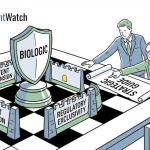
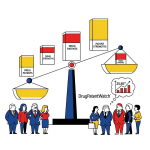
Furthermore, the differing start dates of these protections fundamentally alter the commercial timeline. A patent’s 20-year term starts at a point in time—the filing date—that is abstract and far removed from the product’s actual commercial life.4 RDP, by contrast, begins at the moment of market approval, the precise point at which the product can be sold and begin to recoup its development costs.1 For business strategists, this makes the RDP expiration date a more tangible and commercially relevant milestone than the patent expiration date. It often serves as the definitive date for anticipating the “patent cliff”—the sharp drop in revenue upon generic entry—and for planning lifecycle management strategies.8 Together, the patent portfolio and the RDP grant form a “dual fortress” of protection, with the patent acting as the outer perimeter and RDP serving as the unbreachable inner wall.
II. The International Mandate: Interpreting TRIPS Article 39.3
The global framework for intellectual property, including protections for the pharmaceutical industry, is anchored by the World Trade Organization’s (WTO) Agreement on Trade-Related Aspects of Intellectual Property Rights (TRIPS). While the TRIPS Agreement sets minimum standards for patents, its provisions on the protection of regulatory data are far more ambiguous. This ambiguity, centered on Article 39.3, has become the epicenter of a global ideological and economic divide, leading to two fundamentally different approaches to data protection that shape international trade negotiations and national industrial policies.
2.1 The Core Obligation of TRIPS Article 39.3
Article 39.3 of the TRIPS Agreement establishes the minimum international standard for the protection of undisclosed data submitted to government authorities for the purpose of obtaining marketing approval for new pharmaceutical or agricultural chemical products.9 The text of the article states:
“Members, when requiring, as a condition of approving the marketing of pharmaceutical or of agricultural chemical products which utilize new chemical entities, the submission of undisclosed test or other data, the origination of which involves a considerable effort, shall protect such data against unfair commercial use. In addition, Members shall protect such data against disclosure, except where necessary to protect the public, or unless steps are taken to ensure that the data are protected against unfair commercial use.” 10
A textual analysis reveals several key conditions that must be met for this obligation to apply. The data must be:
Submitted as a condition of marketing approval.16
Undisclosed, meaning not already in the public domain.16
Related to products that utilize new chemical entities.16
The result of a considerable effort to generate.10
If these conditions are met, WTO members are obligated to protect the data against “disclosure” and, most critically, “unfair commercial use.” However, the TRIPS Agreement provides no definition for “unfair commercial use,” leaving this crucial term open to interpretation.29 This omission was not an oversight but the result of contentious negotiations. During the Uruguay Round that led to the TRIPS Agreement, developed countries, particularly the United States and the European Community, advocated for the inclusion of a mandatory, fixed period of data exclusivity (e.g., at least five years).30 This proposal was strongly opposed by a coalition of developing countries, including India, who argued that such a provision would delay access to affordable generic medicines. Ultimately, the explicit language mandating a fixed exclusivity period was rejected and did not appear in the final text, creating the deliberate ambiguity that defines the landscape today.26
2.2 The Great Divide: Protection vs. Exclusivity
The interpretive freedom granted by Article 39.3 has led to the emergence of two competing models for its implementation, reflecting a deep divide in economic and public health priorities.
The “Data Exclusivity” Interpretation (US/EU Model): This interpretation, championed by innovator pharmaceutical companies and the governments of most developed nations, posits that the term “unfair commercial use” must be construed broadly. Proponents argue that the only meaningful and effective way to protect the data is to prevent a country’s regulatory authority from relying on the innovator’s data to approve a competitor’s generic product for a specified period of time.32 This is known as the “non-reliance” model. According to this view, allowing a generic company to gain marketing approval by referencing data that cost the innovator hundreds of millions of dollars to generate constitutes the very definition of unfair commercial use—a “free ride” on the innovator’s investment.3 This interpretation forms the legal and philosophical basis for the robust RDP systems established in the United States, the European Union, Canada, and Japan.
The “Data Protection” Interpretation (India/Brazil Model): This alternative interpretation, advanced by the generic drug industry, public health organizations, and many developing countries, argues for a much narrower reading of “unfair commercial use.” This view holds that the obligation under Article 39.3 is rooted in the principles of unfair competition, as outlined in Article 10bis of the Paris Convention.33 Accordingly, “unfair commercial use” refers only to dishonest practices, such as data theft, bribery, or espionage, to acquire and use the data.35 They contend that a government regulatory agency’s internal reliance on previously submitted data to assess a subsequent application is a legitimate, fair, and efficient administrative practice. This approach avoids unethical and duplicative human testing, accelerates public access to affordable medicines, and is therefore not an “unfair” commercial use.36 Under this model, the government’s duty is simply to protect the confidentiality of the submitted data from being disclosed to third parties. Proponents of this view categorize the “data exclusivity” model as a “TRIPS-Plus” standard—a level of protection that goes beyond what is actually required by the TRIPS Agreement.26
2.3 The Role of Free Trade Agreements (FTAs) in Exporting “TRIPS-Plus” Standards
The deliberate ambiguity of Article 39.3 has effectively shifted the battle over data protection from the multilateral forum of the WTO to the realm of bilateral and regional trade negotiations. Having been unsuccessful in enshrining a mandatory data exclusivity period in the TRIPS Agreement itself, the United States and the European Union have systematically used Free Trade Agreements (FTAs) as a primary policy tool to export their preferred “TRIPS-Plus” standards to trading partners.39
These FTAs often contain IP chapters with provisions that require signatory countries to implement fixed periods of data exclusivity for pharmaceuticals and biologics, frequently mirroring the terms available in the U.S. or EU.43 For example, the United States-Mexico-Canada Agreement (USMCA) initially contained a provision requiring 10 years of RDP for biologics in Canada and Mexico, though this was later removed from the final agreement amid political pressure.45 Similarly, the now-defunct Trans-Pacific Partnership (TPP) agreement included extensive provisions on pharmaceutical data protection that were a major point of contention.39
This strategy has significant implications for developing countries. While they retain flexibility under the TRIPS Agreement to adopt a minimalist “data protection” approach, agreeing to a “data exclusivity” provision in an FTA creates a new, binding international obligation that supersedes TRIPS flexibilities.26 This has made data exclusivity a recurring and highly contentious issue in trade negotiations between developed and developing economies. Countries like India have consistently and forcefully resisted these demands, viewing them as a threat to the viability of their domestic generic industries and their ability to provide affordable medicines to their populations and the developing world.38
The strategic weaponization of TRIPS’ ambiguity has transformed the data protection debate. It is no longer a purely legal question of treaty interpretation but a continuous geopolitical negotiation. In this arena, economic leverage and national industrial strategy, rather than abstract legal principles, often determine the outcome. Data exclusivity, in this context, functions as a sophisticated non-tariff barrier to trade. By compelling a trading partner to adopt a long RDP period, a developed country can effectively delay the entry of cheaper generic imports, thereby protecting the market share of its domestic innovator companies. Conversely, a country’s refusal to adopt data exclusivity, as seen with India, is a deliberate policy to protect its own industrial base—in this case, a world-leading generic drug manufacturing and export sector.47 The debate over the meaning of “unfair commercial use” is thus inextricably linked to fundamental questions of national economic policy and global trade competition.
III. Jurisdictional Deep Dive: A Comparative Analysis of Global Regimes
The global landscape of regulatory data protection is not a monolith but a mosaic of distinct national and regional systems. Each framework, shaped by its unique legislative history, economic priorities, and public health considerations, offers a different balance between incentivizing innovation and promoting competition. A granular understanding of these jurisdictional differences is critical for any pharmaceutical company operating on a global scale. This section provides a detailed comparative analysis of the RDP and patent frameworks in the world’s most influential markets: the United States, the European Union, China, Canada, Japan, India, and Brazil.
3.1 The United States: A Bifurcated and Complex System
The U.S. regime is arguably the most complex and robust in the world, characterized by a bifurcated system that provides different rules for traditional small-molecule drugs and modern biologics. This system offers multiple, often overlapping, layers of exclusivity that create a rich environment for strategic lifecycle management.
Small-Molecule Drugs (The Hatch-Waxman Act)
The Drug Price Competition and Patent Term Restoration Act of 1984, commonly known as the Hatch-Waxman Act, revolutionized the U.S. pharmaceutical market. It created the modern abbreviated pathway for generic drug approval (the Abbreviated New Drug Application, or ANDA) while simultaneously establishing a suite of regulatory exclusivities to ensure continued incentives for innovator companies.10 The key exclusivities for small-molecule drugs are:
New Chemical Entity (NCE) Exclusivity: This is the cornerstone of protection for novel drugs. An innovator product containing an active moiety never before approved by the FDA is granted a five-year period of exclusivity.1 During this time, the FDA is barred from accepting an ANDA submission for a generic version. A generic manufacturer wishing to challenge the innovator’s patents can file its ANDA after four years (the “NCE-1” date), effectively shortening the submission bar to four years in exchange for initiating patent litigation.2
New Clinical Investigation Exclusivity: This three-year exclusivity is granted for applications or supplements for previously approved drugs that contain reports of new, essential clinical investigations (other than bioavailability studies).1 This incentivizes companies to find new uses for existing drugs, such as new indications, new dosage forms, or a switch from prescription to over-the-counter status. This exclusivity does not block the submission of an ANDA, but it prevents the FDA from granting final approval for the specific protected change for three years.2
Orphan Drug Exclusivity (ODE): Under the Orphan Drug Act, a drug that receives an orphan designation (for treating a disease affecting fewer than 200,000 people in the U.S.) is granted seven years of market exclusivity upon approval.1 This is a powerful incentive that blocks the FDA from approving any other application (brand or generic) for the same drug for the same orphan-designated disease or condition for the seven-year period.2 The precise scope of ODE—specifically, whether it covers the entire disease or only the specific indication approved in the label—has been the subject of significant and ongoing litigation, as seen in cases like Catalyst Pharms., Inc. v. Becerra.53
Pediatric Exclusivity (PED): This unique incentive provides a six-month extension to all existing patent and exclusivity periods for a given active moiety.1 It is not a standalone exclusivity but rather an “add-on” reward granted to a company for conducting pediatric studies in response to a formal Written Request from the FDA.2
180-Day Generic Exclusivity: A key driver of patent challenges, this exclusivity is awarded to the first generic applicant to file a substantially complete ANDA containing a “Paragraph IV” certification (challenging an innovator’s patent as invalid or not infringed). This applicant is granted a 180-day period of marketing exclusivity over all other subsequent generic filers, providing a significant commercial advantage.2
Biologics (The BPCIA of 2009)
Recognizing the unique complexity and cost of developing biologic medicines, the Biologics Price Competition and Innovation Act (BPCIA), enacted as part of the Affordable Care Act, established a separate and more potent exclusivity framework for these products.54
12-Year Reference Product Exclusivity: This is the longest period of RDP for a new medicine anywhere in the world.45 An innovator biologic (a “reference product”) receives a total of 12 years of market exclusivity from the date of its first licensure by the FDA.54 During this period, the FDA is legally prohibited from approving a biosimilar version of the product. This 12-year term includes an initial four-year period of data exclusivity, during which a biosimilar application cannot even be submitted to the agency.54
No Exclusivity “Evergreening”: A critical distinction from the small-molecule regime is that subsequent approvals for changes to a biologic—such as new indications, new formulations, or different dosing schedules—do not grant any new or additional periods of exclusivity.54 The 12-year clock starts only once, upon the first approval of the novel biologic.
The U.S. system, with its long exclusivity periods, particularly for biologics, is a powerful reflection of its national industrial policy, designed to provide maximum incentive for high-risk, capital-intensive R&D and to solidify its position as the global leader in biomedical innovation.
3.2 The European Union: Harmonization and Reform
The European Union provides a harmonized RDP system applicable across all its member states, ensuring a predictable level of protection throughout one of the world’s largest pharmaceutical markets. This system is currently undergoing a significant legislative overhaul aimed at recalibrating the balance between innovation, access, and market unity.
The Current “8+2+1” Regime
The existing framework, established by Directive 2001/83/EC, is commonly known as the “8+2+1” rule 59:
Eight Years of Data Exclusivity: For eight years following the initial marketing authorization of an innovator product, generic and biosimilar applicants are prohibited from cross-referencing the innovator’s preclinical and clinical data in their own applications.4
Two Years of Market Protection: This period runs concurrently with the data exclusivity period, starting from the date of authorization. For ten years in total (the 8 years of data exclusivity plus an additional 2 years), an approved generic or biosimilar product cannot be placed on the market.4 During years nine and ten, a generic application can be filed and reviewed, but the product cannot be launched.
One-Year Market Protection Extension: The ten-year market protection period can be extended to a maximum of eleven years if, during the first eight years of its authorization, the innovator company obtains approval for one or more new therapeutic indications that are deemed to bring a “significant clinical benefit” compared to existing therapies.4
The EU also provides a separate 10-year period of market exclusivity for medicines granted an orphan designation, which can be extended to 12 years if the company completes a Paediatric Investigation Plan (PIP).4
The Proposed EU Pharma Package Reform
In 2023, the European Commission proposed the most significant reform of its pharmaceutical legislation in two decades. The proposal, which is still being debated and amended by the European Parliament and Council, aims to make medicines more available and affordable while fostering a competitive and innovative industry.59 A central element of the reform is a shift away from a static RDP system to a modulated, incentive-based model.
Modulated Baseline Protection: The Commission proposed reducing the standard data protection period from eight to six years.60 The European Parliament has countered with a proposal for a 7.5-year baseline.64
Conditional Extensions: The key feature of the reform is that this shorter baseline period can be extended if the innovator company meets certain public health and market objectives. These “behavioral” incentives include:
An additional two years of data protection for launching the medicine and ensuring continuous supply in all EU member states where the marketing authorization is valid.60
An additional 6 to 12 months for addressing an “unmet medical need”.66
An additional six months for conducting comparative clinical trials against a relevant standard of care.66
An additional year of protection for obtaining authorization for a new indication with significant clinical benefit.65
New Exclusivities: The reform also proposes a new, standalone four-year data exclusivity period for “repurposed” medicines—existing drugs that are developed for a new therapeutic use—provided they meet strict criteria.59
This proposed shift represents a move towards “behavioral” exclusivity. Securing the maximum protection period would no longer be an automatic right but something that must be earned by actively aligning corporate strategy with EU policy goals. This dramatically increases the strategic complexity for companies, requiring the deep integration of market access, clinical development, and regulatory affairs planning from the very outset of a product’s lifecycle.
3.3 China: Building a New Exclusivity Framework
For many years, China’s legal framework contained provisions for data protection, but a lack of detailed implementing regulations created significant uncertainty for innovator companies.68 This changed dramatically in March 2025, when China’s National Medical Products Administration (NMPA) released comprehensive draft rules to establish a formal and predictable RDP system, signaling the country’s ambition to align with international norms and become a top-tier market for pharmaceutical innovation.70
The proposed framework includes several tiers of protection:
Six Years for Innovative Drugs: A six-year period of data exclusivity would be granted to innovative chemical drugs and biologics that have not been previously approved anywhere in the world and receive their first approval in China.70
Three Years for Improved New Drugs: Drugs that are improvements over existing products (e.g., new formulations, new combination products) and demonstrate a clear clinical advantage would be eligible for a three-year exclusivity period.70
Three Years for “First-in-China” Generics: In a unique move to incentivize the local industry, a three-year RDP period is proposed for the first generic version of a drug that has been marketed overseas but not yet in China.68
The “Time-Deduction” Mechanism: A crucial and strategically significant feature of the proposed rules is a “time-deduction” or “penalty” clause for drugs that are launched in other countries before China. For an innovative drug already approved abroad, the six-year RDP term in China will be reduced by the amount of time that has passed between the date of the first foreign marketing approval and the date the marketing application is accepted for review by the NMPA.70
This time-deduction mechanism is a clear instrument of industrial policy. It creates a powerful incentive for multinational companies to abandon traditional staggered launch sequences (typically U.S. first, then EU, then rest of world) and instead pursue simultaneous or near-simultaneous global regulatory filings that include China. This policy is explicitly designed to accelerate the access of Chinese patients to new medicines and to integrate China’s regulatory system and market into the first tier of global pharmaceutical launches.
3.4 Established Markets: Canada and Japan
Canada and Japan, both mature and highly regulated pharmaceutical markets, have long-standing systems that provide effective data protection, though their mechanisms differ.
Canada: Canada’s RDP regime is heavily influenced by its international trade obligations under agreements like CUSMA and CETA.44 The Food and Drug Regulations provide for a total of eight years of data protection for an “innovative drug” (defined as a new chemical entity).28 This is structured as a six-year “no-file” period, during which a generic manufacturer cannot submit its application, followed by an additional two years of market protection, during which an application can be reviewed but not approved.28 An additional six-month pediatric extension is also available, bringing the potential maximum to 8.5 years.75
Japan: Japan does not have a formal system named “data exclusivity,” but it achieves a functionally equivalent outcome through its post-marketing “re-examination” system.14 When a new drug is approved, it is subject to a mandatory re-examination period to confirm its safety and efficacy in a real-world population. During this period, a generic application cannot be approved because the safety and efficacy profile of the innovator drug is not considered fully established by the regulator. The standard re-examination period is eight years for new chemical entities and ten years for orphan drugs, effectively providing a long and robust period of market protection.14 Japan also has a comprehensive legal framework governing the privacy and use of health data, including the Act on the Protection of Personal Information (APPI) and the Next-Generation Medical Infrastructure Law.76
3.5 The Holdouts: India and Brazil
In stark contrast to the other major markets, India and Brazil have deliberately chosen not to implement robust data exclusivity regimes for human medicines, a policy decision rooted in the protection of their domestic generic industries and a focus on public health and access to affordable medicines.
India: India is a global leader in the manufacturing and export of generic drugs. Its government has consistently maintained the position that data exclusivity is a “TRIPS-Plus” measure not required by the WTO and that its implementation would be detrimental to public health by delaying the availability of low-cost medicines.30 India has faced immense pressure to adopt data exclusivity during FTA negotiations with the EU and the UK but has thus far successfully resisted these demands.38 The country does have a limited form of protection under its Drugs and Cosmetics Act, which requires subsequent applicants for a “new drug” (defined as a drug not previously used extensively in India) to submit their own data for a period of four years after the first approval.46 However, this provision is interpreted with significant flexibility, including waivers for public interest, and does not function as a strict “non-reliance” exclusivity barrier.82 India’s new Digital Personal Data Protection (DPDP) Act of 2023 governs the privacy of personal data, including health information, but is a separate legal framework from RDP for regulatory filings.83
Brazil: Like India, Brazil adheres to the minimalist “data protection” interpretation of TRIPS. Its laws explicitly provide data exclusivity for veterinary and agricultural products but exclude pharmaceutical products for human use.88 The national regulatory agency, ANVISA, is obligated to protect the confidentiality of submitted data and prevent its disclosure but is permitted to rely on that data to approve subsequent generic applications.37 There is a vigorous ongoing policy debate in Brazil about this stance. Studies have suggested that introducing RDP could dramatically increase the number of innovative medicines launched and clinical trials conducted in the country, attracting significant foreign investment.88 Currently, Brazil faces a “patent paradox,” where lengthy patent examination backlogs and the strategic use of patent thickets by innovators create de facto monopolies and high prices, even in the absence of formal RDP.89
Table: Comparative Analysis of Regulatory Data Protection Regimes
Feature
United States
European Union (Current)
European Union (Proposed Reform)
China (Proposed)
Canada
Japan
India
Brazil
Standard RDP Term (New Drugs)
Small Molecules: 5 years (NCE) Biologics: 12 years
8 years data exclusivity + 2 years market protection (10 years total)
6 to 7.5-year baseline + 2 years market protection, with extensions up to 12 years total
6 years
8 years (6-year no-file + 2-year market protection)
8 years (via re-examination period)
4 years (limited, for “new drugs”)
None for human medicines
RDP Term (New Indications/Formulations)
3 years (for changes requiring new clinical trials)
+1 year market protection (if significant clinical benefit)
+1 year data protection (if significant clinical benefit)
3 years (for improved drugs with clinical advantage)
None
4 years (via re-examination period)
None
None
Orphan Drug Exclusivity Term
7 years
10 years
9-year baseline, with extensions up to 13 years
Not specified in draft rules
8 years (if NCE)
10 years (via re-examination period)
Not specified
Not specified
Pediatric Exclusivity Extension
+6 months to all existing patents and exclusivities
+2 years to orphan exclusivity; +6 months to SPC
Maintained
Not specified in draft rules
+6 months to 8-year term
Not specified
Not specified
Not specified
Governing Legislation
Hatch-Waxman Act; Biologics Price Competition and Innovation Act (BPCIA)
Directive 2001/83/EC; Regulation (EC) No 141/2000
Proposed new Directive and Regulation
Draft Implementation Measures for Drug Trial Data Protection
Food and Drug Regulations (C.08.004.1)
Pharmaceutical and Medical Device Act (PMD Act)
Drugs and Cosmetics Act and Rules
Law 9.782/99 (ANVISA); explicitly excludes human medicines from RDP
Key Nuances
Bifurcated system for small molecules vs. biologics. Longest biologic exclusivity globally.
Harmonized “8+2+1” system.
Modulated system with “behavioral” incentives (e.g., EU-wide launch).
“Time-deduction” penalty for delayed filing in China. Incentive for “first-in-China” generics.
Influenced by CUSMA/CETA. Includes Certificate of Supplementary Protection (CSP).
“Re-examination” system functions as RDP.
“Permissive reliance” model, not true exclusivity. Strong political resistance to TRIPS-Plus standards.
Minimalist “data protection” interpretation of TRIPS. Ongoing policy debate on introducing RDP.
IV. Strategic Synthesis: Building and Defending the IP Fortress
The legal frameworks of patent law and regulatory data protection do not exist in a vacuum. For innovator pharmaceutical companies, they are fundamental tools of corporate strategy, deployed in a coordinated fashion to construct a formidable “IP fortress” around a valuable therapeutic asset. This fortress is designed to maximize the period of market exclusivity, thereby ensuring the company can recoup its massive R&D investment and fund future innovation. Understanding how these legal tools are synthesized into a cohesive commercial strategy is key to comprehending the modern pharmaceutical business model.
4.1 Lifecycle Management Beyond the Primary Patent: The “IP Fortress”
Relying on a single, foundational composition-of-matter patent is a perilous strategy in the modern pharmaceutical landscape. Instead, sophisticated innovator companies engage in a proactive lifecycle management strategy that begins early in development and continues long after a product’s launch. This involves building what is often referred to as a “patent thicket” or an “IP fortress”.6
This strategy involves filing a multitude of secondary patents that create a dense, overlapping web of protection around the core product.6 These secondary patents do not claim the original active molecule but cover crucial ancillary inventions, such as:
New Formulations: Extended-release versions, more stable crystalline forms (polymorphs), or novel delivery systems.5
Methods of Use: Patents on treating a specific disease or a particular sub-population of patients with the drug.5
Manufacturing Processes: Novel and more efficient methods for synthesizing the drug at scale.5
Combination Therapies: The use of the drug in combination with other therapeutic agents.93
Each of these patents has its own 20-year term, creating staggered expiration dates that can extend market protection well beyond the life of the original compound patent.12 This creates multiple, independent legal barriers that a generic competitor must overcome, significantly increasing the cost and complexity of market entry.
Regulatory Data Protection serves as the ultimate reinforcement of this fortress—the unbreachable inner wall. While each patent in the thicket is a potential point of attack for generic challengers through litigation, RDP provides a fixed and, crucially, unchallengeable period of market protection.10 During the RDP period, even if a generic company successfully invalidates every single patent protecting a drug, the regulatory agency is still legally barred from approving its application.14 This makes RDP a powerful and predictable safety net that guarantees a minimum period of exclusivity, insulating the innovator from the vagaries of patent litigation. The strategic layering of a robust patent thicket with a statutory RDP period creates a synergistic barrier to competition that is far more resilient than either could provide on its own.
4.2 The Economic Calculus of Exclusivity
The entire economic model of the innovative pharmaceutical industry is predicated on the temporary market monopoly afforded by the IP system.5 The promise of this protected period is the fundamental incentive that justifies the extraordinary financial risk of drug development, where costs average over $2 billion per approved medicine and failure rates are exceedingly high.4
The end of this protected period, known as the Loss of Exclusivity (LOE) or the “patent cliff,” is one of the most significant financial events in a drug’s lifecycle.8 Upon the entry of multiple generic or biosimilar competitors, the price of the drug can plummet by 80-90% or more, leading to a catastrophic decline in revenue for the innovator company.94 The pharmaceutical industry is currently facing an unprecedented wave of LOE, with analyses projecting that over $300 billion in branded drug sales are at risk from patent expirations between 2023 and 2028 alone.8 Blockbuster products like Merck’s Keytruda and Novartis’s Entresto, which generate billions in annual sales, are facing patent expiries before the end of the decade.8
This stark financial reality underscores the immense economic value of each additional day of market exclusivity. The debate over the length of RDP terms is a direct reflection of this value. From a public health and payer perspective, extending an RDP period by even one year can add billions to healthcare system costs by delaying the availability of cheaper generics.67 From the innovator’s perspective, that same year represents billions in preserved revenue, which they argue is essential to reinvest in the R&D pipeline for the next generation of therapies.96 This economic calculus drives the intense lobbying and negotiation surrounding RDP rules globally and makes maximizing the duration of the IP fortress a core business imperative.
This has led to an inversion of the perceived value of different IP assets. For many modern therapeutics, especially biologics with long and complex development pathways, the period of regulatory data protection may be commercially more valuable than the foundational patent itself. A composition-of-matter patent’s 20-year term is heavily depleted by a 10-15 year development and review cycle, potentially leaving only 5-10 years of market life after approval.4 In contrast, a 12-year RDP term for a biologic in the U.S. begins
at the moment of approval, providing a longer guaranteed monopoly from the commercially relevant launch date.54 Combined with the fact that the patent is constantly vulnerable to litigation while RDP is not, a rational investor or potential acquirer in a merger and acquisition scenario might place a higher valuation on the certain 12 years of RDP than on the uncertain and potentially shorter remaining patent life. This elevates the understanding of regulatory exclusivities from a secondary concern to a primary driver of valuation and strategic decision-making in the life sciences industry.93
4.3 Impact on Market Dynamics and Generic Entry
The most direct market effect of RDP is the delay of generic and biosimilar competition.10 This protection is particularly potent in situations where patent protection is weak, non-existent, or has been successfully challenged in court.10 By creating a regulatory barrier that is independent of the patent status, RDP ensures a period of monopoly pricing that would otherwise be lost.
This has a profound impact on drug prices and healthcare expenditures.42 The entry of the first generic competitor typically triggers a substantial price reduction, and prices continue to fall dramatically as more generics enter the market. Studies have shown that with three competitors, prices can fall by 20%, and with ten or more, prices can decline by as much as 80% to 90% relative to the pre-generic brand price.94 RDP directly controls the starting point of this price erosion curve. By delaying the launch of the first generic, it preserves the innovator’s monopoly pricing power for the full duration of the exclusivity period.
While RDP is designed to prevent generic free-riding, it can also have the second-order effect of stifling legitimate follow-on innovation. RDP blocks the regulatory use of an innovator’s data. A competing company might wish to access this data not to create a direct copy, but as a scientific foundation to develop an improved version of the drug—for example, a formulation with fewer side effects or a more effective combination therapy. Without access to the innovator’s comprehensive regulatory data package, even for research purposes, this competitor must essentially start from scratch, a path that is often prohibitively expensive. RDP thus creates a “black box” around the innovator’s data that can slow the pace of incremental, competitive innovation within a therapeutic class, representing a potential societal trade-off for the strong incentives it provides.
4.4 Navigating New Modalities and Technologies
The established paradigms of patent and data protection are being tested by the rapid emergence of new therapeutic modalities and technologies.
Cell and Gene Therapies (CGTs): These groundbreaking therapies, which include CAR-T cell therapies and gene-editing-based treatments, present unique IP challenges. Often, the final therapeutic “product” is inextricably linked to a highly complex and proprietary manufacturing process.100 In the U.S., CGTs are regulated as biologics by the FDA’s Center for Biologics Evaluation and Research (CBER) and are therefore eligible for the 12-year period of reference product exclusivity.101 However, the novelty of these products, the need for long-term patient follow-up data to assess durability and safety, and the potential for multiple versions of a product to be studied in early-phase trials are creating new regulatory complexities that will continue to shape the application of exclusivity frameworks.103
Artificial Intelligence (AI) in Drug Discovery: The increasing use of AI and machine learning to identify novel drug candidates and predict their properties is creating a paradigm shift in R&D and raising novel IP questions.99 Who is the legal “inventor” of a molecule discovered by an AI algorithm? How can the proprietary data sets and predictive models that form the core of these discovery platforms be protected? This technological shift is leading to a greater strategic emphasis on data-centric IP, including trade secrets and new forms of data protection that may blur the lines between the traditional patent and RDP systems.92
V. Conclusion and Strategic Outlook
The intricate dance between pharmaceutical patent protection and regulatory data protection forms the bedrock of the modern biopharmaceutical industry’s economic model. These dual mechanisms, born of different legal traditions but united in commercial purpose, create a formidable fortress of market exclusivity that is essential for incentivizing the high-risk, long-term investment required for therapeutic innovation. Yet, this system exists in a state of perpetual tension, balancing the need to reward innovation with the urgent global demand for affordable and accessible medicines.
5.1 The Global Tug-of-War: Innovation vs. Access
The analysis of global regimes reveals a clear and persistent tug-of-war. There is no single, universally accepted “correct” balance between innovation and access, but rather a spectrum of policy choices reflecting national priorities. At one end of the spectrum lies the United States, with its robust, multi-layered exclusivity system designed to provide maximum incentive for its world-leading R&D ecosystem. At the other end are India and Brazil, which have deliberately prioritized their domestic generic industries and public health goals by rejecting strong RDP, viewing it as an impediment to affordable medicine. In the middle, regions like the European Union and, more recently, China are attempting to craft nuanced systems that use RDP as a tool of industrial policy—to encourage specific corporate behaviors like EU-wide launches or to attract early investment into their domestic markets. This global divergence, rooted in the ambiguous language of the TRIPS Agreement, ensures that the debate over the optimal level of protection will remain a central and contentious issue in international trade and public health for the foreseeable future.
5.2 Future Trajectories and Emerging Trends
Several key trends are poised to reshape the landscape of pharmaceutical IP and regulatory protection in the coming years:
The Primacy of Data as the Core Asset: The future of pharmaceutical IP will increasingly be defined by the protection of data itself. This extends beyond clinical trial data to encompass the vast and valuable datasets generated by genomics, real-world evidence (RWE), and AI-powered discovery platforms.99 The value of a company may lie less in a single patented molecule and more in its proprietary data and analytical capabilities. This will necessitate the development of new legal frameworks that may blend concepts from RDP, trade secret law, and even copyright to protect these novel assets.
Geopolitical Strategy and Trade Negotiations: The use of Free Trade Agreements to export IP norms will continue to be a primary tool of foreign and economic policy for developed nations.39 The strategic competition between the United States and China, in particular, will likely see both nations leveraging their regulatory and IP systems to gain a competitive advantage, attract investment, and secure their pharmaceutical supply chains. Trade negotiations will remain a critical battleground where the future of global RDP standards is forged.
Increased Scrutiny and Pressure for Reform: With the cost of healthcare remaining a potent political issue globally, the IP systems that underpin high drug prices will face continued and intensified scrutiny. Practices such as “patent thicketing” and “evergreening” are increasingly viewed by policymakers and the public as potential abuses of the system designed to unduly delay generic competition.5 This could lead to legislative or regulatory reforms in the U.S. and EU aimed at curbing these practices, potentially weakening the outer walls of the IP fortress.
5.3 Recommendations for Stakeholders
Navigating this complex and evolving landscape requires a sophisticated and forward-looking strategy from all market participants.
For Innovator Companies: An integrated, cross-functional approach to IP is no longer a best practice but a necessity. IP strategy must be developed in concert with regulatory, clinical, and market access strategies from the earliest stages of R&D. Companies must proactively design clinical trials and launch sequences to meet the criteria for conditional RDP extensions in markets like the EU and to optimize RDP terms under time-deduction rules in markets like China. A deep, jurisdiction-specific understanding of the nuances detailed in this report is essential for maximizing the value and longevity of therapeutic assets.
For Generic and Biosimilar Companies: The strategic focus for market entry must expand beyond simple patent expiration dates. A comprehensive analysis of the full landscape of regulatory exclusivities—NCE, ODE, PED, and market protection periods—is required to accurately identify the true Loss of Exclusivity date. Competitive intelligence platforms that track this complex data, such as DrugPatentWatch, are indispensable tools for portfolio management and for identifying the earliest possible market entry opportunities.110 Legal and business development strategies should prioritize jurisdictions with weaker or non-existent RDP regimes as potential early launch markets for global expansion.
For Policymakers: The challenge for governments is to navigate the delicate balance between fostering a vibrant domestic innovation ecosystem and ensuring the sustainability of their healthcare systems. Strengthening RDP has been shown to be an effective policy lever for attracting clinical trials and R&D investment.17 However, this comes at the direct and quantifiable cost of delayed generic competition and higher pharmaceutical expenditures.43 There is no one-size-fits-all solution; policymakers must carefully weigh these trade-offs in the context of their specific national economic and public health priorities, recognizing that the rules they set for data protection will have profound and lasting consequences.
Raising the Barriers to Access to Medicines in the Developing World – The Relentless Push for Data Exclusivity – PMC – PubMed Central, accessed August 20, 2025, https://pmc.ncbi.nlm.nih.gov/articles/PMC5347964/
Article 39.3 of the TRIPS Agreement: Its Genesis and the Present Context Biswajit Dhar – Centre for WTO Studies, accessed August 20, 2025, https://wtocentre.iift.ac.in/Papers/1.pdf
The Benefits From Giving Makers Of Conventional `Small Molecule’ Drugs Longer Exclusivity Over Clinical Trial Data – PMC, accessed August 20, 2025, https://pmc.ncbi.nlm.nih.gov/articles/PMC3804334/