Beyond the Legal Formality: Why Patent Strategy is a Core Business Imperative
For too long, patent strategy has been relegated to the quiet corridors of the legal department. This is a profound organizational error. In today’s hyper-competitive landscape, a company’s approach to international patenting must be a central pillar of its corporate strategy, deeply integrated with R&D, business development, and commercial operations. It is a discipline that demands more than just legal acumen; it requires a deep understanding of international treaties, the unique political and legal nuances of key markets, advanced lifecycle management tactics, and the strategic use of patent data as a powerful intelligence weapon.1
The patent system has been transformed from a defensive shield into an offensive strategic weapon, wielded with precision to control markets, obstruct competitors, and extend monopolies far beyond their originally intended lifespan.2 As one industry expert highlights, “Patents ensure that the innovations and discoveries made along the way are protected, allowing companies… to navigate the competitive landscape of the pharmaceutical industry confidently”.3 This confidence is not passive; it is the freedom to operate aggressively, to invest boldly in future pipelines, and to dictate the terms of market engagement. Decisions about where to file, what to claim, and when to litigate are not legal minutiae; they are multi-million-dollar business decisions that directly impact valuation, market exclusivity, and long-term profitability.
The Staggering Economics of Pharma R&D and the Patent Bargain
To grasp the central role of patents, one must first appreciate the monumental scale of the investment they protect. The journey of a new drug from a laboratory hypothesis to a patient’s bedside is one of the most expensive and riskiest endeavors in modern commerce.
The entire pharmaceutical business model rests on a delicate and often contentious societal bargain: a temporary, government-granted monopoly in exchange for the monumental risk and expense of inventing and developing new life-saving medicines.1 The scale of this investment is staggering. Bringing a single new drug to market frequently requires upwards of $2 billion and can take 12 to 13 years from initial discovery to final regulatory approval.1 This widely cited figure, often originating from studies by the Tufts Center for the Study of Drug Development, is not just a sum of out-of-pocket R&D spending. It also accounts for the immense cost of failure—only about 12% of drugs entering clinical trials ever receive approval—and the opportunity cost of capital tied up for over a decade.4
This is where the patent system’s fundamental tension becomes a critical business problem. The standard patent term, mandated globally by the TRIPS agreement, is 20 years from the filing date.1 However, because the foundational “composition of matter” patent is typically filed very early in the discovery process, a significant portion of this term—often 10 to 15 years—is consumed by preclinical and clinical development and regulatory review.6 The result is that the
effective period of market exclusivity, the time a company has to recoup its massive investment and generate a profit, is often compressed to a mere 7 to 10 years.3
This structural reality creates an immense, systemic pressure on companies to maximize the value of every single day of that compressed exclusivity window. It is the primary economic driver behind the sophisticated, and often controversial, lifecycle management strategies that have come to define the modern pharmaceutical industry. The debate is not whether to file secondary patents to extend a drug’s commercial life, but rather which of those patents represent genuine, value-adding innovation versus mere attempts to game the system. From a purely financial perspective, failing to explore every legitimate avenue to protect and extend a product’s lifecycle is a dereliction of fiduciary duty.
The Patent Cliff: A Multi-Billion Dollar Existential Threat
The “patent cliff” is the term used to describe the precipitous and often catastrophic drop in revenue that occurs when a blockbuster drug loses its market exclusivity.9 It is the moment the societal bargain concludes, and the market is opened to lower-priced generic or biosimilar competition. The consequences are immediate and severe.
For small-molecule drugs, revenues can plummet by as much as 90% within months of generic entry.1 This is not a distant or theoretical threat. Between now and 2030, analysts project that more than $200 billion in annual pharmaceutical revenue is at risk from expiring patents.2 By 2030, an estimated 190 drugs, including 69 blockbusters, are set to lose their market protection.9 The patent cliff serves as a stark, real-world illustration of why proactive, international patent strategy and lifecycle management are not optional corporate exercises; they are essential for survival.
A World Without a World Patent: Navigating the Global IP Patchwork
A common and dangerous misconception among those outside the IP profession is the idea of a single “world patent.” No such thing exists.1 A patent is a national right, granting protection only within the borders of the country that issued it.12 Therefore, protecting a pharmaceutical innovation across multiple countries requires navigating a complex patchwork of international treaties, regional agreements, and national laws that together form the global IP architecture.1
The TRIPS Agreement: Setting the Baseline, Creating the Tension
The foundational layer of this architecture is the Agreement on Trade-Related Aspects of Intellectual Property Rights (TRIPS), administered by the World Trade Organization (WTO). For the pharmaceutical industry, the most critical provision of TRIPS was the mandate that all WTO member countries must provide patent protection for all technological inventions, including pharmaceuticals, for a minimum term of 20 years from the filing date.1
However, the imposition of these standards created a fundamental and lasting tension. Historically, developed nations adopted strong patent protection only after reaching high levels of economic development. TRIPS effectively required developing nations to implement a developed-world patent framework prematurely, a move perceived by many as prioritizing foreign commercial interests over pressing public health needs.1 To address this, the agreement includes “flexibilities,” most notably the right for governments to issue a “compulsory license.” This powerful tool allows a government to authorize a third party to produce a patented product without the consent of the patent holder, typically in response to a public health crisis.1 This creates an inherent vulnerability for patents in developing jurisdictions, making a global patent strategy a risk-weighted exercise.
Jurisdictional Nuances: The Strategic Implications of Local Law
While TRIPS provides a baseline, the actual implementation and interpretation of patent law vary dramatically from one country to another. A one-size-fits-all international filing strategy is not just inefficient; it is doomed to fail. A sophisticated global strategy must be bifurcated, with tailored approaches for different legal and commercial environments.
United States: The largest and most lucrative pharmaceutical market, characterized by the Hatch-Waxman Act, a permissive environment for secondary patenting (“evergreening”), and a highly litigious culture surrounding generic challenges.1 The strategic focus is often on building dense “patent thickets” to deter competitors.
Europe: The European Patent Office (EPO) provides a centralized examination process, but the resulting European patent must be “validated” in individual member countries to be enforceable. The EU has stricter standards for “inventive step” and “added matter” than the US, making it more challenging to secure certain types of secondary patents.2 The recent introduction of the Unitary Patent and Unified Patent Court (UPC) is further streamlining and centralizing the system.
China: Now the world’s largest filer of patent applications, China has rapidly strengthened its IP enforcement regime.14 However, its system for patent term compensation includes a “China-first” requirement, forcing companies to rethink their global launch sequencing if they wish to benefit.1
India: Known for its stringent patentability criteria, particularly Section 3(d) of its Patents Act, which creates a high bar for patenting new forms of known substances unless a significant enhancement in efficacy can be proven. This requires a deep integration of legal and clinical development strategies.1
This divergence means that a patent strategy that is highly effective in the United States may be a costly failure in India. A company might pursue a broad “patent thicket” in the US while adopting a much more selective strategy in Europe and focusing only on truly breakthrough secondary inventions in India. This requires a sophisticated, jurisdiction-by-jurisdiction assessment of the legal landscape and the potential return on investment.
Decoding the Blueprint: Foundations of Patent Families and International Filing
To construct a winning global strategy, you must first master the fundamental building blocks of international patent law. This requires moving beyond surface-level definitions to understand the strategic implications of core concepts like patent families and the procedural mechanics of the Patent Cooperation Treaty (PCT). These are not just administrative details; they are the essential components of your strategic blueprint.
Understanding Patent Families: The DNA of an Invention’s Global Footprint
At the heart of any international patent analysis is the concept of the “patent family.” A patent family is a collection of patent applications filed in various countries that are related to each other through priority claims and cover the same or similar technical content.16 It is the fundamental unit for tracking an invention’s global protection and is the starting point for virtually all competitive intelligence and freedom-to-operate analyses.
Different databases may use slightly different definitions, but the two most widely accepted types are those defined by the European Patent Office (EPO), which are used in its powerful Espacenet database and form the basis for many commercial analytics platforms.16
Simple vs. Extended Families: A Strategic Distinction
The choice between analyzing a simple or an extended patent family is not a technicality; it is a strategic decision that dictates the type of intelligence you can extract. The question you are trying to answer determines the lens you should use.
DOCDB Simple Patent Family: This is the most precise definition. A simple family consists of a set of patent documents that all cover the exact same invention. All members of a simple family will share the exact same set of priority documents.17 Think of this as a “snapshot” in time. It answers the question: “In which countries has the company sought protection for this specific invention?” This level of analysis is critical for a generic company conducting a Freedom-to-Operate (FTO) search, as it identifies the direct patent equivalents in each target market that could block their product.
INPADOC Extended Patent Family: This is a broader and more powerful concept for strategic analysis. An extended family links together all documents that share at least one priority document in common.16 This creates a larger web of related patents, connecting the original invention to subsequent improvements, divisionals, and continuations. Think of this as a “video” over time. It answers the question: “How has this core technology evolved, and what is the company’s broader R&D trajectory in this area?” For an M&A analyst or an R&D strategist, analyzing the extended family is essential for mapping a competitor’s innovation pathways, identifying their most foundational technologies (those that spawn many related filings), and predicting their next strategic moves.18
The Patent Cooperation Treaty (PCT): Your Most Powerful Strategic Tool
It is impossible to overstate the strategic importance of the Patent Cooperation Treaty (PCT). Administered by the World Intellectual Property Organization (WIPO), the PCT system is the dominant pathway for seeking multinational patent protection.11 It is crucial to understand what the PCT is—and what it is not. The PCT does
not grant an “international patent”.11 Rather, it is a unified and highly strategic
filing system that streamlines the process of seeking patent protection in its 158 contracting states.1
The PCT Process Demystified: From International Phase to National Entry
Filing a single “international application” under the PCT has the same legal effect as filing separate national patent applications in all designated member countries.1 The process unfolds in two main phases:
The International Phase: This phase begins with the filing of the PCT application and lasts for approximately 30 months from the earliest priority date. It includes several key steps:
Filing: A single application is filed in one language at a designated “Receiving Office”.22 This act secures a priority date across all member states, establishing a critical timestamp for the invention’s novelty.
International Search (Chapter I): An authorized International Searching Authority (ISA) conducts a prior art search and issues an International Search Report (ISR) and a Written Opinion of the ISA (WOISA).11 This provides the applicant with a non-binding but highly valuable early assessment of the invention’s patentability. This is a critical intelligence-gathering step. By monitoring a competitor’s published PCT application, you can see the prior art that an examiner believes is most relevant to their invention.
Optional International Preliminary Examination (Chapter II): If the WOISA raises objections, the applicant can file a “Demand” to enter Chapter II. This allows them to file arguments and amendments to overcome the objections, resulting in a more refined International Preliminary Report on Patentability (IPRP Chapter II).11 Observing how a competitor responds to these objections provides a preview of the legal arguments they are likely to use in national prosecution and future litigation—a free look at their strategic playbook.
The National/Regional Phase: This is the point at which the single international application is converted into multiple individual patent applications in the specific countries or regions where the applicant ultimately decides to seek protection.11 It is only at this stage—typically 30 or 31 months after the priority date—that the significant costs of national filing fees, translation fees, and local patent attorney fees are incurred.23
The 30-Month Advantage: Transforming Legal Procedure into Financial Strategy
The true genius of the PCT system lies in that 30-month delay. It transforms the treaty from a mere legal convenience into a powerful financial management and strategic planning tool, particularly for capital-constrained startups and biotech firms.1
In that critical two-and-a-half-year window, a company can leverage the PCT to:
Defer Major Costs: The most immediate benefit is the ability to postpone the substantial costs associated with national phase entry.1 This preserves capital at a stage when it is most needed for R&D.
Gather Critical Clinical Data: For a pharmaceutical company, this period is invaluable. It allows time to conduct further preclinical studies and advance into early-stage clinical trials. Positive data generated during this window can dramatically increase the value of the invention and justify the expense of broad international filing.1
Secure Funding and Partnerships: A PCT application paired with a favorable ISR and promising early clinical data is a powerful asset for attracting venture capital or negotiating licensing deals with larger pharmaceutical partners. The ability to show a clear path to international patent protection de-risks the investment for potential partners.1
Assess Commercial Viability: The 30-month period provides time to conduct market research, analyze the competitive landscape, and refine the commercial strategy. A company can make a much more informed decision about which countries represent a viable market worth the cost of patenting.25
Refine or Abandon the Application: The feedback from the ISR and WOISA is a crucial strategic input. If significant, “killer” prior art is found, the company can choose to abandon the application before incurring any national phase costs, saving potentially hundreds of thousands of dollars. Alternatively, the feedback can be used to strategically amend the claims to improve the chances of grant during the national phase.20
The following table provides a high-level strategic comparison of the two primary routes for international filing.
Feature
PCT Route
Direct National Filing (Paris Convention)
Upfront Cost
Lower (single filing fee)
High (multiple filing, translation, and attorney fees in each country)
Decision Deadline for Countries
30/31 months from priority date
12 months from priority date
Early Patentability Feedback
Yes (International Search Report & Written Opinion)
No (feedback comes only during national examination)
Flexibility to Amend
Yes (optional Chapter II examination)
Limited to national procedures
Administrative Burden
Lower (one application, one set of formalities)
High (managing multiple applications, deadlines, and agents)
Strategic Value
High (cost deferral, intelligence gathering, flexibility)
Low (requires early, definitive decisions on markets)
Table 1: PCT Route vs. Direct National Filing: A Strategic Comparison. This table summarizes the key differences, highlighting the PCT’s advantages in cost management and strategic flexibility.1
The Analyst’s Toolkit: Methodologies for Transforming Patent Data into Actionable Intelligence
Having established the foundational concepts, we now turn to the practical application: how do you transform the raw material of patent documents into the refined product of actionable business intelligence? This requires a disciplined approach, leveraging a suite of analytical methodologies and a sophisticated understanding of the available tools. This is the craft of the patent analyst, and mastering it is essential for any organization seeking to compete on the global stage.
Patent Landscape Analysis (PLA): Mapping the Terrain to Find the White Space
A Patent Landscape Analysis (PLA), sometimes called patent mapping, is a meta-analysis of patent data within a specific technology field. Its purpose is to create a comprehensive overview of innovation activity, identify pertinent developments over time, and visualize the competitive terrain.28 While often used for defensive purposes like freedom-to-operate, its true power lies in its application to offensive business strategy.
The strategic goals of a well-executed PLA are multifaceted 29:
Identify R&D “White Space”: By mapping who is patenting what, a PLA can reveal areas of a technology field that are relatively uncrowded. This “white space” represents potential opportunities for a company to focus its R&D efforts, increasing the likelihood of obtaining valuable patents and gaining a competitive advantage.
Understand Market Needs and Emerging Trends: Analyzing recent patent filing trends can identify emerging technologies and potential market opportunities long before they become mainstream. This allows a company to align its R&D strategy with future market needs.29
Discover Drug Repurposing Opportunities: A PLA can identify existing drugs that are being patented for new indications, a practice known as drug repurposing. This can accelerate the development of new treatments by leveraging existing safety data.29
Gather Foundational Competitive Intelligence: At its core, a PLA identifies the key players in a technology field, maps their patent portfolios, and reveals their strategic R&D priorities.29
It is critical to understand that while PLAs are inherently retrospective—as they are based on patent documents that are typically published 18 months after their initial filing—they are also powerful leading indicators of future technologies and market shifts. Because patents are usually filed years before a related product enters the market, they provide an early glimpse into the commercial and technological intentions of competitors.28
This 18-month publication delay, however, presents a double-edged sword. It creates a blind spot where a competitor’s most recent and potentially most disruptive research remains invisible. A sophisticated company can exploit this. They might file a provisional application on a truly groundbreaking technology, starting the 18-month secrecy clock, while simultaneously filing and publishing applications on less critical or even decoy research paths. Competitors conducting landscape analyses will see the public activity and may allocate resources to respond, all while the true strategic threat remains hidden. This makes the analysis of what is visible, and an appreciation for what might be hidden, a key part of advanced competitive intelligence.
Competitive Intelligence: Using Patent Data to Reverse-Engineer Competitor Strategy
While PLA provides a broad map of the terrain, competitive intelligence focuses on tracking the movements of specific players on that map. Analyzing a competitor’s patent portfolio is one of the most effective ways to understand their strategic intentions long before they are announced in press releases or reflected in financial reports.30
By systematically monitoring a competitor’s patent filings, you can gain deep insights into 30:
R&D Focus: The technical classifications and keywords in their recent filings reveal the specific technological paths they are pursuing.
Key Personnel: Tracking patents by inventor can identify a company’s key scientists and their areas of expertise.
Geographic Strategy: The countries in which they choose to file their patent families reveal their target markets and commercial priorities.
Foundational Inventions: Visualizing a company’s patent portfolio as a family tree can distinguish its core, foundational inventions (those with many subsequent “child” applications) from more peripheral ones. This is invaluable for assessing the strength of a portfolio in a potential M&A or licensing deal.18
This proactive monitoring serves as a powerful early warning system, allowing you to anticipate competitive moves, align your own patent strategy, and position your company strategically in the market.9
Tools of the Trade: A Comparative Analysis of Patent Databases
Effective analysis is impossible without the right tools. The patent information landscape is populated by a range of databases, from powerful free resources provided by patent offices to sophisticated commercial platforms that command significant subscription fees. Understanding the strengths and limitations of each is crucial for building an efficient and reliable patent intelligence function.
The Public Domain: Strengths and Weaknesses of Espacenet and PATENTSCOPE
The major international patent offices provide free, public access to vast repositories of patent data. For any professional, proficiency in these systems is a baseline requirement.
Espacenet: Maintained by the European Patent Office (EPO), Espacenet is a colossal database offering free access to over 150 million patent documents from around the world.34 Its key strengths are its comprehensive global coverage, its user-friendly interface for finding patent family members (under the “Also published as” and “INPADOC patent family” views), and its access to citation data.36 It is an excellent tool for foundational searches, prior art discovery, and tracking the global footprint of a known patent. Its primary weakness, however, is the lack of sophisticated analytical and visualization tools needed for large-scale landscape analysis.37
PATENTSCOPE: Hosted by the World Intellectual Property Organization (WIPO), PATENTSCOPE is the official database for published PCT (international) applications.38 It provides access to the full text of these applications on the day of publication. Its advanced search features are particularly powerful, including a cross-lingual search tool that expands keyword queries across multiple languages and a dedicated chemical structure search function.37 It also provides access to the “Global Dossier,” which allows users to view the file wrapper and prosecution history of patent applications across major offices.35
The Commercial Advantage: The Role of Specialized Platforms like DrugPatentWatch
If powerful free tools exist, why do companies invest tens of thousands of dollars annually in commercial patent databases? The answer lies not in access to more patents, but in data integration, specialized tools, and analytics that transform raw data into actionable intelligence.
The true value of a commercial database is its ability to reduce the “time to insight.” Using a free tool, an analyst can find a patent’s expiration date. But to understand its commercial significance, they would then need to manually and separately search the FDA’s Orange Book to see if it’s listed against an approved drug, court dockets to check for litigation, and clinical trial registries to see what indications it’s being tested for. This is a slow, fragmented process requiring multi-domain expertise.
Specialized platforms like DrugPatentWatch are designed specifically to solve this problem for the biopharma industry. They create value by collapsing these disparate data silos into a single, correlated view. They don’t just provide patent information; they connect it directly to 31:
FDA Regulatory Data: Including Orange Book listings, patent term extensions, and regulatory exclusivities.
Litigation Records: Tracking patent challenges in District Courts and at the Patent Trial and Appeal Board (PTAB).
Clinical Trial Information: Linking patents to drugs in development and their specific indications.
Drug Sales and Pricing Data: Providing the commercial context necessary to evaluate a patent’s true market value.
This integration allows users to answer complex business questions quickly and efficiently. For example, seeing that a competitor’s key patent was just challenged in court and that they recently initiated a Phase III trial for a new, potentially non-infringing formulation provides a much richer and more actionable insight than seeing either of those data points in isolation. This is the clear ROI justification for such platforms, transforming them from a simple search tool into a comprehensive business intelligence solution.40
Feature
Google Patents
Espacenet / PATENTSCOPE
Commercial Platform (e.g., DrugPatentWatch)
Data Coverage (Global Patents)
Excellent
Excellent
Excellent
Data Integration (FDA, Litigation, Clinical)
Limited (links to Google Scholar, some legal data)
Quick, preliminary searches; finding specific documents; initial landscaping.
Definitive family searches; prior art searching; accessing official file histories.
High-stakes FTO; competitive pipeline analysis; M&A due diligence; strategic planning.
Table 2: Commercial vs. Free Patent Databases: A Feature and Use-Case Analysis. This table provides a practical guide for selecting the right tool for the task, highlighting the unique value of integrated commercial platforms for strategic decision-making.31
Building the Fortress: Advanced Portfolio Optimization and Lifecycle Management
A world-class patent portfolio is not simply acquired; it is actively built, maintained, and defended. It is a dynamic asset that must be continuously shaped and refined to align with evolving business objectives and a shifting competitive landscape. This section moves into the strategic heart of international patent management: the advanced techniques used to build a formidable “patent fortress” around a company’s most valuable assets and maximize their commercial lifespan.
From Static List to Dynamic Asset: The Principles of Active Portfolio Management
The most common mistake in patent management is the “file and forget” mentality. A patent portfolio treated as a static list of historical achievements quickly becomes a liability—a collection of escalating maintenance fees with diminishing strategic relevance.43 Active portfolio management transforms it into a dynamic asset that drives value. This involves a continuous cycle of evaluation, alignment, and optimization.44
Key principles include:
Conducting Regular Portfolio Audits: A systematic review of every patent family is essential. Each asset should be evaluated against current business objectives to determine its ongoing value. Is it protecting a commercial product? Does it cover a key pipeline candidate? Does it block a competitor’s known R&D path? This audit provides the data needed for strategic decision-making.43
Strategic Pruning for Cost and Focus: Not all patents are created equal. Audits will inevitably identify assets that are no longer relevant, have low strategic value, or protect technologies the company is no longer pursuing. The disciplined practice of “pruning”—allowing these patents to lapse by not paying maintenance fees or actively divesting them—is critical. This not only achieves significant cost savings but also allows the IP team to focus its resources on the company’s most important innovations.45 This decision to prune is also a public act that can be monitored by competitors. The abandonment of a patent family in a particular technology area can signal a shift in R&D strategy, providing valuable competitive intelligence to rivals who are paying attention.
Aligning with Business Objectives: The patent portfolio must be a direct reflection of the company’s commercial strategy. This means proactively filing new applications to protect product line extensions, ensuring geographic coverage aligns with market expansion plans, and identifying patents that can be used offensively to block competitors or defensively to ensure freedom to operate.44
Monetizing Non-Core Assets: A portfolio audit may uncover high-quality patents that are no longer aligned with the company’s core strategy. Rather than simply abandoning them, these assets can be monetized through licensing agreements or outright sale, turning a cost center into a new revenue stream.32
The Art of the Second Act: Mastering Drug Patent Lifecycle Management (LCM)
In an industry defined by the patent cliff, mastering Drug Patent Lifecycle Management (LCM) is the art of the second act. It is the strategic process of identifying and protecting innovations that arise throughout a drug’s development and commercial life to maximize its value and extend its period of market exclusivity.9 As consultant Dr. Sarah Johnson aptly puts it, “Late-stage lifecycle management is about squeezing every ounce of value from a drug while ensuring it continues to meet patient needs. It’s a delicate balance of commercial strategy and medical responsibility”.9
This systematic approach, which involves securing patents on a wide array of innovations related to a drug, creates a “dense and overlapping network of protection”.49 This is the essence of building a patent fortress.
The “Patent Thicket” and “Evergreening”: A Nuanced Look at Controversial Strategies
The most powerful—and most controversial—tools of LCM are the creation of “patent thickets” and the practice of “evergreening.” While often used interchangeably, they are distinct concepts.
Patent Evergreening: This refers to the broad strategy of obtaining new patents on secondary features of a drug as earlier patents on the core molecule expire, with the goal of extending the overall period of market exclusivity.3 Common evergreening tactics include patenting:
New Formulations: Such as an extended-release version that improves patient compliance by reducing dosing frequency.3
New Delivery Methods: Such as a novel inhaler or auto-injector device.52
New Indications: Patenting the use of the drug to treat a different disease than the one for which it was originally approved.49
Polymorphs or Isomers: Patenting different crystalline forms or stereoisomers of the original active pharmaceutical ingredient (API).3
Patent Thicket: This is a specific outcome of an aggressive evergreening strategy. It describes the resulting dense, overlapping web of dozens or even hundreds of patents covering a single drug product.49 The strategic purpose of a thicket is not just to protect individual innovations, but to deter competition through the sheer cost, time, and complexity of navigating the legal minefield. A generic company might be able to invalidate one or two patents, but challenging dozens simultaneously can be prohibitively expensive.54
These practices are at the center of the debate over drug pricing and access to medicines. Critics argue that they are an abuse of the patent system, used to delay legitimate generic competition and maintain monopoly prices on drugs with little to no genuine therapeutic improvement.50 Industry proponents and some legal analyses counter that these secondary patents protect legitimate, incremental innovations that can improve patient outcomes and are a common and lawful business practice in all technology sectors.50 A 2022 USPTO report noted that simply counting the number of patents on a product can be a misleading metric for determining its exclusivity period.57
For the business strategist, the debate is less about morality and more about a pragmatic, jurisdiction-specific risk/reward calculation. The legal standards for patentability, particularly for secondary inventions, vary significantly around the world. A broad thicket strategy that is viable and highly profitable in the permissive U.S. market might be rejected by the more stringent European Patent Office or face insurmountable hurdles like India’s Section 3(d).1 An effective global LCM strategy, therefore, cannot be monolithic; it must be tailored to the legal and commercial realities of each target market.
Patent Type
What it Protects
Strategic Purpose in a Portfolio
Example
Composition of Matter (API)
The core active pharmaceutical ingredient (API) itself.
The foundational “crown jewel” patent providing the broadest and strongest protection.
A patent claiming the novel chemical structure of atorvastatin (Lipitor).
Formulation / Delivery Method
A specific combination of the API with other ingredients (excipients) or a novel delivery device.
Extends exclusivity after the API patent expires; can improve patient compliance, safety, or efficacy.
A patent on an extended-release formulation of metformin (Glucophage XR) allowing once-daily dosing.
Method of Use (New Indication)
A new therapeutic application for a known drug.
Expands the market for an existing drug and creates a new layer of patent protection.
Patenting the use of sildenafil (originally for angina) to treat erectile dysfunction (Viagra).
Process (Manufacturing)
A novel and non-obvious method of synthesizing or purifying the drug.
Protects a cost-effective or higher-purity manufacturing process, creating a barrier for competitors even if the API patent has expired.
A patent on a more efficient method for producing a complex biologic drug.
Polymorph
A specific crystalline form of the API that may have different properties (e.g., stability, solubility).
Can provide improved characteristics and a separate layer of patent protection.
Novartis’s patent on the beta-crystalline form of imatinib mesylate (Gleevec).
Combination Drug
A product containing two or more distinct active ingredients.
Creates a new therapeutic entity with potentially synergistic effects and its own patent life.
A single pill combining an antihypertensive and a diuretic.
Table 3: Key Pharmaceutical Patent Types and Their Strategic Role in a Portfolio. This table illustrates how a multi-layered “patent fortress” is constructed throughout a drug’s lifecycle, protecting innovations far beyond the initial discovery of the core molecule.3
Navigating the Minefield: Freedom-to-Operate (FTO) and Global Risk Mitigation
While building a patent fortress is a critical offensive strategy, it is equally important to master the defensive game. The global patent landscape is a legal minefield, littered with third-party rights that can derail a multi-billion-dollar drug program. Proactive risk mitigation, centered on rigorous Freedom-to-Operate (FTO) analysis and a clear-eyed strategy for managing litigation, is not just good legal practice—it is an essential component of sound business management.
The FTO Imperative: De-Risking Your Billion-Dollar Launch
A Freedom-to-Operate (FTO) analysis is the disciplined process of determining whether a planned commercial activity—such as developing, manufacturing, and selling a new drug—can proceed without infringing the valid and enforceable intellectual property rights of a third party.58 It is not a perfunctory check-box exercise; it is a core strategic imperative that serves as a compass to guide a company through the minefield of existing patents.59
Conducting an FTO analysis early in the development cycle is paramount. It provides the opportunity to make strategic adjustments before the point of no return, when hundreds of millions of dollars have been invested in clinical trials.58 If a blocking patent is identified early, a company has several strategic options 60:
Invent Around: The R&D team can modify the product or process to design a non-infringing alternative. This constraint can often spur further innovation, leading to a more differentiated and independently patentable product.
License the Patent: The company can approach the patent holder to negotiate a license, paying royalties in exchange for the right to use the technology.
Challenge the Patent: If the blocking patent is believed to be weak or invalid, the company can prepare to challenge its validity in court or through post-grant proceedings at the patent office.
Abandon the Project: In a worst-case scenario, the company can decide to terminate the project before investing further, reallocating resources to more promising candidates.
The FTO process itself is a rigorous analytical exercise 59:
Deconstruct the Invention: The product and its manufacturing process are broken down into their essential technological components.
Conduct Targeted Searches: A series of focused patent searches are conducted for each component in every jurisdiction where the product will be commercialized.
Analyze the Claims: This is the most critical and skill-intensive step. The legal team must meticulously analyze the claims of the identified patents—not just the general description—to determine their precise legal scope and whether the company’s product would literally infringe or infringe under the doctrine of equivalents.
Formulate a Legal Opinion: The analysis culminates in a formal, written FTO opinion from a qualified patent attorney. This document is not only a guide for business decisions but also a powerful shield in U.S. litigation. If a company is later found to infringe a patent, having relied in good faith on a competent FTO opinion can help defeat a charge of “willful infringement,” which can lead to a tripling of damages.59
The High Cost of Conflict: Understanding and Managing International Patent Litigation
The ultimate reason for conducting a thorough FTO analysis is to avoid the staggering cost of patent litigation. In the high-stakes pharmaceutical sector, these disputes are not just legal battles; they are wars of financial attrition where the costs can be crippling, regardless of the ultimate outcome.5
The direct financial outlays are immense. For a U.S. patent case where more than $25 million is at stake—a common scenario for a successful drug—the median total cost through trial and appeal can exceed $5.5 million.4 Some reports indicate that major pharmaceutical companies spend over $15 million
annually on litigation and arbitration.63 These costs are driven by extensive discovery, which involves exchanging millions of documents, and the high fees commanded by specialized legal teams and expert witnesses.5
However, the indirect costs are often even more significant 5:
Diversion of Key Personnel: A lawsuit consumes the time and attention of a company’s most valuable assets—its scientists, executives, and R&D leaders—pulling them away from innovation and into depositions and trial preparation.
Opportunity Costs: Every dollar spent on litigation is a dollar that cannot be invested in the R&D pipeline to develop the next generation of medicines.
Market Uncertainty and Stock Price Volatility: A pending patent lawsuit creates uncertainty that can spook investors, depress a company’s stock price, and make it more difficult to raise capital or secure partnerships.
This financial reality has profound strategic implications. It creates a system where the ability to withstand the financial burden of litigation can be as important as the legal merits of the case itself. A well-funded incumbent can use a “patent thicket” to wage a war of attrition, forcing a smaller generic competitor with fewer resources to accept an unfavorable settlement simply to avoid the risk of bankruptcy from legal fees. For a large company, this makes building a formidable patent portfolio a rational defensive strategy. For a smaller company, it means their legal strategy must be surgical, focusing their limited resources on challenging only the most critical and vulnerable patents in a competitor’s fortress.
Amount at Risk
Median Cost Through Discovery (USD)
Median Total Cost Through End of Trial & Appeal (USD)
Less than $1 Million
$250,000
$500,000
$1 – $10 Million
$600,000
$1,500,000
$10 – $25 Million
$1,225,000
$2,700,000
More than $25 Million
$2,375,000
$4,000,000 ($5.5 Million for Pharma)
Table 4: By the Numbers: A Data-Driven Look at Pharmaceutical Patent Litigation Costs (US). This table provides a stark, quantitative look at the financial realities of patent disputes, underscoring the immense value of proactive risk mitigation strategies like FTO analysis.4
Titans of Strategy: In-Depth Case Studies of Blockbuster Drug Portfolios
Theory and methodology are essential, but the true art of patent strategy is revealed in its real-world application. By dissecting the strategies employed for some of the world’s most successful drugs, we can see how the concepts of lifecycle management, patent thickets, and jurisdictional nuance are deployed to generate tens of billions of dollars in value. The following case studies of Humira and Eliquis illustrate two different but equally effective approaches to building and defending a patent fortress.
Case Study: AbbVie’s Humira – The Archetypal Patent Thicket
For years, AbbVie’s Humira (adalimumab) was the world’s best-selling drug, generating over $21 billion in global revenue at its peak.64 Its commercial success was underpinned by one of the most extensive and aggressively defended patent portfolios in pharmaceutical history, making it the archetypal example of a “patent thicket”.53
The scale of AbbVie’s strategy is staggering. The company filed at least 247 patent applications related to Humira in the United States alone, resulting in over 130 granted patents.53 This “dense web” of protection was designed to extend the drug’s monopoly for a potential 39 years, nearly double the standard 20-year term.51
The timing of these filings is particularly revealing. The initial scientific research on Humira began in the early 1990s, and the drug was first approved by the FDA in 2002. Yet, an astonishing 89-90% of AbbVie’s U.S. patent applications on Humira were filed after it was already on the market.53 This is the classic signature of a deliberate lifecycle management and evergreening strategy.
The portfolio was not monolithic; it was a multi-layered fortress composed of various types of secondary patents, including those covering 66:
New Indications: Humira was approved for more than ten different autoimmune conditions, and AbbVie sought patent protection for these new methods of use.
Formulations: Patents were obtained on specific formulations, including a high-concentration, citrate-free version that reduced injection pain for patients—a significant commercial advantage.
Manufacturing Processes: Given that Humira is a complex biologic, patents on proprietary manufacturing, purification, and cell culture methods formed a critical defensive layer.
The strategic outcome of this “carpet bomb” approach was profound. AbbVie aggressively wielded its patent thicket, suing virtually every biosimilar manufacturer that sought to enter the U.S. market.70 The sheer volume and complexity of the patents made litigation a daunting and prohibitively expensive prospect for competitors. Ultimately, AbbVie successfully used this legal leverage to orchestrate a series of settlement agreements. These deals allowed biosimilars to launch in Europe in October 2018 but delayed their entry into the far more lucrative U.S. market until 2023—nearly five years later.66 This extended monopoly was estimated to cost the American healthcare system billions of dollars.68
The strategy did not go unchallenged. AbbVie faced a major antitrust lawsuit alleging that the creation and assertion of the patent thicket was, in itself, an illegal act of monopolization. However, in a landmark decision, the Seventh Circuit Court of Appeals affirmed the dismissal of the case, ruling that simply accumulating and enforcing a large number of validly obtained patents does not violate antitrust law.66 This ruling has been seen as a major victory for innovator companies, effectively sanctioning the patent thicket strategy as a legitimate, if aggressive, form of competition.
Case Study: Eliquis – A Masterclass in Lifecycle Extension
While Humira represents a strategy of overwhelming force, the case of the blockbuster anticoagulant Eliquis (apixaban), co-marketed by Bristol Myers Squibb (BMS) and Pfizer, demonstrates a more surgical but equally effective approach to lifecycle management.74 Their strategy relied less on sheer volume and more on the strategic combination of statutory extensions and a small number of highly defensible follow-on patents.
The Eliquis strategy had two key pillars:
Statutory Extension (PTE): The foundational U.S. patent covering the apixaban compound was originally set to expire in September 2022. However, recognizing the years of patent term lost during the lengthy FDA review process, the companies successfully applied for a Patent Term Extension (PTE). This statutory mechanism extended the life of this crucial patent by over four years, pushing its expiration to November 2026.74
Strategic Follow-on Patenting: In parallel, BMS and Pfizer secured a small portfolio of five key follow-on patents. One of these, covering specific pharmaceutical formulations of crystalline apixaban, proved to be the lynchpin of their strategy. This formulation patent, with an expiration date of February 2031, became the primary weapon in their litigation against generic challengers.74
Like AbbVie, BMS and Pfizer used their portfolio to litigate against generic manufacturers seeking to enter the market. The combination of the PTE-extended compound patent and the strong formulation patent gave them immense leverage. They successfully negotiated settlement agreements that prevent the first generic versions of Eliquis from entering the U.S. market until at least April 2028.74
The financial return on this sophisticated, multi-pronged strategy is breathtaking. An analysis by the Initiative for Medicines, Access & Knowledge (I-MAK) estimated that the combined effect of the PTE and the follow-on patent settlements will generate an additional $50.7 billion in U.S. revenue for Eliquis that would have otherwise been lost to generic competition.74 This case study provides a powerful, quantitative illustration of the ROI of a well-executed lifecycle management plan, demonstrating how a combination of statutory and secondary patenting can create tens of billions of dollars in shareholder value.
These two cases reveal that there is no single “right” way to build a patent fortress. The Humira “carpet bomb” strategy is incredibly effective but also incredibly expensive to build and defend. The Eliquis “surgical strike” model is more focused but requires higher confidence in the strength and defensibility of a smaller number of key patents. The optimal strategy depends on the specific technology, the competitive environment, and a company’s financial resources and risk tolerance.
The Future Frontier: AI, Biosimilars, and the Evolving Global Patent Landscape
The strategic chessboard of international pharmaceutical patents is not static. It is a dynamic environment constantly being reshaped by disruptive scientific, legal, and technological forces. To maintain a competitive edge, strategists must not only master the current rules of the game but also anticipate the forces that will define the future. Two of the most significant of these are the rise of biosimilars, which is fundamentally altering the nature of pharmaceutical IP, and the advent of artificial intelligence, which is challenging the very definition of invention.
The Biosimilar Disruption: How Biologics are Reshaping Patent Strategy
The emergence of biosimilars represents one of the most significant shifts in the pharmaceutical landscape in decades. Unlike traditional small-molecule drugs, which can be chemically synthesized and replicated as identical “generic” copies, biologics are large, complex molecules produced in living systems.77 This fundamental difference has profound implications for patent strategy.
Because of the inherent variability of biological manufacturing, a competitor cannot create an identical copy of an originator biologic. Instead, they develop a “biosimilar”—a product that is demonstrated to be “highly similar” to the reference product with “no clinically meaningful differences” in safety, purity, and potency.77 This has given rise to the industry mantra:
“the process is the product”.79 The specific cell line, growth media, and purification techniques used are integral to the final biologic product.
This reality has fundamentally shifted the center of gravity in pharmaceutical patenting. For small-molecule drugs, the core asset has always been the composition of matter patent on the API. For biologics, while the patent on the molecule’s sequence is still critical, the most powerful and durable layers of the patent fortress are often those covering the manufacturing process, purification methods, and specific formulations.79 These are the very things a biosimilar competitor must painstakingly “design around” to create their own non-infringing product.
This has led to several strategic shifts:
For Originators: The need for even more robust and intricate patent thickets is amplified. IP strategy must be deeply integrated with the process development and manufacturing (CMC) teams from day one. Every incremental improvement in manufacturing efficiency or formulation stability is a potential new patent that adds another layer of defense, as exemplified by the Humira case.78
For Biosimilar Developers: The challenge is immense. They must not only navigate the originator’s patent thicket but also independently develop their own proprietary manufacturing process that yields a highly similar product without infringing dozens of process patents. This makes FTO analysis even more critical and complex than for small-molecule generics.79
The “Patent Dance”: In the U.S., the Biologics Price Competition and Innovation Act (BPCIA) established a complex, pre-litigation information exchange process known as the “patent dance.” This series of choreographed steps is designed to identify and narrow down the patents that will be at the center of a dispute before a biosimilar launches, though its effectiveness remains a subject of debate.77
The AI Revolution: The Emerging Role of Artificial Intelligence in Patent Analysis and Drug Discovery
Artificial intelligence (AI) is poised to revolutionize every aspect of the pharmaceutical industry, and patent strategy is no exception. AI’s impact is twofold, presenting both unprecedented opportunities and novel legal challenges.
First, AI is rapidly becoming a powerful tool for drug discovery. AI platforms can now predict protein structures, design novel molecules, and identify potential drug candidates with a speed and scale that is impossible for human researchers alone.82 This acceleration, however, has created a legal crisis around the concept of “inventorship.” Patent law in the United States and most other jurisdictions requires an inventor to be a “natural person.” In the landmark 2022 case
Thaler v. Vidal, U.S. courts definitively rejected a patent application that listed an AI system named DABUS as the sole inventor.82
In response, the U.S. Patent and Trademark Office (USPTO) issued guidance in 2024 clarifying that inventions created with the assistance of AI are patentable, provided that one or more humans made a “significant contribution” to the conception of the invention.82 This has created a new and critical strategic imperative: the meticulous documentation of the R&D process. It is no longer enough to record the final result. To secure a patent on an AI-assisted discovery, companies must now document the entire process of human interaction with the AI—the curation of training data, the refinement of model parameters, and, most importantly, the application of human scientific judgment to interpret the AI’s output and select a promising path forward. The laboratory notebook has effectively become a legal document, essential for proving human inventorship.
Second, AI is transforming the practice of patent analysis itself. AI-powered analytics platforms can now perform tasks that were once the exclusive domain of highly trained human experts, but with greater speed and efficiency. These tools can automatically classify large sets of patents, perform sophisticated landscape mapping, and monitor competitor filings in near real-time.29 This does not make the human analyst obsolete; rather, it elevates their role from data gatherer to strategic interpreter. By automating the more laborious aspects of analysis, AI frees up human experts to focus on higher-value tasks: interpreting the data, identifying subtle trends, and translating the outputs into actionable business strategy.
Conclusion: From Legal Necessity to Strategic Weapon
The journey through the complex world of international drug patent families reveals a clear and undeniable truth: in the pharmaceutical industry, intellectual property is the ultimate competitive weapon. The ability to skillfully analyze, strategically optimize, and aggressively defend a global patent portfolio is no longer a niche legal specialty; it is a core business competency that directly drives market exclusivity, shareholder value, and the capacity to fund future innovation.
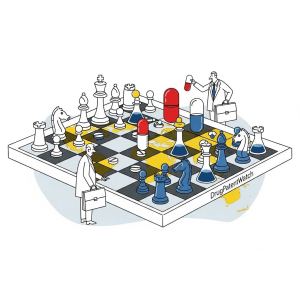
The modern patent landscape is a dynamic and perilous chessboard. Success requires moving beyond a defensive, country-by-country filing posture to a proactive, globally integrated strategy. It demands a mastery of the foundational tools—the strategic distinctions between patent family types and the powerful financial leverage offered by the PCT process. It necessitates the transformation of patent data from a static archive into a dynamic source of competitive intelligence, using sophisticated analytical techniques and advanced platforms to reverse-engineer competitor strategies and identify untapped opportunities.
Most critically, it requires building a formidable patent fortress through active, lifecycle-focused portfolio management. This involves a nuanced understanding of both the immense power and the significant controversy surrounding strategies like “evergreening” and the creation of “patent thickets,” recognizing them as rational, if aggressive, responses to the immense economic pressures of the industry. It means de-risking multi-billion-dollar investments through rigorous FTO analysis and preparing for the financial and operational realities of high-stakes international litigation.
As disruptive forces like biosimilars and artificial intelligence continue to reshape the terrain, the complexity and the stakes will only grow higher. The companies that thrive will be those that treat their patent portfolio not as a collection of legal documents, but as a dynamic, strategic arsenal—an asset to be continuously honed, deployed, and leveraged to achieve and sustain market dominance.
Key Takeaways
Patents are a Core Business Asset, Not a Legal Formality: Shift your organizational mindset to view the patent portfolio as a central driver of corporate strategy, influencing R&D, M&A, and commercial planning.
The PCT is a Strategic Delaying Tactic: Leverage the 30-month PCT international phase to defer major costs, gather critical clinical and market data, and secure funding before committing to expensive national phase entries.
Data Integration is Key to Actionable Intelligence: While free databases like Espacenet and PATENTSCOPE are essential, high-stakes decisions require commercial platforms like DrugPatentWatch that integrate patent data with regulatory, litigation, and clinical trial information to provide a holistic view.
Lifecycle Management is Not Optional: The short effective patent life of a drug makes proactive LCM a necessity. Systematically identify and patent secondary innovations (new formulations, indications, delivery methods) to build a “patent thicket” that extends market exclusivity.
FTO Analysis is Your Best Insurance Policy: Conduct rigorous Freedom-to-Operate analysis early and often in the development process to de-risk your launch. The multi-million-dollar cost of litigation makes FTO a high-ROI investment.
Global Strategy Must be Jurisdiction-Specific: A one-size-fits-all approach to international filing will fail. Tailor your strategy to the unique legal standards and commercial realities of key markets like the US, EU, China, and India.
Document Human Contribution in AI-Driven R&D: To ensure the patentability of AI-assisted discoveries, implement rigorous protocols to document the “significant human contribution” at every stage of the innovation process.
Frequently Asked Questions (FAQ)
1. What is the single biggest mistake companies make in their international patent strategy?
The most common and costly mistake is adopting a reactive, “file-and-forget” approach. Many organizations treat patent filing as a check-box exercise at the end of an R&D project and then fail to actively manage the portfolio. This leads to portfolios that are misaligned with business strategy, burdened by maintenance fees for irrelevant patents, and vulnerable to competitor challenges. A world-class strategy is proactive and dynamic, treating the portfolio as a living asset that is continuously audited, pruned, and aligned with commercial goals.
2. Is “patent evergreening” an illegal or unethical practice?
This is one of the most contentious issues in the industry. Legally, the practice is generally permissible, particularly in the United States, as long as each secondary patent meets the statutory requirements of novelty, utility, and non-obviousness. The USPTO and courts have affirmed that obtaining multiple patents on improvements to a core invention is a legitimate part of the patent system. Ethically, the debate is fierce. Critics argue it exploits loopholes to delay affordable generic medicines, harming patients and healthcare systems. Proponents argue it protects genuine incremental innovations that can improve a drug’s safety or efficacy and is a necessary response to the economic reality of a short effective patent life. The most accurate view for a strategist is that it is a high-risk, high-reward legal strategy whose viability depends heavily on the specific jurisdiction.
3. Our company is a small biotech with limited funds. Should we still use the PCT or file directly in just the US and Europe?
For a capital-constrained company, the PCT is almost always the superior strategic choice. While it may seem counterintuitive to initiate a process covering 158 countries, the key benefit is the 30-month delay in incurring major costs. Filing directly in the US and EU requires significant upfront capital within 12 months of your priority filing. The PCT allows you to secure your global priority date with a single, relatively low-cost application and then use the next two and a half years to achieve critical value-inflection points—like positive Phase I/II data or securing a Series B financing round—before you have to make the expensive national filing decisions. This financial and strategic flexibility is invaluable for a startup.
4. How can a Freedom-to-Operate (FTO) analysis be cost-effective when it can cost tens of thousands of dollars?
The cost of an FTO analysis must be weighed against the potential cost of not doing one. As the data shows, a full-blown patent infringement lawsuit can easily cost between $2 million and $5.5 million in the US, not to mention the risk of an injunction that could halt your product launch entirely. A $50,000 FTO analysis that identifies a blocking patent early, allowing you to “design around” it and avoid litigation, has an astronomical return on investment. It’s a form of strategic insurance; you are spending a relatively small amount to mitigate a potentially company-ending financial risk.
5. With the rise of AI in drug discovery, will human patent attorneys and analysts become obsolete?
No, their roles will evolve to be more strategic. AI will automate the more laborious, data-gathering aspects of patent analysis, such as conducting broad prior art searches or classifying large patent sets. However, the critical, high-value tasks will remain human-centric. This includes interpreting the nuanced legal language of patent claims, understanding the business context behind a competitor’s filing strategy, developing creative legal arguments for patentability or invalidity, and translating the outputs of an AI analysis into actionable business recommendations for the C-suite. AI is a powerful tool that will augment, not replace, human expertise. The analyst of the future will be the one who can most effectively query the AI and interpret its results.
Patent landscape analysis—Contributing to the identification of technology trends and informing research and innovation funding policy – PubMed Central, accessed August 20, 2025, https://pmc.ncbi.nlm.nih.gov/articles/PMC10034625/
The Expiry of Humira® Market Exclusivity and the Entry of Adalimumab Biosimilars in Europe: An Overview of Pricing and National Policy Measures, accessed August 20, 2025, https://pmc.ncbi.nlm.nih.gov/articles/PMC7839249/