For pharma IP teams, portfolio managers, R&D leads, and institutional investors who need a complete, jurisdiction-by-jurisdiction framework — not another overview.
Section 1: The Patent as Balance Sheet Asset, Not Legal Backstop
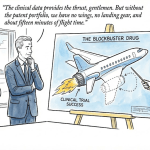
Every biopharma company’s market capitalization rests, to a degree that surprises most outside the industry, on a stack of patent documents. Strip the IP portfolio from a mid-cap oncology company and what remains is a collection of scientific data, laboratory equipment, and employment contracts — none of which commands a revenue multiple worth holding. A patent is the legal instrument that converts a chemical discovery into a cash-generating monopoly, and the duration of that monopoly is the single variable that matters most to long-term enterprise value.
The economics are unforgiving. Bringing a new molecular entity (NME) to market costs an average of $2.3 billion when capital costs and failed compounds are factored in, and the process consumes 12 to 13 years from initial screening to FDA approval. A standard patent runs 20 years from filing. In the gap between those two numbers — often just 7 to 8 years of commercial exclusivity — a company must recoup every dollar spent, fund the next pipeline, and generate sufficient return to justify equity dilution to early-stage investors. During those years, protected drugs typically capture 80 to 90% of their entire lifetime revenue. When protection ends, revenue falls 70 to 90% within 24 months of generic entry.
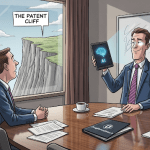
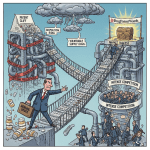
The numbers concentrated at the patent cliff are staggering. Between 2025 and 2030, an estimated $236 billion in branded pharmaceutical revenue faces genericization as core compound patents expire. Companies without layered IP portfolios will absorb that decline directly into earnings. Companies with sophisticated lifecycle management programs — built on secondary patents, SPC filings, data exclusivity registrations, and strategic litigation — will convert the cliff into a slope, buying years of additional cash flow.
This pillar page is not a survey of patent law. It is an operational guide for IP teams, R&D heads, business development leads, and portfolio managers who need precise, jurisdiction-specific frameworks for building, extending, and defending drug patent protection across every major global market.
Key Takeaways: Section 1
Effective commercial exclusivity is typically 7 to 8 years, not the nominal 20-year patent term.
$236 billion in revenue faces patent expiry between 2025 and 2030; that is the addressable problem this playbook solves.
Patent strategy must be treated as a core finance function, not a legal overhead.
Section 2: IP Valuation — What Your Patent Portfolio Is Actually Worth
IP teams that cannot put a dollar figure on a patent portfolio cannot defend the budget required to build one. Investors, M&A counterparties, and licensing partners will demand a number; having one grounded in defensible methodology changes the negotiating dynamic entirely.
Primary Compound Patent: The Anchor Asset
The compound patent covering the active pharmaceutical ingredient (API) is the highest-value single IP asset in any drug portfolio. Its valuation can be computed using a risk-adjusted net present value (rNPV) model:
rNPV of compound patent = [Peak annual revenue x probability of remaining exclusivity x years remaining] discounted at the company’s weighted average cost of capital (WACC), minus litigation reserve.
For a drug generating $2 billion in annual U.S. revenue with 8 years of patent life remaining and a 15% WACC, the compound patent’s contribution to enterprise value runs roughly $6 to $8 billion before litigation haircut. Litigation reserve is typically modeled at 15 to 25% of that figure for products facing Paragraph IV filings.
Secondary Patent Stack: The Lifecycle Extension Multiple
Secondary patents — covering new formulations, delivery devices, polymorphs, combination regimens, and method-of-treatment claims — trade at lower individual values than the compound patent but collectively extend the exclusivity runway and create optionality. Their valuation depends on enforceability in target jurisdictions, which varies dramatically (see Sections 5 through 9).
A useful rule: each secondary patent that demonstrably delays generic entry by 12 months in the U.S. market is worth approximately $150 to $300 million in NPV for a $1 billion annual revenue drug, net of prosecution and litigation costs.
Data Exclusivity as a Parallel Asset
Distinct from patent protection, data exclusivity grants prohibit generic or biosimilar applicants from referencing the innovator’s clinical trial data for regulatory approval. In the U.S., a new chemical entity (NCE) receives five years of data exclusivity under Hatch-Waxman; new biologics receive 12 years under the Biologics Price Competition and Innovation Act (BPCIA). In the EU, the 8+2+1 system grants eight years of data exclusivity, two years of market exclusivity, and a one-year extension for new indications.
Data exclusivity is particularly valuable in markets where patent protection is weak or subject to compulsory licensing, because it operates through the regulatory pathway rather than the courts. A drug can lose its Indian compound patent to Section 3(d) rejection and still block generic registration for years through data exclusivity provisions in TRIPS Article 39.3 — a point often missed in emerging-market strategy.
Portfolio-Level IP Valuation for M&A
In acquisitions, patent portfolios are typically valued using three methods run in parallel: income approach (discounted cash flows attributable to exclusivity), market approach (comparable license royalty rates in the therapeutic area), and cost approach (reproduction cost of the IP, rarely used as a primary method). The weighted result informs deal pricing, with buyers applying a significant discount for portfolios facing imminent Paragraph IV challenges.
Key Takeaways: Section 2
Compound patent NPV for a $2 billion drug with 8 years remaining typically ranges from $6 to $8 billion before litigation haircut.
Each 12-month exclusivity extension in the U.S. is worth $150 to $300 million NPV for a drug at that revenue level.
Data exclusivity operates independently of patent protection and provides a second exclusivity layer in markets where patent validity is contested.
Investment Strategy: Section 2
For analysts modeling pharma equities, the quality and depth of a company’s IP portfolio — not just the lead asset’s compound patent — is the most predictive variable for revenue durability. Screen for: number of Orange Book-listed patents per drug, SPC filings in the EU top-5 markets, and the ratio of secondary to primary patents per compound. Companies with a ratio above 8:1 (secondary to primary) on blockbuster assets have historically defended exclusivity 2 to 4 years longer than peers.
Section 3: Global Filing Architecture — PCT, Paris Convention, and the Art of Deferral
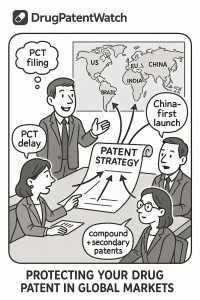
A pharmaceutical innovation does not come with global patent protection. It comes with a scientific discovery and a 12-month window to make one of the most consequential capital allocation decisions in drug development: where to file, through what mechanism, and how to stage costs against R&D milestones.
The Priority Date: The Only Timestamp That Matters
Every international patent strategy starts with a single priority date — the filing date of the first application anywhere in the world. All subsequent filings that claim priority to that date are treated as if they were filed on the same day for purposes of novelty assessment. Establishing this date early, accurately, and in a jurisdiction with a strong examination system is the first task. Most companies establish priority with a U.S. provisional application, which is low-cost ($320 for a micro-entity as of 2024), requires no formal claims, and buys 12 months before the full non-provisional application is due.
The PCT Route: 30 Months to Make Better Decisions
The Patent Cooperation Treaty, administered by WIPO and covering 158 contracting states, is the workhorse of international pharmaceutical filing. A single PCT application filed within 12 months of the priority date preserves the right to enter national phase examination in all member states for up to 30 months from the original priority date (31 months in some jurisdictions, including the EPO route).
The strategic value of PCT is the deferral. Filing directly into 15 jurisdictions within 12 months would cost $400,000 to $600,000 in translation, attorney, and filing fees — most of it due before Phase II data exists. PCT compresses that into a single international phase fee (approximately $4,000 to $5,000 for the USPTO as receiving office) and defers the expensive national decisions for 30 months. By that point, a company typically has Phase II efficacy signals, a clearer picture of commercial opportunity by market, and often a partner or acquirer whose geographic priorities should drive the filing list.
The PCT also produces an International Search Report (ISR) and Written Opinion within 16 months of the priority date. This non-binding patentability assessment from an International Searching Authority — the USPTO, EPO, JPO, or others — gives the applicant early intelligence on claim scope and likely objections before committing to national phase costs.
The ‘Two-Thirds Market’ Filing Framework
Filing everywhere is indefensible financially and strategically naive. The more disciplined approach is to identify the jurisdictions that collectively represent the highest share of addressable revenue — typically two-thirds of global commercial potential — and concentrate prosecution resources there. For most pharmaceutical products, the U.S., EU top-5 (Germany, France, UK, Italy, Spain), China, and Japan cover approximately 70% of global branded drug revenue.
The remaining 30% of global revenue is spread across dozens of markets. Filing selectively in additional countries — Canada, Australia, Brazil, India, South Korea — makes sense where product volume justifies it, where the competitive threat is highest, or where manufacturing occurs. Filing in markets with negligible revenue, no enforcement infrastructure, or structural opposition to pharmaceutical patents (certain African and Southeast Asian LDC markets) is a budget drain with minimal return.
PCT vs. Direct National Filing: Decision Framework
The PCT route is appropriate when the drug candidate is still generating Phase II data, when the commercial market map is uncertain, or when capital is constrained. Direct national filing under the Paris Convention (12-month window, separate applications in each country) is appropriate when the candidate has clear Phase III momentum, the target market list is known, and speed to grant in specific jurisdictions matters — for instance, to establish patent linkage in China or to anchor a U.S. Orange Book listing before an anticipated ANDA filing.
The two routes are not mutually exclusive. A company can file a U.S. non-provisional directly for speed, file a PCT application to preserve global options, and use the PCT’s national phase entry to place final filings in each jurisdiction once the commercial picture is clear.
Key Takeaways: Section 3
PCT filing defers $400,000 to $600,000 in national phase costs for up to 30 months, aligning major IP expenditure with clinical data milestones.
The ISR and Written Opinion from the PCT international phase provide early, low-cost intelligence on claim vulnerability.
The two-thirds market framework — concentrating resources on jurisdictions covering the top two-thirds of global revenue — is more financially defensible than blanket global filing.
Section 4: The TRIPS Framework — The Grand Bargain and Its Pressure Points
The WTO’s Agreement on Trade-Related Aspects of Intellectual Property Rights, in force since January 1, 1995, established the first multilateral minimum standards for pharmaceutical patent protection. Every WTO member — 164 countries as of 2024 — must provide 20-year patent terms from the filing date, non-discrimination between fields of technology, and effective enforcement mechanisms. That is the floor. The distance between that floor and actual protection in any given market depends on how aggressively a country has used the agreement’s built-in flexibilities.
The Three TRIPS Flexibilities That Matter Most
Compulsory licensing is the most commercially disruptive flexibility. A government can issue a compulsory license authorizing a third party to manufacture a patented drug without the patent holder’s consent, provided it pays ‘adequate remuneration’ — a figure that courts and governments in developing countries have historically set at 0.5% to 4% of the generic product’s net sales, far below market royalty rates. The Doha Declaration on TRIPS and Public Health (2001) explicitly confirmed that WTO members have the right to determine what constitutes a national emergency or other circumstance of extreme urgency for compulsory licensing purposes, effectively removing the need for a formal crisis declaration.
Parallel importation and international exhaustion allow countries that adopt an international exhaustion standard to permit import of a patented drug from any country where the patent holder has put it on the market, regardless of price differentials. The EU uses regional exhaustion (parallel trade within the EEA is permitted; from outside is not). The U.S. uses national exhaustion for domestically sold goods but blocks international parallel importation under the Federal Circuit’s Jazz Photo line of cases. India and Brazil apply international exhaustion standards, meaning a patent holder that sells a drug cheaply in a neighboring country may not be able to block its re-importation.
Transitional periods, most relevant for least-developed countries (LDCs), have been extended multiple times by WTO waivers. As of 2024, LDC members are not required to provide pharmaceutical patent protection until January 1, 2033, and are exempt from granting or enforcing pharmaceutical patents for any product covered by a compulsory license for an LDC.
How to Assess Compulsory License Risk by Market
Compulsory license risk is not binary. It is a function of four variables that IP teams should score for each major market: public health burden of the target disease, per capita income relative to the drug’s list price, political posture of the health ministry toward multinational pharma, and whether the country has generic manufacturing capacity to execute a license.
Brazil and India score high on all four variables for infectious disease and oncology indications priced above $10,000 annually. Thailand has issued compulsory licenses for cardiovascular drugs, not just HIV/AIDS therapies — a precedent that most companies underweight. China’s compulsory licensing statute (Patent Law Article 54) has not been invoked for pharmaceuticals as of 2025, but the legislative capacity exists and political conditions are changing.
Key Takeaways: Section 4
TRIPS provides a floor, not a ceiling; every major emerging market has exploited its flexibilities in ways that reduce effective exclusivity.
Compulsory license remuneration rates in practice run 0.5% to 4% of generic net sales, not the royalty rates innovators would negotiate commercially.
LDCs are not required to honor pharmaceutical patents until 2033; this affects sub-Saharan Africa strategy for any drug targeting infectious or neglected tropical diseases.
Section 5: United States — Hatch-Waxman, Orange Book Listings, and the Paragraph IV War
The U.S. pharmaceutical patent system is the most commercially consequential on earth. A robust U.S. compound patent is worth more, in NPV terms, than equivalent protection in any other single jurisdiction. It is also the most litigated, with pharmaceutical patents accounting for 18% of all U.S. patent infringement cases filed in 2023.
The Hatch-Waxman Act: How the System Is Structured
The Drug Price Competition and Patent Term Restoration Act of 1984 — Hatch-Waxman — created the modern framework balancing innovator and generic interests. Its core mechanic: generics can reference the innovator’s clinical safety and efficacy data to file an Abbreviated New Drug Application (ANDA), provided they demonstrate bioequivalence. In exchange, patents on the reference listed drug (RLD) are listed in the FDA’s Approved Drug Products with Therapeutic Equivalence Evaluations — the Orange Book — and generics must certify their relationship to each listed patent.
A Paragraph IV certification is the generic’s declaration that a listed patent is invalid, unenforceable, or will not be infringed by the generic product. Filing a Paragraph IV certification is itself an act of infringement, which triggers the innovator’s right to sue within 45 days and receive an automatic 30-month stay on FDA approval of the ANDA. That 30-month stay is one of the most valuable procedural rights in pharmaceutical law. It buys the innovator time to litigate before generic entry occurs, and in many cases, the case settles before trial.
The first filer of a Paragraph IV ANDA (against any Orange Book patent) earns 180 days of generic exclusivity against subsequent ANDA filers — a powerful incentive for generics to challenge patents aggressively.
Orange Book Strategy: Which Patents to List
The Orange Book listing decision is a strategic choice, not an administrative formality. Only patents claiming the drug substance, drug product, or method of use may be listed. Listing a patent that does not meet these criteria is subject to FDA challenge and potential antitrust exposure. Companies sometimes list patents with weak claim scope or marginal relevance to the commercial product — a practice that triggers Paragraph IV challenges and generates 30-month stays — that courts have found to constitute Walker Process fraud in egregious cases.
The strategic goal is to list every defensible patent that applies to the commercial product, generating the maximum number of 30-month stays per ANDA. A company with 12 Orange Book-listed patents on a single product can potentially secure 12 sequential or overlapping 30-month stays across multiple Paragraph IV filers, though courts and the FTC have scrutinized this tactic under reverse payment settlement doctrine.
Patent Term Extension: The Mechanics and the Cap
Under 35 U.S.C. 156, a patent holder can apply for a PTE to restore time lost during the FDA regulatory review. The extension is calculated as half the clinical testing period (from IND filing to NDA submission) plus the full NDA review period, minus any time the application was not processed diligently. The result is capped at five years of extension, with a total remaining patent term (patent plus extension) capped at 14 years from NDA approval.
For a drug with a typical 8-year FDA review cycle from IND to approval, the PTE calculation often yields 3 to 5 years. That extension applies only to the specific patent and the specific approved product — it cannot be transferred, assigned separately, or applied to unapproved indications.
Only one patent per product is eligible for PTE. The applicant must file the PTE application within 60 days of FDA approval. Missing that deadline forfeits the extension permanently.
The Federal Circuit’s Role in Claim Construction
Claim construction — determining what a patent claim actually covers — is the fulcrum of Hatch-Waxman litigation. The Federal Circuit has established that claim terms are given their ordinary meaning in the field, informed by the intrinsic record (claims, specification, prosecution history). Prosecution history estoppel limits the doctrine of equivalents: arguments made to distinguish prior art during prosecution narrow the scope of protection available under equivalents theory.
For pharmaceutical patents, means-plus-function claims (written in ‘means for doing X’ format) are particularly vulnerable in litigation because their scope is limited to the structure described in the specification and its equivalents. Avoid them in new patent applications wherever possible; write functionally broad but structurally specific claims instead.
Key Takeaways: Section 5
The 30-month Hatch-Waxman stay is triggered by each Paragraph IV certification against a separately listed Orange Book patent — maximizing Orange Book listings is a core defensive tactic.
PTE is capped at 5 years; only one patent per approved drug is eligible; the application must be filed within 60 days of approval.
Prosecution history estoppel from overclaiming or unnecessary argument during USPTO examination permanently narrows claim scope in litigation.
Investment Strategy: Section 5
When a company receives its first Paragraph IV certification, the 30-month stay clock starts and the litigation begins. Historical data shows that innovators prevail in Paragraph IV litigation approximately 55 to 60% of the time when they sue within the 45-day window. The stock market systematically underprices the probability of innovator victory in the early stages of Paragraph IV litigation — a pattern exploited by funds that track ANDA filings through databases like DrugPatentWatch and model litigation outcomes against the challenged claims.
Section 6: Europe — EPO Prosecution, the Unitary Patent, and the UPC Litigation Calculus
The European patent landscape underwent its most significant structural change in a generation on June 1, 2023, with the launch of the Unitary Patent and the Unified Patent Court. Companies that have not updated their European patent strategy since that date are operating under an obsolete framework.
EPO Prosecution: From Filing to Grant
A European patent application filed at the EPO designates member states of the European Patent Convention (EPC) — 45 countries, including all EU member states plus Turkey, Switzerland, Norway, Iceland, and others. The prosecution process follows a structured sequence: a formality examination, a European search (producing a search report and preliminary opinion on patentability), publication at 18 months, substantive examination, and grant or refusal.
A key feature of EPO prosecution is the opposition period: any third party may file an opposition to a granted European patent within 9 months of grant, on grounds of lack of novelty, lack of inventive step, or added subject matter. Oppositions are common in the pharmaceutical sector, frequently filed by generic companies as a coordinated tactic ahead of ANDA or biosimilar submissions. Winning an opposition at the EPO Opposition Division costs roughly €150,000 to €400,000 in legal fees; losing, and having the patent revoked centrally, means losing protection across all EPC member states simultaneously — though the revocation only applies to the European patent, not national utility models or divisional applications.
Supplementary Protection Certificates: The European PTE Equivalent
The SPC provides up to five additional years of protection after European patent expiry for drugs that received marketing authorization after a lengthy regulatory review. Unlike the U.S. PTE (which extends the patent itself), an SPC is a separate sui generis right that takes effect the day after the basic patent expires. A six-month pediatric extension applies to SPCs on drugs that have completed a Paediatric Investigation Plan approved by the EMA.
SPCs must be applied for on a country-by-country basis, even for a product covered by a single European patent. Filing and maintaining SPCs across EU top-5 markets alone costs €100,000 to €200,000 per product over the SPC term. For a blockbuster drug, this cost is trivial relative to the revenue protected; for specialty products, the calculus requires careful market-by-market revenue modeling.
The SPC manufacturing waiver, introduced in 2019, allows EU-based generic and biosimilar manufacturers to produce SPC-protected products during the SPC term for export to markets outside the EEA where the product is off-patent. This provision was designed to prevent European manufacturers from being competitively disadvantaged against non-EU generics producers. For innovators, it narrows the geographic scope of SPC protection — a consideration when estimating the NPV contribution of SPC filings.
The Unitary Patent and UPC: High-Reward, High-Risk
The Unitary Patent (UP) is a single, uniform right covering all participating UPC member states (17 as of 2024, with more expected to join). It is obtained by requesting unitary effect after EPO grant — a simple filing made within one month of grant, with a single renewal fee replacing individual national fees. The cost savings over maintaining a validated European patent in 17 countries are substantial: one consolidated annual fee replaces 17 separate national renewal fee streams.
The UPC is the specialized court with exclusive jurisdiction over UP disputes. It has local divisions in major European cities (Munich, Paris, Dusseldorf, Milan, among others), a central division (London, Paris, Munich), and a Court of Appeal in Luxembourg. Preliminary injunction proceedings can move to decision in 3 to 6 months — far faster than most European national courts.
The strategic tension is straightforward. A UPC injunction covering 17 countries simultaneously is enormously powerful for enforcement. A UPC central revocation — available to any third party as a counterclaim in infringement proceedings or as a standalone action — eliminates the patent across all 17 countries at once. Before the UPC, invalidating a European patent required winning in each national court separately; the costs and risk were fragmented. The UPC centralizes that risk.
The opt-out mechanism gives patent holders a transitional escape valve: during the 7-year transitional period (2023 to 2030), holders of European patents that have NOT requested unitary effect can ‘opt out’ of UPC jurisdiction, keeping their patents under national court authority. Opting out preserves the fragmented pre-UPC enforcement landscape for legacy patents — a defensive choice for patents in the market exclusivity window with high revocation risk.
The rational strategy for new prosecuted patents is to request unitary effect if the patent portfolio has sufficient breadth and depth to absorb a central revocation of any single patent without losing overall market exclusivity. For products protected by only one core patent with no secondary stack, the UP/UPC route is a single point of failure. Those products should be opted out and enforced nationally.
Key Takeaways: Section 6
SPC filings are country-specific and mandatory for each market where post-expiry revenue justifies protection; the pediatric extension adds six months on top.
The UPC offers pan-European injunctions in 3 to 6 months but creates central revocation risk across 17 countries simultaneously.
Patents with thin secondary stacks should opt out of UPC jurisdiction during the transitional period; opt-out can be withdrawn if circumstances change.
Section 7: China — From IP Haven to Enforcement Powerhouse
China’s transformation from the world’s most prolific pharmaceutical IP infringer to one of its more active enforcement environments has happened faster than most multinational companies have updated their China strategies. The country processed more than 1.5 million patent applications in 2022, leads global filings by volume, and its specialized IP courts now resolve approximately 70% of pharmaceutical infringement cases within 12 months of filing.
The China National Intellectual Property Administration (CNIPA)
The CNIPA handles pharmaceutical patent examination and, since 2021, administers the patent linkage system modeled on Hatch-Waxman. The examination quality at CNIPA has improved measurably over the past decade, though secondary patents — particularly those covering polymorphs and formulations — still face a higher rate of obviousness rejections than at the USPTO or EPO.
China’s patent term is 20 years from filing, consistent with TRIPS requirements. Product-level data exclusivity for NCEs runs 6 years, shorter than the U.S. standard but meaningfully protective in a market where generic manufacturers are sophisticated and well-capitalized.
Patent Linkage: China’s Hatch-Waxman Analogue
Effective June 1, 2021, China’s patent linkage system requires generic drug applicants to declare their position on each patent listed in the NMPA’s patent information registration platform — China’s equivalent of the Orange Book. A Category IV declaration (roughly equivalent to a Paragraph IV certification) asserts that the patent is invalid or will not be infringed. The innovator has 45 days to file a patent infringement lawsuit, which triggers a 9-month stay on NMPA approval of the generic application.
The 9-month stay is shorter than the U.S. 30-month stay, and China provides no first-filer exclusivity equivalent. The system is also newer, and the body of judicial precedent on claim construction in linkage litigation is thin. Companies should treat Chinese linkage proceedings as a speed bump rather than a wall — plan litigation strategy accordingly, and do not assume a 9-month stay resolves the threat.
Patent Term Compensation: The China-First Incentive
China’s patent term compensation system, effective June 1, 2021, provides up to 5 years of patent term extension for drugs that required a lengthy NMPA regulatory review. The total post-approval patent term, including the extension, cannot exceed 14 years from NMPA approval.
The decisive condition: to qualify for the extension, the drug must have received its first marketing approval anywhere in the world in China. A company that launches first in the U.S. or EU — the historical default — is ineligible. This ‘China-first’ requirement is a deliberate industrial policy choice designed to attract earlier commercial launches, Phase III trial investment, and technology transfer into China.
For a blockbuster drug generating $1 billion annually in the Chinese market, five additional years of exclusivity is worth $3 to $5 billion in NPV, depending on the competitive landscape. That magnitude demands a genuine re-evaluation of global launch sequencing. Companies should model China-first scenarios in parallel with traditional Western-first launches for any drug with significant China commercial potential — particularly oncology, diabetes, and cardiovascular products.
IP Valuation: China Patent Portfolio
Valuing China pharmaceutical patents requires a different set of discount rates than U.S. or EU assets. Apply a litigation risk discount of 20 to 30% for secondary patents (higher likelihood of validity challenge from domestic generic manufacturers), a compulsory license risk factor of 5 to 15% for oncology and infectious disease indications in the current political environment, and a term compensation premium of 15 to 25% for assets eligible for the extension under a China-first launch sequence.
Key Takeaways: Section 7
China’s patent linkage stay is 9 months, not 30; treat it as a procedural buffer, not a litigation resolution mechanism.
The patent term compensation system’s China-first requirement demands a formal re-evaluation of global launch sequencing for any drug with over $500 million projected annual China revenue.
Foreign plaintiffs achieved a 77% success rate in Chinese patent infringement cases in 2022 — enforcement is no longer the structural obstacle it was a decade ago.
Investment Strategy: Section 7
Companies with pending China patent term compensation applications and products close to NMPA approval represent a specific catalyst: a favorable ruling extends exclusivity by up to five years and directly increases enterprise value. Screen for CNIPA term compensation filings using the Chinese patent register, cross-reference against NMPA approval pipelines, and model the NPV impact. The market systematically prices these applications below their expected value until the ruling is published.
Section 8: India — Section 3(d), the Novartis Precedent, and Clinical Strategy Integration
India’s pharmaceutical patent regime is built on a single organizing principle: the domestic generic industry is a national strategic asset, and the patent system will protect it from evergreening. That principle is encoded in Section 3(d) of the Patents Act, 1970, as amended in 2005 to achieve TRIPS compliance.
Section 3(d): The Efficacy Standard
Section 3(d) states that a new form of a known substance — including salts, esters, ethers, polymorphs, metabolites, pure forms, particle sizes, isomers, and derivatives — is not patentable unless it demonstrates ‘significantly enhanced efficacy’ compared to the known substance. The Indian Patent Office and courts have interpreted this to mean therapeutic efficacy, not pharmacokinetic improvements like bioavailability, dissolution rate, or stability.
The Novartis AG v. Union of India ruling by the Supreme Court of India in 2013 established the controlling precedent. Novartis sought a patent for the beta crystalline form of imatinib mesylate (Gleevec), arguing that improved bioavailability constituted a patentable improvement. The Court rejected this argument, holding that Section 3(d) requires proof of enhanced therapeutic efficacy — a clinical or pharmacological outcome, not a pharmacokinetic surrogate. Bioavailability data, without a demonstrated link to superior patient outcomes, does not satisfy the standard.
What This Means for Secondary Patent Strategy
Section 3(d) does not prohibit secondary patents in India. It demands a higher level of proof to obtain them. A company seeking a secondary patent on a new formulation, salt, or polymorph must go to India with more than chemistry data. It needs clinical or robust preclinical pharmacodynamic data showing that patients benefit more from the new form than from the original — measured in meaningful clinical endpoints, not just plasma concentration curves.
This integration requirement has direct consequences for clinical development timelines. IP teams planning Indian secondary patent applications must communicate to their clinical development counterparts at the start of a formulation or lifecycle management program — not after Phase III is complete. The studies needed to satisfy Section 3(d) must be prospectively designed and completed before the patent application is finalized. Retrofitting clinical data to support an already-drafted patent claim is possible but generates prosecution risk.
Compulsory Licensing in India: Conditions, Burden, and Practical Risk
India’s Patent Act Sections 84 through 92 allow compulsory license applications three years after patent grant if the reasonable requirements of the public have not been satisfied, the drug is not available at a reasonably affordable price, or the patent is not being ‘worked’ in India (i.e., the drug is not manufactured domestically to a meaningful extent).
The Natco Pharma v. Bayer Corporation decision in 2012 — India’s only pharmaceutical compulsory license to date — turned on all three criteria. The Controller of Patents found that Bayer was supplying Nexavar (sorafenib tosylate) to fewer than 2% of the patient population who needed it, and at a price (Rs 2.84 lakh per month) that was 41 times the monthly median household income. Natco received the license and was ordered to pay a royalty of 6% of net sales.
The precedent sets a practical bar: drugs with very high price-to-income ratios and low patient access rates are the most vulnerable. A voluntary access program, tiered pricing, or a domestic licensing arrangement reduces all three statutory triggers simultaneously and is a far more cost-effective compulsory license defense than litigation.
IP Valuation: India
India patent assets require significant discounts relative to U.S. and EU equivalents. Compound patents on NCEs (filed after 2005) that meet Section 3(d) requirements for novelty and non-obviousness carry approximately 70% of their U.S. equivalent value. Secondary patents on formulations or polymorphs carry 20 to 40% of U.S. equivalent value, depending on the strength of efficacy evidence available to defend them. Compulsory license risk should be separately modeled as a tail risk scenario, probability-weighted at 5 to 20% for high-priced oncology drugs with limited domestic patient access.
Key Takeaways: Section 8
Section 3(d) requires proof of enhanced therapeutic efficacy for any secondary patent in India; pharmacokinetic data alone is insufficient.
Novartis v. Union of India (2013) is the controlling precedent; clinical development programs intended to support Indian secondary patents must be designed to meet this standard prospectively.
Compulsory license risk is real but manageable through voluntary access programs and tiered pricing; Natco v. Bayer remains the only pharmaceutical compulsory license granted in India to date.
Section 9: Brazil — The Patent Paradox, ANVISA Prior Consent, and Compulsory License Risk
Brazil is the largest pharmaceutical market in Latin America, with annual drug sales exceeding $30 billion. Its patent system is a case study in structural dysfunction that, paradoxically, often benefits innovator companies through delay rather than harming them through enforcement.
The Patent Paradox
The Brazilian National Institute of Industrial Property (INPI) has one of the most congested pharmaceutical patent examination queues in the world. Average pendency for pharmaceutical patents at INPI has historically run 10 to 14 years from filing to grant — during which time a pending application creates uncertainty that deters generic entry. A generic manufacturer that launches before a patent is granted and the patent is later issued faces retrospective infringement liability. That risk alone has historically suppressed generic competition for years beyond what a granted patent could have achieved through enforcement.
The irony is deliberate. Brazilian generic manufacturers have lobbied for faster INPI examination for precisely this reason: a pending application is, in some markets, more commercially protective than a granted patent subject to validity challenge.
ANVISA Prior Consent: A Parallel Pharmaceutical Patent Authority
Brazil’s unique institutional feature is that the National Health Surveillance Agency (ANVISA) has a statutory role in pharmaceutical patent examination. Under Law No. 10,196/2001, ANVISA must issue ‘prior consent’ before INPI can grant a patent for pharmaceutical products and processes. ANVISA reviews applications from a public health perspective, assessing whether granting the patent would impede access to medicines.
This dual-authority structure creates two independent invalidation points in the path to Brazilian patent grant: INPI can reject the application on patentability grounds, and ANVISA can withhold consent on public health grounds even if INPI finds the invention patentable. In practice, ANVISA has withheld consent more liberally than its statutory mandate arguably requires, creating diplomatic friction with multinational companies and the U.S. Trade Representative. The Brazilian government has signaled reform intentions multiple times but as of 2025, the dual-consent structure remains intact.
Compulsory Licensing: The HIV Precedent and Current Risk
Brazil has the most established track record of using compulsory licensing for pharmaceutical products among major middle-income countries. It compulsorily licensed efavirenz (Sustiva/Stocrin, Merck) for HIV treatment in 2007, triggering years of diplomatic conflict with the U.S. and Europe. The move succeeded in dramatically reducing the per-patient cost of HIV treatment in Brazil’s public health system.
The current risk is concentrated in oncology. Brazil’s public health system (SUS) provides universal drug access, and the Ministry of Health has repeatedly declared public interest in cancer drugs with list prices that make universal provision fiscally impossible. A public interest declaration is the first step in a compulsory licensing process. Companies with cancer drugs priced above $50,000 per year per patient in Brazil should maintain active engagement with the Ministry of Health and model compulsory license scenarios in their Brazilian market access strategies.
Key Takeaways: Section 9
The INPI examination backlog (historically 10 to 14 years) creates a de facto exclusivity period through legal uncertainty, independent of and often longer than formal patent protection.
ANVISA’s prior consent role adds a second rejection point on public health grounds; monitor ongoing reform proposals that would narrow ANVISA’s authority.
Compulsory license risk in Brazil is highest for oncology drugs priced above $50,000 annually that are listed or proposed for the SUS formulary.
Section 10: Evergreening — The Full Technology Roadmap
‘Evergreening’ is the term critics apply to pharmaceutical lifecycle management. The underlying practice — building a comprehensive secondary patent portfolio around a drug that extends commercial exclusivity beyond the compound patent’s nominal term — is legally permissible in most jurisdictions, commercially rational, and subject to intense regulatory and antitrust scrutiny.
Understanding the full menu of secondary patent strategies, their patentability strength in each jurisdiction, and the litigation risk each generates is essential for IP teams designing lifecycle programs.
The Secondary Patent Taxonomy
Formulation Patents cover new dosage forms, drug delivery systems, and excipient combinations. An extended-release formulation that enables once-daily dosing from a twice-daily immediate release drug is patentable as a separate invention — provided it is non-obvious to a formulator of ordinary skill. Formulation patents are well-protected in the U.S. and EU but vulnerable to Section 3(d) challenges in India without efficacy data.
Delivery Device Patents apply to prefilled syringes, auto-injectors, nasal delivery systems, inhalers, and drug-device combinations. These are particularly valuable in biologic markets where device design is a meaningful differentiator in physician preference and patient compliance. Device patents are typically outside the Orange Book (they claim the device, not the drug product), but they can be licensed or enforced separately against biosimilar manufacturers seeking to use a functionally equivalent device.
Polymorph Patents cover crystalline forms of the API with different physical properties — melting point, solubility, stability. Polymorphism is a legitimate source of patentable variation when a new form offers a genuine manufacturing or stability advantage. In the U.S., polymorph patents are litigable through Hatch-Waxman. In India, they fall squarely under Section 3(d) scrutiny.
Method-of-Use Patents claim specific therapeutic applications of an existing drug — a new indication, a new patient population, a new dosing regimen that produces a superior outcome. These are among the most durable secondary patents in the U.S. because they are directly Orange Book-listable (on a use-specific basis) and because proving non-infringement requires showing that the generic label does not carve out the patented use, a difficult showing when the new indication has become the primary commercial use.
Manufacturing Process Patents cover novel synthetic routes, purification methods, or production processes that are non-obvious compared to prior art. They do not block a generic from making the same drug through a different process, but they restrict the most efficient or cost-effective routes. In jurisdictions where process patent infringement is difficult to prove (because manufacturing occurs abroad), these patents have lower practical enforcement value.
Combination Patents claim fixed-dose combinations of two or more active ingredients in a single dosage form. The patentability of the combination depends on whether the specific combination produces a result that is non-obvious — synergistic efficacy, reduced toxicity at a given efficacy level, or improved tolerability — compared to administering the components separately.
Salt and Co-Crystal Patents cover pharmaceutical salts (the acid-base pair that crystallizes with the API) and co-crystals (neutral molecular complexes). Salt selection is standard pharmaceutical development practice, so patenting a salt requires showing that the chosen salt has an unexpected or superior property — faster dissolution, better bioavailability, improved stability — that would not have been obvious to a medicinal chemist.
The AbbVie Humira Model: Anatomy of a 247-Patent Fortress
AbbVie’s IP strategy for Humira (adalimumab) is the defining case study in pharmaceutical secondary patent construction. Humira’s primary compound patent, covering adalimumab itself, expired in 2016. Through a filing campaign that produced 247 patents — covering manufacturing cell lines, antibody formulations, dosing regimens, concentration levels, and methods of treating specific autoimmune conditions — AbbVie effectively postponed biosimilar entry in the U.S. market until 2023, generating an estimated $114 billion in U.S. revenue over that seven-year extension.
The mechanism was not primarily litigation victory but settlement leverage. Each biosimilar developer that sought to launch before AbbVie’s secondary patents expired faced the prospect of dozens of simultaneous infringement suits across multiple patent families. Litigation costs alone would have run $50 million to $200 million per biosimilar developer. AbbVie settled with each biosimilar company on terms that granted royalty-free U.S. launch dates in 2023 in exchange for earlier launches in Europe and other markets where AbbVie held weaker secondary protection.
Building the Roadmap: Secondary Patent Filing Timeline
A secondary patent program should begin at IND filing, not at Phase III completion. The optimal sequencing:
Year 0 to 2 (IND through Phase I): File provisional applications covering every identifiable formulation variant, delivery mechanism, and dose regimen being evaluated in Phase I. These provisionals are low-cost and preserve priority dates.
Year 2 to 5 (Phase II): Convert the strongest provisional filings to full PCT applications. Prioritize claims covering the specific formulation and dosing regimen identified as the commercial target from Phase II data. Commission polymorph screening if not already completed; file polymorph patents covering stable, commercially relevant forms.
Year 5 to 8 (Phase III through NDA): File national phase applications in target markets. For India and Brazil, conduct the clinical or preclinical studies needed to satisfy efficacy requirements for formulation and polymorph patents. File combination patents if co-development with another agent is underway.
Year 8 to 10 (Post-approval): File method-of-use patents for any new indications being pursued in Phase IIb or Phase III studies. Apply for PTE (U.S.) and SPCs (EU) within the statutory deadlines from regulatory approval. Identify additional dosing regimen or patient population data emerging from Phase IV studies that could support further method-of-use filings.
Key Takeaways: Section 10
The secondary patent taxonomy spans at least seven distinct claim types; a complete lifecycle program addresses all of them.
The Humira model demonstrates that settlement leverage from a dense secondary portfolio is often more commercially powerful than any individual patent victory.
Polymorph screening and formulation development studies must be completed early enough to file provisional applications before third-party publications or patent filings establish prior art.
Section 11: Biologics and Biosimilar Interchangeability — A Different IP Animal
The IP landscape for biologics — large-molecule drugs produced in living cells, including monoclonal antibodies, recombinant proteins, and fusion proteins — operates on fundamentally different commercial and legal logic than small-molecule drugs. The patent thicket concept applies, but the specific claim types, the biosimilar interchangeability standard, and the regulatory exclusivity layer require separate analysis.
The BPCIA Framework: 12-Year Exclusivity and the ‘Patent Dance’
The Biologics Price Competition and Innovation Act (BPCIA), part of the ACA (2010), established the biosimilar pathway at FDA. Its key features: 12 years of exclusivity from the reference product’s date of first licensure (no generic manufacturer can rely on the reference product’s safety and efficacy data for 12 years), and a structured patent dispute resolution process nicknamed the ‘patent dance.’
The patent dance is a sequential, confidential exchange of information between the reference product sponsor (RPS) and the biosimilar applicant: the biosimilar applicant provides its application and manufacturing details to the RPS; the RPS discloses which patents it believes would be infringed; the parties negotiate a list of patents to litigate in an immediate lawsuit; remaining patents are reserved for a second wave of litigation triggered by pre-commercial notice.
Biosimilar interchangeability is a separate, higher standard than basic biosimilarity. An interchangeable biosimilar can be substituted for the reference product at the pharmacy without the prescriber’s specific approval — equivalent to automatic generic substitution for small molecules. Demonstrating interchangeability requires evidence that alternating or switching between the biosimilar and the reference product does not produce a greater risk than continued use of the reference product. As of 2025, only a small number of biologics have achieved interchangeability designation at FDA.
Cell Line and Manufacturing Patents: The Biologic’s Unique IP Layer
Unlike small-molecule drugs — where the molecule is the invention — biologic drugs are inseparably linked to the cell line and manufacturing process used to produce them. A slightly different CHO (Chinese hamster ovary) cell line, a different fermentation condition, or a different purification sequence can produce a molecule with a different glycosylation pattern, and therefore different immunogenicity and pharmacokinetics.
This means that cell line patents and manufacturing process patents are first-order IP assets for biologics, not secondary considerations. AstraZeneca’s litigation over the Synagis (palivizumab) cell line, AbbVie’s manufacturing patents in the Humira secondary portfolio, and Amgen’s ongoing enforcement of antibody sequence patents in multiple jurisdictions all illustrate that the manufacturing layer of biologic IP is commercially decisive.
Key Takeaways: Section 11
BPCIA’s 12-year data exclusivity begins at first licensure, providing a base exclusivity floor independent of patent validity.
Biosimilar interchangeability, not basic biosimilarity, triggers automatic pharmacy substitution — and achieving interchangeability is a high evidentiary bar that most biosimilar manufacturers have not cleared.
Cell line and manufacturing process patents are primary IP assets for biologics, not secondary ones.
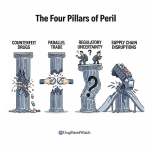
Section 12: Global Enforcement — Multi-Jurisdictional Litigation, Counterfeits, and Parallel Trade
Holding a global patent portfolio is the first problem. Enforcing it is the second, larger problem. Pharmaceutical patent enforcement across multiple jurisdictions simultaneously requires coordinated legal teams, a litigation budget of several hundred million dollars for major products, and an enforcement strategy that prioritizes deterrence as much as individual wins.
Multi-Jurisdictional Litigation: The Xarelto Model
Bayer’s defense of Xarelto (rivaroxaban) against global generic entry illustrates both the complexity and unpredictability of multi-jurisdictional pharmaceutical litigation. Bayer secured preliminary injunctions in Germany and France, but the Federal Patent Court in Munich subsequently revoked a key Xarelto patent. UK courts found a different Xarelto patent invalid. Australia and South Africa reached similar conclusions. Meanwhile, the U.S. litigation produced more favorable results.
The lesson is not that Bayer failed — Xarelto generated over $4 billion in annual global revenue well past its nominal patent term through a combination of valid patents, market protection orders, and settlement agreements in various jurisdictions. The lesson is that no single litigation outcome is decisive in a multi-jurisdictional fight. An invalidation in the UK does not affect German courts, which remain persuaded by different claim construction standards and different prior art records. Building separate, jurisdiction-specific litigation records — tailored to the specific invalidity theories most likely to be advanced in each country — is the only way to manage this complexity.
Counterfeits: The $432 Billion Shadow Market
The global counterfeit pharmaceutical market is estimated at $200 billion to $432 billion annually, representing one of the most profitable criminal enterprises in the world. WHO data indicates that at least one in ten medical products circulating in low- and middle-income countries is substandard or falsified. In sub-Saharan Africa, counterfeit antimalarial drugs are estimated to cause over 120,000 deaths annually — a mortality burden larger than many recognized public health crises.
For innovator companies, the counterfeit problem has a direct IP enforcement dimension. Weak patent enforcement environments — characterized by ineffective customs procedures, low penalties for IP violations, and inadequate regulatory oversight — create the conditions under which large-scale counterfeiting operations can establish distribution networks. A company that visibly and aggressively enforces its patents against generic manufacturers in a market signals that it has invested in legal infrastructure and intelligence networks. That infrastructure, once built, is also the most effective early-warning system for counterfeit activity.
Anti-counterfeit programs that rely solely on track-and-trace technology without an underlying IP enforcement posture are less effective than integrated programs. The marginal cost of adding counterfeit detection and reporting to an existing patent enforcement network is low; operating them separately doubles overhead while producing inferior intelligence.
Parallel Importation: Arbitrage and Its Limits
Parallel importation — purchasing a patented drug in a low-price market and re-selling it in a high-price market — exploits the differential pricing structures that pharmaceutical companies use to balance access in lower-income markets with profitability in wealthier ones. Its legal status turns entirely on the exhaustion doctrine applied in each jurisdiction.
Under international exhaustion (applied in India, Australia, and others), a patent holder’s rights are exhausted once the product is sold anywhere in the world, permitting subsequent importation without infringement. Under national exhaustion (applied in the U.S. under Jazz Photo), rights are exhausted only by sales in the same country — giving U.S. patent holders a legal basis to block importation. The EU applies regional exhaustion: parallel trade within the EEA is permissible, from outside the EEA it is not.
The practical consequence for dual-pricing strategies: companies that sell branded products at dramatically lower prices in middle-income markets (under tiered pricing or access programs) in countries applying international exhaustion must manage diversion risk through commercial controls — exclusive distributor agreements, supply chain serialization, and contractual prohibitions on re-export — rather than relying on patent law.
Key Takeaways: Section 12
Multi-jurisdictional litigation requires jurisdiction-specific strategies; an invalidation in one country does not determine outcomes in others.
The $200 to $432 billion counterfeit drug market is correlated with weak IP enforcement environments; patent enforcement infrastructure is a partial deterrent to counterfeit activity.
Parallel importation risk under international exhaustion must be managed through commercial and supply chain controls, not through patent enforcement alone.
Section 13: Patent Intelligence as a Competitive Weapon
Patent documents are the most detailed, most current, and most underutilized source of competitive intelligence in the pharmaceutical industry. Every patent application becomes public 18 months after filing — typically 2 to 4 years before the drug it covers enters clinical trials, and 6 to 10 years before a product launch. A company that reads competitor patent filings systematically is reading its competitors’ R&D roadmaps.
What Patent Filings Reveal
A well-constructed pharmaceutical patent application describes the mechanism of action of the drug, the specific chemical class of the compound, the synthetic route used in manufacturing, the target patient population, and the diseases being studied. A cluster of filings from a single company around a specific receptor or pathway is a reliable early signal of a major R&D program — one that may not appear in SEC filings, press releases, or conference presentations for years.
Analyzing patent citations reveals which companies consider which prior art foundational — a map of the technological dependencies and adjacencies that shapes competitive positioning. A company that cites the same prior art cluster as a competitor is likely working on closely related IP, raising freedom-to-operate concerns. A company that is being cited heavily by others in its space has established foundational IP that the sector is building on — a strong indicator of licensing value or M&A interest.
Building a Systematic Monitoring Program
An effective patent monitoring program has five operational components. First, it defines the scope of surveillance: specific competitors, specific IPC/CPC classification codes covering relevant therapeutic areas and drug classes, and specific inventor names known to be working in the field. Second, it uses automated alert systems to flag new filings matching those parameters as they publish — not in quarterly reviews, but in real time. Third, it routes new filings to analysts with the technical expertise to interpret claims and assess relevance within 5 to 10 business days of publication. Fourth, it maintains a structured database of competitive intelligence, linking patent families to clinical trial registrations, regulatory submissions, and published scientific literature. Fifth, it generates quarterly reports for R&D leadership that synthesize filing trends, identify emerging competitive threats, and flag ‘white space’ — technology areas and therapeutic targets where the patent landscape is sparse and freedom-to-operate is broad.
Platforms like DrugPatentWatch integrate patent data with Orange Book listings, ANDA filing history, litigation records, and clinical trial registrations, enabling analysts to see the full competitive picture around any drug or patent family in a single interface rather than aggregating data from half a dozen separate government databases.
Patent Landscaping for R&D Allocation
Patent landscaping produces a visual map of the IP environment in a therapeutic area or technology space — showing which companies own which claim domains, where the densest concentration of patents exists, and where the landscape is open. For a company deciding whether to invest in a new mechanism of action, a landscape completed before Phase I begins can save hundreds of millions of dollars in R&D by identifying insurmountable freedom-to-operate barriers — or confirming that the path is clear.
Landscaping is also valuable for in-licensing and M&A target identification. A small biotechnology company with foundational patents in a therapeutic area where a large company has identified white space is a high-probability acquisition target. Running landscape analyses systematically across priority therapeutic areas and comparing the results to the company’s own pipeline generates a ranked list of potential targets before the investment banks do.
Key Takeaways: Section 13
Patent filings provide R&D intelligence 6 to 10 years ahead of product launch; systematic monitoring is a structural competitive advantage.
A 5-component monitoring program (scope definition, automated alerts, expert routing, structured database, periodic synthesis) converts raw patent data into actionable strategy.
Patent landscaping before Phase I investment can prevent tens or hundreds of millions of dollars in freedom-to-operate failures.
Section 14: AI-Assisted Drug Discovery — Inventorship Doctrine and Documentation Protocol
AI is compressing preclinical development timelines from 5 to 6 years to 18 months in some programs. It is generating novel molecular candidates at a rate that human chemists cannot approach. It is also creating an inventorship crisis that, if not addressed with rigorous documentation protocols, will undermine the patentability of a generation of drug candidates.
The Current Legal Standard: Thaler and Its Aftermath
The controlling global precedent on AI inventorship is the coordinated Thaler v. Vidal decisions from the U.S. Federal Circuit, the UK Supreme Court, and the EPO Enlarged Board of Appeal (2021 to 2023). All three jurisdictions reached the same conclusion: an inventor must be a natural person. An AI system cannot be named as an inventor. A patent application listing an AI as the sole inventor is void.
The USPTO issued formal guidance in February 2024 clarifying that AI-assisted inventions are patentable when a human has made a ‘significant contribution’ to the conception of each claim in the application. Conception — the mental act of forming a definite and permanent idea of the complete and operative invention — is the legal test for inventorship. The guidance requires that human inventors have contributed to the specific intellectual act of inventing, not merely to the AI’s training or the selection of the output for further testing.
The Significant Contribution Standard: What It Requires
The ‘significant contribution’ threshold has not been extensively litigated as of 2025. Extrapolating from the Federal Circuit’s pre-AI inventorship jurisprudence and the USPTO’s guidance, the following acts are strong indicators of qualifying human contribution:
Designing the specific problem or biological hypothesis that the AI model was tasked to solve — including defining the target protein, the desired binding mode, and the acceptable ADMET profile. Curating and annotating the training dataset used by the AI, particularly when that curation reflects specialized domain knowledge. Analyzing the AI’s output and applying expert judgment to select a subset of candidates for further evaluation, particularly when that selection involves weighing trade-offs that are not explicitly encoded in the AI’s optimization objective. Designing and executing the biochemical assays, animal studies, or structural biology experiments that validate the AI’s predictions and establish that the candidate has the claimed properties.
Mere oversight of an automated pipeline — running an AI platform without making specific technical choices about how it is configured, what data it trains on, or which outputs to pursue — is unlikely to satisfy the significant contribution standard.
The Documentation Protocol: Building the Legal Record
The most consequential operational change that AI-integrated drug discovery companies must make is not in their IP strategy but in their laboratory documentation practices. The legal record that will be used to establish and defend inventorship in litigation or IPR proceedings is created at the bench (or the terminal), years before any patent dispute arises.
At minimum, AI-integrated programs should document: the specific scientific question posed to the AI at each project stage, written by the human scientist responsible for that decision; the rationale for key training dataset decisions, including what was included, what was excluded, and why; contemporaneous written records of the human selection decisions among AI-generated candidates, including the criteria applied and the scientific reasoning behind each elimination; experimental design documents for validation studies, signed by the responsible scientists before execution; and internal project meeting minutes that capture the scientific debates and decisions that shaped the program.
This documentation is not optional. Without it, a competitor challenging the patent’s inventorship — a near-certainty if the drug succeeds commercially — will argue that the AI was the true inventor and the patent is therefore void ab initio. The only defense is a contemporaneous written record demonstrating that specific human inventors made specific inventive contributions at specific points in the program.
Technology Roadmap: Patentability of AI-Generated Molecular Classes
Beyond inventorship, AI-generated compounds face elevated scrutiny under the non-obviousness standard. An AI model trained on ChEMBL, PubChem, and published patent literature learns the existing structure-activity relationships in a field better than any human medicinal chemist. When the model generates a novel compound, it is possible — and litigants will argue it is probable — that the compound is simply an interpolation of known chemical matter, obvious to one skilled in the art (or, now, to the AI itself).
The non-obviousness defense for AI-generated compounds will rest on unexpected properties: superior binding affinity at a target that the prior art predicted would be sub-optimal, selectivity profiles that contradict established SAR, or in vivo efficacy that exceeds what the mechanism of action would predict. These unexpected results must be documented contemporaneously — in lab notebooks and internal reports — and disclosed to the patent examiner during prosecution. Holding them back for litigation creates prosecution history estoppel problems.
Key Takeaways: Section 14
Every AI-integrated drug discovery program must implement a formal documentation protocol for human inventive contributions before the first patent application is filed.
The significant contribution standard requires documented evidence of specific human intellectual acts, not mere oversight of an automated pipeline.
Non-obviousness for AI-generated compounds requires contemporaneous documentation of unexpected properties that cannot be explained as obvious interpolations from prior art.
Section 15: Investment Strategy for Portfolio Managers and Analysts
The relationship between pharmaceutical patent events and equity performance is systematic, measurable, and persistently underweighted in generalist portfolio management. Specialized patent intelligence generates a genuine information advantage.
The Patent Event Driven Framework
Paragraph IV certification receipt is the highest-frequency patent catalyst in U.S. pharmaceutical equities. Markets typically reprice the stock downward 10 to 25% on news of a first Paragraph IV filing, reflecting generic entry risk. The repricing consistently overestimates the probability of generic success — historical data shows innovators prevail in approximately 55 to 60% of fully litigated Paragraph IV cases, while market pricing often implies a 60 to 70% probability of generic success. The delta between implied and historical probabilities represents a repeatable long opportunity in the innovator stock at the time of Paragraph IV certification, particularly for compounds with well-established secondary patent support.
Orange Book listing additions are a lower-frequency but highly reliable signal. When a company lists a new secondary patent — particularly a method-of-use patent for an already-approved indication — it typically signals that a new Paragraph IV challenge is anticipated and that the company has identified an additional line of defense. Tracking Orange Book updates through automated monitoring (FDA publishes additions monthly) provides early warning of both competitive threats and defensive IP development.
SPC filings in Europe are routinely overlooked by U.S.-focused analysts. An SPC filing for a major EU market, cross-referenced against EMEA approval dates and basic patent expiry, yields precise information about post-expiry revenue duration. For drugs generating $500 million or more in EU annual revenue, the NPV of an SPC (up to five years of additional exclusivity) can exceed $1 billion. Companies with pending SPC applications in EU top-5 markets for products approaching patent expiry represent a specific catalyst.
China patent term compensation applications are an even less-tracked event. As CNIPA builds its record on term compensation decisions, the first wave of approved extensions will represent meaningful NPV accretion for the companies receiving them. Screening for China-first launch strategies in clinical trial registrations — ClinicalTrials.gov lists primary enrollment countries — and cross-referencing against CNIPA term compensation filings creates an early-stage screen for this opportunity.
The Biosimilar Entry Calendar
For generics and biosimilar-focused investors, the patent expiry and biosimilar interchangeability calendar is the primary event framework. DrugPatentWatch and FDA’s biosimilar approval tracking database together provide the core data: approved biosimilars, reference product patent expiry dates, interchangeability status, and pending ANDA/BLA filings.
The key analytical judgment is distinguishing between first-filer biosimilar competitors (who will capture the majority of generic market share and earn the most robust margins in the initial conversion period) and late entrants (who compete primarily on price in a market where conversion is largely complete). First-filer identification requires tracking USPTO assignment records for ANDA filers, monitoring 180-day exclusivity forfeiture events that redistribute first-filer status, and modeling settlement agreement terms that constrain launch dates.
Key Takeaways: Section 15
Paragraph IV certification repricing consistently overestimates generic success probability; historical data supports a long bias in the innovator at the time of a first Paragraph IV filing.
Orange Book additions, SPC filings, and China patent term compensation applications are systematically undertracked patent events with measurable NPV implications.
First-filer identification in biosimilar markets is the primary alpha-generation task for generics-focused investors; settlement agreement terms that constrain launch dates are the primary variable.
Section 16: Master FAQ
We are a Series B biotech with one lead compound in Phase II and limited IP budget. What is the most capital-efficient global filing strategy?
File a U.S. provisional application to establish a priority date at minimal cost ($320 to $800 in USPTO fees). Within 12 months, file a PCT application and designate the U.S. and the EPO as national phase entries you expect to use, while preserving all 158 PCT member states. This sequence buys 30 months from the provisional date before your major national phase costs are due. Use that window to complete Phase II, generate partner interest, and refine your commercial market map. At 30 months, enter national phase only in jurisdictions where you have either revenue projections above $50 million annually or a strategic rationale (manufacturing, licensing partner location). Budget $150,000 to $250,000 for national phase entry in six to eight jurisdictions; this is the minimum viable global portfolio for a commercial-stage asset.
What is the earliest point at which we should begin building secondary patents around our lead compound?
At IND filing, not at NDA approval. The compounds, formulations, and delivery mechanisms under investigation in Phase I generate the raw material for secondary patent applications. Provisional applications covering these variants cost $1,000 to $5,000 each and preserve priority dates that would otherwise be lost. By Phase III, when the commercial formulation and dosing regimen are locked, you should already have priority dates covering those specific embodiments. Waiting until after NDA approval to build the secondary portfolio means your secondary patents’ priority dates post-date the publication of your own Phase III data — a prior art problem that may prevent their grant.
How should we think about India when designing clinical studies to support formulation patents?
India requires enhanced therapeutic efficacy data to support secondary formulation or polymorph patents under Section 3(d). Design any formulation development study that might support an Indian patent application to measure a clinical endpoint — not just a pharmacokinetic surrogate. If the commercial rationale for a new extended-release formulation is improved adherence leading to better glycemic control, the study should measure HbA1c, not just plasma concentration. That endpoint also makes the patent more defensible in U.S. Paragraph IV litigation as evidence of the formulation’s non-obvious therapeutic value. The Indian requirement, properly anticipated, improves the quality of global patent prosecution across all jurisdictions.
Our drug faces a Paragraph IV certification. What should we analyze in the first 45 days?
The 45-day window to file suit is firm. Within it: map every Orange Book-listed patent against the specific claims challenged in the Paragraph IV notice to identify which patents have the strongest claim to both validity and infringement; assess the ANDA filer’s prior litigation history and Paragraph IV success rate; identify all co-defendants (secondary patents owned by a formulation partner or process patent holder that should be co-litigated); evaluate the viability of a reverse payment settlement under the FTC v. Actavis framework (such settlements are scrutinized under rule of reason, not per se illegality); and determine whether any petitions for inter partes review (IPR) or covered business method (CBM) review are anticipated, as these often follow Paragraph IV filings in pharmaceutical cases. File suit in the District of Delaware or the District of New Jersey — historically the most experienced forums for Hatch-Waxman litigation.
How do we document AI contributions to drug discovery to protect inventorship?
Implement a tiered documentation protocol: before each AI analysis run, the responsible scientist writes a one-page document describing the specific scientific question posed, the rationale for the model configuration, and the criteria that will be applied to evaluate output. After each run, the scientist writes a structured selection report documenting which AI-generated candidates were chosen for further evaluation, which were rejected, and the scientific reasoning behind each decision. Experimental design documents for all validation studies must be completed and signed before execution. These documents are archived in a version-controlled system with timestamps and author attribution. The protocol produces the contemporaneous written record that establishes significant human contribution to each claim in the eventual patent application.
What is the practical difference between basic biosimilarity and biosimilar interchangeability for our product lifecycle planning?
A biosimilar that achieves basic biosimilarity can be prescribed by physicians as an alternative to your reference product, but pharmacists cannot substitute it automatically — the prescriber must authorize the switch. This limits automatic substitution at point of dispensing, preserving your reference product’s market share among patients who never see the prescriber again after initiation. An interchangeable biosimilar can be substituted at the pharmacy without prescriber involvement, directly analogous to automatic generic substitution for small molecules. Interchangeability dramatically accelerates reference product erosion. As of 2025, only a handful of biologics have achieved interchangeability designation at FDA, and the evidentiary bar for demonstrating interchangeability (switching studies showing equivalent safety and efficacy upon alternation) is high. Build your lifecycle model with two scenarios: a standard biosimilar entry curve (slower market share erosion) and an interchangeable biosimilar curve (accelerated erosion approaching small-molecule generics rates), weighted by the probability that your biosimilar competitors pursue and achieve interchangeability designation.
Appendix: Comparative Global Patent Framework Summary
Feature
United States
EU (UPC)
China
India
Brazil
Key Authority
USPTO / FDA (Orange Book)
EPO / UPC
CNIPA / NMPA
IPO
INPI / ANVISA
Patent Term
20 years from filing
20 years from filing
20 years from filing
20 years from filing
20 years from filing
Term Extension
PTE: up to 5 years (14-year post-approval cap)
SPC: up to 5 years (+6 months pediatric)
Up to 5 years (China-first approval required)
None
None
Efficacy Standard for Secondary Patents
Novelty + non-obviousness
Novelty + inventive step
Novelty + inventive step (increasing scrutiny)
Enhanced therapeutic efficacy (Section 3(d))
Novelty + inventive step
Linkage Mechanism
30-month Hatch-Waxman stay; Orange Book
None (litigation only, national courts or UPC)
9-month stay (NMPA linkage system)
None
None (INPI/ANVISA dual approval)
Central Revocation Risk
IPR at USPTO (PTAB)
UPC central revocation (all UPC states)
CNIPA invalidation proceedings
IPO opposition; High Court challenge
INPI opposition; ANVISA consent withdrawal
Compulsory License Risk
Low (national security provisions rarely invoked)
Low (rarely used)
Moderate (statutory framework exists, not yet invoked for pharma)
Moderate (conditions well-defined; burden on applicant)
High (HIV, oncology precedents; active Ministry posture)