Part I: The Economic Architecture of Pharmaceutical Intellectual Property
1.1 The Patent Bargain and Its Financial Consequences
The pharmaceutical industry runs on a single legal mechanism: the patent bargain. Society grants an inventor a 20-year monopoly from the filing date in exchange for public disclosure of the invention. That bargain is the entire economic rationale for modern drug development. Without it, a competitor could synthesize a drug at marginal cost the day after approval, capturing all the revenue with none of the risk.
The numbers that make this bargain necessary are staggering. Bringing a single new molecular entity to market costs an estimated $2.6 billion when accounting for the full cost of capital and the attrition rate across the development pipeline, where fewer than 12% of Phase I candidates ever reach approval. Global prescription drug revenues exceeded $1.5 trillion in 2023. The gap between those two figures, the massive potential payoff relative to the risk-weighted development cost, exists only because patents enforce a temporary monopoly that lets innovators charge above marginal cost.
For institutional investors evaluating pharma assets, this means a drug patent is not merely legal protection. It is the primary cash flow generator. Remove the patent and the net present value of most pharmaceutical products collapses. That is why patent analysis must sit at the center of any serious pharma investment thesis.
Key Takeaways: Part I.1
The $2.6B average development cost figure already accounts for failures across the portfolio; individual successful drugs must subsidize dozens of failed candidates.
Patent protection is the mechanism that makes this cost-recovery math viable. Its absence or early termination is the primary destroyer of enterprise value in pharma.
For analysts, the composition of matter patent on the active pharmaceutical ingredient (API) is the single most important line item in any IP asset valuation.
1.2 The Effective Patent Life Problem: Why 20 Years Is Actually 7 to 10
The statutory 20-year term is misleading. By the time a drug clears the FDA, a company has typically consumed 10 to 15 years in preclinical development, Phase I through Phase III trials, and regulatory review. What remains is an effective patent life of 7 to 10 years of marketed exclusivity on average.
This compression is the central driver of pharmaceutical patent strategy. Companies compensate for this structural disadvantage through three mechanisms: filing continuation patents that extend the patent family well past the original application, pursuing supplementary protection certificates (SPCs) in Europe that restore up to five years of patent term lost to regulatory review, and applying for Patent Term Extension (PTE) in the United States under the Hatch-Waxman Act, which can restore up to five years of term, capped at 14 years of post-approval exclusivity.
Stacking these mechanisms matters. A drug whose composition of matter patent expires in year 12 post-filing might achieve an effective exclusivity runway of 16 to 17 years through a combination of PTE, an SPC in EU markets, and a secondary formulation patent that delays generic interchangeability even after the API patent lapses.
For anyone searching Google Patents to assess a competitor’s exposure, understanding these mechanisms changes what you look for. You are not searching for a single expiration date. You are mapping an entire expiration schedule across a layered portfolio.
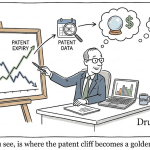
1.3 The Patent Cliff: $300 Billion at Risk Through 2030
The patent cliff is the industry term for the revenue drop that follows exclusivity loss. It is not gradual. Generic manufacturers, once cleared under a Paragraph IV certification or following the 30-month stay from Hatch-Waxman litigation, capture 80% or more of the branded drug’s prescription volume within 12 months of launch. The price of the generic falls to 20 to 30 cents on the branded drug’s dollar almost immediately.
The scale of what is coming is well-documented. By 2030, approximately $300 billion in annual pharmaceutical revenue faces patent expiration, covering 190 drugs, including 69 blockbusters with over $1 billion in yearly sales. Key products in this window include Eliquis (apixaban), Keytruda (pembrolizumab), Jardiance (empagliflozin), Ozempic/Wegovy (semaglutide), and Dupixent (dupilumab). Each of these has an IP portfolio that can be analyzed systematically on Google Patents.
Investment Strategy: Patent Cliff Positioning Portfolio managers approaching the 2025-2030 cliff should run assignee: searches for each at-risk drug’s manufacturer, then sort results by expiration date to map the true expiration timeline. A drug whose primary composition patent expires in 2027 but holds secondary formulation patents through 2031 and a method-of-use patent through 2033 has a meaningfully different competitive exposure profile than one whose entire portfolio lapses simultaneously. That distinction drives biosimilar or generic launch timing and, by extension, the branded drug’s revenue curve.
1.4 Evergreening and Patent Thickets: The Mechanics of Fortress Building
When the effective patent life problem met the patent cliff, the pharmaceutical industry’s response was systematic and well-documented: secondary patenting, commonly called evergreening, and the construction of patent thickets. Studies show that 78% of new drug-related patents granted cover existing molecules rather than new chemical entities. For top-selling drugs, 72% of patent filings happen after FDA approval, indicating a deliberate post-launch IP accumulation strategy.
Evergreening works by securing patents on attributes of an already-approved drug that are technically distinct from the original API. The categories are:
New crystalline or amorphous forms of the API (polymorphs), which can be patented as novel compositions even when the API itself is off-patent, and which are notoriously difficult for generics to work around because they affect bioavailability and manufacturing.
Extended-release, modified-release, or abuse-deterrent formulations that change the pharmacokinetic profile, qualifying as patentable innovations while also generating clinically meaningful product differentiation that prescribers often prefer.
New therapeutic indications (method-of-use patents), which extend commercial protection by tying the drug to a newly approved indication even after the original indication’s patent has lapsed.
Manufacturing process patents covering novel synthesis routes, cell culture conditions (for biologics), or purification methods that competitors must independently invent around.
Pediatric formulations, which come with an additional six months of regulatory exclusivity in the United States under the Pediatric Research Equity Act, on top of any remaining patent term.
A patent thicket accumulates all of these layers into a dense, overlapping web. The strategic purpose is not necessarily that each individual patent survives validity challenge. It is that the cost and time required to challenge 100-plus patents simultaneously, in multiple jurisdictions, with claims directed at a dozen different technical aspects, exceeds the economic capacity of most generic or biosimilar applicants. The thicket is a litigation deterrent, and it has proven effective.
Key Takeaways: Part I.4
Google Patents is the fastest way to count how many post-approval patents a drug holds and to classify them by type (formulation, polymorph, method-of-use, process). That count and composition directly informs how long effective exclusivity will last beyond primary patent expiry.
The specific claims in each secondary patent, not its mere existence, determine whether it is commercially material. A formulation patent with narrow claims covering only one excipient concentration is far weaker than one covering all modified-release forms.
Part II: Google Patents: Platform Architecture and Data Ecosystem
2.1 From Simple Index to Integrated Intelligence Platform
Google Patents launched on December 14, 2006 as a full-text search engine over USPTO patents, built on the same OCR and document processing infrastructure as Google Books. Its evolution since then has been systematic and commercially driven. Each major expansion added a data layer that increased the platform’s value for professional users.
The 2012 integration of EPO patents and the Prior Art Finder tool was the first move toward making the platform globally useful. The 2013 expansion to WIPO (PCT applications), the German Patent Office (DPMA), the Canadian Intellectual Property Office (CIPO), and China’s National Intellectual Property Administration (CNIPA) added the coverage necessary for cross-jurisdictional landscape work. The 2015 interface overhaul brought deeper Google Scholar integration and machine classification using Cooperative Patent Classification (CPC) codes, the single most important improvement for structured pharmaceutical searching. The 2018 addition of global litigation data through a Darts-ip integration connected the technical patent record to its commercial enforcement history.
Today the platform indexes over 120 patent offices worldwide, applies machine translation to non-English documents, and uses OCR to make older image-based patents text-searchable. It is the largest free patent database in the world by document count.
2.2 Data Architecture: What Each Page Actually Contains
Each patent page on Google Patents is a structured document with distinct information layers. Understanding what each layer contains prevents the common error of treating the abstract as a proxy for the claims, which is where legal scope is actually defined.
The abstract is a narrative summary written for examiner convenience. It describes the invention in plain language but has no legal weight. Do not base FTO or validity assessments on it.
The claims section is the legally operative text. Independent claims define the broadest scope of protection. Dependent claims narrow those independent claims by adding additional limitations. A product infringes a patent if it satisfies every element of at least one independent claim. Claim scope, not abstract language, governs everything that matters commercially.
The description (or specification) provides the technical context for the claims. Courts use it to interpret claim language, particularly when the meaning of a term is disputed. It also contains working examples, which matter for assessing enablement and written description requirements, both common invalidity arguments in Paragraph IV litigation.
The legal events timeline at the bottom of each patent page is underutilized by casual researchers and valuable to professionals. It records reassignments (tracking ownership changes following M&A activity), maintenance fee payments (critical for assessing whether a patent is still in force), re-examination certificates, and terminal disclaimers (which can tie a patent’s term to an earlier family member and limit its independent commercial value).
The patent family listing shows all applications filed across different jurisdictions claiming priority to the same original filing. This tells you whether a competitor’s patent is U.S.-only or covers the EU, Japan, China, and other major markets, which directly affects where a generic or biosimilar manufacturer can produce and sell.
The citation graph runs in two directions. Backward citations list the prior art the applicant cited or the examiner found during prosecution. Forward citations list subsequent patents that cite the document as prior art. Forward citation density is the simplest proxy for a patent’s technical influence. A composition of matter patent that has been cited by 400 subsequent applications is a foundational piece of technology. One cited by three is probably peripheral.
Key Takeaways: Part II.2
Never use the abstract to assess patent scope. Always read the independent claims.
Terminal disclaimers shrink the effective term of secondary patents and are visible in the legal events timeline. They are easy to miss and often material to expiration date calculations.
Reassignment records track who actually owns a patent. Post-M&A, drug patents frequently get reassigned between entities, and the assignee: search field may not catch all variants unless you search former names.
2.3 The Ecosystem View: Connecting Patent Data to Science and Litigation
The platform’s real value emerges when you treat it as an interconnected ecosystem rather than a static archive. A single patent links outward in at least four directions.
The scientific literature integration via Google Scholar lets you trace a patent’s claims back to the peer-reviewed studies that established the underlying biology or chemistry. This matters for validity analysis: if a 2009 journal article describes the same compound with the same properties, a Paragraph IV filer can use it as prior art. The 18-month publication lag between filing and publication means academic articles often predate patent publication, which makes the Scholar link operationally important.
The litigation data via Darts-ip tells you whether any family member has been asserted in court, who filed, who the defendant was, and what the outcome was. This data converts a patent from an abstract legal document into a record of actual commercial enforcement, which is the only enforcement that matters for competitive positioning.
The continuation and divisional family structure tells you whether an applicant has pending continuation applications that could issue as new patents with updated claims. A drug with an expired composition patent but three pending continuations in prosecution is not necessarily free to copy, because the issued continuations might cover the generic manufacturer’s planned product. Google Patents shows pending application status, but it takes active monitoring to track this.
Part III: Search Mastery: Operators, CPC Codes, and Professional Query Construction
3.1 Keyword Strategy: Building the Vocabulary Matrix
Every professional drug patent search starts with a vocabulary matrix, a comprehensive list of all the ways a given compound, mechanism, or therapeutic application might be described across 20-plus years of patent filings from inventors working in different countries and institutional contexts.
For a small molecule drug, that matrix must include the INN (International Nonproprietary Name), all known brand names (including non-U.S. brand names), the CAS registry number if you are combining with other databases, the chemical IUPAC name, any development code names (e.g., MK-0518 for raltegravir), the mechanism of action and target receptor, and the therapeutic indication with multiple synonyms.
For a biologic, the matrix expands further to include the INN, the originator’s internal code name, the target antigen or receptor, the antibody class (fully human, humanized, chimeric), and the specific epitope if it is publicly known. For an antibody like adalimumab, that means including ‘D2E7’ (the development code), ‘anti-TNF-alpha,’ ‘tumor necrosis factor inhibitor,’ and ‘anti-TNF monoclonal antibody’ alongside ‘adalimumab’ and ‘Humira.’
The practical reason this matters: patent applicants in 2003 did not use the same vocabulary as applicants in 2018. Terminology standardizes over time, but older patents may describe the same compound or mechanism using predecessor terminology that a modern search string will miss.
3.2 Boolean and Proximity Operators: The Professional Toolkit
Basic keyword searching is not sufficient for pharmaceutical patent work. The claims sections of pharmaceutical patents are dense, technically precise, and sometimes intentionally broad, using genus-level claim language to cover multiple species. Professional query construction requires the full operator toolkit.
Boolean operators let you build logical relationships between terms. OR expands coverage by capturing synonyms. AND narrows results by requiring co-occurrence. NOT or the minus (-) operator eliminates irrelevant technical domains. These are table stakes.
Proximity operators are where the real precision comes from. The NEAR/x operator finds two terms within x words of each other in any order. The ADJ/x operator requires the terms to appear in the specified order within x words. For pharmaceutical claims, proximity searching matters because a claim might mention both ‘adalimumab’ and ‘formulation’ but in contexts separated by 400 words of specification text, making a simple AND search return false positives.
A query like (adalimumab NEAR/15 formulation) finds documents where both terms appear in close proximity, which dramatically increases the odds that the formulation language is actually describing an adalimumab formulation rather than a coincidental co-occurrence.
Field-specific operators limit searches to the parts of the patent document that matter. The most important for pharmaceutical research:
CL:() or claims:() restricts results to patents where the search term appears in the claims, not just the description. Because only claims define legal scope, this is the correct field for FTO and validity searching. A drug name mentioned only in the description as an example does not make the patent relevant to an FTO analysis.
assignee:() finds patents owned by a specific entity. Run this with the parent company name, all known subsidiaries, and any prior corporate names (particularly important post-M&A where patent assignments may lag behind the deal close by months or years).
inventor:() finds patents by a specific scientist. For competitive intelligence on a competitor’s R&D direction, tracking a star inventor’s filings is often more revealing than tracking the corporate assignee, because inventor activity follows the actual science.
cpc:() restricts results to a specific CPC classification code, discussed in depth below.
before:priority:YYYYMMDD and after:priority:YYYYMMDD restrict searches by priority date. These are essential for prior art searches where you need to establish what was publicly disclosed before your invention’s filing date.
3.3 The CPC System: The Professional Standard for Systematic Pharmaceutical Searching
Keyword searching has a structural limitation: terminology varies. The CPC system eliminates that problem by classifying inventions by their technical subject matter regardless of the language used. Every patent indexed by Google Patents receives one or more CPC codes, and these codes are the primary mechanism used by professional searchers to achieve comprehensive, systematic coverage of a technology area.
The CPC is jointly managed by the USPTO and EPO and has approximately 250,000 classification codes organized in a hierarchical tree structure. For pharmaceutical research, the critical branches are:
A61K: Preparations for Medical, Dental, or Toiletry Purposes. This is the primary class for drug formulations, compositions, and delivery systems. It is the most populated pharmaceutical class in the database. Within it, the subclasses of greatest relevance:
A61K 9/00 covers medicinal preparations characterized by special physical form, meaning dosage form patents. A61K 9/20 covers tablets. A61K 9/0019 covers injectable compositions. A61K 9/48 covers capsules. A61K 9/107 covers emulsions, which is critical for lipid nanoparticle formulations (the mRNA vaccine delivery technology).
A61K 31/00 covers medicinal preparations containing organic active ingredients, with subclasses organized by chemical structure. A61K 31/40 covers pyrroles (relevant for atorvastatin and several other statins). A61K 31/496 covers piperazines (relevant for a broad class of kinase inhibitors). A61K 31/675 covers organophosphorus compounds.
A61K 39/00 covers antigens and antibodies used medicinally, making it the primary class for vaccines and antibody-based biologics.
C07K: Peptides. This is the foundational class for biologic drug IP. C07K 16/00 covers immunoglobulins (all monoclonal antibody technologies). C07K 14/00 covers peptides with more than 20 amino acids (relevant for protein therapeutics like GLP-1 receptor agonists). C07K 16/2878 covers antibodies against TNF-alpha, which is the specific subclass under which the Humira thicket is concentrated.
A61P: Specific Therapeutic Activity. This is an indexing class applied alongside A61K or C07K to classify a drug by what it treats. A61P 35/00 is oncology broadly. A61P 35/02 is leukemia specifically. A61P 3/10 is antidiabetics for hyperglycemia. A61P 19/02 is for antirheumatic agents. These codes let you build disease-area landscapes across all chemical approaches simultaneously.
C12N: Microorganisms or Enzymes. C12N 15/09 covers recombinant DNA technologies, essential for understanding the manufacturing and genetic engineering patents behind biologics. This class holds the CRISPR patents (Broad Institute vs. UC Berkeley), making it increasingly important as gene-edited cell therapies advance toward commercialization.
The practical workflow for CPC-based searching: find two or three high-quality patents through an initial keyword search, note their assigned CPC codes (displayed prominently on each patent page), then run those codes as standalone searches to capture the entire classified population. This catches documents that use different terminology, different languages, or were filed before the modern vocabulary for your technology area was established.
Key Takeaways: Part III.3
Primary CPC Code
Subclass
Use Case
A61K 9/00
Dosage forms
Formulation patent mapping
A61K 31/00
Organic API chemistry
Small molecule landscape
A61K 39/00
Vaccines and antibodies
Biologic composition patents
C07K 16/00
Immunoglobulins (all mAbs)
Antibody structure and sequence patents
A61P 35/00
Antineoplastics
Oncology drug universe
A61P 3/10
Antidiabetics
GLP-1, SGLT2i, DPP-4i landscape
C12N 15/09
Recombinant DNA
Biologic manufacturing and gene therapy
C12N 5/00
Cell lines
CAR-T and cell therapy manufacturing
3.4 Structured Search Protocols for Specific Pharmaceutical Tasks
Protocol A: Preliminary Freedom-to-Operate Screen
Break the product under development into its independently protectable components: the API structure, the specific salt or polymorph form, the formulation (excipient composition and ratios), the method of manufacture, and each intended therapeutic use. Run separate searches for each component.
For each search, apply two filters: status:GRANT to exclude applications that never issued, and the relevant country filter if you are only assessing a specific market. Focus on independent claims using the CL:() field restriction. For each candidate patent, compare its independent claim elements against your product element-by-element. A patent whose claims require element A, element B, and element C does not cover a product that lacks element B, even if it otherwise matches.
Document your search strings, result counts, and the specific patents you reviewed. This documentation has legal value: it demonstrates a diligent search effort, which can support a good-faith belief in non-infringement if the question ever reaches litigation.
Protocol B: Competitor Pipeline Monitoring
Run a saved search (or scheduled manual search) using assignee:("Company Name") AND after:filing:YYYYMMDD filtered to the 18 months prior to the current date. New applications are published at 18 months, so this window captures the freshest intelligence available. Combine with CPC codes for the technology areas you are monitoring.
Look at inventor names on new filings. If a competitor is filing in a new CPC class, that signals a new research focus. If a set of inventors appears on 12 applications in the same CPC subclass over 18 months, they are working a program intensively. Cross-reference those inventor names against conference presentations, journal publications, and LinkedIn profiles to understand which lab is driving the program.
Protocol C: Secondary Patent Expiration Mapping for LCM Analysis
For a competitor’s marketed drug, run: assignee:("Company Name") AND (drug_name OR INN) AND status:GRANT. Download the full results as a CSV. For each patent, extract the filing date, priority date, expected expiration (priority date plus 20 years, then adjust for any PTE or SPC you can identify), and the claim type (composition, formulation, method-of-use, process).
Build a timeline showing expiration dates by claim type. The gap between the earliest expiration (usually the API composition patent) and the latest expiration (often a formulation or method-of-use patent) defines the evergreening runway. That runway directly informs when a generic or biosimilar applicant can realistically achieve a clean FTO and bring a product to market.
Part IV: Strategic Applications: Intelligence, FTO, and Lifecycle Management
4.1 Competitive Intelligence: Reading R&D Intent from Patent Filings
Patent applications are published 18 months after filing. A competitor working on a new oncology asset in early 2024 will have applications visible on Google Patents by mid-2025, years before any clinical trial data becomes public and often before the company announces the program. This lag between filing and clinical disclosure is one of the most underused intelligence windows in the industry.
The methodology for systematic competitive intelligence: maintain an assignee: search for each major competitor, filtered to the trailing 24 months, and review new filings quarterly. The CPC codes on those filings tell you which technology areas they are entering. A company known for small molecule oncology that starts filing in C07K 16/00 (immunoglobulins) and C12N 5/00 (cell culture) is signaling a move into biologics. A company filing heavily in A61K 9/107 (lipid emulsions) is likely working on an mRNA or nucleic acid delivery platform.
Inventor-level analysis adds a second dimension. Patent applications list all inventors, which lets you track individual scientists across corporate moves. If a key oncology researcher who spent a decade at Merck is now listed as an inventor on applications assigned to a smaller biotech, that move tells you something about where cutting-edge work is migrating within the field.
Patent landscape gaps, areas with low filing density in a specific disease or target class, are potential white spaces for new programs with less competitive IP pressure. Quantifying filing density by CPC subclass lets you compare crowding across target classes, which is an input into portfolio prioritization decisions.
4.2 Freedom-to-Operate: The Limits of a Google Patents Screen
An FTO analysis asks whether a specific commercial activity (manufacturing, selling, or using a specific product in a specific jurisdiction) would infringe a valid, in-force patent claim held by a third party. Google Patents supports the preliminary screening stage of this analysis. It does not replace a formal legal opinion.
The standard process: identify all granted, in-force patents in the relevant jurisdictions whose claims might plausibly cover any component of the proposed product or process. Map those claims against the product element by element. Identify potentially blocking patents for escalation to qualified patent counsel.
Two claim interpretation rules matter most for pharmaceutical products.
A claim that uses ‘comprising’ is open-ended. It covers a product containing all listed elements plus additional elements. A formulation claim comprising API, a binder, and a disintegrant is infringed by a generic formulation that adds a fourth excipient.
A claim that uses ‘consisting of’ is closed. It covers only a product containing exactly the listed elements. A formulation claim consisting of those three elements is not infringed by a formulation with a fourth.
The distinction between composition-of-matter claims and method-of-use claims has a specific FTO implication. A generic manufacturer may freely sell an off-patent API compound even if valid method-of-use patents exist for that compound, as long as the product labeling does not actively induce the patented use. This is the doctrine of carve-outs (also called ‘skinny labeling’). It is imperfect protection for the innovator but a commercially viable path for a generic applicant.
Pending applications are the FTO analyst’s blind spot. Google Patents shows published applications, but any claims in a pending, unpublished application are invisible until publication. A continuation application filed by a competitor might issue post-launch with claims that cover your product. Professional-grade databases and formal counsel engagement are the only mitigations for this risk.
Key Takeaways: Part IV.2
Google Patents FTO screens are screening tools, not legal opinions. Their value is identifying obvious risks for escalation, not confirming safety for launch.
Read independent claims in full before assessing relevance. Abstract language and even description text are not reliable proxies for claim scope.
Document every search conducted. A documented search record can support a good-faith non-infringement position.
4.3 Drug Lifecycle Management: Mapping the Expiration Schedule
Google Patents is the fastest way to reconstruct a drug’s full patent expiration timeline. The workflow applies equally to a company’s own portfolio (identifying where gaps exist) and to a competitor’s portfolio (predicting when they become commercially vulnerable).
For a marketed biologic like Dupixent (dupilumab), run assignee:(Regeneron OR Sanofi) AND (dupilumab OR "IL-4 receptor" OR "TSLP"). Filter for granted, in-force patents. Classify each result by claim type. The layered expiration schedule will show when the primary API patent expires, when each formulation patent expires, and when method-of-use patents for each approved indication expire.
The critical analytical question is not ‘when does the last patent expire?’ It is ‘when does the first expiration create a biosimilar filing opportunity, and which subsequent patents would still be live at that filing date and require litigation to clear?’ The answer requires both the Google Patents data and an understanding of the Biologics Price Competition and Innovation Act (BPCIA) ‘patent dance’ process, under which a biosimilar applicant and the reference product sponsor exchange patent lists and attempt to identify which patents will be litigated.
Part V: Case Studies: Humira, Lipitor, and the Evolution of Patent Fortress Strategy
5.1 Humira (Adalimumab): IP Valuation and the Thicket’s Commercial Math
AbbVie’s adalimumab portfolio is the canonical example of modern pharmaceutical patent strategy. Understanding it in detail, beyond the headline numbers, reveals the specific mechanisms that make patent thickets economically viable.
IP Asset Valuation: Adalimumab
Humira generated approximately $21 billion in annual revenue at peak. The patent thicket, which delayed U.S. biosimilar entry by approximately seven years past primary composition patent expiry in 2016, protected an estimated $80 to $100 billion in cumulative U.S. revenue during that window. If you discount those revenues at a 10% cost of capital, the present value of the IP-protected cash flows above what they would have been with competitive biosimilar entry amounts to $30 to $50 billion. That figure represents the measurable financial return on AbbVie’s legal and filing costs for building the thicket, which almost certainly total less than $500 million in attorney fees and prosecution costs over the patent’s commercial life.
AbbVie filed 257 patent applications on adalimumab, yielding 130 granted U.S. patents. Between 90 and 94% of those applications were filed after the drug’s 2002 FDA approval. The portfolio covers at least six distinct technical categories.
The formulation layer is particularly instructive. U.S. Patent No. 10,493,152 covers adalimumab formulations without citrate buffer, which reduces injection site pain. U.S. Patent No. 11,229,702 covers high-concentration adalimumab preparations. These are real pharmaceutical innovations, not trivial tweaks: the citrate-free formulation improved patient experience and drove a substantial portion of Humira’s commercial momentum as the market matured. But they also function as IP barriers, because any biosimilar hoping to compete on equivalent patient experience must either design around these claims or challenge them in litigation.
The method-of-use layer accumulated patents for each new indication as Humira’s label expanded across rheumatoid arthritis, plaque psoriasis, Crohn’s disease, ulcerative colitis, ankylosing spondylitis, juvenile idiopathic arthritis, and hidradenitis suppurativa. Each approval generated a new method-of-use patent with a fresh 20-year clock from its filing date.
When Alvotech filed its biosimilar application, AbbVie asserted over 60 patents against it. Alvotech and other biosimilar applicants eventually reached litigation settlements that allowed U.S. entry in 2023, roughly seven years after the primary composition patent expired. In EU markets, where patent thicket litigation does not work the same way and SPCs were less extensive, biosimilar entry began in 2018.
The U.S./EU entry timing gap is itself an IP valuation signal. If a drug’s U.S. and EU biosimilar entry dates diverge by five or more years, a substantial portion of the divergence is attributable to the breadth of the U.S. patent thicket and the relative cost of multi-patent U.S. litigation versus EPO opposition proceedings.
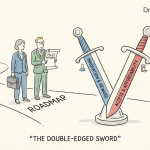
Technology Roadmap: The Next Humira-Style Thickets
The biologics facing the next major exclusivity cliff have portfolio structures that mirror Humira’s. Analysts monitoring these assets should watch for specific IP filing patterns that signal the thicket is being actively reinforced.
Dupixent (dupilumab, Regeneron/Sanofi) covers IL-4 receptor alpha blockade and already holds a substantial secondary portfolio across CPC codes C07K 16/2866 (anti-IL-4 antibodies) and A61P 37/00 (immunological preparations). Its primary composition patent runs through the early 2030s, but secondary formulation and method-of-use filings suggest the portfolio will extend commercial protection into the late 2030s.
Keytruda (pembrolizumab, Merck) is more complex because checkpoint inhibitor biology has generated a broad, multi-assignee patent landscape around PD-1/PD-L1. Merck’s own portfolio is dense, but third-party patents from Bristol-Myers Squibb (covering the broader anti-PD-1 class) complicate the biosimilar entry picture in ways that do not apply to adalimumab’s more company-concentrated thicket.
Ozempic/Wegovy (semaglutide, Novo Nordisk) involves GLP-1 receptor agonist chemistry where the composition patents run into the late 2020s but the formulation and device (autoinjector pen) patents substantially extend the exclusivity runway. Any analyst assessing semaglutide biosimilar opportunity must map not only the drug substance patents but the device patents, which are filed in a different CPC class (A61M 5/00) and require a separate search thread.
Key Takeaways: Part V.1
AbbVie’s adalimumab thicket generated an estimated $30-50 billion in present value of protected cash flows beyond what primary composition patent expiry would have allowed. That is the financial return on building a 130-patent U.S. portfolio.
The U.S.-EU entry timing gap for Humira biosimilars, approximately five years, quantifies the commercial value of the U.S. patent thicket specifically.
Google Patents search: assignee:("AbbVie Inc" OR "Abbott Laboratories") AND (adalimumab OR Humira) AND status:GRANT, sorted by filing date, reconstructs the construction timeline of this fortress layer by layer.
5.2 Lipitor (Atorvastatin): The Patent Cliff as Industry Inflection Point
Pfizer’s Lipitor (atorvastatin) became the best-selling drug in pharmaceutical history not because it was first to market but because it was best in class. As the fifth statin approved, it differentiated on efficacy: atorvastatin produced greater LDL reductions than earlier statins at equivalent doses, a clinical advantage that justified aggressive physician targeting and premium pricing.
IP Asset Valuation: Atorvastatin
The atorvastatin IP story is fundamentally simpler than adalimumab’s. Warner-Lambert (acquired by Pfizer in 2000) anchored the portfolio on a composition of matter patent filed in 1986, covering the atorvastatin molecule. That patent expired in November 2011. The secondary portfolio was thin by modern standards: patents covering the atorvastatin/aspirin combination (U.S. Patent No. 6,235,311) and a limited set of formulation patents, totaling roughly 49 granted U.S. patents (the mean for blockbuster drugs of that era).
Pfizer’s revenue on Lipitor peaked at approximately $13 billion annually. Generic entry in late 2011 collapsed branded Lipitor’s U.S. market share by over 80% within six months. Total cumulative Lipitor revenues reached approximately $125 billion over 14.5 years. By contrast, if Pfizer had built an adalimumab-style thicket in the early 2000s, an additional five to seven years of U.S. exclusivity at diminishing but still substantial branded revenues could have generated $30 to $40 billion in additional U.S. sales.
That counterfactual is not merely academic. It explains exactly why pharma companies began investing so heavily in secondary patenting post-2010. The Lipitor cliff taught the industry what it was leaving on the table by relying on a single composition patent.
Paragraph IV Litigation and the Hatch-Waxman Chronology
The final years of Lipitor’s exclusivity were marked by Paragraph IV certification litigation. Generic manufacturers, led by Ranbaxy, filed Paragraph IV certifications challenging Pfizer’s patents as invalid or not infringed. This triggered a 30-month stay on FDA approval of the generic ANDA, running from January 2008. Pfizer ultimately lost key patent litigation and was unable to extend exclusivity beyond November 2011.
Searching Google Patents for the litigation-related patents: assignee:(Pfizer) AND (atorvastatin OR Lipitor) AND CL:(crystalline OR polymorph OR form) identifies the specific formulation and polymorph patents that were central to the Ranbaxy litigation, demonstrating how a Google Patents search can reconstruct the commercial and legal timeline of a drug’s exclusivity defense.
Key Takeaways: Part V.2
Lipitor’s thin secondary patent portfolio, approximately 49 U.S. patents vs. Humira’s 130, is measurably different in both count and post-approval filing intensity.
The industry’s shift from Lipitor-style single-anchor portfolios to Humira-style thickets directly followed the catastrophic revenue impact of the 2011 generic entry.
For analysts, a drug with fewer than 60 secondary patents and a post-approval filing rate below 50% is substantially more exposed to sharp revenue decline at primary patent expiry.
5.3 Portfolio Comparison: The Structural Signal
Metric
Lipitor (Atorvastatin)
Humira (Adalimumab)
Primary Patent Filing Year
1986
c. 1993-1994
FDA Approval Year
1996/1997
2002
Primary U.S. Patent Expiration
November 2011
2016
Approx. Granted U.S. Patents
~49
130+
% of Patents Filed Post-Approval
~30-40%
90-94%
Core LCM Tactics
Combination patents, limited formulation work
Dense thicket: formulation, manufacturing, method-of-use across 8 indications
Outcome at Primary Patent Expiry
80%+ market share loss within 6 months
U.S. biosimilar entry delayed ~7 years through litigation
Peak Annual Revenue
~$13B
~$21B
Estimated Value of Post-Primary-Patent Protection
~$0 (patent cliff)
~$80-100B cumulative U.S. revenues
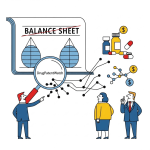
Part VI: IP Valuation: Quantifying Patent Portfolios as Balance Sheet Assets
6.1 The Four Valuation Methodologies and When to Apply Each
Patent portfolio valuation is not an accounting exercise. No single methodology works across all situations. The four primary approaches each make different assumptions and serve different analytical purposes.
The Income Approach (discounted cash flow) calculates the net present value of future royalties or revenue streams attributable to the patent. For pharmaceutical patents, this means modeling the revenue of the protected drug, applying a discount for the probability that the patent survives validity challenge, and discounting to present value at an appropriate cost of capital. This is the most defensible approach for a specific marketed product with revenue history. It is the method used in M&A due diligence and in patent damages calculations in litigation.
The key inputs: peak revenue, market share erosion trajectory post-expiry (generic or biosimilar entry), remaining patent term including any PTE or SPC extensions, probability of validity (generally 40-60% for secondary patents that have not been litigated), and discount rate. For a composition of matter patent on a Phase III drug, where no validity challenge is imminent, probability of validity can reasonably be set at 70-80%. For a polymorph patent with a recent IPR petition filed against it, that number might drop to 30-40%.
The Market Approach values patents by comparison to observable market transactions: licensing deals, patent auctions, or M&A transactions where the patent portfolio’s value can be isolated. Royalty rates in comparable pharmaceutical licensing agreements (publicly disclosed in SEC filings) provide a benchmark. For small molecule drugs, royalty rates on API composition patents generally range from 5% to 15% of net sales. For biologic platform technologies (e.g., a monoclonal antibody engineering platform), rates can reach 2-5% per product because the technology enables multiple downstream drugs.
The Cost Approach calculates the expense required to recreate the patent portfolio from scratch, including R&D costs, prosecution fees, and any necessary licensing of blocking technology. This approach establishes a floor value and is most useful for early-stage assets where no revenue history exists.
The Relief-from-Royalty Method is a hybrid approach that calculates the royalties the owner would have to pay to license the technology if it did not own the patent. These avoided royalty payments represent the patent’s economic value. For pharmaceutical assets, this method requires identifying comparable licensing agreements, which are often disclosed in SEC filings, earnings calls, or TTAB proceedings.
6.2 Using Google Patents Data as an Input to IP Valuation
Several data points extractable from Google Patents feed directly into IP valuation models.
Forward citation count is the most widely used patent quality indicator in quantitative valuation models. Patents cited many times by subsequent patents are more likely to cover foundational technology. A 2019 meta-analysis of patent valuation studies found that forward citation count is positively and significantly correlated with both patent renewal rates (a proxy for the owner’s assessment of ongoing value) and with licensing revenue. For any drug asset under evaluation, extract the forward citation count from Google Patents and benchmark it against the citation distribution for patents in the same CPC class and filing year cohort.
Family size (number of jurisdictions in which the patent was filed and granted) correlates with patent quality because applicants incur substantial translation, filing, and annuity costs for each national entry. A patent filed in 40 countries costs meaningfully more than one filed in 5. Applicants only pay those costs when they believe the technology has commercial value in those markets.
Continuation filing rate measures how actively the applicant is pursuing new claims off the same original disclosure. A high continuation rate signals ongoing investment in expanding the IP fence around the technology and is correlated with higher commercial intent.
Time from filing to grant (prosecution pendency) matters because shorter pendency indicates a less contested examination. Long pendency (over 4 years) often signals that the examiner raised substantive obviousness or novelty rejections, which can be a predictor of future IPR vulnerability.
Investment Strategy: Using Patent Data to Screen Biotech Equities
For portfolio managers evaluating biotech companies where the asset is a single clinical-stage drug, the Google Patents data on that drug’s patent family can inform three specific questions:
First, what is the composition of matter coverage? A drug with a granted, unexpired API composition patent has a structurally different risk profile than one whose composition patent has expired but whose commercial exclusivity depends entirely on formulation and method-of-use patents.
Second, how dense is the secondary portfolio relative to the drug’s stage of development? A Phase II asset with 15 granted secondary patents is already building a thicket. A Phase III asset with 2 is not. The differential signals both how sophisticated the company’s IP strategy is and how defensible the eventual product’s market position will be.
Third, are there any IPR petitions filed against the key patents? IPR petition records are searchable through the USPTO’s PTAB portal and can be cross-referenced against the patents identified in your Google Patents search. An IPR petition is a leading indicator of patent vulnerability and of a competitor’s intent to challenge the portfolio rather than design around it.
Part VII: Critical Assessment: Risks, Gaps, and the Willful Infringement Problem
7.1 The Data Integrity Problem
Google explicitly acknowledges that it cannot guarantee complete patent coverage. For casual research, this is an acceptable limitation. For pharmaceutical professionals making multi-million-dollar decisions, it is a material risk.
The specific failure modes are documented. Update latency means some recently issued patents and published applications can take days to weeks to appear. Assignment data lags the actual record at the USPTO and EPO, sometimes by months, meaning a patent transferred to a new owner in a recent acquisition may still appear under the prior assignee. Legal status information, particularly maintenance fee payment status, is inconsistently current, meaning a patent displayed as ‘active’ may have actually lapsed for non-payment.
For pharmaceutical-specific research, the absence of chemical structure searching is the most operationally significant limitation. A trained medicinal chemist assessing a new molecular entity cannot draw that structure into Google Patents and find structurally similar patents. That functionality is standard in professional databases like SciFinder, Reaxys, and STNext. Without it, a keyword-based search in Google Patents can miss genus-level claims that cover the specific molecule through a Markush structure broad enough to encompass thousands of compounds.
Biosequence searching (protein and DNA sequences) is similarly absent. For biologics, where the key patent claims often cover the amino acid sequence of the antibody’s complementarity-determining regions (CDRs), the ability to search by sequence is not optional. It is the only way to identify sequence-based claims that would cover a biosimilar candidate. Google Patents does not support this.
7.2 The Willful Infringement Legal Risk
This is the risk that most corporate users of Google Patents underestimate, and the one that can convert a routine patent search into a significant liability.
U.S. patent law under 35 U.S.C. Section 284 authorizes courts to award enhanced damages of up to three times the compensatory damages (treble damages) for willful infringement. In the 2016 Halo Electronics v. Pulse Electronics decision, the Supreme Court held that willful infringement requires conduct that is ‘deliberate or consciously wrongful.’ It does not require proof that the infringer believed it was infringing; actual knowledge of the patent combined with conscious risk-taking can be sufficient.
Corporate patent searches conducted on public platforms like Google Patents create a discoverable record. The company’s search history, the specific patents viewed, the dates of access, are all potentially discoverable in litigation through subpoena or document production. If a company’s engineers searched ‘adalimumab formulation citrate-free’ on Google Patents in January 2021, viewed U.S. Patent No. 10,493,152, and AbbVie’s litigation team obtains that search history in discovery, it becomes evidence that the company had actual knowledge of the patent before it launched a competing product.
The mitigation strategy: conduct commercially sensitive patent searching through outside counsel, under attorney-client privilege, using professional databases that maintain proper data handling. When searching on Google Patents in a corporate context, maintain search logs with the express purpose of documenting a diligent non-infringement analysis, and formalize that analysis with a written FTO opinion from counsel before any commercial decision.
Key Takeaways: Part VII.2
Google Patents’ utility for corporate use is bounded by this legal dynamic. The platform’s very accessibility, the same feature that makes it valuable for education and preliminary research, makes it a liability risk in high-stakes commercial contexts where the search history is discoverable. The right workflow is Google Patents for initial orientation and landscape understanding, professional databases and privileged counsel for any search that feeds into a commercial decision.
7.3 Comparing Free Platforms: Google Patents, USPTO Public Search, and Espacenet
Feature
Google Patents
USPTO Public Search
Espacenet (EPO)
Global Coverage
Excellent (120+ patent offices)
U.S. only
Excellent (global)
Data Timeliness
Good, but lags official records
Most current for U.S. patents
Very good for EP/PCT
Interface Usability
Excellent (search-engine familiar)
Moderate; steeper learning curve
Good; best for EPO-primary research
Advanced Search Syntax
Very good: Boolean, proximity, field
Excellent: fine-grained field control
Good: supports complex queries
Integrated Non-Patent Literature
Yes (Google Scholar, Google Books)
No
No
Litigation Data
Yes (via Darts-ip)
Via PAIR/Portal separately
No
Chemical Structure Search
No
No
No
Biosequence Search
No
No
No
Official Legal Status
Approximate
Authoritative for U.S.
Authoritative for EP/PCT
Download/Export
CSV export of results
Batch download available
Limited export
Maintenance Fee Status
Inconsistently current
Authoritative (via PAIR)
Available for EP patents
For any research extending beyond orientation and landscape work, cross-verify key patents in USPTO Public Search (for U.S. legal status and file history) and Espacenet (for EP legal status). For high-stakes decisions, professional platforms including DrugPatentWatch, Derwent Innovation, and CAS STNext provide curated data, chemical and sequence searching, and dedicated pharmaceutical data integration.
Part VIII: Technology Roadmap: Biologics IP, Evergreening Tactics, and the Next Wave
8.1 The Biologic Patent Ecosystem: Complexity vs. Small Molecule
Biologic drugs generate more complex patent portfolios than small molecules for structural reasons rooted in the science and manufacturing of large molecules.
A small molecule drug has a defined chemical structure that can be fully described in a claims drawing or chemical name. Its composition patent covers that structure. A generic manufacturer must produce that exact structure or challenge the patent. The design space is constrained.
A biologic drug is a large, complex molecule produced by living cells. No two batches are exactly identical at the molecular level; a biologic is defined by its reference standard, not by a precise atomic structure. This scientific complexity creates three distinct IP layers that do not exist for small molecules.
The molecule itself is covered by patents claiming the amino acid sequence of the antibody, the binding affinity and specificity to its target (e.g., dissociation constant, epitope), and sometimes the three-dimensional structure of key binding regions. These are the highest-value claims and the hardest for a biosimilar applicant to design around.
The manufacturing process is covered by patents on the host cell line, culture medium composition, purification steps (protein A affinity chromatography conditions, viral inactivation steps), and formulation conditions. Because biosimilar manufacturers must independently develop their own manufacturing processes, these patents often have practical effect even when they cover process steps rather than the final product.
The device and delivery system is covered by patents on the autoinjector, prefilled syringe, or pen device used to administer the biologic. AbbVie holds device patents on the Humira citrate-free autoinjector that are filed in CPC A61M 5/00, a class many competitive intelligence analysts miss when they run an adalimumab-focused search.
8.2 The Biosimilar Interchangeability Distinction and Its Patent Implications
The FDA’s designation of biosimilar interchangeability, the highest level of biosimilarity determination, allows pharmacists to substitute the biosimilar for the reference biologic without prescriber intervention, in the same way that generic drugs are substituted for branded small molecules.
Interchangeability designation requires additional clinical switching studies beyond what a standard biosimilar application demands. Only a few adalimumab biosimilars have pursued interchangeability; most have not. This distinction matters for IP analysis because biosimilar manufacturers seeking interchangeability are subject to additional BPCIA litigation exposure and must navigate a longer regulatory pathway, which affects launch timing.
From a competitive intelligence standpoint, tracking which biosimilar applicants file interchangeability studies (visible in FDA’s Purple Book, not Google Patents) alongside their patent-related BPCIA exchanges gives a more complete picture of competitive timing than patent data alone.
8.3 Evergreening Technology Roadmap: Six Tactics and Their Patent Signatures
The six primary evergreening mechanisms used in modern pharmaceutical lifecycle management each generate a recognizable patent signature visible in Google Patents.
Polymorph and salt form patents appear as composition claims specifying a particular crystalline form (Form I, Form II) or specific salt (e.g., the mesylate salt vs. the free base). Search for these in combination with CPC A61K 31/00 subclasses and the term ‘crystalline’ or ‘polymorph’ in the claims field. These patents are frequently the subject of IPR petitions challenging novelty or obviousness, because prior art on alternative solid-state forms of the same compound is often abundant in the academic literature.
Extended-release formulation patents appear as composition or method claims covering modified-release systems: matrix tablets, osmotic pumps (OROS), multilayer tablets, or coated beads. CPC A61K 9/20 and A61K 9/22 are the primary classification codes. These patents can be commercially significant when the extended-release formulation enables once-daily dosing versus multiple daily doses, because that dosing convenience drives patient preference and prescriber behavior.
Fixed-dose combination patents cover the specific combination of two or more drugs in a single dosage form. Even when each component is separately off-patent, the combination itself can be patentable if there is a non-obvious synergistic effect or if the specific ratio and formulation are novel. CPC A61K 31/00 combined with multiple API subclasses in the same claim structure identifies these.
New indication method-of-use patents appear in CPC A61P codes at the indication level (e.g., A61P 11/00 for respiratory drugs, A61P 25/00 for neurological drugs). When a company files in a new A61P subclass for a drug that previously only appeared under a different A61P subclass, that signals a new indication strategy. These claims give the originator the right to enforce against any product specifically labeled for the new indication, even after the API patent expires.
Dosing regimen patents cover the specific dose, dosing frequency, or patient population for administration of a known drug. These are distinct from indication patents (which cover a new disease) and can be particularly strong where the regimen was non-obvious and produces clinically meaningful outcomes. They are identified in claims language referencing specific mg/kg dosing, administration intervals, or patient stratification criteria.
Pediatric formulation patents cover the reformulation of an adult drug into a pediatric-appropriate dosage form (liquid, suspension, chewable tablet). These often appear alongside the FDA’s Pediatric Exclusivity six-month extension, which is not a patent but a regulatory exclusivity that blocks generic approval for six months regardless of patent status.
8.4 The Next Frontier: AI, Gene Therapy, and the Emerging IP Architecture
Gene therapy and cell therapy (CAR-T, base editing, prime editing) are generating a new IP architecture that requires different search strategies on Google Patents.
The primary CPC codes for these technologies are C12N 5/0789 (T lymphocytes for CAR-T), C12N 15/113 (antisense RNA), C12N 15/90 (site-specific integration for gene editing), and A61K 48/00 (nucleic acid preparations for medical use). The CRISPR patent dispute between the Broad Institute and UC Berkeley, one of the most consequential patent interferences in recent pharmaceutical history, is fully searchable through these codes.
For mRNA therapeutics (the technology underlying the Moderna and Pfizer-BioNTech COVID vaccines), CPC A61K 31/7088 (polynucleotides), combined with C12N 15/87 (transfection), captures the core composition landscape. The lipid nanoparticle (LNP) delivery system patents under A61K 9/107 are a separate, heavily contested territory where Moderna, Alnylam, and Genevant Sciences have been in active litigation.
Analysts evaluating gene therapy and mRNA biotech investments should treat Google Patents searches in these classes as a starting point, because the technology moves faster than the 18-month publication lag, and because sequence-level claims require specialized searching tools unavailable on the platform.
Part IX: Tiered Research Framework and Platform Comparison
9.1 The Three-Tier Research Hierarchy
The practical recommendation for pharmaceutical professionals using Google Patents: treat it as the entry point to a structured, three-tier research process.
Tier 1: Google Patents. Use for broad landscape orientation, initial competitor monitoring, educational research, and preliminary identification of relevant patents and patent families. Its speed, global coverage, and zero cost make it ideal for this phase. The output of Tier 1 is a list of potentially relevant patents, a preliminary classification of the technology landscape, and an identified set of competitor filing patterns.
Tier 2: Official Patent Office Databases. Before drawing any conclusions from Tier 1, verify legal status (in-force vs. lapsed), file history (prosecution history, including any amendments or rejections that narrow claim scope), and assignment records through official sources. The USPTO’s Patent Center (which replaced PAIR) provides authoritative U.S. file history. The EPO’s Espacenet and Register provide corresponding EP data. The WIPO PatentScope database covers PCT applications. This step catches the data latency and completeness issues that make Google Patents unreliable as a sole source.
Tier 3: Professional Platforms and Qualified Counsel. For any commercially significant decision, including FTO opinions, M&A due diligence, biosimilar or generic entry timing assessments, and IPR petition strategy, use professional-grade databases and engage qualified patent counsel. DrugPatentWatch integrates pharmaceutical-specific data (FDA Orange Book listings, Purple Book entries, Paragraph IV filing records) with patent data in a pharmaceutical-native interface. CAS STNext and SciFinder provide chemical structure searching. Clarivate’s Derwent Innovation and Questel Orbit provide advanced portfolio analytics and citation mapping. A formal written FTO opinion from outside counsel, documented in the file, is the strongest available protection against willful infringement findings.
9.2 Building a Continuous Monitoring System
Patent intelligence is not a one-time exercise. Competitive patent landscapes evolve as competitors file continuations, new biosimilar applicants enter BPCIA patent dance proceedings, and IPR petitions challenge key claims.
An effective continuous monitoring system has four components. First, scheduled assignee: searches on Google Patents for each monitored competitor, run quarterly and filtered to the 18-month prior window to capture newly published applications. Second, IPR petition monitoring through the USPTO’s PTAB portal for any petitions targeting key patents in your portfolio or in a competitor’s portfolio. Third, FDA Orange Book and Purple Book monitoring for new patent listings and paragraph IV certifications. Fourth, litigation tracking through the Darts-ip data accessible through Google Patents’ litigation badge, supplemented by Westlaw or Lexis for detailed docket monitoring.
This system converts Google Patents from a reactive research tool into a proactive intelligence function. The cost is primarily time and analyst attention. The output is early warning on competitive moves that would otherwise not become public for months or years.
Glossary
Composition of Matter Patent. A patent claiming a new chemical entity, biological molecule, or combination of materials as such. The broadest and highest-value category of pharmaceutical patent claim, covering the API regardless of how it is made, formulated, or used.
Paragraph IV Certification. A declaration by a generic ANDA or biosimilar BLA applicant that a listed patent is invalid, unenforceable, or will not be infringed by the proposed product. Filing a Paragraph IV certification triggers a 30-month stay on FDA approval under Hatch-Waxman. It is the formal mechanism through which generic manufacturers initiate patent litigation.
Patent Term Extension (PTE). A U.S.-specific mechanism under the Hatch-Waxman Act that restores up to five years of patent term lost to FDA regulatory review. PTE is limited to a maximum of 14 years of post-approval exclusivity. The analogous EU mechanism is the Supplementary Protection Certificate (SPC).
Evergreening. The practice of filing secondary patents on incremental modifications of an existing drug to extend effective market exclusivity beyond the expiration of the original composition patent. The secondary patents may cover new polymorphs, formulations, delivery devices, methods of use, dosing regimens, or manufacturing processes.
Patent Thicket. A dense cluster of overlapping patents around a single drug or technology platform, designed to create a litigation barrier that deters or delays generic and biosimilar entry. The commercial strategy relies on the cost and time required to challenge multiple patents simultaneously exceeding the economic capacity of most competitors.
Freedom-to-Operate (FTO). A legal assessment of whether a specific commercial activity (manufacturing, selling, using) in a specific jurisdiction would infringe any valid, in-force patent claim held by a third party. A formal FTO opinion, issued in writing by qualified patent counsel, is the standard diligence requirement before major commercial decisions.
Biosimilar Interchangeability. An FDA designation for a biosimilar that has demonstrated it can be substituted for the reference biologic without requiring prescriber intervention, equivalent to the generic drug substitution standard for small molecules. Interchangeability requires additional switching studies beyond standard biosimilar approval.
IPR (Inter Partes Review). A proceeding before the USPTO’s Patent Trial and Appeal Board (PTAB) in which a third party challenges the validity of an issued patent on grounds of prior art. IPR is the primary mechanism used by generic and biosimilar manufacturers to challenge secondary patents in the pharmaceutical industry. Petition grant rates across all technology fields run approximately 60-70%.
CPC (Cooperative Patent Classification). The hierarchical classification system jointly managed by the USPTO and EPO that assigns technical subject matter codes to patents and applications. CPC codes are the standard for systematic, language-independent patent searching.
Markush Claim. A patent claim covering a family of related compounds using a generic structural formula with defined variable substituents. Markush claims in pharmaceutical patents can cover thousands of individual molecules within a single claim, making them powerful for genus-level protection and difficult for competitors to design around definitively without structure-specific searching tools.
BPCIA (Biologics Price Competition and Innovation Act). The U.S. law governing biosimilar approval, modeled on Hatch-Waxman but adapted for biologics. The BPCIA includes a patent exchange process (the ‘patent dance’) in which the reference product sponsor and biosimilar applicant exchange lists of patents to be litigated prior to launch.
Skinny Labeling (Carve-Out). The practice by which a generic manufacturer omits from its product labeling one or more patented therapeutic indications, thereby avoiding infringement of method-of-use patents while still being able to market the drug for unpatented uses. The limits of carve-out protection were significantly narrowed by the Federal Circuit’s 2021 decision in GlaxoSmithKline v. Teva.
This analysis is for informational purposes only and does not constitute legal advice. Patent searching and FTO assessments for commercial decisions require engagement of qualified patent counsel. Patent data sourced from Google Patents, USPTO Patent Center, EPO Espacenet, and public corporate disclosures.