Why Five Years Is the Only Number That Matters in Pharma
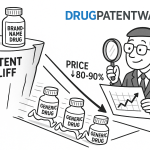
When Pfizer’s patent on Lipitor expired in November 2011, the company lost roughly $10 billion in annual revenue within eighteen months. Generic manufacturers had been preparing for that moment for years, stacking their abbreviated new drug applications, lining up manufacturing capacity, and training their sales forces to convert prescribers before the ink dried on the first generic approval. Pfizer knew it was coming. They had legal teams, lobbyists, and life cycle management strategies. They still lost the revenue almost overnight.
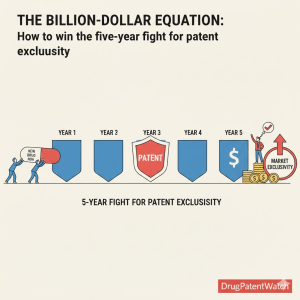
That is the reality every branded pharmaceutical company faces the moment a molecule starts generating cash. The clock starts running. Competitors start watching. And the five-year window between peak commercial performance and generic entry often determines whether a drug becomes a franchise or a footnote.
This article is about winning that fight. Not in the abstract, inspirational sense, but in the operational sense: which legal mechanisms extend protection, which regulatory pathways buy time, which filing strategies create defensible exclusivity, and which mistakes accelerate the day generic manufacturers walk through your door. The tools are well-established. The strategy that applies them correctly is rare.
Patent exclusivity in pharmaceuticals is not a single event. It is a layered system of protections, each governed by different statutes, enforced through different mechanisms, and subject to different attack vectors. A company that understands only the basic twenty-year patent term is like a chess player who only knows how the pieces move. You can play the game. You cannot win it.
The Architecture of Pharmaceutical Patent Protection
The Basic Term and Why It Rarely Applies as Written
The United States Patent and Trademark Office grants patents with a twenty-year term from the filing date. For most industries, that is the beginning and end of the exclusivity conversation. For pharmaceuticals, it is barely the starting point.
The reason is time. A drug that enters Phase I clinical trials the day its patent is filed will spend years in development, regulatory review, and post-approval negotiation before it generates a single dollar of revenue. By the time the FDA approves a new molecular entity, the patent may have only eight to twelve years left on its face. Actual commercial exclusivity, meaning the period during which no generic can enter the market, can be significantly shorter.
This gap between patent grant and commercial exploitation is so well-documented that Congress addressed it directly in the Drug Price Competition and Patent Term Restoration Act of 1984, better known as the Hatch-Waxman Act. The law created a framework that remains the foundation of pharmaceutical IP strategy in the United States today.
Patent Term Restoration: Clawing Back Lost Time
Under 35 U.S.C. Section 156, a patent holder can apply for patent term restoration to recover time lost during the FDA regulatory review process. The calculation is straightforward in concept and complicated in execution.
The extension covers half the time spent in clinical trials plus the full time spent in FDA review after submission of the new drug application, subject to a maximum extension of five years. The total remaining patent life after the extension cannot exceed fourteen years from the date of FDA approval.
To qualify, the product must be subject to regulatory review, the patent must claim the active ingredient or a method of using it, and the application for extension must be filed within sixty days of the drug’s approval. One patent per approved product can receive the extension, and the extension covers only the specific approved product, not other products that might infringe the same patent.
The practical effect is that a company filing strategically can recover three to four years of effective commercial exclusivity that would otherwise be lost to regulatory processing time. For a drug generating $3 billion annually, three years of additional exclusivity is worth close to $9 billion in revenue before generics arrive. The fee for filing a patent term extension application is a few thousand dollars.
The Orange Book: Your Public Record of Commercial Stakes
The FDA maintains the Approved Drug Products with Therapeutic Equivalence Evaluations, universally called the Orange Book. Every branded drug company with an approved NDA must list the patents that claim the drug or a method of using it. When a generic manufacturer files an Abbreviated New Drug Application, it must certify with respect to each listed patent.
The Orange Book listing is not merely a formality. It is the document that triggers the automatic thirty-month stay when a generic manufacturer challenges your patent. If your patent is not listed, or listed incorrectly, you lose that protection. Companies have lost years of exclusivity because of administrative errors in Orange Book listings.
The FDA publishes detailed guidance on what qualifies for listing. Drug substance patents, drug product patents, and method of use patents all qualify. Process patents do not. Metabolite patents generally do not. The line between what can and cannot be listed has been the subject of substantial litigation, and the FDA’s enforcement of listing requirements has tightened considerably over the past decade.
Tools like DrugPatentWatch give competitive intelligence professionals and generic manufacturers real-time visibility into Orange Book listings, patent expiration dates, and Paragraph IV certification filings. When a generic company files a challenge against your patent, it shows up in databases that competitors, investors, and analysts monitor daily. Exclusivity is a public document in the pharmaceutical world.
The Four Certification Categories and Why Paragraph IV Changes Everything
When a generic manufacturer files an ANDA, it must choose from four certification types with respect to each listed patent. Paragraph I certifies no patent exists. Paragraph II certifies the patent has expired. Paragraph III certifies the generic will not launch until the patent expires. Paragraph IV certifies the patent is invalid, unenforceable, or not infringed by the generic product.
Paragraphs I through III are administrative matters. Paragraph IV is a declaration of war.
A Paragraph IV certification triggers a mandatory forty-five day window during which the patent holder can sue for infringement. If the patent holder files suit within that window, the FDA is automatically prohibited from approving the ANDA for thirty months, or until the patent is adjudicated, whichever comes first. The first generic to file a Paragraph IV certification gets 180 days of exclusive generic marketing if it prevails, a provision designed to incentivize challenges to weak patents but that also creates complex strategic interactions in the generic industry.
The thirty-month stay is the weapon. For a drug generating $1 billion per quarter, a thirty-month stay is worth roughly $7.5 billion in protected revenue, assuming you win or settle the litigation favorably. For a drug generating $500 million annually, it is still worth over a billion dollars. The economics justify aggressive litigation strategies that would be irrational in other industries.
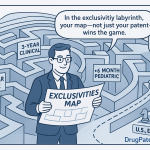
Regulatory Exclusivity: The Protection That Runs Parallel to Patents
Why Regulatory Exclusivity Matters as Much as Patent Protection
Pharmaceutical companies often focus so heavily on patent strategy that they underutilize the regulatory exclusivity provisions that run entirely independent of the patent system. These protections do not depend on patent validity, do not require Orange Book listings, and cannot be challenged through inter partes review or post-grant proceedings. They are granted by statute and enforced by the FDA administratively.
Understanding regulatory exclusivity is not optional for anyone operating in pharmaceutical strategy. It changes the calculus on product launches, acquisition targets, and generic entry timing.
Five Years of New Chemical Entity Exclusivity
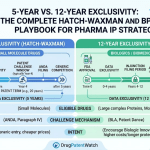
The Hatch-Waxman Act grants five years of marketing exclusivity to any new chemical entity, defined as a drug containing an active moiety that has never been approved by the FDA. During this period, the FDA will not approve any ANDA or 505(b)(2) application referencing the new drug. Generic manufacturers can file a Paragraph IV challenge after four years, which effectively means the earliest possible generic launch is five years from NDA approval.
New chemical entity exclusivity does not require a patent. A drug with no patent protection whatsoever gets five years of regulatory exclusivity if the active moiety is novel. This protection is often overlooked by companies focused exclusively on patent prosecution.
The five-year NCE exclusivity is also a floor, not a ceiling. It runs concurrently with patent term, and a drug with both NCE exclusivity and a patent with ten years remaining has the longer of the two protections controlling generic entry, at least as a practical matter.
Three Years for New Clinical Investigations
If a company conducts new clinical investigations essential to the approval of a supplement to an existing NDA, or to a new NDA that is not a new chemical entity, the FDA grants three years of exclusivity for the specific condition of use supported by those investigations. This applies to new indications, new dosage forms, new routes of administration, and new combinations.
The three-year protection is narrower than NCE exclusivity. It does not block all ANDA filings against the listed drug. It only blocks ANDAs for the specific approved condition of use that the new clinical investigation supported. Generics can still be approved for previously approved indications without being affected by the three-year exclusivity.
This distinction creates strategic opportunities. A company that obtains three-year exclusivity for a new indication is protecting incremental revenue from that indication without resetting the clock for original indications. For a drug approaching patent expiration with a valuable new indication in development, three-year exclusivity on the new indication can extend the commercial story while the core business winds down.
Seven Years for Orphan Drugs
The Orphan Drug Act of 1983 grants seven years of marketing exclusivity for drugs designated to treat rare diseases affecting fewer than 200,000 people in the United States. During those seven years, the FDA cannot approve another application for the same drug to treat the same rare disease, with limited exceptions.
Orphan drug exclusivity has become one of the most strategically important provisions in pharmaceutical law, not because rare diseases are the focus of the industry’s largest commercial efforts, but because the exclusivity period is long, the clinical pathway is often shorter, and orphan designation carries tax credits that reduce development costs.
The FDA granted orphan drug designation to more than 300 products in 2023 alone. The overlap between orphan indications and larger indications (a drug approved for a rare subtype of a common cancer often gets off-label use for broader populations) creates commercial dynamics that go well beyond the formal exclusivity period.
Several large-cap pharmaceutical companies have built their entire pipeline around orphan drug designations. The strategy works financially, but it has attracted regulatory scrutiny and congressional attention as the industry has expanded orphan drug development into conditions that some argue are not genuinely rare or are being artificially subdivided to qualify.
Pediatric Exclusivity: Six Months for Doing a Study
The Best Pharmaceuticals for Children Act provides six months of additional exclusivity, added to the end of any existing patent or regulatory exclusivity period, in exchange for conducting FDA-requested pediatric studies. This applies even if the drug is not approved for pediatric use based on the studies.
Six months of additional exclusivity on a blockbuster drug is worth hundreds of millions of dollars. The FDA issues Written Requests for pediatric studies to drug companies, and compliance with a Written Request triggers the exclusivity reward. The pediatric studies themselves are often straightforward and inexpensive relative to the exclusivity value they unlock.
The mechanism is unusual because the exclusivity attaches to all formulations and indications of the drug, not just the pediatric indication being studied. A company that conducts a pediatric study of its hypertension drug gets six additional months of exclusivity across the entire hypertension franchise.
Pediatric exclusivity has been criticized as a windfall to pharmaceutical companies for studies that are often conducted only because the exclusivity reward makes them economically attractive. Whether or not that criticism is fair, the strategic implication is clear: if your drug is approaching patent expiration and the FDA has issued a Written Request, completing the pediatric study is almost certainly worth doing.
The Mechanics of Patent Prosecution Strategy
Filing Early, Filing Broadly, and Then Narrowing
The conventional wisdom in pharmaceutical patent prosecution is to file early and file broadly. The reasoning is straightforward: the earlier the priority date, the longer the theoretical protection window. The broader the claims, the wider the moat.
In practice, the strategy is more nuanced. A patent filed too broadly faces a higher probability of rejection during prosecution, which forces claim amendments that narrow the scope. A patent filed with overly broad claims may be granted but then invalidated in litigation. And a patent that claims the active molecule itself, while maximally broad, provides different protection than patents claiming specific formulations, dosing regimens, or methods of use.
Effective patent prosecution for a pharmaceutical product typically involves a patent family, multiple patents with overlapping priority dates, claiming the compound itself, methods of making it, methods of using it, specific formulations, specific patient populations, and specific combination regimens. Each patent in the family has different expiration dates, different claim scopes, and different vulnerability profiles.
The result is a staggered expiration schedule that does not hand over all protections at once. A generic manufacturer who invalidates the compound patent through Paragraph IV litigation still faces formulation patents, method of use patents, and potentially secondary mechanism patents that must be separately addressed.
Continuation and Continuation-in-Part Applications: The Extended Filing Strategy
The patent system allows applicants to file continuation applications claiming the benefit of an earlier filing date while adding new claims or new disclosure. Pharmaceutical companies use continuation applications to extend prosecution, claim new aspects of a product discovered during development, and respond to clinical findings that identify new utility.
A drug that enters clinical trials as a treatment for one indication and during trials demonstrates unexpected efficacy in a second indication can file a continuation application claiming the second indication while the original application is still pending. If the second indication application issues with a later expiration date than the first, the company has effectively extended its patent coverage.
Continuation-in-part applications allow new disclosure to be added, which is particularly valuable when post-filing research reveals new information about mechanism of action, specific patient subpopulations, or novel formulation approaches. The new disclosure takes the filing date of the continuation-in-part, which may be years after the original filing, but the claims that trace back to the original disclosure retain the earlier priority date.
This strategy requires careful management. The USPTO has challenged so-called “continuation farming” where companies file serial continuations primarily to extend prosecution rather than to claim genuinely new inventions. Courts have also developed obviousness-type double patenting doctrine to prevent companies from obtaining multiple patents with claims that are not patentably distinct. Managing a continuation strategy requires both aggressive prosecution and attention to the double-patenting risk.
The Species/Genus Problem and How to Navigate It
One of the most consequential decisions in early pharmaceutical patent prosecution is how broadly to claim the chemical genus. A patent claiming a broad genus of compounds that includes the active molecule theoretically provides protection against not just the specific molecule but also structural analogs that might be used as substitutes. A patent claiming only the specific molecule provides narrower protection but is easier to obtain and harder to challenge.
The tension is between breadth and validity. Courts applying the “written description” requirement of 35 U.S.C. Section 112 have invalidated genus claims where the disclosure does not adequately demonstrate that the inventor possessed the full breadth of the claimed genus. A claim covering a million compounds when only a dozen were actually made and tested is vulnerable.
The Federal Circuit’s Ariad decision in 2010 strengthened the written description requirement and created significant uncertainty about the validity of broad genus claims in pharmaceutical patents. Companies have responded by filing multiple patents: one claiming the broad genus with the broadest disclosure they can support, and subsequent applications claiming specific species, subgenera, and preferred embodiments.
The practical implication is that a robust pharmaceutical patent estate requires not just a single comprehensive patent but a carefully constructed portfolio where genus patents and species patents work together. Generic manufacturers who invalidate a genus patent through IPR or litigation may still be blocked by species patents covering the specific marketed compound.
Litigation Strategy: The Thirty-Month Stay as a Business Tool
When to Sue and When to License
The forty-five day window after receiving notice of a Paragraph IV certification is not a legal formality. It is a business decision with hundreds of millions of dollars at stake. Filing suit within the window automatically triggers the thirty-month stay. Not filing forfeits it.
The decision to sue is usually straightforward when the patent is strong and the commercial stakes are high. But the calculation becomes more complicated when the patent has identifiable weaknesses, when the generic manufacturer has a strong invalidity case, or when a license or settlement might be strategically preferable to litigation.
Pay-for-delay settlements, in which a branded company pays a generic manufacturer to delay market entry, were common through the early 2000s. The Supreme Court’s decision in FTC v. Actavis in 2013 subjected these agreements to antitrust scrutiny, making large reverse payment settlements legally risky. Companies have responded with more nuanced settlement structures, including authorized generics, supply agreements, and co-promotion deals, that provide value to both parties without obvious reverse payments.
The modern alternative to straight litigation or pay-for-delay is a structured settlement that allows the generic to enter at a date certain, typically before the patent expires but after sufficient exclusivity has been extracted. These settlements are legal, common, and often financially rational for both parties. A generic manufacturer with a strong invalidity case might prefer a guaranteed entry date over litigation risk. A branded company might prefer a known entry date over the uncertainty of a potential adverse court judgment.
Inter Partes Review: The Administrative Challenge That Changed Everything
The America Invents Act of 2011 created inter partes review, a proceeding before the Patent Trial and Appeal Board that allows third parties to challenge the validity of issued patents. IPR changed pharmaceutical patent strategy more than any single development since Hatch-Waxman.
Before IPR, a generic manufacturer challenging a pharmaceutical patent had two options: Paragraph IV litigation in federal court, or filing a reexamination request at the USPTO. Federal court litigation is expensive and slow. Reexamination was limited in scope. IPR provided a faster, cheaper path to patent invalidation with a petitioner-friendly standard of review.
The statistics are significant. From its inception through 2023, the PTAB invalidated or cancelled at least some challenged claims in a substantial majority of IPR proceedings that reached final written decision. Patent holders have won institution denials and complete victories, but the deck tilts toward petitioners in well-prepared challenges.
For pharmaceutical companies, the strategic response has been to build patent estates with redundancy. If any single patent can be knocked out through IPR, the loss of that patent should not open the door to generic entry. The surviving patents in the family, covering formulations, methods, or specific indications, should close the gap. <blockquote> “Between 2012 and 2023, the PTAB instituted approximately 67% of petitioned inter partes reviews and issued final written decisions invalidating all challenged claims in roughly 46% of those decisions, according to USPTO statistics. For pharmaceutical patents specifically, the institution rate and invalidity rate track closely to the overall numbers, underscoring why branded companies can no longer treat issued patents as settled.” <br><br> <em>— USPTO Patent Trial and Appeal Board Statistics, 2023 Annual Report</em> </blockquote>
The pharmaceutical industry’s response to IPR has been to lobby for reform while simultaneously adapting strategy. The PREVAIL Act and other legislative proposals have sought to raise the burden for IPR petitioners and provide more deference to issued patents. Whether those reforms pass or not, the near-term reality is that pharmaceutical patents face administrative validity challenges that are faster, cheaper, and more petitioner-favorable than district court litigation.
The “Bathtub” Litigation Pattern and How to Survive It
Generic entry into a major pharmaceutical market typically follows a pattern that practitioners have started calling the bathtub curve. Multiple generic manufacturers file ANDAs and Paragraph IV certifications simultaneously. The branded company sues all of them within forty-five days. Thirty-month stays apply to each case. Settlements, dismissals, and trial outcomes unfold over months and years, with some generics entering early through authorized generic arrangements, others waiting for their exclusivity period, and others fighting through trial.
The result is not a single binary moment of generic entry but a rolling wave of competition that erodes pricing power over twelve to eighteen months. A branded company that manages this process well can extract significantly more revenue than one that simply runs out the patent clock and watches the market collapse.
Managing the bathtub requires coordination between legal, commercial, and regulatory teams. The legal team negotiates settlement structures and litigates priority disputes. The commercial team decides whether to launch an authorized generic, which cannibalizes branded revenues but captures some generic market share. The regulatory team manages any pending exclusivity periods that affect entry timing. The financial team models different scenarios and sets expectations with investors and analysts.
Companies that manage the process poorly lose revenue they did not have to lose. Companies that manage it well can extract hundreds of millions of dollars in incremental revenue from the exclusivity tail.
Life Cycle Management: The Strategic Toolkit
What Life Cycle Management Actually Means
Life cycle management is the set of strategies a pharmaceutical company uses to extend or maximize the commercial value of a drug beyond its original patent expiration. The term covers a wide range of activities, from scientifically legitimate efforts to develop new dosage forms and combinations, to aggressive patent filing that some critics characterize as evergreening.
The distinction between legitimate life cycle management and evergreening is genuinely contested. A once-daily formulation of a drug that was previously dosed three times daily offers real clinical benefit and justifies patent protection. A patent on a specific crystal form of an active ingredient that provides no clinical advantage but happens to be the form in every commercial tablet is harder to defend as genuine innovation.
Courts and regulators have grown increasingly skeptical of secondary patents that appear designed primarily to delay generic entry. The FTC has challenged certain life cycle management strategies as anticompetitive. Foreign courts have shown less deference to formulation and process patents than U.S. courts have historically.
Despite the criticism, life cycle management remains essential. A company that does not actively manage its product’s patent estate will lose exclusivity faster than a company that does. The question is not whether to pursue life cycle management but how to do it in a way that is defensible legally, commercially rational, and resistant to regulatory challenge.
New Formulations: The Controlled-Release Strategy
The controlled-release formulation strategy converts an immediate-release drug approaching patent expiration into a new product with a fresh patent estate. The clinical rationale is reduced dosing frequency, improved tolerability, or better pharmacokinetic profiles that translate to patient benefit.
AstraZeneca’s conversion of omeprazole (Prilosec) to esomeprazole (Nexium) is the most cited example of this strategy. As Prilosec’s patents expired, AstraZeneca launched Nexium, which separated one enantiomer of omeprazole, obtained new patents, and converted prescribers with aggressive marketing. Nexium generated $5.7 billion in U.S. sales at its 2005 peak. Critics pointed out that the clinical benefits over Prilosec were modest at best. The financial benefits to AstraZeneca were unambiguous.
The controlled-release strategy works best when the new formulation has a genuine clinical story. Reduced pill burden, better tolerability, or improved efficacy in specific populations give physicians a reason to write the new product rather than accepting substitution to the generic of the original. Without a clinical story, the conversion is vulnerable to prescriber inertia and formulary decisions that push patients toward the generic.
From a patent perspective, controlled-release formulations typically generate formulation patents covering the release mechanism, the specific polymer system, or the ratio of immediate-release to extended-release components. These patents are often more vulnerable than composition of matter patents because the formulation technology is usually available in the prior art and the specific combination must clear an obviousness analysis.
Fixed-Dose Combinations: Revenue Extension With Clinical Cover
A fixed-dose combination pairs two established drugs in a single dosage form, obtains new patents on the combination product, and markets it at a premium to the individual components. When done well, it improves adherence, simplifies regimens, and generates genuine clinical value. When done poorly, it is a pricing exercise with thin scientific justification.
The regulatory and patent requirements for a fixed-dose combination are distinct. From a regulatory perspective, the company must show that each component contributes to the claimed effect and that the combination dose is appropriately characterized. From a patent perspective, the combination is typically covered by patents claiming the specific ratio of active ingredients, the specific formulation, or the method of treating a specific condition using the combination.
The financial model for fixed-dose combinations is compelling. A combination product that captures a significant fraction of patients on the two individual drugs can generate several billion dollars annually even if each individual drug is a mid-tier commercial product. GlaxoSmithKline’s Advair, combining fluticasone and salmeterol, generated over $8 billion in annual U.S. revenue at its peak. The combination patent estate provided years of additional exclusivity beyond the individual component patents.
New Indications: The Most Defensible Life Cycle Move
Obtaining a new indication for an approved drug generates three years of regulatory exclusivity for that indication, requires clinical evidence that stands up to scientific scrutiny, and creates a legitimate clinical story for continued prescribing. Of all life cycle management strategies, new indications are the most resistant to the criticism that the company is gaming the patent system.
The patent strategy for a new indication involves method of use patents claiming the treatment of the new disease with the drug. These patents expire independently of the compound patent and may provide protection well after the compound patent expires. A generic approved for the original indication cannot be prescribed for the new indication without infringing the method of use patent, though label restrictions do not prevent off-label prescribing.
The interaction between method of use patents and the Carve-Out provision of Hatch-Waxman creates strategic complexity. A generic manufacturer seeking approval only for indications not covered by the method of use patent can carve the patented indication out of its label. If the carved-out indication represents a small fraction of total prescribing, this strategy may allow the generic to enter without infringing the method of use patent. If the carved-out indication represents most of the drug’s use, the carve-out may be commercially unviable.
Pharmaceutical companies have responded by designing new indication patents that cover the drug’s primary use patterns, making carve-outs commercially unattractive for generic manufacturers.
The Global Patent Map: Exclusivity Outside the United States
Why U.S. Strategy Does Not Export Directly
The United States has the most permissive patent system for pharmaceuticals in the world, in the sense that it allows the broadest range of claims and provides the most robust enforcement mechanisms. What works in the United States does not automatically work in the European Union, Japan, Canada, or emerging markets.
European patent law, administered through the European Patent Office and enforced nationally through member state courts, applies stricter standards for secondary pharmaceutical patents. The European Patent Convention and national laws in Germany, the United Kingdom, and France have all shown willingness to invalidate formulation patents that U.S. courts would sustain. The European Medicines Agency’s approach to orphan drug exclusivity differs from the FDA’s in important ways.
Canada’s Patented Medicine Prices Review Board operates entirely outside the patent system and regulates pricing independently. Canadian courts have been historically skeptical of secondary patents and have applied the promise doctrine to invalidate patents where the claimed utility was not demonstrated in the patent specification itself, though that doctrine has been applied inconsistently.
India does not grant patents on new forms of known substances unless the new form demonstrates significantly enhanced efficacy. Section 3(d) of the Indian Patents Act, upheld by the Supreme Court in the Novartis v. Union of India decision in 2013, explicitly bars patents on polymorphs, salts, esters, and other derivatives of known compounds unless they show materially better therapeutic effect. The practical result is that drugs widely patented in the United States are often not patented in India at all.
China’s patent system has strengthened significantly over the past decade. China now offers drug regulatory linkage procedures similar to Hatch-Waxman, patent term compensation for drugs delayed by regulatory review, and supplementary protection certificates. Companies that ignored Chinese patent prosecution fifteen years ago may find their earlier indifference has consequences as China becomes a larger fraction of global pharmaceutical revenue.
Supplementary Protection Certificates in Europe
The European Union’s Supplementary Protection Certificate system provides up to five additional years of protection beyond the basic patent term, similar in structure to U.S. patent term restoration under Section 156. The SPC applies to the product as authorized, meaning it covers the specific active ingredient or combination of ingredients as approved by the EMA.
The interaction between SPCs and biological products, biosimilars, and combinations has generated substantial litigation at the European Court of Justice. The Neurim case established that an SPC can be granted for a new use of a known product, opening the door to SPCs for new indications. Subsequent cases have refined and in some respects narrowed that holding.
For a company managing a global patent strategy, the SPC filing deadline is critical. The application must be filed within six months of either the patent grant or the marketing authorization, whichever comes later. Missing that deadline forfeits the SPC. Given that SPCs can be worth hundreds of millions of dollars per year of additional protection, companies maintain careful calendaring systems for SPC deadlines.
Patent Linkage Systems and Their Absence
The United States’ Hatch-Waxman patent linkage system, which connects generic approval to patent status through the Orange Book and Paragraph IV process, does not have an equivalent in most countries. Canada has a version of patent linkage. Some other countries have adopted limited forms of it. Most countries do not link generic drug approval to the patent status of the innovator product.
In the absence of patent linkage, a generic manufacturer in Germany or Brazil can obtain regulatory approval for a generic product while a patent is still in force. The patent holder must then sue for infringement in the national courts, rather than relying on an automatic regulatory stay. The practical result is that managing pre-expiry generic challenges in non-linkage markets requires active monitoring of generic regulatory filings and rapid enforcement responses.
Companies that manage global IP strategies well maintain monitoring services that flag regulatory filings in each major market and have local counsel engaged before a problem arises. Companies that do not maintain that monitoring infrastructure find out about generic market entries after the fact, when injunctive relief may be difficult to obtain.
Biologics: The Twelve-Year Exclusivity Framework
How the Biosimilar Pathway Differs From Small Molecule Generics
The Biologics Price Competition and Innovation Act of 2009 created a regulatory approval pathway for biosimilars, analogous to Hatch-Waxman’s abbreviated pathway for small molecule generics. The key differences reflect the scientific complexity of biologics relative to small molecules.
Biologics are complex molecules, typically proteins, antibodies, or cell therapies, produced through living systems. Demonstrating that a biosimilar is sufficiently similar to the reference product to be approved requires significantly more analytical and clinical data than demonstrating that a small molecule generic has the same active ingredient in the same dose.
The BPCIA provides twelve years of reference product exclusivity for new biologics, during which no biosimilar can be approved. This is longer than the five years granted to new small molecule chemical entities, reflecting the longer development timelines and higher investment costs for biologics. An additional four-year period of data exclusivity applies, during which a biosimilar application cannot even be filed.
The BPCIA also includes a patent resolution mechanism called the “patent dance,” a structured exchange of patent information between the reference product sponsor and the biosimilar applicant. The patent dance has been widely litigated, and courts have held that the dance is optional for biosimilar applicants in most respects. The mandatory minimum is that the biosimilar applicant must give 180-day notice of its intent to launch before beginning commercial marketing.
Why Biologic Patent Estates Look Different
A small molecule drug typically has a relatively compact patent estate covering the compound, key formulations, and principal methods of use. A biologic can have patent estates with dozens or hundreds of patents covering the manufacturing process, cell line, purification methods, formulation, dosing regimen, device for administration, and patient selection biomarkers.
Amgen’s adalimumab (Humira), the best-selling drug in the world for much of the past decade, exemplifies this pattern. AbbVie, which acquired the Humira franchise from Abbott, built a patent estate of over 130 patents covering various aspects of the product. When the first biosimilars achieved FDA approval, they faced not just the primary composition patents but a wall of secondary patents on devices, formulations, and manufacturing processes that required expensive licensing negotiations before launch could proceed.
This strategy is controversial. Patient advocates and biosimilar manufacturers argue that the extensive secondary patent estate is specifically designed to delay competition and inflate prices. AbbVie defends the patents as covering genuine innovations. The FTC and state attorneys general have challenged these practices in antitrust litigation. The litigation is ongoing.
From a strategic perspective, the AbbVie approach demonstrates both the power and the risk of extensive secondary patent prosecution for biologics. The power is that a wall of secondary patents creates licensing leverage that translates to revenue even after the primary patents expire. The risk is antitrust exposure that can be both financially and reputationally significant.
The Interchangeability Designation and Its Commercial Implications
The BPCIA creates two tiers of biosimilar approval: biosimilar and interchangeable. A product designated as interchangeable can be substituted for the reference product at the pharmacy level without prescriber intervention, equivalent to generic substitution for small molecules. Achieving interchangeability requires demonstrating that the alternation or switching between the reference product and the biosimilar does not produce a greater risk of adverse outcomes.
The commercial implications of interchangeability are significant. A non-interchangeable biosimilar requires active prescriber engagement to generate market share. An interchangeable biosimilar can be substituted automatically in states that permit pharmacy-level substitution, dramatically lowering the barrier to commercial uptake.
Reference product sponsors have generally not fought biosimilar approval as a legal matter, but they have competed aggressively on pricing, contracting, and formulary access to maintain market share even after interchangeable biosimilars enter. AbbVie’s approach to Humira in the United States, offering steep rebates to payers in exchange for formulary preference over biosimilars, maintained U.S. market share at levels that surprised most industry analysts in the first year after biosimilar launch.
The Data Exclusivity System: A Protection Most Companies Underuse
Clinical Data Exclusivity Outside the Patent System
Beyond patent protection and regulatory marketing exclusivity, pharmaceutical companies can benefit from clinical data exclusivity protections that prevent competitors from relying on clinical trial data to support generic or biosimilar approval. This protection operates entirely independently of patents and does not require any IP filings.
In the United States, the Hatch-Waxman framework’s exclusivity provisions effectively implement data exclusivity for small molecules through the prohibition on ANDA filings. The BPCIA’s four-year and twelve-year exclusivities similarly protect biologic data. But the scope of these protections varies significantly by geography.
The European Union provides ten years of data exclusivity for new medicines, implemented under the 10+1+1 framework: ten years of data exclusivity, plus a one-year extension if the company obtains approval for a new indication within the first eight years of the original authorization, plus an additional year if the drug qualifies as a new chemical entity. This “data exclusivity clock” runs independently of the patent clock and can extend commercial protection significantly beyond patent expiration.
How the 505(b)(2) Pathway Interacts With Data Exclusivity
The 505(b)(2) regulatory pathway allows applicants to rely on published literature or FDA’s prior findings of safety and efficacy for an approved drug, rather than conducting their own full clinical program. This pathway is available for new dosage forms, new combinations, and new indications of previously approved drugs.
The 505(b)(2) pathway is faster and less expensive than a full NDA but slower and more expensive than an ANDA. It is used extensively for life cycle management products, pediatric formulations, and new salt forms of approved compounds. From a data exclusivity perspective, a 505(b)(2) approval for a new indication can generate three years of exclusivity for that indication, as discussed earlier.
The interaction between 505(b)(2) and data exclusivity creates a strategic opportunity for companies that identify valuable clinical evidence in the published literature before competitors do. A company that files a 505(b)(2) application relying on published clinical data, conducts the additional studies needed to support the specific indication, and obtains approval gains three years of exclusivity without the full cost of generating all the data itself.
The Intelligence Layer: Competitive Monitoring and Patent Analytics
Why Intelligence Determines Timing
The best patent prosecution strategy in the world fails if you do not know what your competitors are doing. Generic manufacturers are filing ANDAs against your product. Competitors are filing IPR petitions against your patents. Biosimilar manufacturers are filing 351(k) applications against your biologics. Your competitor’s lead compound just had its patent application published. All of this information is public. The question is whether you are reading it.
Commercial patent databases and regulatory monitoring services have transformed pharmaceutical competitive intelligence. DrugPatentWatch aggregates Orange Book data, ANDA filings, Paragraph IV certifications, patent expiration dates, and regulatory exclusivity information in a format accessible to both legal and commercial teams. A business development analyst can pull patent expiration information for a competitor’s portfolio and build an acquisition model around anticipated generic entry dates. A litigation counsel can see when a generic manufacturer’s ANDA was filed and calculate exactly when the forty-five day window for filing suit expires.
The value of this intelligence extends beyond defensive monitoring. Companies building development programs around unmet medical needs benefit from understanding the competitive patent landscape before they commit to a molecule. A compound in development that is clearly dominated by a competitor’s patent claims may not be worth pursuing regardless of its clinical promise, unless the development program can be designed to avoid infringement or challenge the dominating patent.
Freedom-to-Operate Analysis: The Pre-Investment Requirement
Before committing significant resources to a development program, companies conduct freedom-to-operate analysis to identify patents that might block commercial use of the contemplated product. An FTO analysis identifies all potentially relevant patents, assesses the likelihood that the product would infringe any claim, and evaluates the risk of each potentially problematic patent.
FTO analysis is not a legal opinion on whether infringement exists. It is a risk assessment that helps business decision-makers understand what IP obstacles lie between the current development status and commercial launch. A clean FTO does not guarantee freedom from infringement claims. A problematic FTO does not necessarily mean the program should be abandoned.
The outputs of an FTO analysis are inputs to a business decision: Can the development program be modified to design around the problematic patents? Is the blocking patent likely to be invalid and worth challenging? Can a license be obtained on commercially reasonable terms? Should the program be abandoned in favor of a cleaner opportunity?
Companies that skip FTO analysis early in development sometimes discover late-stage obstacles that are expensive to resolve. A patent identified during preclinical development can be challenged through IPR or designed around with relatively modest resources. A patent identified at Phase III requires either a license negotiation at the worst possible moment, a design-around that may require repeat clinical work, or a litigation strategy that delays launch and consumes management attention.
Patent Landscape Analysis for Therapeutic Areas
Beyond individual product FTO analysis, sophisticated pharmaceutical companies conduct patent landscape analyses of entire therapeutic areas before committing to large-scale investment. A landscape analysis maps all issued patents and published applications covering a therapeutic target, the relevant disease mechanisms, key compounds in that structural class, and the clinical development strategies under investigation by competitors.
A landscape analysis of a crowded therapeutic area might identify hundreds of potentially relevant patents, dozens of pending applications, and several competitors pursuing structurally similar compounds. The analysis tells you where the white space is: the unpatented mechanisms, the unclaimed structural territory, and the clinical approaches that are not yet covered by competitor filings.
The competitive intelligence available through commercial databases has made landscape analysis faster and more comprehensive than it was a decade ago. A thorough landscape that would have required weeks of manual patent searching can now be generated in days using structured database queries and machine learning assisted claim mapping.
Evergreening, Ethics, and the Political Reality
The Policy Debate Around Secondary Patents
The pharmaceutical industry’s life cycle management strategies have attracted sustained criticism from patient advocates, payers, generics manufacturers, and policymakers. The core complaint is that secondary patents covering formulations, enantiomers, polymorphs, and dosing regimens do not reflect genuine innovation but instead serve to delay affordable generic competition.
The empirical basis for this criticism has some support. A 2018 study published in PLOS Medicine found that the 12 top-selling drugs in the United States had accumulated an average of 71 patents each, with most of the portfolio growth consisting of secondary patents filed well after the original compound patents. Humira alone had 132 U.S. patents. The median time of patent life remaining after secondary patent filing was approximately 6 years.
Defenders of the current system make several arguments. First, formulation innovation is genuine innovation. A controlled-release formulation that allows once-daily dosing instead of three-times-daily dosing improves patient adherence, which improves clinical outcomes. That is worth a patent. Second, the patent system does not distinguish between types of innovation; a patent is a patent if it meets the statutory requirements. Third, the generic approval pathway already provides mechanisms to challenge invalid patents through IPR and Paragraph IV litigation. If secondary patents are truly invalid, the system provides tools to address them.
The political reality is that drug pricing has become a central policy issue, and secondary patent strategies are visible targets. The Inflation Reduction Act’s drug pricing provisions directly implicate the economics of pharmaceutical life cycle management. Legislative proposals to limit Orange Book listings to composition of matter patents, raise the bar for secondary patent prosecution, or require mandatory FDA review of life cycle management strategies have been proposed in Congress.
Companies planning five to ten year exclusivity strategies must factor in the possibility of legislative change. A life cycle management strategy built around a dozen secondary patents is a different risk profile in a regulatory environment that may restrict Orange Book listings or increase inter partes review success rates.
The Global Access Dimension
Pharmaceutical patent strategy in developed markets has direct consequences for access to medicines in developing countries. A patent that extends exclusivity in the United States or Europe by five years is often the same patent that blocks generic production in countries where the unaffordable branded product is simply not used.
The TRIPS Agreement, the Agreement on Trade-Related Aspects of Intellectual Property Rights, sets minimum standards for pharmaceutical patent protection that WTO member countries must implement. TRIPS includes provisions that allow compulsory licensing for public health emergencies and explicitly permits countries to use all flexibilities available under the agreement, including the ability to define patentable subject matter in ways that exclude certain secondary pharmaceutical patents.
India’s Section 3(d), discussed earlier, is the most prominent example of a developed legal system implementing a TRIPS-compliant restriction on secondary patents. Brazil, Thailand, and Indonesia have issued compulsory licenses for various pharmaceutical products during public health crises.
Companies operating global patent strategies face the reality that a maximally aggressive secondary patent strategy in developed markets, if it restricts access in developing markets, creates reputational risk and political exposure that can affect their regulatory relationships, congressional testimony, and stock price. The calculus is imperfect, but access considerations increasingly appear in corporate IP governance frameworks.
Building a Patent Strategy That Survives Five Years of Attacks
The Four-Layer Approach to Durable Exclusivity
A pharmaceutical patent estate built to survive five years of aggressive challenges requires redundancy, strategic filing, and active management. Companies that think of their patent estate as a filing exercise rather than a living system get surprised when a single IPR petition destabilizes their entire commercial protection structure.
The first layer is the compound patent. A composition of matter patent covering the active molecule is the strongest protection available. It covers all uses of the molecule regardless of the indication, blocks all formulations, and is the most commercially valuable piece of the estate. Losing it through IPR or Paragraph IV litigation is the most serious IP event a branded company can face.
The second layer consists of method of use patents covering the approved indications. These patents cover the clinical program’s output and are grounded in clinical data that is harder to challenge as obvious because the clinical result itself was not predictable. Method of use patents covering specific patient populations, specific dosing regimens demonstrated in controlled trials, and specific combinations with other agents are particularly robust because the clinical data supporting them did not exist until the studies were done.
The third layer covers formulation and delivery. These patents are the most vulnerable to obviousness challenges but the most flexible to design. A new formulation patent can be prosecuted based on clinical data showing the clinical benefit of the formulation. Drug product patents covering specific excipients, specific manufacturing processes, or specific device-drug combinations can provide years of additional protection.
The fourth layer is regulatory exclusivity. NCE exclusivity, orphan drug exclusivity, and pediatric exclusivity do not depend on patent strength at all. They are administrative protections that run concurrently with or independently of the patent estate. A company that has exhausted its patent arguments can still benefit from regulatory exclusivity if the relevant exclusivity period has not expired.
The Role of IP Counsel in Commercial Decision Making
Pharmaceutical IP counsel have historically been viewed as legal service providers who respond to business decisions rather than participants in making them. That model fails in the current environment. A company that makes a commercial decision to launch a drug at a specific price in a specific indication without involving IP counsel early enough to protect the clinical development strategy may find that its most commercially important claims are covered by obvious prior art, that its regulatory exclusivity is shorter than expected, or that a competitor has already filed claims that dominate the contemplated product.
Integrated IP strategy requires IP counsel at the research stage, when the lead compound is identified and early structural analogs are being evaluated. It requires IP counsel at the clinical design stage, when the indication, dosing regimen, and patient population are being established. And it requires IP counsel at the commercial launch stage, when the product launch strategy determines which patents to list in the Orange Book and how to characterize the drug’s indication in promotional materials.
Companies that operate with an integrated model typically have broader, stronger patent estates, fewer surprises in litigation, and more defensible life cycle management positions than companies where IP is a downstream service function.
Monitoring the Competition’s Patent Moves
Your competitors are filing patent applications that will issue as patents and may be used against you in litigation or may signal their commercial strategies. Your potential acquirees have patent estates with strengths and vulnerabilities that determine their value. Your licensing partners have IP portfolios that either complement or complicate your own.
Regular monitoring of competitor patent filings is not optional for companies competing in major therapeutic areas. Published patent applications, which become available 18 months after filing, provide advance notice of a competitor’s development programs. An application claiming a novel mechanism in a disease your company is developing for is a signal, a competitive warning, and potentially a prior art reference that affects your own prosecution.
Continuation applications filed by competitors deserve particular attention. A continuation claiming new uses or formulations of an approved drug signals that the company is actively managing its life cycle and may be preparing a new commercial launch. A continuation that substantially narrows the claims from the parent application may signal that the company is conceding broad protection to secure a narrower but more defensible claim scope.
Patent assignment records reveal when technology is being transferred between companies, when licensing agreements are being executed, and when companies are building positions in specific therapeutic areas through acquisition. The business development implications of this intelligence are substantial.
The Authorized Generic Strategy: Cannibalizing Yourself Before Others Do
Why Launching Your Own Generic Makes Financial Sense
An authorized generic is a generic version of a branded drug launched by the branded company itself or through a licensing arrangement with a generic partner. It sells at a generic price, cannibalizes branded revenues, and competes directly with other generic manufacturers entering the market.
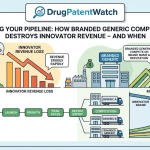
The logic for launching an authorized generic appears counterintuitive until you run the numbers. When a first-to-file generic manufacturer wins its 180-day exclusivity period, it has the generic market to itself during that window. The branded company’s sales collapse regardless, as managed care organizations and pharmacy benefit managers implement formulary restrictions that force generic substitution. The question is not whether branded revenues collapse; it is whether the branded company captures any of the resulting generic revenue.
If the branded company launches an authorized generic, it competes with the first-to-file generic during the 180-day exclusivity window. The first-to-file generic’s exclusivity prevents other ANDAs from being approved but does not prevent the authorized generic, which is not an ANDA product. The result is a two-competitor generic market during the exclusivity window, with pricing pressure that reduces the first-to-file generic’s profitability.
The financial outcome for the branded company depends on the economics of the authorized generic deal. A company that licenses the authorized generic to a generic partner in exchange for a royalty or profit share captures generic market revenue it would otherwise lose entirely. A company that launches the authorized generic internally uses its existing manufacturing and distribution infrastructure to compete in a market it is going to lose anyway.
Contracting With Insurance Companies Before Generic Entry
Pharmaceutical companies have learned that competing on price with generic manufacturers after patent expiration is a losing strategy. Generic drugs cost less to manufacture, require no marketing investment, and benefit from prescribers’ familiarity with the molecule. The branded drug’s only legitimate advantages are brand equity, patient familiarity, and whatever clinical story differentiates it from the generic.
A more productive strategy is to secure favorable formulary positioning before generic entry by offering payers contractual arrangements that provide long-term price predictability in exchange for formulary preference. A managed care organization that commits to maintaining the branded drug on its formulary at a preferred tier in exchange for a contracted price can provide a revenue floor that authorized generic competition does not erode.
These contracts must be structured carefully to avoid antitrust exposure. Formulary arrangements that lock out generics entirely or that provide rebates specifically contingent on excluding biosimilar competitors have attracted FTC scrutiny. But contracts that provide competitive pricing in exchange for formulary position, without exclusive requirements, are standard commercial practice.
The Acquisition Lens: Evaluating Patent Estates as Investment Decisions
How Acquirers Value Pharmaceutical Patent Estates
When a large pharmaceutical company acquires a mid-size company or a development-stage asset, the patent estate is a central component of the valuation. The key question is not what the patents are worth abstractly but what they contribute to the probability of achieving the projected commercial revenue at the projected margin for the projected duration.
Revenue projections for pharmaceutical assets are built on assumptions about patent expiration dates. Those dates are not fixed. They depend on which patents survive validity challenges, whether patent term extensions are successfully obtained, whether regulatory exclusivity periods overlap or extend beyond patent expiration, and whether competitor activities will erode the effective exclusivity before the formal legal term ends.
Acquirers model multiple scenarios: base case with full exclusivity to the most defensible patent expiration date, downside case with generic entry following successful Paragraph IV challenge two to three years early, and optimistic case with successful life cycle management extending effective exclusivity two to three years beyond the base case. The range of outcomes determines both the valuation range and the structure of the deal.
Patent due diligence for pharmaceutical acquisitions has become a specialized discipline. The diligence process reviews not just the patents themselves but the prosecution history, any prior art cited during prosecution, any IPR petitions that have been filed, any litigation history, and any licensing obligations that affect the company’s freedom to operate commercially.
The Hidden Liabilities in Patent Estates
Pharmaceutical patent estates can carry hidden liabilities that are not obvious from a surface review of expiration dates and coverage. A patent obtained through inequitable conduct, where material prior art was withheld from the examiner, is unenforceable. A patent with claims that read on prior art because the examiner missed it is invalid. A patent with a prosecution history that estops the patent holder from arguing certain claim interpretations limits the effective scope of protection.
These liabilities are not visible in a patent database. They require analysis of the prosecution history, review of prior art not cited during prosecution, and assessment of any statements made during post-grant proceedings that might limit claim scope. Acquirers that skip this analysis may pay for exclusivity they will not actually receive.
The most common hidden liability in pharmaceutical patent due diligence is the IPR risk assessment. If a potential acquiree’s most important patent has not yet been challenged in an IPR proceeding, the acquirer should assess the probability that it would be challenged and the probability of success. A patent that has survived IPR is worth more than a patent that has never been tested. A patent with obvious vulnerabilities to a well-funded IPR petition is worth less than its expiration date suggests.
The Emerging Battleground: AI and Patent Strategy
Machine Learning in Prior Art Search and Claim Drafting
Artificial intelligence has entered pharmaceutical patent strategy in several forms. Machine learning systems trained on patent databases can identify potentially relevant prior art with greater speed and broader coverage than manual searches. Natural language processing systems can analyze claim language and identify potential 112 issues or obviousness risks before a patent application is filed.
These tools have improved the efficiency of patent prosecution and due diligence without fundamentally changing the strategic framework. A machine learning system that finds prior art missed by a human searcher is valuable, but it is still the patent attorney’s judgment that determines how to respond to that prior art in prosecution or litigation.
Where AI is beginning to change the strategic calculation is in the identification of intellectual property opportunities. Systems that analyze patent claim language across entire therapeutic areas can identify structural gaps in competitor patent estates, suggest unexplored structural analogs, and map the freedom-to-operate landscape with greater completeness than prior manual approaches. For companies with mature patent portfolios in large therapeutic areas, these tools can help identify where the next generation of defensive patents should be filed.
The Patent Eligibility Question for AI-Discovered Drugs
The increasing role of AI in drug discovery raises patent eligibility questions that have not yet been fully resolved. If an AI system identifies a novel compound by scanning chemical space, who invented it? What are the disclosure requirements for AI-assisted inventions? Does a compound discovered by AI analysis of training data have the same patent protection as a compound discovered through traditional experimental methods?
The USPTO has issued guidance stating that AI cannot be an inventor and that patent applications for AI-assisted inventions must identify the human inventors who contributed to the conception of the claimed invention. This guidance still leaves substantial uncertainty about what qualifies as human inventive contribution when AI tools do most of the creative work.
Drug companies are building their patent prosecution practices around inventorship documentation that carefully records the human contributions to AI-assisted discovery programs. The goal is to create a clear record that human scientists made identifiable inventive contributions, not just the decision to run an AI program.
Measuring What Matters: The Metrics of Patent Performance
How to Assess Your Patent Estate’s Commercial Resilience
A pharmaceutical company’s patent estate should be assessed not just on the number of patents or the aggregate patent term remaining but on the commercial resilience it provides. The relevant metrics are the ones that link IP performance to financial outcomes.
The first metric is effective patent life, meaning the commercially relevant exclusivity period accounting for all layers of protection. A drug with a compound patent expiring in 2027 but orphan drug exclusivity running to 2029 and pediatric exclusivity adding six months has an effective patent life of 2029 and a half. That is the number that matters for revenue projections.
The second metric is patent coverage breadth, meaning the fraction of commercially relevant uses of the drug that are covered by at least one unexpired, enforceable patent or regulatory exclusivity period. A drug whose compound patent has expired but whose method of use patents cover 80% of prescriptions is in a different competitive position than a drug with no remaining coverage.
The third metric is patent litigation resilience, meaning the probability that the estate survives a determined Paragraph IV challenge with the commercial timeline intact. This requires assessment of each patent’s validity, the strength of the infringement case against likely generic products, and the probability of a successful thirty-month stay.
The fourth metric is the pipeline impact of life cycle management, meaning the revenue expected from new formulations, new indications, and new combinations that will extend the commercial life of the franchise beyond the original compound’s expiration.
Companies that track these metrics and tie them to financial projections make better business decisions about which life cycle management investments to pursue, which patent challenges to settle versus litigate, and which acquisition targets offer genuine exclusivity value versus an expiring franchise with an inflated price tag.
The Five-Year Fight: A Timeline for Winning
Year Zero: The Foundation Work
The year before a drug’s patent estate becomes commercially critical is the last opportunity to build without urgency. The work that should be done in year zero includes a comprehensive audit of the existing patent estate and all regulatory exclusivities, identification of any gaps in coverage that could be exploited through Paragraph IV challenges, assessment of life cycle management opportunities that require clinical work to validate, and a landscape analysis of competitor activity that might affect the drug’s market position.
Companies that do this work before the fight starts are better positioned than those who respond to events reactively. An IPR petition filed against your compound patent is easier to defend if you have already analyzed the prior art landscape and have prosecution history strategies prepared. A Paragraph IV certification is less alarming if you have already prepared your infringement analysis and settlement scenarios.
Year One: The First Challenges Arrive
The first year of the five-year fight typically brings the first ANDA filings and Paragraph IV certifications. The forty-five day window runs fast. Legal counsel must assess each certification, evaluate the proposed generic’s likely product, and make the filing decision quickly.
If multiple generic manufacturers file simultaneously, the litigation portfolio grows rapidly. Managing a dozen parallel Hatch-Waxman cases in different districts, with different judges, different juries, and different attorneys, requires significant legal infrastructure. Companies that try to litigate simultaneously against twelve generic challengers with inadequate legal resources lose cases they should win.
The first year also brings IPR petitions, often filed by the same generic manufacturers who filed Paragraph IV certifications but through separate counsel to avoid conflicts. IPR petitions require response within three months of institution. A decision on whether to settle the Hatch-Waxman case may depend on the IPR proceeding’s outcome. Managing the interaction between district court litigation and PTAB proceedings requires coordination that many companies do not have in place.
Year Three: Settlement or Trial Approaching
By year three, most parallel cases have resolved one way or another. Some generic manufacturers have settled for entry dates. Others have dismissed their challenges. The remaining cases are the ones going to trial or those where settlement has not been reached.
Trial preparation for a Hatch-Waxman case is a full-scale litigation effort. Expert witnesses on both invalidity and infringement, claim construction arguments, and technical testimony on the commercial products involved require months of preparation and significant expenditure. Companies that have maintained detailed technical records of their patent prosecution, their research activities, and their commercial product development make better trial witnesses and better trial records than companies that have not.
Year three is also when life cycle management decisions made three years earlier are yielding their first results. A new formulation in development when the fight started may now be in Phase III clinical trials. A new indication study may be approaching regulatory submission. These developments change the economic calculus of the fight by extending the revenue runway that makes continued litigation worthwhile.
Year Five: The Outcome
By year five, the commercial outcome is largely determined. The patent estate has been tested. The life cycle management investments have either generated new exclusivities or not. The generic market has entered either through settlement or through adverse legal outcomes, or it has not entered yet because the exclusivity layers held.
Companies that execute well through this cycle typically achieve five to seven years of effective commercial exclusivity beyond what the base compound patent alone would have provided. For a drug generating $2 billion annually, five additional years of exclusivity is worth $10 billion before generics arrive. The legal costs, life cycle management investments, and clinical development expenses are typically a fraction of that value.
Companies that execute poorly lose years of exclusivity they did not have to lose: to IPR petitions they could have anticipated, to Paragraph IV challenges they could have settled more favorably, to life cycle management opportunities they identified too late to pursue. The difference between these outcomes is almost entirely strategic rather than legal. The law is the same for both companies. The judgment about how to use it is not.
Key Takeaways
Patent exclusivity in pharmaceuticals is a layered system, not a single event. The compound patent is the foundation, but regulatory exclusivities, method of use patents, formulation patents, and pediatric exclusivity all contribute to the effective commercial window. A company that manages all layers outperforms one that manages only the compound patent.
The thirty-month stay triggered by filing suit within forty-five days of a Paragraph IV certification is one of the most financially valuable legal procedures available to a branded pharmaceutical company. For a drug generating $1 billion annually, the stay is worth roughly $2.5 billion in protected revenue. Missing the deadline forfeits it entirely.
Inter partes review has fundamentally changed pharmaceutical patent strategy. The PTAB invalidates challenged claims in a substantial majority of finalized proceedings. A patent estate built for the current environment requires redundancy, with multiple patents across different claim types, so that the loss of any single patent does not open the door to generic entry.
Life cycle management strategies that rest on genuine clinical evidence are more durable than those based purely on formulation or structural modifications. New indications generate three years of regulatory exclusivity that cannot be challenged through IPR, provide a legitimate clinical story for continued prescribing, and support method of use patents grounded in clinical data.
The global patent map is not uniform. Strategies that maximize exclusivity in the United States may not translate to Europe, Japan, Canada, or India. Each jurisdiction applies different standards to secondary pharmaceutical patents, and a global patent strategy must account for these differences rather than assuming U.S. approaches export directly.
The authorized generic strategy allows branded companies to capture generic market revenue that they would otherwise lose entirely during the first-to-file exclusivity window. The financial case for authorized generics is strong for high-revenue products approaching patent expiration with multiple generic challengers in the queue.
Competitive intelligence is not optional. Patent databases, ANDA monitoring services, and tools like DrugPatentWatch make information about generic filings, Orange Book listings, and competitor patent activity available in near-real time. Companies that monitor this information proactively can respond to challenges before they become crises.
The five-year fight is decided largely before it starts. Companies that build the right patent estate, prosecute the right life cycle management strategy, and invest in the right competitive intelligence infrastructure from the beginning of the commercial lifecycle extract more value from their assets than companies that respond reactively to events.
Frequently Asked Questions
Q1: Can a pharmaceutical company lose its Orange Book listing rights if it files patents after NDA approval?
A: Patents can be listed in the Orange Book after NDA approval if they issue after the drug is approved. The company has 30 days from patent issuance to submit the listing. However, courts and the FDA have tightened their standards for what qualifies for Orange Book listing, and patents that are not directly related to the approved drug’s composition or a method of using it may be rejected for listing. The FDA’s authority to delist improperly listed patents was expanded under the Consolidated Appropriations Act of 2023, which also gave the FDA tools to remove patents that do not meet listing requirements when challenged by generic applicants. Companies that aggressively list secondary patents run an increasing risk of delisting proceedings that both remove the patent from the Orange Book and attract regulatory scrutiny.
Q2: How does the 180-day exclusivity for first-to-file generics affect a branded company’s settlement strategy?
A: The first ANDA filer’s 180-day exclusivity changes settlement dynamics significantly. If a branded company settles with the first filer and allows early entry, that filer’s exclusivity period runs and subsequent generic manufacturers cannot enter during those 180 days. This gives the branded company a degree of control over who enters first and when, which can be valuable when the first filer is a cooperative partner rather than an aggressive competitor. The FTC’s post-Actavis antitrust framework requires that settlement terms not include large reverse payments, but settlements that provide the generic a specific entry date, an authorized generic arrangement, or a royalty structure can be structured legally if the terms reflect the litigation risk both parties face. Getting the settlement right with the first filer is often the most important single commercial decision in the generic entry management process.
Q3: What is the most common reason pharmaceutical companies fail to obtain patent term extensions, and how can that risk be managed?
A: The most common reason is missing the 60-day filing deadline from the date of drug approval. This deadline is statutory and not subject to extension except in very narrow circumstances. Companies under post-approval operational pressure sometimes allow the deadline to pass while dealing with other priorities, forfeiting a protection worth hundreds of millions of dollars. Secondary reasons include submitting an incorrect identification of the patent or the approved product, failing to certify the patent qualifies under Section 156, or identifying a patent that does not claim the active ingredient or a method of using it. The risk is managed through a rigorous calendar management system that flags the approval date and the 60-day deadline simultaneously, assigns responsibility for the extension filing to a specific attorney with backup, and requires confirmation of filing within the deadline window. This is an administrative failure mode that is entirely preventable.
Q4: How should a pharmaceutical company assess whether to license its technology or litigate when facing a biosimilar challenge?
A: The license versus litigate decision for biologics is more complex than for small molecules because the patent dance structure gives both parties information before full litigation begins. Key factors in the analysis include the strength of the manufacturing and formulation patents relative to the composition patents (composition patents for biologics are often weaker than for small molecules because protein structures are often disclosed in prior art); the biosimilar applicant’s regulatory timeline and likely entry date; the economic value of delay relative to litigation costs; and the antitrust risk profile of any licensing arrangement. License negotiations for biologics typically involve manufacturing know-how and technical cooperation beyond just the patent terms, because the biosimilar manufacturer needs confidence in its manufacturing process to launch commercially. Companies that approach biosimilar challenges as purely legal matters and ignore the technical dimensions of any potential licensing arrangement often negotiate less favorable terms than those who engage on both fronts simultaneously.
Q5: What do patent analytics firms and monitoring tools like DrugPatentWatch actually tell you that you cannot determine from reading Orange Book listings directly?
A: The Orange Book itself is a static listing of approved patents and exclusivities. Commercial patent analytics services add several layers of value that the raw listing does not provide. First, they aggregate ANDA filing data with Paragraph IV certification information, so you can see at a glance which generics have filed against your drug and when the 45-day window for your litigation response expires. Second, they provide expiration date calculations that account for patent term adjustments, patent term extensions, and regulatory exclusivity periods, so you see the effective exclusivity date rather than just the face expiration. Third, they track IPR petition filings against listed patents, so you can monitor when a competitor or generic manufacturer has initiated an administrative challenge. Fourth, they aggregate this data across your competitors’ portfolios, so you can build a competitive map of when rival drugs lose exclusivity and model the market entry timing that will affect your own competitive position. The ROI on these services is typically straightforward to calculate: a single Paragraph IV notification missed because the monitoring system failed costs more in forfeit exclusivity than years of subscription fees.