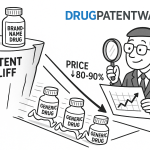
Every pharmaceutical brand team eventually confronts the same uncomfortable math. The active pharmaceutical ingredient patent — the one that covers the molecule itself, the compound that does the work — has a finite life. It was likely filed early in development, possibly before Phase II trials confirmed the drug would ever reach market. By the time the product launches, half the patent term is already spent. By the time it generates real revenue, the clock is running hard.
The API patent is the most visible asset in a brand’s IP portfolio. It is also, paradoxically, the most vulnerable. It is the first target generic manufacturers identify when they file an Abbreviated New Drug Application. It is the claim type most frequently challenged under Paragraph IV certifications. And in the United States, it is the single point of failure that most brand legal teams have spent decades preparing for — often at the expense of building the other three, five, or eight layers of protection that can keep generics out of the market for years after that API patent expires.
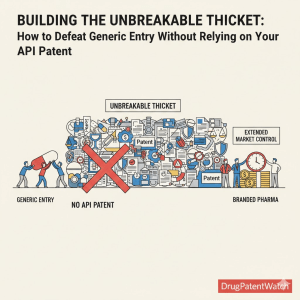
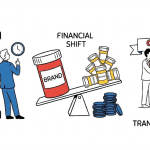
This article is about those other layers. It is about the strategic architecture of a patent thicket that does not depend on the API patent surviving a validity challenge, and that does not collapse the moment a generic filer wins a declaratory judgment on obviousness. It is about how sophisticated pharmaceutical companies have used formulation patents, dosing regimen patents, process patents, device patents, and the complex machinery of FDA regulatory exclusivities to construct portfolios that remain commercially relevant long after the primary compound patent has become a relic.
The companies that have done this well — and there are specific, well-documented examples we will examine at length — have not done it accidentally. They have done it through systematic IP strategy beginning at or before the IND stage, continuing through clinical development, and extending into the post-approval period with a discipline that most companies reserve only for the API itself.
What follows is a practical, detailed account of exactly how to build that portfolio, what types of claims survive generic challenges, which regulatory tools reinforce the patents, and how to read the competitive intelligence data — much of it available through platforms like DrugPatentWatch — that tells you where your thicket is thin and where it is genuinely strong.
Why API Patents Fall First
Before examining what replaces or supplements the API patent, it is worth being precise about why API patents fail. The failure modes are well established and recurring.
The first failure mode is obviousness. A compound that is structurally similar to a prior art molecule — a known pharmaceutical, a research compound published in literature, or a competitor’s earlier patent — faces an obviousness attack under 35 U.S.C. § 103. The generic filer’s expert argues that a skilled medicinal chemist would have been motivated to select the compound and would have had a reasonable expectation of success. Courts have not been uniformly friendly to pharmaceutical companies on this argument. The Federal Circuit’s line of cases from KSR International v. Teleflex onward has made it materially easier to establish obviousness in the life sciences context than it was before 2007.
The second failure mode is prior art disclosure. If the compound was described in a journal article, a conference presentation, or a patent application before the critical date, the patent faces an anticipation challenge. The pharmaceutical industry’s own publication culture — the pressure to publish research, to announce clinical milestones, to present at major conferences — creates prior art that can be used against the API patent years later.
The third failure mode is enablement and written description. For complex biological molecules or compounds with broad structural claims, the question of whether the specification actually enables the full scope of the claims has become a fertile ground for invalidity arguments. The Federal Circuit’s 2021 decision in Amgen v. Sanofi — subsequently affirmed by the Supreme Court in 2023 — made this point with unusual clarity: broad functional claims require broad enabling disclosure.
The fourth failure mode is simply term exhaustion. A compound patent filed at the beginning of clinical development, when the molecule first showed promise, has a twenty-year term from filing. A product that takes twelve years to move through Phase I, II, and III trials, NDA preparation, and FDA review will launch with perhaps eight years of API patent life remaining. Eight years is not enough.
These four failure modes share a common feature: they all operate on the API patent in isolation. They say nothing about whether the formulation is patentable, whether the dosing regimen is obvious, or whether the delivery device is within the prior art. A pharmaceutical company that has built its entire commercial IP strategy around the API patent has essentially placed a single bet. A company that has built a thicket has placed ten or twelve bets, many of which are structurally independent of each other.
The Architecture of a Real Patent Thicket
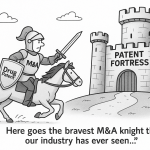
The term “patent thicket” appears frequently in antitrust litigation and academic literature, usually in a pejorative sense, as shorthand for an aggressive IP strategy that prevents competition. That framing is not wrong, but it is incomplete. A patent thicket, from the brand manufacturer’s perspective, is simply a diversified IP portfolio — one in which no single patent’s invalidity is dispositive, and in which the cumulative effect of multiple overlapping rights creates barriers to entry that are expensive, time-consuming, and uncertain for any generic challenger to overcome.
A well-constructed pharmaceutical patent thicket typically rests on four structural pillars. The first is composition claims: the API patent and any related structure patents, including polymorph patents, salt form patents, and prodrug patents. The second is formulation patents: patents covering the specific combination of the API with excipients, delivery systems, or dosage forms that produce the commercial product. The third is method patents: patents covering specific therapeutic uses, dosing regimens, patient population subsets, and treatment protocols. The fourth is process patents: patents covering the manufacturing method, synthetic route, or analytical method used to produce or characterize the drug.
Each pillar has different strengths and different vulnerabilities. Each creates a different type of obstacle for a generic manufacturer. And critically, each requires different timing in the development and prosecution strategy to be effective.
Pillar One: Beyond the Basic Compound — Polymorphs, Salts, and Prodrugs
Polymorph Patents: Misunderstood and Underutilized
A polymorph is a crystalline form of a compound that has a distinct molecular arrangement from other forms of the same compound. Many pharmaceutical compounds exist in multiple polymorphic forms, each with potentially different physical properties: melting point, solubility, stability, bioavailability, hygroscopicity. A drug formulated in Polymorph A may behave quite differently in vivo from the same drug formulated in Polymorph B.
Polymorph patents are among the most contested and most misunderstood patents in the pharmaceutical sector. Critics argue they represent incremental or trivial innovations that extend monopoly pricing without genuine benefit to patients. Defenders point out that identifying and characterizing a stable, bioavailable, manufacturable polymorphic form is genuinely difficult work that requires substantial investment in solid-state chemistry, crystallography, and formulation science.
From a pure IP strategy standpoint, the more important question is whether a polymorph patent is likely to survive a validity challenge. The answer depends heavily on the disclosure. A polymorph patent that covers a specific crystalline form characterized by a distinctive X-ray powder diffraction pattern, with data showing that the form has superior stability or bioavailability relative to amorphous or other crystalline forms, is considerably more defensible than a broad polymorph patent that covers “all crystalline forms” of a compound without characterizing their properties.
The case of In re Brimonidine Patent Litigation illustrates the point. The polymorph patents covering brimonidine tartrate Polymorph II survived initial challenge partly because the patentee had gathered substantial characterization data during development and had a compelling story about why that specific form was non-obvious to a skilled formulator. Contrast this with numerous cases where polymorph patents have failed because the specification was thin on characterization data and the claims were written too broadly.
The practical implication is clear: polymorph patents need to be filed with the same rigor as API patents, and they need to be filed at the right time — ideally during formulation development, when the specific form being used in the commercial product has been identified and characterized, and not before.
Salt Form Patents: The Underappreciated Layer
The pharmaceutical salt of an active compound is frequently patentable separately from the free-base or free-acid compound itself. A salt form patent covers a specific ionic form of the compound — the hydrochloride salt, the mesylate, the succinate, the sodium salt — that is distinct from other ionic forms. Salt selection is a non-trivial pharmaceutical science problem: the “correct” salt affects solubility, stability, crystallinity, bioavailability, and manufacturability, and selecting it requires systematic screening and characterization.
Salt form patents filed on the specific pharmaceutically preferred salt used in the commercial product can provide meaningful protection even after the API compound patent expires, because any generic manufacturer seeking to use a different salt would face both a potential infringement issue (if they use the same salt) and a reformulation challenge (if they try to use a different one). The latter problem is not trivial: switching salts requires new bioequivalence data, new formulation development, and potentially new NDA filings.
Data from DrugPatentWatch shows that salt form patents are among the most commonly listed in the FDA Orange Book for major branded drugs, and they frequently survive Paragraph IV challenges in district court proceedings. This is partly because the claimed combination of API and specific salt form is often genuinely novel and non-obvious — particularly when the salt form was selected from a large screening panel — and partly because generic manufacturers face a strategic dilemma: if they design around the salt, they need different formulation development; if they challenge the patent, they face litigation risk.
Prodrug Patents: A Separate Layer of Molecular Protection
A prodrug is an inactive compound that is metabolized in vivo to the active pharmaceutical ingredient. Prodrugs are used to improve oral bioavailability, reduce local toxicity, extend duration of action, or enable targeted delivery to specific tissues. They represent a distinct intellectual property layer because the prodrug molecule is structurally different from the active metabolite.
The prodrug patent protects the specific molecular entity that is actually administered to the patient — the molecule that appears in the formulation, the molecule that is manufactured, the molecule that is controlled under the regulatory approval. Even if the API patent on the active metabolite expires or is invalidated, the prodrug patent remains intact and covers the commercially administered product.
Prodrug patents have been used with particular effectiveness in the antiviral and neurological therapeutic areas. The patent history of sofosbuvir (Sovaldi, Harvoni) includes prodrug patents that provided protection for the specific phosphoramidate prodrug molecule separate from any patent on the nucleotide analog active metabolite. Tenofovir alafenamide (TAF), marketed in Descovy and Biktarvy, is covered by prodrug patents distinct from the patents on tenofovir itself, the older antiretroviral compound from which TAF is derived.
The key insight is that prodrug patents shift the question from “is this active compound patentable?” to “is this specific prodrug design patentable?” These are different questions with potentially different answers. A prodrug designed to improve the delivery or safety profile of an existing molecule can be genuinely novel even when the underlying active compound is well known.
Pillar Two: Formulation Patents — Where the Real Defense Lives
Why Formulation Patents Are the Workhorse of Long-Term Brand Protection
If the API patent is the first target for generic challengers, the formulation patent is often the last line of defense — but it is also, when well constructed, one of the hardest to defeat. A formulation patent does not claim the molecule. It claims the specific combination of the molecule with excipients, delivery systems, release mechanisms, or physical presentations that produce the commercial drug product. Because generic manufacturers must file ANDAs that demonstrate bioequivalence to the reference listed drug, and because bioequivalence to the reference formulation is often easiest to achieve by replicating that formulation, formulation patents create a genuine dilemma for generic filers: replicate the formulation and risk infringement, or reformulate and risk bioequivalence failure.
The practical power of this dilemma is substantial. Demonstrating bioequivalence is already a demanding regulatory exercise. Demonstrating bioequivalence while simultaneously designing around a formulation patent — without the benefit of the brand manufacturer’s proprietary development data — is considerably more demanding. The generic manufacturer must either take an infringement risk (betting that the formulation patent will not hold up in court) or invest significantly more in reformulation development (betting that they can achieve bioequivalence through a different formulation path).
Extended-Release and Modified-Release Formulation Patents
Extended-release and modified-release formulations are the most commercially significant class of formulation patents, and they have generated more Paragraph IV litigation than any other formulation type. The reason is straightforward: extended-release formulations address unmet medical needs (once-daily dosing, reduced side effects, improved patient adherence), generate substantial prescriber loyalty, and produce branded products that can sustain meaningful price premiums long after the API patent expires.
The patent claims that cover extended-release formulations typically address: the mechanism of release (matrix versus reservoir systems, osmotic systems, polymer-based erosion systems), the specific polymers or excipients used to achieve the desired release profile, the in vitro dissolution profile (defined mathematically as a release curve), and the in vivo pharmacokinetic profile (Cmax, Tmax, AUC relationships) that the formulation produces.
Each of these claim types has different validity and enforceability characteristics. Claims directed to a specific polymer or excipient combination are often narrow but highly defensible — if the generic manufacturer cannot achieve the target release profile without using the claimed polymer, they face a genuine design-around problem. Claims directed to a dissolution profile or pharmacokinetic profile are broader and potentially more powerful, but they face stronger obviousness attacks if the claimed profile parameters are derived from clinical data that was obvious to pursue.
The OxyContin patent history is the most exhaustively studied example of extended-release formulation patent strategy in the pharmaceutical sector. Purdue Pharma’s portfolio included not only the API patent on oxycodone (long expired), but multiple generations of formulation patents covering the specific extended-release matrix technology used in the commercial product. When generics eventually entered the market, the competitive landscape had been shaped by the formulation patent portfolio in ways that persisted for years. The 2010 reformulation to “abuse-deterrent” OxyContin added another generation of formulation patents, re-listing the reformulated product in the Orange Book and triggering a new wave of 30-month stays.
Nanoparticle and Particle Size Patents
Nanotechnology-based drug delivery has generated a significant body of formulation patent law over the past two decades. Patents covering nanoparticle formulations, particle size distributions, and surface modification chemistries have protected major branded products in oncology, anti-infectives, and CNS therapeutics.
The key claim types in nanoparticle patents include: specific particle size ranges (expressed as D50, D90, or volume-weighted mean diameter values), surface modification agents and coating chemistries, manufacturing methods for producing particles within specified size distributions, and in vitro/in vivo correlations between particle characteristics and bioavailability.
The nanoparticle patent litigation around Abraxane (nab-paclitaxel) illustrates how these patents function in practice. The patents covering the albumin-bound paclitaxel nanoparticle technology were not primarily directed to paclitaxel itself — paclitaxel had been off patent for many years. They were directed to the specific technology for binding paclitaxel to albumin nanoparticles, the resulting particle size characteristics, and the manufacturing process for producing a stable nanoparticle suspension. Generic manufacturers seeking to file ANDAs for a generic version of Abraxane faced both the technical challenge of replicating the nanoparticle technology and the IP challenge of doing so without infringing multiple formulation and process patents.
Drug-Device Combination Formulation Patents
For inhaled drugs, injectable biologics, transdermal patches, and nasal sprays, the “formulation” is inseparable from the device used to deliver it. Drug-device combination patents cover the specific integration of drug and delivery device and can provide IP protection that is quite distinct from the underlying compound claims.
The inhaled respiratory drug market is perhaps the clearest example of this principle. Patents covering the specific combination of a beta-agonist or corticosteroid with a dry powder inhaler or pressurized metered-dose inhaler device have protected major respiratory franchises for substantial periods beyond the API patent term. GlaxoSmithKline’s Advair Diskus portfolio, AstraZeneca’s Symbicort portfolio, and multiple Boehringer Ingelheim respiratory products have all relied substantially on device-combination patents.
The regulatory dimension is equally important: the FDA requires that generic manufacturers seeking approval for a generic version of a combination drug-device product demonstrate not only pharmaceutical equivalence and bioequivalence, but also device equivalence — showing that the generic device delivers drug to the patient’s lungs with comparable efficacy. This requirement creates an additional non-patent barrier to generic entry that operates in parallel with the IP portfolio.
Pillar Three: Method of Use and Dosing Regimen Patents
The Power and Limits of Method Patents
Method of use patents cover specific therapeutic applications of a compound — the use of Compound X to treat Disease Y — rather than the compound itself or the formulation in which it is administered. They are issued under 35 U.S.C. § 101 and are generally patentable subject matter so long as the method produces a tangible, specific, and useful result.
In the Hatch-Waxman framework, method of use patents create a specific type of generic challenge. Under 21 U.S.C. § 355(j)(2)(A)(viii), a generic applicant can file a “Section viii carve-out” — an ANDA that seeks approval only for uses not covered by the listed method of use patents, with corresponding label carve-outs that delete the patented indications from the proposed generic label. A successful Section viii carve-out allows the generic to enter the market without triggering a 30-month stay or requiring an invalidity challenge to the method patent.
The Section viii carve-out is a significant limitation on the commercial power of method patents — but it is not a complete nullification. If the carved-out label makes it impossible to market the generic for its primary commercial use, the Section viii carve-out may not be commercially viable, and the method patent may effectively function as a market exclusivity device. The FTC and the courts have spent considerable time examining when label carve-outs are sufficient to permit generic competition and when they leave method patents in a position to block entry.
The AstraZeneca litigation over Nexium’s method of use patents for treating gastroesophageal reflux disease illustrates both the power and the limits of method patents as a commercial defense. The brand had multiple method of use patents covering specific dosing regimens and patient populations, which complicated the generic approval process but did not ultimately prevent generic entry once the core composition patents expired.
Dosing Regimen Patents: Genuinely Non-Obvious and Genuinely Valuable
Dosing regimen patents cover specific protocols for administering a drug: the dose amount, the dosing frequency, the route of administration, the treatment duration, the patient population subset for which the regimen is optimized. These patents have been among the most hotly contested in pharmaceutical IP over the past decade, partly because they can be genuinely non-obvious (a specific dosing schedule that produces unexpectedly superior efficacy or safety outcomes requires real clinical work to discover), and partly because they are among the most directly commercially relevant claims in a portfolio.
The non-obviousness question for dosing regimen patents often turns on whether the claimed regimen represents a “routine optimization” of known dosing parameters or whether it reflects a genuinely unexpected result. Courts have gone both ways on this question, and the outcome depends heavily on the specific evidence presented about the state of the art at the time of invention.
Gilead Sciences’ patent portfolio on sofosbuvir-containing regimens for hepatitis C included dosing regimen patents covering the specific 400 mg once-daily dose used in the commercial product, the treatment duration of 12 weeks, and the combination with ribavirin or other agents for specific genotypes. These patents were litigated extensively in the United States and internationally, with mixed outcomes depending on the jurisdiction and the specific claims at issue.
The practical lesson for brand manufacturers is that dosing regimen patents need to be filed during clinical development, when the specific dose and regimen being tested are identified, with experimental data supporting the non-obviousness of the claimed parameters. A post-approval patent application claiming a dosing regimen that is simply “what the clinical trials showed worked” is more vulnerable to obviousness attack than an application filed during Phase II when the specific regimen was identified as unexpectedly superior.
Patient Population Subset Patents
A patient population subset patent covers the use of a drug in a specific, clinically defined patient subgroup: patients with a particular genetic variant, patients with a specific comorbidity, patients who are treatment-naive versus treatment-experienced, pediatric patients. These patents can be extremely valuable when the brand manufacturer’s label is substantially directed at the subset and when generic manufacturers seeking to carve out the patented indication would be left with a commercially unviable label.
The development of companion diagnostics has created a new category of patient population subset patent opportunities. A drug approved with a companion diagnostic — approved specifically for patients who test positive for a specific biomarker — is by definition being used in a patient population defined by a diagnostic test. Patents covering the combination of the drug with the diagnostic test, or covering the specific therapeutic use in biomarker-positive patients, can provide significant IP protection that is structurally independent of the API patent.
Roche’s Herceptin (trastuzumab) franchise and the associated HER2 testing patents represent an early example of this strategy. More recent examples include the EGFR mutation-positive lung cancer treatments (erlotinib, gefitinib, osimertinib) where patents on the specific use in EGFR mutation-positive patients represent a distinct IP layer from the underlying compound claims.
Treatment Outcome Patents
A relatively recent and contested category of method patents covers not just the therapeutic use of a drug, but a specific clinical outcome that the drug is demonstrated to achieve — reducing hospitalizations, improving progression-free survival, preventing disease recurrence at a specified rate. These “treatment outcome” patents have been filed increasingly as brand manufacturers seek to protect clinical development investments that demonstrate novel efficacy endpoints.
The legal status of treatment outcome patents is not fully settled. They face challenges on patentable subject matter grounds (are they claiming a natural phenomenon or a law of nature?), on obviousness grounds (if it was obvious to test the drug in this population, is the outcome itself patentable?), and on written description grounds (does the specification adequately describe the claimed outcome?). But when they survive these challenges, they can provide a layer of protection that goes directly to the commercial use case that drives prescribing, and that makes Section viii carve-outs nearly impossible without making the generic label commercially useless.
Pillar Four: Process Patents and Manufacturing Exclusivity
Why Process Patents Survive API Patent Expiry
A process patent covers the specific method used to manufacture a pharmaceutical compound, formulation, or drug product — the synthetic route, the reaction conditions, the purification method, the crystallization protocol, the quality control analytical method. Process patents are often dismissed as less commercially significant than composition or method patents, but this view underestimates their strategic value in the Hatch-Waxman context.
Under 35 U.S.C. § 271(g), importing or selling a product made by a patented process constitutes infringement — even if the product itself is not patented. This provision extends the reach of process patents to cover generic drug products manufactured abroad by methods that practice the patented process. Given that the vast majority of generic pharmaceutical API manufacturing occurs in India and China, process patents can create genuine barriers to entry for generic products manufactured using the patented synthetic route.
The strategic implication is that brand manufacturers should file process patents not only on their own preferred synthetic route, but on the most commercially viable alternative routes that a generic manufacturer might choose to use. If there are three plausible synthetic routes to the API, and two of them are covered by process patents, a generic manufacturer is limited to the third route — which may be more expensive, less reliable, or less scalable.
The Pfenex Decision and API Process Patents
The litigation around process patents in the generic pharmaceutical context has produced important precedent on the scope of § 271(g) protection and the conditions under which process patent holders can prevent importation of drugs made by infringing processes. Courts have grappled with questions about when a patented process is so far removed from the final drug product — particularly when the API is subsequently formulated into a tablet or capsule — that the drug product is no longer “made by” the patented process within the meaning of § 271(g).
The practical implication is that process patent protection is most reliable when the claimed process relates to the most proximate step in drug product manufacture — tablet manufacture, final dosage form preparation, or product-specific quality control — rather than a remote upstream step in API synthesis. Brand manufacturers should map their process patent portfolio against the full manufacturing chain and identify which process steps are sufficiently proximate to the final drug product to benefit from § 271(g) protection.
Analytical Method Patents: The Overlooked Layer
A specific subcategory of process patents that is frequently overlooked covers the analytical methods used to characterize the drug product — the specific NMR methodology used to confirm compound identity, the HPLC method used to measure purity, the dissolution testing method used to characterize release rate, the crystallographic method used to confirm polymorphic form.
Analytical method patents are not listed in the Orange Book and do not trigger 30-month stays. But they can create meaningful barriers to generic development for a different reason: a generic manufacturer seeking to demonstrate bioequivalence to the reference listed drug must often use the same analytical methods that the brand manufacturer uses. If those methods are patented, the generic manufacturer faces either a licensing need or a design-around requirement.
The commercial significance of this point should not be overstated — analytical method patents are rarely the central pillar of a defense strategy — but in a thicket context, they add one more layer that a generic manufacturer must navigate.
The Regulatory Architecture That Amplifies Patent Protection
Orange Book Listing Strategy: The Foundation of 30-Month Stays
The Orange Book — formally the FDA’s “Approved Drug Products with Therapeutic Equivalence Evaluations” — is the mechanism through which patent protection is translated into regulatory delay. Under the Hatch-Waxman Act, a brand manufacturer must list all patents that “claim” the approved drug or a method of using the drug in the Orange Book within thirty days of patent issuance. When a generic manufacturer files a Paragraph IV ANDA challenging a listed patent, and the brand manufacturer files suit within forty-five days, an automatic 30-month stay of generic approval is triggered.
The Orange Book listing strategy is the critical tactical layer that converts a patent portfolio into actual delay of generic entry. A brand manufacturer with fifteen patents in its portfolio but only three listed in the Orange Book receives 30-month stays from challenges to those three patents. A manufacturer with fifteen patents all properly listed receives 30-month stays from challenges to any of them — and if the challenges are staggered across different ANDAs or different Paragraph IV certification amendments, the stays can accumulate.
The listing eligibility rules matter enormously here. Under 21 C.F.R. § 314.53, a patent is eligible for Orange Book listing if it claims the “drug substance” (the API), the “drug product” (the formulation), or a “method of using” the drug for which the NDA applicant received FDA approval. Process patents are not eligible. Metabolite patents are generally not eligible. Polymorph patents can be listed if they claim the specific polymorphic form present in the approved product. Salt form patents can be listed if the specific salt form is what is approved.
Getting the listing decisions right is not a trivial exercise. It requires close coordination between the regulatory team (which understands what was actually approved), the IP team (which understands what each patent claims), and the litigation team (which understands how courts have interpreted listing eligibility in recent cases). Missteps — listing patents that do not qualify, or failing to list patents that do qualify — have serious consequences. Improper listing can expose the brand manufacturer to antitrust liability (as Allergan and other companies have discovered), while missed listings forfeit the 30-month stay protection. <blockquote>”Pharmaceutical companies spend an average of $2.6 billion to develop and bring a new drug to market, and patent protection is the primary mechanism through which they recoup that investment. A single 30-month stay, if it delays generic entry by even 6 months, can preserve hundreds of millions of dollars in brand revenues for a major product.” — Congressional Budget Office, “Competition and the Cost of Medicare Part D’s Prescription Drug Benefit,” 2014</blockquote>
The 30-Month Stay as a Commercial Weapon
The 30-month stay is one of the most powerful commercial tools in the pharmaceutical brand manufacturer’s arsenal — but only if the brand has patents eligible for listing, and only if the brand files suit promptly after receiving the Paragraph IV notification. The stay operates automatically once suit is filed; there is no need to seek a preliminary injunction, and there is no requirement to demonstrate likelihood of success on the merits. The stay is a statutory right that attaches upon filing.
The commercial implications of a 30-month stay on a billion-dollar product are straightforward: if the generic would have entered the market at the expiry of the API patent, a 30-month stay delays that entry by 30 months, preserving brand revenues during that period. For a product generating $1 billion per year, 30 months of preserved revenue at the brand price represents $2.5 billion in retained sales that would otherwise have been eroded by generic competition.
The stay can be shortened if the court enters a judgment of invalidity or non-infringement before the 30 months have elapsed, but from the brand manufacturer’s perspective, even a 12-month stay is commercially significant. And if the brand wins on even one listed patent, generic entry is blocked until that patent expires — which may be years beyond the 30-month stay period.
Pediatric Exclusivity: Six Months of Free Market Protection
The Pediatric Research Equity Act and the Best Pharmaceuticals for Children Act together create a system of pediatric exclusivity that can add six months of market protection to any existing patent or exclusivity period. A brand manufacturer that conducts pediatric studies under a Written Request from the FDA and submits the results — regardless of whether the studies demonstrate efficacy in pediatric patients — receives a six-month exclusivity extension attached to all existing patents on the drug, effectively pushing generic entry back by six months.
The pediatric exclusivity calculation is simple but powerful. For a product generating $2 billion per year, six months of pediatric exclusivity preserves $1 billion in revenues that would otherwise be subject to generic competition. The cost of conducting the pediatric studies is typically in the range of $5 to $50 million. Even at the high end, the return on investment from pediatric exclusivity is measured in hundreds of percent.
The pediatric exclusivity program was designed to incentivize pediatric research, and it works as designed — brand manufacturers conduct pediatric studies not purely out of altruism, but because the commercial return is compelling. The IP strategy implication is clear: any brand manufacturer with a product in the pediatric exclusivity eligibility window (a drug approved for an adult indication with any remaining patent or exclusivity protection) should evaluate whether to request a Written Request and conduct the necessary studies.
Five-Year New Chemical Entity Exclusivity: The Non-Patent Protection Layer
When the FDA approves a new drug that contains an active moiety never previously approved, the brand manufacturer receives five years of regulatory exclusivity under 21 U.S.C. § 355(j)(5)(F)(ii). During this five-year period, no ANDA or 505(b)(2) application for a generic version of the drug can be submitted to the FDA. This exclusivity operates entirely outside the patent system — it is a regulatory right, not a legal one — and cannot be challenged through Paragraph IV proceedings.
Five-year NCE exclusivity has an important structural characteristic: even though no ANDA can be submitted during the five-year period, a Paragraph IV ANDA can be submitted in the last year of the exclusivity period (i.e., after four years), with approval conditioned on the expiry of the five-year exclusivity. This means that at the five-year mark, a generic may have already completed the entire ANDA review process and be ready to launch immediately.
For thicket strategy purposes, the five-year NCE exclusivity should be viewed as a bridge — a period during which the brand team has time to build out the formulation, method, and process patent portfolio that will extend protection beyond the initial period. A product that launches with only NCE exclusivity and no formulation or method patents is commercially vulnerable to generic entry on the day the exclusivity expires.
Three-Year New Clinical Investigation Exclusivity
For supplemental applications supported by new clinical investigations essential to approval — new indications, new dosing regimens, new patient populations, new formulations — the FDA grants three years of exclusivity on the new aspect of the approval. This “3-year exclusivity” is narrower than NCE exclusivity (it applies only to the specific change supported by the new clinical data, not to the entire drug), but it is a meaningful layer of protection for brand manufacturers who pursue new indications or formulation improvements post-approval.
A brand manufacturer who obtains approval for a new extended-release formulation, supported by new bioavailability studies, receives three years of exclusivity on that formulation during which no ANDA for a generic version of the extended-release formulation can be submitted. If the brand simultaneously has Orange Book-listed formulation patents covering the extended-release formulation, the combination of the three-year exclusivity (preventing ANDA submissions) and the formulation patents (triggering 30-month stays if an ANDA is eventually filed) can provide a commercially robust protection period extending well beyond the API patent.
REMS: Regulatory Barriers That Outlast Patents
A Risk Evaluation and Mitigation Strategy is an FDA-required program for drugs whose benefits outweigh their risks only when specific measures are taken to manage those risks. REMS programs range from simple medication guides to complex Elements to Assure Safe Use (ETASU) programs that require patient registries, prescriber certification, and restricted distribution networks.
REMS programs are not, strictly speaking, IP protection — they are regulatory requirements imposed for patient safety reasons. But they function as substantial barriers to generic entry because generic manufacturers must demonstrate the ability to implement a shared REMS or an equivalent REMS before receiving FDA approval. When a brand manufacturer has a complex REMS with restricted distribution, negotiating shared access to the REMS infrastructure — or designing an equivalent restricted distribution system — can add years to the generic development timeline.
The FTC has brought actions against brand manufacturers who have used REMS programs as pretexts for withholding samples from generic competitors, preventing the generic development process from moving forward. These actions have led to statutory reforms — most importantly, Section 505-1(f)(8) of the FDCA, which prohibits brand manufacturers from using REMS as a tool to block sample access for bioequivalence testing. But the legitimate complexity of a REMS program, independent of any sample-withholding conduct, remains a genuine barrier to generic entry.
The commercial implication for brand manufacturers is nuanced. A REMS program imposed by the FDA because the drug has serious safety concerns is not a strategic choice — it is a regulatory requirement. But the brand manufacturer’s approach to managing and implementing the REMS can be handled in ways that either facilitate or complicate generic entry, and the design of the REMS documentation and operational requirements is a legitimate area for IP protection (through patents on the REMS system or process) that can extend the commercial barrier.
Reading the Competitive Intelligence: How to Use Patent Data Strategically
The Landscape Intelligence Problem
Building a patent thicket is not purely a prospective exercise — it requires continuous monitoring of the competitive landscape to understand where your own portfolio is thin, where competitors are filing in adjacent spaces, and where generic manufacturers are targeting your most valuable products.
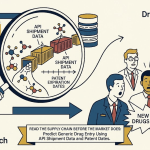
The pharmaceutical patent landscape is publicly accessible through the FDA Orange Book (for approved product patents), the USPTO database (for all issued patents and published applications), and commercial platforms that aggregate and analyze this data. DrugPatentWatch is among the most widely used commercial platforms for this purpose, providing structured data on Orange Book patent listings, ANDA filing activity, Paragraph IV certification history, patent expiry schedules, and litigation outcomes across the pharmaceutical sector.
Using DrugPatentWatch effectively requires understanding what questions to ask and how to interpret the answers. The platform allows users to track patent expiry dates for specific branded drugs, identify which patents have been challenged via Paragraph IV, monitor when generic applicants file ANDAs, and see the litigation history of specific patent listings. For a brand IP team, this data answers questions like: which of our listed patents have been challenged, and which have not? When do our most important listed patents expire? Are generic companies filing ANDAs for our product, and if so, which patents are they certifying against?
Identifying Gaps in Your Own Thicket
A systematic audit of your Orange Book listings against your full patent portfolio is the starting point for identifying gaps. The relevant questions are:
First, which issued patents are not currently listed in the Orange Book, and why not? Some patents may not be eligible for listing (process patents, patents on non-approved indications). But some may be eligible and simply were not listed — possibly because they were issued after the NDA was approved, and the required 30-day listing deadline was missed, or because the listing analysis was incomplete.
Second, which formulation, method, and process patents in your portfolio were filed after the core API patent and are therefore scheduled to expire later? These later-expiring patents are the ones that will matter after the API patent challenge succeeds. If you have no later-expiring listed patents, you have a thicket with no roof.
Third, which patent types are missing entirely? If your portfolio has API, polymorph, and formulation patents but no method of use patents, you have no protection against a Section viii carve-out that allows generic entry on the non-covered uses. If you have no dosing regimen patents, you have no method patent tool to use against generics seeking to practice the specific clinical regimen that drives your prescribing base.
Fourth, where are competitors filing patent applications in your therapeutic area? Patent applications publish eighteen months after filing, and monitoring competitor patent application publications can reveal strategic moves before they mature into issued patents. A competitor filing applications on formulation improvements to a compound you co-market, or on method of use patents for indications you have not yet pursued, is a signal that requires strategic response.
Monitoring Generic ANDA Activity
DrugPatentWatch and similar platforms provide visibility into ANDA filing activity through multiple channels. The FDA’s own website publishes information on ANDA approvals and tentative approvals. The Orange Book lists patents against which Paragraph IV certifications have been filed (indicated by the presence of a “P4” notation). Paragraph IV notification letters, while not publicly filed, are frequently disclosed in brand manufacturers’ SEC filings within the required sixty-day disclosure period.
Monitoring this data allows the brand team to do several things. It allows them to identify when a generic challenge is incoming before the formal litigation deadline — ANDA applicants sometimes signal their intentions through patent application publications that design around specific Orange Book-listed patents. It allows them to assess the quality of the Paragraph IV challenge by identifying which patents are being challenged and what prior art the generic applicant is likely to rely on (often inferable from their own patent application publications and from litigation databases). It allows them to make more informed decisions about which patents are worth litigating aggressively and which should be licensed as part of a settlement.
The typical Hatch-Waxman litigation follows a well-worn path: Paragraph IV notification is received, a 45-day filing decision is made, suit is filed triggering the 30-month stay, the case proceeds through fact discovery, expert witness preparation, claim construction, and Markman hearing, and often settles before trial. The settlement terms — particularly the “authorized generic” date and the “license date” in so-called “reverse payment” settlements — have been the subject of intensive antitrust scrutiny since the Supreme Court’s 2013 decision in FTC v. Actavis.
The 180-Day Exclusivity Calculation
The first generic applicant to file a Paragraph IV ANDA challenging a brand’s listed patents is entitled to 180 days of generic market exclusivity — a period during which the FDA will not approve any subsequent ANDA for the same drug. This 180-day exclusivity is a substantial commercial prize (first generic entrants capture enormous market share during this period) and also functions as a strategic lever for brand manufacturers considering authorized generic strategies.
Understanding which generic companies are likely to be first filers — and when their 180-day exclusivity period will begin and end — is a critical input to brand commercial strategy. If the first filer obtains a license in a settlement and is scheduled to launch an authorized generic on a specific date, the brand team knows when the commercial cliff will arrive, and can plan accordingly. If no settlement is reached and the first filer wins on invalidity, the 180-day exclusivity period is triggered by the final court judgment and begins running immediately.
The commercial decision about whether to settle Paragraph IV litigation — and at what terms — requires modeling the expected value of the litigation outcome against the expected value of settlement. This calculation incorporates the strength of the challenged patents, the litigation track record of the specific claims at issue, the commercial value of the product during the remaining patent life, and the terms available in settlement (particularly the authorized generic date).
Case Studies: The Thicket in Action
Humira: The Most Studied Thicket in Pharmaceutical History
AbbVie’s adalimumab (Humira) patent portfolio has been analyzed more extensively than any other pharmaceutical IP portfolio in history. The drug generated more than $20 billion in annual global revenue at its peak, making it the world’s best-selling pharmaceutical. The IP portfolio protecting it numbered in the hundreds of patents — estimates range from 136 to over 250 depending on how you count families and continuations — and the commercial result was that biosimilar competition was delayed for years beyond what any single patent would have permitted.
The Humira thicket is instructive because it was built deliberately and systematically across multiple dimensions. The core biologics license application (BLA) covered adalimumab as a compound — a human monoclonal antibody targeting TNF-alpha. But the portfolio extended to manufacturing process patents (covering the specific cell culture conditions and purification methods used to produce adalimumab), formulation patents (covering the specific citrate-free formulation introduced in 2016 that reduced injection-site pain), device patents (covering the autoinjector used to administer the subcutaneous injection), and method of use patents covering specific dosing regimens and patient populations across multiple approved indications.
The competitive outcome was striking. U.S. biosimilar competition for Humira was delayed until 2023 — years after European biosimilars launched — partly because of the density of the patent portfolio and partly because negotiating licenses to the full portfolio was sufficiently complex that biosimilar entrants chose to wait for a negotiated market settlement rather than litigate individual patents to invalidity. When biosimilar competition did arrive in 2023, it came as a coordinated wave of multiple products with pre-negotiated licenses rather than as a chaotic free-for-all.
The Humira case also illustrates the legal risk of an extremely dense thicket. The portfolio was the subject of antitrust investigation by the FTC and various state attorneys general, and it has been cited extensively in Congressional discussions of pharmaceutical pricing reform. The regulatory and political risk of extreme thicket strategies is real and should be factored into any commercial IP planning exercise.
Lyrica: Method Patents and Dosing Regimen Defense
Pfizer’s pregabalin (Lyrica) illustrates a different facet of patent thicket strategy: the commercial value of dosing regimen and method of use patents when the API patent is weak or already under challenge.
The pregabalin compound patent was relatively narrow and expired early relative to the product’s commercial lifecycle. But Pfizer had obtained method of use patents covering the specific dosing regimen used for the major indications — the twice-daily 150mg to 600mg dosing schedule for diabetic peripheral neuropathy, the specific regimen for fibromyalgia — as well as patents covering the specific indications themselves.
The litigation that followed the API patent’s expiry focused heavily on whether generic manufacturers could market a bioequivalent pregabalin product for their labeled indications (principally epilepsy, for which the method patents were not an issue) without infringing the dosing regimen and indication patents. The Section viii carve-out question was central: if a generic manufacturer carved out the patented indications, would the remaining label be commercially viable?
The UK courts reached a different conclusion from the US courts on this question, with the UK Supreme Court eventually finding certain Lyrica method patents valid and infringed by generic manufacturers whose products were being dispensed for patented indications despite label carve-outs. The US Lyrica litigation was resolved through settlements that allowed generic entry on terms Pfizer largely controlled, maintaining brand revenue through the exclusivity period.
Tecfidera and the Methyl Fumarate Litigation
Biogen’s dimethyl fumarate (Tecfidera) litigation against generic challengers illustrates the critical importance of formulation and dose patents when the compound itself faces validity challenges.
Dimethyl fumarate as a compound was not novel in the classic sense — it was used for years in Germany as the active ingredient in Fumaderm, a psoriasis treatment. The question of whether Biogen’s Tecfidera formulation and dosing regimen were patentable over the prior art on Fumaderm was the central issue in both USPTO proceedings and district court litigation.
Biogen’s primary defense rested on patents covering the specific delayed-release formulation used in Tecfidera and on the specific dosing regimen (240mg twice daily) demonstrated to be effective for multiple sclerosis — a regimen that was different from the Fumaderm dosing protocol and produced efficacy specifically in the MS patient population. The argument that the MS dosing regimen was non-obvious required clinical data demonstrating that the specific dose and frequency were not derivable by routine optimization of the Fumaderm regimen.
The IPR proceedings at the USPTO went against Biogen on some claims — the PTAB found certain claims invalid over the Fumaderm prior art — and Biogen ultimately settled the litigation with generic manufacturers on terms that preserved commercial brand sales through the most valuable years of the product lifecycle. The case illustrates both the power and the fragility of dosing regimen patents: they can be extremely valuable when they survive validity challenge, and extremely vulnerable when the prior art discloses a related dosing approach.
Forest Labs and the Lexapro Transition: Brand-to-Brand Lifecycle Extension
One of the most commercially successful applications of formulation patent strategy was not a defense against generics but a brand-to-brand transition: Forest Laboratories’ strategy of introducing escitalopram (Lexapro) as the active enantiomer of citalopram (Celexa) before Celexa’s generic entry.
The escitalopram molecule was protected by its own compound patent, filed separately from the citalopram patent. Forest used the period before citalopram’s generic entry to build prescriber and payer preference for Lexapro, relying on the fact that escitalopram had measurably superior efficacy and tolerability data relative to the racemate. When citalopram went generic, a significant portion of the citalopram prescribing base had already transitioned to Lexapro, which remained patent-protected for additional years.
This strategy — sometimes called “evergreening” by critics and “lifecycle management” by practitioners — is most effective when the follow-on product has genuine clinical differentiation. Pure enantiomer switches with no demonstrated clinical advantage have been less successful because prescribers and payers are skeptical of therapeutic superiority claims.
The lesson is that the most sustainable lifecycle extension strategy combines real clinical differentiation with strong IP protection on the new product. A new formulation, dosing regimen, or enantiomer that produces a measurably better patient outcome is both a more defensible IP position and a more durable commercial strategy.
Building the Thicket: A Stage-Gate Framework
Stage One: Pre-IND to IND Filing
The pre-IND stage is the earliest opportunity to make IP decisions that will shape the commercial patent portfolio. At this stage, the key IP activities are: filing a strong composition of matter patent on the API (ideally with broad structural claims supported by species data); beginning polymorph screening and characterization to identify the optimal polymorphic form; identifying the lead salt form through systematic salt screening; and filing provisional applications on any polymorph or salt form discoveries as they occur.
The pre-IND stage is also the time to conduct freedom-to-operate analysis on the target compound and its most likely formulation types. If there is existing IP covering certain formulation approaches (for example, extended-release matrix technology held by a competitor), the IP team needs to know this before the formulation development program defines the commercial product.
Stage Two: Phase I and Phase II
During Phase I and II, the clinical pharmacology data begins to define the dosing parameters for the commercial product — the dose range, the dosing frequency, the pharmacokinetic profile. Each significant PK/PD finding represents a potential patent opportunity. A specific PK relationship (for example, a correlation between plasma concentration and therapeutic effect that supports a specific dosing schedule) may be non-obvious and patentable if it is demonstrated for the first time in Phase II studies.
Phase II is also typically when the formulation work intensifies. As the target dosing regimen is refined, the specific formulation technology needed to achieve the target release profile is identified. Formulation patent applications should be filed as soon as the specific technology is identified and reduced to practice, not after Phase III has confirmed the dosing regimen. The one-year grace period under 35 U.S.C. § 102(b)(1) allows filing up to one year after disclosure, but this grace period is not available in most foreign jurisdictions, and international IP protection requires filing before any public disclosure.
Stage Three: Phase III and NDA Preparation
Phase III generates the bulk of the clinical evidence that can support method of use patents, dosing regimen patents, and patient population subset patents. The IP team should be embedded in the clinical development team during Phase III to identify patentable findings as they emerge from the data.
Specifically: if Phase III data demonstrates unexpected efficacy in a specific patient subgroup, file a continuation or continuation-in-part application on the patient subset patent. If Phase III data confirms a specific dosing regimen that was the subject of a provisional application, convert the provisional to a nonprovisional with claims directed to the specific regimen and the clinical data supporting it. If the Phase III safety monitoring committee identifies an unexpected safety benefit in a subgroup, evaluate whether the safety finding supports a method of use patent.
NDA preparation is also the time to conduct the Orange Book listing analysis. Every patent in the portfolio should be evaluated against the listing eligibility criteria, and the listing applications should be filed within 30 days of patent issuance.
Stage Four: Post-Approval Lifecycle Management
Post-approval, the IP team has several ongoing responsibilities. First, monitoring the Orange Book for ANDA filings and Paragraph IV notifications on the product. Second, prosecuting continuation applications that cover new aspects of the approved product — formulation improvements, new process innovations, new clinical findings from post-marketing studies. Third, filing supplemental NDA applications for new indications or formulations, which trigger new listing obligations and potentially new exclusivity periods.
Post-approval patent prosecution deserves emphasis. The USPTO allows continuation applications to be filed throughout the pendency of any parent application, and continuation-in-part applications allow new matter to be added when new experimental data supports new claims. A well-managed post-approval prosecution strategy can result in patents with claims tailored to the commercial product issuing years after the product’s launch, with expiry dates extending well beyond the initial API patent.
The key constraint is that continuation claims must still be novel and non-obvious over the prior art, including the brand manufacturer’s own prior patents and publications. A continuation application filed three years after the API patent cannot claim the same compound — that would be double patenting. But it can claim a formulation improvement made since the original patent, a new clinical use identified in post-marketing surveillance, or a process improvement made to the manufacturing operation.
The Antitrust Boundary: Where Thicket Building Becomes Risk
The FTC’s Enforcement History
The Federal Trade Commission has brought a substantial number of enforcement actions against pharmaceutical patent strategies that cross from legitimate thicket building into anticompetitive conduct. Understanding where the line is drawn is essential for any brand manufacturer engaged in lifecycle management.
The clearest antitrust risk in the patent thicket context involves product hopping — the practice of introducing a new formulation, a new dosage form, or a new delivery mechanism and withdrawing the old product from the market in a way that forces patients and payers to adopt the new, patent-protected product rather than switching to generics. The New York Attorney General v. Abbott Laboratories action over TriCor is the leading case: Abbvie’s predecessor entity repeatedly changed the TriCor formulation and introduced new Orange Book listings in a pattern that the court found was designed to frustrate generic entry rather than to provide genuine patient benefit.
The reverse payment settlement — also known as a “pay-for-delay” settlement — is the second major antitrust risk area. Under the Supreme Court’s 2013 decision in FTC v. Actavis, a settlement of Hatch-Waxman litigation in which the brand pays the generic (in cash or in other consideration) to delay entry can be challenged under rule-of-reason antitrust analysis. The key question is whether the payment reflects the value of something other than delay — for example, a legitimate license to the brand’s patents, or compensation for the generic manufacturer’s services.
The third antitrust risk area involves Orange Book listings. Listing a patent in the Orange Book that does not qualify for listing — that does not claim the approved drug product or an approved method of using it — exposes the brand manufacturer to antitrust liability when the listing is used to trigger 30-month stays that delay generic entry. The FTC’s action against Allergan over the Restasis patents raised exactly this issue.
Designing an Antitrust-Resilient Thicket
The antitrust-resilient thicket is built on three principles. First, every patent in the portfolio must be valid, enforceable, and actually listed in the Orange Book only if it genuinely qualifies for listing. No paper patents, no listings of process patents or metabolite patents, no Orange Book positions held by patents that claim a compound or method not actually present in or used with the approved product.
Second, any product reformulation should be accompanied by genuine clinical or manufacturing benefit — reduced side effects, improved stability, improved patient convenience — and should not involve voluntary withdrawal of the prior formulation from the market in a way that prevents pharmacists from substituting generics. If the old formulation remains available and generics can be substituted, the reformulation is a competitive action, not an anticompetitive one.
Third, any settlement of Paragraph IV litigation should be structured so that the consideration flowing to the generic manufacturer reflects the value of something other than delay. A license settlement that pays the generic manufacturer to not launch has a very different antitrust profile from a settlement in which the generic manufacturer receives a license on commercially reasonable terms and agrees to launch on a specific date.
International Dimensions: The Thicket Beyond US Borders
Europe: Different Rules, Different Strategy
The European patent system operates under rules that differ from the US system in ways that affect thicket strategy significantly. The European Patent Office grants patents under novelty and inventive step criteria, but European patent law is applied through national courts in each EU member state, and validity challenges to a European patent can be pursued through EPO opposition proceedings (available for nine months after patent grant) or through national court invalidity proceedings.
Several features of the European system affect thicket strategy. First, divisional applications at the EPO can be filed at any time during the prosecution of a parent application, allowing brand manufacturers to pursue multiple patent applications from a single disclosure — but divisional chains must be monitored carefully to ensure unity of invention. Second, Supplementary Protection Certificates (SPCs) are available in EU member states for pharmaceutical products, extending patent protection by up to five years (or up to five and a half years with pediatric extension) to compensate for regulatory approval delays. SPCs are granted at the national level and are an essential component of European IP strategy.
The SPC calculation is straightforward: the SPC term is the period between the filing date of the patent application and the grant of the first marketing authorization for the product in the EU, minus five years. For a drug approved ten years after the patent was filed, the SPC provides five years of additional protection (ten years minus five years equals five years of SPC term). The maximum SPC term is five years, and the pediatric extension adds six months to the SPC term.
SPCs are granted only on the marketing authorization for the specific product — they protect the approved active ingredient, not the formulation or the process. This means that the SPC strategy is focused on the compound, and the formulation and method patent strategy must be managed separately.
Japan and Asia-Pacific: Patent Term Extensions and Local Filing Strategy
Japan has its own pharmaceutical patent extension system, providing up to five years of patent term extension for drugs that required regulatory approval time. Japanese patent extensions are calculated differently from US patent term extensions and SPCs, and the specific Japanese requirements must be addressed in the local patent strategy.
China has become an increasingly important jurisdiction for pharmaceutical patent strategy following its 2021 reforms to the patent system and the introduction of a Hatch-Waxman-style linkage system for drug patent protection. The Chinese drug patent linkage system — implemented through regulations from the National Medical Products Administration and the China National Intellectual Property Administration — requires that NDA applicants for generic drugs certify whether the product infringes listed patents. This system creates, for the first time in China, a mechanism through which pharmaceutical patent holders can seek court stays of generic approvals.
The practical implication for US-centric brand manufacturers is that international patent filing strategy needs to be evaluated on a jurisdiction-specific basis, with different thicket architectures appropriate for different markets depending on the local patent law, regulatory system, and generic market structure.
What Generic Companies Actually Do to Beat Thickets
Understanding the generic industry’s strategies for overcoming patent thickets is essential for any brand IP team. The generic industry has developed systematic approaches for each type of patent.
Against API and polymorph patents, the primary tools are IPR petitions at the USPTO (which have a higher invalidity rate than district court proceedings) and obviousness challenges based on structural similarity to prior art compounds. Against formulation patents, the primary tools are design-around approaches (reformulating to avoid the specific claims) and invalidity challenges based on routine formulation science. Against method patents, the primary tool is Section viii carve-out — simply excluding the patented indications from the label and arguing that the remaining label is commercially viable.
The most sophisticated generic strategy combines several of these tools. A generic company will file an IPR on the API patent, simultaneously file an ANDA with Section viii carve-outs for the method patents, and negotiate separately for a license to any formulation patents it believes will survive challenge. This combination maximizes the generic’s chances of achieving market entry while minimizing the patent litigation exposure.
The brand manufacturer’s response to this combination approach requires all the layers of the thicket to function independently. If the IPR invalidates the API patent, the formulation and method patents must be capable of standing alone. If the Section viii carve-out excludes the patented indications, the brand must be prepared to argue that the carved-out label is not commercially viable — or to pursue infringement claims based on induced infringement from generic prescribing that inevitably occurs for patented indications.
The induced infringement argument has been developed most fully in the Hatch-Waxman context by the Federal Circuit’s decisions in AstraZeneca LP v. Apotex Corp. and subsequent cases. The argument is that even when a generic manufacturer carves out a patented indication from its label, prescribers routinely prescribe the generic for the patented indication (because the brand’s prescribing base includes patients with the patented indication), and the generic manufacturer’s knowledge that this will occur means it is inducing infringement of the method patent.
The induced infringement argument is not universally successful — it requires specific facts about the degree to which the patented indication drives the prescribing base — but it is a meaningful tool that prevents the Section viii carve-out from being a complete workaround for commercially significant method patents.
The ROI Calculus: How Much Does a Thicket Cost, and What Does It Return?
The Investment Side
Building a comprehensive patent thicket requires investment across several dimensions. Patent prosecution costs for a full thicket portfolio — comprising a dozen or more patent families with US and international filings — typically range from $2 to $5 million in outside counsel fees over the development period, plus the internal IP team costs. This estimate includes initial filings, examination responses, continuation prosecution, and foreign national phase filings.
Regulatory exclusivity investments have their own cost structure. Pediatric studies conducted under a Written Request might cost $5 to $30 million depending on the indication and the study design requirements. New clinical investigations supporting supplemental NDA applications — the basis for three-year exclusivity — typically cost $20 to $100 million or more depending on the study size and regulatory requirements.
Orange Book maintenance, monitoring, and Hatch-Waxman litigation represent ongoing costs. Hatch-Waxman litigation is expensive — a full-scale patent trial can cost $10 to $30 million in legal fees per side — but the brand manufacturer’s litigation investment is typically offset by the commercial value of the 30-month stay, which operates during the litigation period regardless of outcome.
The Return Side
The return on thicket investment is most straightforwardly calculated as the incremental brand revenue preserved by each additional year of market exclusivity. For a product generating $500 million per year in US net sales, one year of delayed generic entry is worth approximately $400 to $450 million in retained revenue (after accounting for the price erosion that begins at generic entry, which typically reduces brand prices by 10 to 15% once generic competition intensifies).
The specific value of each layer of the thicket depends on how many other layers remain intact. A formulation patent that provides the final six months of market exclusivity — after the API patent, polymorph patent, and dosing regimen patents have all been invalidated or settled — may be worth several hundred million dollars. The same patent, as the second of four overlapping layers, may provide “insurance” value rather than discrete commercial value — its worth lies in the probability that it would become the final barrier if the other layers fell.
Sophisticated commercial teams model the thicket value probabilistically, assigning each patent or exclusivity period a probability of surviving challenge and calculating the expected value of the portfolio as the probability-weighted sum of the revenue preserved by each layer. This calculation allows the IP investment budget to be allocated efficiently — spending more on prosecuting and defending the patents with the highest expected commercial value, and less on thin or vulnerable layers.
Key Takeaways
The strategic architecture for defeating generic entry without relying solely on the API patent rests on building multiple independent layers of IP protection that remain commercially valuable even after the compound patent is invalidated or expires.
Formulation patents — covering extended-release systems, specific excipient combinations, nanoparticle technologies, and drug-device combinations — are the most commercially robust defense layer because generic manufacturers seeking bioequivalence to the reference listed drug face a genuine dilemma: replicate the formulation and risk infringement, or reformulate and risk bioequivalence failure.
Method of use and dosing regimen patents provide independent grounds for 30-month stays and induced infringement claims, though they are vulnerable to Section viii carve-outs for commercially marginal indications. Their value is highest when the patented indication or regimen drives the majority of prescribing for the product.
Process patents extend protection to the manufacturing chain, and under § 271(g) can cover imported generic products made by infringing processes — but their commercial strength depends on proximity to the final drug product and the availability of non-infringing alternative manufacturing routes.
Orange Book listing strategy is the mechanism that converts the patent portfolio into regulatory delay. Proper listing of every eligible patent, timely filing, and clean compliance with listing eligibility requirements are essential. Improper listings create antitrust risk that can more than offset the commercial benefit.
Regulatory exclusivities — NCE exclusivity, three-year new clinical investigation exclusivity, pediatric exclusivity, and SPCs in Europe — operate entirely outside the patent system and cannot be challenged through Paragraph IV proceedings. They provide the most legally certain form of market exclusivity and should be maximized in parallel with the patent portfolio.
The generic industry’s counterstrategy combines IPR petitions, Section viii carve-outs, and design-around reformulation. A robust thicket requires that each pillar be capable of standing independently, so that even if the generic’s combined strategy defeats two or three layers, the remaining layers provide commercially meaningful protection.
Intelligence platforms like DrugPatentWatch provide brand IP teams with the data they need to identify gaps in their own portfolio, monitor ANDA filing activity, and anticipate the timing and structure of generic challenges before formal notification is received.
The antitrust boundary for thicket strategies is defined by validity, listing eligibility, and settlement structure. A thicket built on valid, properly listed patents, defended in litigation without improper reverse payments, withstands antitrust scrutiny. A thicket built on weak patents, improper listings, or large cash payments to delay generic entry does not.
Frequently Asked Questions
Q1: Can a brand manufacturer file new Orange Book-listed patents after a Paragraph IV ANDA has already been filed for its product?
Yes — and this is a significant strategic tool often underutilized. If a new patent issues after an ANDA is filed, the brand manufacturer must list it in the Orange Book within 30 days of issuance. The ANDA applicant must then certify to the new patent — either by stating it will not infringe (Paragraph III), that the patent is invalid or will not be infringed (Paragraph IV), or through a Section viii carve-out. A new Paragraph IV certification triggers a new 45-day filing period for the brand and a new 30-month stay if suit is filed. This is exactly why post-filing continuation prosecution, aimed at obtaining claims tailored to the commercial product, can be commercially valuable. The Federal Circuit has confirmed this mechanism is legitimate in multiple cases, though courts have scrutinized brand manufacturers who file continuation claims that appear to be directed primarily at generating new 30-month stays rather than protecting genuine innovations.
Q2: How does the “safe harbor” for generic drug development under Hatch-Waxman affect the timing of when brand manufacturers can enforce their patents?
Section 271(e)(1) of the Patent Act creates a safe harbor for activities “reasonably related” to developing information for submission to the FDA. This means that generic manufacturers conducting bioequivalence studies, developing and testing formulations, and submitting ANDA data are not liable for patent infringement during the development phase — regardless of whether those activities involve making, using, or selling a patented compound or formulation. The practical implication for brand manufacturers is that they cannot assert patent claims to prevent a generic company from developing a competing product; they can only assert those claims once the generic company submits its ANDA or seeks FDA approval. The safe harbor effectively gives generic manufacturers a development runway that the brand cannot close. The brand manufacturer’s recourse is to ensure that the commercial product — not the development activity — is the target of robust patent protection.
Q3: What is the difference between a “weak” patent thicket that creates antitrust risk and a “strong” thicket that is commercially sustainable?
The distinction turns on three factors: validity, listing eligibility, and commercial purpose. A weak thicket includes patents that were issued despite prior art that should have prevented grant, patents listed in the Orange Book despite not actually claiming the approved product or an approved use, and continuation applications filed primarily to generate new 30-month stays rather than to capture genuine innovations. Courts and the FTC have characterized portfolios with these features as anticompetitive. A strong thicket includes patents that represent genuine innovations — novel formulations that provide measurable clinical benefit, dosing regimens identified through real clinical research, manufacturing processes that represent meaningful advances — all properly listed and defended in legitimate litigation. The commercial sustainability of a strong thicket also depends on the brand manufacturer’s ability to explain the patient benefit of each layer of protection, because the public, political, and regulatory scrutiny of pharmaceutical patent strategies is intense.
Q4: How do biosimilar thickets differ from small-molecule patent thickets, and what specific strategies apply to biologics?
Biologics operate under the Biologics Price Competition and Innovation Act (BPCIA) rather than Hatch-Waxman, and the patent dance procedures under 42 U.S.C. § 262(l) create a different framework for patent dispute resolution. In biologics, the “thicket” equivalent is built around manufacturing process patents (which cover the specific fermentation conditions, purification methods, and quality control protocols used to produce the biologic), formulation patents (covering the specific stabilizing excipient combinations, pH conditions, and lyophilization protocols used in the drug product), and device patents (covering the auto-injector, pre-filled syringe, or vial used to administer the biologic). Compound patents on biologics are often narrower than small-molecule composition claims because the biologic’s structure is defined by its amino acid sequence, which is typically in the public domain once the sequence is published. The Humira example illustrates how manufacturing and formulation patents can be the primary commercial defense for a biologic well after any compound-level protection has expired or been challenged.
Q5: What role does international patent filing strategy play in a US-centric pharmaceutical company’s thicket, and which jurisdictions are most important?
For a US pharmaceutical company, the international patent portfolio matters commercially in proportion to the revenue generated in each market. The five most commercially important non-US jurisdictions are typically the EU (accessed through the European Patent Office plus national validation), Japan, China, Canada, and Australia. Each has its own filing requirements, patent term extension mechanisms, and generic regulatory linkage rules. The EU’s SPC system is the most commercially significant international IP tool after US patent protection — a five-year SPC on a major product can preserve hundreds of millions of dollars in European revenue. Japan’s patent term extension system provides similar protection in the Japanese market. China’s newly implemented drug patent linkage system is creating new opportunities for enforcing pharmaceutical patents against generic entrants in the Chinese market, making Chinese patent prosecution increasingly commercially important. The priority filing date established by a US provisional application can be used to claim the benefit of the international filing deadline under the Paris Convention, provided that PCT or national phase applications are filed within 12 months of the provisional.
This article is for informational purposes only and does not constitute legal advice. Patent strategy decisions should be made in consultation with qualified patent counsel experienced in pharmaceutical IP.