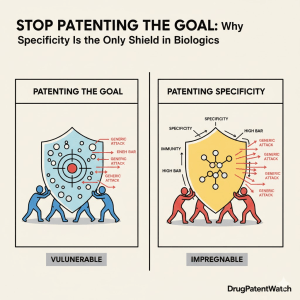
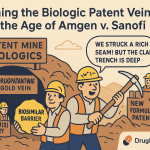
Biologic drug developers have spent decades trying to own entire therapeutic concepts. Claim the mechanism. Claim the target. Claim every antibody that could possibly bind to it. The strategy made intuitive sense when the science was young and courts were deferential: if you discovered that blocking PCSK9 lowers LDL cholesterol, why not claim every molecule that could accomplish that feat?
The answer arrived in May 2023 at the United States Supreme Court, and it was unambiguous. Amgen Inc. v. Sanofi, 598 U.S. 594, dismantled the logic of functional genus claiming in a single unanimous opinion. Eight justices looked at Amgen’s attempt to own every antibody that binds to a particular region of PCSK9 and blocks its interaction with LDL receptors, and they said: you have to describe what you actually invented, not what you hoped the field might one day discover.
That ruling confirmed what sophisticated patent practitioners had been warning about for years. In biologics, broad functional claims are not aggressive IP strategy. They are deferred litigation losses. The only durable protection in this space is specificity — precise sequence data, detailed structural characterization, clearly bounded claim sets — and the pharmaceutical companies that have internalized this lesson are building patent portfolios that can actually survive challenge.
This article dissects why specificity is not just a regulatory compliance exercise but a commercial imperative. It covers the science, the case law, the prosecution strategies, the biosimilar threat landscape, and the business math of getting biologic patent claims right from day one.
What “Patenting the Goal” Actually Means
Before the legal framework, let’s establish the conceptual problem.
A biologic drug is a large, structurally complex molecule — typically a protein, antibody, or fragment thereof — that achieves a therapeutic effect through highly specific molecular interactions. Monoclonal antibodies, for example, bind to target antigens with a specificity derived from the precise three-dimensional arrangement of their complementarity-determining regions (CDRs). Change a few amino acids in the right CDRs and you have a different molecule with different binding characteristics, different pharmacokinetics, and potentially different safety and efficacy profiles.
When a company files a patent claiming “an antibody that binds to antigen X and inhibits pathway Y,” they are describing an outcome, not an invention. They are claiming the goal — reduce LDL, suppress IL-4 signaling, neutralize TNF-alpha — rather than the specific molecular architecture that achieves it. Courts now recognize this as a form of claiming that vastly outstrips what the inventor actually reduced to practice.
The analogy that resonates with judges is this: if you invent one type of combustion engine, you cannot patent all machines that convert fuel to motion. You can patent your specific engine design, perhaps a family of related designs you’ve actually built and characterized, but not the entire class of machines that accomplish the same purpose. In biologics, the same principle applies at the molecular level.
“Patenting the goal” takes several forms in practice. Functional genus claims attempt to own all antibodies sharing a specified binding property or functional outcome. Result-oriented claims define the invention by what it does rather than what it is structurally. Prophetically claimed molecules — described in patent applications before they’re actually made or tested — assert priority over compound classes that exist more on paper than in the laboratory. Each of these approaches has been progressively eroded by patent office examination and judicial scrutiny.
The consequences of relying on these claims are severe. A patent built on a functional genus that the inventor cannot fully describe is not an asset; it is a liability that consumes prosecution resources, inflates portfolio valuations on paper, and then collapses at the worst possible time — during PTAB review or district court litigation, precisely when a biosimilar competitor is about to launch.
How the Law Got Here
The current doctrine did not emerge suddenly. It accumulated through a series of decisions that progressively tightened the requirements for written description and enablement in the biological sciences.
The 35 U.S.C. § 112 requirements — that a patent must describe the invention in sufficient detail that a skilled person could make and use it, and that the specification must convey that the inventor actually possessed the claimed invention — have existed since the Patent Act’s inception. Their application to biotechnology, however, was largely permissive through the 1990s and early 2000s.
Ariad Pharmaceuticals v. Eli Lilly, 598 F.3d 1336 (Fed. Cir. 2010) (en banc), clarified that written description and enablement are separate requirements. Written description requires the inventor to demonstrate actual possession of the claimed invention, not just identification of a desired goal or mechanism. The Federal Circuit invalidated Ariad’s claims covering the concept of reducing NF-kB activity because those claims swept far beyond what Ariad had actually invented.
Idenix Pharmaceuticals v. Gilead Sciences, 941 F.3d 1149 (Fed. Cir. 2019) extended this analysis to nucleoside compounds, invalidating broad functional claims to antiviral molecules because the specification described only a tiny fraction of the claimed class.
Then came the antibody cases. Novaritis v. HEC Pharm, AstraZeneca v. Mylan, and the Amgen litigation itself at the Federal Circuit level all moved in the same direction: courts were no longer willing to accept that naming a target and describing one or two working examples constituted adequate disclosure of a functional genus.
Amgen v. Sanofi reached the Supreme Court after years of litigation. Amgen held patents claiming all antibodies that both bind to a specific “sweet spot” on the PCSK9 protein and block its interaction with LDL receptors. Amgen had actually made and characterized roughly 26 antibodies in its examples. Its claims, however, swept across potentially millions of candidate antibodies that fell within the functional description but had never been made.
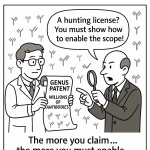
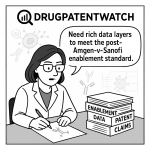
The Supreme Court applied a “full scope” enablement analysis. Justice Gorsuch, writing for a unanimous Court, held that to enable a claim, the specification must teach skilled artisans to make and use the full scope of the claimed invention without undue experimentation. Claiming an enormous functional genus while enabling only a handful of examples did not meet that standard. The opinion specifically criticized the “roadmap” framing Amgen had offered — the idea that describing a general method for finding antibodies with the desired properties was sufficient to claim all such antibodies. It was not.
The decision did not prohibit functional claims outright. It required proportionality between what the specification enables and what the claims assert. For biologic companies, that means the age of claiming entire target-binding spaces on the strength of a few working examples is over.
The Science That Makes Specificity Hard
Understanding why the law landed where it did requires confronting how biologic molecules actually behave.
A monoclonal antibody’s function depends on its primary sequence (the order of amino acids), its secondary and tertiary structure (the way those amino acids fold), post-translational modifications (glycosylation patterns, disulfide bond configurations), and the way it interacts with its target at the atomic level. Two antibodies that both bind to the same epitope of the same antigen can have radically different affinities, half-lives, effector functions, and immunogenicity profiles. They are not interchangeable.
This heterogeneity is precisely what makes functional claiming problematic. If you claim “an antibody that binds to epitope X with at least nanomolar affinity,” you are making a claim that could theoretically encompass antibodies with vastly different sequences, structures, and behaviors. Antibody space is essentially limitless. Structural biologists estimate that the theoretical diversity of the human antibody repertoire exceeds 10^18 distinct molecules. Even with modern high-throughput screening, any individual drug discovery program explores a vanishingly small fraction of this space.
Patent law has absorbed this scientific reality. The Federal Circuit’s 2021 decision in Baxalta v. Genentech, 972 F.3d 1341, invalidated claims to antibodies that bind Factor IX/IXa and increase procoagulant activity because Baxalta had identified only a handful of working antibodies and provided no adequate guidance for finding the rest. The court noted that Baxalta’s specification essentially asked skilled artisans to conduct extensive research programs — not routine experimentation — to identify additional embodiments.
The same logic applies to receptor constructs, cytokines, fusion proteins, and other biologic modalities. The more complex the molecular class, the less adequate any functional description will be without substantial structural specificity.
The Written Description Requirement in Biologics
Written description, distinct from enablement, requires that the specification demonstrate the inventor actually possessed the full scope of the claimed invention at the time of filing. In small-molecule chemistry, this requirement can sometimes be satisfied through a detailed synthetic route — if you can make one member of a structural class, courts may accept that you possessed the concept. Biologics present a harder case.
For antibodies, adequate written description typically requires disclosure of specific CDR sequences, full variable domain sequences, or structural data sufficient to define the claimed molecule’s identity. Courts have drawn a clear line: describing a target antigen and a desired functional property does not constitute written description of the antibodies that achieve that property. You have to describe the molecules themselves.
The University of California v. Broad Institute interference proceedings, while focused on CRISPR guide RNA systems rather than biologics per se, reinforced this principle in the context of complex biological molecules. Possession requires actual, documented identification of the working systems, not speculation about where the science might lead.
In practice, this means a biologics patent application that claims broad antibody classes without sequence data for multiple distinct working embodiments is vulnerable. The USPTO’s 2019 Revised Guidance on Written Description for Antibodies specifically stated that for antibody claims defined solely by their binding specificity to a particular antigen, applicants should demonstrate adequate written description through structural features, such as CDR sequences, or through disclosure of a sufficient number of representative antibodies to support the full scope of the claim.
Biosimilar developers, generics firms, and sophisticated patent challengers know this. DrugPatentWatch, the pharmaceutical patent intelligence platform, indexes the Orange Book and Purple Book patent listings alongside expiration data, allowing competitors to map exactly where the structural gaps in a biologic’s patent estate lie. When a brand company’s core composition-of-matter claims rest on functional definitions without sufficient sequence disclosure, that gap appears clearly in the prior art and claim structure — and gets exploited.
Amgen v. Sanofi: A Closer Read
The Amgen decision deserves closer attention than most legal summaries provide, because the Court’s reasoning has practical implications for claim drafting that go beyond the surface holding.
Amgen’s patents — U.S. 8,829,165 and U.S. 8,859,741 — covered antibodies targeting PCSK9, a protein that degrades LDL receptors. Amgen’s drug evolocumab (Praluent) was a massive commercial success, and Sanofi and Regeneron’s alirocumab competed directly in the same space. Amgen sued claiming alirocumab infringed its broad functional genus claims.
The key claim language covered antibodies that bind to specific amino acid residues on PCSK9 and block PCSK9’s binding to LDL receptors. The claim did not require any particular sequence; it was defined entirely by function and binding location. Amgen’s specification described approximately 26 antibodies with sequences, plus two methods for identifying additional antibodies in the claimed class: a “roadmap” approach and a “conservative substitution” approach.
The Supreme Court found neither method adequate. The roadmap method required skilled artisans to generate and screen potentially thousands of antibodies to find ones with the desired properties — not routine experimentation but a substantial independent research effort. The conservative substitution method likewise offered only general guidance that could not reliably translate to predicting which modifications would preserve the desired function.
The Court’s key passage reads: “To enable a claim covering millions of undisclosed antibodies, the specification must teach the skilled artisan how to make and use the full scope of the claimed genus, not just a few illustrative examples.”
What’s notable is what the Court declined to say. It did not hold that genus claims are per se invalid in biologics. It did not hold that functional limitations are forbidden. It held that enablement requires a proportionate relationship between the breadth of the claims and the breadth of the enabling disclosure. A claim covering hundreds of millions of potential molecules required enabling disclosure proportionate to that breadth. Two dozen examples and two general methods did not come close.
This proportionality principle has immediate implications for prosecution. A company that wants to claim a genus of antibodies needs either a large number of well-characterized examples spanning the claimed structural space, or a predictive principle — a scientific law or structural rule — that allows skilled artisans to generate conforming embodiments without independent research. In antibody science, predictive principles at that level rarely exist given the complexity of protein folding and structure-function relationships.
How Biosimilar Developers Exploit the Gap
The Amgen decision arrived as the biosimilar market was entering a period of accelerating competition. The FDA’s Purple Book lists marketed biologics and their associated patents. As of 2024, the global biosimilar market was valued at approximately $36 billion and was projected to approach $100 billion by 2030, according to IQVIA data. Every structural gap in a biologic originator’s patent portfolio represents a potential entry point.
Biosimilar developers employ a layered patent analysis workflow. They begin with the Purple Book and Orange Book listings, then move to the patent office’s publicly available file histories to assess the strength of the claims as written. DrugPatentWatch accelerates this process considerably by aggregating patent expiration dates, claim summaries, and litigation history in a searchable format, allowing competitive intelligence teams to quickly identify biologics whose core protection rests on potentially vulnerable functional claims.
The post-Amgen playbook for biosimilar developers has five components.
The first is enablement challenge. If the originator’s composition-of-matter claims are functional genus claims without adequate structural disclosure, an IPR petition or district court invalidity argument under § 112(a) has strong precedential support. Pre-Amgen, these arguments sometimes succeeded but faced an uphill doctrinal battle. Post-Amgen, they are mainstream.
The second is design-around. A biosimilar developer does not need to prove invalidity to compete; they need to design a molecule that falls outside the valid, enforceable scope of the originator’s claims. If the originator’s valid claims are limited to specific sequences or specific structural features — which post-Amgen they increasingly must be — the design space available to a biosimilar or “biobetter” developer is substantially larger than the originator’s IP position might superficially suggest.
The third is freedom-to-operate mapping. By identifying the specific claim language in the originator’s patents — sequence-based claims, mechanism claims, formulation claims, manufacturing process claims — and correlating each with the proposed biosimilar’s structure and process, a developer can construct a rigorous FTO analysis that accurately reflects the actual litigation risk. Functional claims that cannot survive § 112 challenge get discounted; sequence claims covering specific CDRs must be avoided.
The fourth is inter partes review. Since the America Invents Act created IPR proceedings, PTAB has become the venue of choice for challenging biologic patents on enablement and written description grounds. The Amgen decision makes PTAB petitions on § 112 grounds more attractive, because the Supreme Court’s reasoning provides a ready analytical framework that PTAB judges can apply.
The fifth is the patent cliff surveillance. DrugPatentWatch’s expiration tracking identifies when compound protection, method-of-treatment protection, and formulation protection expire on specific biologics. A biosimilar developer who knows that a biologic’s strongest composition-of-matter claim expires in 2026 but its method-of-treatment claims survive until 2031 can plan their entry strategy accordingly — filing for approval based on indications not covered by valid method claims.
The Anatomy of a Defensible Biologic Patent
Given the legal landscape, what does a defensible biologic patent actually look like? The answer differs somewhat depending on the modality — monoclonal antibody, antibody fragment, ADC, bispecific, gene therapy vector — but the core principles hold across categories.
Composition claims should be sequence-defined. For monoclonal antibodies, the gold standard is a claim reciting the full variable heavy and variable light chain sequences, typically by SEQ ID NO reference. A secondary claim set can recite CDR sequences alone, or define the antibody by CDR sequences combined with a human framework. A tertiary claim set might include conservative variants, defined by specific percentage identity thresholds to the reference sequence, as long as the specification demonstrates that variants within that identity range actually retain the functional properties.
This sequence-based claiming creates a clear, structurally defined scope. A biosimilar developer knows exactly which sequences are covered. A court can determine infringement by comparison rather than by inferring function. And the inventor has clearly demonstrated possession of the actual molecules they’re claiming.
The functional language still has a role, but it belongs in the claim’s limitations, not as the claim’s only definition. Claiming “an antibody comprising the CDR sequences of SEQ ID NOs: 1-6, wherein the antibody binds to IL-4 receptor with a KD of less than 1 nM” is fundamentally different from claiming “an antibody that binds to IL-4 receptor and inhibits IL-4 and IL-13 signaling.” The first claim identifies the molecule structurally and adds functional specificity as a limitation. The second claims only the goal.
Method-of-treatment claims provide a second layer of protection. These claims cover the use of the specific compound — often identified by sequence — to treat a defined indication. They cannot be invalidated on § 112 grounds in the same way composition claims can, because the method is defined around a specific, identified molecule. They do, however, require robust clinical data to support the treatment indication and cannot extend to uses the specification does not adequately describe.
Manufacturing process claims have become increasingly valuable as biologics have matured. The way a biologic is produced — cell line, culture conditions, purification process — directly affects the molecule’s structure and quality attributes. Process claims can provide protection that sequence claims alone do not, particularly against biosimilars that have similar primary sequences but different glycosylation patterns or other quality attributes. Abbott Biotechnology v. Centocor Ortho Biotech (the adalimumab/Humira litigation) showed how process claims can provide meaningful protection even when composition claims face challenge.
Formulation and dosing claims round out a mature biologic portfolio. Subcutaneous delivery formulations, auto-injector devices, dosing regimens optimized for particular patient populations — each of these represents patentable innovation that a biosimilar must either design around or work through.
The Humira Warning: What a Billion-Dollar Patent Thicket Actually Costs
AbbVie’s adalimumab (Humira) is the cautionary tale that illuminates what happens when a biologic company builds a patent portfolio that is simultaneously enormous and vulnerable.
Humira generated approximately $21.2 billion in global revenue in 2022, making it the best-selling drug in history at that point. AbbVie assembled over 130 patents in the United States covering the drug, a strategy that became known as the “patent thicket” — layer upon layer of composition, method, formulation, and process claims designed to make any competitive entry path enormously complicated.
The strategy did delay U.S. biosimilar entry. While European biosimilars launched in 2018, AbbVie successfully used its patent portfolio — and litigation settlements with biosimilar developers — to push U.S. biosimilar entry to 2023. The delay cost the U.S. healthcare system an estimated $12.5 billion in excess drug spending, according to RAND Corporation analysis.
But here’s the structural problem: the Humira patent estate was built in an era when functional antibody claims were less scrutinized. Many of the patents in that thicket would face serious validity questions under current doctrine. AbbVie’s settlement strategy with biosimilar developers — giving them early entry dates in exchange for dropping challenges — was in part a recognition that litigating many of those patents through trial carried real invalidity risk.
Post-Amgen, building a patent thicket around functional claims is not just ethically problematic given the cost to patients; it is strategically unsound because the claims cannot be relied upon to survive IPR or district court challenge. A company that pursues this strategy will spend enormous sums on prosecution, portfolio management, and litigation, and will still face vulnerability at the moment competition arrives.
The lesson from Humira is not that large portfolios are bad — it is that portfolio size must be built on defensible foundations. One hundred claims, each anchored in specific sequences, validated structures, and well-enabled disclosures, is worth more than five hundred claims built on functional language that cannot withstand scrutiny.
Dupixent: The Specificity Model
If Humira represents the risks of breadth, Dupixent (dupilumab) represents the rewards of precision.
Sanofi and Regeneron’s dupilumab is a fully human monoclonal antibody targeting the IL-4 receptor alpha subunit, blocking both IL-4 and IL-13 signaling. It was approved by the FDA in 2017 for atopic dermatitis and has since received approvals for asthma, chronic rhinosinusitis with nasal polyposis, eosinophilic esophagitis, prurigo nodularis, and chronic obstructive pulmonary disease with an eosinophilic phenotype.
The patent estate for dupilumab includes claims with specific heavy and light chain sequences, precise CDR definitions, and method-of-treatment claims supported by robust clinical data across each approved indication. The composition claims are structurally specific; they do not attempt to claim every antibody that binds to IL-4Rα.
The structural approach has served Sanofi and Regeneron well. The drug faced the Amgen v. Sanofi litigation — Amgen’s claims were the ones attempting to sweep broadly over all PCSK9-binding antibodies — and that litigation confirmed that specifically claimed molecules are not vulnerable to the same § 112 attacks that doomed Amgen’s broader positions.
DrugPatentWatch data on the dupilumab patent estate shows expiration dates extending through the early 2030s for composition claims and potentially later for some method-of-treatment claims related to newer indications. Each new indication approval generates a new method claim with its own priority date and expiration date, creating a rolling expansion of protection grounded in specific clinical evidence rather than prophetic functional language.
The commercial result of this approach has been substantial. Dupixent became the fastest biologic to reach $10 billion in annual sales. The patent protection is sufficiently robust that biosimilar developers face genuine barriers — not because the portfolio is a thicket of questionable claims, but because the core composition claims are structurally specific and well-grounded.
Keytruda’s Sequence Strategy
Merck’s pembrolizumab (Keytruda) offers another illustration of structurally grounded biologic patent strategy.
Pembrolizumab is a humanized monoclonal antibody targeting PD-1, the programmed cell death protein-1. Its patent estate covers specific variable domain sequences and CDRs, supporting claims that are structurally defined rather than functionally defined by the PD-1/PD-L1 pathway inhibition outcome.
The broader anti-PD-1 / anti-PD-L1 space saw significant patent litigation. Bristol-Myers Squibb’s patents on the PD-1/PD-L1 concept itself were challenged and ultimately invalidated or found unenforceable in several proceedings. The concept of checkpoint inhibition could not be owned. What could be owned — and what Merck owns — are the specific antibody sequences, the specific epitopes, and the clinical methods validated in specific tumor types.
The patent landscape around checkpoint inhibitors demonstrates precisely the distinction the law now enforces. Broad claims to the concept of blocking immune checkpoint pathways have not survived challenge. Sequence-specific claims to particular antibodies, grounded in actual discovery and characterization work, have fared considerably better.
When biosimilar developers analyze pembrolizumab’s patent estate through tools like DrugPatentWatch, they find an estate with some of the earliest composition claims already approaching expiration and a pipeline of method-of-treatment claims tied to the drug’s extensive oncology approvals. That analysis tells a precise competitive story: which claims are at risk, which are durable, and what structural territory is available for design-around.
The Prosecution Strategy: Filing What You Actually Have
Patent prosecution in biologics requires a fundamental shift in orientation. Many patent attorneys in biotech practice were trained in an environment where the goal was to file as early as possible with as broad claims as possible, then narrow through prosecution if necessary. That approach imported a small-molecule logic into a domain where it does not work.
In small molecules, a Markush structure claim can legitimately sweep over thousands of structurally related compounds, because a skilled chemist can generally synthesize any specified member of the class through known chemistry. Broad Markush claims are often valid because they are genuinely enabled — given the structure definition, any claimed member can be made. In biologics, this logic breaks down. You cannot always predict function from structure, and you cannot always make any member of a functionally defined antibody class by routine experimentation.
The correct prosecution orientation for biologics starts with an honest assessment of what you actually have at the time of filing: which sequences are characterized, which functional properties have been demonstrated in validated assays, which molecules have been produced recombinantly and tested. The claims should map to that actual scientific work.
Filing early with broad functional claims and planning to add sequence data later is no longer viable as a primary strategy. Continuation practice allows companies to add new claims in subsequent applications, but a continuation cannot add new matter — you cannot retrofit the sequence data into a parent application that didn’t have it. If the parent application filed only functional claims without sequence data, subsequent continuations claiming specific sequences will have a priority date tied to when the sequence data was first disclosed, not the original filing date.
This has real competitive consequences. In antibody drug discovery, multiple companies often pursue the same target simultaneously. The race to file is real. But filing a provisional with genuine sequence data — even for a limited set of initial lead candidates — establishes a concrete priority date for those specific molecules. Filing a provisional with only functional claims gives the appearance of an early date while providing little durable protection.
The recommended approach begins with filing provisionals anchored in specific sequences and experimental data, then building out the claim set in the non-provisional application to include CDR-only claims, variant claims grounded in demonstrated percent identity ranges, and method claims supported by in vitro or in vivo data. The composition claims should have a clear fallback hierarchy: full sequence claims, then CDR claims, then functional-plus-structural claims for variants, each tier progressively narrower but independently defensible.
Written Description: Demonstrating Actual Possession
The written description requirement has a practical dimension that often gets lost in legal analysis: it is the specification’s job to prove the inventor actually had the invention, not just the idea for it.
In biologics, this means the specification must contain enough detail about the claimed molecules that a reader could understand what the inventors actually made and characterized. For antibodies, that typically means amino acid sequences of the CDRs or full variable domains, typically deposited in the specification by SEQ ID NO. It means binding affinity data — KD values from SPR or KinExA assays — demonstrating the claimed molecules actually have the alleged binding property. It means expression and production data showing the molecules were actually produced. And for therapeutic claims, it means at least some efficacy data, whether from in vitro functional assays or animal models.
The USPTO’s 2001 Written Description Guidelines, updated through subsequent examination guidance, specifically address biologics. Examiners are instructed to evaluate whether the specification provides a “representative number of species” for a claimed genus and whether it discloses “structural features common to the members of the genus.” In antibodies, common structural features means shared CDR sequences or defined structural motifs — not shared functional properties like “binds to antigen X.”
Practitioners who successfully navigate this landscape tend to use what patent scholars call the “anchored disclosure” approach: a central working example with full sequence data, surrounded by a carefully characterized set of variants that collectively demonstrate the scope of the inventor’s actual work. The variants serve two functions: they establish that the inventor worked across the claimed structural space (supporting possession of a broader genus), and they provide claim elements at multiple levels of generality that can be prosecuted in separate applications.
The specification’s experimental section should document the characterization work with scientific rigor. This is not bureaucratic formality. Courts read specifications. In Amgen v. Sanofi, the Court specifically examined the experimental section describing the 26 characterized antibodies and found it inadequate to support the breadth of claims being asserted. The experimental work was real; the problem was that it was incommensurate with the scope of the claims.
Enablement After Amgen: The Wands Factors in the Modern Era
Federal Circuit courts apply the eight-factor “Wands analysis” (In re Wands, 858 F.2d 731 (Fed. Cir. 1988)) to determine whether experimentation required to practice a claimed invention is “undue.” The factors include: the breadth of the claims, the nature of the invention, the state of the prior art, the level of skill in the art, the level of predictability in the art, the amount of direction or guidance presented in the specification, the presence of working examples, and the quantity of experimentation necessary to practice the invention.
In the post-Amgen world, courts apply these factors with a sharper focus on the final three. The quantity of experimentation necessary to practice a broad antibody genus is presumptively high, because the relationship between sequence and function in antibodies is not sufficiently predictable to allow extrapolation from a small number of examples to a vast structural space. This shifts the burden: a company asserting a broad functional genus must show either that the specification provides unusually detailed guidance covering the full scope of the genus, or that the state of the prior art was such that skilled artisans could readily identify and produce conforming molecules without undue work.
Neither condition is typically satisfied for novel antibody targets. Antibody science is sophisticated but not so predictable that knowing an epitope lets you design any antibody that binds it. If it were, drug discovery programs would not require the high-throughput screening campaigns and structural biology work they routinely involve.
What Wands analysis now reliably produces in the context of broad antibody genus claims is an enablement problem. Courts post-Amgen have little patience for arguments that a general screening method counts as enabling guidance. Regeneron Pharmaceuticals v. Merus N.V., while ultimately a different kind of case, showed courts carefully examining whether a biologic company’s specification actually enabled what its claims asserted.
For practitioners, this means the enablement section of a biologic application must be written with the Wands factors explicitly in mind. Claims should be structured so that their breadth is commensurate with the guidance provided. If the data support claiming a specific set of CDR sequences and variants thereof, claim that. If the data support claiming a broader structural family because the specification demonstrates predictable structure-function relationships across that family, then — and only then — does claiming broader coverage make sense.
Biosimilar Entry Strategies: Reading the Patent Map
A biosimilar developer’s commercial timeline depends critically on when and how they can enter the market. Patent analysis determines that timeline.
The first step is identification of relevant patents. For biologic reference products, the Purple Book identifies patents listed by the FDA as covering the product or its approved methods of use. This listing, however, is not exhaustive — biologics are not subject to the same Paragraph IV certification process as small molecule generics, and the 12-year data exclusivity period runs independently of the patent landscape.
The Biologics Price Competition and Innovation Act (BPCIA) of 2009 created a “patent dance” process by which a biosimilar applicant and the reference product sponsor exchange information and identify patents to litigate before the biosimilar launches. Companies with substantial patent estates — AbbVie for adalimumab, Genentech for bevacizumab, Amgen for etanercept — can identify large numbers of patents for inclusion in the first wave of the patent dance, requiring biosimilar applicants to address each one.
A biosimilar developer using DrugPatentWatch to analyze a reference product’s patent estate can categorize each patent by strength and relevance. Composition claims with specific sequences that are infringed by the biosimilar’s structure must either be designed around or challenged. Method claims tied to specific approved indications must be navigated carefully — a biosimilar can be approved for a subset of indications that avoids a method claim. Formulation claims that cover specific excipient combinations or concentration ranges can sometimes be avoided through reformulation. Process claims require assessment of whether the biosimilar’s manufacturing process falls within the claim scope.
The practical outcome of this analysis is a risk-tiered action plan. Patents judged as clearly invalid (functional genus claims post-Amgen), patents that will clearly expire before the biosimilar’s target launch date, and patents whose claims the biosimilar’s structure clearly does not infringe can be deprioritized. Patents with strong composition claims tied to sequences the biosimilar shares, or method claims for high-revenue indications, require either challenge proceedings or design-around investment.
The competitive intelligence value here is substantial. A biosimilar developer who accurately maps the patent landscape two to three years before filing can make structural and formulation decisions that reduce the eventual patent litigation exposure. A developer who ignores the landscape until after filing faces a more expensive and constrained set of options.
The EPO Approach: Functional Claims Still Have a Home?
The United States post-Amgen is not a global standard. The European Patent Office approaches functional claiming in biologics somewhat differently, and understanding those differences matters for companies building international portfolios.
The EPO generally applies its own version of sufficient disclosure (Article 83 EPC) and support (Article 84 EPC) requirements to antibody claims. EPO guidelines have historically been more receptive to antibody claims defined by their target antigen and functional properties, particularly when the antibodies can be obtained through conventional methods (hybridoma, phage display, or transgenic animal platforms).
The EPO’s Technical Board of Appeal has in several decisions allowed antibody claims defined by antigen-binding specificity plus functional features, provided the specification demonstrates that the claimed antibodies can be reliably obtained by standard methods. Case T 0816/90, and subsequent Technical Board decisions on antibody sufficiency, established a framework that is less stringent than the U.S. post-Amgen requirement for sequence-level disclosure.
This divergence creates prosecution strategy opportunities. A company can sometimes obtain broader claims at the EPO than are available in the U.S., allowing European protection to sweep across a functional genus while U.S. protection is limited to sequence-specific claims. The strategic value of the European coverage depends on the extent to which biosimilar competition will emerge in Europe before the U.S. claims provide the relevant protection.
However, European practice is not static. The EPO has faced criticism that overly broad functional antibody claims allow excessive market exclusivity for therapeutic antibodies, and there are signs that examination practice is tightening. The U.S. Supreme Court’s reasoning in Amgen has influenced academic and practitioner commentary in Europe, and future Technical Board decisions may narrow the gap.
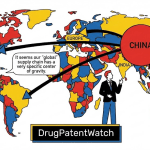
Japan’s JPO and China’s CNIPA apply their own frameworks. Japan has historically required fairly specific structural disclosure for antibody claims, making it more aligned with the post-Amgen U.S. position. China has permitted broader functional claims in some cases, though the CNIPA’s examination guidelines have been evolving toward greater stringency. For global biologic patent strategy, practitioners must map claim scope country by country and accept that the enforceability of any given patent claim will vary by jurisdiction.
The Business Case for Precise Claims
Patent strategy is ultimately a business function. The question a pharmaceutical company’s leadership must ask is not just “can we get this claim granted?” but “what is this claim worth, and what does it cost if it fails?”
A composition-of-matter claim with specific sequence coverage and a strong specification has deterministic value. It protects a specific molecule that a competitor cannot replicate without infringing or without making structural changes that may affect the molecule’s function. That claim translates to measurable commercial exclusivity. When licensing or acquisition conversations arise, a sequence-specific claim is a concrete asset that can be independently assessed.
A functional genus claim has indeterminate value at best. It might survive challenge and provide broad coverage. It might collapse under IPR pressure at the exact moment the company needs it most. Sophisticated acquirers and licensors discount these claims heavily, and with good reason — the empirical record of functional genus claims in biologics post-2010 is not favorable. A series of cases from the Federal Circuit, culminating in the Supreme Court’s Amgen decision, provides buyers with a strong prior on the likelihood that these claims will hold.
The financial materiality of patent validity is substantial. When Sanofi and Regeneron prevailed in the Amgen litigation and Amgen’s broad PCSK9 claims were invalidated, the competitive dynamics of the PCSK9 inhibitor market changed materially. Amgen’s alirocumab and Regeneron/Sanofi’s evolocumab faced each other in a market where neither party held patent exclusivity over the entire functional class of PCSK9-binding antibodies. Pricing pressure increased. Market share competition intensified.
A company with sequence-specific claims for its own PCSK9 antibody would face a different situation: competitors could work in the PCSK9 space but could not copy the specific molecule, forcing design-around or out-licensing rather than outright competition with a structurally identical molecule.
The cost-benefit arithmetic of specificity is favorable. Writing a patent application with robust sequence data and multiple well-characterized examples requires more upfront investment in characterization work and prosecution than filing a functional genus claim with a handful of examples. But the downstream savings in avoided litigation risk, the premium assigned by acquirers to defensible claims, and the genuine competitive protection provided by claims that can survive challenge vastly exceed the additional upfront cost.
Process Patents: The Underused Shield
Amid the focus on composition and method claims, process patents deserve more attention than they typically receive in biologics strategy discussions.
Biologic drug manufacturing is extraordinarily complex. A monoclonal antibody produced in Chinese hamster ovary (CHO) cells using a specific bioreactor configuration, with particular media conditions, purification steps involving affinity chromatography with specific ligand geometries, and defined viral inactivation steps, is not the same molecule — from a regulatory perspective — as one produced under different conditions. Glycosylation patterns, aggregation profiles, charge variants, and other quality attributes depend on manufacturing conditions.
This manufacturing specificity creates patentable subject matter. Process claims covering cell culture conditions, purification sequences, formulation compositions, and fill-finish processes provide protection that does not depend on the post-Amgen composition claim landscape. A biosimilar that uses the same antibody sequence but different manufacturing conditions has a different safety and efficacy profile — the FDA requires biosimilars to demonstrate comparability, not identity. If the originator’s specific manufacturing process is patented, a biosimilar that uses that process infringes, regardless of whether the composition claims hold.
Process claim strategy requires the same specificity imperative as composition claims. A claim to “a process for producing an antibody comprising culturing a CHO cell under conditions that promote antibody expression” is nearly useless — those are common methods. A claim to specific cell line modifications, specific bioreactor operating parameters validated to affect a critical quality attribute, or a specific purification sequence that achieves particular quality targets is defensible.
The Genentech litigation around rituximab’s manufacturing process is instructive. While Biogen and Roche’s original composition patents on rituximab were approaching expiration, process and formulation patents provided continuing protection and created challenges for biosimilar developers that went beyond simply establishing bioequivalence. Biosimilar rituximab products required significant development investment to achieve regulatory approval precisely because the manufacturing complexity created multiple areas of potential patent exposure.
The Role of Continuation Applications
Continuation applications — separate patent applications filed claiming priority to an earlier parent application — are the primary mechanism by which pharmaceutical companies maintain patent coverage over a drug through periods of clinical development and commercialization.
For biologics, continuations serve several strategic purposes. A parent application filed with sequence-specific composition claims can serve as the priority basis for continuation applications claiming methods of treatment discovered during clinical development, manufacturing process improvements developed as the product scales up, and new formulations or delivery systems developed after the initial composition patent filing.
The key discipline is ensuring that each continuation’s claims are supported by the parent specification. A continuation that claims a new method of treating a newly approved indication must have adequate support in the parent specification — which means the parent specification should be written with future indications in mind, including relevant biological data about the target’s role in those diseases. A continuation claiming a new formulation must have formulation data in the parent specification, or in an earlier continuation that itself has adequate disclosure.
Post-grant review proceedings have targeted continuation claims aggressively, because the prior art analysis for continuation claims must be conducted relative to the priority date claimed, and earlier priority dates mean an earlier prior art universe. If a continuation’s claims cannot establish priority to the parent application’s filing date — because the parent specification did not adequately disclose the subject matter claimed in the continuation — the continuation’s effective filing date may be its own filing date, which makes it vulnerable to prior art that arose between the parent and continuation filings.
Eli Lilly’s patent management for drugs like duloxetine and olaratumab showed both the value and the vulnerability of continuation strategy. Continuations extending protection into new indications or formulations can add years of commercial exclusivity. Continuations asserting priority to parent applications whose specifications do not adequately support the later claims are expensive failure modes.
Claiming New Formulations Without Overreaching
Formulation patents sit at the convergence of chemistry, pharmaceutical science, and patent law, and they deserve specific attention in a biologics specificity discussion.
Pharmaceutical formulation patents have a mixed reputation. Many courts and commentators view secondary pharmaceutical patents — including formulation patents — as tools for gaming the patent system, blocking generic or biosimilar entry without protecting genuine innovation. The Federal Circuit has scrutinized formulation obviousness analyses carefully, and inter partes review has been an effective tool for challenging weaker formulation patents.
For biologics specifically, formulation innovation is genuinely valuable and genuinely complex. Stabilizing a monoclonal antibody for subcutaneous self-injection requires solving real problems: protein aggregation, particle formation, viscosity at high concentration, immunogenicity of degradation products, and compatibility with the delivery device. These are not trivial problems, and patents on specific formulation solutions that address them can be defensible.
The specificity principle applies here as well. Claiming “a formulation comprising an antibody and a stabilizer” is not specific. Claiming “a formulation comprising between 100 and 150 mg/mL of an antibody with specific CDR sequences, buffered at pH 5.0 to 6.0 with histidine, stabilized with 200-300 mM trehalose, and containing 0.01-0.04% polysorbate 80, wherein the formulation maintains antibody monomer purity above 98% for at least 24 months at 2-8°C” is specific, data-supported, and defensible.
The data requirement matters. Formulation claims supported by accelerated stability data, long-term stability data, and comparative data showing that alternative formulations do not achieve the same stability profile are orders of magnitude stronger than formulation claims described prophetically or by analogy to earlier work.
Global Patent Life Cycle Management
A biologic drug’s global patent life cycle involves coordination across dozens of jurisdictions, each with distinct patentability standards, opposition procedures, and term extension mechanisms.
In the United States, patent term extension under the Hatch-Waxman framework can extend a patent’s term by up to five years to compensate for regulatory review delays, with a maximum of 14 years of remaining patent term after approval. For biologics, this extension typically applies to the first patent that covers the approved drug, generally the composition-of-matter claim for the specific active ingredient.
In Europe, supplementary protection certificates (SPCs) provide analogous term extension, potentially adding up to five years to a patent’s life. The SPC framework has been extensively litigated in the European Union, with cases involving biologic drugs adding nuance to questions about which patents qualify and what products they cover. The ECJ’s decisions in cases involving biosimilar competition, including the Newron Pharmaceuticals case and subsequent guidance, have refined how SPCs interact with biologic patent claims.
Japan’s patent term extension system functions similarly, though the administrative process and eligibility requirements differ. China provides data exclusivity for biologics under regulations that have evolved significantly over the past decade, though the patent system itself does not provide the same term extension mechanisms.
Life cycle management for a top-selling biologic must account for all these jurisdictions, with each key patent’s expiration date mapped against the regulatory exclusivity periods that run independently. DrugPatentWatch’s global patent tracking helps competitive intelligence teams identify where biosimilar entry becomes legally viable in different markets, allowing both originators (to prioritize where patent defense resources matter most) and biosimilar developers (to sequence their regulatory filings strategically).
The Antibody Drug Conjugate Dimension
Antibody drug conjugates (ADCs) present a distinct set of patent strategy challenges, because the invention encompasses not just the antibody component but the cytotoxic payload, the linker chemistry, the conjugation site, and the drug-antibody ratio.
The ADC field has its own history of broad claiming. Early ADC platform patents, including some from ImmunoGen and Seattle Genetics, claimed broad linker-payload combinations without the structural specificity the post-Amgen era would require. Subsequent litigation and IPR proceedings challenged many of these platform claims.
A defensible ADC patent estate requires specificity at every level. The antibody component should be claimed with sequence specificity. The linker should be claimed with specific structural definition. The payload should be specified. The conjugation chemistry — maleimide-cysteine, click chemistry, site-specific conjugation at engineered cysteines or non-natural amino acids — should be claimed as specifically as the data support.
Seagen’s patent portfolio for brentuximab vedotin (Adcetris) and the subsequent litigation with Daiichi Sankyo over ADC technology illustrates how the IP landscape in ADCs overlaps and where the vulnerabilities lie. The ADC space is now sufficiently mature that platform claims are extremely difficult to obtain, and the competitive patents that matter are those tied to specific antibody-payload-linker combinations with demonstrated efficacy.
AI and Machine Learning in Biologics Patent Strategy
Computational approaches to antibody discovery have accelerated the pace at which companies can generate diverse antibody candidates against a target. Deep learning models trained on structural and sequence databases can now generate novel antibody sequences with predicted binding properties, and platforms like AbSci, Generate Biomedicines, and BigHat Biosciences have made AI-designed antibodies a commercial reality.
This computational acceleration creates a tension with the specificity requirement. If an AI can generate ten million antibody sequences with predicted binding properties in a week, and the company selects and experimentally validates a hundred of them, what is the scope of the valid patent claim? The company has clearly enabled those hundred validated sequences. It arguably has not enabled the full space of AI-generated sequences that might have the desired properties, because the AI’s predictions are probabilistic and many would fail experimental validation.
Post-Amgen, the likely answer is that the company can claim its validated sequences and perhaps some structurally characterized variants. It cannot claim the entire output of the AI model. The computational generation of hypothetical candidates does not constitute enabling disclosure of those candidates.
The patent strategy implication for companies using AI-based antibody discovery is to invest in experimental validation of a broader array of candidates specifically to support broader claim coverage. If you have AI-generated and experimentally validated 500 antibodies spanning a defined structural space, you have a much stronger basis for a genus claim than if you have validated 26. The AI accelerates the generation of candidates; the experimental validation is still required for robust patent coverage.
This creates a new economics of patent strategy in the AI biologics era. Companies that invest in high-throughput experimental validation of their AI-generated candidates can build patent estates with broader, yet still defensible, coverage. Companies that patent the AI’s output without adequate experimental validation are building on the same unstable foundation as the classic functional genus claims.
What PTAB Has Become
The Patent Trial and Appeal Board has reshaped the landscape for biologic patent challenges in ways that are often underappreciated outside patent litigation circles.
Since the America Invents Act created IPR proceedings in 2012, PTAB has become the venue where biologic patents live or die in practice. The institution rate for IPR petitions has declined somewhat from early highs — the PTAB has applied the Fintiv discretionary denial framework to avoid duplicative litigation — but for § 102 and § 103 prior art challenges, PTAB remains more accessible and faster than district court.
Post-Amgen, § 112 challenges at PTAB are more viable than before. The Supreme Court’s opinion provides a clear doctrinal framework that PTAB judges can apply. Petitions arguing enablement failure under the full-scope proportionality analysis of Amgen have become a standard tool.
A biosimilar developer who identifies a reference product with composition claims based on functional genus language can now file an IPR on § 112 grounds with a well-developed factual record: identify the scope of the claimed genus, calculate the scale of the experimental work required to access that genus based on testimony from skilled artisans, compare that work to the guidance provided in the specification, and apply Amgen’s proportionality test. If the specification describes 30 antibodies but the claims sweep over potentially millions, the math is not favorable for the patent holder.
The cost of an IPR petition is significant — typically $500,000 to $1 million or more when expert witnesses and legal fees are included — but compared to the commercial value of accelerating biosimilar entry by even one year for a blockbuster biologic, the economics are clear. A drug generating $4 billion in annual U.S. sales creates roughly $333 million per month of commercial value. An IPR that advances market entry by even three months delivers a potential return of $250 million or more to a biosimilar developer, net of the cost of an aggressive legal challenge. DrugPatentWatch data on patent expiration and litigation history allows developers to calibrate these ROI calculations with specificity.
Writing the Specification: The Practical Checklist
For a team preparing a biologic patent application, the following specification checklist reflects current best practices under the post-Amgen standard.
The sequence data should be complete and accurate. All variable domain sequences, CDR sequences, and full heavy and light chain sequences for characterized antibodies should appear in the sequence listing, properly formatted and cross-referenced throughout the specification. Errors in sequence data are common sources of prosecution problems and can affect the specification’s support for specific sequence claims.
The binding data should quantify the interaction. KD values from surface plasmon resonance or biolayer interferometry, specificity data demonstrating selectivity for the target antigen over related proteins, and epitope mapping data if available all contribute to demonstrating what the inventors actually had.
The functional data should demonstrate in vitro pharmacology. For a therapeutic antibody, that typically means cell-based assays showing target pathway modulation, in vitro neutralization assays for relevant cytokines or receptors, or ADCC/CDC data for antibodies whose mechanism involves cytotoxicity. These data support both the composition claim’s functional limitations and any method claims.
The in vivo data should demonstrate efficacy in at least one validated animal model. For novel targets, establishing that the target is relevant to disease in an animal model is important background. For established targets, demonstrating that the specific antibody achieves the desired in vivo effect is important for supporting method claims.
The manufacturing data should document expression levels, purification yields, and relevant quality attributes in at least one production format. This data supports process claims and demonstrates that the inventors actually produced the molecules they’re claiming.
The comparative data should distinguish the invention from prior art. If the target was previously described, if other antibodies against the target are known, the specification should include data showing what is distinctive and superior about the claimed molecules. This comparative data supports non-obviousness and can also support functional claim limitations.
Platform Technology Patents in the Biologics Context
Several companies have built substantial businesses around biologic platform technologies: antibody humanization methods, bispecific antibody architectures, ADC conjugation chemistry, and long-acting fusion protein formats. These platform technologies present a distinct patent strategy challenge.
Platform patents must be specific enough to survive validity challenge but broad enough to cover multiple products that use the platform. An antibody humanization patent claiming a specific method for grafting CDRs from a murine antibody onto a human framework with defined back-mutations at specified positions is specific and defensible. A patent claiming “any method for making a human antibody from a non-human antibody” is not.
Regeneron’s VelocImmune technology — a transgenic mouse platform for generating fully human antibodies — has been the subject of extensive patent protection. The patent claims cover specific genetic engineering approaches, specific constructs, and specific methods for using the transgenic animals to generate antibodies. That specificity has made the VelocImmune patents durable commercial assets, supporting licensing agreements that have contributed meaningfully to Regeneron’s revenue.
Lonza’s GS Xceed expression system patents and Thermo Fisher’s CHO cell line patents represent similar platform IP: specific cell engineering approaches, specific selection markers, specific vector elements that are claimed with technical precision. These patents have demonstrated that platform technology can be effectively protected when the claims are grounded in specific technical innovation rather than the general concept of improved cell culture productivity.
The lesson for platform technology IP is consistent with the broader specificity principle. Name what you built, describe it in adequate technical detail, and claim it at the level of specificity that your experimental data supports. Resist the temptation to claim the entire concept of improved biologics manufacturing; claim the specific innovations that make your system work.
Regulatory Data Exclusivity and Its Relationship to Patent Protection
Patent protection and regulatory data exclusivity are distinct but complementary mechanisms. Understanding how they interact is critical for modeling the competitive landscape accurately.
Under the BPCIA, biologic reference products receive 12 years of data exclusivity from their initial FDA approval, during which no biosimilar can be approved based on the reference product’s data. This exclusivity period runs independently of patent protection — a biosimilar developer cannot receive FDA approval during the exclusivity period even if every relevant patent has expired or been invalidated.
The 12-year exclusivity period is considerably more generous than the 5-year exclusivity for small-molecule drugs and the 7-year orphan drug exclusivity. For innovative biologics, this exclusivity provides a floor of competitive protection that exists regardless of patent strength.
But exclusivity has limits. It applies only to the specific indication for which the product received initial approval, at least under FDA’s current interpretation. It does not prevent a competitor from developing a different molecule targeting the same mechanism. And it does not prevent biosimilar developers from making regulatory submissions and conducting clinical trials during the exclusivity period in preparation for a post-exclusivity launch.
The practical implication is that biologic companies should model their competitive timeline on the shorter of patent expiration and exclusivity expiration. For drugs approved in the last decade, the 12-year exclusivity runs until the mid-2030s, making the regulatory exclusivity the binding constraint for biosimilar entry rather than patent protection. For drugs approved before 2010, the exclusivity has already run, and patent protection is the only remaining barrier to biosimilar entry.
Amgen’s own products illustrate this: etanercept (Enbrel), approved in 1998, lost its 12-year exclusivity years ago, and its patent protection became the sole remaining competitive barrier. The biosimilar etanercept products that have launched in the U.S. (Eticovo, Erelzi) needed to navigate the patent estate, not the regulatory exclusivity. That made the quality and defensibility of the patent claims directly determinative of market dynamics.
The Licensing Implication of Specific Claims
Sequence-specific patent claims are not just better litigation weapons; they are better licensing assets. The transaction economics of biologic patent licensing turn heavily on claim quality.
A licensing negotiation over a biologic patent portfolio involves due diligence on claim validity and scope. A licensee — whether a biosimilar developer seeking freedom-to-operate, a pharmaceutical company seeking a sub-license for a new geographic market, or an acquirer evaluating an M&A target — will retain patent counsel to assess whether the key claims in the portfolio will hold up.
Functional genus claims that are visibly vulnerable under post-Amgen doctrine will be discounted or excluded from the valuation. Sequence-specific claims backed by robust specifications and without obvious § 112 vulnerabilities will be valued closer to their full commercial coverage.
This matters in M&A transactions. When Pfizer acquired Seagen in 2023 for approximately $43 billion, a substantial portion of the valuation rested on Seagen’s ADC patent portfolio, which covers specific linker-payload combinations and conjugation chemistry that are specific and defensible. If that portfolio had instead consisted primarily of broad functional claims to “any ADC with a cytotoxic payload,” the valuation would have been materially lower, because the risk-adjusted value of potentially invalid claims is substantially less than the risk-adjusted value of defensible specific claims.
The same principle applies to smaller licensing transactions. A company licensing a biologic compound for development in a specific indication should negotiate the royalty rate with patent quality in mind. A license under sequence-specific, well-enabled claims justifies a higher royalty rate than a license under functional genus claims with obvious invalidity exposure.
Building the Post-Amgen Patent Estate
For companies currently building or restructuring their biologic patent portfolios, the post-Amgen landscape calls for a specific set of portfolio management actions.
The first action is a validity audit of existing claims. Every biologic in the portfolio should have its composition claims assessed against the post-Amgen standard: are the claims sequence-specific, or do they rest primarily on functional language? For claims that are functionally defined, the specification should be examined to determine whether the enabling disclosure would survive § 112 challenge. Claims with identified vulnerability should be evaluated for potential IPR risk and flagged for the litigation team.
The second action is continuation planning. For drugs still in the portfolio’s protection period, the file history should be reviewed for continuation opportunities. New sequence claims or more defensible claim sets can sometimes be added through continuations, provided the parent specification has the supporting data. Post-Amgen, the value of adding well-grounded sequence claims through continuations may outweigh the prosecution cost.
The third action is specification improvement for pending applications. Applications that have not yet issued should be reviewed for specification adequacy under current standards. If the specification can be improved through amendment without adding new matter — for example, by clarifying the existing data or adding claim elements at various levels of specificity — that should be done before allowance.
The fourth action is new filing discipline. Going forward, every new biologic application should be drafted against the post-Amgen checklist. The characterization work required for a defensible patent application should be built into the research program’s milestones, not treated as an afterthought after the claims are drafted. The patent attorney should be involved in the discovery program early enough to identify what data are needed for a robust specification.
Pharmaceutical companies that manage portfolios across dozens of assets and hundreds of patents should use competitive intelligence platforms like DrugPatentWatch to monitor competitor portfolio developments. When a competitor files a new antibody application for a target you’re also pursuing, the relevant question is not just whether their claims dominate yours — it’s whether their claims are themselves defensible or vulnerable. A competitor with vulnerable functional genus claims is not a blocking force; they are an opportunity for design-around or a potential IPR target.
The Expert View
Patent practitioners and IP strategists who have worked through the post-Amgen adjustment period are consistent in their assessment. The Amgen decision did not change what good patent prosecution looks like; it raised the cost of ignoring what good patent prosecution has always required. <blockquote>”The proportion of biologic patent claims that would not have survived Amgen-standard analysis has always been uncomfortably high. What changed is that this vulnerability is now explicit Supreme Court doctrine rather than a risk sophisticated litigators managed privately. Companies that want portfolio certainty have to file specific, characterized, data-backed applications — there is no longer a credible argument for waiting to add the data later.” — Patent analytics firm estimate cited in the IDEA: The Law Review of the Franklin Pierce Center for Intellectual Property, Vol. 64 (2024).</blockquote>
The specific mechanics of this shift show up in prosecution data. The USPTO’s allowance rate for antibody claims has declined in the years following Amgen, as examiners apply more rigorous § 112 analysis. Average claim pendency for antibody applications has increased, partly because of office actions requiring applicants to narrow functional claims or provide additional support. The commercial pressure to file broad claims early and fight later has been partly displaced by prosecution pressure to get the claims right before allowance.
Key Takeaways
The central argument of this piece is not complicated, even if the details are. In biologics, you can only own what you actually invented, described specifically, and enabled completely. Everything else is a claim in name only.
The Supreme Court’s Amgen decision gave this principle its clearest articulation yet, but the principle predates Amgen and will outlast any particular case. Courts and patent offices around the world are converging on the view that broad functional claims in biologic chemistry outrun the disclosure that supports them, and that this creates an unjustifiable barrier to competition without corresponding innovative benefit.
The companies that will benefit from this environment are those that invest in deep molecular characterization before filing, structure their claims around specific sequences and validated data, build continuation strategies on solid specification foundations, and use precise claims as the basis for licensing and litigation rather than hoping broad claims will survive challenge.
Biosimilar developers and competitive intelligence teams have sophisticated tools — DrugPatentWatch’s patent expiration and litigation tracking, PTAB’s IPR proceedings, Amgen’s doctrinal framework — to identify and exploit exactly the vulnerabilities that broad functional claiming creates. The question for innovators is not whether those tools exist; they do. The question is whether the patent estate they’re building can withstand the scrutiny those tools will bring.
Specificity is not a concession to biosimilar competition. It is the mechanism by which genuine innovation is protected, the way courts verify that what is claimed was actually invented, and the foundation on which durable commercial value is built. Every amino acid in the CDR sequences of your patent claims represents not just molecular detail but the difference between IP that protects revenue and IP that generates litigation costs on the way to an invalidity judgment.
Patent what you have. Describe it precisely. Enable it fully. That is the entirety of a defensible biologic patent strategy, and it has been since Wands, even if Amgen was required to make the point unmistakably clear.
FAQ
Q1: After Amgen v. Sanofi, can a biologic company ever obtain a valid genus claim covering multiple antibodies?
Yes, but the genus claim must be proportionate to the enabling disclosure. A genus claim covering antibody variants defined by a specific set of CDR sequences, where the specification demonstrates experimental validation of variants spanning the claimed structural range and establishes a predictable structure-function relationship within that range, can be defensible. The key is proportionality: the breadth of the claim cannot exceed the breadth of the inventor’s actual enabling contribution. A genus of fifty sequence-characterized variants with demonstrated binding data is a very different proposition from a genus of “all antibodies that bind to antigen X,” the latter of which potentially encompasses millions of unmade molecules.
Q2: How does the post-Amgen standard affect biosimilar developers’ freedom-to-operate analyses?
It makes FTO analyses both more granular and more favorable to biosimilar developers. Because valid composition claims must now be grounded in specific sequences rather than functional definitions, the FTO analysis can focus on whether the biosimilar’s specific structure falls within the originator’s structurally defined claims, rather than on the more uncertain question of whether the biosimilar falls within a broad functional description. Structural comparison is more deterministic than functional analysis. Biosimilar developers can now more confidently identify design-around strategies, and can target genuinely vulnerable functional genus claims with § 112 IPR petitions using the Amgen doctrinal framework as direct support.
Q3: What role do manufacturing process patents play when composition claims face validity challenges?
Manufacturing process patents become substantially more important when composition claims are at risk. A biologic’s commercial value is tied to the specific molecule, and the manufacturing process is often the only practical way to make that molecule with the required quality attributes. If composition claims fall, process claims covering the specific cell culture conditions, purification sequences, and formulation steps used to produce the commercial product provide a second line of defense. A biosimilar that duplicates the originator’s manufacturing process to achieve comparable quality attributes may infringe those process claims, requiring the biosimilar developer to invest in distinct manufacturing development. This dynamic is one reason major biologic companies invest heavily in process patents even when composition protection appears strong.
Q4: How should early-stage biologic companies balance the cost of deep molecular characterization against the pressure to file patent applications quickly?
The tension is real but often overstated. A provisional patent application filed with specific sequence data for even a small set of well-characterized lead antibodies establishes a concrete priority date for those specific molecules. That priority date is more valuable than the earlier priority date you might achieve by filing a broader functional application, because the functional application will not provide defensible coverage when challenged. The practical answer is to invest in characterizing your best leads before filing rather than filing immediately with speculative claims. A robust three-month characterization program — SPR binding data, in vitro functional data, full sequence confirmation — produces a much stronger specification than filing the day you identify a positive screen hit. For a drug that might generate billions in revenue, the cost of three months of characterization work is negligible relative to the value of defensible patent coverage.
Q5: What does the Amgen doctrine mean for bispecific antibody and next-generation biologic modalities?
The proportionality principle applies equally to bispecifics, CAR-T constructs, bispecific T-cell engagers (BiTEs), antibody-drug conjugates, and other complex biologics. The molecular complexity of these modalities, if anything, makes adequate enabling disclosure more difficult than for conventional monoclonal antibodies. A bispecific antibody claim that covers all molecules binding two specified antigens, without structural specification of the arm sequences, faces the same § 112 analysis as Amgen’s PCSK9 genus claims and would likely fail it. For these modalities, sequence-level specificity for both binding domains, plus structural data on the linker or format architecture, is required for defensible claims. Companies developing next-generation biologics that want patent protection proportionate to their innovation need to apply the same specificity discipline from the earliest filing stage.
References
Abbott Biotechnology Ltd. v. Centocor Ortho Biotech, Inc., 971 F. Supp. 2d 171 (D. Mass. 2013).
Amgen Inc. v. Sanofi, 598 U.S. 594 (2023).
Ariad Pharmaceuticals, Inc. v. Eli Lilly and Co., 598 F.3d 1336 (Fed. Cir. 2010) (en banc).
Baxalta Inc. v. Genentech, Inc., 972 F.3d 1341 (Fed. Cir. 2020).
Biologics Price Competition and Innovation Act of 2009, Pub. L. No. 111-148, 42 U.S.C. § 262 (2010).
DrugPatentWatch. (2024). Pharmaceutical patent intelligence: Purple Book and Orange Book patent expiration tracking [Database]. DrugPatentWatch. https://www.drugpatentwatch.com
European Patent Convention, art. 83, 84 (16th ed. 2016). European Patent Office.
European Patent Office, Technical Board of Appeal. (1993). Case T 0816/90 — Monoclonal antibodies/ONCOR. Official Journal of the European Patent Office.
Food and Drug Administration. (2023). Purple Book: Database of licensed biological products. U.S. Department of Health and Human Services. https://purplebooksearch.fda.gov
Food and Drug Administration. (2024). Orange Book: Approved drug products with therapeutic equivalence evaluations (44th ed.). U.S. Department of Health and Human Services. https://www.accessdata.fda.gov/scripts/cder/ob
Hatch-Waxman Amendments, Drug Price Competition and Patent Term Restoration Act of 1984, Pub. L. No. 98-417, 98 Stat. 1585 (1984).
IDEA: The Law Review of the Franklin Pierce Center for Intellectual Property. (2024). Post-Amgen enablement standards and the functional genus in biologic claiming (Vol. 64). Franklin Pierce Center for Intellectual Property, University of New Hampshire School of Law.
In re Wands, 858 F.2d 731 (Fed. Cir. 1988).
IQVIA Institute for Human Data Science. (2024). Global biosimilars market outlook 2024–2030. IQVIA Holdings. https://www.iqvia.com/insights/the-iqvia-institute
Interference No. 106,048 (Technology Center 1600), The Broad Institute, Inc. v. University of California (Patent Trial and Appeal Board 2017).
Pfizer Inc. (2023). Pfizer completes acquisition of Seagen Inc. [Press release]. https://www.pfizer.com/news/press-release/press-release-detail/pfizer-completes-acquisition-seagen-inc
RAND Corporation. (2023). Estimating the cost of delayed biosimilar entry for adalimumab in the United States. RAND Health Quarterly, 10(3). https://www.rand.org/pubs/periodicals/health-quarterly.html
Regeneron Pharmaceuticals, Inc. v. Merus N.V., 864 F.3d 1343 (Fed. Cir. 2017).
35 U.S.C. § 112 — Specification (2011). Leahy-Smith America Invents Act, Pub. L. No. 112-29, 125 Stat. 284 (2011).
35 U.S.C. § 154(b) — Contents and term of patent; provisional rights (2012).
35 U.S.C. § 156 — Extension of patent term (2012).
U.S. Patent No. 8,829,165 (issued Sept. 9, 2014). Amgen Inc. Methods of treating cardiovascular and metabolic diseases. U.S. Patent and Trademark Office.
U.S. Patent No. 8,859,741 (issued Oct. 14, 2014). Amgen Inc. Antigen binding proteins to proprotein convertase subtilisin kexin type 9 (PCSK9). U.S. Patent and Trademark Office.
U.S. Patent and Trademark Office. (2001). Guidelines for examination of patent applications under the 35 U.S.C. 112, paragraph 1, “written description” requirement. 66 Fed. Reg. 1099. https://www.federalregister.gov
U.S. Patent and Trademark Office. (2019). Revised guidance for prosecution of patent applications related to antibodies: Clarification of written description guideline. U.S. Department of Commerce. https://www.uspto.gov/patent/laws-and-regulations/examination-policy/written-description-and-enablement-rejections