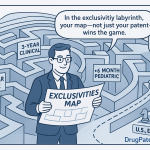
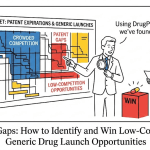
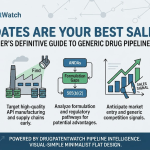
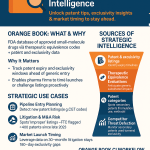
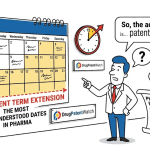
Walk into almost any pharmaceutical business development meeting, and the discussion of competitive exposure will center on patent expiration dates. Someone will pull up an Orange Book summary, cite the last-expiring listed patent, and present that date as the moment when the company’s pricing power evaporates. The meeting moves on.
That framing is wrong often enough to be dangerous.
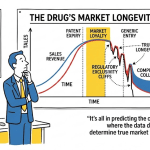
Patent expiration and regulatory exclusivity expiration are two legally distinct events, governed by separate statutes, administered by separate agencies, and capable of producing dramatically different market entry timelines. A generic manufacturer trying to enter the market before all exclusivities expire does not face one legal barrier. It faces two parallel systems that may, and frequently do, expire on entirely different dates — with the later date controlling actual entry regardless of what the earlier one shows.
The error runs in both directions. Brand manufacturers sometimes treat their patent expiration as the cliff date and miss the additional protection that stacked regulatory exclusivities provide. Generic manufacturers and their investors sometimes model entry timing against patent data alone and get surprised when the FDA refuses to approve their application because NCE exclusivity has not yet run. Acquirers of branded pharmaceutical assets routinely overpay or underpay because their financial models conflate the two systems.
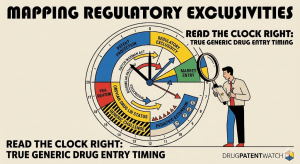
Getting the distinction right requires understanding the FDA’s exclusivity framework independently of patent law, mapping how each exclusivity type operates mechanically, and then building a combined timeline that identifies the single date — the true market entry date — when all legal barriers to generic or biosimilar competition have cleared.
This article is the analytical map for doing exactly that. It covers all major U.S. regulatory exclusivity categories, their interactions with each other and with patent protection, the policy dynamics that are actively reshaping their commercial value, and the data infrastructure that competent competitive intelligence functions use to track them. Resources like DrugPatentWatch, which integrates FDA exclusivity data with patent information in pharmaceutical-specific structures, appear throughout because the raw data for this analysis has to be sourced from somewhere reliable and maintained in real time.
Why Patent Expiration Is the Wrong Date to Watch
The intuition that patent expiration drives generic entry timing comes from a reasonable place. Patents are the primary vehicle by which pharmaceutical innovators exclude competition, they last twenty years from filing with defined extensions, and they generate the Paragraph IV certification disputes that produce the most visible patent cliff narratives. But patents and regulatory exclusivity are not the same thing, and the practical impact of that distinction is substantial.
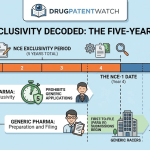
Consider what happens when a small-molecule drug receives New Chemical Entity (NCE) exclusivity from the FDA at approval. That exclusivity runs for five years from the date of FDA approval, irrespective of patent status. During those five years, the FDA will not accept an abbreviated new drug application (ANDA) for a generic version of that drug, with one exception: an ANDA can be submitted in the fourth year of NCE exclusivity if it contains a Paragraph IV patent certification challenging a listed patent [1]. If the brand manufacturer sues within 45 days of receiving notice, the 30-month stay of approval attaches. If it does not, the ANDA can be approved as soon as NCE exclusivity ends.
This creates a scenario in which a brand company whose compound patent has twelve years remaining but whose NCE exclusivity expires in four years faces ANDA submissions in year four and potential generic approval in year five — years ahead of any patent-based timeline. Conversely, a company whose compound patent expired three years ago but whose orphan drug exclusivity runs for another four years faces a competitor who cannot get FDA approval during that window regardless of patent status.
Neither of these dynamics is captured by patent expiration analysis alone. Both are commercially material. According to FDA data, approximately 65 percent of ANDA approvals are for drugs whose Paragraph IV litigation has either not been filed or has resolved in the generic manufacturer’s favor, meaning regulatory exclusivity — not patent strength — is frequently the binding constraint on entry timing [2].
The pharmaceutical industry underweights this because regulatory exclusivity is more opaque than patent protection. Patents are numbered, searchable, and organized in a well-established legal framework. FDA exclusivities are described in agency publications, scattered across multiple regulatory pathways, and interact with each other in ways that require facility with FDA administrative law to interpret correctly. The difficulty of the analysis creates a tendency to substitute the more accessible metric — patent expiration — for the more accurate one.
The Legal Architecture of Pharmaceutical Market Exclusivity
The United States has several distinct regulatory exclusivity systems, each created by separate legislation with its own mechanics, duration, and policy rationale. Understanding each one requires treating it as what it actually is: a regulatory right, not a property right, granted by a federal administrative agency and subject to agency interpretation.
The core categories are:
New Chemical Entity (NCE) exclusivity under the Hatch-Waxman Act, providing five years from approval during which the FDA will not accept generic drug applications.
New Clinical Investigation (NCI) exclusivity, also called three-year exclusivity, protecting specific changes to existing drugs supported by new clinical studies.
Orphan Drug Exclusivity (ODE) under the Orphan Drug Act, providing seven years of exclusive approval for rare disease treatments.
Pediatric Exclusivity under the Best Pharmaceuticals for Children Act (BPCA), adding six months to existing exclusivities and patent terms upon completion of FDA-requested pediatric studies.
Reference Product Exclusivity and Data Exclusivity under the Biologics Price Competition and Innovation Act (BPCIA), providing twelve years and four years respectively for biological products.
These categories can stack, combine, and interact in ways that extend market protection substantially beyond what any single category would provide. A biological product approved for an orphan indication may carry both twelve-year reference product exclusivity and seven-year orphan drug exclusivity simultaneously, with pediatric exclusivity potentially adding six months to both. A small-molecule NCE may receive three-year exclusivity for a subsequently approved new formulation, adding protection past the initial five-year NCE window for the new product configuration.
Mapping any specific drug’s protection requires identifying every applicable exclusivity, confirming each one’s expiration date, and determining which one expires last — because the FDA will not accept generic applications for any protected condition until all relevant exclusivities have expired.
New Chemical Entity Exclusivity: The Five-Year Fortress
NCE exclusivity is the most commercially significant regulatory exclusivity for small-molecule pharmaceuticals. When the FDA approves a drug containing an active moiety that has never before been approved in any drug product in the United States, it grants five years of exclusivity that prevents the FDA from accepting an ANDA or a 505(b)(2) application referencing that drug [3].
The Active Moiety Question
The foundational definitional question is what constitutes an “active moiety” for NCE purposes. The FDA’s regulations at 21 C.F.R. § 314.108 define active moiety as the molecule responsible for the drug’s physiological or pharmacological action, excluding appended portions of the molecule such as ester or salt forms that do not affect the action [4].
This definition has generated substantial litigation and strategic behavior. A pharmaceutical company can take an existing approved molecule, convert it to a prodrug form, and seek FDA approval for the prodrug. Whether the prodrug constitutes a new active moiety — and therefore qualifies for NCE exclusivity — depends on whether the FDA considers the prodrug or its active metabolite to be the “active moiety.”
The FDA’s position has evolved. For esomeprazole (AstraZeneca’s Nexium), the FDA granted NCE exclusivity on the grounds that the S-enantiomer of omeprazole was a distinct active moiety from the racemate [5]. For lisdexamfetamine (Shire’s Vyvanse), the prodrug design was explicitly intended to qualify for NCE exclusivity while delivering d-amphetamine as the active metabolite [6]. These cases illustrate how the active moiety definition has become a strategic variable in pharmaceutical development, not just a regulatory classification.
For competitive intelligence purposes, the active moiety determination affects both how long NCE protection runs and whether generic manufacturers can reference the branded product in their ANDA submissions. A generic manufacturer who attempts to file an ANDA referencing a prodrug as the reference listed drug when the FDA considers the active metabolite to be the relevant approved drug will have its application rejected on grounds unrelated to patent status.
The Four-Year Submission Window
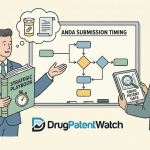
NCE exclusivity contains a structured exception: an ANDA may be submitted in the fourth year of exclusivity if it includes a Paragraph IV patent certification challenging the validity or non-infringement of listed patents [7]. The four-year submission right exists to prevent a situation where generic manufacturers must wait five years before even beginning the FDA review process and then face additional litigation delays on top.
The four-year submission window interacts with the Hatch-Waxman litigation framework in specific ways. If a brand manufacturer receives a Paragraph IV certification notice in the fourth year of NCE exclusivity and files an infringement suit within 45 days, the 30-month stay of ANDA approval begins to run. But the FDA cannot approve the ANDA until both the 30-month stay expires and NCE exclusivity expires, whichever is later.
In practice, this means that for drugs with both NCE exclusivity and compound patents, the controlling date for FDA approval is frequently the later of: NCE exclusivity expiration (five years from approval), 30-month stay expiration (measured from the date of the fourth-year ANDA submission), or a court judgment on the challenged patents. Calculating this date requires knowing the approval date, the ANDA submission date, the date of notice to the brand manufacturer, and the outcomes of any Paragraph IV litigation — a multi-variable computation that simple patent expiration analysis cannot perform.
When NCE Exclusivity and Patents Diverge
The gap between NCE exclusivity expiration and patent expiration is commercially meaningful in two scenarios that analysts encounter regularly.
The first scenario is a drug approved late in the patent term. If a company files a patent application, spends six years in prosecution, then spends six years in clinical development before FDA approval, the compound patent may have only eight years remaining at the time of FDA approval. The five-year NCE exclusivity will overlap almost entirely with those eight patent years, providing no extension of protection beyond the patent term. The generic cliff in this scenario is driven by patent expiration, not exclusivity.
The second scenario is a drug approved with limited patent coverage. Some drugs, particularly those developed from older chemical entities that were in public domain or poorly patented, may have weak patent protection but robust regulatory exclusivity. A drug that qualifies for NCE exclusivity may have only method-of-treatment patents with limited defensive value — but its five-year exclusivity window provides complete protection that is legally stronger than a contestable patent, because the FDA’s exclusivity bars ANDA submissions regardless of patent validity.
This second scenario is why generic manufacturers track NCE expiration dates with equal attention to patent expiration dates. A drug with only a five-year NCE exclusivity and no significant patent coverage presents a clearly timed, patent-free entry opportunity: submit the ANDA starting in year four, complete FDA review during the review period, and enter the market the day NCE exclusivity expires.
Three-Year New Clinical Investigation Exclusivity
The three-year NCI exclusivity protects new conditions of approval for previously approved drug products when those conditions were supported by new clinical investigations “essential to the approval” of the new condition [8]. Unlike NCE exclusivity, NCI exclusivity does not block ANDA submissions. It blocks ANDA approvals only for the specific condition of approval — the new indication, dosage form, strength, or route of administration — that the clinical studies supported.
What Qualifies as a New Clinical Investigation
The phrase “new clinical investigation” has been the subject of FDA guidance and litigation. The FDA’s interpretation, most clearly stated in its 1989 regulations and subsequent guidance documents, requires that the investigation be new in the sense that it was not previously relied upon for approval of any prior application, and essential in the sense that without it, the new condition of approval would not have been granted [9].
Pharmacokinetic studies alone do not qualify. Bioavailability studies typically do not qualify. Clinical efficacy or safety studies that generate new data about a drug’s performance in a specific patient population are the paradigmatic qualifying studies.
This creates a specific competitive intelligence opportunity. When a brand manufacturer supplements its NDA with new clinical study data to support a new indication or formulation, the NCI exclusivity it receives runs three years from the approval of that supplement — not from the original NDA approval date. An analyst tracking the complete NCI exclusivity picture for a drug must track not just the original approval date but every subsequent supplement that triggered its own three-year exclusivity window.
For complex drugs with multiple approved indications and formulations, this picture can be layered. A drug first approved for Indication A (receiving five-year NCE exclusivity) that subsequently receives approval for Indication B based on new clinical studies (receiving three-year NCI exclusivity for that indication) and later receives approval for a new extended-release formulation (receiving three-year NCI exclusivity for that formulation) carries overlapping exclusivity windows that expire at different times for different conditions of approval.
A generic manufacturer seeking to compete with all approved conditions of approval cannot launch until the last relevant exclusivity has expired. DrugPatentWatch’s product-level exclusivity data displays this layered picture, listing each exclusivity code from the Orange Book and its associated expiration date — exactly the structured format needed to identify the controlling expiration date for a specific competitive entry plan.
NCI Exclusivity and the 505(b)(2) Pathway
NCI exclusivity specifically affects applications referencing the original NDA — ANDAs and 505(b)(2) applications. The 505(b)(2) pathway allows applicants to rely in part on published literature and the FDA’s prior findings of safety and effectiveness for a related product, reducing clinical development costs for modified versions of approved drugs.
A 505(b)(2) application cannot be approved for a condition protected by NCI exclusivity any more than an ANDA can, but the restriction applies only to the specifically protected condition. An applicant using the 505(b)(2) pathway for a different indication than the one protected by NCI exclusivity faces no NCI exclusivity barrier for that different indication.
This creates a strategy used by pharmaceutical companies developing improved formulations of competitor drugs: file a 505(b)(2) application for the reformulated product with an indication not covered by the reference product’s NCI exclusivity. The applicant still needs to address patent coverage, but the NCI exclusivity does not itself block approval for uncovered conditions.
Orphan Drug Exclusivity: The Seven-Year Shield
The Orphan Drug Act of 1983 was enacted to solve a market failure: diseases affecting fewer than 200,000 patients in the United States were attracting inadequate research investment because the patient population was too small to generate commercially attractive returns [10]. Congress addressed this with a combination of tax incentives, grants, and — most commercially significant — seven years of market exclusivity for approved orphan drug products. <blockquote> “The FDA’s orphan drug program has approved more than 1,100 orphan drugs since 1983. By 2024, orphan drugs represented approximately 50 percent of all new molecular entity approvals, a dramatic increase from roughly 25 percent a decade earlier, reflecting both the program’s commercial attractiveness and genuine scientific advances in rare disease therapeutics.” [11] </blockquote>
How Orphan Drug Exclusivity Operates
Orphan Drug Exclusivity (ODE) is different in its mechanism from NCE or NCI exclusivity. NCE exclusivity blocks ANDA submissions. NCI exclusivity blocks ANDA approvals for specific conditions. ODE blocks the FDA from approving the same drug for the same orphan disease for any sponsor other than the ODE holder — including approval of a competing branded product, not just a generic [12].
The scope of ODE has been extensively litigated. The controlling questions are: what constitutes the “same drug,” and what constitutes the “same disease or condition”?
For the “same drug” question, the FDA has interpreted “same drug” to mean the same active moiety for small molecules and the same principal molecular structural features for biologics. Two drugs that are structurally distinct but pharmacologically similar are not the “same drug” for ODE purposes. This means ODE provides absolute protection against the same molecular entity but does not necessarily prevent competing therapies from gaining approval.
For the “same disease” question, the FDA uses the specific orphan designation granted — not a broad therapeutic class. A company that holds ODE for Drug X in the treatment of Rare Disease A cannot prevent a competitor from gaining approval for a structurally identical molecule for Rare Disease B, even if the diseases share substantial clinical overlap.
The combination of these interpretations means ODE provides strong but bounded exclusivity: absolute protection within the designated condition for the same molecular entity, and no protection for structurally different competing therapies or for other conditions.
The Prevalence Threshold and Designation Strategy
The 200,000-patient U.S. prevalence threshold for orphan designation is both a statistical fact and a strategic variable. For diseases where prevalence is genuinely below the threshold, orphan designation eligibility is clear. For diseases where prevalence is borderline or contested, companies have engaged in active strategy around how patient populations are defined and counted.
The FDA’s Office of Orphan Products Development (OOPD) evaluates prevalence data submitted with designation applications, and the agency has considerable discretion in how it applies the statistical standards. Sponsors seeking designation for conditions with flexible epidemiological definitions — conditions defined by biomarkers, genetic mutations, or composite clinical criteria — have latitude in selecting the most favorable patient counting methodology.
Research by Tribble and Lupkin documented systematic cases in which pharmaceutical companies obtained orphan designations for common diseases by defining narrow patient subpopulations — administering drugs that were eventually used in the broader disease population while enjoying orphan exclusivity for the narrow designated indication [13]. The FDA has tightened its prevalence standards over time, but historical designations grandfathered under older standards remain in effect for their full seven-year terms.
For competitive intelligence, the practical implication is that a company’s orphan designation status requires independent verification of the epidemiological basis for designation. A drug whose ODE rests on a narrowly-defined patient population that does not reflect actual clinical use is in a strategically different position from one whose ODE covers the full patient population being treated — both legally (since off-label use does not change the ODE scope) and commercially (since payer dynamics for a drug used predominantly off the designated indication are different).
Stacking: When ODE and NCE Run Simultaneously
When a drug qualifies for both NCE exclusivity (because its active moiety has never before been approved) and ODE (because its first approved indication is an orphan condition), both exclusivity periods run simultaneously from the date of approval. The controlling exclusivity is whichever expires later.
For small-molecule drugs approved exclusively for orphan indications, ODE typically provides longer protection than NCE: seven years versus five years. A company that achieves FDA approval for a new small molecule in an orphan indication benefits from ODE’s two-year extension over NCE, plus all of the ANDA submission blocking that NCE provides during its own five-year window.
The interaction becomes more complex when a drug receives ODE for a rare indication and is subsequently approved for a common indication. The ODE applies only to the designated orphan condition — it does not block generic applications referencing the drug for the common indication unless the generic’s proposed label includes the orphan indication. This creates a labeling strategy opportunity for generic manufacturers: carve out the orphan indication from the label, seek approval for only the non-orphan indication, and enter the market without triggering ODE.
The carve-out strategy’s commercial viability depends on whether the non-orphan indication represents a meaningfully large market. If the orphan indication is a small fraction of total use, a label carve-out allows generic manufacturers to capture most of the commercial opportunity while ODE runs.
ODE and the Same Drug Exception
ODE is not absolute even within its designated disease and same-drug scope. The Orphan Drug Act permits the FDA to approve a clinically superior version of the same drug from a different sponsor during the ODE holder’s exclusivity period, where “clinically superior” means greater efficacy, greater safety, or a major contribution to patient care [14].
The clinical superiority exception has produced significant litigation. In Catalyst Pharmaceuticals, Inc. v. Becerra [15], the Eleventh Circuit held that the FDA was required by statute to grant ODE to the first applicant approved for an orphan indication, and that the agency could not use the clinical superiority determination to block ODE for a drug that was already approved before a later-approved competitor claimed superiority. The case resolved an ambiguity about whether the clinical superiority carve-out applied to blocking ODE grant versus blocking subsequent approvals, and its resolution has material implications for companies in orphan drug markets where multiple sponsors are seeking approval for competing products.
For portfolio valuation and competitive intelligence purposes, the clinical superiority exception means that ODE is not bulletproof protection even within its designated scope. Companies with ODE-protected drugs face the risk that a competitor will develop a demonstrably superior formulation, delivery system, or dosing regimen and obtain FDA approval through the clinical superiority pathway. This risk is most acute in orphan conditions where a first-generation therapy, approved before the disease was well characterized, might be displaced by a molecularly targeted follow-on product.
Pediatric Exclusivity: The Six Months That Move Billions
Pediatric exclusivity is mechanically unlike any other exclusivity type in the U.S. system. It does not create a standalone exclusivity period. Instead, it attaches six months to the end of each existing patent or exclusivity period that would otherwise block generic entry [16]. If a drug has both a compound patent expiring in 2027 and NCE exclusivity expiring in 2026, pediatric exclusivity adds six months to both — making the controlling date December 2027 instead of June 2027.
The Written Request Mechanism
Pediatric exclusivity is not automatic. It requires the sponsor to receive a Written Request (WR) from the FDA asking it to conduct pediatric studies, conduct those studies in accordance with the WR specifications, and submit the results to the FDA. The FDA then determines whether the studies fairly respond to the WR — if they do, pediatric exclusivity attaches regardless of whether the studies showed a positive result in children [17].
The standard is compliance with the study request, not success in children. A sponsor that conducted the requested studies and found that its drug did not work in pediatric patients still receives pediatric exclusivity. The purpose is to generate pediatric data that will be publicly available and useful to prescribers, regardless of outcome — and to compensate sponsors for the cost of conducting studies in a vulnerable population.
The Commercial Value of Six Months
Six additional months of exclusivity for a drug generating $2 billion annually in U.S. revenue is worth approximately $1 billion in pre-tax operating income before accounting for competitive entry dynamics, payer formulary behavior, and authorized generic positioning. For drugs above that revenue level, the value is proportionally higher.
Pfizer’s atorvastatin (Lipitor) received pediatric exclusivity that, combined with its last-expiring patent, extended its exclusivity to November 2011. In the six months following generic entry, atorvastatin lost approximately 80 percent of its unit volume to generic competition [18]. Extrapolating the pre-generic quarterly revenues, the six-month pediatric exclusivity period was worth well over $1.5 billion in revenue — for a study program that cost a small fraction of that amount.
For competitive intelligence purposes, pediatric exclusivity creates a specific monitoring task: tracking when brand manufacturers receive Written Requests and when they submit pediatric study reports. The FDA publishes WR issuance and the grant or denial of pediatric exclusivity in its database of pediatric studies, which is publicly accessible. Analysts monitoring drugs that are likely to receive WRs — drugs in large therapeutic categories used in children where pediatric data is lacking — can anticipate the potential exclusivity extension and model it into their competitive timing analysis.
Platforms like DrugPatentWatch display pediatric exclusivity codes from the Orange Book alongside other exclusivity data, allowing analysts to identify which drugs have received pediatric exclusivity, when it expires, and how it interacts with other protection. Without this integrated view, an analyst working only from patent records would systematically underestimate the length of protection for any drug that has received pediatric exclusivity.
Biologics and the BPCIA Framework: A Separate Clock
The Biologics Price Competition and Innovation Act of 2009, enacted as part of the Affordable Care Act, created the first regulatory pathway for biosimilar versions of biological products [19]. It also created an entirely separate exclusivity framework that has no parallel in small-molecule pharmaceutical regulation.
Reference Product Exclusivity: The 12-Year Window
The BPCIA provides that the FDA cannot approve a biosimilar application referencing a biological product until twelve years after the date on which the reference product was first approved [20]. This twelve-year period is reference product exclusivity (RPE) and is the most commercially significant exclusivity period in biologic regulation.
RPE differs from NCE exclusivity in several important ways. NCE exclusivity runs five years; RPE runs twelve. NCE exclusivity applies to small-molecule drugs; RPE applies only to biological products licensed under the Public Health Service Act — meaning therapeutic proteins, monoclonal antibodies, vaccines, blood products, and other complex biological entities. NCE exclusivity blocks ANDA submissions for four of its five years; RPE functions differently, blocking biosimilar application submissions for four years (the data exclusivity component) and biosimilar approvals for twelve years.
The twelve-year number was itself the subject of intense Congressional debate during BPCIA’s drafting. The biopharmaceutical industry sought fourteen years; generic and biosimilar manufacturers sought seven years; the Obama administration proposed twelve [21]. The twelve-year figure reflects a political compromise rather than any rigorously derived estimate of the investment recovery time needed for biologic development, a criticism that has been leveled consistently since enactment.
The 4-Year Data Exclusivity Component
Within the twelve-year RPE window, the first four years constitute a distinct data exclusivity period during which a biosimilar applicant cannot even submit an application referencing the brand biologic [22]. The four-year submission bar is the BPCIA analogue to the four-year ANDA submission right under NCE exclusivity — both allow regulatory review to begin before exclusivity fully expires, so that approval can occur promptly when exclusivity does expire.
The four-year period is measured from the date of first licensure of the reference product, the same baseline as the twelve-year RPE. A biosimilar applicant can submit its application beginning on the day after the fourth anniversary of the reference product’s first licensure. If the biosimilar application is filed in year four, FDA review can be completed during years five through twelve, and approval can occur immediately when RPE expires in year twelve — assuming all other requirements are met, including resolution of any patent dance proceedings.
The Patent Dance: BPCIA’s Unique Litigation Structure
Unlike Hatch-Waxman, which triggers automatic 30-month stays upon notice of a Paragraph IV certification, the BPCIA establishes a complex multi-step “patent dance” process for resolving patent disputes between reference product sponsors and biosimilar applicants [23]. The dance involves mutual disclosure of application information, patent identification, negotiated lists of patents for immediate litigation, and a follow-on mechanism for additional patents.
The Supreme Court’s decision in Amgen Inc. v. Sandoz Inc. [24] clarified certain aspects of patent dance participation, but the basic architecture remains significantly more complex than Hatch-Waxman proceedings.
For timeline analysis purposes, the critical point is that BPCIA patent disputes do not generate automatic 30-month stays in the way that Paragraph IV certifications do. There is no mechanical exclusivity interaction equivalent to Hatch-Waxman’s stay provision. Instead, patent dance participants negotiate which patents go into immediate litigation and which are held for later proceedings, creating a more variable litigation timeline that depends on strategic choices by both parties.
This means that for biological products, the twelve-year RPE date is a cleaner controlling date than the equivalent calculation for small molecules, because there is no automatic 30-month stay from patent litigation that could extend protection beyond RPE expiration. A biosimilar manufacturer that files its application in year four, completes FDA review, and has no unresolved patent dance litigation can, in principle, launch its product on the day RPE expires.
Reading the FDA Orange Book and Its Limits
The Orange Book (officially: Approved Drug Products with Therapeutic Equivalence Evaluations) is the FDA’s publication listing approved drug products and associated patents and exclusivities. For any serious analysis of pharmaceutical competitive timing, it is both an essential starting point and an insufficient endpoint.
What the Orange Book Actually Contains
The Orange Book lists patents and exclusivities in the following structure: for each approved drug product, it shows the application number (NDA or ANDA), the active ingredient(s), the dosage form, the route of administration, and the reference listed drug status. For each listed patent, it shows the patent number and expiration date. For each exclusivity period, it shows the exclusivity code (NCE, NCI, ODE, etc.) and the expiration date [25].
The patent listing relies on the NDA holder’s certification that listed patents claim the approved product or an approved method of use. The FDA does not independently verify this certification — it records what the NDA holder submits. The exclusivity listing, by contrast, is determined by the FDA through its own regulatory evaluation at the time of approval. NCE, NCI, and ODE status are affirmatively granted by the FDA and reflected in the Orange Book accordingly.
The distinction matters for analytical purposes. Patent listings are self-certified and subject to challenge on over-listing grounds. Exclusivity listings are FDA-determined and carry more formal reliability — a drug listed with NCE exclusivity expiring in 2027 has an FDA determination behind that date, not merely a company’s self-assessment.
What the Orange Book Does Not Tell You
The Orange Book does not contain pending patent applications. A drug with only one listed patent may have multiple continuation applications pending before the USPTO that could issue with commercially relevant claims before the listed patent expires. Orange Book analysis that treats the listed patent as the complete picture of patent protection is systematically incomplete for drugs with active patent prosecution strategies.
The Orange Book does not contain foreign patent or exclusivity data. Most major pharmaceutical markets have their own data exclusivity frameworks — the European Union provides ten years of data exclusivity plus one additional year for new indications under the 8+2+1 formula; Japan provides eight years; Canada provides eight years [26]. A competitive entry analysis focused solely on U.S. Orange Book data will miss material competitive dynamics in non-U.S. markets.
The Orange Book does not capture exclusivity interactions that require interpretive judgment. Two exclusivities with different expiration dates that cover the same drug product may or may not interact in the way an analyst expects — particularly where ODE and NCE exclusivity overlap for the same approved indication, or where pediatric exclusivity attaches to multiple underlying protections with different expiration dates.
DrugPatentWatch addresses several of these gaps by providing additional context beyond the raw Orange Book data: patent family information (linking listed patents to related applications and international counterparts), exclusivity cross-referencing that organizes multiple exclusivities by product and expiration date, and Paragraph IV litigation tracking that provides context about which listed patents are under active challenge. Used alongside direct Orange Book review and independent prosecution history analysis, DrugPatentWatch provides a substantially more complete starting point for timeline construction than Orange Book review alone.
The Purple Book for Biological Products
The Purple Book is the FDA’s equivalent of the Orange Book for biological products licensed under Section 351 of the Public Health Service Act. It lists reference biological products, their biosimilar and interchangeable counterparts, and the relevant exclusivity information [27].
The Purple Book has historically been less comprehensive than the Orange Book. It does not list individual patents in the way the Orange Book does — there is no self-certification mechanism equivalent to Orange Book listing for biologics, because the BPCIA resolved patent disputes through the patent dance rather than through an Orange Book-triggered Paragraph IV framework. For biosimilar competitive intelligence, the Purple Book provides the twelve-year RPE dates that control biosimilar entry timing but does not provide the same patent litigation context that the Orange Book provides for small molecules.
Building the True Entry Timeline: The Stacking Methodology
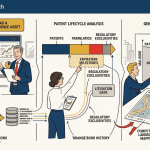
With the individual exclusivity mechanisms understood, the analytical task becomes building a complete timeline for each drug product that accurately identifies when every relevant legal barrier to generic entry will expire. This is the “stacking” methodology — layering all protections, patent and regulatory, into a single chronological structure.
The Six-Step Stacking Process
Step one is identifying the drug product precisely. This means the specific NDA number, the specific dosage form and strength that carries commercial relevance, and the specific approved indications. Different dosage forms of the same drug may carry different exclusivities.
Step two is extracting all Orange Book exclusivity data for the drug. This means every exclusivity code listed, its basis, and its expiration date. For drugs with multiple indications and formulations approved at different times, this list may include NCE exclusivity from original approval, multiple NCI exclusivities from subsequent supplement approvals, ODE if applicable, and pediatric exclusivity if awarded.
Step three is extracting all listed patent data and supplementing it with pending application research. For each listed patent, note the expiration date including PTA and PTE adjustments. For each patent family, identify any pending continuation applications through USPTO public records and note that their expiration dates, if and when they issue, will be governed by the 20-year-from-filing term of the original family.
Step four is mapping all protections onto a timeline. The x-axis is calendar time; the y-axis is protection type. Plot each exclusivity period and each patent term as a horizontal bar, clearly labeled, with expiration dates marked.
Step five is identifying the controlling date. The controlling date for full generic ANDA approval (for all approved conditions of use without label carving) is the latest expiration date on the timeline. Identify separately the controlling date for ANDA submission eligibility (which may be earlier, given that ANDA submissions can begin in the fourth year of NCE exclusivity and that label carving can make certain conditions of use available before the controlling date for all conditions).
Step six is modeling the ANDA review period. FDA review of generic drug applications typically takes twelve to thirty months for standard applications, longer for complex products. The date when a generic manufacturer could actually enter the market is not the date when the last exclusivity expires, but rather the date when it could receive ANDA approval — meaning an ANDA filed when the FDA first accepts submissions could be approved, at the earliest, at the end of the review period, which in the best case begins the day the last exclusivity expires.
A Worked Example in Complex Stacking
Consider a hypothetical small-molecule drug — Drug X — with the following profile: approved by the FDA in January 2020 as an NCE, carrying five-year NCE exclusivity expiring January 2025. The drug also received orphan designation for its primary indication, an orphan cancer subtype, and ODE expiring January 2027. The NDA holder subsequently received approval for an extended-release formulation in March 2022, supported by new clinical studies, giving the new formulation three-year NCI exclusivity expiring March 2025. In 2023, the NDA holder completed FDA-requested pediatric studies and received pediatric exclusivity, which attaches six months to each existing protection period.
After pediatric exclusivity, the adjusted expiration dates are: NCE exclusivity July 2025 (five years from January 2020, plus six months); ODE July 2027 (seven years from January 2020, plus six months); NCI exclusivity for the ER formulation September 2025 (three years from March 2022, plus six months).
The compound patent, filed in December 2014 and issued in 2017 with two years of PTE reflecting regulatory review time, expires December 2034.
The controlling date for generic entry without label carving is July 2027 — the adjusted ODE expiration. A generic ANDA submitted in year four of NCE exclusivity (January 2024) would face: a 30-month stay if the brand filed suit within 45 days (running through approximately July 2026), followed by the need to wait for ODE expiration in July 2027 before FDA approval could issue. The patent does not expire until 2034, so if the generic prevailed in Paragraph IV litigation on the patent, it would enter in July 2027, not December 2034.
The compound patent is entirely superfluous to the timeline until July 2027. Any financial model that projected generic entry risk by looking only at the patent expiration date of 2034 would misidentify the actual risk profile by seven years.
This is not a contrived example. Orphan drugs with long ODE protection routinely have compound patents extending well past the ODE expiration — the ODE controls entry, and analysts focused exclusively on patent terms miss the earlier vulnerability entirely.
Orphan Drug Exclusivity: Strategic Deployment
The growth of orphan drug designations from a relatively narrow policy tool to a dominant feature of pharmaceutical development economics has produced both genuine therapeutic advances and systematic strategic behavior that competitive intelligence professionals need to understand.
The Orphan Drug Revenue Model
The economic logic of orphan drug development has shifted the pharmaceutical industry’s R&D priorities in measurable ways. Drugs for rare diseases can command prices that would be commercially untenable for common disease treatments. The combination of high pricing, seven-year exclusivity without generic competition risk, tax incentives during development, and accelerated FDA review creates a return-on-investment profile that has attracted major pharmaceutical companies into rare disease segments that they previously ignored.
Vertex Pharmaceuticals’ cystic fibrosis franchise demonstrates the commercial model at full expression. Ivacaftor (Kalydeco), approved in 2012, received ODE for the treatment of cystic fibrosis in patients with specific gating mutations — a patient population of fewer than 4,000 patients in the United States. The drug was priced at approximately $300,000 annually per patient [28]. Subsequent combination products (lumacaftor/ivacaftor and tezacaftor/ivacaftor and elexacaftor/tezacaftor/ivacaftor) received their own orphan designations for distinct patient subpopulations, each with its own seven-year ODE. The franchise generated over $7 billion in annual revenue by 2022, with most of that revenue protected by layered ODEs rather than patent terms.
For competitive intelligence analysis, the Vertex model illustrates a specific dynamic: a company can construct a portfolio of layered ODEs across a disease area by successively developing new combinations, each targeting a distinct orphan patient population, and receiving new ODE for each. Competitors face the challenge of either developing genuinely different molecules (not blocked by ODE) or waiting for each layer of ODE to expire while the brand company continues to generate new revenue from the franchise.
The “Salting” Problem in ODE
Regulatory exclusivity systems designed to prevent generic competition have historically been exploited through reformulation strategies. ODE has been subject to a specific variant: brand manufacturers obtaining orphan designation for modified versions of drugs already in use, allowing new ODE for what is essentially the same therapeutic molecule in a new chemical form.
The FDA’s rules have evolved to address this. The “same drug” standard for ODE now includes the major structural features analysis for biologics and the active moiety analysis for small molecules, specifically to prevent enantiomers or salts of already-approved drugs from receiving new ODE unless they demonstrate clinical superiority.
The regulatory evolution creates an analytical challenge: historical ODE designations, granted under less rigorous standards, may reflect a policy environment that no longer exists. An orphan drug whose ODE was granted in the 1990s or early 2000s under older interpretive standards may face higher scrutiny of its clinical superiority justification than the original designation process required. Analysts should verify the basis for older ODE designations against current standards, particularly for drugs where generic manufacturers are actively exploring whether the same-drug determination could be challenged.
ODE Interplay With the Biosimilar Framework
For biological orphan drugs — monoclonal antibodies, recombinant proteins, and gene therapies targeting rare conditions — ODE interacts with the BPCIA’s twelve-year RPE in ways that require careful attention.
Both ODE (seven years) and RPE (twelve years) run from the date of first licensure. For a biological orphan drug, RPE is always longer than ODE. This means the controlling exclusivity for biologic orphan drugs is RPE, not ODE — the FDA cannot approve a biosimilar until twelve years after approval regardless of whether ODE has expired in year seven.
What ODE provides for biologic orphan drugs that RPE does not is protection against competing brand approvals. RPE blocks biosimilars — it does not block the FDA from approving a competing branded biologic for the same indication. ODE, within its same-drug and same-disease scope, blocks competing branded approvals as well as biosimilars. For biologic orphan drugs facing potential competition from structurally different branded competitors (which RPE does not block), ODE’s additional seven-year protection against same-drug competition has real commercial value separate from RPE’s protection against biosimilars.
Competitive Intelligence Applications: From Data to Market Entry Prediction
The exclusivity framework described in this article becomes commercially actionable when it is applied to specific competitive intelligence questions. The three most common applications are: identifying the true market entry date for a specific drug, screening a portfolio for near-term exclusivity gaps, and modeling the competitive entry economics for ANDA investment decisions.
The Controlling Date Determination
For any drug that a generic manufacturer or biosimilar developer is considering targeting, the first analytical task is determining the single controlling date — the earliest date on which the FDA could approve a competing application for all approved conditions of use.
The methodology: pull all Orange Book exclusivity codes and expiration dates for the target drug and verify each one’s basis. Pull all Orange Book patent listings and supplement them with pending continuation application research. Check for any pending pediatric WRs and assess the probability that pediatric exclusivity will be awarded. Identify any label carving opportunities — conditions of approval protected by ODE or NCI exclusivity that the generic could avoid while still achieving a commercially viable product. Map all barriers onto a timeline and identify the controlling date for the generic manufacturer’s intended commercial profile. Account for FDA review time and any litigation delays to arrive at the earliest market entry date.
DrugPatentWatch’s product pages execute the first two steps in this process programmatically, displaying all exclusivity codes, patent listings, Paragraph IV filing history, and related application information in a single structured view. The remaining steps require human judgment and legal analysis applied to that data.
Portfolio Screening for Exclusivity Gaps
For a pharmaceutical company monitoring competitive threats to its own portfolio, the reverse application is equally valuable. A systematic review of the company’s drug products through the stacking methodology identifies:
Products where regulatory exclusivity expires before the last-listed patent — meaning the controlling date for ANDA approval is earlier than the patent expiration would suggest, and Paragraph IV challenges are likely.
Products where no regulatory exclusivity remains but strong patents extend protection — meaning that the only barrier to generic entry is patent validity, and the patent portfolio must be assessed rigorously under the advanced patent metrics framework.
Products where pediatric exclusivity is a realistic option — meaning that pursuing a WR program could generate meaningful additional exclusivity at relatively low cost.
Products where orphan designation for a new indication is feasible — meaning that clinical development for a rare disease extension could generate ODE that protects both the new indication and, by extending the exclusivity layer, indirectly supports pricing stability across the franchise.
ANDA Investment Decisions: The First-Filer Economics
For generic manufacturers, the 180-day first-filer exclusivity awarded to the first ANDA applicant to file a Paragraph IV certification against a listed patent represents a substantial economic prize. But 180-day exclusivity only has value if the generic manufacturer can actually enter the market when its exclusivity window opens — meaning all regulatory exclusivities must also have expired.
The interaction of first-filer exclusivity and regulatory exclusivity creates specific analytical problems. A generic manufacturer that files a Paragraph IV certification in year four of NCE exclusivity, wins the patent challenge, and secures first-filer status cannot monetize that status until NCE exclusivity expires at the end of year five. If an ODE also runs for seven years, the first-filer exclusivity sits unrealized until ODE expires — at which point the 180 days of first-filer exclusivity begins.
The economic value of first-filer exclusivity depends heavily on how long the generic manufacturer must hold its position before monetizing it. A 180-day exclusivity that can be exercised immediately upon winning a patent challenge is worth a specific amount based on the drug’s revenue. The same 180-day exclusivity that cannot be exercised for another two years because of stacked regulatory exclusivities is worth less — both in absolute terms and in risk-adjusted terms, because holding a first-filer position over multiple years creates risk of forfeiture if the 180-day exclusivity lapses for failure to timely market.
European Data Exclusivity: The Parallel System
U.S. pharmaceutical competitive intelligence, focused on Orange Book data and FDA exclusivities, often underweights the European regulatory exclusivity framework — a significant analytical gap for drugs that generate material revenue across both markets.
The 8+2+1 Formula
The European Union’s pharmaceutical data exclusivity framework provides an eight-year data exclusivity period during which generic marketing authorization applications cannot reference the brand product’s clinical data, followed by a two-year marketing exclusivity period during which generic approvals are permitted but market entry is blocked, with a potential additional one-year marketing exclusivity for a new indication supported by significant clinical benefit [29].
The baseline protection is eight years of data exclusivity plus two years of market exclusivity — ten years total from initial EU authorization. The additional one year is available once, for any single new therapeutic indication, provided the indication is supported by new preclinical or clinical studies and provides significant clinical benefit.
The EU system differs from the U.S. system in several ways that affect competitive timing analysis. The EU data exclusivity period (eight years) is longer than NCE exclusivity in the U.S. (five years), providing more time before generic applications referencing the brand data can even be submitted in the EU. The two-year EU market exclusivity provides time for generic manufacturers to prepare their marketing infrastructure while preventing actual competitive entry. EU orphan designation provides ten years of market exclusivity that replaces (rather than stacks with) the 8+2+1 data exclusivity for the orphan indication.
For competitive intelligence covering EU markets, analysts must replicate the stacking methodology using EU authorization dates and EU exclusivity codes from the European Medicines Agency (EMA) product database, which is the EU analogue of the FDA’s Orange Book.
Japan, Canada, and the Global Picture
Japan’s pharmaceutical data exclusivity provides eight years from approval, calculated on a product-specific basis with different periods for new chemical entities versus new formulations. Canada provides eight years of data protection under its Patented Medicines (Notice of Compliance) Regulations [30]. These periods run on their own timelines from the relevant approval dates in each country.
A global competitive intelligence function maps these periods for each major market alongside U.S. exclusivity data, producing a country-by-country entry timing picture. The controlling date for global generic competition is not the date the last U.S. exclusivity expires — it is the date the last exclusivity in the last major market expires, if the competitive strategy involves coordinated global launch. In practice, generic and biosimilar manufacturers often launch first in markets where exclusivities have expired, building revenue while other markets remain protected, which means that U.S. and major EU country entry dates are the commercially most significant individual milestones to track.
The Inflation Reduction Act and the Erosion of Exclusivity Value
The passage of the Inflation Reduction Act of 2022 introduced a Medicare drug price negotiation mechanism that directly affects the commercial value of regulatory exclusivities, and pharmaceutical portfolio valuation conducted without modeling this mechanism is increasingly unreliable.
The Negotiation Eligibility Framework
Under the IRA, the Secretary of Health and Human Services can select drugs for Medicare price negotiation based on their Medicare expenditure ranking, their exclusivity status, and the absence of generic or biosimilar competitors [31]. For small-molecule drugs, the IRA creates negotiation eligibility beginning nine years after initial approval if the drug has no approved generic competitor. For biological products, the window opens at thirteen years after initial approval.
The interaction with regulatory exclusivity is direct and consequential. NCE exclusivity runs five years; ODE runs seven years; BPCIA RPE runs twelve years. For a small-molecule drug with NCE exclusivity, the IRA’s nine-year negotiation eligibility trigger arrives four years after NCE expiration — at the tail end of a compound patent term or during a period when secondary patent protection may be the only remaining barrier to generic entry. For a biological product, the IRA’s thirteen-year trigger arrives one year after BPCIA RPE expires.
The IRA thus creates a regulatory pricing cap that applies precisely in the window when many drugs are most vulnerable to competitive entry — between exclusivity expiration and patent expiration, or in the final years of patent protection. The economic benefit of maintaining patent protection in that window is reduced because CMS-negotiated prices may apply during those years regardless of patent status.
The Implications for Orphan Drug Economics
The IRA includes a small-molecule orphan drug exemption: drugs that have exclusively orphan designations are exempt from the negotiation mechanism [32]. But drugs that have orphan designations for some indications and non-orphan indications as well are not exempt. This creates a specific dilemma for pharmaceutical companies with drugs that originated as orphan products and subsequently received broader indications.
A drug that started as an orphan product (receiving ODE and the IRA exemption) and was then approved for a large common-disease population loses its IRA exemption when it gains the common-disease approval. The commercial logic of pursuing broader indications — more patients, more revenue — is partially offset by the loss of IRA negotiation exemption, creating a genuine strategic decision about whether to pursue non-orphan indication approvals.
Modeling the Price Negotiation Discount
For portfolio valuation purposes, the IRA’s negotiation mechanism requires integrating a price discount probability and magnitude into the revenue projections that underlie any exclusivity-based valuation. The early negotiation results — drug prices negotiated for 2026 showing discounts of 38-79 percent from list price for the first ten selected drugs [33] — provide initial calibration data, though the long-run discount magnitude under the negotiation framework remains uncertain.
Valuation models that incorporate IRA negotiation risk should: identify which drugs in the portfolio will become eligible for negotiation selection within the five-year modeling horizon, based on the nine-year (small molecule) and thirteen-year (biologic) eligibility thresholds; estimate the probability of selection for each eligible drug using the IRA’s expenditure-ranking methodology; model the revenue impact of negotiated price reductions at the CMS-negotiated discount levels observed in initial negotiations, applied to the Medicare revenue share for each drug; and discount these probability-weighted revenue impacts to present value.
Building Monitoring Infrastructure: From Static Analysis to Live Intelligence
The exclusivity mapping described in this article is most useful when it is conducted on a continuous basis, with real-time updates as FDA actions, litigation outcomes, and regulatory changes alter the picture. A static analysis conducted annually will miss events that occur in the intervening months — events that can materially alter competitive timing and require rapid strategic response.
Orange Book Alert Systems
The FDA updates the Orange Book on a rolling basis as new approvals are issued, new exclusivities are granted, and existing entries are modified. Changes include: new patent listings, patent expirations, new exclusivity grants, pediatric exclusivity grants, and Paragraph IV certification annotations.
The FDA provides a cumulative supplement file that records all Orange Book changes, and the agency publishes monthly patent and exclusivity expirations in the Federal Register. These public data feeds form the foundation of any automated monitoring system.
DrugPatentWatch incorporates Orange Book update tracking into its alert functionality, notifying subscribers when specified products’ Orange Book entries change. For a pharmaceutical company monitoring competitive threats, this means real-time notification when a generic manufacturer files a Paragraph IV certification against a listed patent, when a new generic application is submitted, or when an exclusivity code is added or modified. The value of this functionality is not just convenience — it is the difference between being notified of a Paragraph IV certification on the day the Orange Book is updated and discovering it months later when reviewing the annual competitive landscape.
A single missed Paragraph IV certification notification, discovered six weeks after the 45-day window to file an infringement suit has expired, represents the loss of a 30-month stay — and potentially three or four years of premature generic competition for a drug generating hundreds of millions annually. The cost of that intelligence failure is measured in the hundreds of millions.
ANDA Approval and Tentative Approval Tracking
The FDA publishes ANDA approvals and tentative approvals (approvals that are complete but held for exclusivity or patent barrier expiration) on its website and through various public data feeds. Tracking tentative approvals is a particularly sensitive indicator of near-term competitive threat: a tentative ANDA approval means a fully reviewed generic application is waiting only for the expiration of a remaining exclusivity or patent barrier to enter the market.
This is where the integrated exclusivity timeline provides direct commercial value. A brand manufacturer facing four tentatively approved ANDAs, all waiting for ODE expiration in eighteen months, has a specific eighteen-month window to take strategic actions: pursue patent challenges, develop an authorized generic program, negotiate with managed care to lock in long-term formulary positions before generic entry, or accelerate development of a next-generation product.
Cross-Referencing PTAB, Orange Book, and Court Records
Complete competitive monitoring requires tracking legal events across three distinct databases that do not automatically update each other: the Orange Book (for patent listings, exclusivities, and Paragraph IV annotations); the PTAB docket (for IPR petitions, institution decisions, and final written decisions affecting listed patents); and federal court PACER records (for Paragraph IV litigation complaints, claim construction rulings, and settlement agreements).
Events in any one database affect the analysis that the other two support. An IPR final written decision invalidating claims of a listed patent changes the litigation risk assessment for that patent’s remaining term. A district court claim construction ruling limiting a listed patent’s scope changes how broadly the Orange Book listing can be read. A Paragraph IV settlement that authorizes generic entry changes the competitive entry timeline regardless of what the exclusivity calendar shows.
Pharmaceutical companies with large branded portfolios generally assign this responsibility to IP intelligence professionals working with specialized databases that aggregate and cross-reference these sources. For companies without dedicated IP intelligence functions, platforms like DrugPatentWatch provide substantial integration, and supplemental court record monitoring can be built using PACER alerts.
The M&A Application: Exclusivity Drives Valuation More Than Patents
In pharmaceutical mergers and acquisitions, the distinction between patent-based and exclusivity-based protection takes on particular financial significance because the two types of protection have different legal origins, different contestability profiles, and different interactions with the IRA pricing framework.
Why Regulatory Exclusivity Is Harder to Invalidate Than Patents
Patent protection is contingent on validity — a patent can be challenged at the PTAB or in district court, and successful challenges can eliminate protection entirely on timelines measured in months. Regulatory exclusivity, once granted by the FDA, is far more resistant to challenge.
NCE, ODE, and NCI exclusivity determinations are FDA administrative decisions made under the authority of the Federal Food, Drug, and Cosmetic Act. Challenging them requires demonstrating that the FDA misapplied its own regulatory standards — a difficult legal argument that must be pursued through administrative procedures before it can reach federal courts. The administrative record for NCE or ODE determinations is typically strong, and courts have generally deferred to FDA interpretations of exclusivity standards.
This means that regulatory exclusivity represents a harder floor for competitive protection than patents. An acquirer paying for a pharmaceutical asset whose protection rests primarily on regulatory exclusivity is buying a more legally defensible competitive position than one whose protection rests primarily on patents subject to IPR challenge.
Valuation frameworks that distinguish between the two types of protection — applying different probability-of-elimination discounts to patent-based and exclusivity-based protections — will systematically produce different acquisition premiums than those that treat all protection as equivalent.
Deal Structuring Around Exclusivity Cliffs
In transactions where the target’s key drugs have near-term exclusivity expirations, the deal structure must reflect the compressed economic life ahead. Milestone payments tied to exclusivity preservation events (orphan exclusivity remains intact at closing plus 24 months), earn-outs calibrated to revenue realized during the remaining exclusivity period, and representations about the accuracy of the stacking analysis are all standard tools for allocating exclusivity cliff risk between buyer and seller.
For acquirers who identify through due diligence that a target’s drug has more remaining exclusivity than the seller has recognized — because pediatric exclusivity has not yet been pursued, or because a new indication could generate NCI exclusivity, or because the ODE for a rare condition has been overlooked — this upside can be preserved as a value capture opportunity post-acquisition.
The converse is equally common. Acquirers who model competitive entry timing based on patent expiration dates alone, without building the complete exclusivity stack, frequently overvalue assets whose patents run long but whose regulatory exclusivities expire earlier, creating ANDA submission opportunities earlier than the patent timeline suggests.
Policy Developments Reshaping the Exclusivity Map
The regulatory exclusivity landscape is not static. Multiple legislative and policy changes either recently enacted or under active consideration will alter how these frameworks operate in coming years.
Orphan Drug Act Reform Proposals
The Orphan Drug Act has been under sustained reform pressure since at least 2018. Critics argue that the Act’s combination of ODE, tax credits, and FDA fee waivers has been systematically exploited through narrow patient subpopulation definition for common diseases, creating windfall profits for companies that did not face the market failure the Act was designed to address.
Reform proposals have generally focused on the prevalence determination (requiring more rigorous epidemiological standards), the “same drug” determination (narrowing it to prevent salt and enantiomer ODE claims), and the clinical superiority exception (expanding circumstances where the FDA can approve competing drugs despite ODE). None of these reforms has enacted as of this writing, but their policy momentum is real and their potential impact on orphan drug valuations is substantial.
A pharmaceutical portfolio with significant revenue protected by ODE for designations obtained under permissive older standards should carry a risk premium reflecting the possibility that legislative or regulatory reform could shorten or constrain that protection.
Interchangeability and Biosimilar Market Entry Timing
The FDA’s interchangeability designation — which allows pharmacists to substitute a biosimilar for the reference product without physician intervention, in states whose pharmacy laws permit this — has important implications for how rapidly biosimilar market entry erodes reference product revenue after BPCIA RPE expires.
Reference product sponsors have historically relied on the non-interchangeable status of early biosimilars to slow revenue erosion after RPE, because non-interchangeable biosimilars require physicians to prescribe the biosimilar by name, which is administratively slower than automatic pharmacy substitution. As more biosimilars achieve interchangeability designations — which requires additional clinical or switching studies beyond standard biosimilar approval — this marketing advantage of reference product sponsors narrows.
The competitive entry timeline analysis for biologics should account not just for when biosimilar approval can occur (the BPCIA RPE date) but for when interchangeable biosimilar approval is likely (requiring additional time for interchangeability studies) and for how each state’s pharmacy substitution laws affect the speed of revenue erosion once interchangeable biosimilars enter the market.
FDA Modernization Act and PDUFA Reauthorization
The PDUFA reauthorization cycles that periodically update FDA user fee structures also carry amendments to the BPCA, the Hatch-Waxman Act, and related pharmaceutical regulation. Recent reauthorization cycles have addressed the scope of pediatric exclusivity for biologics, the WR issuance process, and the treatment of complex drug products under ANDA review standards [34].
Analysts tracking the exclusivity landscape need to monitor PDUFA reauthorization proceedings for changes to exclusivity durations, eligibility criteria, and interplay with patent provisions. Proposed legislation circulating in Congress in 2024 and 2025 included provisions that would modify orphan drug exclusivity for rare cancers and adjust the IRA’s small-molecule negotiation timeline — changes that, if enacted, would materially affect the competitive entry timelines for drugs in those categories [35].
Key Takeaways
Regulatory exclusivity and patent protection are legally separate systems, administered by different federal agencies, subject to different challenge mechanisms, and capable of expiring on entirely different dates. The later-expiring protection controls generic entry timing, regardless of which system it comes from.
NCE exclusivity provides five years of ANDA submission blocking from FDA approval. For drugs where patent terms are short or weak, NCE exclusivity may be the primary market protection, and its expiration — not patent expiration — is the controlling event that triggers generic entry risk.
Orphan Drug Exclusivity’s seven-year protection frequently controls entry timing for rare disease drugs, particularly where compound patents expire earlier than ODE or where ODE’s absolute prohibition against same-drug approvals is stronger protection than contestable patent claims.
Pediatric exclusivity adds six months to every existing patent and exclusivity period it attaches to, with compounding effect when multiple protections are in force. Six months on a blockbuster drug generates more than $1 billion in pre-generic revenue at typical run rates.
The BPCIA’s twelve-year Reference Product Exclusivity is the primary market protection for biological products. ODE can supplement this by blocking competing branded approvals, but for biosimilar competition, RPE is the controlling clock.
The complete stacking methodology — mapping all protections on a single timeline and identifying the last-expiring barrier — produces the true market entry date. For drugs with complex protection profiles, this date can differ from patent expiration by multiple years in either direction.
Orange Book data is the essential starting point for U.S. exclusivity analysis, but it has documented gaps: no pending application information, no international coverage, and no interpretive guidance on exclusivity interactions. DrugPatentWatch adds significant analytical value by integrating Orange Book data with patent family, litigation, and ANDA filing information in a pharmaceutical-specific structure.
The Inflation Reduction Act’s drug price negotiation mechanism erodes the economic value of regulatory exclusivity for high-revenue Medicare drugs by imposing CMS-negotiated price ceilings beginning nine years after small-molecule approval and thirteen years after biologic approval. Portfolio valuations must model this mechanism explicitly for affected products.
M&A due diligence that maps regulatory exclusivities independently of patent protection produces more accurate acquisition valuations than patent-only analysis, because regulatory exclusivity is generally harder to invalidate, stacks differently than patents, and interacts differently with the IRA pricing framework.
ODE reform proposals, if enacted, would materially reduce exclusivity protection for drugs whose designations were obtained under older, more permissive standards. Portfolios heavily reliant on older ODE designations carry a legislative risk premium that current valuations frequently do not reflect.
Real-time monitoring of Orange Book updates, FDA approval notices, and PTAB petitions is operationally necessary for competitive intelligence functions managing material branded portfolios. A static annual analysis will miss time-sensitive events that require immediate strategic response.
The NCI three-year exclusivity creates layered, product-specific protection windows that expire at different times for different approved conditions. Analysts must track each supplement’s approval date and associated exclusivity separately — a single NDA can carry half a dozen active NCI exclusivity windows simultaneously.
FAQ
Q1: When a drug has both NCE exclusivity and Orphan Drug Exclusivity, how does the FDA determine which one governs generic entry timing?
A1: Both exclusivities run simultaneously from the date of FDA approval. They operate under different legal mechanisms — NCE exclusivity bars ANDA submissions under 21 U.S.C. § 355(j)(5)(F)(ii) while ODE bars the FDA from approving the same drug for the same orphan disease under 21 U.S.C. § 360cc — but both must expire before a generic manufacturer can receive full ANDA approval for all approved indications. Since ODE runs seven years and NCE runs five years, ODE controls the timeline for the orphan indication. A generic manufacturer could theoretically receive ANDA approval for any non-orphan indications of the same drug beginning at NCE expiration (year five), with a label that carves out the orphan indication. Whether that label carve-out is commercially viable depends on whether the non-orphan indication, if any exists, represents a meaningful fraction of the drug’s market. For drugs with exclusively orphan indications, there is no non-orphan carve-out available, and ODE at seven years is the controlling date regardless of patent status.
Q2: Can a pharmaceutical company extend NCE exclusivity by making minor modifications to an approved drug’s active ingredient?
A2: Not automatically, and the FDA’s active moiety standard is specifically designed to prevent this. The FDA’s regulations define active moiety as the molecule responsible for the drug’s physiological action, excluding appended salt, ester, or other noncovalent derivative forms. A new salt form of an approved active moiety is not a new active moiety and does not qualify for NCE exclusivity. A true structural modification that creates a genuinely new pharmacological entity — a different chemical structure, not just a different salt or ester form — can qualify, but this requires developing a new molecular entity with its own clinical program, which is substantively different from making a minor modification. Enantiomers of approved racemates have sometimes qualified for NCE exclusivity under earlier FDA interpretations, but the FDA has tightened its standards for enantiomers and prodrugs over time, making it harder to obtain NCE exclusivity for molecules clearly derived from previously approved compounds.
Q3: How does the BPCIA’s 12-year Reference Product Exclusivity interact with orphan drug exclusivity for a biologic approved in a rare disease?
A3: For a biologic with both RPE (twelve years from first licensure) and ODE (seven years from first licensure), RPE controls biosimilar entry timing because it is longer. ODE expires in year seven, and from that point the FDA could theoretically approve a competing branded biological product targeting the same orphan indication through the clinical superiority exception, or because a competing biologic with different structural features is a different “drug” for ODE purposes. RPE does not expire until year twelve, blocking biosimilar approval for the full twelve years regardless of ODE status. Between year seven (ODE expiration) and year twelve (RPE expiration), a competing brand biologic might enter the market, but biosimilar entry remains blocked. Branded competition during this five-year window can be substantial, particularly in markets where a new generation of targeted biologics has been developed since the reference product’s approval.
Q4: A generic manufacturer received tentative ANDA approval four years ago, waiting for a patent to expire. The brand company then received pediatric exclusivity. Does the 30-month stay restart, or does only the pediatric extension apply?
A4: The 30-month stay does not restart. The tentative approval reflects that the FDA has completed its scientific review of the ANDA and found it approvable, but has not issued final approval because of a remaining legal barrier. Pediatric exclusivity adds six months to each patent and exclusivity period to which it attaches — it does not reset or restart 30-month stays already counted. The practical effect is that if the patent the ANDA was waiting for expired in August 2025, but pediatric exclusivity added six months to that patent’s term and extended it to February 2026, the tentative approval converts to full approval no earlier than February 2026. The FDA will issue final approval when all legal barriers have cleared, including the pediatric exclusivity extension. The timeline shifts by six months, but the ANDA holder does not need to re-engage in litigation or re-file the application.
Q5: How do analysts handle drugs that have received multiple Orphan Drug Designations across different rare diseases? Does each designation carry its own seven-year exclusivity window?
A5: Each approved orphan drug product receives ODE specific to the approved indication. Multiple orphan designations for different diseases generate separate ODE periods, each running seven years from the date of approval for that specific indication. If Drug X is approved for Orphan Disease A in 2020 and for Orphan Disease B in 2023, ODE for Disease A expires in 2027 and ODE for Disease B expires in 2030. For a generic manufacturer, this means: the same drug for Disease A can be targeted beginning in 2027, but the same drug for Disease B cannot be targeted until 2030. A label carve-out that excludes Disease B would allow the generic to seek approval for Disease A as early as 2027. The commercial feasibility of this sequential approach depends on the relative revenue split between the two indications, the administrative complexity of managing separate labeling, and whether a label carve-out for Disease B in a 2027 ANDA would be clinically or commercially viable. For drugs with many orphan designations across a disease portfolio — Vertex’s cystic fibrosis combinations being the clearest example — each combination product and each approved indication generates its own ODE, creating a layered set of expiration dates that must be mapped individually rather than treated as a single exclusivity event.
Sources
[1] 21 U.S.C. § 355(j)(5)(F)(ii). (2024). New chemical entity exclusivity; prohibition on submission. United States Code.
[2] U.S. Food and Drug Administration. (2023). Approved drug products with therapeutic equivalence evaluations (44th edition). FDA Office of Pharmaceutical Quality.
[3] 21 C.F.R. § 314.108. (2024). New drug product exclusivity. Code of Federal Regulations.
[4] U.S. Food and Drug Administration. (1989). Final rule: Abbreviated new drug application regulations. 54 Federal Register 28872.
[5] U.S. Food and Drug Administration. (2001). Orange Book listing for esomeprazole magnesium (Nexium). FDA Orange Book.
[6] Carrier, M. A., & Piccinelli, G. (2019). The $3.5 billion drug patent problem. Cornell Law Review, 104, 1679-1740.
[7] 21 U.S.C. § 355(j)(5)(F)(ii)(I). (2024). Four-year submission exception for Paragraph IV certifications. United States Code.
[8] 21 U.S.C. § 355(c)(3)(E)(iii). (2024). New clinical investigation exclusivity. United States Code.
[9] U.S. Food and Drug Administration. (2014). Qualifying for pediatric exclusivity under section 505A of the Federal Food, Drug, and Cosmetic Act: Frequently asked questions. FDA.
[10] Orphan Drug Act, Pub. L. No. 97-414, 96 Stat. 2049 (1983).
[11] U.S. Food and Drug Administration. (2024). Advancing rare disease therapies: Annual report on orphan products. FDA Office of Orphan Products Development.
[12] 21 U.S.C. § 360cc(a). (2024). Protection for drugs for rare diseases or conditions. United States Code.
[13] Tribble, S. J., & Lupkin, S. (2017, January 17). Drugmakers manipulate orphan drug rules to create pharmaceutical monopolies. Kaiser Health News.
[14] 21 U.S.C. § 360cc(b). (2024). Clinical superiority exception to orphan drug exclusivity. United States Code.
[15] Catalyst Pharmaceuticals, Inc. v. Becerra, 14 F.4th 1299 (11th Cir. 2021).
[16] 21 U.S.C. § 355a(c)(1). (2024). Pediatric exclusivity. United States Code.
[17] Best Pharmaceuticals for Children Act, Pub. L. No. 107-109, 115 Stat. 1408 (2002).
[19] Biologics Price Competition and Innovation Act of 2009, 42 U.S.C. § 262 (2010).
[20] 42 U.S.C. § 262(k)(7)(A). (2024). Reference product exclusivity. United States Code.
[21] Grabowski, H. G., & Moe, J. (2008). Impact of economic, regulatory, and patent policies on innovation in cancer chemotherapy. Cancer Investigation, 26(5), 544-554.
[22] 42 U.S.C. § 262(k)(7)(B). (2024). Data exclusivity for biosimilar applications. United States Code.
[23] 42 U.S.C. § 262(l). (2024). Biosimilar biological product patent procedures. United States Code.
[24] Amgen Inc. v. Sandoz Inc., 581 U.S. 1 (2017).
[25] U.S. Food and Drug Administration. (2024). Orange Book: Approved drug products with therapeutic equivalence evaluations. FDA. https://www.accessdata.fda.gov/scripts/cder/ob/
[26] European Parliament and Council. (2001). Directive 2001/83/EC on the community code relating to medicinal products for human use, Article 10. Official Journal of the European Union.
[27] 42 U.S.C. § 262(k)(8). (2024). Biological product patent transparency; Purple Book. United States Code.
[28] Chambers, J. D., Chenoweth, M., Thorat, T., & Neumann, P. J. (2014). Private payers disagree with Medicare over coverage for the same technologies. Health Affairs, 33(8), 1426-1431.
[29] European Parliament and Council. (2004). Regulation (EC) No 726/2004 laying down community procedures for the authorisation and supervision of medicinal products, Article 14(11). Official Journal of the European Union.
[30] Health Canada. (2006). Data protection under C.08.004.1 of the Food and Drug Regulations. Health Canada Guidance Document.
[31] Inflation Reduction Act of 2022, Pub. L. No. 117-169, § 11001, 136 Stat. 1818.
[32] Inflation Reduction Act of 2022, Pub. L. No. 117-169, § 11001(e)(3), 136 Stat. 1818.
[33] Centers for Medicare and Medicaid Services. (2024). Medicare drug price negotiation program: Negotiated prices for initial price applicability year 2026. CMS.
[34] Food and Drug Administration Safety and Innovation Act, Pub. L. No. 112-144, 126 Stat. 993 (2012).
[35] U.S. Senate Committee on Finance. (2024). Modernizing and saving the Orphan Drug Act: Discussion draft summary. U.S. Senate.