Branded Generics: The $400 Billion Business That Big Pharma Can’t Ignore
In the summer of 2022, a pharmacist in Lagos named Adaeze Okonkwo faced a question she handles dozens of times a week. A patient needed metformin for type 2 diabetes. She had three options on her shelf: an imported originator product at 1,400 naira, an unbranded generic at 300 naira, and a product called Gluformin from a Nigerian-registered Indian manufacturer at 750 naira. The patient chose Gluformin. Not because it was cheapest. Because the packaging said “Gluformin,” the tablets were uniform, and the patient had taken it before without incident.
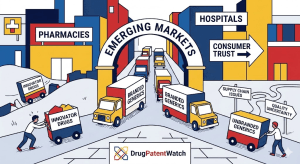
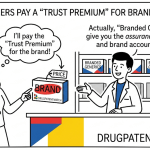
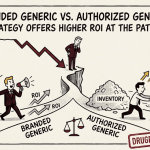
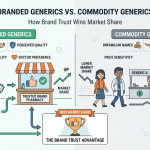
That transaction — repeated hundreds of millions of times annually across Africa, South and Southeast Asia, Latin America, and the Middle East — defines the branded generic. It is a pharmaceutical product whose active molecule is off-patent, manufactured to a documented quality standard, sold under a proprietary brand name rather than its international nonproprietary name (INN), and priced at a premium to unbranded commodity generics. The originator molecule costs the patient nothing to access in any intellectual property sense. What the manufacturer sells is trust, consistency, and a name that a doctor can write and a patient can remember.
The global branded generics market reached approximately $396 billion in 2022 and is projected to exceed $600 billion by 2030, growing at a compound annual rate of roughly 6.8 percent [1]. To put that in context: the entire U.S. branded prescription drug market, including every blockbuster biologic and specialty oncology agent, generated roughly $550 billion in net revenues in the same year. The branded generics market is not a sideshow to the global pharmaceutical industry. For much of the world, it is the pharmaceutical industry. <blockquote> “In low- and middle-income countries, branded generics account for more than 70 percent of total pharmaceutical consumption by volume, and in several South Asian and Sub-Saharan African markets, the figure exceeds 85 percent. The originator-versus-generic binary that structures pharmaceutical policy debates in the United States and Europe describes a market dynamic that simply does not exist for the majority of the world’s patients.” [2] </blockquote>
For pharmaceutical executives, investors, and IP strategists trained in U.S. or European markets, the branded generic landscape requires a fundamental shift in analytical framework. Patent expiration dates, which define competitive strategy in regulated markets, are relatively less determinative in markets where IP infrastructure is weak, regulatory approval processes are slow, and physician prescribing behavior is more sensitive to brand familiarity than to formulary restrictions. The tools that dominate U.S. pharmaceutical competitive intelligence — Paragraph IV certification tracking, PTAB petition analysis, Orange Book monitoring — remain relevant at the margins of emerging market strategy, but the primary competitive battleground is entirely different.
This article examines why branded generics dominate emerging pharmaceutical markets, which companies have built durable competitive positions in those markets, what the IP landscape looks like from the manufacturer’s perspective rather than the originator’s, and how the market is changing as regulatory infrastructure improves, local manufacturers grow in sophistication, and multinational originators decide they can no longer afford to leave these markets to Indian and Chinese generics companies.
Defining the Product: What a Branded Generic Actually Is
The term “branded generic” is used with frustrating imprecision across the pharmaceutical industry, regulatory bodies, and financial analysis. Before examining the market, it is worth being exact about what the category contains and what it excludes.
The Core Definition and Its Variants
A branded generic, in its most precise form, is a pharmaceutical product containing an active pharmaceutical ingredient (API) whose patent protection has expired (or was never obtained in the relevant jurisdiction), manufactured by a company other than the original patent holder, and sold under a proprietary trade name owned by the manufacturer. The manufacturer invests in the brand name through physician detailing, pharmacist education, and sometimes direct-to-consumer advertising.
The category includes several commercially distinct sub-types:
Multinational originator companies selling their own off-patent molecules under the original brand name after patent expiry. This is most common in markets where the originator established brand recognition years earlier. Pfizer’s Lipitor, for example, continued commanding a significant price premium in several markets after atorvastatin went generic, sold as a branded product by Pfizer rather than as a commodity generic.
Indian and Chinese manufacturers selling off-patent molecules under their own proprietary names into markets where they have built prescriber relationships. Companies like Sun Pharma, Cipla, Dr. Reddy’s Laboratories, and Lupin have built entire emerging market portfolios this way.
Local national pharmaceutical manufacturers in emerging markets who license technology from or co-develop products with international partners, manufacturing locally under their own brand names.
What the category explicitly excludes: authorized generics (unbranded products licensed by originators to generic manufacturers), innovator products still under patent protection, and biosimilars (which have their own distinct regulatory pathway and market dynamics even though they share some commercial characteristics with branded generics).
Why the Brand Premium Exists
Economists trained in efficient markets are frequently puzzled by the brand premium in pharmaceutical markets where generic substitution is legally permissible and clinically supported. If two tablets contain 10 mg of atorvastatin manufactured to equivalent quality standards, why would a rational patient or prescriber pay more for the one with a recognized brand name?
The answer requires abandoning several assumptions that structure efficient market theory.
Quality verification is costly for both prescribers and patients in markets where regulatory enforcement is weak. When a physician in Mumbai writes “Lipitor” instead of “atorvastatin,” she is partly purchasing certainty that the product her patient receives will contain what the label says it contains, in the dose the label states, manufactured with adequate process controls. In markets where substandard and falsified pharmaceuticals constitute a material percentage of circulating medicines — the WHO estimates that roughly 10 percent of medicines in low- and middle-income countries are substandard or falsified [3] — a recognized brand name provides imperfect but real quality assurance that an unbranded generic cannot match.
Physician prescribing habits are built through medical representative detailing, continuing medical education programs, and clinical experience. In markets without formulary management systems that automatically substitute generic equivalents, the brand name written on the prescription often reaches the dispensing pharmacy unchanged. Building prescriber relationships is expensive, which means companies that have made that investment for a specific molecule have a durable competitive advantage that is difficult to replicate quickly.
Regulatory approval timelines create temporal brand advantages. In many emerging markets, regulatory agencies approve new generic entrants slowly — approval timelines of three to seven years are common in sub-Saharan Africa, compared to 12-36 months in the United States [4]. The first company to win approval for an off-patent molecule in a specific market often has years to build brand recognition before a second competitor arrives. That head start compounds over time.
The Geographic Anatomy of the Market
The branded generics market does not behave uniformly across the emerging markets that host it. Each major geographic region has distinct regulatory structures, IP environments, competitive dynamics, and patient demographic profiles that require separate analytical treatment.
India: The World’s Pharmacy and Its Domestic Paradox
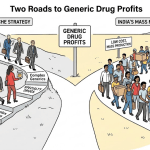
India manufactures roughly 20 percent of the world’s generic pharmaceutical supply by volume [5] and is the largest single supplier of APIs and finished dosage forms to emerging markets globally. Yet India’s own domestic pharmaceutical market — the third largest in the world by volume — is itself a branded generics market of extraordinary complexity.
The Indian Pharmaceutical Market, as tracked by IQVIA, generates approximately $20 billion annually in domestic retail sales [6], and branded generics constitute approximately 90 percent of that figure. A patient filling a prescription in Chennai or Ahmedabad is almost certainly receiving a branded generic product, written by a physician who was detailed by a medical representative, dispensed by a pharmacist who stocks the brand because of established supplier relationships.
India’s regulatory framework, managed by the Central Drugs Standard Control Organisation (CDSCO), has historically been less stringent about requiring bioequivalence studies for generic market authorizations than the U.S. FDA’s standard [7]. This created a market where hundreds of branded versions of the same molecule coexist, with quality differences that are real but not transparently communicated. The government’s push toward prescription of generic medicines under the Pradhan Mantri Bhartiya Janaushadhi Pariyojana scheme — which operates nearly 10,000 unbranded generic dispensing outlets across India [8] — represents a direct regulatory challenge to the branded generic model, but has made limited inroads against the prescribing preferences of private physicians.
For multinational pharmaceutical companies, India presents both an opportunity and a specific competitive challenge. The Indian domestic market is dominated by companies with decades of physician relationship investment — Sun Pharma, Abbott India, Cipla, Torrent Pharmaceuticals, Mankind Pharma, Lupin, Alkem Laboratories — and the competitive moats those companies have built through field force scale and brand portfolio depth are genuinely difficult to overcome with a new market entry.
China: Regulatory Reform Changes the Rules
China’s pharmaceutical market, which exceeded $160 billion in 2022 [9], underwent a regulatory transformation beginning in 2015 that has materially altered the competitive position of branded generics. The National Medical Products Administration (NMPA, formerly CFDA) launched a retroactive bioequivalence review program requiring all generics approved before modern standards to pass consistency evaluation studies — essentially re-proving bioequivalence to current standards.
The consistency evaluation program has had two counterintuitive effects on the branded generics market. In the short term, it eliminated thousands of lower-quality products from the market, concentrating volume among manufacturers who could demonstrate quality compliance. In the medium term, it accelerated the commoditization of surviving generics because the national volume-based procurement (VBP) program — which uses centralized tender processes to purchase winning generic products at dramatically reduced prices for the public hospital channel — explicitly depressed the price premium that branded generics had historically commanded [10].
The VBP program, launched nationally in 2019 and expanded in subsequent rounds, has forced multinational companies to choose between competing on price in the public hospital channel and focusing on premium branded sales in the out-of-pocket private market. Many multinationals chose partial withdrawal from specific VBP categories rather than accepting the commoditized pricing the tender process requires. This created space for domestic Chinese pharmaceutical companies — led by players like Hengrui Medicine, CSPC Pharmaceutical, and Zhejiang Hisun — to capture the VBP volume while multinationals repositioned toward the innovation-focused specialty and biologic segments.
For DrugPatentWatch users tracking Chinese pharmaceutical patent filings and their interaction with this regulatory environment, the picture is complex: Chinese pharmaceutical patent protection has strengthened substantially under TRIPS-compatible reforms, but the volume-based procurement mechanism limits the economic value of patent exclusivity in the public hospital channel in ways that have no clear analogue in U.S. or European markets.
The scale and complexity problem in Sub-Saharan Africa is unlike any other regional pharmaceutical market. The continent has 54 countries with 54 distinct regulatory authorities, 54 national essential medicines lists, and 54 sets of import and distribution regulations. A multinational company seeking to register a branded generic product across the key Sub-Saharan markets typically faces a cumulative registration process involving submissions to at least 15-20 separate national agencies, at costs and timelines that can extend to seven to ten years for comprehensive coverage [11].
The African Medicines Regulatory Harmonisation (AMRH) initiative and the African Medicines Agency (AMA), which received enough state ratifications to establish legal existence in 2021, represent structural attempts to create a continent-wide regulatory pathway analogous to the European Medicines Agency [12]. Progress has been slower than proponents hoped, and the AMA’s actual operational capacity to conduct regulatory reviews remains limited.
The practical consequence for branded generic manufacturers is that first-mover advantage in Sub-Saharan African markets is extremely durable. A company that registered and built physician relationships for a specific product in, say, Nigeria, Kenya, and Ghana during the 1990s and 2000s can reasonably expect that competitive entry will lag its position by a decade or more, simply because the regulatory runway is so long. Companies like Aspen Pharmacare (South Africa), GSK (with its extensive sub-Saharan market infrastructure), Sanofi, and Pfizer have leveraged this dynamic to maintain premium-priced branded positions in therapeutic categories where their products have long since lost patent protection in developed markets.
Aspen Pharmacare offers perhaps the clearest case study of competitive moat construction in Sub-Saharan Africa. The company, headquartered in Durban, built a portfolio of branded pharmaceutical products through acquisitions from multinational originators who had exited direct operations in smaller African markets, combined with its own manufacturing capabilities. Its heparin products, anaesthetics portfolio, and branded generics across therapeutic categories have generated margins that comfortably exceed those achievable in the more competitive Western generic markets [13].
Latin America: The Originator Brand Advantage
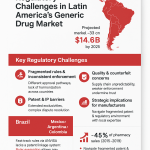
Latin America’s branded generics market presents a distinct dynamic because several major markets — Brazil, Mexico, Argentina, Colombia — have regulatory frameworks that are substantially more developed than Sub-Saharan Africa while remaining more permissive of branded generic market structures than the United States.
Brazil’s ANVISA (Agência Nacional de Vigilância Sanitária) operates one of the most sophisticated pharmaceutical regulatory systems in any emerging market, with bioequivalence requirements comparable to FDA standards for generic medicines and a structured market authorization process [14]. Yet Brazil’s retail pharmaceutical market remains heavily branded-generic dominated, partly because Brazilian physicians write prescriptions by brand name as a cultural default and partly because pharmacy chains — which control an increasingly concentrated share of retail distribution — stock branded products that carry higher margins than commodity generics.
Mexico’s COFEPRIS regulatory system, which was reorganized as COFEPRIS and later consolidated under CONAMER, has similarly tightened generic approval requirements while the retail market continues to favor branded products. The IMS Health data for Mexico consistently shows that branded generics command a price premium of 200-400 percent over unbranded equivalents for major therapeutic categories, in a market with no formulary management mechanism comparable to the U.S. PBM system [15].
The IP Landscape From the Manufacturer’s Perspective
Originator pharmaceutical companies spend enormous analytical resources tracking how their patents interact with generic competitor behavior. The branded generic manufacturer’s IP perspective is almost exactly inverted: the question is not “how do we defend exclusivity?” but “what can we make, where can we sell it, and what brand protection do we have on the name we sell it under?”
Patent Status Verification as Market Entry Analysis
Before a branded generic manufacturer launches a product in any given market, it needs to confirm that the relevant composition-of-matter patents, formulation patents, and method-of-treatment patents are either expired, were never filed in that jurisdiction, or are otherwise unenforceable. This analysis is structurally similar to Paragraph IV analysis in the United States but takes place within the regulatory and IP framework of each target market.
The complexity multiplies for companies operating across dozens of emerging markets simultaneously. A product that is clear of patent protection in India may still have a valid patent in Brazil (filed through a PCT application that was nationalized there), may have an expired patent in South Africa that was never renewed after the drug’s commercial decline in Western markets, and may never have been patent-protected in Nigeria at all because the originator company did not consider the Nigerian market worth the filing investment.
Services like DrugPatentWatch provide the foundational data for this analysis on the U.S. side — tracking Orange Book listings, patent expirations, and exclusivity periods for FDA-regulated products. The international equivalent is significantly more fragmented. The WHO’s patent landscape reports for specific molecules cover major jurisdictions but are not updated in real time. IQVIA’s patent expiry tracking provides commercial coverage. Building a complete international patent status map for a specific molecule across all intended markets requires querying multiple national and regional patent databases, and the answer changes as patents expire, invalidation proceedings conclude, and maintenance fees lapse.
For high-value molecules, branded generic manufacturers maintain internal patent watch functions or engage specialist counsel to monitor international patent status. For the long tail of older, commodity molecules, the assessment is simpler: if the compound was first approved more than twenty-five years ago and was never patent-protected in the target markets, the IP clearance analysis is straightforward.
Trademark Protection: The Competitive Moat the Generic Industry Builds
While originator companies fight to extend product life through secondary patents, branded generic companies build their competitive moats through trademark registrations on their product names. A branded generic company that has registered “Gluformin” in 40 African and Asian markets has built a trademark portfolio that is legally enforceable and commercially durable regardless of whether any pharmaceutical patent has ever existed for metformin.
Trademark protection for pharmaceutical product names raises its own legal complexities. Regulatory agencies require that brand names do not mislead patients about a product’s composition or potency. In some jurisdictions, marks that contain or closely resemble the INN are not registrable. But within these constraints, the trademark portfolio of a company like Cipla or Sun Pharma — which markets hundreds of branded generic products under proprietary names across more than 100 countries — represents genuine intellectual property of substantial commercial value.
The trademark dimension of branded generic competition creates an IP analysis challenge that differs from compound patent analysis. Patent term is fixed and calculable. Trademarks are renewable indefinitely as long as the mark remains in use and renewal fees are paid. A branded generic company that has built strong prescriber recognition for a product name over twenty years has created a brand asset that does not expire, does not face post-grant review proceedings, and cannot be challenged on obviousness grounds.
This matters for competitive analysis because a late entrant into a branded generic market does not simply face a regulatory filing delay. It also faces the task of building prescriber recognition for its own product name against an incumbent whose name has been written on prescription pads for a generation. The economic equivalent of that brand equity is difficult to quantify precisely but is commercially real.
Data Exclusivity in Emerging Markets: A Moving Target
Data exclusivity — the regulatory protection that prevents a generic manufacturer from relying on an originator’s clinical trial data for a defined period after drug approval — exists in some form across most pharmaceutical markets with developed regulatory systems, but its implementation in emerging markets is highly variable.
The TRIPS Agreement, which all WTO members are obligated to implement, requires “undisclosed test or other data” protection, but the specific duration and scope of that protection is left to national implementation [16]. Developed markets have converged on five years of data exclusivity for small molecules (with longer terms for biologics and orphan drugs), but many emerging markets have implemented shorter terms, carve-outs for public health exceptions, or no data exclusivity at all.
India, which is the world’s largest manufacturer of generic pharmaceuticals and one of the most important markets for branded generics, did not implement data exclusivity protection as of 2024, despite pressure from U.S. and European trade representatives. This means a generic manufacturer in India can rely on publicly available clinical data from the originator’s regulatory submission as part of its own filing, without waiting any exclusivity period [17]. The same applies to many other TRIPS-member countries that have used the policy flexibility WTO rules permit to limit data exclusivity obligations.
For branded generic manufacturers, this variability creates both opportunity and risk. In markets without data exclusivity, the regulatory runway to market entry is primarily determined by the speed of the local regulatory review process, not by any IP-derived waiting period. In markets with robust data exclusivity, the regulatory delay that data protection imposes can itself create temporal branded generic monopoly positions.
Competitive Strategy: How the Major Players Built Their Positions
The branded generics market is not a commodity business, despite involving off-patent molecules. The companies that have built the most durable competitive positions in this market did so through deliberate strategy, not through cost minimization alone.
Sun Pharma: The Indian Champion’s Playbook
Sun Pharmaceutical Industries, headquartered in Mumbai, had consolidated revenues of approximately $4.9 billion in fiscal year 2024 [18], making it the largest Indian pharmaceutical company by revenue. Its domestic Indian business — which generates roughly 35 percent of total revenues — is entirely a branded generics operation.
Sun’s competitive strategy rests on three pillars that are worth examining in detail.
Therapeutic specialization: Rather than pursuing the full breadth of the generic pharmaceutical market, Sun built deep physician relationships in specific therapeutic areas — psychiatry, cardiology, dermatology, and ophthalmology — where specialist prescribers value medical representative expertise and are less susceptible to substitution pressure than primary care physicians. A cardiologist in Bangalore who has received detailed product training from a Sun representative on a specific branded angiotensin receptor blocker is substantially more loyal to that brand than a general practitioner prescribing a commodity antibiotic.
Chronic disease portfolio focus: Branded generic economics are most favorable in chronic disease categories where patient refill behavior is habitual. A patient who has been successfully managed on “Rosuvas” (Sun’s rosuvastatin brand) for three years is highly unlikely to switch to a competitor’s branded generic when refilling, because the product has a proven personal safety and efficacy record. Acute treatment categories, where a patient takes a product once and has no personal history with it, are less brand-loyal and therefore more price-competitive.
Field force scale and productivity management: Sun employs more than 25,000 medical representatives in India [19], with a productivity management system that tracks prescription data to measure representative performance at the prescriber level. This scale creates market intelligence advantages that are difficult for smaller competitors to replicate, and the representative infrastructure generates competitive barriers that are as durable as any pharmaceutical patent.
Cipla: The Access Mission as Competitive Strategy
Cipla’s identity in global pharmaceutical markets is inseparable from its 2001 offer to supply antiretrovirals to sub-Saharan Africa at $350 per patient per year, a price reduction of more than 95 percent from originator pricing that forced the global HIV/AIDS treatment debate to focus on access rather than intellectual property [20]. That decision, made by then-chairman Yusuf Hamied, fundamentally altered the company’s strategic positioning: Cipla became the pharmaceutical company explicitly associated with making essential medicines accessible in markets that originator companies had concluded were not commercially viable.
The access positioning has become a durable competitive asset. Cipla’s sub-Saharan African operations generate substantial revenues from branded generics across HIV, respiratory disease, tuberculosis, and other therapeutic categories, built on a foundation of institutional relationships with ministries of health, NGOs, and international procurement organizations that took years to establish and would take equally long for a competitor to replicate.
The commercial logic is that access-pricing strategy in public health channels (where margins are thin but volumes are very large) coexists with premium-branded strategy in private market channels (where margins are substantial). Cipla’s branded respiratory products — including its branded inhaler devices developed specifically for markets where patients have limited experience with metered dose inhaler techniques — carry price premiums that subsidize, in a sense, the access-priced institutional sales.
Cipla’s more recent challenge is maintaining this strategic positioning as the institutional HIV treatment market it helped create has become commoditized through PEPFAR and Global Fund procurement systems that use competitive tendering to drive prices toward marginal cost. The company’s adaptation has been to move toward higher-value branded specialty generics — complex inhaled products, modified-release formulations, injectables requiring specific device technology — where manufacturing know-how creates entry barriers that simple tablet generics do not.
Dr. Reddy’s Laboratories: The Hybrid Strategy
Dr. Reddy’s Laboratories built a different strategic architecture than Sun or Cipla by simultaneously pursuing branded generic leadership in emerging markets and first-to-file Paragraph IV generic strategy in the United States. The two businesses require different capabilities and different IP strategies, creating organizational complexity but also diversifying exposure to regulatory and pricing risk in any single market.
The company’s branded generics operation, which covers Russia, India, and other CIS and emerging markets, deploys a physician detailing model broadly similar to Sun’s. Its U.S. generics operation, which involves filing Paragraph IV ANDAs against brand pharmaceutical patents, requires a completely different IP function: one focused on invalidity analysis, prior art identification, and Hatch-Waxman litigation strategy.
The interaction between these two businesses is analytically interesting. The IP expertise built for U.S. Paragraph IV strategy provides intelligence about patent landscapes that is useful for branded generic market entry analysis globally. A company that has successfully challenged the validity of a formulation patent in U.S. PTAB proceedings has demonstrated that similar formulation patents in other jurisdictions — which may share prior art — are potentially vulnerable, even if the specific legal proceedings are country-specific.
Several major research-based pharmaceutical companies have built dedicated branded generic divisions targeting emerging markets, recognizing that their off-patent molecules represent undermonetized assets in markets where IP has already expired or never existed.
Pfizer’s Upjohn division, later spun off and merged with Mylan to form Viatris in 2020, was the most structurally explicit version of this strategy [21]. Upjohn consolidated Pfizer’s off-patent branded portfolio — including Lipitor, Norvasc, Celebrex, and Lyrica — and positioned it as a separate operating entity focused on emerging markets where the brands retained prescriber recognition and pricing power long after U.S. and European exclusivity had expired.
The Viatris merger thesis — that combining Pfizer’s branded off-patent portfolio with Mylan’s generic manufacturing scale would create a diversified global generics and branded generics powerhouse — encountered predictable execution difficulties. The cultures of an originator brand organization and a Hatch-Waxman generic manufacturer are genuinely different, and the strategic priorities that drive decisions in each business are frequently in tension.
Sanofi followed a different path, building its emerging markets branded generic business through the acquisition of Zentiva (European generics) and Sanofi Aventis regional operations that already had substantial branded generic portfolios in Africa, the Middle East, and Southeast Asia. Rather than spinning the business out, Sanofi has retained it as an integrated operating segment, arguing that the emerging market branded generic business benefits from the company’s global regulatory and pharmacovigilance infrastructure.
Abbott’s established pharmaceuticals division — which the company retained when it separated Abbott Laboratories from AbbVie in 2013 — is perhaps the most consistently profitable of the major multinational branded generic operations. Abbott’s emerging markets business generates roughly $3 billion annually [22] from branded products in markets including India, China, Russia, and Latin America, leveraging the Abbott brand’s association with quality and reliability to command price premiums over local competitors.
The Manufacturing Foundation: Quality as Competitive Differentiation
The commercial premium that branded generics command ultimately rests on a manufacturing quality foundation. A brand name for a pharmaceutical product is only commercially durable if it consistently delivers the therapeutic outcome the prescriber expects. When it does not — when a branded generic product fails a quality standard or delivers inconsistent bioavailability — the brand equity built through years of physician detailing can be destroyed rapidly.
WHO Prequalification as a Market Access Credential
The World Health Organization’s prequalification program evaluates pharmaceutical products against international quality, safety, and efficacy standards, primarily for use in UN procurement programs for HIV, tuberculosis, malaria, and other priority disease categories [23]. WHO prequalification is not required for general market sales, but it functions as a quality credential that many institutional purchasers and some national regulatory authorities use as a shortcut for their own assessment.
For branded generic manufacturers targeting Sub-Saharan African institutional markets, WHO prequalification has become effectively mandatory for HIV, malaria, and TB products because PEPFAR, the Global Fund, and UNITAID procurement programs require it. Companies that obtained early prequalification for key antiretroviral molecules — Cipla, Aurobindo, Strides, Hetero — built durable procurement relationships that have extended into adjacent therapeutic areas.
The WHO prequalification process is rigorous: it involves inspection of manufacturing facilities, review of pharmaceutical development data, and bioequivalence study verification. The investment required is substantial, which means prequalification itself functions as an entry barrier. A company that has invested the resources to achieve WHO prequalification for 50 products has built a quality credential that reinforces its branded positioning in institutional markets.
FDA and EMA Approvals as Quality Signals in Emerging Markets
An Indian or Chinese pharmaceutical manufacturer that has successfully passed FDA pre-approval inspections and holds U.S. market authorizations for its manufacturing facility has demonstrated quality capability to a standard that is globally recognized. In emerging markets, FDA approval status — for both the manufacturing site and the specific product, where applicable — is used by national regulators, institutional purchasers, and prescribers as a quality proxy for products sold into those markets.
This creates a quality signaling dynamic in which manufactured-product FDA approval (or EMA approval) becomes a marketing asset in markets where the product is sold without FDA oversight. A branded generic marketed in Kenya that is manufactured in an FDA-approved Indian facility carries an implicit quality endorsement that a product from a non-inspected local manufacturer cannot easily replicate.
The competitive implication is that investment in U.S. market participation — including the cost of FDA inspection compliance, Hatch-Waxman ANDA filings, and U.S. market operations — generates positive externalities for branded generic market positioning globally, even for products where the primary revenue opportunity is in emerging markets, not in the United States.
The API Supply Chain Vulnerability
The COVID-19 pandemic exposed a systemic vulnerability in the branded generic pharmaceutical supply chain: dependence on Chinese API manufacturing for the inputs that Indian, Asian, and other emerging market branded generic manufacturers use in their finished products.
China produces approximately 40 percent of global API volume and is the sole or dominant supplier of APIs for several major generic pharmaceutical categories [24]. The supply disruptions that occurred during COVID-19 lockdowns — combined with the geopolitical pressures that followed — accelerated government and industry efforts to diversify API supply chains in both the United States and India.
India’s Production Linked Incentive (PLI) scheme for pharmaceuticals, launched in 2020, allocates approximately 15,000 crore rupees (roughly $1.8 billion) to subsidize domestic API manufacturing capacity for 53 critical bulk drugs [25]. The goal is to reduce India’s dependence on Chinese APIs for the molecules that are most commercially and strategically important. Progress has been slower than the scheme’s proponents projected, partly because Chinese API manufacturing has benefited from decades of cost structure optimization that is difficult to displace quickly.
For branded generic manufacturers, API supply chain resilience is increasingly treated as a competitive factor because supply disruptions create brand reliability failures that damage the physician relationships that brand equity depends on. A company that cannot reliably supply its branded metformin product to its distributor network — because its Chinese API supplier shut down for two months — suffers commercial damage that extends beyond the supply gap itself, because physicians who had to substitute to competitors during the shortage do not automatically return to the original brand when supply resumes.
Pricing Strategy: The Art of the Sustainable Premium
Branded generic pricing is one of the most consequential strategic decisions a pharmaceutical company makes in any specific market, and the factors that determine the optimal price point are substantially different from those governing originator drug pricing in the United States or Europe.
Value-Based Pricing Without Comparative Effectiveness Data
Originator pharmaceutical companies launching new drugs in regulated markets can use health technology assessment data — quality-adjusted life year calculations, comparative effectiveness trials — to justify price points to payer systems. Branded generic manufacturers cannot use the same framework because their products contain molecules whose therapeutic value is already established in the scientific literature, and their premium over unbranded generics is not based on incremental therapeutic performance.
Instead, branded generic pricing is based on a combination of market-specific factors: the price elasticity of the specific prescriber segment targeted, the price differential at which physicians and pharmacists will substitute away from the brand to an unbranded competitor, the manufacturing cost structure, the field force investment required to support the price premium, and competitive pricing by other branded generic manufacturers in the same molecule category.
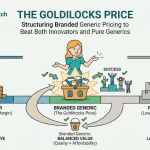
The practical pricing model for most branded generic companies in emerging markets involves pricing at 150-400 percent of the unbranded generic price in the same market, with higher premiums sustainable in specialty therapeutic categories with limited prescriber reach and lower premiums achievable in primary care categories with dense competitive coverage.
The Tiered Pricing Challenge
International reference pricing mechanisms — under which a drug’s price in one country is used to cap or benchmark its price in other countries — create significant strategic complications for branded generic manufacturers operating across multiple markets simultaneously.
In the originator world, tiered pricing for branded drugs in emerging markets has been complicated by parallel import risks: a product priced low for access purposes in Sub-Saharan Africa that finds its way into European distribution channels creates pricing pressure the originator did not intend. For branded generics, the parallel import risk is generally lower because branded generic products are typically manufactured and registered for specific markets, without a continuous global supply chain that arbitrageurs can exploit.
The tiered pricing challenge for branded generics is instead the risk that price levels set in large emerging markets (India, China) create reference prices that constrain pricing in smaller markets within the same region. A company that prices its branded atorvastatin aggressively in India because of competitive pressure there may find that smaller South Asian markets use the Indian price as a reference ceiling.
Pharmacoeconomic Positioning in Developing Markets
As the healthcare systems of larger emerging markets — particularly China, Brazil, and increasingly India — develop pharmaco economic assessment frameworks for reimbursement decisions, branded generic companies face pressure to demonstrate the economic value of their quality premium quantitatively rather than relying solely on physician brand loyalty.
China’s National Healthcare Security Administration (NHSA) has explicitly used health technology assessment to determine which products qualify for inclusion in the National Reimbursement Drug List at what price tier [26]. Products that cannot demonstrate superior value — whether through bioequivalence evidence, manufacturing quality certification, or outcome-based data — are not included or are included only at commodity generic pricing tiers.
This regulatory evolution compresses the long-term sustainability of brand premiums in markets where institutional payer influence grows. Companies that anticipated this trend invested early in generating quality data — comparative pharmacokinetic studies, real-world evidence programs, pharmacovigilance systems — that can support reimbursement submissions. Those that relied solely on sales force relationships to sustain brand premiums are finding those premiums increasingly difficult to defend as HTA systems mature.
IP Strategy for Branded Generic Companies: Playing Offense
The conventional analysis of pharmaceutical intellectual property focuses on originators defending patents against generics challengers. Branded generic companies have their own IP strategies, and some of the most commercially significant patent filings in the global pharmaceutical market are made by companies that are manufacturing primarily off-patent products.
Formulation Innovation Patents
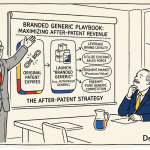
A branded generic company that invests in pharmaceutical formulation research — developing a new drug delivery system, an improved dissolution profile, a novel taste-masking technology, or a patient-friendly dosage form — can obtain genuine patent protection on those innovations even when the underlying molecule is off-patent. These formulation patents are strategically valuable because they differentiate the branded product from commodity generics while being legally defensible.
The commercial logic is coherent: if Sun Pharma patents a specific extended-release formulation of metformin that offers better tolerability than immediate-release formulations, it has created a branded product with a sustainable patent-protected premium that its competitors cannot easily replicate. The patent is not on metformin itself — that expired decades ago — but on the specific formulation technology. From the prescriber’s perspective, the product delivers a genuine therapeutic benefit. From the IP perspective, it has patent protection that can be litigated and defended.
Cipla’s inhaler device patents are a prominent example of this strategy in practice. The company has developed and patented specific inhaler devices, dry powder formulations, and spacer technologies for respiratory products — particularly for markets where the standard metered dose inhaler is technically challenging for patients with limited device training. These device patents protect the branded respiratory franchise even where the respiratory molecule itself (salbutamol, budesonide, formoterol) has been off-patent for years.
DrugPatentWatch is a useful starting point for identifying which formulation patents cover specific drug-device combination products marketed in the United States, since the FDA’s Orange Book includes device component patents listed by combination product NDA holders. For international markets, the analysis requires querying each country’s patent database directly, since no international equivalent of the Orange Book integrates patent and regulatory approval data at the same level of detail.
Process Chemistry Patents
Manufacturing process patents — covering specific synthetic routes, purification methods, or crystallization processes for APIs — are another category where branded generic manufacturers can build defensive IP positions. A process patent does not prevent competitors from making the same API through a different process, but it can prevent them from copying the most efficient or cost-effective manufacturing route, thereby maintaining a cost structure advantage.
Indian pharmaceutical companies have been particularly active in filing process patents, both in India and internationally. The resulting patent portfolios are complex: they cover manufacturing processes that the companies have developed through genuine research investment, but the end product in each case is an API for an off-patent compound that any manufacturer is free to produce through a non-infringing alternative process.
The competitive value of a process patent depends on how many alternative synthesis routes exist and how their economics compare to the patented route. A process patent covering the lowest-cost synthesis of a widely-used API has substantial commercial value because it can be licensed to competitors who want access to the efficient route, or enforced to prevent competitors from using it without a license.
Regulatory Data Exclusivity for New Formulations
Where markets offer data exclusivity for new formulations or new clinical indications supported by new clinical data, branded generic companies can qualify for this protection by conducting the relevant clinical studies. A company that runs a comparative pharmacokinetic study demonstrating the superiority of its extended-release formulation to the standard release version, and submits that data to a regulatory authority that grants three or five years of data exclusivity on the new formulation data, has created a regulatory protection period that functions like patent protection from the competitive entry standpoint.
This strategy is most actively pursued by companies targeting the Chinese, Brazilian, and Indian markets, where regulatory agencies have developed formulation-based data exclusivity rules alongside the broader market authorization processes.
Biosimilars: The Next Wave for Branded Generic Companies
The commercial logic that drives branded generics in emerging markets — manufacturing off-patent molecules, investing in brand names, building physician relationships — applies to biological medicines as well. Biosimilars (biologic medicines referencing an originator biologic) are the fastest-growing segment of the branded generic concept, and emerging markets are where the growth is concentrated.
The Biosimilar Opportunity in Emerging Markets
The originator biologics market — dominated by products like adalimumab, trastuzumab, bevacizumab, rituximab, and insulin analogues — generates hundreds of billions of dollars annually in global revenues. In the United States and Europe, biosimilar development requires proving analytical similarity, pharmacokinetic comparability, and often clinical equivalence in registration trials, a process that costs $100-300 million per biosimilar program [27].
In many emerging markets, the regulatory requirements for biosimilar approval are substantially less demanding than FDA or EMA standards. India’s biosimilar guidelines, for example, do not require clinical equivalence studies for most products if pharmacokinetic and pharmacodynamic comparability is demonstrated — a significantly lower evidence bar [28]. This creates an access benefit (lower development cost means lower launch price) and a risk (the approved product may have different immunogenicity or efficacy characteristics that are not detected without clinical studies).
The market outcome is that emerging markets have substantially more branded biosimilars than the United States or Europe, competing across a wider range of reference biologics, at earlier stages post-reference-product patent expiry. Companies like Dr. Reddy’s, Biocon, Celltrion, Samsung Bioepis, and Intas Pharmaceuticals have built biosimilar businesses in emerging markets that generate significant revenues from products that have not yet received FDA or EMA approval.
The Insulin Analogue Market as a Case Study
Insulin analogues — modified forms of human insulin optimized for specific pharmacokinetic profiles (rapid-acting, long-acting, premixed) — represent the largest biosimilar market in most emerging economies by both volume and revenue. Diabetes prevalence is rising most rapidly in India, China, and Sub-Saharan Africa [29], and insulin access at affordable prices is a public health priority.
The patent landscape for insulin analogues is instructive for understanding how branded generic strategy operates in the biologic space. Novo Nordisk, Eli Lilly, and Sanofi have built large portfolios of formulation, device, and manufacturing process patents around their insulin analogue products — the originator molecules (insulin glargine, insulin aspart, insulin detemir, insulin lispro) are now off-patent in most jurisdictions, but the secondary patent coverage on specific concentration strengths, delivery pens, and stabilizing formulations creates a complex IP environment for biosimilar entry.
Indian companies including Biocon (in partnership with Mylan/Viatris), Wockhardt, and Novo Nordisk’s own Indian manufacturing operations compete in the Indian insulin market using a mix of branded biosimilars and branded biosimilar-adjacent products positioned around specific delivery devices. The competitive differentiation is heavily device-focused: the prefilled insulin pen associated with a specific brand creates a patient compliance and dosing consistency advantage that prescribers value, and that pen technology is where a significant portion of the secondary patent activity is concentrated.
For IP analysts tracking biosimilar competition in emerging markets, the patent family analysis tools that DrugPatentWatch provides for FDA-regulated products require international equivalents. The challenge is that biologic patent portfolios are typically broader and more complex than small-molecule portfolios, involving manufacturing process patents that are difficult to reverse-engineer from public patent databases without access to specific manufacturing information.
Regulatory Convergence and Its Consequences
The regulatory fragmentation that historically protected branded generic market positions in emerging markets is slowly giving way to convergence. International harmonization initiatives, bilateral mutual recognition agreements, and the increasing capacity of national regulatory authorities are compressing the timelines and reducing the barriers that have sustained branded generic pricing power.
ICH Guidelines and Emerging Market Adoption
The International Council for Harmonisation of Technical Requirements for Pharmaceuticals for Human Use (ICH) develops technical guidelines for pharmaceutical product registration that have been formally adopted by FDA, EMA, and health authorities in Japan, Canada, and Switzerland, and are being progressively adopted by a growing number of emerging market regulators [30].
ICH adoption matters for branded generic companies because as more regulatory authorities adopt common technical standards, the cost of preparing a single regulatory submission package that can be used across multiple markets decreases. This benefits both originator companies and large generic manufacturers who can use their existing regulatory dossiers as the foundation for emerging market submissions. It also accelerates competition because well-resourced manufacturers can enter markets more efficiently once their regulatory infrastructure meets harmonized standards.
The competitive implication for incumbents is that the regulatory entry barrier that has historically protected their branded positions is gradually shrinking. A market that once required a separate clinical bioequivalence study conducted in local patients as a condition of registration may now accept the data from an ICH-compliant global bioequivalence study, reducing a major cost and time barrier for new entrants.
ASEAN Pharmaceutical Harmonization
The ASEAN pharmaceutical regulatory harmonization program has made genuine progress in Southeast Asian markets, where the ASEAN Common Technical Dossier (ACTD) provides a common format for registration submissions across member states [31]. For companies with extensive ASEAN operations — including Johnson & Johnson, Takeda, Abbott, Sanofi, and regional generics manufacturers — the ACTD has reduced registration costs for individual country submissions.
The practical impact on branded generic competition in ASEAN markets has been incremental rather than transformative. Even with harmonized submission formats, each country’s regulatory authority conducts its own review, and review timelines remain variable. The harmonization reduces the preparation cost of market registration but does not dramatically accelerate the approval process itself.
The Falsified Medicines Threat and Track-and-Trace Requirements
The World Health Organization estimates that in low- and middle-income countries, substandard and falsified medicines cause approximately 100,000 deaths annually [32], with antimalarials and antibiotics being particularly problematic categories. Several country regulatory authorities have responded by implementing track-and-trace serialization requirements for pharmaceutical products — mandating that each package carry a unique identifier that enables verification of authenticity and supply chain provenance.
Track-and-trace requirements have two effects on the branded generic market. They increase the manufacturing and packaging compliance costs for all pharmaceutical manufacturers, which disproportionately affects smaller local manufacturers less able to absorb the investment. And they reinforce the quality differentiation that branded generic manufacturers use to justify their price premiums: a product that carries a verifiable serialized code linking it to an authenticated supply chain is genuinely safer than an unverifiable product, and this safety differential supports a price premium in markets where patients and prescribers have legitimate concerns about product authenticity.
Companies that invested early in track-and-trace capable packaging infrastructure — including the major Indian and multinational branded generic manufacturers — built compliance capability ahead of regulatory deadlines, which they have leveraged as a quality signal. Companies caught behind the compliance curve face both regulatory risk and reputational exposure.
The M&A Market: Why Big Pharma Is Buying Back Into Branded Generics
The strategic logic that drove several major pharmaceutical companies to exit direct emerging market branded generic operations in the 2000s and 2010s — that these low-margin businesses distract management attention from innovation-intensive drug discovery — has been partially reversed as the scale of emerging market growth has become undeniable.
The Viatris Formation and Its Lessons
The merger of Pfizer’s Upjohn division with Mylan in 2020 to create Viatris, valued at approximately $18 billion at announcement [33], was explicitly designed as a large-scale play on the branded generics opportunity in emerging markets combined with Mylan’s U.S. and European generic scale. The strategy had logical coherence: Upjohn’s brands carried genuine physician recognition in China, India, and other key markets, while Mylan’s manufacturing infrastructure could support efficient supply chain integration.
The execution difficulties that followed the merger offer lessons for future emerging market pharmaceutical M&A. Cultural integration between an originator brand organization and a Hatch-Waxman generic manufacturer proved more difficult than projected. The Chinese business, which was expected to be a growth engine, was materially affected by VBP pricing pressure that compressed margins on the exact products that Upjohn had acquired to monetize. Debt taken on in the merger limited strategic flexibility during a period of rapid regulatory change.
By 2023, Viatris had announced plans to sell its biosimilar development program and had revised its strategic focus toward branded complex generics and established branded products in markets where the VBP-type dynamic was less severe [34]. The pivot reflects a market reality: the Chinese public hospital channel for established branded generics has been fundamentally restructured by government pricing intervention, while the private retail channel and less-regulated Asian markets remain more favorable for branded premium strategies.
Abbott’s Consistent Emerging Markets Strategy
Abbott provides a contrasting case study of sustained strategic commitment to branded generics in emerging markets. When Abbott separated from AbbVie in 2013, it retained its established pharmaceuticals division — which it has consistently described as a branded generics business focused on emerging markets — rather than spinning it out or divesting it.
Abbott’s emerging markets branded pharmaceutical business has generated consistent revenue growth because the company maintained investment in local market infrastructure — field forces, regulatory affairs teams, and local manufacturing partnerships — through periods when other multinational companies were rationalizing their emerging market footprints. The competitive advantage Abbott built is partly the brands themselves and partly the deep institutional knowledge of specific markets that comes from decades of sustained local presence.
Abbott’s India operations, which include branded generics across cardiovascular, metabolic, gastroenterological, and women’s health categories, are managed as a distinct competitive entity against Sun, Cipla, and other Indian companies rather than as a satellite of global operations. This local autonomy model — which gives regional management genuine decision-making authority on pricing, product selection, and commercial strategy — has produced better competitive outcomes than centralized management structures that prioritize global standardization over local market responsiveness.
Private Equity’s Role in the Branded Generics Space
Private equity has become a significant force in the branded generics sector through acquisitions of both regional branded generic manufacturers and specific product portfolios divested by larger companies. The investment thesis is straightforward: branded generic businesses in growing emerging markets generate stable cash flows (prescription refill behavior creates predictable revenue streams), have low capital intensity (manufacturing equipment is generic and widely available), and benefit from management improvements that can expand margins without requiring R&D investment.
Advent International’s acquisition of Sanofi’s consumer healthcare division in China for $1.7 billion in 2023 [35] and KKR’s investment in Indian pharmaceutical manufacturers are representative transactions. The private equity playbook in branded generics involves operational improvements in manufacturing efficiency, field force productivity management, pricing optimization, and selective bolt-on acquisitions to fill therapeutic area gaps.
The risk in private equity-owned branded generic businesses is the same as in any leveraged acquisition: debt service constrains investment in the field force and regulatory capabilities that sustain the brand premium. A branded generic business that under-invests in physician detailing for two years to service acquisition debt can find that it has permanently ceded prescriber relationships to competitors who maintained investment through the same period.
The Digital Challenge: Can Technology Disrupt the Branded Generic Model?
The physician detailing model that underlies branded generic competitive strategy — in which medical representatives build one-on-one prescribing relationships — is increasingly supplemented and, in some markets, challenged by digital engagement channels. Whether digital transformation will fundamentally alter the branded generic competitive structure or simply shift the medium through which relationships are built is a live strategic question.
Digital Detailing and Telemedicine
COVID-19 accelerated the adoption of digital physician engagement across emerging markets, as restrictions on in-person meetings forced pharmaceutical companies to develop remote detailing capabilities. The transition revealed both opportunities and limitations: digital platforms can reach more physicians with lower cost-per-contact than field representative visits, but the relationship quality built through digital interaction is generally lower than that built through in-person meetings, particularly for specialist physicians who value detailed clinical conversations.
Indian pharmaceutical companies have invested substantially in digital physician engagement platforms, including MedEngage (now part of Indegene), Veeva’s digital engagement modules, and proprietary platforms developed by larger companies. The evidence on whether digital detailing can sustainably replace in-person detailing for high-value specialist prescriber segments is mixed, with most companies reaching the conclusion that hybrid models — maintaining field force presence for high-value specialists while using digital engagement for broader reach into primary care — are more effective than pure digital transitions.
E-Pharmacy and the Direct-to-Patient Channel
The growth of e-pharmacy platforms across emerging markets — PharmEasy, Medlife, and Tata 1mg in India; Ding Dong in China; African platforms including MyDawa and mPharma — has created direct-to-patient distribution channels that bypass the traditional pharmacist-as-gatekeeper model. When patients order prescription medicines through an e-pharmacy platform, the substitution to a lower-cost alternative is as easy as a product recommendation algorithm, which may not replicate the prescriber’s brand choice.
For branded generic manufacturers, e-pharmacy growth represents a channel shift that is partially erosive of brand premiums. Platform economics favor price competition, and e-pharmacy platforms typically surface the lowest-cost available option prominently. Companies that have built brand premiums through pharmacist relationship investment in traditional retail channels may find those premiums difficult to maintain as the channel mix shifts.
The countervailing factor is patient brand loyalty in chronic disease categories. Patients with established treatment regimens who have experienced good outcomes on a specific branded generic product are resistant to algorithmic substitution, and the e-pharmacy platforms that accommodate branded product selection retain these patients. The equilibrium is likely a market where branded generics maintain stronger premiums in specialty and chronic disease categories than in acute treatment categories where patient experience with the specific brand is limited.
Policy Environment and Access Tensions
The branded generics market exists within a persistent tension between its commercial logic — building sustainable businesses that create employment and generate investment in pharmaceutical manufacturing capacity — and access policy objectives that aim to provide essential medicines at the lowest possible cost.
The TRIPS Flexibilities Debate
The Agreement on Trade-Related Aspects of Intellectual Property Rights (TRIPS) contains several flexibilities that allow WTO member countries to override patent rights for public health purposes — compulsory licensing, parallel imports, and the Bolar exemption (allowing research use of patented compounds without infringement) [36]. These flexibilities have been most extensively used for originator drugs still under patent protection, but they interact with the branded generics market in specific ways.
Countries that use compulsory licensing to produce or import generic versions of patented medicines create competitive supply that, once the patent expires, becomes the foundation for branded generic products. India’s robust generic manufacturing sector grew partly on the foundation of a pre-2005 patent law that did not require product patents for pharmaceutical compounds — the 1970 Patents Act authorized process patents only, allowing Indian companies to manufacture generic versions of patented drugs through different synthesis routes [37]. This legal environment produced the manufacturing infrastructure that now supports the entire global branded generics market.
The 2005 amendment to Indian patent law, required under TRIPS obligations, introduced product patents for pharmaceuticals. Section 3(d) of the amended Act, which prohibits new patents on known substances that do not demonstrate significantly enhanced efficacy — a provision explicitly aimed at preventing “evergreening” of pharmaceutical patents — has been the subject of extensive international trade dispute and domestic litigation [38]. The Novartis v. Union of India Supreme Court ruling in 2013, which upheld Section 3(d) and rejected Novartis’s patent application for the beta-crystalline form of imatinib mesylate (Gleevec), established a judicial interpretation of pharmaceutical patentability that has influenced generic and branded generic competition on multiple subsequent molecules.
Affordability Versus Quality: The Unbranded Generic Tension
Critics of the branded generic model — from health economists and access advocacy organizations — argue that the price premium charged for branded generics over unbranded equivalents represents a market failure that withholds pharmaceutical access from the patients least able to afford it. If both products contain the same API at the same dose, why should a patient pay two or three times more for the branded version?
The honest answer is that the brand premium is partly justified by genuine quality differentiation (in markets where unbranded generics have variable quality standards) and partly a reflection of market power derived from physician prescribing behavior that creates real but economically inefficient brand loyalty. Both components are real, and the relative weight of each varies by market, therapeutic category, and specific product.
Governments that have implemented substitution policies — requiring pharmacists to dispense the lowest-cost available equivalent when a prescription is written — have generally achieved lower aggregate medicine costs while maintaining access to qualified generic alternatives. The Indian government’s Jan Aushadhi Kendras (now Pradhan Mantri Bhartiya Janaushadhi Pariyojana outlets), South Africa’s generic substitution policies, and Brazil’s RENAME essential medicines list all reflect this policy orientation.
The market response from branded generic manufacturers has been to emphasize quality differentiation as the substantive justification for the price premium, and to support regulatory standards improvement as a mechanism that validates the quality-based brand premium while raising barriers to lower-quality unbranded competition.
The Next Decade: What Changes, What Does Not
The fundamental drivers of branded generic market structure — the quality signaling function of brand names in markets with weak regulatory enforcement, the prescriber relationship advantage of companies with established field forces, and the regulatory entry barriers that protect first-mover positions — will remain relevant across emerging markets for years to come. But the margins of those advantages are being compressed by forces that are already visible.
Regulatory Strengthening Is Structural
The investments that governments across Sub-Saharan Africa, Southeast Asia, and Latin America are making in pharmaceutical regulatory capacity — supported by WHO, the US Pharmacopeia’s PQM+ program, and bilateral development assistance — are gradually improving the standards of regulatory review and market surveillance. As these investments yield results, the quality gap between branded generics and unbranded competitors will narrow in markets where it has historically been wide.
This does not mean that branded generic competitive positions collapse — the trademark and physician relationship advantages persist even as the quality differential narrows. But it does mean that the quality-based component of the brand premium faces secular compression, which is a structurally important long-term trend for valuing branded generic businesses.
Chronic Disease Epidemiology Is a Structural Tailwind
The projected growth in chronic disease burden across emerging markets over the next twenty years is the most powerful structural tailwind available to branded generic manufacturers. The IDF Diabetes Atlas projects that the number of people living with diabetes globally will rise from 537 million in 2021 to 783 million by 2045, with the vast majority of that growth in low- and middle-income countries [39]. Cardiovascular disease, hypertension, and chronic respiratory disease are growing on similar trajectories.
Chronic disease treatment requires long-term medication, which creates the patient refill behavior and physician management engagement that branded generics are designed to service. A market that shifts structurally toward chronic disease from acute infectious disease — the direction the epidemiological transition is moving across most emerging market regions — is a market that becomes structurally more favorable for branded generic models over time.
Biosimilars Will Drive the Next Branded Generic Growth Cycle
The patent expiry of major biologic products — which is proceeding on an accelerating timeline through the late 2020s and early 2030s as the first generation of blockbuster biologics loses exclusivity — will create the same branded biosimilar opportunity in emerging markets that small-molecule branded generics captured in the 1990s and 2000s. The companies that build quality-certified biosimilar manufacturing capacity, physician education programs for biologic prescribers, and branded product identities for biosimilar trastuzumab, adalimumab, and bevacizumab in emerging markets over the next five to ten years will occupy the same competitive positions as Sun and Cipla occupy in small-molecule branded generics today.
The capital requirements and technical complexity of biologic manufacturing create higher entry barriers than small-molecule manufacturing, which means the biosimilar branded generic opportunity is accessible to a smaller set of competitors. Companies including Biocon, Samsung Bioepis, Celltrion, Intas, and Dr. Reddy’s have made the manufacturing investments required to compete in this next cycle.
Key Takeaways
Branded generics are not a secondary category in global pharmaceutical markets. At approximately $396 billion annually and growing, they represent the primary mode of pharmaceutical consumption for the majority of the world’s patients, concentrated in emerging markets where the originator-versus-generic binary of U.S. and European policy debates does not map onto actual market dynamics.
The brand premium in branded generics is commercially real and derives from two distinct sources: genuine quality differentiation in markets where unbranded generic quality is variable and often unverifiable, and prescriber brand loyalty built through sustained physician relationship investment that functions as a durable competitive moat.
Citation counts and patent expiry analysis, the standard tools of pharmaceutical competitive intelligence in U.S. and European markets, have limited relevance for branded generic strategy. The competitive advantages that matter are field force scale, therapeutic area depth, trademark portfolio breadth, regulatory approval timing, and manufacturing quality credentials including WHO prequalification and FDA/EMA facility approvals.
IP strategy for branded generic companies runs in the opposite direction from originator IP strategy: the goal is patent clearance for off-patent molecules combined with affirmative IP building through formulation innovation patents, process chemistry patents, and device patents that differentiate branded products from commodity generics.
Regulatory convergence — through ICH guideline adoption, regional harmonization programs, and improving national regulatory capacity — is gradually compressing the entry barriers that have historically protected branded generic incumbents. The pace is slow but the direction is consistent, which is a structural headwind for premium sustainability in branded generics.
The Viatris formation and its subsequent strategic recalibration illustrates the specific challenges that arise when originator brand culture is combined with commodity generic manufacturing culture in a single organization. Sustainable branded generic businesses require sustained investment in physician relationships, which creates organizational priorities in tension with the cost minimization discipline that generic manufacturing demands.
China’s volume-based procurement system is the most significant structural disruption to branded generic pricing in any major emerging market and represents a potential template for other countries developing their own pharmaceutical cost containment programs. Companies with China-heavy exposure in their branded generic revenue base are more vulnerable to regulatory pricing intervention than those with diversified emerging market portfolios.
Biosimilars are the next wave of the branded generic model, and the companies that build WHO-prequalified, FDA/EMA-compliant biologic manufacturing capacity for emerging market biosimilar programs over the next five years will occupy structurally superior competitive positions in those markets for decades.
Tracking patent family status in international markets — which DrugPatentWatch enables for U.S.-regulated products and which requires multi-database analysis for emerging markets — is essential due diligence for any company entering a new therapeutic category in a new geography. A product that is patent-clear in India may have active patent protection in Brazil, and the cost of that analytical error is significantly higher than the cost of the analysis itself.
Private equity’s growing presence in branded generics acquisitions creates both opportunity (better-managed businesses with improved capital discipline) and risk (under-investment in physician relationships during debt service periods). Evaluating PE-owned branded generic businesses requires assessing field force investment trends, not just current revenue and margin metrics.
FAQ
Q1: How do you value a branded generic business in an emerging market where prescriber data is not reliably available?
A1: Standard pharmaceutical brand equity valuation relies on prescription data services like IQVIA or Rx data aggregators to measure prescriber reach, market share, and brand switching behavior. In markets where prescription data services do not operate or cover only a fraction of prescribers, you use proxy metrics: wholesale sell-in volume and trend (from distributor relationships and import/export records where available), pharmacist survey data on dispensing patterns, and medical representative activity metrics including physician call frequency and product discussion depth. The critical input for valuation is the sustainability of the brand premium, which requires assessing both prescriber loyalty depth and the competitive entry timeline. If a second branded generic competitor is 18 months from regulatory approval in the same therapeutic category, the incumbent’s premium is under more immediate threat than if the next competitor is five years from approval. Getting the competitive entry timeline right requires mapping the ANDA-equivalent pipeline in the local regulatory framework, which is often only possible through specialist regulatory affairs intelligence.
Q2: What is the most important due diligence item for a multinational company acquiring a branded generic business in Sub-Saharan Africa?
A2: Regulatory approval status verification, specifically confirming that product registrations are current, renewal applications are filed before expiry, and no products are in regulatory review for compliance deficiencies. Sub-Saharan African regulatory registrations are not indefinite — they expire, require renewal, and can be suspended for quality concerns or pharmacovigilance failures. An acquisition target that presents strong revenue figures may be generating those revenues from products whose registrations are within six months of expiry, renewal applications not yet filed, and regulatory authority relationships underdeveloped. The consequence of a registration lapse — the product cannot be legally sold until re-registered, a process that can take one to three years — is a material business interruption that a financial model focused on revenue multiples will entirely miss. The second most important due diligence item is field force verification: confirming that the medical representative headcount and productivity figures in management presentations reflect actual deployment rather than nominal positions, and that key account relationships are documented and transferable.
Q3: How does the competitive dynamic in a branded generic market change when a government implements a mandatory generic substitution policy?
A3: Mandatory substitution policies — which require pharmacists to dispense the lowest-cost available equivalent when a brand-name prescription is written, unless the physician explicitly endorses brand-specific dispensing — directly threaten the commercial value of branded generic investments in physician prescribing relationships. When substitution is mandatory at the pharmacy counter, the physician’s brand choice does not translate into branded product dispensing. The market responds in two ways. Brand-loyal companies shift investment from physician detailing toward pharmacist relationship management, because the pharmacist now controls the dispensing decision. And the competitive advantage migrates to companies with the lowest cost structure among those meeting the quality threshold required for substitution eligibility. Markets where substitution policy is implemented suddenly and comprehensively (rather than gradually) produce rapid brand premium erosion; markets where the policy is implemented with strong pharmacy channel engagement by branded companies maintain more premium stability. Brazil’s experience with its 2003 generic substitution legislation — which created a tiered “similar” and “generic” category system — shows that market structure responds to substitution policy over a three-to-five-year adjustment period, not instantaneously.
Q4: What specific patent due diligence does a branded generic company need to conduct before entering a new market with an established product?
A4: The full patent clearance analysis requires four steps. First, identify the complete patent family of the originator product globally, starting with the U.S. filing (where the most complete prosecution history is available through USPTO records and tools like DrugPatentWatch for Orange Book linkage) and then tracing international counterparts through PCT application and national phase filing records. Second, verify the legal status of each relevant patent in the target country — whether it was ever filed, whether it has been granted, whether maintenance fees are current, and whether it has been subject to any validity challenge proceedings. Third, analyze the claims of any in-force patents against the specific product, formulation, and manufacturing process to assess freedom-to-operate. Fourth, assess the regulatory enforcement environment in the target country — some markets have strong patent enforcement through the courts and regulatory channel linkage, others have nominal patent protection where enforcement actions are rarely pursued. All four steps are required because even a patent that technically covers the product may have low practical enforceability risk in a market where the originator has no local presence and no history of enforcement action.
Q5: How should investors assess the long-term durability of branded generic premium pricing as healthcare systems in emerging markets develop?
A5: The secular trend is toward premium compression as healthcare systems develop, and an honest long-term assessment has to incorporate this. The mechanism is specific: as national health insurance coverage expands (China’s basic medical insurance, India’s Ayushman Bharat, various ASEAN insurance expansion programs), payers with monopsony or oligopsony purchasing power replace fragmented out-of-pocket paying patients as the primary revenue source. Payers have both the incentive and the bargaining power to demand commodity-equivalent pricing for off-patent molecules, which is exactly what China’s VBP program achieved. The timeline for this transition varies enormously: China is five to ten years ahead of India, which is five to ten years ahead of most of Sub-Saharan Africa. Investors valuing branded generic businesses should explicitly model the transition from premium branded pricing to competitive generic pricing as insurance coverage expands in each market, using China’s VBP experience as the calibration input for the magnitude and speed of margin compression when that transition occurs. Businesses with strong positions in therapeutic categories where biologic complexity, device integration, or specialty prescribing requirements provide durable differentiation beyond raw API content will retain pricing power longer than businesses concentrated in primary care oral solid dosage generics that are direct VBP candidates.
Sources
[1] Grand View Research. (2023). Branded generics market size, share & trends analysis report by product, by distribution channel, by region, and segment forecasts, 2023–2030. Grand View Research.
[2] World Health Organization. (2022). World medicines report: Access and affordability. WHO.
[3] World Health Organization. (2021). Substandard and falsified medical products: Fact sheet. WHO. https://www.who.int/news-room/fact-sheets/detail/substandard-and-falsified-medical-products
[4] Ndomondo-Sigonda, M., Miot, J., Naidoo, S., Dodoo, A., & Karamagi, E. (2017). Medicines regulation in Africa: Current state and opportunities. Pharmaceutical Medicine, 31(6), 383-397.
[5] Pharmaceuticals Export Promotion Council of India (Pharmexcil). (2023). Annual report 2022-23. Pharmexcil.
[6] IQVIA Institute. (2023). India pharma market: Full year 2022. IQVIA.
[7] Central Drugs Standard Control Organisation. (2019). Guidelines for bioavailability and bioequivalence studies. Ministry of Health and Family Welfare, Government of India.
[8] Bureau of Pharma Public Sector Undertakings of India. (2023). Pradhan Mantri Bhartiya Janaushadhi Pariyojana: Progress report FY2023. Government of India.
[9] IQVIA Institute. (2023). China pharma market: 2022 in review. IQVIA.
[10] The Lancet. (2021). National volume-based drug procurement in China: A system-wide analysis. The Lancet Regional Health – Western Pacific, 8, 100098. https://doi.org/10.1016/j.lanwpc.2021.100098
[11] Kasilo, O. M. J., Wambebe, C., Nikiema, J. B., & Nabyonga-Orem, J. (2019). Towards achieving universal health coverage: Situation analysis of medicines in sub-Saharan African countries. BMC Health Services Research, 19(Suppl 3), 887.
[12] African Union. (2021). African Medicines Agency: Treaty framework and operational status. African Union Commission.
[14] Agência Nacional de Vigilância Sanitária (ANVISA). (2023). Brazilian system of pharmaceutical regulation: Overview and current standards. Government of Brazil.
[15] COFEPRIS. (2022). Informe annual de actividades 2021-2022. Secretaría de Salud, Government of Mexico.
[16] Agreement on Trade-Related Aspects of Intellectual Property Rights, Art. 39.3. (1994). TRIPS Agreement. World Trade Organization.
[17] Watal, J., & Taubman, A. (Eds.). (2015). The making of the TRIPS agreement: Personal insights from the Uruguay Round negotiations. World Trade Organization.
[18] Sun Pharmaceutical Industries Limited. (2024). Annual report fiscal year 2023-24. Sun Pharma.
[19] Sun Pharmaceutical Industries Limited. (2023). Investor presentation: India business overview FY2023. Sun Pharma.
[20] Médecins Sans Frontières. (2001). Untangling the web of price reductions: A pricing guide for the purchase of ARVs for developing countries (1st ed.). MSF Access Campaign.
[21] Pfizer Inc. (2019). Pfizer announces combination of Upjohn business with Mylan [Press release]. Pfizer. https://www.pfizer.com/news/press-release/press-release-detail/pfizer_announces_combination_of_upjohn_business_with_mylan
[23] World Health Organization. (2023). WHO prequalification of medicines programme: Annual report 2022. WHO.
[24] U.S. Food and Drug Administration. (2020). Drug shortages: Root causes and potential solutions. FDA. https://www.fda.gov/media/131130/download
[25] Department of Pharmaceuticals, Government of India. (2021). Production linked incentive (PLI) scheme for pharmaceuticals: Guidelines. Ministry of Chemicals and Fertilizers.
[26] National Healthcare Security Administration, People’s Republic of China. (2022). National reimbursement drug list 2022 update. NHSA.
[27] Blackstone, E. A., & Fuhr, J. P. (2013). The economics of biosimilars. American Health & Drug Benefits, 6(8), 469-478.
[28] Central Drugs Standard Control Organisation. (2016). Guidelines on similar biologics: Regulatory requirements for marketing authorization in India. Ministry of Health and Family Welfare, Government of India.
[30] International Council for Harmonisation of Technical Requirements for Pharmaceuticals for Human Use. (2023). Members and observers. ICH. https://www.ich.org/page/members-observers
[31] ASEAN Pharmaceutical Product Working Group. (2021). ASEAN common technical dossier and ASEAN common technical requirements: Implementation guide (3rd ed.). ASEAN.
[32] World Health Organization. (2017). A study on the public health and socioeconomic impact of substandard and falsified medical products. WHO.
[33] Pfizer Inc. (2020). Completion of Viatris combination [Press release]. Pfizer.
[34] Viatris Inc. (2023). Strategic update: Portfolio focus and biosimilar asset divestiture [Investor presentation]. Viatris.
[35] Sanofi. (2023). Sanofi completes divestment of consumer healthcare assets in China to Advent International [Press release]. Sanofi.
[36] World Trade Organization. (2001). Declaration on the TRIPS Agreement and public health (Doha Declaration). WT/MIN(01)/DEC/2.
[37] The Patents Act, 1970 (India), No. 39 of 1970. Parliament of India.
[38] Novartis AG v. Union of India, (2013) 6 SCC 1 (Supreme Court of India).
[39] International Diabetes Federation. (2021). IDF diabetes atlas (10th ed., p. 32). IDF. https://diabetesatlas.org