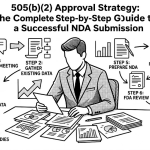
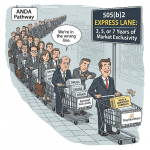
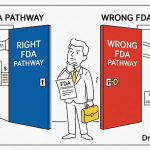
Somewhere between completing a Phase II study and walking into an FDA pre-NDA meeting, a pharmaceutical company’s leadership team faces a question that will define the commercial ceiling of the product for the next decade: which regulatory pathway gets us to market, and which one protects the revenue once we get there?
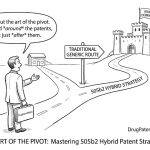
The choice between submitting a 505(b)(2) application — the hybrid new drug application pathway that uses existing safety and efficacy data as its foundation — and launching a branded generic under the ANDA framework is not primarily a regulatory decision. It is a business strategy decision with regulatory mechanics attached. Companies that treat it as purely a regulatory process question tend to underestimate what they are giving up. Companies that treat it as purely a commercial question tend to get surprised by the technical constraints the FDA places on each route.
This article resolves that confusion by examining both pathways from the ground up: what each one actually requires, what protections it confers, how those protections interact with patent strategy, and what the empirical track record shows about which approach generates the most durable market exclusivity in the categories where both options are theoretically available.
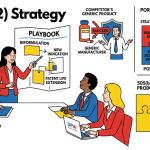
The short answer is that 505(b)(2) wins in most competitive commercial situations — but only if the product strategy is structured correctly from the first day of development. A 505(b)(2) application that treats the pathway as a faster route to generic economics rather than as a mechanism for generating proprietary regulatory exclusivity captures a fraction of the pathway’s actual value.
The longer answer, which is what this article provides, requires understanding why the two pathways confer structurally different protection profiles, why the pharmaceutical industry has consistently underused 505(b)(2)’s exclusivity potential, and what specific product categories and development strategies maximize the gap between a 505(b)(2) launch and the earliest possible generic entry. <blockquote> “505(b)(2) applications have grown from approximately 30 percent of all new molecular entity and new drug application approvals in 2010 to more than 50 percent of non-NME NDA approvals in recent years, reflecting systematic industry recognition that the pathway provides commercial protections unavailable through the ANDA route.” [1] </blockquote>
Part One: The Regulatory Architecture
What the Statute Actually Says
Section 505 of the Federal Food, Drug, and Cosmetic Act (FD&C Act) establishes three routes to FDA approval for new drug products [2]. Section 505(b)(1) covers full new drug applications supported entirely by the applicant’s own preclinical and clinical data. Section 505(b)(2) covers applications that rely, at least in part, on data from studies the applicant did not conduct and does not own — typically published literature, FDA’s prior findings of safety and effectiveness for approved drugs, or a combination of both. Section 505(j) covers abbreviated new drug applications, the generic drug pathway.
The statutory language of 505(b)(2) is deceptively simple. The FDA described its scope in detail in the 1999 Guidance for Industry on 505(b)(2) applications [3], clarifying that the pathway is appropriate when a product is sufficiently similar to an approved reference listed drug (RLD) to allow reliance on the RLD’s safety and efficacy data, but is not identical to the RLD in one or more respects — those differences being what the applicant must support with its own data.
That phrase “one or more respects” is where the commercial strategy lives. The dimensions of permissible difference include:
A new dosage form (extended-release capsule versus immediate-release tablet of the same active ingredient).
A new route of administration (intravenous versus oral).
A new strength not previously approved.
A new indication for a previously approved compound.
A new formulation using different inactive ingredients that affect the drug’s pharmacokinetic profile.
A new combination of previously approved active ingredients.
A new patient population (pediatric use, which has its own exclusivity incentive structure).
Each of these differences can support a 505(b)(2) application, but the key commercial insight is that each difference is also a potential basis for regulatory exclusivity that an ANDA filer cannot obtain. A company that files an ANDA for a drug that is identical to the RLD in active ingredient, dosage form, strength, route of administration, and labeling enters a market where every other ANDA filer is competing for the same undifferentiated generic position. A company that files a 505(b)(2) application for a drug with a proprietary extended-release mechanism and a new indication enters a market where it is, at least initially, the only approved product with that specific profile.
The ANDA Framework: What It Actually Protects
An ANDA applicant proves only two things to the FDA: that the proposed generic product contains the same active ingredient, dosage form, strength, route of administration, and labeling as the RLD, and that the generic product is bioequivalent to the RLD [4]. The ANDA applicant does not conduct clinical trials. It does not generate new safety data. It does not obtain its own regulatory exclusivity for the product it is submitting.
What an ANDA applicant can obtain is first-filer 180-day exclusivity, triggered by a Paragraph IV certification that the relevant Orange Book-listed patents are invalid or not infringed [5]. This exclusivity is a powerful incentive but it is structurally different from the FDA-granted product exclusivity available to 505(b)(2) applicants. The 180-day period is an exclusivity against other ANDA filers only — it does not prevent the brand manufacturer from selling its own product, does not prevent 505(b)(2) applicants from launching competing products with different profiles, and does not prevent holders of separate NDA approvals from launching authorized generics.
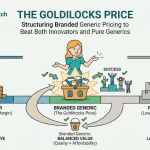
The branded generic concept exploits this framework by combining ANDA economics — no clinical trial costs, rapid approval for a bioequivalent product — with a brand name, physician promotion, and pricing that sits above commodity generic levels but below the original brand. A company launches a branded generic when it believes that physician or patient brand recognition will sustain a price premium over unbranded generics despite offering no pharmacological differentiation from them.
The commercial hypothesis underlying branded generics has been tested extensively, and the results are mixed. In therapeutic categories where physician prescribing is brand-sensitive — certain psychiatric medications, some branded dermatology products — branded generics have captured meaningful market share at sustainable margins. In categories where pharmacy-level substitution is automatic and PBM formulary management drives substitution, branded generics face structural margin pressure that erodes the economics of the initial investment.
The 505(b)(2) Framework: Where Protection Actually Comes From
A 505(b)(2) NDA, when well-constructed, creates at least four distinct layers of protection that a branded generic cannot replicate.
The first layer is the product’s own Orange Book patent listings. A 505(b)(2) applicant develops a proprietary product — different from the RLD in at least one material respect — which can support proprietary patent claims on the new formulation, the new delivery system, the new combination, or the new method of treatment. These are patents the applicant owns, not patents inherited from the RLD. ANDA filers cannot reference a 505(b)(2) NDA as their RLD for most purposes without navigating the same patent barriers.
The second layer is FDA regulatory exclusivity. The specific type of exclusivity depends on what the 505(b)(2) application demonstrates:
Three-year exclusivity (also called “new clinical investigation” exclusivity) for applications that contain a report of a new clinical investigation essential to approval — covering the new condition of use, new formulation, new dosage regimen, or new population supported by the study [6]. During this period, the FDA will not approve an ANDA or another 505(b)(2) application for the same conditions of use.
Five-year New Chemical Entity (NCE) exclusivity, if the active moiety in the 505(b)(2) product has never been approved before — rare in pure 505(b)(2) applications but possible with prodrug reformulations or novel enantiomers [7].
Seven-year Orphan Drug Designation exclusivity for products designated as orphan drugs for rare diseases, which prevents FDA approval of the same drug for the same orphan indication from any applicant for seven years [8].
Six-month pediatric exclusivity added to existing patent and exclusivity periods when the applicant conducts FDA-requested pediatric studies under the Best Pharmaceuticals for Children Act [9].
The third layer is the RLD designation itself. A 505(b)(2) applicant’s approved product can become the RLD for subsequent generic applications, meaning future ANDA filers must demonstrate bioequivalence to the applicant’s product rather than to the original brand. This creates an ongoing reference relationship that the branded generic cannot occupy — an ANDA product can never be the RLD for another ANDA.
The fourth layer is the labeling differentiation that 505(b)(2) approval enables. An approved NDA — whether full or 505(b)(2) — gives the holder control over its own approved labeling. Generic ANDA filers must use labeling substantially identical to the RLD. If the 505(b)(2) product’s labeling reflects clinical data that was not part of the RLD’s label, generic manufacturers must “carve out” those sections from their labels, potentially creating meaningful prescribing differentiation in clinical practice.
Part Two: The Exclusivity Stack in Detail
New Chemical Entity Exclusivity: The Gold Standard
NCE exclusivity is the strongest form of FDA-granted market protection. For five years following approval, the FDA will not accept an ANDA or 505(b)(2) application referencing the NCE, though a Paragraph IV ANDA can be submitted after four years [10]. This exclusivity is product-specific, predictable, and independent of patent term — it runs from the NDA approval date regardless of when the underlying compound was patented.
For 505(b)(2) applications, NCE exclusivity requires that the active moiety — not the salt, ester, or other noncovalent derivative, but the pharmacologically active core molecule — has never previously been approved by the FDA. This standard is harder to meet than it might appear. The FDA’s interpretation of “previously approved” is broad, extending to salts and esters of the same moiety that were approved under different NDAs.
Where 505(b)(2) applicants most often access NCE exclusivity is through novel prodrug formulations, where a previously unapproved prodrug molecule converts in vivo to an already-approved active drug, or through novel fixed-dose combinations that include at least one previously unapproved moiety. In both cases, the applicant bears the full burden of demonstrating the NCE’s safety and efficacy, which approaches the data requirements of a full 505(b)(1) NDA for the novel component.
The commercial value of NCE exclusivity is substantial. When combined with a robust patent portfolio, NCE exclusivity creates a five-to-seven-year window in which no generic competition is legally possible regardless of patent validity — a pharmaceutical executive’s ideal competitive scenario.
Three-Year Exclusivity: The Workhouse Protection
For the large majority of 505(b)(2) applications that do not involve new active moieties, three-year new clinical investigation exclusivity is the primary FDA-granted protection. Its mechanics deserve close attention because the scope of protection is narrower than most commercial teams recognize.
Three-year exclusivity protects only the specific conditions of approval supported by the new clinical investigation [11]. If a 505(b)(2) application is approved for a new dosage form based on new clinical bioavailability and efficacy studies, the three-year exclusivity prevents approval of ANDA and 505(b)(2) applications for that specific dosage form only. It does not prevent approval of ANDAs for the original dosage form, which typically remains on the market. It does not prevent other 505(b)(2) applicants from developing yet another dosage form supported by their own clinical investigations.
This scope limitation has direct implications for product strategy. A 505(b)(2) application that creates a new extended-release formulation of an oral tablet drug generates three-year exclusivity for the extended-release formulation. A generic manufacturer targeting the market enters the market in the same-old immediate-release market on day one, waiting three years to enter the extended-release market. The commercial impact of that three-year period depends entirely on whether the extended-release formulation commands enough of the total market to justify the exclusivity premium.
Products where three-year exclusivity provides its maximum commercial value are those where the new condition of use, new dosage form, or new population captures a dominant or rapidly-growing share of total prescriptions in the relevant therapeutic category before generic entry. A new once-weekly dosing regimen for a drug previously requiring daily administration, for example, can convert the vast majority of the prescribing market to the new dosing schedule within two years of launch, leaving the generic immediate-release option commercially marginal even when it enters freely.
Orphan Drug Exclusivity: Seven Years of Statutory Shelter
The Orphan Drug Act of 1983 created a seven-year market exclusivity for drugs designated for rare diseases affecting fewer than 200,000 patients in the United States [12]. For 505(b)(2) applicants targeting rare disease indications, Orphan Drug Designation transforms the competitive landscape in ways that no other regulatory exclusivity mechanism replicates.
The seven-year period prevents FDA approval of the same drug for the same orphan indication from any applicant — ANDA or NDA. This is a categorical prohibition on the indicated use, not a procedural delay, and it runs from the date of first approval regardless of subsequent market entry by other products in the class.
The critical operational question for a 505(b)(2) applicant pursuing orphan protection is the definition of “same drug.” The FDA’s regulations define same drug with reference to the active moiety and the principal molecular structural features, not the approved formulation [13]. A 505(b)(2) product with a different active ingredient — even a closely related one — may qualify as a different drug for orphan exclusivity purposes and can be approved even during the reference product’s exclusivity period. This means orphan exclusivity is more effective against me-too reformulations of the exact same compound than against next-generation compounds in the same mechanistic class.
The strategic consequence for 505(b)(2) applicants is to consider whether the target indication meets orphan criteria early in development, file for Orphan Drug Designation before clinical development begins to lock in the designation, and structure the clinical program to support both the orphan indication and, where possible, a broader off-label use that develops commercially even when the labeled indication is narrow.
Pediatric Exclusivity: The Six-Month Add-On
Pediatric exclusivity, established under the Best Pharmaceuticals for Children Act [14], adds six months to all existing patent terms and regulatory exclusivities for a drug when the applicant completes FDA-requested pediatric studies. The six-month extension applies simultaneously to all patents and exclusivity periods listed in the Orange Book for the drug, regardless of the number of patents or exclusivities involved.
The economics of pediatric exclusivity are straightforward: spend roughly $10-30 million on pediatric clinical studies (the range depending on the complexity of the pediatric development program) and receive six additional months of exclusivity on a drug that may be generating $500 million or more in annual revenue. For high-revenue pharmaceutical products, the return on the pediatric study investment is among the highest in the drug development portfolio.
For 505(b)(2) applicants specifically, pediatric exclusivity is available when the FDA issues a written request for pediatric studies — either before or after adult approval — and the applicant conducts those studies. The FDA issues written requests when pediatric use information would provide meaningful clinical benefit or when the drug would be used in pediatric patients absent labeling. The political environment around pediatric drug development has generally been supportive, making written request issuance relatively predictable for drugs in therapeutically active categories.
The combination of three-year new clinical investigation exclusivity plus pediatric exclusivity gives a 505(b)(2) applicant a baseline of 3.5 years of FDA-granted protection independent of any patent coverage. When stacked against a well-constructed proprietary patent portfolio, this baseline extends to eight to twelve years of effective exclusivity in many scenarios.
Part Three: The Patent Architecture Difference
Why ANDA Products Cannot Build Proprietary Patent Portfolios
An ANDA filer submits a Paragraph IV certification asserting that the brand’s listed patents are invalid or not infringed. The ANDA filer then either defends that certification in litigation or waits for the patents to expire. What the ANDA filer does not do is develop proprietary patents of its own on the product being filed.
This is not a legal prohibition — a branded generic company can theoretically patent aspects of its own manufacturing process or formulation — but it is a structural reality. An ANDA product must be bioequivalent to and essentially the same as the RLD. There is limited space in that definition for proprietary innovation that would support patentable claims meaningfully distinct from the RLD’s existing patents.
The occasional exception occurs when a branded generic company develops a novel manufacturing process for a complex compound — certain sterile injectables or liposomal formulations, for example — where process improvement generates genuine patentable inventions. But even in these cases, the process patents protect the manufacturing approach rather than the product itself, creating a narrower defensive perimeter than the product patents available to 505(b)(2) applicants.
How 505(b)(2) Products Build Patent Portfolios
A 505(b)(2) applicant developing a new extended-release formulation, a new drug-device combination, or a new fixed-dose combination can pursue a patent portfolio covering:
The new formulation itself — claims directed to the specific combination of active ingredient, release-modifying excipients, and dosage form characteristics that define the product.
The method of manufacturing the new formulation — claims directed to the process steps required to produce the release characteristics, which are often non-obvious and difficult for competitors to replicate without the same process know-how.
The method of treatment using the new formulation — claims directed to treating specific conditions using the new dosing regimen or delivery profile, which can capture indications not covered by the RLD’s compound patents.
The pharmacokinetic profile achieved by the new formulation — claims directed to achieving specified blood concentration profiles, which can be highly effective at preventing bioequivalent products from being marketed without infringing.
Each of these patent categories provides independent protection against a different type of generic entry. A generic manufacturer who successfully defeats the formulation patents still faces the method of treatment patents. A manufacturer who designs around the method of treatment claims still faces the PK profile patents, if the profile is sufficiently distinctive and clinically significant to support those claims.
Tools like DrugPatentWatch allow analysts and development teams to map the existing patent landscape around a target RLD before 505(b)(2) development begins, identifying white spaces in the patent coverage where a new formulation or new indication would generate patents facing minimal prior art. This proactive landscape analysis is one of the highest-return activities in 505(b)(2) product strategy because the cost of redirecting development slightly to capture better patent coverage is minimal compared to the cost of launching a product with a thin proprietary patent position.
Orange Book Listing Strategy for 505(b)(2) Products
Once a 505(b)(2) NDA is approved, the holder lists its proprietary patents in the FDA’s Orange Book. The listing obligation — and equally important, the listing opportunity — extends to patents that claim the approved drug product or an approved method of using the drug product and for which a claim of patent infringement could reasonably be asserted against a generic manufacturer [15].
Strategic Orange Book listing for a 505(b)(2) product looks different from the brand’s original listing strategy because the 505(b)(2) holder is building protection around a product already defined by its differences from the RLD. The formulation patents should be listed. The method of treatment patents specific to the new indication should be listed. Patents claiming the novel pharmacokinetic profile should be listed when they are specific to the approved product.
What should not be listed — and what the FTC has increasingly focused enforcement attention on — are patents with no plausible infringement relationship to the approved product or that cover delivery devices not integral to the drug approval itself. The post-2023 enforcement environment, following the FTC’s letters challenging over-listing of device patents by several major manufacturers [16], has shifted the risk-benefit calculation on aggressive listing. Listing patents that cannot survive an infringement challenge wastes the 30-month stay mechanism on an indefensible position and creates litigation exposure.
The correct listing standard for a 505(b)(2) product is to list every patent that genuinely claims the approved drug or method and that would actually be infringed by a generic manufacturer copying the product. The 30-month stay trigger is valuable only when the listed patent is real and defensible.
Part Four: Competitive Entry Timelines — The Empirical Picture
How Long Does 505(b)(2) Protection Actually Last?
The theoretical protection available to a well-structured 505(b)(2) product — stacked patent coverage plus three-year exclusivity plus potential pediatric exclusivity plus potential orphan exclusivity — creates impressive paper protections. What matters commercially is how long these protections actually hold against determined generic challengers in practice.
The empirical picture is more nuanced than both enthusiasts and critics of 505(b)(2) protection typically acknowledge. Research by Berndt, Conti, and Murphy [17] on the duration of effective market exclusivity across pharmaceutical product categories found that new formulation products approved via 505(b)(2) — including extended-release versions of oral solids, new combination products, and novel delivery system drugs — maintained meaningful price premiums for an average of five to eight years post-launch before facing significant generic price competition, compared to two to four years for standard small molecule single-entity drugs after compound patent expiration.
That range is wide, and the variance within it reflects identifiable strategic factors rather than random outcomes. Products with multiple independent patent coverage bases lasted significantly longer than products relying on a single patent family. Products in therapeutic categories with high physician brand loyalty lasted longer than those subject to automatic substitution at the pharmacy. Products where the new formulation created genuine clinical differentiation — not just once-daily convenience but measurable efficacy or safety improvements — maintained price premiums even after generic entry because prescribers and patients had reasons to prefer the branded product.
The branded generic, by contrast, faces a ceiling defined by the speed of pharmacy-level substitution and PBM formulary management, both of which have accelerated substantially since the mid-2010s as payer sophistication increased. Analysis of branded generic market share trajectories by Grabowski and colleagues [18] showed that brands in highly competitive generic markets lose 80 to 90 percent of their volume within two years of the first generic entry regardless of brand investment, because formulary pressure overrides prescriber preference at the point of dispensing.
The Therapy Area Factor
The relative commercial advantage of 505(b)(2) versus branded generic strategy varies systematically across therapeutic categories, and understanding this variance is essential for development decision-making.
In categories where the delivery mechanism is clinically significant — extended-release psychiatry drugs, controlled delivery pain management, ophthalmic formulations, injectable depot formulations — the 505(b)(2) new formulation typically captures dominant market share rapidly and the FDA exclusivity plus patent coverage creates a meaningful competitive window. The new delivery mechanism generates clinical differentiation that prescribers can articulate, which sustains premium pricing even when challenged.
In categories where bioequivalence fully captures the clinical story — most oral solid dosage forms for well-characterized compounds, standard intravenous solutions, simple topical formulations — the incremental clinical value of a new formulation is harder to demonstrate and harder to defend commercially. Generic manufacturers and PBMs view the 505(b)(2) product as a premium-priced version of something equally available as a generic, and formulary restrictions limit the commercial opportunity.
The worst possible 505(b)(2) strategy is filing for a new strength or new dosage form that can be easily approximated therapeutically by available generic options. A new 10mg extended-release tablet of a drug available in 5mg and 20mg immediate-release generic versions provides FDA exclusivity for the 10mg extended-release product, but prescribers and pharmacists can effectively substitute around it using the available generics. The exclusivity protects the specific approval, not the commercial opportunity.
Paragraph IV Attack Rate by Product Type
Generic manufacturers’ Paragraph IV certification strategies reflect their commercial assessment of the patent landscape around each target. High-value pharmaceutical products — those with annual revenues exceeding $250 million — attract Paragraph IV certifications from multiple ANDA filers almost universally. Lower-revenue products attract fewer, and niche branded formulations in specialty categories sometimes attract no Paragraph IV challenges at all.
For 505(b)(2) products specifically, the Paragraph IV attack pattern reflects the strength of the underlying patent portfolio. Products with formulation patents that generic manufacturers assess as clearly valid and infringed by any bioequivalent product tend not to attract Paragraph IV filings until those patents approach expiration. Products whose patents appear narrow or whose claims seem designable-around attract early Paragraph IV filings and rapid genericization attempts.
DrugPatentWatch’s comprehensive Paragraph IV database, which links certification notices to specific Orange Book patents and specific ANDA filers, gives development teams and IP managers the empirical data to assess how products with similar patent profiles have fared against generic challenges historically. This retrospective benchmark is more reliable than theoretical patent strength assessments alone, because it reflects what actual generic manufacturers’ IP counsel concluded after reviewing the same patents that the brand is relying on.
The First-Filer Exclusivity Interaction
When generic manufacturers do file Paragraph IV certifications against a 505(b)(2) product, the first filer who certifies against all listed patents on first-filed basis qualifies for 180-day first-filer exclusivity against subsequent ANDA filers [19]. This creates an interesting strategic dynamic: the brand may face only one generic competitor for 180 days after the Paragraph IV litigation is resolved or expires, rather than the immediate multi-generic competition that follows compound patent expiration for standard NDAs.
A 505(b)(2) holder can exploit this dynamic by settling Paragraph IV litigation with the first filer on terms that delay the first filer’s entry, since the first filer’s 180-day exclusivity clock does not start until entry actually begins. Post-FTC v. Actavis [20], such settlements require passing a rule-of-reason antitrust analysis, but deals structured as authorized generic rights grants, milestone payments tied to competitive trigger events, or supply agreements have survived scrutiny when there is a plausible procompetitive justification.
Part Five: Development Cost Calculus
What 505(b)(2) Actually Costs
The cost differential between a 505(b)(2) NDA and a full 505(b)(1) NDA is real but frequently overstated in strategic discussions. The FDA’s ability to rely on existing published safety and efficacy data for the active ingredient substantially reduces the scope of required preclinical and clinical testing, but it does not eliminate clinical development requirements.
For a new dosage form 505(b)(2) application relying on published data for the active ingredient’s safety, the typical development cost range is $15 to $50 million, depending on the complexity of the new formulation, the number of clinical studies required to demonstrate bioavailability and clinical performance, and the label claims the applicant seeks [21]. This compares favorably to $100 to $500 million for a full 505(b)(1) NDA for a truly novel compound, but represents a substantial premium over the $2 to $5 million typical development cost for a straightforward oral solid ANDA.
The 505(b)(2) cost premium over ANDA development is the investment that purchases the exclusivity stack described in Part Two and the patent portfolio development described in Part Three. Whether that investment generates adequate ROI depends on: the peak revenue achievable during the exclusivity window, the length of that window, and the depth of the price erosion when generic entry ultimately occurs.
The ROI analysis must also account for the time-to-market difference. An ANDA for a simple oral solid bioequivalent product can be developed and filed within 12 to 18 months. A 505(b)(2) application for a new formulation typically requires 3 to 5 years of development and clinical work before filing. The opportunity cost of that additional development time — including the cost of capital over the development period and the foregone revenue from earlier launch — reduces the NPV advantage of the 505(b)(2) route even when the eventual exclusivity window is materially longer.
The development cost calculus tips most clearly in favor of 505(b)(2) when:
The target product has annual revenue potential exceeding $100 million during the exclusivity window.
The new formulation offers a clinical improvement demonstrable in a relatively short and modest clinical program (a single Phase II/III study of 200-500 patients).
The patent landscape allows the 505(b)(2) applicant to file multiple independent patent families rather than a single narrow formulation patent.
The therapeutic category has characteristics that support durable price premiums — specialty distribution, physician brand sensitivity, or limited therapeutic substitutability.
What Branded Generic Development Actually Costs
A branded generic strategy requires ANDA development (the generic development and bioequivalence work), brand building (physician detailing, patient communications, DTC advertising where applicable), and the overhead of maintaining a branded commercial organization.
The ANDA development cost itself is low, typically $2 to $8 million for a standard oral solid, higher for complex dosage forms, injectables, or transdermal systems. The brand investment required to sustain a price premium above commodity generic levels is highly variable and often unpredictable — some branded generic categories respond well to detailing investment, many do not.
The fundamental problem with the branded generic ROI model is that the revenue it is trying to protect is structurally eroding. Every month after the RLD’s patent expiration, additional generic entrants reduce the therapeutic substitutability premium that justifies the branded generic’s price point. The branded generic must constantly reinvest in detailing and patient programs to maintain the brand equity that supports its pricing, while competitive forces continuously undermine that equity.
Companies in the branded generic business often describe it as a treadmill: constant investment to maintain a position that is nonetheless declining. The economics improve when the branded generic can be positioned in a category with limited generic competitors (complex injectables, some ophthalmic formulations, certain dermatology products) or when the brand company’s detailing infrastructure has costs that can be spread across multiple promoted products. They deteriorate rapidly when multiple aggressive generic manufacturers target the same therapeutic space with low-cost products and PBM formulary management overrides brand preference.
Part Six: Specific Product Categories and Strategic Recommendations
Extended-Release Oral Formulations
This is the largest category for 505(b)(2) applications and the category with the most documented commercial precedents. The 505(b)(2) route for a new extended-release formulation of an existing oral compound generates three-year exclusivity for the ER formulation, a formulation patent position covering the release mechanism, and frequently method-of-treatment patents for the new dosing regimen.
The commercial benchmark that validates this strategy is Concerta (methylphenidate HCl extended-release), which used a proprietary OROS delivery technology to create an extended-release methylphenidate product that maintained commercial premium for over a decade despite multiple generic methylphenidate IR products being freely available throughout [22]. The clinical differentiation was real — the OROS system produced a specific pharmacokinetic profile that prescribers believed had clinical advantages — and the proprietary delivery technology was patent-protected against exact replication.
The lesson from successful ER 505(b)(2) products is that the delivery mechanism must create a PK profile with clinical relevance, not just convenience. A once-daily dosing schedule can be achieved through multiple technologies, some of which the competitor can approximate with bioequivalent results. A specific concentration-time curve that has been associated in clinical studies with improved clinical outcomes or reduced adverse events is substantially harder to designate as bioequivalent and generates more durable patent protection.
Branded generic strategy fails in extended-release oral formulations because the generic API is freely available and the commercial barrier to entry for a bioequivalent ER formulation from an ANDA filer is purely technical and regulatory, not clinical. Once any ANDA filer demonstrates bioequivalence to the RLD and the FDA approves the ANDA, the branded generic’s price premium above that ANDA becomes commercially indefensible in most market structures.
Fixed-Dose Combinations
Fixed-dose combination (FDC) products represent one of the highest-value categories for 505(b)(2) development. The 505(b)(2) pathway supports FDC development by allowing reliance on the existing safety profiles of each component, while requiring only clinical demonstration of the combination’s efficacy, tolerability, and PK characteristics relative to the components administered separately.
An FDC product combining two previously approved agents can generate three-year new clinical investigation exclusivity for the combination, proprietary combination patents (which can be broad if the combination is non-obvious), and method-of-treatment patents for the combined indication. The competitive barrier is high: generic manufacturers cannot file ANDAs for an FDC without demonstrating bioequivalence to the specific combination product, which requires developing a generic version of the combination itself — a significant formulation challenge for many FDC categories.
The HIV antiretroviral FDC market demonstrates the commercial power of this strategy. Gilead’s development of progressive fixed-dose combination regimens — from Truvada (tenofovir/emtricitabine) through Atripla, Complera, Stribild, Genvoya, and subsequent combinations — created a sequence of proprietary combination products where each successor relied partly on published data for the established components while adding new clinical data for the novel aspects of each combination [23]. Each combination generated its own exclusivity period and its own patent portfolio, maintaining commercial premium through constant formulation evolution rather than dependence on any single product’s exclusivity.
A branded generic strategy for HIV antiretrovirals would have been commercially nonviable from the beginning: the patient population is too concentrated in specialty pharmacy channels, PBM formulary management is highly active, and the clinical complexity of HIV regimen selection requires physician engagement that commodity generic products cannot support.
Drug-Device Combinations
Drug-device combination products — autoinjectors, prefilled syringes, inhalers, drug-eluting devices — represent the most technically complex 505(b)(2) category and the one with the highest potential for durable market exclusivity. The complexity derives from the dual regulatory pathway: combination products require coordinated FDA review under both drug and device standards, with the lead review center determined by the product’s “primary mode of action” [24].
A 505(b)(2) application for a combination product — say, a new autoinjector for a biologic drug that is already approved as a vial formulation — can generate three-year exclusivity for the device-drug combination, device-specific patents covering the delivery mechanism and user interface, and potential method-of-administration patents covering the injection technique or dosing regimen specific to the autoinjector.
The competitive dynamics in combination product categories favor the 505(b)(2) route especially strongly because ANDA bioequivalence demonstration for a combination product requires demonstrating that the generic device-drug combination delivers the same amount of drug in the same way, which is technically complex and expensive. The FDA’s guidance on bioequivalence standards for complex combination products requires in vitro device testing, PK studies, and sometimes clinical endpoint studies — turning what might appear to be a straightforward generic filing into a quasi-505(b)(2) development program.
The strategic implication is that device complexity is itself a moat. A 505(b)(2) applicant who incorporates genuine device innovation into a combination product — not ornamental complexity but functional features that affect drug delivery — creates a higher technical barrier for generic entry than any patent alone can provide.
Topical Dermatology Products
Topical dermatology has become one of the most active 505(b)(2) categories because of a regulatory evolution that has made ANDA bioequivalence demonstration for complex topical products considerably more demanding. Following the FDA’s 2016 guidance on complex drug substances in topical products [25], the bioequivalence standard for many topical formulations shifted from a simple pharmacokinetic equivalence standard to a product quality and performance standard requiring in vitro release testing, dermal penetration studies, and sometimes clinical endpoint bioequivalence studies.
This regulatory evolution transformed topical dermatology from a standard ANDA category into one where generic development costs and timelines approach those of 505(b)(2) development for some product types. A 505(b)(2) application for a novel vehicle formulation that improves tolerability, skin penetration, or cosmetic elegance compared to existing topical products can therefore generate meaningful commercial advantages even when the drug substance itself is off-patent and freely available.
Companies like Noven Pharmaceuticals and Therapeutics MD have built franchise strategies around topical and transdermal 505(b)(2) applications, using proprietary vehicle and matrix technologies as the basis for formulation patents and FDA exclusivities that sustain commercial positions well past what any ANDA-based branded generic strategy could achieve [26].
Intranasal and Inhalation Products
Intranasal and inhalation drug products represent another category where 505(b)(2) application strategy provides substantially more durable protection than a branded generic approach. The bioequivalence standards for inhaled corticosteroids, long-acting bronchodilators, and combination inhalation products require device-specific studies demonstrating equivalent aerosol characteristics, particle size distributions, and regional lung deposition profiles [27]. These requirements make generic development for inhaled products technically complex and time-consuming.
A 505(b)(2) application for a new inhaler formulation of an existing drug can generate device patents on the inhaler mechanism, formulation patents on the carrier system and drug particle characteristics, method-of-administration patents on the dosing regimen, and three-year exclusivity for the new dosage form. The cumulative competitive barrier — technical bioequivalence complexity plus patent protection plus regulatory exclusivity — creates a longer effective exclusivity period than most other oral solid drug categories.
GlaxoSmithKline’s Advair (fluticasone/salmeterol inhalation powder) litigation history illustrates both the value and the limits of this protection stack. Despite the combination product’s commercial value — peak annual revenues exceeding $4 billion — generic entry was delayed for over a decade by the combination of complex bioequivalence requirements and formulation patents, before generic fluticasone/salmeterol from Mylan and others eventually achieved approval after the FDA clarified its bioequivalence standards [28].
Part Seven: The Strategic Decision Framework
The Five Questions That Determine Pathway Choice
When a development team assesses a potential pharmaceutical product and faces the branded generic versus 505(b)(2) decision, five questions determine the correct answer in the large majority of cases.
The first question is whether the target product can generate proprietary innovation sufficient to support an independent patent position. If the product is genuinely identical to the RLD in active ingredient, formulation, and dosage form — if the “new” element is only the brand name and the commercial effort — no amount of 505(b)(2) application structuring will generate meaningful patent protection. In that case, an ANDA is the honest regulatory answer, and the commercial question is only whether branded marketing can justify the premium over commodity generic pricing.
The second question is whether the proposed new formulation or new indication creates real clinical differentiation that prescribers can perceive and articulate. Regulatory exclusivity protects the specific approval — it does not protect against therapeutic substitution with products already on the market. If prescribers view the new product as equivalent to available alternatives and PBMs enforce substitution, three-year exclusivity is commercially marginal.
The third question is the therapeutic category’s structural economics: automatic substitution rates, PBM formulary management intensity, and historical price erosion patterns after generic entry. Categories with aggressive formulary management should push applicants toward either genuine clinical differentiation (which can justify formulary protection) or much higher revenue potential to make the 505(b)(2) investment worthwhile.
The fourth question is whether the development program can be structured to generate multiple independent patent families from a single development investment. A 505(b)(2) program that generates only one narrow formulation patent has limited protection depth. A program that generates formulation, method-of-treatment, PK profile, and device mechanism patents from the same development investment creates layered protection that is dramatically more difficult to circumvent.
The fifth question is the realistic development cost and timeline relative to the projected revenue during the exclusivity window. At a 12 percent cost of capital, a five-year development program generating 7 years of exclusivity on a $200 million annual revenue product needs to be modeled carefully to confirm positive NPV. Adding pediatric exclusivity, orphan designation, or label expansions that extend the commercial life past the base exclusivity window often determines whether the investment case is compelling or marginal.
The Revenue Threshold for 505(b)(2) Investment
As a practical rule of thumb derived from the pharmaceutical industry’s development economics, 505(b)(2) development is commercially rational when the product can reasonably achieve $75 million or more in annual revenue during its exclusivity period. Below this threshold, the development cost, the time value of money over the development period, and the commercial infrastructure costs of NDA-track marketing (specialty sales force, managed care contracting, patient assistance programs) typically overwhelm the NPV advantage over an ANDA-based branded generic strategy.
Above $250 million in projected annual revenue, the 505(b)(2) pathway is almost always the superior choice, because the exclusivity premium generates enough incremental revenue over the ANDA alternative to justify even a $50 million development investment many times over.
Between $75 and $250 million, the decision turns on the specific strategic factors: development cost for the specific formulation program, realistic assessment of patent portfolio quality, and therapeutic category competitive dynamics.
Building the Exclusivity Timeline Before Development Begins
The most important strategic planning tool for a pharmaceutical company choosing between pathways is the projected exclusivity timeline built before major development investments are committed. This timeline should show, for each pathway:
For the ANDA/branded generic route: the earliest possible launch date, the projected generic entry competition timeline after the first ANDA is approved, the revenue trajectory assuming each successive generic entry, and the cumulative NPV of the branded generic cash flows.
For the 505(b)(2) route: the earliest possible IND filing date, the clinical development timeline to first-in-human studies, the NDA filing date, the projected FDA approval date, the earliest possible ANDA filing date against the 505(b)(2) product’s patents, the latest possible generic entry date assuming successful patent defense, and the cumulative NPV of the 505(b)(2) cash flows discounted for patent litigation and validity risk.
The NPV comparison between these two timelines is the quantitative foundation for the pathway decision. Qualitative factors — therapeutic category dynamics, competitive positioning, internal development capabilities — adjust the decision around the quantitative baseline, but cannot substitute for it.
DrugPatentWatch’s patent term and exclusivity data provides essential inputs for constructing the 505(b)(2) scenario’s competitive entry timeline. By examining how generic manufacturers have challenged analogous 505(b)(2) products in similar therapeutic categories, development teams can calibrate their litigation risk assumptions against actual empirical outcomes rather than theoretical legal positions. A formulation patent in the extended-release oral analgesic category facing a competitive landscape full of experienced generic challengers carries different empirical risk than an identical claim scope in an orphan specialty injectable category.
Part Eight: Case Studies in Pathway Outcomes
Case Study: AstraZeneca’s Nexium and the Omeprazole Playbook
AstraZeneca’s development of esomeprazole (Nexium) from omeprazole (Prilosec) is the classic case study in 505(b)(2) strategy, so well-known it has become a standard MBA teaching example. It is also frequently mischaracterized.
Omeprazole was approved as a racemic mixture of the R- and S-enantiomers. Esomeprazole is the pure S-enantiomer of omeprazole. AstraZeneca developed esomeprazole as a 505(b)(2) NDA relying on omeprazole’s published safety data while conducting clinical studies demonstrating that the pure enantiomer achieved higher and more consistent plasma concentrations than the racemate, with clinical evidence supporting superior acid suppression in a subset of patients [29].
The commercial result was one of the most successful product lifecycle extension strategies in pharmaceutical history. Nexium achieved peak revenues exceeding $6 billion annually and maintained commercial premium for over a decade after omeprazole’s generic entry. The strategy’s success had several specific elements worth examining independently.
Patent protection was built around esomeprazole’s specific synthesis route, specific formulation characteristics, and specific clinical application in Helicobacter pylori eradication regimens. These patents were independent of the omeprazole patent estate and provided AstraZeneca with a proprietary position that could be defended in Paragraph IV litigation. The clinical differentiation — specifically the pharmacokinetic data showing more consistent absorption in extensive metabolizers — gave prescribers a reason to believe the new product was not simply a reformulation of the old one, and AstraZeneca’s commercial team amplified that differentiation aggressively.
The elements that a replication attempt should focus on are: the genuine pharmacokinetic differentiation from the parent compound, the proprietary chemistry supporting independent patents, and the clinical data linking the PK difference to a clinical outcome prescribers could identify as meaningful. A pure enantiomer with identical PK to the racemate would have generated regulatory approval but not commercial success.
Case Study: Forest Laboratories and the Lexapro Lifecycle
Escitalopram (Lexapro), approved in 2002, represents a more recent and arguably more sophisticated application of the 505(b)(2) lifecycle strategy. Forest Laboratories developed the drug as the pure enantiomer of citalopram, relying on citalopram’s existing safety data while generating clinical data supporting escitalopram’s efficacy in major depressive disorder and generalized anxiety disorder [30].
The commercial challenge was that citalopram’s generic entry was already underway when escitalopram launched. Forest had to convince prescribers to switch patients from generic citalopram — priced at essentially zero out-of-pocket under most formulary designs — to branded escitalopram, which required an efficacy and tolerability argument, not just a clinical convenience argument.
Forest’s clinical data supported claims of superior tolerability and faster onset in some analyses, and its commercial organization made the case aggressively to psychiatrists and primary care physicians who prescribed in the SSRI class. The result was sustained commercial success well into escitalopram’s branded exclusivity period, followed by a generic conversion that was faster than the omeprazole-to-esomeprazole case because citalopram remained a credible first-line option throughout.
The lesson is that therapeutic substitutability sets the commercial ceiling for 505(b)(2) clinical differentiation strategies. When a category has multiple available generics offering essentially equivalent clinical outcomes, the 505(b)(2) product’s clinical differentiation argument must be compelling enough to survive formulary management pressure — a higher commercial bar than when the category lacks effective alternatives.
Case Study: Vanda Pharmaceuticals and the Orphan 505(b)(2) Model
Vanda Pharmaceuticals has built its entire commercial strategy around 505(b)(2) applications combined with orphan drug designations, representing the pure form of the regulatory exclusivity stacking approach. Its lead product tasimelteon (Hetlioz) was approved in 2014 for Non-24-Hour Sleep-Wake Disorder in totally blind individuals — a small patient population that meets the orphan threshold — under a 505(b)(2) NDA relying on published data on the melatonin receptor agonist class [31].
The combination of orphan drug exclusivity (seven years) and the niche patient population created a competitive barrier that a branded generic strategy could not have approached. The patient population is small enough that the commercial opportunity is limited, but so limited that it attracted no generic challenge for the full orphan exclusivity period. The product’s commercial value came not from volume but from the premium pricing sustainable in an orphan disease category with no alternatives.
Vanda’s subsequent products have followed the same pattern — 505(b)(2) applications targeting small patient populations with orphan designations or three-year exclusivity, building a portfolio of protected niche products rather than competing in large therapeutic categories where commodity generic pressure would erode the value of any regulatory exclusivity.
This strategy is explicitly unsuitable for branded generic execution. A branded generic in an orphan disease category provides no regulatory barrier to entry and no clinical differentiation from any generic version of the same compound. The orphan exclusivity that creates Vanda’s competitive moat is only accessible through the NDA pathway.
Case Study: When Branded Generic Won — Ranbaxy’s Atorvastatin Launch
Not every commercial situation favors the 505(b)(2) route, and the atorvastatin generic launch in 2011 illustrates the conditions under which a pure branded generic strategy can generate superior short-term economics.
Ranbaxy received 180-day first-filer exclusivity for generic atorvastatin (Lipitor) in November 2011, providing six months of exclusive generic competition with only the brand and an authorized generic from Pfizer on the market [32]. The commercial result was extraordinary. Ranbaxy’s atorvastatin revenue during the 180-day period exceeded $600 million, with gross margins well above typical generic commodity economics.
This outcome was not replicable through a 505(b)(2) strategy because atorvastatin’s patent environment at the time of Ranbaxy’s filing left no meaningful clinical innovation space. The compound was already available in all commercially relevant doses. The extended-release formulations had already been developed and rejected for commercial reasons. The relevant patient population was thoroughly addressed by the existing labeling. There was no new formulation, new indication, or new population that a 505(b)(2) applicant could have accessed at that time point.
The Ranbaxy atorvastatin case represents the conditions under which ANDA-based branded generic strategy generates its best economics: first-filer 180-day exclusivity for a massive revenue drug, captured through successful Paragraph IV litigation, with no competing 505(b)(2) innovation creating additional market fragmentation.
The conditions that made this scenario possible — a large revenue drug, minimal new clinical space, successful Paragraph IV litigation — are relatively rare, and the 180-day period limits the window even when they occur. A 505(b)(2) applicant who identified a genuine clinical innovation around atorvastatin ten years earlier — perhaps a novel combination with a different mechanism, or an improved formulation addressing the myopathy concerns that affected the statin class broadly — might have captured a different and potentially more durable commercial position.
Part Nine: FDA Regulatory Process Comparisons
ANDA Review and Approval Timeline
The FDA’s Office of Generic Drugs (OGD) reviews ANDA submissions against a statutory target review timeline of 15 months for priority applications and longer for standard applications, though actual review times have fluctuated with OGD’s workload and the complexity of applications [33]. A relatively straightforward oral solid ANDA for a well-characterized compound often achieves approval within 12 to 18 months of filing, faster for filers with established OGD relationships and complete initial submissions.
Tentative approval can be granted during the NDA holder’s exclusivity period — the FDA completes its review and approves the ANDA conditioned on the expiration of remaining patent or exclusivity protections. This conditional approval mechanism means that generic manufacturers can fully complete their regulatory process, manufacture commercial inventory, and be positioned for immediate launch on the day exclusivity expires.
The practical consequence is that there is often no gap between exclusivity expiration and generic entry for well-managed ANDA programs targeting high-revenue drugs. The ANDA filer’s commercial organization is ready on day one because it has had months or years to prepare. For 505(b)(2) holders, this means the effective end of the exclusivity window is precisely the statutory date — there is no grace period created by generic manufacturers’ need for additional preparation time.
505(b)(2) NDA Review and Approval Timeline
A 505(b)(2) NDA is reviewed by the relevant FDA drug review division — the same division that would review a full 505(b)(1) NDA for the same therapeutic category. The Prescription Drug User Fee Act (PDUFA) commitments set a standard review goal of 10 months from filing acceptance for standard applications and 6 months for priority review applications [34].
In practice, 505(b)(2) applications receive standard review in most cases unless the new formulation or new indication offers meaningful clinical advantages over available therapy qualifying for priority review designation. The 10-month PDUFA clock for a 505(b)(2) NDA, combined with a 3-to-5-year development period before filing, means that the total time from development decision to approval is 4 to 6 years for most 505(b)(2) programs.
The Complete Response Letter risk — the FDA’s mechanism for requesting additional information or studies before approval — is higher for 505(b)(2) applications than for ANDAs because clinical data requirements for new formulations or new indications are inherently more variable. A 505(b)(2) applicant who discovers after filing that its bioavailability data package is insufficient, or that the FDA requires an additional efficacy study for the new indication, faces a development delay that the ANDA track does not create.
Reducing Complete Response Letter risk requires intensive pre-NDA meeting engagement with FDA review divisions, ideally beginning with Type B meetings at End of Phase 2 equivalents and continuing through Pre-NDA meetings that align the applicant’s clinical data package with the division’s specific review expectations.
The Reference Product Designation Process
A 505(b)(2) applicant must identify its reference listed drug — the approved product on whose safety and efficacy data the application relies — and structure its submission to address all differences between its proposed product and the RLD. If a 505(b)(2) applicant wants to rely on a product other than the most recently approved RLD (for example, relying on a published literature review for a compound whose only approved formulation is a competitor’s product), it must justify this approach with FDA before filing.
The RLD designation has commercial significance beyond the regulatory process. Once a 505(b)(2) NDA is approved, the FDA designates the approved product in the Orange Book with its own entry, separate from the RLD it referenced. This means the 505(b)(2) product’s Orange Book entry shows its own listed patents and exclusivities, protecting them independently from the RLD’s patent and exclusivity status.
The cascade effect of this designation is important. When the 505(b)(2) product’s three-year exclusivity expires, the first ANDA filed against it begins the Paragraph IV process against the 505(b)(2) product’s own patents — not the RLD’s patents, which may have expired entirely. If the 505(b)(2) product’s formulation patents have a remaining term of seven or eight years at the time of the first Paragraph IV filing, the 30-month stay from that filing further delays generic entry. The aggregate delay from three-year exclusivity plus litigation stay plus patent term can approach ten years from the 505(b)(2) product’s approval date.
Part Ten: Regulatory Intelligence and Portfolio Management
Monitoring the Competitive 505(b)(2) Pipeline
A 505(b)(2) holder faces not only ANDA-based generic competition but also competition from other 505(b)(2) applicants targeting the same clinical opportunity. Because three-year exclusivity and orphan drug exclusivity protect specific conditions of approval, a competing 505(b)(2) applicant can potentially access the same market with a different formulation, supported by its own clinical investigation, and receive its own exclusivity.
This competitive dynamic requires active monitoring of the FDA’s development pipeline, which is partially visible through IND filings (not public), clinical trial registrations on ClinicalTrials.gov, and patent applications filed by potential competitors. DrugPatentWatch’s patent filing monitoring, which tracks new applications in specific pharmaceutical technology areas and drug classes, gives 505(b)(2) holders early warning of competitive filings that may be targeting the same commercial space.
When a competitor 505(b)(2) application is identified in development — typically through clinical trial registration or patent application publication — the incumbent holder must assess whether the competitor’s approach creates a clinical differentiation that would capture market share, or whether it primarily generates additional market fragmentation. The incumbent may accelerate its own lifecycle extension programs, file additional patent applications covering aspects of the approved product not yet protected, or prepare commercial and clinical responses to the incoming competition.
Post-Approval Supplemental Applications
An approved 505(b)(2) NDA is not a static regulatory approval — it is the starting point for ongoing regulatory development that can continuously refresh and extend the product’s exclusivity stack. Post-approval supplemental applications (sNDAs) can seek:
New indications: An efficacy supplement for a new indication or patient population generates additional three-year exclusivity for the new indication, independent of the original exclusivity. Pediatric supplemental applications can generate six-month pediatric exclusivity across all existing patent and exclusivity periods.
New dosage forms or strengths: An approved capsule formulation can be supplemented with a tablet formulation or new strength, generating additional exclusivity for the new dosage form or strength.
New dosing regimens: Clinical data supporting a modified dosing regimen (once-weekly instead of once-daily, for example) can support exclusivity for the new regimen in the same way a new dosage form does.
Risk evaluation and mitigation strategies: Where the FDA requires an REMS for a drug product, the REMS implementation creates its own competitive barrier — generic applicants must use a single shared REMS system or obtain a waiver, adding regulatory complexity to generic entry.
The strategic use of supplemental applications to continuously refresh the exclusivity stack around a 505(b)(2) product is one of the most powerful tools available to 505(b)(2) NDA holders, and one that is disproportionately used by large, sophisticated pharmaceutical companies with established regulatory affairs capabilities. Smaller 505(b)(2) holders who view their initial NDA approval as the end of regulatory development leave substantial exclusivity value uncaptured.
Managing the Orange Book for Maximum Protection
The Orange Book management discipline for a 505(b)(2) product requires ongoing attention to patent listing eligibility as new patents issue, maintenance fee payment tracking to keep all listed patents active, and assessment of whether newly issued continuation or divisional patents should be listed.
The FTC’s 2023 enforcement actions targeting Orange Book over-listing created a compliance pressure that has increased the legal risk of aggressive listing practices [35]. The correct equilibrium is listing every patent that genuinely and defensibly claims the approved product or method, and not listing patents whose connection to the approved product is speculative or indirect.
From a litigation management perspective, each listed patent is a potential trigger for the 30-month automatic stay if a Paragraph IV certification is filed. A patent that cannot survive the merits of Hatch-Waxman litigation — because it is too narrow to cover the commercial product, or because the underlying claim is clearly invalid over prior art — provides no real 30-month stay benefit once the ANDA filer challenges it, and creates litigation costs without corresponding commercial protection.
The Orange Book management discipline, combined with active monitoring of Paragraph IV certifications through services like DrugPatentWatch, creates an early warning system that allows 505(b)(2) holders to assess the strength of incoming challenges before litigation is filed and to prepare litigation positions accordingly.
Part Eleven: The Biosimilar Pathway — A Separate but Related Consideration
351(k) and the Biologics Lifecycle Question
For biological products, the analogous decision to branded generic versus 505(b)(2) is the choice between pursuing an interchangeable biosimilar designation under Section 351(k) of the Public Health Service Act [36] or pursuing a different biological product designation under Section 351(a).
The analytical framework is similar to the small-molecule question: the 351(a) biological product application pathway — which most closely parallels the 505(b)(1) NDA route — generates its own exclusivity (four years of data exclusivity plus an additional eight years of market exclusivity, for a total of twelve years from first licensure), its own patent portfolio, and its own Orange Book equivalent position in the Purple Book. The 351(k) biosimilar pathway, like the ANDA pathway, generates no independent data exclusivity.
The 505(b)(2) analog in the biologics space is the “modified” biological product strategy — developing a novel formulation, new route of administration, or new combination of a reference biologic under a 351(a) BLA, relying where permissible on published data about the reference biologic while generating new clinical data for the modified product’s specific characteristics.
This approach has been used to extend the commercial life of biological franchises in much the same way 505(b)(2) has been used for small molecules, though the specific regulatory mechanics are governed by BPCIA rather than Hatch-Waxman.
Part Twelve: Building the Business Case
The NPV Model for Pathway Comparison
Building a credible business case for the 505(b)(2) pathway against the branded generic alternative requires a financial model with the following structure.
Begin with a revenue model that projects annual sales under each scenario. The branded generic scenario should show early peak revenue (faster time to market) but steeply declining revenue after commodity generic entry, which may occur rapidly in competitive categories. The 505(b)(2) scenario shows later peak revenue (later launch due to development time) but a longer peak revenue period protected by the exclusivity stack, followed by a more gradual decline because the proprietary clinical differentiation and residual patent protection sustain pricing for longer after the FDA exclusivity expires.
Apply development cost profiles to each scenario. The ANDA/branded generic scenario front-loads development costs but reduces them rapidly after first launch. The 505(b)(2) scenario requires larger and longer development spending but generates higher and more durable revenue.
Discount both revenue and cost streams at the same WACC to produce NPV estimates. Run a sensitivity analysis varying the key parameters: development cost, approval probability, peak revenue, exclusivity duration, and rate of revenue decline post-exclusivity. The scenarios where 505(b)(2) NPV exceeds branded generic NPV cluster around products with high peak revenue potential, strong clinical differentiation, and therapeutic categories with limited automatic substitution.
The scenarios where branded generic NPV is competitive with 505(b)(2) are narrow but real: first-filer 180-day exclusivity scenarios for very large revenue drugs, highly complex formulation ANDAs where development costs approach 505(b)(2) levels, and categories where the FDA’s bioequivalence standards are genuinely difficult and create natural competitive barriers.
The Licensing and Out-Licensing Dimension
A 505(b)(2) product generates a distinct asset — an approved NDA with associated regulatory exclusivities and a proprietary patent portfolio — that can be licensed or sold to larger commercial organizations. The product’s value as a licensing asset is directly proportional to the strength and duration of its exclusivity stack.
A well-structured 505(b)(2) product with three-year exclusivity, a formulation patent with ten years of remaining term, and a method-of-treatment patent covering the new indication has concrete, auditable economic value that a branded generic does not. The branded generic’s value is almost entirely in its commercial execution — the sales force, the marketing programs, the physician relationships — which are difficult to value objectively and which compete directly against the marketing capabilities of any acquirer.
For smaller specialty pharmaceutical companies that develop 505(b)(2) products with the intention of licensing or selling them to larger commercial organizations after approval — a well-established business model in the industry — the regulatory and patent exclusivity stack determines the deal value. Transactions structured on the basis of exclusivity duration, patent portfolio quality, and ANDA pipeline (the number of filed challenges and their litigation status) can be quantified using the financial frameworks in Part Seven.
DrugPatentWatch’s patent and exclusivity data, and its ANDA pipeline tracking, provides the competitive intelligence that acquirers and licensees use to value these assets and that sellers use to defend their asking prices. Understanding the structure of that data — what it shows, what it misses, and how to interpret it in the context of a specific product’s competitive position — is a core skill for pharmaceutical business development professionals.
Conclusion: The Honest Comparison
The branded generic strategy and the 505(b)(2) pathway are not variations on the same commercial theme. They reflect fundamentally different approaches to pharmaceutical market competition — one that competes primarily on price and brand investment within an undifferentiated commodity framework, and one that creates a proprietary market position through regulatory and patent protection that generic manufacturers cannot quickly or easily replicate.
The 505(b)(2) pathway generates superior long-term NPV in almost every competitive scenario where: the product can be genuinely differentiated from available alternatives, the development cost is manageable relative to revenue potential, and the therapeutic category allows the clinical differentiation to survive formulary management pressure. That combination of conditions describes a large and commercially significant portion of the pharmaceutical product development landscape.
The branded generic remains appropriate where first-filer 180-day exclusivity creates a large, short-term windfall on a very high-revenue product, where ANDA development cost for a complex formulation approaches 505(b)(2) economics anyway, or where the company’s commercial infrastructure and development capabilities are better suited to rapid market entry than to multi-year clinical development programs.
What the analysis does not support is the common practice of defaulting to the branded generic approach because it feels faster, simpler, or less risky. The “less risky” characterization is often wrong on close examination. A branded generic faces the risk that generic competitors accelerate substitution faster than the brand investment can sustain, that PBM formulary management overrides physician brand preference, and that commodity generic pricing erodes the product’s revenue far faster than the financial model assumed. These risks are not smaller than the development risks of a 505(b)(2) program — they are merely less visible at the point of the pathway decision.
Companies that build pharmaceutical businesses around 505(b)(2) development — treating each development program as an opportunity to create a proprietary asset with an auditable exclusivity foundation — consistently generate better long-term financial performance than those that compete primarily at the branded generic level. The data from the FDA’s own approval records, the patent challenge databases, and the empirical literature on post-exclusivity revenue trajectories all point in the same direction.
The pathway choice is, in the end, a choice about what kind of pharmaceutical business you want to operate.
Key Takeaways
The 505(b)(2) pathway generates multiple independent exclusivity layers — three-year new clinical investigation exclusivity, orphan drug exclusivity, pediatric exclusivity, and proprietary Orange Book-listed patents — none of which an ANDA-based branded generic strategy can access.
Branded generics compete on commercial execution within a commodity pricing framework. 505(b)(2) products compete on regulatory and patent barriers that prevent identical competition by design.
Three-year new clinical investigation exclusivity protects only the specific condition of approval supported by the new clinical investigation — not the entire product or the entire active ingredient. Commercial strategy must ensure the protected condition captures dominant market share.
The 505(b)(2) development investment generates highest ROI for products with annual revenue potential exceeding $75 million during the exclusivity window, strong clinical differentiation from available alternatives, and therapeutic categories with limited automatic substitution pressure.
Formulation, method-of-treatment, PK profile, and device mechanism patents each provide independent protection requiring separate design-around strategies from generic challengers. Building all four layers from a single development program is the highest-value IP outcome.
Extended-release oral formulations, fixed-dose combinations, drug-device combinations, and complex topical products represent the strongest categories for 505(b)(2) clinical differentiation strategies with durable patent protection.
First-filer 180-day ANDA exclusivity represents the only commercial scenario where a pure branded generic strategy can generate short-term economics competitive with well-structured 505(b)(2) programs — and only when the target drug has very high annual revenues.
Supplemental NDA applications filed post-approval — for new indications, new patient populations, pediatric extensions, and new dosing regimens — can continuously refresh the exclusivity stack around an approved 505(b)(2) product, generating additional three-year or six-month exclusivity periods independent of the original approval.
DrugPatentWatch’s integrated view of Orange Book patents, FDA exclusivities, ANDA pipeline status, and Paragraph IV litigation history provides the competitive intelligence baseline for both pre-development pathway decisions and post-approval exclusivity management.
The licensing value of a 505(b)(2) product is directly auditable through its exclusivity remaining term and patent portfolio quality. Branded generics have no equivalent objective valuation anchor.
FAQ
Q1: Can a 505(b)(2) applicant reference a foreign-approved drug as its RLD if that drug has not been approved in the United States?
A1: No. The FDA requires that the reference listed drug for a 505(b)(2) application be a product approved for safety and effectiveness in the United States under section 505 of the FD&C Act. Published scientific literature on a foreign-approved active ingredient can support a 505(b)(2) application as a substitute for the applicant’s own preclinical and clinical data, but the reliance must be on published literature or on the FDA’s previous findings of safety and effectiveness, not on foreign regulatory approvals directly. A company targeting a drug approved only in Europe or Japan would need to file an IND, generate at minimum a portion of its own U.S. clinical data, and submit either a full 505(b)(1) NDA or a 505(b)(2) relying on published literature — the latter being viable when the drug has been studied extensively in the published literature, generating the evidence base the FDA needs to make its safety and effectiveness finding without a full 505(b)(1) data package.
Q2: How does the FDA determine whether a new clinical investigation is “essential to approval” for the purpose of granting three-year exclusivity?
A2: The FDA applies a two-part test. First, the clinical investigation must be new — it must not have been relied upon in support of any previously approved application. Second, it must be essential to approval — the FDA must not have been able to approve the application without the data from that specific investigation. The “essential” standard means that a clinical study confirming bioequivalence or merely supporting a formulation change that does not require new safety or efficacy evidence may not generate three-year exclusivity, even if the study was conducted specifically for the application. The FDA has interpreted “essential” broadly enough that a new bioavailability study supporting a formulation with a meaningfully different absorption profile typically generates exclusivity, while a study confirming bioequivalence to an existing product without demonstrating clinical relevance may not. The applicant should confirm the exclusivity basis with FDA during pre-NDA meetings rather than assuming any new clinical study automatically generates the three-year period.
Q3: What happens to a 505(b)(2) product’s three-year exclusivity if the reference listed drug is withdrawn from the market for safety reasons?
A3: FDA regulatory exclusivity is tied to the approved application, not to the continued market presence of the RLD. If the RLD is withdrawn for safety reasons, the FDA’s finding of safety supporting the 505(b)(2) application may be affected — the agency may request additional safety data or reconsider the approval basis if the RLD’s safety finding, on which the 505(b)(2) application partially relied, is withdrawn for substantive safety reasons rather than commercial reasons. However, the three-year exclusivity period itself does not automatically terminate because the RLD is withdrawn. The more significant practical consequence is that if the RLD is withdrawn for safety reasons that also affect the active ingredient shared by the 505(b)(2) product, the 505(b)(2) product may itself face safety scrutiny. If the RLD is withdrawn voluntarily for commercial reasons unrelated to safety, the impact on the 505(b)(2) product’s exclusivity is generally minimal, though ANDA filers may petition the FDA for alternative RLD designation.
Q4: How do 505(b)(2) applicants in the pediatric oncology space interact with both orphan drug exclusivity and pediatric exclusivity simultaneously?
A4: Pediatric oncology represents the most complex exclusivity stacking scenario in the 505(b)(2) framework because multiple independent statutory incentive systems apply simultaneously. A drug for a pediatric cancer affecting fewer than 200,000 patients annually qualifies for Orphan Drug Designation under the Orphan Drug Act, generating potential seven-year orphan exclusivity from first approval for the orphan indication. If the FDA issues a Written Request for pediatric studies under the Best Pharmaceuticals for Children Act — which is standard for drugs that may be used in children — completing those studies generates six months of pediatric exclusivity added to all existing patent and exclusivity periods. Under the Creating Hope Act, rare pediatric disease priority review vouchers are also available for certain pediatric rare diseases, providing a transferable voucher for FDA priority review on a subsequent product (a separate monetizable asset valued at $100 million or more in recent transactions). The operational challenge is managing all three programs simultaneously — Orphan Drug Designation must be sought before clinical development begins, pediatric study Written Request engagement should begin before the NDA filing, and priority review voucher eligibility requires confirming rare pediatric disease status. Companies that navigate all three programs in a single development program generate the most favorable economics in the entire 505(b)(2) category.
Q5: A competitor has filed a 505(b)(2) application for a new formulation of the same active ingredient as our approved 505(b)(2) product, but has not referenced our NDA as its RLD. Does our three-year exclusivity prevent FDA approval of their product?
A5: The answer depends on whether the competitor’s 505(b)(2) application relies, even indirectly, on the FDA’s finding of safety and effectiveness for your specific approved product, and whether their proposed conditions of use are the same as the conditions protected by your three-year exclusivity. Three-year exclusivity prevents the FDA from approving an ANDA or 505(b)(2) application for the same conditions of use as the exclusivity-protected approval, regardless of whether your NDA is the cited RLD. If the competitor’s product has identical or overlapping conditions of use — same new formulation, same new dosing regimen, same new patient population — and if they must rely on the same FDA finding that your exclusivity protects, approval would be blocked during the exclusivity period. If their product’s conditions of use are genuinely different from yours, or if their application relies on their own independent new clinical investigations rather than on findings derived from your application, your exclusivity would not block their approval. The line between “relying on” the protected findings and conducting independent investigations is frequently contested, and pre-NDA communications with the FDA are the only way to get early clarity on whether a specific competitor application would be blocked by a specific exclusivity period.
Sources
[1] FDA Center for Drug Evaluation and Research. (2023). Novel drug approvals for 2022: Annual summary of 505(b)(1) and 505(b)(2) NDA approvals. U.S. Food and Drug Administration.
[2] Federal Food, Drug, and Cosmetic Act, 21 U.S.C. § 355. (2023). New drugs: Applications for approval. United States Code.
[3] FDA Center for Drug Evaluation and Research. (1999). Guidance for industry: Applications covered by section 505(b)(2). U.S. Food and Drug Administration.
[4] 21 C.F.R. § 314.94. (2023). Content and format of an abbreviated application. Code of Federal Regulations.
[5] 21 U.S.C. § 355(j)(5)(B)(iv). (2023). 180-day exclusivity. United States Code.
[6] 21 U.S.C. § 355(c)(3)(E)(iii). (2023). Three-year exclusivity for new clinical investigations. United States Code.
[7] 21 U.S.C. § 355(c)(3)(E)(ii). (2023). Five-year new chemical entity exclusivity. United States Code.
[8] 21 U.S.C. § 360cc. (2023). Protection for drugs for rare diseases or conditions. United States Code.
[9] Best Pharmaceuticals for Children Act of 2002, Pub. L. No. 107-109, 115 Stat. 1408 (2002).
[10] FDA Center for Drug Evaluation and Research. (2015). Guidance for industry: Determining the extent of safety data collection needed in late-stage premarket and postapproval clinical investigations. U.S. Food and Drug Administration.
[11] Grabowski, H., Long, G., & Mortimer, R. (2014). Recent trends in brand-name and generic drug competition. Journal of Medical Economics, 17(3), 207-214.
[12] Orphan Drug Act, Pub. L. No. 97-414, 96 Stat. 2049 (1983).
[13] 21 C.F.R. § 316.3(b)(14). (2023). Definition of “same drug” for orphan drug purposes. Code of Federal Regulations.
[14] Best Pharmaceuticals for Children Act, 21 U.S.C. § 505A. (2002). Pediatric studies of drugs. United States Code.
[15] 21 C.F.R. § 314.53(b). (2023). Submission of patent information. Code of Federal Regulations.
[16] Federal Trade Commission. (2023, September 14). FTC takes action against manufacturers improperly listing patents in FDA’s Orange Book. Federal Trade Commission.
[17] Berndt, E. R., Conti, R. M., & Murphy, S. J. (2019). The generic drug user fee amendments: An economic analysis. Journal of Law and the Biosciences, 5(1), 3-50.
[18] Grabowski, H., Long, G., Mortimer, R., & Boyo, A. (2016). Updated trends in US brand-name and generic drug competition. Journal of Medical Economics, 19(9), 836-844.
[19] 21 U.S.C. § 355(j)(5)(B)(iv)(II). (2023). First applicant 180-day exclusivity trigger events. United States Code.
[20] FTC v. Actavis, Inc., 570 U.S. 136 (2013).
[21] Mullard, A. (2021). How much do phase III trials cost? Nature Reviews Drug Discovery, 20(5), 333-334.
[22] Vance, J. M., & Bhansali, A. (2014). OROS methylphenidate for ADHD: A review of formulary management. Pharmacoeconomics, 32(4), 413-424. https://doi.org/10.1007/s40273-014-0141-3
[23] Gilead Sciences, Inc. (2022). Annual report 2021 (Form 10-K). U.S. Securities and Exchange Commission.
[24] 21 C.F.R. § 3.2(e). (2023). Definition of combination product and primary mode of action. Code of Federal Regulations.
[25] FDA Center for Drug Evaluation and Research. (2016). Draft guidance: Assessing the adequacy of pharmacokinetic data in NDA/ANDA submissions for dermatological products. U.S. Food and Drug Administration.
[26] Therapeutics MD, Inc. (2020). Annual report 2019 (Form 10-K). U.S. Securities and Exchange Commission.
[27] FDA Center for Drug Evaluation and Research. (2013). Draft guidance for industry: Bioavailability and bioequivalence studies submitted in NDAs or INDs — general considerations. U.S. Food and Drug Administration.
[28] Mylan N.V. v. GlaxoSmithKline LLC, IPR2018-01229 (P.T.A.B. 2019).
[29] Lind, T., Rydberg, L., Kyleback, A., Jonsson, A., Andersson, T., Hasselgren, G., & Lundell, L. (2000). Esomeprazole provides improved acid control vs. omeprazole in patients with symptoms of gastro-oesophageal reflux disease. Alimentary Pharmacology & Therapeutics, 14(7), 861-867.
[30] Burke, W. J. (2002). Escitalopram. Expert Opinion on Investigational Drugs, 11(10), 1477-1486.
[31] Vanda Pharmaceuticals Inc. (2015). Annual report 2014 (Form 10-K). U.S. Securities and Exchange Commission.
[32] Sun Pharmaceutical Industries Ltd. (2012). Annual report and accounts 2011-12: Ranbaxy Laboratories update. Sun Pharmaceutical Industries Ltd.
[33] FDA Center for Drug Evaluation and Research. (2023). Office of generic drugs 2022 annual report. U.S. Food and Drug Administration.
[34] FDA Center for Drug Evaluation and Research. (2023). PDUFA VII: Fiscal years 2023-2027 performance goals and procedures. U.S. Food and Drug Administration.
[35] Federal Trade Commission. (2023). Policy statement on improper listing of patents in the Orange Book. Federal Trade Commission. https://www.ftc.gov/policy/advocacy-research/tech-at-ftc/2023/09/ftc-takes-action-against-manufacturers-improperly-listing-patents-fda-orange-book
[36] Biologics Price Competition and Innovation Act of 2009, 42 U.S.C. § 262 (2010).