Introduction: Beyond Legal Protection – The Patent Portfolio as the Engine of Pharmaceutical Success
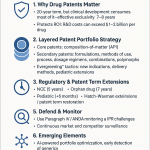
In the high-stakes, capital-intensive world of the pharmaceutical industry, the drug patent portfolio stands as the central economic engine, a strategic asset whose value extends far beyond mere legal protection.1 It is the lifeblood of innovation, the primary mechanism for recouping billions of dollars in research and development (R&D) investment, and the ultimate arbiter of long-term corporate viability.1 This report posits that a patent portfolio is not a static legal shield to be stored in a vault, but a multi-faceted strategic weapon to be actively managed and deployed. Its value is realized not only through the market exclusivity it confers but also through its profound influence on investment, corporate partnerships, and enterprise valuation.
The foundational economic model of the innovator pharmaceutical industry can be understood as an “Innovation-Exclusivity-Reinvestment Cycle”.1 This cycle begins with massive, high-risk R&D investment, which can exceed $2 billion per new drug, followed by a lengthy and arduous regulatory approval process.5 This investment is protected by patents that grant a period of market exclusivity. This exclusivity allows for the generation of substantial revenues, which are then reinvested into the next cycle of innovation, fueling the discovery of future therapies.1 The patent system is the lynchpin of this entire model, providing the necessary incentive for companies to undertake the profound financial risks inherent in drug development.6
However, this system operates within a field of inherent tension. The temporary monopoly granted by a patent, designed to incentivize innovation, inevitably clashes with the societal demand for affordable and accessible medicines.9 This conflict is the primary driver of nearly all strategic, legal, and regulatory maneuvers within the pharmaceutical landscape. It shapes how patents are written, how portfolios are constructed, how companies compete, and how governments regulate the industry.
This report provides a comprehensive analysis of how to leverage a drug patent portfolio for success. It moves beyond foundational definitions to explore the architecture of a robust portfolio, detailing the strategic interplay of different patent types. It then delves into the sophisticated offensive and defensive doctrines for deploying these assets—from extending a product’s lifecycle and navigating the dreaded “patent cliff” to defending against generic challenges within complex legal frameworks like the Hatch-Waxman Act. By examining the global chessboard of international patent law and dissecting landmark case studies of blockbuster drugs, this analysis offers a strategic roadmap for C-suite executives, in-house counsel, and investors. It concludes by exploring the emerging frontiers of biologics and artificial intelligence, which are fundamentally reshaping the rules of intellectual property and creating the next generation of strategic challenges and opportunities.
Section I: Architecting a Fortress – The Composition of a High-Value Drug Patent Portfolio
1.1 The Portfolio as a Strategic Collection
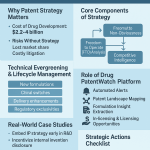
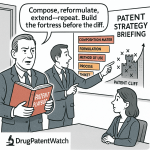
A successful drug patent portfolio is far more than an incidental collection of intellectual property; it is a “coherently designed strategic collection” of individual patents and applications meticulously curated to protect a product or technology platform.12 Its value is directly proportional to its active and continuous alignment with the company’s overarching business objectives.1 This requires a dynamic, exhaustive approach involving seamless cross-functional collaboration among legal, R&D, and business development teams to ensure that every innovation is adequately shielded and positioned for market success.1
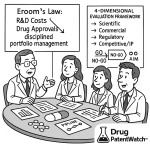
This dynamic management transforms the portfolio from a potential cost center—burdened by maintenance fees and legal costs—into a profit center.2 A static list of patents, misaligned with shifting market conditions or corporate strategy, can quickly become a liability.2 Effective portfolio management is therefore a continuous feedback loop, not a singular event. It involves regular reviews to assess patent strength, identify gaps in protection, evaluate the competitive landscape, and analyze the remaining patent life of each asset.3 This process includes the strategic pruning of low-value patents to manage costs and the focused allocation of resources toward high-value assets that directly support growth and competitiveness.3 As one patent attorney aptly described, “A well-constructed patent portfolio is like a chess game. Each patent is a piece on the board, strategically placed to defend your product and block competitors’ moves”.2
1.2 The Cornerstone: Active Pharmaceutical Ingredient (API) / Composition of Matter Patents
At the foundation of any drug patent portfolio lies the Active Pharmaceutical Ingredient (API) patent, also known as a composition of matter, compound, or product patent.3 These are the “base” or “primary” patents that protect the core chemical molecule or biological compound responsible for a drug’s therapeutic effect.2 They are universally regarded as the strongest, broadest, and most valuable form of protection because they cover the inventive entity itself, irrespective of its final formulation or method of use.3 If the patented molecule is present in a competitor’s product in any form—be it a pill, capsule, cream, or liquid—the patent applies, making it an “iron-clad” barrier to entry.15
The claims within an API patent can be drafted to cover a single, specific compound, a class of related compounds, or a broader collection of distinct compounds.17 A key strategy for maximizing the protective scope of these foundational patents is the use of Markush structures. Named after inventor Eugene Markush, these generic chemical structures define a core molecular scaffold with several optional chemical groups that can be attached.18 This allows a single patent claim to cover potentially millions of functionally equivalent variations of the core compound, making it significantly more difficult for competitors to “design around” the invention.15
In the United States, the strategic importance of the API patent is codified by a critical regulatory requirement. For a patent to be listed in the U.S. Food and Drug Administration’s (FDA) publication “Approved Drug Products with Therapeutic Equivalence Evaluations”—commonly known as the “Orange Book”—its claims must explicitly recite the active pharmaceutical ingredient of the approved drug.20 This linkage is not a mere administrative detail; it is the lynchpin of the patent enforcement system under the Hatch-Waxman Act, triggering the litigation and market-stay provisions that are central to defending a drug against generic competition.
1.3 Building the Walls: Layering Protection with Secondary Patents
While the API patent is the cornerstone, a singular patent is rarely sufficient to provide comprehensive and durable protection for a blockbuster drug.2 The effective life of this primary patent is significantly eroded by the lengthy drug development and regulatory approval process, which can consume a decade or more of the 20-year statutory term.7 To counteract this erosion and fortify their market position, pharmaceutical companies employ a multi-layered patenting strategy, constructing a formidable “web of protection” or “patent wall” around the core invention.2 This involves strategically filing a series of secondary patents throughout the drug’s lifecycle, each protecting a different aspect of the product, creating multiple, overlapping barriers to entry for would-be competitors.3
This approach is not merely about accumulating patents but about creating a defensive structure that is both deep and diverse. The distinction between primary and secondary patents is thus not just a technical one; it is a temporal and strategic construct. Primary patents are about creating the initial monopoly, while the later-filed secondary patents are about extending and defending that monopoly for as long as commercially and legally feasible. This layered defense is a direct and rational response to the economic realities of the pharmaceutical patent system.
The arsenal of secondary patents is varied, each serving a specific strategic purpose:
Formulation Patents: These protect the specific composition of the final drug product, including the combination of the API with various inactive ingredients (excipients), novel drug delivery systems (e.g., extended-release tablets, transdermal patches), or unique combinations that enhance efficacy, improve stability, reduce side effects, or increase patient compliance.1 Formulation patents are a critical tool for lifecycle management and can provide valuable exclusivity extensions.26
Method of Use / New Indication Patents: These patents do not protect the drug itself but rather a specific, novel method of using it to treat a particular disease or condition.3 Discovering and patenting new therapeutic uses for an existing drug, a strategy known as “drug repurposing,” is a highly effective way to expand a drug’s market and extend its commercial life.6
Process (Method of Manufacture) Patents: These cover the unique and innovative methods, processes, or technologies used to manufacture the API or the final drug product.10 While proving that a competitor is using a patented process can be challenging, these patents add another layer to the defensive wall. Some jurisdictions aid enforcement with “burden of proof reversal” clauses, which require the potential infringer to prove they are not using the patented process.19
Polymorph & Salt Patents: These are a specialized subset of composition of matter patents that cover specific crystalline forms (polymorphs) or salt forms of the API.10 Different polymorphs can have different physical properties, such as stability and solubility, which can affect a drug’s performance. These patents often arise from innovations made during the later stages of development as a company optimizes the drug for manufacturing and commercial launch.12
Delivery Device Patents: For drugs that require specialized delivery systems, such as inhalers, auto-injectors, or drug-eluting stents, patents on the device itself can provide a powerful and distinct layer of protection.1 This can differentiate a product in the market and create a barrier to entry even after the API patent has expired.
Combination Therapy Patents: These patents protect the use of a drug in conjunction with one or more other treatments.3 This is an increasingly valuable strategy, particularly in complex disease areas like oncology where combination regimens are becoming the standard of care.
Stereoselectivity / Chiral Switch Patents: Many drug molecules are chiral, existing in two mirror-image forms (enantiomers), only one of which may be therapeutically active or have a better safety profile. A “chiral switch” strategy involves patenting the single, active enantiomer of a previously approved racemic mixture (a 50/50 mix of both forms).26 This allows a company to launch a “new,” improved version of the drug with its own patent protection, effectively extending the franchise’s life.26
1.4 Strategic Considerations in Portfolio Construction
Building a resilient patent fortress requires more than just an understanding of the available patent types; it demands meticulous strategic planning regarding the timing, scope, and geographic reach of the portfolio.
Timing is critical. The 20-year patent term begins on the date of filing, not the date of market approval. Given that the R&D and regulatory approval process for a new drug can easily consume 10 to 15 years, filing a patent application too early can result in an effective market exclusivity period of less than a decade.5 Conversely, delaying filing carries its own significant risks. Under the “first-inventor-to-file” system adopted by the United States and most of the world, waiting too long can result in a competitor independently inventing and filing first, forfeiting all rights.4 Furthermore, any public disclosure of the invention—whether in a scientific journal or at a conference—prior to filing can destroy patentability in jurisdictions with “absolute novelty” requirements, such as Europe.4 To navigate this dilemma, companies often use provisional patent applications. These establish an early, legally recognized filing date at a lower cost, providing a one-year window to gather more data and refine the invention before filing a full, non-provisional application.13
Varying claim scope is essential. A well-architected portfolio should contain patents with claims of varying breadth.4 Broad claims provide the widest possible protection, making it difficult for competitors to design around the invention. However, their very breadth can make them more susceptible to validity challenges based on prior art.4 Narrow claims, which are more specific, are generally easier to defend against invalidity attacks but may allow competitors to avoid infringement with only minor modifications to their product.4 A strategic portfolio includes a mix of both, creating multiple lines of defense.
Global coverage is non-negotiable. Patent protection is strictly territorial; a U.S. patent provides no rights in Europe or Japan.32 An international patent strategy is crucial to protect an asset in all key commercial markets. Companies must prioritize regions based on market size, potential for revenue, the local regulatory environment, and the presence of competitors.13 The Patent Cooperation Treaty (PCT) offers a streamlined process for an initial international filing, which reserves the right to seek patent protection in over 150 member countries at a later date, providing valuable time to make strategic decisions about which national markets to enter.13
Finally, the portfolio must be subject to continuous and dynamic management. This involves regular, systematic reviews to prune patents that are no longer aligned with business goals or that protect assets of little value, thereby saving on significant maintenance fee costs.3 Resources can then be redeployed to strengthen protection around high-value assets and to file new patents that fill identified gaps in the portfolio’s coverage.4
Table 1: Typology of Pharmaceutical Patents and Strategic Applications
Patent Type
Description
Strategic Purpose
Typical Filing Stage
Example
Composition of Matter (API)
Protects the core active molecule or compound itself.
Foundational monopoly creation; strongest and broadest protection.
Early R&D / Pre-clinical
Patent on the chemical structure of atorvastatin (Lipitor).
Formulation
Protects the specific combination of the API with excipients, or a novel delivery system.
Lifecycle extension; improved patient compliance; defense against generics.
Pre-clinical / Clinical
Patent on a once-weekly, sustained-release formulation of fluoxetine (Prozac).
Method of Use
Protects a new therapeutic use or indication for a known drug.
Market expansion; drug repurposing; lifecycle extension.
Clinical / Post-approval
Patent on the use of sildenafil (Viagra) for erectile dysfunction, originally developed for angina.
Process
Protects the novel method of manufacturing the API or final drug product.
Adds defensive layer; can create barrier if process is more efficient/pure.
Development / Scale-up
Patent on a more efficient synthesis pathway for an API.
Polymorph/Salt
Protects a specific crystalline structure or salt form of the API.
Lifecycle extension; improved stability or bioavailability; can block specific generic versions.
Late-stage Development
Patent on the beta-crystalline form of imatinib mesylate (Gleevec).
Delivery Device
Protects a specialized device required to administer the drug.
Market differentiation; barrier to entry for device-dependent drugs.
Clinical / Pre-launch
Patent on the auto-injector device for adalimumab (Humira).
Combination Therapy
Protects the use of the drug in conjunction with other active ingredients.
Standard of care creation; market expansion in complex diseases.
Clinical / Post-approval
Patent on a fixed-dose combination of amlodipine and atorvastatin (Caduet).
Chiral Switch
Protects a single, active enantiomer of a previously patented racemic drug.
Patent on esomeprazole (Nexium), the S-isomer of omeprazole (Prilosec).
Section II: The Offensive Playbook – Actively Deploying the Portfolio for Market Dominance
2.1 Offensive Strategy Defined
An offensive patent strategy moves beyond passive protection and involves the proactive use of the patent portfolio to achieve specific business objectives: gaining a competitive advantage, generating revenue beyond direct product sales, and actively shaping the market landscape.34 This aggressive posture includes asserting patent rights to block competitors, initiating litigation to enforce exclusivity, and leveraging the portfolio as a powerful tool in licensing negotiations and corporate transactions.4
2.2 Lifecycle Management (LCM): Extending Exclusivity and Navigating the “Patent Cliff”
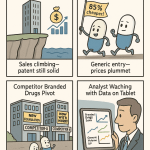
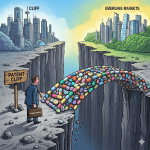
The primary driver for offensive LCM strategies is the “patent cliff”—the dramatic and often precipitous decline in revenue that occurs when a blockbuster drug’s foundational patents expire and it faces a sudden influx of low-cost generic competition.7 Upon generic entry, sales of the branded drug can plummet by as much as 80-90% within the first year, erasing billions of dollars in revenue.7 Between 2025 and 2029, an estimated $350 billion in industry revenue is at risk from patent expirations for blockbuster drugs like Keytruda and Eliquis.8 Mitigating this existential threat is a paramount strategic imperative.
This imperative has given rise to a set of sophisticated, and often controversial, LCM tactics designed to extend a drug’s effective monopoly. While these strategies are often pejoratively labeled, they represent a rational economic response to the structure of the patent system. The long R&D and regulatory timeline erodes the effective commercial life of the primary patent, making it a business necessity to find legally permissible ways to prolong market exclusivity to recoup the massive initial investment. The controversy arises not from the act of filing secondary patents for genuine improvements, but from the scale and intent of these strategies when they appear to prioritize monopoly extension over meaningful innovation.
“Evergreening” is the broad term for strategies that use secondary patents to extend a drug’s exclusivity period.3 This involves systematically patenting incremental innovations such as new formulations, alternative delivery methods (e.g., switching from a pill to a patch), new dosages, or different isomeric forms of the original drug.26 Each new patent comes with its own 20-year term, creating a staggered wall of protection that can delay generic entry long after the original API patent has expired.
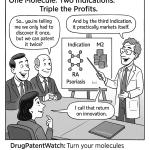
“Patent Thickets” represent an escalation of this strategy, involving the creation of a dense, overlapping web of dozens or even hundreds of patents around a single product.3 The strategic objective is not necessarily to win an infringement suit on every single patent, but to make the prospect of litigation so complex, time-consuming, and prohibitively expensive that it deters generic or biosimilar competitors from even attempting to enter the market.10
“Product Hopping” is a related commercial tactic where, shortly before a drug’s patent expires, the manufacturer introduces a “new and improved” version (e.g., an extended-release formulation) and heavily markets it to physicians and patients.12 The company may then discontinue the original product, forcing patients to switch to the new, patent-protected version. Because the new version often has a different dosage or delivery mechanism, state substitution laws may prevent pharmacists from dispensing a generic version of the original drug to a patient with a prescription for the new one, thereby preserving the brand’s market share.12
Case Study Deep Dive: AbbVie’s Humira – The Archetypal Patent Thicket
The case of AbbVie’s autoimmune drug Humira (adalimumab) is the definitive example of a patent thicket strategy executed at a massive scale. It demonstrates how a company can leverage the patent system to create a fortress of intellectual property that delays competition for years beyond the life of its foundational patent.
Scale of the Thicket: Humira’s initial patent was filed in the 1990s and expired in 2016. However, AbbVie constructed a formidable barrier to entry by filing a total of 247 patent applications in the U.S. alone, with a staggering 89% of them filed after the drug was first approved by the FDA in 2002.43 This resulted in a thicket of 73 granted patents covering not just the drug itself, but its formulations, methods of use, and manufacturing processes.41
The Duplication Strategy: The genius—and controversy—of the Humira strategy lay not in the quality of the inventions but in their quantity and legal structure. An independent analysis revealed that a remarkable 80% of the patents in the U.S. thicket were “non-patentably distinct,” meaning they did not cover new, non-obvious inventions relative to each other.41 They were legally linked through a mechanism called a “terminal disclaimer,” effectively creating multiple patents for the same handful of underlying inventions. The 73 granted U.S. patents were found to cover only 14 truly distinct inventions.41
Economic Asymmetry as a Weapon: The strategy created a powerful economic deterrent. While obtaining each of these duplicative patents could cost as little as $25,000, the cost for a biosimilar competitor to challenge just one of them through an inter partes review (IPR) at the PTAB was estimated to be $774,000 on average, with full federal court litigation costing millions more.41 Faced with the prospect of litigating dozens of patents simultaneously, the financial risk became untenable for most competitors.
Market Impact and Legal Precedent: The strategy was undeniably successful. While biosimilar versions of Humira entered the European market in October 2018, the U.S. patent thicket delayed their market entry until 2023—a full five years later.41 This extended monopoly is estimated to have cost the American healthcare system billions of dollars.43 When this strategy was challenged in court on antitrust grounds, the U.S. District Court for the Northern District of Illinois ruled in 2021 that the mere accumulation of a large number of patents, even if many are weak, does not in itself violate antitrust law. The court’s focus remained on the specific actions taken to enforce those patents, setting a significant legal precedent that blesses the patent thicket as a permissible, albeit aggressive, competitive strategy.44
2.3 Monetization Beyond Sales: Licensing and Collaboration Strategies
A robust patent portfolio can be leveraged to generate significant revenue streams independent of direct product sales. For smaller pharmaceutical or biotech companies that may lack the capital or infrastructure for late-stage clinical trials and global commercialization, out-licensing a patented asset to a larger partner can be the primary method of monetization.1 Even for established players, licensing non-core assets or patents in therapeutic areas outside their strategic focus can create valuable, low-overhead revenue.2
Furthermore, patents are crucial bargaining chips in forming strategic partnerships. Cross-licensing agreements, where two or more companies grant each other rights to their respective patent portfolios, can be a powerful tool to ensure freedom to operate in a crowded technological space, reduce the risk of litigation, and foster collaborative innovation.4 A strong portfolio enhances a company’s negotiating position in any joint venture or research collaboration, ensuring that its contributions are properly valued and its rights are protected.4
2.4 The Portfolio as a Catalyst for Growth: M&A Due Diligence and Valuation
In the context of mergers and acquisitions (M&A), a patent portfolio is often the single most valuable asset being acquired. It is frequently the cornerstone of a target company’s entire valuation and the primary driver of the deal itself.3 A strong portfolio can significantly increase a company’s attractiveness and valuation, serving as a tangible asset that provides a clear pathway to market exclusivity and profitability.3
M&A is also a key offensive strategy for large pharmaceutical companies facing their own patent cliffs. Acquiring smaller, innovative firms with promising drug candidates in their pipelines is a common way to offset impending revenue losses, diversify product lines, and enhance R&D capabilities.35
Given its central importance, patent due diligence is one of the most critical phases of any pharmaceutical M&A transaction. It is a systematic and rigorous investigation designed to evaluate the target’s patent portfolio by assessing its legal standing, confirming the chain of title and ownership, gauging enforceability, and determining its strategic fit with the acquirer’s goals.47 A miscalculation of a key patent’s strength or expiry date, even by a few months, can have a catastrophic impact on the deal’s economic rationale.47
The valuation of a patent portfolio in this context is not an absolute science but a strategic exercise. While several quantitative methodologies exist, the true value is often contextual.
Cost Approach: This method values a patent based on the cost to create or replace it, including all associated R&D, legal, and filing fees.50 It is often seen as a valuation floor.
Market Approach: This method determines value by analyzing recent sales or licensing transactions involving comparable patents or patent portfolios.51 Its accuracy depends on the availability of truly comparable market data.
Income Approach: This is often the most relevant method for pharmaceutical patents. It calculates the net present value of the future cash flows the patent is expected to generate over its remaining life, using a discounted cash flow (DCF) analysis.51 This model is highly sensitive to assumptions about market size, pricing, competition, and the discount rate used.50
Ultimately, a patent portfolio’s value is not an intrinsic, fixed number but is highly dependent on the strategic context of the transaction. A patent that is non-core to one company’s strategy could be a cornerstone asset for an acquirer looking to enter that specific therapeutic market, dramatically altering its valuation. The true power of a portfolio lies in its ability to unlock strategic options—market entry, competitive blockade, pipeline reinforcement—making its valuation a direct function of the value of those options to the acquirer.
Section III: The Defensive Doctrine – Protecting Assets and Ensuring Freedom to Operate
3.1 Defensive Strategy Defined
While an offensive strategy focuses on assertion and market control, a defensive patent strategy is centered on risk mitigation. Its primary goals are to protect a company from infringement lawsuits, safeguard its innovation, and ensure its “freedom to operate” (FTO)—the ability to develop and commercialize products without infringing on the intellectual property rights of others.34 The objective is to reduce litigation risk, avoid paying costly royalties, and preserve the ability to innovate without interference.34
3.2 Building a “Defensive Patent Wall”
The core principle of a defensive strategy is deterrence through strength. By building a robust, comprehensive, and layered patent portfolio, a company can make itself an unattractive target for litigation.4 Potential aggressors, knowing that the company holds a powerful arsenal of patents, may be dissuaded from initiating a lawsuit for fear of a potent countersuit.4
This “defensive patent wall” serves several key functions:
Deterrence: A strong portfolio signals to the market that the company is serious about protecting its technological space, discouraging competitors from developing infringing products.4
Countersuit Capability: This is perhaps the most critical defensive tool. If sued for infringement, a company with its own relevant patents can file a countersuit against the plaintiff.34 This creates a “mutually assured destruction” scenario that often levels the playing field and forces both parties to the negotiating table, frequently resulting in a settlement or a cross-licensing agreement that allows both to continue their business operations.34
Strategic Blocking: A sophisticated defensive strategy involves not only patenting a company’s own inventions but also anticipating the likely innovation pathways of competitors and preemptively filing patents in those adjacent areas.2 This requires continuous competitive intelligence, including monitoring rivals’ patent filings and R&D activities, to strategically block their future moves.2
3.3 Navigating the Gauntlet: Responding to Generic and Biosimilar Challenges
For innovator pharmaceutical companies, the most direct and persistent threat comes from generic drug manufacturers seeking to enter the market upon patent expiry. The legal and regulatory framework governing this conflict in the United States is the Drug Price Competition and Patent Term Restoration Act of 1984, commonly known as the Hatch-Waxman Act. This landmark legislation created a highly structured and predictable “game” of litigation, and mastering its rules is essential for defending a patented drug.
3.3.1 The Hatch-Waxman Act: A Detailed Analysis
The Hatch-Waxman Act represents a “grand compromise” designed to balance two competing interests: incentivizing brand-name drug innovation and facilitating the entry of low-cost generic competition.11
The ANDA Pathway: For generics, the Act created the Abbreviated New Drug Application (ANDA). This streamlined process allows a generic manufacturer to gain FDA approval without conducting its own costly and time-consuming clinical trials. Instead, it can rely on the FDA’s previous finding of safety and effectiveness for the innovator’s drug, needing only to demonstrate that its own product is bioequivalent.21
Patent Term Restoration and Exclusivities: For innovators, the Act provides mechanisms to restore some of the patent term lost during the lengthy FDA review process and grants periods of data exclusivity, which prevent the FDA from approving a generic application for a set time, regardless of patent status.25
The Paragraph IV Challenge: The centerpiece of the Act’s litigation framework is the Paragraph IV certification. When filing an ANDA, a generic company must address the innovator’s patents listed in the FDA’s Orange Book. A Paragraph IV (P-IV) certification is a declaration by the generic applicant that the listed patent(s) are invalid, unenforceable, or will not be infringed by the generic product.28
“Artificial Infringement” and the 30-Month Stay: The act of filing a P-IV certification is deemed an “artificial act of infringement” under the law.56 This clever legal construct gives the brand-name company the right to sue the generic applicant for patent infringement before the generic drug is actually launched. If the patent holder files suit within 45 days of receiving notification of the P-IV filing, the FDA is automatically prohibited from granting final approval to the ANDA for a period of up to 30 months.28 This 30-month stay provides a crucial window for the patent litigation to be resolved before the generic can enter the market.
The 180-Day Exclusivity Incentive: To encourage generics to undertake the risk and expense of challenging patents, the Act provides a powerful incentive: the first generic company to file a substantially complete ANDA with a P-IV certification is rewarded with 180 days of marketing exclusivity. During this six-month period, the FDA cannot approve any other generic versions of the same drug, allowing the first filer to capture a significant market share.56
This highly structured framework turns patent challenges into a formalized, strategic game. Success depends less on surprising legal tactics and more on meticulous preparation, a deep understanding of the procedural rules, and the economic stamina to either litigate through the 30-month stay or leverage the process to achieve a favorable settlement.
3.3.2 The Role of the Patent Trial and Appeal Board (PTAB)
Created by the 2011 America Invents Act (AIA), the Patent Trial and Appeal Board (PTAB) is an administrative tribunal within the U.S. Patent and Trademark Office (USPTO) that provides a faster and less expensive alternative to federal district court for challenging the validity of issued patents.61
Initially, the PTAB was widely feared by patent holders and labeled a “patent death squad” due to its high rate of invalidating patents.61 This was attributed to its use of a lower standard of proof for invalidity (“preponderance of the evidence”) compared to the “clear and convincing evidence” standard used in district courts.63 However, subsequent analysis reveals a more nuanced reality for pharmaceutical patents. While the PTAB remains a potent tool for challengers, it is not an indiscriminate killer of strong patents.
Data shows that for Orange Book-listed patents, the overall rate at which all challenged claims were invalidated at the PTAB (23%) is remarkably similar to the rate in district court litigation (24%).65 Crucially, the type of patent being challenged matters immensely. Foundational API/compound patents are extremely resilient and are almost never completely invalidated in either forum.65 The patents most vulnerable to challenge at the PTAB are secondary patents, particularly method-of-treatment patents.65
Thus, the PTAB’s strategic role has evolved. It is not a simple replacement for district court but rather a specialized venue for efficiently testing the strength of the weaker, secondary patents that often make up a “patent thicket.” For a generic challenger, an IPR proceeding at the PTAB is a cost-effective way to probe for weaknesses in the innovator’s portfolio. For the innovator, it provides a clear signal as to which parts of their defensive wall are most likely to crumble, thereby helping both sides to calibrate the risks of a full-blown district court battle and often paving the way for more informed settlement negotiations.
A cornerstone of any defensive patent strategy is the proactive management of infringement risk through Freedom-to-Operate (FTO) analysis. An FTO analysis is a systematic investigation conducted before significant investment in R&D or commercialization to determine whether a proposed product, process, or technology is likely to infringe on the valid, in-force patent rights of any third parties in a specific jurisdiction.23
The process typically begins with a thorough search of patent databases to identify potentially relevant patents, followed by a detailed legal analysis of their claims to assess the risk of infringement.33 It is crucial to recognize that an FTO analysis is not a one-time event but a continuous process that must be revisited and updated throughout the product development lifecycle, as new patents are constantly being filed and granted.66
The strategic outcomes of an FTO analysis can guide critical business decisions 23:
Green Light: The analysis may conclude that the risk of infringement is low, providing confidence to proceed with development and commercialization.
Identify Blocking Patents: The analysis may identify specific “blocking” patents that pose a high risk of infringement. This allows the company to proactively decide whether to license the necessary patents, attempt to invalidate them through litigation or PTAB proceedings, or alter the product design.
Guide R&D: The FTO process can steer R&D efforts toward “designing around” existing patents, modifying the product or process in a way that avoids infringement while still achieving the desired technical outcome.23
3.5 Case Study Deep Dive: Pfizer’s Lipitor – A Masterclass in Defensive LCM and Facing the Cliff
Pfizer’s strategy for its cholesterol-lowering blockbuster, Lipitor (atorvastatin), provides a textbook example of a multi-pronged defensive strategy to maximize a drug’s value in the face of patent expiration. With peak sales exceeding $12 billion annually, Pfizer had been preparing for Lipitor’s 2011 patent cliff for years.49
Pre-Expiry Lifecycle Management: Pfizer engaged in extensive LCM to strengthen Lipitor’s position. This included conducting over 500 clinical studies involving more than 20,000 patients to expand the drug’s labeling claims and solidify its clinical profile.49 A pivotal move was conducting studies in a small pediatric population, which, under a provision of the Hatch-Waxman Act, earned Pfizer a highly valuable additional six months of market exclusivity for the entire product.49 Pfizer also developed a combination product, Caduet (atorvastatin and amlodipine), to create a product line extension.49
Legal and Promotional Defense: On the legal front, Pfizer engaged in a “pay-for-delay” settlement with generic manufacturer Ranbaxy, which postponed the launch of the first generic competitor by several months.49 Commercially, Pfizer defied conventional wisdom by continuing to invest heavily in direct-to-consumer advertising (DTCA) for Lipitor right up to the patent expiry date, spending hundreds of millions of dollars to reinforce brand loyalty and maintain its market-leading position.49
The “180-Day War” Post-Expiry: Once the patent expired and the 180-day exclusivity period began for the first generic filers (Ranbaxy, plus Pfizer’s own “authorized generic” partner, Watson), Pfizer launched an aggressive and innovative defensive campaign to retain market share.49 The company negotiated substantial rebates with major insurance providers and pharmacy benefit managers, making the co-pay for branded Lipitor temporarily less than the co-pay for the new generic version.49 Simultaneously, it launched the “Lipitor for You” program, a direct-to-patient initiative offering the drug for a $4 monthly co-pay, effectively bypassing insurers for many patients.49
Outcome: The strategy was a remarkable defensive success. While Pfizer’s revenue from Lipitor still declined significantly after patent expiry, as expected, these tactics allowed the company to retain an approximately 30% market share at the end of the 180-day period—far exceeding analyst expectations.49 The campaign successfully cushioned the financial blow of the patent cliff and demonstrated how a creative, multi-faceted defensive strategy could preserve significant value even after the loss of exclusivity.
Section IV: The Global Chessboard – International Patent Strategy and Regulatory Divergence
4.1 The Principle of Territoriality
A fundamental principle of patent law is that rights are territorial. A patent granted in the United States confers no rights or protections in Europe, Japan, China, or any other jurisdiction.32 Therefore, a successful pharmaceutical company must operate as a global chess player, developing a sophisticated international patent strategy that secures protection in all key commercial markets. This requires navigating a complex and often divergent patchwork of national and regional laws, regulatory frameworks, and legal precedents.13 The world’s two largest pharmaceutical markets, the United States and the European Union, have developed parallel but distinct systems for balancing innovator rights with generic competition, and understanding their differences is critical for global success.
4.2 A Comparative Analysis: US vs. European Frameworks
While both the U.S. and European systems aim to achieve the same broad policy goal—fostering innovation while enabling timely access to affordable generics—their legal mechanisms for doing so are fundamentally different. This divergence necessitates distinct strategic approaches to patent filing, litigation, and lifecycle management in each region. A global consensus has emerged around a key principle: the time required for a generic company to obtain regulatory approval should not function as a de facto extension of the innovator’s patent monopoly. Both systems have implemented legal “safe harbors” to allow development work to proceed before patent expiry, but the way they handle the subsequent interplay of patent disputes and market entry differs significantly.
4.2.1 The “Bolar Exemption” in Europe
Core Purpose and Origin: The “Bolar exemption,” or research exemption, allows generic and biosimilar manufacturers to conduct the necessary studies, trials, and other activities required to obtain regulatory marketing authorization for their products before the innovator’s patent or Supplementary Protection Certificate expires, without these activities being considered patent infringement.72 The exemption’s name originates from the 1984 U.S. court case Roche Products, Inc. v. Bolar Pharmaceutical Co., which prompted the U.S. Congress to create a similar safe harbor in the Hatch-Waxman Act.76 The EU later adopted the principle, enshrining it in Article 10(6) of Directive 2001/83/EC.73 The explicit goal is to enable generic companies to be ready for immediate market launch the day after the innovator’s exclusivity ends, thereby promoting competition and reducing healthcare costs.73
Lack of Harmonization: A key strategic challenge in Europe is the significant variation in how the Bolar exemption has been implemented and interpreted across different EU member states.75 Some countries, like Italy, have adopted a broad interpretation, allowing the exemption to be used for developing innovative drugs (not just generics) and for seeking regulatory approval in non-EU countries.74 Other nations have implemented a much narrower version, limiting the exemption strictly to generics and biosimilars seeking approval within the EU.75 This lack of harmonization creates a complex legal landscape, offering opportunities for “forum shopping” where a generic company might conduct its development activities in a country with a broader exemption to support filings across the entire EU. The European Commission’s proposed 2023 “EU Pharma Package” includes provisions aimed at clarifying and harmonizing the scope of the Bolar exemption to reduce this complexity.73
4.2.2 Supplementary Protection Certificates (SPCs) in Europe
Purpose and Function: The European equivalent of the U.S. patent term extension (PTE) is the Supplementary Protection Certificate (SPC). An SPC is not an extension of the patent itself but a separate, sui generis (unique) intellectual property right that comes into effect the day after the underlying patent expires.80 Its purpose is to compensate the patent holder for the effective loss of patent life that occurs due to the compulsory and lengthy process of clinical trials and regulatory review required to obtain a marketing authorization.82
Duration and Scope: An SPC can extend the period of market exclusivity for a patented active ingredient by a maximum of five years.80 An additional six-month “paediatric extension” is available if the drug has undergone clinical studies in children according to an approved Paediatric Investigation Plan (PIP), bringing the potential total extension to 5.5 years.80 The protection granted by an SPC is specific to the active ingredient as authorized in the marketing authorization.81
Administration: Like patents themselves, SPCs are national rights that must be applied for and granted on a country-by-country basis through each national patent office.80 However, with the advent of the Unitary Patent system in Europe, proposals are underway to create a centralized procedure for granting a “unitary SPC” that would have effect across all participating member states.82
Table 2: Comparative Analysis of US vs. EU Regulatory Frameworks
Feature
United States (Hatch-Waxman Act)
European Union (Bolar/SPCs)
Core Goal
Balance innovator incentives and generic competition.
Balance innovator incentives and generic competition.
Generic Development Exemption
“Safe Harbor” provision allows use of patented drug for development activities related to FDA submission.
“Bolar Exemption” allows studies and trials for obtaining marketing authorization before patent expiry.
Patent Term Extension
Patent Term Extension (PTE) can restore up to 5 years of patent term lost to regulatory review.
Supplementary Protection Certificate (SPC) provides up to 5 years of additional protection after patent expiry. A 6-month pediatric extension is also available.
Linkage (Patents & Approval)
Strong, formal linkage. Patents are listed in the Orange Book. A generic’s ANDA filing can trigger litigation.
Weaker, informal linkage. No central, comprehensive patent register equivalent to the Orange Book. Patent status does not automatically halt regulatory review.
Incentive for Patent Challenge
180-day market exclusivity for the first successful Paragraph IV challenger.
No direct equivalent. The primary incentive is simply earlier market access upon patent expiry.
Key Litigation Feature
Automatic 30-month stay of FDA approval for the generic drug if the patent holder files an infringement suit.
No automatic stay. Patent litigation and regulatory approval proceed on separate tracks.
Primary Litigation Forum
Federal District Courts and the administrative Patent Trial and Appeal Board (PTAB).
National courts of individual member states and the new Unified Patent Court (UPC).
4.3 Strategic Filing in Key Global Markets
Beyond the major markets of the U.S. and EU, a comprehensive global patent strategy must account for the unique legal and economic landscapes of other important regions. The interpretation of patentability standards, the scope of research exemptions, and the enforcement environment can vary dramatically.
The landmark case involving Novartis’s cancer drug Gleevec (imatinib) in India serves as a cautionary tale and a powerful example of these differences. Novartis sought a patent in India for a new beta-crystalline form of the drug’s active ingredient, a common lifecycle management strategy. However, after a lengthy legal battle, the Supreme Court of India rejected the patent application in 2013.40 The court applied a strict interpretation of Section 3(d) of India’s patent law, which requires that a new form of a known substance must demonstrate significantly “enhanced efficacy” to be patentable. The court ruled that the improved bioavailability of the new form did not meet this high standard.40 This decision was hailed by public health advocates as a major victory against “evergreening” and paved the way for much cheaper generic versions of Gleevec in India. For the pharmaceutical industry, it was a stark reminder that patent strategies successful in the U.S. and Europe may fail in jurisdictions with different legal standards and public health priorities.
Section V: Navigating Controversy and Emerging Frontiers
5.1 The Intersection of Price, Patents, and Public Perception
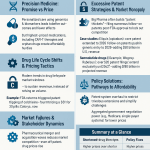
The market exclusivity granted by a patent gives the holder the power to set a monopoly price. While this is the intended mechanism for recouping R&D investment, it inevitably creates a flashpoint where commercial strategy collides with public health concerns and political pressure.9 In an era of rising healthcare costs, a company’s pricing and patenting strategies can trigger intense public backlash, congressional inquiries, and significant reputational damage. The case of Gilead Sciences’ Hepatitis C drug, Sovaldi, stands as a seminal event where a company’s pricing strategy, though economically rational, ignited a global firestorm.
Case Study Deep Dive: Gilead’s Sovaldi – When Pricing Strategy Ignites a Firestorm
The Sovaldi case marks a critical tipping point where the pharmaceutical industry’s model of “value-based pricing” was tested on a massive scale and found itself in direct conflict with the public’s perception of affordability and fairness.
The Breakthrough Innovation: Sovaldi (sofosbuvir) was not an incremental improvement; it was a revolutionary, curative therapy for Hepatitis C (HCV). It offered a 90% cure rate in a 12-week, all-oral regimen, with far fewer side effects than the previous standard of care, which was less effective and required a year of debilitating interferon injections.85
The Value-Based Price: Gilead launched Sovaldi in the U.S. at a price of $84,000 for a 12-week course of treatment, or $1,000 per pill.85 This price was not based on the cost of R&D (Gilead acquired the drug’s originator, Pharmasset, for $11 billion) or the low cost of manufacturing.87 Instead, it was a clear execution of a value-based pricing strategy. Gilead argued that the price was justified by the immense value the drug provided: it cured a chronic, life-threatening disease and, in doing so, saved the healthcare system the much higher long-term costs of treating HCV complications like liver failure and liver transplants.85
The Public and Political Firestorm: The price triggered immediate and widespread outrage. Payers, patient advocacy groups, and politicians, including U.S. Representative Henry Waxman, condemned the price as “wildly unaffordable” and demanded justification.85 The core of the controversy stemmed from the sheer scale of the affected population. While high prices for rare disease drugs affecting only a few thousand patients were common, applying a similar pricing logic to a disease affecting over 3 million people in the U.S. alone threatened to bankrupt state Medicaid programs and private insurers.85 A defensible economic argument for a niche product became a politically untenable position for a mass-market cure.
A Global Pricing Strategy: In response to global pressure and varying economic conditions, Gilead implemented a tiered pricing strategy. While the U.S. paid the highest price, the drug was offered for $57,000 in the United Kingdom.85 Furthermore, Gilead entered into licensing agreements with generic manufacturers in India, allowing them to produce and sell the drug in over 100 developing countries for as little as $900 per treatment course.85
Patent Challenges and Litigation: The drug’s high price and immense profitability made its patents a prime target for challenges worldwide. Public health organizations like I-MAK filed challenges arguing that the core patents on sofosbuvir were unmerited, claiming they were based on obvious modifications of existing antiviral science and did not meet the legal standards for novelty and non-obviousness.91 Separately, Gilead became embroiled in a massive patent infringement lawsuit with Merck & Co. over the underlying technology. A jury initially ordered Gilead to pay Merck $2.54 billion in damages, one of the largest patent verdicts in history, although the case was later complicated by findings of misconduct by Merck’s legal team during the patent’s prosecution.93
The Sovaldi saga provides a crucial lesson: a patent portfolio grants the legal power to set a price, but it does not insulate a company from the powerful market, political, and social consequences of exercising that power, especially when the drug in question addresses a widespread public health need.
5.2 The Next Generation of IP Challenges
The traditional patent system, built around the paradigm of discrete, chemically synthesized small-molecule drugs, is now being fundamentally challenged by the rise of new technological frontiers. Biologics and AI-driven discovery are forcing a re-evaluation of the core legal concepts of what constitutes an invention, who can be an inventor, and what subject matter is eligible for patenting. This creates a new landscape of strategic risk and uncertainty for innovators.
5.2.1 Biologics, Biosimilars, and the BPCIA
Biologics—large, complex molecules such as monoclonal antibodies and therapeutic proteins that are manufactured in living systems—are fundamentally different from traditional small-molecule drugs.21 Their complexity and sensitivity to the manufacturing process required the creation of a unique regulatory and legal framework in the U.S., the Biologics Price Competition and Innovation Act (BPCIA) of 2009.99
A Separate Pathway: The BPCIA established an abbreviated approval pathway for “biosimilars,” which are the equivalent of generics for biologic drugs.99
Enhanced Exclusivity and a Different “Dance”: Recognizing the higher cost and complexity of developing biologics, the BPCIA grants innovators a longer period of 12 years of data exclusivity from the date of FDA approval, compared to five years for new small-molecule drugs.98 The process for resolving patent disputes, known as the “patent dance,” is also different from the Hatch-Waxman framework. It involves a carefully choreographed, and often confidential, exchange of patent information between the innovator and the biosimilar applicant to determine which patents will be litigated.100
Lack of Transparency: A significant challenge for biosimilar developers is the lack of patent transparency. Unlike the comprehensive Orange Book for small molecules, the FDA’s “Purple Book” for biologics historically contained very little patent information, with only about 2% of listings identifying relevant patents.21 This forces biosimilar manufacturers to make investment and manufacturing decisions with significant uncertainty about their potential infringement risk.101
5.2.2 Patenting AI-Driven Drug Discovery and Personalized Medicine
Artificial Intelligence (AI) in Drug Discovery: AI and machine learning are revolutionizing drug discovery by rapidly identifying novel drug targets, designing new molecules, and optimizing clinical trials, with the potential to dramatically shorten development timelines and reduce costs.1 This new paradigm, however, poses a direct challenge to a cornerstone of patent law: inventorship.
The Human Inventor Requirement: U.S. patent law unequivocally states that an inventor must be a human being. This was affirmed in the landmark Thaler v. Vidal case, where courts rejected patent applications that listed an AI system named DABUS as the sole inventor.105 In response, the USPTO issued guidance in 2024 clarifying that AI-assisted inventions are patentable, but only if a human has made a “significant contribution” to the conception of the invention.102 Determining what constitutes a “significant contribution” is the new legal frontier. The guidance suggests that activities such as designing the AI model for a specific purpose, constructing a specific and insightful prompt to solve a problem, or critically analyzing, selecting, and modifying the AI’s output could meet this threshold.103 As a result, meticulous documentation of all human inputs, decisions, and interventions in the AI-driven discovery process has become strategically critical for securing patent rights.103
Personalized Medicine and Diagnostic Patents: The promise of personalized medicine rests on the ability to use diagnostic tests to identify which patients will benefit most from a particular therapy. However, patenting these essential diagnostic methods has become exceptionally difficult in the U.S. following two key Supreme Court decisions: Mayo Collaborative Services v. Prometheus Laboratories, Inc. (2012) and Association for Molecular Pathology v. Myriad Genetics, Inc. (2013).108 These rulings solidified the principle that “laws of nature”—such as the correlation between a genetic mutation or a biomarker level and a particular disease state—are not patent-eligible subject matter.108 A patent claim must add an “inventive concept” beyond simply observing this natural correlation. This high bar has led to the invalidation of many diagnostic patents and has created significant uncertainty for companies developing the companion diagnostics that are essential for the advancement of personalized medicine.110
Conclusion: Synthesizing Strategy for Enduring Success
The strategic leveraging of a drug patent portfolio is the definitive factor in achieving sustained success in the pharmaceutical industry. This report has demonstrated that the portfolio is not a passive legal instrument but a dynamic and powerful asset that must be architected with foresight, deployed with offensive and defensive precision, and managed as a central pillar of corporate strategy. The inherent tension between the need to incentivize staggering R&D investment through market exclusivity and the societal demand for affordable medicines creates a complex and ever-shifting landscape. Navigating this landscape successfully requires an integrated understanding of patent law, regulatory frameworks, market dynamics, and public perception.
The analysis of blockbuster drugs like Humira, Lipitor, and Sovaldi crystallizes the core strategic lessons. Humira illustrates the immense power—and controversy—of the “patent thicket” to extend a product’s lifecycle far beyond its primary patent. Lipitor provides a masterclass in defensive lifecycle management, showing how a multi-pronged strategy of clinical development, legal maneuvering, and aggressive marketing can cushion the fall from the patent cliff. Sovaldi serves as a crucial cautionary tale, demonstrating that even a revolutionary, patent-protected cure is not immune to public and political backlash when its price is perceived to strain the healthcare system.
Table 3: Blockbuster Case Study Synopsis: Humira, Lipitor, and Sovaldi
Drug
Company
Core Strategic Challenge
Key Patent Strategy Deployed
Outcome & Key Takeaway
Humira
AbbVie
Extending market exclusivity for a blockbuster biologic long after primary patent expiry.
Offensive Patent Thicket: Creation of a dense web of over 240 patent applications (many duplicative) to make litigation prohibitively complex and expensive for biosimilar competitors.
Successfully delayed U.S. biosimilar entry by 5 years compared to Europe, preserving billions in revenue. Takeaway: A strategy of sheer patent volume and complexity can be a powerful deterrent, even if many individual patents are weak.
Lipitor
Pfizer
Mitigating the massive revenue loss from the impending “patent cliff” for the world’s best-selling drug.
Defensive Lifecycle Management: Gained pediatric exclusivity extension, launched combination products, used legal settlements to delay generics, and executed an aggressive post-expiry marketing and rebate campaign.
Cushioned the financial impact of patent expiry, retaining a much higher-than-expected market share. Takeaway: A proactive, multi-faceted defensive strategy can preserve significant value even after loss of exclusivity.
Sovaldi
Gilead
Maximizing return on a breakthrough, curative therapy for a widespread disease.
Value-Based Pricing: Priced the drug at $84,000 in the U.S. based on its long-term value in curing Hepatitis C, enabled by strong patent protection.
Generated unprecedented revenue but sparked a global firestorm over drug pricing, leading to intense political scrutiny and payer restrictions. Takeaway: Patent protection provides pricing power, but its exercise is constrained by public perception and the scale of the patient population.
Based on this comprehensive analysis, several key recommendations emerge for C-suite executives and IP strategists aiming to build and leverage a successful drug patent portfolio:
Integrate IP into Core Corporate Strategy: Patent strategy cannot be relegated to the legal department. It must be a central component of all high-level corporate decision-making, from R&D project selection and clinical trial design to business development and financial planning.1
Embrace Dynamic Portfolio Management: A patent portfolio must be treated as a living asset. This requires implementing a continuous cycle of review, analysis, and alignment with business goals. Companies should leverage advanced patent analytics tools to monitor the competitive landscape, identify emerging threats, and uncover “white space” opportunities for innovation.3
Build for Resilience, Not Invincibility: In today’s litigious environment, no patent fortress is truly impenetrable. The goal should be resilience. This means constructing layered, global portfolios with redundant defenses designed to withstand challenges in multiple forums—from U.S. district courts and the PTAB to national courts in Europe and beyond.
Plan for the Entire Lifecycle from Day One: Lifecycle management is not a strategy to be deployed in a panic as a patent nears expiry. The foundation for extending a drug’s commercial life—through formulation patents, new indications, or combination therapies—must be laid during the earliest stages of R&D and clinical development.13
Navigate Public Perception with Strategic Foresight: The Sovaldi case has permanently altered the landscape. Pricing and patenting strategies, particularly for drugs targeting large patient populations or conditions of high public concern, must be vetted not only for legal soundness and economic potential but also for their potential to trigger public and political blowback.
Looking ahead, the future of pharmaceutical patent strategy will be defined by increasing complexity. The rise of biologics, the advent of AI-driven drug discovery, and the push toward personalized medicine are challenging the very foundations of patent law. Success in this new era will demand unprecedented agility, foresight, and a deeply integrated approach that seamlessly combines legal acumen, scientific innovation, and commercial strategy. The companies that master this synthesis will be the ones that not only survive but thrive, continuing to drive the “Innovation-Exclusivity-Reinvestment Cycle” that delivers both shareholder value and life-saving medicines to the world.
We own patents and patent applications that claim sofosbuvir (Sovaldi) as a chemical entity and its metabolites and the fixed-dose combination of ledipasvir and sofosbuvir (Harvoni). Third parties may have, or may obtain rights to, patents that allegedly could be used to prevent or attempt to prevent us from commercializing Sovaldi or Harvoni. For example, we are aware of patents and patent applications owned by other – SEC.gov, accessed August 1, 2025, https://www.sec.gov/Archives/edgar/data/882095/000088209516000046/R16.htm
Paucity of intellectual property rights information in the US biologics system a decade after passage of the Biosimilars Act – PMC, accessed August 1, 2025, https://pmc.ncbi.nlm.nih.gov/articles/PMC11081489/
Medical Process Patents Declared Invalid: The Prometheus case restricts patent protection and the growth of personalized medicine – PMC, accessed August 1, 2025, https://pmc.ncbi.nlm.nih.gov/articles/PMC3411232/