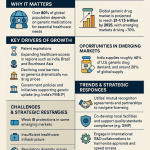
Generic drugs are a cornerstone of global healthcare, providing accessible and affordable alternatives to patented brand-name medications. Their role is pivotal in mitigating rising healthcare costs, with generics accounting for an estimated 91% of all prescriptions dispensed in the U.S. in 2022, while comprising less than 20% of total drug expenditures.1 This affordability directly translates into enhanced patient access to essential medications and improved adherence to treatment regimens, particularly for chronic conditions.2 The economic benefits extend beyond direct cost savings for payers and patients; they profoundly influence public health outcomes. By improving medication adherence, generics contribute to better management of chronic diseases and overall population health, underscoring that enhancing generic drug development efficiency is not merely a commercial objective but a critical public health imperative, aligning business strategy with societal benefit. The global generic drug market is robust and expanding, projected to reach approximately USD 775.61 billion by 2033, driven by the ongoing expiration of branded drug patents and a persistent demand for cost-effective treatments.3
Despite their vital contributions, generic drug development is fraught with significant challenges that impede efficiency. These include navigating complex regulatory frameworks in key markets such as the U.S. (Food and Drug Administration – FDA) and the European Union (European Medicines Agency – EMA), rigorously demonstrating bioequivalence, overcoming intricate formulation complexities, particularly for advanced generic products, managing the labyrinthine intellectual property landscape and associated litigation risks, addressing inherent vulnerabilities within global supply chains, and contending with intense market competition and pervasive pricing pressures.4
To overcome these multifaceted challenges and substantially enhance efficiency in generic drug development, a comprehensive and multi-faceted strategic approach is indispensable. This blueprint outlines key recommendations, including proactive engagement with regulatory bodies, strategic leveraging of advanced technologies such as Artificial Intelligence (AI), Machine Learning (ML), Continuous Manufacturing (CM), and Process Analytical Technology (PAT), diligent implementation of Quality by Design (QbD) and Lean methodologies, robust intellectual property management, optimized portfolio and market entry strategies, and the cultivation of resilient supply chains through strategic partnerships.
II. The Generic Drug Development Landscape: Process, Challenges, and Opportunities
A. Generic Drug Development Lifecycle
The development pathway for generic drugs, while “abbreviated” compared to novel drug discovery, involves a series of distinct and critical stages, each demanding precision and strategic foresight. Unlike the decade-long journey for new, innovative drugs, which can average 12 years from discovery to market 9, generic development focuses on demonstrating therapeutic equivalence to an already approved Reference Listed Drug (RLD).10
The process typically begins with a thorough market and patent analysis. This initial phase is crucial for identifying high-potential molecules whose patents are nearing expiration and assessing their commercial viability, ensuring that the generic version addresses a genuine market need.11 Following this strategic identification, scientists embark on formulation development. This involves meticulous laboratory-scale experiments to create a stable and effective generic product that precisely matches the branded version in terms of active ingredients, dosage form, strength, and route of administration. This includes fine-tuning excipients and dissolution profiles to ensure patient compliance and ease of use.10 Concurrently, robust analytical methods are developed to test the drug’s quality, stability, and performance, ensuring consistency from batch to batch throughout its shelf life and adherence to regulatory specifications.11
A pivotal and defining stage is the bioequivalence (BE) studies. These studies are essential to prove that the generic version is therapeutically interchangeable with the branded drug in clinical practice.11 BE demonstration typically involves single-dose comparison studies in healthy volunteers, with blood level measurements taken at multiple time points after administration. Statistical analysis is then performed to confirm that bioequivalence parameters, specifically the 90% confidence interval of the geometric mean test/reference ratios for both Area Under the Curve (AUC) and maximum plasma concentration (Cmax), fall within the acceptable range of 80–125%.4
The final phases of the generic drug development lifecycle involve scaling up the manufacturing process for commercial production and transferring the technology from research and development to the manufacturing floor. This ensures that large-scale batches maintain the same quality and efficacy demonstrated in lab testing.11 Subsequently, a regulatory submission, such as an Abbreviated New Drug Application (ANDA) in the U.S. or a Marketing Authorisation Application (MAA) in the EU, is filed for approval.11 The process concludes with FDA or EMA post-market drug safety monitoring, ensuring ongoing safety and efficacy once the product is available to the public.13
The generic drug development lifecycle, despite being “abbreviated” by foregoing extensive de novo discovery and clinical trials, is not inherently simple. Its efficiency drivers are concentrated in precision replication and rigorous demonstration of equivalence. This shifts the complexity from early-stage innovation to late-stage analytical and regulatory mastery. This implies that early strategic planning, especially in market and patent analysis, is disproportionately critical for identifying viable targets and streamlining subsequent, technically demanding phases. The focus on proving “sameness” rather than “newness” means that scientific and regulatory scrutiny is intensely directed towards bioequivalence and manufacturing quality. Any inefficiencies in these specific areas can severely negate the inherent time and cost advantages of the ANDA pathway, making early strategic intelligence and robust technical execution paramount for success.
B. Core Challenges and Bottlenecks
Navigating Regulatory Complexities (US FDA & EU EMA)
Generic drug development is inherently complex due to the intricate regulatory frameworks of agencies like the FDA and EMA.7 Companies must ensure meticulous compliance with evolving guidelines, which often present a significant challenge. In the U.S., Abbreviated New Drug Application (ANDA) review timelines can fluctuate significantly, typically ranging from 8 to 12 months. However, these timelines often extend considerably due to identified deficiencies or the need for multiple review cycles to address issues.4 “Refuse to Receive” (RTR) letters, issued for missing information or inadequate data, represent major regulatory setbacks that can severely delay market entry, particularly for first-to-file applications that are eligible for market exclusivity.5
In the European Union, the Marketing Authorisation Application (MAA) process for generics, especially when pursuing the Centralised Procedure, also requires careful navigation. Applicants are encouraged to notify the EMA of their intention to submit an application 6-18 months in advance and engage in pre-submission meetings, ideally around 7 months prior to the anticipated submission date, to obtain crucial procedural, regulatory, and legal advice.14
The regulatory landscape, while a necessary gatekeeper, can become a significant bottleneck if not proactively managed. The high incidence of deficiencies and RTR letters indicates that many companies underestimate the precision required in submissions. This highlights that proactive, pre-submission engagement with regulators and meticulous application preparation are not merely best practices but critical efficiency drivers, directly impacting time-to-market and the ability to capitalize on valuable market exclusivities. The “first-to-file” 180-day exclusivity in the U.S. 1 is a powerful incentive for early market entry. An RTR letter or multiple review cycles can jeopardize this exclusivity, allowing competitors to catch up or even surpass the initial applicant. This creates a strong financial incentive for companies to invest heavily in regulatory expertise, quality assurance, and pre-submission interactions (e.g., pre-ANDA meetings, controlled correspondences) to minimize deficiencies and secure a swift, first-cycle approval.4 Regulatory efficiency is not solely dependent on the agency’s speed but equally on the applicant’s preparedness and strategic engagement to minimize regulatory friction and maximize competitive advantage.
Bioequivalence and Formulation Hurdles, particularly for Complex Generics
Demonstrating bioequivalence (BE) is a cornerstone of generic drug approval, requiring extensive and often costly studies.7 This critical step involves proving that the generic product delivers the same active substance, at the same rate and extent, as the innovator drug.6 BE studies typically include single-dose comparison studies in healthy volunteers, followed by blood level measurements at multiple time points after administration. Statistical analysis is then performed to confirm that bioequivalence parameters, specifically the 90% confidence interval of the geometric mean test/reference ratios for both Area Under the Curve (AUC) and maximum plasma concentration (Cmax), fall within the acceptable range of 80–125%.4 Dissolution testing is also performed to compare drug release characteristics.4
Formulation complexity poses significant challenges, particularly for complex drug products, modified-release formulations, or drugs with narrow therapeutic windows.4 Complex generics, which constitute nearly one-third of brand-name products currently in use, have less generic competition precisely because they are inherently harder to genericize.17 This difficulty often stems from the “invisible equivalence challenge,” where generic developers must replicate the performance of a Reference Listed Drug (RLD) without having full access to its proprietary formulation details or manufacturing blueprints.6 This challenge is particularly acute for products like parenteral formulations, which demand absolute sterility and freedom from pyrogens (fever-inducing substances).6 Issues related to bioequivalence demonstration, inadequate stability data, manufacturing process validation, and analytical method validation (CMC deficiencies) are frequent obstacles in the ANDA process.4
The strategic shift in market focus towards complex generics represents a lucrative opportunity but also elevates the technical and scientific demands for generic developers. Overcoming the “invisible equivalence challenge” and demonstrating BE for these intricate products requires significant investment in advanced analytical technologies, quantitative methods, and modeling and simulation capabilities.17 This moves generic development beyond simple chemical replication towards sophisticated pharmaceutical science, making R&D capabilities a key differentiator for efficiency and market success. Traditional, empirical approaches to formulation and BE may not suffice for these complex products. The FDA explicitly supports “advanced analytical technologies,” “critical and advanced quantitative methods,” and “modeling and data analytics methodology” to assess complex generics and establish therapeutic equivalence.17 Artificial Intelligence (AI) and Machine Learning (ML), for instance, can predict BE risk and optimize formulations 18, directly addressing the “invisible equivalence” challenge by reducing experimental iterations and improving success rates. Efficiency in complex generic development is increasingly tied to a company’s scientific and technological prowess in R&D, necessitating a strategic commitment to R&D investment to unlock these higher-value market segments.
Intellectual Property Landscape and Litigation Risks
The intellectual property (IP) landscape is a critical determinant of generic drug market entry. The Hatch-Waxman Act of 1984 fundamentally reshaped the pharmaceutical industry by striking a delicate balance: it provided additional patent protection and data exclusivity to innovators while simultaneously streamlining the approval process for generic drugs through the Abbreviated New Drug Application (ANDA) pathway.10 A key incentive embedded within this framework is the 180-day generic exclusivity period awarded to the first generic manufacturer to file a substantially complete ANDA containing a Paragraph IV certification.1 A Paragraph IV certification asserts that the listed patent is invalid, unenforceable, or will not be infringed by the generic product.1 This exclusivity is a highly sought-after prize, as it can be extremely valuable, often accounting for 60-80% of a drug’s potential profit during that period due to limited competition.1
However, Paragraph IV certifications frequently trigger patent infringement lawsuits from brand manufacturers. If a lawsuit is initiated within a specified period, the FDA is automatically barred from granting final approval to the generic drug for up to 30 months.1 This “30-month stay” can significantly delay market entry, even if the generic company ultimately prevails in the litigation. Brand companies also employ various “life-cycle management patent strategies” to extend their product’s market exclusivity and delay generic competition. These tactics include “evergreening” (filing new patents on variations like isomers, metabolites, prodrugs, new formulations, or methods of use) and “product-hopping” (making small changes to a product timed to prevent generic entry).16
To navigate this complex environment, a rigorous Freedom-to-Operate (FTO) analysis is crucial. This legal assessment identifies potential patent barriers related to drug compounds, formulations, manufacturing methods, and therapeutic uses.27 An FTO analysis should be performed at the earliest meaningful stage of development, ideally as soon as the active pharmaceutical ingredient (API) and intended formulation are defined, and monitored continuously to adapt to evolving patent landscapes and “evergreening” tactics.27 The FTO process involves defining the scope of the analysis, identifying relevant patents through comprehensive database searches, assessing patent risks (categorizing them as high, medium, or low risk), and developing mitigation strategies such such as designing around existing patents, challenging patent validity, or seeking licenses.27
The intellectual property landscape is a high-stakes strategic battleground where legal and scientific expertise must converge. The significant value of the 180-day exclusivity incentivizes aggressive patent challenges, but the risk of protracted litigation and 30-month stays creates considerable uncertainty and financial exposure. Therefore, proactive and sophisticated IP strategy, integrating legal analysis with R&D and business development, is paramount for efficiency. This approach is not just about avoiding infringement but about strategically navigating challenges, minimizing delays, and maximizing the window of market opportunity. The 30-month stay directly impacts time-to-market, even if the generic ultimately wins the patent challenge, eroding the value of the 180-day exclusivity. Consequently, efficiency in this domain means early FTO analysis to identify patent risks and potential “design-around” strategies before significant R&D investment, strategic selection of patent certification types based on thorough legal and business analysis, and continuous monitoring of the patent landscape. IP strategy is not a siloed legal function but a core component of generic drug development efficiency, dictating market entry timing, competitive positioning, and ultimately, profitability, demanding a holistic approach to risk management and opportunity capture.
Supply Chain Vulnerabilities and Manufacturing Constraints
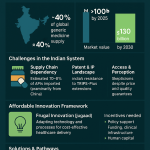
Generic drug manufacturers frequently encounter significant supply chain constraints, including shortages of active pharmaceutical ingredients (APIs) and limitations in manufacturing capacity.7 A profound vulnerability stems from the fact that over 70% of U.S. generic drug APIs are sourced overseas, particularly from countries like China.2 This heavy reliance on foreign sources makes the supply chain highly susceptible to geopolitical shifts, trade disputes, and other disruptions, as highlighted by discussions around diversifying supply chains away from China.29
Intense pricing pressures in the highly competitive generic market can compel manufacturers to compromise on quality or, more drastically, lead to facility closures due to unprofitability.6 This exacerbates supply chain fragilities and can result in critical drug shortages, especially for low-margin products like sterile injectables or those costing less than $1.00 per pill.8 The process of selecting and “locking-in” API suppliers and critical excipient vendors is particularly challenging, as the chosen source is often fixed for the drug product’s lifecycle. This necessitates robust supply chain evaluation and audit mechanisms to ensure consistent quality throughout the product’s existence.5
The relentless pursuit of aggressive price reductions in the generic market, while beneficial for consumers, paradoxically introduces profound supply chain fragility and quality risks. This creates a critical tension where cost-efficiency must be balanced with supply chain resilience. Proactive diversification of API sources and robust supplier management are no longer merely good practices but essential strategic imperatives for ensuring product availability and mitigating the risk of drug shortages. When generic drugs become unprofitable, manufacturers may cease production, leading directly to drug discontinuations and shortages, which directly impacts patient access and public health.8 To counter this, companies must invest in diversifying their supply chains, potentially away from single-source regions, and implement stringent vendor selection and audit processes.5 This may entail accepting slightly higher costs for greater security and stability. Generic drug efficiency must now encompass supply chain resilience as a core metric, moving beyond purely cost-driven decisions to ensure consistent product availability. This may require policy interventions or industry-wide collaborations to support the viability of essential, low-margin generics.
Market Competition and Pricing Pressures
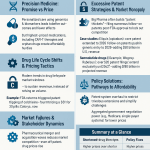
The generic drug market is characterized by intense competition, a dynamic that consistently drives down prices. While a drug with only one generic version can be nearly as expensive as its brand-name counterpart, prices typically fall by a dramatic 85% once four or more generic competitors enter the market.2 This inverse relationship between the number of competitors and price is well-documented, with prices declining by 20% with three competitors and by 70-80% with ten or more competitors after three years of generic entry.33
Consolidation among major buyers, such as wholesale buying consortia, Pharmacy Benefit Managers (PBMs), and Group Purchasing Organizations (GPOs), grants them substantial leverage to demand steep discounts from generic manufacturers.8 This buyer power significantly contributes to the downward pressure on generic drug prices. Furthermore, recent legislative changes, such as the U.S. Inflation Reduction Act (IRA), which empowers regulators to negotiate prices for high-expenditure, single-source brand drugs, could further reduce incentives for generic entry. This is because a reduction in brand drug prices narrows the price differential between branded and generic products, potentially leading to lower revenue for generic manufacturers and deterring investment in generic product development.8
The very success of generics in driving down drug prices has created a fiercely competitive environment where profitability for simple generics is razor-thin, leading to market exits and drug shortages.6 This dynamic, exacerbated by buyer consolidation and policy shifts, necessitates a strategic pivot for generic manufacturers towards differentiated products and niche markets, where competition is less intense and higher margins can be sustained. As profitability erodes, manufacturers are less incentivized to invest in or continue manufacturing certain generics, particularly those with very low unit prices, leading to drug discontinuations and shortages.8 This directly undermines the goal of affordable access. To remain viable and efficient, generic companies must adapt by focusing on complex generics, which inherently have fewer competitors due to higher development barriers, allowing for better margins.6 They must also identify low-competition niches, such as drugs for rare diseases or those with unique characteristics that deter mass entry.34 Strategic pricing models, including penetration pricing or tiered pricing for different markets, become crucial for balancing market share with profitability.2 Generic drug efficiency in this evolving market is less about mass production of simple commodities and more about strategic market selection, product differentiation, and sophisticated business models to ensure long-term viability and supply.
C. Strategic Opportunities in the Evolving Market
Growth Trajectory of Complex Generics and Biosimilars
The generic drug market is undergoing a significant transformation. The market for simpler generic drugs has become increasingly saturated, leading to intense competition and razor-thin profit margins.6 This dynamic is prompting pharmaceutical companies to strategically pivot towards more challenging but potentially more lucrative complex generic products.6 Complex generics represent a substantial segment of the pharmaceutical landscape, comprising nearly one-third of brand-name drug products currently in use. However, they face less generic competition precisely because they are inherently more difficult to develop and genericize.17
These complex products require specific studies beyond those needed for simple generics to demonstrate therapeutic equivalence with innovator drugs.35 Factors contributing to their complexity include complex active ingredients, intricate formulations or dosage forms, and delivery through complex routes or with drug-device combinations.17 Despite the elevated development hurdles, complex generics offer significant market opportunities with potentially higher profit margins, serving to revitalize and strengthen the overall generic pharmaceutical industry.35
Similarly, the development of biosimilars, which are generic versions of complex biologic drugs, presents unique challenges. These include demonstrating interchangeability—a process that often requires additional, extensive testing involving switching patients between the biosimilar and the reference product multiple times to prove comparable safety and efficacy.37 Navigating the intricate regulatory frameworks and mastering specialized manufacturing processes, such as cold chain management and large-scale bioreactor operations, also pose significant hurdles.7 Despite these complexities, biosimilars represent a significant emerging opportunity for growth and market expansion within the generic sector.7
The strategic shift towards complex generics and biosimilars is a direct response to market saturation and intense pricing pressures in the simple generic segment. This pivot, while promising higher margins, necessitates a fundamental upgrade in a company’s R&D capabilities, manufacturing infrastructure, and regulatory expertise. The increased barriers to entry for these products naturally limit competition, creating a more sustainable profit pool for those capable of mastering their development. The “complexity” of these products acts as a natural competitive barrier. For example, complex generics require advanced analytical technologies and quantitative methods for bioequivalence assessment 17, while biosimilars demand rigorous interchangeability testing and specialized manufacturing (e.g., cold chain, bioreactors).37 Companies that invest in these advanced capabilities will gain a significant competitive advantage by accessing less crowded, higher-margin markets, effectively moving generic companies up the value chain from pure commodity producers. Generic drug development efficiency is increasingly defined by a company’s ability to innovate and master complex scientific and manufacturing challenges, a strategic imperative for long-term growth and competitiveness.
Leveraging Patent Expirations for Market Entry
The availability of generic drugs in the market is fundamentally linked to the expiration of brand-name drug patents or when their marketing rights become accessible.12 Therefore, strategic planning around these patent expirations is crucial for timely and profitable market entry.7
Pharmaceutical companies can leverage valuable resources to gain a competitive edge. The FDA maintains a publicly accessible list of off-patent, off-exclusivity drug products for which no approved generic exists.38 This list serves as a vital guide for identifying potential development targets. Furthermore, commercial tools like DrugPatentWatch provide comprehensive business intelligence, offering deep knowledge on pharmaceutical drugs, including patents, suppliers, generics, formulations, prices, and litigation.39 These platforms enable searches by approval date, finished product suppliers, dosage, company name, and provide access to U.S. and international patent data, including expired patents.39 Such tools are instrumental in identifying high-potential molecules and markets where a generic version would meet a real need, based on factors like sales data and competitive landscape.11 For instance, DrugPatentWatch allows users to identify first-time generic entrants and anticipate future formulary budget requirements, aiding in strategic portfolio management.39
In certain strategic scenarios, early entry agreements can be employed. These arrangements involve an originator firm allowing a generic producer to enter the market just before patent expiry, often in exchange for a payment.41 While sometimes controversial, such agreements can be a strategic mechanism for securing market access ahead of broader competition.
While patent expiration is the prerequisite for generic entry, simply awaiting it is an insufficient strategy for efficiency. Proactive patent intelligence and sophisticated market analysis are essential to identify the most lucrative opportunities and to strategically time market entry, maximizing the potential benefits of exclusivity periods and minimizing competitive erosion. Not all expiring patents offer equal opportunities. The intense competition for simple generics 2 necessitates identifying “low-competition generic drug opportunities”.34 This requires detailed analysis of sales figures, formulation complexity, and existing generic players.34 Strategic timing is crucial to capture the highly valuable 180-day exclusivity for first-to-file generics.1 Early entry agreements further highlight the strategic negotiation possible around patent timelines.41 Efficiency in this domain means smart target selection and precise timing, driven by comprehensive patent and competitive intelligence, rather than a reactive approach to patent expirations. This capability directly influences a company’s profitability and market share.
III. Strategic Pillars for Enhancing Efficiency
A. Optimizing Regulatory Engagement and Pathways
Proactive Engagement: Pre-Submission Meetings and Parallel Scientific Advice
Early and proactive engagement with regulatory bodies is a cornerstone of efficient generic drug development. For the FDA, this includes utilizing pre-ANDA meetings, particularly for complex products, to clarify expectations and requirements, thereby mitigating potential deficiencies later in the review process.4 Controlled correspondences are also widely used by ANDA applicants to obtain specific agency input on relevant areas, providing guidance on study types and avoiding pitfalls.5
A significant advancement in this regard is the Parallel Scientific Advice (PSA) Pilot Program, a joint initiative between the FDA’s Office of Generic Drugs (OGD) and the European Medicines Agency (EMA) specifically for complex generics and “hybrid medicines” (the EMA term for complex generics).36 This program allows prospective generic drug applicants to engage in concurrent scientific discussions on key issues with both agencies during the development phase. The joint meetings help applicants receive feedback from both regulatory bodies simultaneously, which can align scientific thinking, avoid redundancy in testing, and ultimately accelerate market access in both the U.S. and Europe.36 This early engagement enhances the scientific quality and validity of a generic drug applicant’s development plan, reducing the risk of regulatory hurdles or surprises.36
Similarly, the EMA encourages pre-submission meetings, ideally taking place approximately 7 months prior to the anticipated application submission date. These meetings offer a vital opportunity for applicants to obtain crucial procedural, regulatory, and legal advice from the EMA, ensuring a smoother review process.15
Regulatory agencies are actively promoting, and even designing, mechanisms for early and continuous dialogue with generic developers. This signifies a shift from a purely adversarial or reactive “submission-and-review” model to a more collaborative “guidance-and-alignment” approach. Proactive engagement is thus a direct and powerful pathway to efficiency, as it minimizes regulatory surprises, clarifies ambiguities, and can harmonize global development strategies, thereby reducing costly rework and accelerating time-to-market. By leveraging these communication channels, companies can gain a clearer understanding of regulatory requirements and scientific recommendations, even identifying areas where agencies may diverge, allowing for strategic adjustments to development plans.36
Expedited Approval Programs and Incentives
Regulatory agencies offer various expedited programs and incentives to accelerate the development and review of drugs, including generics, especially those addressing unmet medical needs or serious conditions. In the U.S., the FDA has four primary programs: Fast Track, Breakthrough Therapy, Accelerated Approval, and Priority Review.42 Fast Track designation is granted for drugs treating serious conditions that fill an unmet medical need, offering benefits such as more frequent meetings and written communication with the FDA, eligibility for Accelerated Approval and Priority Review, and rolling review.42 Breakthrough Therapy designation offers even more intensive guidance and involvement of FDA senior managers for drugs demonstrating substantial improvement over existing therapies.42 Priority Review designation shortens the FDA’s review timeline, typically to six months.44 The FDA also prioritizes the review of “first generics”—the first approved generic drug product for a specific brand-name drug—recognizing their importance to public health.44
In the EU, the EMA offers Conditional Approval and Exceptional Circumstances approval pathways for drugs addressing unmet needs or where comprehensive data is not feasible.46 The EU also provides specific incentives for generic and hybrid medicinal products, allowing eligibility for the Centralised Procedure if the product constitutes a significant therapeutic, scientific, or technical innovation, or is in the interest of patients at a Union level.14 Furthermore, the EU offers incentives for orphan drugs (medicines for rare diseases), maintaining a 10-year market exclusivity period.47 Recent EU pharmaceutical reforms aim to shorten market exclusivity for new drugs to 1 year (from 2), extendable to 2 years if key access goals are met, effectively reducing baseline protection to 9 years (from 10), while broadening the “Bolar exemption” to speed up post-patent competition for generics and biosimilars.48 A new transferable exclusivity voucher (TEV) is also being introduced to reward the development of crucial antimicrobials.48
The Generic Drug User Fee Amendments (GDUFA) in the U.S. have significantly impacted generic drug approval times. Enacted in 2012, GDUFA enables the FDA to assess user fees to bring greater predictability and timeliness to the assessment of generic drug applications.49 GDUFA I established assessment timelines, GDUFA II focused on reducing review cycles and increasing approvals, and GDUFA III (2023-2027) continues to enhance efficiency, particularly for complex generics, through earlier and more frequent meetings between the FDA and applicants.50 Since GDUFA’s inception, approval times for generics have notably decreased.44 GDUFA also mandates uniform inspection standards for domestic and foreign facilities, ensuring GMP compliance and informing ANDA approval timelines.51
These expedited programs and incentives align regulatory and business goals, incentivizing development in critical areas and reducing time-to-market. By leveraging these pathways, companies can potentially accelerate the availability of essential generic drugs, benefiting both public health and competitive positioning. The structured frameworks provided by GDUFA and similar initiatives create a more predictable environment for generic drug development, allowing manufacturers to better plan for submissions and inspections, ultimately leading to faster market entry and increased access to affordable medications.51
Streamlining Submissions and Data Management
The pharmaceutical industry is undergoing a significant digital transformation, with regulatory authorities increasingly emphasizing digital submissions and paperless dossiers. This shift, particularly noticeable as the industry approaches 2025, involves agencies adopting formats like eCTD 4.0 and promoting fully digital lifecycle submissions through cloud-based platforms.52 The traditional model of managing paper-heavy submissions is no longer sustainable, and companies demonstrating regulatory agility—the ability to quickly interpret, apply, and implement new guidance—will be positioned to accelerate product development and avoid costly delays.52
To support this transition and enhance efficiency, it is crucial to maintain validated systems for data traceability and document control. Integrating quality systems with electronic submission workflows is essential for a seamless and compliant process.52 This ensures that all data, from research and development through manufacturing, is accurately captured, managed, and readily available for regulatory review.
Furthermore, regulators are increasingly accepting Real-World Evidence (RWE) as a complementary source of data for product approvals and lifecycle management. RWE, derived from electronic health records, registries, and patient-reported outcomes, offers more accurate insights into how drugs perform in broader patient populations.52 This trend goes hand-in-hand with the rise of decentralized clinical trials (DCTs), which utilize remote technologies and digital platforms to collect data outside traditional clinical sites, potentially accelerating data collection and reducing trial costs.52
Artificial Intelligence (AI) is also reshaping regulatory processes, with increasing use in automating regulatory document preparation, cross-referencing, flagging data inconsistencies, and supporting pharmacovigilance systems.52 Regulators are beginning to accept AI-assisted tools, while also issuing guidance to ensure transparency, validation, and data integrity.52
These advancements collectively improve efficiency, reduce errors, and align with evolving regulatory expectations. By embracing digital transformation, leveraging RWE, and integrating AI into data management and submission processes, pharmaceutical companies can streamline operations, enhance compliance, and accelerate the journey of generic drugs to market. The shift from reactive compliance to predictive, proactive, and integrated regulatory planning will define the next phase of industry growth.52
B. Embracing Advanced Technologies in R&D and Manufacturing
Artificial Intelligence (AI) and Machine Learning (ML)
Artificial Intelligence (AI) and Machine Learning (ML), a subset of AI, are rapidly transforming the pharmaceutical industry by enhancing efficiency, precision, and cost-effectiveness across the entire drug product lifecycle.18 These technologies leverage algorithms to analyze vast quantities of biological and chemical data, enabling researchers to make predictions, recommendations, or decisions that influence real or virtual environments.53
In the realm of drug development, AI systems play a crucial role in:
Target Identification: Analyzing diverse data types (genetic, proteomic, clinical) to identify potential therapeutic targets and molecular pathways, guiding the design of medications.54
Virtual Screening: Efficiently screening vast chemical libraries to identify drug candidates with a high likelihood of binding to specific targets, simulating chemical interactions, and predicting binding affinities, thereby saving time and resources in experimental testing.54
Structure-Activity Relationship (SAR) Modeling: Establishing links between chemical structures and biological activity, allowing for the optimization of drug candidates with desirable features like high potency, selectivity, and favorable pharmacokinetic profiles.54
De Novo Drug Design: Using reinforcement learning and generative models to propose novel drug-like chemical structures, expanding the chemical space for innovative drug candidates.54
Optimization of Drug Candidates: Analyzing and optimizing drug candidates by considering efficacy, safety, and pharmacokinetics, fine-tuning therapeutic molecules to enhance effectiveness and minimize side effects.54
Drug Repurposing: Identifying existing drugs with therapeutic potential for different diseases by analyzing large-scale biomedical data, accelerating the drug discovery process and reducing costs.54
For generic drug development specifically, AI and ML offer transformative capabilities in:
Formulation Optimization: AI tools can predict potential compatible co-formers for active pharmaceutical ingredients (APIs), significantly shortening the formulation process and accelerating the delivery of stable and soluble medicines. This is particularly beneficial for poorly soluble drugs, which constitute a significant challenge in formulation.18 AI models can actively learn from experimental data to suggest optimal combinations, reducing the need for extensive and costly random sampling.19
Bioequivalence (BE) Prediction and Risk Assessment: ML models can assess bioequivalence risk at an early stage of generic drug development by analyzing pharmacokinetic and physicochemical characteristics of drugs. Studies have shown high accuracy (e.g., 84% with random forest models) in categorizing drugs into high, medium, or low BE risk classes, enabling more informed decisions and reducing the need for extensive and costly human BE studies.20 This capability helps prioritize and optimize lead compounds, reducing the need for extensive animal testing.54
By leveraging AI and ML, generic manufacturers can reduce development costs, accelerate timelines, and improve success rates by optimizing experimental design, predicting outcomes, and streamlining complex processes.18 The ability of AI to generate insights and patterns from vast quantities of data can also make patient care more consistent by reducing deviations in manufacturing and delivery.56 The transformative potential of AI/ML lies in its capacity to bring unprecedented precision and cost-effectiveness to generic drug development, ultimately leading to faster patient access to affordable, high-quality medications.18
Continuous Manufacturing (CM) and Process Analytical Technology (PAT)
Continuous Manufacturing (CM) represents a revolutionary paradigm shift in pharmaceutical production, moving away from traditional batch processing, which involves discrete steps and lengthy timelines, towards an uninterrupted production flow.55 This method allows material inputs and outputs to occur simultaneously, eliminating intermittent pauses and reducing overall production time from weeks or months to potentially just one day.58
The benefits of CM are extensive and directly contribute to enhanced efficiency:
Improved Efficiency & Productivity: CM leads to faster production and higher throughput by eliminating downtime between batches and optimizing reaction conditions, minimizing material wastage.57
Enhanced Product Quality & Consistency: Continuous monitoring, often facilitated by Process Analytical Technology (PAT), ensures consistent product quality with fewer variations. Automated systems reduce manual interventions, decreasing human error and allowing for real-time quality assurance and adjustments.57 This builds quality into the product by design, rather than relying solely on end-product testing.59
Cost Savings: CM significantly reduces labor, energy, and raw material costs. It also minimizes the need for large intermediate storage, leading to reduced inventory costs. Variable costs can be reduced by 40-50% compared to batch manufacturing, which can lower drug prices for patients.55
Faster Time to Market: Accelerated scale-up from development to commercial production, coupled with regulatory support from agencies like the FDA (which endorses CM for its efficiency and quality improvements), can potentially speed up approvals.57
Sustainability & Environmental Benefits: CM uses energy more efficiently and reduces the need for harmful solvents and reagents, leading to a smaller environmental footprint.57
Enhanced Flexibility & Scalability: CM allows seamless scale-up from small-scale to large-scale production without changing process parameters, enabling quick adjustments in production volumes based on demand.57
Improved Supply Chain Resilience: By minimizing reliance on large stockpiles, continuous production makes the supply chain more agile and responsive to market needs, reducing shortages and overproduction.57
Process Analytical Technology (PAT), as defined by the FDA, is a methodology used to design, analyze, and control manufacturing processes in the pharmaceutical industry.60 PAT’s primary goal is to measure critical process parameters (CPPs) that directly impact the essential quality attributes of active pharmaceutical ingredients (APIs) and finished products.60 PAT is an important element in a Quality by Design (QbD) approach, advocating that quality must be inherent by design, not merely tested into the final product.60 It provides process knowledge, information about an effective process design space, and continuous process monitoring to ensure that quality attributes are met and maintained throughout all stages of chemical process development and scale-up.60
The implementation of PAT makes it possible to control product attributes requiring testing, perform tests at relevant points in the process, and reduce cycle time.61 A key application of PAT is enabling Real-Time Release (RTR) testing, which replaces conventional end-product testing as an element of the control strategy, further accelerating product availability.61
CM and PAT fundamentally transform manufacturing by building quality by design, reducing waste, and accelerating approvals. They offer a comprehensive solution for enhancing efficiency, quality, and cost-effectiveness in generic pharmaceutical production, making them increasingly preferred approaches for modern manufacturing.57
Advanced Robotics and Automation
The deployment of advanced robotics and automation in pharmaceutical manufacturing facilities is a rapidly gaining momentum, offering significant enhancements in efficiency, precision, and overall operational effectiveness.55 These technologies are involved in various tasks throughout the manufacturing process, from analyzing gene sequences in laboratories to dispensing medication and assembling medical devices on production lines.63
Robots can perform tasks with unparalleled precision and speed, significantly increasing the speed and efficiency of pharmaceutical production processes.63 This automation minimizes human errors, which are unacceptable in pharmaceutical manufacturing due to stringent Good Manufacturing Practices (GMP) requirements.64 By reducing manual interventions, automated systems enhance consistency across lots, lowering the chances of variations and improving overall quality.58
Key advantages of using robotics and automation in generic drug development and manufacturing include:
Enhanced Efficiency: Robotics streamline and automate routine tasks, contributing to faster data collection, accelerated clinical studies, and higher throughput in manufacturing.63 Robotic systems can work continuously across multiple shifts, being 3 to 4 times faster than humans.64
Improved Quality: With their precision and repeatability, robots ensure a high level of accuracy in dosing, assembling, and other critical tasks. Automated systems minimize human errors and the risk of contamination, particularly in cleanroom environments.63 This facilitates the implementation of rapid techniques for developing medicines with improved quality.63
Reduced Downtime: Automated systems consistently and reliably perform tasks without the need for breaks, contributing to minimized downtime and ensuring continuous and efficient production.63
Enhanced Regulatory Compliance: Automation becomes a cornerstone in meeting complex regulatory compliance requirements like ISO or GMP. By minimizing the potential for human error and automatically capturing vital data, robots contribute to more streamlined adherence to stringent industry regulations.63
Accelerated Time to Market: Robotics speed enables the implementation of rapid techniques in developing revolutionary medicines, significantly reducing the time required for pharmaceuticals to reach the market without compromising quality.63
Customization & Flexibility: Mobile robotic solutions offer adaptability and customization, with modular systems tailored to high-mix/low-volume requirements, allowing seamless adaptation to evolving needs.63
Cost Reduction: Robotic pharmaceutical machines minimize manufacturing costs by reducing human labor and optimizing production processes. The increased throughput and reduced errors lead to lower production costs, which can ultimately drive down prices for generic products and raise the return on investment.55
Safety and Hazardous Environments: Robots are capable of performing tasks in areas that humans cannot, such as hazardous settings involving biological dangers, radioactive contamination, or toxic compounds, enhancing worker safety.64 They can also fill roles where human labor is scarce, such as lab technicians and even pharmacists in hospital settings.64
By integrating advanced robotics and automation, generic manufacturers can ensure high-quality products are produced with speed, precision, and accuracy, leading to substantial cost reductions and improved global health outcomes.55 This technological shift is crucial for maintaining competitiveness and meeting the growing demand for affordable medications.
C. Implementing Quality by Design (QbD) and Lean Methodologies
Quality by Design (QbD)
Quality by Design (QbD) represents a systematic and proactive approach to pharmaceutical development that begins with predefined objectives and emphasizes a deep understanding of the product and manufacturing process, all based on sound science and quality risk management principles.59 The core principle of QbD is that quality cannot simply be tested into products; rather, it must be built in by design.59
The FDA views QbD as a crucial methodology to enhance the quality of generic drugs, benefiting manufacturers, regulators, and patients alike.59 Key components that the FDA expects to see in QbD-driven submissions include:
Quality Target Product Profile (QTPP): A prospective summary of the quality characteristics of a drug product that ideally will be achieved to ensure the desired quality, safety, and efficacy.59
Critical Quality Attributes (CQAs): Physical, chemical, biological, or microbiological properties or characteristics that should be within an appropriate limit, range, or distribution to ensure the desired product quality.59
Critical Material Attributes (CMAs): Attributes of raw materials, excipients, or packaging materials that are critical to the quality of the finished product.59
Critical Process Parameters (CPPs): Process parameters whose variability has an impact on a critical quality attribute and therefore should be monitored or controlled to ensure the process produces the desired quality.59
Control Strategy: A planned set of controls derived from product and process understanding that ensures product quality and process performance.59
The implementation of QbD offers numerous benefits for generic drug development efficiency:
Reduced Development and Approval Times: By building quality into the process from the outset, QbD saves time in product development and preparing FDA submissions, leading to reduced approval times and fewer queries from regulatory agencies.59 This supports a “right first time” approach to product registration, minimizing costly deficiency letters and accelerating time to market.68
Enhanced Product Quality and Consistency: QbD ensures greater consistency from batch-to-batch by systematically identifying and controlling all critical sources of process variability.59 This proactive approach reduces the risk of human error and batch failures, leading to a more reliable supply of high-quality product.58
Improved Process Understanding and Control: QbD provides manufacturing teams with a clear understanding of process parameters and their interactions, reducing unexpected batch failures. It enables early detection of performance drifts, allowing for timely corrective actions.68
Streamlined Regulatory Compliance and Continuous Improvement: QbD facilitates easier changes to regulatory documentation because the underlying process understanding is robust.68 It also supports continuous improvement throughout the product lifecycle, allowing for ongoing adaptation and risk assessment updates.68
Regulatory Alignment: QbD aligns with international guidelines such as ICH Q8 (Pharmaceutical Development), ICH Q9 (Quality Risk Management), and ICH Q10 (Pharmaceutical Quality System), which are increasingly seen as regulatory requirements.52
By shifting the focus from reactive quality control to proactive quality management, QbD fundamentally transforms generic drug development, leading to more robust processes, higher quality products, and ultimately, faster and more predictable market entry.
Lean Methodologies
Lean methodologies, originating from manufacturing principles, offer a systematic approach to identify and eliminate waste within production processes, thereby streamlining operations and increasing productivity.69 In the pharmaceutical industry, particularly for generic drugs where price is a primary competitive factor, the application of Lean principles is crucial for optimizing production and achieving cost reduction.70
Waste in pharma production can manifest in various forms, including excessive waiting times, overproduction, unnecessary transportation, defects, and excessive inventory.69 By systematically identifying and eliminating these non-value-added activities, Lean aims to enhance efficiency and productivity.
The implementation of Lean principles typically involves several key steps:
Process Analysis and Identification of Waste: This begins with a thorough analysis of existing production processes, studying the flow of materials, information, and manpower. Techniques such as time surveys, value stream mapping, and process observation are employed to gain a deep understanding of current operations and pinpoint areas of waste and inefficiency.69
Development of Waste Elimination Plan: Once waste areas are identified, a plan is developed to eliminate or reduce them. This may involve implementing strategies such as Just-In-Time (JIT) manufacturing to minimize inventory and align production with demand, cellular manufacturing to reorganize processes into self-contained work cells, and batch size reduction to improve flexibility and reduce waste.69
Employee Involvement and Continuous Improvement: A critical aspect of Lean is fostering a culture of continuous improvement by involving all employees in waste reduction measures. Providing training and support on Lean principles empowers personnel to contribute their insights and ideas for streamlining processes.69 Tools like Single-Minute Exchange of Die (SMED) for reducing changeover times, Total Productive Maintenance (TPM) for equipment efficiency, and 5S (Sort, Set in Order, Shine, Standardize, Sustain) for workplace organization are often applied.70
The benefits of applying Lean methodologies in generic pharmaceutical manufacturing are significant:
Increased Productivity and Efficiency: Lean principles lead to faster production cycles and higher throughput by eliminating bottlenecks and optimizing workflows. Studies have demonstrated reductions in changeover times (e.g., 20%) and waiting times (e.g., 24.5%) within short periods.70
Cost Reduction: By minimizing waste, Lean directly contributes to lower production costs, which is especially vital in the price-sensitive generic drug industry.70 This includes reductions in labor, energy, and inventory costs.58
Improved Quality and Safety: Lean methodologies, often integrated with error-proofing (Poka-yoke) techniques, reduce the likelihood of defects and human errors, enhancing product quality and consistency.70 They also improve safety by optimizing processes and reducing exposure to hazardous materials.58
Enhanced Operator Performance: Training and empowering employees through Lean initiatives can increase operator performance and morale.70
While the pharmaceutical industry has specific regulatory constraints that limit certain procedural changes, the application of Lean methodologies has proven highly valuable in identifying root causes of inefficiency and creating effective solutions.70 By adopting Lean, generic manufacturers can optimize their production processes, leading to significant cost savings and improved competitiveness in a demanding market.
D. Strategic Intellectual Property Management
Proactive Freedom-to-Operate (FTO) Analysis
A rigorous Freedom-to-Operate (FTO) analysis is an indispensable component of successful generic drug development, forming the backbone of intellectual property (IP) compliance and product stability.27 FTO is a legal assessment that identifies potential patent barriers to commercializing a product, ensuring that a generic drug can enter the market without infringing existing patents.27 This process is critical in the pharmaceutical industry, where a single oversight can lead to devastating consequences, including costly litigation, forced product withdrawals, damage to company reputation, and significant loss of market share.28
The importance of FTO for generic developers is magnified by the high-stakes environment of patent cliffs and market exclusivities that dictate timelines.27 An overlooked patent, such as a formulation patent covering a specific drug-release mechanism, can block a generic product even if the active ingredient is off-patent.27
An effective FTO analysis involves a structured, multi-step process:
Define the Scope: Clearly limit the analysis to specific markets (e.g., EU and U.S.) and product attributes (e.g., tablet formulation) to ensure efficiency and avoid unnecessary global searches.27
Identify Relevant Patents: Conduct comprehensive searches using specialized databases (e.g., Patentscope, Google Patents) for patents related to drug compounds, formulations, manufacturing methods, and therapeutic uses. This includes identifying chemical names, structures, synonyms, and considering related therapeutic areas, while also accounting for patent lifespans and potential extensions.27
Assess Patent Risks: Collaborate with patent attorneys to thoroughly analyze patent claims, which define the legal boundaries of an invention. Patents are categorized into high-risk (closely matching the drug), medium-risk (some overlap, potential workarounds), and low-risk (tangentially related).28
Develop Mitigation Strategies: If potential patent conflicts are uncovered, various strategies can be employed. The most common approach is to “design around” existing patents by modifying the drug or its manufacturing process to avoid infringement. This might involve altering the chemical structure, developing a new formulation, or creating a novel delivery method.28 Other strategies include checking for prior art to invalidate the patent, examining its prosecution history for weaknesses, or considering challenges to its inventive step.28 Licensing agreements can also be pursued if a design-around is not feasible.
It is imperative that FTO analysis be performed at the earliest meaningful stage of development, ideally as soon as the API and intended formulation are defined.27 Furthermore, the patent landscape is constantly evolving due to new filings and “evergreening” strategies by brand manufacturers, necessitating ongoing monitoring to maintain freedom to operate.27 Integrating legal and R&D teams for holistic risk management is crucial.27
Proactive FTO analysis guides research and development efforts by identifying areas of high patent density to avoid and spotting opportunities in less crowded patent spaces.28 It informs critical business decisions, such as which drug candidates to advance, whether to invest in particular technologies, and the potential value of a drug portfolio.28 By mitigating legal risks, reducing development costs, and accelerating regulatory approvals, FTO analysis is a strategic imperative for generic drug development efficiency.
Leveraging Patent Intelligence Tools
In the complex and highly competitive generic pharmaceutical market, leveraging advanced patent intelligence tools is critical for strategic decision-making and enhancing development efficiency. Tools such as DrugPatentWatch provide deep knowledge and actionable intelligence on pharmaceutical drugs, including patents, suppliers, generics, and formulation details.39
These platforms offer a comprehensive suite of features that are invaluable for generic drug developers:
Patent Expiration Data: Access to detailed information on patent expiration dates, including U.S. and international patent data, and databases of expired patents.39 This allows companies to identify drugs nearing the end of their patent life, which is a fundamental prerequisite for generic entry.12
Litigation Tracking: Information on patent litigation and challenges, which is crucial for understanding potential delays and risks associated with Paragraph IV certifications.39
Generic Entry Opportunities: Identification of market entry opportunities by analyzing the competitive landscape, including the number of existing generic manufacturers and potential for low-competition niches.34 This helps in selecting high-potential molecules and markets where a generic version would meet a real need and offer better margins.11
Supplier Information: Details on finished product suppliers and API manufacturers, including formulation and manufacturing information, which aids in supply chain planning and vendor selection.39
Market Intelligence: Data on drug sales, dosage information, ingredients, and therapeutic indications, enabling comprehensive market analysis and forecasting.39 This supports informed portfolio management decisions and helps anticipate future formulary budget requirements.23
Alerts and Custom Dashboards: The ability to set up daily email alerts for watch lists and create custom dashboards to monitor biosimilar and 505(b)(2) activity, ensuring continuous awareness of market dynamics and competitive shifts.39
By providing access to integrated databases covering business intelligence on biologic and small molecule drugs, prices, patents, and drugs in development, DrugPatentWatch enables pharmaceutical companies to make better business decisions.39 These tools allow generic manufacturers to assess past successes of patent challengers, elucidate research paths of competitors, and strategically plan for market entry to maximize the value of exclusivity periods.39
Leveraging patent intelligence tools enables data-driven strategic decisions for market selection and competitive positioning. This capability is essential for identifying lucrative opportunities in a crowded market, particularly for complex generics where technical challenges deter mass entry.34 By understanding the intellectual property landscape comprehensively, companies can optimize their R&D investments, minimize legal risks, and accelerate their time-to-market, thereby significantly enhancing generic drug development efficiency.
E. Portfolio Management and Market Entry Strategies
Strategic Portfolio Selection for Low-Competition Opportunities
Strategic portfolio management in the generic pharmaceutical industry involves the careful oversight and coordination of a company’s range of generic drugs to align with market demands, regulatory standards, and financial goals.23 This discipline has evolved significantly, moving beyond simply identifying off-patent drugs to a more sophisticated approach driven by increasing competition and thinning opportunities in the simple generic market.24
The industry is now witnessing a strategic shift towards more complex and expensive generic development projects. This includes a focus on complex generics, biosimilars, drug-device combination products, peptides, and long-acting injectables, which inherently present higher barriers to entry and thus promise less competition and potentially higher profit margins.24 These products are often referred to as “low-competition markets” or “niches” where only a few manufacturers produce a specific generic drug, creating opportunities for greater pricing power and better margins.34
Identifying these low-competition opportunities requires a sharp and detailed analysis:
Patent Expiration Analysis: Begin by identifying drugs nearing the end of their patent life.34 Resources like the FDA’s list of off-patent, off-exclusivity drugs without an approved generic 38 and commercial tools like DrugPatentWatch 39 are invaluable for this initial screening.
Competitive Landscape Analysis: Conduct thorough competitive intelligence to count existing generic manufacturers. Fewer than three competitors often suggests a low-competition environment.34
Assessment of Barriers to Entry: Low competition typically stems from significant barriers that deter other companies. These include:
Complex Manufacturing: Injectables, biologics, and drugs with intricate delivery systems (e.g., inhalers) require specialized manufacturing capabilities, deterring companies without the necessary infrastructure.34 For example, sterile production demands for injectable oncology drugs limit manufacturers.34
Niche Indications/Small Market Sizes: Drugs for rare diseases or niche conditions often have limited patient pools, making them less attractive to large manufacturers chasing blockbuster profits.34
Patent Litigation: Ongoing legal battles over patents can delay or block competitors, keeping the market sparse.34
Stringent Regulatory Requirements: Complex generics and biosimilars face more rigorous approval requirements, acting as gatekeepers that limit new entrants.34
The financial rewards of targeting low-competition markets are compelling. With fewer manufacturers, price erosion—a common issue in highly competitive generic markets—is minimal. This allows companies to maintain higher prices and achieve robust profit margins.34 Additionally, less competition translates to lower marketing and sales costs, as there is no need to aggressively fight for market share in a crowded field.34
Employing a sophisticated methodology for crafting a valuable portfolio is more important than ever.24 The ability of a portfolio management team to identify these “diamonds” is greatly enhanced by algorithms for searching out new products that meet all technical and commercial criteria.24 Corporate management increasingly demands robust financial modeling and justification for each new project proposal, prioritizing candidate selection based on these analyses to minimize risk.24 This strategic approach to portfolio selection is essential for sustaining growth and profitability in the evolving generic pharmaceutical landscape.
Accelerated Time-to-Market Strategies
Accelerating time-to-market is a critical objective for generic drug manufacturers, directly impacting profitability and market share. A primary incentive for rapid market entry is the 180-day marketing exclusivity period awarded to the first generic manufacturer to file a substantially complete ANDA with a Paragraph IV certification and successfully challenge the patent or reach a settlement.1 This exclusivity can lead to significant “windfall profit” due to limited competition during that period.1
The overall timeline for generic drug development, from initial market assessment to commercial launch, can span approximately 36 months, with the regulatory review process being a significant component.73 The duration of FDA approval depends on the complexity of the drug and the completeness of the application.44 While some generics, particularly priority drugs deemed important to public health, have been approved in six months or less, more complex generic drugs can take longer, potentially requiring multiple revisions and review cycles.44
To significantly reduce generic approval times and accelerate market entry, companies can implement several strategic approaches:
Diligent Adherence to Regulatory Guidelines: Meticulously following FDA guidelines and product-specific guidances (PSGs) is fundamental. PSGs, especially for complex generics, describe the agency’s scientific expectations and aim to streamline the development and assessment process.35
Proactive Regulatory Engagement: Early and frequent engagement with regulatory agencies through pre-ANDA meetings and controlled correspondences can clarify expectations, address questions, and resolve issues quickly, minimizing delays.4 The FDA and EMA’s Parallel Scientific Advice pilot program for complex generics also facilitates concurrent discussions, helping to align scientific thinking and avoid redundant testing, thereby accelerating market access.36
Submission of Complete and Well-Organized Applications: Submitting comprehensive ANDA packages with sound technical data, adequate stability data, validated manufacturing processes, and accurate labeling information from the outset is crucial to avoid “Refuse to Receive” (RTR) letters and multiple review cycles.4 Enlisting outside regulatory experts to review submissions prior to FDA review can help ensure data accuracy and completeness.5
Leveraging Expedited Programs: Utilizing FDA programs like Fast Track, Breakthrough Therapy, Accelerated Approval, and Priority Review, where applicable, can significantly shorten development and review timelines for drugs addressing serious conditions or unmet medical needs.42
Impact of User Fee Programs: The Generic Drug User Fee Amendments (GDUFA) in the U.S. have provided the FDA with additional resources, leading to reduced review and approval times for generic drug products since its inception in 2012.44 GDUFA II and III have further focused on improving efficiency, quality, and predictability, particularly for complex generics.50
By diligently following these steps, generic drug manufacturers can significantly reduce their review and approval times, maximizing the window of opportunity to capture market share, especially during the valuable 180-day exclusivity period. This strategic focus on efficiency ensures that more affordable generic drug products become available to patients sooner.44
F. Fostering Strategic Partnerships and Supply Chain Resilience
Collaborating with Contract Research/Manufacturing Organizations (CROs/CMOs/CDMOs)
The pharmaceutical industry, particularly the generic sector, is increasingly relying on outsourcing to streamline operations, reduce costs, and enhance efficiency.74 This trend is driven by the rising complexity and costs associated with bringing new drugs to market, as well as the need for specialized expertise and infrastructure.74
Strategic partnerships with Contract Research Organizations (CROs), Contract Manufacturing Organizations (CMOs), and Contract Development and Manufacturing Organizations (CDMOs) have become essential components of this strategic framework:
Contract Research Organizations (CROs): CROs specialize in research and clinical development. They manage preclinical studies, clinical trials, and regulatory submissions.76 Partnering with CROs is particularly valuable for sponsors seeking to reduce internal burden, access specific therapeutic or operational expertise, or expand trial capacity without scaling in-house infrastructure.76 They bring focused expertise in trial design, clinical logistics, and compliance expectations, which can significantly streamline the research and development process.76
Contract Manufacturing Organizations (CMOs): CMOs provide drug manufacturing services, focusing on the manufacture, formulation development, and packaging of commercial drug products, ensuring compliance with Good Manufacturing Practices (GMP) and regulatory expectations.76 CMOs support both pilot-scale production for clinical trials and large-scale batches for commercial launch, making them key partners in the later stages of drug development.76 They are particularly useful for companies without large-scale manufacturing facilities, allowing access to specialized equipment without extensive capital investment.76
Contract Development and Manufacturing Organizations (CDMOs): CDMOs offer comprehensive, end-to-end support, bridging both development and manufacturing aspects, from initial concept to commercial production.76 This model provides the benefit of integrated timelines and unified data handling, streamlining communication and handoffs.76 CDMOs help mitigate costs and risks by sharing infrastructure, providing access to specialized professionals (chemists, engineers, research specialists), and leveraging economies of scale.77 They can significantly accelerate the drug development lifecycle, leading to faster market entry and responsiveness to demand.77
The benefits of outsourcing to these specialized organizations are multifaceted:
Cost-Efficiency: Companies can significantly reduce substantial upfront investments in specialized equipment and manufacturing space by utilizing the CDMO’s existing infrastructure.74
Access to Expertise and Technology: Outsourcing allows pharmaceutical companies to tap into specialized knowledge, advanced technologies, and a pool of qualified professionals that may not be available in-house.74
Risk Mitigation: CDMOs bring extensive experience in manufacturing various drug products, enabling them to develop robust processes that ensure high-quality products and compliance with stringent industry standards, thereby mitigating manufacturing risks.77
Accelerated Time-to-Market: By streamlining processes and leveraging their experience and advanced equipment, CROs, CMOs, and CDMOs can expedite the drug development lifecycle, facilitating timely market entry.77
Operational Streamlining: Outsourcing allows pharmaceutical companies to focus on their core competencies while external partners handle specialized functions, enhancing overall operational efficiency.77
The trend is shifting from purely transactional relationships to true partnerships, with sponsor companies and CDMOs increasingly viewing each other as collaborators with a common goal of getting drugs to patients faster.29 This collaborative model is crucial for enhancing efficiency by leveraging external capabilities and sharing the inherent risks associated with drug development.
Building Resilient Global Supply Chains
The generic drug industry faces persistent challenges related to supply chain vulnerabilities, which can lead to ingredient shortages, manufacturing capacity issues, and ultimately, drug shortages for patients.7 A significant contributing factor is the heavy reliance on overseas sourcing for active pharmaceutical ingredients (APIs), with over 70% of U.S. generic drug APIs sourced internationally, particularly from countries like China.2 This dependence makes supply chains susceptible to geopolitical shifts, trade tariffs, and other disruptions.29 Moreover, intense pricing pressures in the generic market can force manufacturers to compromise on quality or even cease production of low-margin, essential drugs, further exacerbating supply chain fragilities and contributing to shortages.6
Building resilient global supply chains is therefore a critical strategic imperative for generic drug manufacturers. This involves moving beyond purely cost-driven decisions to prioritize consistent product availability and risk mitigation. Key strategies for enhancing supply chain resilience include:
Diversifying API Sources: Proactively diversifying API sources, potentially away from single-source regions, is essential to reduce reliance and mitigate risks associated with geopolitical instability or localized disruptions.29 This may involve exploring new suppliers in countries like India, which are major suppliers of generic medicines and may offer favorable treatment in trade policies.29
Robust Supplier Evaluation and Audits: Implementing stringent supply chain evaluation and audit mechanisms is crucial for selecting and maintaining reliable API and critical excipient vendors. The chosen source is often “locked-in” for the drug product’s lifecycle, necessitating comprehensive preparation to avoid deficiencies during regulatory reviews.5 Companies must be prepared for both pre-approval and surveillance inspections to ensure compliance with current Good Manufacturing Practices (cGMP).51
Embedding Compliance Early: Compliance, particularly concerning product origin, classification, and valuation, must be embedded early in R&D, manufacturing, and go-to-market strategies to avoid downstream disruptions.29 This proactive approach helps in managing regulatory unpredictability and aligning with FDA performance targets.51
International Collaborations and Harmonization: Engaging in international collaborations and harmonization efforts, such as the FDA’s Office of Generic Drugs (OGD) Global Generic Drug Affairs team and the Generic Drug Cluster, helps increase scientific alignment among leading generic regulatory agencies.79 These forums facilitate the exchange of policies, scientific review issues, and best practices, aiming to achieve a common understanding of regulatory requirements and foster alignment in scientific evaluation. This reduces duplication in inspections and aligns technical standards across borders.51
Investing in Domestic Production: There is an overarching objective to spur more domestic production in countries like the U.S. to enhance supply chain security.29 While this may be a longer-term goal, diversifying away from single dominant sources is an immediate step.
The relentless pursuit of aggressive price reductions, while beneficial for consumers, paradoxically introduces profound supply chain fragility and quality risks. This creates a critical tension where cost-efficiency must be balanced with supply chain resilience. Proactive diversification of API sources and robust supplier management are no longer merely good practices but essential strategic imperatives for ensuring product availability and mitigating the risk of drug shortages. This approach ensures consistent product availability, mitigates risks, and supports long-term market stability, even if it entails slightly higher costs.
IV. Conclusion and Recommendations
The generic drug industry stands at a critical juncture, poised for substantial growth driven by patent expirations and increasing demand for affordable medications. However, this growth is tempered by significant challenges, including complex regulatory landscapes, intricate bioequivalence and formulation hurdles (especially for complex generics), a litigious intellectual property environment, vulnerable global supply chains, and intense market competition with eroding profit margins. The very success of generics in driving down drug prices has paradoxically created a precarious economic environment for many essential, low-margin products, leading to market exits and drug shortages.
To navigate this complex landscape and truly enhance generic drug development efficiency, a holistic and integrated strategic blueprint is essential. This requires a fundamental shift from reactive problem-solving to proactive, data-driven, and technologically advanced approaches across all facets of the business.
Based on the comprehensive analysis, the following actionable recommendations are presented for pharmaceutical leaders:
Prioritize Proactive Regulatory Engagement: Establish and maintain continuous, early dialogue with regulatory bodies such as the FDA and EMA through pre-submission meetings, controlled correspondences, and parallel scientific advice programs. This minimizes regulatory surprises, clarifies expectations, and can harmonize global development strategies, significantly reducing costly rework and accelerating time-to-market. Leverage expedited approval pathways for eligible products to gain faster market access.
Invest Heavily in Advanced R&D Capabilities for Complex Products: Recognize that future growth lies in complex generics and biosimilars, which demand sophisticated scientific and technological prowess. Allocate resources to acquire and master advanced analytical technologies, quantitative methods, modeling and simulation tools, and AI/ML platforms. These technologies are critical for overcoming the “invisible equivalence challenge,” optimizing formulations, predicting bioequivalence, and streamlining development for intricate drug products.
Implement Quality by Design (QbD) and Lean Methodologies Systematically: Embed quality into the product and process design from the earliest stages, rather than relying solely on end-product testing. Adopt QbD principles, including defining QTPP, CQAs, CMAs, and CPPs, to ensure robust and consistent manufacturing. Complement this with Lean methodologies to identify and eliminate waste across all operational processes, thereby improving efficiency, reducing costs, and enhancing overall productivity.
Strengthen Strategic Intellectual Property Management: Conduct proactive and continuous Freedom-to-Operate (FTO) analyses, integrating legal and R&D teams from the outset. This is crucial for identifying potential patent barriers, developing “design-around” strategies, and minimizing litigation risks. Leverage advanced patent intelligence tools to monitor patent expirations, track litigation, and identify lucrative, low-competition market entry opportunities.
Adopt a Differentiated Portfolio and Market Entry Strategy: Shift focus from simple, commoditized generics to strategically select higher-value, lower-competition opportunities, such as complex generics, biosimilars, and niche products. Develop sophisticated market analysis capabilities to identify these opportunities based on sales potential, formulation complexity, and competitive landscape. Implement accelerated time-to-market strategies, including meticulous application preparation and leveraging first-to-file exclusivity, to maximize profitability.
Foster Strategic Partnerships and Build Resilient Supply Chains: Actively seek collaborations with Contract Research Organizations (CROs), Contract Manufacturing Organizations (CMOs), and Contract Development and Manufacturing Organizations (CDMOs) to access specialized expertise, infrastructure, and to share risks and costs. Simultaneously, prioritize building resilient global supply chains by diversifying API sources, implementing robust supplier evaluation and audit mechanisms, and embedding compliance early in the development process. This ensures consistent product availability and mitigates the risks of drug shortages, even if it requires a re-evaluation of purely cost-driven sourcing decisions.
Embrace Digital Transformation and Automation: Invest in advanced robotics and automation for manufacturing processes, from laboratory automation to packaging, to enhance precision, speed, and quality control while reducing human error and labor costs. Adopt digital submission platforms and leverage Real-World Evidence (RWE) to streamline regulatory processes and gain deeper insights into drug performance.
By integrating these strategic pillars, pharmaceutical leaders can transform generic drug development from a cost-constrained replication exercise into a highly efficient, technologically advanced, and strategically differentiated endeavor. This not only secures long-term profitability and competitiveness for companies but also ensures the sustained availability of affordable, high-quality medications for patients worldwide, fulfilling the critical public health mandate of the generic pharmaceutical industry.
Machine learning driven bioequivalence risk assessment at an early stage of generic drug development – PubMed, accessed July 26, 2025, https://pubmed.ncbi.nlm.nih.gov/39490606/