1. The Core Tension: Why Launch Pricing Breaks Finance Departments
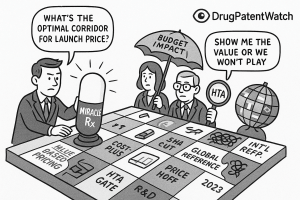
Pharmaceutical launch pricing is the only commercial decision in modern industry where the ‘right’ price depends simultaneously on biology, law, political economy, payer budget cycles, and the unquantifiable weight of human suffering. No other sector operates in this intersection.
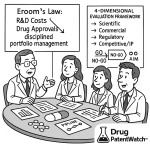
The numbers frame it clearly. Deloitte’s 2024 analysis pegs the average capitalized R&D cost per approved asset at $2.23 billion — a figure that accounts for the vast portfolio of compounds that fail before Phase III, not just the survivors. Add twelve-plus years of development timelines, the capital cost of that time, and a probability of FDA approval from Phase I of roughly 10-15%, and the economics of pharmaceutical innovation demand prices that routinely shock healthcare systems and patients.
That tension — between the economics of innovation and the social expectation of affordable access — is not going away. What has changed is the machinery through which it gets resolved. In 2025, that machinery includes Health Technology Assessment bodies with statutory authority over NHS funding, a Pharmacy Benefit Manager (PBM) oligopoly controlling formulary placement for hundreds of millions of Americans, the Inflation Reduction Act’s Medicare negotiation provisions, and a growing arsenal of outcomes-based contracts that try to make payers and manufacturers share both the upside and the risk.
This document is built for the professionals navigating that machinery: IP teams setting launch timelines around patent expiry, portfolio managers modeling rNPV across pricing scenarios, market access leads constructing Global Value Dossiers, and R&D leads choosing trial endpoints that regulators and HTA bodies will both accept. It assumes fluency with terms like Paragraph IV filing, AMNOG benefit assessment, and composition-of-matter patent. It does not repeat industry basics without adding analytical depth.
Key Takeaways: Understanding the Core Tension
The $2.23 billion average capitalized cost per approved asset is the foundational number for any pricing justification. Cost-effectiveness arguments that HTA bodies find credible must be built on that economic reality, but payers — particularly those managing population-level budgets — will always negotiate on budget impact, not per-patient cost-effectiveness. Launch pricing strategy is, at its core, a negotiation preparation process that takes years.
2. Foundational Pricing Models: Building the Architect’s Toolkit
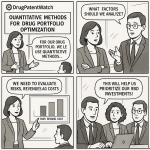
No product launches with a single pricing philosophy. Real-world launch pricing is a hybrid of at least three approaches, weighted by the drug’s clinical profile, competitive positioning, patent life, and payer landscape. Understanding each model’s mechanics and failure modes is prerequisite to constructing a defensible hybrid strategy.
Value-Based Pricing: Mechanics, Gaps, and the Negotiation Trap
Value-Based Pricing (VBP) rests on a deceptively clean principle: price proportional to clinical and economic value delivered. The framework translates to:
Price = f(Efficacy differential vs. SoC, Safety profile, Quality of Life impact, Healthcare cost offsets)
Operational execution is harder. Quantifying ‘quality of life’ requires Patient-Reported Outcome instruments that must be validated, incorporated into trial protocols years before launch, and accepted by HTA bodies as clinically meaningful. Healthcare cost offsets require pharmacoeconomic models built on assumptions that payers will interrogate aggressively — discount rates, time horizons, which cost categories to include, which to exclude.
The deeper structural problem with VBP is what might be called the ‘definition asymmetry.’ Manufacturers define value broadly: long-term survival benefit, reduced caregiver burden, societal productivity gains, the intrinsic value of offering a new mechanism of action. Payers — particularly public payers managing fixed annual budgets — define value narrowly: direct measurable cost offsets within their budget period, typically three to five years. An oncology drug that extends progression-free survival by six months and reduces hospitalization over a decade will look different in a manufacturer’s value model than in a budget-constrained payer’s cost-impact analysis.
The ‘optimal price’ in a VBP framework is therefore not derived from a formula — it is the output of a negotiation between these competing definitions. Companies that treat VBP as a calculation rather than a negotiation preparation process routinely discover this during their AMNOG dossier submissions or their NICE technology appraisals.
Cost-Plus Pricing: Where It Still Applies and Where It Fails
Cost-plus pricing calculates all development and manufacturing costs, adds a target margin, and divides by projected unit sales. Its analytical utility is limited in branded pharmaceuticals, where the relationship between production cost and therapeutic value is essentially arbitrary. A small-molecule drug synthesized for pennies per gram may provide decades of seizure control. A biologic costing thousands of dollars per gram to produce may offer marginal improvement over an existing standard of care.
Where cost-plus remains genuinely useful: as a pricing floor in early development, particularly for assets in crowded therapeutic areas where differentiation is limited. It also provides the baseline for generic manufacturers post-patent expiry, where cost competition is the primary market dynamic.
The model’s fatal structural flaw is that it rewards R&D inefficiency. A company that runs an expensive, poorly designed development program can justify a high price under cost-plus; a company that runs an efficient program cannot charge more simply for doing it better. In an outcomes-focused market access environment, this is not a viable commercial philosophy.
Competitor-Based Pricing and the IRP Domino Effect
Competitor-based pricing anchors the new drug’s launch price to the existing treatment landscape. The clinical superiority of the new asset determines whether it prices at a premium to the current standard of care, at parity, or at a discount designed to buy market share in a crowded indication.
The complexity multiplies when extended globally. International Reference Pricing (IRP) — the practice of multiple governments setting their national reimbursed price by referencing a basket of prices in other countries — turns a bilateral pricing decision into a global chess match with 30-plus pieces.
The German AMNOG-negotiated price, once set, feeds directly into the IRP baskets of Canada, Japan, Australia, and roughly 35 other markets. A manufacturer that accepts a low AMNOG-negotiated price to secure German market access has, in effect, imposed that price as a ceiling or anchor on markets it has not yet launched. The rational counter-strategy — delaying launch in reference countries to protect the global price structure — creates the ‘drug lag’ phenomenon, where patients in stringently-priced markets wait years longer than US or Swiss patients for the same treatment.
The strategic implication is direct: launch sequencing is a pricing decision, not just a logistics decision. Markets that will reference other markets for pricing must be launched in an order that optimizes the global price matrix, accounting for each country’s reference basket composition and the speed with which reference prices propagate through the system.
3. IP Valuation as a Pricing Input: Patents Are Not Just Legal Documents
A drug’s patent portfolio is its most precise pricing signal. The strength, breadth, and remaining life of the IP estate directly determines how long monopoly pricing is defensible, when generics or biosimilars will enter, and what revenue trajectory the asset will follow over its commercial life.
For pricing strategy, patent analysis is not a one-time legal check — it is a continuous strategic intelligence function.
Composition-of-Matter vs. Secondary Patent Portfolios
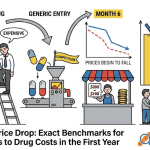
The composition-of-matter (CoM) patent protects the active molecule itself. It is the broadest and most valuable claim type in pharmaceutical IP. A CoM patent with fifteen or more years of remaining life at launch provides a clean monopoly runway and the strongest possible pricing power. A CoM patent expiring within five years of launch fundamentally changes the pricing calculus — the company must extract maximum revenue before generic entry erodes the market, typically by 80-90% within two years of first generic approval.
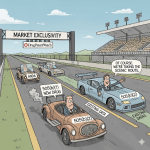
Secondary patents — covering formulations, dosing regimens, delivery devices, manufacturing processes, and methods of treatment — extend the period of market exclusivity beyond the CoM expiry. This is the operational definition of ‘evergreening.’ Secondary patents do not provide the same clean monopoly protection as a CoM patent. They can be challenged individually, and a strong Paragraph IV filing by a generic manufacturer targeting the weakest secondary patents can collapse the thicket faster than models predict.
The IP valuation question for pricing teams is not ‘do we have patents?’ but ‘what is the effective monopoly period, accounting for the realistic probability of successful Paragraph IV challenges to each patent in the portfolio?’
Evergreening Tactics: The Patent Thicket Roadmap
Evergreening is a comprehensive lifecycle management strategy, not a single tactic. Brand companies deploy it in layers:
The first layer is formulation patents — new extended-release formulations, new salt forms, new particle sizes that improve bioavailability. These often generate genuine clinical improvements (better tolerability, once-daily dosing vs. twice-daily) and are therefore both patentable and clinically justifiable to payers. The second layer covers delivery device patents, relevant for inhaled therapies (AstraZeneca’s Symbicort and the Turbuhaler device), injectables, and biologics where the administration mechanism provides patient convenience that commands a premium.
The third and most commercially powerful layer is method-of-treatment patents covering new indications. Merck’s pembrolizumab (Keytruda) is the textbook case — a PD-1 inhibitor approved first in melanoma in 2014, then expanded through at least 30 additional indications across tumor types and settings. Each new indication approval triggers a new period of data exclusivity in some markets, extends the effective revenue-generating period, and creates a new pricing event in each market where the indication must be reimbursed separately.
The fourth layer, increasingly common in biologics, is process patents covering specific manufacturing cell lines, purification procedures, and formulation stability methods. These are the hardest for biosimilar manufacturers to work around and are frequently the focus of Patent Dance litigation under the Biologics Price Competition and Innovation Act (BPCIA).
For pricing teams, mapping the thicket depth and validity of each layer is essential for accurate revenue forecasting. A portfolio with a strong CoM patent plus two valid formulation patents and four robust method-of-treatment patents in late-stage clinical development has materially different pricing power than one relying on a single expiring CoM patent.
Platforms like DrugPatentWatch automate patent expiry tracking, monitor active Paragraph IV filings in real time, and surface the litigation status of specific patents — converting what was historically a slow, reactive legal function into a continuously updated pricing intelligence feed.
IP Valuation Frameworks for Pricing Decisions
Three valuation frameworks apply directly to pricing strategy work:
The income approach discounts the projected future cash flows attributable to the IP protection period at a risk-adjusted rate. This is the most direct connection between patent life and pricing power — extending the monopoly period by two years through valid secondary patents adds the net present value of two years of pre-generic cash flows to the asset’s total IP value.
The relief-from-royalty method calculates the value of IP as the present value of royalty payments that would be required if the company had to license equivalent IP from a third party. This method is most commonly used in transfer pricing contexts within multinational pharma groups but provides useful benchmarks for IP valuation in licensing negotiations and M&A.
The comparative transaction method references royalty rates and IP transaction values in comparable therapeutic areas. For pricing teams, this provides market-derived anchors for how much the IP estate contributes to enterprise value — relevant when justifying launch prices to investors and boards based on the economic value the IP protection enables.
Investment Strategy: IP Portfolio Signal
For institutional investors analyzing launch pricing power: the single most predictive indicator of durable premium pricing is the effective IP-protected market exclusivity period, calculated not from the CoM patent expiry but from the last valid secondary patent or regulatory exclusivity protection (e.g., seven-year orphan drug exclusivity, twelve-year biologic exclusivity under the BPCIA). Assets with ten or more years of remaining effective exclusivity at launch have demonstrated pricing power that assets with less than five years cannot sustain. The Paragraph IV litigation calendar is the key real-time signal — a wave of filings against a specific asset’s secondary patents is the market’s verdict on thicket validity and the most reliable leading indicator of earlier-than-projected generic entry.
4. The Value Gauntlet: HTA Bodies as Revenue Determinants
Regulatory approval — FDA, EMA, or both — no longer guarantees commercial revenue. In most major markets, a separate and increasingly rigorous process determines whether approved drugs actually reach patients through reimbursed channels. HTA bodies are gatekeepers with real financial authority.
NICE (UK): Cost-per-QALY and the £30,000 Ceiling
Established in 1999, the National Institute for Health and Care Excellence (NICE) runs a mandatory technology appraisal process for all significant new drugs entering the NHS. A positive NICE recommendation creates a statutory obligation for NHS England to fund the treatment, typically within three months. A negative recommendation effectively closes the NHS market — 67 million patients — unless the manufacturer secures a separate Managed Access Agreement.
NICE applies a strict cost-per-QALY threshold of £20,000 to £30,000. Drugs with an Incremental Cost-Effectiveness Ratio (ICER) below this range receive routine positive recommendations. Those in the £30,000 to £50,000 range are considered under end-of-life or severity modifiers that apply to specific disease contexts. Drugs above £50,000 per QALY gained face near-certain rejection absent extraordinary clinical circumstances or significant price concessions negotiated through the commercial access framework.
For companies pricing above NHS cost-effectiveness thresholds, the practical path to UK access is a confidential commercial discount arrangement — a net price below the list price, with the discount held commercially sensitive. The officially listed price is maintained for IRP purposes while the NHS pays the reduced net price. This mechanism is central to how innovative oncology and rare disease drugs achieve UK access despite headline prices that would fail the NICE threshold.
ICER (US): Non-Binding But Commercially Lethal
The Institute for Clinical and Economic Review operates as an independent non-profit watchdog with no regulatory authority. Its reports are commercially influential because PBMs and private insurers use ICER’s ‘health-benefit price benchmark’ — the price range ICER calculates as consistent with its value thresholds — as a negotiating anchor in rebate discussions with manufacturers.
ICER’s primary metric is the cost per QALY, using a value threshold of approximately $100,000 to $150,000 per QALY gained. Drugs priced substantially above this range receive an ‘unsupported by evidence of high value’ assessment, which private payers cite in formulary placement decisions and prior authorization policy design. The practical effect is that a highly unfavorable ICER report restricts market access for drugs that have no formal coverage denial — it drives them to non-preferred formulary tiers with high patient cost-sharing, suppressing utilization without any formal government action.
ICER’s increasing use of the Equal Value of Life Years Gained (evLYG) metric, which measures only life extension without quality-of-life adjustment, is a partial concession to disability rights groups that have challenged the discriminatory implications of QALY-based assessments. The evLYG has not been adopted by major payers as a primary metric and does not resolve the fundamental methodological debate.
AMNOG (Germany): Free Launch Price, Then Six Months to Prove Benefit
Germany’s AMNOG process, enacted in 2011, operates on a specific timeline that pricing teams must plan around precisely. At launch, the manufacturer sets its own list price and receives full reimbursement from the statutory health insurance funds (GKV) at that price. Simultaneously, the manufacturer submits a formal dossier to the Federal Joint Committee (G-BA), which conducts a benefit assessment comparing the new drug to an ‘appropriate comparative therapy’ the G-BA defines.
The G-BA assigns one of six benefit ratings: major additional benefit, considerable additional benefit, minor additional benefit, non-quantifiable additional benefit, no additional benefit proven, or a formal ‘less beneficial’ rating. Ratings of ‘no additional benefit proven’ — particularly common when the manufacturer selects a different comparator than the G-BA mandates, or when the submitted evidence does not meet the G-BA’s specific methodological requirements — result in the drug being placed in a reference price group. In this scenario, the negotiated price is tethered to the GKV’s payment rate for established, often generic, alternatives.
This creates a critical operational requirement: the dossier submitted on Day 1 must anticipate the G-BA’s comparator selection and methodology requirements with precision. Dossiers that contain head-to-head data against a different comparator than the one the G-BA selects, or that rely on indirect treatment comparisons when the G-BA requires direct data, routinely receive ‘no added benefit’ ratings regardless of the drug’s actual clinical merit. The evidence strategy for Germany must be locked in during Phase III trial design, not at the time of regulatory submission.
The negotiated price applies retroactively from month seven, meaning that every unit sold during the six-month free-pricing period generates revenue at the launch list price — and the manufacturer must either repay the difference in rebates or, in some structuring arrangements, the net negotiated price applies to all subsequent purchases.
HAS/CEESP (France): Dual Assessment and ASMR Ratings
France runs a two-stage HTA process. The Transparency Commission (TC) of the Haute Autorité de Santé (HAS) assesses two metrics: the Service Médical Rendu (SMR), which determines the reimbursement rate (100%, 65%, or 30% of the drug’s price paid by national health insurance), and the Amélioration du Service Médical Rendu (ASMR), which rates the magnitude of clinical improvement over existing therapy on a scale of I (major improvement) to V (no improvement).
The ASMR rating directly determines negotiating leverage with the Economic Committee for Health Products (CEPS). An ASMR I or II rating (major or important clinical improvement) gives the manufacturer significant room to negotiate a price premium. ASMR IV or V ratings (minor or no improvement) leave little room for a price above the existing comparator.
For drugs with high innovation ratings (ASMR I-III) expected to generate substantial budget impact, a second-stage economic evaluation by the Commission d’Evaluation Economique et de Santé Publique (CEESP) is triggered. The CEESP reviews manufacturer-submitted cost-effectiveness and budget impact models. Unlike NICE, the CEESP does not apply a fixed cost-per-QALY threshold — it provides an opinion on the economic evidence quality, which then informs CEPS negotiations.
Average time to reimbursement in France post-approval runs approximately 12.9 months, significantly longer than Germany’s effectively immediate access. This timeline must be incorporated into global launch sequencing models.
Japan’s MHLW: Repricing Mechanics and the Drug Lag
Japan’s Ministry of Health, Labour and Welfare (MHLW) sets all drug prices centrally on the National Health Insurance (NHI) price list. Coverage is effectively universal, and market access follows approval quickly — typically within six months.
The defining commercial challenge in Japan is the mandatory price reduction mechanism. The MHLW conducts biennial market surveys, comparing NHI list prices to actual wholesale transaction prices. Drugs selling below their listed price (which most do, due to hospital group purchasing) face proportional NHI price reductions in the subsequent price revision cycle. This creates a predictable, systematic downward price trajectory across the product lifecycle, regardless of competitive dynamics.
The market expansion repricing mechanism adds a second layer: drugs whose actual sales substantially exceed the volume forecast used for initial NHI price setting face additional, significant price cuts. A drug projected to treat 10,000 patients annually that reaches 50,000 patients through off-label use or broader-than-anticipated guideline adoption can face repricing of 15-25% above normal revision rates.
The MHLW has introduced the Price Maintenance Premium (PMP) system as a partial counterweight — drugs meeting criteria for true innovation (first-in-class mechanism, significant unmet need, strong clinical differentiation) receive PMP designation that limits the pace of mandatory price reduction. For pricing strategy, securing PMP designation requires advance engagement with MHLW on the innovation evidence package, parallel to the regulatory submission.
Key Takeaways: The HTA Gauntlet
NICE, AMNOG, and the French HAS each require a distinct evidence package that cannot be reverse-engineered from a completed regulatory submission. NICE requires a payer-relevant cost-per-QALY model with patient utility data. AMNOG requires direct clinical comparison data against the comparator the G-BA will specify. HAS requires both clinical benefit ratings and, for innovative drugs, a formal pharmacoeconomic dossier. These requirements must shape Phase III trial design — comparator selection, endpoint selection, patient-reported outcome instrument inclusion — three to five years before the HTA submission.
5. The QALY in Depth: Calculation, Policy Divergence, and Legal Battles
The Quality-Adjusted Life Year is simultaneously the most widely used and most contested metric in health economics. Its precise mechanics, its policy divergence across markets, and the legal constraints on its use in the United States have direct pricing strategy implications.
QALY Calculation Mechanics
The QALY formula:
QALYs = Utility value × Years of life gained
Utility values range from 1.0 (full health) to 0.0 (death). Negative values are assigned to health states considered worse than death. A treatment that extends life by two years at a utility of 0.75 generates 1.5 QALYs.
Utility values are derived from preference-elicitation studies using Standard Gamble (the probability of full health vs. certain death equivalent to living in the health state) or Time Trade-Off (years of life in the health state equivalent in value to fewer years in full health) methods. These values are typically estimated in general population surveys, not exclusively in disease-affected patients — a methodological choice that has significant implications for rare and severe diseases where affected patients may value their health states differently from healthy survey respondents.
The ICER calculation comparing two treatments:
ICER = (Cost of New Drug – Cost of Comparator) / (QALYs of New Drug – QALYs of Comparator)
A drug costing $150,000 per year that generates 0.5 additional QALYs versus a $20,000 comparator has an ICER of ($150,000 – $20,000) / 0.5 = $260,000 per QALY. At NICE’s £30,000 threshold or ICER’s $150,000 threshold, this drug fails cost-effectiveness and faces formulary restrictions or outright non-reimbursement.
The Discrimination Problem
The structural critique of the QALY is not theoretical — it has resulted in legislative action. Because elderly patients and patients with disabilities or chronic conditions start from lower baseline utility values, treatments that improve their health generate fewer QALYs per dollar than equivalent treatments in younger, healthier patients. This creates a systematic incentive for health systems to fund treatments for younger, healthier populations over treatments for elderly or disabled populations — a result that conflicts with disability rights law and broadly accepted principles of equal treatment.
In the United States, the Affordable Care Act (2010) prohibits the use of QALYs as a measure for determining coverage or reimbursement under Medicare, and the Inflation Reduction Act (2022) reaffirms this prohibition for Medicare drug price negotiation. ICER, which uses QALYs extensively, operates outside this prohibition because it is a private organization, but its outputs inform payer decisions that effectively function as coverage restrictions.
The practical pricing strategy implication: drugs treating elderly populations, patients with disabilities, or patients with severe functional impairment face structurally harder cost-effectiveness assessments in QALY-based systems. The response is to model alternative value frameworks — cost per life-year gained without quality adjustment, cost per avoided hospitalization, cost per maintained functional independence — alongside QALY-based models, and to lead with the frameworks most favorable to the specific patient population in each market’s HTA submission.
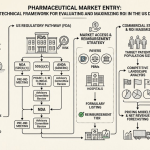
6. A Step-by-Step Pricing Framework: From Phase I to Launch Day
Pricing strategy in pharma is not a pre-launch activity. It begins in Phase I or earlier, when the target product profile is first articulated, and it runs through post-launch payer contract negotiations. The framework below reflects the commercial reality of how decisions made in early clinical development constrain or expand pricing options years later.
Phase 1: Pre-Launch Competitive Intelligence (Years -5 to -2)
The intelligence infrastructure built in this phase directly determines the accuracy of the pricing models built in Phase 3. Gaps in competitive intelligence become gaps in pricing assumptions, which become errors in launch price setting.
True competitive intelligence at this stage has four components. Market intelligence establishes the disease burden, current standard of care, identified unmet needs, and patient segmentation by severity, biomarker status, and treatment history. Pipeline intelligence tracks all assets in clinical development that could compete at your projected launch date — not just Phase III assets but Phase II assets that could accelerate, and Phase I assets in adjacent mechanisms. Regulatory intelligence monitors evolving evidence standards at FDA, EMA, and major HTA bodies, including published technology appraisal documents, payer guidance, and methodological guidelines. IP intelligence maps the patent landscape across all potential competitors, tracking Paragraph IV filing activity, litigation outcomes, and the emerging secondary patent filings that signal competitor evergreening strategies.
Patent data deserves specific treatment as a pricing input. The remaining life of a competitor’s CoM patent determines when generic or biosimilar entry will erode the comparator’s market share — an event that can either open pricing space for your product or collapse the reimbursed market you plan to enter. If a key competitor’s CoM patent expires two years after your projected launch, the comparator against which payers will judge your cost-effectiveness will shift dramatically. The AMNOG dossier you build against Drug X at a $80,000 annual price may need to be recalibrated against Drug X Generic at $8,000.
Platforms like DrugPatentWatch track patent expiry dates, Orange Book and Purple Book listings, active Paragraph IV certifications, litigation status, and regulatory exclusivity periods across thousands of assets simultaneously. What was historically a quarterly manual review by a patent attorney is now a live data stream that pricing and market access teams can use to update competitive landscape models continuously.
Phase 2: Evidence Generation with Market Access Built In (Years -3 to -1)
This is the highest-leverage phase for pricing strategy, and the most commonly mismanaged one. Clinical trial decisions made here cannot be undone at the time of HTA submission.
The Global Value Dossier (GVD) should be under active construction from Phase II initiation. The GVD documents the disease burden evidence, the clinical development program’s efficacy and safety data, the health economic model, patient-reported outcome data, and the real-world evidence strategy. It is a living document, but its architecture must be locked to the specific evidentiary requirements of each major market’s HTA body before Phase III protocols are finalized.
The comparator selection in pivotal Phase III trials is the single most consequential design decision for AMNOG submissions. The G-BA specifies the ‘appropriate comparative therapy’ during the Phase II/III transition period, and dossiers submitted against a different comparator — even a clinically reasonable one — receive ‘no added benefit’ ratings by default because the comparison the G-BA requires does not exist. Pre-submission meetings with the G-BA at this phase, to formally agree on the appropriate comparative therapy, are standard practice for companies with robust German market access operations.
Patient-reported outcomes instruments must be included in Phase III protocols specifically to generate the utility data required for QALY calculations. If the trial does not include a validated utility instrument (EQ-5D-5L is the NICE standard; SF-6D and HUI3 are alternatives), the health economic model for NICE will rely on indirect utility mapping from clinical endpoints, which NICE scrutinizes heavily and which generates wider confidence intervals around the ICER estimate.
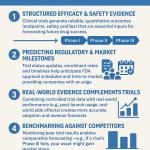
Real-world evidence (RWE) planning begins here as well. Payers increasingly require post-approval RWE to confirm that the drug’s clinical trial performance translates to routine clinical practice. Pre-agreed registry designs, claims data analysis protocols, and comparative effectiveness study designs — ideally negotiated with payers before launch — strengthen the post-launch reimbursement case and support outcomes-based contracting arrangements.
Phase 3: Financial Modeling and Price Corridor Analysis (Year -1)
By the year before launch, the clinical data package is mature enough to support rigorous financial modeling. The output of this phase is not a single launch price but a ‘price corridor’ — a range of prices tested against multiple access and revenue scenarios.
Epidemiology-based forecasting starts with the total addressable patient population, stratified by indication, disease severity, biomarker eligibility, and line of therapy. Market penetration curves, estimated from analogous launches in the same therapeutic area, translate patient population into peak market share and time-to-peak. These projections are explicitly tied to pricing scenarios — a price at the 90th percentile of the comparator market will have a different penetration trajectory than one at the 75th percentile.
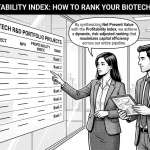
The risk-adjusted Net Present Value (rNPV) model is the standard analytical framework. Unlike a simple DCF, rNPV adjusts projected cash flows at each stage by the probability of achieving that stage — for an asset already at launch, the remaining probability adjustments cover regulatory approval in additional markets, successful HTA reimbursement in each country, and the payer coverage decisions that determine utilization within reimbursed markets.
Sensitivity analysis tests the rNPV across the price corridor, varying assumptions for payer-imposed utilization restrictions (prior authorization requirements, step therapy mandates, specialty tier placement), gross-to-net discount magnitude, and competitive entry timing. This analysis identifies the price point that maximizes expected rNPV across the probability-weighted scenario distribution — not the price that maximizes revenue in the best-case scenario.
Gross-to-net analysis is particularly important in the US market, where the gap between WAC (Wholesale Acquisition Cost) and the actual net revenue received after PBM rebates, Medicaid rebates, and contract pricing to hospitals and managed care organizations can range from 30% to 65% for established branded products. A WAC of $150,000 per year may translate to a net realized price of $60,000 to $90,000 after rebates. This gap must be explicitly modeled — launch pricing decisions that ignore gross-to-net dynamics produce revenue forecasts that overstate actual revenue by factors of two or more.
Phase 4: Payer Engagement and Final Price Determination
The price corridor derived from modeling must be tested against payer reality before the WAC is set. Pre-launch advisory boards with national and regional payers, structured payer research, and formulary assessment simulations provide the qualitative and quantitative input to anchor the final price within the modeled corridor.
PBMs warrant specific attention. The three largest — CVS Caremark, Express Scripts (Cigna), and OptumRx (UnitedHealth) — collectively manage pharmacy benefits for roughly 270 million Americans. Their formulary placement decisions, encoded in national preferred drug lists that update annually, determine whether patients face a $30 co-pay or a $300 out-of-pocket requirement for a new specialty drug. The difference is sufficient to suppress utilization by 40-60% in cost-sensitive populations.
PBM negotiations center on the rebate offer — the percentage of WAC that the manufacturer pays back to the PBM in exchange for preferred formulary placement. For new specialty drugs, rebates of 15-30% of WAC are common; for drugs in competitive therapeutic categories, rebates can exceed 50% of WAC. Setting the WAC must account for the rebate offer required to secure preferred placement, working backward from the target net price to determine the list price that delivers that net revenue after rebates.
Patient advocacy organizations have become sophisticated stakeholders in these payer conversations. Groups like the Alzheimer’s Association, the Cystic Fibrosis Foundation, and SMA UK provide clinical endpoint legitimacy, policy lobbying, and direct payer engagement that manufacturers cannot replicate. The CF Foundation’s role in securing Canadian public funding for Trikafta (elexacaftor/tezacaftor/ivacaftor) — navigating the Canadian Drug Agency’s (CDA-AMC) review process and provincial formulary negotiations simultaneously — is a case study in how patient organizations function as market access partners, not just disease advocates.
7. Global Launch Sequencing: The IRP Chess Match
International Reference Pricing turns every country-level pricing decision into a global one. Before setting a price in any single market, a rigorous launch sequence analysis should model how that price will propagate through the reference baskets of all other markets in the planned sequence.
The major IRP baskets as of 2025: Germany references no other countries but is referenced by many. The EU reference basket used by several member states includes Germany, France, Spain, Italy, and the UK, with country-specific weighting rules. Canada uses a basket of seven OECD comparator countries, currently including the US, UK, Germany, France, Switzerland, Sweden, and Italy. Japan does not formally apply IRP in its primary pricing process but conducts external reference pricing checks for drugs with OECD reference prices that suggest the Japanese price is significantly above international norms.
The US price — specifically the WAC — is referenced by several markets including Canada and contributes to the ‘reference price floor’ arguments that manufacturers make in negotiations with European payers. The IRA’s Maximum Fair Price (MFP) for Medicare negotiations, once established, may function as a new reference price anchor in subsequent IRP basket updates, with significant downstream implications for global net revenue.
The standard strategic response to IRP exposure is to sequence launches from high-price to low-price markets, using the high-price market establishment to set the global price anchor before entering reference markets. The US typically launches first, followed by Germany (which allows the free launch price for six months, making it the first European market where a high list price is publicly registered without immediate HTA-constrained net price), followed by sequenced European market entries in order of reference exposure.
This strategy has a limit: the longer a company delays entry into low-price reference markets, the longer patients in those markets lack access. For rare diseases with small patient populations, this is a significant equity concern that patient advocacy groups, health ministries, and increasingly, institutional ESG-oriented investors raise as a commercial reputational risk.
8. Case Studies: Pricing Wins and Commercial Autopsies
Sovaldi: Curing Hepatitis C and Triggering a Payer Revolt
Gilead Sciences launched sofosbuvir (Sovaldi) in December 2013 at $84,000 for a 12-week course of treatment — $1,000 per pill. The drug achieved sustained virologic response rates of 90%+ across multiple Hepatitis C genotypes, representing a genuine clinical breakthrough versus the standard ribavirin/interferon regimen that achieved 40-60% response rates with severe side effects.
The cost-effectiveness argument was economically sound at the individual patient level. Chronic HCV management — regular viral load monitoring, fibroscan imaging, hepatologist visits — runs $20,000-30,000 annually. Cirrhosis management and eventual liver transplant can exceed $300,000. A one-time cure at $84,000, eliminating decades of chronic care costs and liver transplant risk, generated favorable ICERs in most health economic models.
The budget impact math was the problem. Gilead estimated 3.2 million Americans were infected with HCV. Treating even 10% of that population with Sovaldi would cost $26 billion in pharmacy expenditure in a single year — a figure that would consume the entire specialty pharmacy budget of most state Medicaid programs. Payer response was swift: prior authorization requirements restricting access to patients with advanced fibrosis (F3-F4 Metavir score), prohibition on coverage for patients with active substance use disorder, and mandatory prescriber specialist requirements that limited access to hepatology specialists rather than primary care.
The lesson is precise: cost-effectiveness per patient and budget impact per population are different calculations with different implications for payer access decisions. A drug can clear the ICER threshold and still be rationed because the total eligible population is large enough to create system-level affordability crises. Pricing strategy for large-prevalence conditions must include an explicit budget impact analysis at payer portfolio level, not just individual patient cost-effectiveness, and ideally must include a volume-based pricing arrangement or subscription contract that limits payer downside exposure in high-prevalence scenarios.
Gilead’s subsequent strategy — negotiating significant rebates with state Medicaid programs in exchange for preferred formulary placement and reduced access restrictions — and the later development of subscription-like models for HCV treatment at the population level in Louisiana and Washington state demonstrated how the market ultimately adapted to resolve the tension between individual cost-effectiveness and population budget impact.
Aduhelm: How a Failed Value Proposition Collapsed a Product
Biogen launched aducanumab (Aduhelm) in June 2021 following an accelerated FDA approval that became one of the most contested regulatory decisions in modern pharma history. The FDA’s Peripheral and Central Nervous System Drugs Advisory Committee had voted 8-1-2 against approval in November 2020, citing inconsistent Phase III trial results (one trial showed clinical benefit; one did not), and three committee members resigned in protest following the approval.
Biogen set the launch price at $56,000 per year — reduced from an initial $56,000 to the same figure after significant public backlash, then reduced again to $28,200 in 2022. Neither revision addressed the underlying problem: the clinical evidence for meaningful cognitive benefit was contradictory, and neither payer community nor clinical community consensus supported the surrogate endpoint — amyloid plaque reduction on PET imaging — as proof of clinical benefit.
The Centers for Medicare and Medicaid Services (CMS) response was unprecedented. In April 2022, CMS issued a National Coverage Determination (NCD) restricting Medicare coverage of aducanumab and all future anti-amyloid antibodies to patients enrolled in qualifying CMS-approved randomized controlled trials. This decision effectively eliminated commercial market access for the vast majority of potential Alzheimer’s patients. By early 2024, Biogen had withdrawn Aduhelm from the market entirely.
The IP asset valuation implication is direct. Biogen’s exclusive composition-of-matter patent protection for aducanumab was commercially worthless because payer rejection preceded any meaningful patent challenge. IP protection value is conditional on market access — a technically valid patent with fifteen years of remaining life on a drug that cannot achieve reimbursement has a commercial value of approximately zero.
The lesson for pricing teams: regulatory approval based on a surrogate endpoint without clinical benefit consensus requires a market access strategy that acknowledges the evidence gap explicitly and proposes a conditional reimbursement path — limited initial coverage with mandatory outcomes data collection — rather than attempting a full commercial launch at a premium price against a clinical evidence base that key stakeholders reject.
Zolgensma and Hemgenix: When $2M-$3.5M Is the Right Number
Novartis launched onasemnogene abeparvovec (Zolgensma) for spinal muscular atrophy (SMA) type 1 in May 2019 at $2.125 million per one-time infusion. At launch, it was the most expensive drug in history. CSL Behring’s etranacogene dezaparvovec (Hemgenix) for hemophilia B, approved in November 2022, came in at $3.5 million.
The value-based pricing argument for both is rigorous. SMA type 1, untreated, produces death or permanent ventilator dependence before the second birthday in most patients. Zolgensma demonstrated that 91% of treated patients survived to 14 months without permanent ventilation — a transformative clinical result. The lifetime management costs for a severe SMA patient, including Spinraza (nusinersen) at $750,000 for Year 1 and $375,000 annually thereafter, plus ventilator support, hospitalization, and caregiver costs, approach $4-5 million over a patient lifetime. Zolgensma’s $2.125 million one-time cost generates a favorable economic case when modeled against the lifetime comparator cost trajectory.
For hemophilia B, prophylactic factor IX replacement therapy runs $600,000 to $1 million annually for severe cases. A one-time gene therapy delivering sustained factor IX production at therapeutic levels eliminates or substantially reduces ongoing factor costs. ICER’s analysis valued Hemgenix at a price point of $2.93 million to $3.18 million as consistent with its standard value thresholds — effectively validating CSL Behring’s $3.5 million price as within the range of defensible, though at the high end.
The key innovation in gene therapy launch strategy was not the pricing itself but the payment architecture developed around it. Novartis offered payers outcomes-based annuity payments spread over five years, with rebates triggered if patients did not maintain agreed efficacy milestones at defined time points. This converted the $2.125 million upfront budget shock into a series of $425,000 annual payments contingent on sustained clinical benefit — a fundamentally different risk profile for health plan budgets.
The NHS England deal for Zolgensma, secured through sustained advocacy by SMA UK and extensive Managed Access Agreement negotiations with Novartis, included a similar outcomes-linked payment structure with confidential net price terms. Access was secured in England in 2021.
The IP valuation context: Novartis acquired AveXis (the original Zolgensma developer) for $8.7 billion in 2018, one year before the drug’s approval. The acquisition price explicitly valued the AAV9 gene delivery platform and the lead SMA asset’s patent portfolio as core IP assets. That $8.7 billion was justified by the $2.125 million per-patient price multiplied across the estimated 400 newly diagnosed SMA type 1 patients annually in the US, plus the global patient population — a total addressable market that made the acquisition premium financially logical even at gene therapy price points.
Keytruda: Indication Stacking as a Pricing and IP Strategy
Merck’s pembrolizumab (Keytruda) is the highest-revenue pharmaceutical product in history, generating $25.01 billion in global sales in 2023 and on track for higher revenue through 2026. Its commercial success is a function of indication stacking — launching in melanoma in 2014 and systematically expanding across 30-plus tumor types and disease settings over the following decade.
Each new indication approval generates several commercial effects simultaneously. First, it expands the patient population eligible for treatment, directly increasing revenue. Second, it triggers a new data exclusivity period in certain markets, delaying biosimilar or follow-on competition for that specific use. Third, it strengthens the patent thicket by adding new method-of-treatment patents covering pembrolizumab’s use in each newly approved indication.
Merck’s method-of-treatment patent strategy for Keytruda illustrates how clinical trial investment and IP filing operate in coordination. For each indication expansion from Phase II initiation to Phase III completion to approval, Merck files method-of-treatment patents covering the specific patient population, biomarker status (PD-L1 expression threshold), combination partner (chemotherapy backbone), dosing schedule, and line of therapy. A Paragraph IV filer challenging Keytruda would need to challenge not just the CoM patent but dozens of indication-specific method-of-treatment patents, each requiring separate validity analysis and litigation. This patent architecture directly protects Merck’s $25 billion revenue base.
The IRA creates a specific and acute problem for this strategy. Keytruda is eligible for CMS Medicare price negotiation — its combined Medicare spending across all indications almost certainly qualifies it as a high-spend target under the IRA’s selection criteria. The Maximum Fair Price negotiated for Keytruda will apply across all of its approved indications. This means the marginal return on investment for filing the 31st or 32nd Keytruda indication is dramatically lower post-IRA than it was pre-IRA, because the new indication’s Medicare revenue will be subject to the same negotiated price ceiling as all existing indications. This economic reality is already reshaping how portfolio managers at Merck and comparable companies evaluate indication expansion investments.
9. The Inflation Reduction Act: Structural Analysis for Portfolio Managers
The IRA’s drug pricing provisions represent a structural change to the US market, not a one-cycle policy event. The key provisions with direct pricing strategy implications:
Medicare Price Negotiation selects up to 10 Part D drugs annually beginning with the 2026 price year, expanding to 20 drugs per year (Part D and Part B combined) by the 2029 price year and beyond. Selection criteria prioritize high total Medicare spend, single-source status (no generic or biosimilar competition), and minimum post-approval age of 9 years for small molecules or 13 years for biologics. The negotiated Maximum Fair Price (MFP) applies to Medicare sales and cannot exceed 75% of the ‘non-federal average manufacturer price’ — effectively a 25% mandatory discount at the starting anchor.
The 9-year vs. 13-year small molecule/biologic differential is not neutral in its portfolio effects. It creates a direct financial incentive for companies choosing between investing in a small-molecule or biologic approach to a new target to favor the biologic — the four additional years of protected market life before potential negotiation represent material net present value. Across the oncology pipeline, where small molecules (kinase inhibitors, targeted agents) and biologics (antibodies, ADCs, immunomodulators) often compete for investment against the same targets, this incentive may shift capital allocation toward more complex, biologically derived therapeutics over the next decade.
The inflation rebate provision penalizes post-launch price increases above CPI-U. This inverts the historical US pricing strategy of launching at a moderate price and taking annual price increases of 5-10% to maximize revenue over the product lifecycle while managing gross-to-net rebate obligations. Under the IRA, annual price increases above CPI-U trigger mandatory Medicare rebates on the excess price increase, effectively capping net price growth at inflation. The rational response is to shift revenue maximization from post-launch price growth to launch price optimization — setting the initial WAC as high as the market access and formulary placement objective will support, accepting that the post-launch price trajectory will be flatter.
The indication expansion investment problem — where the MFP negotiated for a multi-indication drug applies to all approved uses, reducing the marginal return on new indication research — may produce the IRA’s most significant and least-discussed downstream effect: reduced post-approval label expansion investment in already-approved assets, and therefore less follow-on innovation in therapeutic areas where incremental label expansion historically delivered most of the clinical utility. Keytruda, Opdivo (nivolumab), and similar PD-1/PD-L1 checkpoint inhibitors reached their peak clinical utility through years of indication-expansion clinical trials. The IRA’s structure would have reduced the financial incentive for that expansion if applied earlier in those drugs’ lifecycles.
Investment Strategy: IRA Positioning
For portfolio managers: the IRA creates a clear binary in asset valuation. Assets with greater than 13 years of biologic exclusivity remaining, or greater than 9 years of small-molecule protection, are valued on a pre-IRA basis — full monopoly pricing potential through the protected period. Assets approaching the negotiation eligibility threshold are valued on a post-MFP basis, with the negotiated price as the terminal revenue rate for the Medicare-covered population. The transition from pre-negotiation to post-negotiation valuation creates a predictable repricing event in the drug’s commercial lifecycle that sophisticated investors are already modeling as a specific cash flow discontinuity, rather than treating the IRA as a diffuse regulatory headwind.
10. AI in Pricing Strategy: Predictive HTA, Dynamic Optimization, and Limits
Machine learning and AI are entering pharmaceutical market access and pricing as analytical tools, not strategic decision-makers. The distinction matters because the current capabilities are genuinely useful while the limitations are genuinely significant.
Predictive HTA modeling trains ML algorithms on historical HTA submission data, committee review records, and reimbursement decisions to forecast the probability of a positive recommendation given a specific evidence package. These models can identify patterns in submission data that correlate with favorable outcomes — particular statistical approaches in the cost-effectiveness model, specific endpoint configurations that align with committee preferences, evidence gaps that trigger requests for additional data. This allows market access teams to stress-test their Global Value Dossier against historically modeled committee behavior before submission, identifying and addressing weaknesses that would otherwise surface during the formal review.
Dynamic pricing optimization uses real-time market data — competitor price changes, formulary tier shifts, utilization trends from claims databases, outcomes data from RWE studies — to model optimal pricing adjustments within the constraints of existing payer contracts and regulatory commitments. This is most useful in markets where pricing can be adjusted post-launch (the US, where WAC changes are operationally feasible though strategically risky post-IRA, and some European markets where managed access renegotiation points are contractually scheduled).
The limitations are structural. ML models are trained on historical HTA decisions made in a policy environment that is changing rapidly — the EU HTA Regulation’s joint clinical assessment process, the IRA’s Medicare negotiation, and evolving NICE methodology updates mean that historical training data may not accurately reflect current or future committee behavior. AI models also cannot replicate the relational dimension of HTA engagement: understanding the individual committee members’ methodological preferences, building trust through transparent early scientific advice interactions, and reading the negotiation dynamics of a managed access agreement discussion. These remain human skills.
11. Personalized Medicine and Gene Therapy: New Payment Architecture
Precision oncology, gene therapy, and CAR-T cell therapies share a pricing challenge: they deliver extremely high value to small, precisely defined patient populations, with costs that are high in absolute terms but potentially cost-effective on a per-patient basis when modeled against lifetime disease management costs.
Pricing Personalized Medicine
Targeted oncology drugs approved with companion diagnostic requirements — an ALK inhibitor requiring FISH testing for ALK rearrangement, an NTRK inhibitor requiring next-generation sequencing for TRK fusion — treat patient populations measured in thousands or tens of thousands rather than millions. The economics are similar to orphan drugs: high R&D cost spread across a small patient population necessitates a high per-patient price to generate viable commercial returns.
The pricing challenge for precision medicine specifically is the biomarker test itself. Companion diagnostic tests add $1,000-$3,000 or more per patient to the treatment initiation pathway. Payer coverage for the diagnostic is sometimes separate from drug coverage, creating access gaps where patients cannot access the drug because their insurer covers the test but not the drug, or vice versa. Integrated diagnostic-therapeutic pricing strategies — where the manufacturer bundles diagnostic and therapy pricing in outcomes-based contracts — are an emerging approach, particularly for manufacturers who control both the diagnostic and the therapeutic product.
Gene Therapy Payment Models: The Five Architectural Approaches
The gene therapy field has moved beyond theoretical discussion of innovative payment models to active implementation across multiple products and payer relationships. Five distinct structures have been deployed:
Outcomes-based annuity payments spread the gene therapy cost over a multi-year period — typically five years — with annual payments contingent on the patient meeting pre-defined clinical milestones. Novartis’s initial Zolgensma payer program in the US offered exactly this structure. The operational complexity is significant: data collection protocols, claims integration to track patient outcomes, legal contract structures for multi-year obligations, and rebate payment mechanisms when outcomes are not achieved all require infrastructure investment by both manufacturer and payer.
Amortization-style contracts differ from outcomes-based annuities in that payments are not contingent on outcomes — they are fixed in advance, spread over time to manage budget impact, similar to a capital lease for a medical device. This is simpler to administer but transfers the efficacy risk entirely to the payer.
Stop-loss insurance arrangements involve the manufacturer or a third-party insurer providing coverage to payers for treatment failures above a defined threshold. If fewer than X% of treated patients maintain clinical response at Year 3, the insurer pays the payer’s excess cost. This structure is theoretically attractive but requires actuarial modeling of gene therapy durability that is limited by the relatively short follow-up data available for products approved in 2019-2022.
Subscription or ‘Netflix’ models — a fixed annual fee from a payer for unlimited access to a drug within an eligible population — have been implemented for hepatitis C treatments in Louisiana (AbbVie’s Mavyret) and Washington state (Gilead’s Epclusa). For gene therapies, this model would require an eligible population of sufficient size to provide actuarial stability, which limits its applicability to relatively common indications treated with gene therapy.
Value-based outcomes guarantees — where the manufacturer agrees to refund all or part of the treatment cost if the drug fails to achieve pre-defined efficacy or safety outcomes over an agreed period — are the most patient-centered but operationally complex approach. The long durability horizon of gene therapies (potentially lifetime, or decades) requires outcomes tracking infrastructure that most healthcare systems do not currently have at the required scale.
12. Investment Strategy: Pricing Intelligence as an Asset Class
For institutional investors in pharma and biotech equities, pricing strategy intelligence is undervalued as an input to company-level analysis. The following framework applies price and IP data to portfolio decisions:
Patent expiry mapping against revenue concentration determines an asset’s terminal pricing power. Assets where greater than 60% of revenue is concentrated in products with less than five years of effective IP protection are structurally exposed to rapid revenue erosion. The Orange Book and Purple Book data, combined with active Paragraph IV filing surveillance, provide real-time signals. A wave of Paragraph IV filings against a key asset’s secondary patents is the market’s collective assessment that the patent thicket is vulnerable — a signal that typically precedes successful generic entry by 18-36 months and provides an opportunity to adjust positions ahead of the realized revenue impact.
HTA outcome probability as a value input: Companies launching drugs in NICE-reviewed therapeutic areas with ICER values of greater than £30,000 per QALY without an established managed access pathway face a significantly higher probability of revenue shortfalls versus consensus estimates, which routinely underweight market access risk. AMNOG ‘no added benefit’ determinations for drugs launched with high WACs have historically resulted in German market withdrawal or net price reductions of 30-60% versus the launch WAC. A pipeline asset with Phase III data that appears likely to generate an AMNOG ‘no added benefit’ rating is worth less than consensus models imply, because those models often assume German market revenue at or near the launch list price.
IRA negotiation exposure as a quantifiable event: For companies with drugs approaching the 9- or 13-year IRA eligibility threshold, the negotiated MFP can be estimated using the statutory formula (starting anchor at 75% of the non-federal average manufacturer price) and analogous drug analysis. This allows portfolio managers to model the MFP as a specific cash flow discontinuity event rather than an unquantified regulatory risk, improving DCF model accuracy for mature-product companies.
13. Key Takeaways by Segment
For IP and Patent Teams
The composition-of-matter patent is the foundation of pricing power, but its commercial value depends on remaining life at launch, not just existence. Map effective exclusivity — accounting for the realistic Paragraph IV challenge probability against each secondary patent — as the revenue-generating horizon input to pricing models. Evergreening tactics generate real value when secondary patents are valid and difficult to design around, but a thicket built on weak secondary claims invites Paragraph IV challenges that can collapse exclusivity years before the primary patent expiry date.
For Portfolio Managers and R&D Leads
The IRA’s 9-year/13-year differential is not a minor policy detail — it is a capital allocation signal affecting small-molecule vs. biologic investment decisions across the pipeline. The AMNOG process requires Phase III comparator alignment with G-BA specifications locked in during trial design, not at the regulatory submission stage. Indication expansion investment must now be evaluated against post-IRA Maximum Fair Price exposure for already-approved assets in the Medicare-covered population.
For Market Access and Pricing Teams
Phase III trial design is where pricing strategy either succeeds or fails. The comparator, endpoint selection, patient-reported outcomes instruments, and health resource utilization data collection written into the Phase III protocol determine the strength of the HTA dossier submitted three to five years later. Global launch sequencing must explicitly model the IRP propagation pathway — Germany’s negotiated price, France’s ASMR-linked net price, and the UK’s confidential NHS discount all feed into reference baskets that set ceilings for subsequent market entries. The price corridor analysis output — not a single price point — is the correct input to WAC-setting decisions.
For Institutional Investors
Pharmaceutical asset valuation requires explicit patent expiry modeling with Paragraph IV litigation probability adjustment, HTA outcome probability weighting against revenue consensus estimates, and IRA negotiation event modeling for Medicare-concentrated mature assets. These three adjustments consistently move valuations away from consensus in both directions — upward for companies with underappreciated IP protection depth, downward for companies with thickets that Paragraph IV survey data suggests are weaker than market models assume.
14. FAQ
Q: At what development stage should pricing strategy engagement begin?
By the end of Phase I, a target product profile (TPP) is defined clearly enough to conduct a preliminary pricing potential assessment. This involves mapping the competitive landscape, identifying likely HTA comparators in key markets, and building early-stage pharmacoeconomic models that test price sensitivity across plausible efficacy and safety scenarios. Waiting until Phase III completion means that comparator selection, endpoint design, and PRO instrument inclusion decisions have already been made — often in ways that are suboptimal for HTA submission. The incremental cost of engaging market access and health economics expertise in Phase I/II is negligible relative to the revenue impact of misaligned Phase III designs discovered at the HTA submission stage.
Q: How does the AMNOG process actually work when a drug receives a ‘no added benefit’ rating?
The drug enters reference pricing negotiations with the National Association of Statutory Health Insurance Funds (GKV-SV). The GKV-SV assigns the drug to an existing reference price group — typically the group containing the cheapest generic or biosimilar alternative in the same therapeutic category. The manufacturer has two options: accept the reference price (which may be 70-90% below the launch WAC) or withdraw from the German market. Many companies choose withdrawal for drugs with ‘no added benefit’ ratings when the reference price is commercially unsustainable. Between 2011 and 2023, approximately 15-20% of drugs submitted through AMNOG received ‘no added benefit’ ratings and were subsequently withdrawn from or never commercially launched in Germany. This makes Germany simultaneously one of the world’s most valuable pharmaceutical markets and one of the most operationally demanding for market access teams.
Q: Is a high ICER value score truly fatal for US commercial success?
Not automatically, but increasingly painful. ICER has no formal regulatory authority, and FDA-approved drugs can be prescribed regardless of ICER’s assessment. The commercial impact operates through payer formulary decisions: an unfavorable ICER report — particularly one that places a drug’s ICER above $300,000-$400,000 per QALY — gives PBMs and private insurers analytical cover to place the drug on a high out-of-pocket specialty tier or impose prior authorization requirements that suppress utilization. For drugs in therapeutic categories with competition, an unfavorable ICER assessment relative to a competitor’s favorable assessment is a direct formulary positioning disadvantage. For first-in-class drugs addressing clear unmet needs with no alternatives, ICER’s influence is somewhat less — payers are reluctant to restrict access when there is no therapeutic alternative, regardless of cost-effectiveness modeling.
Q: How does gene therapy outcomes-based contracting actually function in operational terms?
The core operational requirement is a data infrastructure that can track patient outcomes — motor function assessments, factor levels, hospitalization frequency — for each treated patient over a multi-year period, and feed that data into the contract’s payment calculation. This requires manufacturer and payer to agree on a data collection protocol at contract inception: which outcomes measures, at what time points, captured through which clinical system or registry, adjudicated by whom. The legal contract must specify payment milestones, rebate calculation methodology, and dispute resolution procedures. Most payers do not have the registry infrastructure to support this tracking at scale, which is why most gene therapy outcomes-based contracts to date have been limited to specific payer partners with electronic health record infrastructure sufficient to support longitudinal patient tracking.
Q: How will the MFP established under IRA Medicare negotiation affect international reference pricing baskets?
This is an unsettled question with significant strategic implications. The IRA’s Maximum Fair Price is a Medicare-specific negotiated price, not a list price — it applies only to Medicare Part B and Part D purchases, not to commercial market sales. The WAC (list price) remains unchanged by the MFP. Countries using the US WAC as an IRP reference point will not see the MFP in their reference baskets because the MFP is not publicly listed as a market price. However, countries that reference ‘net prices’ or ‘effective transaction prices’ — rather than list prices — may eventually incorporate MFP as a reference point as IRP basket methodology evolves. The practical near-term answer is that the MFP does not directly alter most countries’ reference basket calculations, but the longer-term trajectory of IRP methodology adaptation to the new US pricing environment is uncertain and worth monitoring.
This analysis incorporates public data from FDA Orange Book and Purple Book filings, NICE technology appraisal documents, G-BA benefit assessment decisions, ICER reports, CMS National Coverage Determinations, and company financial disclosures. Patent data and Paragraph IV litigation tracking: DrugPatentWatch. All pricing figures are WAC or publicly reported list prices unless otherwise specified; confidential net prices are not disclosed.