I. The $300 Billion Opportunity Hiding in Plain Sight
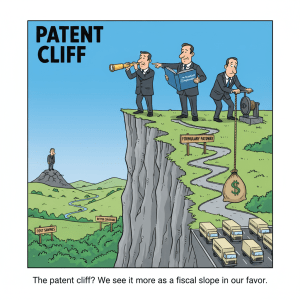
The most reliable, legally mandated, and fiscally massive cost-containment event in healthcare is not a regulatory reform or a price control. It is patent expiration, and right now the industry faces the largest concentration of it in the history of modern medicine.
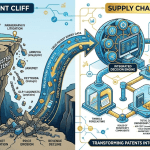
Between 2025 and 2030, more than $300 billion in brand-name prescription drug revenue will lose patent exclusivity in the U.S. market alone. Nearly 200 drugs are involved, roughly 70 of which individually generate over $1 billion in annual sales. The previous major expiration wave, centered around 2016, eroded approximately $100 billion in brand sales. The current one is three times that size.
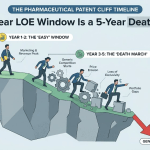
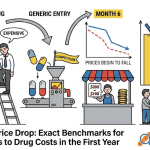
For pharmaceutical manufacturers, these are existential dates on the calendar. For prepared payers, they are the most predictable and actionable budget events available. A blockbuster drug losing exclusivity and facing generic competition will, historically, see branded prescriptions fall by 80% or more within the first year. For small-molecule drugs with six or more generic entrants, the price per unit can drop by as much as 95% from its pre-LOE level.
This guide provides the analytical and operational framework to capture that value systematically. It covers the legal architecture of pharmaceutical exclusivity, the intelligence systems required to track it, and the three concrete strategic levers payers use to convert patent expiry into realized savings: formulary design, rebate negotiation, and budget impact modeling. It also addresses the specific complexities of biologic loss of exclusivity (LOE), where passive strategies consistently fail, and where the Humira biosimilar experience offers the clearest object lesson in what aggressive formulary action can actually produce.
The audience here is pharma/biotech IP teams, payer strategy and pharmacy benefit teams, portfolio managers in healthcare, key formulary decision-makers, and institutional analysts who need to model LOE-driven revenue trajectories across the drug supply chain.
Key Takeaways: Section I
The 2025-2030 LOE wave is the largest in pharmaceutical history, with $230-300+ billion in brand revenue at risk across nearly 200 products.
Generic entry typically erases 80%+ of brand prescription volume within 12 months for small-molecule drugs.
Price erosion with 6+ generic competitors reaches up to 95% discount from pre-LOE brand price.
Payers who build proactive, intelligence-driven LOE strategies capture materially more savings than those who wait for market forces to act.
II. The Modern Payer’s Dilemma: Drug Cost Pressure and Why It’s Structural
Healthcare payers, a category that includes commercial insurers, large self-insured employers, union health funds, and government programs like Medicare and Medicaid, operate under a persistent and widening cost-to-coverage tension. On one side of the ledger: an obligation to provide comprehensive, clinically appropriate access to therapies. On the other: prescription drug expenditures that grow faster than any other healthcare cost category and faster than general economic inflation.
The primary driver of that growth is specialty drugs. These are predominantly biologic therapies used to treat chronic, rare, or life-threatening conditions: oncology, rheumatology, neurology, rare genetic diseases. Fewer than 5% of plan members use specialty medications, yet those drugs now account for more than half of total pharmaceutical spending. Humira, before biosimilar entry, cost an average of $77,000 per patient per year. Newer gene therapies carry single-administration list prices in the millions. From January 2022 to January 2023, the average list price increase across more than 4,200 drug products was 15.2%. The specialty pharmaceutical market was valued at $129 billion in 2024 and is projected to reach $966 billion by 2030.
Payers manage this environment primarily through Pharmacy Benefit Managers (PBMs). CVS Caremark, Express Scripts, and OptumRx collectively process roughly 80% of all U.S. prescription claims, managing benefits for approximately 270 million Americans. PBMs negotiate manufacturer rebates in exchange for formulary positioning, manage pharmacy networks, and process claims. Their revenue streams include administrative fees, retained rebate portions, and spread pricing, the practice of charging the payer more than the pharmacy receives for a dispensed drug. That last model, most prevalent with generics, has drawn sustained regulatory scrutiny because the PBM’s financial incentive to retain rebates can work against the payer’s interest in achieving the lowest net cost.
This structural misalignment matters acutely when approaching LOE events. In the Humira biosimilar case, many PBMs chose to keep the high-rebate brand on preferred formulary status rather than shift members to lower-list-price biosimilars. Net costs remained elevated for plans that deferred to the PBM’s default arrangement. Plans that overrode that default and excluded brand Humira saw dramatically better outcomes, which the Navitus Health Solutions data documents in detail below.
The scale of the generic and biosimilar opportunity acts as the primary counterweight to specialty cost growth. In 2022, generic and biosimilar drugs saved the U.S. healthcare system a record $408 billion, with cumulative savings over the prior decade exceeding $2.9 trillion. Generics and biosimilars account for 90% of prescriptions filled in the U.S. but only 13.1% of total drug spending. The average out-of-pocket cost for a generic is $7.05; for a brand drug it is $27.10. The financial logic for maximizing generic and biosimilar utilization is not subtle.
Key Takeaways: Section II
Specialty drugs, used by under 5% of plan members, now exceed 50% of total pharmaceutical spending.
PBM incentive structures, particularly rebate retention and spread pricing, can work against payer interests in biosimilar adoption.
Generics and biosimilars generated $408 billion in U.S. savings in 2022 while accounting for 90% of prescription volume.
Self-insured employers identifying the PBM revenue model’s misalignment with their cost objectives gain measurable negotiating leverage.
III. Deconstructing Market Exclusivity: The Patent and Regulatory Fortress
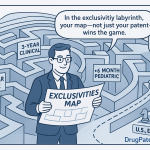
The single most common error in payer patent analysis is treating a drug’s market monopoly as a single expiration date. It is not. A drug’s period of protected commercial exclusivity is a multi-layered structure, built from overlapping patents of different types combined with separate FDA-granted regulatory exclusivity periods. Brand manufacturers deliberately engineer this structure, a practice known as evergreening or patent layering, to maximize the complexity and cost any potential generic or biosimilar challenger must navigate.
The Myth of the 20-Year Patent
U.S. patents carry a statutory term of 20 years from the date of filing with the USPTO. In pharmaceuticals, this figure is almost meaningless as a commercial planning tool. Patent applications are typically filed during early-stage drug development, often 10 to 15 years before FDA approval and commercial launch. By the time a drug reaches market, the original composition of matter patent may have only 7 to 12 years of effective life remaining. This is the “effective patent life” metric: the actual period of post-launch exclusivity, which is the only period that generates revenue. The shortfall between the statutory 20-year term and this effective commercial window creates intense pressure on manufacturers to supplement primary patent protection with secondary patents and regulatory exclusivities.
The Anatomy of a Patent Thicket
Brand manufacturers build overlapping, multi-type patent portfolios around their most valuable assets. The components of a typical pharmaceutical patent thicket include several distinct categories:
Composition of matter (COM) patents cover the active pharmaceutical ingredient (API) itself. They provide the broadest scope of protection and are the most difficult for a generic manufacturer to design around or invalidate. The COM expiration date is the most critical single data point in any payer’s LOE forecast.
Formulation and delivery patents cover novel ways of preparing or administering the drug: extended-release capsules, transdermal patches, inhaler devices, nanoparticle delivery systems. These do not protect the molecule itself but can block generics that attempt to replicate a specific dosage form. They are also the primary tool in product hopping strategies, where a manufacturer pivots market share to a new patent-protected formulation just before the original’s COM patent expires.
Method-of-use patents cover specific therapeutic applications of the drug. A drug initially approved for rheumatoid arthritis may generate an additional method-of-use patent when approved for psoriatic arthritis, extending protection for that specific indication. A generic manufacturer can navigate around these through a ‘skinny label’ approach, carving out the patented indication, but this limits the generic’s prescribable scope and often its commercial potential.
Secondary structural patents cover polymorphs (specific crystalline forms of the API), metabolites (active breakdown products), manufacturing process innovations, and even specific enantiomers of a chiral compound. These represent genuine innovations in some cases and purely defensive IP accumulation in others; the distinction matters for Paragraph IV challenge strategy.
AbbVie’s Humira is the most documented example of deliberate patent thicket construction. The company filed 247 patent applications on adalimumab, with 89% of those filed after the drug was already on the market. The result was a patent estate that blocked U.S. biosimilar competition until January 2023, despite biosimilars launching in Europe as early as 2018. AbbVie’s U.S. patent fortress alone delivered years of additional monopoly revenue on a drug generating over $21 billion annually at peak.
FDA Regulatory Exclusivities: The Second Wall
Entirely separate from the patent system, the FDA grants specific statutory periods of market monopoly that can block generic or biosimilar approval even after all relevant patents have expired or been successfully challenged in litigation. A complete LOE analysis must map both timelines concurrently.
New Chemical Entity (NCE) exclusivity applies when the FDA approves a drug containing an active moiety never previously approved in the U.S. The FDA cannot accept an Abbreviated New Drug Application (ANDA) for a generic version for five years post-approval. This provides a guaranteed five-year minimum monopoly regardless of patent status.
Orphan Drug Exclusivity (ODE) grants a seven-year period of market exclusivity to drugs designated for rare diseases, defined as conditions affecting fewer than 200,000 patients in the U.S. The FDA cannot approve another sponsor’s application for the same drug for the same indication for seven years. This is among the most consequential exclusivities for payer forecasting in the specialty drug segment.
Biologics exclusivity, established under the Biologics Price Competition and Innovation Act (BPCIA), grants 12 years of market exclusivity from the date of first licensure for novel biologic products. This is the longest single exclusivity period in the U.S. regulatory system and is the fundamental starting point for all biosimilar launch timing models.
Pediatric exclusivity is not a standalone protection but an add-on: six months appended to all existing patents and regulatory exclusivities when a manufacturer conducts FDA-requested pediatric studies. Because it extends every other exclusivity simultaneously, its financial value to a manufacturer on a blockbuster drug can reach into the hundreds of millions of dollars.
Three-year new clinical investigation exclusivity covers changes to a previously approved drug, such as a new indication, new dosage form, or new patient population, when the approval required new clinical studies. This is a common tool for line extensions and product hop strategies.
The compound effect of these layers is substantial. A payer’s LOE forecast based solely on the composition of matter patent expiration date can miss actual generic entry by months or years. The true LOE date is the later of the last relevant patent expiration or the last regulatory exclusivity expiration, whichever falls later. For strategic planning, payers must build a complete exclusivity map for each high-spend asset, integrating both timelines.
LOE Exclusivity Reference Table
Exclusivity Type
Duration
Strategic Implication
Composition of Matter Patent
20 years from filing
Primary LOE driver for small-molecule drugs; COM expiry date is the anchor for generic launch timing
New Chemical Entity (NCE)
5 years from FDA approval
Hard block on ANDA acceptance; minimum 5-year monopoly guarantee regardless of patent outcomes
Orphan Drug Exclusivity (ODE)
7 years from FDA approval
Critical for rare disease / specialty drug forecasting; can extend exclusivity well past patent expiry
Biologics Exclusivity (BPCIA)
12 years from FDA licensure
The longest U.S. exclusivity; fundamental anchor date for all biosimilar market entry models
Pediatric Exclusivity
+6 months add-on
Extends all concurrent patents and exclusivities simultaneously; can shift a forecast LOE date by half a year
Method-of-Use Patent
20 years from filing
Affects generic labeling scope; skinny-label generics may launch but with limited indications
Formulation/Delivery Patent
20 years from filing
Key evergreening tool; enables product hop strategies; payers must track to counter formulary switching
Key Takeaways: Section III
The effective patent life for most drugs is 7 to 12 years post-launch, not 20 years from filing.
True LOE = the later of the last relevant patent expiration or last regulatory exclusivity expiration.
AbbVie’s 247-patent Humira estate, 89% filed post-approval, delayed U.S. biosimilar entry by years relative to European timelines.
Regulatory exclusivities operate independently of patents and can block generic approval even after successful Paragraph IV litigation.
IV. IP Valuation: What a Drug’s Patent Estate Is Actually Worth
For IP teams, portfolio managers, and institutional analysts, the patent estate protecting a blockbuster drug is not merely a legal shield. It is a quantifiable financial asset, and its value calculation is the foundation of LOE impact modeling, M&A due diligence, and competitive intelligence.
Valuing the Composition of Matter Patent
A COM patent’s financial value equals the present value of the monopoly profit stream it protects for its remaining term, discounted by the probability that the patent survives Paragraph IV litigation. For a drug generating $5 billion in annual net revenue with 4 years of COM protection remaining and a 60% probability of surviving challenge, the rough present-value calculation (using a 10% discount rate and assuming 85% revenue erosion at LOE) produces a patent asset value in the range of $10-12 billion. This is why brand manufacturers settle PIV cases with nine-figure payments rather than litigate to resolution.
The IP valuation calculus shifts dramatically as more secondary patents expire or are invalidated. Each successful PIV challenge against a secondary formulation patent reduces the expected exclusivity term, compressing the discount period and lowering the NPV of the remaining estate. Payers tracking this litigation in real time can adjust formulary transition timelines to align with each erosion event.
Keytruda: The Industry’s Most Valuable Patent Asset Approaching Expiry
Merck’s pembrolizumab (Keytruda), the global oncology standard of care across 38 solid tumor indications, generated $29.5 billion in sales in 2024. Its primary COM patent faces a 2028 U.S. expiry. At current revenue trajectory, Keytruda’s remaining patent estate represents the single largest pharmaceutical IP asset approaching LOE in history.
Merck’s response illustrates standard pre-LOE lifecycle management. In September 2025, the FDA approved Keytruda Qlex, a subcutaneous formulation co-administered with hyaluronidase. The product converts a 30-minute IV infusion every three weeks into a 2-minute subcutaneous injection every six weeks. The clinical improvement is real, patient convenience is meaningfully better, and each element of the new formulation (the subcutaneous device, the co-formulation with berahyaluronidase alfa, the extended dosing regimen) generates new patent claims. Payers evaluating Keytruda replacement will need to assess whether oncologists convert patients to Keytruda Qlex prior to 2028 and whether biosimilar developers will need to invest in separate interchangeability studies for the new formulation.
Eliquis: A Case Study in IRA-Accelerated IP Erosion
Bristol Myers Squibb and Pfizer’s apixaban (Eliquis) generated a combined $13.3 billion in sales in 2024 and faces U.S. patent expiry between 2026 and 2028. The drug was among the first ten selected for Medicare price negotiation under the IRA, with its negotiated Maximum Fair Price (MFP) set to take effect in 2026, reducing the monthly price to $231. Several generics received FDA approval as far back as December 2019 following successful PIV challenges, but Pfizer and BMS won a critical court ruling in August 2020 that preserved exclusivity through 2026.
The IP valuation here is complex: the remaining exclusivity window is narrow, the IRA MFP creates a public price ceiling that commercial payers can reference in negotiations, and generic manufacturers are already approved and waiting to launch. For payers, Eliquis represents a near-term, high-value LOE event requiring active formulary preparation now.
Humira: The Completed IP Valuation Case
At peak, Humira’s patent estate was protecting $21.2 billion in annual revenue. AbbVie’s 247-patent strategy, including strategic use of formulation patents to block citrate-free and high-concentration biosimilar substitution, sustained U.S. LOE delay through 2023. Post-LOE, Humira’s revenue fell to $9 billion in 2024 as biosimilar competitors entered with discounts ranging from 5% to 85% off list price. Despite this, AbbVie retained approximately 77% U.S. market share through 2025 Q2, owing to aggressive PBM contracting and rebate guarantees. This 77% figure, in a market with over a dozen approved biosimilars, represents the rebate wall problem in quantitative terms: the patent expired, but the commercial exclusivity persisted through contract structure.
Investment Strategy: IP Valuation and LOE Events
Portfolio managers should model the following variables when assessing LOE-driven revenue trajectories:
Remaining COM patent life, adjusted for PIV litigation probability.
Regulatory exclusivity end dates, particularly for biologics (12-year BPCIA clock) and orphan drugs (7-year ODE clock).
Number of PIV filers and their approval status, which predicts the competitive intensity of generic entry.
IRA Maximum Fair Price designation, which creates a commercial reference price and compresses the effective negotiation range for non-Medicare payers.
Pre-LOE evergreening investments: subcutaneous reformulations, fixed-dose combinations, pediatric label expansions, each of which generates new secondary patents that may delay the true LOE date.
Post-LOE market share retention assumptions: small-molecule drugs see 80%+ volume erosion in year one; biologics with active rebate walls can retain 60-80% brand volume even two years post-biosimilar entry.
V. The Payer’s Intelligence Toolkit: Sourcing and Reading Patent Data
A payer’s LOE strategy is only as good as its patent intelligence. The tools divide into two tiers: foundational public data sources that require domain expertise to interpret, and commercial business intelligence platforms that synthesize and accelerate analysis.
The FDA Orange Book
The FDA’s Approved Drug Products with Therapeutic Equivalence Evaluations (universally called the Orange Book) is the authoritative public repository for patent and exclusivity information on small-molecule drugs. Brand manufacturers must list all patents they assert could reasonably be infringed by a generic competitor. This makes it both the legal battleground for pharmaceutical patent disputes and the starting point for any payer analysis.
The Orange Book is updated daily. Its core fields for payer strategy teams are the patent expiration date (inclusive of any Patent Term Extensions granted by the USPTO), the Drug Substance / Drug Product distinction (which identifies whether a listed patent covers the API or the finished formulation), the Patent Use Code (which identifies method-of-use patents tied to specific approved indications, relevant to skinny-label generic analysis), the Exclusivity Code (which identifies the specific type of FDA-granted regulatory exclusivity, and crucially, represents a non-patent monopoly that can block generic approval independent of litigation outcomes), and the Therapeutic Equivalence (TE) Code (the FDA’s rating of a generic’s equivalence to the brand, with ‘A’-rated products eligible for pharmacy-level auto-substitution and ‘B’-rated products requiring a new prescription).
The TE Code deserves emphasis. A generic receiving an ‘AB’ rating can be dispensed automatically at the pharmacy without a new prescription, generating rapid and high market share uptake. A generic with a ‘B’ rating, or any biosimilar that has not received FDA interchangeability designation, cannot be automatically substituted. The formulary and contracting implications of TE coding are direct.
The FDA Purple Book
The biologic equivalent of the Orange Book is the FDA’s Biologics License Application (BLA) reference resource, commonly called the Purple Book. It lists all FDA-licensed biological products, their reference product relationships, and biosimilar/interchangeable designations. A biosimilar that achieves interchangeable status can be automatically substituted at the pharmacy like a generic. As of mid-2025, the number of biosimilars with FDA interchangeability designation remains limited, which is a key structural barrier to automatic biosimilar substitution and a critical input for payer formulary design models.
Commercial Intelligence Platforms
Commercial platforms like DrugPatentWatch and IPD Analytics aggregate and contextualize the raw government data into decision-ready intelligence. Their primary value additions over the Orange Book include international patent tracking (which matters for understanding global market dynamics and the timing of international generic launches, which sometimes precede U.S. entry), real-time litigation monitoring (covering new PIV filings, court rulings, settlement agreements, and appeals, all of which are not captured in static government databases), and forecasting tools that project the probable timing and competitive intensity of generic entry based on patent expiry, litigation status, and first-filer exclusivity windows.
For payers managing portfolios of 50 or more high-spend drugs with upcoming LOE events, the cost of a commercial intelligence subscription is trivial relative to the formulary positioning decisions it informs.
Key Takeaways: Section V
The Orange Book is updated daily and is the legal battleground for patent disputes; its Therapeutic Equivalence Code directly determines whether a generic triggers automatic pharmacy substitution.
The Purple Book tracks biologic and biosimilar license status; FDA interchangeability designation determines whether a biosimilar can be auto-substituted, which materially affects adoption speed.
Commercial platforms add critical value through international patent tracking, real-time litigation monitoring, and first-filer exclusivity analysis.
VI. Paragraph IV Filings: The Earliest Signal That Matters
Of all the data events a payer intelligence function can monitor, none is more predictive of impending generic competition than a Paragraph IV (PIV) certification filing.
Under the Hatch-Waxman Act framework, when a generic manufacturer submits an ANDA to the FDA, it must certify its position with respect to each patent listed in the Orange Book. A PIV certification declares that the generic filer believes the listed patent is ‘invalid, unenforceable, or will not be infringed by the manufacture, use, or sale of the new drug.’ Filing a PIV certification is a substantial legal and financial commitment: it triggers the notification requirement to the brand manufacturer, and in virtually every case involving a commercially significant drug, it triggers a patent infringement lawsuit.
The mechanics that follow are highly predictable and worth every payer strategy team understanding in detail. Upon receiving notice of the PIV filing, the brand manufacturer has 45 days to sue the generic filer for patent infringement. If it does so within that window, the FDA is automatically prohibited from granting final ANDA approval for up to 30 months. This 30-month stay provides the brand manufacturer time to litigate. Patent cases of this type typically settle before trial, with the settlement terms frequently including a negotiated generic launch date that is earlier than full patent expiry but later than the date a PIV challenger might have achieved at trial.
The 180-day first-filer exclusivity period further shapes the market structure. The Hatch-Waxman Act grants the first generic filer that successfully challenges a brand patent a 180-day period during which only that generic and the brand can be on the market. During this window, the first filer prices its generic at a relatively modest discount to the brand, typically 10-30%. This ‘duopoly’ period generates substantial revenue for the first filer, which is the financial incentive designed to encourage patent challenges in the first place. For payers, the first 180 days of generic availability represents a more modest savings opportunity than what follows: once the exclusivity period expires and multiple generic competitors enter, price erosion accelerates rapidly toward the 80-95% discount range.
The practical implication for payer intelligence functions is this: a PIV filing is not just news. It is the start of a countdown. From that filing date, the payer can work backward through the 30-month stay and forward through litigation probability scenarios to generate a probability-weighted generic launch date that is far more useful for budget modeling than the static patent expiration date. A drug with a composition of matter patent expiring in 2029 but with a PIV filer that has already survived preliminary injunction proceedings may realistically see authorized generic entry in 2026.
Key Takeaways: Section VI
PIV filings are the most actionable leading indicator of generic market entry, more reliable than patent expiration dates alone.
The 30-month stay following a brand’s patent infringement suit delays FDA final approval, but does not prevent litigation settlement that could allow earlier entry.
The 180-day first-filer exclusivity period creates a duopoly market phase with more modest savings; aggressive price erosion comes only after multiple generics enter.
Payers should build probability-weighted generic launch date models based on PIV litigation status, not static patent expiry dates.
VII. Strategic Application 1: Proactive Formulary Design
Patent intelligence is analytically useful only when it produces formulary decisions executed before the market shifts. The distinction between payers who capture the full value of a LOE event and those who capture partial value almost always comes down to the depth and timing of their formulary preparation.
Building a Multi-Year LOE Formulary Roadmap
Annual formulary reviews, the historical norm, are inadequate for managing a drug pipeline with multi-year patent expiry timelines. The Pharmacy and Therapeutics (P&T) Committee review cycle must be restructured around LOE events, not calendar cycles. For any drug generating more than $5 million annually in plan spend with a projected LOE within 36 months, formulary preparation should begin 18 to 24 months before the expected generic or biosimilar launch date.
This lead time accomplishes several things. The P&T committee can schedule its therapeutic class review to coincide with the anticipated LOE date rather than discovering the opportunity after it passes. Clinical staff can prepare member and provider communications well in advance, reducing the lag between generic availability and prescriber adoption. And the plan can avoid the mistake of adding a closely related branded alternative to formulary in the months before a major LOE event, an action that fragments the patient base and reduces the conversion volume available for generic uptake.
The multi-year roadmap should rank LOE events by plan-specific financial impact: the product of the drug’s current plan spend and the expected savings rate at generic entry. A drug with $20 million in annual plan spend facing a LOE where price erosion at year one is expected to be 70% represents $14 million in recoverable savings in the first year alone. Prioritizing formulary preparation resources by this dollar figure focuses the team where the returns are highest.
Tiering, Exclusion, and Step Therapy: The Execution Mechanics
When a generic or biosimilar launches, the formulary response should be immediate and decisive. Standard execution follows a clear sequence:
The new generic or biosimilar is placed on the most favorable formulary tier, typically Tier 1, with the lowest member cost share, often $0 to $10. The original brand drug is simultaneously moved to a non-preferred tier (Tier 3 or higher) with materially higher cost share, or excluded from formulary entirely. Step therapy requirements are applied to all remaining branded drugs within the therapeutic class: any member requesting a brand alternative must first have a documented trial and failure on the available generic. This step-therapy ‘ripple effect’ extends savings beyond the drug that lost its patent to the entire therapeutic class.
The threshold for complete formulary exclusion of a brand drug depends on clinical factors (whether the brand offers any meaningful advantage over the generic), the plan’s tolerance for prior authorization volume, and the magnitude of rebates the brand manufacturer offers to retain preferred access. This last factor is where the rebate wall problem manifests most directly in practice.
The Rebate Wall Problem: When High Rebates Block Better Outcomes
Brand manufacturers, anticipating LOE, frequently offer payers and PBMs significantly larger rebates in exchange for maintaining preferred or exclusive formulary status in the years immediately before and after generic entry. The arithmetic can appear compelling: a $50 per month rebate on a $500 branded drug looks better than a $50 generic with no rebate. But this comparison is incomplete. The correct comparison is the net cost of the brand after rebate versus the generic’s WAC price. For most post-LOE scenarios involving multiple generic competitors, the generic’s WAC price falls well below the brand’s net-of-rebate price within 12 to 24 months of LOE.
Payers who delay formulary action to preserve rebate streams often find they have traded short-term rebate income for substantially higher long-term drug costs. The Navitus Health Solutions data on Humira biosimilars makes this concrete: payers who kept brand Humira in preferred position to protect rebate relationships paid materially more per claim than payers who excluded the brand and shifted members to low-list-price biosimilars.
Key Takeaways: Section VII
Formulary preparation for major LOE events should begin 18-24 months before anticipated generic launch.
Immediate formulary action at LOE (generic to Tier 1, brand demotion or exclusion, step therapy for class peers) captures the largest savings.
The rebate wall problem, where high brand rebates create a disincentive to promote biosimilar adoption, requires active management and often requires the plan to override PBM defaults.
VIII. Case Study: AbbVie’s Humira Patent Fortress and the Navitus Counter-Maneuver
AbbVie’s Humira (adalimumab) provides the most detailed and financially significant case study available for biosimilar formulary strategy.
The Patent Estate: Building and Defending the Fortress
Adalimumab received FDA approval in 2002. The primary COM patent was set to expire in 2016. Rather than accept a 14-year exclusivity window, AbbVie executed a systematic patent layering campaign, filing 247 patent applications in total, 89% of them after Humira was already approved and generating revenue. The estate covered formulation variations (citrate-free versions, high-concentration versions), device delivery systems (the specific auto-injector design, the clicker mechanism), and manufacturing process patents. The aggregate effect: every biosimilar developer attempting U.S. market entry faced a litigation campaign across dozens of patents.
AbbVie negotiated settlements with most biosimilar manufacturers, allowing them European market entry starting in 2018 in exchange for delayed U.S. entry until January 2023. For biosimilar makers who settled, the royalty stream from European sales was preferable to the cost and uncertainty of U.S. litigation. For AbbVie, it preserved its $21 billion U.S. revenue stream for five additional years beyond European LOE, generating an estimated $50+ billion in additional U.S.-only monopoly revenue that would not have been available without the patent thicket.
When U.S. biosimilar entry finally occurred in January 2023, the market looked nothing like the European model. In Europe, biosimilar penetration exceeded 90% within 18 months of launch; in the U.S., biosimilar share remained below 2% for most of 2023. The explanation: AbbVie had pre-negotiated large rebate contracts with major PBMs that made brand Humira financially attractive to maintain in preferred position even with biosimilar alternatives available.
The Navitus Counter-Maneuver
Navitus Health Solutions, a transparent-model PBM operating on a pass-through basis, adopted a fundamentally different approach. It excluded brand Humira from standard formulary and gave preferred status to multiple biosimilar alternatives, prioritizing Hadlima (adalimumab-bwwd) in a citrate-free, high-concentration formulation that matched the most-used Humira presentation.
The outcomes, documented publicly, were unambiguous. Within three months of the formulary change, 94% of affected members had switched to a biosimilar. Net cost per claim fell by 60%. Out-of-pocket costs for members dropped by nearly 97%. Total documented client savings exceeded $315 million in year one. AbbVie’s adalimumab revenue fell from $21.2 billion in 2022 to $9 billion in 2024, partially reflecting the gradual spread of similar payer strategies.
For payers, the lesson is not complex: for high-cost biologics where the rebate wall is active, passive formulary strategies will not produce meaningful biosimilar adoption. The savings potential is only captured when the plan makes brand exclusion or non-preference structural and communicates the clinical equivalence of the biosimilar to both prescribers and members. That communication, delivered proactively before the formulary change rather than reactively after member and physician complaints, determines how cleanly the transition executes.
IP Valuation: What Humira’s Patent Estate Was Worth
At the time of U.S. LOE in January 2023, Humira’s U.S. patent estate had generated roughly $100 billion in cumulative U.S. revenue since launch. The IP-specific value of the post-2016 exclusivity (i.e., the revenue attributable solely to the patent thicket strategy beyond the original COM expiry) is estimated at $40-50 billion in U.S. revenue alone. This is the financial magnitude of a successful multi-patent layering strategy for a single drug.
For biosimilar developers who settled, the patent estate had a mirror-image negative value: each additional year of U.S. delay cost approximately $200-500 million in potential U.S. biosimilar revenue per manufacturer, which is why royalty and settlement terms ran into the hundreds of millions of dollars per agreement.
Key Takeaways: Section VIII
AbbVie’s 247-patent Humira estate, with 89% of patents filed post-approval, generated an estimated $40-50 billion in U.S. revenue beyond the original COM expiry date.
U.S. biosimilar penetration for adalimumab remained below 2% in 2023 due to rebate-wall contracting, while European biosimilar share exceeded 90% in the same period.
Navitus achieved 94% biosimilar conversion in three months through brand exclusion, generating $315M+ in client savings and a 60% net cost reduction per claim.
For biologics subject to active rebate walls, brand exclusion is the only formulary strategy that reliably delivers biosimilar savings.
IX. Strategic Application 2: Rebate Negotiation in the Pre-LOE Window
Patent expiry intelligence reshapes the power dynamic in manufacturer rebate negotiations. The period from 18 to 36 months before a drug’s LOE date is the window of maximum payer leverage, and payers who exploit it systematically secure materially better contract terms than those who negotiate on standard annual cycles.
A brand manufacturer in the final two years of exclusivity faces a single overriding commercial imperative: maximize revenue before the cliff. Every percentage point of formulary access maintained translates directly to net revenue per quarter. The threat of losing preferred formulary status in this window, and with it 20-40% of plan-covered prescription volume, is credible and immediate in a way it simply is not four or five years before LOE. Manufacturers know that any volume lost to a formulary competitor during the pre-LOE period represents permanently lost baseline that will not return post-LOE.
This dynamic creates specific negotiating opportunities. A payer entering contract renewal discussions with a brand manufacturer 24 months before that drug’s LOE date can credibly threaten to (a) promote a therapeutic class competitor to preferred status, (b) implement step therapy across the class, or (c) announce a post-LOE formulary transition plan that pre-commits to generic preference. Each of these threats carries real financial consequences for the manufacturer in its most vulnerable commercial window.
The practical execution requires patent intelligence that most rebate negotiating teams currently lack: the ability to tell a manufacturer precisely what percentage of its U.S. patent estate remains unexpired, what the litigation status of active PIV challenges against that estate is, and when the first authorized generic is likely to enter. A negotiating team that can demonstrate it has modeled the manufacturer’s own LOE trajectory more accurately than the manufacturer anticipated is in a fundamentally different negotiating position than one presenting generic contract renewal terms.
X. Countering the Brand Playbook: Product Hopping, Surge Pricing, and Authorized Generics
Brand manufacturers execute predictable LOE-response strategies. Payers who recognize and counter each one systematically protect their savings capture.
Product Hopping
Product hopping is the practice of launching a reformulated, patent-protected version of a drug that is approaching LOE, then marketing it aggressively to shift prescribing from the original formulation to the new one before generic entry. Merck’s subcutaneous Keytruda Qlex is a current example; the clinical improvement is genuine, but the patent implications are equally real. AstraZeneca’s shift from Nexium to Prilosec OTC in anticipation of Nexium’s LOE is a documented historical example.
The counter-strategy is formulary containment: decline to list the new formulation as preferred, maintain preferred status for the original product whose patent is expiring, and prepare the member base for generic conversion to the original’s generic version rather than to the new branded formulation. This requires the P&T committee to make a clinical determination that the new formulation offers no clinically meaningful advantage sufficient to justify continued brand-level cost share, a determination that is defensible in the vast majority of product hop scenarios.
Surge Pricing
Manufacturers frequently accelerate annual price increases in the 12 to 18 months before LOE, maximizing list-price revenue during the final exclusivity window and inflating the rebate base from which percentage rebates are calculated. A 15% list price increase in the pre-LOE year, combined with a rebate that holds the payer’s net cost flat, effectively raises the cost-share for uninsured patients and increases the rebate dollar amount captured by the PBM, while leaving the payer’s net cost unchanged.
The counter is to negotiate rebates in absolute dollar terms rather than percentage terms during the pre-LOE period, removing the incentive for the manufacturer to inflate list prices as a rebate base-expansion strategy.
Authorized Generics
An authorized generic (AG) is a version of the brand drug, identical in formulation, manufactured or licensed by the brand manufacturer and sold as a generic by a subsidiary or partner. Brands launch AGs for two reasons: to capture a portion of the generic revenue stream post-LOE, and to compete with the first-filer generic during the 180-day exclusivity period, which suppresses the first filer’s profits and may deter future PIV challenges.
For payers, AGs are another generic product, and they should be treated identically: preferred tier, lowest cost share. The payer has no interest in protecting the first filer’s 180-day exclusivity premium; maximum price erosion, which comes from multiple generic competitors, is always the payer’s goal.
Pay-for-Delay Settlements
Pay-for-delay, technically known as reverse payment settlements, occur when a brand manufacturer pays a generic PIV filer to delay its market entry beyond a date the court might have established. The FTC has challenged these settlements for over a decade and the Supreme Court’s 2013 Actavis decision established that they can violate antitrust law under a rule-of-reason analysis. Despite this, settlements with negotiated entry dates continue, and they can materially alter a payer’s generic availability forecast.
When a settlement is announced, intelligence platforms capture the agreed entry date. Payers should update their LOE forecasts and budget models immediately, treating the settlement date as the new expected generic launch date rather than the patent expiration date.
Brand Manufacturer LOE Tactic vs. Payer Counter-Response
Brand Tactic
Manufacturer Goal
Payer Counter
Product hopping to reformulated version
Shift market to patent-protected formulation before generic entry
Hold new formulation non-preferred; retain original as preferred to preserve generic conversion base
Surge pricing in final 12-18 months of exclusivity
Maximize list-price revenue; inflate rebate base
Negotiate absolute-dollar rebates rather than percentage rebates during pre-LOE window
Treat as any generic competitor; promote price competition across all entrants
Aggressive rebates on line extensions or companion drugs
Redirect prescribing to patent-protected alternative
Maintain therapeutic class step therapy; do not allow rebate-influenced line extension to circumvent generic pathway
Pay-for-delay settlement with PIV filer
Push generic entry date to negotiated later date
Update LOE forecast to settlement entry date; adjust budget models and formulary transition timelines
Key Takeaways: Section X
Product hopping, surge pricing, authorized generics, and pay-for-delay settlements each require distinct counter-strategies; a single generic formulary policy does not address all of them.
Negotiating rebates in absolute dollar terms during the pre-LOE surge pricing window closes the list-price-inflation loophole.
Pay-for-delay settlement dates should immediately replace patent expiration dates in budget impact models upon announcement.
XI. The IRA Dimension: How Medicare Negotiations Shift Commercial Leverage
The Inflation Reduction Act of 2022 created the first mechanism for the federal government to directly negotiate drug prices with manufacturers for Medicare-covered products. This is a structural change with implications for commercial payer negotiations that extend well beyond the Medicare program itself.
Under the Drug Price Negotiation Program, the Secretary of HHS selects drugs with the highest Medicare spending that lack generic or biosimilar competition and have been on the market for nine years (small-molecule) or thirteen years (biologics). Following a year-long negotiation, HHS establishes a Maximum Fair Price (MFP) that applies to Medicare. The first ten drugs were selected in 2023; their negotiated prices took effect in 2026. Eliquis’s negotiated price equates to approximately $231 per month.
The commercial payer leverage created by this program operates through reference pricing logic. When a manufacturer agrees to a specific net price with Medicare, that price becomes publicly known. A commercial payer entering rebate negotiations for the same drug can now use the MFP as an anchor. The manufacturer’s standard objection, that their net price after confidential rebates is already deeply discounted, loses force when there is a published government reference price available. The commercial payer can simply present the MFP and demand rebates that produce a comparable net cost, with the implicit argument that the Medicare program has established what a reasonable price for this drug actually is.
The IRA also created enhanced manufacturer liability in Medicare Part D’s catastrophic coverage phase. Manufacturers now pay 20% of drug costs for patients in catastrophic coverage (previously the government bore 80%), which creates a direct financial incentive for manufacturers to hold list prices lower on high-cost specialty drugs. For commercial payers, this incentive structure reinforces downward price pressure on the same drugs they are negotiating over.
Key Takeaways: Section XI
The IRA’s Maximum Fair Price creates a public reference price that commercial payers can use as a negotiation anchor for the same drugs.
Drugs subject to IRA negotiation include those without generic or biosimilar competition that have been on market 9+ years (small molecule) or 13+ years (biologic), which maps precisely onto the blockbuster LOE cohort.
The 2025 Medicare Part D redesign’s enhanced manufacturer liability in the catastrophic phase creates additional downward list price pressure that strengthens commercial negotiating positions.
XII. Strategic Application 3: Building Rigorous Budget Impact Models
The third strategic pillar is financial precision: converting patent intelligence and formulary strategy into accurate multi-year budget projections that allow the organization to plan, rather than react.
Horizon Scanning: The Structured Approach
A mature payer organization maintains a continuous, formalized horizon scanning process that maps all drugs in its current spend portfolio against their projected LOE timelines across a rolling 5-year window. This map is updated whenever new intelligence arrives: a PIV filing, a litigation outcome, a settlement announcement, a new secondary patent filing that extends the exclusivity stack, or an FDA approval decision that changes the biosimilar landscape. The output is a prioritized list of LOE events ranked by expected annual savings at full generic conversion, which determines where the strategy team directs its formulary planning and negotiating resources.
Budget Impact Model Construction: Key Variables
Following ISPOR best practice guidelines, a LOE budget impact model for a payer context works from these inputs:
The eligible population is determined by pulling claims data to identify all current plan members treated with the brand drug facing LOE. This figure should account for expected population growth or attrition over the modeling period.
The time horizon should be 1 to 3 years post-LOE. Beyond three years, new drug launches, evolving clinical guidelines, and shifting physician practice patterns introduce too much uncertainty for reliable projection.
The treatment mix / market share shift curve must be empirically grounded. For small-molecule drugs with ‘A’-rated generics eligible for auto-substitution, historical data shows 80%+ prescription volume conversion in year one. For biosimilars without interchangeability designation, year-one conversion rates vary widely, from below 10% (passive formulary strategy) to 90%+ (brand exclusion strategy). The model must reflect the plan’s own formulary action, not industry averages.
The price erosion curve is the most consequential and often most poorly constructed input. A single generic competitor produces modest initial price reduction, sometimes only 10-20% off brand. Two competitors produce 50%+ erosion. Six or more competitors push prices down to 5-20% of original brand WAC. The model must project the number of generic entrants quarter by quarter and apply the corresponding price tier, not assume a static average discount.
For biosimilars, separate price erosion assumptions apply. Initial price discounts at biosimilar launch average 30-50% from brand WAC. With multiple biosimilar entrants, discounts can reach 70-85%, as seen in the adalimumab market. But the trajectory is slower and less predictable than small-molecule generics, requiring separate modeling curves.
The ‘What-If’ Formulary Strategy Layer
A complete LOE budget impact model should include scenario analysis that projects savings under at least three formulary strategies: passive (no formulary change, allow market to shift naturally), standard (generic to Tier 1, brand to non-preferred), and aggressive (brand exclusion, step therapy for class peers). The delta between passive and aggressive scenarios represents the additional savings the formulary action itself generates, which is the ROI of the payer’s active strategy versus inaction. For large LOE events, this delta routinely exceeds tens of millions of dollars annually.
Key Takeaways: Section XII
Price erosion curves must be competitor-count-driven, not average-discount-based; the difference between 2-competitor and 6-competitor generic markets can be 50+ percentage points of price reduction.
Budget models for biosimilar LOE events require separate, slower price erosion assumptions than small-molecule models.
Scenario analysis across passive, standard, and aggressive formulary strategies quantifies the dollar value of the payer’s own strategic action, making the case for P&T committee investment in proactive planning.
XIII. Case Study: Lipitor’s 2011 LOE and What Prepared Payers Did Differently
Pfizer’s atorvastatin (Lipitor) remains the canonical LOE case study because it was the largest single LOE event in pharmaceutical history at the time, its timing was known years in advance, and the payer response across the market showed clear bifurcation between prepared and unprepared plans.
Lipitor’s U.S. patent expired in November 2011. At that point, the drug had peak annual global sales exceeding $13 billion, with U.S. sales representing the majority. The COM patent expiration date had been a matter of public record for years; generic manufacturers had been preparing ANDA filings and manufacturing capacity accordingly. Ranbaxy received FDA approval for the first generic atorvastatin and launched with 180-day exclusivity on November 30, 2011.
In the first year post-LOE, Pfizer’s global Lipitor revenue fell from $9.6 billion in 2011 to $3.9 billion in 2012, a 59% decline. In the U.S., where generic substitution rates were highest, the decline was steeper. By mid-2012, generic atorvastatin accounted for over 80% of atorvastatin prescriptions.
Payers who had built BIMs for the Lipitor LOE 12-18 months in advance were able to quantify the expected savings before the generic launched, adjust their pharmacy budget projections, pre-position the P&T committee to move generics to Tier 1 on November 30, 2011 (not weeks or months later), and communicate with employers and plan sponsors about the specific dollar savings the LOE event would generate. Plans that had pre-committed to immediate generic promotion captured the bulk of year-one savings from day one. Plans that waited for generic utilization to build organically through physician prescribing patterns missed months of savings during which brand prescriptions continued at significantly higher net cost.
The Lipitor case also established a template for statin class management: once a dominant drug goes generic, all branded alternatives in the class (in 2011, this included Crestor and Vytorin) come under step therapy pressure. The class-wide effect extended payer savings well beyond atorvastatin itself.
Documented LOE Impact: Major U.S. Patent Cliff Events
Drug
Manufacturer
Peak Revenue
LOE Year
Market Impact
Lipitor (atorvastatin)
Pfizer
$13B+ (global peak)
2011
Revenue fell 59% globally in year one; U.S. generic share exceeded 80% within 12 months; price erosion reached 90%+ with 10+ generic entrants
Plavix (clopidogrel)
BMS / Sanofi
~$9B (global peak)
2012
Comparable revenue collapse to Lipitor; established predictable pattern for large-cap small-molecule LOE events
Humira (adalimumab)
AbbVie
$21.2B (2022 peak)
2023 (U.S.)
Biosimilar share remained under 2% through most of 2023 due to rebate wall; proactive payers (Navitus) achieved 94% member conversion and 60% net cost reduction per claim within 3 months
Stelara (ustekinumab)
J&J
$10B+ (annual)
2025 (U.S.)
First biosimilar (Wezlana) launched in early 2025; early data showing wide variation in payer adoption based on formulary strategy aggressiveness
Eliquis (apixaban)
BMS / Pfizer
$13.3B (combined 2024)
2026-2028
Multiple FDA-approved generics waiting since 2019; IRA MFP of ~$231/month set for 2026; payers should be executing pre-LOE formulary preparation now
XIV. The 2025-2030 Super-Cliff: Drug-by-Drug Exposure Map
The 2025-2030 LOE wave is structurally unlike any previous patent expiration cycle. The prior major wave, centered around 2012-2013 (Lipitor, Plavix, Singulair, Nexium), involved predominantly small-molecule oral drugs where the Hatch-Waxman framework produces rapid generic uptake. The current wave mixes large-molecule biologics subject to the BPCIA biosimilar pathway with small-molecule blockbusters, creating a more complex market structure with different price erosion timelines for each product type.
Merck’s Keytruda (pembrolizumab), the global oncology standard across 38 solid tumor indications, generated $29.5 billion in 2024 sales. Primary COM patent expiry falls in 2028. The subcutaneous Keytruda Qlex formulation, FDA-approved in September 2025, creates new secondary patent claims that biosimilar developers will need to navigate. Payers managing oncology spend should be building 2028 Keytruda biosimilar formulary protocols now, including prescriber communication strategies for a drug class where physician brand loyalty is particularly strong.
Bristol Myers Squibb and Pfizer’s Eliquis (apixaban) holds $13.3 billion in combined 2024 revenue. Generics received FDA approval as early as December 2019 following PIV challenges, with market entry delayed by litigation settlement until 2026. The IRA MFP of approximately $231 per month for 2026 creates a public commercial reference price. Payers with significant Eliquis spend should be in active pre-LOE negotiation with BMS and Pfizer now, using the IRA price as an anchor.
J&J’s Darzalex (daratumumab), the cornerstone of a $12 billion multiple myeloma franchise, faces patent expiry by 2029. As a biologic, its biosimilar development pathway is more complex and more costly than small-molecule generics ($100-250 million versus $1-5 million). Payer savings from Darzalex biosimilars will arrive later and erode more gradually than the Lipitor model; early-year biosimilar discounts of 30-50% are the realistic expectation.
Novartis’s Entresto (sacubitril/valsartan), the dominant heart failure drug with $7.8 billion in 2024 sales, faced generic competition beginning in mid-2025. This is the one currently active LOE event in this group, and payers who had not pre-positioned Entresto generics on Tier 1 by the launch date missed the initial conversion window.
Merck’s Januvia (sitagliptin) and its combination companion Janumet (sitagliptin/metformin), with combined annual sales exceeding $5 billion, face LOE in 2026. These are oral small-molecule DPP-4 inhibitors where the Hatch-Waxman ANDA framework applies and rapid generic uptake is expected. Combined with the already-generic GLP-1 competitive pressure in the diabetes class, Januvia and Janumet generics represent a high-probability, high-impact savings event for plans with significant diabetes pharmacy spend.
Investment Strategy: LOE Exposure by Manufacturer
For institutional healthcare investors, the 2025-2030 LOE calendar creates both short opportunities (on manufacturers with high LOE exposure and thin pipelines) and long opportunities (on generic and biosimilar manufacturers positioned to capture the newly available market, and on manufacturers like Eli Lilly whose GLP-1 franchise faces minimal near-term LOE pressure).
BMS faces the steepest proportional cliff among major pharmaceutical companies. Eliquis ($13.3B), Opdivo ($9B), and Yervoy ($2.5B) together represent approximately 47% of 2024 revenue, all facing LOE between 2025 and 2028. The growth gap, the difference between expiring revenue and pipeline replacement revenue, is the largest among major pharma companies. BMS’s strategy of targeting new molecular entities in oncology and immunology to replace this revenue requires clinical success in programs that have multi-year development timelines.
Merck’s cliff is dominated by Keytruda’s 2028 expiry, but at $29.5 billion in 2024 sales, that single product’s LOE represents the largest single revenue exposure event in pharmaceutical history. Merck’s M&A execution in 2025, including the $10 billion Verona Pharma acquisition for cardiopulmonary assets, reflects the scale of pipeline gap it needs to fill.
Pfizer’s situation is compounded by the dual pressure of Eliquis LOE (where it shares economics with BMS) and the absence of a GLP-1 program in a market that Eli Lilly and Novo Nordisk are currently dominating. Eliquis emerged as Pfizer’s top-performing asset in 2024 at $7.4 billion; its loss of exclusivity in 2028 removes that anchor.
For generic and biosimilar manufacturers, Teva, Sandoz, Viatris, Dr. Reddy’s, and Cipla are the established beneficiaries of the small-molecule LOE wave. Amgen, Boehringer Ingelheim, and Samsung Bioepis are among the leading biosimilar developers positioned for the biologic LOE wave. Indian generic manufacturers with strong ANDA pipelines and U.S. FDA-compliant manufacturing capacity are positioned to capture share in the Januvia, Janumet, and Eliquis generic markets as they open.
XV. AI-Powered Patent Intelligence: Where the Field Is Going
The analytical work described in this guide, tracking patent estates, monitoring PIV litigation, building price erosion curves, modeling formulary impact scenarios, is data-intensive and currently requires substantial human expert effort. AI and machine learning are changing the economics of this work.
The first-generation application is automation: AI systems trained on historical patent filing and litigation data can identify patterns that predict PIV challenge probability, litigation duration, and settlement likelihood. A system that can tell a payer’s budget team that a specific drug has a 73% probability of generic entry 18 months before the COM patent expiry, based on the litigation trajectory of similar patent thickets, is producing a more useful forecast than one that only tells them the patent expiration date.
The second-generation application is market simulation: AI models that integrate claims data, formulary structure, member demographics, and physician prescribing patterns to simulate the financial impact of specific formulary decisions at the individual-member level. Instead of a population-average budget impact model, the system can project which specific members are highest-conversion-probability for a biosimilar switch and which require additional clinical support to transition safely.
PBMs and health technology companies are already deploying these tools. Platforms like Xevant use AI-powered analytics to provide real-time, predictive insights into pharmacy data, replacing lagging quarterly reports with dynamic monitoring that triggers alerts when generic dispensing rates drop or high-cost brand utilization spikes unexpectedly. As these systems mature and integrate external patent intelligence with internal claims data, the turnaround time from LOE event to optimized formulary action will compress from months to weeks.
Key Takeaways: Section XV
First-generation AI applications in pharmaceutical market access automate patent monitoring and litigation trajectory analysis to produce probability-weighted LOE forecasts.
Second-generation applications simulate formulary-decision outcomes at member-level granularity, replacing population-average models with precision impact projections.
Real-time AI monitoring platforms replace quarterly reporting cycles with continuous alerts, enabling formulary responses to generic entry within days rather than months.
XVI. Reinvesting LOE Savings: Funding Specialty Access and Value-Based Care
The financial headroom created by capturing generic and biosimilar savings is not just a budget line item. It is the mechanism that allows a health plan to fund access to the next generation of high-cost, high-value therapies.
The cycle operates as follows. A plan captures $50 million in savings from a major LOE event through proactive formulary action. That $50 million creates budget capacity that can be allocated to (a) funding expanded coverage for novel specialty drugs or gene therapies that would otherwise be unaffordable, (b) investing in value-based care programs that improve clinical outcomes in high-cost disease categories and reduce downstream hospitalization costs, or (c) returning value to employer clients through reduced premium increases.
Penn Medicine has formalized this logic in its partnership with Mark Cuban’s Cost Plus Drug Company, explicitly framing the generic savings generated through cost-transparent drug procurement as a source of funds for patient care program investment. Kaiser Permanente’s 94% generic dispensing rate across its member population, the highest among large integrated health systems, directly enables the preventive care and chronic disease management programs that generate its superior long-term cost per member metrics.
For value-based care specifically, generic savings in one disease category can fund clinical intervention programs in the same category. A plan that captures $20 million in savings from Januvia and Janumet generics entering the diabetes market can redirect a portion of that to a diabetes management program combining connected glucose monitoring, pharmacist outreach, and nutritional support. Peer-reviewed evidence from such programs consistently shows improvement in HbA1c adherence and reduction in hospitalizations for diabetic complications, each of which generates further downstream savings.
The reinvestment loop also addresses one of the most acute problems in specialty pharmacy: how to provide members access to gene therapies and other curative treatments priced at $1-4 million per patient. A plan with a mature generic optimization program generates the budget flexibility to consider coverage of these therapies, either directly or through risk-pooling arrangements, in a way that a plan with chronically elevated brand drug spending cannot.
Key Takeaways: Section XVI
LOE savings create budget headroom that can fund specialty drug access, value-based care programs, and member premium relief.
Kaiser Permanente’s 94% generic dispensing rate directly enables its superior preventive care and chronic disease management outcomes.
Diabetes LOE events (Januvia/Janumet in 2026) create an opportunity to fund the diabetes management programs that generate long-term hospitalization cost reduction.
XVII. Investment Strategy: What Institutional Analysts Should Track
Institutional healthcare investors should build LOE monitoring into their analytical process as a core signal system rather than an event-driven reaction. The key variables for an LOE-driven investment framework:
For manufacturers facing LOE, the pipeline replacement adequacy metric is the ratio of expected revenue from pipeline assets projected to launch within three years of the LOE event to the revenue being lost. BMS’s pipeline replacement ratio for the Eliquis/Opdivo cliff is among the lowest in major pharma; Eli Lilly’s GLP-1 pipeline creates a positive replacement ratio that offsets near-term LOE exposure. A low replacement ratio, combined with a large absolute revenue exposure, identifies companies that will face earnings multiple compression as the LOE event approaches.
For generic manufacturers, the first-filer 180-day exclusivity pipeline is the value driver. A company with two or three pending first-filer exclusivities for billion-dollar-revenue drugs has a quantifiable near-term cash flow event that should be explicitly modeled. Teva, Viatris, and major Indian generics companies publish their ANDA pipeline data; analysts who cross-reference that pipeline with Orange Book first-filer status data can identify which companies hold near-term exclusivity triggers.
For biosimilar manufacturers, the reference biologic’s LOE date combined with the biosimilar developer’s clinical program status and FDA interchangeability designation creates a three-part value model. A company with an approved, interchangeable biosimilar for a drug with $5 billion in U.S. annual sales and active payer formulary exclusion of the brand holds a measurable market opportunity.
Equity analysts covering health insurers and PBMs should model LOE calendars explicitly in their earnings models. A plan with high specialty drug spend and a large cohort of drugs approaching LOE has quantifiable tailwinds that should appear in medical loss ratio (MLR) projections. A plan with a large cohort of newly launched specialty drugs and minimal near-term LOE events faces structural MLR headwinds.
XVIII. Key Takeaways by Segment
For Payer Strategy and P&T Teams
Build a rolling 5-year LOE calendar indexed to plan-specific drug spend and update it on every PIV filing, litigation outcome, and settlement announcement.
Begin formulary preparation 18-24 months before projected generic or biosimilar launch; annual formulary review cycles are too slow for major LOE events.
For biologics subject to rebate walls, brand exclusion is the only formulary strategy that reliably captures biosimilar savings. Passive approaches have been empirically shown to produce under 10% biosimilar adoption even years post-LOE.
Use the IRA Maximum Fair Price as a commercial negotiation anchor for all drugs subject to Medicare price negotiations.
For PBM Relationships and Contracting
Audit PBM formulary recommendations for high-cost biologics against net-cost-of-brand versus WAC-of-biosimilar comparisons, not just rebate yield.
Negotiate absolute-dollar rebates during the pre-LOE surge pricing window to close the list-price-inflation loophole.
Require real-time generic dispensing rate reporting for all therapeutic classes with available generic or biosimilar alternatives; do not accept lagging quarterly data.
For IP and Legal Teams at Manufacturers
Secondary patent filings must be grounded in genuine clinical or formulation innovation to withstand PIV challenge. The Amgen v. Sanofi decision and In re Cellect rulings have raised the invalidation risk for broad genus claims and patents with PTA-affected terms.
Subcutaneous reformulation programs (Keytruda Qlex is the most current example) are the highest-ROI defensive lifecycle management investment when the clinical differentiation is genuine.
Pay-for-delay settlements require increasing antitrust scrutiny; any settlement structure that limits generic entry beyond what litigation could have produced carries material FTC enforcement risk.
For Portfolio Managers and Institutional Investors
Map the pipeline replacement ratio for every major pharma holding against its 2025-2030 LOE exposure; this single metric is the most reliable predictor of near-term earnings multiple pressure.
Track first-filer 180-day exclusivity pipelines at Teva, Viatris, Sandoz, and the major Indian generic manufacturers; these represent quantifiable near-term cash flow events.
Model biosimilar manufacturer value based on FDA interchangeability designation status, payer formulary positioning of the reference biologic, and reference biologic revenue trajectory post-LOE.
This analysis draws on publicly available Orange Book data, FDA Purple Book records, documented PIV litigation filings, manufacturer annual reports, and payer outcome studies including the Navitus Health Solutions adalimumab biosimilar transition data. It is intended for strategic planning purposes and does not constitute legal, regulatory, or investment advice.