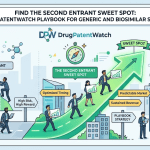
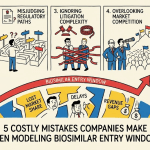
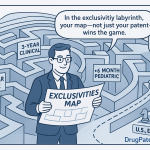
Every branded drug with a patent is also a clock. Somewhere in the FDA’s Orange Book, a set of expiration dates is counting down, and the first generic manufacturer to read those dates correctly — and act on them — can capture hundreds of millions in revenue within days of launch. The ones who read them wrong get sued into a multi-year delay or waste resources chasing exclusivities they can never break.
This guide is for people who need to move beyond surface-level patent searching: business development analysts at generic manufacturers, IP counsel advising on Paragraph IV filings, portfolio strategists at specialty pharma companies, and the investors who fund them. It covers how the Orange Book actually works, where it misleads, how to use it alongside tools like DrugPatentWatch, and how real companies have used this intelligence to time launches that changed their trajectories.
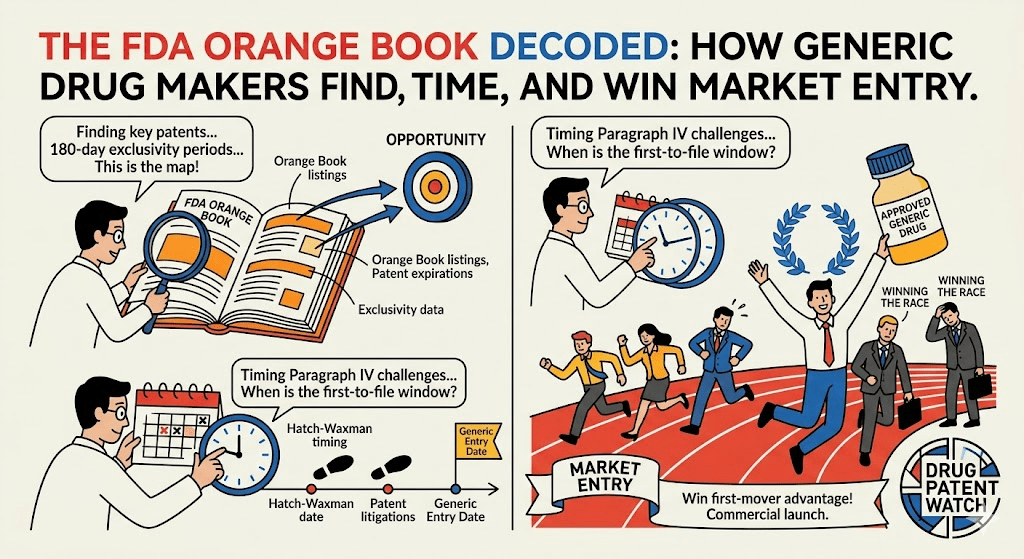
The FDA Orange Book — formally titled Approved Drug Products with Therapeutic Equivalence Evaluations — has been published since 1980. What started as a printed reference has evolved into a searchable online database that underpins billions of dollars in generic drug strategy each year. Understanding it at a granular level is not optional for anyone serious about generic drug entry. It is the foundation.
What the Orange Book Actually Is (and What It Is Not)
The Orange Book lists every drug product the FDA has approved under a New Drug Application (NDA) or Abbreviated New Drug Application (ANDA), along with associated patents and exclusivities. Drug sponsors — meaning the brand manufacturers — are legally required under the Hatch-Waxman Act to submit patent information to the FDA for listing within 30 days of approval or issuance. The FDA lists what it receives. It does not verify patent validity, scope, or relevance. That distinction matters enormously.
The database includes four categories of information for each listed product: the drug’s active ingredient, dosage form, and strength; the NDA holder and application number; any patents the NDA holder has submitted for listing; and any regulatory exclusivities that independently block generic approval. Patents and exclusivities are separate tracks, and confusing them is one of the most expensive mistakes a generic developer can make.
The Orange Book is organized by active ingredient, with separate entries for each strength and dosage form. A brand company selling a drug in 10 mg, 25 mg, and 50 mg tablets has three separate product listings, each potentially with different patent expiration dates. A single NDA can have patents expiring across a span of 15 years if the brand has layered formulation, method-of-use, and process patents over time.
The Two Listable Patent Types
The FDA accepts two categories of patents for Orange Book listing: drug substance (active ingredient) patents and drug product (formulation or composition) patents. Method-of-use patents are also listable, but only for approved indications — a company cannot list a patent covering a use that the FDA has not approved. Process patents, metabolite patents, and intermediate patents are not listable in the Orange Book, regardless of how commercially relevant they are.
This creates a recurring strategic gap. Brand companies frequently hold process patents that would be infringed by generic manufacture but that do not appear in the Orange Book at all. A generic developer who reads the Orange Book and sees only expired patents may assume the path is clear, then receive an infringement suit for a process patent that never appeared in the database. This is legal, and it happens regularly. The Orange Book is necessary but not sufficient due diligence.
The Three Exclusivity Codes
Exclusivities are FDA-granted market protections that operate independently of patents. The three types generic developers encounter most often are:
NCE (New Chemical Entity) exclusivity: Five years from the date of first NDA approval for a drug containing an active moiety never previously approved. During the last year of this period, generic applicants can file ANDAs with Paragraph IV certifications, but the FDA cannot approve an ANDA until the five-year period expires. This exclusivity is the hardest wall generic companies face.
3-year exclusivity: Granted for new clinical investigations essential to approval of a change to an existing product — a new dosage form, new indication, or new strength. It blocks approval (not filing) of applications for the same change. It does not protect the underlying active ingredient from generic competition.
ODE (Orphan Drug Exclusivity): Seven years of market exclusivity for drugs approved for rare diseases affecting fewer than 200,000 Americans. This exclusivity is particularly complex because it protects the approved indication, not the molecule, and can be circumvented by a generic that targets a different indication.
Pediatric exclusivity — an additional six months tacked onto any patent or exclusivity period — operates differently. It is earned by conducting FDA-requested pediatric studies. It is not listed as a standalone exclusivity in the Orange Book; instead, it extends whatever protection period already exists. Generic developers sometimes miss this and project an entry date that is six months too early.
How to Read an Orange Book Patent Listing Without Being Fooled
Pull up any major branded drug in the Orange Book and you will see a table of patent numbers, each with an expiration date. Most people read the latest expiration date and treat it as the entry date. This is wrong in three distinct ways.
First, Orange Book expiration dates are what the patent holder submitted. They may reflect the statutory 20-year term from filing, or they may include patent term extension (PTE) under 35 U.S.C. § 156, which compensates for time lost during FDA review. PTE can add up to five years to a patent’s life, but calculating the correct PTE requires knowing the regulatory review period and the patent’s term, not just reading the submitted date. Brand companies occasionally submit expiration dates that are optimistic, and the FDA does not audit these submissions.
Second, a patent may be listed in the Orange Book but already subject to an inter partes review (IPR) proceeding at the Patent Trial and Appeal Board (PTAB). If a patent is invalidated in IPR, it ceases to be a barrier to generic entry even if it is still listed in the Orange Book. The Orange Book does not reflect PTAB proceedings in real time. A patent with a listed expiration of 2031 might have been invalidated in 2023. Reading the Orange Book without cross-referencing PTAB records gives a materially false picture of the IP landscape.
Third, the Orange Book shows only listed patents. As noted above, process patents and other non-listable IP can block generic entry through litigation even though they appear nowhere in the database. Companies that have lost generic launch windows due to surprise process patent suits include some of the largest ANDAmakers in the industry.
The Paragraph IV Certification Mechanism
When a generic applicant files an ANDA for a drug with Orange Book-listed patents, it must make a certification for each patent. The four options are:
Paragraph I: No patent has been submitted.
Paragraph II: The patent has expired.
Paragraph III: The generic will not launch until the patent expires.
Paragraph IV: The patent is invalid, unenforceable, or will not be infringed by the generic product.
Paragraph IV is the engine of generic competition for still-patented drugs. When a generic files a Paragraph IV certification, it must notify both the NDA holder and the patent holder. If the brand sues within 45 days, the FDA cannot approve the ANDA for 30 months — a mandatory stay regardless of the merits of the lawsuit. This 30-month stay is not a penalty for the generic; it is the intended feature of the Hatch-Waxman design, giving brands time to litigate while giving generics a defined finish line.
If no suit is filed within 45 days, the FDA can approve the ANDA immediately (subject to other requirements). If the brand files suit and loses, the generic can launch immediately upon court order. If the case settles, the terms of settlement determine the entry date — and those settlements are subject to antitrust scrutiny, particularly when they involve the brand paying the generic to delay entry, a practice the Supreme Court addressed in FTC v. Actavis (2013) [1].
First-to-File Exclusivity: The 180-Day Incentive
The first generic applicant to file an ANDA with a Paragraph IV certification against a listed patent gets 180 days of generic exclusivity from the date of first commercial marketing or a court decision of invalidity/non-infringement, whichever comes first. During those 180 days, the FDA cannot approve any other ANDA for the same drug. This exclusivity is the financial prize that drives most Paragraph IV litigation strategy.
The 180-day window is worth calculating carefully. For a drug with $2 billion in annual brand sales, the generic typically launches at a 20-25% discount and captures 80-90% of the prescription volume within weeks [2]. A first-filer duopoly (brand plus one generic) can generate $300-400 million in generic revenue in 180 days. By the time a second generic enters and drives prices down by 80-90%, that window has closed.
The value of first-filer status explains why generic companies invest heavily in Orange Book surveillance and why IP departments at companies like Teva, Mylan (now Viatris), Sun Pharma, and Amneal are structured around identifying Paragraph IV opportunities years before patent expiration. The Orange Book is where that surveillance begins — and where most of the analytical errors also begin.
The Strategic Landscape: Why Timing Is a Competitive Weapon
The generic pharmaceutical industry runs on timing precision. Two companies can file identical ANDAs; the one that filed first captures 180-day exclusivity. A company that identifies a patent weakness two years before its competitors and prepares a Paragraph IV filing stands to gain a multi-year head start. A company that misreads an Orange Book listing and projects a 2026 entry date when the actual date is 2029 wastes capital and capacity.
Consider the economics. According to the Association for Accessible Medicines, generic drugs account for approximately 90% of U.S. prescriptions filled but only about 18% of total drug spending [3]. This ratio exists because of competitive pressure — once two or more generics enter a market, prices fall rapidly. The first 180 days before that competition arrives is when margins are highest. Generic companies that consistently capture first-filer status operate in a fundamentally different financial position than those that routinely launch into already-competitive markets.
“In categories where generic manufacturers had secured 180-day exclusivity, average gross margins were 45-65% during the exclusivity window, compared to 8-15% in fully genericized markets.” — IQVIA Institute for Human Data Science, The Use of Medicines in the U.S. 2023 [4]
This margin differential explains why large generic manufacturers allocate significant resources to patent analytics, maintain dedicated teams for Orange Book monitoring, and retain specialized IP litigation counsel well before any ANDA is filed. The analysis starts at the Orange Book but cannot end there.
Lifecycle Management: How Brands Try to Extend the Clock
Brand manufacturers are not passive participants in this system. They actively manage their Orange Book listings to maximize the barrier to generic entry, using several well-documented tactics.
Product hopping — switching the promoted formulation from, say, an immediate-release tablet to an extended-release version just before the IR patent expires — resets the clock on at least some of the patent protection while also giving the brand an opportunity to migrate patients to the new formulation. By the time a generic for the ER version is approved, the IR market has shrunk substantially through prescription switching. AstraZeneca executed a version of this strategy with Nexium (esomeprazole) after Prilosec (omeprazole) lost exclusivity, creating a successor product that generated significant revenue even as the predecessor faced generic competition [5].
Patent thickets — filing multiple overlapping patents covering different aspects of a drug product — make it expensive for generic challengers to certify against all of them simultaneously. A brand drug might have a substance patent, a polymorph patent, a formulation patent, a method-of-use patent for each approved indication, and a dosing regimen patent, all with staggered expirations. The generic must either certify against all of them (incurring litigation risk for each) or wait for all of them to expire. Humira (adalimumab) is frequently cited as an example of this approach, with AbbVie having listed more than 130 patents related to the drug [6].
Citizen petitions are another delay mechanism. Brands can file petitions with the FDA requesting that it require additional data or studies from ANDA applicants, ostensibly for safety or efficacy reasons. The FDA must respond before approving affected ANDAs. Studies of citizen petition timing have found that a substantial proportion are filed close to anticipated generic approval dates, suggesting strategic rather than purely scientific motivation [7]. The FDA’s Center for Drug Evaluation and Research (CDER) has become increasingly skeptical of late-filed citizen petitions, but they remain a tool brands use to buy time.
Using DrugPatentWatch to Go Beyond the Orange Book
The Orange Book gives you the raw data. Converting that data into actionable intelligence requires additional analysis, and this is where purpose-built databases become important.
DrugPatentWatch is a pharmaceutical patent intelligence platform that aggregates Orange Book data, patent filings, ANDA filing histories, litigation records, and PTAB proceedings into a structured format designed for competitive analysis. Where the Orange Book shows you a patent number and an expiration date, DrugPatentWatch shows you the patent’s claims, prosecution history, litigation status, any inter partes review challenges, and which ANDA applicants have filed against it. This is the difference between knowing a patent exists and understanding whether it is actually a barrier.
For a business development analyst evaluating whether to pursue a generic of Drug X, DrugPatentWatch can answer questions the Orange Book cannot: Has anyone already filed a Paragraph IV certification? If so, how many others, and are any of them first-filers? Has the key patent been challenged in court, and what was the outcome? Is there an IPR petition pending that might invalidate it? Are the Orange Book expiration dates consistent with the patent’s actual prosecution history?
These questions determine whether a potential generic entry opportunity is genuinely open, already crowded, or legally contested. Filing an ANDA for a drug where 12 other generic companies have already filed and the first-filer exclusivity is locked up produces a launch into an extremely competitive market within months of approval. Filing for a drug where no ANDA has been submitted and the primary patent is subject to a pending IPR with strong prior art may produce a first-filer position and a less contested launch.
Patent Expiration Surveillance: Building a Pipeline
Large generic companies run Orange Book surveillance programs that track upcoming patent expirations across their entire target universe. The standard practice is to flag drugs whose last Orange Book-listed patent will expire within a 3-5 year window and assess each for technical feasibility, market size, competitive dynamics, and IP risk. DrugPatentWatch is commonly used for this systematic monitoring because it provides alerts and structured data feeds that can be integrated into internal pipeline tracking systems.
The surveillance needs to account for the difference between a patent expiring and a drug actually going generic. A drug with a 2027 patent expiration and a 3-year NCE exclusivity running until 2026 is not a 2027 opportunity — it is a 2026 opportunity if the NCE runs first, or earlier if a generic files a Paragraph IV during the last year of the NCE and wins. A drug with a 2025 patent expiration but with a pediatric exclusivity extending it six months to mid-2025 is a mid-2025 opportunity. Getting these dates right at the surveillance stage prevents wasted feasibility work and keeps the pipeline realistic.
Reading Competitive Intelligence from ANDA Filings
The FDA publishes ANDA approval letters and tentative approvals. ANDA receipts — the acknowledgment that an ANDA has been filed — are not individually announced, but Paragraph IV certifications trigger patent notifications that eventually become public through litigation. When a generic company sues or is sued in a Hatch-Waxman case, the litigation record becomes public and tells the industry who has filed against what patent.
This creates a feedback loop: a Paragraph IV suit filed by Company A signals to Company B, C, and D that Company A sees an opportunity, and they may file their own ANDAs. This is why some drugs attract 20 or more ANDA filers after the first Paragraph IV certification becomes known. It is also why some sophisticated generic companies file ANDAs quietly — choosing Paragraph III certifications that avoid mandatory notification, waiting for a competitor’s Paragraph IV to clear the legal path, and then launching at or after patent expiration without taking on litigation risk. This “free rider” strategy sacrifices the 180-day exclusivity but avoids the litigation cost, which in complex cases can reach $20-30 million per patent.
Patent Term Extensions: How to Calculate the Real Expiration Date
Patent term extensions (PTEs) under 35 U.S.C. § 156 add up to five years to a patent’s life to compensate for time consumed by FDA regulatory review. The calculation is:
PTE = 0.5 × (IND period) + 1 × (NDA review period), subject to a cap of five years and a maximum remaining patent term of 14 years post-approval.
This sounds straightforward. In practice, the USPTO’s calculation of PTEs involves detailed review of the regulatory history, and corrections to already-granted PTEs are not uncommon. Brand companies have an incentive to seek the maximum extension; the USPTO reviews the calculation; and generic companies can challenge PTEs they believe were improperly granted. A patent listed in the Orange Book with an expiration date of 2030 might have a PTE that was granted on a miscalculation, with the correct expiration being 2028. That two-year difference is worth hundreds of millions of dollars in revenue for generic manufacturers who identify it.
PTE challenges are litigated. In Photocure ASA v. Kappos (2010), the Federal Circuit addressed what counts as the “product” for PTE purposes when a drug undergoes chemical modification post-patent [8]. In Yeda Research and Development Co. v. Shire, the courts examined whether the active ingredient in the approved product was the same as that claimed in the patent for PTE eligibility [9]. Generic companies with strong IP counsel routinely audit brand PTEs as part of their Orange Book analysis.
Submarine Patents and Late Listings
The Hatch-Waxman Act requires NDA holders to submit newly issued patents for Orange Book listing within 30 days. A patent that issues close to a drug’s approval — or years after it, if it covers the product — must be listed. Late listings are legal. A drug approved in 2015 might receive a new listing in 2022 for a patent that issued that year covering a new method of use or formulation variant.
When a patent is listed after an ANDA is already filed, the ANDA applicant must amend its application to include a certification for the new patent within 60 days. If it certifies Paragraph IV, the 45-day notification window restarts for that patent, and a new 30-month stay can be triggered. Brand companies have used this mechanism strategically — filing continuation applications to keep patent families alive, then timing the issuance of new claims to coincide with anticipated ANDA filings. The practice is legal but generates significant antitrust scrutiny when the patents are weak.
The Federal Trade Commission has studied this practice extensively. Its 2002 report on generic drug entry identified improper Orange Book listing and multiple 30-month stays as significant barriers to competition [10]. Congress responded with the Medicare Prescription Drug, Improvement, and Modernization Act of 2003 (MMA), which limited brand companies to a single 30-month stay per ANDA, regardless of how many patents are listed after the filing date.
Case Studies: How Orange Book Analysis Drives Generic Drug Strategy
Lipitor (Atorvastatin): The Largest Generic Launch in History
Atorvastatin calcium, sold as Lipitor by Pfizer, was the world’s best-selling drug for years. In 2011, its primary composition of matter patent (U.S. Patent No. 4,681,893) expired, and Ranbaxy Laboratories launched the first generic — capturing 180-day exclusivity it had secured by being the first to file a Paragraph IV certification challenging the patent [11].
The Orange Book analysis for atorvastatin was complex. Pfizer had listed multiple patents covering not just the active ingredient but also calcium salt form, the specific crystalline polymorph used in commercial tablets, and the manufacturing process. Ranbaxy’s Paragraph IV certification challenged the primary composition patent, triggering litigation that lasted years. The settlement between Ranbaxy and Pfizer allowed Ranbaxy to launch a generic six months before the primary patent expired — a negotiated entry date rather than a litigated one.
The 180-day exclusivity window for atorvastatin, given the drug’s $7-9 billion in U.S. annual sales at the time, was worth billions. Other generic companies, which had also filed ANDAs, could not receive approval until Ranbaxy’s exclusivity expired. The eventual genericization of Lipitor saved the U.S. healthcare system an estimated $4 billion in the first year alone [12].
For generic developers studying this case, the lesson is about the interaction between settlement timing and exclusivity. Ranbaxy’s early filing, its willingness to litigate a major composition patent against one of the world’s largest pharmaceutical companies, and its eventual negotiated entry date all depended on a precise understanding of what the Orange Book contained and what the litigation risk on each patent actually was.
Plavix (Clopidogrel): The Failed First-Filer and the Apotex Entry
The Plavix (clopidogrel bisulfate) story is a cautionary tale about what happens when a first-filer exclusivity fight goes wrong. Apotex had filed a Paragraph IV certification challenging Sanofi-Aventis and Bristol-Myers Squibb’s patents on clopidogrel. In 2006, BMS and Sanofi entered a proposed settlement with Apotex that the FTC rejected as anticompetitive. With no settlement, Apotex launched its generic “at risk” — before the litigation was resolved — in August 2006 [13].
BMS and Sanofi won the underlying patent infringement case, meaning Apotex had launched without ultimately having a right to do so. Apotex was ordered to pay damages. But the risk launch created a period during which generic clopidogrel was available, destroying the brand’s pricing power in that window. The case illustrates that first-filer analysis cannot stop at identifying the opportunity; it requires realistic litigation probability assessment for each Orange Book-listed patent.
Orange Book analysis for Plavix would have shown multiple listed patents with varying expiration dates and claim scopes. The primary patent covering the active hydrogen sulfate salt form was the one that ultimately held. A generic company that had done thorough analysis of the patent’s prosecution history, the prior art landscape, and the FTC’s likely reaction to a settlement agreement would have had better input for the risk/reward calculation on an at-risk launch.
Humira (Adalimumab): The Patent Thicket in Biologics
Adalimumab (Humira) is a biologic, not a small molecule, so its market exclusivity structure differs. Biosimilars are regulated under the Biologics Price Competition and Innovation Act (BPCIA) rather than Hatch-Waxman, and the relevant database is the Purple Book, not the Orange Book. But the patent strategy is directly relevant to understanding how brand companies use IP to delay competition in any category.
AbbVie built a patent portfolio on Humira that has been described as among the most extensive in pharmaceutical history. The company listed more than 130 patents covering the antibody formulation, manufacturing processes, concentration, citrate-free formulation, and methods of treatment for specific conditions [6]. The first biosimilar approvals in the United States came in 2016-2017, but AbbVie negotiated patent licenses with biosimilar developers that delayed U.S. market entry until January 2023 — years after biosimilars launched in Europe [14].
The Orange Book/Purple Book analysis lesson here is about patent density as a negotiating tool. AbbVie did not need every one of its 130+ patents to hold up in litigation. It needed enough of them to make the cost and risk of litigation prohibitive for biosimilar developers, who could then be persuaded to accept settlement licenses with delayed entry dates. The same dynamic plays out at smaller scale in the small molecule space whenever a brand files a dense patent thicket around a blockbuster drug.
Nexium (Esomeprazole): Product Hopping and the Generic Pursuit
AstraZeneca’s transition from Prilosec (omeprazole) to Nexium (esomeprazole) is the most-cited example of product hopping in the pharmaceutical industry. When omeprazole’s patents expired in the early 2000s, AstraZeneca had already established Nexium — the S-enantiomer of omeprazole — as the promoted successor, with significant new Orange Book listings for the esomeprazole composition [5].
Generic companies analyzing the Orange Book would have seen that esomeprazole had separate composition patents that were not simply expiring because omeprazole had gone generic. The clinical and regulatory distinction between the two was thin — many payers considered them therapeutically equivalent — but the IP landscape was entirely separate. Generic esomeprazole did not enter the U.S. market until 2015, more than a decade after omeprazole generics were available [15].
For generic developers, the lesson is about the separation between perceived and actual IP barriers. A drug that looks like a minor variation on an existing molecule may have an entirely new Orange Book listing with new patents. The analysis cannot assume that generic entry for Compound A implies generic entry for Compound A’s close relatives.
The Regulatory Exclusivity Layer: What Patents Don’t Cover
New Chemical Entity Exclusivity in Practice
NCE exclusivity is the most commercially significant regulatory barrier generic developers face. Five years of protection for a new molecular entity means that no ANDA can be approved — and in the first four years, none can even be filed — regardless of the patent situation. A drug with weak or no Orange Book-listed patents is still protected for five years if it contains a new active moiety.
The critical issue for generic developers is understanding what qualifies as a “previously approved active moiety.” The FDA’s interpretation has evolved through guidance and case law. Esters, ethers, and salt forms of a previously approved active moiety are generally not considered new active moieties, meaning a new salt form of an old drug does not typically get NCE protection. However, prodrugs, polymorphs, and isomers have been subject to different interpretations depending on their clinical profiles and regulatory history.
Mylan’s challenge to Teva’s NCE exclusivity for Copaxone (glatiramer acetate) illustrates how these interpretations play out. Copaxone is a complex mixture of polypeptides, and the question of whether its Orange Book listings and regulatory protections applied to the specific mixture or to the class of such mixtures was litigated for years [16]. Generic developers analyzing NCE exclusivity for complex drugs need to understand the FDA’s specific interpretation of what constitutes the active moiety for that product category.
Three-Year Exclusivity and the Scope Problem
Three-year exclusivity protections are narrower than they appear. The exclusivity blocks ANDA approval for the specific change for which the NDA holder conducted new clinical investigations — it does not extend to the entire drug. A brand that earns 3-year exclusivity for a new pediatric indication cannot use that exclusivity to block generics from targeting the adult indication.
This creates opportunities for careful ANDA drafting. A generic applicant targeting only the approved indications that are not covered by 3-year exclusivity can potentially receive approval even while a 3-year exclusivity is running on an adjacent indication. The carve-out label — an ANDA label that omits the protected indication while retaining the previously unprotected ones — is the legal mechanism for doing this.
Carve-out labels are commercially imperfect because pharmacists may substitute the generic for the brand’s new protected indication, putting the generic technically in a position of promoting an off-label use. The legal risk of such substitution is debated, but many generic companies accept it because the commercial benefit of earlier entry outweighs the regulatory concern. The FDA has permitted skinny labels — the informal name for carve-out labels — as a legal mechanism for early generic entry, and courts have generally upheld the practice [17].
Orphan Drug Exclusivity: The Seven-Year Wall and Its Exceptions
Seven years of orphan drug exclusivity sounds like an impenetrable wall. In practice, it has two significant exceptions. First, a second manufacturer can obtain approval for the same drug in the same indication if the FDA determines the original orphan drug is unavailable or if the new manufacturer can demonstrate clinical superiority. Second, a manufacturer can obtain approval for the same drug in a different indication — orphan or not — without being blocked by the existing orphan exclusivity.
Generic developers targeting drugs with orphan exclusivity typically cannot use a Paragraph IV strategy during the exclusivity period. But they can position their ANDA for filing close to the expiration date, have it ready for rapid approval, and time a launch that captures the first-mover advantage in what is usually a smaller but high-value specialty market. Drugs with orphan exclusivity often have list prices in the hundreds of thousands of dollars per year, making even modest generic discounts commercially significant.
Building an Orange Book-Based Generic Pipeline: The Analytical Framework
A structured approach to Orange Book-based opportunity identification has five phases: screening, IP deep-dive, regulatory assessment, commercial sizing, and technical feasibility. These phases are not sequential in practice — IP and regulatory analysis often proceed in parallel — but the logic is hierarchical. A drug that fails the commercial sizing test does not need IP deep-dive investment.
Phase 1: Systematic Screening
Start with the Orange Book’s patent expiration data filtered to a 3-5 year window. For each drug in that window, pull basic commercial data: current brand revenue (available from IQVIA, Symphony Health, or similar sources), number of existing ANDA filers, and whether any Paragraph IV certifications have been filed.
DrugPatentWatch is useful here because it aggregates Orange Book data with ANDA filing information and litigation status into a single interface, reducing the time needed to cross-reference multiple sources. A drug with $500 million in annual brand sales, no ANDA filers, and patents expiring in three years is a top-tier opportunity. A drug with $50 million in brand sales and 15 existing ANDA applicants is not worth further investigation regardless of how clean the IP landscape looks.
The screening phase should produce a ranked list of candidates — not a binary accept/reject — because the full picture only emerges in later phases. A drug that screens well may have a formulation challenge that makes it technically difficult. A drug that screens poorly on brand sales may have a high-margin specialty positioning that makes the generic economics attractive at smaller volume.
Phase 2: IP Deep-Dive
For candidates that pass initial screening, conduct a thorough analysis of each Orange Book-listed patent. This includes reading the claims (not just the abstract), reviewing the prosecution history for claim scope arguments the brand made to the USPTO (which can limit the claims’ breadth through prosecution history estoppel), checking for any IPR petitions filed against the patent, and reviewing any prior litigation outcomes.
This analysis should also extend beyond the Orange Book. Search the USPTO database for non-listable patents covering the drug’s manufacture, formulation intermediates, and active metabolites. Even if these cannot generate a 30-month stay, they can be asserted in district court infringement suits that create commercial risk for a generic launch.
If the IP deep-dive identifies patents with credible invalidity or non-infringement positions, assess whether a Paragraph IV certification is viable and what the litigation cost and probability profile looks like. If all listed patents are robust and non-listable IP is also strong, the drug may only be an opportunity as a Paragraph III or authorized generic play.
Phase 3: Regulatory Assessment
Check regulatory exclusivity status. NCE exclusivity, orphan drug exclusivity, and 3-year exclusivities can all block approval independently of patents. Determine whether carve-out label strategies are available for 3-year exclusivities. Check whether the reference listed drug is still actively marketed — if it has been withdrawn for other than safety or efficacy reasons, ANDA filing may be blocked or complicated.
Also assess the regulatory approval pathway. Is the reference listed drug a straightforward oral solid dosage form (easiest ANDA path) or a complex formulation — modified-release, transdermal, inhaled, injectable — that will require demonstration of complex product bioequivalence? Complex drug products typically require additional bioequivalence studies that add 1-2 years to development timelines and $3-10 million to development costs. The FDA’s Complex Drug Substances and Drug Products guidance, issued in updated form in recent years, defines what additional studies are required for different product categories [18].
Phase 4: Commercial Sizing
Model the revenue opportunity under three scenarios: first-filer exclusivity window, market entry after 180-day exclusivity with multiple competitors, and authorized generic competition alongside branded product. The first scenario typically generates the most revenue per unit time but carries the highest litigation risk. The third scenario generates the least but with the lowest risk.
Factor in rebate pressure. In categories where pharmacy benefit managers and managed care organizations drive formulary placement, generic manufacturers may need to offer rebates to win preferred status. These rebates can materially reduce net revenue per unit, particularly in first-to-market situations where the generic price is still close to brand level before competition drives it down.
Also model the risk of an at-risk launch. If the IP position is good but not certain, a company may choose to launch before final judgment. The potential damages in an at-risk launch are the brand’s lost profits plus a reasonable royalty, which in a case like the Plavix situation can be enormous. The decision to launch at risk requires a clear-eyed assessment of the litigation probability and the damages exposure, not just the commercial upside.
Phase 5: Technical Feasibility
The best IP opportunity in the world is not actionable if the product cannot be formulated to meet bioequivalence standards. Complex formulations, including extended-release products, liposomal formulations, nasal sprays, and inhalation products, have historically had high failure rates in bioequivalence testing. The FDA’s bioequivalence guidance for specific products, available in product-specific guidances on the FDA website, defines the required test and study design for each drug.
Engage formulation scientists early in the evaluation process, not after the commercial and IP analysis is complete. A promising Orange Book opportunity that requires five years of formulation development work to achieve bioequivalence is not a three-year opportunity — it is a five-year opportunity, and the competitive landscape in year five may look entirely different from what the initial screening suggested.
The Role of Inter Partes Review in Generic Strategy
The America Invents Act (2011) created inter partes review at the PTAB, which allows any party to challenge the validity of a patent based on prior art (patents or printed publications). IPR has become a significant tool for generic companies because it offers a faster and cheaper path to patent invalidation than district court litigation: IPR proceedings typically resolve within 12-18 months and cost $300,000-$1 million per petition, compared to district court patent litigation that can cost $5-30 million and take 3-5 years [19].
Generic companies now routinely file IPR petitions against Orange Book-listed patents simultaneously with or shortly after filing ANDAs with Paragraph IV certifications. The IPR petition puts additional pressure on brand companies during settlement negotiations: if the brand litigates both in district court and before the PTAB, it faces two fronts. If the PTAB issues a final written decision invalidating a patent, that decision can be used in the district court litigation and collapses the brand’s patent case.
The institution rate for IPR petitions in pharmaceutical patent cases varies by technology area but has historically been around 60-70% for petitions that are filed [20]. Of petitions that are instituted and proceed to final written decision, the invalidation rate for challenged claims has been above 60%. These are not certainties, but they represent a materially better probability of invalidation than district court litigation has historically provided for generic challengers.
DrugPatentWatch tracks IPR petitions filed against Orange Book-listed patents, which is important context for any company evaluating a Paragraph IV opportunity. A patent that has already been challenged in IPR and survived is a stronger barrier than one that has never been tested. A patent currently under IPR challenge may be invalidated before the ANDA litigation resolves, potentially opening the path to earlier entry.
Coalition IPR Filing: The Coalition for Affordable Drugs Model
Kyle Bass’s Coalition for Affordable Drugs filed a series of high-profile IPR petitions against pharmaceutical patents in 2015-2016, not as part of ANDA litigation but as a standalone challenge by a hedge fund with a short position in the target company’s stock. The strategy generated controversy — the FTC and PTO studied whether petitions filed with a financial interest in the target company’s stock price should be permitted — but it also demonstrated that IPR is accessible to parties beyond direct competitors [21].
For generic companies, the model is less controversial. Filing IPR petitions as part of a coordinated Paragraph IV strategy, or even filing them preemptively before an ANDA to clear the IP path, is standard practice at sophisticated generic manufacturers. The key is coordinating the IPR timeline with the ANDA prosecution to ensure that a favorable PTAB decision can be translated into earlier approval and launch, rather than simply establishing invalidity after the commercial window has closed.
Authorized Generics: The Brand’s Counterattack on First-Filer Exclusivity
When a first-filer generic launches under 180-day exclusivity, the brand can respond by launching its own generic — an authorized generic (AG) — simultaneously. An AG is simply the brand drug repackaged and sold at a lower price by the brand itself or through a licensing agreement with a third party. Because the AG is sold under the brand’s NDA rather than a separate ANDA, it is not subject to the 180-day exclusivity restriction that blocks other generic applicants.
The commercial impact of an AG is severe for the first filer. Instead of a duopoly — brand plus one generic — the market becomes a three-way competition: brand at full price, AG at generic price, and the first-filer generic at generic price. Price competition between the AG and the first-filer generic drives prices down faster, reducing the revenue per unit that the first filer generates during its exclusivity window. Studies have found that AG competition reduces first-filer revenue by 50-70% compared to a duopoly scenario [22].
Brands use the AG threat both as an actual launch strategy and as a bargaining chip in settlement negotiations. A brand that tells a first-filer generic “settle for a later entry date or we’ll launch an AG on day one of your exclusivity” has real leverage, because the economics of the first-filer position are substantially degraded by AG competition.
Generic companies have pushed back through legislative advocacy — the Fair Access for Safe and Timely (FAST) Generics Act has been proposed in Congress to restrict AG competition during 180-day exclusivity windows — but as of mid-2025, no such restriction has been enacted [23]. For generic developers evaluating Paragraph IV opportunities, the probability and commercial impact of AG competition should be modeled explicitly, not assumed away.
Specialty and Complex Generics: The Next Frontier for Orange Book Analysis
The economics of traditional oral solid dosage form generics have been under severe pressure for a decade. Intense competition, price erosion, supply chain challenges, and limited pipeline of truly blockbuster oral drugs with near-term patent expirations have pushed generic companies to look at more complex product categories: inhalation products, injectables, topicals, nasal sprays, and complex drug-device combinations.
These complex generics are harder to develop, require different bioequivalence strategies, and have longer development timelines, but they also face less competition at launch. A market with two or three generic competitors rather than twenty generates meaningfully better margins over a longer period. The FDA’s complex generics initiative, launched formally around 2017, has produced product-specific bioequivalence guidance for dozens of complex drug products, making the regulatory path clearer even as the science remains challenging [24].
Orange Book analysis for complex generics requires the same framework as for oral solids, plus additional assessment of the device component. An inhaler drug may have patents listed in the Orange Book covering the drug formulation, but the inhaler device itself may be protected by design patents, utility patents, and trade dress that are not Orange Book listable. A generic company developing a generic inhaler needs to analyze the device IP independently of the Orange Book-listed drug IP.
Albuterol Inhalers: The Complexity of Device IP
The albuterol sulfate inhalation aerosol market illustrates this dynamic. After the FDA required reformulation of metered-dose inhalers from CFC to HFA propellants in the 2000s, the new HFA formulations received fresh Orange Book listings with new patents. GlaxoSmithKline’s Ventolin HFA, 3M’s ProAir HFA, and others held patents covering not just the drug formulation but the specific valve and actuator designs used with the HFA propellant. Generic developers had to navigate both Orange Book-listed drug patents and non-listed device patents simultaneously [25].
Perrigo’s generic ProAir (albuterol sulfate) development involved years of bioequivalence testing challenges and device development. The company had to demonstrate that its device delivered the drug in a therapeutically equivalent manner to the reference product, which required extensive in-vitro and in-vivo testing beyond what typical oral generic bioequivalence requires. The FDA’s product-specific guidance for albuterol HFA inhalers, updated multiple times, defined the increasingly detailed requirements for demonstrating equivalence [26].
The commercial payoff for navigating this complexity was significant: the albuterol inhaler market generates billions in annual revenue, and competitors are far fewer than in a typical oral generic category. Complex generics justify their higher development cost when they face limited competition at launch.
International Patent Landscapes: How the U.S. Orange Book Fits the Global Picture
Generic drug entry opportunities are not limited to the U.S. market, and the Orange Book is not the only relevant patent database. But the U.S. market — with its combination of high drug prices, defined legal mechanisms for generic entry, and transparent patent and exclusivity information — is the dominant focus of most global generic companies.
For companies with global development programs, understanding how U.S. Orange Book-listed patents relate to international counterparts is important. A U.S. patent covering an atorvastatin formulation may have counterparts in Europe and Japan covering the same subject matter. If the European equivalent has already been challenged and invalidated, the prosecution history of that invalidity argument may be useful in challenging the U.S. patent — and vice versa. International patent filings are tracked in databases like Derwent Innovation and Orbit Intelligence, which can be cross-referenced against Orange Book listings for global IP landscape analysis.
The European medicines patent landscape differs from the U.S. in important ways. The European Patent Office does not have an equivalent to the Orange Book; patent linkage (the formal connection between patent status and regulatory approval) is not mandated across EU member states. However, the Supplementary Protection Certificate (SPC) system provides roughly equivalent extended protection for pharmaceutical products in the EU, adding up to five years to patent life to compensate for regulatory review time. Understanding SPC expiry dates for European counterparts of Orange Book-listed patents gives a more complete picture of the global competitive timeline.
Pay-for-Delay Settlements: The Antitrust Dimension
Settlements of Hatch-Waxman litigation that involve the brand paying the generic to accept a delayed entry date — so-called reverse payment or pay-for-delay settlements — have been the subject of sustained antitrust enforcement. The FTC has challenged dozens of such settlements since the late 1990s, arguing that they harm consumers by delaying generic competition beyond what patent law would otherwise require.
The Supreme Court’s 2013 decision in FTC v. Actavis held that reverse payment settlements are subject to antitrust scrutiny under the rule of reason, rejecting both the FTC’s argument that they are presumptively illegal and the pharmaceutical industry’s argument that they are immune from antitrust challenge because they fall within the scope of the patent [1]. The decision left open many questions about what constitutes a “large and unjustified” reverse payment, and litigation over specific settlements has continued.
For generic companies, the Actavis framework creates risk in any settlement where the brand makes a substantial payment — in cash or in some other form of value, such as an AG license, a service agreement, or a co-promotion arrangement. The FTC actively monitors Hatch-Waxman settlement filings, which companies are required to submit under the MMA. Settlements that the FTC believes are anticompetitive may be challenged, and several major challenges have resulted in significant judgments against both brand and generic companies.
Savvy generic companies model the antitrust risk of proposed settlements as part of their litigation strategy. An AG license that is embedded in a settlement agreement may be structured to minimize the value transfer in a way that reduces antitrust exposure, or it may be avoided entirely in favor of a clean entry date settlement. The IP, commercial, and antitrust analyses are inseparable in complex Hatch-Waxman settlement negotiations.
The Evolving FDA and Patent Landscape: What Is Changing
FDA’s Drug Competition Action Plan
The FDA launched its Drug Competition Action Plan in 2017 under Commissioner Scott Gottlieb, with the explicit goal of removing barriers to generic drug entry. The plan included measures to improve the efficiency of ANDA review, address citizen petitions more rapidly, develop guidance for complex generics, and address situations where brand companies were refusing to provide samples to generic developers for bioequivalence testing — a practice that effectively blocked ANDA filing for drugs with Risk Evaluation and Mitigation Strategies (REMS) programs [27].
The CREATES Act, enacted in 2019, addressed the REMS sample access problem by creating a private right of action for ANDA applicants that are denied access to drug samples needed for bioequivalence testing [28]. For generic developers analyzing Orange Book opportunities involving REMS drugs, the CREATES Act framework has reduced — though not eliminated — the risk that brand companies can delay entry by withholding samples.
Artificial Intelligence in Patent Analytics
AI tools are increasingly applied to pharmaceutical patent analytics, including Orange Book analysis. Platforms that use natural language processing to analyze patent claims, identify prior art, and predict litigation outcomes are being adopted by generic companies and their counsel. The practical impact is faster, more comprehensive IP landscaping — an analysis that previously required weeks of attorney review can now be completed in days with AI assistance, with attorney review focused on validating and acting on the AI’s output rather than generating it from scratch.
DrugPatentWatch and similar platforms are integrating AI features to help analysts parse large volumes of patent data, identify claim relationships across patent families, and flag potential invalidation arguments based on prior art. As these tools mature, the information asymmetry that previously favored well-resourced generic companies — those with large in-house IP teams — over smaller challengers may narrow. A smaller company with access to good patent analytics tools and a focused development program can compete more effectively in Orange Book-based opportunity identification than was possible a decade ago.
Patent Reform Debates and Their Pharmaceutical Impact
Congressional proposals to modify the Hatch-Waxman framework have circulated regularly without producing major legislation. The Patent Eligibility Restoration Act, various proposals to limit Orange Book listings to primary patents, and reforms to the 180-day exclusivity framework have all been discussed. As of mid-2025, the Orange Book and Hatch-Waxman framework remain substantially as structured by the 2003 MMA amendments, but the legislative environment should be monitored by anyone building a long-term generic pipeline strategy.
The FTC has taken an increasingly active role in scrutinizing Orange Book listings, issuing warning letters in 2023 to brand companies it believed had improperly listed device patents for combination products in the Orange Book [29]. The FTC’s position is that patents covering drug delivery devices (rather than the drug itself) are not properly listable, and improper listings generate improper 30-month stays that delay generic competition. This regulatory pressure from the FTC adds another dimension to the legal risk of relying on specific Orange Book listings as definitive barriers.
Practical Tools and Resources for Orange Book Analysis
The FDA’s Orange Book is freely available at orangebook.fda.gov and is updated daily. The searchable interface allows queries by active ingredient, trade name, applicant, or application number. Patent expiration dates, exclusivity codes, and therapeutic equivalence ratings are all accessible through the standard interface. The FDA also provides a full database download in text format for those who want to integrate Orange Book data into internal systems.
Beyond the Orange Book itself, the primary resources for pharmaceutical patent analysis include:
DrugPatentWatch: Comprehensive database integrating Orange Book data, ANDA filing information, patent prosecution history, litigation records, and exclusivity analysis. Used by generic manufacturers, brand companies, payers, and investors for patent expiration tracking and competitive intelligence.
USPTO Patent Center: Full-text patent search and prosecution history access, essential for claim scope analysis and prior art searching.
PTAB E2E System: Inter partes review filing and tracking, necessary for understanding which Orange Book-listed patents are under IPR challenge.
PACER (Public Access to Court Electronic Records): Federal court filings including all Hatch-Waxman litigation, required for understanding the current status of ongoing Paragraph IV cases.
FDA Paragraph IV Drug Product List: Published by the FDA, this list identifies all products for which Paragraph IV certifications have been submitted and published in the Federal Register.
Sophisticated generic companies combine data from all of these sources with commercial data from IQVIA, Symphony Health, or MMIT (Managed Markets Insight & Technology) to build comprehensive opportunity assessments. The analytic framework described in this article — screening, IP deep-dive, regulatory assessment, commercial sizing, technical feasibility — applies regardless of which specific tools are used, but the quality of the analysis depends heavily on the breadth and accuracy of the data inputs.
Common Mistakes in Orange Book Analysis and How to Avoid Them
Despite the availability of good tools and well-established frameworks, specific mistakes recur in Orange Book-based generic drug strategy. Recognizing them is faster than learning them the hard way.
Treating the listed expiration date as the entry date. The listed date may include a PTE that has been incorrectly calculated, may not reflect pediatric exclusivity, and may be superseded by NCE or orphan exclusivity. Always separately verify the patent term, any applicable PTE, and all exclusivity periods, and take the latest of them as the actual entry date (unless a carve-out strategy is available for specific exclusivities).
Ignoring non-listable patents. An Orange Book that shows only expired patents does not mean the path is clear. Always conduct a full freedom-to-operate analysis including process patents, metabolite patents, and other non-listable IP before concluding that entry is free.
Assuming the first-filer position is uncontested. Paragraph IV notification triggers 45-day suits from brand companies but also signals to the market that someone sees an opportunity. Once litigation becomes public, other companies may accelerate their own ANDA filings. What looks like a clear first-filer position based on today’s information may be complicated by filings made before litigation is resolved.
Underestimating AG probability. In any significant Paragraph IV case, model the AG scenario explicitly. For drugs with annual brand revenues above $500 million, assume the brand will launch an AG on day one of the exclusivity period unless there are specific reasons (contractual, regulatory, or commercial) it would not. The AG scenario typically cuts first-filer revenue in half.
Failing to track PTAB proceedings in real time. IPR petitions are filed continuously, and the status of a patent under IPR challenge changes as institution decisions, oral arguments, and final written decisions are issued. An IP landscape analysis done six months ago may be materially different from today’s landscape if an IPR has been instituted or resolved in the interim. Use automated alerts — DrugPatentWatch and PTAB’s email notification system both offer them — to stay current.
Key Takeaways
The FDA Orange Book is the starting point for generic drug entry analysis, not the finish line. It provides patent listings and exclusivity data but does not validate patent quality, reflect non-listable IP, or track IPR proceedings in real time.
Patents and exclusivities are independent tracks. NCE exclusivity, orphan drug exclusivity, and 3-year exclusivity can each independently block generic approval regardless of patent status. Always analyze both tracks separately and take the later of the two as the realistic entry date.
Paragraph IV first-filer exclusivity — 180 days during which no other generic can receive approval — is the primary commercial prize that drives most Orange Book-based strategy. Its value depends on whether the brand launches an authorized generic during the exclusivity window.
Inter partes review at the PTAB has materially changed the litigation landscape. IPR offers a faster and cheaper path to patent invalidation than district court litigation and is now a standard component of aggressive generic entry strategies.
Pay-for-delay settlements are subject to antitrust scrutiny under the FTC v. Actavis framework. Any settlement involving a large value transfer from brand to generic must be analyzed for antitrust risk, not just commercial terms.
Complex generics — inhalation products, injectables, transdermals, topicals — offer better competitive dynamics at launch than traditional oral solid dosage forms, at the cost of higher development complexity and longer timelines. Orange Book analysis for these products must be combined with device IP analysis for drug-device combinations.
Tools like DrugPatentWatch materially improve the quality of Orange Book-based competitive intelligence by integrating ANDA filing data, litigation status, and PTAB proceedings into a unified platform that the Orange Book itself does not provide.
The FTC’s increased scrutiny of Orange Book listings, particularly for device patents in combination products, adds regulatory risk to strategies that depend on specific Orange Book-listed patents as definitive barriers.
Frequently Asked Questions
Q1: Can a generic company file an ANDA before all Orange Book-listed patents expire, even without a Paragraph IV certification?
Yes, through a Paragraph III certification, which states that the generic applicant agrees not to launch until the patent in question expires. A Paragraph III certification avoids the mandatory 30-month stay and the associated litigation, but it also foregoes any shot at 180-day exclusivity and requires waiting for the patent to expire before launch. Companies choose Paragraph III when they judge that the listed patent is robust enough that a Paragraph IV challenge is unlikely to succeed, when the commercial value does not justify the litigation cost, or when they want to queue up an approval that will be immediately effective on the expiration date. It is a lower-risk, lower-reward strategy that suits drugs where the patent situation is clear-cut.
Q2: What happens when a branded drug is reformulated after an ANDA is already filed against the original formulation?
If the brand changes its reference listed drug (RLD) formulation in a way that affects bioequivalence, the FDA may require the ANDA applicant to demonstrate bioequivalence to the new formulation. In some cases, the FDA withdraws the original RLD designation for the old formulation, which can complicate ANDAs referencing it. ANDA applicants need to monitor whether their referenced RLD has been changed and whether the FDA has updated product-specific bioequivalence guidance as a result. Brand companies have occasionally reformulated products close to anticipated generic entry dates to create additional regulatory hurdles for ANDA applicants, though the FDA has become more alert to this tactic and has maintained old RLD designations in some cases to preserve the ANDA pathway.
Q3: How does DrugPatentWatch differ from simply reading the FDA Orange Book directly?
The Orange Book provides the raw patent and exclusivity data that brand companies submit. DrugPatentWatch builds a layer of analytical intelligence on top of that raw data: it tracks the litigation history of each listed patent, including district court outcomes and PTAB proceedings; it shows which ANDA applicants have filed against each drug; it provides patent claim summaries and prosecution history context; and it offers surveillance alerts when new patents are listed or ANDA filings occur. For a generic company building a development pipeline or monitoring a competitor’s position, the difference between the two is the difference between reading a phone book and having a research analyst who has read all the phone books and organized them around the questions you are trying to answer. For complex drugs with multiple overlapping patents and years of litigation history, that analytical layer is essential.
Q4: What is the current FTC position on Orange Book listings for drug-device combination products?
In 2023, the FTC sent warning letters to several branded pharmaceutical companies asserting that patents listed in the Orange Book for drug-device combination products — specifically, patents covering the device component rather than the drug itself — were improperly listed and that their delisting was warranted [29]. The FTC’s position is that only patents for the drug substance or drug product are properly listable, not patents covering delivery devices. The practical implication for generic developers is that 30-month stays triggered by device patents may be vulnerable to legal challenge, and brand companies facing FTC pressure may voluntarily delist such patents. Conversely, generic companies that have been delayed by device patent listings may have grounds to seek delisting through FDA administrative processes or through district court declaratory judgment actions.
Q5: What is the strategic value of filing an ANDA for a drug that already has multiple Paragraph IV filers and established first-filer exclusivity held by a competitor?
It is lower than it appears at the time of filing but not zero. If the first-filer forfeits its exclusivity — which can happen if the ANDA is not approved within a specific timeframe or if the filer fails to market the product — a second filer may inherit the exclusivity position. If the first filer loses the underlying patent litigation, all Paragraph IV filers may receive simultaneous approval. A later ANDA filing also positions the company to launch into a genericized market once the 180-day period expires, which may still be commercially attractive for a drug with high volume even at low margins. The strategic value depends on the specific forfeiture risk for the first filer, the expected market size at steady-state generic pricing, and the company’s cost structure for the specific product. For most companies, resources are better allocated to drugs where first-filer status is still achievable, but in categories with high volume and low development cost, a “me-too” generic strategy can be financially viable.
References
FTC v. Actavis, Inc., 570 U.S. 136 (2013).
Grabowski, H., Long, G., & Mortimer, R. (2014). Recent trends in brand-name and generic drug competition. Journal of Medical Economics, 17(3), 207–214. https://doi.org/10.3111/13696998.2014.877451
Association for Accessible Medicines. (2023). Generic Drug & Biosimilar Access & Savings in the U.S.: A Comprehensive Appraisal. https://accessiblemeds.org/sites/default/files/2023-AAM-Access-Savings-Report.pdf
IQVIA Institute for Human Data Science. (2023). The Use of Medicines in the U.S. 2023: Usage and Spending Trends and Outlook to 2027. IQVIA Institute.
Kesselheim, A. S., Fischer, M. A., & Avorn, J. (2006). Extensions of intellectual property rights and delayed adoption of generic drugs: A case study of esomeprazole. Health Affairs, 25(6), 1637–1647. https://doi.org/10.1377/hlthaff.25.6.1637
Feldman, R., & Frondorf, E. (2018). Drug wars: A new generation of generic pharmaceutical delay. Harvard Journal on Legislation, 53(2), 499–562.
Sheppard, J. D., & Thomas, J. R. (2015). Citizen petitions: Long, late-filed, and largely unsuccessful. Food and Drug Law Journal, 70(2), 261–296.
Photocure ASA v. Kappos, 603 F.3d 1372 (Fed. Cir. 2010).
Yeda Research & Development Co. v. Shire LLC, 2016 WL 3944069 (D. Md. 2016).
Federal Trade Commission. (2002). Generic Drug Entry Prior to Patent Expiration: An FTC Study. U.S. Federal Trade Commission. https://www.ftc.gov/sites/default/files/documents/reports/generic-drug-entry-prior-patent-expiration-ftc-study/genericdrugstudy_0.pdf
Berndt, E. R., Mortimer, R., Bhattacharjya, A., Parece, A., & Tuttle, E. (2007). Authorized generic drugs, price competition, and consumers’ welfare. Health Affairs, 26(3), 790–799. https://doi.org/10.1377/hlthaff.26.3.790
Wosinska, M., & Huckman, R. S. (2004). Generic dispensing and substitution in mail and retail pharmacies. Health Affairs, Suppl Web Exclusives, W4-409–W4-416.
In re Plavix Direct Purchaser Antitrust Litigation, 2014 WL 4370336 (D.N.J. 2014).
Mulcahy, A. W., Buttorff, C., Finegold, K., Gu, Q., Hillestad, R., & Mehrotra, A. (2021). Projected US savings from biosimilars, 2021–2025. American Journal of Managed Care, 27(5), e154–e160.
U.S. Food and Drug Administration. (2015). FDA approves first generic versions of Nexium [Press release]. https://www.fda.gov/news-events/press-announcements/fda-approves-first-generic-versions-nexium
Mylan Pharmaceuticals Inc. v. Warner Chilcott Public Ltd. Co., 838 F.3d 421 (3d Cir. 2016).
GlaxoSmithKline LLC v. Teva Pharmaceuticals USA, Inc., 7 F.4th 1320 (Fed. Cir. 2021).
U.S. Food and Drug Administration. (2024). Complex Drug Substances and Drug Products: Development of Drug Products Under Section 505(b)(2) of the FD&C Act. FDA Draft Guidance.
Sachdeva, A. (2020). The PTAB’s role in pharmaceutical patent validity disputes. American University Business Law Review, 9(1), 47–81.
Patent Trial and Appeal Board. (2024). PTAB Statistics, FY2024 Q4. United States Patent and Trademark Office.
Bass, K., & Shah, S. (2015). Coalition for Affordable Drugs LLC v. Celgene Corp., IPR2015-01092. Patent Trial and Appeal Board.
Reiffen, D., & Ward, M. R. (2005). Generic drug industry dynamics. The Review of Economics and Statistics, 87(1), 37–49. https://doi.org/10.1162/0034653053327694
Fair Access for Safe and Timely (FAST) Generics Act of 2023, S. 1391, 118th Congress (2023).
U.S. Food and Drug Administration. (2017). Drug Competition Action Plan. Center for Drug Evaluation and Research. https://www.fda.gov/drugs/drug-approvals-and-databases/drug-competition-action-plan
Carrier, M. A. (2011). A real-world analysis of pharmaceutical settlements: The missing dimension of product hopping. Florida Law Review, 62(5), 1009–1048.
U.S. Food and Drug Administration. (2023). Product-Specific Guidance for Albuterol Sulfate; Inhalation Aerosol. Center for Drug Evaluation and Research.
U.S. Food and Drug Administration. (2019). FDA’s efforts to advance the development of complex drug products. CDER Update.
Creating and Restoring Equal Access to Equivalent Samples (CREATES) Act of 2019, Pub. L. No. 116-94, § 610, 133 Stat. 2534 (2019).
Federal Trade Commission. (2023, September 14). FTC warns drug companies that improper Orange Book listings may violate the law [Press release]. https://www.ftc.gov/news-events/news/press-releases/2023/09/ftc-warns-drug-companies-improper-orange-book-patent-listings-may-violate-law