The Two Pillars of Pharmaceutical Monopoly: A Foundational Framework
In pharmaceutical commercialization, market longevity and profitability are safeguarded by two distinct yet complementary forms of protection: patent rights and regulatory exclusivities. While often discussed interchangeably, they are fundamentally different constructs, originating from separate legal authorities and serving unique strategic functions. A nuanced understanding of their individual mechanics and synergistic interplay is the cornerstone of effective intellectual property (IP) and lifecycle management strategy. Patents represent a form of intellectual property right, while regulatory exclusivities are a marketing right. This foundational distinction dictates their scope, duration, and vulnerability to challenge, creating a layered defense system for innovative medicines.1
Beyond the Basics: Distinguishing Property Rights from Regulatory Barriers
The primary distinction between patents and regulatory exclusivities lies in their origin and legal basis. Patents are granted by the U.S. Patent and Trademark Office (USPTO) under the authority of the Patent Act, which is rooted in the U.S. Constitution.1 They confer a property right to an inventor, granting the power “to exclude others from making, using, offering for sale, or selling the invention” for a limited time.3 This right protects the invention itself—be it a novel molecule, a specific formulation, or a new method of treatment.
In stark contrast, regulatory exclusivity is a marketing right granted by the Food and Drug Administration (FDA) upon the approval of a new drug.1 Governed by the Federal Food, Drug, and Cosmetic (FD&C) Act and its amendments, such as the Orphan Drug Act (ODA) and the Hatch-Waxman Act, exclusivity does not protect the invention per se. Instead, it acts as a direct barrier to competition by preventing the FDA from accepting or approving competitor drug applications for a statutorily defined period.2
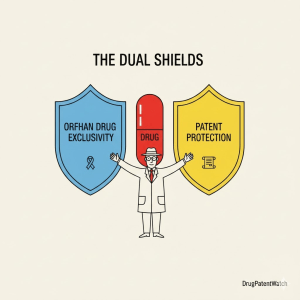
These two systems operate in parallel and are not mutually dependent. A drug may be protected by patents, exclusivity, both, or neither.1 The terms of protection may or may not run concurrently, and their scope can cover different aspects of the drug product. This duality creates a complex strategic landscape where one form of protection can serve as a critical backstop if the other is compromised. For instance, a robust period of regulatory exclusivity can shield a product from generic competition even if its underlying patents are successfully invalidated in court, providing a final, impermeable barrier to market entry during its term.2
The Patent Fortress: Scope, Duration, and the Realities of Effective Patent Life
To secure a patent, an invention must satisfy three rigorous statutory criteria: novelty, non-obviousness, and utility.4
Novelty requires that the invention was not publicly known or disclosed in any form before the patent application was filed.4
Non-obviousness dictates that the invention cannot be an obvious development to a person of ordinary skill in the relevant field.4
Utility demands that the invention has a specific, substantial, and credible practical purpose.4
For pharmaceuticals, patent protection is typically layered to create a comprehensive “patent fortress.” The most foundational and powerful patent is the composition of matter (CoM) patent, which covers the active pharmaceutical ingredient (API) itself.6 This is often supplemented by a “patent thicket” of secondary patents covering a wide array of related inventions, including specific formulations, dosage forms, methods of use for particular diseases, novel manufacturing processes, distinct crystalline forms (polymorphs), and combination therapies.4
While the statutory term for a new patent is 20 years from the date of filing, the effective patent life—the actual period of market exclusivity a drug enjoys from its launch—is significantly shorter.1 The lengthy and arduous process of preclinical and clinical development, followed by regulatory review, can consume a substantial portion of the 20-year term, often 10 to 15 years.7 Consequently, the average effective market exclusivity period for a new drug is frequently cited as being between 7 and 12 years.7 This erosion of the patent term is a central economic reality in the pharmaceutical industry and a primary driver of lifecycle management strategies. To mitigate this loss, the Drug Price Competition and Patent Term Restoration Act of 1984, commonly known as the Hatch-Waxman Act, established a mechanism for Patent Term Extension (PTE), which can restore a portion of the patent term lost during the FDA’s regulatory review period.6 Additionally, Patent Term Adjustment (PTA) can be granted to compensate for certain administrative delays by the USPTO during the patent prosecution process.2
The Regulatory Shield: A Taxonomy of FDA Exclusivities
To fully appreciate the unique role of Orphan Drug Exclusivity (ODE), it must be viewed within the broader context of other regulatory exclusivities granted by the FDA. These exclusivities were designed to promote a balance between incentivizing new drug innovation and facilitating public access to lower-cost generics.1 Key types include:
New Chemical Entity (NCE) Exclusivity: A five-year period of market protection granted upon the approval of a drug containing an active moiety that has never been previously approved by the FDA.1
New Clinical Investigation Exclusivity: A three-year period of protection for a drug application that contains reports of new clinical investigations (other than bioavailability studies) that were essential for the approval of a change to a previously approved drug, such as a new indication, dosage form, or strength.1
Pediatric Exclusivity (PED): A six-month extension that is added to all existing patents and exclusivities covering a drug. This is granted as an incentive for the sponsor to conduct pediatric studies in response to a Written Request from the FDA.1
Orphan Drug Exclusivity (ODE): A seven-year period of market exclusivity granted to a drug that has been designated and approved for the treatment of a rare disease or condition.1
The Orphan Drug Act of 1983: The Genesis of a Niche Monopoly
The Orphan Drug Act (ODA) of 1983 was a landmark piece of legislation born from a recognized market failure.17 Prior to its enactment, the stringent safety and efficacy requirements established by the 1962 Kefauver-Harris Amendments had dramatically increased the cost of drug development.17 This economic reality led pharmaceutical companies to focus their R&D efforts on treatments for common diseases with large patient populations, effectively “orphaning” conditions that were deemed too rare to offer a reasonable expectation of recouping investment costs.20 Congressional findings explicitly noted that without changes to federal law, promising drugs for rare diseases would not be developed.18
The ODA was designed to correct this imbalance by creating a set of powerful financial incentives to make rare disease R&D commercially viable.21 The Act defines a “rare disease or condition” as one that affects fewer than 200,000 people in the United States, or one affecting more than 200,000 people but for which there is no reasonable expectation that the cost of development will be recovered from sales in the U.S..17
The core incentives of the ODA include:
Seven-Year Market Exclusivity (ODE): Upon approval, the first sponsor to gain marketing authorization for a designated orphan drug for a specific indication receives seven years of market exclusivity.17
Tax Credits: A tax credit for qualified clinical testing expenses, originally set at 50% and later reduced to 25%.24
Fee Waivers: An exemption from the substantial application fees required under the Prescription Drug User Fee Act (PDUFA).20
Grant Funding: Eligibility for federal grants from the FDA’s Office of Orphan Products Development to support clinical trial costs.22
These incentives collectively work to lower the cost and reduce the risk of orphan drug development, fundamentally altering the economic calculus for pharmaceutical companies and leading to a dramatic increase in the number of approved treatments for rare diseases.19
Feature
Patents (USPTO)
Regulatory Exclusivity (FDA)
Granting Body
U.S. Patent & Trademark Office (USPTO)
Food & Drug Administration (FDA)
Legal Basis
U.S. Constitution, Patent Act (35 U.S.C.)
FD&C Act, Orphan Drug Act, etc.
Scope of Protection
Protects the invention itself (e.g., composition, method of use, formulation)
Grants exclusive marketing rights for the approved product/indication
What it Prevents
Others from making, using, or selling the patented invention
FDA from approving competitor applications (e.g., ANDAs, 505(b)(2)s)
Standard Duration
20 years from filing date
Varies by type (e.g., NCE: 5 years, Orphan: 7 years)
Potential for Extension
Patent Term Extension (PTE), Patent Term Adjustment (PTA)
Pediatric Exclusivity (6 months added)
Timing of Grant
Anytime during development or product life
Attaches upon FDA approval of a drug product
Data compiled from sources: 1
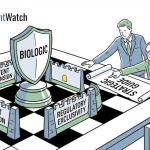
The existence of this dual system of protection creates a strategic “double barrier” that is more robust than the sum of its parts. It is not merely two independent shields but a layered defense where the inherent weaknesses of one mechanism are often mitigated by the strengths of the other. Patents, for example, offer a long statutory term but are vulnerable to invalidity challenges based on prior art or non-obviousness.10 Their effective life is also shortened by the long development timeline.14 Regulatory exclusivities, conversely, have shorter, fixed terms but are generally impervious to the types of legal challenges that can invalidate a patent. During its term, an exclusivity like ODE acts as an “impermeable barrier,” preventing the FDA from approving a competitor’s application even if that competitor has successfully invalidated every single one of the innovator’s patents in court.2 This means a comprehensive lifecycle strategy cannot focus solely on maximizing patent life. It must involve the careful sequencing and integration of both types of protection. For an orphan drug with a potentially weak or narrow patent portfolio, the seven-year ODE becomes the primary and most reliable shield immediately following launch. For a product with strong, late-expiring patents, ODE provides a crucial, guaranteed initial period of market protection against competitors who might attempt to “design around” the patent claims. This interplay transforms IP strategy from a simple exercise in patent prosecution into a complex orchestration of legal and regulatory instruments.
Orphan Drug Exclusivity (ODE) in Focus: Scope, Strength, and Limitations
Orphan Drug Exclusivity is arguably the most powerful incentive created by the ODA. It provides a fixed period of market protection that is distinct from and, in some ways, stronger than patent protection. However, its application, scope, and relative importance are subject to jurisdictional differences, legal interpretation, and the specific context of a drug’s overall IP portfolio.
The Seven-Year Safe Harbor: How ODE Blocks Competition
The mechanism of ODE is direct and powerful. For seven years following the date of marketing approval, the FDA is statutorily barred from approving another application for the same drug for the same designated orphan disease or condition.3 This prohibition applies to all types of competitor applications, including Abbreviated New Drug Applications (ANDAs) for generics, 505(b)(2) applications for products that rely in part on the innovator’s data, and even full New Drug Applications (NDAs) or Biologics License Applications (BLAs).3
The strength of this protection lies in its breadth. Unlike New Chemical Entity (NCE) data exclusivity, which primarily prevents a competitor from relying on the innovator’s data to gain approval, ODE blocks the approval of the same drug for the same orphan indication even if the competitor conducts its own full set of clinical trials and submits a standalone application.5 In this respect, the scope of ODE is analogous to the protection provided by a valid method-of-use patent that comes with a guaranteed, built-in injunction against competitors for its seven-year term.6
A Tale of Two Agencies: A Comparative Analysis of FDA and EMA Orphan Drug Programs
For pharmaceutical companies operating on a global scale, navigating the different orphan drug regulations in the United States and the European Union is a critical strategic challenge. While both the FDA and the European Medicines Agency (EMA) aim to incentivize rare disease research, their approaches differ significantly in terms of eligibility criteria, exclusivity duration, and financial incentives.23
Prevalence Criteria: The FDA defines a rare disease using an absolute population threshold: a condition affecting fewer than 200,000 people in the U.S..17 The EMA, in contrast, uses a relative prevalence threshold: a condition affecting not more than 5 in 10,000 people in the EU.23
Additional EMA Requirements: The EMA imposes stricter criteria for designation. In addition to the prevalence threshold, the condition must be life-threatening or chronically debilitating. Furthermore, if a satisfactory treatment already exists, the new product must demonstrate a “significant benefit” to patients over the existing therapy.24 The FDA does not have this explicit “significant benefit” requirement at the initial designation stage. The EMA also requires sponsors to confirm that the orphan criteria are still met at the time of the marketing authorization application, a step not required by the FDA.30
Exclusivity Duration and Extensions: The FDA provides a seven-year period of market exclusivity.1 The EMA offers a longer baseline period of ten years.16 This can be extended by an additional two years if the sponsor completes a pediatric investigation plan (PIP), for a potential total of 12 years of market exclusivity.31
Financial Incentives: A key difference lies in direct financial support. The U.S. ODA provides tax credits for qualified clinical trial costs, a powerful incentive particularly for smaller, pre-revenue companies.24 While both agencies offer fee reductions and free scientific advice (protocol assistance), the EMA framework does not include a comparable tax credit mechanism.24
These differences in regulatory hurdles and incentive structures have a tangible impact. The FDA has historically granted far more orphan designations and approved significantly more orphan drugs than the EMA, reflecting the more accessible criteria and direct financial incentives in the U.S. system.23
Feature
United States (FDA)
European Union (EMA)
Prevalence Threshold
Affects < 200,000 people
Affects ≤ 5 in 10,000 people
“Significant Benefit” Requirement
Not required for designation (but for exclusivity if same drug exists)
Required if other treatments exist
Exclusivity Period
7 years
10 years
Pediatric Extension
6 months (added to existing patents/exclusivities)
2 years (added to orphan exclusivity)
Tax Credits
Yes (25% of qualified clinical trial costs)
No (incentives vary by member state)
Fee Reductions
Yes (PDUFA fee waiver)
Yes (for regulatory services)
Protocol Assistance
Yes (Written recommendations)
Yes (Specific scientific advice)
Confirmation at MAA
No
Yes (must re-confirm criteria are met)
Data compiled from sources: 23
The divergent regulatory frameworks of the U.S. and EU create distinct strategic pathways rather than a single global approach to orphan drug development. The perceived value and strategic utility of an orphan designation are highly context-dependent. The EMA’s stricter criteria, particularly the “significant benefit” requirement, necessitate a more robust and often comparative clinical data package. This may favor more established companies with the resources to conduct such trials. However, the reward for clearing this higher bar is a significantly longer period of market exclusivity. Conversely, the FDA’s framework, with its more straightforward prevalence-based criteria and direct financial incentives like tax credits, can be more advantageous for smaller, emerging biotechnology companies and academic spin-offs. For these entities, securing an orphan designation in the U.S. can be a critical early step to de-risk a project, attract venture capital, and conserve cash via fee waivers and tax credits. This designation can then serve as a strategic foundation for subsequent development and eventual filing in the EU. Consequently, the decision of where to seek orphan designation first is a complex strategic calculation based on a company’s size, funding status, the maturity of its clinical data, and its long-term global commercialization goals.
The Data-Driven Reality: When Does ODE Truly Outweigh Patent Protection?
A common perception is that the seven-year orphan exclusivity is the primary driver of market protection for rare disease treatments. However, comprehensive industry analysis reveals a more nuanced reality: for the majority of orphan drugs, patent protection remains the more significant and longer-lasting barrier to generic or biosimilar competition.
A landmark 2018 report by the IQVIA Institute provided a critical data point that reshaped the understanding of this dynamic. The analysis of all orphan drugs approved since the ODA’s inception found that patent protection was the dominant force in delaying competition.
In practice, the explicit orphan exclusivity has only rarely been the factor which has delayed generic or biosimilar competitors. Orphan exclusivity was in effect longer than patent protection for only 60 of the 503 drugs that have received orphan status… Thus, it is most often the lapse of patent exclusivity that enables competition and not the orphan drug exclusivity (ODE). 32
This finding was corroborated by a 2021 study from NORD and Avalere, which found that for the 552 orphan products on the market, patent life exceeded the term of ODE for 125 products, while ODE exceeded patent life for only 61 products.33 This evidence suggests that while ODE is a vital
incentive for R&D investment and provides a crucial safety net, particularly for drugs with weak or expired patents, the primary strategic focus for ensuring long-term market protection must remain on building and defending a robust patent portfolio.34 The true value of ODE may lie more in its ability to de-risk early-stage development and guarantee an initial period of return on investment, rather than being the ultimate determinant of a product’s commercial lifespan.
Furthermore, for many orphan drugs targeting ultra-rare conditions, the absence of generic competition after all exclusivities have lapsed is often due to economic and practical barriers rather than legal ones. The potential market size may simply be too small to provide a sufficient return on investment for a generic manufacturer to justify the costs of development, regulatory filing, and manufacturing.32
The “Clinical Superiority” Gauntlet: The Sole Path to Overcoming an Existing ODE
Orphan drug exclusivity, while strong, is not absolute. The ODA framework includes a critical exception designed to encourage continuous innovation and prevent the “evergreening” of monopolies for therapies that offer no meaningful improvement for patients. The FDA is permitted to approve a “same drug” for the “same orphan indication” during a competitor’s seven-year exclusivity period if the sponsor of the subsequent drug can demonstrate that its product is “clinically superior” to the already-approved drug.6
The FDA’s regulations define clinical superiority in one of three ways 36:
Greater Efficacy: The new drug is more effective in treating the disease.
Greater Safety: The new drug has a better safety profile in a substantial portion of the target patient population.
Major Contribution to Patient Care: The new drug provides a significant advantage in patient care, which can include enhanced convenience or ease of use. Examples of this include a change from an intravenous to an oral route of administration, or a modified formulation that allows for less frequent dosing (e.g., moving from a twice-nightly to a once-nightly regimen).37
Demonstrating clinical superiority is a high bar. The regulatory process involves two distinct stages. First, to even obtain an orphan designation for a drug that is the same as one already approved, the sponsor must present a “plausible hypothesis” of clinical superiority.36 Second, to be granted marketing
approval and its own period of orphan exclusivity, the sponsor must provide a full demonstration with substantial clinical evidence that its drug is, in fact, clinically superior.36 This requirement ensures that the powerful seven-year exclusivity is not perpetual and that it rewards meaningful therapeutic advancements rather than trivial modifications.22
Strategic IP Portfolio Management for Orphan Drugs
The optimal intellectual property strategy for an orphan drug is not a one-size-fits-all approach. It must be meticulously tailored to the specific nature of the therapeutic asset—whether it is a new molecular entity, a repurposed existing drug, or a cutting-edge gene therapy. Each modality presents unique challenges and opportunities, demanding a distinct blend of patent prosecution, lifecycle management, and leveraging of regulatory exclusivities.
The New Molecular Entity (NME) Playbook: Layering Protection from Day One
For a new molecular entity (NME) targeting a rare disease, the IP strategy is centered on building a formidable and multi-layered fortress of protection. The cornerstone of this strategy is the composition of matter (CoM) patent, which protects the novel active ingredient itself.6 This is the broadest and most powerful form of patent protection, and filing for it at the appropriate time is a critical strategic decision. Filing too early can lead to a shorter effective patent life post-approval, while filing too late risks being preempted by competitors or public disclosures.6
Beyond the foundational CoM patent, a sophisticated strategy involves the creation of a “patent thicket”—a dense and overlapping network of patents that create multiple, independent barriers to competition.11 This involves systematically filing for patents on a wide array of secondary inventions developed throughout the R&D process, including:
Novel Formulations and Dosage Forms: Patents on specific extended-release formulations, unique combinations of excipients, or new delivery systems (e.g., injectable vs. oral).6
Methods of Use (MoU): Patents claiming the use of the NME to treat the specific orphan indication. These can also be filed for any subsequently discovered indications.6
Manufacturing Processes: Patents on innovative, more efficient, or higher-purity methods of synthesizing the drug substance.4
Related Molecular Structures: Patents covering specific crystalline forms (polymorphs), active metabolites, or isolated single enantiomers of the NME.6
A crucial element of this strategy is the careful management of disclosure. Initial patent applications for the CoM should be drafted with strategic foresight, avoiding the explicit or inherent disclosure of future potential inventions, such as specific therapeutic uses, dosages, or formulations. Disclosing such information prematurely can create novelty-destroying prior art that would prevent the company from obtaining these valuable secondary patents later in the drug’s lifecycle.6
The Repurposing Gambit: Leveraging Method-of-Use Patents and the 505(b)(2) Pathway
When developing a repurposed drug for an orphan indication, the IP landscape is fundamentally different. By definition, the active molecule is already known, and its CoM patent is likely expired or in the public domain. This reality necessitates a strategic pivot from protecting the what (the compound) to protecting the how (its new application and specific implementation).40
The primary IP tool in the repurposing arsenal is the method-of-use (MoU) patent. This patent does not claim the drug itself but rather the specific method of using that drug to treat the newly identified orphan disease.40 However, MoU patents are often considered a weaker form of protection than CoM patents and can be more challenging to enforce, particularly in the context of off-label use.
To bolster this weaker patent position, companies typically seek to create additional layers of IP. This is often achieved by developing and patenting novel formulations, new dosage forms, or new combination therapies that are specifically optimized for the new orphan indication.40 These secondary patents can create a more defensible moat around the product.
In this context, Orphan Drug Exclusivity takes on a role of paramount importance. For many repurposed drugs that lack strong underlying patent protection, the seven-year ODE is not merely an added incentive; it is the central pillar of the commercialization strategy and often the only meaningful barrier to direct competition.22 It provides the guaranteed period of market protection necessary to justify the investment in clinical trials for the new indication.
The regulatory strategy for repurposed drugs is also distinct, heavily relying on the 505(b)(2) New Drug Application pathway. This streamlined pathway, established by the Hatch-Waxman Act, allows a sponsor to rely, in part, on the FDA’s previous findings of safety and effectiveness for an already-approved drug. This can dramatically reduce the number of new studies required, saving significant time and resources and making the repurposing of drugs for rare diseases economically feasible.15
The Final Frontier: Defining “Sameness” and Securing Exclusivity for Gene and Cell Therapies
The advent of advanced therapies, particularly gene and cell therapies, has introduced novel and complex challenges to the traditional IP and regulatory frameworks.43 The ODA, originally conceived for small molecules, must now be applied to these highly complex biological products. The central legal and scientific question is: what constitutes the “same drug” for the purpose of determining orphan drug exclusivity?.45
In January 2020, the FDA issued guidance to clarify its position, stating that for gene therapies, its determination of “sameness” would consider the “principal molecular structural features” of the product.46 The agency specified that it generally intends to consider two key components as principal features:
The Transgene: The specific genetic material being delivered to mediate a therapeutic effect.
The Vector: The delivery vehicle used to transport the transgene into target cells (e.g., a specific adeno-associated virus (AAV) serotype).
This interpretation has profound strategic implications. It means that two gene therapy products intended for the same rare disease will generally be considered different drugs if they express different transgenes OR if they utilize different vectors.46 For example, a gene therapy using an AAV2 vector would not block the approval of a subsequent gene therapy for the same disease that uses an AAV5 vector, even if they deliver the identical transgene. This policy opens the door for significant follow-on innovation and competition within the seven-year exclusivity period of a first-in-class product. It also means that a comprehensive IP strategy for a gene therapy must seek to protect not only the therapeutic gene sequence but also the unique features of the delivery vector and other critical components of the system.45
Building a defensible IP moat around a known molecule
Navigating the evolving definition of “sameness”
Data compiled from sources: 6
The choice between developing an NME versus repurposing an existing drug for an orphan indication represents a fundamental strategic trade-off between intellectual property strength and research and development risk. This decision shapes the entire risk profile and business model of a development program. The NME pathway offers the potential for the “crown jewel” of IP protection—a strong, broad CoM patent that can provide a monopoly for up to 20 years from filing.6 However, this path is fraught with peril; de novo drug discovery is an incredibly long, expensive, and high-risk endeavor, with a success rate of less than 10% for drugs entering Phase 1 trials.40
In contrast, a drug repurposing strategy dramatically de-risks the development process. By leveraging the known safety profile of an existing drug, companies can bypass early-stage discovery and toxicology, significantly reducing development timelines and costs, and increasing the probability of success to as high as 30% from Phase 1.40 This de-risking, however, comes at the expense of IP strength. The company must forgo the powerful CoM patent and instead rely on narrower MoU patents and, most critically, the fixed, finite seven-year term of ODE.40 This reveals that ODE is more than just an incentive; it is a strategic enabler of a specific, lower-risk business model that would often be commercially non-viable due to the weakness of its underlying patent position.
Defensive Fortification: The Controversial Role of “Patent Thickets” and “Evergreening” in the Orphan Space
To extend market protection beyond the initial patent term and the seven-year ODE, sponsors of successful orphan drugs often employ the same lifecycle management strategies used for blockbuster drugs for common diseases. These strategies, while legally permissible, are often controversial.
Evergreening is the practice of obtaining new, secondary patents on minor modifications or improvements to a drug as its core patents are nearing expiration. This can include patents on new formulations, different dosage strengths, or new methods of administration.14
Patent Thickets involve filing a large and complex web of overlapping patents around a single product. This strategy is designed not only to protect a wide range of inventions but also to create a formidable legal barrier that is costly and difficult for a potential generic or biosimilar competitor to navigate and challenge.11
While these tactics are often associated with high-revenue drugs for large markets, they are also a key part of the strategy for commercially successful orphan drugs. A prominent example is Alexion’s eculizumab (Soliris), a treatment for rare blood disorders. The company has built an extensive global patent portfolio with patents filed over several decades, covering not just the molecule but also multiple therapeutic indications and manufacturing processes, effectively extending its monopoly far beyond the initial exclusivity periods.51 These strategies face intense public and political scrutiny, with critics arguing that they are used to unduly extend monopolies, stifle competition, and maintain high drug prices without providing commensurate innovation or patient benefit.14
The Battlefield of Exclusivity: Litigation, Challenges, and Precedent
The significant commercial value attached to both patents and regulatory exclusivities makes them a frequent subject of intense legal battles. For orphan drugs, these disputes have not only determined the fate of individual products but have also shaped the interpretation of the Orphan Drug Act itself, creating a landscape of legal uncertainty that has profound implications for future R&D strategy.
Attacking the Foundation: Common Grounds for Patent Invalidity Challenges
The Hatch-Waxman Act provides a specific legal pathway for generic drug manufacturers to challenge the patents of a brand-name drug before they expire. By filing an ANDA with a “Paragraph IV certification,” a generic company asserts that the innovator’s patents are either invalid, unenforceable, or will not be infringed by the generic product.3 This filing typically triggers a patent infringement lawsuit from the brand manufacturer and a 30-month stay on the FDA’s approval of the generic, during which the litigation is resolved.3
The most common legal arguments used to invalidate a pharmaceutical patent include:
Lack of Novelty (Anticipation): An assertion that the claimed invention was not new because it was already described in the “prior art” (e.g., a previously published scientific paper or patent).10
Obviousness: An argument that the invention would have been an obvious modification or combination of existing prior art to a “person having ordinary skill in the art” at the time the invention was made. This is a particularly common challenge against secondary patents on new formulations or dosages.10
Lack of Enablement or Written Description: A claim that the patent’s specification does not adequately describe the invention or teach a skilled person how to make and use the full scope of the invention without “undue experimentation.” This has become an increasingly potent weapon against broad patent claims for biologics, as underscored by the Supreme Court’s 2023 decision in Amgen Inc. v. Sanofi.9
While these challenges are a constant feature of the pharmaceutical landscape, they are statistically less common for orphan drugs that serve very small markets. The high cost and risk of patent litigation may not be justified by the limited potential revenue for a generic competitor.53 However, for orphan drugs that achieve “blockbuster” status, patent challenges become a near certainty and a significant threat to the innovator’s franchise.
Catalyst v. Becerra: A Landmark Case and the Unsettled Definition of “Same Disease or Condition”
A recent and pivotal legal battle has centered not on patents, but on the scope of orphan drug exclusivity itself. The 2021 decision by the U.S. Court of Appeals for the Eleventh Circuit in Catalyst Pharmaceuticals, Inc. v. Becerra has thrown the interpretation of the ODA into a state of uncertainty.54
The case involved two companies with drugs for Lambert-Eaton myasthenic syndrome (LEMS), a rare autoimmune disease. Catalyst Pharmaceuticals gained FDA approval for its drug, Firdapse, for the treatment of LEMS in adults, and was granted seven years of orphan drug exclusivity.54 Subsequently, the FDA approved a competitor’s product, Ruzurgi, which contained the same active ingredient, but only for the treatment of LEMS in pediatric patients.54
The core legal dispute hinged on the interpretation of the statutory phrase “same disease or condition.” The FDA has long held, as codified in its regulations, that this phrase refers to the specific “use or indication” for which a drug is approved. Under this interpretation, LEMS in adults and LEMS in children were considered different indications, allowing for separate approvals and exclusivities.22 Catalyst sued the FDA, arguing that the plain language of the statute was unambiguous and that “LEMS” is a single disease. Therefore, its exclusivity for Firdapse should block the approval of any other drug with the same active ingredient for any patient population with LEMS.56
The Eleventh Circuit sided with Catalyst, delivering a significant blow to the FDA’s long-standing policy. The court found the statutory language to be unambiguous and ruled that orphan drug exclusivity applies to the entire designated “rare disease or condition,” not just the specific, narrower indication for which the drug was approved.54 This decision had the immediate effect of dramatically broadening the potential scope of a single grant of orphan drug exclusivity.
The FDA’s Response: Navigating a Landscape of Legal Uncertainty and Agency Non-Acquiescence
In a bold and unusual move, the FDA responded to the Catalyst ruling with a policy of non-acquiescence. In a January 2023 notice published in the Federal Register, the agency announced that while it would comply with the court’s order in the specific case of Ruzurgi, it would not apply the Eleventh Circuit’s interpretation to any other drugs.55 The FDA stated its intent to continue applying its existing regulations, tying the scope of ODE to the specific approved use or indication.
The agency justified this position on public health grounds, arguing that the court’s broad interpretation of exclusivity could have a chilling effect on pharmaceutical innovation. Specifically, the FDA warned that it could disincentivize sponsors from conducting the difficult and expensive studies required to get drugs approved for pediatric populations or other patient subsets, as a competitor’s pre-existing exclusivity for the adult population could block their path to market.57
This act of defiance has created a fractured and uncertain legal landscape. The Catalyst decision is binding legal precedent within the Eleventh Circuit (covering Florida, Georgia, and Alabama). However, the FDA’s conflicting policy remains in effect everywhere else. This creates a high-risk environment for drug developers, as the scope of their exclusivity—and their vulnerability to competition—could depend on the jurisdiction in which a potential legal challenge is filed.54
The clash between the court and the agency represents more than a simple legal disagreement; it is a fundamental conflict between two distinct philosophies of statutory interpretation. The Eleventh Circuit employed a textualist approach, focusing on what it determined to be the “plain meaning” of the words in the statute, and finding no ambiguity that would require deference to the agency’s expertise.54 In contrast, the FDA’s position is rooted in a
purposivist and public policy-driven approach. The agency argues that a literal reading of the text leads to outcomes—such as discouraging pediatric research—that are contrary to the overarching public health goals and legislative intent of the Orphan Drug Act.57 This battle over who defines the scope of a powerful economic incentive has transformed a regulatory matter into a high-stakes legal conflict, with the court’s interpretation favoring the first-to-market sponsor with a broad monopoly, and the FDA’s policy favoring incremental innovation and competition for specific patient populations.
Implications for Future Development: Risk Assessment in a Fractured Legal Environment
The ongoing uncertainty has tangible strategic consequences for pharmaceutical companies developing orphan drugs:
Deterrent to Incremental Research: The threat that a broad, disease-wide exclusivity could be enforced may deter companies from investing in supplemental research for new populations (like children) or specific subsets of a disease if a competitor already holds an orphan approval for that condition.57
Incentive for Strategic Designation: Conversely, the Catalyst precedent may encourage sponsors to seek the broadest possible orphan designation from the FDA at the outset, even if their initial clinical program is focused on a very narrow patient population. This could be a strategic play to secure a sweeping monopoly over the entire disease space upon initial approval.59
Increased Litigation and Risk: The FDA’s non-acquiescence almost guarantees further litigation, as companies will inevitably challenge FDA approvals that appear to violate the Catalyst precedent.55 This legal volatility becomes a new, non-scientific risk factor that must be incorporated into R&D planning, investment decisions, and due diligence for potential licensing or M&A deals.
The Economic and Commercial Implications of Dual Protection
The dual shields of patent protection and orphan drug exclusivity do more than just create legal barriers to competition; they fundamentally shape the economic landscape of the rare disease market. The “orphan” designation has evolved into a powerful commercial signal that influences company valuations, drives merger and acquisition (M&A) activity, and fuels the ongoing, intense debate over drug pricing and market access.
The “Orphan Premium”: Impact on Company Valuation, M&A, and Licensing Deals
Securing an orphan drug designation provides a significant financial premium to a biotechnology or pharmaceutical company. The de-risked and accelerated development pathway, combined with the guarantee of seven years of market exclusivity and the potential for premium pricing, makes orphan assets highly attractive to investors and potential acquirers.
Empirical data consistently demonstrates this “orphan premium.” A 2022 study analyzing biopharma acquisitions found that companies developing orphan drugs were valued significantly higher than their non-orphan counterparts, particularly upon reaching the approved stage.60 The same study calculated that from Phase 1 through FDA approval, the expected annual return for shareholders of companies with orphan-designated drugs was 46%, compared to just 12% for those with non-orphan drugs.60
This financial attractiveness makes the orphan drug space a hotbed for M&A and licensing activity. Large pharmaceutical companies seeking to bolster their pipelines often look to acquire smaller biotechs with promising orphan assets. Oncology, a therapeutic area rich with rare disease indications, is consistently the most frequently targeted field for pharmaceutical M&A.62 The clear regulatory pathway and defined period of market exclusivity provided by the ODA reduce the perceived risk for acquirers and licensors, making these deals more viable and valuable.65
The ODA has, in effect, created a distinct and highly valued asset class within the biopharmaceutical industry. The legislative framework, originally designed to correct a market failure for products deemed commercially non-viable, has ironically become a powerful financial signal for investors. The “orphan” designation itself now attracts capital. Venture capital firms and corporate M&A departments actively seek out assets with this designation because they are perceived as having a higher probability of regulatory success and a clearer, more predictable path to profitability.60 This has created a self-reinforcing cycle where the ODA’s incentives not only encourage R&D but also shape capital allocation across the entire industry. This transformation explains the inherent tension between the ODA’s original, noble purpose and the modern commercial reality of “blockbuster” orphan drugs that generate billions in revenue.
The Pricing Paradox: Justifying High Costs Amidst Public and Payer Scrutiny
The most contentious issue surrounding orphan drugs is their price. Orphan drugs consistently rank among the most expensive medicines in the world. A 2023 study found that the median annual treatment cost for orphan drugs approved between 2017 and 2021 was over $218,000, compared to just under $13,000 for non-orphan drugs.22 Some therapies can cost upwards of $500,000 per patient per year.68
The pharmaceutical industry justifies these high prices by citing the fundamental economics of rare diseases: the enormous costs of R&D must be recouped from a very small patient population, necessitating a high price per patient to achieve a viable return on investment.21
However, this justification is the subject of intense debate and public scrutiny. Critics and patient advocates argue that this narrative is incomplete and potentially misleading.68 They point to several countervailing factors:
Government Subsidies: The ODA itself provides significant financial incentives—tax credits, grants, and fee waivers—that directly lower the net cost of R&D for sponsors.68
“Blockbuster” Orphans: The existence of numerous orphan drugs with annual sales exceeding $1 billion challenges the core premise that these markets are inherently unprofitable. These commercial successes suggest that the incentives may be overly generous for some products.59
Lack of Transparency: The debate is fueled by a lack of transparency regarding the true, after-incentive costs of R&D, making it difficult to independently verify the industry’s pricing justifications.68
This complex debate can be understood through three competing meta-narratives: 1) a critical narrative that argues manufacturers exploit ODA incentives to achieve excessive profits through monopoly pricing; 2) an industry narrative that contends high prices are a necessary and justifiable market signal that rewards innovation and funds the R&D for the next generation of cures; and 3) a reformist narrative that calls for alternative models of innovation and valuation that better align price with demonstrated value and societal benefit.69
Navigating Market Access: Overcoming Reimbursement and Formulary Hurdles
Gaining FDA approval is only the first step; securing market access—ensuring that patients can actually get the drug and that it will be paid for—is an equally critical challenge. While payers have historically managed orphan drugs with a “lighter touch” due to small patient numbers and political sensitivity, the sheer cost and growing number of these therapies have led to increased scrutiny.72
Payers are now implementing more stringent utilization management controls, such as prior authorizations and reauthorizations, to manage spending on rare disease products.72 To overcome these hurdles, manufacturers must develop a compelling value proposition that clearly demonstrates the drug’s clinical benefit, addresses a high unmet medical need, and quantifies the economic burden of the disease it treats.72
The emergence of potentially curative but extremely high-cost one-time treatments, such as gene therapies, is pushing the healthcare system toward more innovative payment and contracting models. These include:
Outcomes-Based Contracts: Payment is tied to the drug achieving pre-defined clinical outcomes in patients.
Annuity or “Milestone” Payments: The high cost of a therapy is spread out over several years, contingent on the continued benefit to the patient.
Risk-Pooling and Reinsurance Models: Spreading the financial risk of a very high-cost therapy across a larger pool of payers to prevent a catastrophic budget impact on a single health plan.72
Case Study Analysis: Strategic Successes and Failures in Leveraging Patents and ODE
Examining real-world examples illustrates how these strategic principles are applied in practice.
Emflaza (deflazacort): This case represents a pure-play on regulatory exclusivity for a repurposed drug. PTC Therapeutics brought deflazacort, a corticosteroid long used outside the U.S., to market for Duchenne muscular dystrophy (DMD) via the 505(b)(2) pathway. The drug had no U.S. patent protection. Therefore, the seven-year Orphan Drug Exclusivity it received upon approval was the sole and indispensable barrier to competition, making the entire commercial venture possible.15
Narcan (naloxone nasal spray): This case demonstrates a patent-centric strategy for a repurposed drug. The active ingredient, naloxone, was long off-patent. The innovation was the development of a novel, user-friendly nasal spray delivery system. The company secured new patents on this device, creating a fresh layer of IP protection that was independent of the original molecule. This allowed the product to differentiate itself and build a defensible market position.15
Eculizumab (Soliris): Alexion’s Soliris is a masterclass in maximizing the lifecycle of a blockbuster orphan drug. The strategy involved a comprehensive, multi-pronged approach: securing ODE for its initial indication (paroxysmal nocturnal hemoglobinuria) and then expanding to other rare diseases; building an extensive global “patent thicket” with dozens of patents covering the molecule, its uses, and manufacturing, extending its monopoly for decades; and implementing a premium pricing strategy that has made it one of the world’s most expensive drugs.51 This case exemplifies both the immense commercial success achievable in the orphan space and the intense controversies that such success can generate.68
The Future of Orphan Drug Incentives: Legislative Reforms and Strategic Outlook
The landscape governing orphan drug development is not static. It is a dynamic environment shaped by evolving science, shifting political priorities, and responsive legislative action. Recent reforms, particularly the Inflation Reduction Act of 2022 and subsequent corrective legislation, signal a new era of more targeted and conditional incentives, requiring even greater strategic foresight from pharmaceutical companies.
The Inflation Reduction Act (IRA): The Narrowing Exemption and its Strategic Consequences
The Inflation Reduction Act (IRA) of 2022 introduced a sweeping Medicare Drug Price Negotiation Program. Recognizing the unique economics of rare disease development, Congress included an exemption for orphan drugs. However, this exemption was drafted very narrowly. As originally enacted, it applied only to drugs that were designated and approved for a single rare disease or condition.57
This “single orphan indication” exclusion created a significant, and likely unintended, perverse incentive. If a company with an approved orphan drug successfully developed it for a second rare disease, the drug would lose its exempt status and immediately become eligible for price negotiation, with the eligibility clock ticking from its original approval date.76 This policy effectively penalized companies for pursuing “indication stacking”—a common and efficient R&D strategy of expanding the use of a proven therapy to help additional patient populations.77 The impact was swift and measurable: one analysis showed that in the period following the IRA’s passage, the percentage of orphan drugs that went on to receive a second orphan designation dropped by nearly 50%.77
On the Horizon: Analyzing Proposed Reforms like the ORPHAN Cures Act
In response to this chilling effect on rare disease research, bipartisan legislative efforts emerged to correct the IRA’s narrow provision. The Optimizing Research Progress Hope and New (ORPHAN) Cures Act was introduced to amend the IRA’s exemption.75 As incorporated into the hypothetical “One Big Beautiful Bill Act of 2025” for the purposes of this analysis, this reform makes two critical changes 76:
It broadens the exemption to include any drug that has one or more orphan designations, as long as all of its approved indications are for rare diseases or conditions.
It clarifies that for a drug that eventually loses its orphan exemption by gaining approval for a common, non-orphan indication, the clock for price negotiation eligibility starts from the date of that non-orphan approval, not the original approval date.
This legislative fix is designed to restore the incentive for companies to continue investigating their existing orphan drugs for new rare disease applications, a critical pathway for bringing new treatments to patients who have none.58
The legislative back-and-forth over the IRA exemption marks a significant maturation in the policy discourse surrounding orphan drugs. The original ODA was a broad instrument designed to create a market where none existed. Forty years later, policymakers are no longer just granting incentives; they are attempting to surgically “modulate” them to achieve specific outcomes. The initial IRA exemption was a blunt attempt to curb the “blockbuster orphan” phenomenon by penalizing indication expansion. The corrective ORPHAN Cures Act represents a more nuanced modulation, effectively stating that indication stacking for rare diseases is encouraged and protected, but the protection ceases once a product enters a large commercial market. This signals a future where incentives may become increasingly conditional and tied to specific policy goals, requiring pharmaceutical strategists to integrate a sophisticated government affairs and health policy function into their long-range planning.
Projecting the Next Decade: The Sustainability of the ODA Model
Looking forward, several key trends will continue to shape the future of orphan drug IP and exclusivity.
Evolving Science and “Salami Slicing”: Advances in genomics and the use of biomarkers will continue to allow for the stratification of common diseases into smaller, genetically-defined subsets. This will increasingly test the boundaries of the ODA’s definition of a rare disease and fuel the debate over “salami slicing,” where sponsors are accused of artificially defining populations to qualify for orphan incentives.35
The Impact of Advanced Therapies: The rise of potentially curative, one-time treatments like gene and cell therapies will continue to challenge traditional pricing, reimbursement, and value assessment frameworks. Their high upfront costs and the need for long-term follow-up to demonstrate durable benefit will necessitate the broader adoption of the innovative payment models discussed previously.44
The Enduring Value of ODE: While data shows that patents often provide a longer period of protection, the strategic value of ODE is unlikely to diminish.34 Its role as a powerful, de-risking incentive for early-stage investment—especially for smaller companies and for repurposed drugs with no other IP protection—remains a cornerstone of the rare disease innovation ecosystem.35
Strategic Recommendations: Optimizing IP and Regulatory Strategy for the Evolving Landscape
To successfully navigate this complex and dynamic environment, pharmaceutical companies must adopt a holistic and forward-looking approach to their IP and regulatory strategies.
Integrate Strategy from Day One: IP, regulatory, and commercial strategies can no longer operate in silos. They must be deeply integrated from the earliest stages of R&D. A product’s Target Product Profile (TPP) should be developed with a clear understanding of the potential patent landscape and the specific criteria for all relevant regulatory exclusivities (ODE, NCE, pediatric, etc.).2
Master Global Complexity: A successful orphan drug is a global asset. Companies must develop sophisticated strategies that account for the significant differences in designation criteria, exclusivity terms, and financial incentives between the FDA, EMA, and other key global regulators.2
Plan for Volatility: The legal and legislative landscape is no longer static or predictable. The Catalyst litigation and the IRA amendments demonstrate that the rules of the game can and do change. Companies must actively monitor legal and policy developments and build contingency plans into their development timelines and financial models. The ability to adapt to regulatory uncertainty is now a key competitive advantage.54
Build a Multi-Layered Defense: In the modern pharmaceutical environment, relying on a single form of protection is a high-risk strategy. The most resilient and valuable assets will be those protected by a multi-layered defense system that combines a robust and well-prosecuted patent thicket with the strategic acquisition and sequencing of all available regulatory exclusivities to maximize the total period of protected market life.
Innovation and the Orphan Drug Act, 1983-2009: Regulatory and Clinical Characteristics of Approved Orphan Drugs – Rare Diseases and Orphan Products – NCBI, accessed August 19, 2025, https://www.ncbi.nlm.nih.gov/books/NBK56187/
Interpreting Sameness of Gene Therapy Products Under the Orphan Drug Regulations; Guidance for Industry – FDA, accessed August 19, 2025, https://www.fda.gov/media/134731/download
Dynamics of patents, orphan drug designation, licensing, and revenues from drugs for rare diseases: The market expansion of eculizumab – PMC – PubMed Central, accessed August 19, 2025, https://pmc.ncbi.nlm.nih.gov/articles/PMC7935269/
Development and Use of Gene Therapy Orphan Drugs—Ethical Needs for a Broader Cooperation Between the Pharmaceutical Industry and Society – PMC, accessed August 19, 2025, https://pmc.ncbi.nlm.nih.gov/articles/PMC7785873/