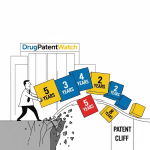
Between now and 2032, an estimated 110 biological medicines in Europe will lose intellectual property protection, with Loss of Exclusivity (LoE) opportunities peaking at approximately €30 billion annually between 2030 and 2032. That number sits alongside a global pharmaceutical patent cliff that puts $200 billion to $400 billion in branded biologic revenue at risk by 2030. Merck’s Keytruda alone generated $29.5 billion in 2024. Its EU supplementary protection certificate (SPC) runs until 2030-2031. The pipeline of biosimilar applicants already forming behind it tells you everything about where the money is going.
Europe has been the world’s test laboratory for biosimilar regulation since 2006, when the EMA authorized the first biosimilar under a dedicated centralized pathway. That early start produced a market now valued at roughly $12-14 billion annually, growing at a 15-17% compound annual growth rate, with Germany as the dominant market and Italy close behind. For the generic drug industry, the strategic calculus is straightforward: the traditional small-molecule generic market is saturated, tender-driven, and structurally margin-compressed. Biosimilars offer higher barriers to entry, less commoditized pricing dynamics, and a predictable window of patent expirations that can be modeled years in advance.
This report covers the regulatory framework, IP valuation mechanics, biosimilar development technology, originator evergreening tactics, market-level pricing data, the December 2025 EU Pharma Package deal, and the country-specific factors that determine whether a biosimilar launch actually captures volume. It is written for IP teams, portfolio managers, R&D leads, and institutional investors who need precision, not summaries.
Key Takeaways: Executive Summary
The EU biosimilar market grows at 15-17% CAGR; the generic market at 7-8.4%. The margin differential between segments is widening in biosimilars’ favor.
The EU Pharma Package, finalized December 11, 2025, cuts standard regulatory market protection from 10 years (8+2) to 9 years (8+1), with conditional extensions to 11 years. Day-1 biosimilar availability is now the explicit legislative goal.
The 2026-2032 biologics LoE window covers Keytruda (EU SPC through ~2031), ustekinumab (biosimilar era already active), denosumab (biosimilar era begun November 2025), and Cosentyx, among others.
Generic manufacturers that do not build or acquire biosimilar capabilities within the next 24-36 months will find themselves structurally disadvantaged in the next decade’s highest-margin pharmaceutical segment.
2. Why Biosimilars Are Not Generic Drugs: A Structural and Regulatory Distinction
Molecular Architecture: Small Molecules vs. Biologics
A traditional generic drug copies a small molecule, typically 200-1,000 daltons in molecular weight, synthesized through a defined chemical process that produces identical outputs at the atomic level. Bioequivalence testing under a 90% confidence interval of 80-125% for Cmax and AUC suffices for regulatory approval. The generic and the originator are, by definition, chemically identical.
A biosimilar copies a biologic. Biologics are proteins, typically 10,000-150,000 daltons, produced in living cell systems, whether Chinese hamster ovary (CHO) cells, E. coli, yeast, or hybridoma lines. No two manufacturing runs produce a structurally identical molecule. Post-translational modifications, including glycosylation patterns, disulfide bond formation, and protein folding, vary with cell culture conditions, media composition, temperature, and dissolved oxygen levels. The EMA’s definition requires that biosimilars demonstrate “high similarity” to the reference product, with no clinically meaningful differences in safety, quality, and efficacy. The word “identical” does not appear in the regulatory standard for a reason.
This manufacturing variability creates the core IP and regulatory distinction. Generic manufacturers need to demonstrate pharmaceutical equivalence plus bioequivalence. Biosimilar developers must demonstrate structural and functional comparability across physicochemical, biological, and clinical attributes, often involving comparative pharmacokinetic (PK) studies and, historically, head-to-head Phase 3 efficacy trials. The development timeline for a biosimilar runs 7-8 years at a cost of $100-250 million. A small-molecule generic takes 2-3 years and $1-4 million.
Regulatory Pathway Comparison: EMA Generic vs. Biosimilar Application
For generic authorization in the EU, the applicant must show pharmaceutical equivalence (same active substance, dosage form, route, and strength as the reference product) and bioequivalence. The data exclusivity period of 8 years prevents a generic from referencing the originator’s clinical data. The regulatory market protection period, now being reduced from 2 years to 1 year under the Pharma Package, prevents actual marketing. EMA review for standard national procedures runs approximately 150 days.
For biosimilar authorization, the applicant submits a full comparability dossier covering quality (physicochemical, biological), non-clinical, and clinical data. The clinical package must include comparative PK studies in healthy volunteers or patients, and historically a comparative clinical efficacy study in at least one indication. The EMA’s 2024 draft reflection paper on biosimilar development signals that robust analytical and PK data may be sufficient for approval under specific prerequisites, potentially eliminating the need for comparative efficacy trials for future applications. This is a material regulatory signal: it reduces biosimilar development cost and compresses the timeline to market. Companies like Formycon, Sandoz, and Bio-Thera have already acted on this, canceling or modifying Phase 3 trials for their pembrolizumab biosimilar programs in favor of Phase 1 data plus analytical packages.
The EMA’s centralized procedure applies to all biosimilars, meaning one approval covers all EU member states. Generic drugs can use national or decentralized procedures. This centralized structure for biosimilars creates a single high-value approval, but it also means that enforcement actions, such as the June 2025 Dusseldorf Higher Regional Court ruling banning Imraldi (Samsung Bioepis/Biogen’s adalimumab biosimilar) in Germany for infringing a Fresenius Kabi formulation patent on liquid adalimumab, can propagate rapidly across markets where the same patent is in force.
Key Takeaways: Biosimilar vs. Generic Distinction
“Highly similar” is the operative legal and scientific standard for biosimilars. It does not mean “identical.” Patent thickets targeting formulation-specific features, such as buffer composition, concentration, and delivery device, exploit this gap.
The EMA’s 2024 draft reflection paper on streamlined biosimilar development is a cost-reduction catalyst for the industry. Companies already adjusting Phase 3 trial designs for pembrolizumab biosimilars are capturing a structural development cost advantage over rivals that proceed under the old protocol.
Biosimilar price erosion (15-30% vs. the reference biologic) is structurally different from small-molecule generic price erosion (80-90%). Models built on generic pricing dynamics will systematically overestimate biosimilar revenue erosion speed and depth.
3. The EMA Framework: Regulatory Architecture and the 2025 Shift
Centralized Procedure and the 8+2 to 8+1 Transition
The EU’s regulatory exclusivity system historically operated as “8+2”: 8 years of regulatory data protection (RDP), during which biosimilar and generic applicants could not reference originator clinical data, followed by 2 years of regulatory market protection (RMP), during which they could file but not market their product. An additional year of RMP could be obtained for new indications that brought significant clinical benefit, producing the “8+2+1” framework, or 11 years total at the outer limit.
Under the EU Pharma Package provisional agreement finalized December 11, 2025 (expected formal adoption in early 2026, with 18-36 month implementation transition), the baseline moves to “8+1”: 8 years of RDP plus 1 year of RMP, for a baseline total of 9 years. Additional 1-year extensions are available if the company meets specific conditions: addressing an unmet medical need, securing a new indication with significant clinical benefit during the data protection period, conducting comparative trials and filing in the EU within 90 days of any non-EU submission, or running clinical trials in multiple EU member states. The cap on total regulatory protection is 11 years.
The practical implication: biosimilar and generic applicants can enter markets one year earlier than under the prior framework for all products authorized after the new rules take effect. For a molecule generating €1 billion per year in Europe, this represents €1 billion in potential biosimilar revenue shifted forward.
The Expanded Bolar Exemption: Day-1 Launch Capability
The current Bolar exemption, derived from EU Directive 2001/83/EC Article 10(6), exempts biosimilar and generic developers from patent infringement claims for studies and trials conducted for the purpose of obtaining marketing authorizations before patent or SPC expiry. Its application has been inconsistent across member states due to open-ended drafting.
The Pharma Package expands the exemption to an exhaustive list of activities: all steps needed for MA applications and variations, health technology assessment (HTA) submissions, pricing and reimbursement applications, and crucially, procurement tender submissions. This last point is commercially significant. In Germany, France, Italy, and Spain, hospital and payer procurement contracts are awarded through tender systems well before patent expiry. Under the old framework, biosimilar manufacturers could not bid in those tenders while patents were in force, meaning Day 1 launch often translated to months-long delays in actual volume uptake as contracts worked through procurement cycles. The expanded Bolar exemption eliminates that delay, at least in principle. Manufacturers can now bid, receive contract awards, and be positioned to ship on Day 1 of LoE.
Biosimilar Interchangeability: The EMA-Member State Divide
The EMA and the Heads of Medicines Agencies (HMA) maintain that EU-approved biosimilars are interchangeable with their reference products and with each other. Over 1 million patient-treatment years of post-approval data support this position. What the EMA cannot mandate is automatic pharmacist-level substitution. That authority rests with member states.
The resulting patchwork creates real commercial asymmetries. Germany introduced an automatic substitution law for injectable biologics in June 2019, with physician guidance issued in August 2020. France expanded pharmacist substitution rights to filgrastim and pegfilgrastim in April 2022 with an opt-out for prescribing physicians. Italy uses AIFA tender frameworks that effectively require biosimilar prescribing for new patients in the tendered molecule class. The Netherlands runs a “preferred medicines” policy. The UK, post-Brexit, operates under MHRA guidance aligned with EMA scientific positions but with independent procurement frameworks through NHS England.
For a biosimilar manufacturer building a European commercial launch, this fragmentation means 27 distinct market access strategies, even with a single EMA centralized approval. Country-level prescribing data, tender schedules, reimbursement timelines, and physician education campaigns are not secondary considerations; they are the primary drivers of volume capture post-launch.
Key Takeaways: EMA Framework
The December 2025 EU Pharma Package cuts one year from baseline regulatory market protection for all new authorizations. Innovators modeling pipeline revenue from EU markets must revise 10-year exclusivity assumptions downward.
The expanded Bolar exemption now covers tender submissions, which removes a major commercial bottleneck to Day-1 biosimilar volume capture. This is structurally more valuable than the underlying regulatory timeline change.
Interchangeability policy remains fragmented at the member state level. No “one-size-fits-all” EU biosimilar commercial strategy exists. Country-level market access infrastructure is a competitive differentiator.
4. Europe’s Generic Drug Market: The Competitive Baseline
Market Size, Structure, and the Margin Compression Problem
The European generic drugs market was valued at approximately $87.5 billion in 2023, rising to roughly $120 billion in 2024. Forecasts project it to reach between $161.7 billion and $228.8 billion by 2032, depending on the source and CAGR assumption (7.0-8.4%). By volume, generics account for 67% of dispensed prescriptions in Europe but only 29% of total pharmaceutical expenditure, generating an estimated €100 billion annually in system savings.
These are large numbers that conceal a precarious underlying business. Generics in Germany face mandatory price reductions under AMNOG-adjacent reimbursement rules, with GKV (statutory health insurer) tender contracts driving prices to levels where manufacturing cost absorption is increasingly difficult. STADA’s own disclosures and Teva’s public statements have repeatedly cited the unsustainability of European generic pricing for certain molecules. Teva research flagged that 46% of critical generics in the EU rely on a single supplier, with 83% having suppliers that hold over 60% of the relevant market. When that supplier exits, the molecule faces shortage. The downward price spiral that systemic payers enforce does not just reduce costs; it eliminates manufacturers.
Germany exemplifies the paradox. Generics account for over 75% of prescriptions by volume but only 36.8% of drug expenditure. This cost efficiency is the outcome of decades of aggressive tendering. The same system has concentrated supply into a small number of producers, many based in India and China, and left European domestic producers competing on margin profiles that cannot sustain R&D investment.
Competitive Landscape: The Hybrid Pharma Pivot
The major European generic players are no longer pure-play small-molecule companies. Sandoz International GmbH, spun off from Novartis in October 2023, has built one of the world’s largest biosimilar portfolios. In November 2025, Sandoz launched Afqlir (aflibercept biosimilar) in Europe, targeting Regeneron and Bayer’s Eylea. STADA Arzneimittel AG, through its Bio-Thera partnership, received a positive CHMP opinion for a golimumab biosimilar (Gotenfia) in late 2025. Hikma Pharmaceuticals, Teva, and Viatris have each made targeted biosimilar investments, while Korean companies Celltrion and Samsung Bioepis operate as dedicated biosimilar developers that distribute through European partnerships with companies like Fresenius Kabi and Biogen.
The dominant competitive positions in European biosimilars belong to companies with both development capability and established European commercial infrastructure. The cost of building that infrastructure from scratch is a moat in itself.
Table: European Generic Drug Market Snapshot (2023-2024)
Metric
Data
Market Size 2023
~$87.5 billion
Market Size 2024
~$120 billion
Forecast 2032
$161-228 billion
CAGR (2025-2032)
7.0-8.4%
Share of Prescriptions by Volume
67%
Share of Drug Expenditure
29%
Annual EU System Savings
~€100 billion
Germany Generic Prescription Share
>75% by volume; 36.8% by cost
Poland Market
70% volume, 55% value; 70% local manufacturers
Key Players
Sandoz, STADA, Hikma, Teva, Viatris
Key Takeaways: Generic Market Baseline
The European generic market is large, but structurally thin on margin. The same tendering and reimbursement mechanisms that produced €100 billion in system savings have made domestic European generic manufacturing economically marginal for an increasing number of molecules.
Generic manufacturers entering biosimilars are not diversifying opportunistically. They are making a structural correction: the traditional business model cannot support the R&D and manufacturing investment required for long-term competitiveness, and biosimilars offer a higher-margin alternative.
Supply concentration is a systemic risk that regulators are now treating as a national security issue. The Critical Medicines Act, under development at the EU level, will offer targeted incentives for EU-domiciled manufacturing of essential medicines. Manufacturers with EU production capacity will benefit disproportionately from these incentives.
5. The Biologics Patent Cliff: LoE Calendar, IP Valuation, and Market Opportunity
The Structure of Biologic Intellectual Property in Europe
A biologic product entering the European market sits under a layered IP system. The primary composition-of-matter patent protects the specific molecule, typically filed at the time of discovery, with a standard 20-year term from filing. Given the time required for clinical development and regulatory approval, the effective post-approval patent life is often 8-12 years. A Supplementary Protection Certificate (SPC) extends the effective patent term by up to 5 years, calculated as the period between the patent filing date and the date of first EU marketing authorization, minus 5 years. This brings maximum effective protection to 25 years from filing.
Separately, the EU regulatory exclusivity system provides 8 years of regulatory data protection (no generic or biosimilar can reference originator clinical data) and, under the current pre-Pharma Package rules, 2 years of regulatory market protection (no marketing of approved generic or biosimilar). These exclusivity periods run independently from patent protection. A biosimilar applicant must respect both systems: wait for data exclusivity to expire before referencing the originator’s regulatory data, and wait for SPC and patent expiry (or successfully challenge them) before actual marketing.
The interaction between these two systems creates the real LoE date for any given biologic, which is the later of: (a) the date SPC plus patent protection expires, and (b) the date regulatory market protection expires. For molecules with strong patent portfolios and SPCs, the SPC expiry governs. For molecules with thinner IP, the 8+2 (now 8+1) regulatory exclusivity governs.
The 2025-2032 European Biologics LoE Calendar
The following molecules represent the most commercially significant LoE events in the EU biosimilar window:
Ustekinumab (Stelara, J&J). With 2024 global sales of approximately $7.7 billion, the biosimilar era for Stelara opened in 2023-2025 across various markets. Multiple biosimilars have received EMA approval or positive CHMP opinions, including Celltrion’s SteQeyma and its autoinjector formulation (positive CHMP opinion December 2025). J&J’s lifecycle management response centers on accelerating guselkumab (Tremfya), an IL-23-specific inhibitor with a differentiated clinical profile in psoriasis and psoriatic arthritis. The biosimilar market for ustekinumab is now active in Europe and represents the current-cycle reference case for how a $10 billion immunology franchise transitions to biosimilar competition.
Denosumab (Prolia/Xgeva, Amgen). The reference product’s EU patent expired November 27, 2025. Accord Healthcare launched two biosimilars immediately: Osvyrti (referencing Prolia, 60mg prefilled syringe for osteoporosis and androgen deprivation-related bone loss) and Jubereq (referencing Xgeva, 120mg vial for skeletal-related events in advanced malignancies). Both received EMA approval in September 2025. This is the fastest LoE-to-launch sequence seen in European biosimilars for a dual-indication product, demonstrating the effect of the expanded Bolar exemption even before formal Pharma Package adoption.
Pembrolizumab (Keytruda, Merck). Keytruda generated $29.5 billion globally in 2024, making it the single highest-revenue drug in the world. Its core composition-of-matter patent expires in the US in 2028. In Europe, SPC extensions push protection to approximately 2030-2031. Multiple biosimilar development programs are underway: Formycon and Zydus entered a licensing and supply agreement for FYB206 (pembrolizumab biosimilar) for the US and Canada in December 2025; Alvotech and Dr. Reddy’s announced a pembrolizumab biosimilar collaboration in June 2025; Sandoz, Bio-Thera, and others have active programs. Formycon, Sandoz, and Bio-Thera have each canceled or modified Phase 3 trials, moving to PK-plus-analytics pathways consistent with the EMA’s draft reflection paper. Merck’s defense strategy includes the subcutaneous Keytruda Qlex formulation (FDA-approved September 19, 2025), which targets the IV formulation’s market with a delivery device and convenience advantage that IV biosimilars cannot match.
Secukinumab (Cosentyx, Novartis). The IL-17A inhibitor generated approximately $5 billion in 2024. SPC expirations in the EU are expected in the latter half of the decade. Biosimilar filings are anticipated.
Aflibercept (Eylea, Regeneron/Bayer). Sandoz launched Afqlir (aflibercept biosimilar) in Europe in November 2025, making it immediately available for patients with retinal diseases including wet AMD and diabetic macular edema.
Entresto (sacubitril/valsartan, Novartis). A small-molecule combination product, not a biologic, but worth noting as its EU market exclusivity expired in 2025 and generic entry is underway in multiple countries.
Table: Key EU Biologics LoE Calendar (2024-2032)
Molecule
Brand
Company
2024 Global Revenue
EU LoE Window
Biosimilar Status
Ustekinumab
Stelara
J&J
~$7.7B
2023-2025
Active (SteQeyma, others)
Denosumab
Prolia/Xgeva
Amgen
~$5.5B
Nov 2025
Launched (Osvyrti, Jubereq)
Adalimumab
Humira
AbbVie
EU: declining
2018 (EU primary)
Multiple (Amgevita, Hyrimoz, Idacio, others)
Aflibercept
Eylea
Regeneron/Bayer
~$10B combined
2024-2025
Launched (Afqlir)
Pembrolizumab
Keytruda
Merck
$29.5B
~2030-2031 (EU SPC)
Pipeline (FYB206, Alvotech/DRL, others)
Secukinumab
Cosentyx
Novartis
~$5B
Late 2020s
Pipeline
Tocilizumab
Actemra/RoActemra
Roche
~$2B
~2024-2025
Multiple approved
Infliximab
Remicade
J&J/MSD
Historical
2013
Established (Remsima, Inflectra, others)
Rituximab
MabThera
Roche
Historical
2013
Established (Truxima, Ruxience)
SPC expiry dates vary by jurisdiction; litigation outcomes and settlement agreements can shift effective LoE dates.
Key Takeaways: Patent Cliff and LoE
The EU biologics LoE calendar is a predictable, structurally analyzed asset map. Companies that map patent, SPC, and regulatory exclusivity layers molecule-by-molecule, using platforms like DrugPatentWatch, can identify development targets with sufficient lead time for a 7-8 year biosimilar program.
Pembrolizumab (Keytruda) is the next decade’s dominant biosimilar opportunity. Its EU SPC protection runs to approximately 2030-2031, meaning programs initiated now will be positioned for EU launch. However, Merck’s subcutaneous formulation and the device-differentiation strategy it enables will create a segmented market, not a wholesale biosimilar conversion.
Denosumab’s November 2025 EU LoE and the immediate Accord Healthcare biosimilar launches are the current best-practice case study for Day-1 readiness. The willingness to absorb regulatory preparation costs and tender-bidding costs before LoE, now formalized under the expanded Bolar exemption, separates prepared biosimilar developers from reactive ones.
6. IP Valuation Deep-Dives: Asset-Level Analysis for Key Molecules
Valuing Biologic IP: The Layered Asset Framework
Pharmaceutical IP valuation applies three primary methodologies: discounted cash flow (DCF) based on projected revenue during exclusivity, the excess earnings method (attributing a portion of total product profitability to the IP asset specifically), and comparable transaction analysis using royalty rates from licensing deals. For biologic products, a fourth consideration applies: the patent estate is not a single asset but a portfolio, and each patent layer (composition of matter, process, formulation, device, indication-specific methods) has a different expiry date, claim scope, and litigation risk profile.
The IP value of a biologic product is the net present value of cash flows attributable to competitive exclusivity across all protection layers, discounted for litigation risk, regulatory risk, and lifecycle management success probability. The primary composition-of-matter patent is typically the highest-value layer, but formulation patents, SPC certificates, and device patents can extend effective commercial monopoly periods by 2-5 years beyond the primary patent expiry, as AbbVie’s Humira defense demonstrated.
Adalimumab (Humira, AbbVie): The Completed Case Study
AbbVie built one of the most extensively documented patent thickets in pharmaceutical history around Humira. The molecule’s primary anti-TNF composition-of-matter patents expired in the EU in 2018, at which point multiple biosimilars entered: Amgevita (Amgen), Hulio (Mylan/Viatris), Hyrimoz (Sandoz), Imraldi (Samsung Bioepis/Biogen), Cyltezo (Boehringer Ingelheim), and Idacio (Fresenius Kabi). Biosimilar entry in the EU occurred approximately 4 years earlier than in the US, where AbbVie’s litigation and licensing strategy delayed biosimilar entry until 2023.
The IP estate AbbVie constructed around Humira eventually comprised over 100 patents covering formulation concentration (100mg/mL citrate-free formula), device design (the autoinjector), manufacturing processes, and method-of-treatment patents. In Europe, a Fresenius Kabi formulation patent covering liquid adalimumab formulations became the basis for a successful injunction against Samsung Bioepis’s Imraldi in Germany in June 2025, with the Dusseldorf Higher Regional Court reversing a lower court ruling in Fresenius Kabi’s favor. The ruling banned Imraldi sales in Germany, required inventory recall, and imposed financial penalties. Imraldi had captured 62% of the German adalimumab biosimilar market at launch. The formulation patent, covering features the primary molecule patent did not, effectively extended market protection for one competitor against another, not the originator.
IP valuation insight: AbbVie’s Humira IP estate peak valuation was estimated at $8-12 billion in royalty equivalent value in the 2015-2018 period, based on the revenue differential between Humira’s actual pricing and projected competitive pricing without exclusivity. The EU LoE in 2018 began eroding that value at approximately 2-4% annually in Europe initially, accelerating to 10-15% annual erosion by 2022-2023 as biosimilar penetration deepened. AbbVie’s international net revenues from Humira decreased 31.1% in 2019 alone. The lesson for biosimilar developers: secondary patents around formulation and device, not just the primary molecule, are where the final years of commercial value reside and where litigation risk concentrates.
Infliximab (Remicade, J&J/MSD): The Biosimilar Penetration Template
Infliximab biosimilars entered the EU market in 2013 when the EMA approved Remsima (Celltrion) and Inflectra (Hospira, now Pfizer). These were the first monoclonal antibody biosimilars approved anywhere in the world, and they became the reference template for how biosimilar penetration unfolds in European markets.
Infliximab holds 17.5% of the European biosimilar market by value in 2024, the largest single molecule share. The Celltrion/Fresenius Kabi and Pfizer commercial infrastructure built around infliximab proved that physician acceptance and payer adoption of complex biologic biosimilars was achievable at scale. Norway’s early national procurement policy, which mandated infliximab biosimilar use in new biologic-naive patients, drove uptake above 90% within two years of launch. Norway is not an EU member, but its experience directly informed EMA and national policy thinking.
IP valuation insight: J&J/MSD’s remaining Remicade EU IP estate by 2013 had limited residual exclusivity value; the primary patents had expired. The product’s residual commercial value was sustained by physician familiarity, hospital formulary inertia, and patient preference for established therapy, not IP protection. This framing matters for analysts valuing biologic assets near LoE: when patents expire, the remaining commercial value is behavioral and contractual, not legal, and it erodes faster under active tender systems than under prescription-preference environments.
Pembrolizumab (Keytruda, Merck): The Incoming $30B Question
Keytruda’s IP valuation as a European commercial asset is the most consequential current analysis in pharmaceutical finance. The molecule generated $29.5 billion globally in 2024. Merck’s total revenue was approximately $64 billion, meaning one product, one patent estate, represents roughly 46% of the company’s top line.
In the EU, the composition-of-matter patent’s effective term through SPC extension runs to approximately 2030-2031. Secondary patents covering dosing regimens (200mg Q3W and 400mg Q6W flat dosing), the subcutaneous formulation (Keytruda Qlex), and combination regimen method-of-treatment claims will provide additional IP layers. The subcutaneous formulation, FDA-approved September 19, 2025, represents a meaningful strategic hedge: IV biosimilars cannot claim equivalence to a subcutaneous delivery route without separate clinical comparability work, and the administration convenience benefit could sustain a premium over IV biosimilar competitors even after primary LoE.
For biosimilar developers, the IP valuation calculus inverts: what is the NPV of a European pembrolizumab biosimilar launch in 2031, discounted for development cost ($100-200 million for a biologic of this complexity), litigation exposure (Merck’s patent team will file SPCs and secondary patents aggressively), and competitive crowding (at least 5-6 biosimilar programs are active globally)? The answer depends critically on European list price assumptions and payer rebate structures at launch. If pembrolizumab’s EU price holds at €150,000-200,000 per patient annually and biosimilars enter at a 20% discount with 50-60% market share within 2 years, the revenue pool per biosimilar developer is €2-4 billion over the first 5 post-LoE years in Europe alone. That is a development investment that pencils.
Ustekinumab (Stelara, J&J): The Current-Cycle Case Study
Stelara had 2024 global revenues of approximately $7.7 billion and entered the biosimilar era in 2023-2025. J&J’s strategic response was to accelerate guselkumab (Tremfya), an IL-23 receptor-specific inhibitor with a differentiated mechanism (Stelara targets both IL-12 and IL-23; guselkumab targets only IL-23). Clinical data supports Tremfya’s efficacy profile in psoriasis and psoriatic arthritis. J&J’s ability to retain prescribers by moving them to Tremfya before biosimilar conversion represents classic lifecycle management, shifting the patient relationship to a still-protected asset rather than defending a product approaching LoE.
For biosimilar developers, Stelara’s biosimilar market is active and competitive. Celltrion’s SteQeyma received a positive CHMP opinion for its autoinjector presentation in December 2025, signaling device format competition within the biosimilar class itself. The competitive dynamics among biosimilar applicants for the same reference product, including device convenience, pricing strategy, and commercial infrastructure quality, are beginning to determine relative biosimilar market share independent of originator competition.
Key Takeaways: IP Valuation
Biologic IP valuation requires patent-by-patent analysis of composition-of-matter claims, formulation claims, device claims, method-of-treatment claims, and SPC certificates. Each layer has a distinct expiry date, litigation risk, and commercial value. The Imraldi Germany case (June 2025) proves that post-primary patent formulation claims can flip entire market positions among biosimilar competitors.
For analyst models, the DCF value of a biosimilar launch is heavily sensitive to market share assumptions in the 0-24 months post-LoE period. Biosimilars that win procurement tender contracts before LoE under the expanded Bolar exemption will have structural volume advantages over those launching reactively.
Merck’s Keytruda subcutaneous formulation strategy is the current best-practice model for originator lifecycle management against biosimilar competition. Analysts should discount simple biosimilar revenue projections for pembrolizumab biosimilars by 20-30% to account for subcutaneous conversion of market share before modeling.
7. The Biosimilar Development Technology Roadmap
Expression System Selection and Cell Line Development
The first technical decision in biosimilar development is expression system selection, and it determines the manufacturing cost structure and comparability profile for the entire program. Monoclonal antibodies and Fc-fusion proteins are produced almost exclusively in Chinese hamster ovary (CHO) cell lines, which produce human-compatible N-glycosylation patterns essential for Fc receptor engagement and complement activation. Insulin and related peptides use E. coli or yeast. Erythropoietin biosimilars, including epoetin alfa and darbepoetin alfa, require CHO cell lines because their activity is critically dependent on specific sialic acid-rich glycan structures.
The reference product manufacturer’s cell line is a trade secret. Biosimilar developers must engineer independent cell lines that produce a protein with sufficiently similar post-translational modification profiles to pass EMA comparability testing. Cell line development using CHO glutamine synthetase (GS) selection systems or DHFR-based amplification is standard, but achieving a glycosylation fingerprint that matches the reference product’s lot-to-lot variability range requires iterative analytical screening across dozens or hundreds of clones. This process alone takes 18-24 months of development time.
Upstream and Downstream Process Development
Once a producing cell line is established, upstream process development (bioreactor scale-up, media optimization, fed-batch vs. perfusion culture strategy) and downstream process development (protein A affinity chromatography, ion exchange polishing, viral clearance steps, ultrafiltration/diafiltration for formulation) must each be independently optimized. The goal is to produce drug substance with the target quality attribute profile as defined through the comparability exercise.
Critical quality attributes (CQAs) for a monoclonal antibody biosimilar include: primary sequence confirmation (peptide mapping), disulfide bond pattern, glycan profile (especially high-mannose species and afucosylation levels that affect ADCC activity), charge variant distribution (deamidation, isomerization), aggregate and particle content, and potency in cell-based bioassays. The EMA expects head-to-head analytical comparison of biosimilar and reference product batches for all CQAs, using multiple orthogonal analytical techniques, as the scientific basis for the biosimilar claim.
Process-Analytical Technology (PAT), endorsed in ICH Q8/Q10/Q11 guidelines, allows real-time monitoring of upstream and downstream parameters to predict and control CQA outcomes. Quality-by-Design (QbD) frameworks link process parameters to CQAs through Design of Experiments (DoE) studies, reducing batch failure rates and improving regulatory submission quality. Companies deploying PAT and QbD frameworks early in biosimilar development reduce late-stage process validation failures, which are expensive and timeline-damaging.
Analytical Comparability: The Technical Core of a Biosimilar Dossier
The EMA comparability framework requires a “totality of evidence” approach. No single analytical test or clinical result determines approvability; the weight of evidence across all data packages does. For structural characterization, standard methods include: SEC-HPLC and AUC-FFF for aggregate assessment, LC-MS peptide mapping for sequence variant identification, oligosaccharide mapping by 2-AB HPLC or HILIC-MS for glycan profiling, charge variant analysis by icIEF or cIEX-HPLC, and far/near UV circular dichroism for secondary/tertiary structure assessment.
Functional characterization includes: FcRn binding assays (for half-life prediction), FcgRIIIa binding assays (for ADCC activity assessment, particularly relevant for oncology mAbs like rituximab and trastuzumab), receptor binding assays for the primary pharmacological target (e.g., TNF binding for adalimumab/infliximab), and cell-based potency assays.
For the clinical package, the standard EMA pathway includes one comparative PK study (typically in healthy volunteers or the most sensitive patient population), an immunogenicity assessment (anti-drug antibody incidence and titers compared to reference), and, historically, a comparative efficacy study in at least one indication. The EMA’s 2024 draft reflection paper proposes that robust analytical comparability plus PK equivalence may be sufficient for approval under defined circumstances, removing the clinical efficacy study requirement. Formycon, Sandoz, and Bio-Thera have each restructured their pembrolizumab biosimilar programs around PK-only clinical packages.
Formulation Development and the Device Dimension
Biosimilar formulation must match the reference product’s route of administration (IV vs. subcutaneous), concentration, and excipient profile with sufficient similarity to support interchangeability claims. However, formulation is also a competitive differentiator among biosimilar developers, and it is the domain where secondary IP claims concentrate.
Buffer-free formulation systems, which remove histidine or citrate buffers that cause injection site pain for subcutaneous biologics, represent a patient-experience improvement that can be claimed in the label and marketed to prescribers. High-concentration formulations that reduce injection volume for subcutaneous delivery improve patient convenience. Preservative-free presentations reduce excipient exposure. These formulation attributes, while not required for regulatory approvability as a biosimilar, create differentiation within the biosimilar class and are the technical basis for next-generation “bio-better” or “biosuperior” development, which is addressed in Section 14.
Immunogenicity Risk Assessment
Immunogenicity, the propensity of a biologic to elicit anti-drug antibody (ADA) responses, is both a safety concern and a regulatory hurdle specific to biosimilar development. ADAs can reduce drug efficacy (through neutralizing antibodies) or cause adverse events (through immune complex formation or hypersensitivity). The EMA requires comparative immunogenicity data for all biosimilars; the ADA incidence and titers in the biosimilar-treated group must be comparable to those in the reference-treated group.
In silico immunogenicity prediction tools, including T-cell epitope scanning algorithms and MHC class II binding predictions, are increasingly used early in biosimilar development to screen for sequence variants or process-related impurities with high immunogenic potential. This upfront screening reduces late-stage clinical immunogenicity surprises and is becoming a standard development practice at sophisticated biosimilar developers.
Key Takeaways: Biosimilar Development Technology
Cell line development and analytical characterization are the rate-limiting steps in biosimilar timelines. Platforms that compress these steps, whether through proprietary CHO expression systems or advanced analytical automation, create real time-to-market advantages.
The EMA’s draft reflection paper on streamlined biosimilar development is the most commercially significant regulatory signal in biosimilar development since 2006. Companies that build development programs around PK-plus-analytics packages, eliminating Phase 3 clinical efficacy studies, reduce cost by $30-50 million per program and compress timelines by 12-18 months.
Formulation intellectual property is the final competitive battlefield for high-volume biosimilars. Developers that build proprietary buffer-free or device-integrated formulation capabilities create claims that cannot be replicated by pure process-copy competitors.
8. Originator Evergreening Tactics: The Complete Lifecycle Management Playbook
The Patent Thicket Architecture
“Evergreening” refers to the strategic accumulation of secondary patents around a core biologic molecule that extends the effective commercial exclusivity period beyond the primary composition-of-matter patent’s expiry. For biologic products, the architecture is more complex than for small molecules because the IP can cover composition, process, formulation, device, and method-of-treatment independently. Each category warrants detailed analysis.
Composition of Matter Patents. These are the highest-value patent type and cover the specific amino acid sequence of the protein or antibody. For monoclonal antibodies, they also cover CDR sequences, Fc modifications, and epitope-specific binding claims. These are the patents that biosimilar developers must design around or wait out.
Process Patents. Manufacturing process patents cover specific cell culture media formulations, fermentation conditions, downstream purification steps, and viral inactivation methods. A biosimilar manufacturer using a similar but independently developed process can design around process patents by modifying culture conditions or purification sequences, but must verify that process changes do not alter CQAs.
Formulation Patents. As the Imraldi Germany case demonstrates, formulation patents covering concentration, buffer composition, excipient selection, and pH range can survive primary molecule patent expiry by years. AbbVie filed formulation patents for Humira’s citrate-free, high-concentration (100mg/mL) presentation, which cover the specific buffer and stabilizer combination that improves subcutaneous tolerability. Fresenius Kabi’s liquid adalimumab formulation patent at issue in the Imraldi case covered a different formulation feature. Both became enforceable weapons post-primary patent expiry.
Device Patents. Autoinjector and prefilled syringe device patents, which cover the mechanical design of the delivery system rather than the molecule itself, can run 10-15 years and are independently enforceable. A biosimilar developer wishing to launch a subcutaneous autoinjector must either license or design around device IP held by the originator or device manufacturer.
Method-of-Treatment Patents. Indication-specific dosing regimen patents (e.g., pembrolizumab’s 200mg Q3W or 400mg Q6W flat dosing regimens) are enforceable against uses of the biosimilar in those specific indications and dosing regimens. While the underlying molecule is unprotected after primary patent expiry, a prescriber directing use in a patented regimen creates indirect infringement exposure that complicates biosimilar market uptake.
Product Hopping
Product hopping refers to the strategy of launching a next-generation formulation or delivery system and switching the patient base to it before the primary product’s patent expiry, leaving the about-to-be-genericized original product without commercially meaningful volumes. The subcutaneous Humira (citrate-free) launch in the US, timed before primary patent expiry, was a textbook product hop that forced biosimilar developers to develop comparability to both the original IV formulation (for extrapolation data) and the new high-concentration subcutaneous formulation that the market had actually migrated to.
Merck’s Keytruda Qlex (subcutaneous pembrolizumab, FDA-approved September 2025) represents an active product hop in progress for the pembrolizumab franchise. IV pembrolizumab biosimilars, when they reach market in the early 2030s, will compete primarily against a subcutaneous Keytruda Qlex with a 30-minute vs. 30-minute IV administration time advantage and a home administration potential that changes prescriber and patient preference calculus fundamentally.
Supplementary Protection Certificates: The SPC Extension Mechanism
SPCs are EU-specific instruments that extend the effective patent term for medicinal products by up to 5 years, compensating for the regulatory approval period that reduces the effective commercial life of a patent. An SPC is calculated as the time between patent filing and first EU marketing authorization, minus 5 years, capped at 5 additional years.
For a biologic with a patent filed in 2000 and EU marketing authorization granted in 2010, the SPC calculation would be: 10 years (gap) minus 5 years = 5 years of SPC extension. This extends effective protection from the patent expiry (2020) to 2025.
SPC filings can also be strategically managed through choice of which patent to base the SPC on; choosing the most recently filed patent with broad claims maximizes the extension value. Originator companies routinely file multiple patents covering a single molecule, then select the most commercially valuable patent as the SPC basis. Challenging SPC validity is a viable biosimilar entry strategy in some cases. AstraZeneca’s Losec SPC was invalidated by the European Court of Justice in the Astra Zeneca v. European Commission case (C-457/10), establishing that misleading SPC applications constitute an abuse of dominant position under Article 102 TFEU.
Exclusionary Rebates and Pay-for-Delay
Beyond IP tactics, originator companies use commercial strategies to delay biosimilar penetration. Exclusionary rebate schemes, where payers receive deep conditional discounts on the originator tied to formulary exclusion of biosimilars, are a documented practice in the EU. The European Commission and national competition authorities have signaled active enforcement readiness. Pay-for-delay agreements between originator and biosimilar companies, settling litigation in exchange for delayed biosimilar entry, are prohibited under EU competition law following the Lundbeck (C-591/16 P) and Servier (C-201/19 P) rulings.
Key Takeaways: Evergreening Tactics
Secondary patent analysis (formulation, device, method-of-treatment) is as commercially important as primary composition-of-matter patent analysis for biosimilar market entry planning. The Imraldi Germany ban in June 2025 was driven by a formulation patent, not the molecule patent.
Product hopping is the most effective lifecycle management tool because it shifts market share before LoE, leaving the genericizing product with reduced commercial volumes. Biosimilar developers must model market uptake against a shrinking reference product market, not a static one.
EU competition law prohibits pay-for-delay in the pharmaceutical context. Originator-biosimilar settlement agreements that include delayed entry provisions have been struck down at the ECJ level and face Commission scrutiny. This reduces the negotiated settlement option that is more prevalent in the US context.
9. Biosimilar Market Data, Pricing Mechanics, and Country-Level Dynamics
European Biosimilar Market Overview
The European biosimilar market was valued at approximately $12.3-13.9 billion in 2024, with forecasts projecting $33.5-59.7 billion by 2031-2033, reflecting CAGRs of 15.4-17.1%. Historical growth from 2019 to 2023 averaged 12.5%. Germany holds the largest national share, projected to maintain a 15% CAGR through 2031. Italy holds approximately 20.8% of the European biosimilar market by value in 2024. The UK, France, and Spain follow.
Infliximab holds the largest single-molecule share at 17.5% of the European biosimilar market in 2024. Adalimumab, rituximab, insulin glargine, and etanercept round out the top five molecules by biosimilar revenue. Oncology, autoimmune diseases, and diabetes are the dominant therapeutic areas.
Table: European Biosimilar Market Forecast
Metric
Data
Market Size 2024
$12.3-13.9 billion
Forecast 2031-2033
$33.5-59.7 billion
CAGR 2024-2033
15.4-17.1%
Historical CAGR 2019-2023
12.5%
Germany CAGR Forecast
~15% through 2031
Italy Market Share 2024
~20.8%
Top Molecule by Share
Infliximab (17.5%)
Top Therapeutic Areas
Oncology, Autoimmune, Diabetes
Biosimilar Price Erosion Mechanics in Europe
The price erosion pattern for biosimilars differs structurally from small-molecule generics and varies by molecule, therapeutic area, market, and number of biosimilar competitors. The EU Commission’s 2022 analysis found that biosimilar competition reduced visible list prices by approximately 17% for anti-TNF therapies, with additional confidential rebates beyond the list price reduction. For erythropoietin (EPO), where biosimilar competition began in 2006 and multiple competitors have operated for 15+ years, Portugal saw over 60% price reduction from the reference product level. Insulin glargine biosimilars in Europe drove a median 21.6% decrease in reference product pricing over the decade following biosimilar entry.
The key variable is biosimilar uptake rate in that specific country. For molecules with uptake above 60%, prices fell 21-59% within one year of exclusivity milestones. Low-uptake markets saw proportionally less reference price erosion because competition was limited. This correlation means that national market access policies, including whether prescribing is biosimilar-mandated for new patients, whether tender contracts require biosimilar use, and whether interchangeability policies allow pharmacy-level substitution, are direct determinants of how quickly and deeply price erosion occurs.
Country-Level Market Access Dynamics
Germany operates the AMNOG (Arzneimittelmarktneuordnungsgesetz) framework for pricing and reimbursement. For biologics and biosimilars, GKV tender contracts are the primary commercial mechanism. Mandatory rebate contracts between manufacturers and health insurers (Krankenkassen) are standard. Germany’s 2019 automatic substitution law for injectable biologics, with physician guidance published August 2020, positioned it as the EU’s most biosimilar-friendly major market. However, the Imraldi court ruling in June 2025 illustrates that formulation patent disputes can undo commercial positions even in the most active biosimilar markets.
France uses a reference pricing system (TFR, Tarif Forfaitaire de Responsabilité) for biosimilars in some categories, which sets a ceiling price below which biosimilars must price to qualify for reimbursement. Pharmacist substitution rights expanded in April 2022 to cover filgrastim and pegfilgrastim, with a physician opt-out. The ANSM (Agence nationale de securite du medicament) is the national competent authority for substitution policy.
Italy channels biosimilar adoption through AIFA tender systems at the regional and national level. Hospital-use biologics are typically procured through regional tenders that prefer the lowest-cost option meeting clinical requirements, creating strong incentives for biosimilar prescribing in new patients. Italy’s structure generates high biosimilar volume but requires dedicated tender management expertise for each regional market.
UK (post-Brexit) operates under MHRA authorization (which currently uses EU-approved data under transitional arrangements) and NHS England procurement frameworks. NHS England has published biosimilar guidance actively promoting substitution for TNF inhibitors and other established biosimilar classes.
Spain uses CIPM (Comision Interministerial de Precios de Medicamentos) pricing and regional procurement. Hospital-acquired biologics are subject to regional tender systems operated by autonomous community health services, creating 17 distinct procurement environments within one country.
Key Takeaways: Market Data and Pricing
Biosimilar market share in Europe is more sensitive to national procurement policy than to list price competitiveness. A biosimilar priced 20% below the reference product in a country without tender mandates or substitution policies will underperform one priced 10% below in a country with active tender requirements.
Price erosion depth in European biosimilar markets correlates directly with biosimilar uptake rate. Manufacturers seeking aggressive originator price concessions should focus commercial and educational efforts on driving uptake, not just pricing competitiveness.
Germany’s formulation patent enforcement environment, post the Imraldi ruling, creates material IP risk for biosimilar developers with liquid formulations that may intersect with secondary patents held by other manufacturers. Pre-launch freedom-to-operate analysis for EU biosimilar programs must now include formulation patent landscape assessment.
10. How Generic Manufacturers Are Adapting: Strategy, M&A, and Business Model Evolution
The Hybrid Pharma Model
Traditional generic manufacturers entering biosimilars are not running parallel business lines; they are transforming core operations. Sandoz’s separation from Novartis in October 2023, completed to allow biosimilar-focused strategic independence, is the most prominent example. Sandoz now operates as a dedicated generics-and-biosimilars company with one of the broadest biosimilar portfolios in the EU, covering filgrastim, pegfilgrastim, etanercept, adalimumab, infliximab, rituximab, trastuzumab, bevacizumab, and now aflibercept (Afqlir, launched November 2025).
STADA’s partnership with Bio-Thera Solutions for the golimumab biosimilar Gotenfia (positive CHMP opinion late 2025) represents a co-development and commercial model that gives a generic company access to biologics manufacturing capability without building it internally. This partnership model is common among second-tier generic players: the biosimilar developer (typically a Korean or Indian company) provides the development and manufacturing infrastructure; the European generic company provides the commercial network and market access expertise.
Celltrion’s model is the inverse: the Korean biosimilar developer builds the product and uses European distribution partnerships (historically with Mundipharma, Pfizer, and now increasingly with Fresenius Kabi) to access European market infrastructure without building commercial operations from scratch.
Capability Gaps and the Acquisition Imperative
Moving from small-molecule generics to biosimilar manufacturing requires: CHO cell culture facilities with GMP bioreactor capacity (5,000L to 20,000L scale for commercial production), protein A affinity chromatography and ion exchange polishing equipment, cold chain logistics infrastructure (2-8°C for most biologics, with some requiring ultra-cold storage), advanced analytical equipment (mass spectrometers, fluorescence detectors, HPLC), and a biologics-qualified QA/QC team and regulatory affairs function fluent in ICH Q5 guidelines for biotechnology products.
These capabilities cannot be procured quickly. Building a GMP biologics manufacturing facility from greenfield takes 3-5 years and costs $200-500 million. Acquiring an existing facility with operating approvals costs less time but carries integration risk. For generic companies without current biologics capacity, the realistic paths are: targeted acquisition of a biosimilar developer (e.g., Teva’s strategy with Alvotech, in which Teva commercializes Alvotech’s biosimilar pipeline through a partnership model), contract development and manufacturing organization (CDMO) partnerships for development and manufacturing while retaining commercial rights, or in-licensing from Asian developers for European commercial rights.
The IP Intelligence Imperative
In the small-molecule generic market, patent monitoring is operationally straightforward: identify the molecule, locate the Orange Book (US) or EU patent registry listing, calculate expiry dates, and file an ANDA with Paragraph IV certification or wait for LoE. The data architecture is standardized.
In biosimilars, the equivalent analysis must cover: primary molecule patents, process patents across jurisdictions, formulation patents (with separate expiry dates), device patents, SPC certificates in each EU member state (filed separately at national patent offices using EPC procedures), regulatory data exclusivity periods, and any litigation settlements that modify commercial entry dates. Platforms like DrugPatentWatch aggregate this layered IP data, enabling portfolio managers and business development teams to map the full patent estate around a biologic target before committing development resources. Without this intelligence, a biosimilar development program can be five years and $150 million into development before encountering an unanticipated secondary patent that materially alters the LoE date or introduces litigation risk.
Key Takeaways: Generic Manufacturer Strategy
The hybrid pharma model, combining small-molecule generic commercial infrastructure with biosimilar development capability, is the dominant structural response to competitive pressure in European pharmaceuticals. Companies that have not begun this transition are falling behind a capability gap that grows more expensive to close each year.
Partnership and licensing models, particularly with Korean developers (Celltrion, Samsung Bioepis) and Indian companies (Biocon, Dr. Reddy’s), provide European generic manufacturers with access to biosimilar development expertise without full capability buildout. The commercial partnership terms, including exclusivity scope, territory rights, and milestone economics, are the primary value-creation lever in these deals.
IP landscape analysis covering the full patent estate (composition, process, formulation, device, method-of-treatment, SPCs) is essential for development target selection. The Imraldi Germany case proves that failure to identify secondary formulation patents before a biosimilar launch can result in complete market exit, inventory recall, and financial penalties.
11. The EU Pharma Package: What the December 2025 Trilogue Deal Actually Changes
The Regulatory Architecture Shift: 8+2 to 8+1
On December 11, 2025, the EU Council and European Parliament reached a provisional agreement on the EU Pharma Package, concluding a two-year trilogue process that began with the Commission’s April 2023 proposal. This is the most significant revision to EU pharmaceutical legislation in over 20 years. Formal adoption is expected in early 2026, with an 18-36 month implementation transition period.
The headline change: standard regulatory market protection falls from 2 years to 1 year, reducing baseline protection from 10 to 9 years. This is not a trivial shift. One additional year of EU market exposure for a biologic generating €500 million annually in the EU represents €500 million in shifted revenue from originator to biosimilar and generic manufacturers, per molecule affected.
Innovators can recover the lost year of market protection under specific conditions: if the medicine addresses an unmet medical need; if a new indication with significant clinical benefit is approved during the data protection period; if comparative trials are conducted and the product is filed for EU approval within 90 days of any non-EU first filing; or if clinical trials are conducted across multiple EU member states. The total regulatory protection cap is 11 years under any combination of extensions.
The practical effect for originator pipeline strategy: clinical trial design, filing sequencing, and indication development must now be aligned with the conditions for recovering market protection. Companies that file first in the EU (rather than the US or Japan) will qualify for the 90-day comparative filing extension. This aligns with the EU’s industrial policy goal of maintaining pharmaceutical clinical trial activity within the EU.
The Expanded Bolar Exemption: The Commercially Decisive Change
The revised Bolar exemption is, in commercial terms, more important than the regulatory market protection reduction. The current Bolar provision, while nominally permitting biosimilar development activities during patent and SPC protection periods, has been inconsistently applied across member states and does not explicitly cover pricing and reimbursement applications or procurement tender submissions.
The Pharma Package explicitly extends the Bolar exemption to all activities needed for: marketing authorization applications and variations, HTA submissions, pricing and reimbursement applications, and procurement tender submissions. All activities conducted for these purposes, including manufacture, storage, import, use, and purchase of the medicine, are exempt from patent and SPC infringement claims. This applies to third-party suppliers and CDMO partners as well.
The commercial implication: a biosimilar manufacturer can now submit a bid in a German GKV tender, a French hospital procurement contract, or an AIFA Italian formulary application while the reference product’s SPC is still in force. Contract awards before LoE mean the biosimilar ships on LoE Day 1 to a pre-arranged customer base. Under the prior framework, biosimilar manufacturers had to wait for LoE, then enter a procurement cycle that could take 3-6 months, delaying actual volume capture by a full prescribing cycle. That delay period, multiplied across large-volume EU markets, represented hundreds of millions of euros in foregone early-mover revenue. The expanded Bolar exemption eliminates it.
Questions remain about implementation, specifically whether member states will create mechanisms to prevent biosimilar prices from being published in tender listings before LoE, and how “Day 1” will be defined in practice given the interaction between patent expiry, SPC expiry, and regulatory market protection dates. These uncertainties will be resolved through implementing regulations and national procurement rule updates during the 18-36 month transition period.
Transferable Exclusivity Vouchers: The AMR Incentive
The Pharma Package introduces Transferable Exclusivity Vouchers (TEVs) for priority antimicrobials. A TEV grants one additional year of regulatory data protection to the product that earns it, which can then be transferred once to any other approved product, subject to a “blockbuster clause” that restricts TEV use on products with annual gross EU sales exceeding €490 million in the preceding four years.
The TEV mechanism is controversial among generic manufacturers and healthcare economists because it could be used to extend exclusivity on high-value non-antibiotic products in exchange for antibiotic development investment. The €490 million cap addresses this concern partially but not entirely, and the conditions under which TEVs may be sold (and the expected market-clearing price for a 1-year exclusivity extension) are yet to be established in guidance. Analysts should model TEV optionality for large-cap pharma companies developing priority antimicrobials as a real but uncertain extension of exclusivity NPV for one additional product in their portfolios.
Supply Chain and Shortage Prevention Obligations
The Pharma Package introduces a mandatory 6-month advance notification period for anticipated supply shortages, along with shortage prevention plans for prescription medicines and critical medicines identified by the Commission. Member states may require companies to supply their market within three years of authorization, with noncompliance potentially resulting in loss of regulatory market protection in that member state. EMA will maintain a list of critical shortages across the EU.
These supply security provisions respond directly to the COVID-era supply disruptions and the Teva/generic manufacturer findings that 46% of critical generics rely on single-source supply. For biosimilar manufacturers with EU manufacturing capacity, the supply security provisions represent a commercial advantage: procurement contracts in tender systems that weight supply security alongside price will favor manufacturers with EU production infrastructure.
Key Takeaways: EU Pharma Package
The 8+1 baseline structure reduces originator regulatory protection by one year. Innovators should immediately re-model EU pipeline NPVs under the new framework. For molecules with expected EU peak annual revenues of €1 billion or more, the NPV impact is material.
The expanded Bolar exemption covering tender submissions is the most commercially valuable change in the Pharma Package for biosimilar and generic manufacturers. Day-1 volume capture becomes achievable for companies that build pre-LoE procurement relationships under the new framework.
The 18-36 month implementation transition means the new rules will govern products authorized after approximately mid-2027 to late-2027. Products currently in clinical development with expected EU filings in 2026-2027 may fall under transitional provisions. Companies should clarify with EMA and national competent authorities which regulatory protection framework applies to their specific pipeline assets.
12. Investment Strategy: Portfolio Construction for the Biologic LoE Window
The Asset Screening Framework
Four factors determine the investment quality of a biosimilar opportunity. First, development feasibility, specifically whether the target molecule’s structural complexity and analytical characterization requirements are tractable within the developer’s current technical capabilities and at defensible cost. Pembrolizumab and other PD-1/PD-L1 checkpoint inhibitors are structurally complex full IgG4 antibodies with extensive clinical use data; development is feasible but expensive. Second, competitive crowding: how many biosimilar applicants are targeting the same molecule? A market with six biosimilar entrants for a €1 billion reference product will see faster price erosion and smaller per-unit market share than one with two or three entrants. Third, payer and physician receptivity: therapeutic areas where prescribers are comfortable with biosimilar substitution (rheumatology, oncology, diabetes) generate faster volume capture than areas with stronger originator loyalty (ophthalmology, neurology). Fourth, originator lifecycle management intensity: a molecule backed by aggressive product hopping and device differentiation will sustain higher originator market share post-LoE than one without lifecycle management investment.
Denosumab biosimilars in the EU are now at LoE. Accord Healthcare’s immediate November 2025 launch demonstrates the commercial model. The dual-indication market (Prolia in osteoporosis and primary care; Xgeva in oncology) creates two distinct commercial pathways with different prescriber networks, pricing dynamics, and patient populations. Companies with both primary care (high-volume, pharmacy-dispensed) and hospital oncology (lower volume, high unit price) commercial capabilities can address both market segments independently.
Ustekinumab biosimilars are active. The competitive question is now not whether the biosimilar market for Stelara will develop, but which biosimilars will capture the most volume. Celltrion’s autoinjector formulation approval (positive CHMP opinion December 2025) signals that device differentiation within the biosimilar class is now a real commercial strategy. Investors in biosimilar developers competing in the ustekinumab space should model market share based on commercial infrastructure quality and device differentiation, not just list price.
Aflibercept biosimilars are in market (Sandoz Afqlir launched November 2025 in Europe). The ophthalmology market requires specialist commercial infrastructure and close relationships with retina specialists and ophthalmology centers. This is a higher-threshold entry barrier than most rheumatology or oncology biosimilar markets.
Medium-Term High-Value Opportunities (2028-2031)
Pembrolizumab (EU SPC ~2030-2031) is the dominant medium-term biosimilar investment thesis. Analysts should model this in three scenarios: (a) IV biosimilar competition captures 40-50% market share in indications where IV administration is standard, while subcutaneous Keytruda Qlex retains 50-60% market share; (b) pembrolizumab list prices decline 20-25% from LoE levels as biosimilar competition intensifies; (c) total EU pembrolizumab market (brand plus biosimilar) grows modestly as access expands at lower price points. Under these assumptions, the European biosimilar pembrolizumab market (biosimilar revenue only) could reach €3-6 billion annually within 5 years of LoE. Pipeline programs with clinical development costs of $150-200 million targeting this market have positive NPVs if they can capture 10-15% of the biosimilar volume pool.
Secukinumab (Cosentyx) LoE in the latter half of the decade creates a €5 billion European market target. IL-17 inhibitors have strong prescriber loyalty in psoriasis and axial spondyloarthritis; physician education on biosimilar safety in these contexts will be the primary market access challenge.
Structural Portfolio Considerations
Institutional investors building pharmaceutical equity positions around the biologic LoE theme should weight exposure toward: (1) pure-play biosimilar developers with EU commercial infrastructure, specifically Sandoz and Celltrion; (2) Korean and Indian biosimilar platforms with strong pipeline depth and European partnerships, including Samsung Bioepis, Biocon Biologics, and Formycon; (3) originators with robust lifecycle management pipelines that replace expiring biologic revenue with next-generation products (AstraZeneca’s position in oncology, Novartis in gene therapy and radioligand therapy, J&J’s Tremfya guselkumab lifecycle strategy).
Short positions or underweight positions are most defensible for: originators with large biologic franchises facing LoE without credible next-generation replacements, and pure small-molecule generic manufacturers that have not begun biosimilar capability buildout.
Investment Strategy: Key Takeaways
The 2025-2032 European biologic LoE calendar is the most predictable large-scale pharmaceutical market opportunity currently available for quantitative modeling. Unlike drug discovery outcomes, LoE dates can be modeled with 1-2 year precision using SPC registry data, litigation tracking, and regulatory exclusivity calculations.
Pembrolizumab is the defining investment thesis for the second half of this decade. Both originators (Merck’s defense via subcutaneous formulation) and biosimilar developers (Formycon, Alvotech, Bio-Thera, others) are making major strategic commitments to this molecule. Revenue projections that ignore Keytruda Qlex’s market share impact will overestimate IV biosimilar revenue by a material factor.
The expanded EU Bolar exemption (procurement tender submissions now covered) structurally advantages biosimilar developers that invest in pre-LoE market access and tender activities. Investors should screen biosimilar developer management teams for prior tender management experience and established payer relationships in Germany, France, and Italy specifically.
13. Challenges Ahead: Supply Chain, Physician Hesitancy, and Procurement Fragmentation
Supply Chain Concentration and the EU’s Manufacturing Response
The pharmaceutical supply chain concentration problem in Europe is not primarily a biosimilar-specific issue, but it shapes the regulatory and commercial environment within which biosimilar manufacturers operate. Teva’s disclosure that 46% of critical generic medicines in the EU depend on a single supplier, and that 83% depend on suppliers holding over 60% of market share, describes a fragile supply infrastructure built on cost optimization at the expense of resilience.
The EU’s Critical Medicines Act (CMA), under development, targets this concentration problem by providing incentives for strategic manufacturing projects for critical medicines and their APIs within the EU. The combination of CMA incentives, EU supply chain resilience policy, and the Pharma Package’s shortage prevention obligations creates a policy environment that actively rewards domestic EU manufacturing investment. Biosimilar manufacturers building or maintaining EU production facilities will qualify for CMA strategic project designation, which may provide grant financing, procurement preferences, or accelerated regulatory review pathways.
For biosimilar companies sourcing from single Asian CDMOs, the supply chain risk is real and increasingly visible to procurement authorities. NHS England, AIFA, and AMNOG-participating Krankenkassen are beginning to incorporate supply security criteria into tender evaluations alongside price. This is a structural shift from purely price-based tendering that benefits manufacturers with EU-based or dual-sourced manufacturing.
Physician Hesitancy: The Educational Infrastructure Problem
Despite over 15 years of EU biosimilar approvals and more than 1 million patient-treatment years of safety data, physician hesitancy remains a significant adoption barrier in some therapeutic areas and member states. The hesitancy is concentrated in three patterns: reluctance to switch stable patients from originator biologics to biosimilars (switching hesitancy), concerns about extrapolation of biosimilar approval across indications not directly studied in the clinical package (extrapolation skepticism), and uncertainty about long-term immunogenicity risks for biosimilars relative to originators (safety uncertainty).
Each pattern requires a different educational response. Switching hesitancy is addressable through real-world evidence from large registry studies demonstrating comparable outcomes in patients switched from originators to biosimilars. Extrapolation skepticism requires pharmacological mechanistic education, specifically that the target binding mechanism and PK profile are the biosimilar’s clinically relevant properties, and that these are verified comparatively regardless of indication. Safety uncertainty requires transparent ADA incidence data from post-marketing surveillance.
The EMA’s biosimilar education materials, updated periodically, provide a scientific foundation for prescriber education. National medical associations, payer organizations, and biosimilar manufacturers each have roles in delivering this education at the point-of-care level. Manufacturers that fund independent prescriber education programs, registry studies with real-world evidence generation, and patient support programs create durable prescriber relationships that translate into sustained market share.
Procurement Fragmentation: 27 Markets in One Authorization
A single EMA centralized biosimilar approval covers 27 EU member states. The commercial reality is 27 distinct market access processes. Each member state operates its own pricing authority, reimbursement framework, HTA process, and procurement system. Germany’s GKV tender system, France’s TFR reference pricing, Italy’s AIFA tenders, Spain’s autonomous community procurement, Poland’s reimbursement list, and the Nordic countries’ shared horizon scanning process each require dedicated market access submissions and stakeholder engagement.
The EU Pharma Package does not harmonize pricing and reimbursement, which is explicitly a member state competence under the EU Treaties. What it does create, through the expanded Bolar exemption covering HTA and P&R submissions, is the legal space for biosimilar manufacturers to begin national submissions before patent expiry. The European joint HTA (EUHETIA regulation, applicable from 2025 for new oncology and ATMPs) creates a shared clinical HTA assessment at EU level that national bodies must consult, reducing duplication for new marketing authorizations, but it does not apply to biosimilars of already-approved products.
For biosimilar manufacturers, the practical implication is that a full-time dedicated market access function with country-specialist knowledge for at least Germany, France, Italy, Spain, and the UK is the minimum viable commercial infrastructure for a significant European biosimilar launch.
14. Future Outlook: Bio-Betters, Next-Wave Molecules, and the 2030 Horizon
The Bio-Better and Biosuperior Development Pathway
The regulatory and commercial evolution of the biosimilar market is blurring the boundary between biosimilar and innovator. “Bio-betters” or “biosuperiors” are products that reference an approved biologic for regulatory purposes but demonstrate measurable improvements over the reference product in clinical performance, patient tolerability, or convenience. These improvements can include: reduced immunogenicity through engineered amino acid substitutions or modified glycosylation profiles, improved stability enabling room-temperature storage for molecules previously requiring cold chain, subcutaneous delivery of a previously IV-only biologic, extended half-life through Fc engineering or hyaluronidase co-formulation (as in Keytruda Qlex), and reduced injection site reactions through buffer-free formulations.
A bio-better does not fit neatly into the biosimilar regulatory pathway if it claims differentiated clinical benefits, as such claims require clinical substantiation of the improvement, not just comparative biosimilarity. The regulatory pathway for a bio-better with demonstrably superior clinical attributes would be a full BLA/MAA as a new molecular entity variant, with the reference product providing a scientific backdrop but not the regulatory basis for approval. The resulting product would carry its own patent estate, including patents on the improvement, and would qualify for regulatory data protection independently.
Bio-betters represent the mechanism by which sophisticated biosimilar developers become innovators. Sandoz’s subcutaneous Enbrel (etanercept), Samsung Bioepis’s formulation-differentiated adalimumab programs, and Formycon’s analytical platform for pembrolizumab analogs all point in this direction. The development cost is higher than a standard biosimilar, but the commercial return is also higher: a bio-better with a differentiated label claim trades at an originator-class price premium over undifferentiated biosimilars.
Next-Wave Molecules: Beyond the Current Biosimilar Pipeline
The next wave of EU biosimilar opportunities beyond the 2025-2031 window includes molecules currently in peak commercial period: secukinumab (Cosentyx, ~€5B EU market, IL-17A inhibitor), ixekizumab (Taltz, IL-17A), vedolizumab (Entyvio, integrin alpha4beta7 inhibitor for IBD), dupilumab (Dupixent, IL-4 receptor alpha blocker, rapidly growing revenue in atopic dermatitis and asthma), and the GLP-1 class, including semaglutide (Ozempic/Wegovy) and tirzepatide (Mounjaro), for which LoE dates in the early-to-mid 2030s will define the next generation of biosimilar development targets.
GLP-1 biosimilars are the emerging strategic planning horizon. Semaglutide is a modified glucagon-like peptide-1 analog, an acylated peptide rather than a full-size protein, which creates a distinct regulatory comparability framework and manufacturing complexity profile. Multiple biosimilar and generic development programs are underway globally for semaglutide, with early market entries anticipated in markets where patent protection is thinner or licensing deals have been structured (Novo Nordisk’s access licensing agreements in lower-income markets). The EU market for semaglutide biosimilars, when it materializes, will be enormous given the obesity and diabetes epidemiologic burden and the current pricing of Ozempic and Wegovy.
The Digital and AI Integration Pathway
Artificial intelligence is entering biosimilar development at multiple stages. In structural characterization, machine learning models trained on large datasets of glycopeptide mass spectra are accelerating glycan profiling analysis, reducing manual data processing time and improving CQA batch-to-batch comparison accuracy. In immunogenicity risk assessment, in silico T-cell epitope prediction tools (including tools from Lonza/Epibase, EpiVax, and others) are becoming standard early-stage development screening filters. In clinical PK/PD modeling, physiologically based pharmacokinetic (PBPK) models validated against originator reference data can predict biosimilar PK behavior in specific patient populations, reducing the sample size requirements for comparative PK studies.
For generic drug development more broadly, AI-assisted bioequivalence prediction tools and natural language processing for regulatory submission preparation are being explored at both the FDA and EMA levels. The EMA’s BEAM-equivalent initiatives and the EMA Data Analytics Centre represent regulatory bodies’ own adoption of data science tools for review efficiency.
Key Takeaways: Future Outlook
Bio-betters represent the next strategic evolution for biosimilar developers: products that start as comparables but are differentiated through formulation, delivery, or molecular engineering to command originator-class pricing and independent IP protection. This pathway converts biosimilar manufacturers into innovators.
GLP-1 analogs, including semaglutide and tirzepatide, are the 2030-2035 strategic planning horizon for biosimilar and complex-generic developers. The regulatory pathways, manufacturing platforms, and IP landscapes for these molecules are being studied now by development teams who understand that 7-8 year development timelines require program initiation well before LoE.
AI-assisted characterization and in silico immunogenicity prediction are compressing early biosimilar development timelines and reducing characterization costs. Companies that integrate these tools into development workflows gain a structural time and cost advantage in the increasingly competitive biosimilar developer ecosystem.
15. Key Takeaways by Segment
For IP Teams
Secondary patent analysis (formulation, device, method-of-treatment, SPC) is as commercially critical as primary composition-of-matter analysis. The Imraldi Germany injunction in June 2025 resulted from a formulation patent dispute between two biosimilar manufacturers, not an originator-versus-biosimilar conflict.
The EU Pharma Package’s expanded Bolar exemption now explicitly covers procurement tender submissions before LoE. Freedom-to-operate analysis must be updated to reflect activities now permissible under this clarified provision.
DrugPatentWatch and equivalent IP intelligence platforms provide structured, queryable access to patent expiry data, SPC filings, and LoE timelines by molecule and jurisdiction. Pipeline target selection without systematic patent estate analysis is operationally reckless in the current biosimilar competitive environment.
For R&D Leads
The EMA’s 2024 draft reflection paper on streamlined biosimilar development signals regulatory openness to PK-plus-analytics approval packages for established molecule classes. Programs that design clinical development around this framework, as Formycon, Sandoz, and Bio-Thera have done for pembrolizumab, reduce development cost and compress timelines materially.
Cell line development and analytical characterization quality are the primary determinants of biosimilar program success. Investments in CHO cell line screening automation, orthogonal analytical methods, and QbD process frameworks at the earliest development stages protect against late-stage comparability failures that are time- and cost-catastrophic.
In silico immunogenicity prediction and PBPK modeling tools should be standard early-development screening tools, not retrospective QC checks.
For Portfolio Managers and Business Development
European biosimilar market growth (15-17% CAGR) exceeds generic market growth (7-8.4% CAGR) by a factor of two. Capital allocation decisions that do not reflect this differential are misaligned with where pharmaceutical market growth is occurring.
The 2025-2032 EU biologics LoE calendar represents $30 billion in annual European revenues transitioning from originator to multi-source competition. Penetration of 15-20% of this pool represents $4.5-6 billion in new biosimilar revenues, distributable across a competitive field of 10-20 credible developers.
The expanded Bolar exemption creates a first-mover advantage for biosimilar manufacturers that invest in pre-LoE tender submissions and market access infrastructure. This advantage is measurable in months of early volume capture, which translates directly to cumulative revenue differential over the product lifecycle.
For Institutional Investors
Pembrolizumab is the largest single-molecule biosimilar investment thesis in the 2025-2035 planning horizon. EU SPC protection runs to approximately 2030-2031. Programs currently in PK-stage clinical development have the strongest chance of Day-1 EU launch positioning.
Originator companies with LoE-exposed biologics without credible next-generation replacements (measured by pipeline coverage ratio of expiring revenue) are the most structurally vulnerable to EU biosimilar competition over the next decade.
The EU Pharma Package, fully adopted and in force by late 2027, will accelerate generic and biosimilar competition by one year relative to prior rules. Analyst consensus DCF models for EU-exposed pharma assets built on 10-year regulatory exclusivity assumptions need to be revised to a 9-year baseline.
16. Frequently Asked Questions
What is the difference between a biosimilar and a generic drug in the EU context?
A generic drug is chemically identical to its reference product and demonstrated bioequivalent through a 90% confidence interval of 80-125% for Cmax and AUC. A biosimilar is a biological medicine derived from a living cell system that must be demonstrated “highly similar” to its reference product through a comprehensive comparability package covering physicochemical properties, biological function, and clinical PK. The manufacturing process variability inherent in biological systems means exact replication is technically impossible; the regulatory standard reflects this reality.
How does an SPC work, and why does it matter for biosimilar entry timing?
A Supplementary Protection Certificate extends the effective patent term for a pharmaceutical product by up to 5 years, compensating for the regulatory approval period that reduces commercial life. It is calculated as the interval between patent filing and EU marketing authorization date, minus 5 years. An SPC is granted separately in each EU member state through national patent offices. For biosimilar entry planning, the SPC expiry date in each relevant market, which can vary by member state, determines the last IP barrier before LoE. Failure to map SPC expiry by country produces incorrect LoE dates and invalid launch planning timelines.
What did the December 2025 EU Pharma Package trilogue deal actually change for biosimilar manufacturers?
Two material changes. The standard regulatory market protection period was reduced from 2 years to 1 year (baseline now 9 years total, versus 10 years previously). The Bolar exemption was expanded to cover HTA submissions, pricing and reimbursement applications, and procurement tender submissions before LoE, creating the legal basis for Day-1 launch readiness across all EU commercial preparedness activities.
Why is biosimilar price erosion only 15-30% in Europe, compared to 80-90% for small-molecule generics?
The higher development cost ($100-250 million for a biosimilar versus $1-4 million for a small-molecule generic) means fewer manufacturers enter each biosimilar market, reducing competitive intensity. The higher baseline manufacturing cost for biologics (cold chain, cell culture, complex purification) also limits the floor to which price competition can sustainably drive pricing. Additionally, physician preference and payer contracting practices sustain higher originator residual pricing in biologic markets than in commodity small-molecule markets.
What is the greatest IP risk for a biosimilar manufacturer launching in Germany right now?
The Imraldi Germany injunction (June 2025) demonstrates that secondary formulation patents, independent of the primary molecule patent, can ban a biosimilar from Germany’s market even after the composition-of-matter patent has expired. Freedom-to-operate analysis for any EU biosimilar launch must include formulation patent landscape assessment across all EU member states where SPCs based on formulation patents may be in force.
How should a generic manufacturer evaluate whether to enter biosimilar development internally versus through partnership?
Internal development requires: a CHO cell culture facility with GMP bioreactor capacity, advanced analytical instrumentation (LC-MS, HPLC, bioreactor monitoring systems), and a biosimilar-specialized regulatory affairs and clinical development team. The capital cost is $200-500 million for manufacturing infrastructure alone. Partnership or licensing from a Korean or Indian biosimilar developer with EU commercial rights retained provides access to the biosimilar market at a fraction of the internal build cost, with the tradeoff that margin economics and strategic control are shared. For companies without existing biologics infrastructure and development timelines greater than 5 years to first EU biosimilar launch, the partnership model is generally more capital-efficient.
References
Data and analysis in this report draw on public sources including: EMA biosimilar approvals database; EU Official Journal regulatory texts; European Parliament press releases on the EU Pharma Package (December 11, 2025); provisional Pharma Package agreement texts published by the Council and Parliament; published analysis by Sidley Austin LLP, Cooley LLP, A&O Shearman, Jones Day, CMS Law, and Morgan Lewis on the Pharma Package; IQVIA reports on biosimilar competition in Europe (2018, 2022, 2023); EMA Biosimilar Information Guide for Healthcare Professionals; Center for Biosimilars news reporting on Imraldi Germany case, denosumab biosimilar launches, and ustekinumab biosimilar CHMP opinions; DrugPatentWatch patent cliff and LoE analysis; Pharmacy Times reporting on oncology biosimilar development timelines; Grand View Research Keytruda market analysis; published company disclosures from AbbVie, Merck, J&J, Amgen, Sandoz, Celltrion, Samsung Bioepis, Formycon, Alvotech, Accord Healthcare, STADA, and Bio-Thera; and PMC peer-reviewed literature on biosimilar development, interchangeability, and pricing dynamics.
Copyright Notice: This analysis is intended for professional pharmaceutical, investment, and regulatory audiences. Data projections carry uncertainty; verify specific patent, SPC, and LoE dates against current registry data before making commercial or investment decisions.