Part I: The Strategic Evolution of Regulatory Affairs in an IP-Driven Landscape
In the high-stakes, capital-intensive world of pharmaceutical development, the journey from laboratory bench to patient bedside is governed by two parallel, yet deeply intertwined, legal and strategic frameworks: regulatory approval and intellectual property (IP) protection. Historically, the functions managing these domains—Regulatory Affairs (RA) and IP law—often operated in distinct silos. RA was perceived as a tactical, compliance-driven function, responsible for meticulously assembling dossiers and navigating the labyrinthine corridors of agencies like the U.S. Food and Drug Administration (FDA) and the European Medicines Agency (EMA). Its primary objective was to secure marketing authorization. In contrast, the IP team was the guardian of the company’s most valuable assets, focused on securing and defending patents to ensure market exclusivity.
This traditional paradigm is now obsolete. The modern pharmaceutical landscape, characterized by escalating R&D costs, intense competition, and sophisticated lifecycle management strategies, has necessitated a profound integration of these two functions. The contemporary RA team has evolved far beyond its role as a mere compliance executor. It has become the strategic nexus of the organization, a central nervous system that translates complex scientific data, dynamic regulatory requirements, and the intricate chessboard of patent law into a cohesive, actionable commercial strategy. This report posits that the most successful pharmaceutical companies are those that empower their RA teams to act as proactive business partners, leveraging patent intelligence not just to file applications, but to architect the entire lifecycle of a drug, from early-stage development and clinical trial design to post-market defense and revenue maximization. This evolution is not simply a trend; it is a structural necessity dictated by the modern realities of an industry where market exclusivity is the ultimate currency.
Beyond Compliance: The Regulatory Professional as a Strategic Business Partner
The contemporary definition of Regulatory Affairs transcends the simple management of paperwork and submissions. It is a critical discipline that serves as the essential bridge between a pharmaceutical company and the global regulatory authorities that govern the safety and efficacy of its products.1 RA professionals are tasked with a mission of profound public health significance: facilitating the commercialization of safe and effective medical products while ensuring unwavering compliance with a complex and constantly evolving tapestry of international laws and regulations.2 Their responsibilities are not confined to a single phase but span the entire, multi-year continuum of a product’s life. This lifecycle begins in the earliest stages of research and development, extends through preclinical and clinical trials, culminates in the preparation of regulatory submissions, and continues through manufacturing, marketing, distribution, and crucial post-market surveillance activities.2
The day-to-day responsibilities of an RA professional are as diverse as the product lifecycle itself. At a foundational level, they are responsible for the preparation and management of critical regulatory submissions, including Investigational New Drug (IND) applications, New Drug Applications (NDAs) in the U.S., and Marketing Authorisation Applications (MAAs) in Europe.1 This requires an extraordinary attention to detail and a deep understanding of scientific and clinical data, as inaccurate or incomplete submissions can lead to costly delays or outright rejection.6 RA specialists meticulously review vast quantities of technical documentation—from chemistry, manufacturing, and controls (CMC) reports to clinical study data—to ensure every piece of information aligns with the stringent standards of regulatory bodies.2 They act as the primary liaison with these agencies, managing communications, responding to queries, and negotiating the optimal pathway to approval.1
However, the role’s true value lies in its strategic, rather than purely tactical, contributions. Senior RA leaders are not simply executing a pre-determined plan; they are integral to its creation. They make strategic business decisions that carry immense legal and financial weight, advising cross-functional teams on the regulatory implications of development choices.2 This strategic advisory function is critical. For example, an RA team provides guidance on regulatory pathway optimization to accelerate time-to-market, a factor that can translate into hundreds of millions of dollars in revenue.1 They work hand-in-hand with clinical research teams to ensure that trial protocols are designed not only to answer key scientific questions but also to generate data that will satisfy regulatory expectations for demonstrating safety and efficacy.1 This requires a forward-looking perspective, anticipating potential roadblocks and shaping the development strategy to navigate them effectively.6
The increasing complexity of pharmaceutical IP strategies has been a primary catalyst for this strategic evolution. As companies build intricate “patent thickets” involving secondary patents on new formulations, delivery methods, or therapeutic uses, the need for a central function that understands both the IP strategy and the regulatory requirements for each incremental innovation has become paramount. Each of these secondary patents is commercially meaningless until the underlying product modification is approved by a regulatory agency. A new extended-release formulation patent, for instance, requires a supplemental NDA supported by new CMC and often clinical or bioequivalence data. The RA team is the only function that can operationally connect the legal act of filing a patent with the regulatory reality of getting the corresponding product approved for marketing. This structural dependency explains why the RA role has shifted from a support function to a central driver of corporate strategy. It is the RA team that transforms a legal document into a marketable, revenue-generating product.
To fulfill this expanded mandate, the modern RA professional must possess a unique blend of competencies. Deep technical and scientific knowledge is a prerequisite, as is an encyclopedic understanding of global regulatory frameworks.3 But beyond this, the most effective RA leaders exhibit refined skills in critical and analytical thinking, negotiation, project management, and cross-functional communication.1 They must be able to interpret the complex implications of new regulations or competitor actions and communicate them clearly to a diverse set of internal and external stakeholders, from bench scientists to C-suite executives.2 In essence, the RA professional has become an indispensable strategic partner, safeguarding public health while simultaneously driving the commercial success of the organization.1
The Twin Pillars of Market Exclusivity: Integrating Patent Protection and Regulatory Exclusivity
In the pharmaceutical industry, the ability to recoup the staggering costs of research and development—estimated to exceed $2.6 billion for a single new medicine—is entirely dependent on securing a period of market exclusivity.11 This temporary monopoly allows an innovator company to price its product without immediate competition from lower-cost generic alternatives, providing the financial incentive necessary to fuel future innovation.11 This critical period of market protection is built upon two distinct but complementary legal pillars: patents and regulatory exclusivities.11 A sophisticated understanding of the interplay between these two pillars is the foundation of any successful pharmaceutical strategy, and it is the RA team that is uniquely positioned to architect their integration.
Patents, granted by national or regional patent offices like the U.S. Patent and Trademark Office (USPTO), are a form of intellectual property that confers a negative right upon the inventor.14 This means a patent does not grant the owner the right to
make or sell their invention; rather, it grants them the right to exclude others from making, using, selling, or importing the patented invention for a limited term, typically 20 years from the earliest filing date.11 Pharmaceutical patents can cover a wide range of inventions, including the active pharmaceutical ingredient (API) itself (a “composition of matter” patent), new formulations, methods of manufacturing the drug, or novel methods of using the drug to treat a specific disease.11 The strength and breadth of a company’s patent portfolio form the primary legal barrier against competition.
Regulatory Exclusivities, in contrast, are granted by regulatory agencies like the FDA as a direct consequence of the drug approval process. They confer a positive right by preventing the agency itself from approving a competing application (such as a generic Abbreviated New Drug Application, or ANDA) for a specific period, irrespective of the drug’s patent status.11 These exclusivities are designed by lawmakers to incentivize research in areas of high unmet need or significant public health value. Key examples in the United States include:
New Chemical Entity (NCE) Exclusivity: Provides five years of market exclusivity for a drug containing an active ingredient never before approved by the FDA.14
Orphan Drug Exclusivity (ODE): Grants seven years of exclusivity for drugs developed to treat rare diseases or conditions affecting fewer than 200,000 people in the U.S..14
New Clinical Investigation Exclusivity: Offers three years of exclusivity for new applications or supplements that contain reports of new clinical investigations (other than bioavailability studies) essential to the approval.14
Pediatric Exclusivity: Provides an additional six months of exclusivity added to existing patents and other exclusivities as an incentive for conducting pediatric studies.18
The critical strategic insight is that these two pillars are independent yet synergistic. A drug may be protected by a strong patent but have no regulatory exclusivity, or it may benefit from a long period of regulatory exclusivity even after its primary patents have expired. The true period of market monopoly for a drug is ultimately determined by whichever form of protection lasts longer.18 For example, a new orphan drug may have a composition of matter patent that expires 12 years after launch. However, its seven-year Orphan Drug Exclusivity, which runs concurrently, provides a guaranteed floor of protection. If the patent were to be invalidated in court after five years, the ODE would still prevent generic entry for another two years.
The RA team plays a central role in devising a strategy that maximizes the duration and strength of both forms of protection. This requires deep integration with the R&D, clinical, and IP teams from the earliest stages of development. For instance, the RA team’s guidance on designing a clinical trial to meet the criteria for a rare disease can secure the valuable seven-year Orphan Drug Exclusivity.14 Similarly, by advising on the inclusion of new clinical studies in a supplemental application for a new use, the RA team can secure an additional three years of exclusivity for that indication. This strategic foresight transforms regulatory compliance into a powerful tool for commercial lifecycle management, creating a layered defense that fortifies a product’s revenue stream far beyond the limits of a single patent.19
Table 1: The Dual Exclusivity Matrix
Feature
Patent Protection
Regulatory Exclusivity
Granting Body
U.S. Patent and Trademark Office (USPTO) or other national patent offices 11
U.S. Food and Drug Administration (FDA) or other national health authorities 11
Basis for Grant
Invention must be novel, non-obvious, and useful, with a sufficient written description 15
Granted upon approval of a drug that meets specific statutory criteria (e.g., new chemical entity, orphan drug) 14
Nature of Right
Negative Right: To exclude others from making, using, or selling the invention 14
Positive Right: Prevents the regulatory agency from approving competing applications 12
Typical Duration
20 years from the earliest filing date; effective market life is often shorter (7-12 years) due to development time 12
Varies by type: 5 years (NCE), 7 years (Orphan Drug), 3 years (New Clinical Investigation), 6 months (Pediatric) 14
Key Strategic Value
Forms the primary, long-term legal barrier to competition; can be extended through secondary patents (“patent thickets”) 13
Provides a guaranteed period of market protection independent of patent validity; can serve as a crucial backstop if patents are challenged or expire early 18
Role of Regulatory Affairs
Provides technical and clinical data to support patentability (e.g., demonstrating utility and non-obviousness); integrates patent filing timelines with regulatory submission timelines 21
Directly responsible for developing the strategy to obtain exclusivity (e.g., trial design for orphan designation); prepares and submits the regulatory dossier that serves as the basis for the grant 1
Part II: Decoding the Patent Landscape: A Regulatory Affairs Primer
To effectively leverage patent data as a strategic tool, Regulatory Affairs professionals must possess a working knowledge of the patent system’s architecture and the specific data points that yield competitive intelligence. This does not require the legal expertise of a patent attorney but rather a focused ability to deconstruct patent documents and regulatory-linkage systems to extract actionable information. This section serves as a primer, dissecting the anatomy of a pharmaceutical patent, elucidating the mechanics of the FDA’s Orange Book, and demystifying the strategic framework of the Hatch-Waxman Act. By mastering these fundamentals, an RA team can transform the patent landscape from an opaque legal domain into a transparent source of strategic foresight.
The Anatomy of a Pharmaceutical Patent: Reading Between the Claims
A patent document is more than just a legal certificate; it is a rich technical disclosure that provides a detailed blueprint of a competitor’s innovation.23 For an RA professional, knowing how to read this blueprint is a critical skill for assessing competitive threats, identifying opportunities, and informing regulatory strategy. A typical patent is composed of several key sections, each offering a unique vein of strategic intelligence.25
Bibliographic Data (The Front Page): The front page of a patent contains a wealth of identifying information that serves as the starting point for competitive analysis.23 Key data points include:
Title, Inventors, and Assignee: These identify the invention’s subject matter, the key scientists involved, and the company that owns the rights. Tracking the output of specific inventors or assignees can reveal a competitor’s R&D focus and key personnel.25
Filing and Priority Dates: These dates are arguably the most critical pieces of information on the front page. The priority date, often based on an earlier provisional or foreign application, establishes the cut-off point for what is considered “prior art”.28 Any publication or public disclosure before this date can be used to challenge the patent’s novelty or non-obviousness. The effective filing date determines the patent’s 20-year term and is the benchmark against which other patents are measured for prior art purposes under the America Invents Act (AIA).30 For an RA team, these dates are essential for constructing accurate timelines of a competitor’s development program and forecasting patent expiration.
References Cited: This section lists the “prior art” documents (other patents and scientific publications) that the patent examiner considered during the review process.25 This provides a snapshot of the known technological landscape at the time of the invention and can reveal the patents that the competitor itself believed were most relevant to its own work.
Specification (The Detailed Description): This is the technical heart of the patent.24 The law requires that the specification provide a “written description of the invention” that is clear and complete enough to enable a person “skilled in the art” to make and use the invention without undue experimentation.31 For an RA professional, this section is a goldmine of competitive intelligence. It often discloses:
Alternative Formulations and Embodiments: Companies frequently describe multiple variations of their invention beyond the one that ultimately becomes the commercial product. This can reveal alternative drug formulations, different crystalline forms (polymorphs), or various delivery mechanisms that the competitor has developed and tested.24 This information is invaluable for a company looking to “design around” the competitor’s primary claims.
Experimental Data: The specification may include data from preclinical or early clinical studies used to demonstrate the invention’s utility. This can provide early insights into a competitor’s efficacy and safety data long before it is published elsewhere.
Manufacturing Processes: While process patents are a separate category, the specification for a composition of matter patent may describe the methods used to synthesize the compound, offering clues about a competitor’s manufacturing techniques.24
Claims (The Legal Boundaries): The claims are the most important part of the patent from a legal perspective, as they define the precise “metes and bounds” of the intellectual property being protected.23 Anything not explicitly covered by the claims is not protected. Claims are structured as a single sentence, often with a preamble, a transitional phrase, and a body listing the essential elements of the invention.23
Independent vs. Dependent Claims: An independent claim stands on its own and typically describes the broadest scope of the invention. A dependent claim refers back to an independent claim and adds further limitations, narrowing the scope.25 To infringe an independent claim, a product must contain every single element listed in that claim.
Transitional Phrases: The choice of a single word can drastically alter a claim’s scope. “Comprising” is open-ended, meaning a product with elements A and B infringes even if it also includes element C. In contrast, “consisting of” is closed, meaning a product with A, B, and C would not infringe a claim that consists of only A and B.23 Understanding this distinction is fundamental to assessing infringement risk.
By systematically analyzing these sections, an RA team can construct a detailed profile of a competitor’s technology, timeline, and legal strategy, transforming the patent document from a static legal instrument into a dynamic source of competitive intelligence.
Table 2: Strategic Intelligence from a Patent Document (A Regulatory Affairs Perspective)
Which competitors are active in our therapeutic area? What is the earliest possible patent expiration date we need to plan for? What prior art did the examiner and competitor consider most relevant?
Specification (Detailed Description)
Alternative embodiments, formulations, dosages, experimental data, manufacturing methods 24
What alternative, non-infringing formulations has our competitor disclosed that we could pursue in our clinical program? What preclinical data can we glean to inform our own study design? Are there manufacturing weaknesses we can exploit?
Claims (Independent & Dependent)
Preamble (e.g., “A method for treating…”), Transitional Phrase (“comprising,” “consisting of”), Body (list of essential elements) 23
What are the absolute minimum elements required to infringe this patent? Is there a single element in the independent claim that we can eliminate or substitute in our product to “design around” the patent?
Prosecution History (File Wrapper)
Examiner’s rejections, applicant’s arguments and amendments, statements made to distinguish from prior art 34
What arguments did the competitor make to the patent office to get their patent allowed? Can these arguments be used to argue for a narrower interpretation of their claims, giving us more freedom to operate?
The Orange Book and the Architecture of Patent Linkage
At the heart of the U.S. pharmaceutical regulatory and patent system lies a unique and powerful mechanism known as “patent linkage.” This system, established by the Drug Price Competition and Patent Term Restoration Act of 1984 (commonly known as the Hatch-Waxman Act), directly connects the FDA’s drug approval process to the patent status of brand-name drugs.35 The central hub for this entire architecture is the FDA’s publication,
Approved Drug Products with Therapeutic Equivalence Evaluations, universally known as the Orange Book.37 For RA professionals at both innovator and generic companies, the Orange Book is not merely a reference list; it is a dynamic, publicly accessible database of competitive intelligence that dictates the timing of generic entry and shapes lifecycle strategy.20
The fundamental principle of patent linkage is to prevent the approval and marketing of a generic drug that would infringe an innovator’s valid patents.35 The Orange Book is the instrument that makes this possible. When an innovator company submits a New Drug Application (NDA) to the FDA, it is required by statute to provide a list of all patents that claim the drug substance (active ingredient), the drug product (formulation or composition), or a method of using the drug for which approval is being sought.37 Upon the drug’s approval, the FDA lists this patent information alongside the drug product in the Orange Book.37
This listing process is highly specific. FDA regulations explicitly exclude certain types of patents from being listed, including process patents (covering the method of manufacture), patents on packaging, and patents claiming metabolites or intermediates of the drug.37 This distinction is critical, as only patents listed in the Orange Book are subject to the special litigation procedures of the Hatch-Waxman Act.
A crucial aspect of this system is that the FDA’s role in this process is purely “ministerial”.37 The agency does not verify the accuracy or relevance of the patents submitted by the NDA holder. It simply lists the information provided. This administrative posture has profound strategic consequences. It creates a powerful incentive for innovator companies to list any patent that could plausibly be related to their product, even if its validity or relevance is questionable. As will be discussed, each listed patent represents a potential barrier that a generic competitor must overcome, effectively transforming the Orange Book from a simple registry into a strategic battleground where the first shots of patent litigation are fired.
For RA teams, the Orange Book is an indispensable tool for strategic planning.36
For Innovator Companies: The RA team, in close collaboration with IP counsel, is responsible for managing the company’s Orange Book listings throughout a product’s lifecycle. This includes submitting the initial patent information with the NDA, filing timely updates for any new patents that are issued (e.g., for a new formulation or method of use), and ensuring all information is accurate. A meticulously managed Orange Book presence is the foundation of a drug’s defense against generic competition.
For Generic Companies: The Orange Book is the primary roadmap for identifying market opportunities. The RA and business development teams at generic firms constantly monitor the Orange Book to track patent expiration dates and identify which blockbuster drugs are approaching the end of their exclusivity.36 The patent information listed allows them to begin the complex process of assessing infringement risk and planning their development and legal strategy years in advance of a potential launch.
In addition to patent information, the Orange Book also lists the regulatory exclusivities that a drug has been granted.20 This provides a complete picture of a drug’s protective shield, allowing all market participants to understand the full timeline of its market monopoly. By consolidating this critical patent and regulatory data into a single, publicly available resource, the Orange Book provides the transparency necessary for the patent linkage system to function and serves as the definitive source of intelligence for navigating the competitive pharmaceutical landscape.20
The Hatch-Waxman Gauntlet: Paragraph IV, the 30-Month Stay, and 180-Day Exclusivity
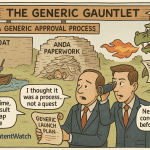
The Hatch-Waxman Act did more than just create the Orange Book; it established a highly structured, albeit adversarial, pathway for generic drug approval and patent litigation. This framework, centered on the Abbreviated New Drug Application (ANDA), provides a predictable set of rules that both innovator and generic companies use to guide their strategies. For a Regulatory Affairs team, understanding the mechanics of this “gauntlet”—specifically the Paragraph IV certification, the automatic 30-month stay, and the lucrative 180-day exclusivity—is essential for forecasting market events and managing a product’s lifecycle.36
When a generic company files an ANDA, it must make a certification to the FDA regarding each patent listed in the Orange Book for the brand-name drug it seeks to copy. There are four possible certifications 36:
Paragraph I: Certifies that no patent information has been submitted to the FDA.
Paragraph II: Certifies that the listed patent has already expired.
Paragraph III: Certifies that the generic will wait to launch until the patent expires on a specific date.
Paragraph IV: Certifies that the listed patent is invalid, unenforceable, or will not be infringed by the generic applicant’s product.
The Paragraph IV certification is the most aggressive and strategically significant of these options. It is a direct challenge to the innovator’s intellectual property.36 When a generic company files an ANDA with a Paragraph IV certification, it must notify the brand-name company and the patent holder. This notification is legally considered an act of patent infringement, giving the innovator a 45-day window to file a lawsuit against the generic applicant.12
If the brand company files a lawsuit within this 45-day period, it triggers one of the most powerful mechanisms in the Hatch-Waxman Act: an automatic 30-month stay of the generic’s ANDA approval.12 This means the FDA is legally barred from granting final approval to the generic drug for up to 30 months, or until the patent litigation is resolved in court, whichever comes first.40 This provision is a critical strategic tool for innovator companies. It provides a guaranteed period of continued market exclusivity, giving them time to litigate the patent dispute, prepare for the financial impact of generic entry, or execute lifecycle management strategies to switch patients to a newer, patent-protected product.36 The automatic nature of the stay, combined with the FDA’s ministerial role in listing patents, creates the incentive for innovators to build “patent thickets” in the Orange Book, as each challenged patent can trigger this valuable delay.
To counterbalance this advantage and incentivize generic companies to challenge weak or invalid patents, the Hatch-Waxman Act includes a powerful reward: 180-day marketing exclusivity.36 The first generic company (or companies, if multiple file on the same day) to submit a substantially complete ANDA with a Paragraph IV certification is granted a 180-day period of exclusivity upon receiving final FDA approval.42 During this six-month period, the FDA cannot approve any other generic versions of the same drug. This effectively creates a duopoly between the brand-name drug and the first generic, allowing the generic to capture significant market share while charging a price that is only moderately lower than the brand’s.36 This period is often the most profitable phase of a generic drug’s lifecycle and is a highly sought-after prize.
This incentive structure fundamentally reshapes market dynamics. It transforms generic manufacturers from passive price competitors into active “patent watchdogs,” encouraging them to invest significant resources in identifying and challenging questionable patents listed in the Orange Book.36 For the innovator’s RA team, this framework provides a high degree of predictability. By analyzing their own patent portfolio and monitoring the Orange Book, they can forecast with reasonable accuracy when to expect Paragraph IV challenges, when the 30-month stay will likely begin and end, and the probable timing of first generic entry. This foresight is crucial for coordinating legal, regulatory, and commercial strategies to defend the product’s market share for as long as possible.
Part III: Proactive Strategies: Using Patent Data to De-Risk and Accelerate Development
The most sophisticated Regulatory Affairs teams operate not as reactive filers of information, but as proactive strategists who leverage patent intelligence to shape and de-risk the drug development process long before a marketing application is compiled. By integrating patent data into early-stage decision-making, these teams can steer R&D away from legal minefields, design clinical trials that create commercial value, and build a regulatory narrative that is both scientifically sound and strategically defensible. This proactive posture transforms the RA function from a late-stage checkpoint into an early-stage architect of success, saving the organization years of time and hundreds of millions of dollars in potentially wasted investment.
Freedom-to-Operate (FTO) Analysis: The Regulatory Green Light
Before a company invests the immense capital required for late-stage clinical trials and commercial launch, it must answer a fundamental question: “Are we free to operate?” A Freedom-to-Operate (FTO) analysis is the formal process of answering this question. It is not a mere legal formality but a core strategic imperative that determines whether a planned commercial product can be made, used, or sold without infringing the valid patent rights of a third party.43 A rigorous FTO analysis serves as a critical due diligence measure, assessing commercial risk and providing the assurance necessary for continued investment.45 Neglecting this step can lead to catastrophic consequences, including market-entry injunctions, crippling financial penalties for infringement, and the complete loss of a multi-billion-dollar R&D investment.45
The FTO process is a systematic investigation of the patent landscape, typically led by IP counsel but requiring deep cross-functional collaboration in which the RA team plays a pivotal role.46 The analysis generally involves several key steps:
Defining the Scope: The first step is to precisely define the product and its intended commercial activities. This includes the specific chemical structure of the API, all excipients in the formulation, the method of manufacture, and all planned therapeutic indications and dosage regimens.43 The RA team’s input is invaluable here, as they possess the detailed product knowledge from a regulatory perspective. The scope must also be defined geographically, as patent rights are territorial; an FTO analysis must be conducted for every jurisdiction where the company intends to market the product.45
Searching Patent Databases: A comprehensive search is conducted of issued patents and published patent applications in the relevant jurisdictions to identify any third-party patents with claims that could potentially cover the company’s product.45 This involves using specialized public and commercial databases and sophisticated search strategies.45
Analyzing and Assessing Risk: The identified patents are then meticulously analyzed by patent attorneys to determine the risk of infringement. This involves interpreting the scope of the patent claims and comparing them against the features of the company’s product.46 The patents are often stratified into high, medium, and low-risk categories to prioritize further action.45
Formulating a Legal Opinion: The culmination of the analysis is often a formal written FTO opinion from legal counsel, which concludes whether the proposed product is likely to infringe any identified patents.44 This opinion can be a powerful shield against allegations of willful infringement in future litigation, which can carry treble damages.44
The FTO analysis is not a one-time event but an iterative process that should be integrated throughout the drug development lifecycle.43 An initial FTO conducted during early R&D can help steer research toward “white space”—areas with less patent congestion—and away from crowded IP landscapes. A more comprehensive FTO is essential before committing to expensive Phase III trials, and a final, confirmatory FTO is conducted just before commercial launch.45
The outcome of an FTO analysis dictates the company’s strategic path forward. A “green light” or clear FTO provides the confidence to proceed with development and commercialization. However, if the analysis identifies high-risk “blocking patents,” the company must choose from several strategic options 44:
License the Patent: The company can negotiate a license from the patent holder, agreeing to pay royalties in exchange for the right to practice the invention.
Challenge the Patent: If the company believes the blocking patent is invalid (e.g., due to prior art not considered by the examiner), it can seek to have it invalidated through litigation or administrative proceedings.
Wait for the Patent to Expire: If the patent is nearing the end of its term, the company may choose to delay its launch until the patent expires.
Design Around the Patent: The company can modify its own product to avoid the literal scope of the patent’s claims. This is often the most desirable option, and it is where the integration of FTO analysis with R&D and clinical development becomes paramount.47
By leading and contextualizing the FTO process, the RA team ensures that the entire organization is aligned on a path that is not only scientifically promising but also commercially and legally viable.
Patent-Informed Clinical Trial Design
The traditional model of drug development posits a linear progression: scientific discovery informs clinical trial design, and the resulting data informs the regulatory submission. However, this model is incomplete. In the modern pharmaceutical industry, the competitive IP landscape imposes a critical set of constraints and opportunities that must shape the scientific endeavor from its inception. A scientifically elegant clinical trial that produces a clinically effective drug is a commercial failure if that drug cannot be launched due to infringement of a competitor’s patent. Therefore, a truly strategic approach to drug development uses patent intelligence as a direct input into the design of clinical trial protocols. The RA team, sitting at the nexus of clinical, legal, and regulatory functions, is the natural orchestrator of this integration.
This patent-informed approach manifests in several key areas of trial design:
1. Designing Around Method-of-Use and Dosage Regimen Patents:
Competitor patents often do not claim the drug compound itself (which may be off-patent) but rather a specific method of using it. For example, a competitor may hold a patent on a method of treating a specific cancer by administering 10mg of a drug once daily.11 A direct clinical trial designed to prove the efficacy of a 10mg once-daily regimen would lead directly to an infringing product. By conducting a thorough patent analysis, the RA and IP teams can identify these specific claims. This intelligence then empowers the clinical team to “design around” the patent by testing a different, non-infringing regimen—for instance, a 5mg twice-daily dose or a continuous infusion protocol.34 The clinical trial is then designed to demonstrate that this alternative regimen is safe and effective. If successful, the company can seek regulatory approval and market a product with a label that does not overlap with the competitor’s patented method, thereby carving out a unique and legally defensible market position.51
2. Strategic Selection of Comparators and Endpoints:
Phase III pivotal trials are often designed to compare a new drug against the current standard of care. Patent landscape analysis provides invaluable intelligence on the next-generation products that competitors have in their pipelines. An RA team can use this data to advocate for a more forward-looking trial design. Instead of comparing their drug to a product that will soon be obsolete, they might design the trial to include a comparator arm against a competitor’s emerging therapy. While more complex, a successful outcome can provide powerful evidence of superiority against a future market rival, a key differentiator for both regulatory approval and commercial adoption. Similarly, competitor patents may reveal the specific clinical endpoints they are pursuing. This allows a company to differentiate its own clinical program by focusing on alternative endpoints—such as patient-reported outcomes or improvements in a specific biomarker—that are not claimed by competitors, again creating a unique value proposition.
3. Targeting Unclaimed Patient Populations:
A competitor’s method-of-use patent might claim the treatment of a broad patient population, for example, “all patients with Type 2 diabetes.” Patent intelligence, combined with clinical insight, may reveal an opportunity to design a trial focused on a specific, unclaimed sub-population where the drug demonstrates a particular benefit (e.g., “patients with Type 2 diabetes and moderate renal impairment”). The clinical trial is then designed with inclusion/exclusion criteria to isolate this group and demonstrate a significant therapeutic effect. This strategy allows the company to seek a narrower, but patent-free, indication from the FDA. Furthermore, the discovery of this unique benefit in a specific sub-population may itself be a patentable invention, allowing the company to build its own IP fortress around a niche market.
4. Navigating the “Prior Art” Trap of Clinical Trials:
There is an inherent tension in drug development: the clinical trials required to generate the data needed to support a patent application can themselves create “public disclosures” or “public uses” that constitute prior art, potentially invalidating the very patent the company seeks to obtain.52 This “Catch-22” requires careful management. Publicly available information about a trial, such as protocols posted on ClinicalTrials.gov or press releases announcing trial results, can be cited by patent examiners or competitors to argue that an invention was obvious.53 To mitigate this risk, RA and IP teams must work together to control the flow of information. Strategies include:
Strategic Timing of Patent Filings: Delaying the filing of a patent application until after a Phase II trial has commenced can maximize the patent term, but this must be balanced against the risk of public disclosure.54
Confidentiality Agreements: Ensuring that all trial investigators, site staff, and collaborators are bound by strict confidentiality agreements is crucial to prevent premature disclosure of inventive concepts.53
Control Over the Investigational Product: Trial protocols should include provisions that require patients to return any unused drug product, preventing it from being reverse-engineered or analyzed by third parties.53
By integrating patent intelligence into the very fabric of clinical strategy, the RA team helps ensure that the enormous investment in clinical development is directed toward a product that is not only safe and effective but also commercially viable and legally defensible.56
Crafting the Submission Dossier: Using Patent Intelligence to Strengthen the Narrative
The ultimate output of the pre-market regulatory process is the submission dossier—a comprehensive collection of data and analysis designed to persuade a health authority to grant marketing approval. While the foundation of this dossier is robust clinical and nonclinical data, patent intelligence can be a powerful tool for strengthening the strategic narrative presented to regulators. A sophisticated RA team uses insights from the patent landscape to frame the drug’s value proposition, anticipate regulatory scrutiny, and support the desired product label.57
Demonstrating Unmet Medical Need: A cornerstone of any successful NDA or BLA is a compelling argument for the drug’s role in addressing an unmet medical need. Patent landscape analysis provides a systematic way to map the existing therapeutic landscape. By analyzing the patents covering all currently approved treatments for a given disease, the RA team can identify their technological limitations as disclosed in the patents themselves. This allows them to craft a narrative in the submission that positions their new drug not just as another option, but as a solution specifically designed to overcome the known deficiencies of the current, patented standards of care. This data-driven approach provides a more powerful and objective justification for the drug’s approval than a simple summary of clinical data alone.
Anticipating and Pre-empting Health Authority Questions: Regulatory reviewers are experts in their fields and are often aware of the broader scientific and competitive context in which a new drug is being developed. By thoroughly analyzing the specifications of competitor patents, an RA team can gain insight into alternative approaches, potential safety signals, or manufacturing challenges associated with a particular class of drugs.8 This foresight allows them to anticipate the questions and concerns that reviewers are likely to have. For example, if a competitor’s patent for a similar drug discloses difficulties with a particular manufacturing step, the RA team can ensure their own submission includes extra data and detailed explanations to demonstrate how their process has overcome this challenge. This proactive approach shows a high level of scientific rigor and can streamline the review process by addressing potential deficiencies before they are even raised by the agency.57
Supporting and Defending the Target Product Label: The desired product label is the ultimate strategic goal of the entire development program, as it defines the approved indications, patient populations, and dosage instructions that will govern how the drug can be marketed.8 The process of defining this target label should begin early in development and must be informed by both clinical data and the IP landscape. Patent intelligence helps the RA, clinical, and commercial teams to identify a “sweet spot”—an indication or use that is strongly supported by the clinical evidence
and occupies a defensible “white space” in the patent landscape. The submission dossier is then built to support this specific target label. Statements made in the submission can have significant implications for future patent litigation.58 For example, data used to demonstrate superiority over an existing treatment for regulatory purposes may also be used to argue for the non-obviousness of a patent. The RA team must work closely with IP counsel to ensure that the narrative presented to the FDA is consistent with and supportive of the company’s broader IP strategy, creating a seamless link between regulatory approval and patent protection.59
Part IV: Advanced Applications and Lifecycle Management
A drug’s journey does not end with its initial regulatory approval. The post-approval phase is a dynamic and intensely competitive period where Regulatory Affairs teams deploy their most sophisticated strategies to maximize and defend the product’s commercial value. This involves a continuous, integrated campaign of regulatory and IP actions designed to extend market exclusivity, fend off generic competition, and navigate the complex legal challenges that arise as a product matures. In this phase, the RA team’s ability to execute regulatory strategies in lockstep with the company’s patent defense is paramount to protecting billions of dollars in revenue and managing the inevitable “patent cliff.”
Defending the Fortress: Navigating the Patent Cliff with Secondary Patents
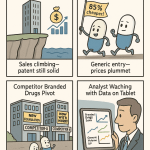
For nearly every major pharmaceutical product, there is an unavoidable financial reckoning known as the “patent cliff.” This term describes the dramatic and precipitous decline in revenue that occurs when the primary patent—typically the composition of matter patent covering the active ingredient—expires, opening the floodgates to generic competition.60 Generic entry can erode a brand’s market share by over 80% and drive prices down by as much as 90%, effectively wiping out a company’s primary revenue stream in a short period.61
To mitigate this existential threat, innovator companies have developed a sophisticated set of strategies known as lifecycle management or, more controversially, “evergreening”.21 The core of this strategy is to build a defensive fortress around the drug by obtaining a series of secondary patents on new inventions related to the original product. These secondary patents do not cover the original active ingredient but instead protect incremental innovations that can extend the product’s commercial life long after the initial patent has expired.13 Common types of secondary patents include those covering:
New Formulations: Developing an improved version of the drug, such as an extended-release tablet, a new oral suspension for pediatric patients, or a formulation with enhanced stability.13
New Methods of Use/Indications: Discovering and proving that the drug is effective in treating a different disease or condition than the one for which it was originally approved.13
New Dosages or Routes of Administration: Developing a more convenient dosing regimen (e.g., once-daily instead of twice-daily) or a new delivery method (e.g., an injectable form of a previously oral drug).49
Combination Therapies: Combining the drug with one or more other active ingredients to create a new fixed-dose combination product with enhanced efficacy.49
This systematic approach of layering secondary patents creates what is known as a “patent thicket”—a dense, overlapping web of IP rights that makes it legally complex, time-consuming, and financially prohibitive for a generic competitor to enter the market.13 Instead of having to challenge a single patent, a generic company may now face the prospect of litigating a dozen or more patents, each with a different expiration date.16
The critical and often overlooked insight is that this entire IP strategy is operationally dependent on the Regulatory Affairs team. A patent thicket is a legal construct, but its thorns are sharpened by regulatory approvals. A new formulation patent is commercially worthless until the RA team successfully navigates the FDA approval process for that new formulation, typically through a supplemental NDA (sNDA). A new method-of-use patent is just a piece of paper until the RA team gets the new indication added to the product’s label. This reveals a deep causal dependency: regulatory success is the enabling condition for the IP strategy to have any commercial effect. The RA team is responsible for generating and submitting the required CMC, nonclinical, and clinical data to support each of these lifecycle extensions. Their ability to execute these regulatory submissions efficiently and successfully is the critical path for the entire lifecycle management strategy, directly linking their work to the preservation of the company’s most important revenue streams.62 This elevates the RA function from a support role to a central driver of late-stage commercial strategy and corporate defense.
The “Skinny Label” Gambit: A Regulatory-Legal Strategy for Method-of-Use Patents
One of the most intricate and high-stakes strategies at the intersection of patent and regulatory law is the “skinny label” or “label carve-out.” This maneuver is a direct consequence of the Hatch-Waxman Act’s provisions and is a primary tool used by generic companies to enter the market even when some of an innovator’s patents remain in force.63 It also represents a significant threat that innovator RA and legal teams must constantly monitor and counter.
The strategy is rooted in the fact that a generic drug’s label must generally be the same as the brand-name drug’s label. However, the Hatch-Waxman Act provides a crucial exception under section viii: if the brand-name drug is approved for multiple indications (uses), and one or more of those indications are still protected by a valid method-of-use patent, the generic applicant can “carve out” the patented indication from its proposed label.64 The generic company then submits its ANDA with a “skinny label” that includes only the indications for which patent protection has expired. This allows the generic to launch its product for the off-patent uses while theoretically avoiding infringement of the still-active method-of-use patents.63
This seemingly straightforward regulatory pathway is fraught with legal peril, primarily centered on the doctrine of “induced infringement.” An innovator company can sue a generic manufacturer, arguing that even with the skinny label, the generic company is actively encouraging or inducing doctors to prescribe the drug for the patented, carved-out indication.65 This creates a fine line between a legally permissible carve-out and illegal inducement, a line that has been the subject of major and evolving court battles.
Two landmark cases illustrate this complexity:
GlaxoSmithKline LLC v. Teva Pharm. USA, Inc.: In this case, Teva launched a generic version of GSK’s drug Coreg® with a skinny label that carved out the patented indication for congestive heart failure (CHF). However, GSK presented evidence that Teva’s press releases and marketing materials referred to its product as a “generic equivalent” to Coreg® and noted that it was indicated for “treatment of heart failure.” A jury found that Teva had induced infringement, and the Federal Circuit ultimately upheld this verdict, establishing that a generic’s promotional activities and public statements outside the label itself could be used as evidence of intent to induce infringement, even with a valid carve-out.64 The court noted a Teva witness’s testimony that the skinny label was a “legal strategy, not a commercial strategy,” which suggested an awareness that doctors would continue to prescribe the generic for the patented use.65
H. Lundbeck A/S v. Lupin Ltd., et al.: In a subsequent case involving the antidepressant Trintellix®, the Federal Circuit clarified and narrowed the GSK holding. Here, generic companies also used skinny labels to carve out patented indications. However, unlike in GSK, the innovator’s inducement case relied solely on the generic’s proposed labels, with no evidence of external marketing or promotional materials encouraging the infringing use. The court affirmed a judgment of non-infringement, stating that a patentee cannot block the sale of a drug for unpatented uses simply by securing a patent for a new, narrower use.66 The court explicitly limited the GSK precedent to situations where the generic company actively promotes the infringing use.66
For RA teams, this legal landscape requires extreme diligence.
Innovator RA Teams: They must work with legal and commercial colleagues to conduct surveillance of generic competitors’ labels, press releases, product catalogs, and other marketing materials. The goal is to build a body of evidence to support an induced infringement claim by showing that the generic is intentionally blurring the lines and benefiting from the brand’s patented indications.67
Generic RA Teams: They face the challenge of crafting a label that is not only compliant with FDA regulations but is also meticulously worded to minimize the risk of an inducement claim. This involves a careful, word-by-word review to ensure the label cannot be interpreted as encouraging or suggesting the carved-out use. They must also work to ensure their company’s commercial teams understand the legal risks and refrain from any promotional activity that could undermine the skinny label strategy.66
The skinny label gambit perfectly illustrates the modern regulatory-patent nexus, where the text of a drug label, a document under the purview of the RA team, becomes the central piece of evidence in a multi-million-dollar patent infringement lawsuit.
Leveraging Patent Litigation Data for Regulatory Forecasting
In the competitive pharmaceutical sector, the ability to accurately forecast future market events is a significant strategic advantage. While market research and clinical trend analysis are valuable, one of the most powerful and underutilized predictive tools available to Regulatory Affairs teams is aggregated patent litigation data. The Hatch-Waxman framework has created a highly structured and data-rich environment for patent disputes. By systematically analyzing historical litigation trends, filing statistics, and case outcomes, an RA team can move beyond anecdotal evidence and develop sophisticated, data-driven models to predict the timing and probability of generic competition.68
The landscape of Hatch-Waxman litigation is well-documented. In 2024, for instance, 312 new complaints were filed, an increase from 259 in the previous year, with the vast majority concentrated in the U.S. District Courts of Delaware and New Jersey.68 Analysis of case outcomes reveals critical patterns. In 2024, innovator companies were found to have prevailed on substantive issues 20% of the time in resolved cases, whereas generic companies prevailed only 2% of the time, with settlements accounting for 39% of resolutions.68 At trial, innovator patents were upheld as valid more often than not, and infringement was found more frequently than non-infringement.68
However, the most crucial statistic for predictive modeling is the success rate of Paragraph IV challenges. While a trial victory for a generic company may seem relatively rare based on the statistics above, the overall “success rate”—which includes favorable settlements and cases where the innovator drops the suit—is significantly higher. One analysis found that the potential payoff of a first-to-file Paragraph IV challenge is often worth the risk of litigation due to a 76% overall success rate.41 This high probability of eventual generic entry, whether through litigation or settlement, is a fundamental assumption that must be built into any innovator’s lifecycle planning.
An RA team can leverage this data in several strategic ways:
Forecasting Generic Entry: By combining the date of a Paragraph IV notification with the automatic 30-month stay and the average time to resolve litigation (or reach a settlement), the RA team can create a probabilistic timeline for the first generic launch. This forecast is vital for the company’s financial planning, supply chain management, and the timing of its own lifecycle management initiatives.
Assessing Portfolio Vulnerability: Litigation data can be segmented by patent type. For example, if data shows that patents on specific crystalline forms (polymorphs) are frequently invalidated on obviousness grounds 68, an RA team can advise its R&D and IP colleagues that relying solely on such a patent for long-term protection is a high-risk strategy. This can influence decisions on whether to invest in developing a more robust follow-on product.
Informing Litigation Strategy: While the legal team leads litigation, the RA team’s analysis of historical data can provide valuable context. Understanding the success rates of different legal arguments before specific judges or in particular jurisdictions can help the company make more informed decisions about whether to litigate aggressively or seek an early settlement.71
Competitive Intelligence: Tracking the litigation activity of specific generic companies can reveal their strategic priorities and risk tolerance. A generic company that frequently challenges patents and litigates through trial is a different type of threat than one that typically seeks early settlements.72
These statistics are not just for lawyers. They are quantitative inputs for risk assessment and strategic planning. By embracing a data-driven approach to analyzing the legal landscape, the RA team can provide the entire organization with a clearer, more realistic picture of the competitive future, enabling more robust and resilient product strategies.
Table 3: Hatch-Waxman Litigation Outcomes & Probabilities: A Strategic Framework for RA
Litigation Event
Key Statistics & Data Points
Strategic Implication for Innovator RA
Strategic Implication for Generic RA
Paragraph IV Filing
Over 80% of major drugs face a P-IV challenge.40 55% of new small-molecule drugs are challenged within the first year of eligibility.73
Assume a challenge is inevitable for any successful product. Initiate defensive lifecycle management and legal preparedness plans immediately upon NDA approval.
The 180-day exclusivity is a powerful incentive.40 Filing first is a critical strategic goal. Prepare ANDA and P-IV certification to be ready on the earliest possible date.
Lawsuit Filing (Triggering 30-Month Stay)
Innovator must sue within 45 days to trigger the stay.40 Stay provides up to 30 months of continued exclusivity.12
Filing the lawsuit is a standard defensive move. Use the 30-month stay period to execute lifecycle strategies (e.g., product hopping) and/or negotiate a settlement from a position of strength.
The 30-month stay is an expected delay. Factor this period into the launch timeline and financial models. Use this time to prepare for litigation or explore settlement.
Settlement
Accounted for 39% of case resolutions in 2024.68 Can involve “pay-for-delay” terms, which are under antitrust scrutiny.71
A settlement provides certainty on the date of generic entry. This allows for precise financial forecasting and managed transition of the market. Negotiate terms to maximize remaining exclusivity.
A favorable settlement can achieve early market entry without the full cost and risk of trial. The overall success rate, including settlements, is high (~76%).70
PTAB Challenge (IPR/PGR)
PTAB has a high rate of invalidating patent claims (~60-70%).41 4% of PTAB petitions challenge Orange Book patents.69
PTAB presents a significant validity threat. Monitor for PTAB filings and prepare robust defenses. A loss at PTAB can severely weaken the litigation position in district court.
PTAB is a faster, less expensive, and often more successful venue for invalidating patents than district court. Consider a parallel PTAB challenge as a key part of the litigation strategy.
District Court Verdict (Infringement/Validity)
Innovators have a higher win rate at trial.68 Juries in D. Del. favored patent owners in 82% of cases.70
The odds at trial are generally favorable, but a loss is catastrophic. The high stakes justify significant litigation investment. A win can delay generic entry for years.
A trial is a high-risk, high-reward endeavor. While the odds are long, a victory can open the market years earlier than expected and secure the 180-day exclusivity.
Part V: The Future of the Regulatory-Patent Nexus
The intricate dance between regulatory approval and patent protection is on the cusp of a profound transformation. Two powerful forces—the exponential rise of artificial intelligence and the relentless push toward globalized drug development—are reshaping the strategies, skill sets, and challenges that define the Regulatory Affairs profession. AI is poised to revolutionize how patent intelligence is gathered and how regulatory submissions are created, demanding a new breed of RA professional who is as much a data strategist as a regulatory expert. Simultaneously, the need to navigate a fragmented landscape of international patent laws and regulatory requirements places a premium on global acumen and the ability to architect cohesive worldwide strategies. The future of the regulatory-patent nexus will belong to those organizations and professionals who can master these converging trends.
The AI Revolution: Augmenting Patent Intelligence and Regulatory Efficiency
Artificial Intelligence (AI) and Machine Learning (ML) are no longer futuristic concepts but are rapidly becoming integrated, transformative tools within the pharmaceutical industry.75 For Regulatory Affairs and IP strategy, AI is not merely an efficiency tool; it is a paradigm-shifting technology that is augmenting human intelligence, accelerating timelines, and unlocking new strategic capabilities.76
AI-Powered Patent Intelligence: The traditional process of conducting patent analysis—manual searches through vast databases—is labor-intensive, time-consuming, and prone to human error. AI is fundamentally reshaping this process.75
Semantic Search and Landscape Analysis: AI-powered platforms can move beyond simple keyword searches to understand the concepts and context within patent documents. This enables semantic searching that uncovers relevant prior art with far greater accuracy and speed.75 AI algorithms can analyze thousands of patents in minutes, automatically clustering them by technology, identifying key competitors, mapping complex “patent thickets,” and visualizing technological “white spaces” for innovation.75 For an RA team conducting an FTO analysis, this means a more comprehensive and rapid understanding of the potential risks.
Predictive Analytics: ML models are being trained on vast datasets of historical patent litigation to predict outcomes. By analyzing factors such as the patent’s characteristics, the litigating parties, the jurisdiction, and the judge’s record, these tools can provide probabilistic forecasts of litigation success, helping companies make more data-driven decisions about whether to challenge, license, or design around a competitor’s patent.70
AI in Regulatory Operations: The impact of AI extends directly into the core functions of the RA department, particularly in the creation of submission dossiers.
Generative AI for Document Authoring: The authoring of regulatory documents, such as Clinical Study Reports (CSRs), is a meticulous and time-consuming process. Generative AI tools are now being deployed to assist medical and regulatory writers by automatically generating initial drafts from structured clinical trial data. Early pilots have shown that gen-AI can reduce the time to create a first-draft CSR from 180 hours to just 80 hours and slash the end-to-end authoring cycle time by 40%.8 This acceleration can shave months off the submission timeline, potentially unlocking hundreds of millions of dollars in net present value for a priority asset by enabling an earlier launch.8
Automation of Workflows: AI and automation are also being used to streamline other regulatory processes, such as formatting tables, validating dossier components, and managing the workflow for responding to health authority questions.8
Impact on Patentability and Future Strategy: The integration of AI into the R&D process itself is raising new and complex legal questions that will shape future patent strategy.
Inventorship: Courts and patent offices globally are grappling with the question of whether an AI system can be named as an inventor. The current consensus is that an inventor must be a human being.77 Therefore, companies using AI in drug discovery must meticulously document the “significant human contribution” to the inventive process—such as designing the AI model, selecting the training data, or experimentally validating the AI’s output—to ensure their inventions are patentable.76
The “Non-Obviousness” Standard: The legal standard for patentability requires an invention to be “non-obvious” to a person of ordinary skill in the art. As AI tools become standard in the industry, the capabilities of this hypothetical “skilled person” will effectively be augmented by AI. An invention that might seem groundbreaking to a human researcher could be considered “obvious” if an AI could have generated it routinely. This will raise the bar for innovation and require future patent applications to demonstrate a higher degree of human ingenuity.76
The rise of AI will inevitably lead to a bifurcation of the Regulatory Affairs profession. It will automate many of the routine, data-gathering, and document-formatting tasks, which constitute the “what” of the job. This will place an enormous premium on the strategic and interpretive skills that represent the “so what.” Future RA leaders will not be valued for their ability to manually compile a 100,000-page dossier. They will be valued for their ability to use an AI-generated patent landscape analysis to advise the C-suite on which clinical programs to fund, which competitor patents to challenge, or which companies to acquire. The required skill set will shift dramatically toward strategic analysis, data science literacy, and the ability to translate complex, AI-generated intelligence into clear business recommendations.
Navigating the Global Maze: The Challenge of International Patent Harmonization
The pharmaceutical industry is inherently global. A major new drug is rarely, if ever, developed for a single market. Companies seek to launch their products in key regions around the world, including the United States, Europe, Japan, and emerging markets like China.78 This global ambition, however, runs headlong into a significant challenge: the lack of a unified international patent and regulatory system. Each country or region maintains its own distinct laws, procedures, and standards, creating a complex and fragmented landscape that RA teams must expertly navigate.78
Efforts toward harmonization have made some progress. International agreements like the Patent Cooperation Treaty (PCT), administered by the World Intellectual Property Organization (WIPO), streamline the process of filing patent applications in multiple countries.80 An applicant can file a single international application, which is then forwarded to the national patent offices of the designated countries for examination. Similarly, the
International Council for Harmonisation of Technical Requirements for Pharmaceuticals for Human Use (ICH) brings together regulatory authorities and the pharmaceutical industry to discuss scientific and technical aspects of drug registration. ICH guidelines on topics like Good Clinical Practice (GCP) and the Common Technical Document (CTD) format for submissions have been widely adopted, reducing the need to generate different data packages for different regions.79
Despite these efforts, significant barriers and differences persist, creating major challenges for developing a cohesive global regulatory and patent strategy 78:
Differing Patentability Standards: What is considered a patentable invention can vary significantly. For example, the United States has historically allowed patents on methods of medical treatment, whereas this has been more restricted in other jurisdictions. These differences can mean that a key method-of-use patent that is enforceable in the U.S. may offer no protection in another major market.82
Varying Data and Market Exclusivity Rules: The duration and scope of regulatory exclusivities are not harmonized. For example, the U.S. provides five years of NCE exclusivity and 12 years of exclusivity for biologics, while the EU provides a formula of “8+2+1” years (eight years of data exclusivity, two of market exclusivity, and a potential one-year extension).83 These differences directly impact the financial modeling and launch sequencing for new drugs.
Country-Specific Clinical Trial Requirements: Some countries impose requirements that can complicate the design and execution of global, multi-regional clinical trials. For instance, regulatory authorities in China, Korea, or India may require that a certain number or percentage of trial participants be nationals of their country, or that separate local studies be conducted before a drug can be approved.78 These requirements can create logistical challenges and slow down the overall development timeline.81
Divergent Approaches to TRIPS Flexibilities: The WTO’s Agreement on Trade-Related Aspects of Intellectual Property Rights (TRIPS) sets minimum standards for IP protection but also includes “flexibilities” that allow countries to override patents in certain circumstances, such as through compulsory licensing to address public health crises.83 The interpretation and use of these flexibilities vary widely, creating uncertainty for patent holders in some markets.
For a global RA team, managing this complexity is a monumental task. It requires not only a deep understanding of the regulations in each target market but also the strategic vision to weave these disparate requirements into a single, efficient global development and submission plan. The team must work with clinical operations to design trials that can satisfy the data requirements of multiple agencies simultaneously. They must coordinate with IP counsel to ensure that the patent filing strategy is tailored to the specific laws of each key jurisdiction. And they must manage a complex timeline of rolling submissions, responses to agency queries, and post-approval lifecycle management activities across dozens of countries. The ability to master this global maze is a defining characteristic of a world-class Regulatory Affairs function and a critical enabler of a pharmaceutical company’s international success.
Conclusion: The Regulatory Affairs Team as Strategic Architect
The role of the Regulatory Affairs team within the pharmaceutical industry has undergone a fundamental and irreversible transformation. Evolving far beyond its traditional mandate of ensuring compliance, the modern RA function has emerged as the strategic architect of a product’s commercial success, operating at the critical nexus of science, law, and business. The ability to expertly wield patent intelligence is no longer a peripheral skill but a core competency that defines the effectiveness and value of the RA professional.
This report has demonstrated that the integration of patent data into regulatory strategy is not a theoretical exercise but a series of concrete, value-creating actions that span the entire drug lifecycle. In the pre-approval phase, patent intelligence informs the very direction of research, guides the design of commercially viable clinical trials, and strengthens the persuasive narrative of regulatory submissions. By conducting rigorous Freedom-to-Operate analyses and using competitor patent data to “design around” existing IP, RA teams de-risk development programs, saving potentially billions in misdirected investment and years of wasted time.
In the post-approval phase, this integration becomes a powerful defensive weapon. RA teams are the operational engine behind sophisticated lifecycle management strategies, securing the regulatory approvals for new formulations, indications, and combination products that give “patent thickets” their commercial teeth and defend blockbuster franchises against the patent cliff. They are on the front lines of the high-stakes legal battles over “skinny labels,” where their mastery of regulatory language and labeling requirements can determine the outcome of induced infringement litigation. Furthermore, by leveraging aggregated patent litigation data, they can bring a new level of quantitative rigor to forecasting, providing their organizations with a data-driven view of the competitive landscape.
Looking forward, the strategic importance of the RA function is set to increase even further. The rise of artificial intelligence will automate routine tasks but will place an unprecedented premium on the strategic, interpretive, and analytical skills of RA leaders. They will be tasked with translating vast, AI-generated landscapes of patent and regulatory data into actionable business strategy. Simultaneously, the ongoing globalization of the pharmaceutical industry will demand an ever-deeper understanding of the fragmented international patent and regulatory environment.
Ultimately, the central conclusion of this analysis is that in the modern pharmaceutical enterprise, patent strategy and regulatory strategy are not two separate disciplines but two sides of the same coin. A patent without a corresponding regulatory approval is commercially meaningless, and a regulatory approval without a defensible period of market exclusivity is financially unsustainable. The Regulatory Affairs team is the indispensable function that forges the link between the two, transforming legal rights into marketable products and scientific data into protected revenue streams. The companies that will lead the next generation of pharmaceutical innovation will be those that recognize this reality and empower their RA teams not as gatekeepers of compliance, but as the strategic architects of their future.
The Role of Patents and Regulatory Exclusivities in Drug Pricing – FAS Project on Government Secrecy, accessed August 8, 2025, https://sgp.fas.org/crs/misc/R46679.pdf
Patent challenges and factors associated with successful patent challengers under the patent linkage system: recent evidence from South Korea after the Korea United States free trade agreement, accessed August 8, 2025, https://pmc.ncbi.nlm.nih.gov/articles/PMC8480108/
Introduction – International Regulatory Harmonization Amid Globalization of Drug Development – NCBI Bookshelf, accessed August 8, 2025, https://www.ncbi.nlm.nih.gov/books/NBK174222/
Harmonization of International Patient Law in Biotechnology: Strategies For Enhancing Innovation And Global Access – Dinasti Research, accessed August 8, 2025, https://dinastires.org/JLPH/article/view/1146