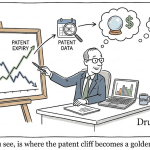
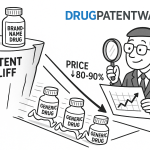
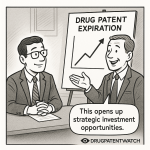
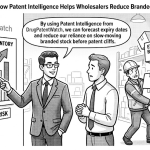
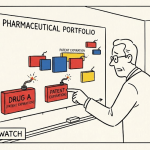
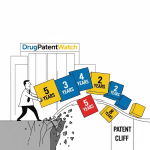
The patent cliff is not a metaphor. It is a calendar event. A specific date — often visible years in advance — on which a blockbuster drug loses its market exclusivity and generic competitors arrive almost instantly, cutting branded revenue by 80% or more within twelve months. For the world’s largest pharmaceutical companies, that calendar is dense with bad news through the early 2030s. Humira already fell. Keytruda’s core patents begin their exposure around 2028. Eliquis faces a hard wall. Ozempic and Wegovy are watching the clock.
What happens next is the subject of intense strategic planning inside every major pharma boardroom on earth. And increasingly, the answer involves software.
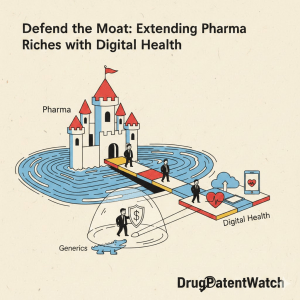
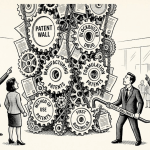
Over the past decade, pharmaceutical companies have realized that the IP moat protecting their products does not have to be a single molecule patent. It can be a layered system of digital assets — connected devices, software-as-a-medical-device registrations, algorithm patents, real-world evidence databases, companion diagnostic tools, and digital therapeutics that wrap around a drug like legal armor. Each layer creates a new period of exclusivity, a new revenue stream, or both.
This is not theoretical. Novo Nordisk’s connected insulin pen generates data that feeds proprietary dosing algorithms covered by patents that expire well after the underlying drug formulations. Roche’s cobas portfolio ties diagnostics to prescribing decisions in ways that make switching away from branded drugs commercially painful for health systems. AstraZeneca’s partnership with Huma Therapeutics creates digital care pathways that are themselves patentable products, separate from the chemical entity they support.
The strategy has a name inside IP law firms: “patent layering through digital adjacency.” It draws on an older tactic — evergreening through new formulations, new dosing regimens, and new delivery systems — but it extends into entirely new legal territory where the rules are still being written by the FDA, the European Medicines Agency (EMA), and the courts simultaneously.
For investors, licensing teams, competitive intelligence analysts, and business development professionals at pharmaceutical companies, understanding this strategy is no longer optional. It is the difference between watching a competitor extend a $10 billion asset for another eight years and doing it yourself.
This article explains how the strategy works, who is executing it well, where the risks are concentrated, and what the next wave of digital health IP looks like as artificial intelligence enters the picture.
The Patent Cliff Is Real — and Digital Health Is the Bridge
What the Cliff Actually Costs
Patent expiration is the most predictable catastrophe in business. Pharmaceutical companies know the date decades in advance, they report it in their annual filings, and analysts model the revenue impact with precision. Yet the scale of value destruction remains staggering when the moment arrives.
When Pfizer’s Lipitor lost exclusivity in November 2011, the company’s global revenues fell by $2.8 billion in a single quarter [1]. Atorvastatin, the generic version, captured 80% of the U.S. market within six months — a displacement rate that would be considered a market collapse in any other industry. AstraZeneca lost approximately $5 billion in annual revenues when Crestor (rosuvastatin) went generic in 2016 [2]. Bristol-Myers Squibb saw Plavix revenues drop from $6.1 billion to under $1 billion within two years of patent expiration.
These are not edge cases. This is the business model.
The pharmaceutical sector currently faces what analysts at IQVIA describe as one of the most concentrated patent cliff periods in industry history. Between 2025 and 2030, drugs with combined annual revenues exceeding $180 billion are scheduled to lose patent protection [3]. The list includes some of the most commercially successful products ever developed: Keytruda (pembrolizumab, Merck), with 2023 revenues of $25 billion; Eliquis (apixaban, Bristol-Myers Squibb/Pfizer), approaching $12 billion annually; and the entire GLP-1 receptor agonist category, including Ozempic and Wegovy from Novo Nordisk, whose core semaglutide compound patents are already subject to multi-front litigation.
The standard response to this problem is to maintain a robust pipeline of new drugs, acquire products from smaller biotechs, and file continuation patents that cover new formulations, dosing intervals, and patient populations. These tactics work — but they are expensive, time-consuming, and dependent on clinical data that may not exist when you need it.
Digital health offers a different option: the ability to create new, independently patentable IP that is intimately bound to an existing drug product without requiring new clinical trials for the underlying molecule.
The Revenue Mechanics of Digital Extension
The financial logic works at two levels.
At the first level, a digital health product — a connected device, a software application, a real-world evidence platform — can generate revenue directly. Digital therapeutics (DTx) are software products that are prescribed independently of a drug. They have their own reimbursement pathways, their own CPT codes in the United States, and their own IP protection. A pharmaceutical company that develops a digital therapeutic companion to a branded drug creates a product that continues to generate revenue even after the underlying drug loses exclusivity, because the software IP is on a different legal clock.
At the second level — and this is where the strategy gets genuinely powerful — a digital health product tied to a branded drug can suppress generic substitution even after patent expiration. If a drug’s efficacy is monitored and optimized through a proprietary connected device, and if the device is deeply integrated into the clinical workflow at prescribing hospitals and health systems, switching to a generic version of the same molecule requires abandoning the entire digital ecosystem. Physicians do not want to do this. Health system pharmacists face safety concerns about doing it. Patients who are stabilized on a dosing regimen calibrated by proprietary algorithms are reluctant to switch. <blockquote> “Roughly 55% of patients who switch from a branded drug to a generic version within the first six months of patent expiration will have experienced at least one change in a digital monitoring or adherence tool in the preceding twelve months, suggesting that digital integration actively slows generic uptake.” <br>— IQVIA Institute for Human Data Science, Digital Health Trends Report, 2023 [4] </blockquote>
This friction is worth billions of dollars. Even a two-year delay in generic penetration, at the scale of a Keytruda or an Eliquis, represents revenue in the tens of billions. The cost of building a credible digital health product is a fraction of that.
How Digital Health Creates New IP Layers
Software as a Medical Device: The Regulatory Door That Also Locks
The FDA’s regulatory framework for Software as a Medical Device (SaMD) — formalized through the Digital Health Center of Excellence, established in 2020, and its evolving guidance series — created something the pharmaceutical industry did not fully anticipate: a regulatory pathway that simultaneously imposes development costs on entrants and generates a de facto exclusivity window for first movers.
SaMD is defined by the International Medical Device Regulators Forum (IMDRF) as software intended to be used for one or more medical purposes that performs these purposes without being part of a hardware medical device [5]. In practice, this covers a wide range of pharmaceutical-adjacent products: clinical decision support software that recommends drug dosing based on patient data; mobile apps that monitor patient responses to medication and flag adverse events; AI-based tools that predict which patients will respond to a given therapy; and remote monitoring platforms that generate the real-world evidence base supporting a drug’s continued efficacy claims.
Each of these software products, if it qualifies as SaMD, must go through FDA review before marketing in the United States. This process takes time and money. A De Novo classification request — the pathway for novel, low-to-moderate risk devices — typically takes 12 to 18 months and costs between $500,000 and $2 million in direct regulatory expenses, plus the underlying development costs [6]. A full Premarket Approval (PMA) for higher-risk software can cost tens of millions and take three to five years.
For a large pharmaceutical company with established regulatory infrastructure, these costs are manageable. For a generic drug manufacturer that wants to replicate the branded drug’s digital ecosystem after patent expiration, they are prohibitive — not because the costs are unaffordable in absolute terms, but because the time required creates a competitive lag that, in fast-moving therapeutic categories, can be decisive.
The IP strategy here is explicit. Companies file patent applications on the software architecture, the specific algorithms, the user interface elements, the data processing pipelines, and the clinical decision logic that underlie their SaMD products. These patents, typically granted with a 20-year term from filing, create a legal moat entirely separate from the drug’s composition-of-matter patent. The drug’s molecule may be in the public domain. The software that optimizes its use is not.
Digital Therapeutics: When Software Becomes the Drug
Digital therapeutics represent the most direct pharmaceutical analog in the digital health space. They are regulated as medical devices (or, in some jurisdictions, as drugs), prescribed by clinicians, and evaluated in randomized controlled trials using clinical endpoints. They treat diseases.
The first generation of commercial digital therapeutics has established proof of concept. Pear Therapeutics received FDA authorization for reSET, a prescription digital therapeutic for substance use disorder, in 2017. Voluntis developed digital companions for diabetes and oncology. Click Therapeutics has built a pipeline of digital therapeutics targeting psychiatric and metabolic conditions.
For large pharmaceutical companies, the interest is not in replacing drugs with software. It is in bundling software with drugs in ways that extend both the product’s clinical differentiation and its IP protection.
Eli Lilly’s digital health strategy illustrates this clearly. The company has invested heavily in connected insulin delivery systems and companion digital platforms for its diabetes portfolio. The Tempo Smart Button, which attaches to Lilly’s Basaglar KwikPen and transmits dose data to a smartphone app, generates proprietary usage data that informs dosing recommendations through algorithms Lilly holds under trade secret and patent protection [7]. When Basaglar’s underlying insulin glargine compound faces competitive pressure from biosimilars, the connected pen ecosystem provides a reason for patients and prescribers to remain with the Lilly branded system.
The patent filing strategy behind these products is sophisticated. Companies file on the hardware (the device itself), the software (the application running on the device), the algorithms (the specific computational methods used for dosing recommendations), the user interface (the specific layout and interaction design of the app), and the data systems (the backend infrastructure that aggregates and processes patient data). Each of these patent families has a different expiration date, and together they create overlapping protection that extends well beyond any single patent’s life.
Tracking these filings requires dedicated resources. Tools like DrugPatentWatch, which provides comprehensive patent coverage tracking for pharmaceutical and digital health IP, allow competitive intelligence teams to map a competitor’s digital patent portfolio alongside their drug patent schedule, revealing both the extent of their moat-building strategy and the gaps in it.
Companion Apps and Adherence Tools
Below the level of regulated digital therapeutics, there is a large and commercially consequential category of companion applications and adherence tools that occupy a grey zone between medical devices and consumer wellness products.
These applications — medication reminder apps, symptom tracking tools, disease management platforms — are not, in most cases, regulated as medical devices. They do not require FDA clearance. They do not generate independent revenue through reimbursement. But they generate something potentially more valuable: proprietary patient data at scale, and behavioral integration into a patient’s daily routine that creates switching costs the drug’s IP alone cannot create.
AstraZeneca’s partnership with Mahana Therapeutics, its investments through the AZ&ME program, and its digital health collaborations with Huma (formerly Medopad) all reflect an understanding that patient adherence data is a commercial asset with strategic value beyond the immediate interaction. A patient who uses AstraZeneca’s disease management platform for their respiratory condition is generating data that AstraZeneca can use — subject to regulatory and ethical constraints — to support real-world evidence submissions, to inform label expansion applications, and to demonstrate outcomes advantages over competing therapies in formulary negotiations with payers.
The IP around these applications is typically thin — patent examiners are skeptical of broad software claims under Alice Corp. v. CLS Bank International [8], and the specific technical contributions of many adherence apps are difficult to distinguish from prior art. But the trade secret protections around proprietary datasets, the contractual IP provisions in pharma-patient data relationships, and the competitive advantages created by scale effects in machine learning models trained on patient data all constitute real barriers to competitive entry.
The Adherence Problem Is a Revenue Problem
Non-adherence to prescribed medication costs the U.S. healthcare system approximately $528 billion per year, according to research published in the Annals of Internal Medicine, when measured in terms of avoidable hospitalizations, disease complications, and lost productivity [9]. For pharmaceutical companies, the revenue implications are direct: a patient who fills only half their prescriptions generates half the revenue of a fully adherent patient, and their outcome data — used in real-world evidence studies — is systematically worse, potentially weakening the clinical case for continued formulary inclusion.
Digital adherence tools address this directly. When pharmaceutical companies develop proprietary adherence platforms, they improve patient outcomes (generating better real-world evidence), increase prescription fill rates (recovering lost revenue), and deepen the integration between the patient, the prescriber, and the branded product in ways that persist through patent expiration.
Roche’s engagement with this dynamic through its MySugr diabetes management app — acquired in 2017 for a reported $100 million — demonstrates the commercial logic [10]. MySugr has over four million users globally. It generates data that supports Roche’s glucose monitoring business, creates a platform for targeted patient engagement around Roche’s diabetes pharmaceutical portfolio, and provides a proprietary real-world evidence stream that Roche’s competitors cannot access.
The Patent Strategy Playbook
Layering Digital IP Over Expiring Small Molecule Patents
Patent layering is not a new concept. Pharmaceutical companies have practiced it for decades through a combination of new formulation patents, new method-of-treatment patents, new dosing regimen patents, and new delivery mechanism patents. The practice has attracted significant regulatory and litigation attention: the FDA’s “Orange Book” rules, which govern which patents can be listed to trigger Hatch-Waxman exclusivity protections, have been repeatedly contested in court, and the FTC has challenged what it characterizes as “product hopping” strategies where minimal product changes are used primarily to extend market exclusivity.
Digital health adds new dimensions to this strategy that existing regulatory frameworks are not fully equipped to handle.
Consider the lifecycle of a hypothetical injectable biologic — a monoclonal antibody treating an inflammatory condition — with a core composition-of-matter patent expiring in 2027 and a related formulation patent expiring in 2029. The standard playbook would involve filing continuation patents on new dosing regimens (a monthly rather than biweekly injection), new patient populations (use in pediatric patients, newly supported by a pediatric study), and new formulations (a higher-concentration formulation for subcutaneous self-injection). These filings are well-established, well-litigated, and increasingly challenged.
The digital health layer operates differently. The manufacturer develops a connected autoinjector with an embedded sensor that records injection time, injection technique, and potential administration errors. The device transmits this data to a smartphone application that provides real-time coaching, flags missed doses, and generates a compliance report for the prescribing physician’s electronic health record. Each element is independently patentable. Each extends the product’s competitive moat without modifying the underlying drug.
The connected autoinjector is patented as a medical device, with claims covering the sensor architecture, the transmission protocol, and the error-detection algorithm. The smartphone application is patented as SaMD, with claims covering the clinical decision logic, the user interface, and the data processing methodology. The compliance report integration is patented as a healthcare IT system, with claims covering the HL7 FHIR data model and the EHR integration architecture. None of these patents is in the Orange Book. None of them is subject to paragraph IV challenges by generic manufacturers. None of them expires in 2027.
A biosimilar manufacturer that wants to compete with this product after 2027 can replicate the drug molecule. It cannot, without substantial investment and further regulatory clearance, replicate the device ecosystem. The practical effect is that the branded product retains a competitive advantage that the patent expiration calendar did not predict.
The Combination Patent Approach
Beyond layering digital patents on top of drug patents, pharmaceutical companies are pursuing a more aggressive approach: filing patents on the combination of a drug and a digital product as a single therapeutic system.
This approach is most developed in the context of drug-device combination products, which already have an established regulatory pathway under 21 CFR Part 3. A combination product — defined as a product that combines a drug and a device, either physically or in terms of primary mode of action — is regulated by the FDA center with primary jurisdiction over its primary mode of action. For a drug-device combination where the drug is primary, FDA’s Center for Drug Evaluation and Research (CDER) leads, with CDRH input.
The patent strategy follows the regulatory logic: if the combined product is reviewed as a single entity, it should be patented as a single entity. Claims drafted on the “system comprising [drug] and [software/device]” can cover the entire clinical value proposition in a way that neither the drug patent nor the device patent alone can accomplish.
The legal durability of these combination claims depends heavily on claim construction and prosecution history, and they face the same Alice-based challenges as other software-related patents in the United States. But they have an important practical advantage: a generic manufacturer challenging a drug patent under Hatch-Waxman is not automatically challenging the device component of a combination system. The procedural separation creates uncertainty and additional litigation cost that can, in practice, delay competitive entry.
Algorithm and AI Patents in Drug Delivery
As pharmaceutical companies integrate machine learning into drug dosing, patient selection, and treatment monitoring, a new category of IP has emerged: algorithm patents covering the specific computational methods used to optimize drug therapy.
These patents face a hostile legal environment in the United States. The Supreme Court’s 2014 Alice decision established that abstract ideas implemented on a computer are not patent-eligible under 35 U.S.C. § 101, and subsequent Federal Circuit decisions have applied this standard aggressively to software patents. Many algorithm patents were invalidated in the years following Alice, and applicants learned to draft claims that emphasized the specific, concrete technical implementation rather than the abstract concept.
In the pharmaceutical context, algorithm patents that survive Alice scrutiny typically share a set of characteristics. They describe specific hardware configurations, specific data inputs (sensor types, patient populations, measurement intervals), specific mathematical operations (the actual equations used in the dosing algorithm), and specific clinical outcomes (the target pharmacokinetic or pharmacodynamic endpoints). Broad claims covering “using machine learning to optimize drug dosing” are consistently rejected. Narrow claims covering “a specific convolutional neural network architecture trained on continuous glucose monitoring data from type 1 diabetic patients with a defined demographic profile, applied to predict the insulin dose required to achieve a target glucose range within a specified time window” have a better chance of surviving both USPTO rejection and post-grant challenge.
The commercial value of these narrow claims is nonetheless real. A competitor developing a biosimilar version of an insulin product cannot replicate the branded product’s proprietary dosing algorithm without either licensing the patent or developing a non-infringing alternative — a process that requires significant investment in both AI development and clinical validation.
What Makes These Patents Defensible
Defensibility in digital health IP comes down to four factors: specification depth, claim differentiation, prosecution history cleanliness, and real-world evidence of technical novelty.
Specification depth means the patent application describes the technical invention in sufficient detail that a person skilled in the relevant field (typically defined as a software engineer with knowledge of clinical pharmacology) could implement it from the specification alone. Thin specifications — which describe a desired outcome without explaining the technical means of achieving it — invite both examiner rejection and post-grant challenge.
Claim differentiation means the patent’s independent and dependent claims cover meaningfully distinct aspects of the invention, so that an invalidity argument against one claim does not automatically invalidate the entire patent. A well-drafted digital health patent will have independent claims covering the system, the method, and the non-transitory computer-readable medium implementing the method, with dependent claims narrowing each to specific technical embodiments.
Prosecution history cleanliness means that the arguments made during examination — which become part of the public record and can be used against the patentee in litigation — do not unnecessarily disclaim claim scope that the company may later want to assert. Experienced patent attorneys draft pharmaceutical digital health applications with an eye toward the eventual litigation that will test the claims.
Technical novelty means the claimed invention was genuinely new at the time of filing — not obvious to someone working in the field, and not anticipated by prior art. In a crowded space where consumer health apps and academic medical informatics research have generated decades of prior art, establishing technical novelty requires careful prior art searches before filing.
Case Studies: Who Is Doing This Well
Novo Nordisk and the Connected Pen
Novo Nordisk has pursued digital health IP more systematically than almost any other large pharmaceutical company, with a strategy that began with the connected insulin pen and has expanded into an integrated diabetes management ecosystem.
The company’s NovoPen 6 and NovoPen Echo Plus devices are embedded with NFC chips that record dosing data — time, dose size, and in later iterations, injection site and technique parameters — that patients can transmit to compatible apps for review by themselves and their healthcare providers [11]. This data feeds into a clinical decision support algorithm that Novo Nordisk has developed in collaboration with academic medical centers.
The patent strategy behind this ecosystem is layered across at least three distinct IP families. The device itself — the pen with its embedded sensors and NFC communication architecture — is covered by a set of device patents filed primarily between 2015 and 2022, with expiration dates extending to 2042. The software application — including both the patient-facing interface and the clinical decision support logic — is covered by software patents and copyright protections. The data processing system — the backend infrastructure that aggregates, anonymizes, and analyzes population-level dosing data — is covered by a combination of patents and trade secrets.
Novo Nordisk’s insulin glargine products face biosimilar competition that has already eroded some revenue. The connected pen ecosystem creates a protected space where Novo Nordisk branded products deliver demonstrably different clinical functionality than biosimilar competitors, regardless of molecular similarity. A payer or health system choosing between Novo Nordisk’s branded insulin and a biosimilar is not comparing identical products if one comes with a connected pen ecosystem and the other does not.
The commercial implications are measurable. Novo Nordisk has reported that patients using connected pen technology show statistically significant improvements in time-in-range metrics for glucose control, with associated reductions in both hypoglycemic events and HbA1c levels [12]. These outcomes translate directly into payer arguments: the connected pen system is not just a brand preference — it is a clinical tool with quantifiable value that justifies a price premium.
AstraZeneca’s Digital Health Ecosystem
AstraZeneca has taken a partnership-heavy approach to digital health IP, building a portfolio of collaborations with digital health companies that generate both commercial products and IP positions without requiring AstraZeneca to build the full technical stack internally.
The company’s partnership with Huma Therapeutics — announced in 2020 and subsequently expanded — created a digital care platform for respiratory disease management that integrates with AstraZeneca’s asthma and COPD portfolio [13]. Huma’s platform collects patient-reported outcomes, spirometry data from connected devices, and vital signs from wearables, then applies algorithms to predict exacerbation risk and recommend care interventions. The IP architecture of the collaboration gave AstraZeneca rights to the clinical data generated through the platform and co-development rights on certain algorithm improvements.
This partnership structure is increasingly common, and its IP implications are complex. AstraZeneca does not own the underlying Huma platform software — that remains Huma’s proprietary IP. But AstraZeneca owns the data generated by using the platform with AstraZeneca patients, the clinical validation evidence that the platform was tested in AstraZeneca-sponsored studies, and certain algorithm improvements made specifically to optimize the platform for AstraZeneca’s therapeutic areas. This data ownership position is as valuable as formal patent protection in some contexts: a competitor building a rival respiratory care platform cannot license the real-world evidence AstraZeneca has generated, and that evidence is increasingly required by payers evaluating outcomes-based contracts.
AstraZeneca has also been aggressive in the biosensor space through its collaboration with Verily (Alphabet’s life sciences arm) on Project Baseline, which aims to create a comprehensive longitudinal health data set that can support drug development decisions and real-world evidence generation at scale [14]. The IP implications of this collaboration — which involves novel data collection devices, novel analytical methods, and a proprietary cohort of study participants — extend well beyond the immediate AstraZeneca drug portfolio.
Roche and the Data Strategy
Roche’s approach to digital health IP is arguably the most integrated of any major pharmaceutical company, reflecting the company’s unusual position as both a drug manufacturer and the world’s largest in vitro diagnostics business through its Roche Diagnostics and Genentech subsidiaries.
The MySugr acquisition — completed in 2017 for a reported $100 million — gave Roche access to one of the world’s largest proprietary diabetes data sets, with over four million registered users generating daily glucose measurements, meal logs, insulin dosing records, and exercise data [10]. This data set has multiple layers of commercial value.
For Roche’s diagnostics business, MySugr provides direct-to-patient distribution of glucose monitoring products, creating a recurring revenue stream and a proprietary customer relationship that competitors cannot easily disrupt. For Roche’s pharmaceutical business, the MySugr data set provides a real-world evidence resource of unparalleled scale for diabetes drug development and outcomes research. For both businesses, the data set supports the development of proprietary AI models for diabetes management that are protectable as trade secrets and, where specific implementations are novel and non-obvious, as patents.
Roche’s diagnostic-pharmaceutical integration strategy goes beyond diabetes. The company’s Ventana tissue diagnostics business, which produces the companion diagnostic tests used to identify patients eligible for Roche’s oncology drugs (including Herceptin, Avastin, and Tecentriq), creates a diagnostic lock-in effect: oncologists and pathologists who use Ventana instruments and reagents for their clinical testing are embedded in a Roche workflow that makes switching to competitors’ oncology drugs clinically complex, even after Roche’s drug patents expire.
This diagnostic integration represents one of the most sophisticated forms of digital health IP strategy in the industry, and it is a model that pharmaceutical companies without diagnostics divisions are actively working to replicate through acquisition and partnership.
Eli Lilly’s Connected Care Push
Eli Lilly’s digital health strategy has accelerated significantly since 2020, driven partly by competitive pressure from Novo Nordisk in diabetes and partly by the company’s recognition that its GLP-1 portfolio — tirzepatide (Mounjaro/Zepbound) being the centerpiece — will eventually face patent challenges that digital integration can help manage.
The Tempo connected pen program, first launched in collaboration with Dexcom, integrates Lilly’s insulin delivery with continuous glucose monitoring in a system that generates a proprietary data stream covering the full insulin-glucose interaction [7]. This integration is clinically meaningful — closed-loop insulin delivery is a proven superior management strategy for type 1 diabetes — and it is commercially strategic: the proprietary data and algorithms at the heart of the Tempo ecosystem are not available to biosimilar manufacturers who want to compete with Lilly’s insulin products.
Lilly’s more recent investments have focused on two areas. The first is digital therapeutics for obesity and metabolic disease, where Lilly has invested in platforms that support behavioral change as an adjunct to tirzepatide therapy. Since tirzepatide’s efficacy is, in the clinical trial data, substantially enhanced when combined with behavioral intervention, a proprietary digital behavioral therapy platform creates both a clinical differentiation argument and an IP extension opportunity. The second is AI-powered patient identification tools that help prescribers identify which patients in their practice are likely to benefit most from tirzepatide therapy — a clinical decision support application that, if developed and patented by Lilly, creates a proprietary decision support ecosystem around the drug.
Lessons from the Failures
Not all pharmaceutical digital health initiatives have succeeded. The failures are instructive.
AbbVie’s investment in a digital companion app for Humira patients, announced with considerable fanfare in 2018, was quietly discontinued by 2021. Post-mortems cited three problems: insufficient patient engagement (fewer than 15% of Humira patients ever downloaded the app), failure to integrate meaningfully with electronic health record systems at prescribing hospitals, and an inability to demonstrate outcomes benefits that could be used in payer negotiations [15]. The IP position was undeveloped — AbbVie had not filed comprehensive patent protection on the app’s algorithms, and the product generated no durable competitive advantage before it was shut down.
Sanofi’s acquisition of Onduo, a digital diabetes management company, was valued at over $100 million and involved a joint venture with Verily. The venture ultimately produced limited commercial results relative to the investment, and Sanofi subsequently restructured its digital health activities. The lesson here is less about IP strategy and more about commercial model: digital health products that generate IP but do not generate revenue do not extend a pharma company’s competitive position regardless of their patent portfolio.
The common thread across these failures is the gap between IP creation and commercial integration. Filing patents on a digital product that patients don’t use and payers don’t reimburse creates no moat — it creates an IP portfolio that is technically sound but commercially empty.
Regulatory Pathways That Create IP Windows
FDA’s Digital Health Center of Excellence
The FDA’s Digital Health Center of Excellence (DHCoE), established in September 2020 within CDRH, consolidated the agency’s digital health regulatory activities and created a more predictable pathway for companies seeking clearance or authorization for SaMD products [16]. This predictability has commercial implications: companies that invest in DHCoE relationship-building and early engagement programs — which the FDA actively encourages through its Q-Submission process — can shorten their regulatory timeline in ways that create a first-mover advantage.
The first regulatory authorization for a novel digital health product in a therapeutic category creates both a legal exclusivity period (to the extent that regulatory review time has depleted patent term) and a practical first-mover advantage, since the second entrant must still complete the regulatory review process from scratch. In therapeutic areas where clinical trial data is required to support SaMD authorization — as it is for most prescription digital therapeutics — the second entrant may need two to three years simply to complete the clinical work required for FDA submission.
The FDA has also articulated the conditions under which SaMD products can claim Breakthrough Device designation — a designation that accelerates review timelines and provides significant competitive intelligence value, since Breakthrough Device designations are publicly disclosed. Pharmaceutical companies that obtain Breakthrough Device designation for their digital health companions are signaling to competitors that the FDA has recognized the product’s clinical importance, which itself has commercial value in payer negotiations.
De Novo and 510(k) as IP Triggers
The De Novo classification pathway — applicable to novel, low-to-moderate risk devices with no predicate — and the 510(k) substantial equivalence pathway create different IP dynamics.
De Novo authorization creates a predicate that subsequent applicants can use for 510(k) clearance. This means the first company to obtain De Novo authorization for a particular type of digital health product establishes the standard against which all subsequent entrants are evaluated. Being the predicate-setter has competitive implications: the De Novo holder can, within limits, influence what the FDA considers the essential performance characteristics of the device class, which can disadvantage competitors whose products differ in ways the De Novo holder characterizes as safety-critical.
This predicate-setting advantage does not create formal IP rights — the predicate device is not equivalent to a patent — but it creates a regulatory moat that can be as commercially durable as formal IP protection in practice.
The 510(k) pathway, available to subsequent entrants who can demonstrate substantial equivalence to an existing predicate, is faster and cheaper than De Novo. But it still takes time — typically six to twelve months — and it still requires a predicate to exist. For pharmaceutical companies whose digital health product is the predicate, the 510(k) pathway ensures that competitors must acknowledge the existing product’s technical standards.
Software-Specific Exclusivity Mechanisms
The United States does not currently have a software-specific marketing exclusivity mechanism equivalent to the five-year new chemical entity exclusivity or the twelve-year biologic exclusivity that protect pharmaceutical products after approval. This is a significant gap in the regulatory protection framework for digital therapeutics.
The Cures 2.0 Act and subsequent legislative proposals have called for Congress to address this gap, but as of 2025, no software-specific exclusivity has been enacted [17]. The absence of formal exclusivity means that the digital health IP strategy must rely entirely on patent protection — which faces Alice challenges — and on regulatory review time as a practical barrier to competition.
Some pharmaceutical companies have sought to use existing exclusivity mechanisms creatively. If a prescription digital therapeutic is classified as a drug under the Federal Food, Drug, and Cosmetic Act — as some software products that directly modulate physiological function arguably could be — it would be entitled to the same new chemical entity or new molecular entity exclusivity that protects small molecules and biologics. No company has successfully achieved this classification for a pure software product as of early 2025, but the legal argument is being developed.
EU MDR’s Role in Global Strategy
The European Union’s Medical Device Regulation (MDR), which replaced the previous Medical Device Directive in May 2021, has significantly increased the regulatory burden for medical device authorization in Europe, including for SaMD products. The transition has been difficult for many companies, with a substantial backlog of devices awaiting Notified Body review [18].
For pharmaceutical companies with robust regulatory infrastructure, this backlog represents an opportunity. Companies that navigated the MDR transition early — obtaining CE Mark under the new regulation for their digital health products — have a competitive advantage over entrants who are still in the queue. The MDR’s emphasis on clinical evidence, post-market surveillance, and unique device identification creates ongoing compliance costs that disproportionately burden smaller competitors.
The EU also offers a partial software-specific exclusivity mechanism through its medical device regulatory framework: the period of valid CE certification provides a de facto exclusivity window that, while not equivalent to the U.S. pharmaceutical exclusivity regime, creates practical barriers to competitive entry.
Data as a Moat: The Real Asset
Real-World Evidence Generation
The pharmaceutical industry’s relationship with real-world evidence (RWE) has transformed since the 21st Century Cures Act of 2016 codified the FDA’s authority to use RWE to support regulatory decisions, including label expansions and post-approval commitments [19]. RWE — evidence derived from real-world data sources including electronic health records, insurance claims, patient registries, and wearable devices — can now support FDA approval of new indications, can be submitted as part of a biologics license application, and can form the basis of outcomes-based contracts with payers.
For pharmaceutical companies with proprietary digital health platforms, the ability to generate proprietary RWE at scale is a strategic asset that operates independently of the formal patent system. The RWE generated by a pharmaceutical company’s connected device or disease management platform is not patentable as data — raw data does not meet the criteria for patent protection under current law. But it is protectable as a trade secret, it is proprietary in the commercial sense (a competitor cannot subpoena another company’s patient database), and it is actionable in ways that publicly available RWE cannot be.
A pharmaceutical company that can present a payer with RWE from 50,000 real-world patients demonstrating that its branded drug, used in conjunction with its digital health platform, produces measurably better outcomes than the generic alternative used without digital support, has a pricing argument that goes directly to the clinical value proposition. This argument does not expire when the drug’s patents expire. It strengthens over time as more data accumulates.
The FDA has signaled an increasing receptivity to this type of RWE-supported positioning. Its Real-World Evidence Program, launched under the 21st Century Cures Act, has resulted in multiple positive regulatory decisions informed by RWE from digital health platforms. Each such decision strengthens the commercial case for proprietary digital data generation as a defensive IP strategy.
Biomarker Patents and Companion Diagnostics
Companion diagnostics — diagnostic tests that identify patients likely to respond to a specific drug — represent one of the most legally robust forms of IP layering available to pharmaceutical companies. Unlike software patents, companion diagnostic patents are firmly within established patent law frameworks. Unlike clinical data exclusivity, they do not expire on a fixed timeline. And unlike connected device strategies, they are directly tied to the prescribing decision in a way that generic competition cannot easily disrupt.
The legal framework for companion diagnostics in the United States requires FDA co-approval of the diagnostic test and the drug for indications where the test is required to identify the eligible patient population. This co-approval structure creates a codependency: a biosimilar manufacturer seeking to compete with the branded drug must either use the approved companion diagnostic (which may involve licensing a competitor’s IP) or develop and obtain FDA approval for a new companion diagnostic (which requires clinical data and substantial investment).
Roche’s position in oncology illustrates the commercial value. The company’s HER2 testing franchise — centered on the PATHWAY HER2 (4B5) companion diagnostic approved alongside trastuzumab (Herceptin) — created a testing ecosystem that has persisted through trastuzumab’s patent expiration and the emergence of biosimilar trastuzumab [20]. Oncologists using Roche diagnostic infrastructure for HER2 testing in breast cancer are embedded in a Roche workflow that, while not legally preventing biosimilar trastuzumab use, creates institutional friction that partially offsets the price disadvantage of branded Herceptin.
The digital health extension of companion diagnostics — digital biomarker identification tools that use AI to identify eligible patients from electronic health record data — is an emerging area with significant IP potential. A company that develops and patents a validated AI algorithm for identifying, say, patients with non-alcoholic steatohepatitis (NASH) who are likely to respond to a specific therapy, has created a diagnostic IP position that is simultaneously a marketing tool (the algorithm can be given free to prescribers), a clinical standard (the algorithm’s output becomes the reference point for patient selection), and an IP moat (the algorithm is patented and not available to competitors without licensing).
Ownership Questions: Who Holds Patient Data IP?
The question of who owns data generated by patients using pharmaceutical digital health platforms is one of the most contested in healthcare IP law, and its resolution will substantially affect the durability of the digital health moat strategy.
The current legal landscape in the United States is fragmented. HIPAA regulates protected health information (PHI) but does not address ownership — it governs use and disclosure, not title. State privacy laws, most notably the California Consumer Privacy Act (CCPA) and its amendment through the California Privacy Rights Act (CPRA), give patients rights to access, correct, and delete their personal information, but they do not establish that patients own their data in a property law sense. The FTC has increasingly asserted authority over health data practices through Section 5 of the FTC Act, treating deceptive or unfair data practices as actionable violations.
For pharmaceutical companies, the practical IP position is stronger than the formal legal framework might suggest. Patients who use a pharmaceutical company’s connected device or app typically agree, at the time of onboarding, to terms of service that specify how their data will be used. If those terms include appropriate consent for research use, regulatory submission, and product development, the company has a contractual basis for using the data even in the absence of formal property ownership.
The more significant threat is regulatory: if regulators, in response to patient advocacy campaigns or congressional pressure, require pharmaceutical companies to make their RWE data sets available to generic manufacturers as a condition of regulatory approval, the data moat strategy collapses. This has not happened, but it is a credible risk that sophisticated IP strategists are tracking.
Licensing and Partnerships as IP Extension Tools
Big Pharma-Digital Health Startup Deals
The acquisition and partnership activity between large pharmaceutical companies and digital health startups has accelerated significantly since 2020, driven by pharma’s recognition that the internal digital capabilities required for a credible digital health strategy typically do not exist at the required level of technical sophistication.
The pattern of these deals reveals a consistent strategic logic. Pharmaceutical companies are generally not acquiring digital health startups for their current revenues — most digital health startups have limited revenue at the time of acquisition. They are acquiring them for technical capabilities, regulatory relationships, intellectual property, and talent.
Pfizer’s acquisition of Arena Pharmaceuticals in 2022 included Arena’s portfolio of digital health assets alongside its drug pipeline. Merck’s investment in Protagonist Therapeutics included structured IP rights to digital biomarker technologies being developed alongside Protagonist’s oral hepcidin mimetic programs. Johnson & Johnson’s acquisition of Pulmonics21 included both the regulatory approval status and the IP portfolio of the acquired company’s digital pulmonary function testing platform.
The deal structures in pharmaceutical-digital health acquisitions have evolved to manage the unique IP risks of the asset class. Unlike drug acquisitions, where the target’s IP position is typically expressed in Orange Book listings, patent certificates, and FDA approval letters, digital health IP is scattered across patent families, trade secrets, regulatory submissions, and contractual data rights. Due diligence in these transactions requires an interdisciplinary team that can evaluate software patents, SaMD regulatory status, data governance practices, and cybersecurity posture simultaneously.
Resources like DrugPatentWatch are increasingly being used in digital health M&A due diligence to map the target company’s digital patent portfolio, identify potential freedom-to-operate risks, and assess the competitive patent landscape in the relevant therapeutic area. This type of patent intelligence, which was once limited to small-molecule drug transactions, is now standard practice in digital health deals.
What Pharma Gets from These Deals
The strategic assets pharmaceutical companies acquire through digital health deals fall into four categories.
Technical capabilities include the software development infrastructure, machine learning expertise, and regulatory submission capabilities that are difficult and slow to build internally. A pharmaceutical company that acquires a digital health startup with ten years of experience navigating SaMD regulatory pathways gains not just the company’s approved products but its institutional knowledge of how to develop and commercialize digital health products efficiently.
IP assets include patents, trade secrets, proprietary algorithms, and FDA-authorized products that can be integrated with the acquiring company’s drug portfolio. The IP assets of a well-developed digital health startup can, in some cases, be more valuable per dollar of acquisition price than the equivalent investment in drug development, given the substantially lower cost of digital health clinical validation compared to Phase III drug trials.
Data assets include proprietary patient databases, real-world evidence repositories, and the ongoing data generation capacity of a deployed digital health platform. These data assets have growing value as regulatory agencies increase their reliance on RWE, and as payers increasingly require outcomes data to support coverage decisions.
Regulatory relationships include established working relationships with FDA reviewers, Notified Bodies in the EU, and health technology assessment bodies in key markets. These relationships are commercially valuable and are not easily replicated by companies starting from scratch.
Valuation of Digital Health IP
Valuing digital health IP assets is a materially more complex task than valuing drug IP, because the revenue streams are less predictable, the legal durability of the IP is more uncertain, and the integration requirements are more operationally complex.
The standard approach in pharmaceutical IP valuation — discounted cash flow analysis of projected exclusivity-period revenues, adjusted for probability of commercial success and patent challenge risk — does not translate directly to digital health assets. The relevant cash flows often include not just the direct revenues from the digital product but the revenue-preservation benefits to the associated drug portfolio, the RWE generation value, the payer negotiation benefits, and the patient adherence improvements.
A more complete valuation framework for pharmaceutical digital health IP includes four components. Direct digital product revenues are the direct reimbursement or licensing revenues attributable to the digital product itself — typically the smallest component for early-stage digital health assets. Drug portfolio protection value is the estimated revenue preserved on the associated drug portfolio through reduced generic penetration, the product of the estimated penetration reduction and the revenue at risk. RWE platform value is the estimated value of the proprietary real-world evidence stream, often valued as an option on label expansions and formulary premium pricing. Finally, patient adherence value is the estimated revenue gain from improved prescription fill rates among digital platform users.
For major product integrations, the combined value of these components can substantially exceed the standalone revenue of the digital product, and it can make digital health acquisitions at valuations that appear expensive on a revenue multiple basis fully rational on a portfolio protection basis.
Competitive Intelligence: Tracking Rivals’ Digital Patents
Using DrugPatentWatch for Digital Strategy
Competitive intelligence in pharmaceutical IP has historically focused on the Orange Book — the FDA’s publication listing patents associated with approved drug products — and on the patent prosecution databases maintained by the USPTO and equivalent international offices. These sources remain essential. But they do not capture the full scope of a pharmaceutical company’s digital IP position.
DrugPatentWatch has expanded its coverage to include digital health and connected device patents associated with pharmaceutical products, allowing competitive intelligence teams to map the full IP landscape around a drug or disease area. This capability is particularly valuable for identifying the gap between a drug’s formal Orange Book exclusivity position and the effective competitive moat created by digital IP layering.
Consider a practical application. A biosimilar manufacturer targeting a major injectable biologic might use traditional patent intelligence tools to establish that the drug’s composition-of-matter patent expires in 2028 and its formulation patent in 2030. This analysis would traditionally be sufficient to establish a launch timeline. With digital health IP intelligence, the analysis reveals that the branded manufacturer has filed twelve additional patents between 2019 and 2024 covering connected delivery devices, smartphone applications, clinical decision support algorithms, and remote patient monitoring integrations associated with the drug — with expiration dates extending to 2044. The competitive picture is fundamentally different.
DrugPatentWatch’s tracking of digital health patent applications also provides early warning of a competitor’s strategic intentions. A cluster of patent filings in a specific digital health category — closed-loop insulin delivery, for example, or AI-based cancer biomarker identification — signals that a competitor is building toward a product launch in that space. Acting on this intelligence 18 to 24 months before the competitive product arrives allows companies to accelerate their own digital IP development, file blocking patents on alternative technical approaches, or approach the competitor about licensing.
Patent Landscaping in Digital Health
Patent landscaping — the systematic mapping of all patents in a defined technology space — is a well-established pharmaceutical competitive intelligence technique that is now being applied to digital health with increasing sophistication.
A digital health patent landscape for a specific disease area or digital health product category typically covers patents across multiple classification codes: the International Patent Classification codes for medical informatics (A61B5/, A61B8/, G16H**), for software algorithms (G06N**, G06F**), for connected devices (H04L**, H04W**), and for specific drug delivery systems (A61M5/, A61J7/). Covering all relevant codes requires expertise in both healthcare and technology patent prosecution, which is why digital health patent landscaping is typically conducted by interdisciplinary teams.
The outputs of a digital health patent landscape include an assessment of the major patent holders in the space (typically dominated by large pharmaceutical companies, medical device manufacturers, and technology platforms), an analysis of the technology clusters covered by existing patents, an identification of white spaces — technology approaches that are not yet patented — and an assessment of the freedom-to-operate risks facing a developer entering the space.
For pharmaceutical companies building digital health strategies, patent landscaping serves two functions. Offensively, it identifies where to file new patents to secure maximum competitive protection in a technology space. Defensively, it identifies the patents that would need to be designed around or licensed to develop a given digital health product without infringement risk.
FTO Analysis for Digital Therapeutics
Freedom-to-operate (FTO) analysis — the legal assessment of whether a proposed product can be developed, manufactured, and commercialized without infringing third-party patents — is an essential step in any pharmaceutical product development process. For digital therapeutics, FTO analysis presents unique challenges.
The relevant patent claims in a digital health FTO are distributed across jurisdictions (U.S., EU, Japan, China, and others), across patent classification codes (medical, software, communications), and across assignees (pharmaceutical companies, medical device manufacturers, technology platforms, universities, and individual inventors). The sheer breadth of potentially relevant prior patents in digital health is substantially larger than in traditional pharmaceutical development.
The Alice doctrine creates a specific complication: a patent that looks relevant on its face may have been invalidated in post-grant proceedings, or may be vulnerable to inter partes review (IPR) challenge, reducing its effective scope. Conversely, a patent that appears narrow may have been construed broadly in litigation, creating infringement risks that are not apparent from the claims as written.
Experienced FTO analysts for digital health products routinely identify 50 to 200 potentially relevant patents in an initial search, narrowing to 10 to 30 for detailed claim analysis. This analysis, when combined with patent landscape data from tools like DrugPatentWatch, provides a defensible basis for product development decisions.
The Risks and Limitations
Litigation Exposure in Digital Health IP
Digital health patents face litigation risks from multiple directions, some familiar from the traditional pharmaceutical patent context and some specific to software IP.
Inter partes review (IPR) before the Patent Trial and Appeal Board (PTAB) has become the primary mechanism for challenging granted patents in the United States. The PTAB grants institution of IPR in roughly 60% of petitions, and instituted reviews result in some claim cancellation at a rate exceeding 70% [21]. Digital health patents are particularly vulnerable because the combination of prior art from consumer technology, academic medical informatics, and legacy medical device development creates a dense landscape of potentially invalidating prior art that patent examiners during initial prosecution may have missed.
The Alice doctrine continues to create uncertainty about software patent validity. The Federal Circuit’s decisions applying Alice to pharmaceutical digital health patents have been inconsistent — some software-implemented medical device claims have survived, while others have been invalidated — and the standard for what constitutes an “abstract idea” versus a specific technical implementation remains contested. Companies building commercial strategies on digital health patents need to budget for the possibility that specific patents will be invalidated in litigation, and should develop patent portfolios with sufficient claim diversity to survive partial invalidation.
Antitrust scrutiny is a growing concern. The FTC and DOJ have signaled increased skepticism about IP strategies that appear designed primarily to extend pharmaceutical market exclusivity rather than to protect genuine innovation. The FTC’s 2023 Study on Prescription Drug Prices included a chapter on digital health IP that characterized certain pharmaceutical digital health strategies as potential unlawful monopolization when the digital product lacks genuine clinical utility and is deployed primarily for anticompetitive purposes [22]. While no enforcement action specific to pharmaceutical digital health IP had been taken as of early 2025, the policy environment is hostile to strategies that cannot be defended on clinical grounds.
Regulatory Risk
The regulatory risks facing pharmaceutical digital health products are substantial and are increasing as regulators develop more sophisticated frameworks for evaluating software-based medical products.
The FDA’s ability to require software changes post-authorization — under the authority to require device modifications when safety or efficacy issues are identified — creates a regulatory risk that does not exist for traditional drug products. A pharmaceutical company that has built a significant commercial position on a digital health platform faces ongoing regulatory compliance costs and the risk that required modifications will be technically infeasible or commercially disruptive.
The EU MDR’s post-market surveillance requirements for medical devices, including SaMD, are substantially more demanding than the FDA’s equivalent requirements. Companies operating in both markets must manage parallel post-market surveillance programs with different reporting requirements, different incident classification standards, and different corrective action expectations. For small pharmaceutical digital health teams, this dual compliance burden is a significant resource drain.
Reimbursement regulatory risk — the risk that digital health products will fail to obtain or maintain coverage by Medicare, Medicaid, and private payers — is distinct from product regulatory risk and has been a major source of commercial failure in the digital therapeutics space. Several prescription digital therapeutics that obtained FDA authorization failed to obtain CMS reimbursement and were subsequently commercially unviable. The IP moat built around these products was technically sound but commercially empty.
The Reimbursement Problem
Reimbursement for digital health products in the United States is the most significant practical limitation on the pharmaceutical digital health IP strategy.
Medicare coverage of digital health products is governed by a complex set of coverage policies that have evolved unevenly. Remote patient monitoring (CPT codes 99453, 99454, 99457, 99458) is reimbursed when used for monitoring chronic conditions. Chronic care management and principal care management codes provide reimbursement for coordinating care across digital and clinical settings. Behavioral health integration codes cover some digital mental health interventions. But there is no comprehensive coverage pathway for prescription digital therapeutics as a distinct product category, and the FDA authorization that a digital therapeutic receives does not automatically trigger Medicare coverage.
The coverage gap has created a commercial paradox: pharmaceutical companies investing in digital health IP are creating products that are clinically validated, regulatory authorized, and IP-protected, but which generate limited direct revenue because payers do not reimburse them consistently. The products’ value is primarily indirect — through drug adherence, outcomes documentation, and payer negotiation leverage — rather than direct.
Efforts to address this gap legislatively have had limited success. The ACCESS Act and similar proposals to create a Medicare coverage pathway for authorized digital therapeutics have not advanced to enactment as of early 2025 [23]. Medicaid coverage varies by state. Commercial payer coverage is growing but inconsistent, with some major insurers covering specific digital therapeutics and others declining coverage for the entire product category.
This reimbursement environment means that the pharmaceutical digital health IP strategy works most effectively when the digital product’s value is primarily defensive (suppressing generic penetration) or evidence-generative (building RWE for payer negotiations) rather than revenue-generative in its own right. Companies that expect their digital health investments to generate standalone revenue at scale are frequently disappointed. Companies that expect those investments to protect $2 billion in branded drug revenue for two additional years are more likely to achieve an adequate return.
What Comes Next
AI-Generated Drug Insights and Patent Eligibility
Artificial intelligence is transforming pharmaceutical R&D in ways that will have profound implications for IP strategy in the coming decade. AI tools for drug discovery, clinical trial design, biomarker identification, and treatment optimization are already commercially deployed, and the pace of AI integration into pharmaceutical workflows is accelerating.
For patent strategy, the key question is: who owns the IP generated by AI?
The USPTO issued guidance in February 2024 stating that AI-assisted inventions are patentable, provided that a human being made a significant contribution to each claim in the application [24]. This guidance confirmed that AI cannot itself be named as an inventor — the Federal Circuit’s decision in Thaler v. Vidal, which denied patent protection for inventions created without human inventorship, remains controlling — but it created a framework for attributing inventorship when AI tools assist human inventors.
For pharmaceutical digital health, this matters because many of the most valuable algorithmic inventions arising from AI-integrated drug development will be generated through processes where it is genuinely unclear whether the human or the AI made the key insight. A machine learning model that analyzes a large patient data set and identifies a previously unknown biomarker predictive of drug response has contributed materially to the invention — but if it cannot be named as an inventor, the human who directed its analysis must claim inventorship.
The practical challenge is developing institutional practices for documenting human inventive contribution in AI-assisted research. Companies that establish robust documentation protocols for their AI-assisted digital health development will have a significantly stronger patent portfolio than those that cannot demonstrate meaningful human contribution to claimed inventions.
The Biosimilar-Digital Interface
The biosimilar market in the United States is growing rapidly, with 2024 seeing the first significant commercial penetration of biosimilar adalimumab (Humira’s active ingredient) following the avalanche of biosimilar approvals in 2023. The experience of Humira’s biosimilar market will inform pharmaceutical companies’ digital health IP strategies for the next wave of biologics facing patent expiration.
The early data from adalimumab biosimilar competition suggests that digital health integration creates measurable commercial resistance to generic substitution. AbbVie’s market share in adalimumab, while declining, has held at levels that surprised many analysts — partly due to the company’s aggressive contracting with pharmacy benefit managers, but partly because the patient support programs and digital adherence tools associated with branded Humira created genuine switching friction for a subset of patients and prescribers [25].
The lesson for the next wave of biologic IP expirations is that digital integration needs to begin early in a product’s lifecycle — not as the patent expiration approaches, but years in advance, during the period when the digital ecosystem can be established and the patient base can be enrolled in digital programs. Companies that begin building their digital health IP now, for products whose patents expire in 2028 to 2032, are positioned to have mature, clinically validated digital ecosystems in place by the time generic competition begins.
Companies that wait until the final two years before patent expiration to begin building digital health programs will find that the ecosystem cannot be built in time, the patent applications filed will expire too soon to provide meaningful protection, and the RWE generation window is too short to produce convincing outcomes data.
Pricing Power Through Digital Lock-In
The ultimate commercial objective of pharmaceutical digital health IP strategy is not patent extension in a technical legal sense. It is pricing power maintenance.
When a branded drug retains pricing power after patent expiration — when health systems, payers, and patients continue to choose the branded product over generic alternatives despite a significant price differential — it is because the branded product delivers value that the generic cannot replicate. Historically, that value differential rested on brand recognition, physician familiarity, and patient inertia. These are weak foundations that erode quickly as generic manufacturers invest in marketing and as formulary managers apply financial pressure.
Digital health integration creates a stronger foundation for pricing power. A branded drug whose clinical outcomes are monitored through a proprietary connected device, whose dosing is optimized through a proprietary algorithm, and whose real-world evidence demonstrates statistically superior outcomes compared to the generic alternative used without digital support has a defensible clinical value proposition. Formulary managers who remove the branded product from formulary based on price alone must explain to their clinical committees why they are choosing an inferior clinical tool.
This pricing power dynamic is already visible in insulin. Novo Nordisk and Eli Lilly have maintained significant branded insulin revenues despite the availability of lower-cost biosimilar and generic insulin alternatives, partly through the connected pen and digital monitoring ecosystem that adds clinical value beyond the molecule itself. The trend will intensify as AI-based dosing optimization tools become clinically validated and payer decision-makers begin demanding outcomes evidence rather than accepting price as the primary formulary driver.
The pharmaceutical companies that will be most successful in defending revenue through patent expiration events are those that have built digital health IP portfolios that are not addenda to their drug strategy but integral to it — where the digital product and the drug are developed, validated, and commercialized as a unified system, with an IP architecture that covers the entire system rather than its parts in isolation.
Key Takeaways
The pharmaceutical industry’s use of digital health to extend competitive advantage beyond patent expiration is a mature and accelerating strategy, not a speculative future trend. Several conclusions follow from the analysis in this article.
Digital health IP works best when it is built early. Companies that begin developing connected device ecosystems, companion digital therapeutics, and real-world evidence platforms in the early years of a drug’s commercial life have time to build clinically validated, deeply integrated digital products with defensible IP before the competitive pressure of patent expiration arrives. Companies that begin this work in the final two years before expiration produce incomplete ecosystems and thin IP portfolios.
The IP architecture must be multi-layered. No single patent or regulatory authorization creates a durable digital health moat. The most resilient strategies combine hardware device patents, software algorithm patents, clinical data exclusivity, trade secret protections on proprietary data sets, and regulatory first-mover advantages from FDA and MDR clearances. Each layer reinforces the others, and the loss of any single layer does not collapse the overall defensive position.
Reimbursement is the commercial bottleneck. FDA authorization of a digital therapeutic does not generate revenue; reimbursement does. Companies building pharmaceutical digital health strategies must engage with Medicare, Medicaid, and private payer coverage processes simultaneously with product development and regulatory work. A digital health product with strong IP but no reimbursement pathway is commercially inert.
Data assets may ultimately be more valuable than patents. The proprietary real-world evidence generated by a pharmaceutical company’s digital health platform — when the data is contractually owned, appropriately consented, and systematically analyzed — creates a competitive advantage that does not expire on a legal clock. Payers who see convincing RWE supporting outcomes superiority of a branded drug-digital combination may maintain formulary preference beyond patent expiration in ways that no patent could guarantee.
Competitive intelligence must cover digital IP. Pharmaceutical companies and their investors need patent intelligence tools that capture the full scope of competitors’ digital health IP positions alongside traditional drug patent data. DrugPatentWatch and equivalent resources provide the visibility needed to identify competitive threats before they materialize, to find freedom-to-operate risks in development programs, and to assess the full competitive moat around both a company’s own products and potential acquisition targets.
Alice risk is real but manageable. Software patent validity remains uncertain under post-Alice Federal Circuit jurisprudence. The response is not to avoid filing digital health patents, but to draft them with specification depth and claim differentiation that maximizes the probability of surviving post-grant challenge. AI-specific patent strategy requires additional attention to human inventorship documentation as AI tools become more central to pharmaceutical digital health development.
Antitrust scrutiny will increase. As the digital health IP strategy matures and its market impact becomes measurable, FTC and DOJ antitrust enforcement attention will follow. Strategies designed to suppress competition without genuine clinical utility are vulnerable. Strategies that can be defended on patient outcomes grounds — where the digital component genuinely improves clinical results, not merely complicates competitive entry — are both legally more defensible and commercially more sustainable.
FAQ
Q1: Can a pharmaceutical company list its digital health patents in the FDA Orange Book to trigger Hatch-Waxman exclusivity protections against biosimilar challenges?
A: Not directly. The Orange Book lists patents that claim the drug itself (composition of matter), formulations, and methods of use approved in the product’s labeling. A patent on a connected device or smartphone application that accompanies a drug does not meet the criteria for Orange Book listing unless the device is part of the approved drug product itself — as it would be in a true drug-device combination product with a single NDA or BLA. The Hatch-Waxman framework was designed for small-molecule drugs, and its patent certification procedures do not extend to device or software patents that sit outside the approved drug’s labeling. However, this does not mean the digital patents lack commercial value — they simply enforce through different channels, primarily district court patent litigation or ITC proceedings rather than the paragraph IV certification process. The practical effect is that a biosimilar manufacturer can launch a generic molecule at patent expiration without triggering a 30-month stay based on device or software patents, but it still cannot replicate the branded digital ecosystem without separate R&D investment, separate regulatory clearance, and the risk of separate patent litigation.
Q2: How does the Alice doctrine affect the investment case for pharmaceutical digital health patent portfolios, and what does a well-drafted digital health patent claim actually look like?
A: The Alice doctrine (Alice Corp. v. CLS Bank, 573 U.S. 208 (2014)) invalidated patent claims covering abstract ideas implemented in software, fundamentally altering the software patent landscape. Applied to pharmaceutical digital health, it means that claims drafted as “using a computer to [abstract concept]” will not survive either USPTO examination or PTAB review. A well-drafted digital health patent in the pharmaceutical space is specific to the point of being almost narrow: it will identify specific sensor inputs (e.g., a continuous glucose monitoring sensor measuring interstitial glucose at five-minute intervals), specific algorithm steps (e.g., a Kalman filter applied to glucose rate-of-change data to predict 30-minute glucose trajectory), specific clinical parameters (e.g., a target glucose range of 70-180 mg/dL in type 1 diabetic adults), and specific technical outputs (e.g., an insulin dose recommendation expressed as units to a nearest 0.5 unit precision). The investment case for a portfolio built on such narrowly crafted claims is that the narrow claims, while individually limited, create a collectively impassable landscape for competitors who must design around each one. A competitor who wants to replicate the dosing algorithm functionality must either find a genuinely different technical implementation or face infringement risk on one or more patents in the portfolio.
Q3: What is the regulatory status of combination products that integrate both a drug and a digital health application, and how does co-regulatory authority between CDER and CDRH affect the IP strategy?
A: The FDA’s combination product regulations (21 CFR Part 3) assign jurisdictional authority based on the product’s primary mode of action (PMOA). If the drug is the primary therapeutic agent and the digital component is accessory, CDER leads and CDRH provides input — meaning the product is regulated under a New Drug Application or Biologics License Application. If the digital component is the primary therapeutic mechanism (as in some prescription digital therapeutics that work through behavioral mechanisms with no pharmacological component), CDRH leads. For most pharmaceutical digital health products — a connected autoinjector for a biologic, a companion app for a diabetes drug — the drug is primary and CDER leads. The strategic implication is that the IP strategy must align with the regulatory pathway: a CDER-led combination product generates regulatory approval documentation that is available to competitors under the Hatch-Waxman framework, while the device component is subject to separate CDRH regulation with different competitive dynamics. Some companies deliberately separate the digital product from the drug product in regulatory terms — seeking separate FDA authorization for the app or device as a standalone SaMD product — to maintain cleaner IP positions and avoid the combination product’s drug PMOA pulling the digital IP into the Hatch-Waxman paradigm.
Q4: How are pharmaceutical companies using real-world evidence generated through digital health platforms in payer negotiations, and what IP protections govern the underlying data?
A: Payer negotiations for pharmaceutical products increasingly require outcomes evidence — not just the randomized controlled trial data in the product’s label, but evidence from real-world clinical practice demonstrating that the drug delivers its labeled benefits in the actual patient population and clinical setting where it is prescribed. Digital health platforms generate this evidence continuously: a connected device ecosystem that monitors thousands of patients on a branded drug is producing, in real time, the outcomes data that a payer needs to evaluate whether a price premium is justified. Pharmaceutical companies are presenting this data in value dossiers to payers, in outcomes-based contract negotiations, and in formulary review submissions, with the data presented as proprietary analysis not available from public sources. The IP protections governing this data are primarily contractual (terms of use governing patient data sharing) and statutory (trade secret protections under the Defend Trade Secrets Act, subject to reasonable secrecy measures). The data itself is not patentable — raw clinical data does not qualify for patent protection — but the analytical methods applied to the data may be patentable, and the database as a whole may be protectable as a trade secret if the company has taken reasonable steps to maintain its secrecy. EU database rights, available under the Database Directive in most European jurisdictions, provide an additional layer of protection for substantial investment in database compilation — a protection that has no direct equivalent in U.S. law.
Q5: What does a credible due diligence process for a pharmaceutical digital health acquisition look like, and where are the most common IP valuation errors made?
A: A credible digital health IP due diligence process is substantially more complex than traditional pharma IP due diligence and requires an interdisciplinary team covering software patent law, healthcare regulatory law, data privacy law, and clinical pharmacology. The process typically begins with a patent landscape review covering the target’s filed and granted patents across both pharmaceutical and technology classification codes — an exercise for which tools like DrugPatentWatch provide significant efficiency gains by consolidating pharmaceutical patent data with digital health IP tracking. The patent review must evaluate both validity risk (Are the claims likely to survive Alice challenge? Is there undiscovered prior art?) and scope (How broadly do the claims actually read on the commercial product? How easily can a competitor design around them?). Regulatory status review covers SaMD classifications, FDA authorization status, CE Mark status, and outstanding regulatory commitments. Data governance review covers data ownership documentation, patient consent frameworks, HIPAA compliance, CCPA/CPRA compliance, and cross-border data transfer mechanisms for international data. The most common IP valuation errors in digital health acquisitions are: overvaluing patents that are vulnerable to Alice challenge; undervaluing trade secret data assets that are not reflected in formal IP documentation; ignoring the reimbursement environment (an authorized digital therapeutic with no reimbursement pathway has substantially different value from one with established CPT codes); and failing to model the integration cost required to connect the target’s digital platform with the acquirer’s drug commercialization infrastructure, which in practice frequently exceeds the target’s acquisition price in the first two years post-close.
References
[1] Pfizer Inc. (2012). Annual Report 2011. Pfizer Inc.
[2] AstraZeneca PLC. (2016). Annual Report and Form 20-F Information 2016. AstraZeneca PLC.
[3] IQVIA Institute for Human Data Science. (2024). Global Medicine Spending and Usage Trends: Outlook to 2028. IQVIA Holdings Inc.
[4] IQVIA Institute for Human Data Science. (2023). Digital Health Trends 2023: Innovation, Evidence, Regulation and Adoption. IQVIA Holdings Inc.
[5] International Medical Device Regulators Forum. (2013). Software as a Medical Device (SaMD): Key Definitions. IMDRF/SaMD WG/N10FINAL.
[6] U.S. Food and Drug Administration. (2023). De Novo Classification Request: Guidance for Industry and FDA Staff. U.S. Department of Health and Human Services.
[7] Eli Lilly and Company. (2023). Tempo Smart Button Product Overview and Clinical Integration Guide. Eli Lilly and Company.
[8] Alice Corp. Pty. Ltd. v. CLS Bank International, 573 U.S. 208 (2014).
[9] Roebuck, M. C., Liberman, J. N., Gemmill-Toyama, M., & Brennan, T. A. (2011). Medication adherence leads to lower health care use and costs despite increased drug spending. Health Affairs, 30(1), 91-99.
[10] Roche Holding AG. (2017). Roche acquires mySugr, a leading diabetes management app. Roche Holding AG Press Release, July 27, 2017.
[11] Novo Nordisk A/S. (2022). NovoPen 6 and NovoPen Echo Plus: Connected insulin delivery. Novo Nordisk A/S.
[12] Rankin, D., Holt, R. I. G., & Pickup, J. C. (2019). Remote monitoring of diabetes management: an overview of the evidence and technology. Journal of Diabetes Science and Technology, 13(3), 578-585.
[13] AstraZeneca PLC. (2020). AstraZeneca announces digital health partnership with Huma. AstraZeneca PLC Press Release, September 14, 2020.
[14] Verily Life Sciences. (2018). Project Baseline: A health study. Verily Life Sciences LLC.
[15] AbbVie Inc. (2021). Digital health platform restructuring. Referenced in AbbVie Inc., Annual Report 2021, AbbVie Inc.
[16] U.S. Food and Drug Administration. (2020). Digital Health Center of Excellence: Empowering digital health innovation. U.S. Department of Health and Human Services.
[17] Cures 2.0 Act, H.R. 4521, 117th Congress (2021-2022).
[18] European Commission. (2023). Implementation of the Medical Device Regulation: Progress Report. European Commission.
[19] 21st Century Cures Act, Pub. L. No. 114-255, 130 Stat. 1033 (2016).