The High-Stakes Game: A Modern Framework for Pharmaceutical Portfolio Risk
In the world of investing, we often categorize assets along a simple spectrum from low-risk to high-risk. Low-risk investments, like government bonds, offer predictability and capital preservation but modest returns. High-risk investments, like emerging market equities, offer the potential for substantial gains but carry a greater probability of significant loss.6 The pharmaceutical and biotech sector occupies a category of its own, where the defining characteristics are an extreme combination of high upfront investment, exceptionally long development cycles, and a brutal, ever-present risk of complete failure.1 Here, high risk is not an option; it is the price of admission.
To navigate this landscape, we must first adopt a more sophisticated risk taxonomy. In finance, we distinguish between two fundamental types of risk: systematic and unsystematic.3
Systematic Risk is the risk inherent to the entire market. It includes macroeconomic shifts, geopolitical events, and changes in interest rate policy. This type of risk cannot be diversified away; it affects all players in the market to varying degrees.3
Unsystematic Risk, also known as diversifiable risk, is specific to a particular company or asset. It includes factors like the outcome of a clinical trial, a court ruling on a key patent, or a negative regulatory decision. This is the domain where strategic risk assessment can create the most value.3
While investors must be aware of systematic risks, our focus in this report is on the tools and methodologies designed to dissect, quantify, and mitigate the unsystematic risks that are unique to a pharmaceutical asset. These risks are not monolithic; they exist in several distinct but deeply interconnected domains. A comprehensive framework for assessing a pharma portfolio must address each of these pillars, as a strength in one area cannot compensate for a fatal weakness in another.
The Four Pillars of Pharmaceutical Risk
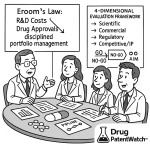
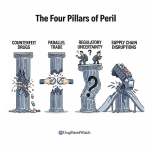
A modern risk assessment framework is built upon four pillars, each representing a critical gauntlet that a drug must run to achieve commercial success. Failure in any one of these domains can render the entire investment worthless.
Clinical Development Risk: This is the most visible and perhaps most daunting category of risk. It encompasses the scientific and operational challenges of proving a drug is both safe and effective in humans. This includes the risk of unforeseen toxicity, lack of efficacy, poor trial design, and the inability to recruit or retain patients.2
Intellectual Property (IP) Risk: For most early-stage biotech companies, their intellectual property is their primary asset.4 IP risk involves the potential for a company’s patents to be invalidated, designed around by competitors, or found to infringe on the patents of others. It is the legal and commercial foundation of the company’s value proposition.8
Regulatory Risk: This pillar covers the complex process of gaining approval from health authorities like the U.S. Food and Drug Administration (FDA) and the European Medicines Agency (EMA). It includes risks related to manufacturing compliance (Good Manufacturing Practices), clinical trial conduct (Good Clinical Practices), and the potential for regulatory bodies to demand additional data or reject an application outright.2
Market Access and Commercial Risk: Even a safe, effective, patent-protected, and regulator-approved drug can fail commercially. This domain includes the risk of failing to secure favorable pricing and reimbursement from payers (insurers and governments), being outmaneuvered by competitors, or failing to convince physicians and patients of the drug’s value relative to existing treatments.2
The table below provides a structured overview of this risk taxonomy, outlining the key drivers and assessment tools for each category. This framework will serve as our guide as we delve deeper into each domain.
Beyond Diversification: The Nuances of a Pharma Portfolio
The concept of mitigating unsystematic risk through diversification takes on a far more complex meaning in the pharmaceutical sector.3 In traditional equity markets, diversification might mean holding stocks across various industries. In pharma, it requires a multi-layered strategy. A well-diversified portfolio is not just a collection of different companies; it’s a carefully balanced ecosystem of assets spread across different therapeutic areas (e.g., oncology, inflammatory diseases), development stages (early vs. late-stage), and scientific modalities (e.g., small molecules, biologics, gene therapies).10 A significant negative event in one area—such as a clinical failure for a specific class of drugs—can have a chilling effect on other companies with similar mechanisms of action. Therefore, true diversification in biotech requires a deep scientific and strategic understanding, not just financial allocation.10
From Uncertainty to Risk: The Core Function of Assessment Tools
Ultimately, the entire value proposition of the tools we will discuss in this report is the transformation of uncertainty into quantifiable risk. In this industry, uncertainty is the default state: Will this novel biological pathway prove relevant in human disease? Will this Phase II trial succeed? Will the FDA approve this drug? These are questions with unknown odds. The purpose of predictive analytics, historical success rate databases, and sophisticated financial models is to convert that unknowable uncertainty into a probabilistic forecast—a quantifiable risk.7 For example, instead of asking “Will this oncology drug pass Phase II?”, a data-driven approach allows us to state, “Based on historical data for this indication, modality, and biomarker strategy, this asset has a 35% probability of Phase II success.” This doesn’t guarantee the outcome, but it provides a rational basis for capital allocation, portfolio construction, and strategic decision-making in an inherently unpredictable world. The mastery of this conversion is the key to unlocking value.
The Crucible of Value: Deconstructing Risk Across the Drug Development Lifecycle
To truly grasp the nature of pharmaceutical risk, one must understand its dynamic and cumulative nature. Risk is not a static variable assessed at a single point in time; it is a force that evolves, accumulates, and transforms at every stage of the drug development lifecycle. A seemingly minor miscalculation in the earliest stages of research can cascade into a multi-billion-dollar failure a decade later. This is why a phase-by-phase understanding of the process is not just an academic exercise—it is the foundation of any effective risk assessment strategy.
The journey from a laboratory concept to a marketed drug is a long and arduous one, often spanning 10 to 15 years and consuming vast resources.1 The widely cited, though often debated, analysis from the Tufts Center for the Study of Drug Development (CSDD) estimates the average cost to develop a new drug and win marketing approval to be a staggering $2.6 billion.13 While critics, including some pharmaceutical executives and organizations like Doctors Without Borders, argue this figure is inflated by including capital costs and fails to account for significant public funding, there is no debate that the process is exceptionally expensive.14
Let’s walk through this lifecycle, highlighting the unique risks that emerge at each critical juncture.15
The Early-Stage Risk Blindspot: Discovery and Preclinical
The journey begins in the discovery phase, where scientists work to understand the biological mechanisms of a disease and identify potential molecular targets.17 This is followed by the preclinical stage, where promising compounds are tested in laboratory and animal models to assess their initial safety and biological activity.
This is what we call the “early-stage risk blindspot”.18 At this point, the financial investment is relatively small compared to later clinical stages, and the focus is primarily on scientific validation. However, critical risks are quietly accumulating beneath the surface. Fragmented data management processes, where research teams use disconnected systems and spreadsheets, can lead to siloed information and a lack of a unified view of an asset’s true profile.18 A lack of visibility into the quality and reliability of third-party contract research organizations (CROs) conducting preclinical studies introduces another layer of hidden risk.18
These early-stage issues have a compounding, non-linear effect on downstream outcomes. A poorly characterized toxicology signal in an animal study or an incomplete understanding of a drug’s mechanism of action doesn’t just represent a minor scientific hurdle; it can be the seed of a future clinical hold by the FDA or a catastrophic failure in human trials years later.10 As one analysis puts it, a failure to manage risk in an early phase inevitably creates larger, more costly problems downstream.16
Phase I: First-in-Human Trials
Once a compound has cleared preclinical testing, it can enter Phase I clinical trials. These are typically small studies conducted in a few dozen healthy volunteers. The primary goal is to assess safety, tolerability, and pharmacokinetics (how the drug is absorbed, distributed, metabolized, and excreted by the body).11
While Phase I has a relatively high success rate—around 52% of drugs proceed to Phase II—it is a critical risk-mitigation step.11 A failure here, often due to unexpected toxicity in humans that was not predicted by animal models, can terminate a program before significant capital has been deployed. A key risk in this phase is poor study design, particularly in dose-escalation studies, which can lead to the selection of a suboptimal dose for subsequent, more expensive trials.20
Phase II: The Valley of Death
Phase II is where most drugs fail. This is the “valley of death” in pharmaceutical R&D. These are the first studies conducted in patients with the target disease, and their primary goal is to provide a preliminary assessment of efficacy—the “proof-of-concept”—and to further evaluate safety in the target population.11
The transition success rate from Phase II to Phase III is a dismal 28.9%, the lowest of any phase.7 This is the crucible where a promising scientific hypothesis collides with the messy reality of human biology. Failure can occur for a multitude of reasons: the drug simply may not work, the chosen endpoints may have been inappropriate, the patient population may have been too heterogeneous, or the therapeutic effect may not be significant enough to compete with existing treatments.7 This is also the point where companies must make the crucial decision to either terminate the program or commit to the massive investment required for Phase III trials. A wrong decision here—advancing a weak candidate—is one of the most significant drivers of value destruction in the industry.
Phase III: The Pivotal Trials
If a drug successfully navigates Phase II, it proceeds to Phase III. These are large, pivotal trials, often involving hundreds or thousands of patients across multiple countries. The goal is to definitively confirm the drug’s efficacy and safety in a statistically robust manner, typically by comparing it against a placebo or the current standard of care.11
Phase III trials are extraordinarily expensive, often costing hundreds of millions of dollars.1 The success rate here is higher than in Phase II, at around 57.8%, but a failure at this late stage is financially devastating.11 The company has already invested a decade of work and immense capital, and a Phase III failure can wipe out a significant portion of a smaller company’s market capitalization overnight.
Regulatory Review: The Final Judgment
After successfully completing Phase III, a company compiles all its data—from preclinical studies to the large pivotal trials—into a comprehensive dossier and submits it to regulatory authorities. In the U.S., this is a New Drug Application (NDA) for small molecules or a Biologic License Application (BLA) for biologics.16
This phase has the highest success rate, with approximately 85-90% of submitted applications ultimately gaining approval.11 However, the risk is far from zero. Regulators may issue a Complete Response Letter (CRL), which is a decision not to approve the drug in its present form.10 A CRL can be triggered by a wide range of issues, from concerns about the clinical data’s robustness to deficiencies in the manufacturing process or inadequate labeling. A CRL can lead to costly delays of months or even years as the company works to address the regulators’ concerns, all while competitors may be advancing in the market.16
Post-Approval: The Journey Continues
Gaining approval is a monumental achievement, but it is not the end of the risk journey. Companies are often required to conduct post-marketing (Phase IV) studies to monitor long-term safety and efficacy in a real-world setting.15 New safety signals can emerge years after a drug is on the market, potentially leading to label changes, restrictions on use, or, in rare cases, withdrawal from the market. Furthermore, this is where the commercial and market access risks, which have been lurking in the background, come to the forefront.
This lifecycle view reveals a critical truth: the traditional, reactive stage-gate model of risk assessment—making a simple go/no-go decision at the end of each phase—is no longer sufficient. The most sophisticated investors and pharmaceutical companies are moving toward a continuous, integrated model. This approach treats the entire development process as a single, dynamic system, using data from earlier phases to simulate and de-risk later ones. It involves modeling potential market access hurdles and competitive responses long before committing to a pivotal Phase III program. This proactive, lifecycle-based approach, powered by the tools we will now explore, is the future of pharmaceutical portfolio management.
Mastering the Clinical Gauntlet: Tools for Assessing and Mitigating Trial Risk
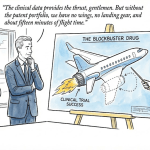
The clinical trial is the heart of the pharmaceutical value proposition and, simultaneously, its greatest source of risk. This is where scientific promise is either validated or vaporized. The statistics are sobering. The overall likelihood of a drug entering Phase I clinical trials eventually receiving FDA approval is a mere 7.9%.11 For oncology, a field that attracts a vast share of R&D investment, the figure is even more daunting, with some studies placing the success rate as low as 3.4%.22 Nearly 70% of all Phase II trials fail to advance, representing the single largest bottleneck in the entire development process.7
These are not just abstract numbers; they represent billions of dollars in lost investment and, more importantly, dashed hopes for patients. For an investor, understanding the anatomy of clinical trial failure and the modern toolkit used to de-risk this process is paramount. The industry is in the midst of a fundamental shift away from intuition-based trial design toward a data-driven, predictive paradigm.
The Anatomy of Clinical Trial Failure
Failures in the clinic are rarely due to a single cause. They typically stem from a complex interplay of scientific, operational, and strategic risks.
Scientific and Biological Risk: This is the most fundamental risk—the drug itself may not be safe or effective. It could prove to be unexpectedly toxic in humans or be poorly tolerated at therapeutic doses.10 Often, the failure is rooted in an incomplete understanding of the underlying disease biology. A drug may successfully hit its intended target, but that target may not be as critical to the disease process as initially hypothesized, leading to a lack of efficacy.17
Operational Risk: A scientifically sound drug can fail due to a poorly executed trial. This category of risk is a major focus of modern risk assessment tools. Common operational failures include:
Poor Protocol Design: The trial’s blueprint may be flawed from the start. This can involve setting overly ambitious or rigid endpoints, selecting inclusion/exclusion criteria that make it impossible to recruit enough patients, or choosing a comparator drug that sets the bar for success too high.7
Recruitment and Retention Shortfalls: The inability to enroll patients in a timely manner is a chronic problem that plagues the industry, leading to costly delays. Similarly, high patient dropout rates can compromise the statistical power of a study and the integrity of its results.7
Flawed Data Collection: The integrity of the data is everything. A prime example is medication adherence; if it cannot be proven that patients are taking the drug as prescribed, then any conclusions about its efficacy and safety are untrustworthy. Poor adherence monitoring can corrupt the entire dataset, leading regulators to question the results or demand that expensive trials be repeated.20 The financial burden of such failures is immense, with failed oncology trials alone estimated to cost the industry as much as $60 billion per year.20
Strategic Risk: A trial can be a scientific and operational success but still lead to a commercial failure. This occurs when a drug is proven to be safe and effective but is not demonstrably better than existing treatments on the market. In a crowded therapeutic landscape, a “me-too” drug with no clear differentiation is unlikely to be prescribed by doctors or reimbursed by payers, even if it gains regulatory approval.10
The Modern Toolkit: From Reactive to Predictive
To combat these staggering failure rates, the industry has developed a sophisticated arsenal of data-driven tools and platforms. The goal is to move from a reactive posture—analyzing what went wrong after a trial fails—to a predictive one, identifying and mitigating risks before the trial even begins.
Predictive Analytics and Artificial Intelligence (AI)
AI is rapidly transforming the clinical trial landscape by leveraging vast datasets to optimize every aspect of trial planning and execution.
Intelligent Trial Design and Feasibility: AI algorithms can mine terabytes of data from electronic health records (EHRs), patient registries, and other real-world data (RWD) sources to model different protocol scenarios.24 Platforms like Medidata AI can simulate the impact of specific inclusion/exclusion criteria on patient availability, enrollment timelines, and costs, helping sponsors design more operationally feasible studies from the outset and reducing the likelihood of costly protocol amendments down the line.26
Optimized Site Selection and Patient Recruitment: Instead of relying on historical relationships or anecdotal evidence, AI can identify the highest-performing clinical trial sites. These algorithms analyze real-world data on site-level enrollment rates, data quality, and even the level of “congestion” (i.e., how many competing trials a site is running) to predict which locations will deliver patients on time and on budget.26 Furthermore, AI can accelerate the recruitment process itself by matching patients from large health system databases to complex trial protocols far more quickly and accurately than manual methods.24
Forecasting Success: Machine learning models are now being used to predict the probability of a trial’s success. A case study using a Random Forest classifier on a dataset of simulated trials demonstrated the ability to forecast outcomes with 85% accuracy. The model identified the most influential predictors of success, including the trial’s duration, the number of previous failures for the compound, the molecular type, and the clinical phase.27 This type of analysis allows investors and portfolio managers to assign a data-driven probability of success to an asset, moving beyond subjective assessments.
Data and Intelligence Platforms
The foundation of any predictive model is data. A number of public and commercial platforms provide the critical intelligence needed to benchmark, plan, and de-risk clinical programs.
Public Databases: ClinicalTrials.gov, maintained by the U.S. National Institutes of Health, is an invaluable public repository of information on over 549,000 studies worldwide. It provides details on trial protocols, sponsors, locations, and, increasingly, results.28 The Tufts CSDD also maintains a suite of proprietary databases that provide granular historical information on clinical trial performance, cycle times, and costs.29
Commercial Intelligence Platforms: Companies like Clarivate and Citeline have built powerful platforms that aggregate, curate, and analyze clinical trial data to provide actionable intelligence.
Clarivate’s Cortellis Clinical Trials Intelligence offers a fully searchable database of over 600,000 global trials, allowing users to analyze competitor protocols, benchmark timelines and endpoints, and identify experienced investigators and sites.30
Citeline’s Trialtrove is another go-to resource, powered by over 60,000 sources to provide real-world intelligence on trial design, enrollment timelines, patient populations, and geographic trends.31 A compelling case study highlights how Citeline’s data and expert analysis helped a large pharmaceutical company benchmark a CRO’s recommendations for a Phase III trial, leading them to refine their strategy, avoid protocol amendments, and ultimately save significant time and money.32
Financial Hedging: The Advent of Insurability
A novel and emerging tool for risk mitigation is clinical trial failure insurance. For decades, this type of risk was considered uninsurable due to its opacity and perceived unpredictability. However, with the advent of advanced analytics and access to decades of historical trial data, insurers can now accurately assess and price this risk. New insurance products can provide a critical financial safety net of up to $40 million for early-stage biotechs, transforming a potentially catastrophic loss into a transferable risk. For companies preparing for an IPO, having this layer of protection can be a powerful differentiator that strengthens their investment case.7
The Quantitative Benchmark: Success Rates by the Numbers
While every drug is unique, it does not exist in a vacuum. A critical component of risk assessment is understanding the statistical reality of the therapeutic area in which it competes. The data below, synthesized from a landmark 2021 report by BIO, Informa Pharma Intelligence, and QLS Advisors, provides the hard benchmarks against which any individual asset should be measured.11
Clinical Trial Success Rates by Phase and Therapeutic Area (2011-2020)
Therapeutic Area
Phase I Success Rate
Phase II Success Rate
Phase III Success Rate
NDA/BLA Success Rate
Overall LOA from Phase I
All Indications
52.0%
28.9%
57.8%
89.6%
7.9%
Hematology
76.1%
56.6%
71.0%
91.5%
23.9%
Endocrine/Metabolic
63.3%
36.8%
66.7%
93.3%
13.4%
Infectious Disease
61.9%
40.5%
64.9%
88.0%
12.5%
Ophthalmology
66.7%
34.8%
55.4%
94.7%
11.0%
Allergy/Immunology
52.9%
28.6%
71.4%
90.0%
9.0%
Psychiatry
48.0%
27.6%
59.8%
89.7%
6.7%
Gastroenterology
49.3%
29.3%
50.0%
87.5%
**5.4%
Oncology
45.9%
24.5%
48.4%
85.3%
5.3%
Cardiovascular
43.1%
20.3%
54.3%
88.9%
4.2%
Neurology
45.3%
21.0%
48.6%
86.8%
4.1%
Urology
35.1%
21.3%
50.0%
88.9%
3.6%
Source: Synthesized from BIO, Informa Pharma Intelligence, & QLS Advisors, 2021.11 LOA = Likelihood of Approval.
This table immediately reveals the stark realities of drug development. An investor evaluating a Phase II asset in hematology is facing a 56.6% chance of success in that phase and a 23.9% overall chance of approval from Phase I. In contrast, an investor with a Phase II neurology asset faces a much steeper climb, with only a 21.0% chance of clearing the current phase and a 4.1% overall likelihood of approval. This data provides the essential, objective context for any asset-specific due diligence.
The New Strategic Imperatives in Clinical Risk
The proliferation of these advanced tools and data platforms reveals two profound strategic shifts. First, the use of patient preselection biomarkers has emerged as the single most powerful lever for de-risking clinical development. The BIO report found that development programs that use biomarkers to select patients have an overall likelihood of approval of 15.9%—more than double the rate for programs without them.11 This is a direct reflection of a more fundamental understanding of disease biology. The high failure rates in notoriously difficult areas like Alzheimer’s disease are, in large part, a consequence of the lack of validated biomarkers to identify the right patients for the right drug at the right time.17 For an investor, a key due diligence question must now be: “Do you have a credible biomarker strategy?”
Second, we are witnessing the emergence of a “data-haves and have-nots” divide. Small and medium-sized biotech companies, which are often the source of significant innovation, may lack access to the massive, cross-industry datasets that power the predictive engines of platforms from companies like Medidata and IQVIA.23 They are, in effect, flying with a less sophisticated set of instruments. This creates an information asymmetry that puts them at a disadvantage in designing optimal protocols, selecting the best sites, and accurately forecasting timelines. This suggests a future where a key driver of M&A and licensing deals will be the ability of a larger partner to plug a promising asset into its superior clinical development intelligence engine, thereby creating value by systematically de-risking the path to approval.
The IP Fortress: Transforming Patent Data from Financial Shield to Strategic Sword
In the pharmaceutical and biotech industries, intellectual property isn’t just a legal department concern; it is the fundamental basis of value. For an early-stage company, the patent portfolio is often the only significant asset it owns.4 Patents provide the period of market exclusivity—the temporary monopoly—that is absolutely essential for a company to have any chance of recouping the billions of dollars invested in R&D.34 As one analysis aptly puts it, a company’s balance sheet tells you its financial health today, and its clinical pipeline tells you what it hopes to achieve tomorrow, but its patent portfolio tells you what it
owns.36
For the savvy investor, therefore, patent due diligence is not a routine legal check; it is a primary driver of valuation and a critical component of risk assessment.37 The traditional approach of simply noting a patent’s expiration date is dangerously superficial. A modern, strategic approach requires a deep dive into the quality, strength, and competitive positioning of the IP portfolio, using sophisticated intelligence tools to turn patent data from a defensive shield into an offensive sword.
Deconstructing IP Risk: The Investor’s Due Diligence Checklist
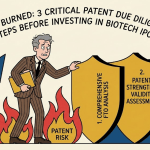
During due diligence, investors must scrutinize a company’s IP portfolio for common but potentially fatal flaws. Weaknesses in any of these areas can be dealbreakers or, at the very least, should trigger a significant downward adjustment in valuation.8
Patent Strength and Scope: Are the patents weak or overly narrow? A patent with claims that are too specific can be easily “designed around” by a competitor, who can make a slight modification to the molecule or process to avoid infringement while achieving a similar therapeutic effect. Investors must look for broad, defensible claims that create a meaningful competitive moat.8
Freedom-to-Operate (FTO): Owning a patent does not automatically grant the right to sell a product. A company’s product could still infringe on a broader, pre-existing patent owned by another entity. A thorough FTO analysis is crucial to identify these “blocking patents.” Overlooking an FTO issue can lead to crippling future litigation, costly licensing fees, or a complete inability to launch the product.8
Ownership and Chain of Title: Is the ownership of the IP crystal clear? Ambiguity can arise from unassigned rights from inventors, competing claims from academic institutions where the research originated, or a lack of formal IP agreements with founders and contractors. Any uncertainty around ownership is a major red flag for investors.8
Alignment with Commercial Timelines: Patents have a finite lifespan, typically 20 years from the filing date. If a patent is filed too early in the R&D process, a significant portion of its term can be consumed by lengthy clinical trials and regulatory review, leaving only a short window of market exclusivity post-launch. A well-timed patent strategy ensures that protection remains in force during the peak revenue-generating years.8
The Unavoidable Precipice: The Patent Cliff
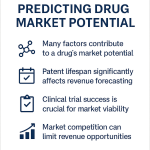
The single most predictable, yet disruptive, financial event in the pharmaceutical industry is the “patent cliff.” This term aptly describes the sharp, sudden, and often catastrophic decline in revenue a company experiences when a blockbuster drug loses its patent protection and faces a flood of low-cost generic or biosimilar competition.38
The financial impact is staggering. It is not uncommon for a drug’s revenue to plummet by 80-90% within the first year of generic entry.34 For example, after Pfizer’s cholesterol drug Lipitor lost exclusivity, its worldwide revenues fell by 59% in a single year, from $9.5 billion in 2011 to $3.9 billion in 2012.34 The industry is currently staring down another massive precipice, with analysts projecting that drugs representing over $200 billion in annual revenue are at risk of losing patent protection between 2025 and 2030.34 For an investor, analyzing a company’s exposure to this cliff and the strength of its pipeline to replace lost revenues is a core element of risk assessment.
The Strategic Toolkit: From Data to Dominance with IP Intelligence
To navigate these complex IP risks, investors and companies rely on a new generation of powerful intelligence platforms. These tools move far beyond simple patent searches, offering integrated data and analytics to support strategic decision-making.
At the forefront of this space is DrugPatentWatch, a platform designed to provide deep, actionable business intelligence on the entire biopharmaceutical landscape.40 It serves a wide range of users, from generic and API manufacturers identifying market entry opportunities to branded pharma companies conducting competitive intelligence and investors performing due diligence.40 The platform’s value lies in its integrated approach, combining data on:
Global Patents: Providing detailed information on patents and applications in 134 countries, allowing for a global assessment of market opportunities.40
Litigation and Disputes: Offering real-time monitoring of patent litigation in U.S. District Courts and challenges at the Patent Trial and Appeal Board (PTAB).43 This allows users to track ongoing disputes, anticipate early generic entry, and study failed patent challenges to develop better legal strategies.42
Regulatory Data: Integrating detailed regulatory status, tentative approvals, and information on biosimilar and 505(b)(2) pathways to provide a complete picture of a drug’s lifecycle.40
Clinical Trials and Pipeline Forecasting: Connecting patent data to clinical trial activity to help users track investigational drugs, explore new indications, and forecast the branded and generic drug pipeline.40
Crucially, platforms like DrugPatentWatch are transforming how IP is valued. They provide the granular, real-time data—including crucial details like Patent Term Adjustments (PTAs) and Patent Term Extensions (PTEs)—that are essential inputs for sophisticated financial models.45 This allows analysts to move beyond a static view of IP and build dynamic valuation models that turn intangible patent assets into tangible, quantifiable capital.45 Furthermore, the availability of this data through APIs allows companies to integrate this real-time intelligence directly into their internal workflows, automating competitive monitoring and financial forecasting.41
While DrugPatentWatch offers a specialized focus, other major intelligence providers like Clarivate, IPD Analytics, and Anaqua also offer powerful tools for IP analysis, often as part of broader life sciences intelligence suites.47
The New Paradigm: Dynamic Risk and Integrated Strategy
The evolution of these powerful tools reveals two critical shifts in how sophisticated investors must approach IP risk.
First, IP risk is not a static snapshot in time; it is a dynamic, constantly evolving threat landscape. A one-time due diligence check at the time of an investment is no longer sufficient. A strong patent can be challenged and invalidated at any time. A competitor can file a new patent that blocks your freedom to operate. A court ruling in an unrelated case can change the interpretation of patent law. Therefore, effective risk management requires continuous monitoring of the legal, competitive, and regulatory environment. The true value of a service like DrugPatentWatch lies not just in its historical database but in its ability to provide real-time alerts on litigation and new patent filings, enabling a proactive and dynamic IP strategy.43
Second, the most advanced firms are achieving a fusion of legal, clinical, and financial data into a single, unified analytical framework. This is the new frontier of competitive advantage. In this model, patent data is no longer siloed within the legal department. Instead, it becomes a core input for the entire organization’s strategic decision-making:
Litigation-adjusted patent expiry dates, derived from continuous monitoring, are fed directly into discounted cash flow (DCF) models to more accurately forecast revenue streams.45
The breadth of a competitor’s patent claims is analyzed to define the “white space” for new R&D programs, guiding investment toward areas with greater freedom to operate and less competitive pressure.36
Promising clinical trial results for a competitor’s drug are immediately cross-referenced with their patent portfolio to assess for any vulnerabilities that could be exploited, either through legal challenges or the development of a non-infringing alternative.36
This convergence transforms patent analysis from a legal necessity into a central pillar of corporate strategy. It’s about understanding that in the pharmaceutical industry, the patent is the business model, and the data that defines that patent is the raw material for creating financial gold.45
The Final Hurdle: Quantifying Regulatory and Market Access Risk
A drug can be scientifically brilliant, clinically successful, and protected by an ironclad patent portfolio, yet still fail to become a commercial success. The final—and increasingly challenging—gauntlet involves navigating the complex worlds of regulatory approval and market access. For investors, these “last mile” risks are critical to understand, as they can dramatically impact a drug’s revenue potential and ultimate return on investment. Failure to adequately plan for these hurdles is a leading cause of disappointing drug launches.
The Regulatory Labyrinth: More Than Just an Approval
Gaining approval from regulatory bodies like the FDA and EMA is a monumental task that goes far beyond simply submitting positive clinical trial data. The entire development and manufacturing process is subject to intense scrutiny, and compliance failures can have severe consequences.
A Complex Global Web: Pharmaceutical companies operate in a global market, but the regulatory landscape is highly fragmented. The requirements of the FDA, EMA, and other national bodies can differ significantly, creating a complex compliance challenge for companies seeking to launch a product worldwide.5
The Compliance Burden: Adherence to a host of stringent quality standards is non-negotiable. These include Good Manufacturing Practices (GMP) for production, Good Clinical Practices (GCP) for trial conduct, and Good Laboratory Practices (GLP) for preclinical research.9 The historical impetus for these regulations is the need to protect patient safety, with tragedies like the thalidomide disaster of the 1950s serving as a stark reminder of the consequences of inadequate testing and oversight.9
Common Failure Points: Analysis of FDA inspection data reveals common pitfalls. Companies are frequently cited for a lack of clearly defined Standard Operating Procedures (SOPs), inadequate laboratory controls, and poor facility maintenance and sanitation.52 These seemingly operational issues can be seen by regulators as indicators of a weak quality culture, potentially delaying or derailing an approval.
The Need for a Proactive Framework: To manage this complexity, companies must adopt a proactive, cross-functional approach to risk management. This involves embedding risk assessment into the company’s core Quality Management System (QMS), ensuring that potential regulatory issues are identified and mitigated early and continuously, rather than being addressed reactively just before a submission or inspection.53
The consequences of non-compliance are severe, ranging from substantial fines and costly product recalls to legal action and irreparable damage to a company’s reputation and the public’s trust.9
The Market Access Gauntlet: Getting Paid for Innovation
Regulatory approval grants the right to market a drug, but it does not guarantee the right to get paid for it. The domain of market access—which encompasses pricing, reimbursement, and formulary placement—has become one of the most significant hurdles to commercial success.
“More than half (57%) of drug launch failures were attributed to limited market access, followed by inadequate understanding of market and customer needs (47%) and poor product differentiation (41%).”
Source: Deloitte, analysis of U.S. drug launches between 2012 and 2021 54
The core challenge is convincing payers—the government agencies, insurance companies, and pharmacy benefit managers (PBMs) that pay for medicines—of a new drug’s value. This has become increasingly difficult in an environment of intense cost pressure.
The Payer Hurdle: Payers and Health Technology Assessment (HTA) bodies, which advise governments on the cost-effectiveness of new treatments, demand rigorous evidence of both clinical benefit and economic value. A drug must not only be better than a placebo; it often needs to demonstrate superiority or, at a minimum, cost-effectiveness compared to existing standards of care.5
A Divergent and Delay-Ridden Landscape: The criteria and timelines for reimbursement decisions vary wildly across the globe. The European Union, for instance, is a “single market in name only” when it comes to market access.55 A 2024 survey found that the average time from a centralized marketing authorization to a product being publicly reimbursed ranged from just 47 days in Germany to a staggering 794 days in Lithuania.55 These delays can cost a company billions in lost revenue.
The Payer’s Toolkit of Controls: To control costs, payers are deploying an increasingly sophisticated array of utilization management tools. These include requiring prior authorizations before a drug can be prescribed, implementing “step therapy” protocols that force patients to try and fail on cheaper alternatives first, and imposing “new-to-market blocks” that delay coverage for newly launched drugs.56 They are also using financial mechanisms like copay accumulators and maximizers, which are designed to shift more of the cost burden onto patients and pharmaceutical manufacturers’ assistance programs.56
The Toolkit for Navigating the Final Hurdle
To manage this intricate web of regulatory and market access risks, a new category of software and intelligence platforms has emerged. These tools are designed to provide the data and workflow management needed to plan and execute a successful global launch.
Market Access Management Platforms: Solutions like Tribeca Knowledge’s SmartAccess™ are designed to act as a central nervous system for a company’s global market access activities. They provide a consistent framework to coordinate planning across different countries and brands, track HTA submissions and timelines in real-time, and effectively disseminate global value dossiers and evidence packages to local affiliates for customization.57
Integrated Intelligence Solutions: Larger data and analytics firms offer comprehensive solutions that combine data on pricing, reimbursement, and regulatory trends. Certara’s market access suite, for example, provides tools to monitor global trends, develop evidence-based pricing strategies, and create compelling value stories for payers.58 Similarly, IQVIA’s Market Access Insights platform offers a single, cloud-based source for up-to-date information on HTA reviews, reimbursement decisions, and regulatory updates across multiple markets.59
The Strategic Realignment: Integrating Commercial and Clinical
The rising power of the payer has forced a fundamental strategic realignment within the pharmaceutical industry. The most critical insight for investors is that market access is no longer a post-approval activity; it is a critical input for early-stage clinical development.
A clinical trial that is perfectly designed to meet the FDA’s requirements for demonstrating safety and efficacy can still be a commercial disaster if it fails to generate the evidence that payers need to see. This has led to a paradigm shift where companies must “start with what matters most to access stakeholders and work backwards”.54 This means integrating payer-focused strategies directly into the design of Phase II and III trials.58 This could involve:
Choosing a more commercially relevant comparator arm (e.g., the real-world standard of care vs. a placebo).
Including secondary endpoints that matter to payers, such as reductions in hospitalizations, improvements in quality of life, or other measures of healthcare resource utilization.
Proactively planning for the collection of real-world evidence (RWE) alongside the clinical trial to demonstrate the drug’s value in a broader, more representative patient population.
This integration is no longer optional. A third of pharmaceutical companies are now initiating their strategic market access planning as early as Phase I.56 This early planning is essential because the definition of “value” itself is changing. The key risk for a new drug is shifting from
clinical failure to value demonstration failure. In an era of constrained healthcare budgets and increasing government price controls, like those introduced by the Inflation Reduction Act in the U.S. 23, simply proving a drug works is not enough. The companies and investors that will succeed are those who build their entire development strategy, from the earliest stages, around a robust, evidence-backed plan to prove that their innovation is
worth it.
The Integrated Arsenal: A Practical Guide to Modern Risk Assessment Platforms and Methodologies
Having dissected the primary domains of pharmaceutical risk, we now turn to the practical application of this knowledge. How do leading investors and companies synthesize these disparate risk factors into a cohesive and actionable portfolio strategy? The answer lies in an integrated arsenal of tools, ranging from qualitative frameworks and quantitative financial models to the sophisticated software platforms that operationalize this analysis. The key is not to rely on a single method but to build a multi-layered capability that combines different approaches to create a holistic view of portfolio risk and value.
Qualitative and Methodological Tools: Structuring the Analysis
Before any numbers can be crunched, a structured, qualitative framework is needed to identify and categorize risks. These methodologies, many of which are endorsed by regulatory bodies like the FDA through guidelines such as ICH Q9 on Quality Risk Management, provide a systematic way to think about what could go wrong.60
Failure Mode and Effects Analysis (FMEA): This is a workhorse of risk management in manufacturing and development. FMEA is a systematic process for identifying potential failure points in a process (e.g., drug manufacturing), understanding their potential effects on the final product, and prioritizing them for mitigation. It methodically breaks down complex processes into manageable steps and evaluates each for potential failures.15
Fault Tree Analysis (FTA): While FMEA works from cause to effect, FTA works backward. It starts with an undesirable outcome (e.g., a contaminated batch of product) and uses Boolean logic to trace all the potential contributing factors and system failures that could lead to that event. It is particularly useful for understanding how multiple, seemingly independent failures can combine to cause a catastrophic event.61
Cause and Effect (Fishbone) Diagram: Also known as an Ishikawa diagram, this is a powerful visual tool for brainstorming and organizing the potential causes of a specific problem. The problem (or “effect”) is placed at the “head” of the fish skeleton, and the major causal categories (e.g., Manpower, Machines, Materials, Methods, Measurement) form the “bones.” This framework helps teams systematically explore all possible root causes of a failure, from insufficient operator training to inaccurate equipment calibration.62
Quantitative and Financial Modeling: Putting a Price on Risk
Once risks are identified, the next step is to quantify their financial impact. This is where financial modeling becomes indispensable. While standard corporate finance metrics are a starting point, the unique, multi-stage nature of drug development requires more specialized tools.
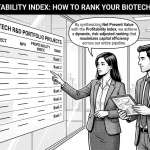
Traditional Metrics (ROI, NPV): Standard metrics like Return on Investment (ROI) and Net Present Value (NPV) are used for initial screening. A project might be required to clear a certain “hurdle rate” of expected return to even be considered.12 The Profitability Index, which is the ratio of a project’s NPV to the required investment, is a useful tool for comparing the relative value of different projects.12
Risk-Adjusted Net Present Value (rNPV): This is the cornerstone of pharmaceutical asset valuation. A standard NPV calculation discounts future cash flows by a certain rate to account for the time value of money. An rNPV model goes a crucial step further: it also adjusts these cash flows for the probability of success at each stage of the development lifecycle. Future revenues are discounted not only by the cost of capital but also by the cumulative probability of failure. For example, the potential revenues of a drug in Phase I are multiplied by the probability of it successfully passing Phase I, Phase II, Phase III, and regulatory review. This provides a much more realistic valuation that explicitly incorporates the high attrition rates of drug development.
Real Options Analysis (ROA): This is an even more sophisticated approach that is particularly well-suited to the strategic flexibility inherent in R&D. ROA treats an investment in a drug development program not as a single, irreversible decision, but as a series of “call options”.45 The investment in a Phase I trial, for example, is the price paid for the option, but not the obligation, to proceed to Phase II if the results are positive. This framework is powerful because it captures the value of managerial flexibility—the ability to abandon a failing project, accelerate a promising one, or delay a decision pending more information. In this analogy, the cost of the next clinical trial is the option’s “strike price,” and the volatility of the drug’s potential future value is a key input, recognizing that in a high-risk environment, uncertainty itself has value.45
Software and Platforms: The Technology Layer
The methodologies and models described above are operationalized through a suite of powerful software platforms. These tools provide the data, analytics, and workflow management capabilities necessary to run a modern portfolio risk assessment function.
Project and Portfolio Management (PPM) Software
These platforms are the central nervous system for managing the R&D pipeline. They are designed to provide a unified view of all projects, enabling companies to track progress, allocate resources, manage budgets, and assess risks across the entire portfolio. The market includes several specialized providers tailored to the unique needs of the life sciences.
Comparative Analysis of Leading Pharma PPM Software
Small-to-enterprise level biotech and pharma companies
May have less advanced analytics compared to some enterprise-focused competitors 63
OnePlan
Tailored for pharma functional teams (CMC, Clinical, Regulatory), strong financial management
Portfolio and work management centralization, real-time visibility, customizable reports
Biotech/pharma companies needing to align program-level needs with functional sub-teams
As a newer entrant, may have a smaller user base compared to established players 66
Data and Intelligence Platforms: Fueling the Models
The accuracy of any risk model is entirely dependent on the quality of the data that feeds it. A handful of major players provide the essential, curated data and intelligence that underpin strategic decision-making in the industry.
IQVIA: A dominant force in the life sciences data and analytics space, IQVIA offers an unparalleled breadth of services. This includes providing vast repositories of real-world data, running a significant portion of the world’s clinical trials (as a Contract Research Organization), and offering strategic consulting services. Their integrated platforms, such as the IQVIA Human Data Science Cloud, are designed to connect disparate datasets to provide a holistic view of the healthcare landscape, from R&D to commercialization.59
Clarivate: Another intelligence powerhouse, Clarivate is best known for its Cortellis suite of products. Cortellis provides comprehensive, curated intelligence across the entire drug lifecycle, including competitive intelligence (tracking competitor pipelines), clinical trial intelligence (analyzing trial designs and performance), and deals intelligence (analyzing licensing and M&A transactions). Clarivate also has deep expertise in IP analytics through its Derwent and other platforms.47
Citeline (a Norstella company): Citeline specializes in providing real-time R&D intelligence. Its flagship products, Trialtrove and Pharmaprojects, are industry standards for tracking global clinical trial activity and monitoring the drug development pipeline, respectively. Their focus is on providing the granular, expert-curated data needed for clinical strategy, feasibility, and competitive intelligence.31
The Overarching Challenge: Culture and Integration
The proliferation of these powerful tools reveals a crucial truth: the greatest barrier to effective risk management is often not a lack of technology, but a lack of integration and the right organizational culture. The most sophisticated PPM software will fail if the underlying data is trapped in disconnected silos across R&D, clinical, regulatory, and commercial departments.73 The value of modern platforms lies precisely in their ability to break down these silos and create a “single source of truth” that enables cross-functional collaboration.33
However, technology alone cannot solve this problem. A successful implementation requires a culture that embraces transparency, data-driven decision-making, and proactive risk management from the top down. As a statement from Pfizer’s leadership makes clear, the responsibility for this culture is paramount: “All colleagues are responsible for acting with integrity in all they do, and our leaders are accountable for proactive risk management and prioritizing a culture of integrity over business results”.79 This cultural foundation is the necessary prerequisite for realizing the full potential of any risk assessment tool or platform. The industry is also witnessing a “platformization” of risk assessment, where major vendors like IQVIA and Clarivate are building integrated ecosystems of data, software, and analytics. The strategic advantage is shifting to those companies that can most effectively plug their internal processes into these external intelligence clouds, leveraging their scale and expertise to make faster, more informed decisions across the entire value chain.
The Alchemist’s Playbook: AI-Powered Strategy and the Future of Pharma Investment
If the last decade was about harnessing “big data,” the next will be defined by the application of Artificial Intelligence (AI) and Machine Learning (ML). For the pharmaceutical industry, AI is not an incremental improvement; it is a disruptive force with the potential to fundamentally reshape every aspect of risk assessment and portfolio management. It represents a paradigm shift, moving the industry from reactive, experience-based decision-making to a proactive, data-driven, and predictive strategy.80 As one analysis from EY notes, AI unlocks the ability to use sophisticated portfolio techniques that have been highly successful in other industries but were previously too complex and data-intensive for the unique challenges of drug development.81
AI’s Impact Across the Pharmaceutical Value Chain
AI’s influence is not confined to a single department; it permeates the entire lifecycle of a drug, creating efficiencies and generating insights at a scale and speed previously unimaginable.24
Accelerating Drug Discovery: This is where AI is having its most dramatic initial impact.
Target Identification: AI systems can analyze vast datasets—genomics, proteomics, clinical data, and scientific literature—to identify novel biological targets for diseases far more efficiently than human researchers.82
De Novo Drug Design: Using techniques like Generative Adversarial Networks (GANs), AI can design entirely new molecules from scratch that are optimized for specific properties, such as high binding affinity to a target and low potential for toxicity.24
Predictive Toxicology: By simulating a compound’s properties, AI can help prioritize molecules with the highest probability of success long before they enter costly preclinical studies, reducing late-stage failures due to unforeseen safety issues.82
Case Studies in Action: The results are already tangible. Insilico Medicine has taken an AI-discovered molecule for an AI-discovered target into human trials. BenevolentAI famously used its platform to identify the rheumatoid arthritis drug baricitinib as a potential treatment for COVID-19 in a matter of days.83 Morgan Stanley estimates that even modest improvements in early-stage success rates enabled by AI could result in an additional 50 novel therapies over a decade, representing a market opportunity of over $50 billion.83
Optimizing Clinical Trials: As previously discussed, AI is revolutionizing clinical trial design, site selection, and patient recruitment by analyzing real-world data to improve forecasting and proactively identify enrollment risks.24
Powering Portfolio Management: At the portfolio level, AI algorithms can synthesize a much wider array of data than human analysts. They can process not only structured clinical and financial data but also unstructured sources like news articles, scientific publications, and market sentiment reports to generate more nuanced risk assessments and market forecasts.85 This capability allows portfolio managers to identify weaker candidates earlier in the development process and reallocate capital toward programs with a higher probability of success, directly addressing the industry’s challenge of declining R&D returns.80
The New Set of AI-Driven Risks
While AI offers transformative potential, it also introduces a new and complex set of risks that investors must learn to evaluate.
The Inventorship Dilemma (IP Risk): A profound legal and philosophical question has emerged: if an AI system designs a novel molecule, who is the inventor? Current patent law in most jurisdictions requires a human inventor. This ambiguity creates a significant new IP risk for drugs developed using generative AI, potentially undermining the very patent protection that is the foundation of their value.24
The “Black Box” Problem (Regulatory and Ethical Risk): Many advanced machine learning models are “black boxes,” meaning their decision-making processes are not easily interpretable by humans.86 This poses a major challenge for regulators, who need to understand and validate the models used to support a drug application. The FDA is actively developing a framework to assess AI models based on their “Model Influence” on a regulatory decision and the “Decision Consequence” if the model is wrong.24
Algorithmic Bias (Ethical Risk): An AI model is only as good as the data it is trained on. If the training data is not representative of the broader patient population (e.g., it is skewed toward a particular ethnicity or gender), the model can perpetuate and even amplify existing biases. This can lead to the development of drugs that are less effective for underrepresented groups and create significant ethical and health equity issues.86
The Future of Pharma Investment: The AI Flywheel and AI-Readiness
Looking ahead, the rise of AI points to two fundamental shifts that will define the next decade of pharmaceutical investing.
First is the creation of an AI-powered flywheel effect. Companies that invest in building clean, comprehensive, and integrated data assets will be able to train more accurate AI models. These superior models will, in turn, enable them to make better decisions—selecting more promising drug targets, designing more efficient clinical trials, and making smarter portfolio allocations. The success generated by these better decisions will produce more high-quality data, which can be fed back into the models, making them even smarter. This creates a virtuous cycle—a data-and-AI flywheel—that will allow early adopters to accelerate away from the competition, building a formidable and potentially insurmountable competitive advantage.80 For investors, this means a company’s “data strategy” is becoming as important as its “pipeline strategy.”
This leads to the second major shift: the need to re-evaluate biotech assets based on their “AI-readiness.” In the near future, an investor won’t just be acquiring a molecule; they will be investing in the AI platform that discovered it and the quality of the data that underpins it. The due diligence checklist is being rewritten. In addition to the traditional questions about biology, patents, and clinical data, investors must now ask:
How robust and diverse is your data infrastructure?
How transparent and validated are your AI models?
How are you addressing the novel IP risks associated with AI-generated inventions?
What is your governance framework for ensuring the ethical use of AI and mitigating algorithmic bias?
A biotech’s valuation will increasingly depend on its ability to provide convincing answers to these questions. The “quality of the algorithm” is becoming as important as the “quality of the molecule.” The companies that will win, as a Novartis executive put it, are those that can leverage AI to identify both successes and failures early, dramatically reducing the cost and time of bringing new drugs to market.80 For the investor who can master this new, technology-infused due diligence, the future of pharmaceutical investing will be rich with opportunity.
Conclusion: From Risk Mitigation to Value Creation
The landscape of pharmaceutical investment is defined by a unique confluence of profound risk and immense potential reward. The traditional, siloed approach to risk assessment—where clinical, IP, regulatory, and commercial factors are evaluated in isolation—is no longer tenable in this complex and rapidly evolving environment.
The future belongs to the integrated strategist. It belongs to the investor, the executive, and the R&D leader who understands that these domains of risk are deeply interconnected. It belongs to those who recognize that market access considerations must inform early-stage clinical trial design, that patent data must be a core input for financial valuation, and that a robust data strategy is the essential prerequisite for harnessing the transformative power of artificial intelligence.
The modern toolkit for portfolio risk assessment is not merely a defensive shield used to avoid failure. When wielded effectively, it becomes an offensive weapon. It allows for the conversion of unquantifiable uncertainty into manageable, probabilistic risk. It enables the data-driven identification of undervalued assets and the proactive mitigation of hidden threats. It transforms risk assessment from a cost center into a powerful engine of competitive advantage and value creation.
Navigating this labyrinth requires more than just capital; it requires a commitment to a culture of integrated intelligence, a fluency in the language of data, and a strategic framework that is as dynamic and innovative as the science it seeks to fund. The stakes—both financial and for human health—have never been higher. But for those equipped with the right map and the right tools, the path through the labyrinth leads to extraordinary returns.
Key Takeaways
Integrated Risk Assessment is Non-Negotiable: Pharmaceutical risk is multi-domain (Clinical, IP, Regulatory, Market Access). A siloed analysis is a recipe for failure; these risks are deeply interconnected and must be assessed holistically.
The Goal is to Convert Uncertainty to Risk: The primary function of modern assessment tools is to transform the unknown odds of drug development (“uncertainty”) into a quantifiable probability of success (“risk”), enabling rational capital allocation.
Phase II is the “Valley of Death”: With a success rate below 30%, Phase II is the largest hurdle in drug development. Tools that can better predict and de-risk this stage offer the highest potential for improving R&D productivity.
IP is the Core Asset: For most biotechs, the patent portfolio underpins the entire valuation. Risk assessment must move beyond expiry dates to a dynamic, continuous monitoring of patent strength, FTO, and the litigation landscape, using tools like DrugPatentWatch.
Market Access Begins at Phase I: Commercial and reimbursement considerations must be integrated into early-stage clinical trial design. A failure to demonstrate “value” to payers is now as significant a risk as clinical failure.
AI is a Paradigm Shift, Not an Increment: Artificial Intelligence is transforming every stage of the value chain, from de novo drug design to predictive clinical trial modeling. A company’s “AI-readiness” and data strategy are becoming critical components of its valuation.
Culture Trumps Tools: The most advanced software platforms are ineffective without an organizational culture that prioritizes cross-functional collaboration, data transparency, and proactive, top-down leadership in risk management.
Frequently Asked Questions (FAQ)
1. How can a small biotech company with limited resources implement a sophisticated risk assessment framework?
For smaller companies, the key is to be strategic and focused. They cannot afford the enterprise-wide software suites of a large pharma company, but they can adopt the same principles. First, they should prioritize risk management in the area of highest impact: clinical development. This means investing heavily in protocol design, potentially using consultants with access to industry benchmark data to optimize endpoints and inclusion/exclusion criteria. Second, they must be meticulous with IP. This includes conducting a thorough FTO analysis early and ensuring a clear chain of title for all inventions. Third, they should leverage more accessible, cost-effective intelligence tools. Subscriptions to platforms like DrugPatentWatch can provide critical, real-time IP and competitive intelligence without the need for a large internal team. Finally, they should build a “data-first” culture from day one, ensuring all research and clinical data is captured in a clean, centralized, and analysis-ready format, which will be invaluable for future partnerships or acquisitions.
2. With the rise of AI, is human expertise in drug development becoming obsolete?
Absolutely not. AI is a powerful tool, but it is an amplifier of human expertise, not a replacement for it. AI models are excellent at identifying patterns in vast datasets, but they lack the scientific intuition, clinical judgment, and strategic creativity of experienced drug developers. The most effective use of AI is in a “human-in-the-loop” model, where AI generates hypotheses, predictions, and potential solutions, which are then validated, refined, and contextualized by human experts. For example, an AI might identify a novel biological target, but a seasoned biologist is needed to assess its true therapeutic potential. Similarly, an algorithm might design a clinical trial protocol, but an experienced clinician is needed to judge its practical feasibility and ethical implications. The future is not AI versus human, but AI plus human.
3. How do you quantify “regulatory risk”? It seems more qualitative than clinical or financial risk.
Quantifying regulatory risk is challenging but not impossible. It involves a probabilistic approach based on precedent and data. For example, one can analyze historical FDA decisions for drugs in the same therapeutic class with similar endpoints. What percentage of them received a CRL? What were the common reasons cited? This provides a baseline probability. This can be refined by assessing company-specific factors. Does the company have a strong track record of successful regulatory interactions? Are there any red flags in their manufacturing compliance history (e.g., prior FDA Form 483s or warning letters)? Furthermore, one can model the financial impact of a potential delay. A model can calculate the NPV impact of a 6-month, 12-month, or 18-month delay in approval due to a CRL, allowing for a risk-weighted valuation that accounts for potential regulatory setbacks.
4. What is the single biggest mistake investors make when conducting due diligence on a biotech asset?
The single biggest mistake is falling in love with the science while ignoring the other pillars of risk. It’s easy to be captivated by a brilliant scientific mechanism or promising early data. However, many investors, particularly those without deep industry experience, will under-weight or completely miss fatal flaws in the IP, regulatory, or market access strategy. They fail to ask the hard questions: Is there a blocking patent that makes the elegant science irrelevant? Is the manufacturing process scalable and GMP-compliant? Does the clinical trial design generate the evidence payers will demand for reimbursement, or just what the FDA needs for approval? The most common and costly failures often occur when a beautiful scientific story collides with the harsh realities of patent law or commercial markets.
5. How is the Inflation Reduction Act (IRA) in the U.S. changing the risk assessment calculus for pharmaceutical investments?
The IRA is fundamentally altering the risk-reward landscape, particularly for small molecule drugs and assets targeting large, chronic disease populations (like Medicare patients). It introduces two major new risks. First, the prospect of government price negotiation after a set period of market exclusivity (9 years for small molecules, 13 for biologics) effectively shortens the profitable lifespan of a drug. This requires a significant adjustment to financial models (rNPV), as the “tail” of high-margin revenue is truncated. Second, it creates a strategic disincentive for “lifecycle management” strategies that involve launching a drug in one indication and later seeking approval for others, as the negotiation clock starts ticking from the first approval. This forces companies to place bigger bets on launching into the most valuable indication first. For investors, this means portfolios must be re-evaluated to favor assets with higher probabilities of a rapid and strong launch, biologics over small molecules (due to the longer negotiation-free period), and potentially therapies for acute conditions or diseases affecting younger populations less dependent on Medicare.
Drug Development Challenges – Improving and Accelerating Therapeutic Development for Nervous System Disorders – NCBI Bookshelf, accessed August 16, 2025, https://www.ncbi.nlm.nih.gov/books/NBK195047/