Executive Summary: The Verdict on France’s Medical Revolution
The global pharmaceutical landscape stands at the precipice of a new era, one defined by the convergence of biology, data, and engineering. From cell and gene therapies that rewrite the code of disease to artificial intelligence platforms that discover novel molecules in silico, the nature of medicine is undergoing a profound transformation. In this high-stakes race to define the future of health, a critical question emerges for strategists, investors, and innovators alike: Can France, a nation with a storied pharmaceutical legacy but a recent history of ceding ground, hold the key to the next medical revolution?
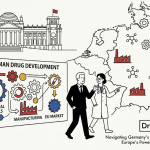
This report delivers a direct and nuanced verdict: While France is unlikely to single-handedly lead the next global medical revolution—a role its scale and systemic challenges cede to the sheer momentum of the United States—it is aggressively and intelligently positioning itself as an indispensable European engine of that revolution. It is re-emerging not as the sole leader, but as a critical and non-negotiable hub for foundational research, specialized therapeutic innovation, and advanced biomanufacturing. For the global life sciences community, France is rapidly becoming a vital partner, a fertile acquisition ground, and a strategic investment destination.
This conclusion is built upon a comprehensive analysis of the nation’s resurgent ecosystem, which reveals a powerful, if sometimes contradictory, set of forces at play.
Key Findings Synopsis:
Strengths: France’s renaissance is built on a formidable foundation. It is propelled by a powerful combination of state-driven industrial strategy, most notably the ambitious €54 billion “France 2030” plan, which earmarks €7.5 billion specifically for healthcare innovation. This is amplified by a world-class academic research base—including globally recognized institutions like INSERM, the Institut Pasteur, and Gustave Roussy—that serves as the wellspring of scientific discovery. This public-sector strength is now being effectively commercialized by a burgeoning and highly specialized biotech startup scene, particularly in high-value fields like immuno-oncology, rare diseases, gene therapy, and AI-driven drug discovery. This entire ecosystem is supercharged by one of the world’s most generous R&D tax incentive schemes, the Crédit d’Impôt Recherche (CIR), which significantly de-risks early-stage investment.
Weaknesses: Despite this momentum, significant structural headwinds persist. The French system is hampered by a deeply ingrained pricing and reimbursement framework that creates a fundamental conflict between the state’s dual roles as a promoter of innovation and a zealous controller of healthcare costs. This leads to some of the lowest drug prices in Europe, creating a challenging commercial environment. This pricing pressure contributes to a persistent late-stage venture capital gap, often forcing promising French biotechs into premature acquisitions by larger foreign players before they can achieve independent scale. Furthermore, the nation is grappling with a critical strategic vulnerability: a growing dependence on foreign markets, primarily China and India, for the active pharmaceutical ingredients (APIs) of essential medicines, a direct consequence of decades of manufacturing offshoring driven by low domestic profitability.
The Opportunity: France’s unique “dirigiste,” or state-led, model of industrial policy offers a compelling alternative to the purely market-driven US model. If the French government can successfully resolve the internal contradiction between its investment and cost-containment policies, it could create a more stable, long-term environment for the development of complex, high-risk therapies. This model, which blends public investment, strategic direction, and private-sector dynamism, may prove exceptionally well-suited for nurturing the capital-intensive, long-horizon innovations that will define 21st-century medicine.
Strategic Implications:
For the business and pharmaceutical professionals this report is intended for, the implications are clear. France is not a market to be overlooked; it is a complex and dynamic arena that demands sophisticated engagement. The strategic imperative is to understand how to harness its strengths while navigating its weaknesses. This means identifying partnership opportunities within its elite research clusters, leveraging its generous R&D incentives for early-stage development, and monitoring its policy landscape for shifts that could either unlock or constrain market access. The French gambit is underway, and for those who understand its rules, the potential rewards are immense.
A Legacy of Innovation: Charting the Rise and Recalibration of French Pharma
To understand where the French pharmaceutical industry is headed, one must first appreciate where it has been. Its trajectory is not a simple linear progression but a complex narrative of pioneering innovation, massive consolidation, state intervention, and strategic recalibration. This history has forged a unique industrial DNA—one that is both a source of immense strength and a root cause of its most persistent challenges.
From Apothecary to Global Giant: The Foundations of French Pharmaceutical Prowess
The modern pharmaceutical industry traces its origins to two primary sources: apothecaries that scaled up production of traditional remedies and chemical companies that discovered medical applications for their products.1 France was a cradle for both. The story begins in the 19th century with figures like Etienne Poulenc, a pharmacist who in 1860 founded a company that would eventually become a cornerstone of a global giant.2 Similarly, Laboratoires Dausse, founded in 1834 to manufacture plant extracts, represents the other foundational track.2 These early enterprises, along with contemporaries like Laboratoires Robert & Carrière, established deep roots in chemistry, pharmacy, and medicine, contributing to major scientific advances like the synthesis of chlorpromazine, a transformative central nervous system treatment, in 1950.2
The 20th century was defined by a relentless wave of consolidation, a necessary response to the escalating costs of R&D and the globalization of the pharmaceutical market. This intricate dance of mergers and acquisitions is best exemplified by the creation of Sanofi. The company itself was established relatively late, in 1973, as a subsidiary of the French oil company Elf Aquitaine.3 Its growth, however, was fueled by a series of strategic combinations. In 1999, Sanofi merged with Synthélabo (itself a product of the 1970 merger of Laboratoires Dausse and Laboratoires Robert & Carrière) to form Sanofi-Synthélabo, which was at the time the second-largest pharma group in France.2
The consolidation reached its zenith in 2004 with the audacious—and initially hostile—takeover of Aventis. Aventis was another sprawling conglomerate, formed in 1999 by the merger of the French company Rhône-Poulenc S.A. and the German corporation Hoechst Marion Roussel.3 The €47.8 billion acquisition of Aventis by Sanofi-Synthélabo, reportedly encouraged by the French government to fend off a rival bid from Swiss giant Novartis, created Sanofi-Aventis, a titan of the global industry.2 This history of consolidation demonstrates a long-standing pattern in French industrial strategy: the creation of “national champions” large enough to compete on the world stage.
The Turning Point: Sovereignty, Regulation, and the Seeds of Decline
Two historical shifts were instrumental in shaping the modern relationship between the French state and its pharmaceutical industry. The first was a baptism by fire. The outbreak of World War I in 1914 brutally exposed France’s critical dependence on Germany for essential chemical and pharmaceutical products. The resulting shortages of key drugs and the inability to respond to chemical warfare created a national realization that industrial and health sovereignty were matters of national security.4 This crisis forged a deep-seated political imperative for self-sufficiency that echoes to this day in the government’s rhetoric and policy, particularly in the wake of the COVID-19 pandemic.
The second, more gradual shift occurred after 1941. For centuries, the relationship between the state and the industry was driven by the practice of pharmacy; the government’s role was primarily to train pharmacists who would then oversee their companies.5 However, as the financial impact of medicines on the national Health Care and Social Security budgets grew, the state’s role transformed dramatically. It evolved from a passive enabler to an active and stringent regulator, progressively taking control over pricing, development processes, and manufacturing practices.5 This marked the beginning of a fundamental tension that defines the French system: the state’s desire to foster an innovative domestic industry on one hand, and its need to contain public healthcare expenditure on the other.
This historical pattern of reacting to external pressures—be it wartime shortages, rising social security costs, or global M&A trends—reveals a core characteristic of the French system. It is remarkably resilient and capable of bold, state-led action in response to a crisis. However, this reactive nature suggests a system that has historically struggled with the kind of proactive, long-term, market-shaping vision that has characterized its most successful global competitors. The current “France 2030” plan can be seen as the latest and grandest of these reactions, a direct response to the innovation gap and supply chain vulnerabilities laid bare by recent global health crises. For any company operating in France, this history underscores a critical lesson: government policy is a powerful but potentially volatile force, and one must always anticipate the next crisis that could trigger a significant policy shift.
The Lost Decade: Why France Ceded Its Leadership Position
From 1995 to 2008, France was the undisputed leader in European pharmaceutical production. Yet, in the decade that followed, it fell behind Germany, Italy, and Switzerland.6 The COVID-19 pandemic starkly highlighted this decline when France, a nation that gave the world Louis Pasteur, was the last permanent member of the UN Security Council to produce a vaccine of its own.6 This decline was not the result of a single event, but a systemic failure to adapt to a fundamental paradigm shift in the global industry.
The core of the problem was the transition from a successful, chemistry-based “blockbuster” drug model to the new era of biotechnology. Biologics, cell therapies, and other complex modalities required a fundamentally different ecosystem. They demanded a deep well of venture capital willing to make high-risk, long-term bets; seamless collaboration between universities, research centers, and startups to translate basic science into commercial products; and a different corporate risk appetite.6
France was slow to adapt on all fronts.
A Venture Capital Gap: The French financial ecosystem struggled to provide the scale-up capital needed for biotech. Many executives reported struggling to find sufficient venture capital, a problem that persists to this day.6 When the patents on the blockbuster chemical drugs expired, a robust domestic biotech industry had not yet been built to take their place.
Declining Public Research Funding: A major engine of the U.S. biopharma boom was a surge in public funding for basic research through institutions like the National Institutes of Health (NIH). In contrast, France deprioritized basic health research over the last decade. In 2011, France’s public spending on basic health research was roughly on par with the UK and Germany at around $3 billion. By 2018, however, France’s investment had fallen by 28% to $2.16 billion, while the UK and Germany had increased their spending by 16% and 11%, respectively.6 This left the private sector to shoulder a greater burden of early-stage, high-risk research.
A Disconnect Between Academia and Industry: Most critically, France struggled with a lack of coordination between its world-class universities, responsible for basic research, and its pharmaceutical companies, which conduct applied research. The U.S. had long implemented policies like the Bayh-Dole Act to facilitate technology transfer from academia to industry. France lacked similar effective policies and consistently ranked well behind its European rivals in university-industry collaboration.6 The result was a widening innovation gap; since 1995, the chasm between France and Europe’s leaders in the number of patents filed has more than tripled.6
The nation’s scientific genius was not in doubt, but the mechanisms to translate that genius into commercial success and economic value were failing. It is this “lost decade” of relative stagnation that the current French government is now so determined to reverse.
The Pillars of the French Renaissance: Analyzing the Modern Ecosystem
After a period of introspection and strategic realignment, the French life sciences ecosystem is experiencing a powerful resurgence. This renaissance is not a return to the old model but the construction of a new one, built upon four interconnected pillars: the strategic pivot of its industrial giants, the explosive growth of a new generation of biotech innovators, the synergistic power of its regional innovation clusters, and the foundational excellence of its public research institutions. Together, these pillars form the basis of France’s bid to become a central player in the future of medicine.
Pillar 1: The Incumbents’ Pivot – Sanofi’s Strategic Overhaul
No analysis of French pharma is complete without a deep look at its national champion, Sanofi. The company is in the midst of a profound transformation, moving away from its legacy as a diversified healthcare conglomerate to become a focused, “R&D driven, AI-powered biopharma company”.7 This is not merely a branding exercise; it is a strategic overhaul backed by billions in investment.
A cornerstone of this new strategy is a massive bet on messenger RNA (mRNA) technology. Recognizing the transformative potential demonstrated during the COVID-19 pandemic, Sanofi has committed €935 million between 2022 and 2026 to develop a complete and independent mRNA value chain in France.8 This ambitious plan encompasses the entire spectrum of development and production. The company is establishing an mRNA “Center of Excellence” in Marcy L’Etoile, dedicated to R&D, and is constructing a new, state-of-the-art Evolutive Vaccines Facility (EVF) in Neuville-sur-Saône, near Lyon.8 This facility is designed for maximum flexibility, capable of producing multiple vaccines—both mRNA and conventional—simultaneously to respond to public health needs.9
This investment, which followed the 2021 acquisition of the American mRNA specialist Translate Bio, is aimed at putting ten new projects into the pipeline by 2025, including six mRNA vaccine candidates for diseases ranging from influenza to acne.8 Sanofi’s pivot is a clear signal of its intent to reclaim a leadership position in one of the most promising fields of modern medicine, using its French industrial base as the launchpad.
Pillar 2: The Biotech Boom – A New Generation of Innovators
While Sanofi represents the established power, the most dynamic element of the French renaissance is its vibrant and rapidly maturing biotech sector. The ecosystem now comprises over 820 biotech companies, with almost half being startups and a third having been in operation for more than a decade.10 This landscape shows a clear specialization in areas of high unmet need and complex science, with one in four companies working in oncology and 21% of all solutions being developed to address rare diseases.10 This new generation of innovators is pushing the boundaries in the most advanced fields of medicine.
Spotlight: Gene & Cell Therapy Pioneers
France has emerged as a European hotspot for the development of next-generation cell and gene therapies, which aim to offer curative treatments for previously intractable diseases.
Cellectis: A true pioneer in the field, Paris-based Cellectis is at the forefront of gene editing with its proprietary TALEN® technology. Its primary focus is on developing “off-the-shelf” allogeneic CAR T-cell therapies.11 Unlike autologous therapies that require engineering a patient’s own cells—a costly and time-consuming process—Cellectis uses cells from healthy donors. This approach has the potential to transform CAR-T from a bespoke service into a readily available product, dramatically increasing patient access.11
SparingVision: Another Paris-based innovator, SparingVision is tackling inherited retinal diseases like retinitis pigmentosa with a unique “gene-agnostic” approach. Instead of correcting a specific genetic mutation, its lead candidate, SPVN06, works by preserving the function of cone photoreceptors, the cells responsible for central, high-acuity vision. This neuroprotective strategy could benefit patients regardless of their underlying genetic defect, offering a single treatment for a wide range of rare ocular diseases.12
The Next Wave: The ecosystem’s depth is demonstrated by companies like Coave Therapeutics, which is developing advanced AAV-based gene therapies for ocular and CNS diseases, and Brink Therapeutics, a startup creating programmable recombinases for precise gene editing that aim to be a safer alternative to CRISPR-Cas9.12
Astraveus: Addressing one of the biggest bottlenecks in the entire cell therapy industry—manufacturing—is Astraveus. Its Lakhesys™ platform, a “Benchtop Cell Factory,” uses microfluidics to create an all-in-one, end-to-end manufacturing system. By promising a 10- to 20-fold reduction in resource consumption and a 100x increase in development throughput, Astraveus aims to make these life-saving therapies cheaper, faster, and more accessible.13
Spotlight: The AI Revolution in Drug Discovery
France is leveraging its deep historical strengths in mathematics and computer science to build a formidable cohort of companies at the intersection of artificial intelligence and biotechnology.
Aqemia: Perhaps the most distinctive player in this space, Aqemia is a spin-off from the prestigious École Normale Supérieure. Its platform is unique because it combines quantum-inspired physics with generative AI. Unlike most AI drug discovery platforms that require vast amounts of experimental data for training, Aqemia generates its own data using proprietary physics algorithms that are 10,000 times faster than conventional methods.14 This allows it to tackle projects from the earliest stages and design novel molecules for difficult or “undruggable” targets. Its success is validated by a major multi-year collaboration with Sanofi, valued at up to $140 million, to accelerate the discovery of small molecules across several therapeutic areas.14
Owkin: Owkin is a leader in applying AI to precision medicine. Its platform uses federated learning, a technique that allows it to train AI models on sensitive patient data from multiple hospitals and research centers without the data ever leaving its source, thus preserving privacy. By analyzing vast, multimodal datasets—including pathology images, genomic data, and clinical records—Owkin helps identify new drug targets, stratify patients for clinical trials, and develop better diagnostics. The company has forged high-profile partnerships with global pharma leaders like Sanofi, AstraZeneca, and Bristol Myers Squibb.12
Qubit Pharmaceuticals: A spin-off from Sorbonne University, Qubit Pharmaceuticals has developed an AI model called FeNNix-Biol, which it claims is the “world’s most powerful” for molecular simulation. The company asserts that its model offers quantum-level accuracy and goes beyond the capabilities of tools like Google DeepMind’s AlphaFold by modeling the dynamic behavior of proteins and their interactions with drug candidates, a critical factor in designing effective medicines.15
This “barbell” structure of the French ecosystem—with massive, legacy incumbents on one end and a vibrant but fragile sea of early-stage startups on the other—is both a strength and a weakness. The government’s own “France 2030” plan, which explicitly aims to create “five intermediate-sized enterprises,” is a tacit admission that this middle segment of scaled, independent biotech companies is missing.16 The strong preference among French biotechs for M&A as an exit strategy (cited by 47% of companies) further confirms that promising innovators are often acquired before they can achieve significant independent scale.10 A true medical revolution requires not just discovery but also development and commercialization at scale. Without a robust pipeline of companies growing into this middle tier, France risks becoming a perpetual “farm system” for larger, often foreign, pharmaceutical companies, generating world-class innovation that is ultimately commercialized elsewhere.
Pillar 3: The Innovation Clusters – Where Synergy Happens
The dynamism of France’s biotech scene is not a diffuse phenomenon; it is concentrated in powerful regional innovation clusters, or pôles de compétitivité. These government-supported hubs act as force multipliers, creating dense ecosystems where academia, startups, large corporations, and investors can collaborate.
Genopole (Paris Region): Located just south of Paris, Genopole is France’s leading biocluster and a nerve center for biotechnology in Europe. It is home to 87 biotech companies and 17 academic research labs, with a strong focus on genomics, gene and cell therapy.17 Genopole provides critical infrastructure and support programs, such as its “shaker & booster” initiative, which offers rent-free lab space and tailored business advice to innovative startups.17 Its location within the Île-de-France region, Europe’s top cluster for biotech companies and patent filings, gives its members unparalleled access to talent, capital, and major pharma headquarters like Sanofi, Servier, and Ipsen.18
Bioparc Lyon: Lyon has long been a historical center of French life sciences, particularly in vaccines and infectious diseases, anchored by the massive presence of Sanofi Pasteur. The Lyon Bioparc leverages this legacy, hosting a dense network of biotech companies and benefiting from one of Europe’s highest concentrations of hospitals and universities.17 The city is home to 1,100 biotech researchers and is a leading hub for clinical trials. It also hosts a “canceropole,” a structure dedicated to supporting companies working on new cancer therapies.17
Alsace BioValley (Strasbourg): Situated at a strategic crossroads bordering Germany and Switzerland, Alsace BioValley is a competitiveness cluster focused on therapeutic innovations and medical devices. Its unique tri-national location provides companies with seamless access to three of Europe’s most important life science markets.17 The cluster actively supports international companies by providing R&D support, facilitating partnerships, and offering business expertise.17
These clusters, along with others in cities like Marseille, Montpellier, and Toulouse, form a national network that structures and accelerates innovation, ensuring that scientific breakthroughs have a clear path from the lab to the market.
Pillar 4: The Academic Engine – The Fount of Discovery
The ultimate source of France’s innovative potential lies in its elite public research institutions. These organizations are the engine room of discovery, conducting the foundational science upon which new therapies are built. Fifty-four percent of all biotech firms in France are spin-offs from academic research, underscoring the critical role of this public infrastructure.19
INSERM (National Institute of Health and Medical Research): As the only public research organization in France entirely dedicated to human health, INSERM is at the heart of the nation’s biomedical research. It brings together 15,000 researchers and staff focused on advancing knowledge in areas from cancer and immunology to neuroscience and health technology.21
CNRS (National Scientific Research Center): The largest public research organization in France, the CNRS is active in all scientific fields. Its interdisciplinary approach is crucial for the convergence of biology with fields like physics, chemistry, and information science, which is driving modern drug discovery.21
Institut Pasteur: A world-renowned private non-profit foundation, the Institut Pasteur has a legendary history in the fight against infectious diseases. Its researchers have been awarded 10 Nobel Prizes, and it continues to be a global leader in microbiology, immunology, and emerging pathogens.21
Institut Curie: A leading player in the fight against cancer, the Institut Curie integrates a research center and a hospital complex, embodying the “bench-to-bedside” approach. Its research spans physics, chemistry, and biology, with a core mission of putting science at the service of patients.21
Spotlight: Gustave Roussy
No institution better exemplifies the excellence of the French research and care model than Gustave Roussy. Located in the Paris suburbs, it is the leading cancer center in Europe and ranked among the top five oncology hospitals in the world.26 Founded on the principle of multidisciplinary patient management, the institute seamlessly integrates patient care, research, and teaching. Its research units are focused on the cutting edge of oncology, including personalized medicine, immunotherapy, DNA repair, and artificial intelligence.26 The extremely close collaboration between its 1,400 research staff and its 660 doctors means that patients at Gustave Roussy get access to the very latest therapeutic innovations in the shortest possible time, making it a critical site for clinical trials and a beacon of hope in the fight against cancer.26
The State as Catalyst: Deconstructing France’s Proactive Industrial Strategy
The resurgence of the French life sciences ecosystem is not a product of market forces alone. It is being actively engineered and accelerated by one of the most ambitious and proactive state-led industrial strategies in the Western world. Drawing on its long “dirigiste” tradition, the French government is acting as a catalyst, deploying massive financial resources and powerful incentives to de-risk innovation, attract investment, and build a globally competitive domestic industry. Understanding this state-driven approach is essential to grasping the opportunities and navigating the complexities of the French market.
France 2030: The €54 Billion Gamble on the Future
At the heart of this strategy is “France 2030,” a sweeping €54 billion investment plan designed to transform key sectors of the economy through technological innovation and reindustrialization.29 This is not a short-term stimulus package; it is a long-term vision to secure France’s economic and strategic sovereignty in the 21st century.
Within this broader plan, the life sciences sector has been identified as a top priority. The government has launched the “Healthcare Innovation 2030” scheme, a dedicated pillar of France 2030 backed by an initial €7.5 billion in public funding.10 The goals of this scheme are explicit and ambitious:
Biomanufacturing Leadership: To produce at least 20 new biomedicines in France by 2030.16
Scaling Up Companies: To foster the emergence of at least one new “unicorn” (a startup valued over $1 billion) and five new intermediate-sized enterprises (ETIs).16
Job Creation: To double the number of jobs in the biomanufacturing sector from 10,000 to 20,000.32
Clinical Research Excellence: To make France the leading European country for clinical research by increasing the number of trials and streamlining approval processes.32
The plan is already being implemented, with 86 projects involving over 250 partners having received €338 million in public investment in the first two years.16 This includes €80 million for a dedicated biomanufacturing research program and €50 million for industrialization projects.16 This massive injection of public capital is designed to crowd in private investment and create a powerful momentum that private markets alone could not generate.
Fueling Discovery: The Strategic Power of the R&D Tax Credit (CIR)
Perhaps the most potent and well-established tool in the French government’s arsenal is the Crédit d’Impôt Recherche (CIR), or R&D Tax Credit. Consistently ranked as one of the most generous R&D incentive schemes in the world, the CIR is a cornerstone of France’s innovation policy.33
The mechanics of the CIR are straightforward and highly attractive:
Generous Rate: It provides a tax credit equal to 30% of all eligible R&D expenses up to a threshold of €100 million, and 5% for expenses above that amount.33
Broad Eligibility: The credit is available to all companies that incur R&D expenses in France, regardless of their size, sector, or nationality.33
Comprehensive Expense Coverage: The base for the credit is broad, covering salaries and social security contributions for research staff, depreciation of R&D equipment, operating costs (calculated as a percentage of staff and equipment costs), and costs for subcontracting R&D to approved public or private organizations.34
The impact of the CIR on the life sciences sector is immense. The “manufacture of basic pharmaceutical products and pharmaceutical preparations” is the second-largest beneficiary of the CIR, declaring 14% of all eligible expenditure and receiving 12% of the total credit paid out.35 For biotech startups and established pharma companies alike, the CIR significantly lowers the effective cost of conducting research in France, making it a powerful magnet for R&D investment. For many early-stage companies, the ability to receive an immediate cash rebate for the credit is a vital source of non-dilutive funding that can extend their operational runway.33
Forging Alliances: The Role of Public-Private Partnerships (PPPs)
The French strategy recognizes that innovation rarely happens in a vacuum. It requires deep collaboration between the public institutions that conduct basic research and the private companies that develop and commercialize new products. To this end, the government actively promotes Public-Private Partnerships (PPPs) to bridge this critical gap.
These collaborations are fostered through various mechanisms. At the national level, the Agence Nationale de la Recherche (ANR), or National Research Agency, launches competitive calls for projects that incentivize PPPs in strategic areas like biotechnology.36 At the regional level, the competitiveness clusters like Genopole and Lyonbiopôle are themselves large-scale PPPs, designed to create a fertile environment for interaction between public and private actors.36 Programs like the Hubert Curien Partnerships also support the international mobility of researchers between public and private labs.37
However, the French system for PPPs is not without its challenges. The landscape can be fragmented, with multiple technology transfer agencies and research organizations, which can make the process of negotiating and executing contracts more complex and time-consuming compared to more centralized European initiatives like the Innovative Medicines Initiative (IMI).36
Despite these hurdles, the overarching strategy is clear. The French state is not a passive observer; it is an active participant in the innovation ecosystem, using its financial firepower and policy levers to steer the nation’s life sciences sector toward a future of growth and global leadership. This proactive stance, however, creates a fundamental strategic paradox. While one arm of the government is acting as a massive venture investor, pouring billions into stimulating R&D, another arm is acting as a stringent cost-controller, implementing policies that can suppress the financial returns on that very same innovation. This “push-pull” dynamic is the central challenge that France must resolve to fully realize its revolutionary potential. The current model risks creating a highly innovative but ultimately unsustainable commercial environment, where companies benefit from generous R&D support only to find their market access and profitability severely curtailed years later.
Navigating the Headwinds: The Critical Challenges Facing French Life Sciences
While the tailwinds of government investment and scientific excellence are strong, France’s journey toward life sciences leadership is fraught with significant and deeply entrenched challenges. These are not minor obstacles but systemic issues that threaten to undermine the country’s ambitious goals. They revolve around a central conflict: a national desire for cutting-edge medical innovation clashing with an equally powerful political and social imperative to control healthcare spending. This conflict manifests in a punitive pricing environment, which in turn creates a cascade of secondary problems, from chronic drug shortages to a persistent venture capital gap.
The Price of Control: The Double-Edged Sword of Pricing and Reimbursement
At the heart of France’s challenges lies its rigorous, state-controlled system for drug pricing and reimbursement. For a new medicine to be covered by the national health insurance, it must undergo a two-stage evaluation.39 First, the Transparency Committee (CT) of the French National Authority for Health (HAS) assesses its clinical value. This involves determining its
Service Médical Rendu (SMR), or actual clinical benefit, and its Amélioration du Service Médical Rendu (ASMR), which measures its added benefit compared to existing treatments.39
This clinical assessment then informs the economic negotiation. The Comité Économique des Produits de Santé (CEPS), or Economic Committee for Health Products, negotiates the price with the manufacturer. The price is heavily influenced by the ASMR rating; a drug with a major added benefit (ASMR I-III) can command a premium, while a drug with no added benefit (ASMR V) will be priced lower than its competitors.40 The CEPS also uses external reference pricing, comparing prices in Germany, the UK, Italy, and Spain to ensure French prices are not out of line.39
The result of this highly structured and cost-conscious process is that drug prices in France are consistently among the lowest in Europe.39 Between 2000 and 2021, the public prices of reimbursable drugs in France decreased by a staggering 48.6%.39
The annual price cuts imposed to limit national health insurance spending put increasing pressure on manufacturing costs and constant efforts to reduce the deficit in healthcare spending have eroded the share of the budget dedicated to reimbursable drugs. 42
Compounding this pressure is the “safeguard clause” (clause de sauvegarde). This is a mechanism that forces pharmaceutical companies to pay rebates to the government if the total national spending on reimbursable drugs exceeds a budget cap set annually by Parliament.40 This clawback can be substantial—reaching over €1.6 billion annually—and introduces a significant element of financial unpredictability for manufacturers. As one industry leader noted, “what has been given on the one hand is largely taken back on the other”.42
The Sovereignty Struggle: Drug Shortages and Supply Chain Fragility
The direct and perilous consequence of this relentless downward pressure on prices is a growing crisis of drug shortages. This issue is not merely an inconvenience; it is a threat to patient care and a stark contradiction of the government’s stated goal of achieving “health sovereignty.” In 2023-2024, nearly 5,000 different medicines were reported as being either out of stock or in tight supply.41 In 2024, 39% of French citizens reported experiencing a medicine shortage.44
The root cause of this crisis is a systemic feedback loop. Decades of low prices and shrinking margins have made the production of many older, off-patent but still essential medicines economically unviable in France. This has driven a massive wave of offshoring, with French and European companies relocating production to lower-cost regions.42 Today, an estimated 60% to 80% of the active pharmaceutical ingredients (APIs) for Europe’s essential medicines are produced in just two countries: China and India.41
This extreme dependency creates a fragile supply chain, vulnerable to geopolitical shocks, quality control issues, or sudden surges in global demand, as witnessed during the COVID-19 pandemic. France, once the leading pharmaceutical producer in Europe, has fallen to sixth place, a stark symbol of its lost industrial sovereignty.41 The government’s “France 2030” plan aims to reindustrialize and reshore some of this production, but without addressing the underlying pricing pressures that caused the exodus in the first place, any such effort is likely to be unsustainable. The system is caught in a trap of its own making, where the policy of cost-containment directly undermines the goal of supply security.
The Valley of Death: Bridging the Venture Capital Gap
The French innovation ecosystem is adept at planting seeds. Thanks to its excellent research base and generous early-stage support, the country is fertile ground for creating biotech startups. Where it struggles is in growing those startups into towering trees. The nation faces a well-documented “valley of death”—a significant gap in late-stage venture capital and growth equity needed to fund companies through costly late-stage clinical trials and commercial launch.6
While France is a leader in venture capital fundraising within the European Union, it lags significantly behind the global powerhouses of the US and the UK.47 This scarcity of large, domestic, late-stage funding rounds has a predictable consequence: promising French biotechs are often forced into premature exits. The most logical path for their investors and founders is to be acquired by a large global pharmaceutical company, often a foreign one, that has the deep pockets necessary to take their innovation to market.10 This dynamic prevents the emergence of a critical mass of independent, mid-to-large-sized biotech companies that could serve as anchors for the domestic ecosystem, perpetuating the “barbell” structure of a few giants and many small players.
The War for Talent: Cultivating the Next Generation of Scientists
The final challenge is a human one. A medical revolution requires revolutionary talent. While France’s grandes écoles and universities produce world-class scientists, the ecosystem faces challenges in attracting and retaining them.49
One major issue is a “brain drain” of top researchers who choose to pursue more lucrative and dynamic careers abroad, particularly in the United States and Switzerland. This is driven, in part, by compensation; the average starting salary for a researcher in France is only 63% of the average across OECD countries.49
Furthermore, the very nature of talent required by the industry is changing. The modern life sciences company needs highly multidisciplinary teams with skills that cut across biology, data science, artificial intelligence, and engineering.49 This puts immense pressure on the French higher education system to adapt its curricula and training programs to meet these new, convergent demands. While initiatives like the government’s “Start in France” program aim to attract international deeptech talent, the domestic pipeline must also evolve to keep pace with the rapid hybridization of the industry.52 Without a deep and diverse talent pool, even the best-funded and most innovative ideas will struggle to reach their full potential.
The Global Arena: Benchmarking France Against Its Peers
To accurately assess France’s potential to lead a medical revolution, it is not enough to analyze its internal dynamics in isolation. Its strengths and weaknesses must be viewed through the lens of global competition. A data-driven comparison against key international benchmarks—the United States as the undisputed global leader, the United Kingdom as a major European rival with a different innovation model, and Switzerland as a smaller, highly specialized powerhouse—provides crucial context and reveals France’s true competitive standing.
The following analysis synthesizes the latest available data across several critical dimensions of the life sciences innovation lifecycle, from initial R&D investment and venture capital funding to the efficiency of market access and the output of intellectual property.
This comparative scorecard paints a clear and consistent picture. France is a significant player, but it operates in a different league from the United States, whose sheer scale in government research funding and private venture capital creates an unparalleled innovation engine. The US invests over 16 times more public money into health R&D than France, and its biotech venture capital market is orders of magnitude larger than all of Europe combined.54 This financial firepower allows the US ecosystem to absorb more risk, fund more “moonshot” projects, and sustain companies through the long and expensive journey to market.
Compared to its European peers, France’s position is more nuanced. Its overall R&D spending as a percentage of GDP is respectable but lags behind the highly innovation-focused economies of Germany and Switzerland, indicating a lower national research intensity.54 Switzerland, in particular, stands out as a global leader in per-capita life science patenting, a testament to its deep specialization and the dominance of its pharma giants, Roche and Novartis.56
Perhaps the most telling metric is the median time to drug reimbursement. Here, France’s 12.9-month average is significantly slower than the leaders Switzerland (5.8 months) and Germany (7.4 months), and even slower than the United States (9.2 months).57 This delay in getting innovative medicines to patients and generating a commercial return is a major competitive disadvantage. It reflects the friction caused by the country’s complex, cost-focused market access system and directly impacts its attractiveness as a launch market for global pharmaceutical companies. While the UK is even slower, France’s performance is decidedly mid-pack among developed nations.
In conclusion, the data confirms that while France possesses many of the necessary ingredients for innovation, it is constrained by relative scale and systemic inefficiencies when compared to the world’s top performers. Its path to leadership will not be through out-spending or out-scaling the US, but through a more focused strategy that leverages its unique strengths in specific, high-value niches.
Metric
France
United States
United Kingdom
Switzerland
Data Sources & Key Insights
R&D Spending (% of GDP)
2.19%
3.18%
1.74% (Total)
3.15%
54
France’s R&D spending is respectable but lags behind the innovation-driven economies of the US and Switzerland, indicating a lower overall national research intensity.
Gov. Health R&D Budget (2020, USD PPP)
$2.87B
$48.06B
$3.86B
$14.43M
54
The scale of US government funding (e.g., NIH) is in a different league, dwarfing all European counterparts and providing a massive engine for basic research.
Biotech Venture Capital (Q2 2025)
N/A (Part of €1.23B Europe total)
£3.96B ($5.0B)
£344M ($434M)
£168M ($212M)
55
The US venture capital market is orders of magnitude larger than all of Europe combined. The UK remains the clear European leader, but all are dwarfed by the US, highlighting the critical scale-up challenge.
Median Time to Drug Reimbursement
12.9 months
9.2 months
17.7 months
5.8 months
57
France is significantly slower than leaders Switzerland and Germany, and even the US, in getting new drugs reimbursed and to market. This delay impacts both patient access and commercial returns. The UK is the slowest among this group.
Life Science Patent Applications (per 1k pop)
N/A
High
0.14
Highest
56
Switzerland is the global leader in per-capita life science patenting, reflecting its intense specialization. The UK holds a respectable 5th place.
The Strategic Edge: Turning Patent Data into Competitive Advantage
In the hyper-competitive and rapidly evolving biopharma landscape, the ability to anticipate market shifts, track competitor pipelines, and identify untapped opportunities is paramount. In this context, the systematic analysis of patent data has evolved from a niche legal function into a core strategic business process. For any organization looking to engage with the French life sciences ecosystem—or compete against it—mastering patent intelligence is no longer optional; it is the essential mechanism for converting raw data into a decisive competitive advantage.59
Decoding the Competitive Landscape
Patent filings are far more than legal documents; they are a public, predictable window into the R&D strategies of competitors. Because most patent applications are published 18 months after their initial filing, they serve as a powerful early warning system, revealing research directions and potential products years before they appear in clinical trial registries or corporate press releases.59 A sophisticated approach to patent intelligence allows a company to:
Track Competitor R&D Pipelines: By systematically monitoring and analyzing the patent filings of rivals, companies can identify “stealth programs”—research initiatives that have substantial intellectual property activity but no public disclosure. This allows for the mapping of competitor pipelines, estimation of development timelines, and prediction of future product launches long before they become common knowledge.59
Identify “White Space” Opportunities: Patent landscaping—the high-level analysis of patenting activity in a specific technology or therapeutic area—is crucial for identifying strategic opportunities. By mapping the existing patent landscape, a company can pinpoint less crowded therapeutic targets, novel mechanisms of action with limited patent coverage, or new applications for existing technologies. These “white spaces” represent areas where a company can innovate with a reduced risk of IP conflict and a greater chance of securing a strong, defensible market position.59
Mitigate Risk: Proactive patent searching is a fundamental risk management tool. Conducting Freedom-to-Operate (FTO) analyses early in the development process ensures that a new product does not infringe on existing patents, avoiding costly litigation down the line. Furthermore, monitoring competitor filings can help a company anticipate the formation of “patent thickets”—dense, overlapping webs of patents around a single product designed to deter generic competition—and develop strategies to navigate or challenge them.60
The Specialist Advantage: Why Integrated Platforms are Crucial
While public databases like the USPTO or Espacenet provide free access to raw patent documents, their utility for high-stakes strategic analysis is limited. They are powerful for basic lookups but lack the context and integration necessary for deep competitive intelligence. This is where specialized pharmaceutical intelligence platforms like DrugPatentWatch provide a decisive advantage.
The core value of these platforms is not just the data they provide, but the way they integrate disparate yet critically linked datasets. They transform raw patent information into actionable business intelligence by connecting it to:
FDA Regulatory Data: Including crucial information from the Orange Book, such as patent listings, regulatory exclusivities (like New Chemical Entity or Orphan Drug exclusivity), and tentative approvals for generic drugs.60
Litigation Records: Tracking patent challenges in real-time, from Paragraph IV challenges in District Courts to inter partes reviews at the Patent Trial and Appeal Board (PTAB).60
Clinical Trial Information: Linking patents directly to drugs in development, providing a clearer picture of a patent’s commercial relevance and stage of development.60
This 360-degree view is what allows for true strategic analysis. For example, forecasting a drug’s true Loss of Exclusivity (LOE) date—a critical input for financial modeling and strategic planning—is impossible with patent data alone. It requires an integrated understanding of patent expiration dates, any applicable patent term extensions, all relevant regulatory exclusivities, and the status of any ongoing litigation. Platforms like DrugPatentWatch are specifically designed to provide this integrated intelligence, saving hundreds of hours of manual research and enabling more accurate, data-driven decisions.60
In the context of France’s government-fueled innovation boom, this kind of sophisticated intelligence is more critical than ever. The “France 2030” plan is injecting billions into the ecosystem, which will inevitably lead to a massive proliferation of new startups, research programs, and patent filings. For an outside observer, this creates a “fog of war,” making it difficult to separate the signal of true breakthrough innovation from the noise of incremental advances. An integrated intelligence platform is the essential tool for cutting through this fog. By linking a newly published French patent to the filing company’s funding history, its clinical trial progress, and the broader competitive landscape, an analyst can build a far more accurate picture of its strategic importance. In this accelerated environment, companies that fail to invest in advanced competitive intelligence will be flying blind, unable to effectively identify the most promising partners, anticipate emerging threats, or allocate their own R&D resources wisely.
Conclusion: The French Prescription for a Medical Revolution
The question of whether French pharmaceuticals can hold the key to the next medical revolution is not a simple yes or no proposition. The comprehensive analysis of its history, its modern ecosystem, its ambitious state-led strategy, and its persistent challenges reveals a far more complex and nuanced reality. France holds many, but not all, of the keys. It possesses the scientific genius, the resurgent entrepreneurial culture, and the formidable political will to be a central player in shaping the future of medicine. However, its ultimate impact will be defined by its ability to resolve the deep-seated contradictions that currently constrain its full potential.
Synthesizing the Verdict
France’s greatest strength is its unique, state-catalyzed model of innovation. The combination of world-class public research, generous R&D incentives, and the strategic direction of the “France 2030” plan creates a powerful engine for discovery. The nation has successfully cultivated a vibrant early-stage biotech ecosystem that is producing world-class science in the most advanced fields of our time, from gene editing and cell therapy to AI-driven drug discovery.
Yet, this powerful engine is attached to a chassis with significant structural flaws. The nation’s market access system, with its relentless focus on cost-containment, creates a punitive commercial environment that stands in direct opposition to its innovation-first R&D policy. This pricing paradox is not a peripheral issue; it is the central, unresolved conflict at the heart of the French life sciences strategy. It is the root cause of the country’s struggles with manufacturing sovereignty, its chronic drug shortages, and the “valley of death” in venture capital that prevents its most promising startups from achieving independent scale.
Therefore, France is unlikely to become the sole, global epicenter of the next medical revolution in the way Silicon Valley is for technology or the Boston area is for biotech today. The sheer scale of the US market, its deep and mature capital markets, and its more innovation-friendly pricing environment create a gravitational pull that is difficult to overcome.
A Forward-Looking Vision
France’s most probable and impactful role will be that of a European leader and a global specialist. It is building the engine room of the revolution, even if it does not command the entire ship. Its future lies in being an indispensable hub where:
Foundational discoveries are made, emerging from its elite public research institutions.
Complex biotherapies are developed and manufactured, leveraging the massive investments in bioproduction and the expertise of its innovation clusters.
Global companies come to find cutting-edge technology and talent, making it a primary destination for R&D partnerships, technology licensing, and corporate acquisitions.
To achieve this vision and maximize its contribution, France must write itself a new prescription. It must reform its market access model to better reward the very innovation it is spending billions to foster. Without this crucial reform, it risks remaining a highly efficient generator of brilliant ideas that are ultimately commercialized and scaled elsewhere.
Strategic Recommendations
For stakeholders seeking to engage with this dynamic ecosystem, a clear-eyed and strategic approach is required:
For Pharmaceutical and Biotech Companies: France is an elite destination for early-stage R&D. Focus on establishing partnerships with its leading academic institutions and biotech startups, particularly within the government-backed innovation clusters. Leverage the Crédit d’Impôt Recherche (CIR) to maximize the cost-effectiveness of these collaborations. Align R&D programs with the strategic priorities of the “France 2030” plan—biotherapies, digital health, emerging infectious diseases—to maximize the potential for synergistic government support.
For Investors: The most promising opportunities lie in early-stage ventures emerging from France’s top research centers. Be acutely aware of the late-stage funding gap and factor M&A by a global player into potential exit strategies. When evaluating opportunities, it is critical to price in the risk associated with the stringent and often unpredictable pricing and reimbursement environment that will be faced upon commercialization.
For French Policymakers: The paramount objective must be to resolve the pricing paradox. The government should consider creating a “green lane” for the pricing and reimbursement of innovative medicines that are not only developed but also manufactured in France. This would create a powerful incentive for reindustrialization and directly align the nation’s industrial and health policies. Continued efforts to streamline regulations and accelerate market access pathways are essential to ensure the administrative framework can keep pace with the speed of scientific innovation.
The French gambit is a bold one. The nation is betting that a state-led, science-forward strategy can carve out a leadership role in the next generation of medicine. The pieces are on the board, and the world is watching to see if France can make the right moves to turn its revolutionary potential into reality.
Key Takeaways
A Strategy of Contradictions: France’s life sciences strategy is a powerful but paradoxical mix of massive government funding for innovation (via “France 2030” and the R&D tax credit) and stringent, cost-focused price controls that can limit the commercial return on that innovation.
A “Barbell” Ecosystem: The nation is a world-class hub for foundational research and early-stage biotech startups, particularly in gene/cell therapy, AI-driven drug discovery, and oncology. However, it lacks a robust segment of scaled, independent, mid-to-large-sized biotech companies, creating a “barbell” structure of a few giants and many small players.
Systemic Challenges Threaten a Powerful Catalyst: The “France 2030” plan is a formidable catalyst for growth. However, its long-term success is threatened by systemic challenges—including chronic drug shortages and a late-stage venture capital gap—which are themselves symptoms of the underlying pressure from the national pricing and reimbursement system.
A European Engine, Not a Sole Global Leader: While France is positioning itself as a leader within Europe, it cannot match the sheer scale of the United States’ market, public research funding, and private capital markets. Its most effective and realistic role is as a specialized and indispensable engine within the global medical revolution, particularly in R&D and advanced biomanufacturing.
The Imperative of Sophisticated Intelligence: The government-fueled boom in French innovation is creating a dense and complex intellectual property landscape. Navigating this environment to identify genuine threats and opportunities requires sophisticated competitive intelligence tools, like the integrated patent and regulatory platforms offered by DrugPatentWatch, to separate valuable breakthroughs from the surrounding noise.
Frequently Asked Questions (FAQ)
1. Is the “France 2030” plan enough to overcome the country’s historical decline in pharmaceuticals?
The plan is a powerful and necessary catalyst, providing critical funding and strategic direction. It is already showing success in boosting R&D activity and attracting significant new investment from both domestic and international players. However, on its own, it is not sufficient. The plan primarily addresses the “push” side of the innovation equation—funding research and development. It does little to address the “pull” side—the commercial attractiveness of the market. Unless France also undertakes a meaningful reform of its drug pricing and reimbursement system, which currently disincentivizes long-term commercial investment, the plan’s ultimate impact will be blunted. It effectively fuels the engine but fails to release the brakes.
2. What is the single biggest risk for a foreign biotech company looking to enter the French market?
The single biggest risk is market access uncertainty. While the environment for conducting R&D is highly favorable due to tax incentives and a strong research base, the path to getting a new drug priced and reimbursed is long, complex, and often results in prices at the lower end of the European range. The median time from approval to reimbursement in France is 12.9 months, significantly longer than in Germany or Switzerland.57 Companies face the substantial risk of investing heavily in clinical development in France only to achieve a sub-optimal commercial return, a risk that is compounded by the threat of future price cuts and unpredictable revenue clawbacks from the national safeguard clause.
3. Where are the most promising investment “hotspots” within the French life sciences ecosystem?
The most promising hotspots are concentrated in the major, government-backed innovation clusters. For gene/cell therapy, AI-driven drug discovery, and access to the deepest pool of venture capital, the Paris region (anchored by Genopole) is paramount.17 For expertise in vaccines, infectious diseases, and large-scale biomanufacturing, the Lyon area (Bioparc Lyon), with its historical ties to Sanofi Pasteur, is the center of gravity.17 For companies seeking cross-border opportunities and synergies with the German and Swiss markets, Alsace BioValley in Strasbourg is a key strategic location.19 Investments that align with the specific therapeutic areas prioritized by the “France 2030” plan (e.g., biotherapies, digital health, emerging infectious diseases) are also more likely to benefit from synergistic public support and a favorable policy environment.
4. How does France’s approach to supporting innovation differ from that of the US or the UK?
The primary difference lies in the role of the state. The US model is largely market-driven, powered by massive private venture capital investment and foundational basic research funded by government bodies like the NIH, which then relies on market forces for commercialization. The UK model is characterized by the excellence of its academic institutions (Oxford, Cambridge, etc.) and a strong, internationally-connected VC scene, with more targeted government support. France employs a far more “dirigiste,” or state-led, model. The government acts as a central strategist and major direct investor through comprehensive plans like “France 2030,” actively picking strategic sectors and directing massive public funds to achieve specific industrial goals. This makes the French government a much more direct, interventionist, and influential actor in its domestic innovation ecosystem.
5. With the rise of so many new French biotechs, how can a company effectively monitor for competitive threats and partnership opportunities?
Traditional, manual methods of competitive intelligence are insufficient to keep pace with the French ecosystem’s current rate of innovation. The sheer volume and speed require a technology-driven approach. The most effective strategy is to utilize a specialized pharmaceutical patent intelligence platform, such as DrugPatentWatch. These platforms provide a critical advantage by going beyond simple patent searches. They integrate raw patent data with other essential datasets, including regulatory information (like FDA/EMA approvals and exclusivities), clinical trial updates, and patent litigation records. This creates a holistic, 360-degree view that allows a company to accurately assess the true strength of a competitor’s IP, predict their timeline to market, and identify the most promising and de-risked partnership opportunities within a very crowded and noisy environment.